Emerging Trends in Green Building and Sustainable Design
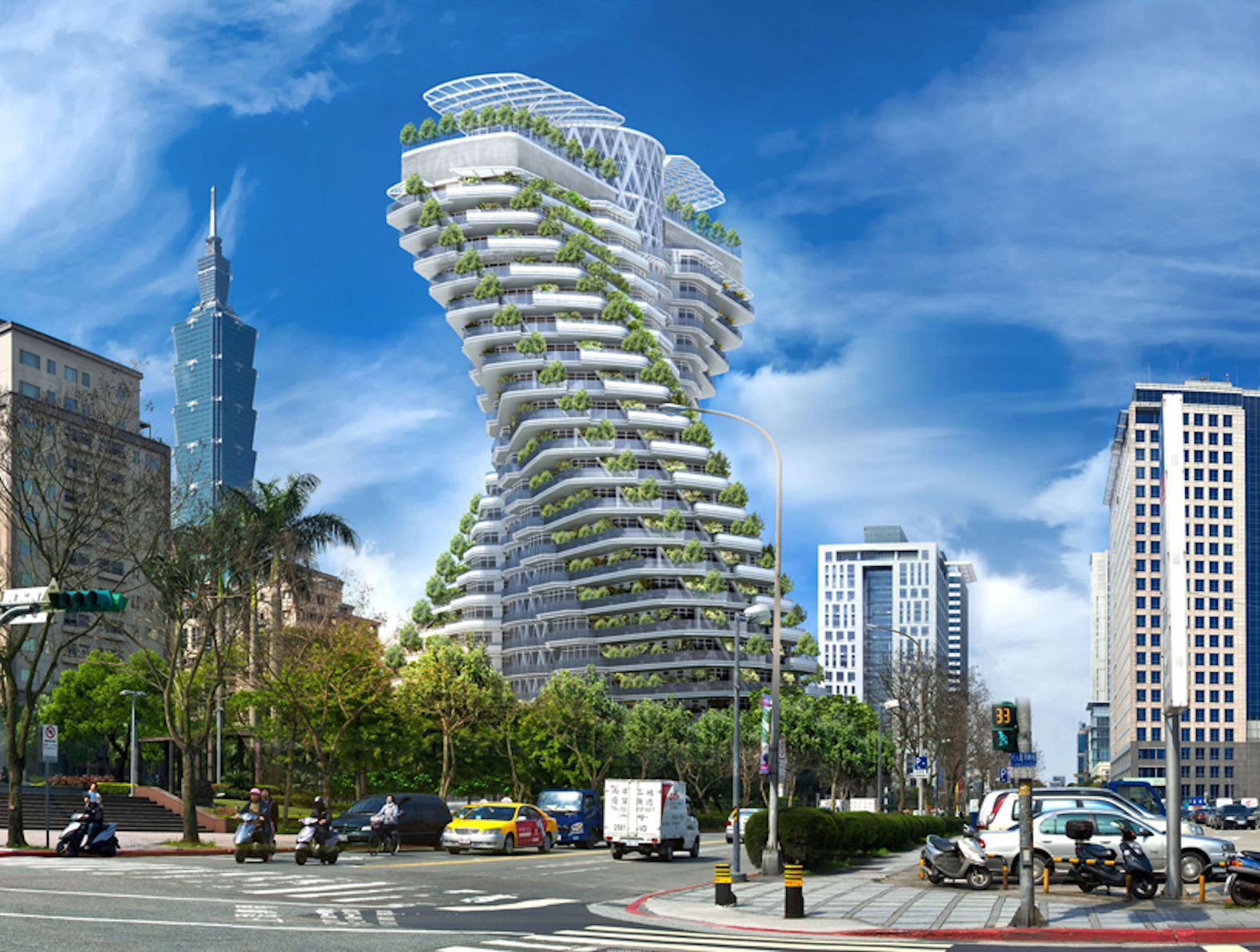
The article details the evolving landscape of green building and sustainable design, highlighting various innovations that are driving eco-friendly architecture. A central theme is the growing emphasis on sustainability in construction and design, driven by the need to address climate change. Green building practices extend beyond energy efficiency to encompass broader environmental impact reduction and the promotion of healthier futures.
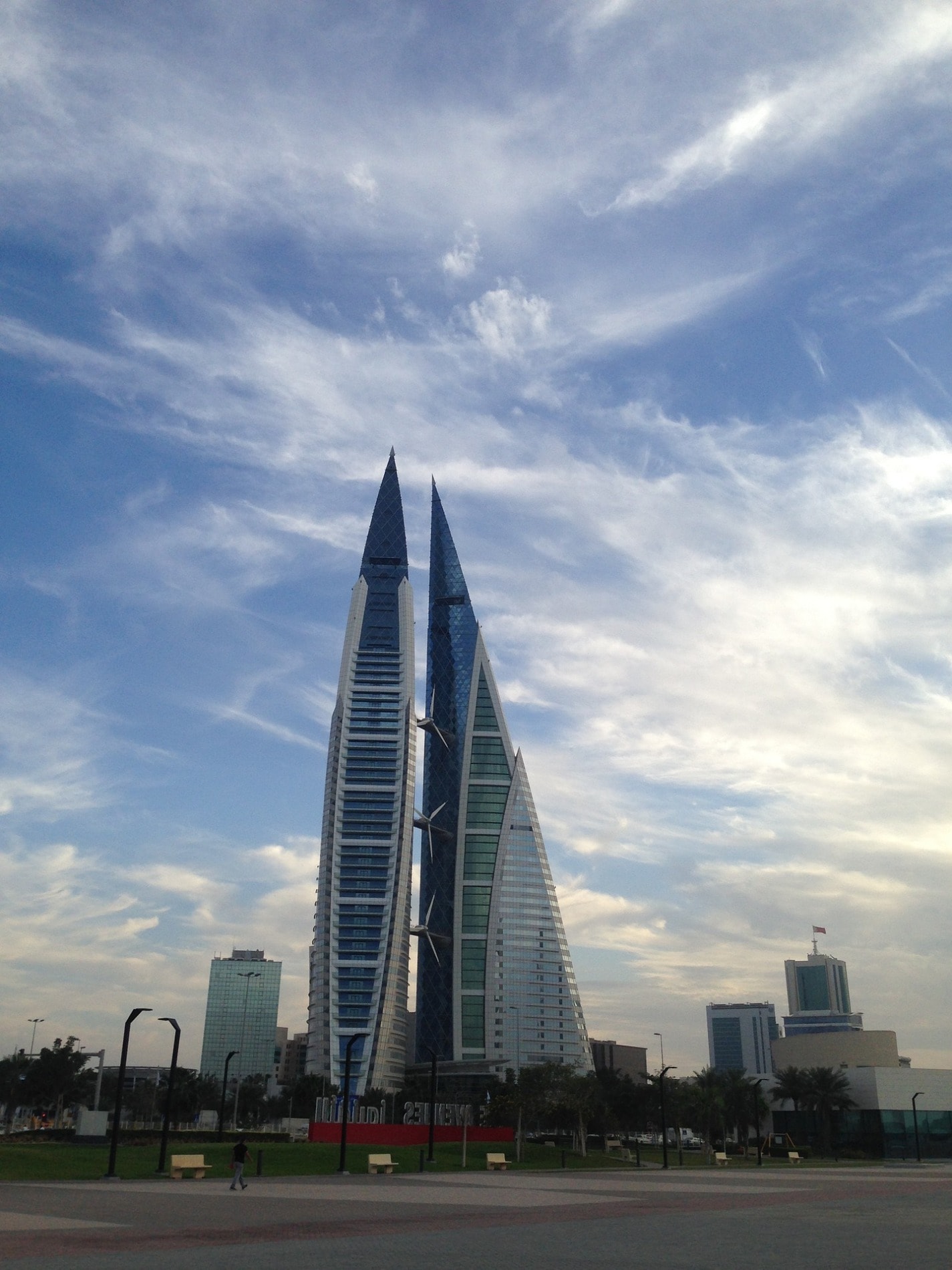
One significant trend is the increased adoption of renewable energy sources, particularly solar and wind power, integrated into residential, commercial, and industrial buildings. This includes solar roofs, power generation systems, and energy storage solutions like batteries to ensure continuous renewable energy supply, even when natural conditions are not optimal. The advancements in solar and wind technologies, coupled with their increasing affordability, are making these solutions more widespread.
Smart building technologies and automation are revolutionizing energy management. Automation systems optimize energy use by adjusting lighting, heating, cooling, and ventilation based on real-time data, thus maximizing efficiency. Smart thermostats, for example, learn and adapt to temperature preferences, reducing energy consumption. Building management systems (BMS) offer remote monitoring and control, while integrated smart sensors and IoT devices provide detailed data on energy consumption, air quality, and water usage, leading to significant energy savings.
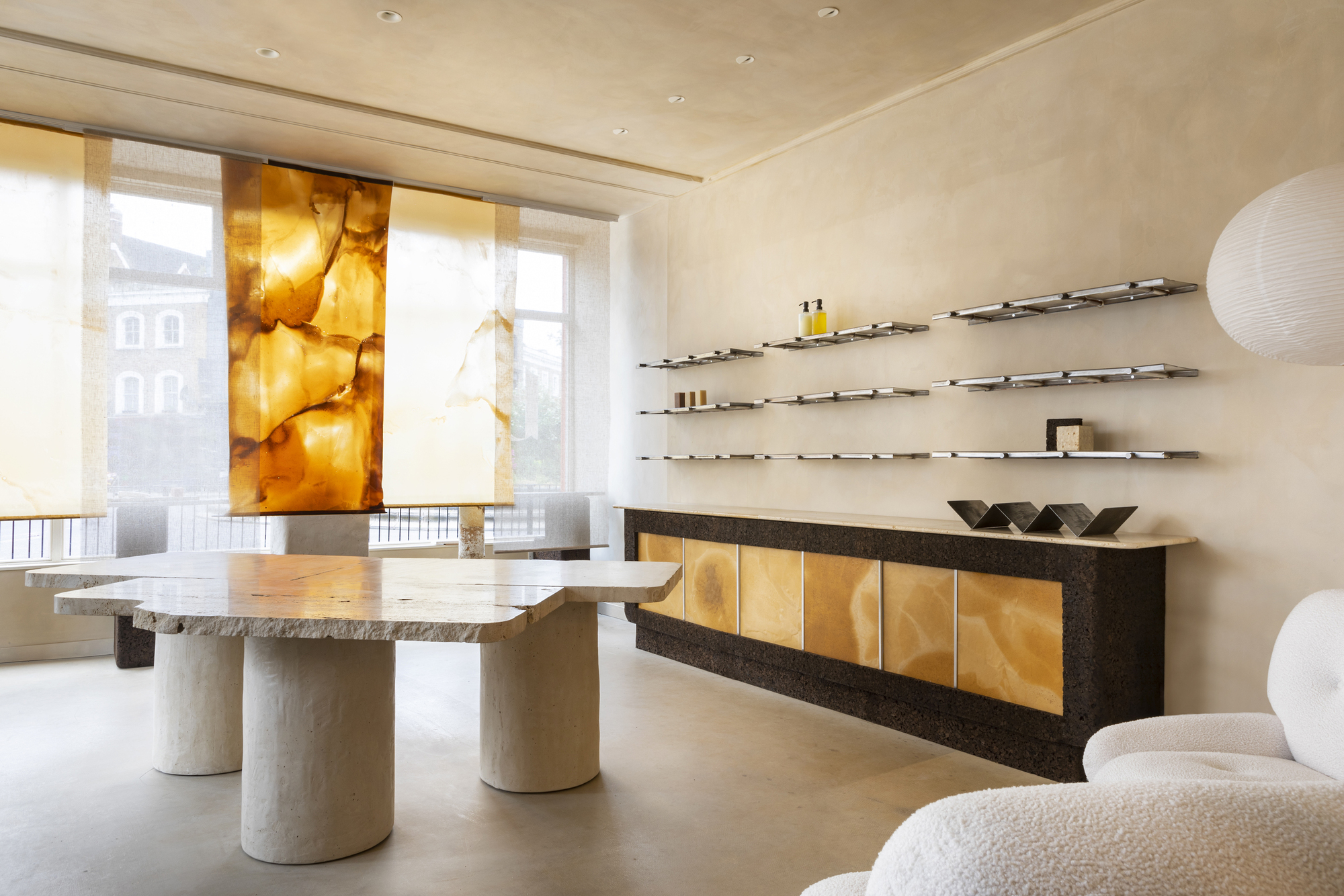
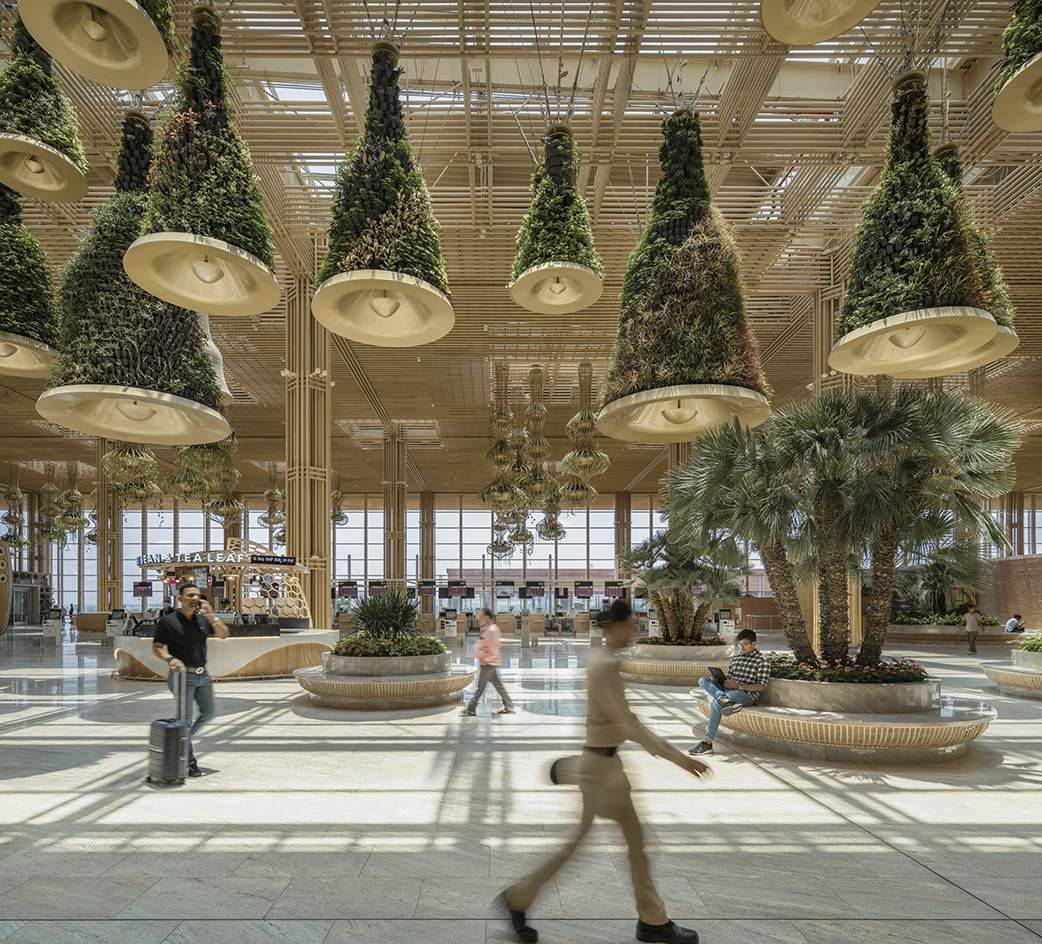
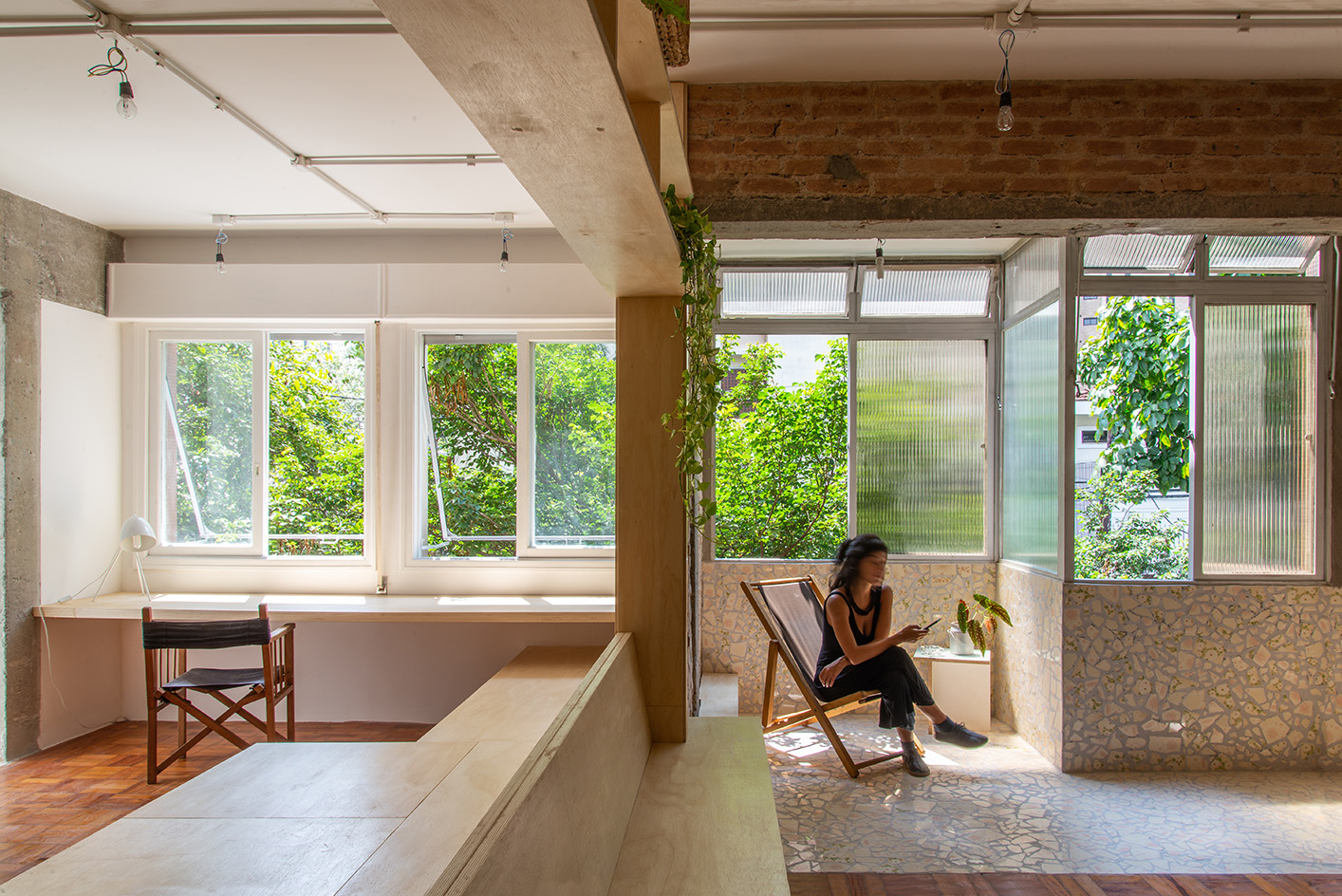
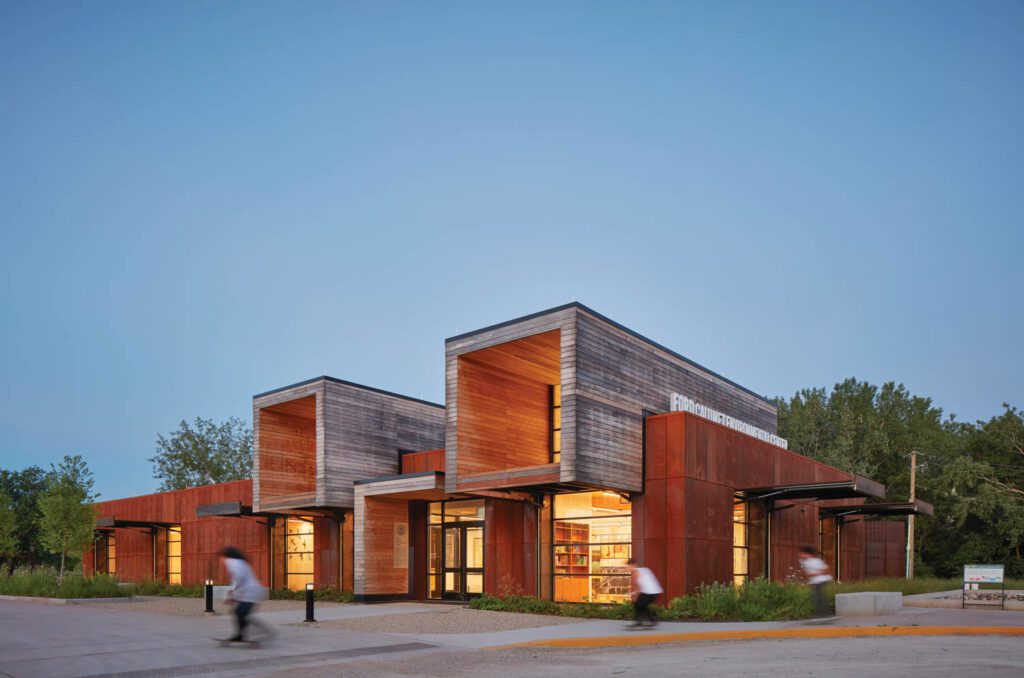
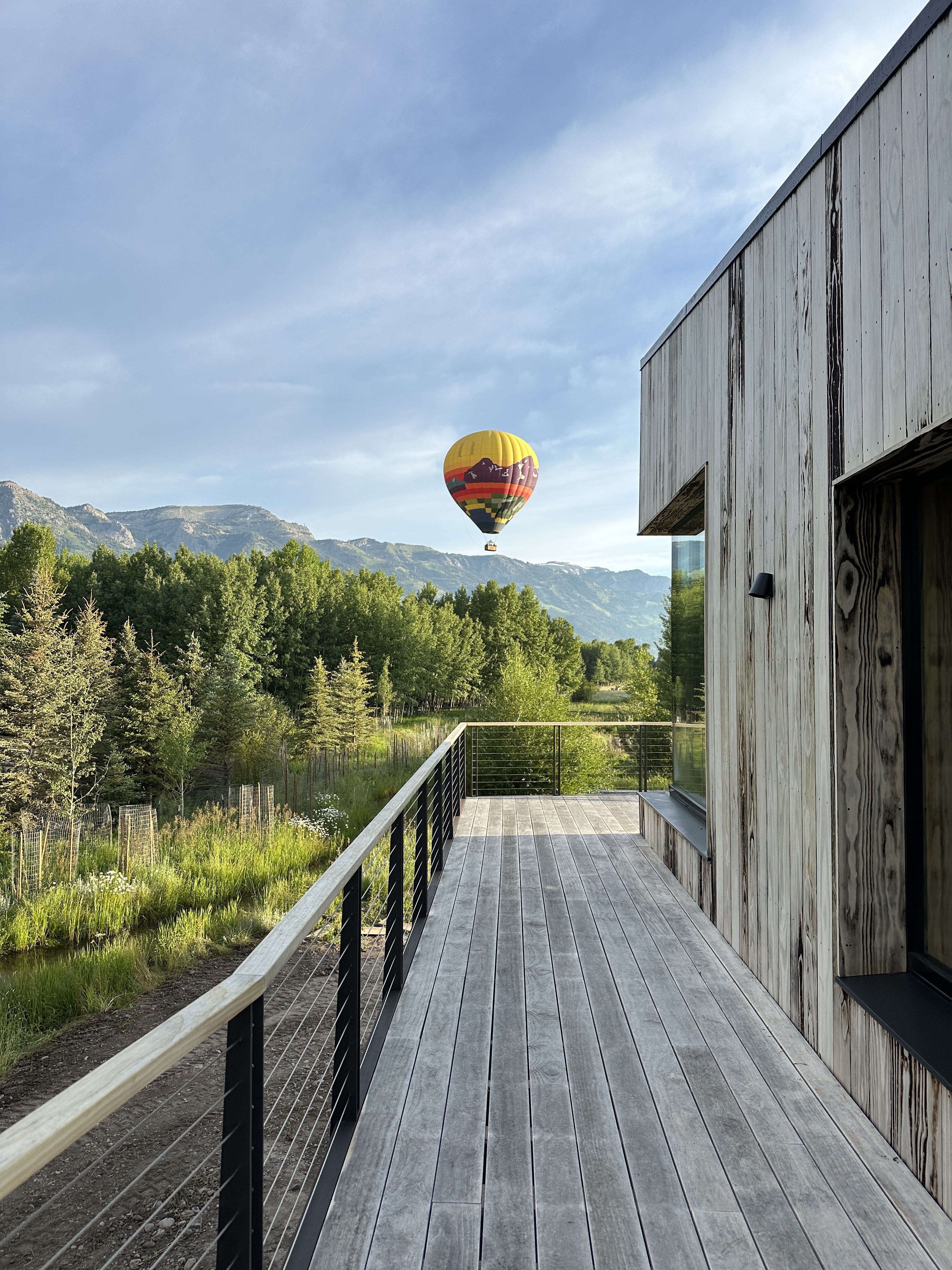
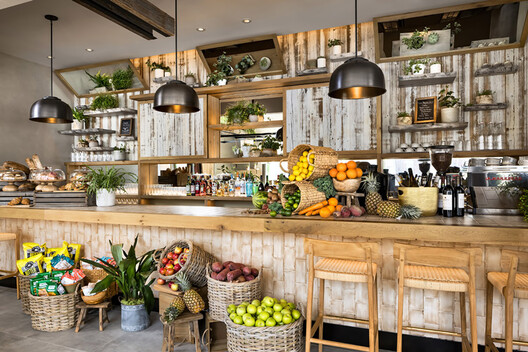
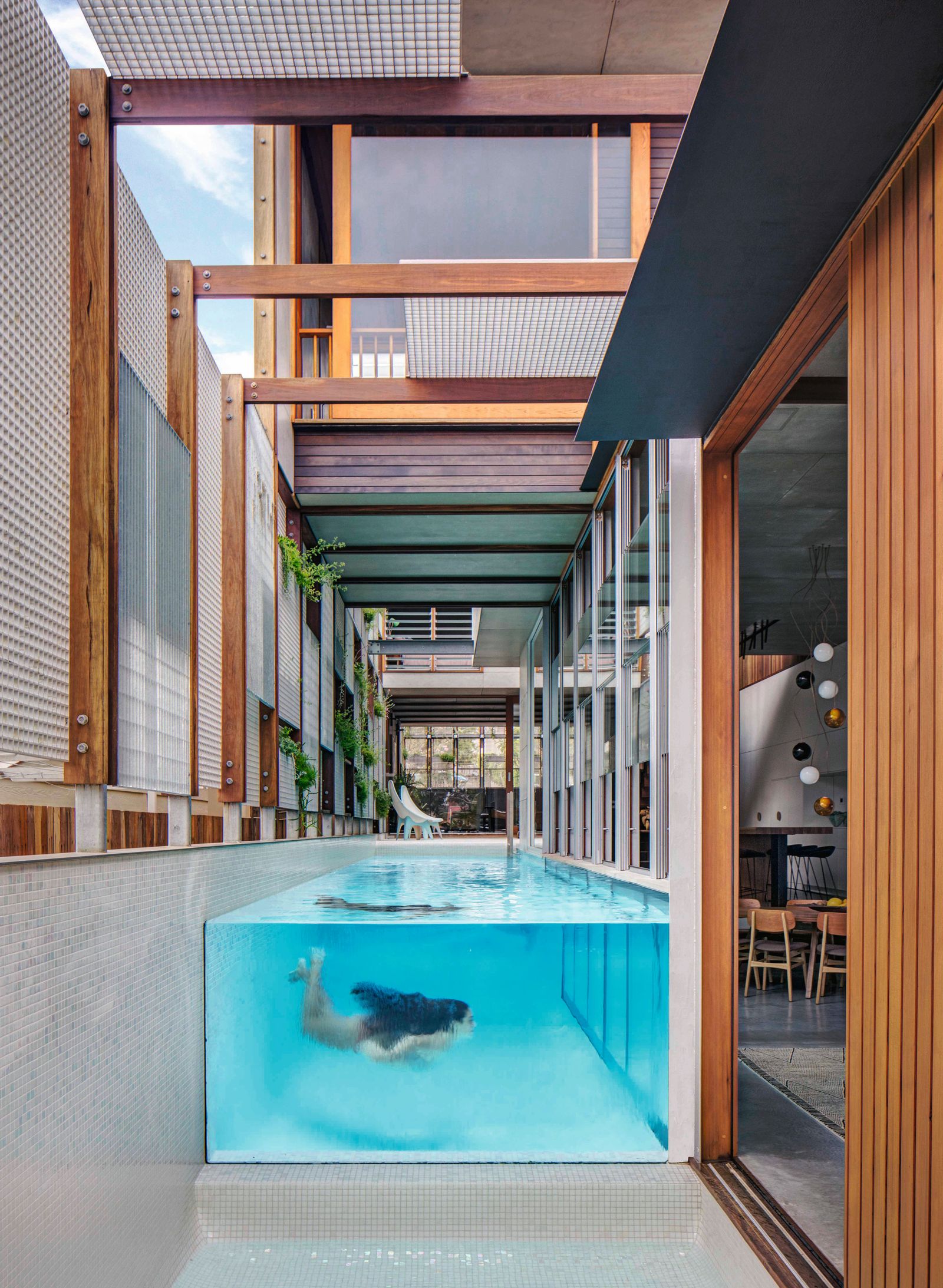
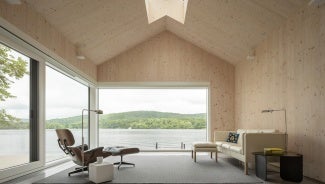
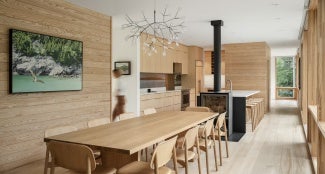
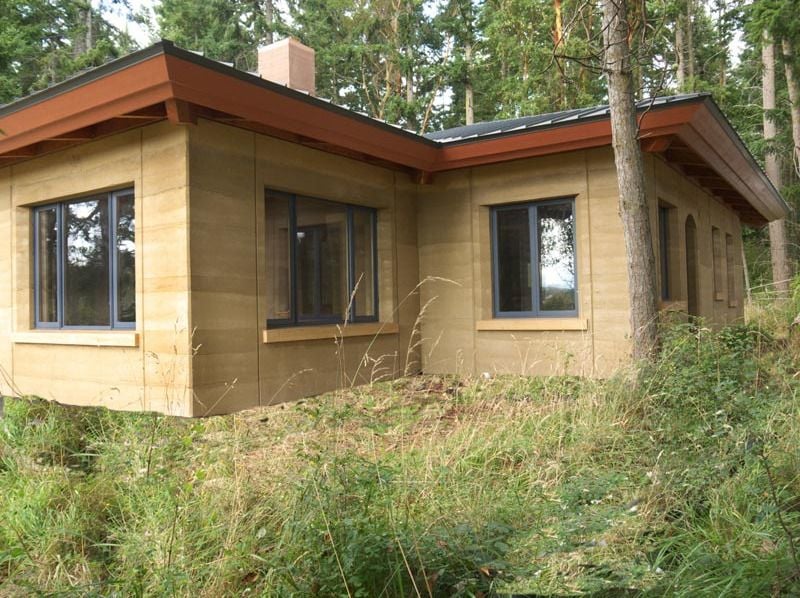
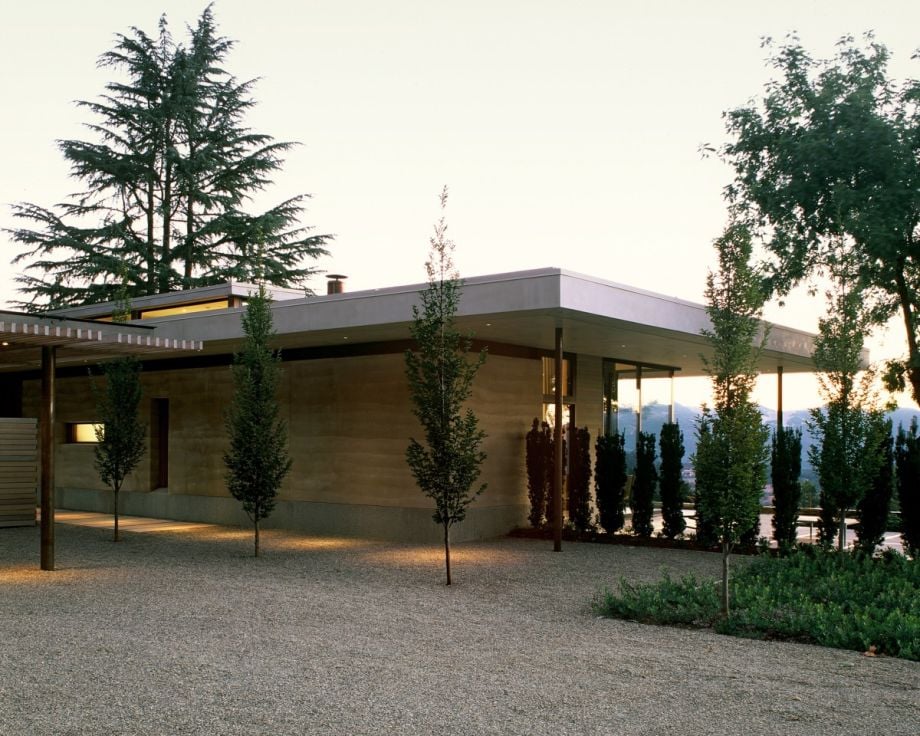
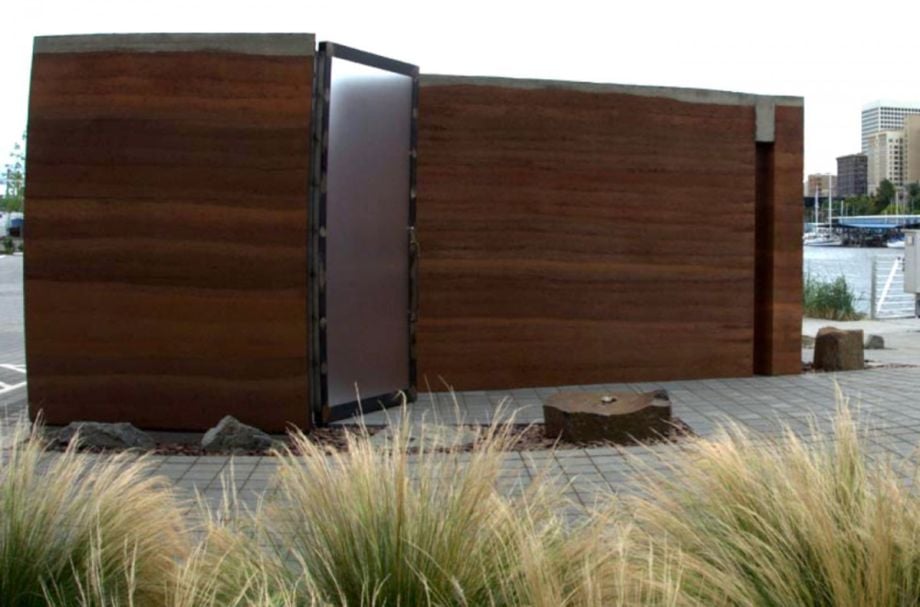
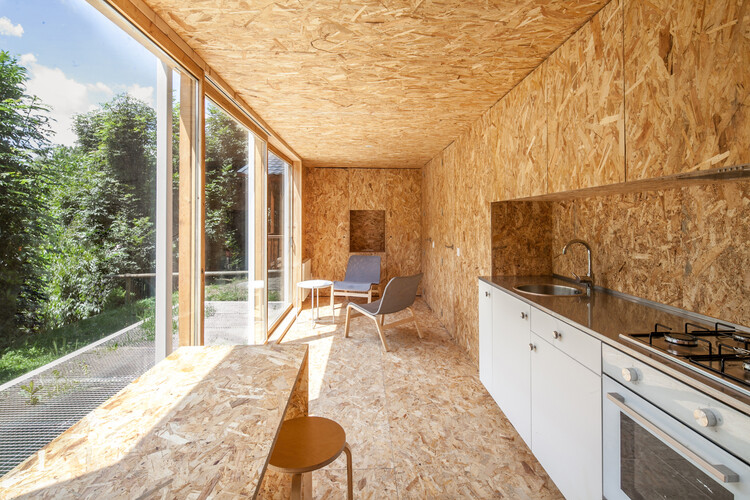
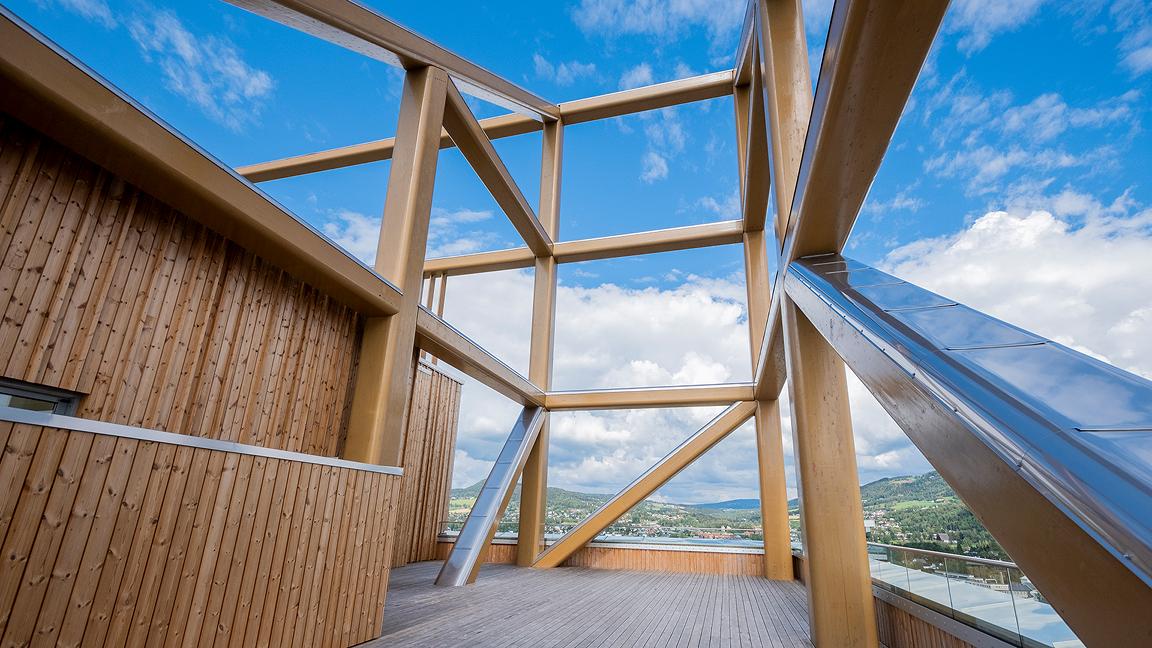
Sustainable building materials are a crucial component, with a notable shift towards eco-friendly, locally sourced, and recycled options such as reclaimed wood, recycled steel, and low-carbon concrete. These materials reduce the environmental impact of construction and conserve natural resources. Biophilic design, which incorporates natural materials like wood, stone, and bamboo, not only enhances sustainability but also improves occupant well-being by fostering a connection to nature. Waste reduction during construction further reinforces sustainable building practices.
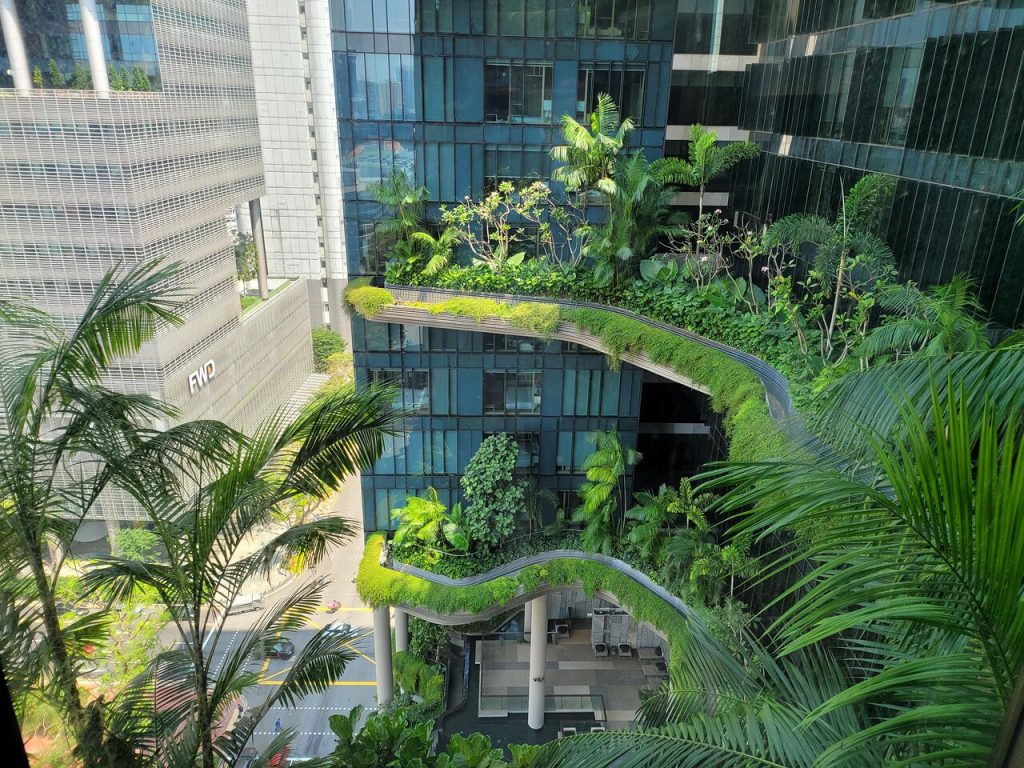
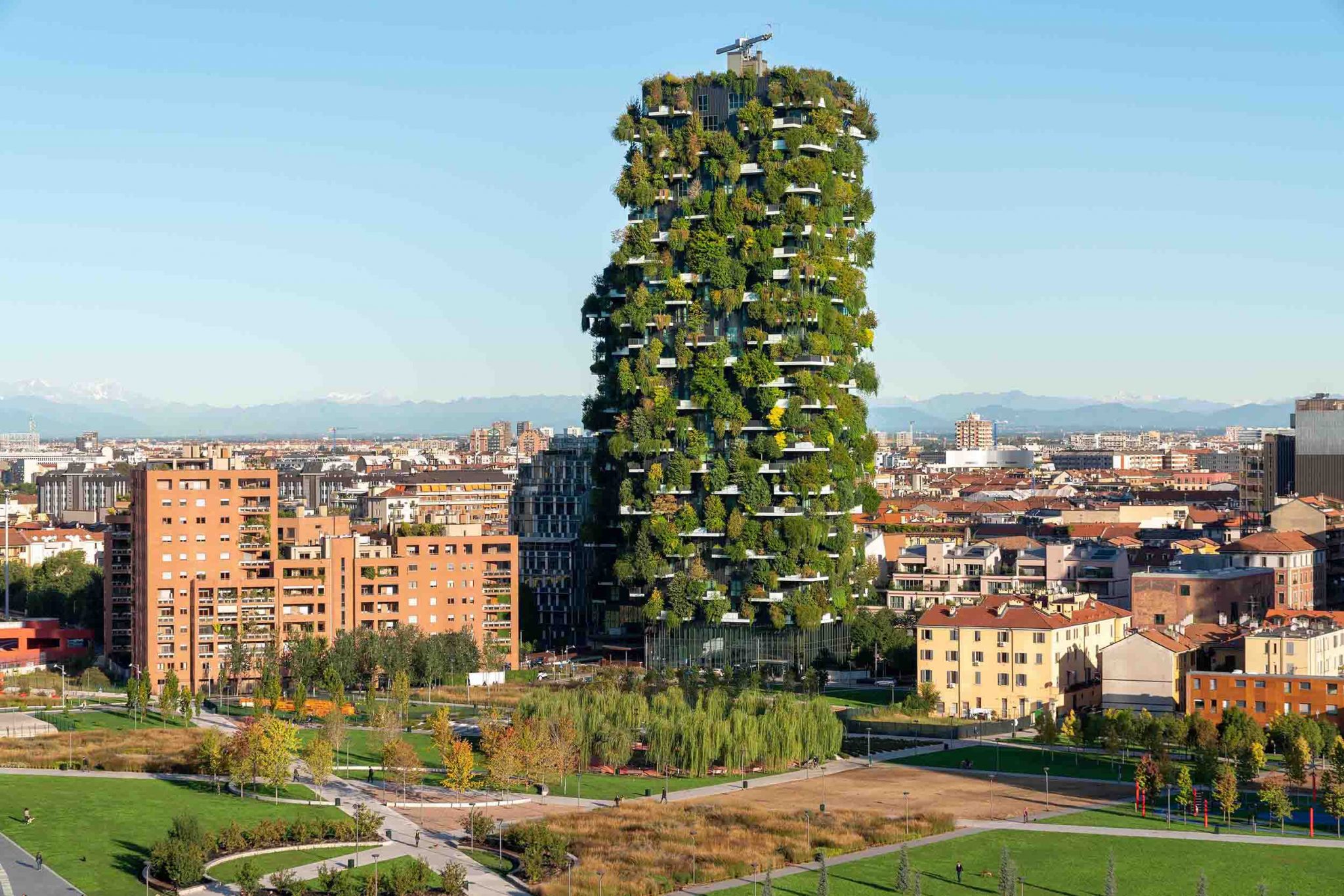
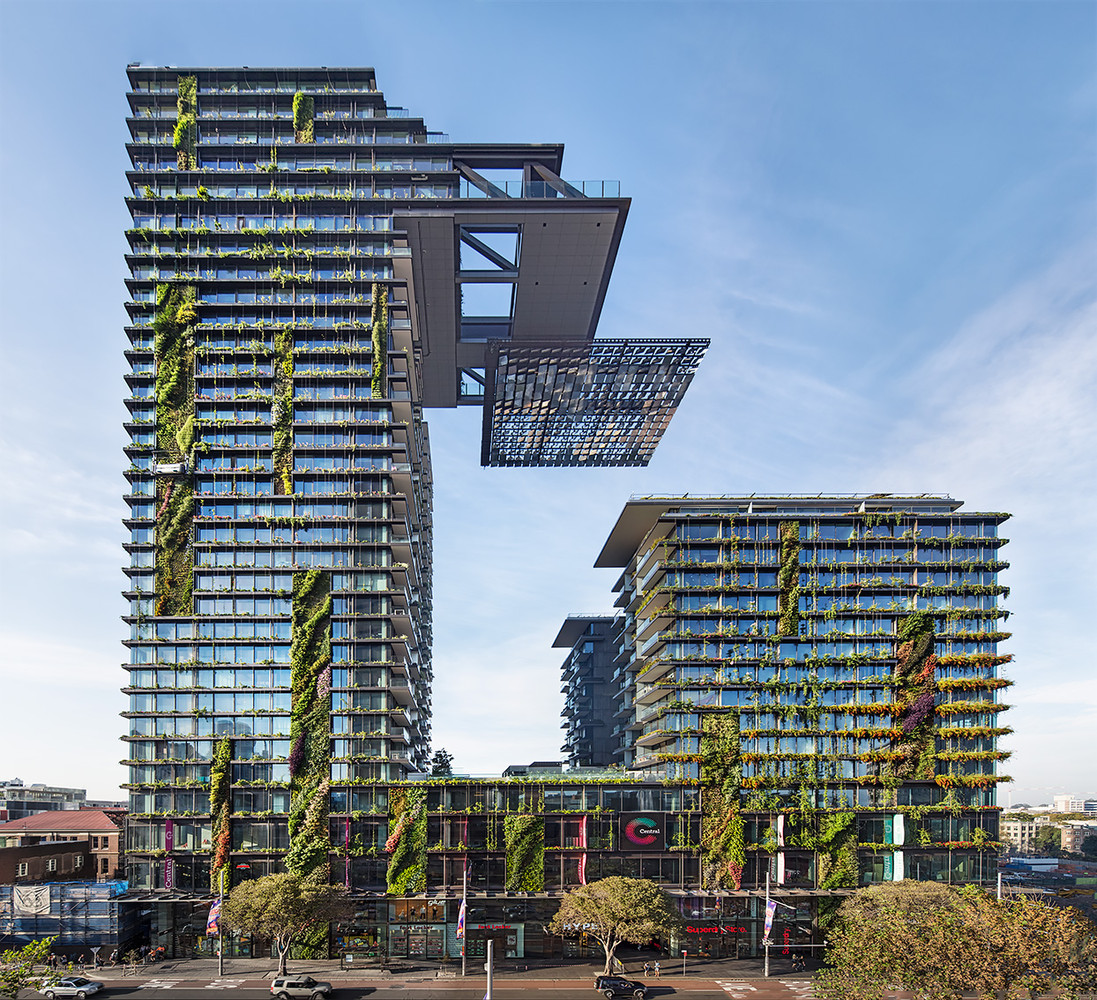
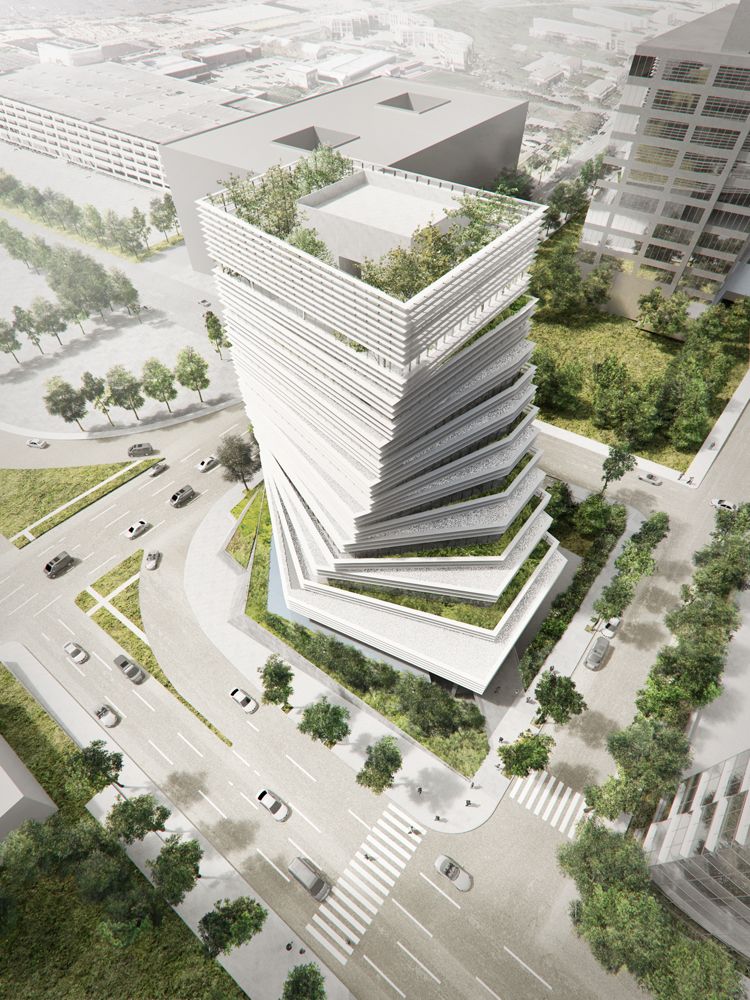
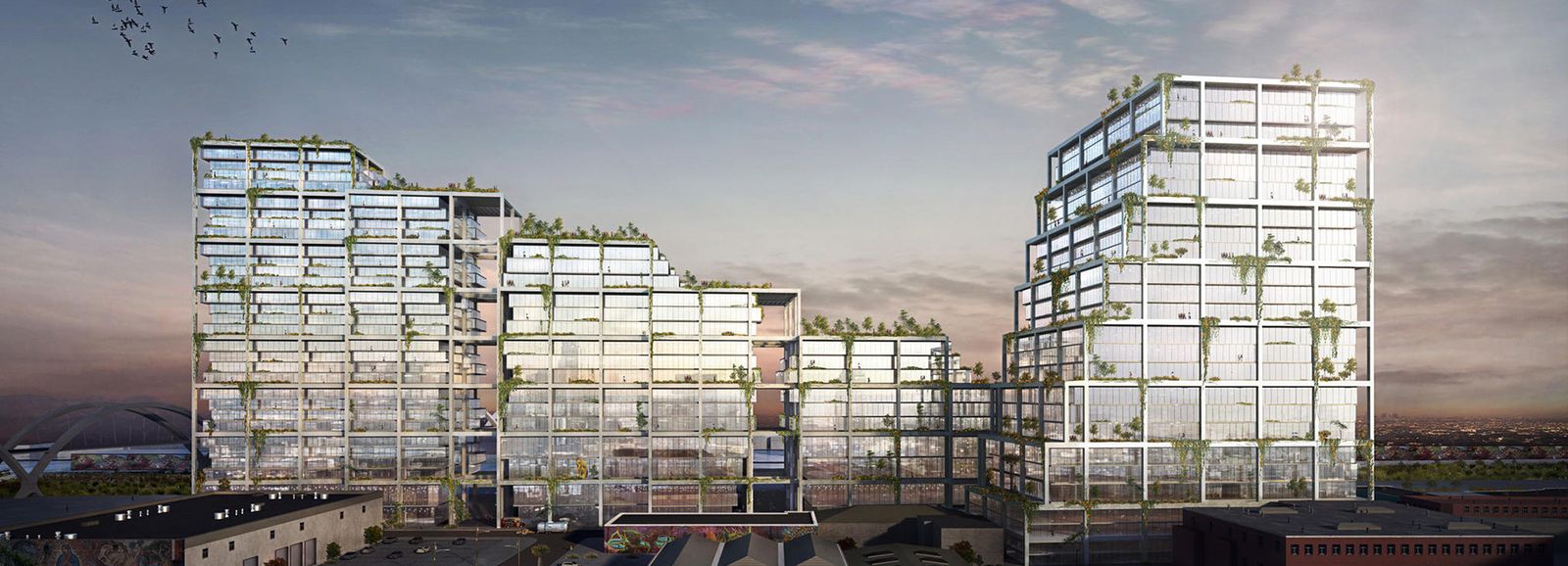
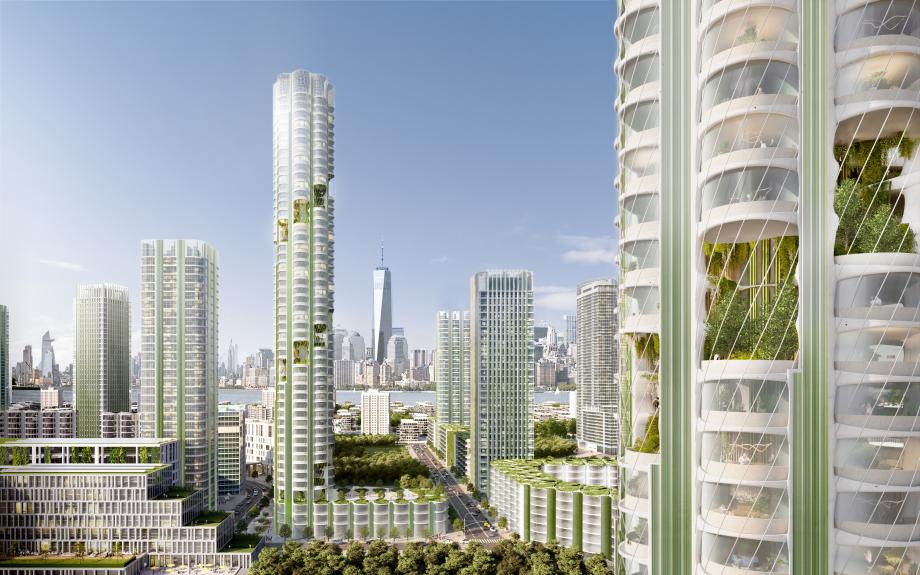
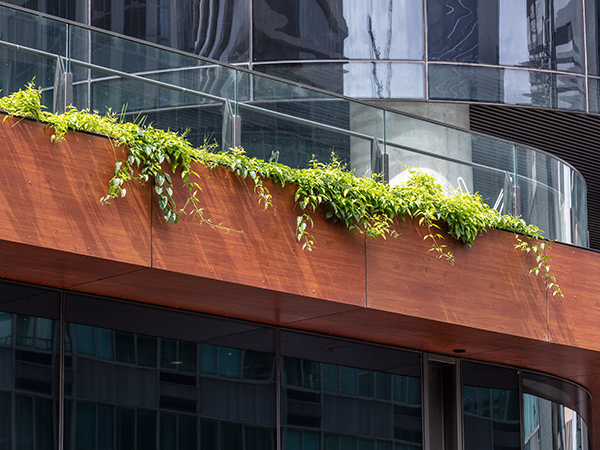
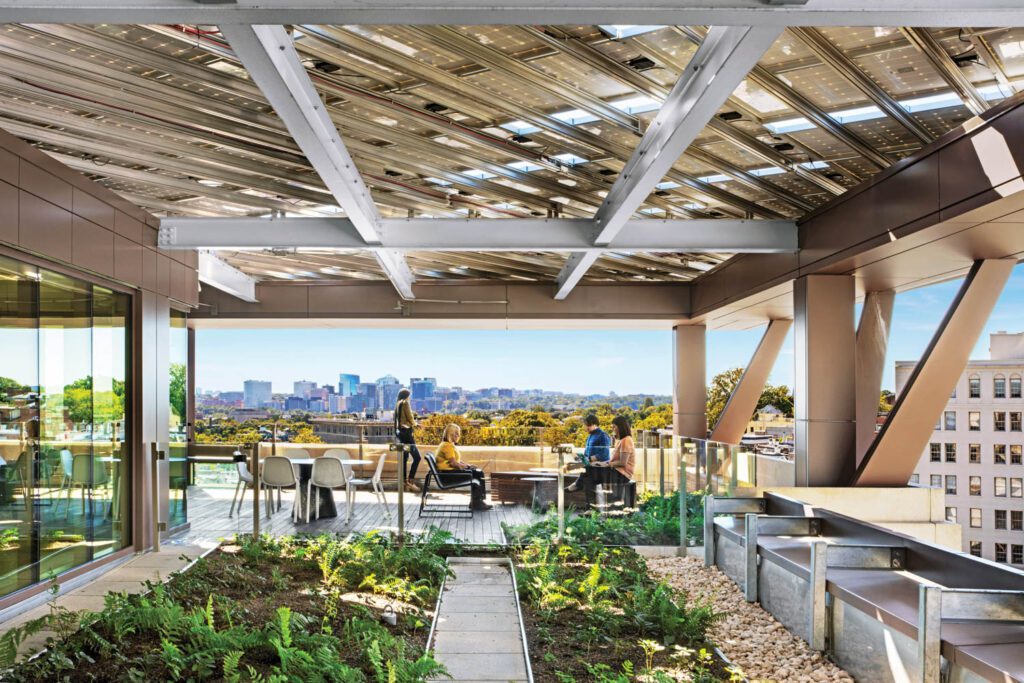
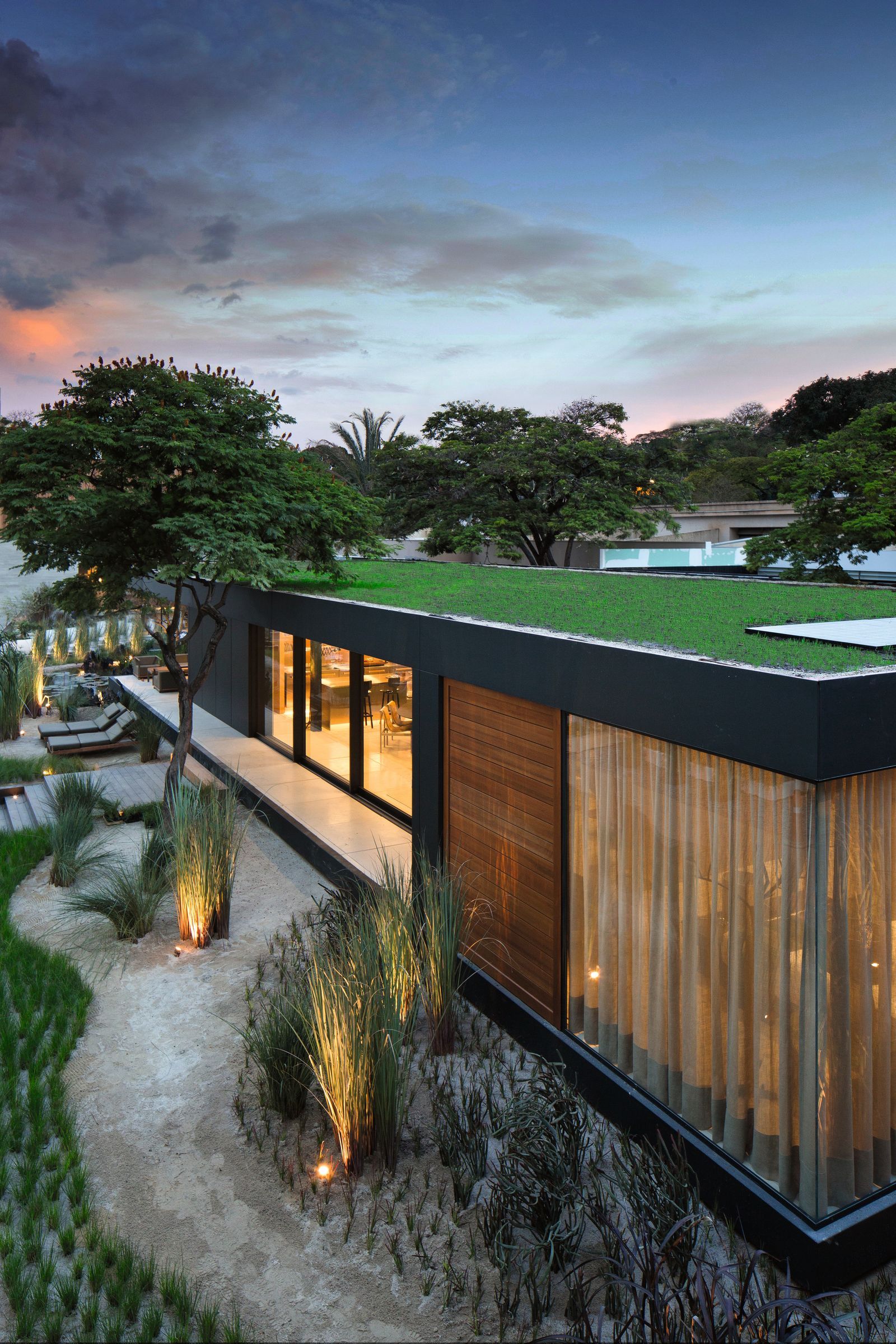
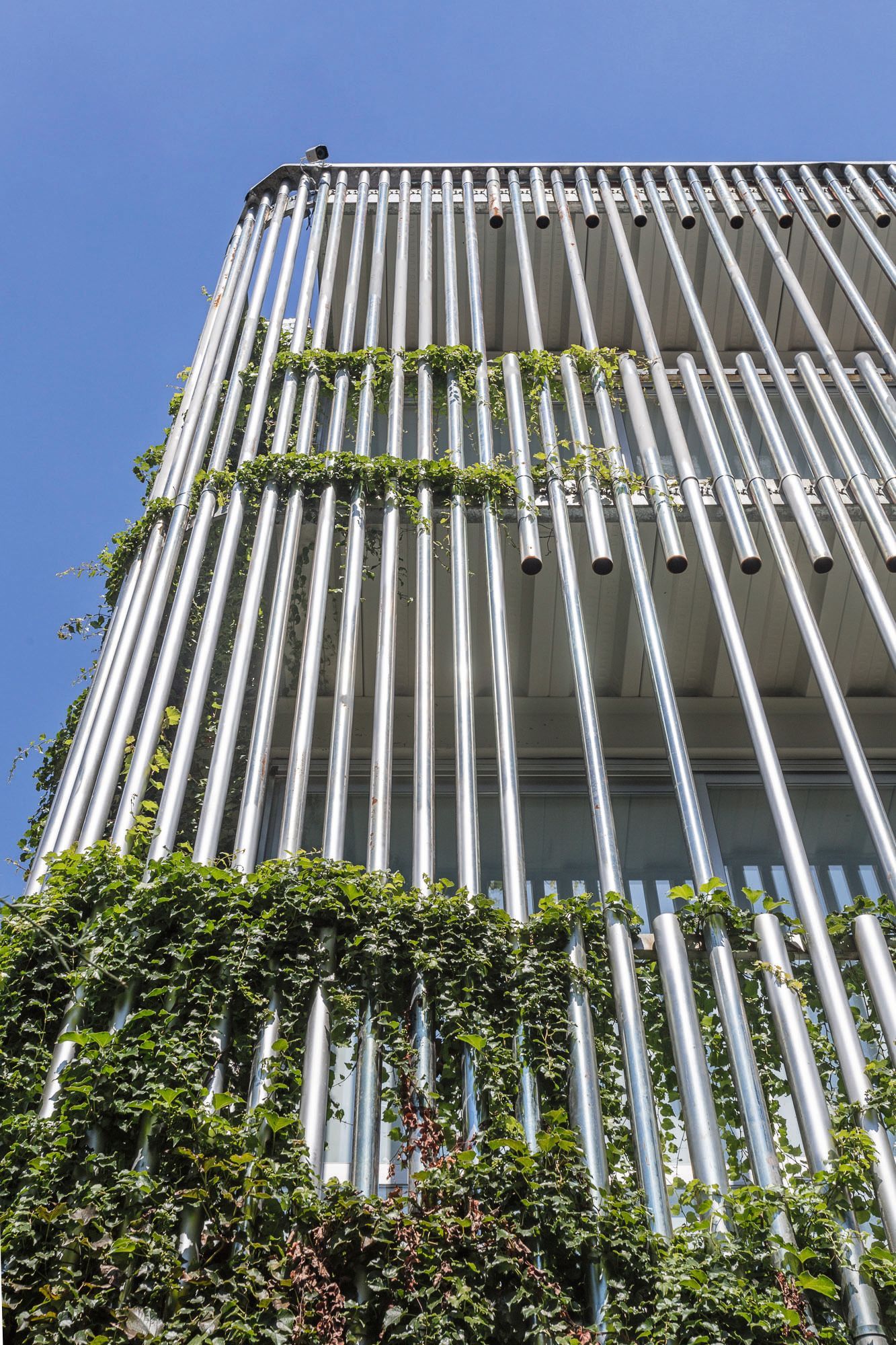
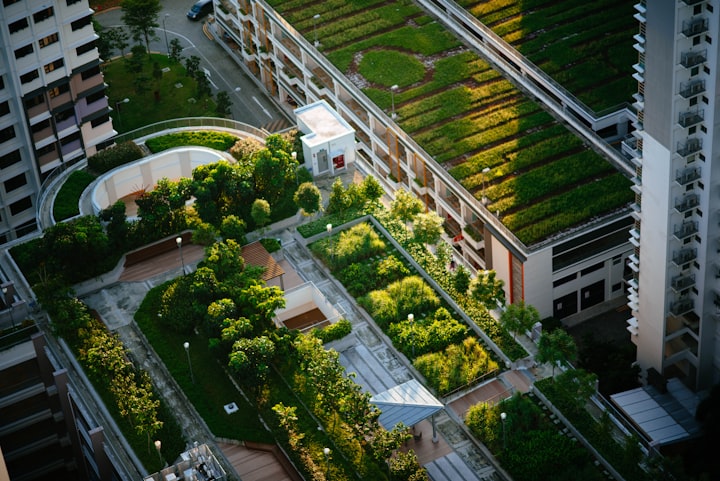
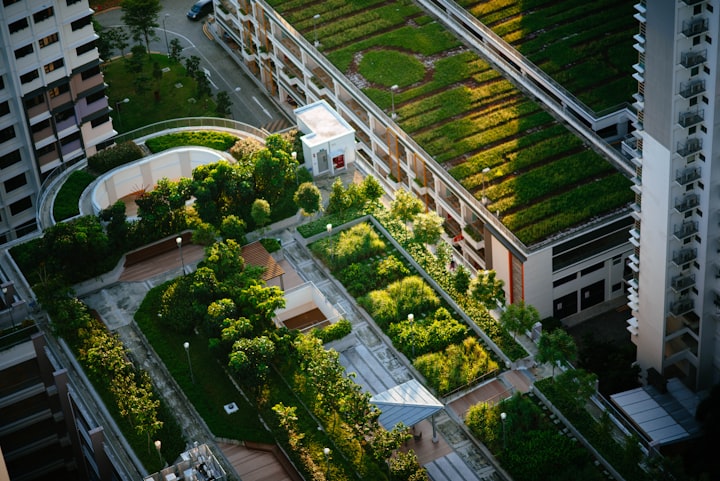
Water conservation and efficiency are critical focuses, especially given global water scarcity. Modern green buildings commonly feature low-flow fixtures and implement rainwater harvesting systems for irrigation and non-potable uses. Greywater systems, which recycle water from sinks and showers, are also gaining traction. Additionally, drought-resistant and native plant landscaping contribute to reducing a building's overall water footprint. Green roofs and urban agriculture represent another innovative trend, offering benefits such as temperature regulation, improved air quality, and local food production through rooftop gardens and vertical farming. These initiatives support healthier, more resilient urban communities and reduce food transportation-related carbon footprints.
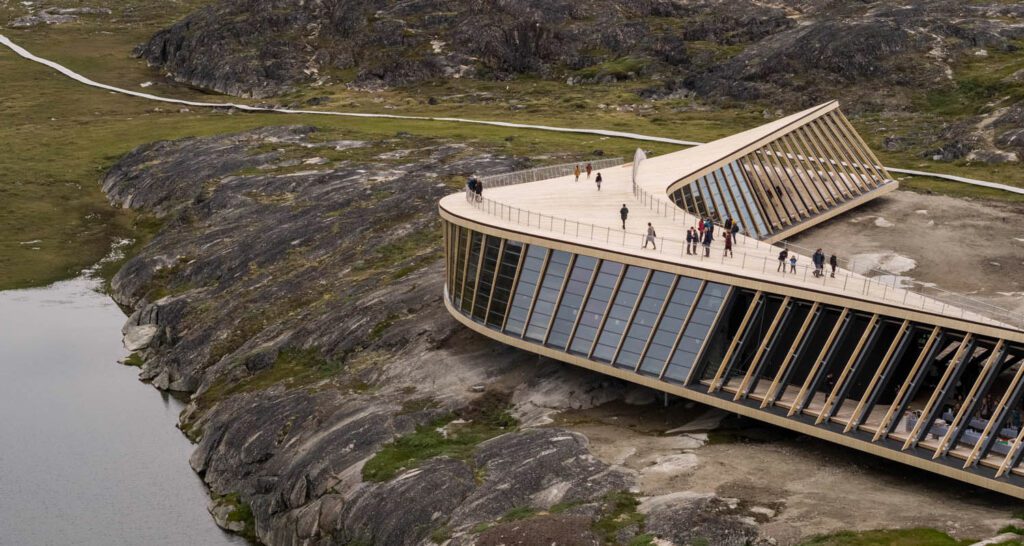
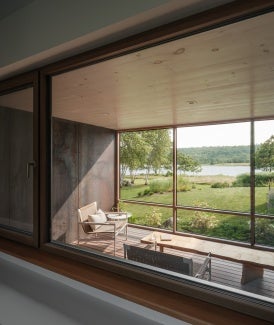
The circular economy principles are increasingly applied in sustainable design, moving away from a 'take, make, dispose' model. This involves designing buildings for deconstruction, allowing materials to be easily disassembled and reused. The use of recycled and upcycled materials is expanding, and buildings are being designed for adaptability, enabling spaces to be repurposed rather than demolished. Sustainable site development focuses on minimizing environmental impact by blending buildings with natural surroundings, preserving habitats, and using permeable materials for stormwater management. Strategic site selection near public transportation promotes walkability and reduces reliance on cars, while overall strategies aim to minimize energy use, conserve natural resources, and preserve biodiversity. These integrated approaches are essential in shaping a more sustainable and efficient future for construction and environmental health.
#GreenBuilding #SustainableDesign #RenewableEnergy #SmartBuildingTechnology #EcoFriendlyMaterials #WaterConservation #UrbanAgriculture #CircularEconomy #ClimateChange #GreenBuilding #SustainableDesign #RenewableEnergy #SmartBuildingTechnology #EcoFriendlyMaterials #WaterConservation #UrbanAgriculture #CircularEconomy #ClimateChange
0 comment in total
 No comments yet
You may also like
Top 10 Examples of Most Sustainable Architecture in 2025

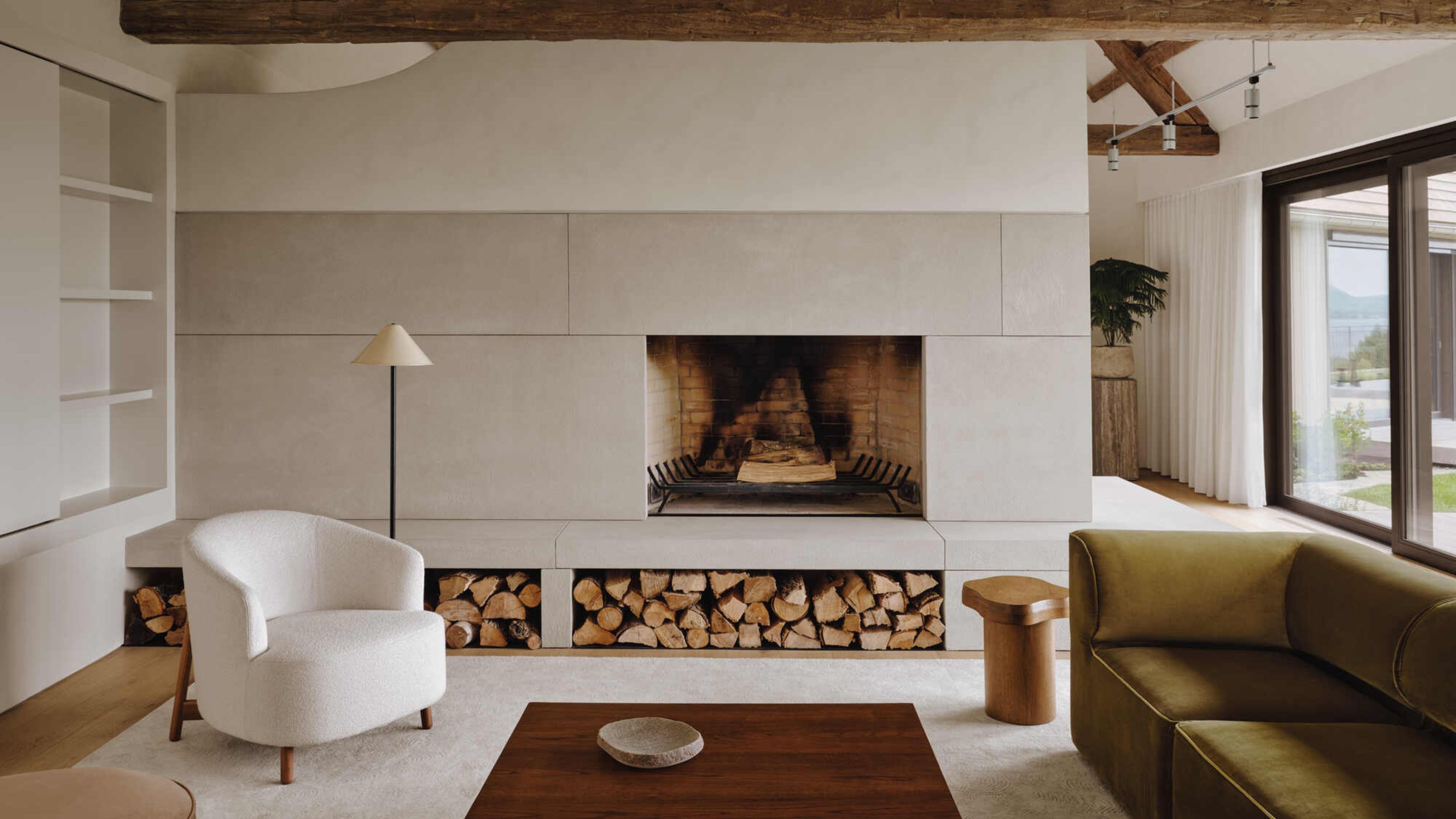
What Sustainable Interior Design Really Means in 2025 — And Why It’s No Longer Just About the Materials

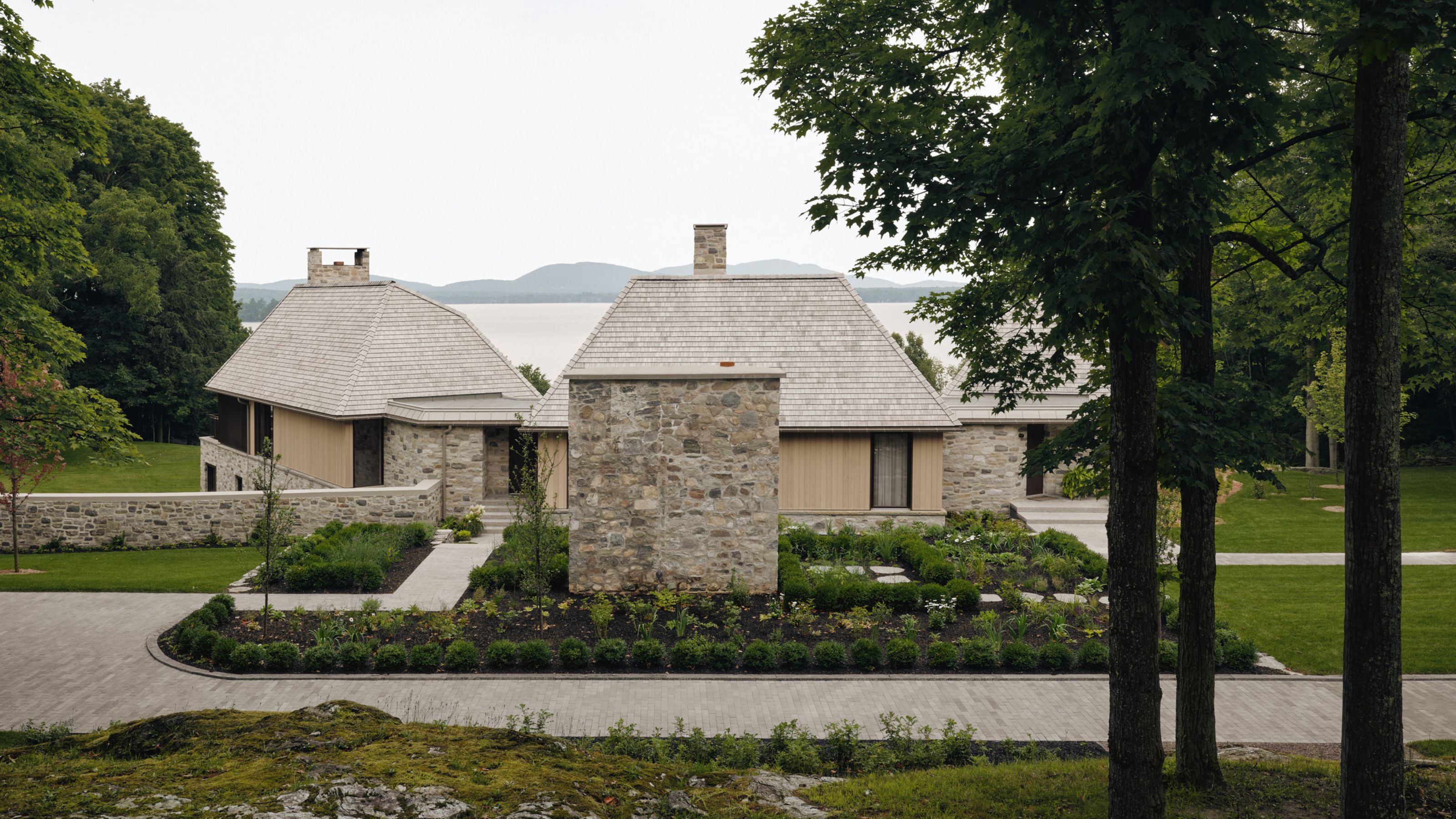
10 Sustainable Homes That Prove Interior Design Can Be Just as Easy on the Eye as It Is on the Earth
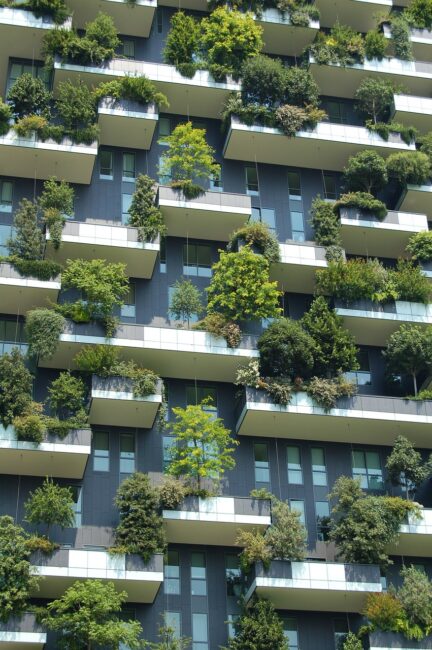
Home Builders Fighting Energy Efficiency

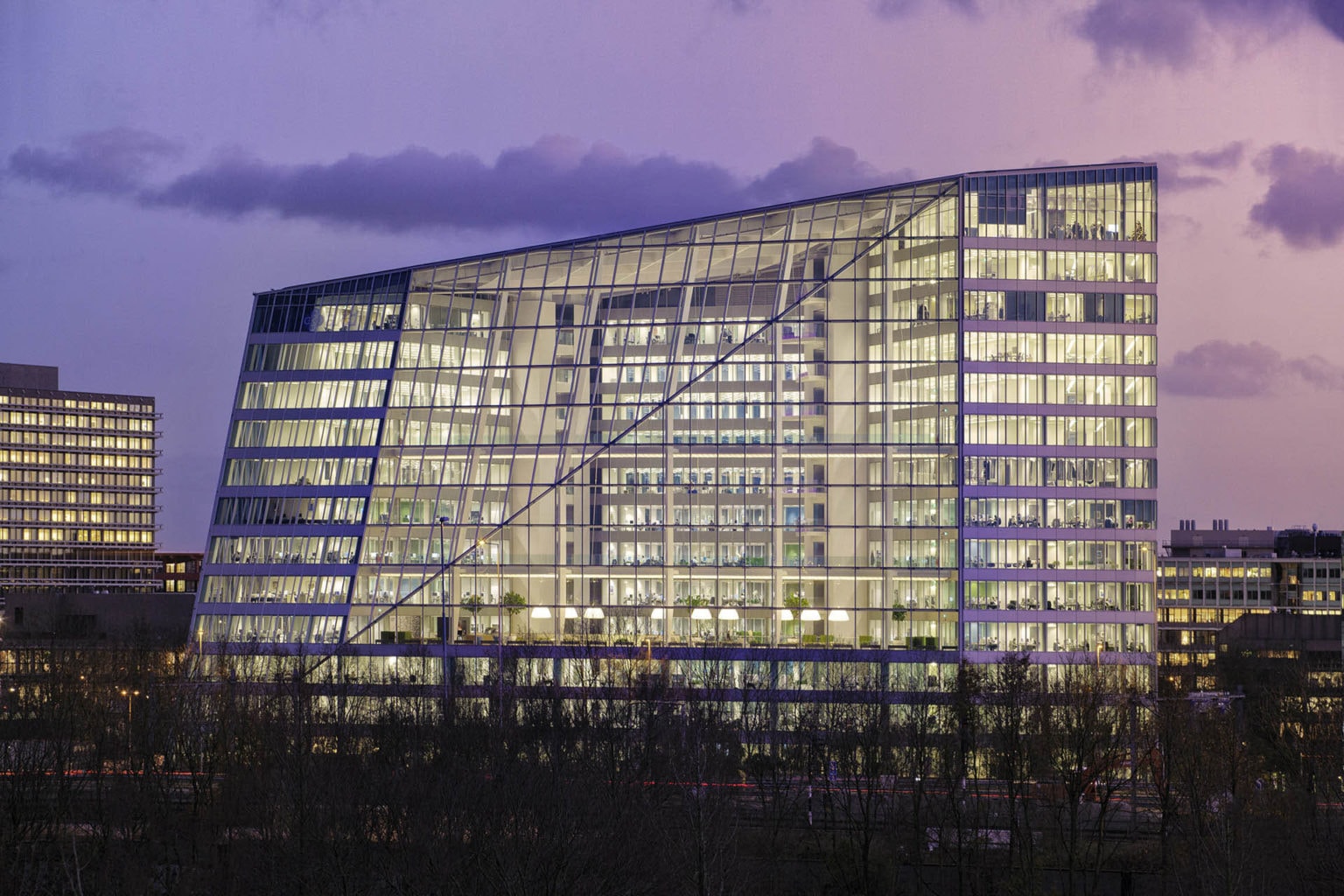
Sustainable Buildings: Pioneering a Green Revolution in Urban Design

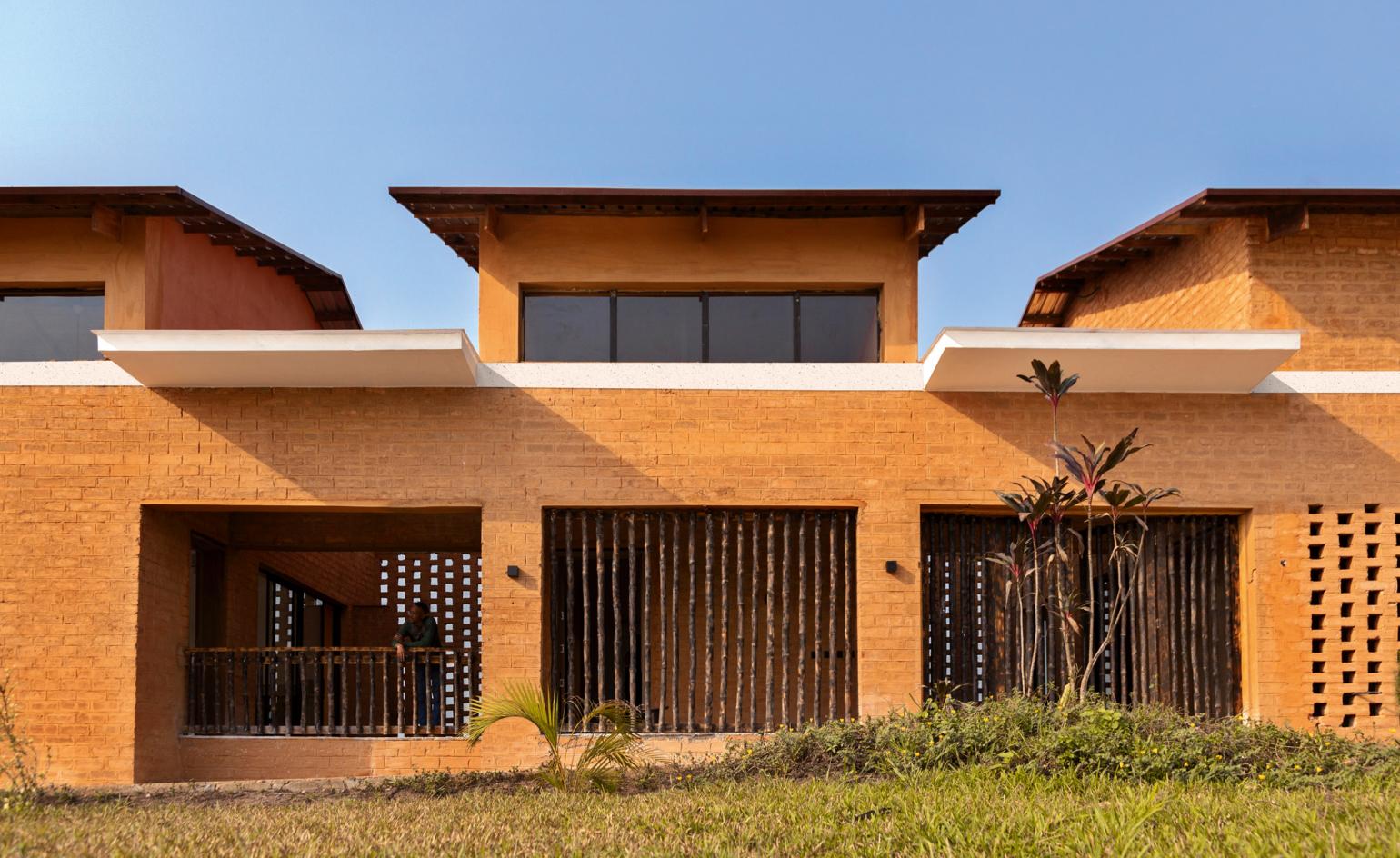
Sustainable architecture: 46 innovative and inspiring building designs

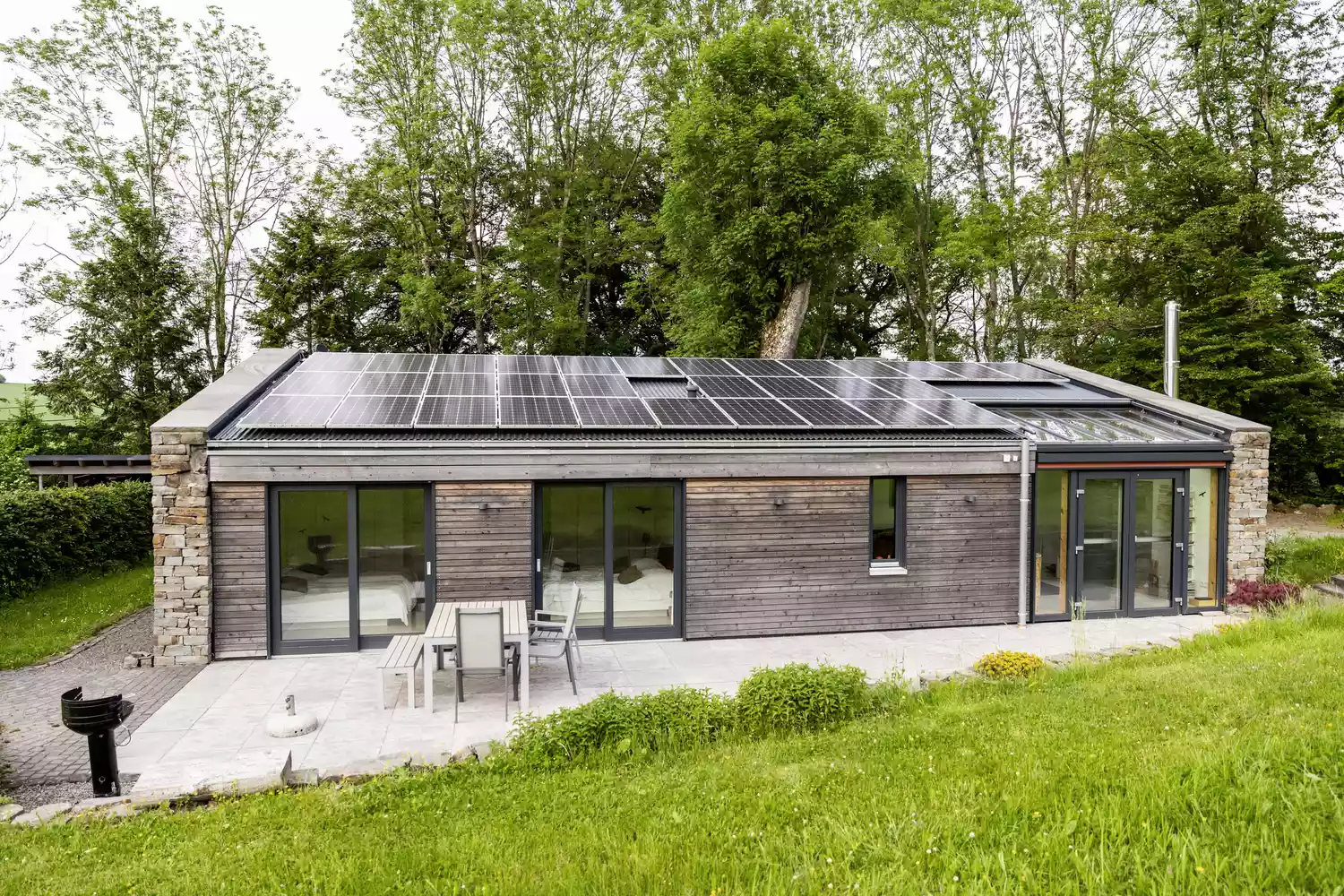
Want an Eco-Friendly Home? Everything You Should Know About Sustainable Architecture

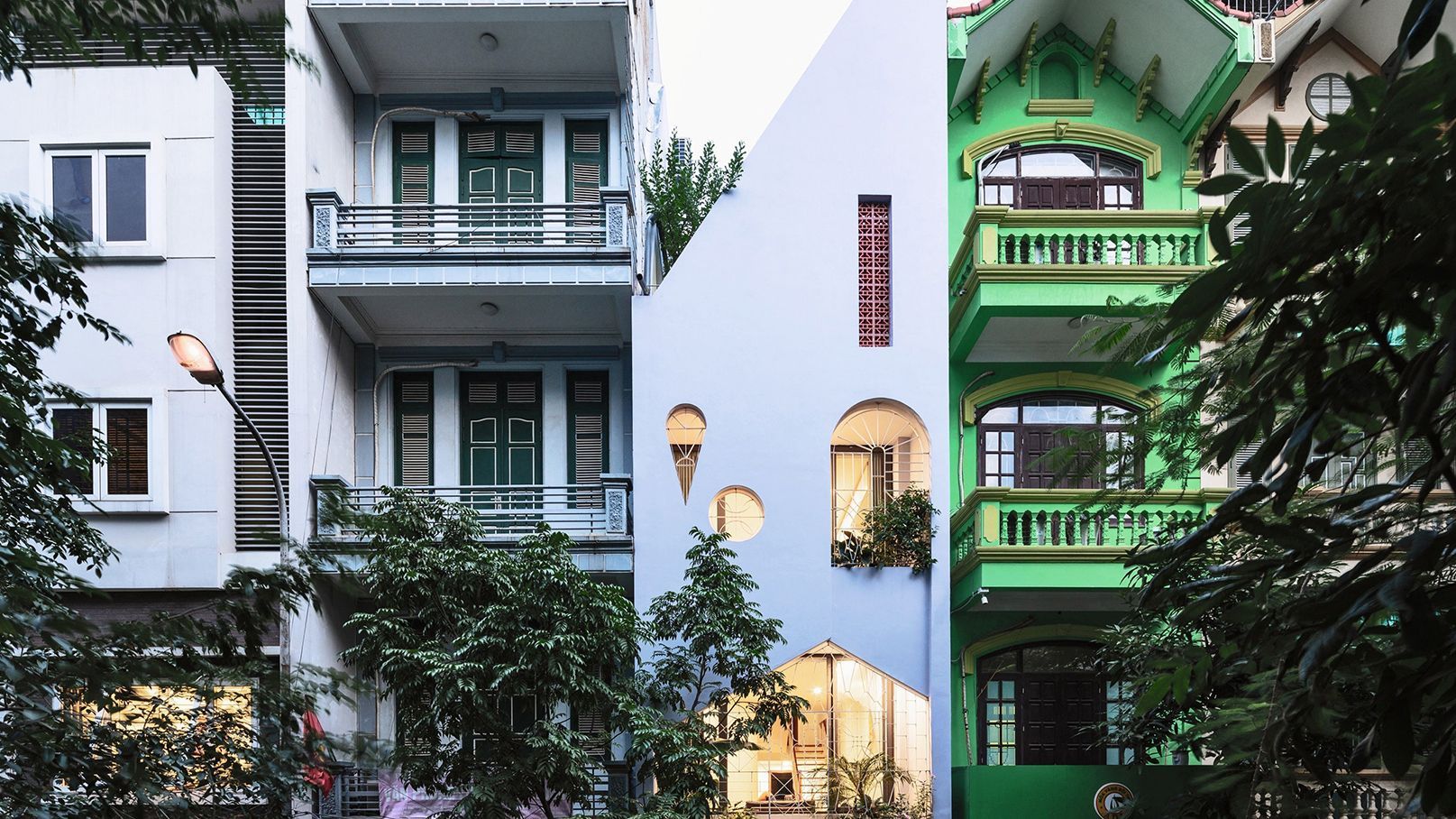
7 breathtaking sustainable homes around the world

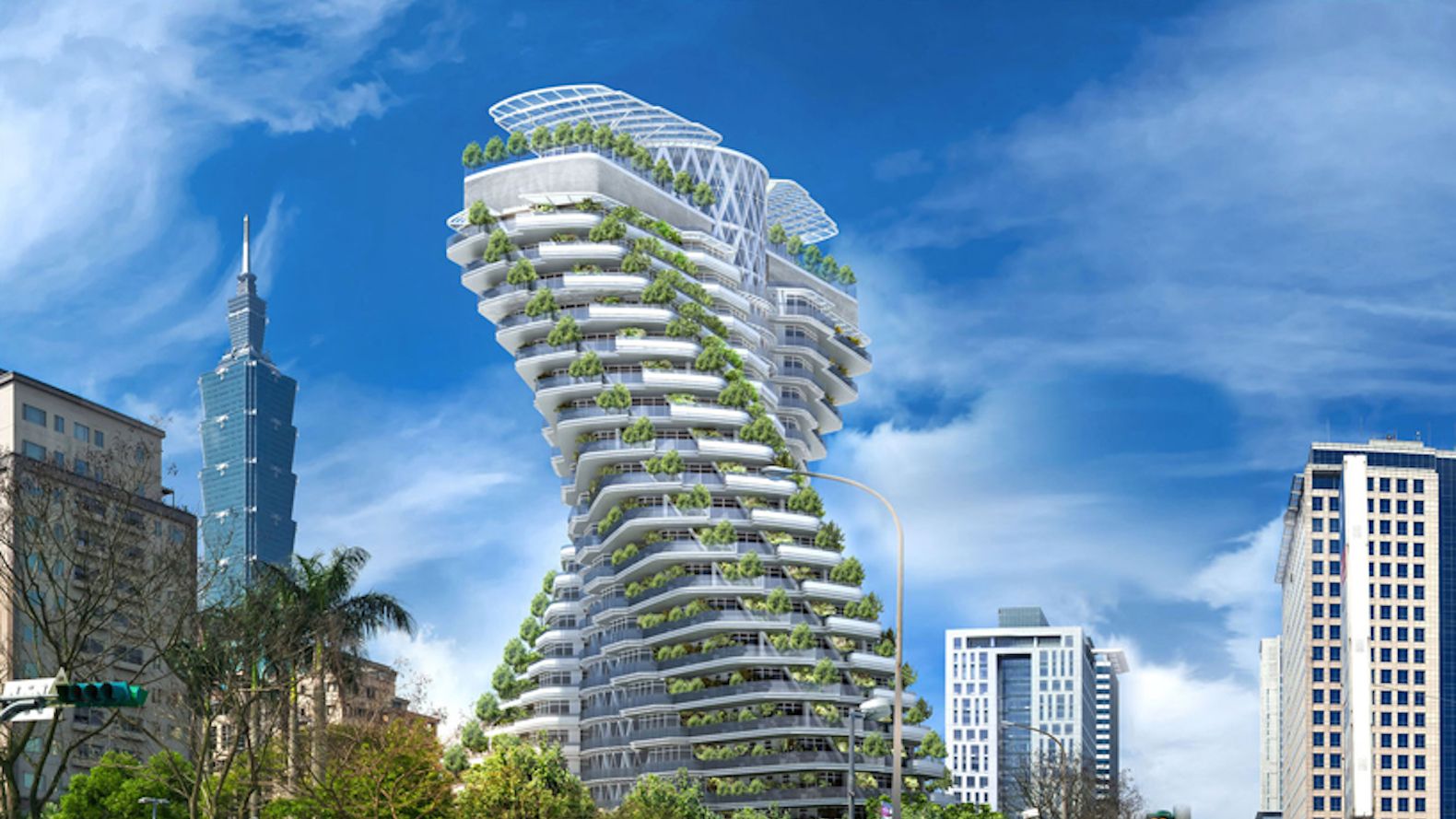
8 Remarkable Buildings That Use Trees as a Design Element

Innovations Driving Sustainable Building and Architecture Forward
From Prototype to Progress: How Small-Scale Sustainable Housing Models Are Shaping Our Future

How residential design offers opportunities for sustainability
Emerging Trends in Green Building and Sustainable Design
The latest and greatest innovations in sustainable building materials

What books inspire sustainable interior design?
Rammed Earth Fits Into Urban Architecture’s Sustainable Future
Application of bionic architecture in low-carbon design: a systematic review from nature inspiration to architectural practice
30 Sustainable Projects Leading the Way for Green Design

What Can Be Done to Make Interiors More Sustainable?
The future of sustainable building materials