Emerging Trends in Green Building and Sustainable Design
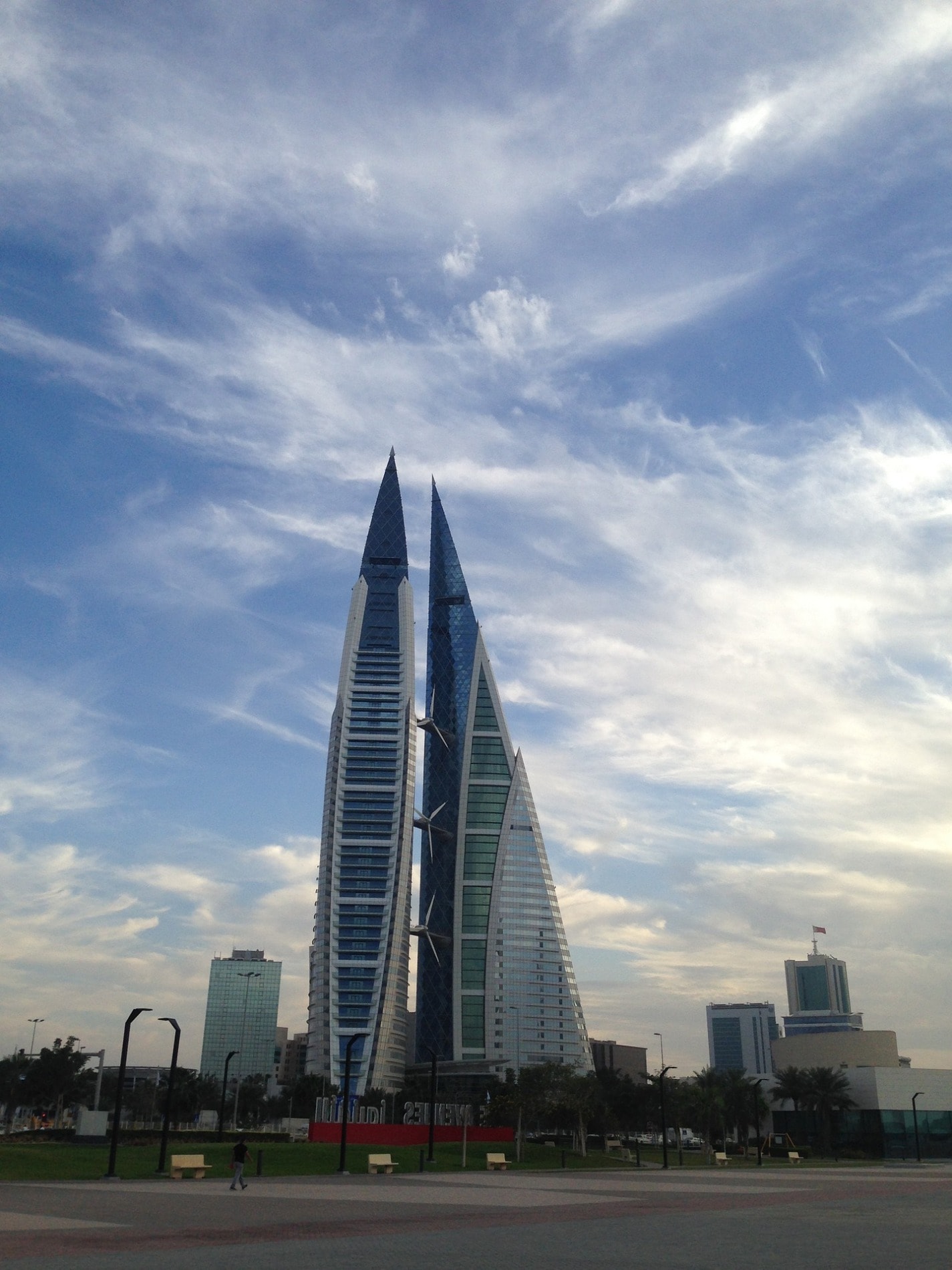
The article explores the evolving landscape of green building and sustainable design, emphasizing its growing importance in combating climate change. It highlights several key trends that are shaping eco-friendly architecture. A significant trend involves the increased adoption of renewable energy sources, such as solar panels and wind turbines, in residential, commercial, and industrial buildings. The integration of energy storage systems, like batteries, further enhances the efficiency of these renewable sources by allowing buildings to store excess energy for later use, thereby reducing reliance on non-renewable resources and lowering carbon emissions.
Smart building technologies and automation are also playing a crucial role in optimizing energy consumption. These systems utilize real-time data to adjust lighting, heating, cooling, and ventilation, ensuring that energy is used only when necessary. Smart thermostats, for example, learn temperature preferences to minimize heating and cooling costs, while building management systems enable remote monitoring and control of energy usage. The incorporation of smart sensors and IoT devices provides valuable data on energy consumption, air quality, and water usage, leading to significant energy savings and improved operational efficiency.
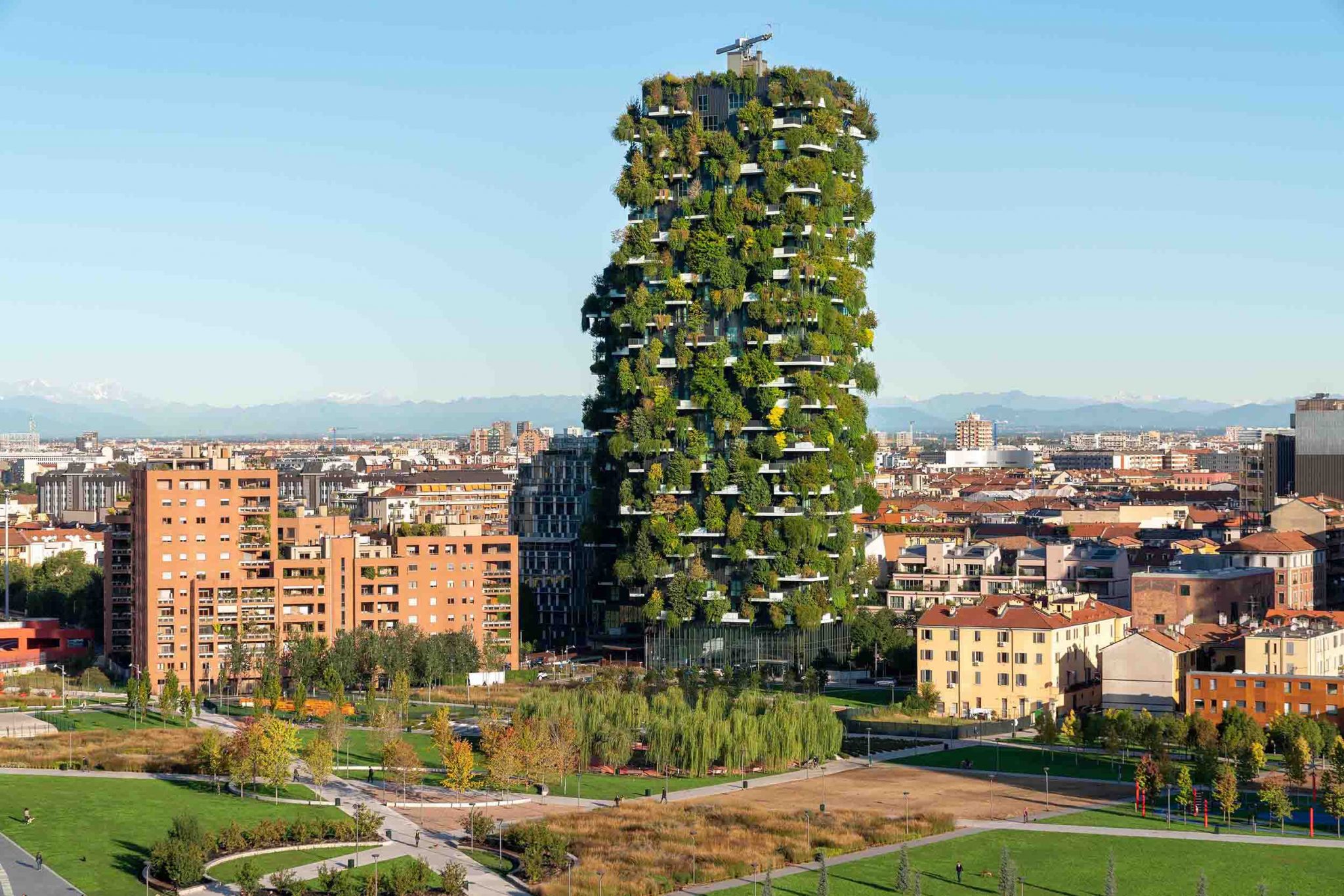
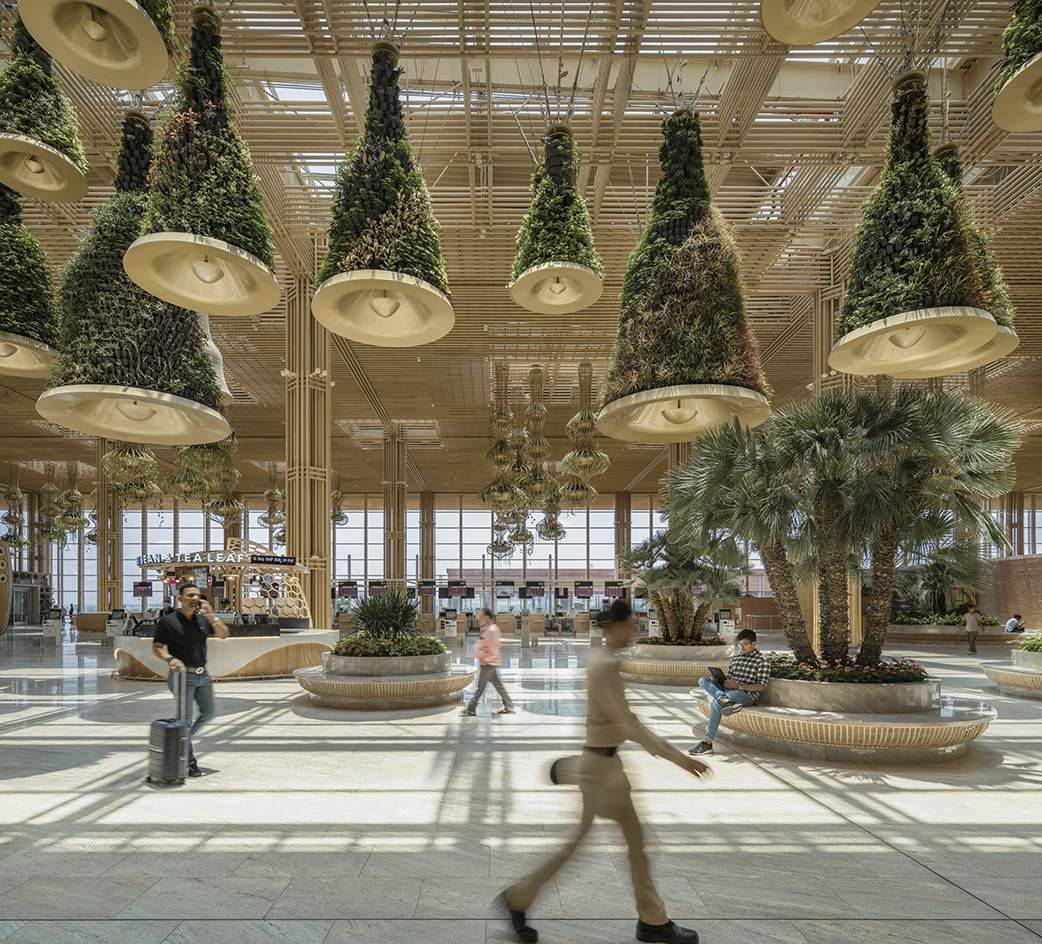
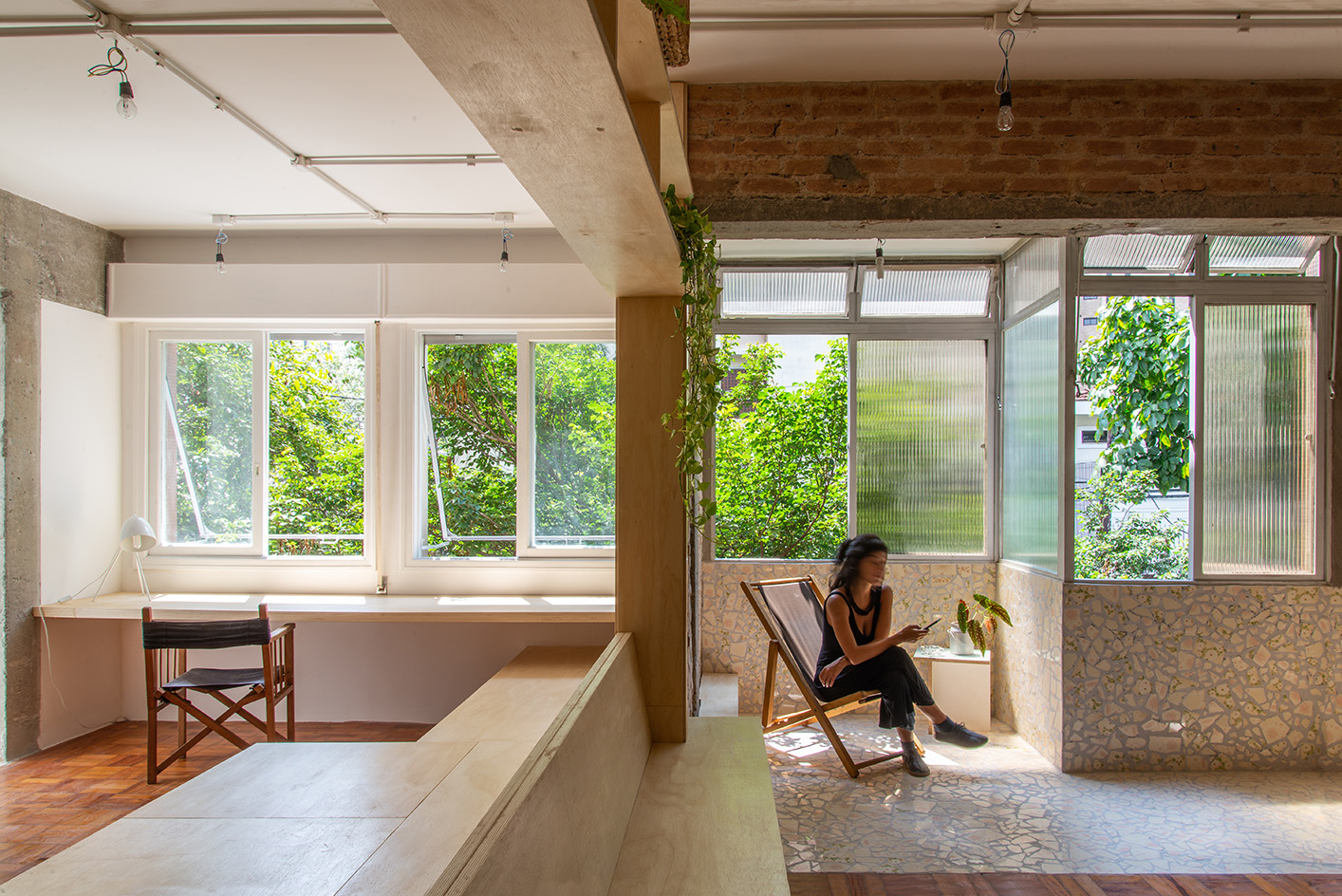
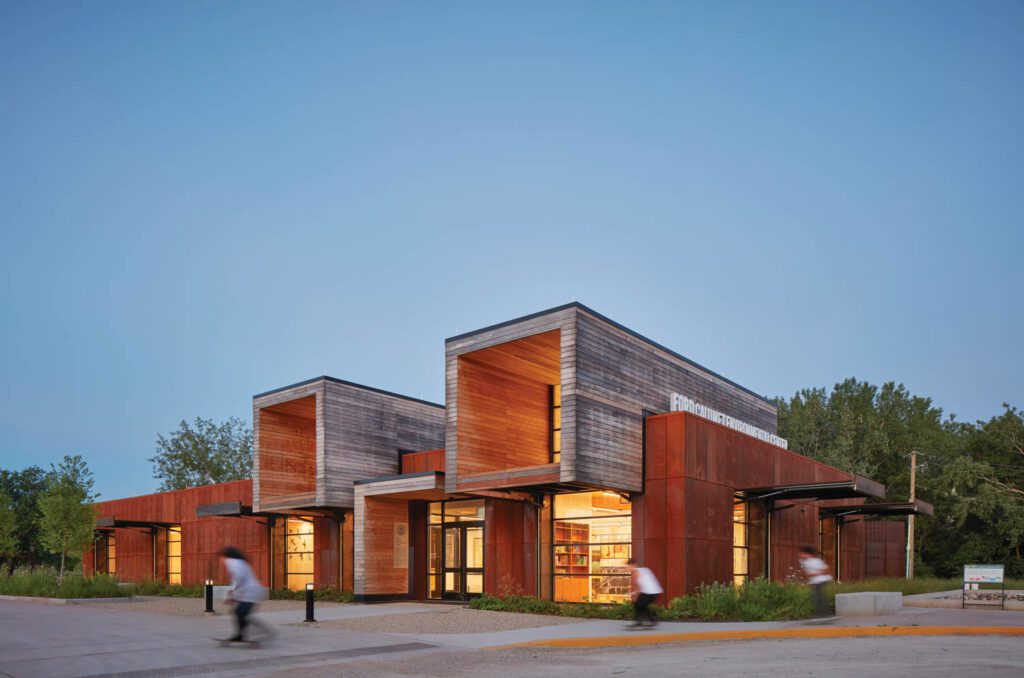
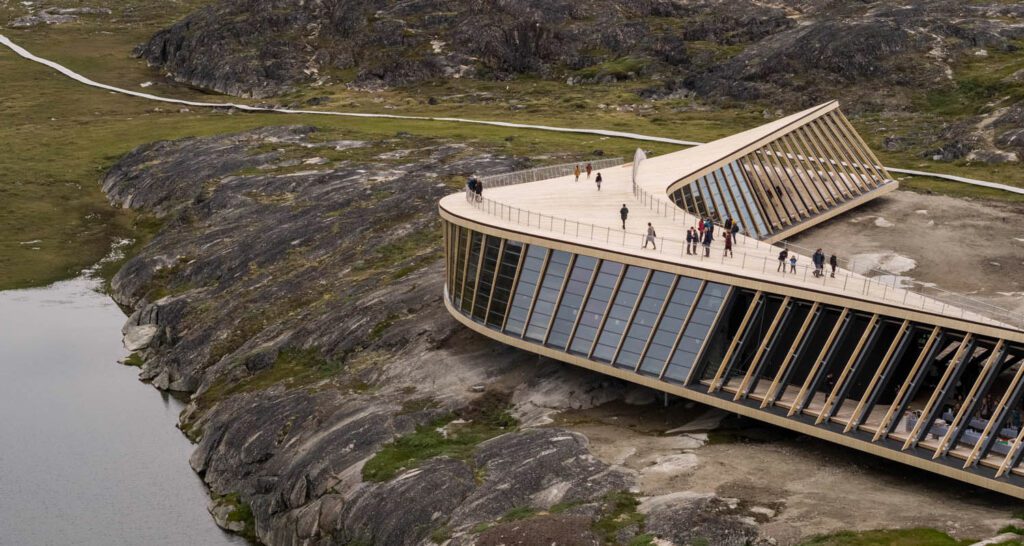
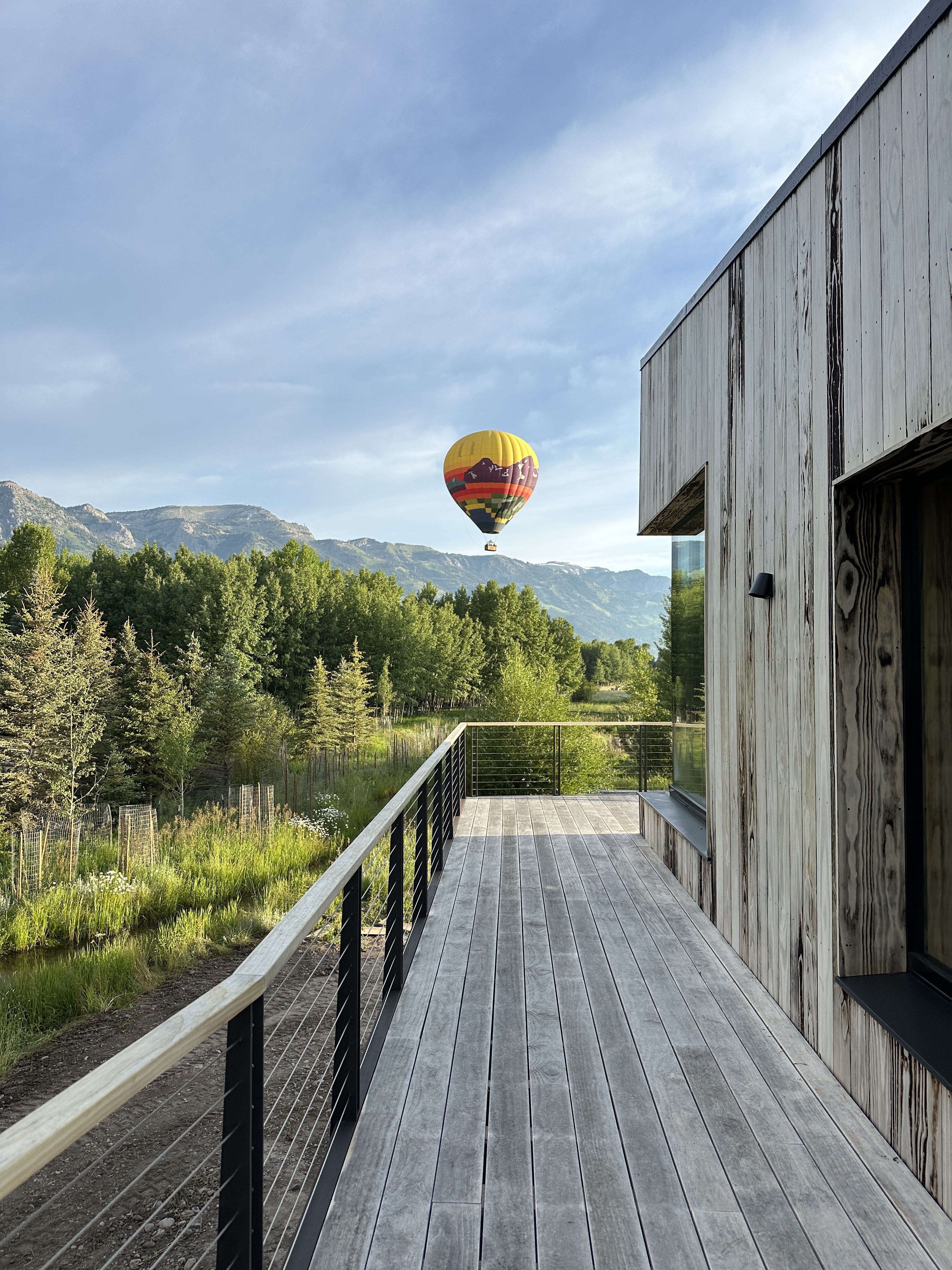
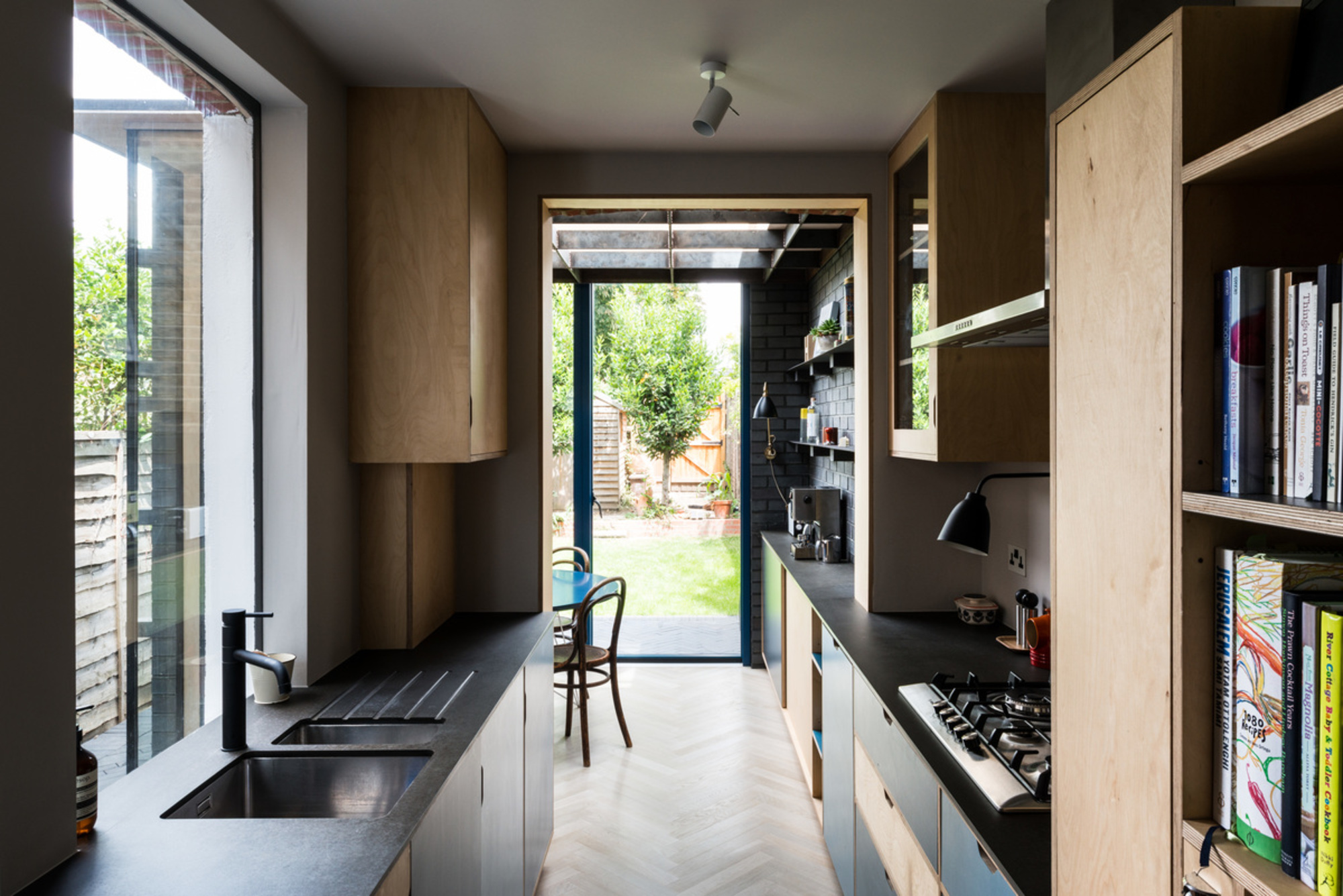
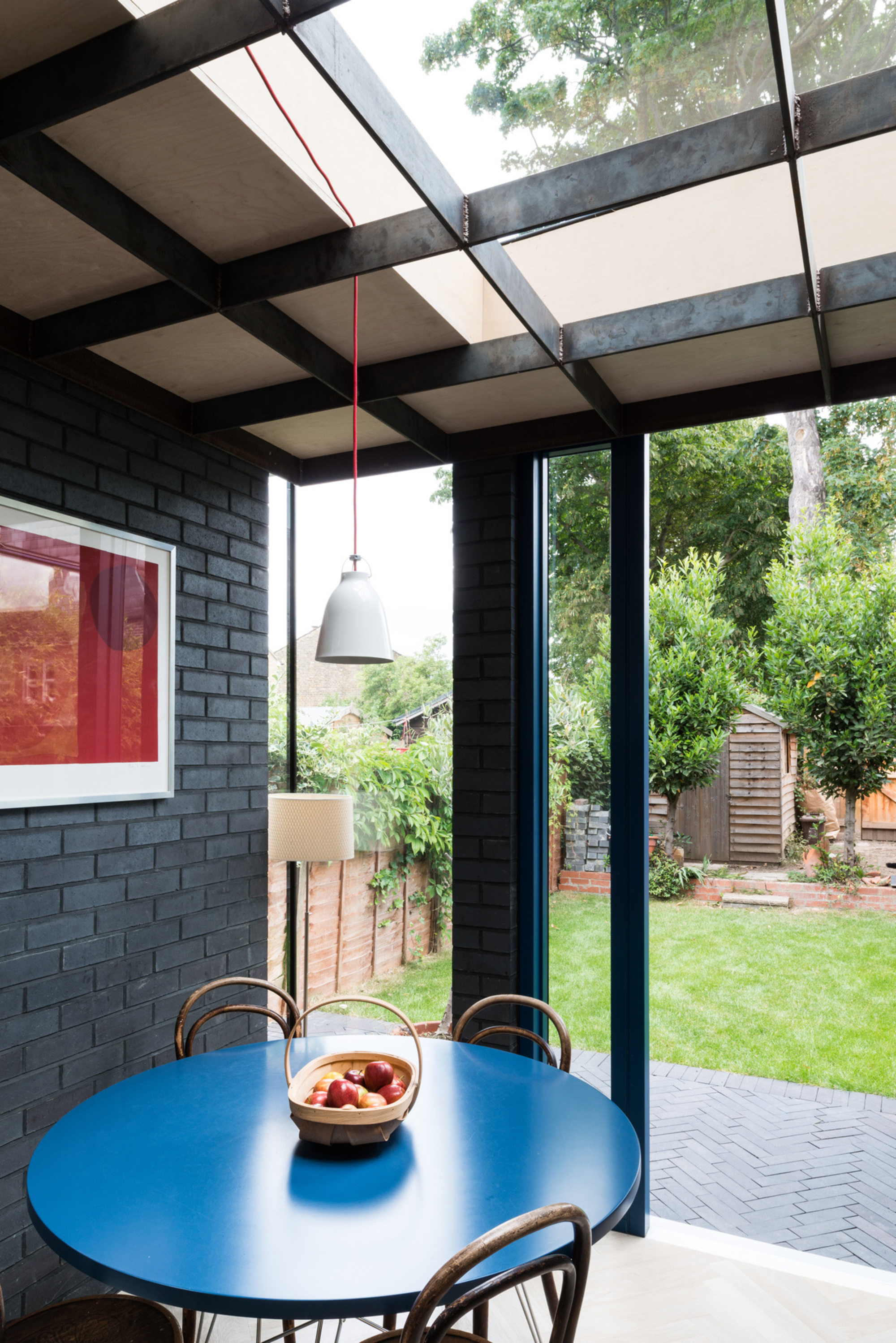
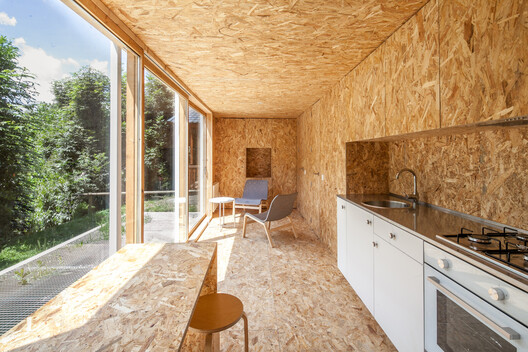
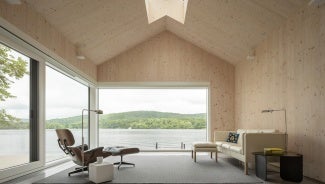
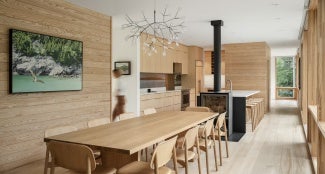
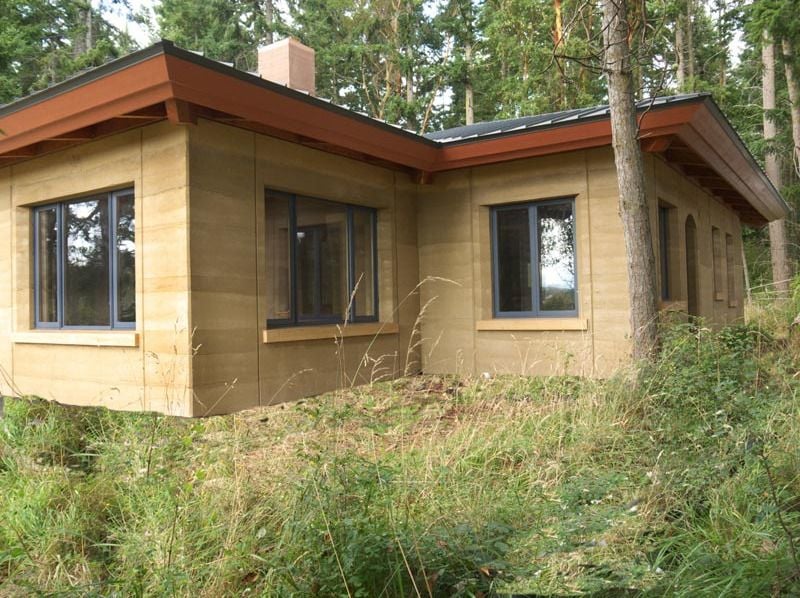
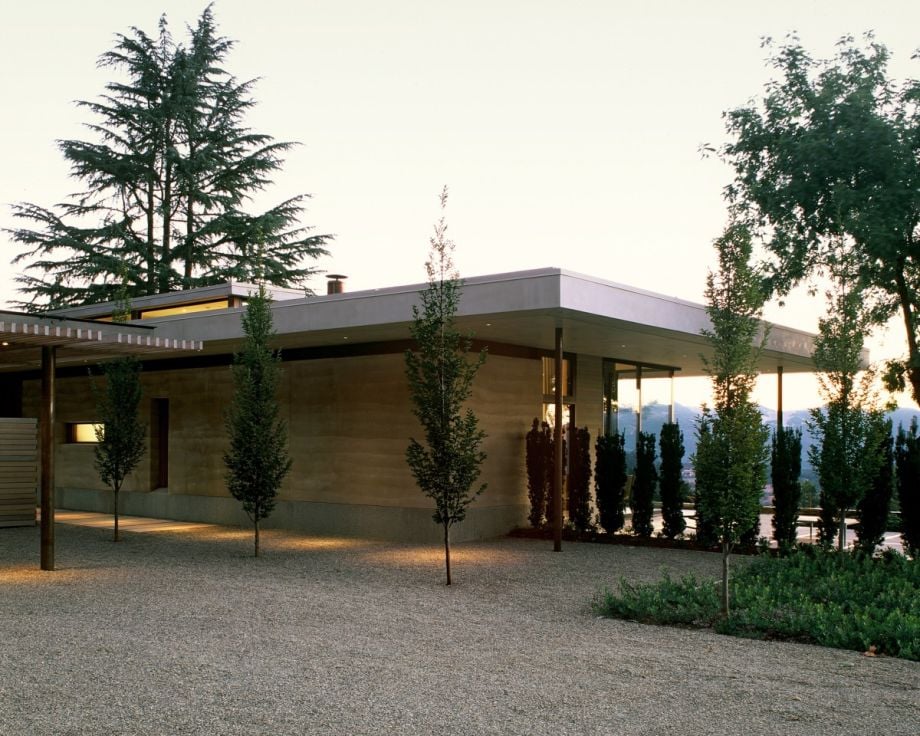
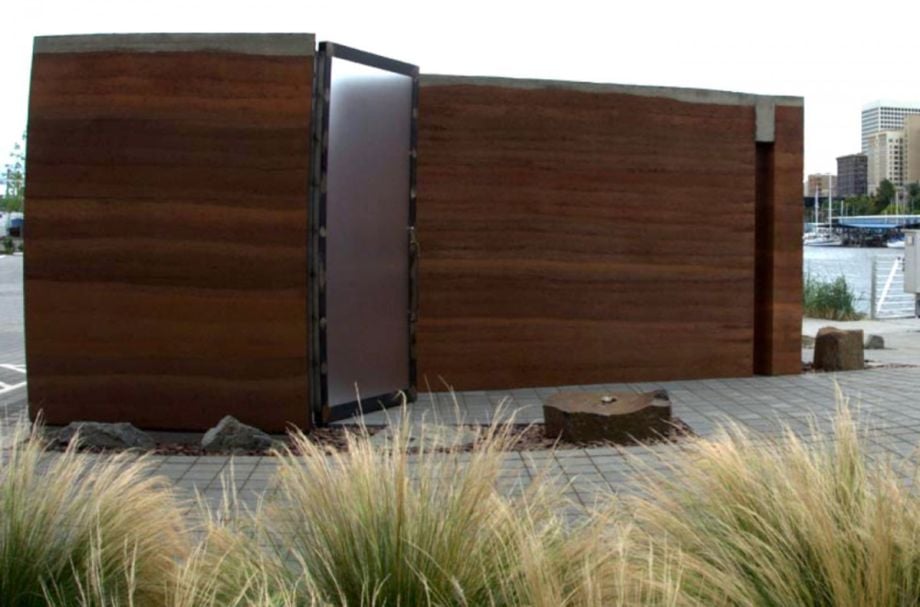
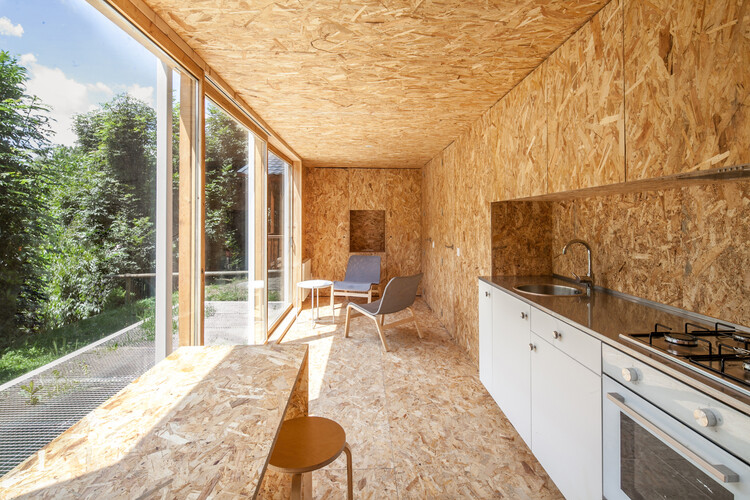
Another critical aspect discussed is the shift towards sustainable building materials. There is a growing preference for eco-friendly, locally sourced, and recycled materials like reclaimed wood, recycled steel, and low-carbon concrete. These materials help reduce the environmental impact of construction and conserve natural resources. Biophilic design, which integrates natural elements such as wood, stone, and bamboo into architectural spaces, not only enhances sustainability but also improves the well-being of occupants by fostering a connection with nature. This trend also focuses on reducing waste throughout the construction process.
Water conservation and efficiency are addressed through the implementation of water-efficient systems and fixtures, including low-flow toilets, faucets, and showerheads. Rainwater harvesting systems collect and reuse water for various non-potable uses like irrigation and toilet flushing. Greywater systems further reduce water consumption by recycling water from sinks, showers, and washing machines. Sustainable landscaping, featuring drought-resistant and native plants, also contributes to minimizing a building’s water footprint.
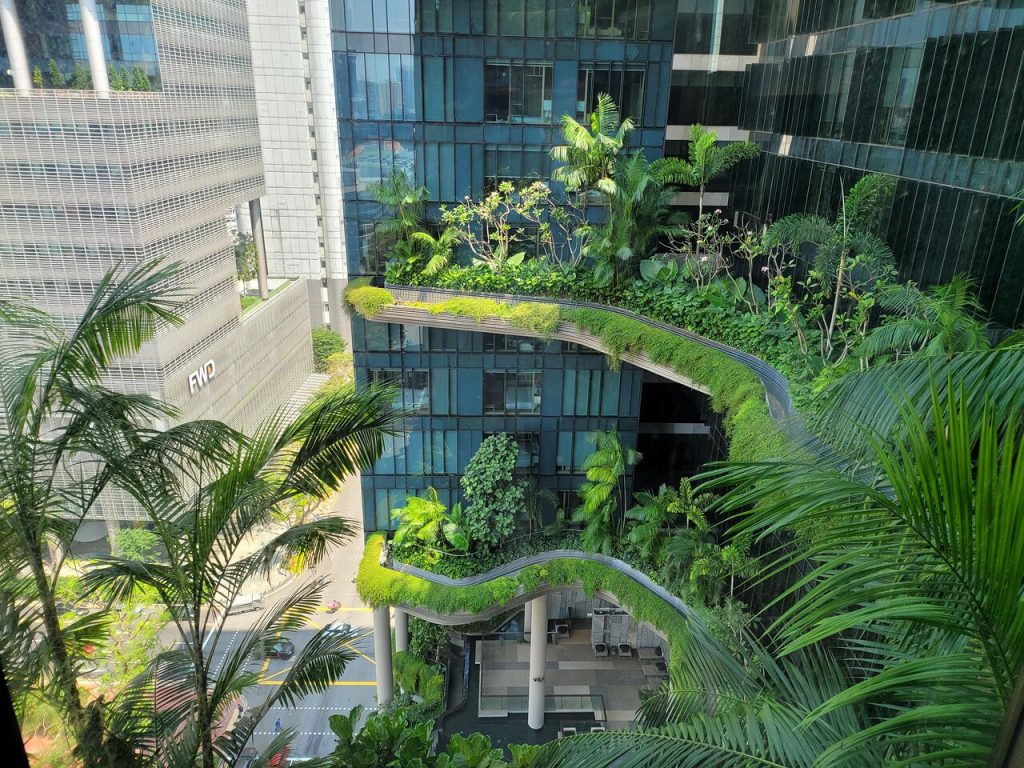
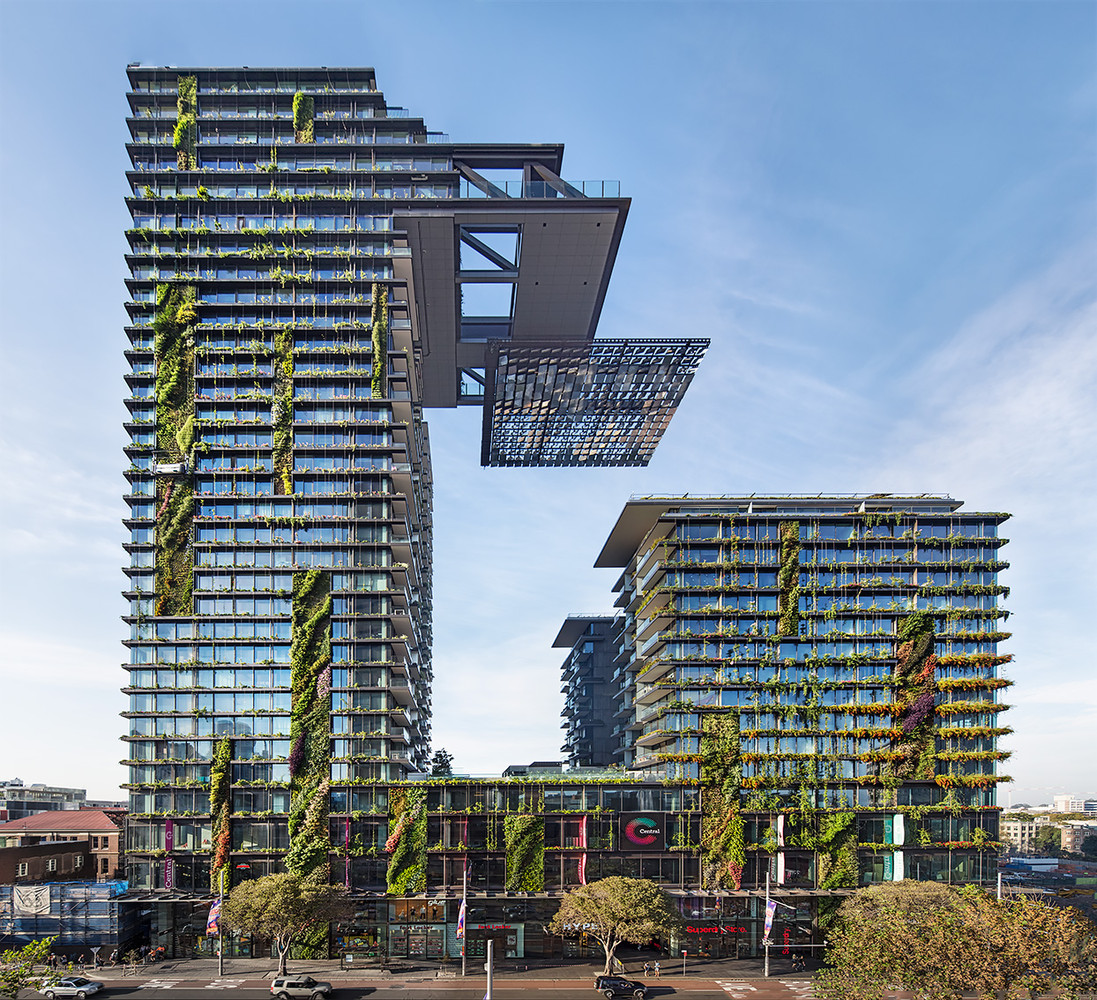
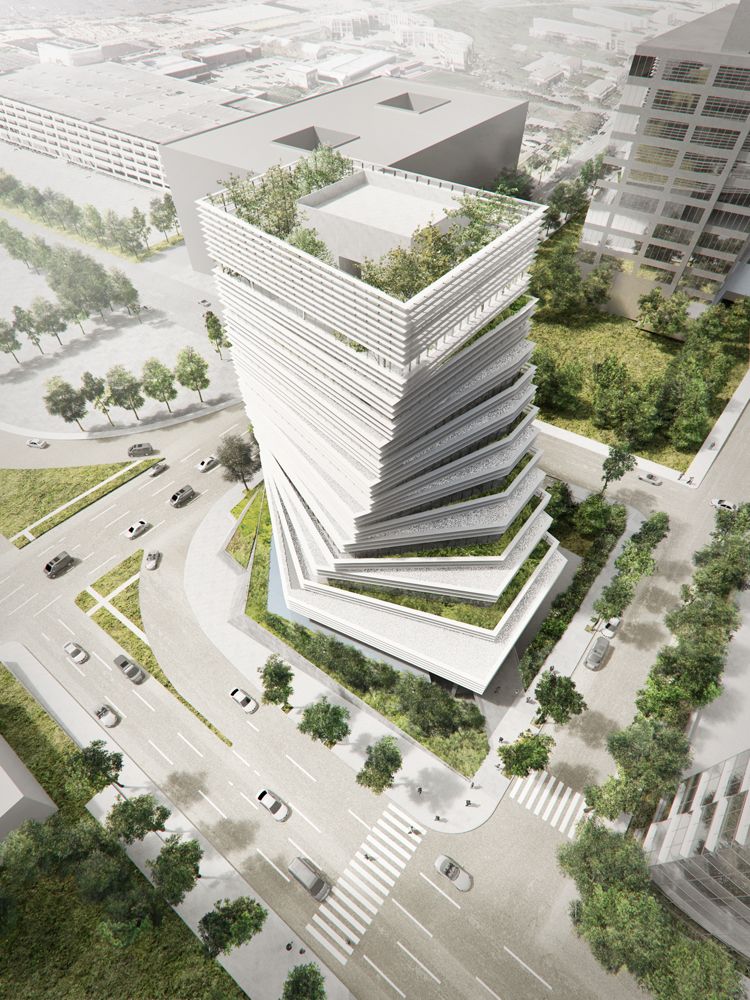
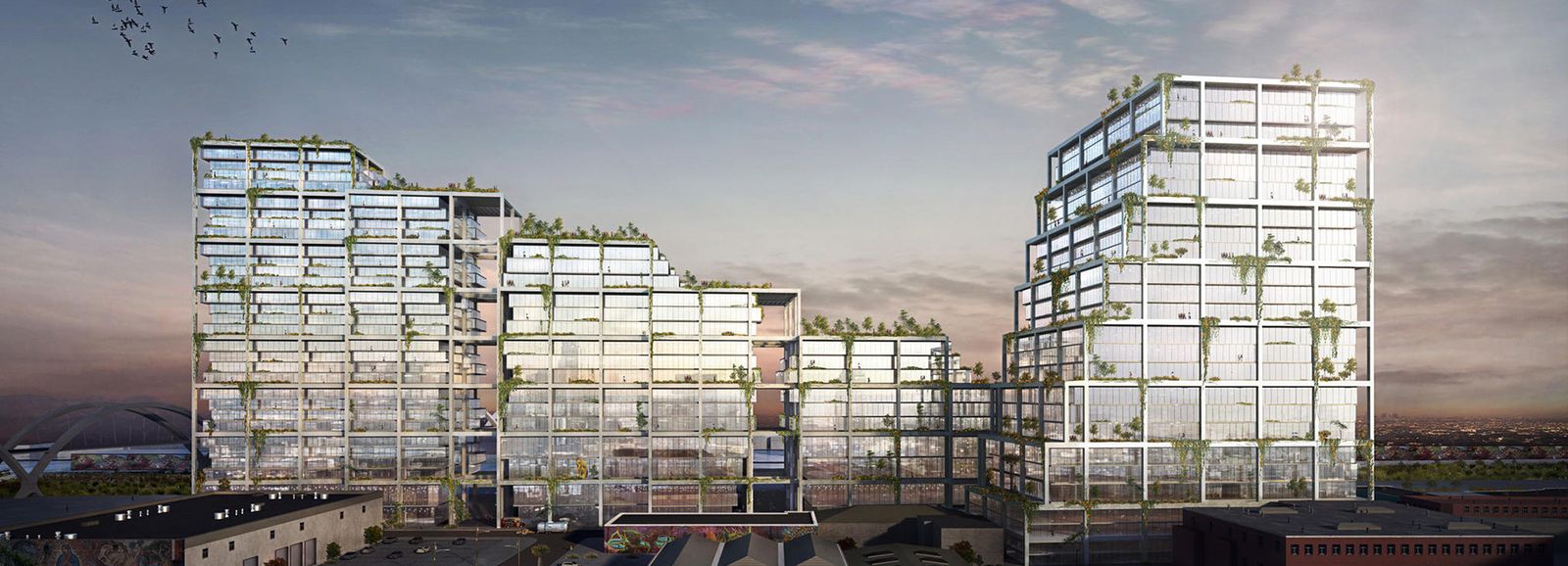
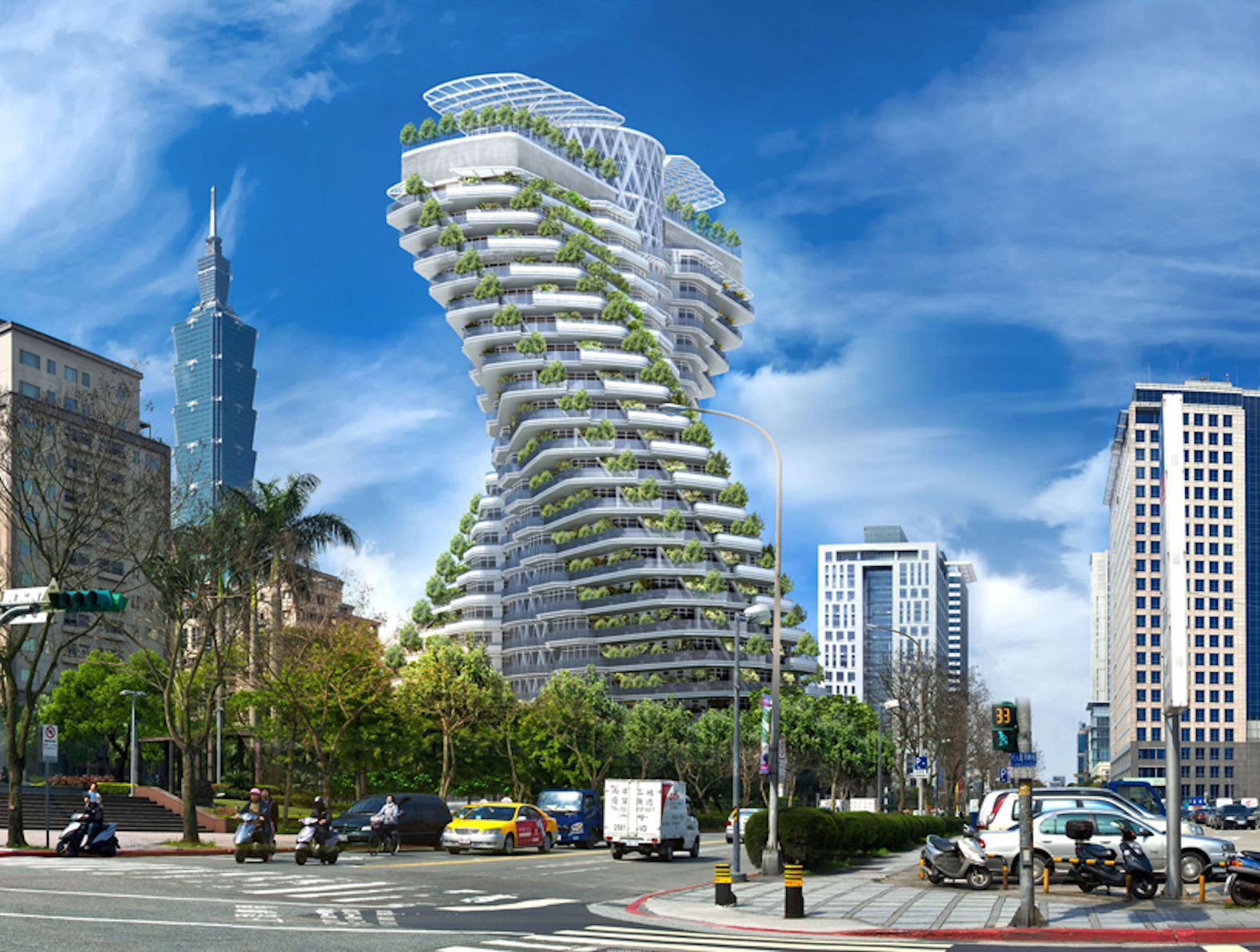
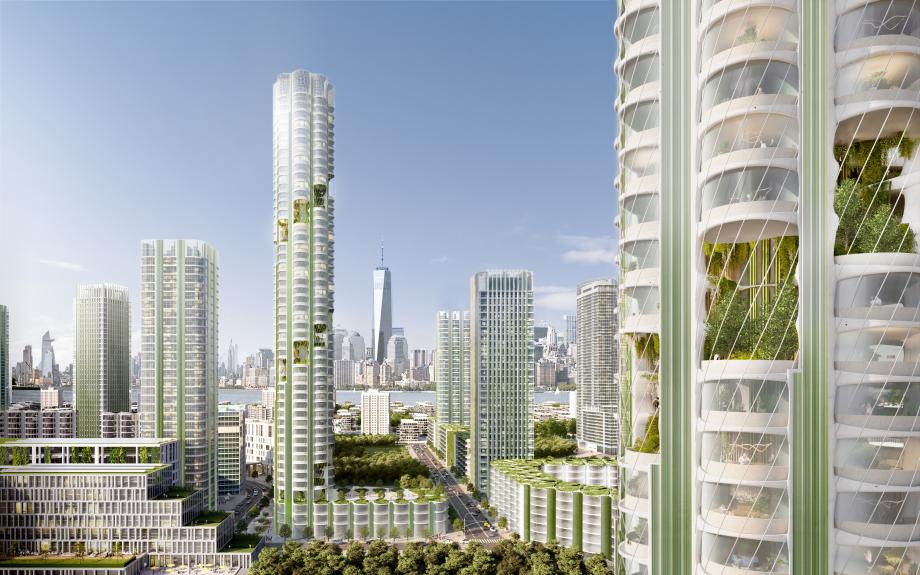
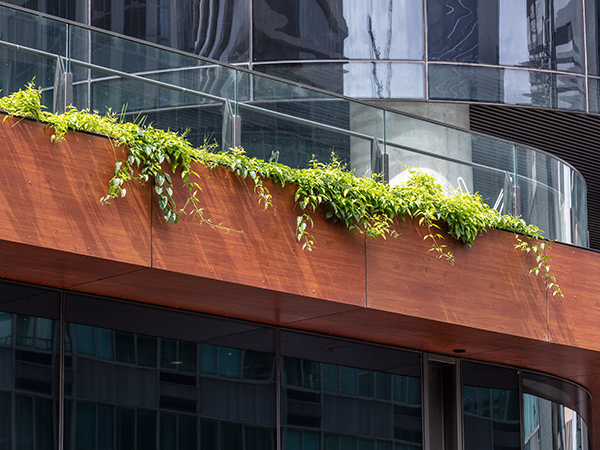
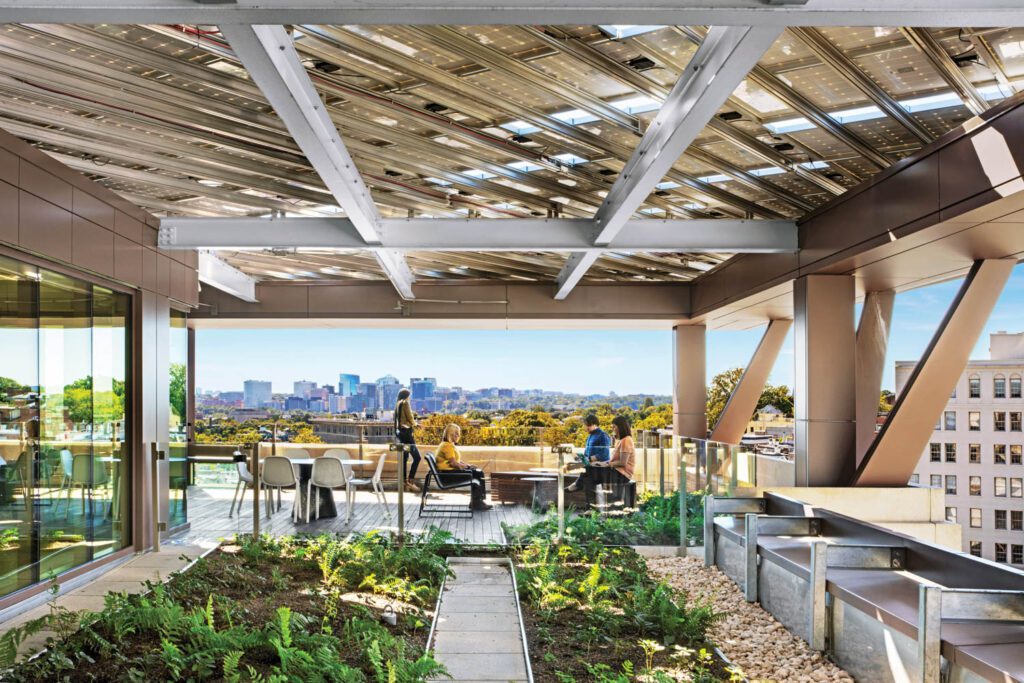
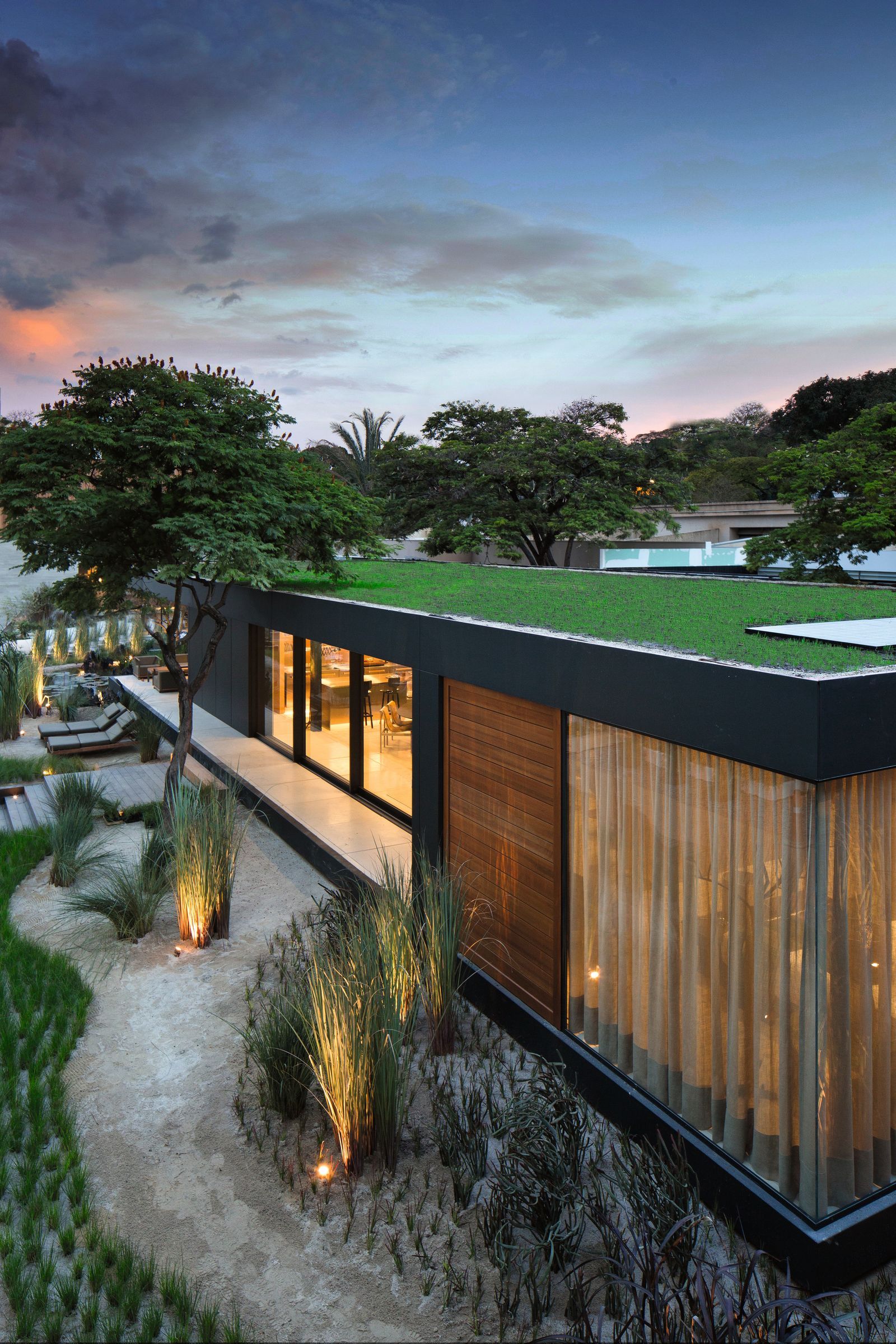
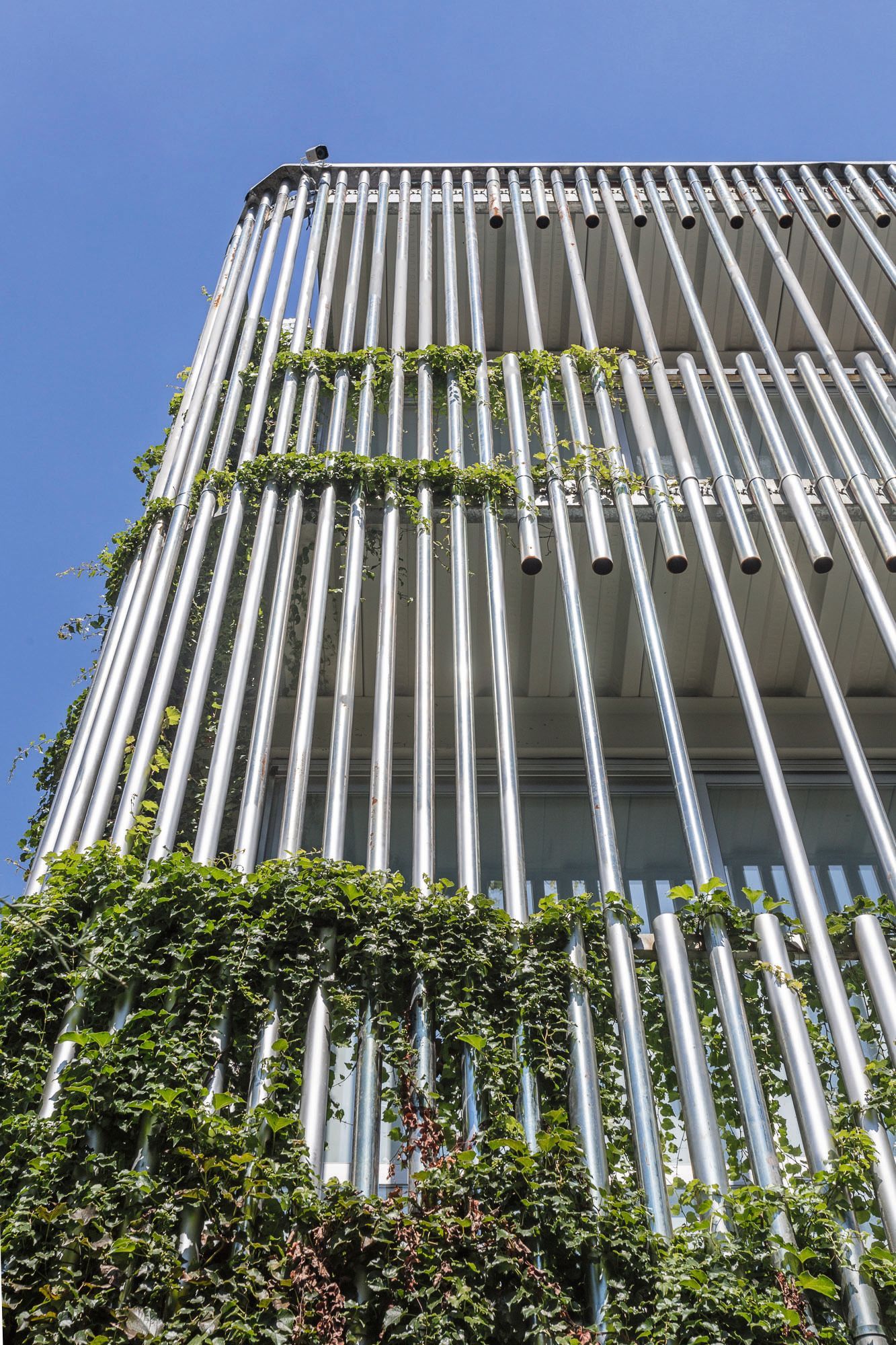
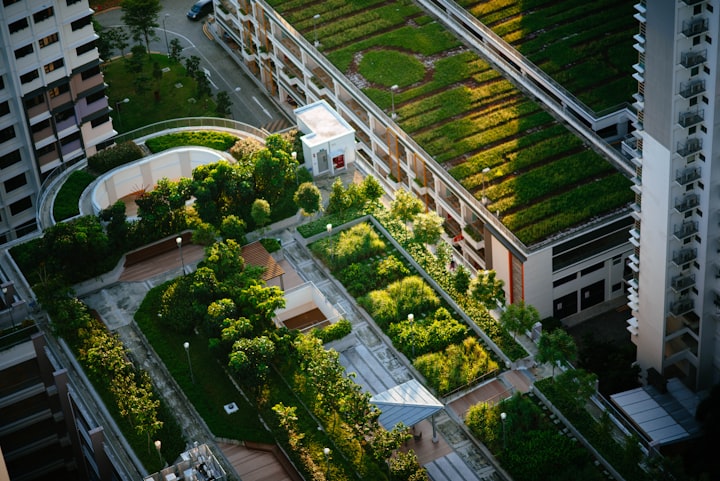
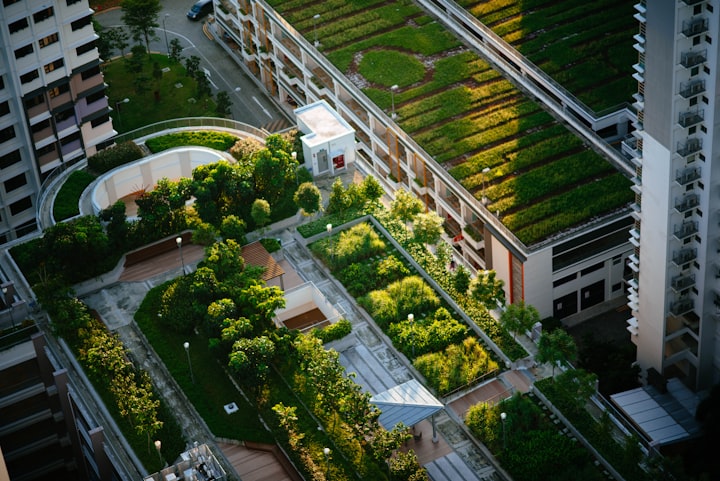
The article also covers the rise of green roofs and urban agriculture. Green roofs provide environmental benefits such as regulating indoor temperatures, improving air quality, and offering habitats for urban wildlife. Urban agriculture, including rooftop gardens and vertical farming, promotes local food production, reduces carbon emissions from food transportation, and fosters healthier communities. These initiatives represent an innovative way to combine sustainable design with community-focused solutions.
Finally, the adoption of circular economy principles in sustainable design is highlighted. This approach aims to minimize waste and maximize resource utilization by emphasizing material reuse, waste reduction, and product recycling. Buildings are increasingly designed for deconstruction, allowing materials to be easily disassembled and reused at the end of their lifecycle. The focus on adaptability ensures that spaces can be repurposed rather than demolished. Sustainable site development is also crucial, involving the careful selection of locations that minimize environmental impact, preserve natural habitats, and integrate permeable materials and proximity to public transportation to reduce reliance on cars and promote walkability. These combined trends are driving the construction industry towards more sustainable and efficient building practices, contributing to healthier environments and mitigating climate change.
#GreenBuilding #SustainableDesign #RenewableEnergy #SmartBuildingTechnology #WaterConservation #SustainableMaterials #CircularEconomy #UrbanAgriculture #ClimateChange #GreenBuilding #SustainableDesign #RenewableEnergy #SmartBuildingTechnology #WaterConservation #SustainableMaterials #CircularEconomy #UrbanAgriculture #ClimateChange
0 comment in total
 No comments yet
You may also like
Top 10 Examples of Most Sustainable Architecture in 2025

What Sustainable Interior Design Really Means in 2025 — And Why It’s No Longer Just About the Materials

10 Sustainable Homes That Prove Interior Design Can Be Just as Easy on the Eye as It Is on the Earth
Home Builders Fighting Energy Efficiency

Sustainable Buildings: Pioneering a Green Revolution in Urban Design

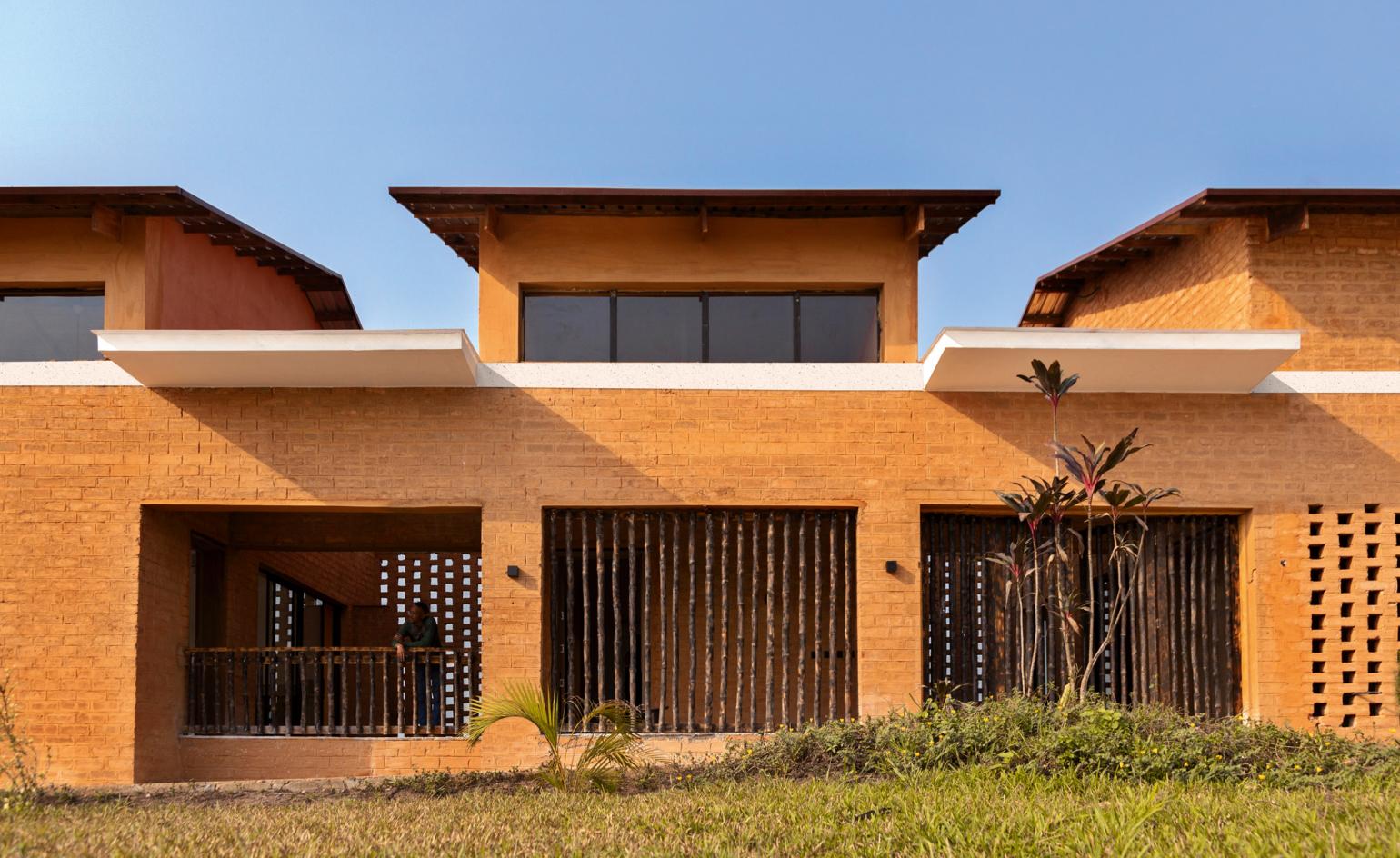
Sustainable architecture: 46 innovative and inspiring building designs

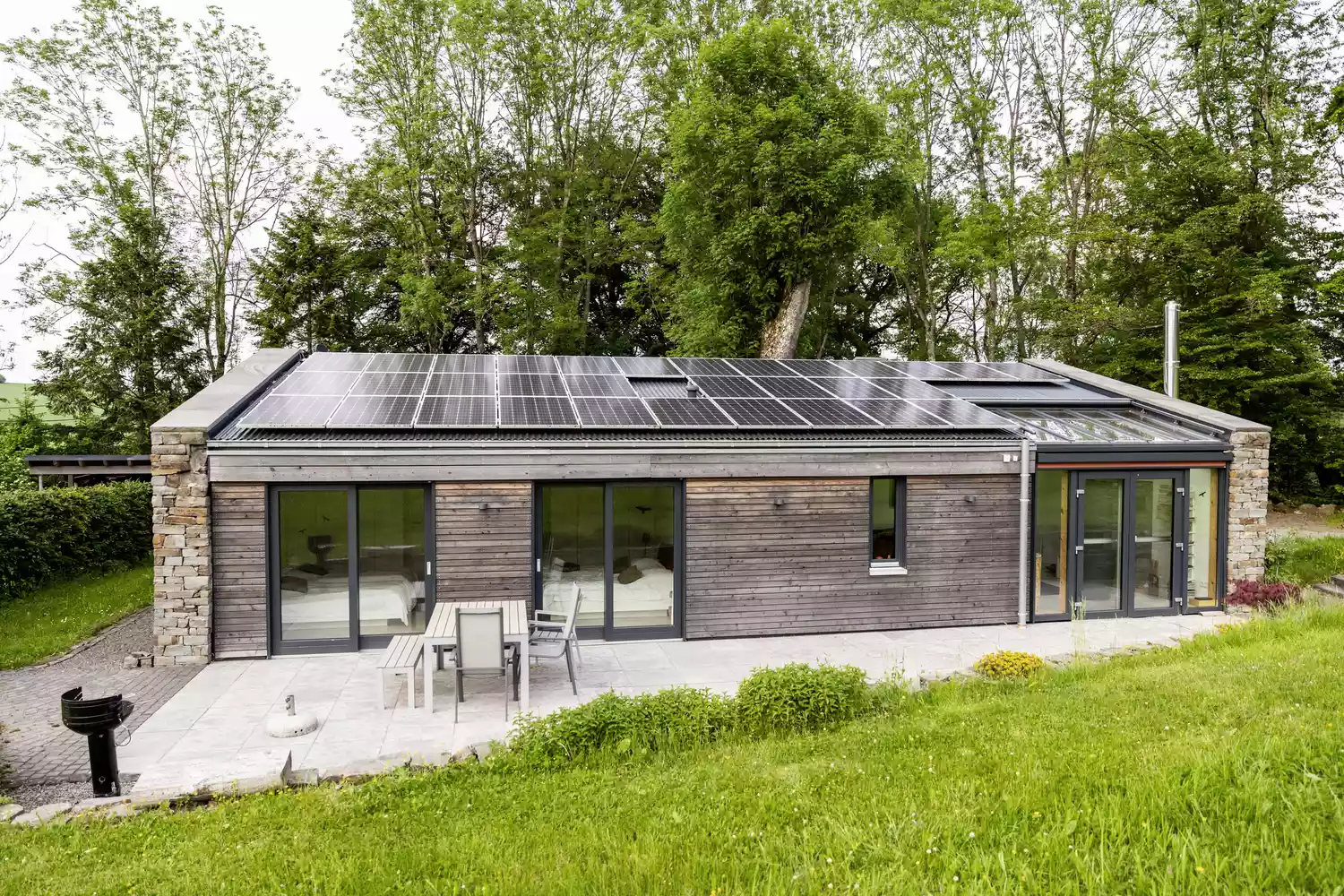
Want an Eco-Friendly Home? Everything You Should Know About Sustainable Architecture

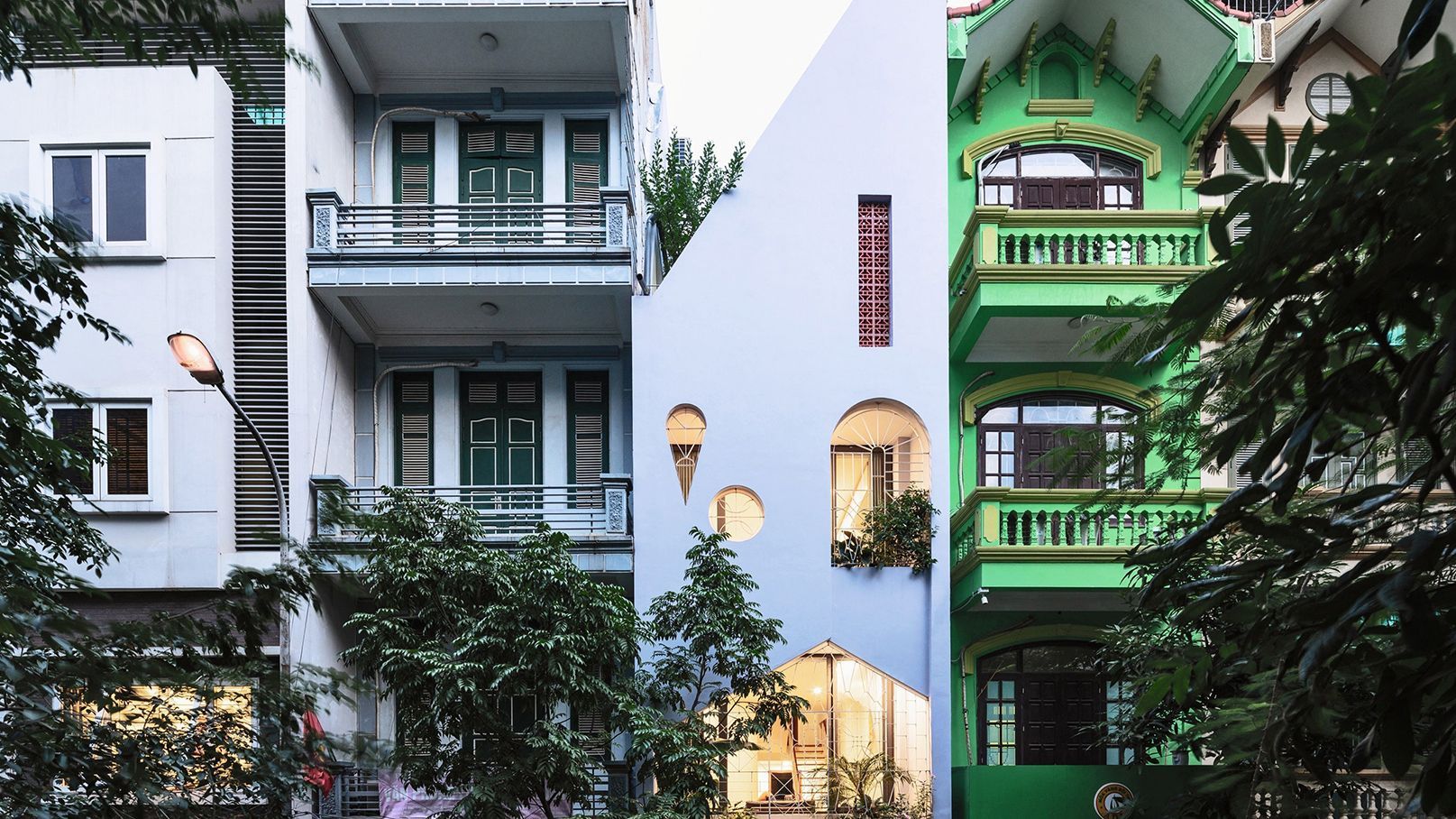
7 breathtaking sustainable homes around the world

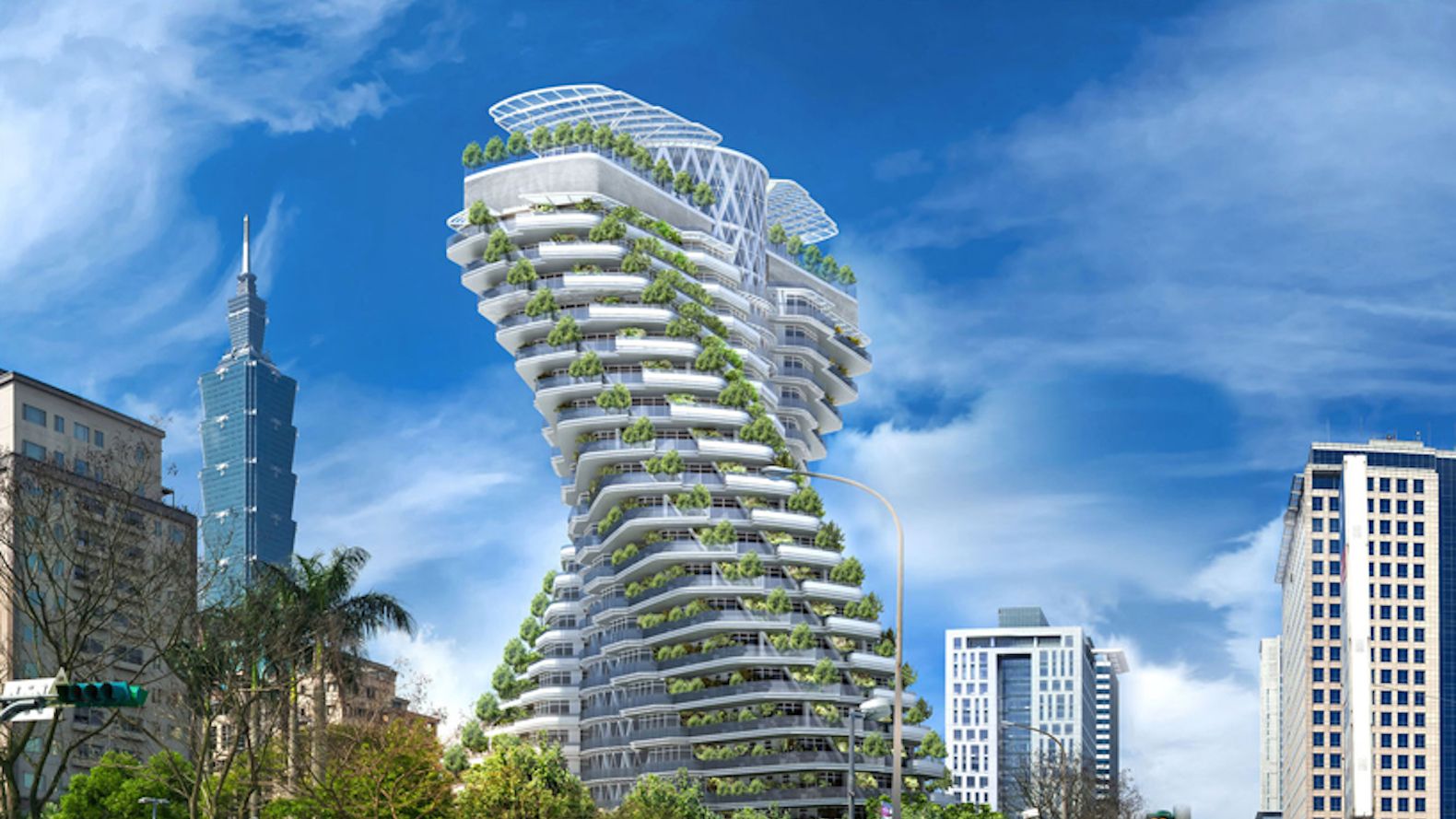
8 Remarkable Buildings That Use Trees as a Design Element

Innovations Driving Sustainable Building and Architecture Forward
From Prototype to Progress: How Small-Scale Sustainable Housing Models Are Shaping Our Future

How residential design offers opportunities for sustainability
Emerging Trends in Green Building and Sustainable Design

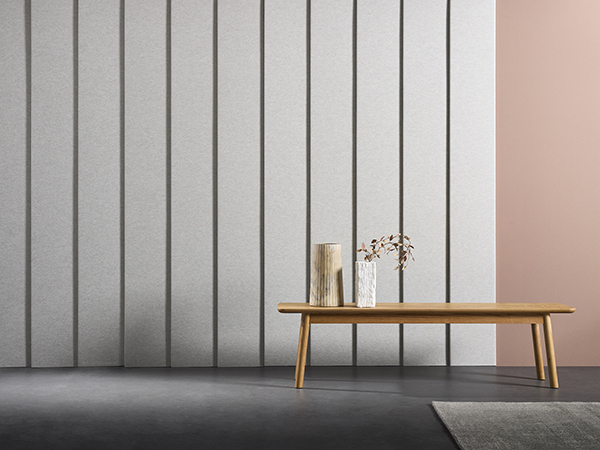
The latest and greatest innovations in sustainable building materials

What books inspire sustainable interior design?
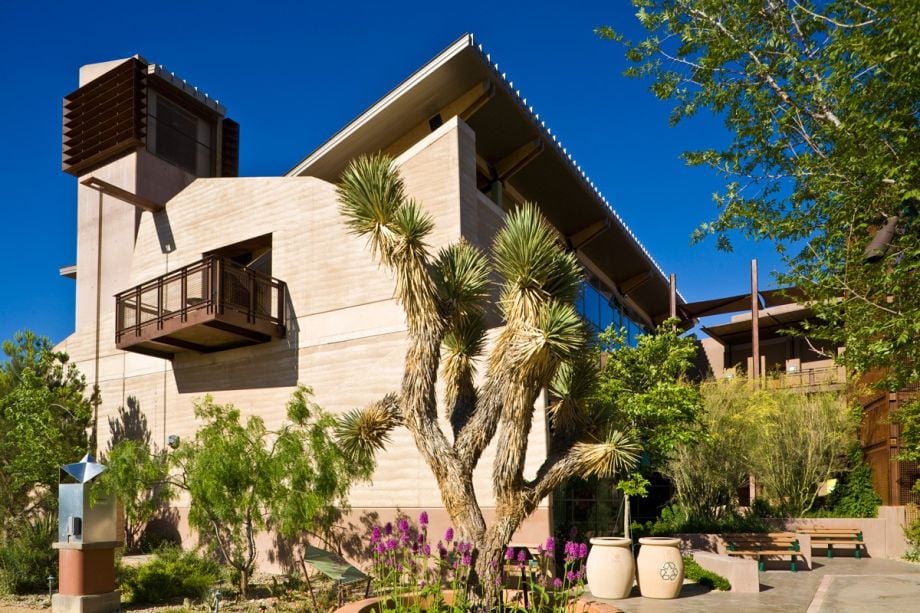
Rammed Earth Fits Into Urban Architecture’s Sustainable Future
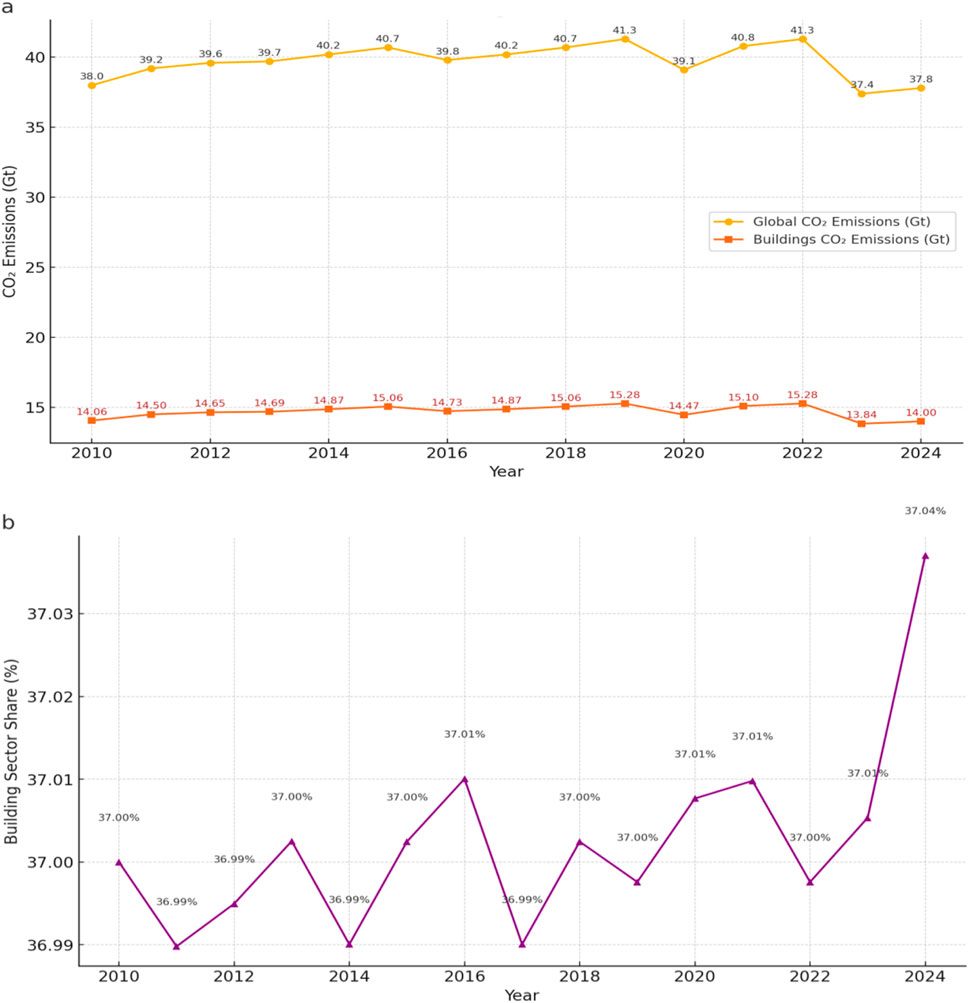
Application of bionic architecture in low-carbon design: a systematic review from nature inspiration to architectural practice
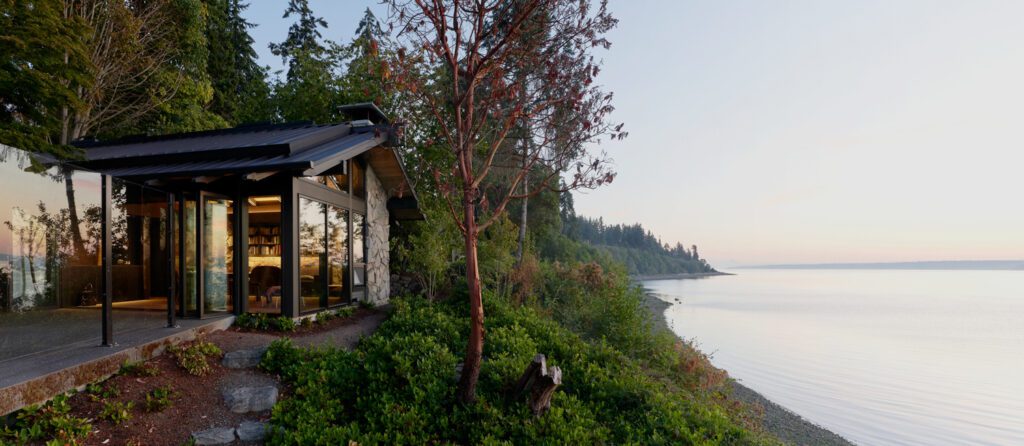
30 Sustainable Projects Leading the Way for Green Design

What Can Be Done to Make Interiors More Sustainable?
The future of sustainable building materials