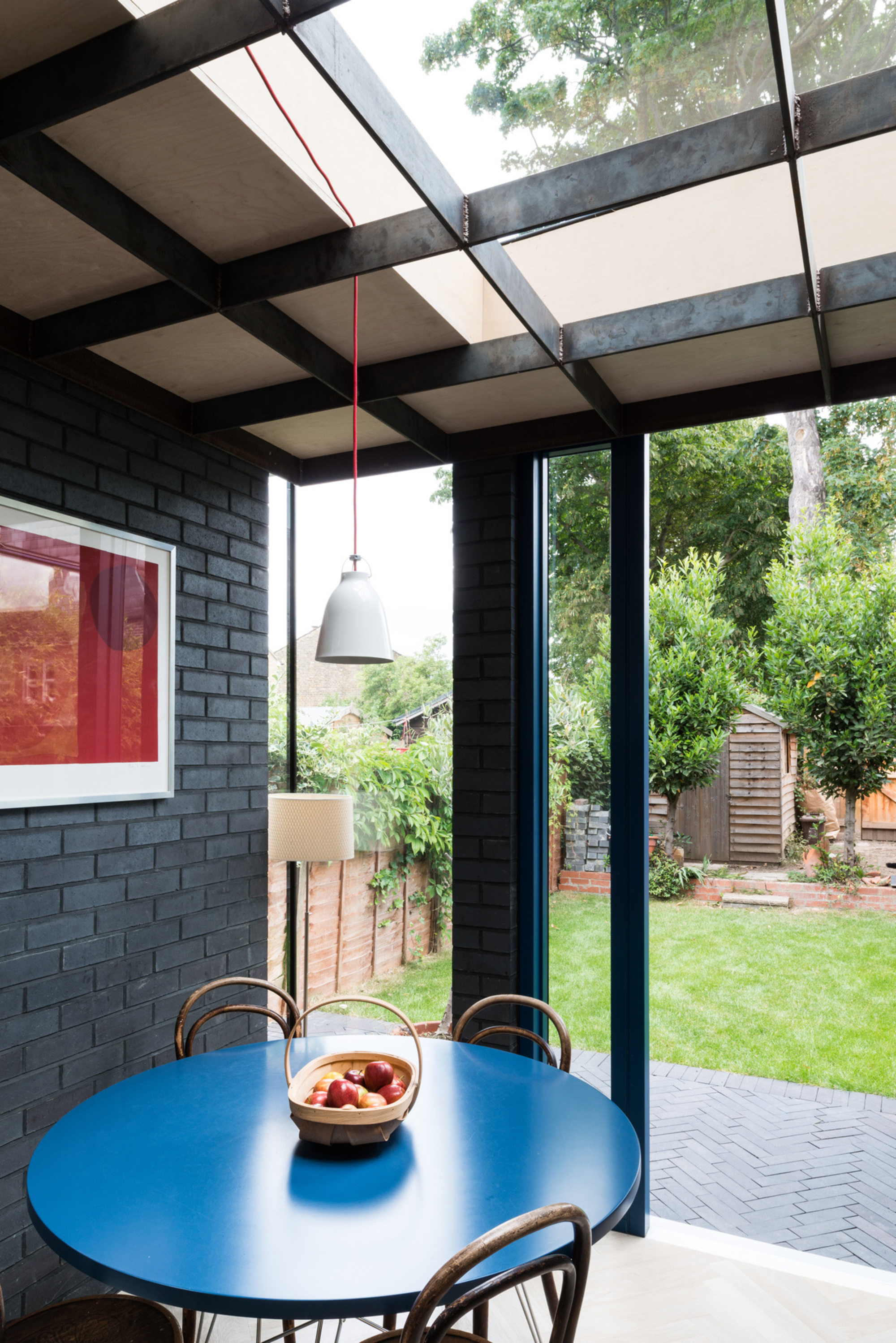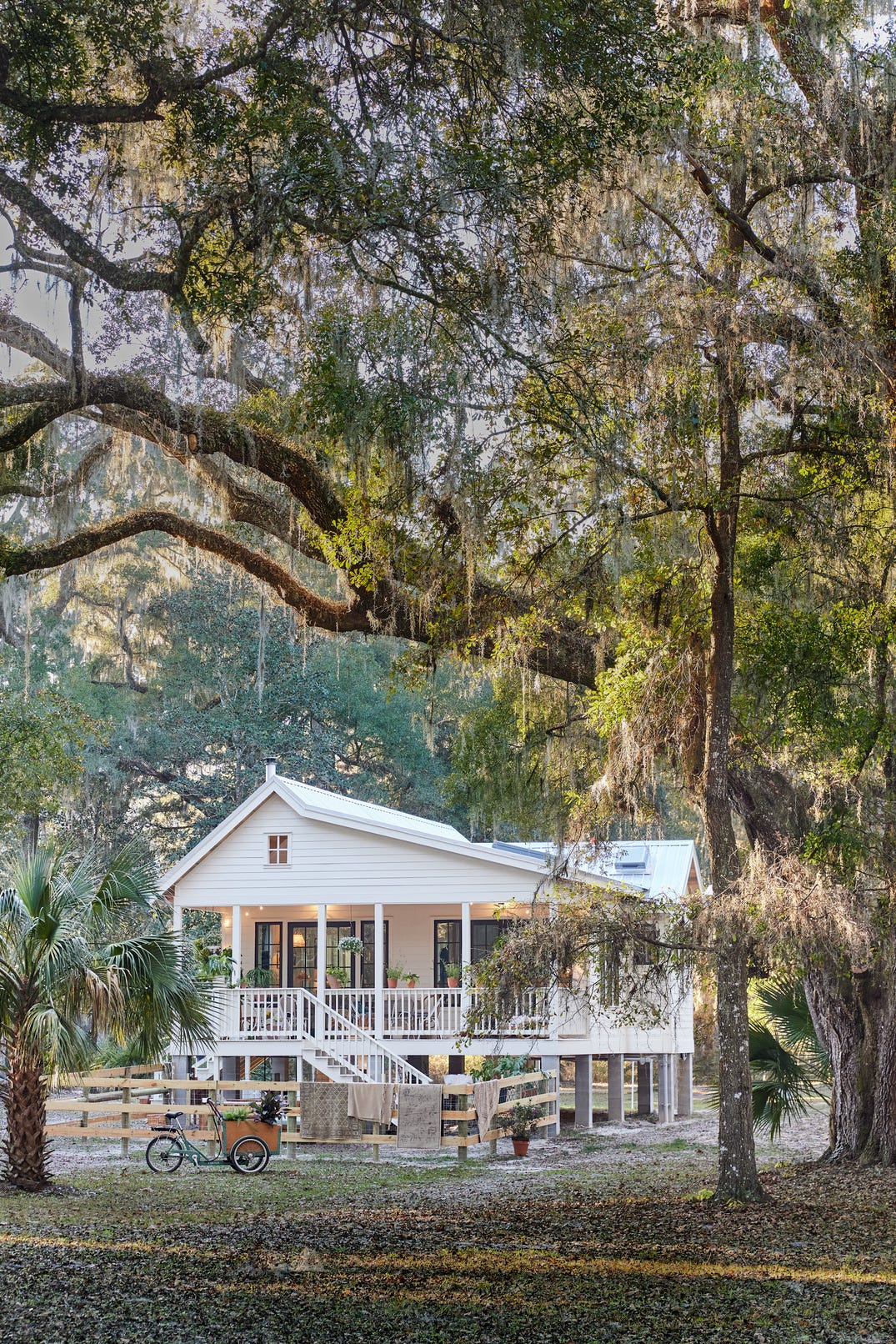
Want an Eco-Friendly Home? Everything You Should Know About Sustainable Architecture
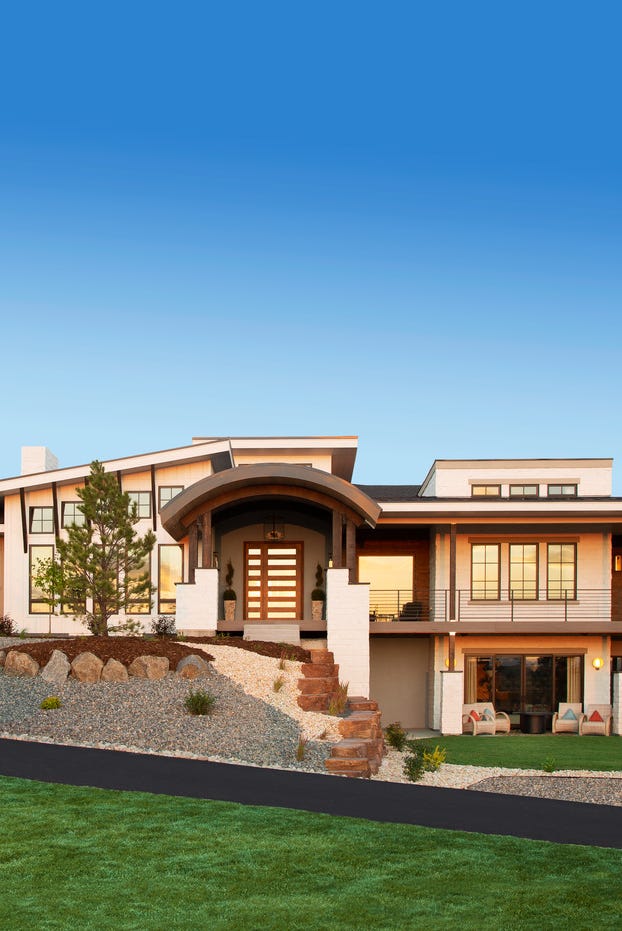
Sustainable architecture, often called green architecture, represents a building design and construction philosophy aimed at minimizing humanity's environmental footprint. This approach integrates eco-friendly considerations throughout the entire building lifecycle, from material selection to the design of energy, water, and waste systems, and the harmonious integration of structures within the natural landscape. The core objective is to create buildings that significantly reduce waste and mitigate negative impacts on both the environment and the health of occupants. Sustainable buildings are crucial because they offer long-term reductions in energy and water consumption and utilize materials that are less chemically toxic.
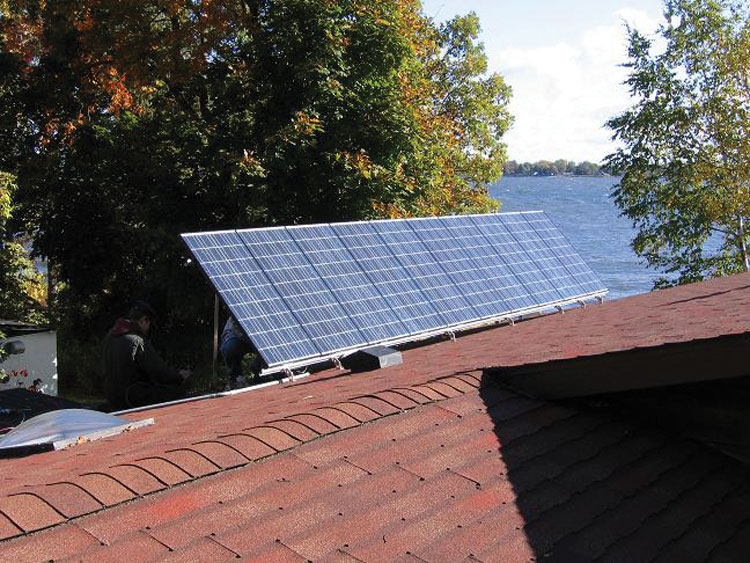
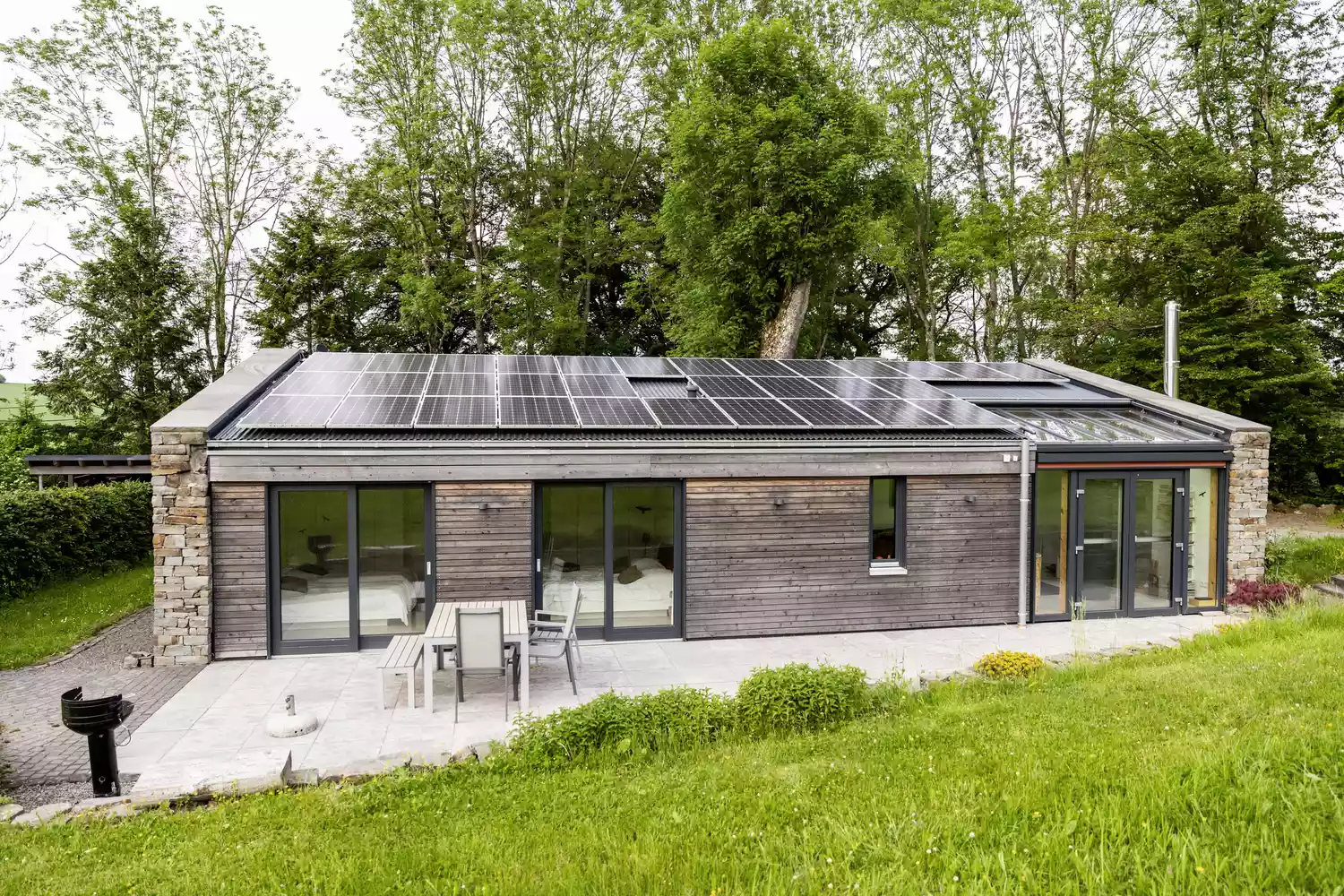
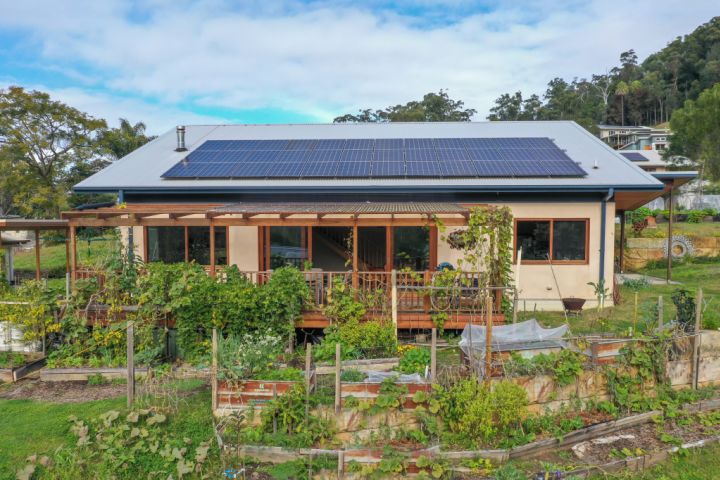
The benefits of sustainable architecture are extensive, primarily encompassing a reduction in carbon emissions and the conservation of vital natural resources, which is particularly critical in the current climate emergency. Furthermore, it positively influences human health by promoting clean energy efficiency, thereby decreasing indoor air pollutants. Key characteristics of sustainable architecture include prioritizing eco-friendly energy and water usage, with a focus on minimizing wasteful energy consumption through renewable sources like solar panels, natural heating, cooling, and ventilation systems. The ultimate goal is net-zero energy buildings that produce as much energy as they consume. Water conservation is also integral, incorporating systems such as rainwater collection and gray water recycling.
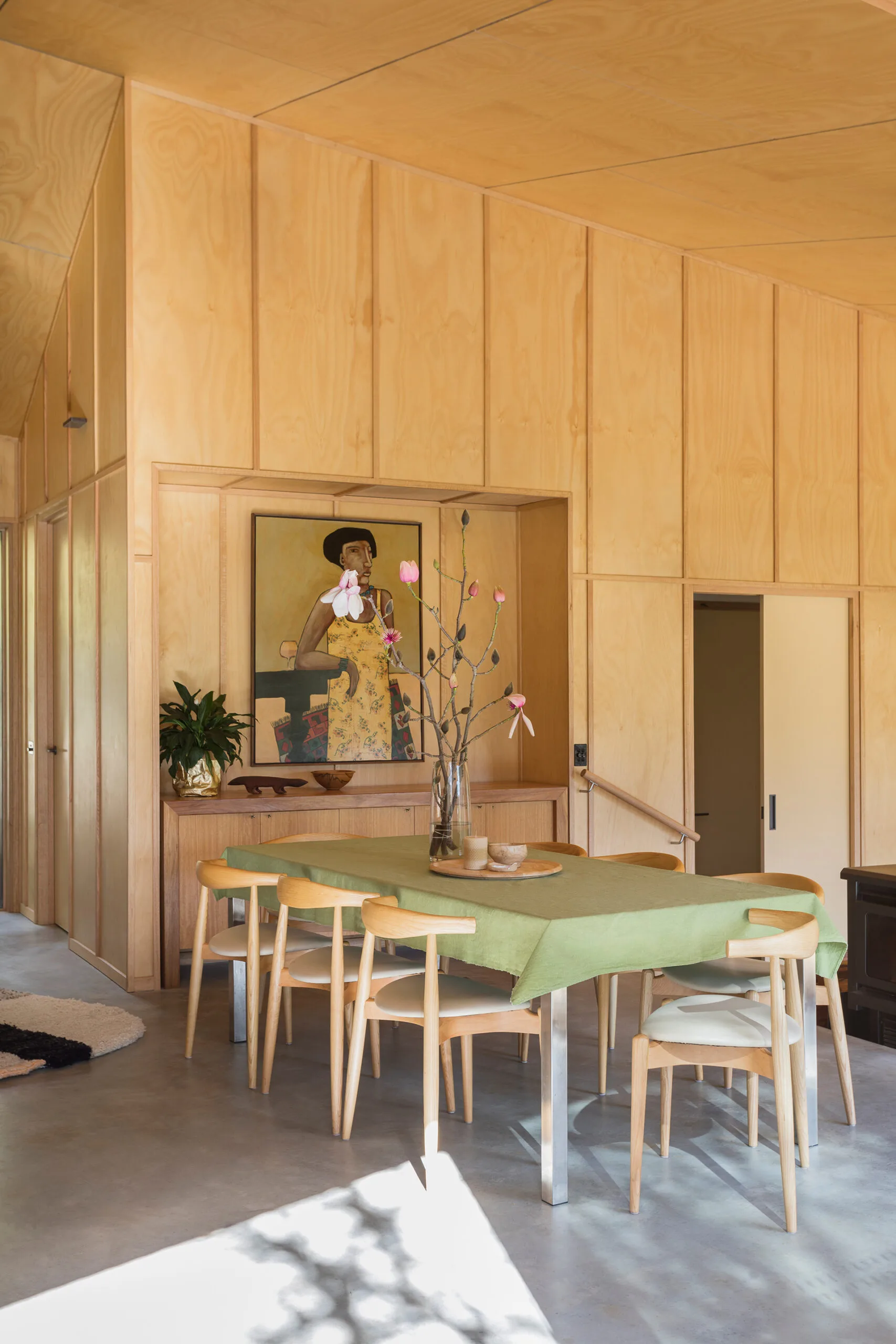
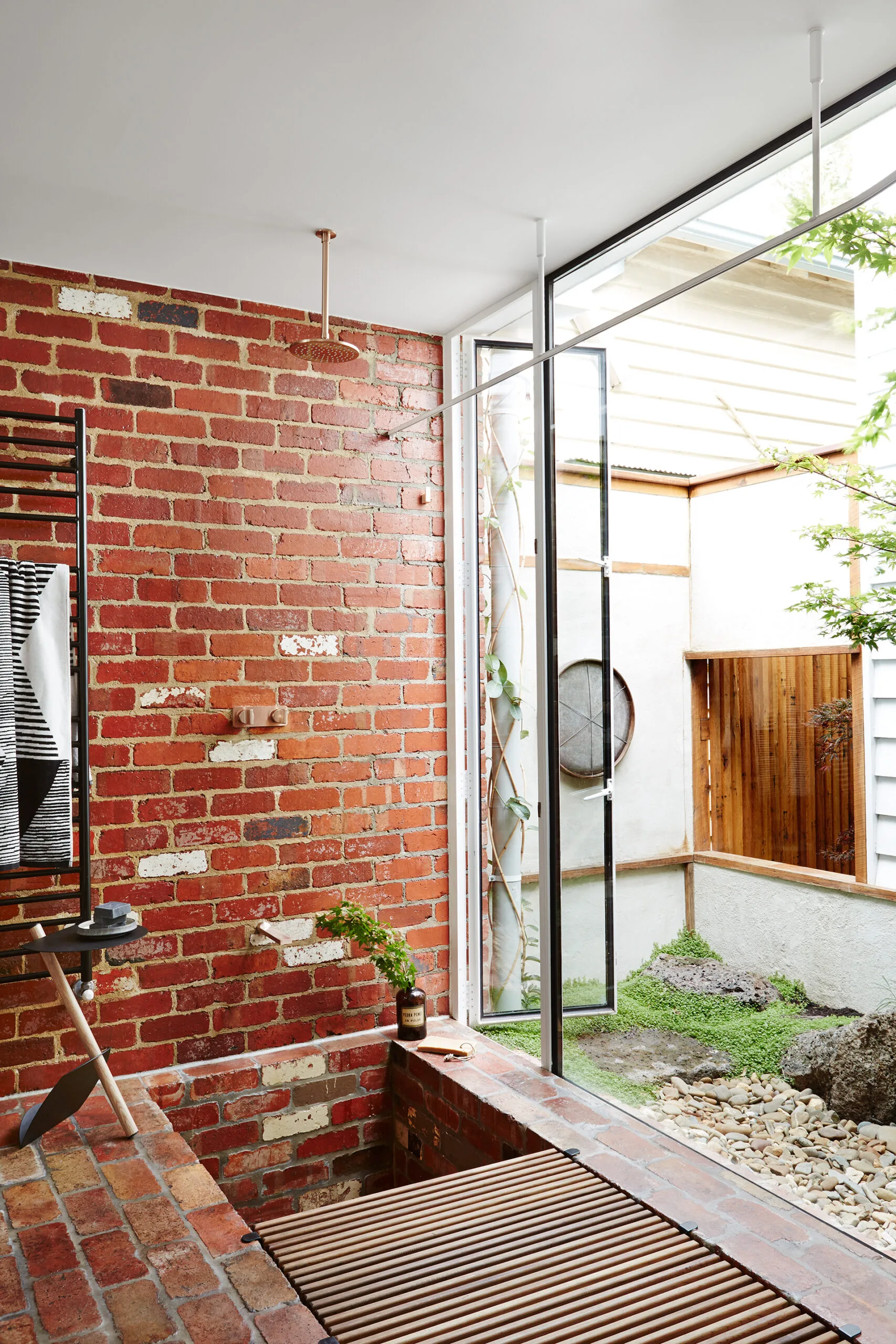
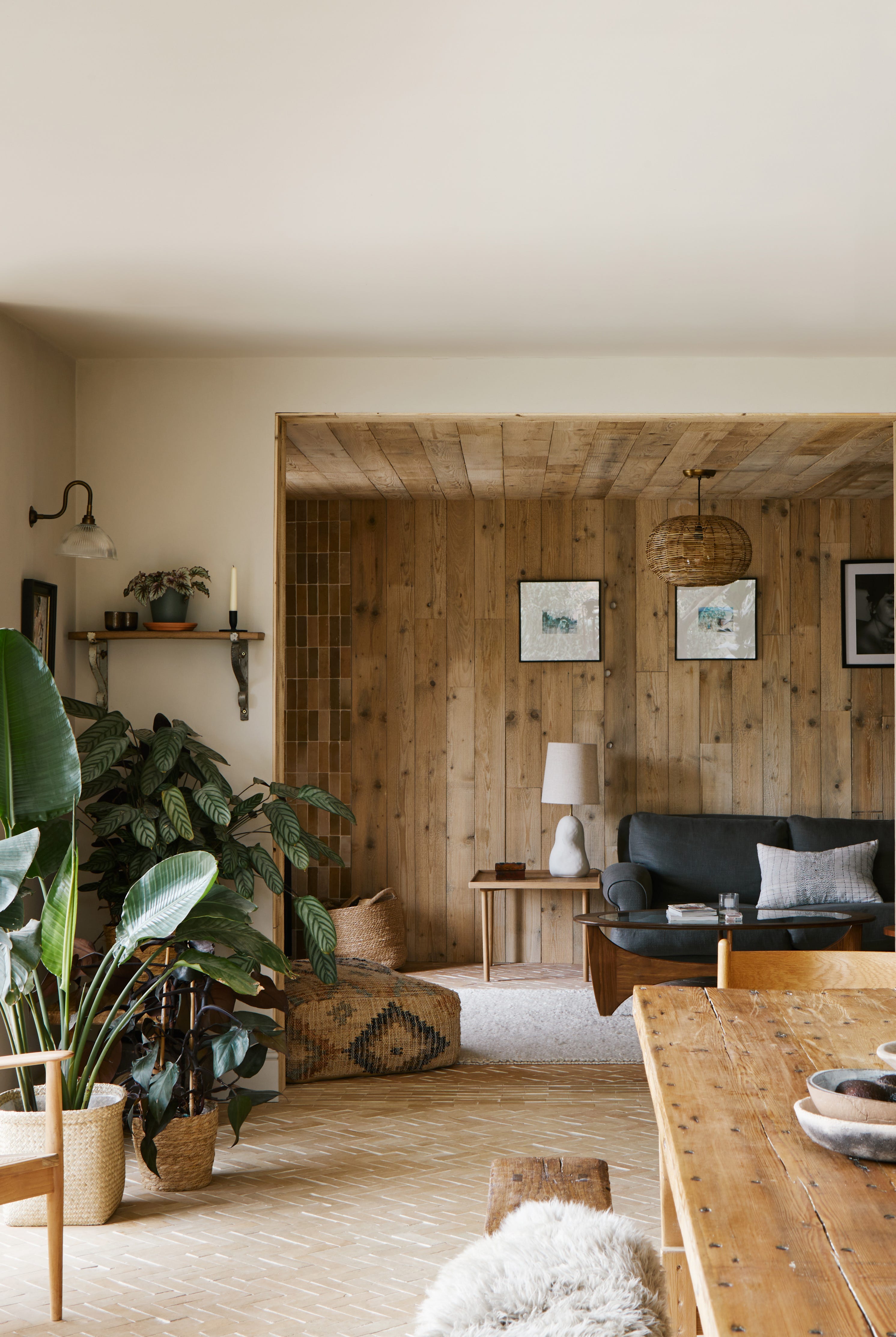
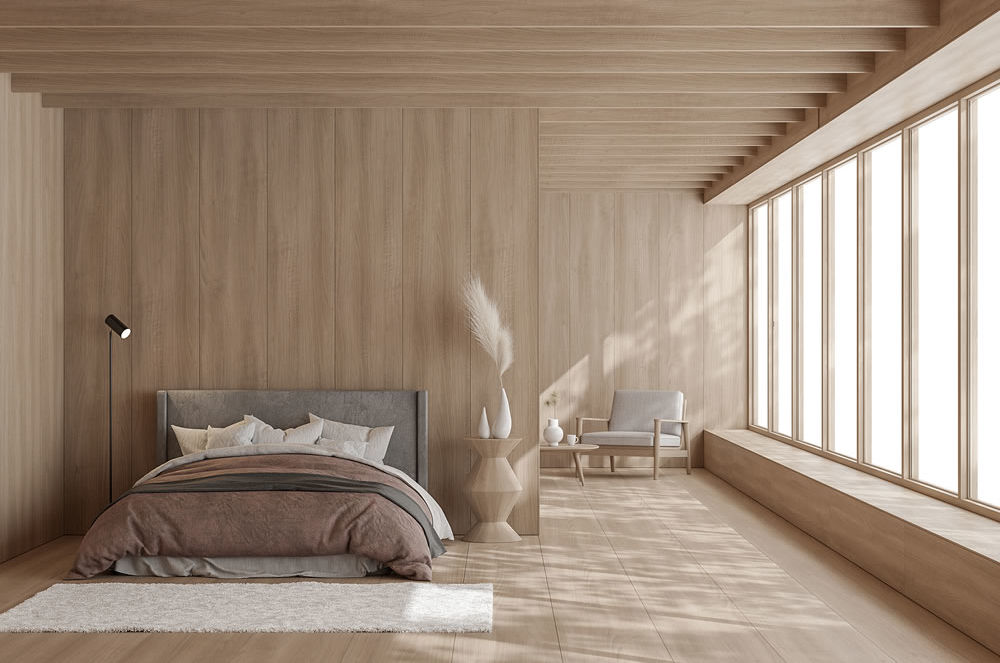
Another defining feature is the use of regenerative and eco-friendly materials, including bamboo, hemp, cork, flax, soy, and recycled or upcycled components. Innovative substitutes for conventional materials are employed, such as hempcrete instead of concrete and bioplastics derived from algae replacing traditional plastics. The design of adaptive and modular spaces is also a hallmark, often utilizing natural materials that can be easily disassembled and repurposed. Examples include tiny houses, micro-apartments, structures made from recycled shipping containers, and even floating architecture, all designed to address housing needs while minimizing land use and energy consumption.
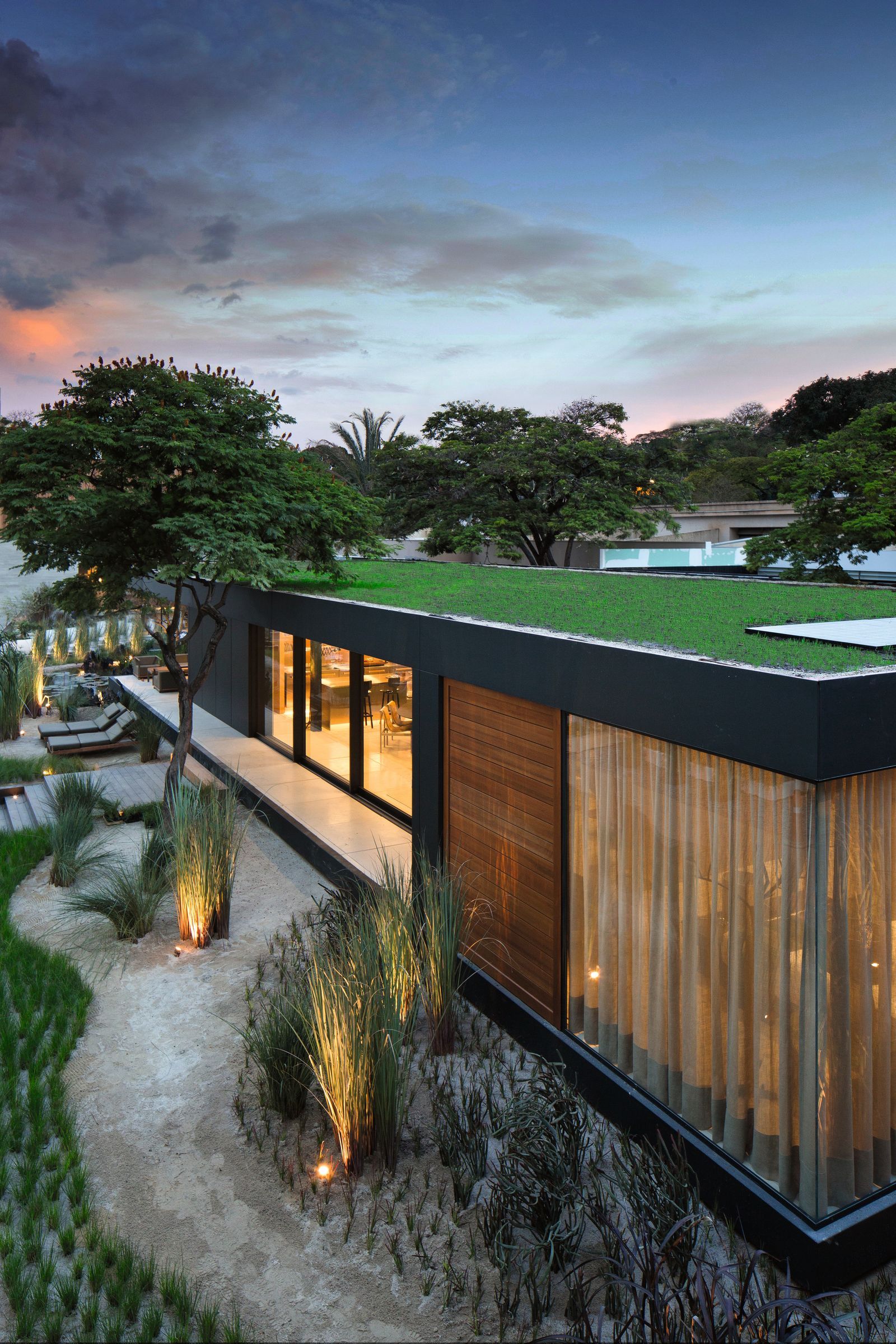
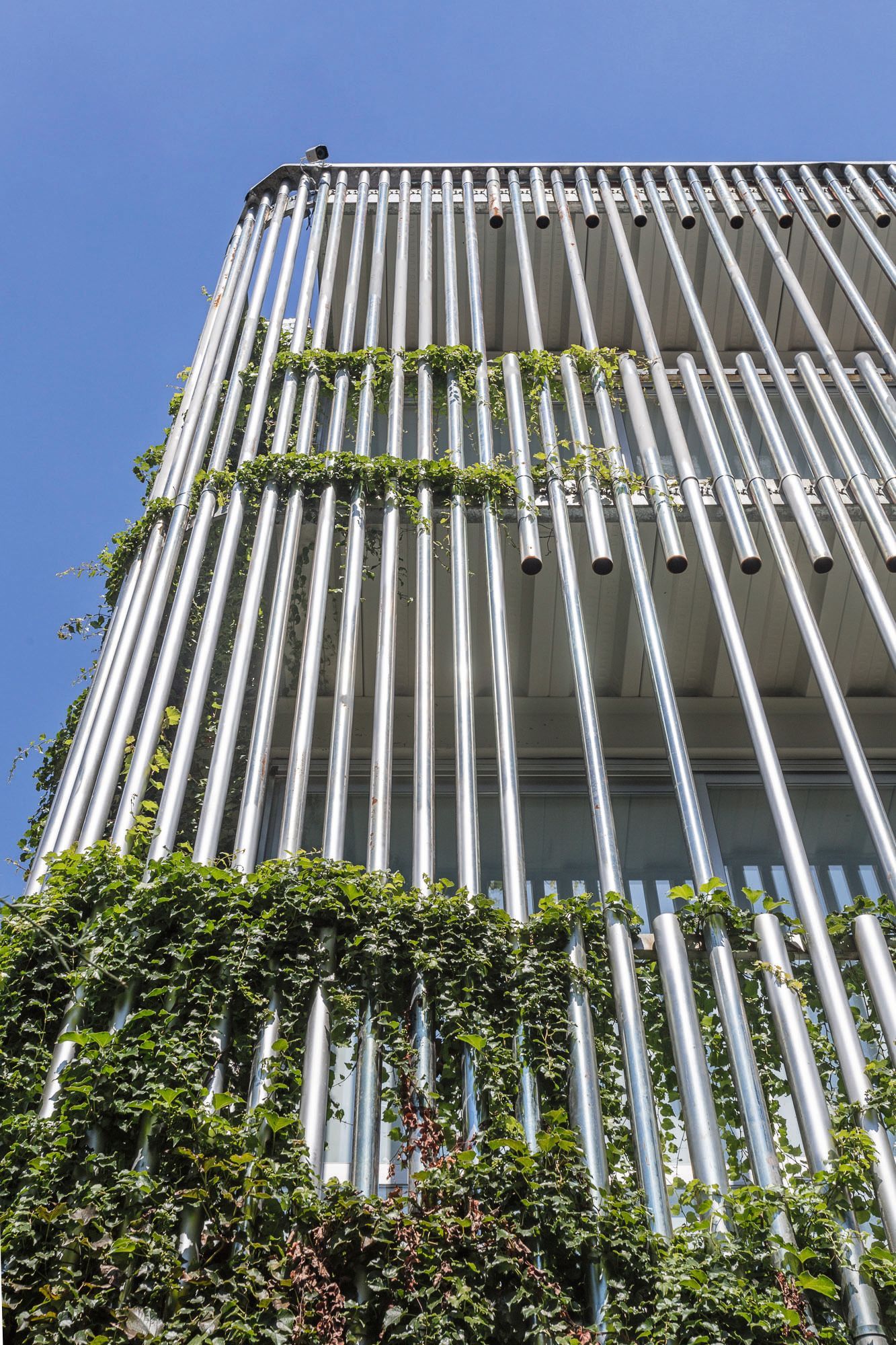
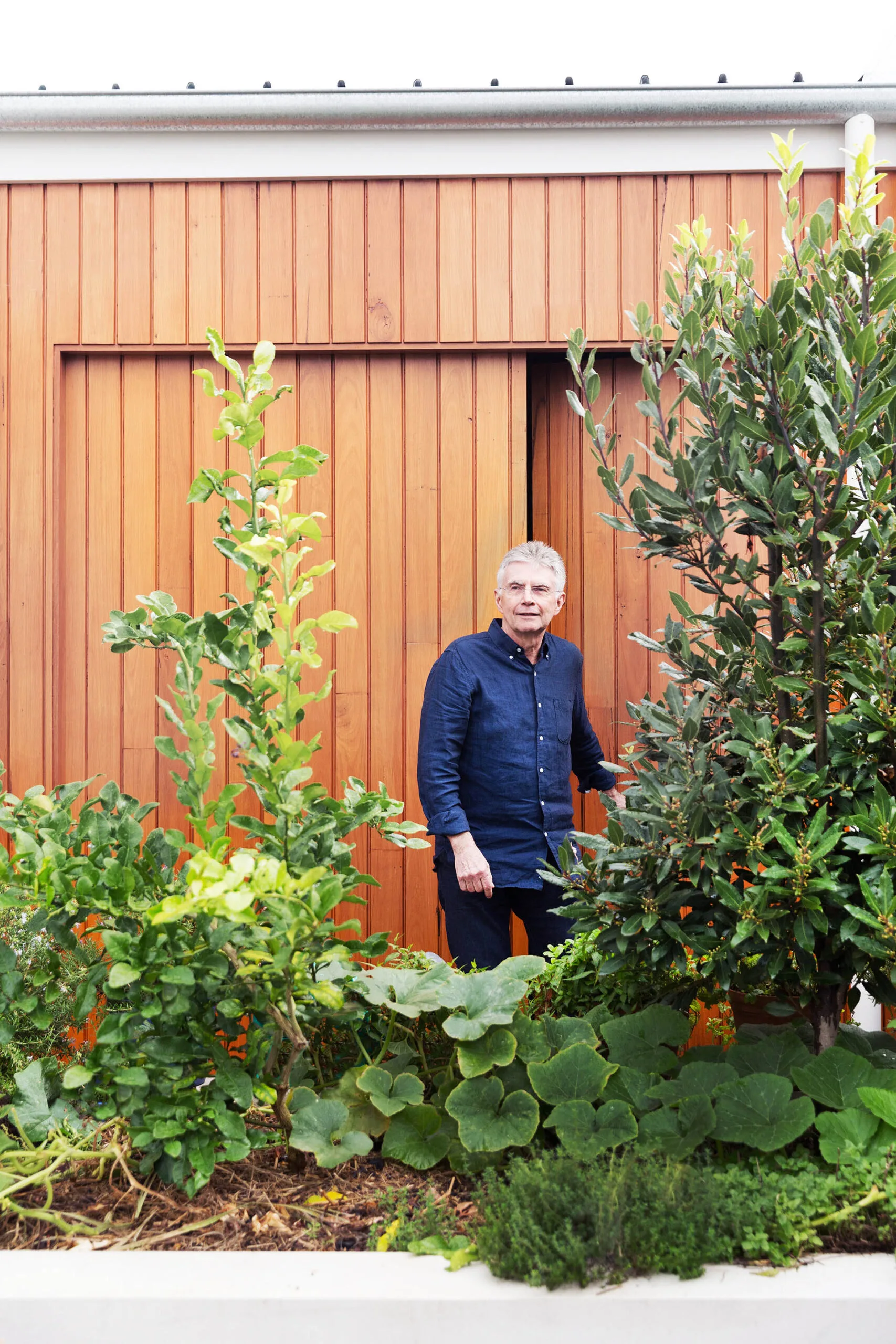
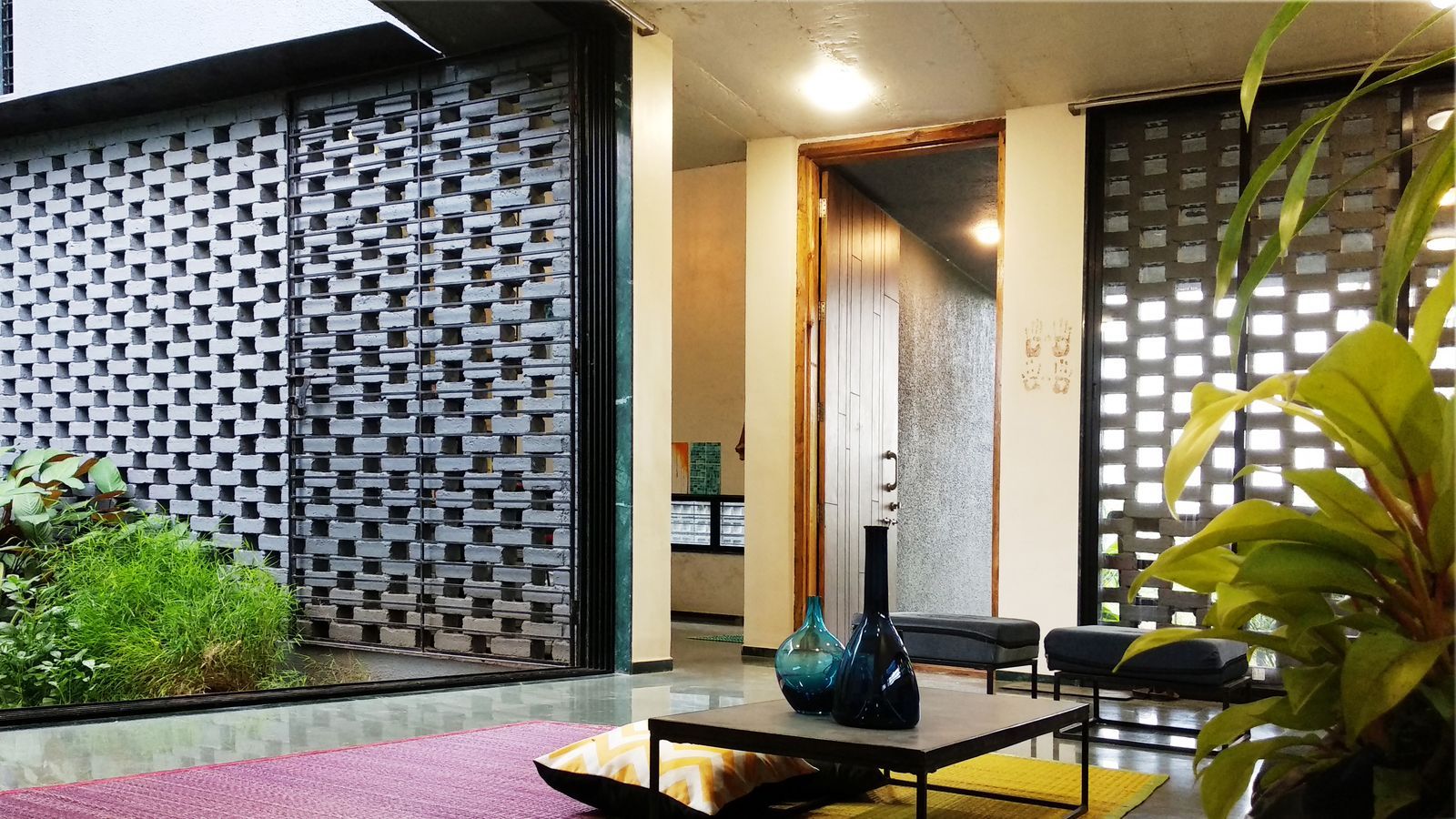
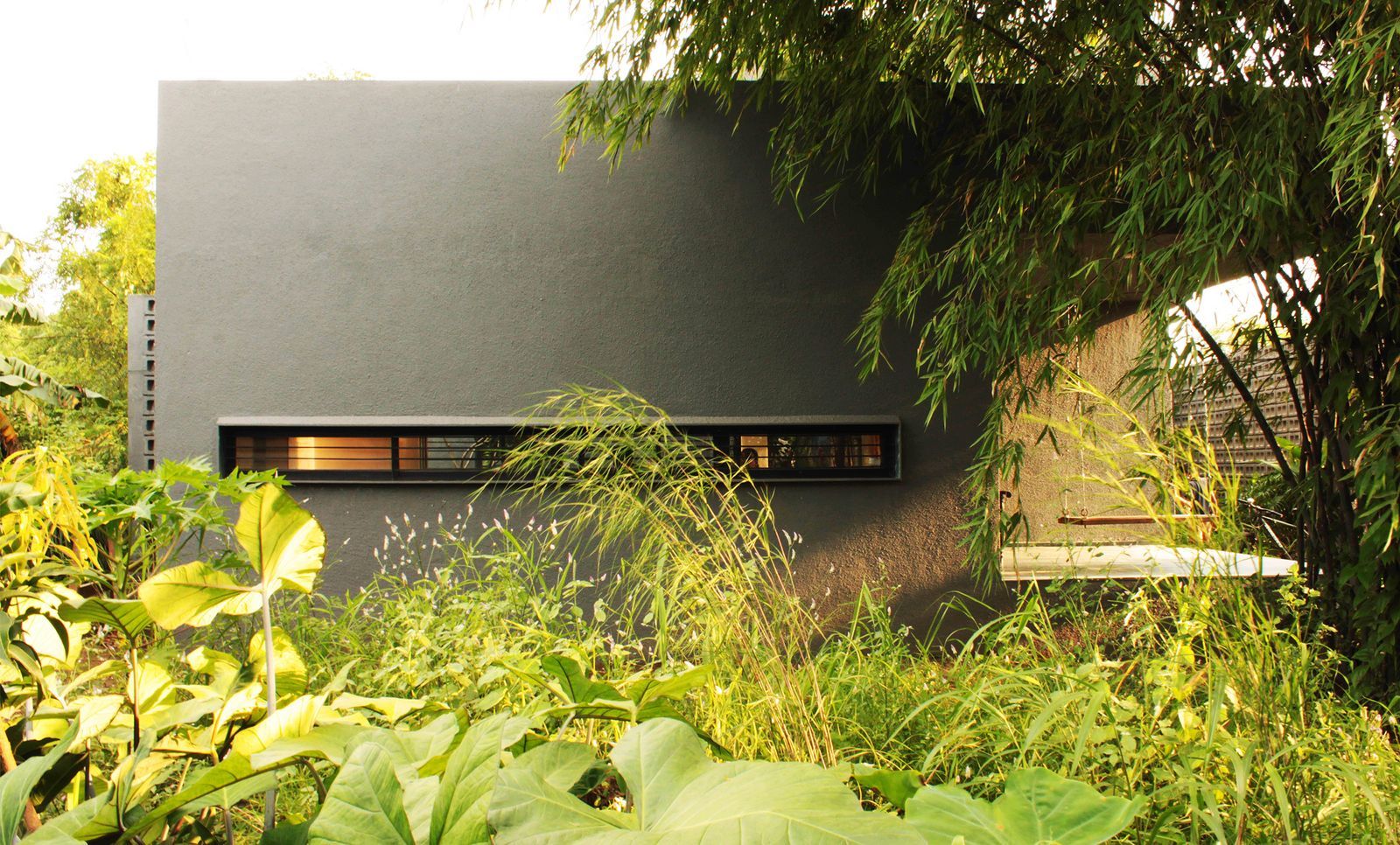
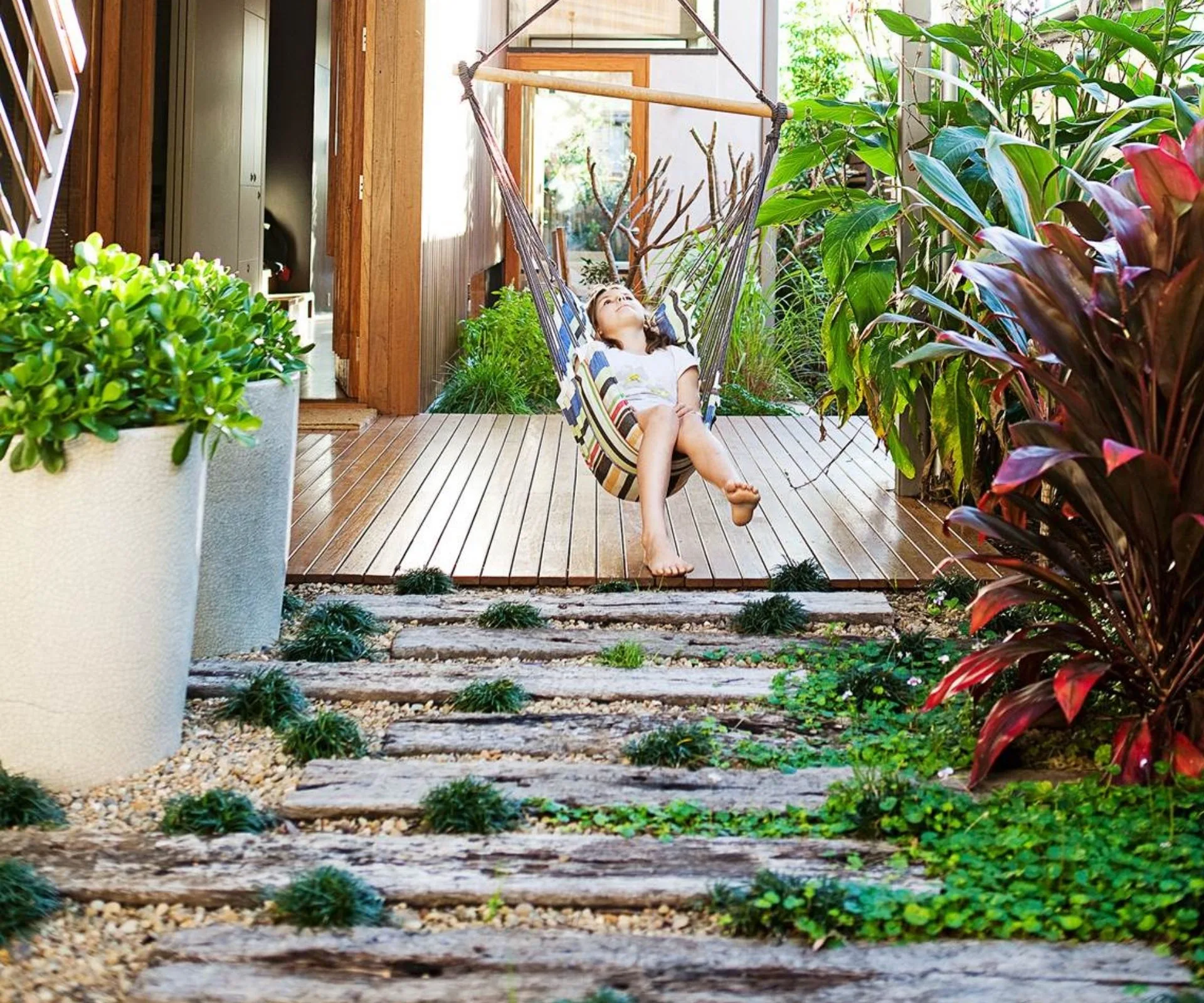
The integration of plants and nature is another crucial aspect, manifested through living walls, rooftop terraces, plant-covered roofs, and tree-clad residential towers. These elements help cool buildings, create healthy biophilic environments, and promote biodiversity through the use of native plants in landscaping, which also reduces maintenance requirements. Many principles of sustainable architecture are rooted in ancient building techniques, which were largely abandoned during the industrial age's focus on modern materials and mass production. The renewed interest in sustainable architecture gained momentum with the first Earth Day over 50 years ago, driven by the environmental movement and subsequent legislation.
Given the current climate crisis, it is increasingly imperative for designers, architects, builders, and consumers to advocate for improved building practices to counter the damage caused by the construction industry, which, for instance, accounts for 39% of CO2 emissions in the United States. Environmental standards like BREEAM and LEED provide essential guidelines for sustainable building practices, and responsible architects strive to meet these certifications. Despite innovations and growing awareness, sustainable architecture remains a relatively small portion of global construction. Many experts now advocate for a shift towards regenerative architecture, which focuses on designing buildings and systems capable of self-regeneration and complete breakdown, addressing the limitations of sustainability. The International Living Future Institute's Living Building Challenge also emphasizes a mandatory social-equity component to tackle social and environmental challenges simultaneously.
The basic approach to sustainable building involves using locally sourced, regenerative, and circular materials, often prefabricated to maximize efficiency and minimize waste. While the definition of sustainability can be context-dependent, in architecture, it signifies minimizing negative environmental impact, efficient resource use, and durability. Challenges include higher initial costs for specialized materials and technologies like rainwater harvesting systems and energy-efficient windows, as well as limited availability of these evolving methods.
#SustainableArchitecture #GreenBuilding #EcoFriendlyDesign #EnvironmentalImpact #RenewableEnergy #WaterConservation #EcoMaterials #RegenerativeDesign #ClimateChange #SustainableArchitecture #GreenBuilding #EcoFriendlyDesign #EnvironmentalImpact #RenewableEnergy #WaterConservation #EcoMaterials #RegenerativeDesign #ClimateChange
0 comment in total
 No comments yet
You may also like

7 breathtaking sustainable homes around the world

Sustainable Home Décor: Eco-Friendly Interior Design Trends to Watch

Luxury living goes green: Eco-friendly homes are now the latest trend in sustainable living

Architect Jeff Adams Designs a "Pretty Good House"
7 sustainable homes with style

How residential design offers opportunities for sustainability

7 Design Trends That Will Make Your Home More Sustainable

What books inspire sustainable interior design?
10 Sustainable Homes That Prove Interior Design Can Be Just as Easy on the Eye as It Is on the Earth


Sustainable home decor: Eco-friendly interior design trends to watch

Sustainable Homes
Dakivali: All materials used to build this home were found within 3 kms
Eco-house: 10 sustainable homes with clever design ideas

6 Simple Principles To Consider For An Eco-Friendly Home

10 ways to make your home more sustainable
5 sustainable home solutions that won’t cramp your style

Here Are 37 Ways to Make Your Home More Earth-Friendly

11 Eco-Friendly Houses That Will Inspire You to Live Greener
Sustainable House Day 2021: Top picks to explore this year

Innovations Driving Sustainable Building and Architecture Forward