1/6
How residential design offers opportunities for sustainability
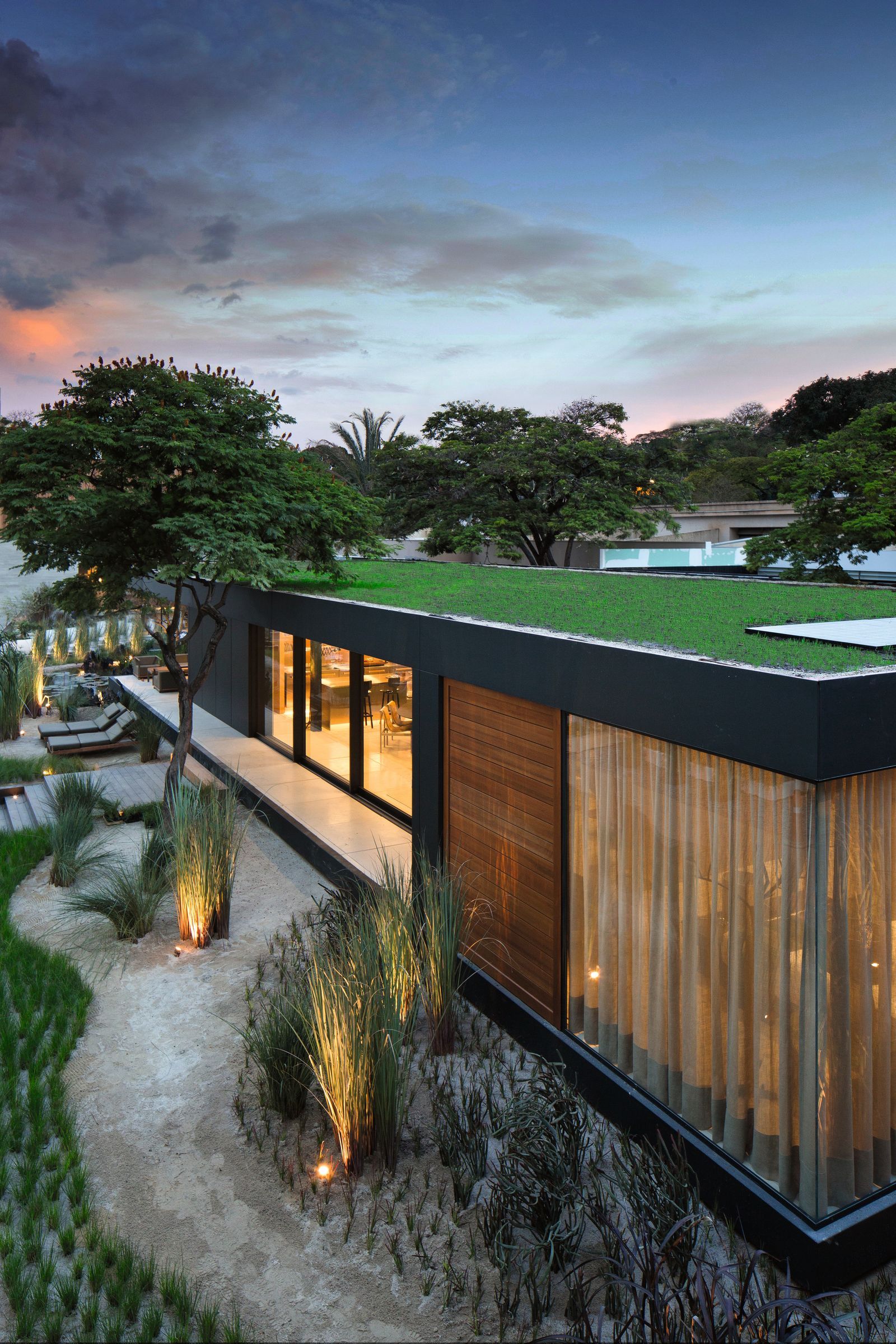
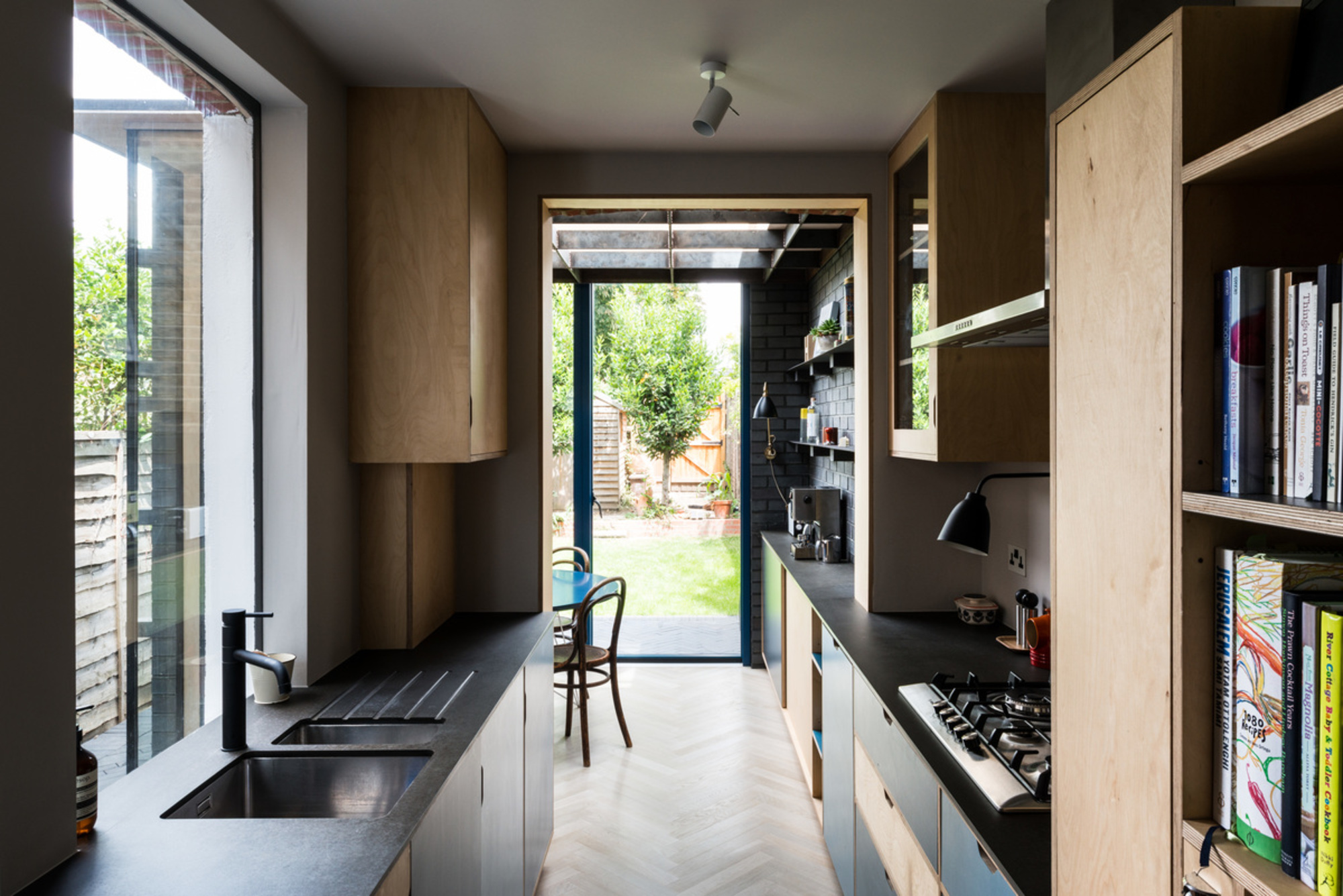
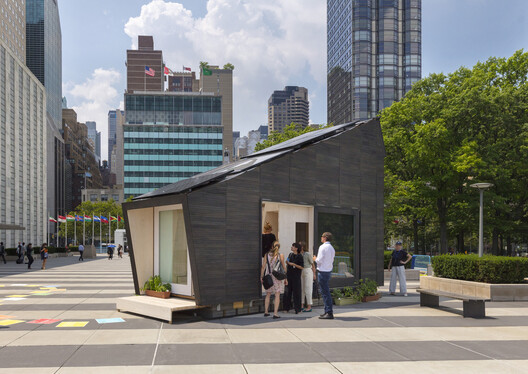
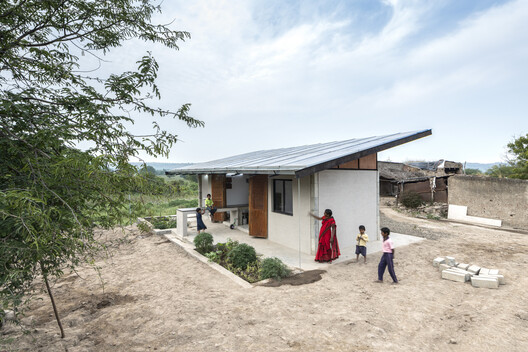
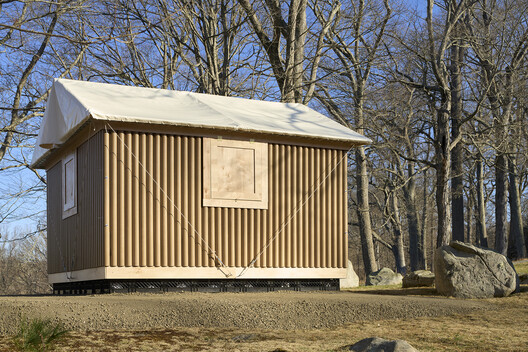
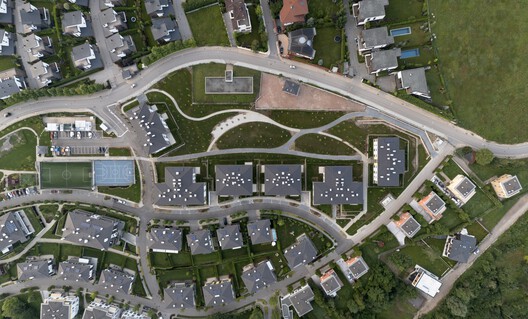
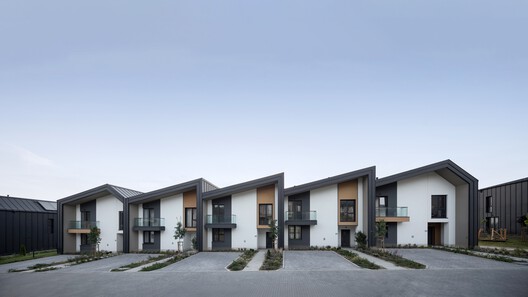
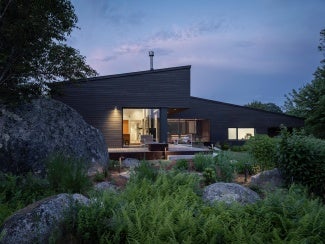
Residential design presents significant opportunities for architects to create positive and resilient ecological impacts, benefiting both homeowners and the environment. While large-scale projects often receive sustainability accolades, single-family residential designs are a consistent project type in the U.S. and can collectively achieve substantial reductions in whole-life carbon emissions. This approach is particularly effective when addressing climate-appropriate design, insulation, and mechanical ventilation, especially in cold regions where heating costs are high. Integrating Passive House principles, for instance, can lead to financial savings for homeowners through reduced fuel costs and improved indoor comfort.
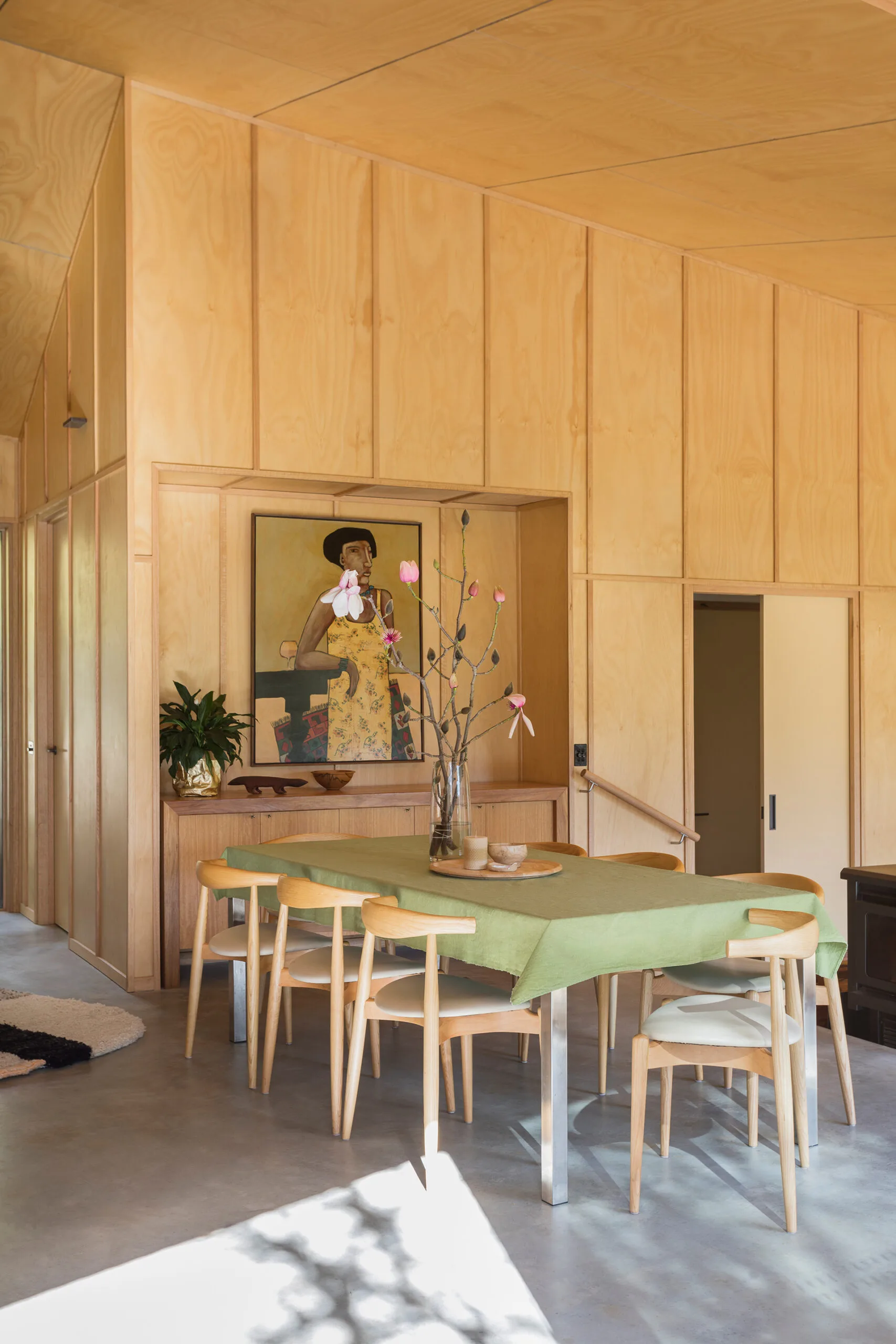
The firm OPAL approaches sustainability through five dimensions: habitable planet, circular resources, protected water cycle, resilient ecosystems, and healthy communities. For a habitable planet, architects have significant leverage in reducing greenhouse gas emissions, as buildings contribute approximately 40% of global emissions. Beyond operational efficiency, considering embodied emissions through sustainably sourced, bio-based materials like wood, cellulose, and high-recycled content metals can radically increase resilience and durability while offering immediate value to homeowners.
In terms of circular resources, the focus extends beyond reusing existing buildings to designing new constructions for adaptability and reuse throughout a building's lifespan. Residential buildings, particularly single-family homes, often experience occupants across multiple life stages, necessitating designs that accommodate aging-in-place or multi-generational living. Such flexible designs reduce waste from renovations and make the building stock inherently more circular, healthier, and inclusive.
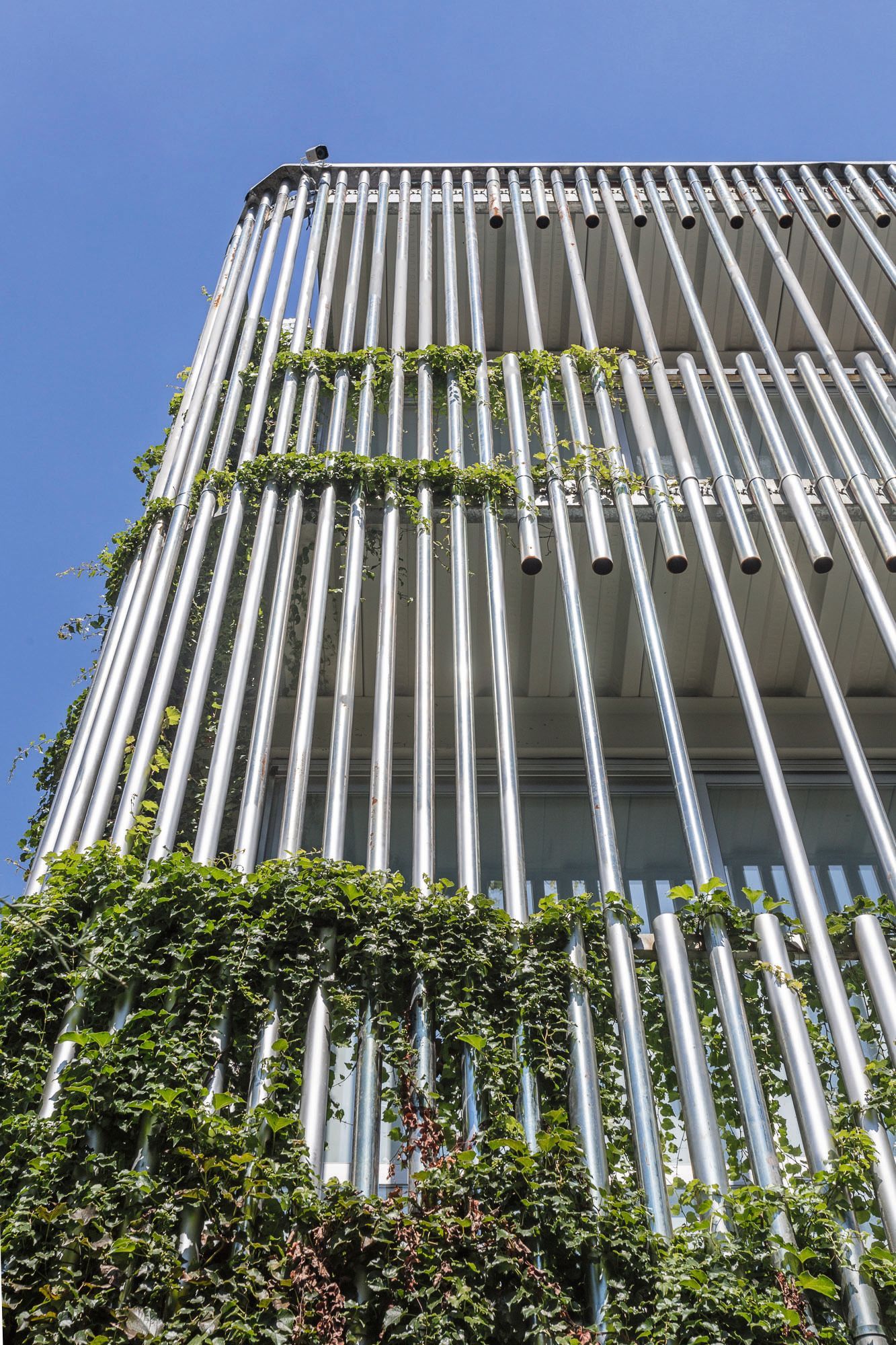
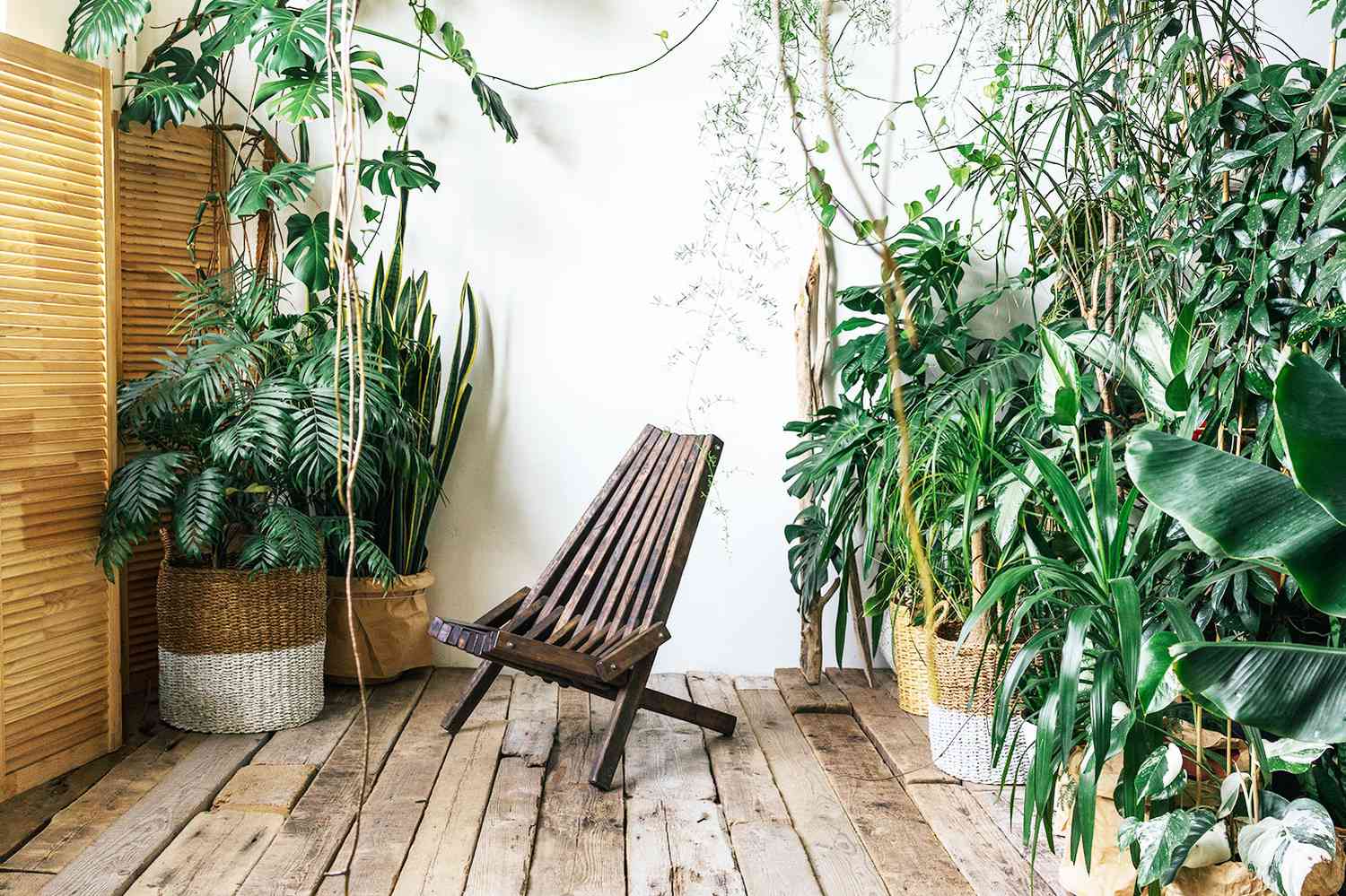
Protecting the water cycle involves reducing potable water use, particularly for irrigation, by selecting native, drought-resistant plants. Designers should also manage stormwater on-site to prevent erosion and pollution, using it to reduce the need for potable water and opting for gravity flow over pumping to decrease energy demand. Creating resilient ecosystems means minimizing the "human-only" areas on a site and designing spaces that promote biodiversity. This includes considering the ecological impact of materials and incorporating features like bird-safe glazing.
Finally, fostering healthy communities centers on creating healthy indoor environments. A non-negotiable aspect is avoiding the combustion of fossil fuels for heating or cooking within buildings, as this is a major source of indoor air pollution. Instead, electric alternatives and 100% fresh air mechanical ventilation with energy recovery systems are recommended. These strategies, combined with access to daylight, natural views, and bio-based finishes, contribute to the physical and mental well-being of occupants. The article emphasizes that even small-scale residential projects can achieve significant sustainability outcomes by synthesizing and simplifying ecological design principles, aligning with frameworks like the AIA Framework for Design Excellence.
#ResidentialDesign #Sustainability #GreenBuilding #PassiveHouse #CircularEconomy #WaterConservation #EcosystemResilience #HealthyHomes #SustainableArchitecture #ResidentialDesign #Sustainability #GreenBuilding #PassiveHouse #CircularEconomy #WaterConservation #EcosystemResilience #HealthyHomes #SustainableArchitecture
0 comment in total
 No comments yet
You may also like
7 breathtaking sustainable homes around the world

Sustainable architecture: 46 innovative and inspiring building designs


10 Ways to Use Recycled Materials in Your Home Reno

How The Home Improvement Industry Is Approaching Sustainability In An Uncertain Climate

10 Sustainable Homes That Prove Interior Design Can Be Just as Easy on the Eye as It Is on the Earth


What books inspire sustainable interior design?
7 Design Trends That Will Make Your Home More Sustainable
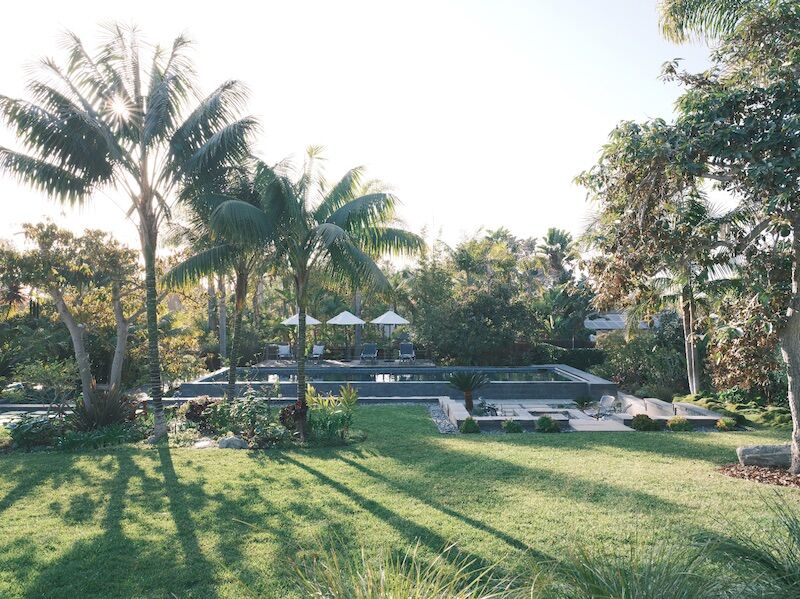
Get an Inside Look at This Sustainable Home in Leucadia

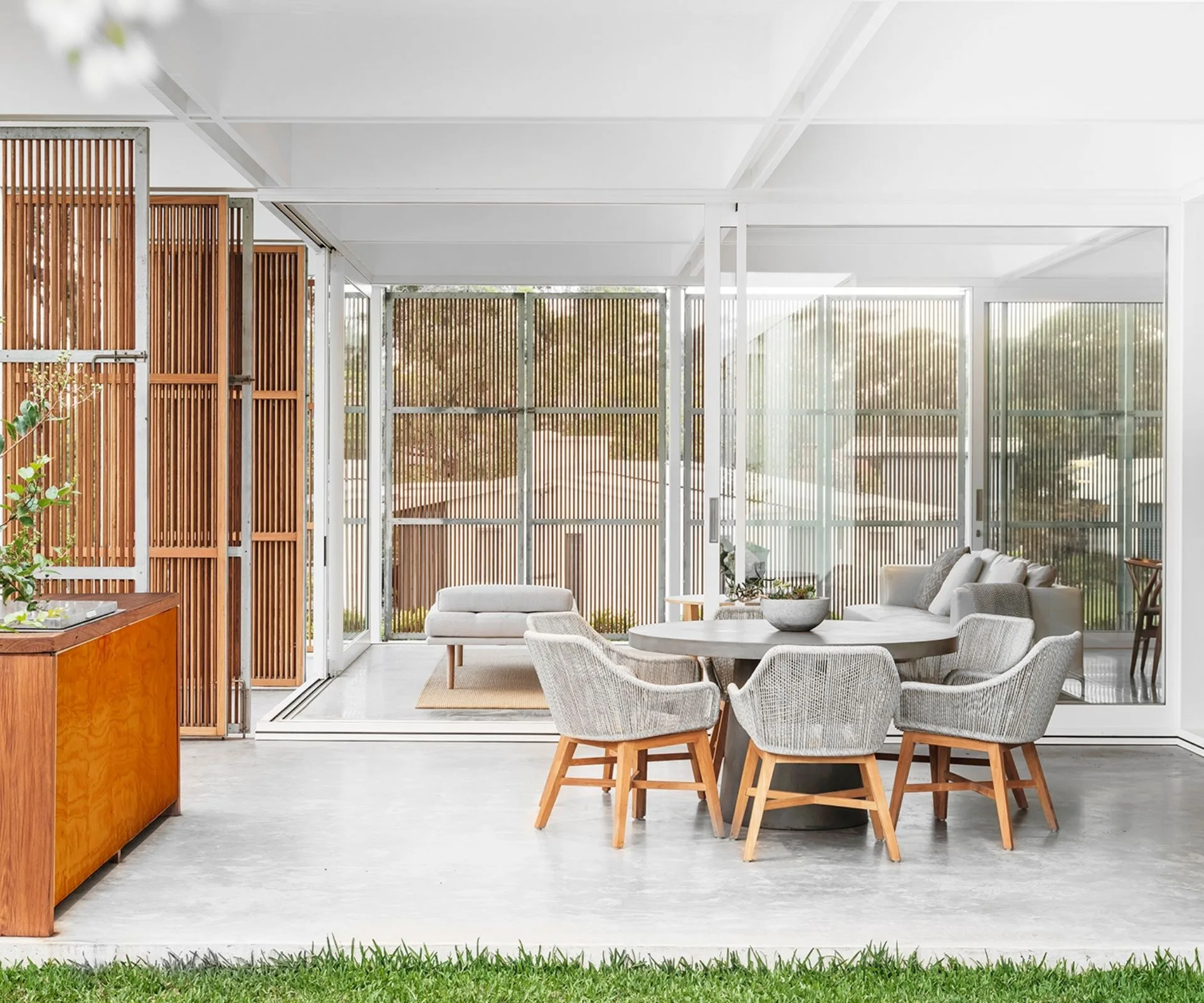
7 sustainable homes with style

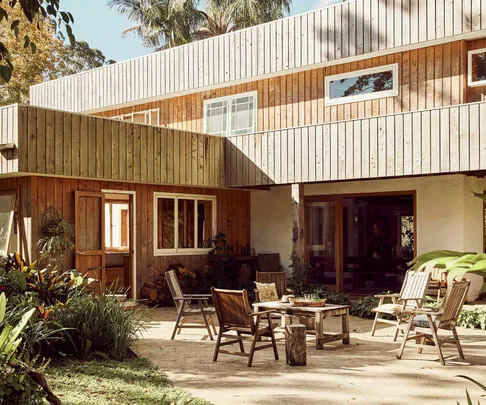
Eco-house: 10 sustainable homes with clever design ideas
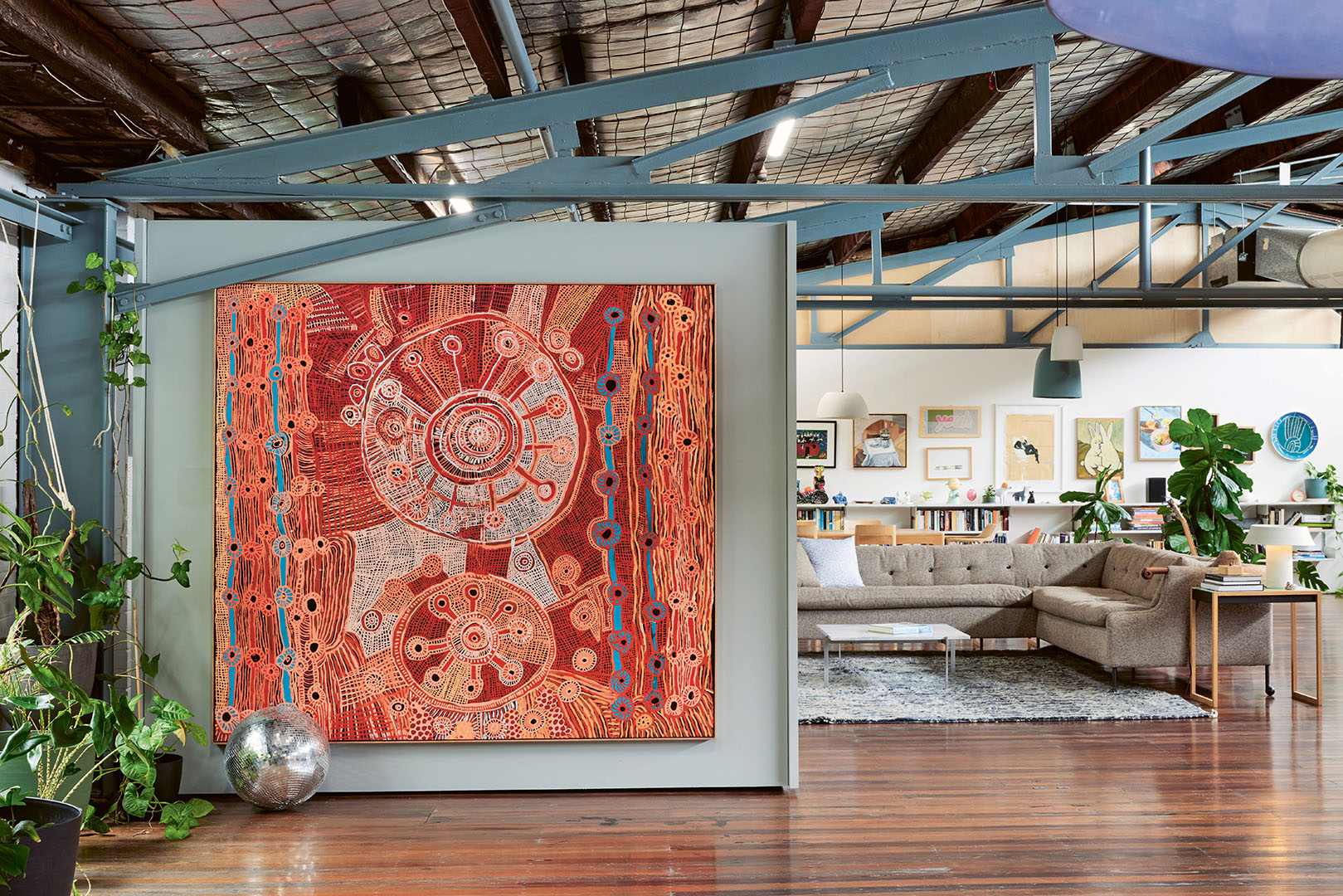
I Wrote a Book About Sustainable Homes—These 8 Ideas Are Still Inspiring Me

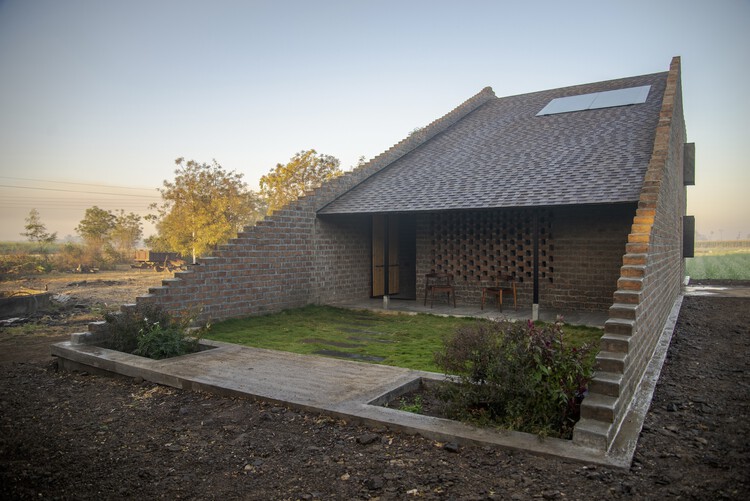
Half is More - A House in Progress / Shard.Design + Studioboxx

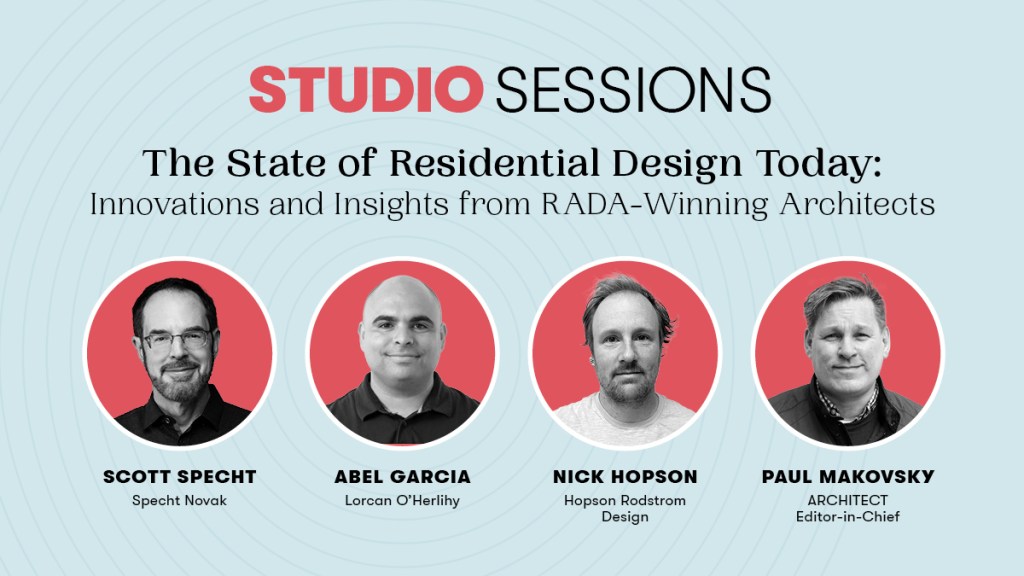
The State of Residential Design Today: Innovations and Insights from RADA-Winning Architects
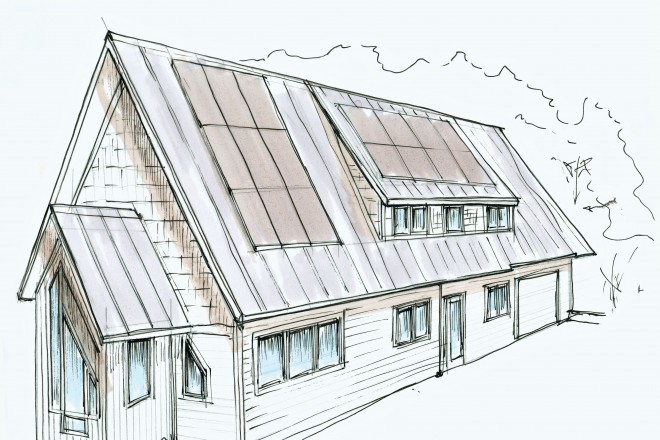
Sustainable Homes
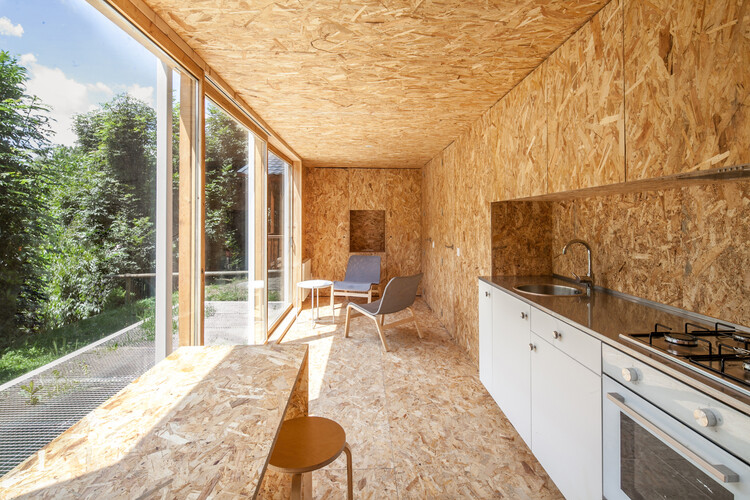
What Can Be Done to Make Interiors More Sustainable?
Case Studies in Community-Centered Living: Innovative Residential Design
How to Make Your Home More Sustainable, According to Design Experts

From Prototype to Progress: How Small-Scale Sustainable Housing Models Are Shaping Our Future

How to talk to architects, builders and general contractors about sustainability
A Guide to Sustainable Design