1/18
Case Studies in Community-Centered Living: Innovative Residential Design
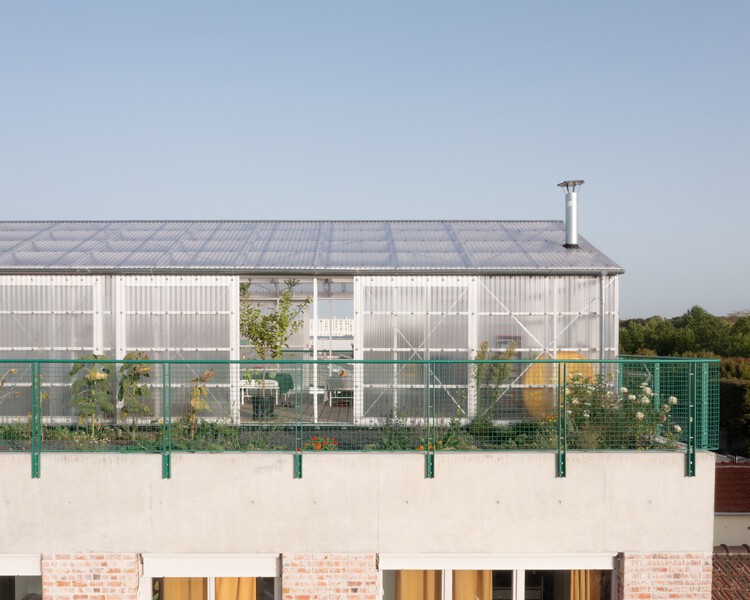
The article discusses the evolving landscape of residential architecture, focusing on the increasing urbanization globally and the challenges and opportunities it presents for design and construction. With 56% of the world's population currently residing in urban areas, projected to reach 70% by 2050, there is a growing demand for innovative and sustainable urban housing solutions. This trend necessitates a shift in architectural approaches to create spaces that are not only aesthetically pleasing but also highly functional, environmentally responsible, and community-centric. The emphasis is on how architecture can transform the urban environment to adapt to these demographic changes.
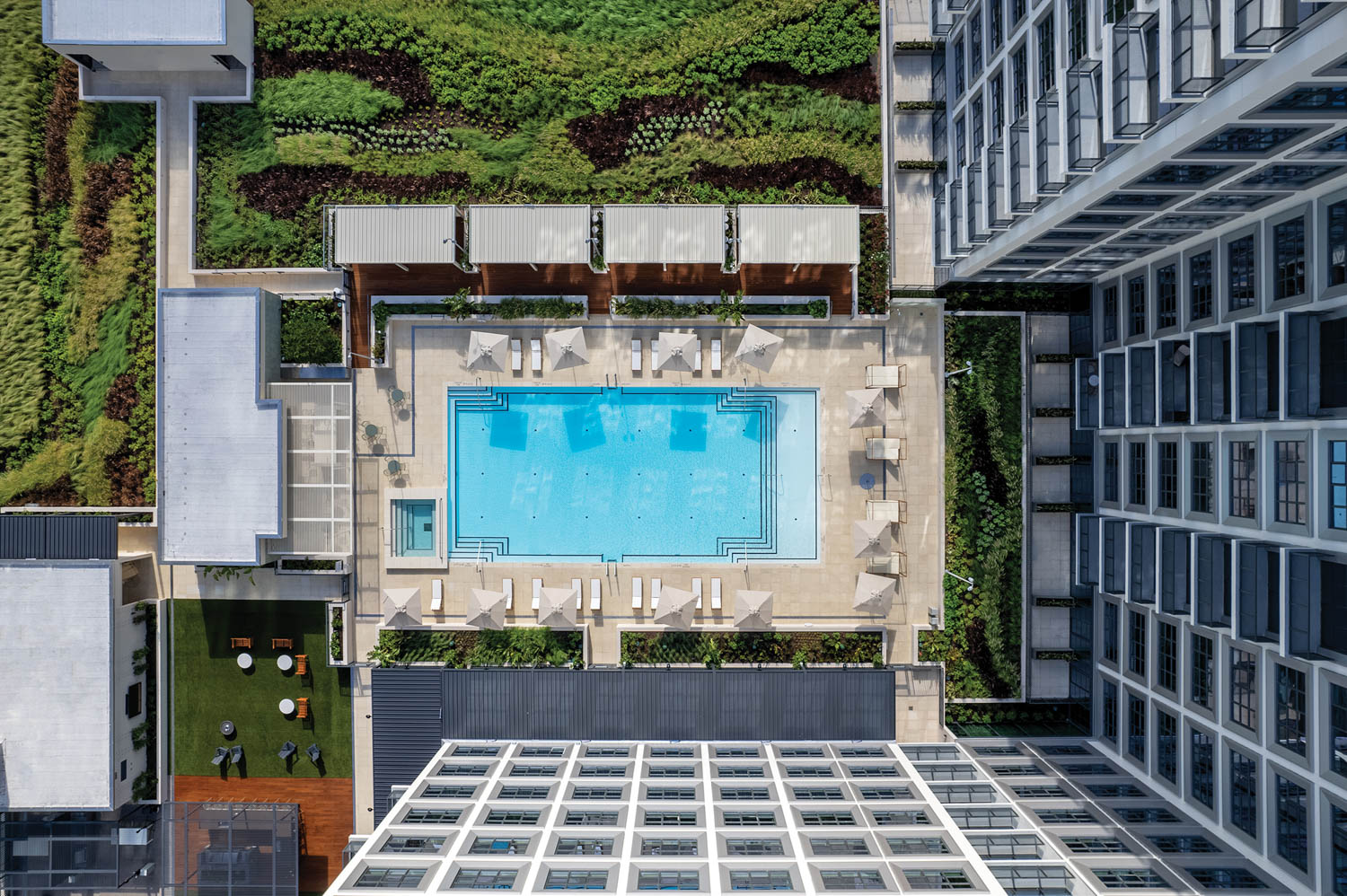
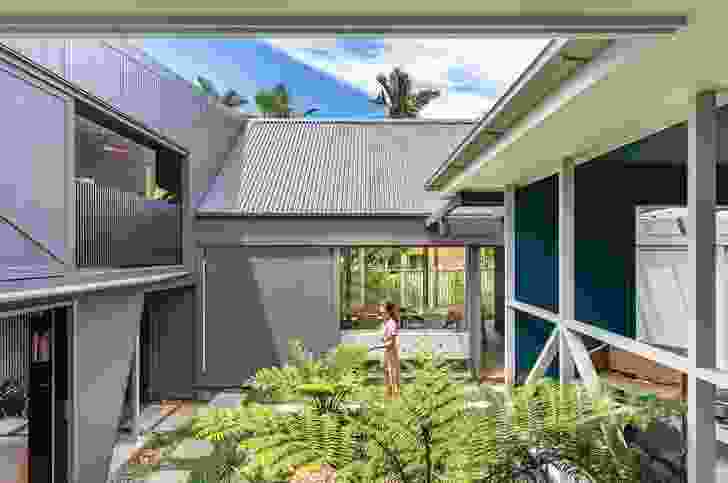
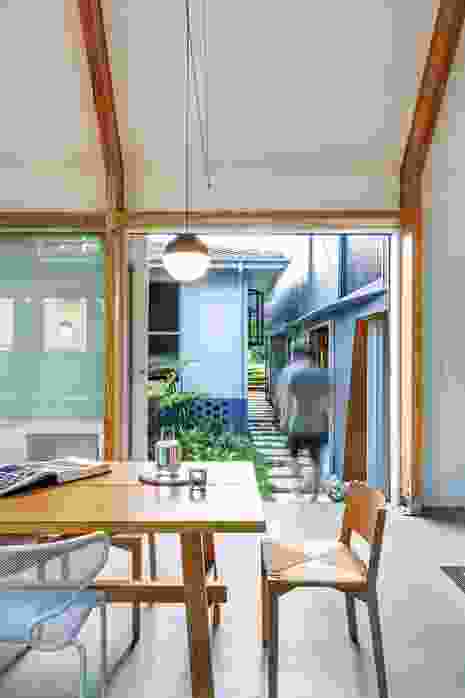
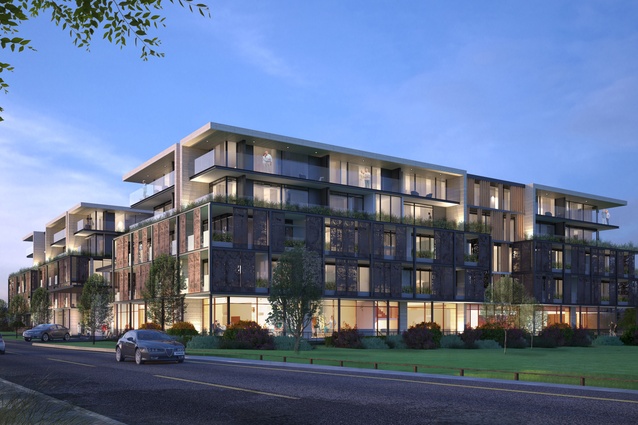
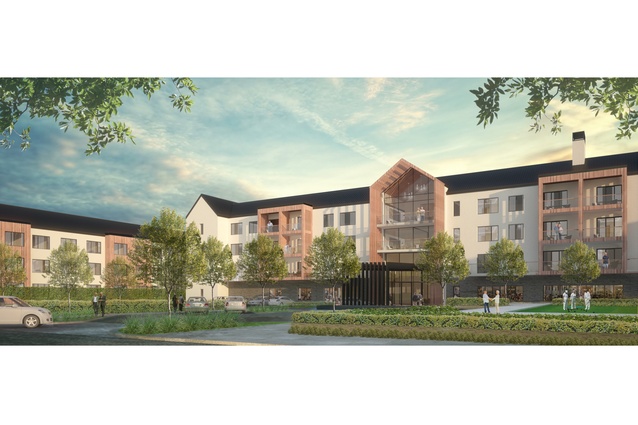
The article highlights the work of IPA – Architecture and more, a studio that has been at the forefront of this evolution since 2005. IPA's approach is characterized by innovation, a multidisciplinary team of over 150 diverse professionals, and a core belief in collaborative design. Their projects are showcased as case studies demonstrating how residential architecture can address contemporary urban challenges. These projects exemplify community-centered living by integrating design principles that foster social interaction, enhance quality of life, and promote sustainability within high-density urban settings.
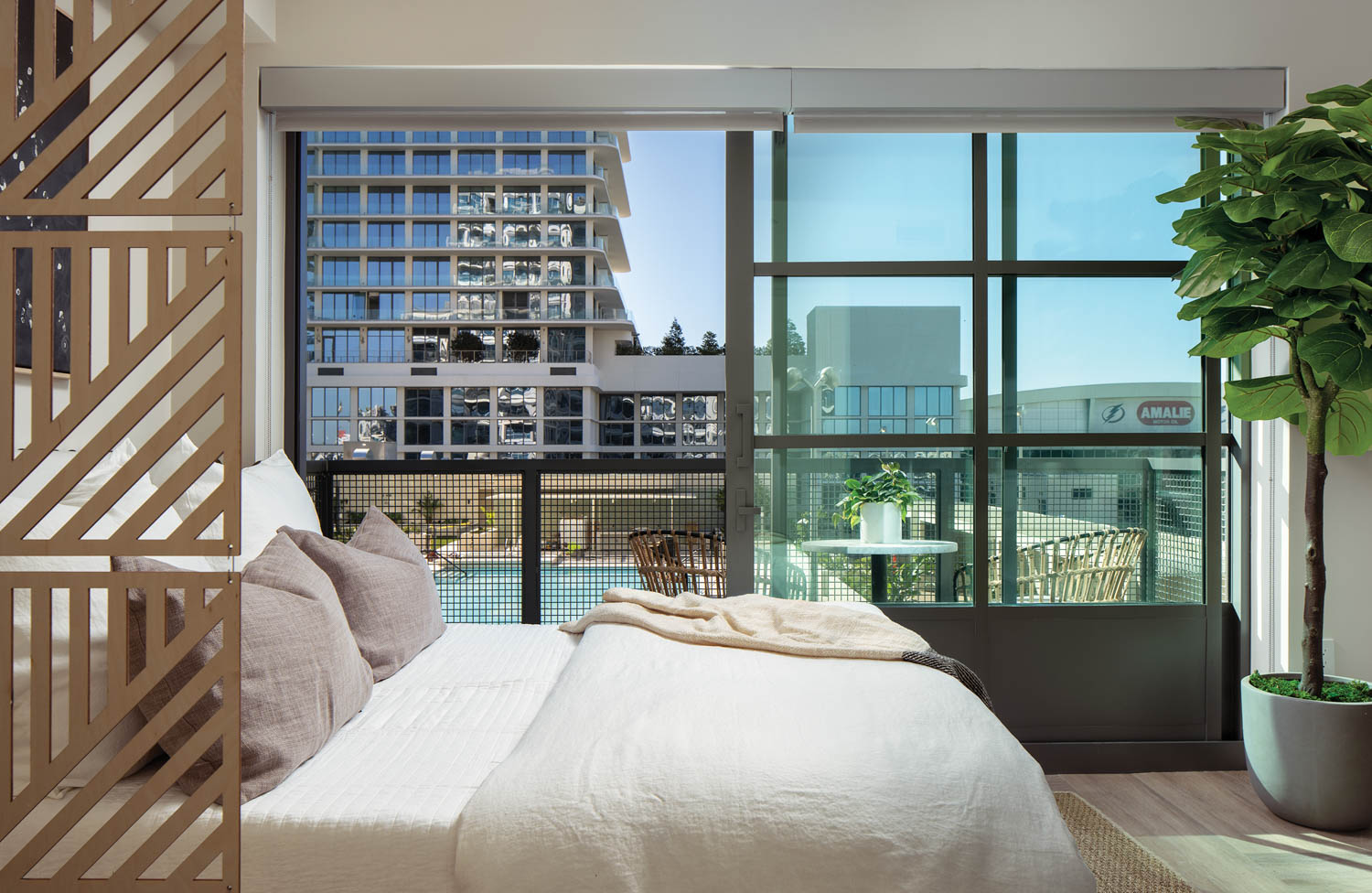
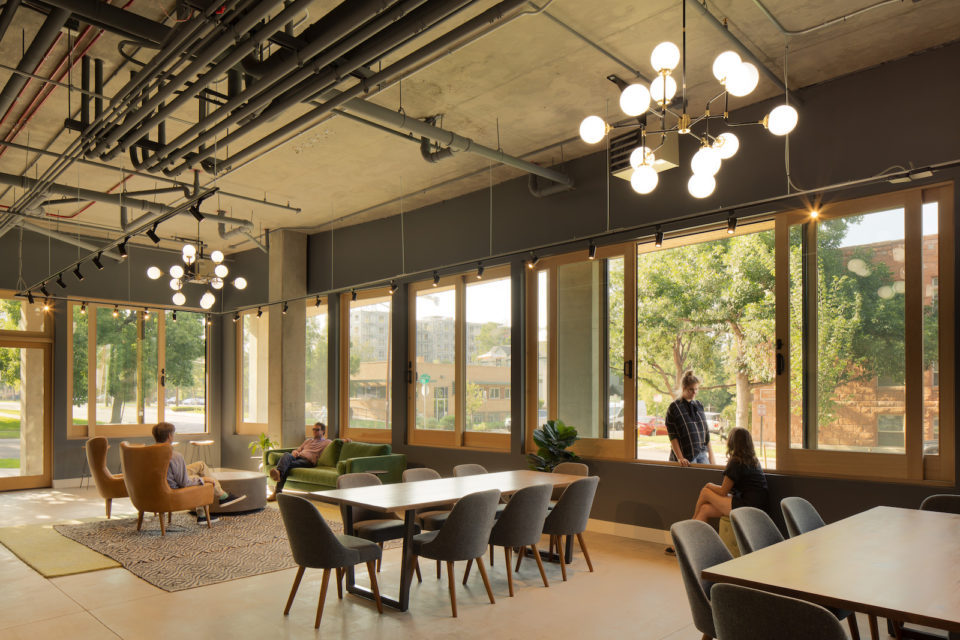
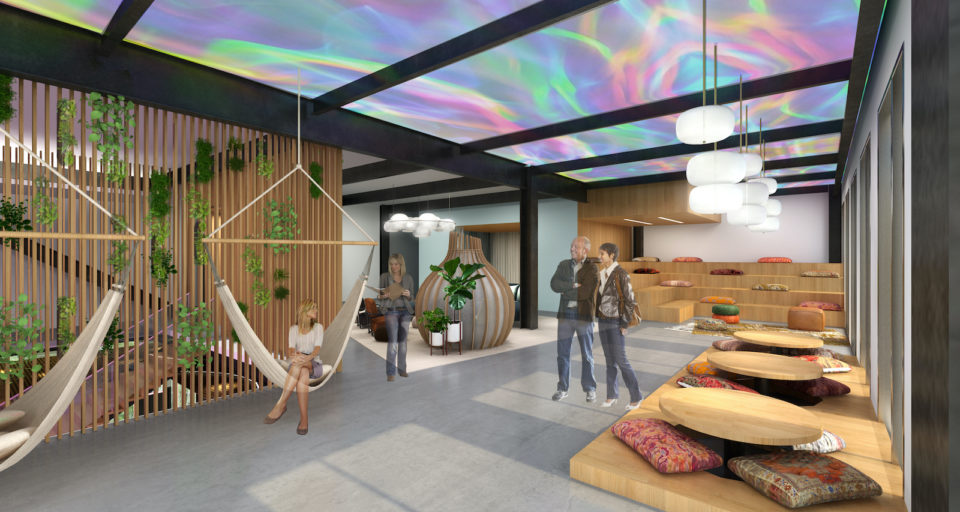
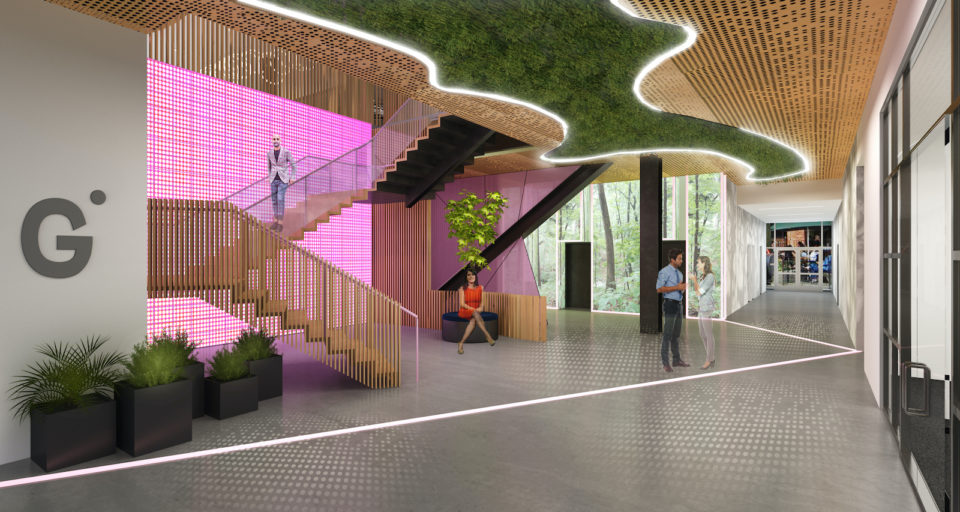
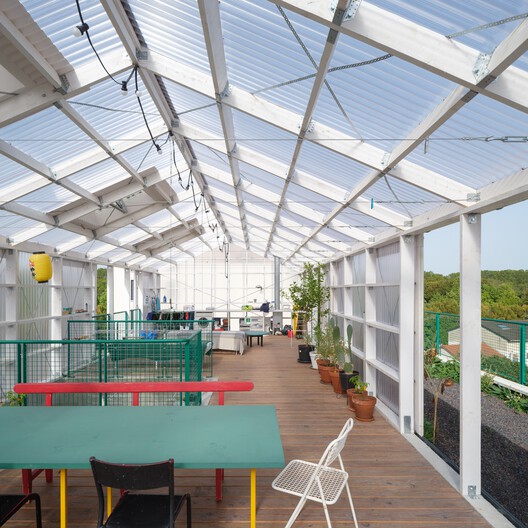
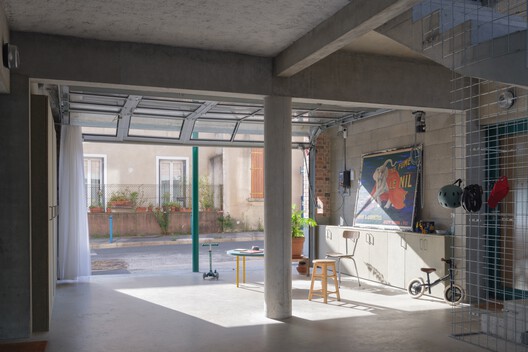
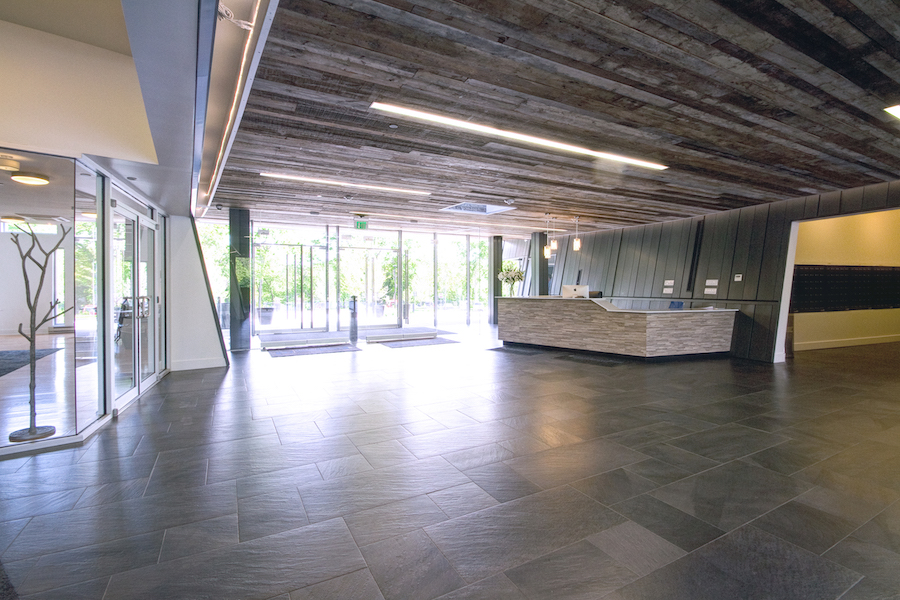
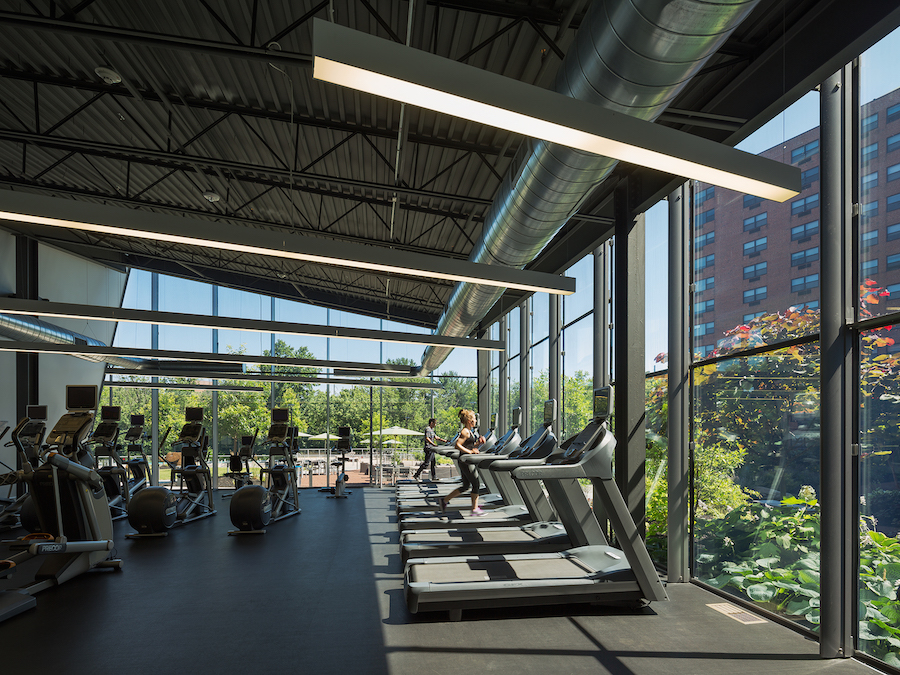
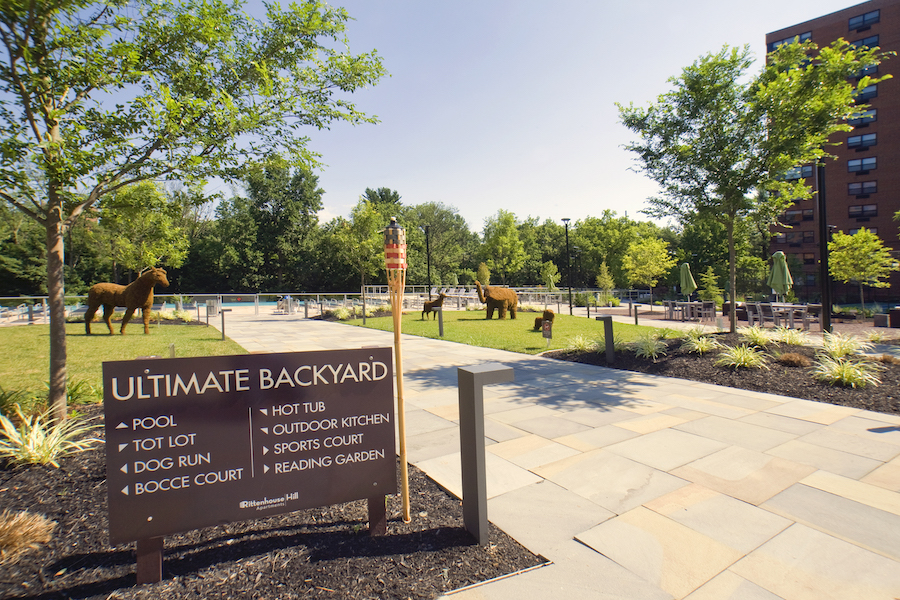
Key design strategies employed by IPA include the use of prefabricated modular units, which offer flexibility and efficiency in construction while reducing environmental impact. These units are designed to be adaptable, catering to diverse residential needs and promoting a sense of individuality within a larger community. The integration of shared spaces and green infrastructure is another critical aspect of their designs, transforming residential complexes into vibrant communities. These shared amenities, such as communal gardens, recreational areas, and co-working spaces, encourage residents to connect and interact, fostering a stronger sense of community belonging. Green infrastructure not only improves the aesthetic appeal but also contributes to environmental sustainability by enhancing biodiversity, managing stormwater, and improving air quality.
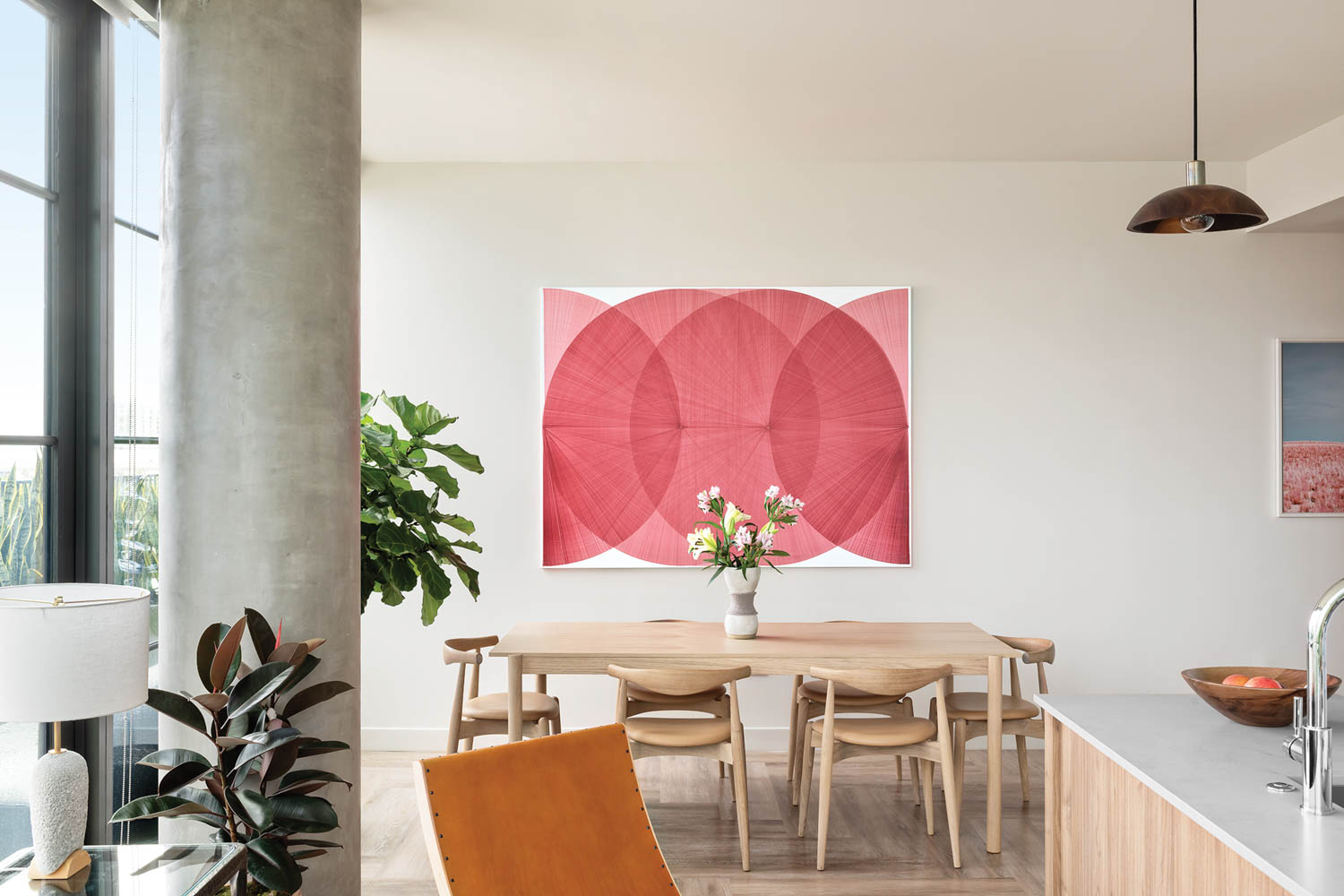
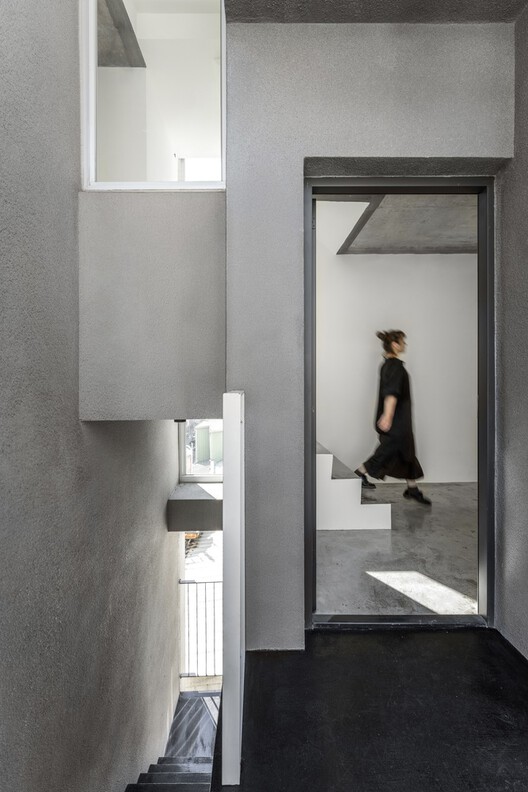
The article further elaborates on the importance of sustainable practices in modern residential development. IPA's projects demonstrate a commitment to sustainability through various means, including the selection of eco-friendly materials, optimization of natural light and ventilation, and the incorporation of renewable energy systems. These practices aim to minimize the ecological footprint of buildings, reduce energy consumption, and create healthier living environments for residents. The focus is on creating resilient buildings that can withstand environmental changes and contribute positively to the urban ecosystem. Additionally, the article emphasizes human-driven design, ensuring that architectural solutions prioritize the well-being and needs of the inhabitants. This involves thoughtful spatial planning, accessibility features, and designs that promote physical and mental health.
Overall, the article presents IPA – Architecture and more as a model for future residential development, showcasing how a collaborative and innovative approach can lead to sustainable, community-centered living solutions in response to global urbanization trends. Their work underscores the potential of architecture to shape not just buildings, but also the social fabric and environmental health of urban communities.
#UrbanDesign #ResidentialArchitecture #ResidentialBuilding #Housing #HousingComplex #Apartments #ArchitectureOffice #Interiors #Sustainability #CommunityCenteredLiving #InnovativeDesign #UrbanDesign #ResidentialArchitecture #ResidentialBuilding #Housing #HousingComplex #Apartments #ArchitectureOffice #Interiors #Sustainability #CommunityCenteredLiving #InnovativeDesign
0 comment in total
 No comments yet
You may also like
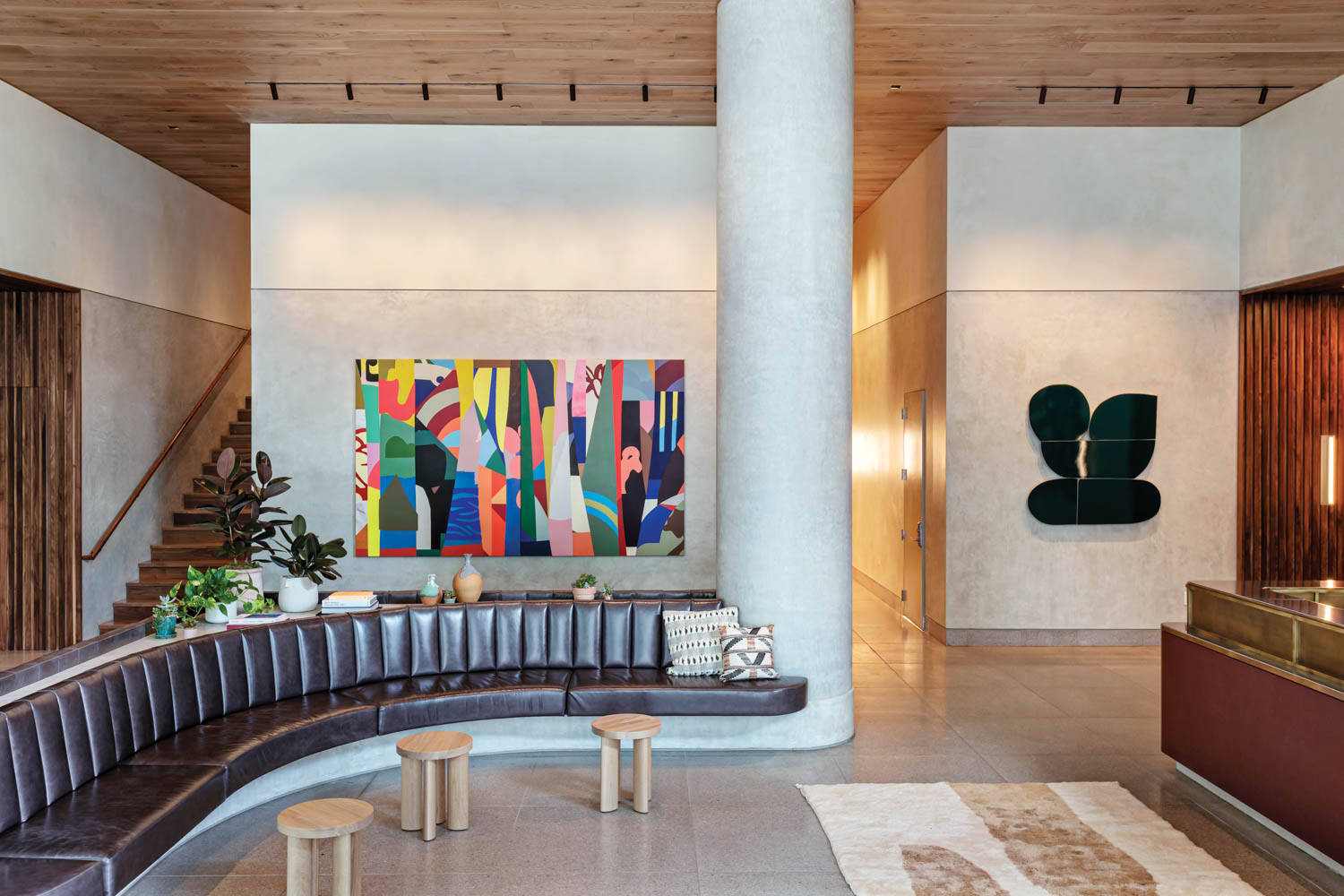
7 Character-Filled Apartment Buildings That Wow

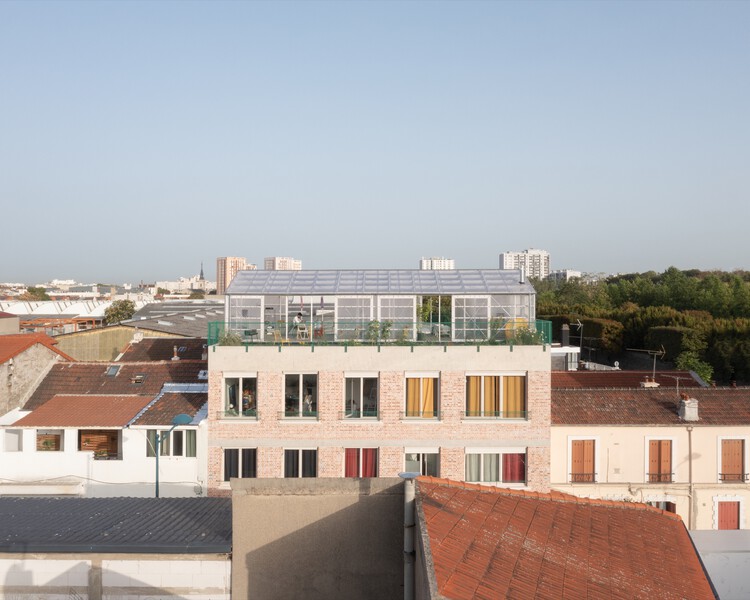
PANTIN: A Common House / Plan Común
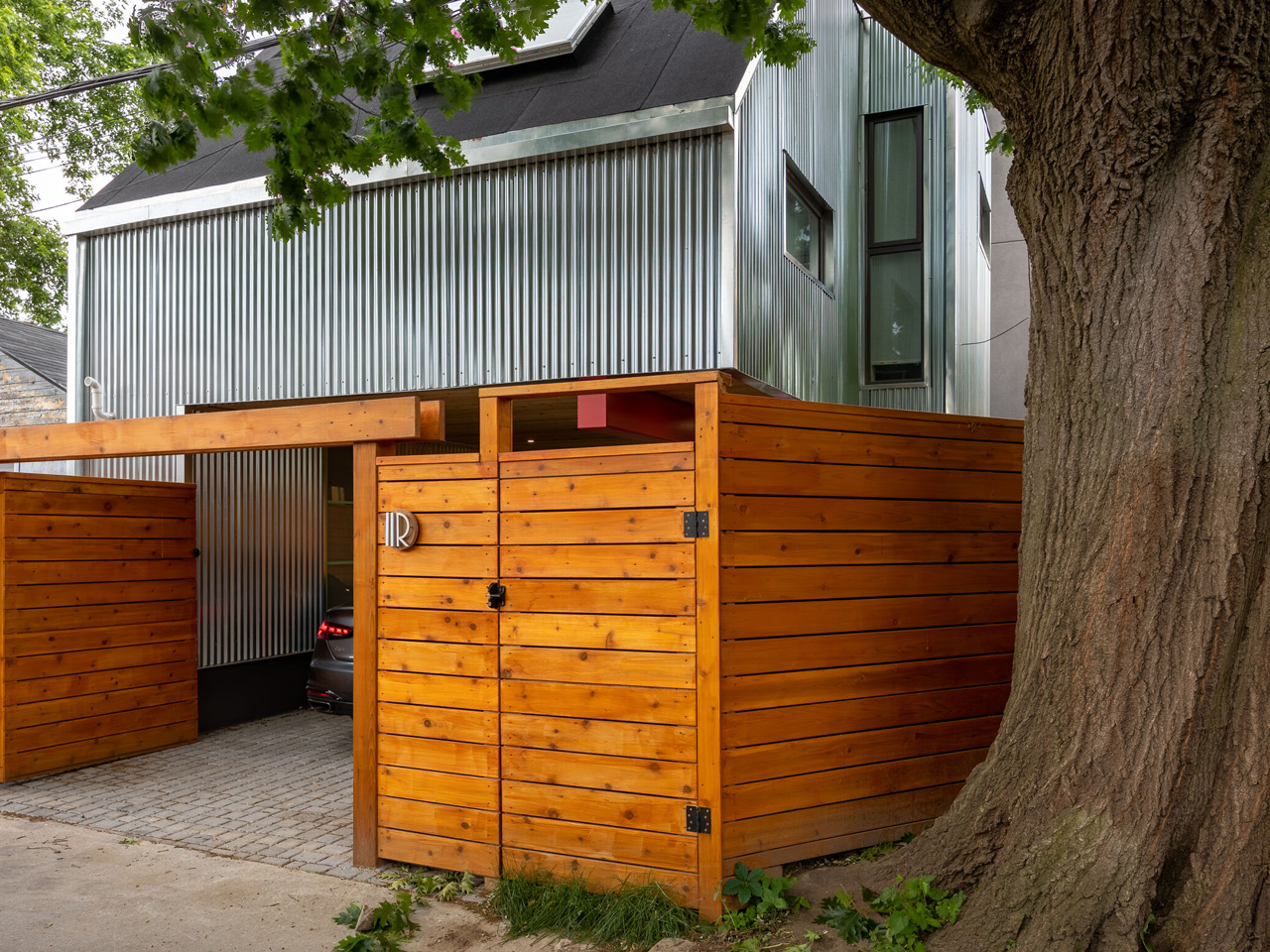
Floating Small Home Offers Flexible Living While Preserving Trees & Maximizing Space

How to get your townhouse design spot on for comfort and character
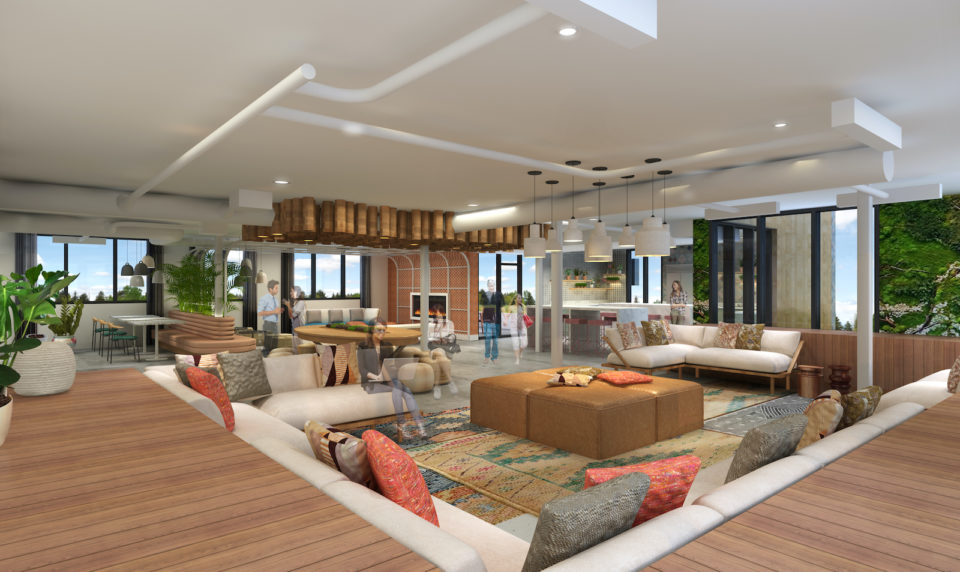
10 New Trends in Multifamily Housing Design

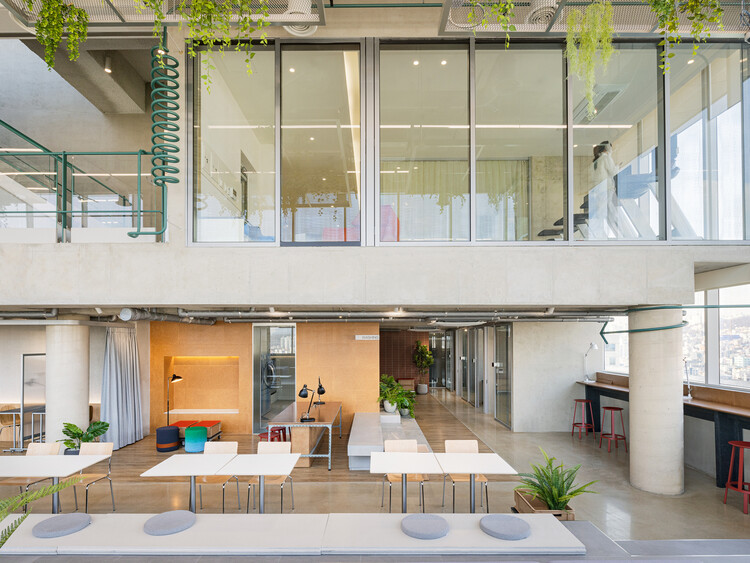
The Rise of Co-Living Spaces for Young Professionals in East Asia: 5 Projects Redefining Flexible Living

Getting the most out of your multi-res floorplan
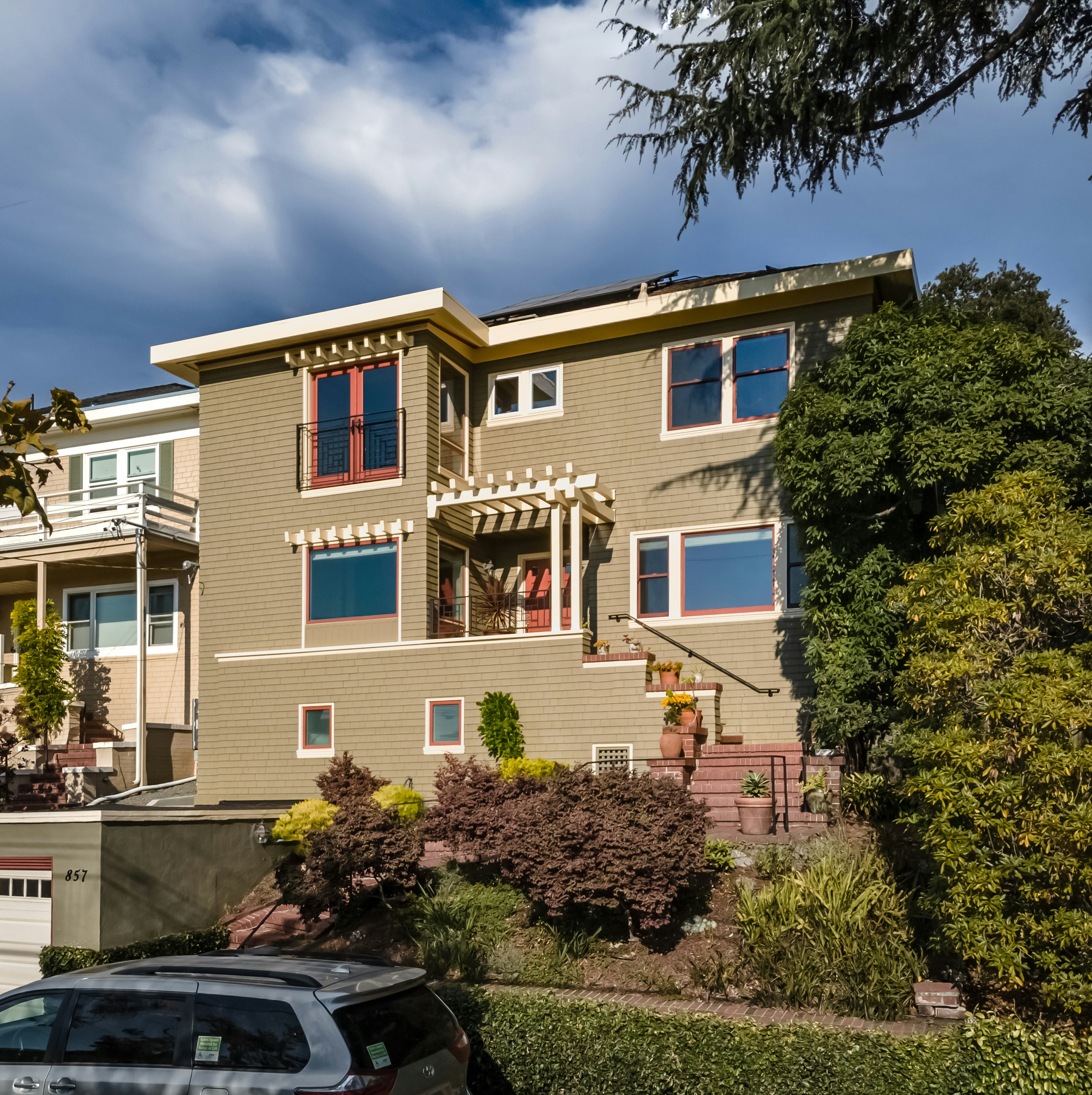
Erick Mikiten Has a Vision for the House You’ll Grow Old In

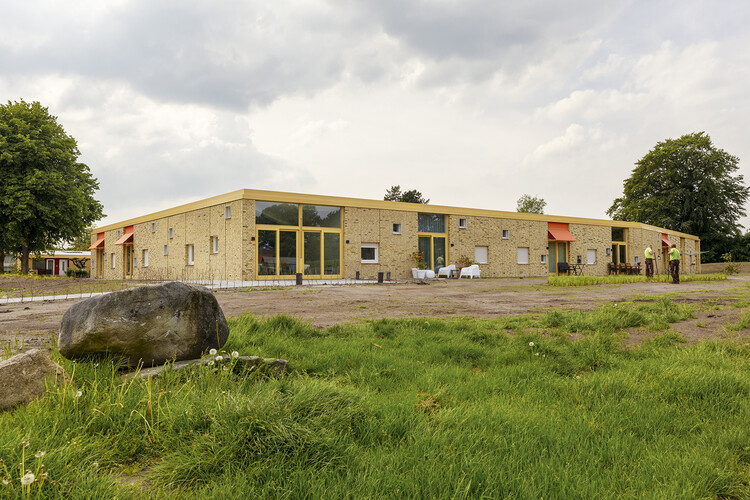
Elzenhof Veenoord Courtyard for Elderly / Specht architects & planners
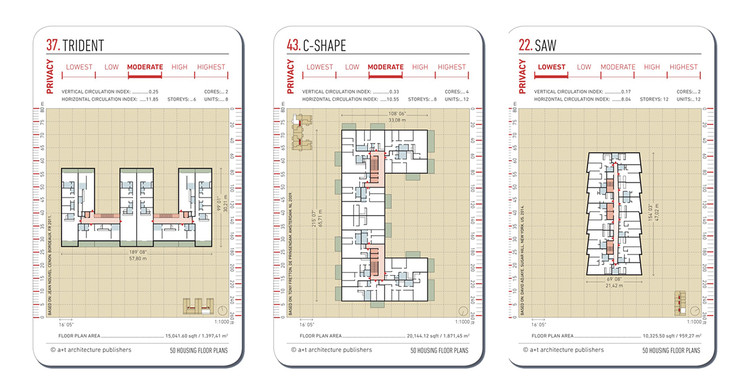
20 Examples of Floor Plans for Social Housing
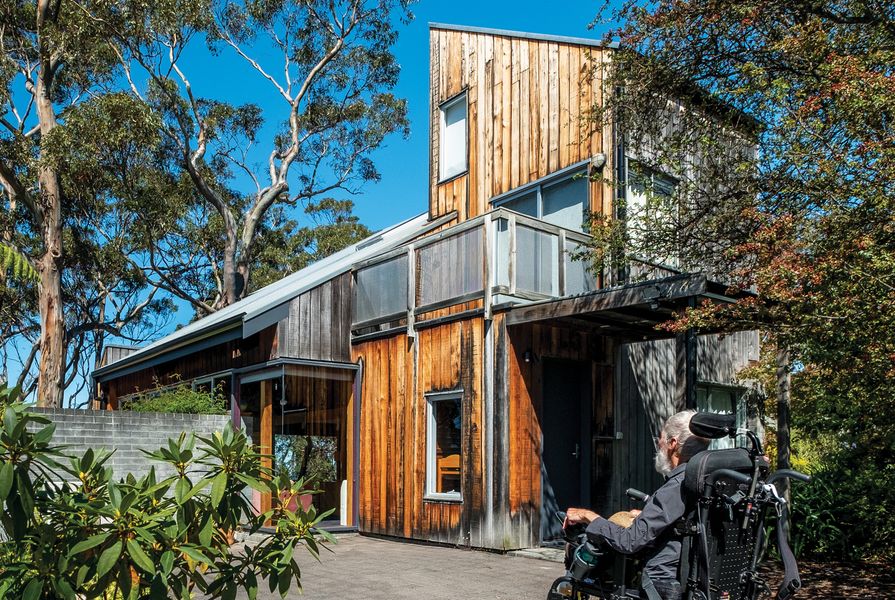
Residential design through a lens of care

Flexible space: Design for aged care
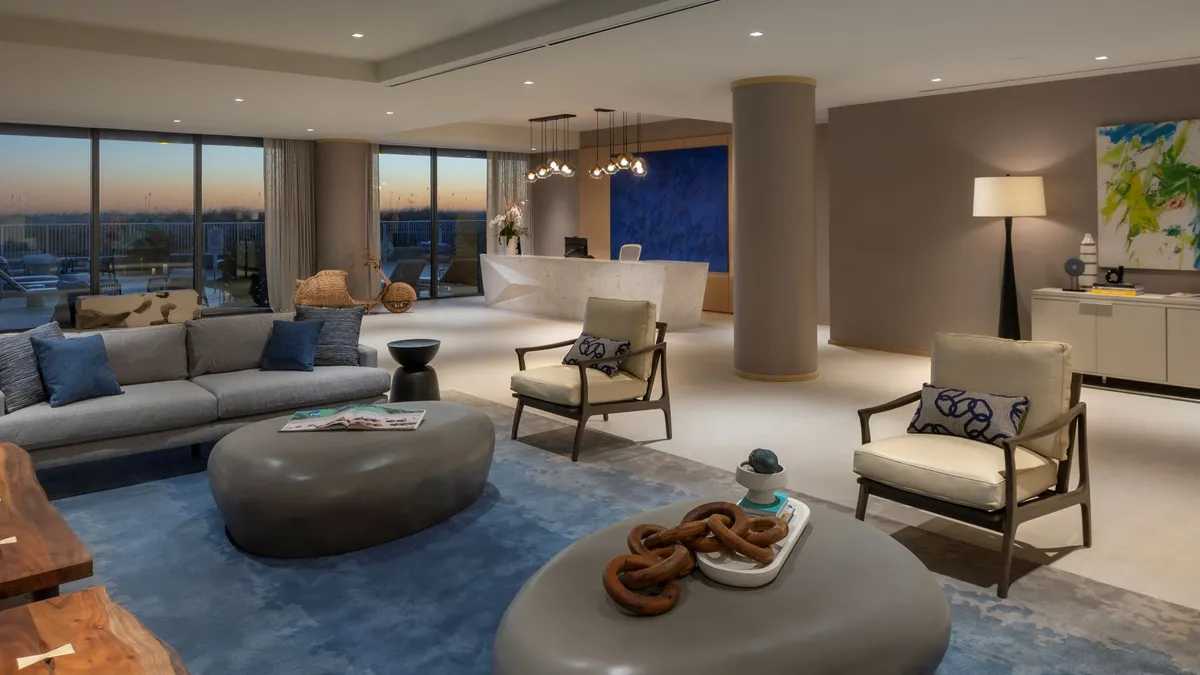
What’s next for multifamily design?
We need more flexible housing for 21st-century lives

The Tiny Home Builder Who Opened a Village in Florida Now Offers More Than 10 Models
Apartment Profile: Rittenhouse Hill

Interactive floor plan: Chilmark Guest House, USA
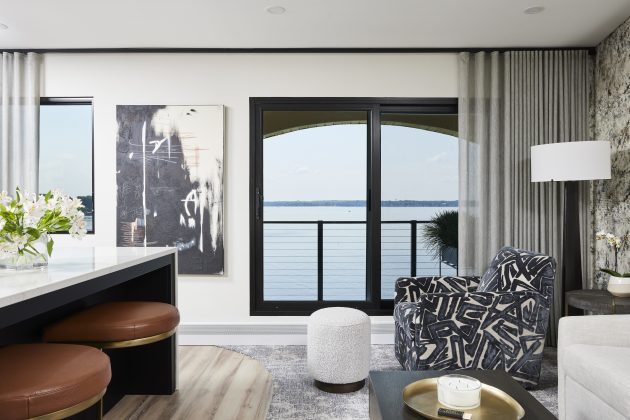
Small Space, Big Impact: 3 Condos That Maximize Every Square Foot

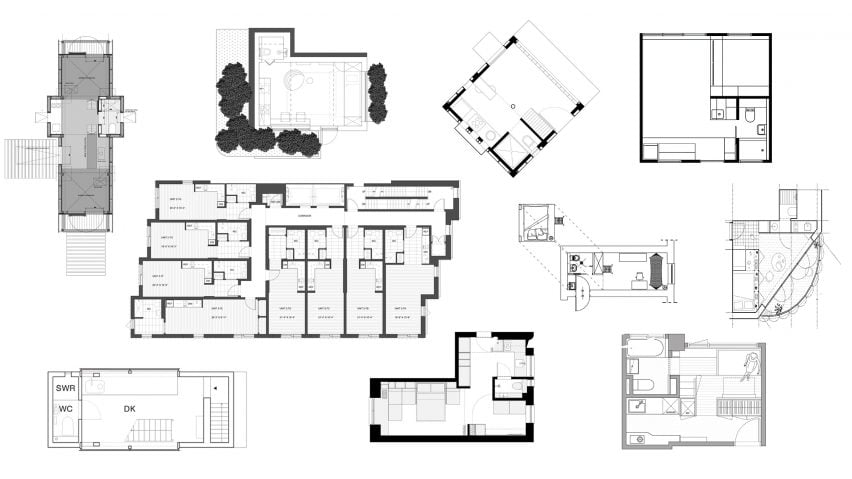
Ten micro homes with floor plans that make the most of space

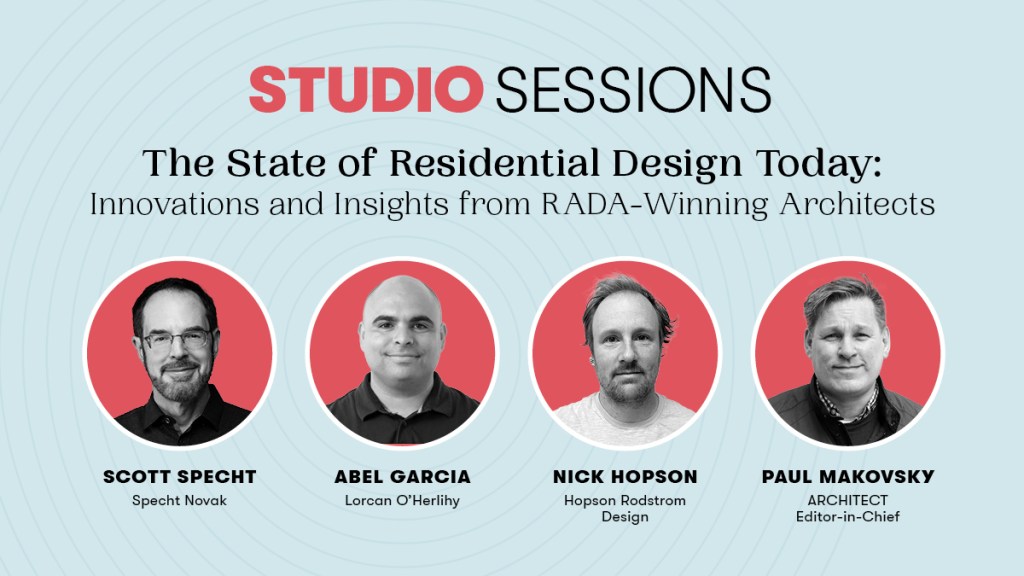
The State of Residential Design Today: Innovations and Insights from RADA-Winning Architects