1/2
What’s next for multifamily design?
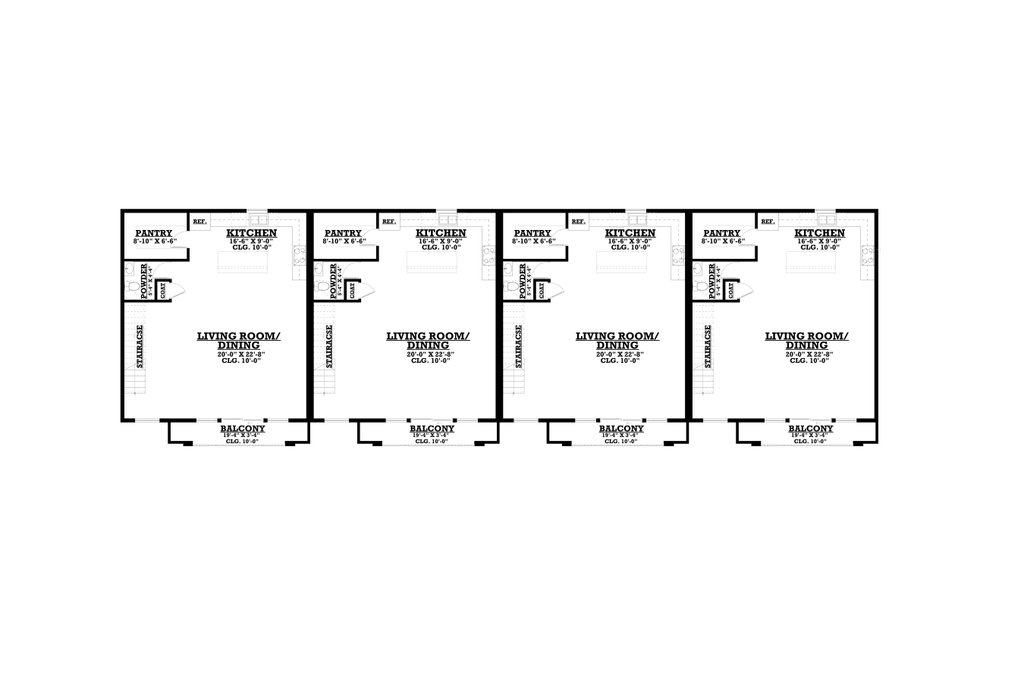
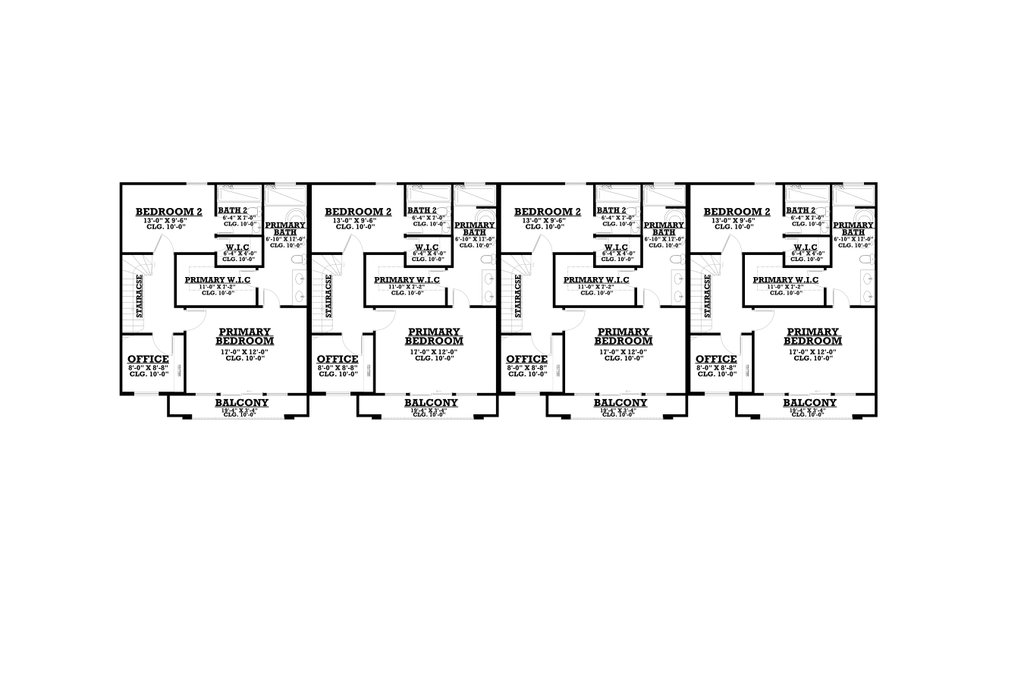
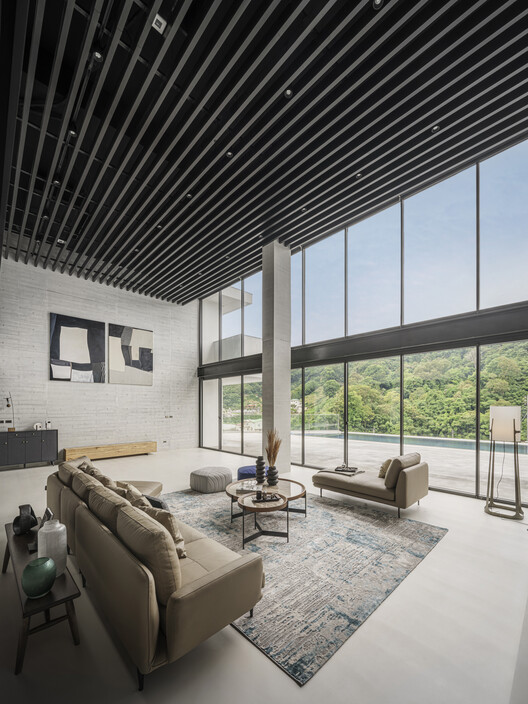
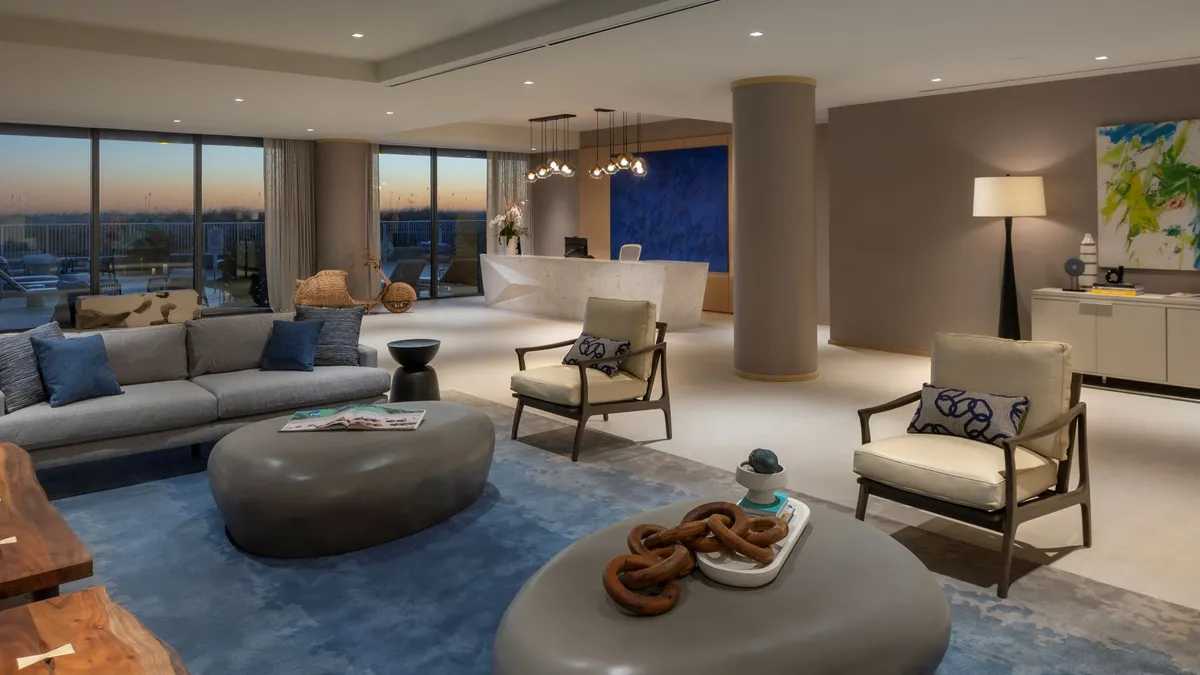
The multifamily development sector in 2025 is characterized by an increasing focus on user-centric design, driven by extensive resident feedback. Architects and designers are prioritizing the preferences, lifestyles, and interests of future residents, often gathering this information before the design process begins. Key demands frequently include communal spaces for social interaction and work, alongside amenities like fitness centers, wellness areas, and access to outdoor environments. There's also a significant surge in demand for pet-friendly facilities, such as dog parks and pet wash stations, largely influenced by the increase in pet ownership since the COVID-19 pandemic.
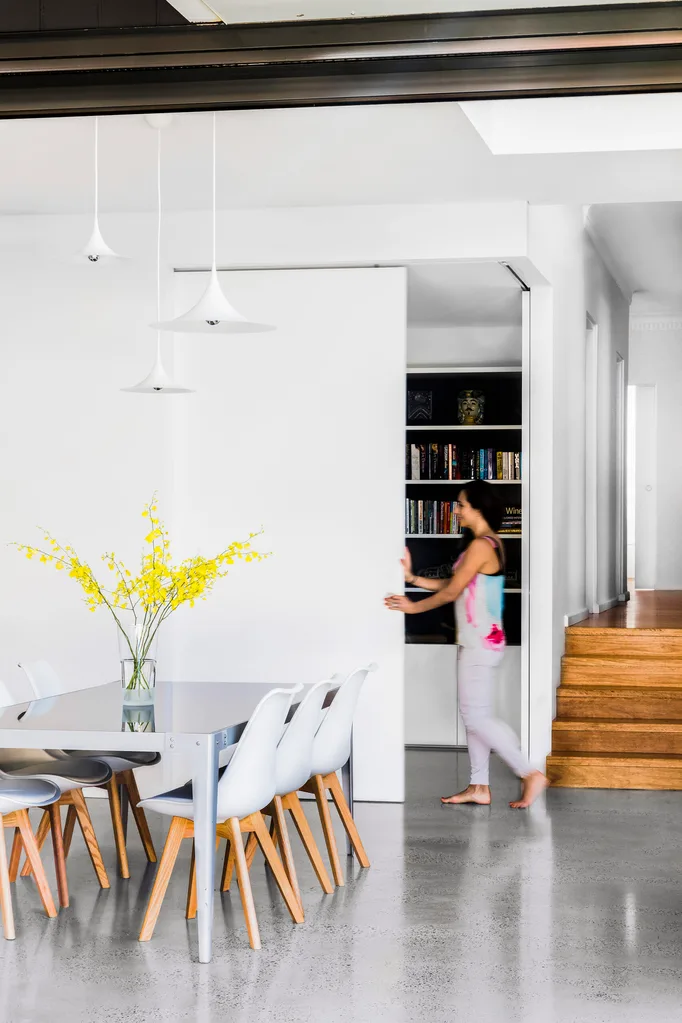
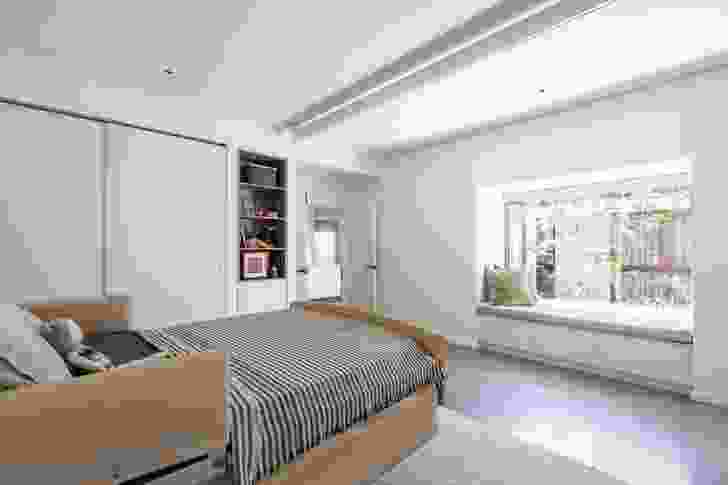
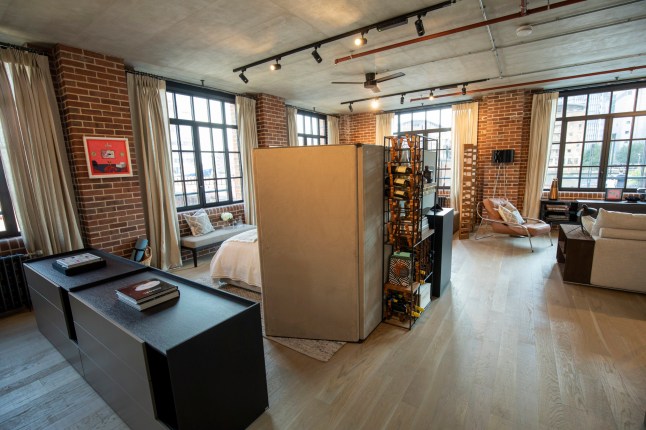
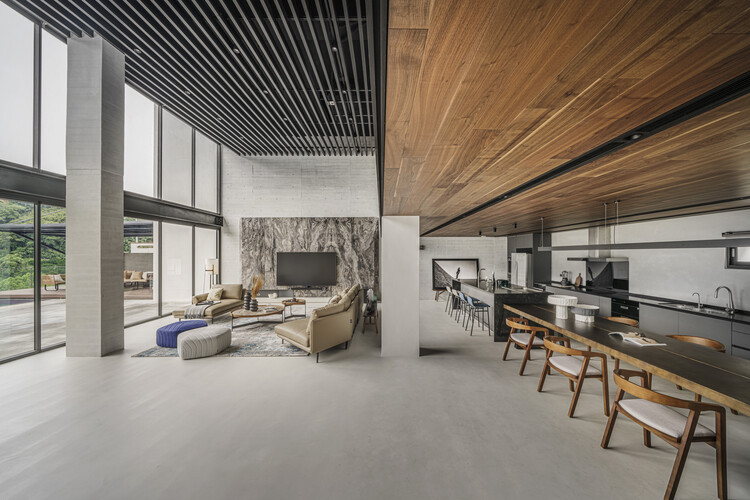
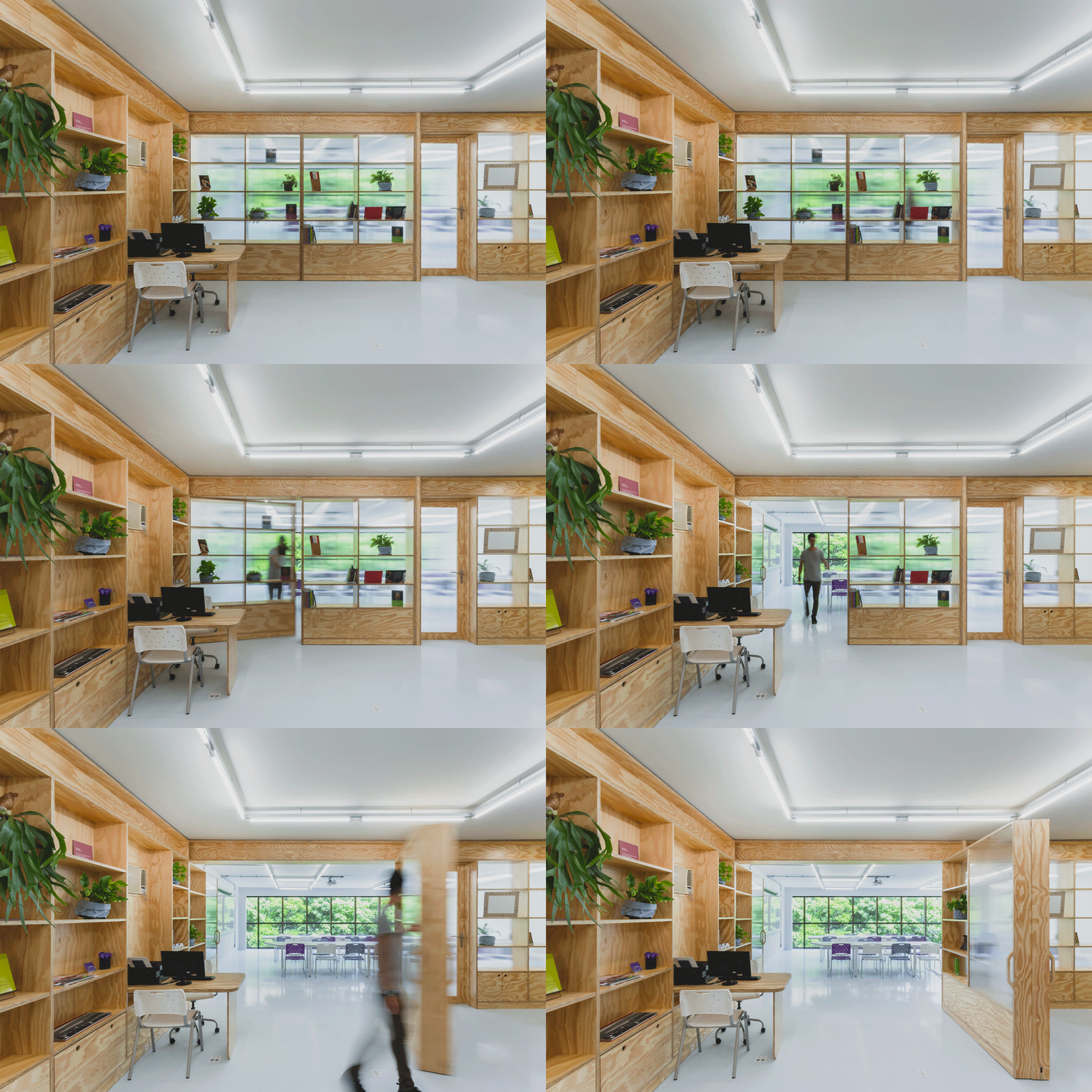
Within individual units, residents are seeking flexible spaces that can be easily adapted to serve as quiet work zones, accommodate guests, or expand living areas as needed. These resident-driven insights are crucial in shaping design decisions, leading to living spaces that are precisely tailored to the specific tastes and requirements of target tenants. Several prominent trends are expected to define multifamily design this year.
Sustainability and carbon reduction are paramount concerns for both tenants and buyers, making environmental, social, and governance (ESG) goals integral to most projects. This commitment to sustainability not only aligns with resident values but also provides developers with a competitive marketing advantage. Energy-efficient systems and smart home technologies are becoming standard, including advanced HVAC systems, LED lighting, smart metering, and renewable energy sources like solar panels. These innovations collectively aim to reduce energy consumption and minimize carbon footprints, fostering a more sustainable and environmentally friendly living experience.
An exemplary case is the Azure Oceanfront Residences in Jacksonville Beach, Florida. This project incorporates automated interior shading systems that use sensors to adjust drapery based on the sun's position, thereby enhancing cooling efficiency. A sophisticated lighting control system senses occupancy and follows a dimming schedule to optimize light levels while conserving energy. All residential and amenity space equipment at Azure surpasses code requirements with Energy Star ratings and features highly efficient plumbing fixtures. Public areas are equipped with HEPA-filtered air circulation systems to improve indoor air quality. Moreover, architectural materials are PVC- and formaldehyde-free, with at least 30% recycled content from post-industrial or post-consumer sources. Furniture is sourced from manufacturers with robust sustainability initiatives, and wood components are procured from FSC-certified suppliers.
The widespread adoption of hybrid work models has made work-from-home amenities an essential design feature. Multifamily properties are now expected to provide diverse, flexible, and inclusive environments that cater to various work modalities. Amenity spaces are designed to support productivity with high-speed internet, ergonomic furniture, and soundproofing.
Personalization is emerging as a critical differentiator in the multifamily market. Properties in 2025 will increasingly offer customizable living spaces, allowing residents to tailor their homes. Features such as adjustable lighting, smart thermostats, and modular furniture that can be reconfigured are becoming common. Integrating smart technology, including digital concierge services, home automation, and advanced security systems, enhances convenience and connectivity. Residents will have more opportunities to personalize their spaces with choices in paint colors, fixtures, flooring, and layout configurations. Designs will also emphasize flexibility, allowing for post-completion adjustments.
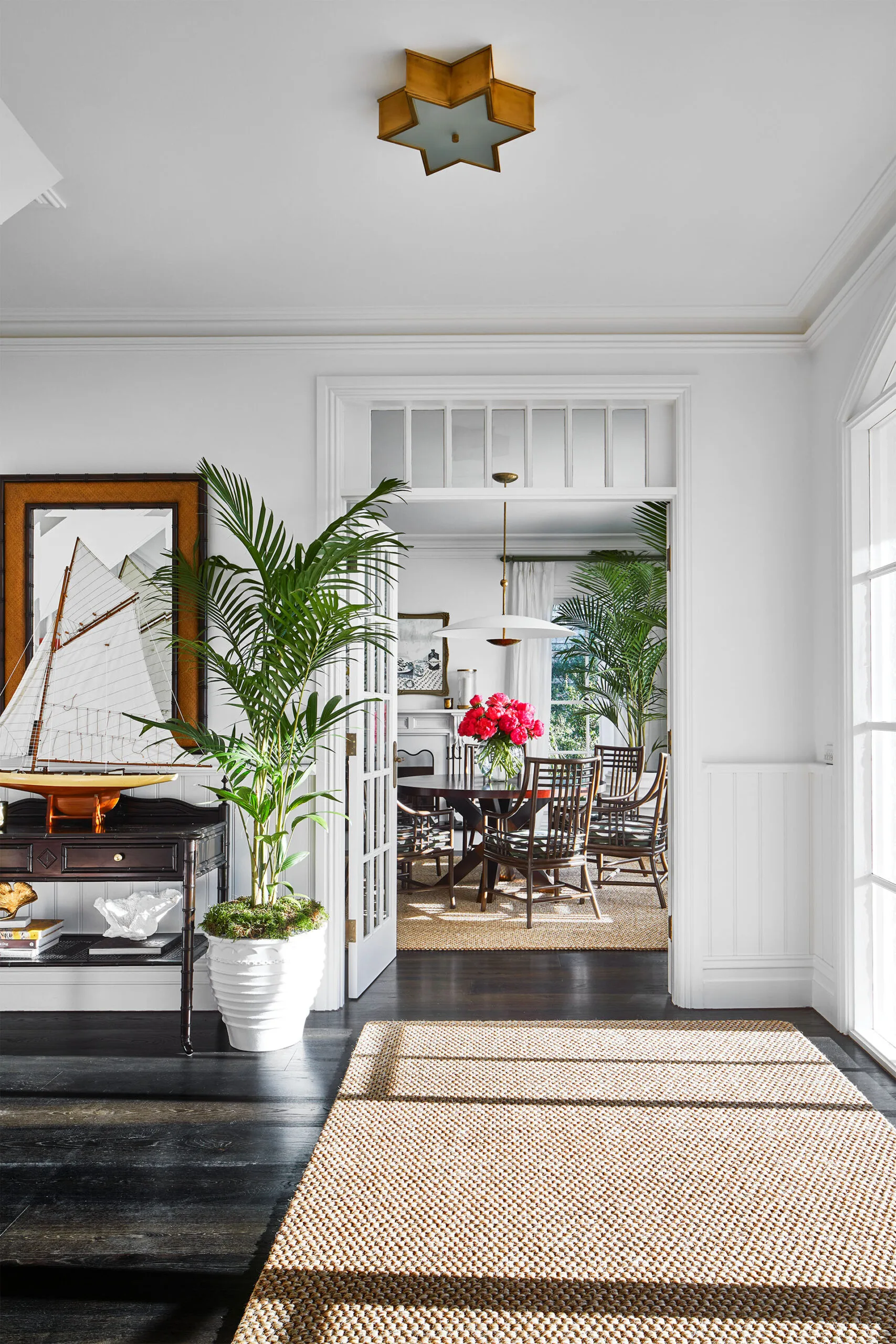
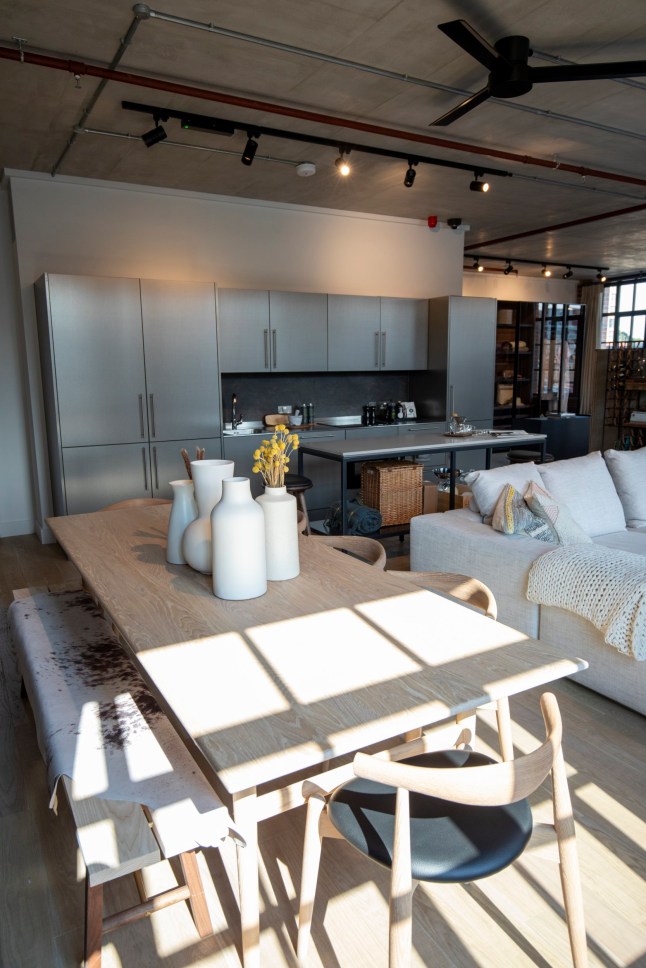
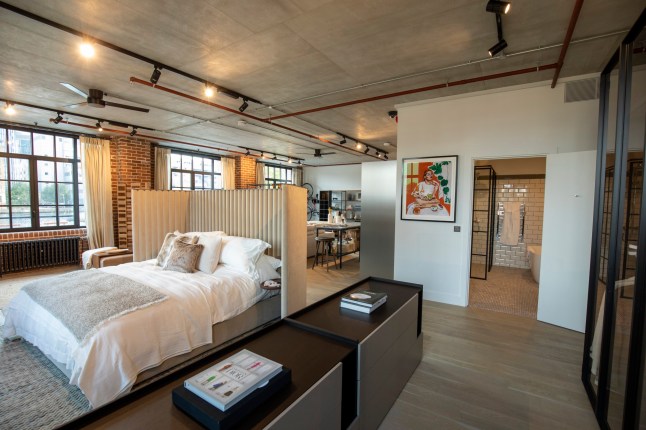
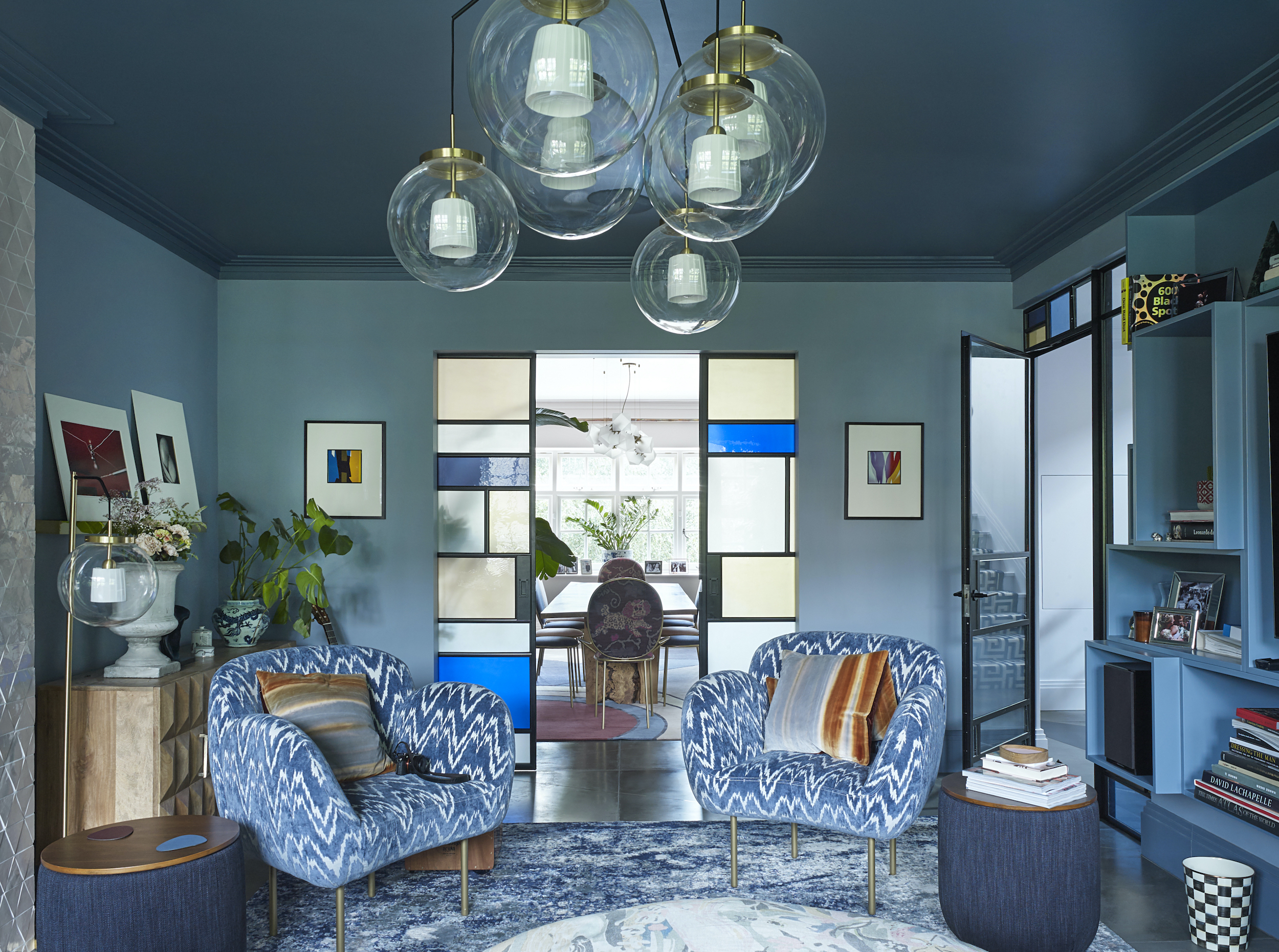
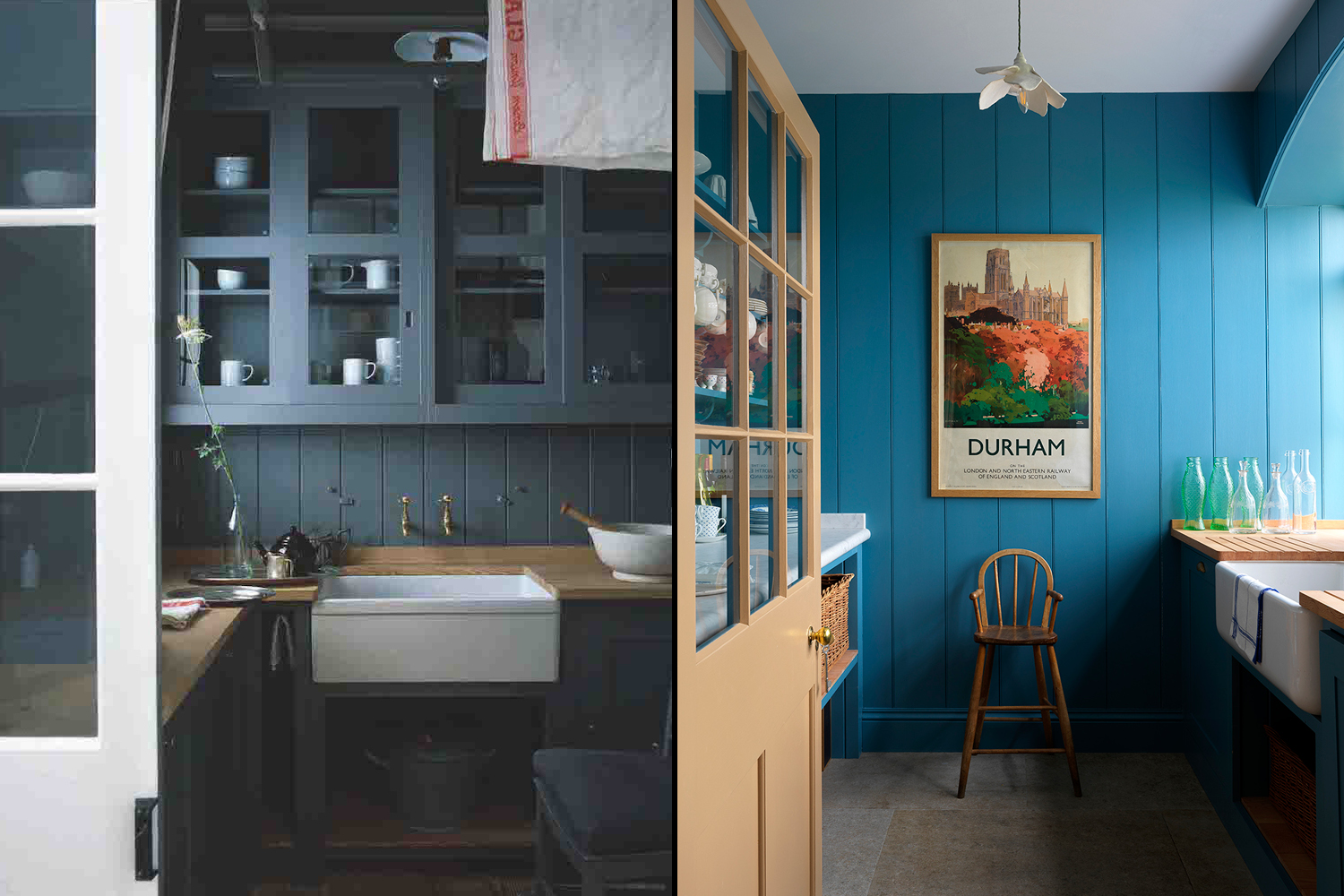
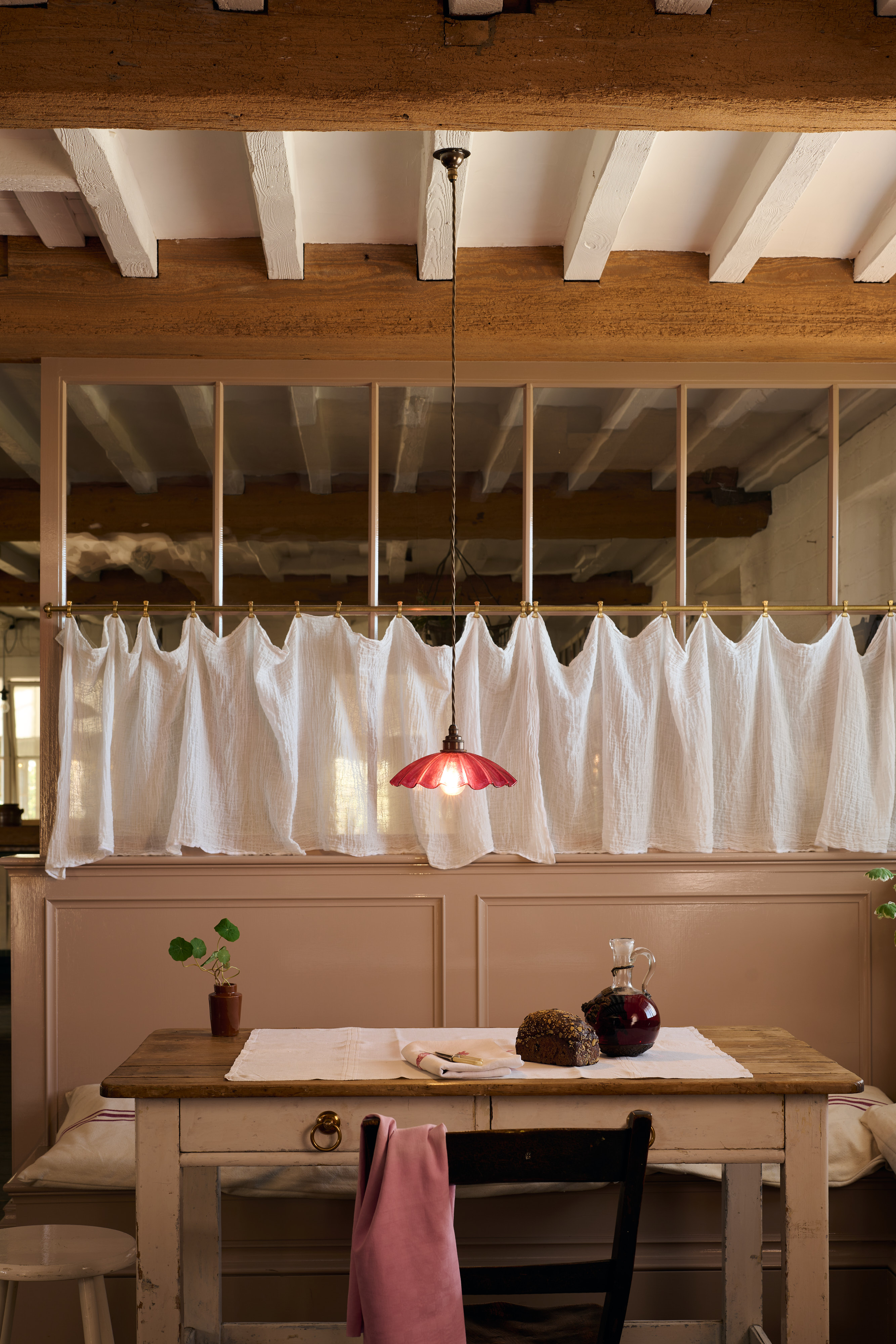
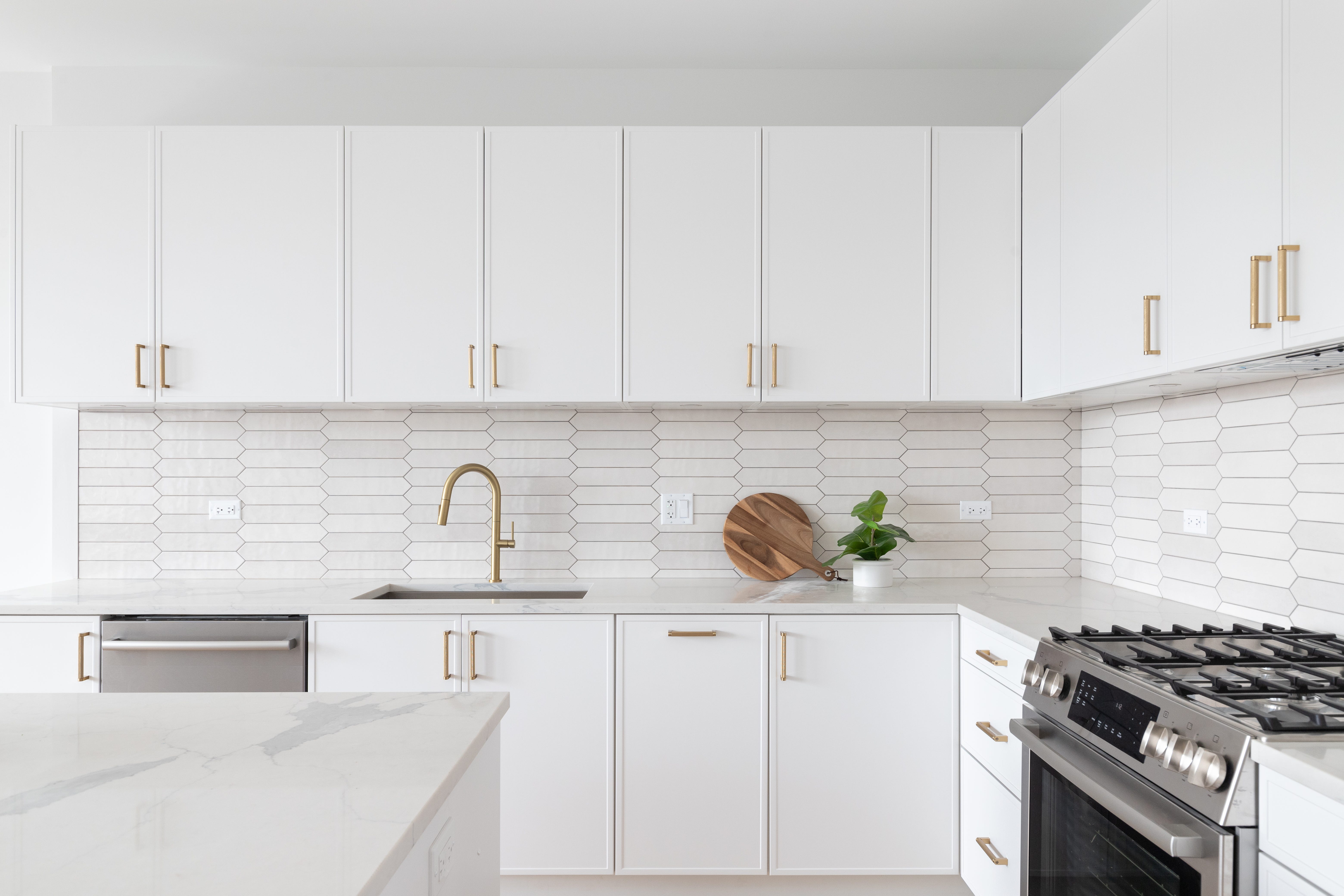
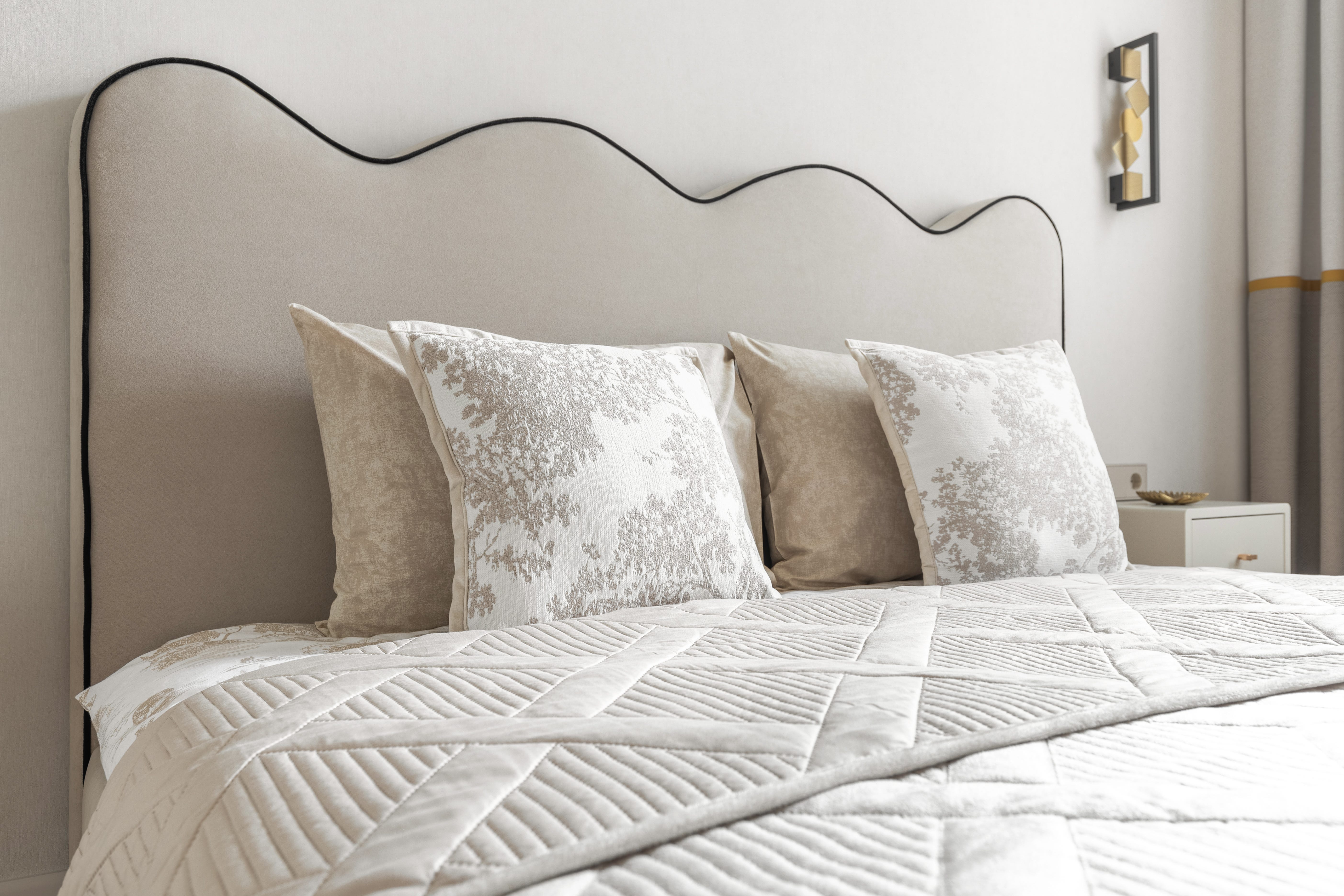
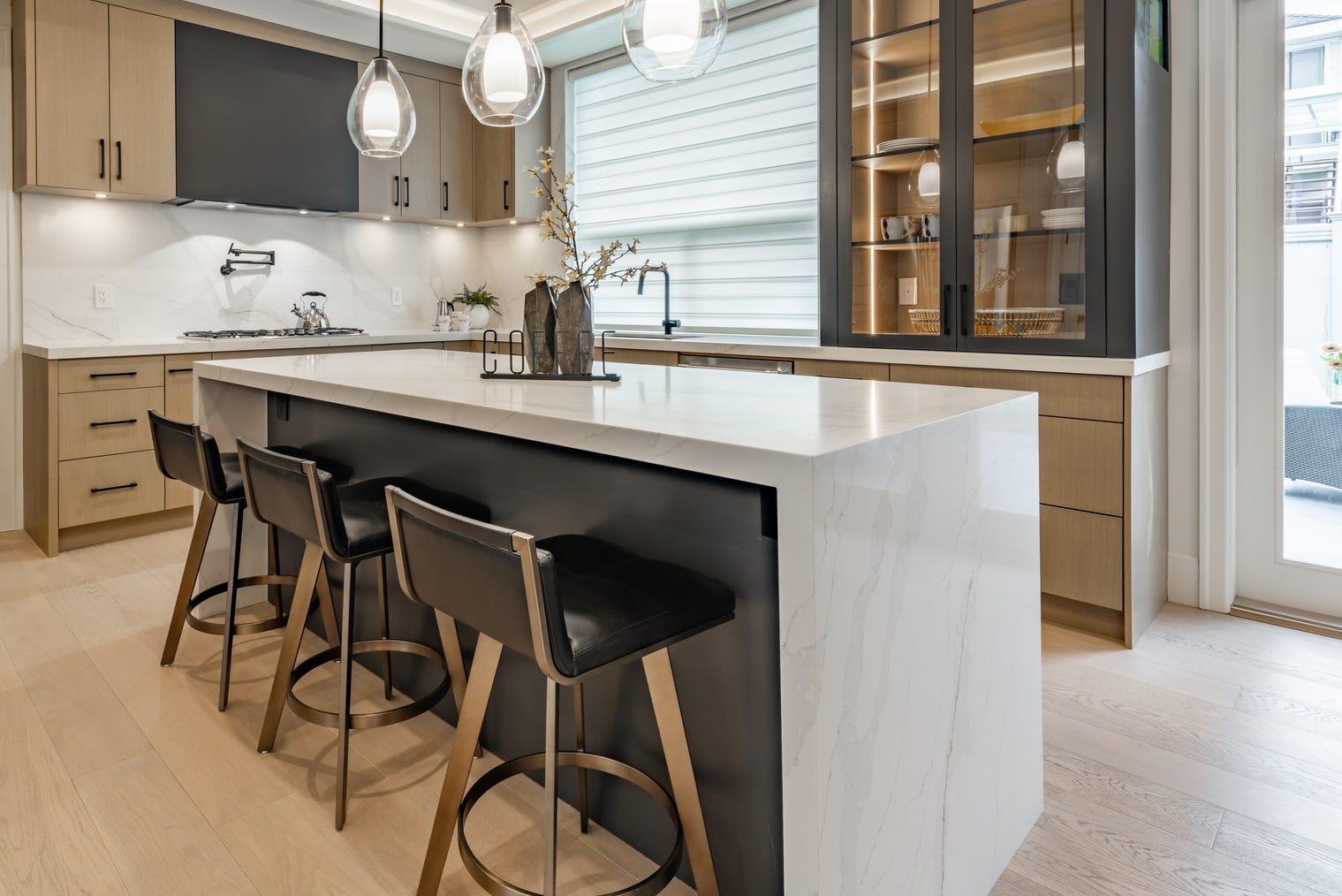
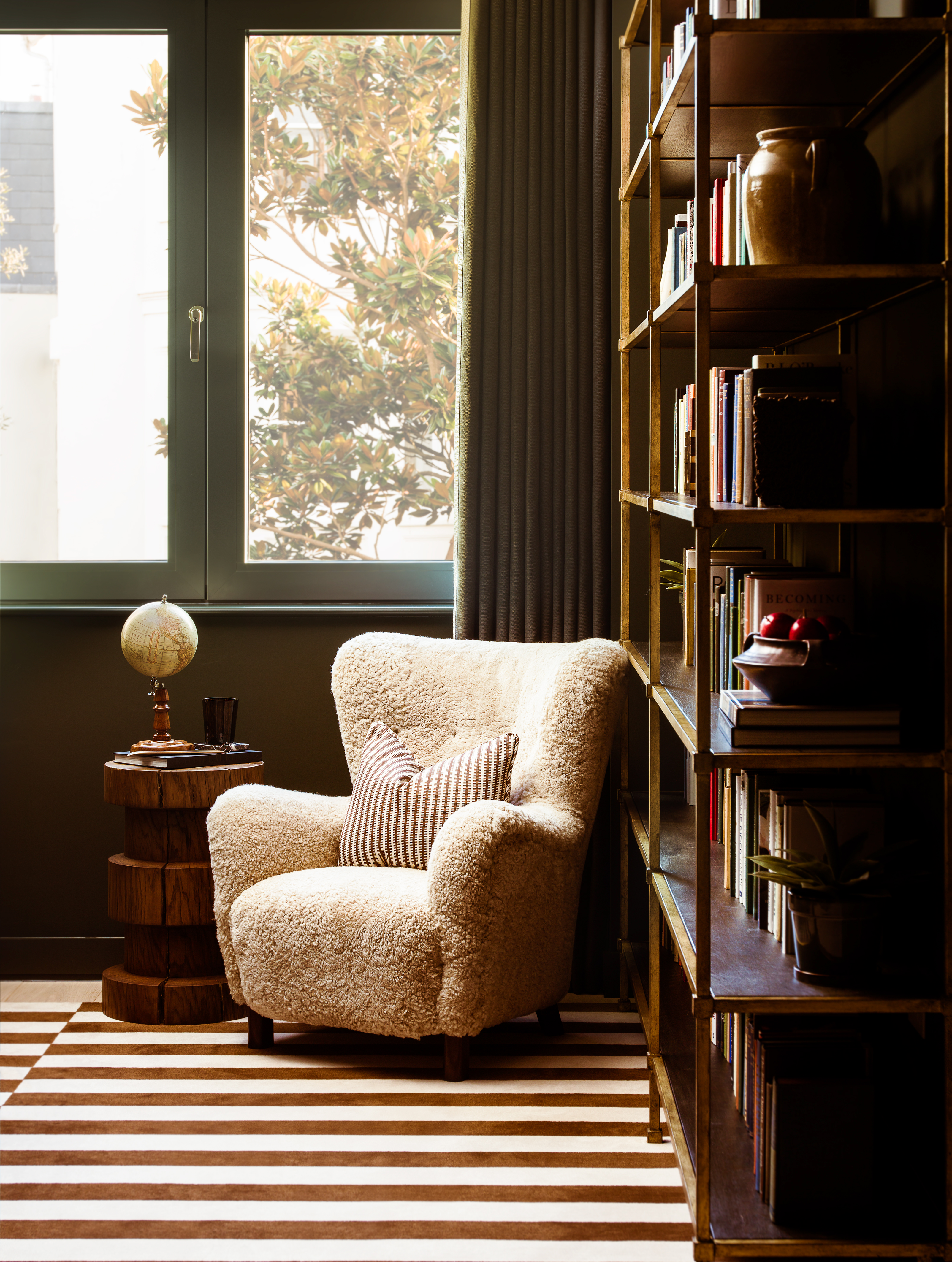
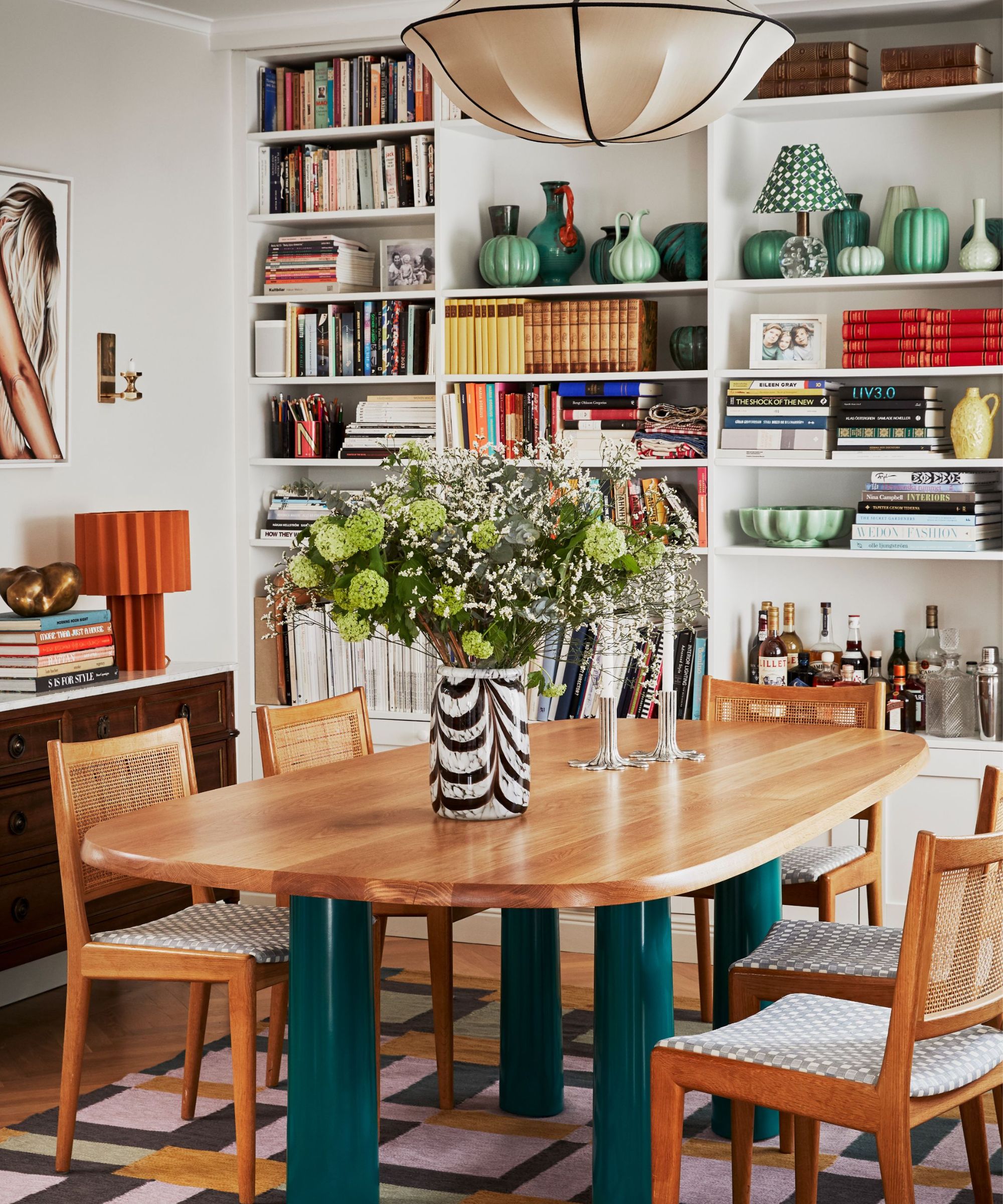
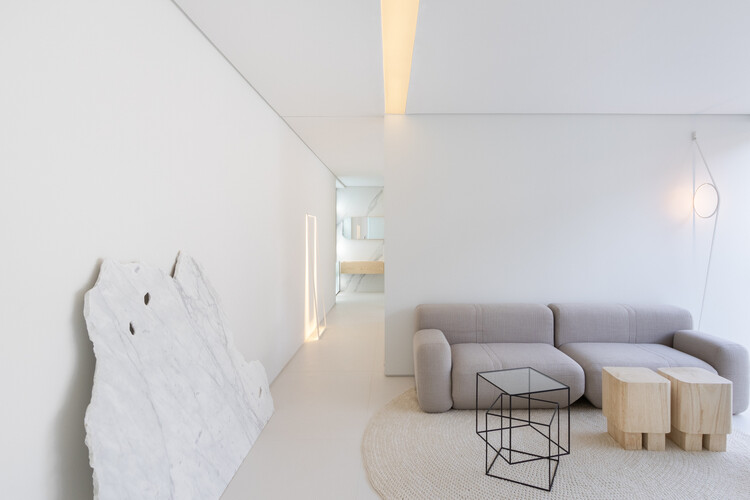
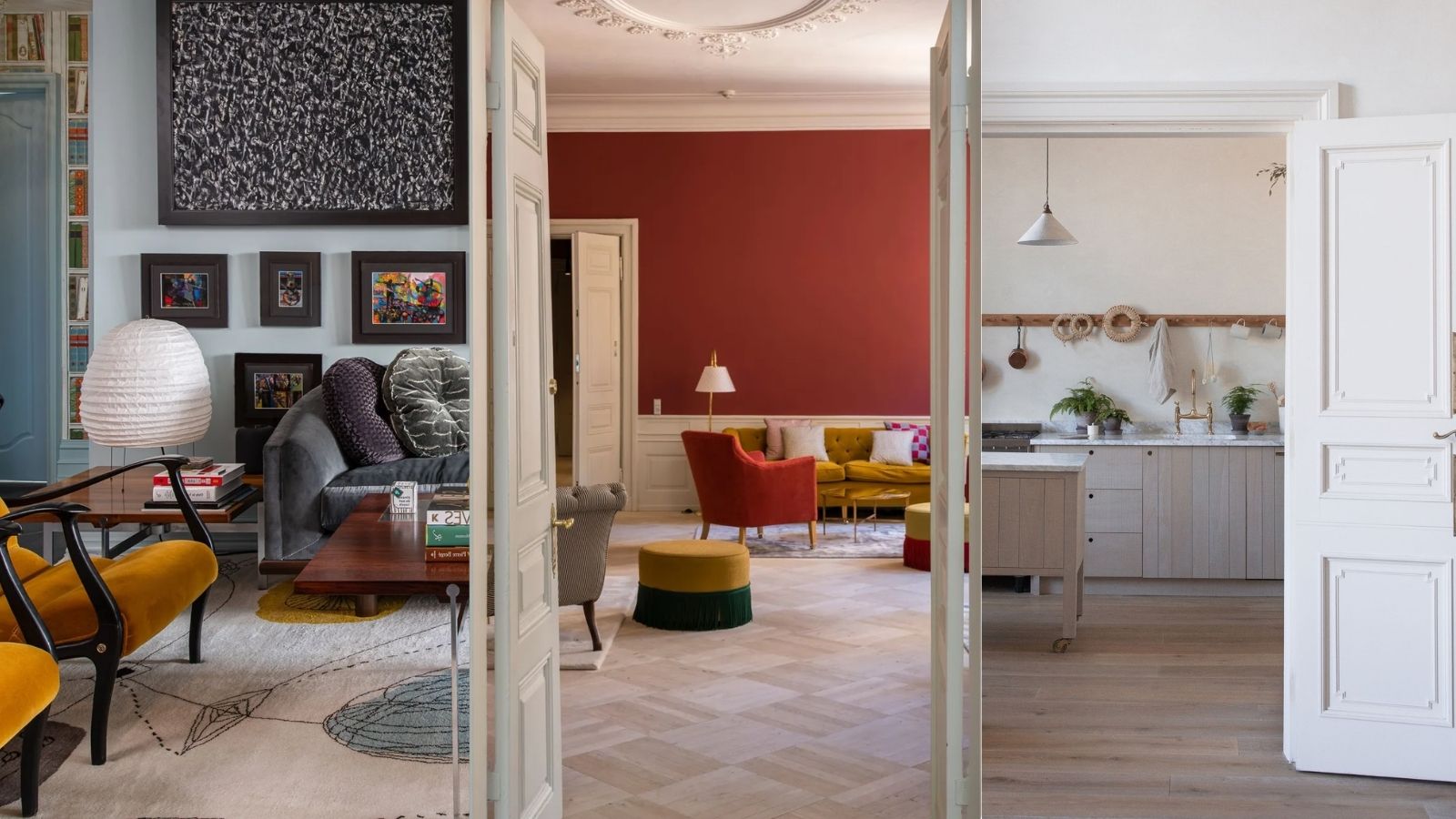
Color and materiality trends for 2025 will combine boldness with warmth. Saturated colors like mustard yellow, deep terracotta, and vibrant blues will create dynamic interiors, complemented by layered textures and intricate patterns. Simultaneously, warm minimalism, characterized by soft, muted tones, will continue to provide cozy and inviting environments. Material palettes will feature a mix of rough-hewn wood, sleek metal, plush textiles, and tactile elements like rattan and leather, adding depth and visual contrast. The emphasis on sustainability will lead to an increased use of recycled and eco-friendly materials, such as recycled glass countertops, reclaimed wood furniture, and eco-conscious upholstery fabrics.
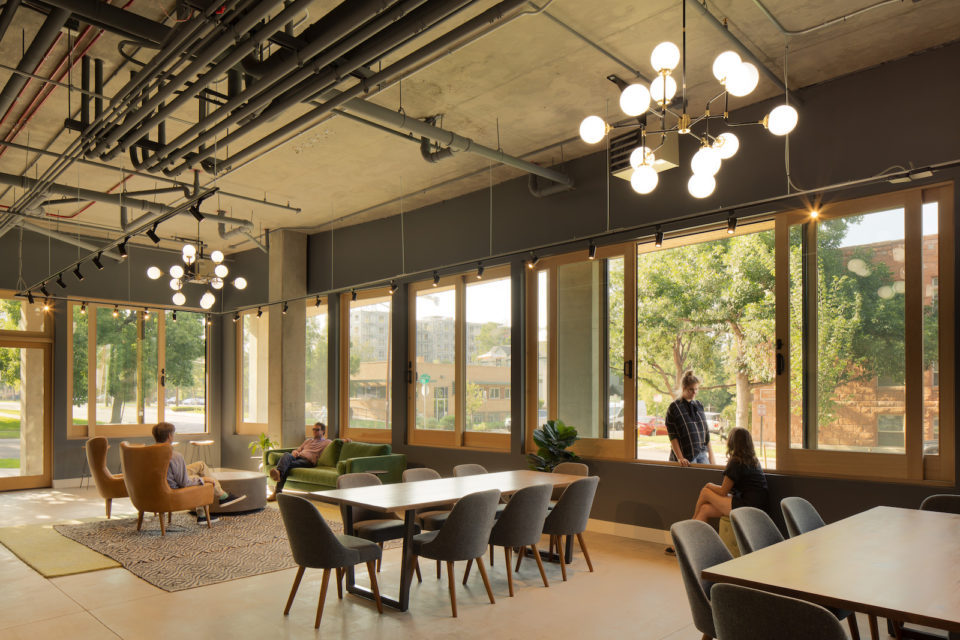
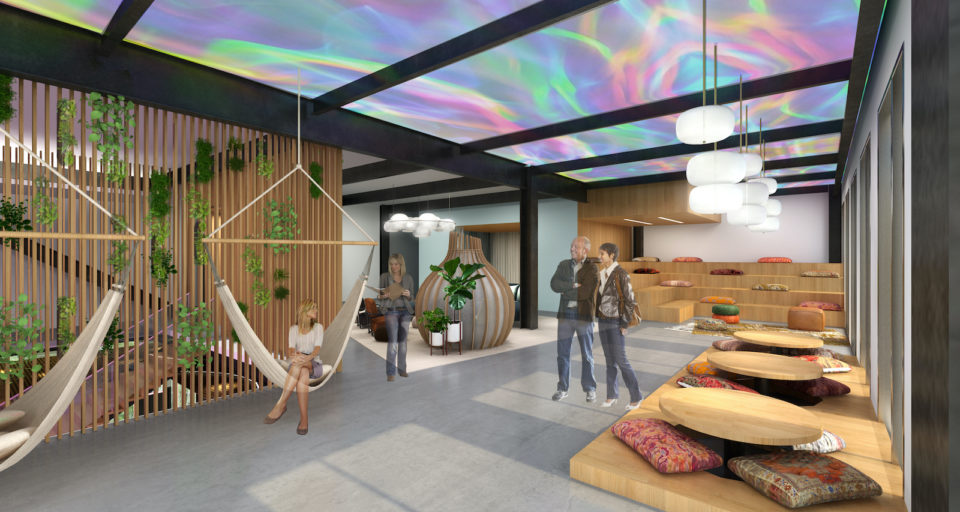
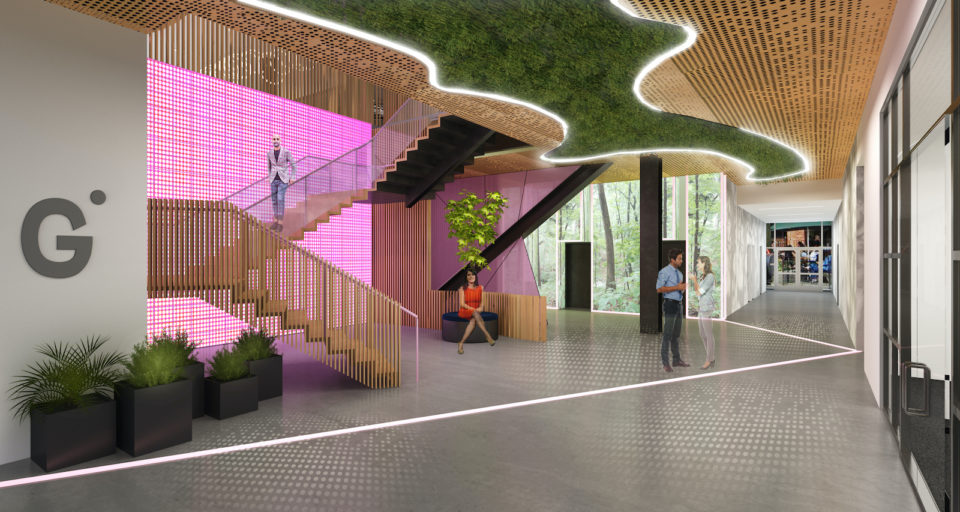
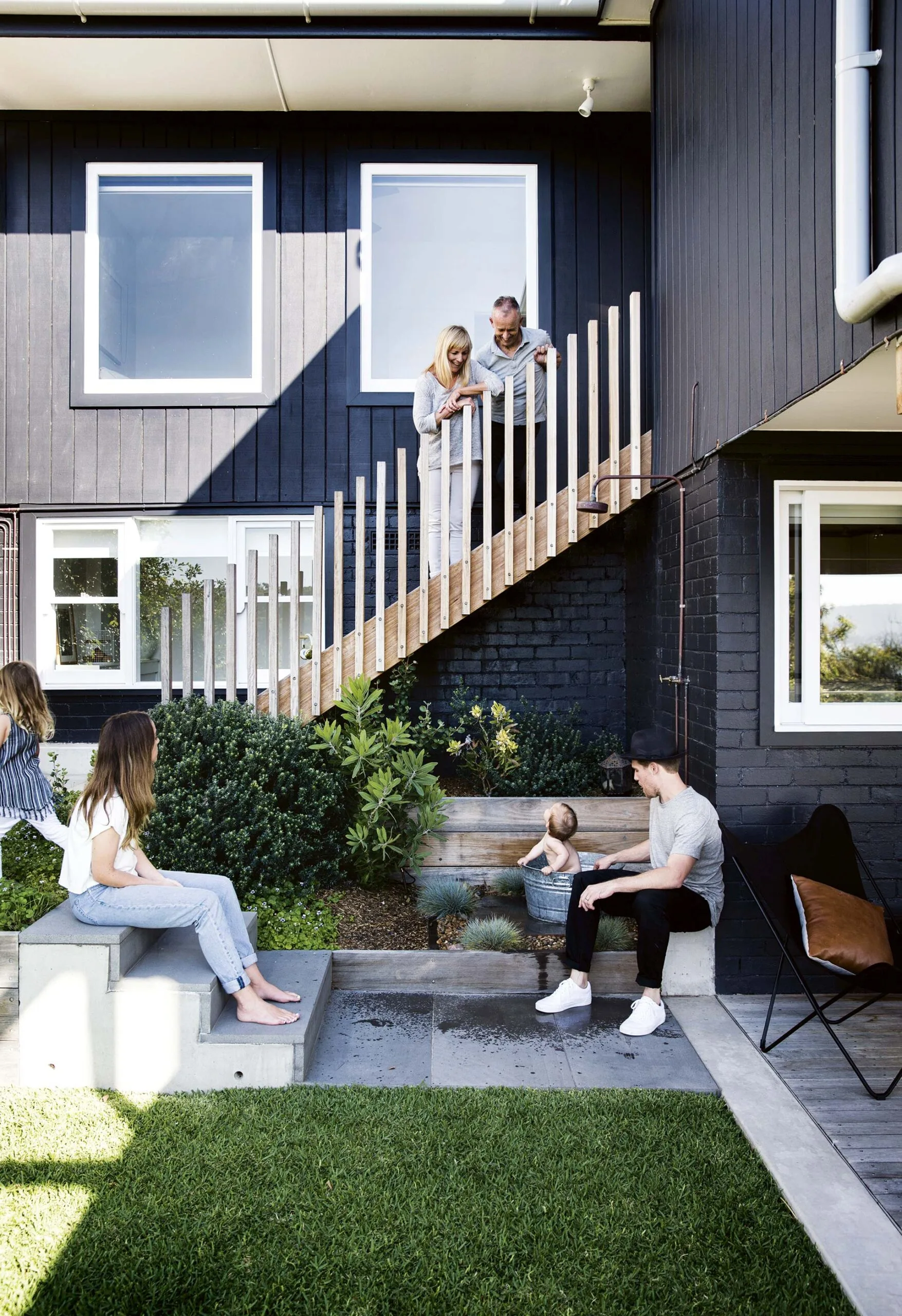
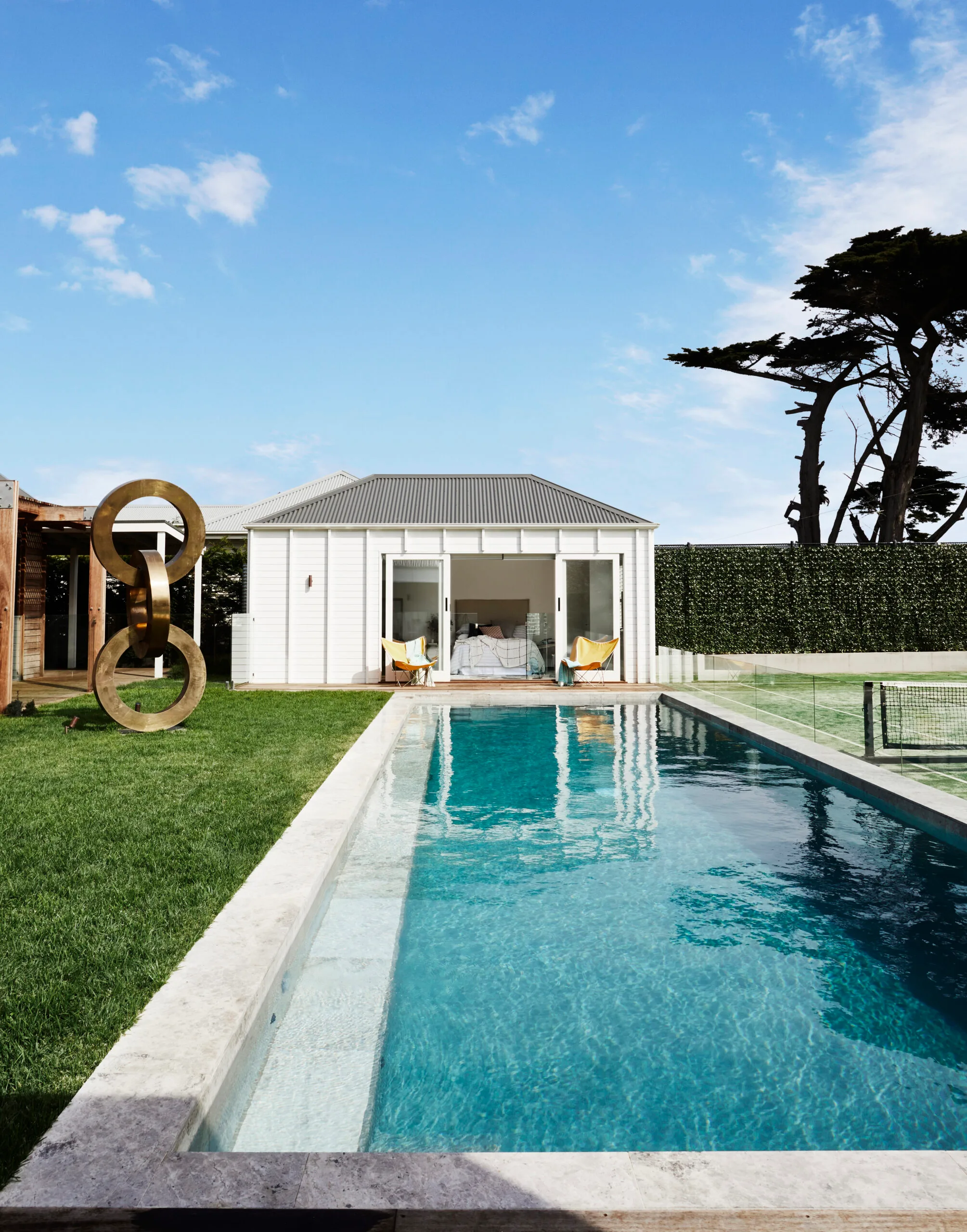
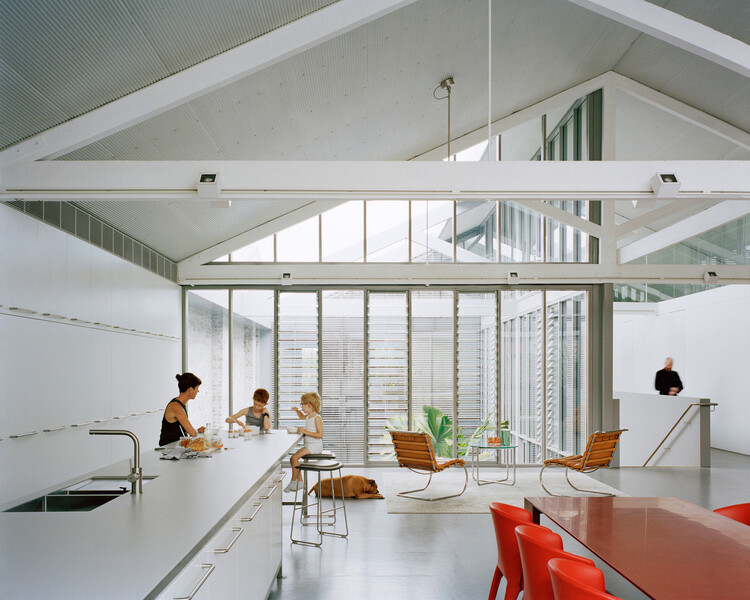
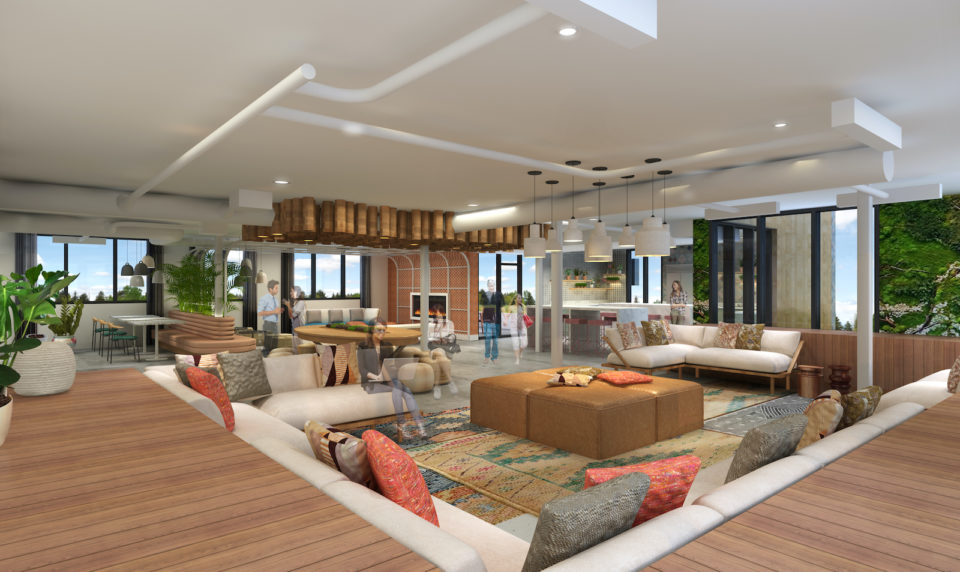
The demand for communal spaces continues to grow, as residents seek social interaction and community engagement. Access to outdoor areas like terraces, courtyards, and green spaces is crucial for balancing work and relaxation. Features such as outdoor workstations, Wi-Fi connectivity, and comfortable seating create inviting environments for remote work or leisure. Wellness-focused amenities, including meditation rooms, fitness centers, yoga studios, and spa facilities, support residents' physical and mental well-being, especially in a work-from-home context.
#MultifamilyDesign #RenterFeedback #SustainableDesign #SmartHomeTechnology #WorkFromHomeAmenities #PersonalizedLivingSpaces #ColorTrends #Materiality #CommunalSpaces #MultifamilyDesign #RenterFeedback #SustainableDesign #SmartHomeTechnology #WorkFromHomeAmenities #PersonalizedLivingSpaces #ColorTrends #Materiality #CommunalSpaces
0 comment in total
 No comments yet
You may also like
10 New Trends in Multifamily Housing Design
We need more flexible housing for 21st-century lives

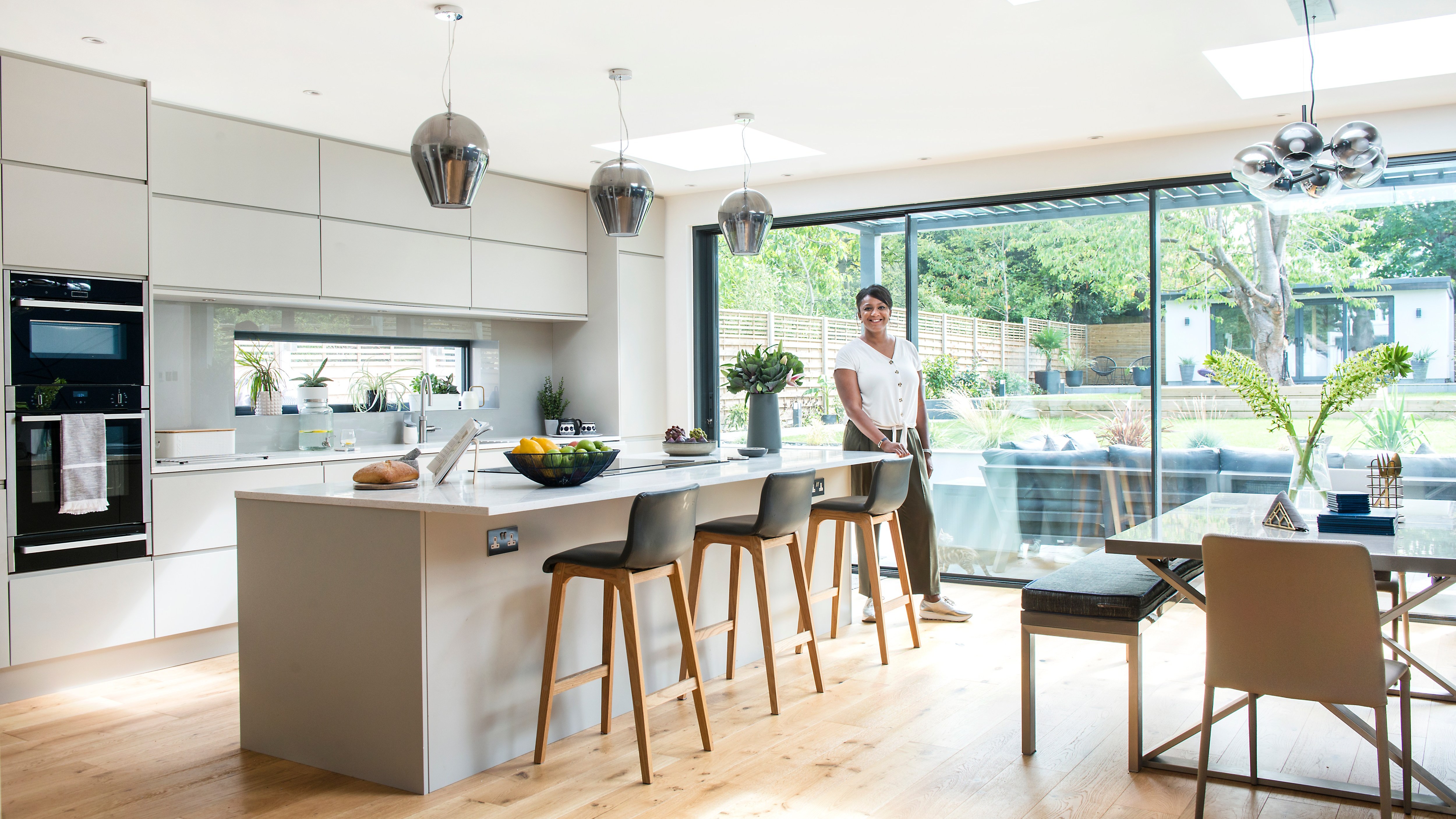
Open plan living is over. Here’s why we all want walls again
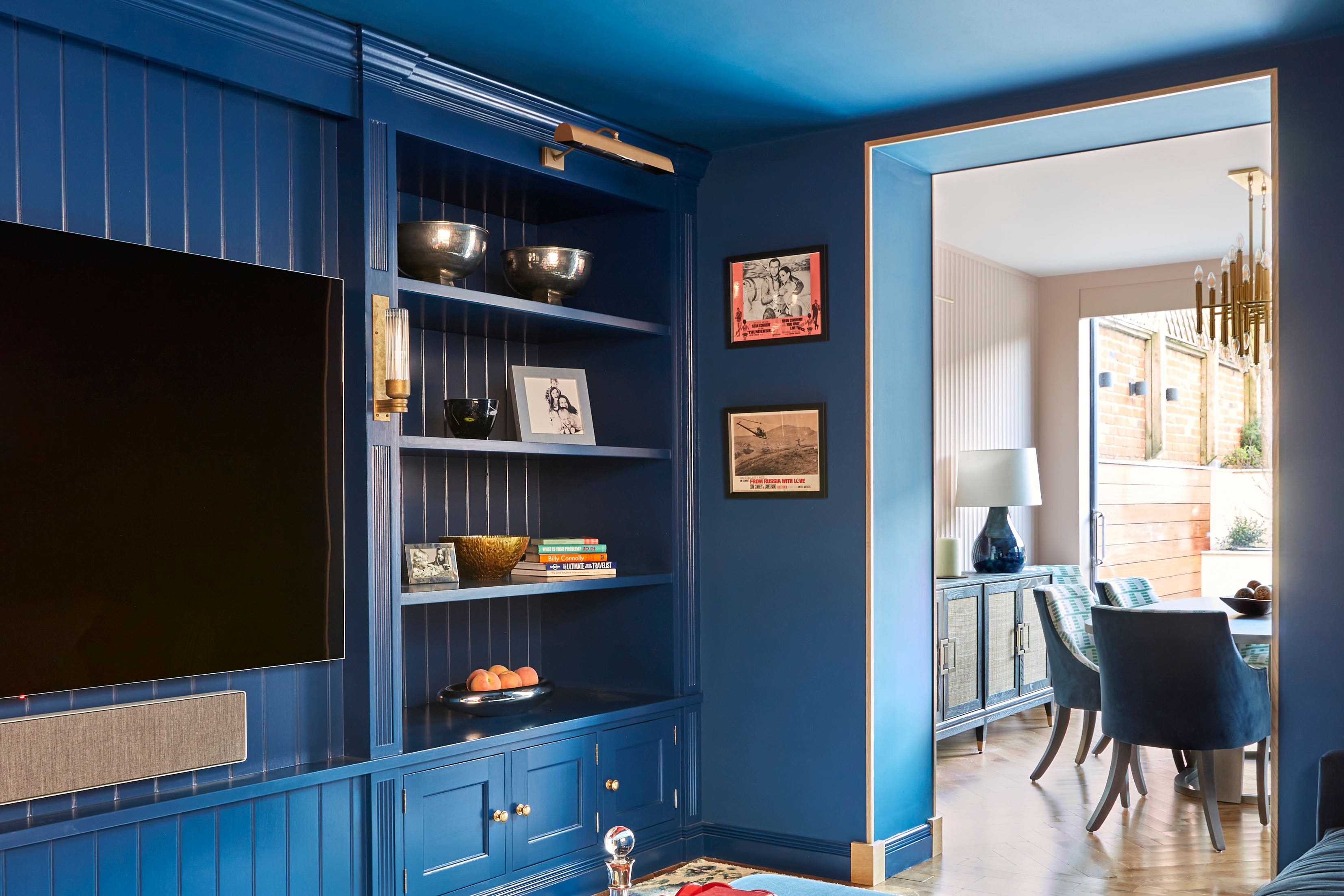
Emerging home design trends to tap into now
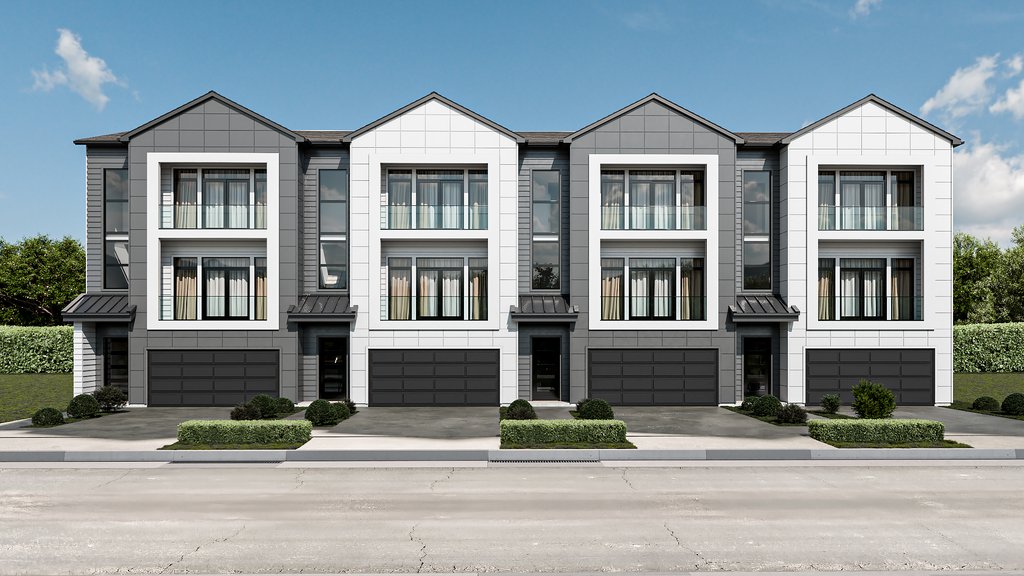
House Plan of the Week: Modern Quadplex
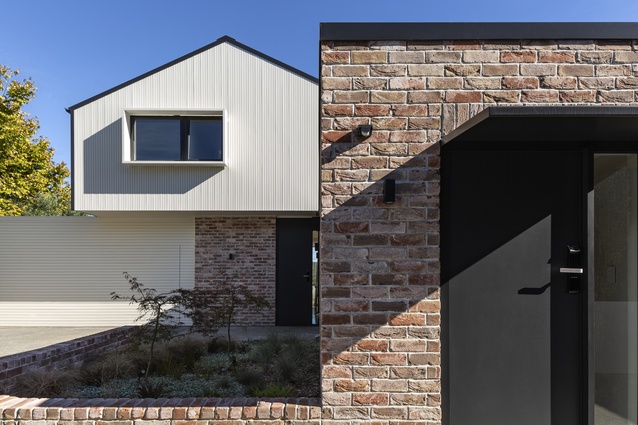
Densification perfection – Milieu’s modern take on suburban living
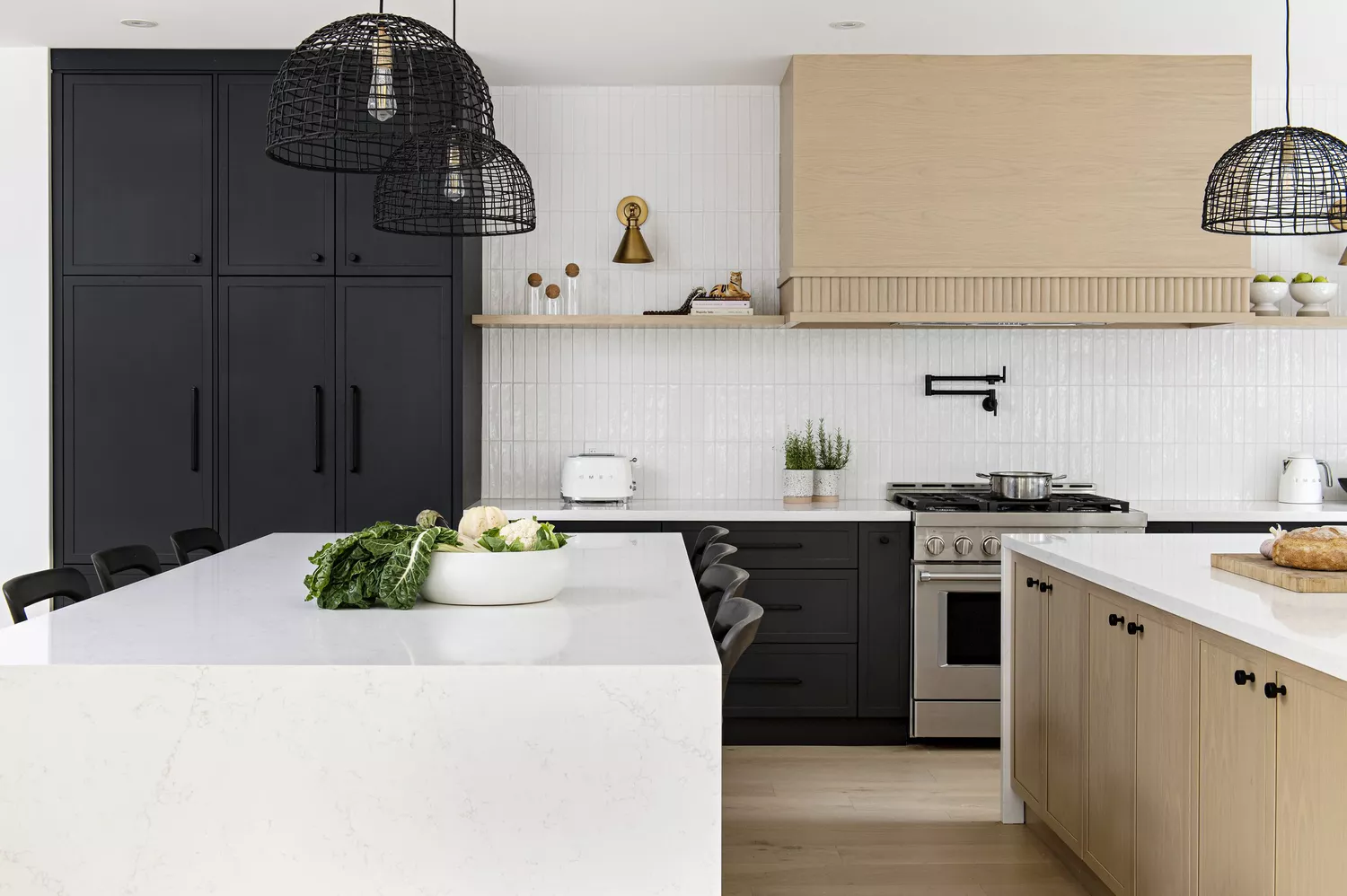
The Both/And Trend Is Here to Stay, Designers Say—and You Might Already Be Doing It
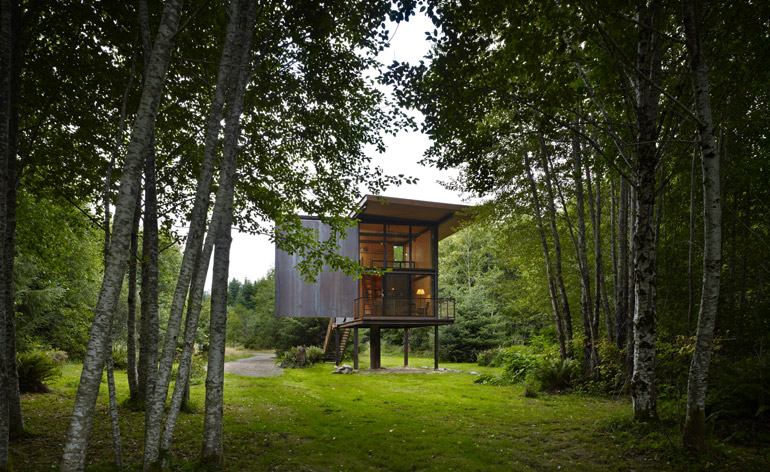
Interactive floor plan: Chilmark Guest House, USA
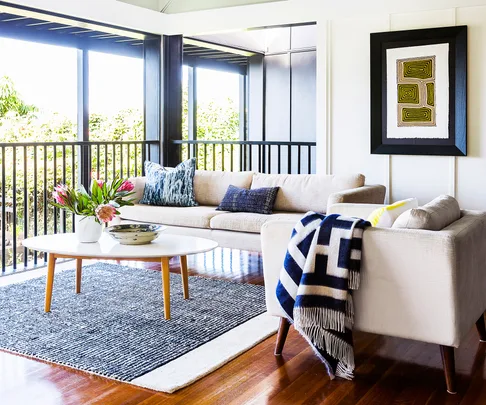
Spotlight on Flexible Homes: Adaptable Living Spaces

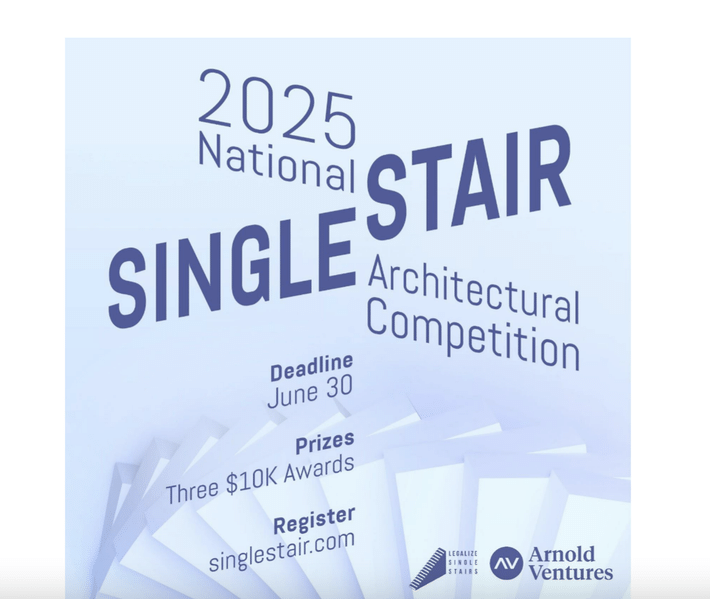
National Single Stair Architectural Design Competition

The Home Trends Designers Want You to Ditch in the New Year

Rendezvous for Four Generations Residence / FLOAT DESIGN STUDIO

Getting the most out of your multi-res floorplan

Architect Sam Klopper talks accessible design that doesn’t feel “clinical or differentiated”

Are closed layouts back on trend? Designers weigh in on why we are over open plan
Future-Proofing Design: How Interiors Will Evolve in 2023 and Beyond
Is open-plan living dead? Here's what the design experts say

Say goodbye walls, open-plan living is the trend that's here to stay

Home Stager Reveals 4 Hot Trends for 2024
Designers Agree: Open Concept Is Out, Tradition Is In