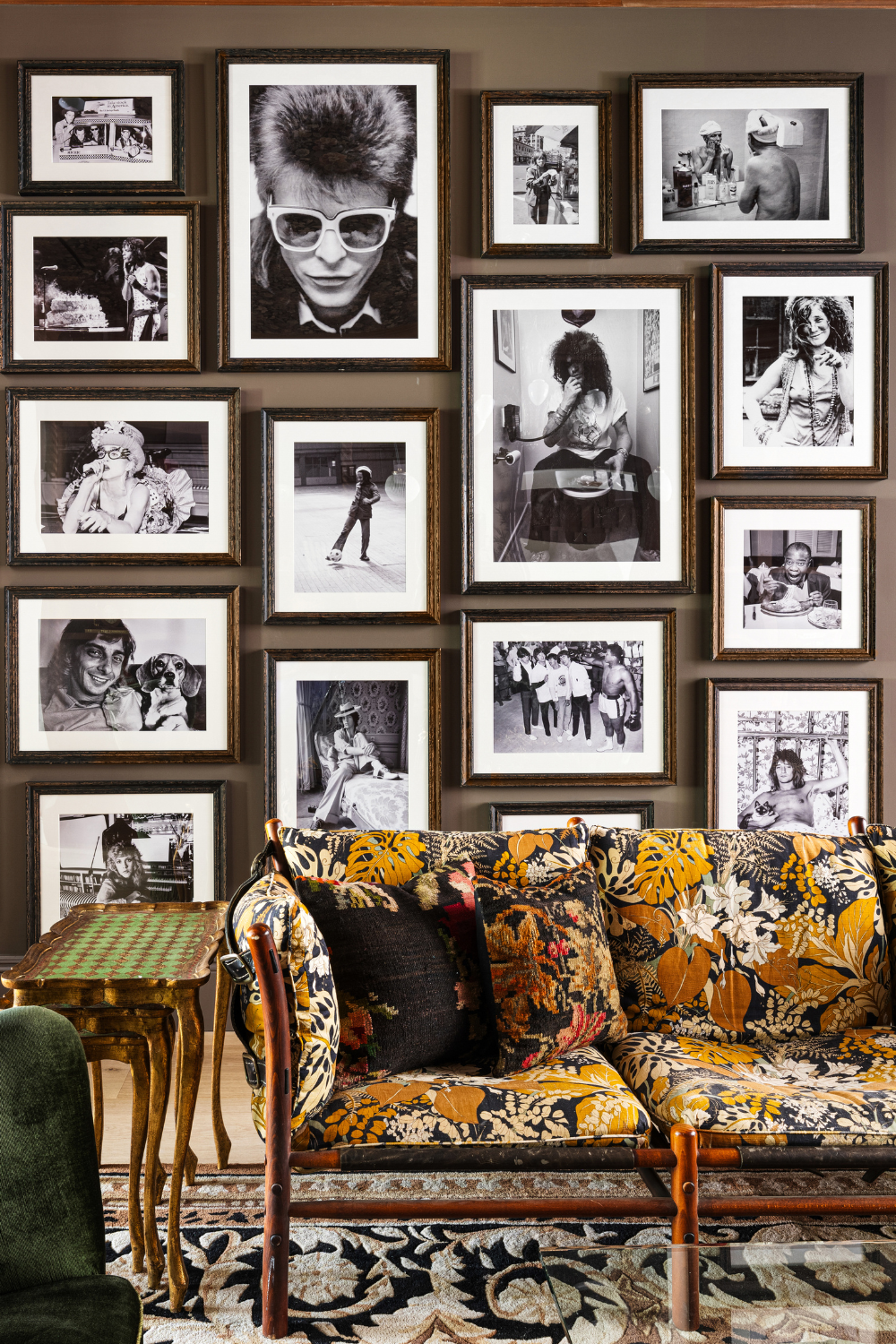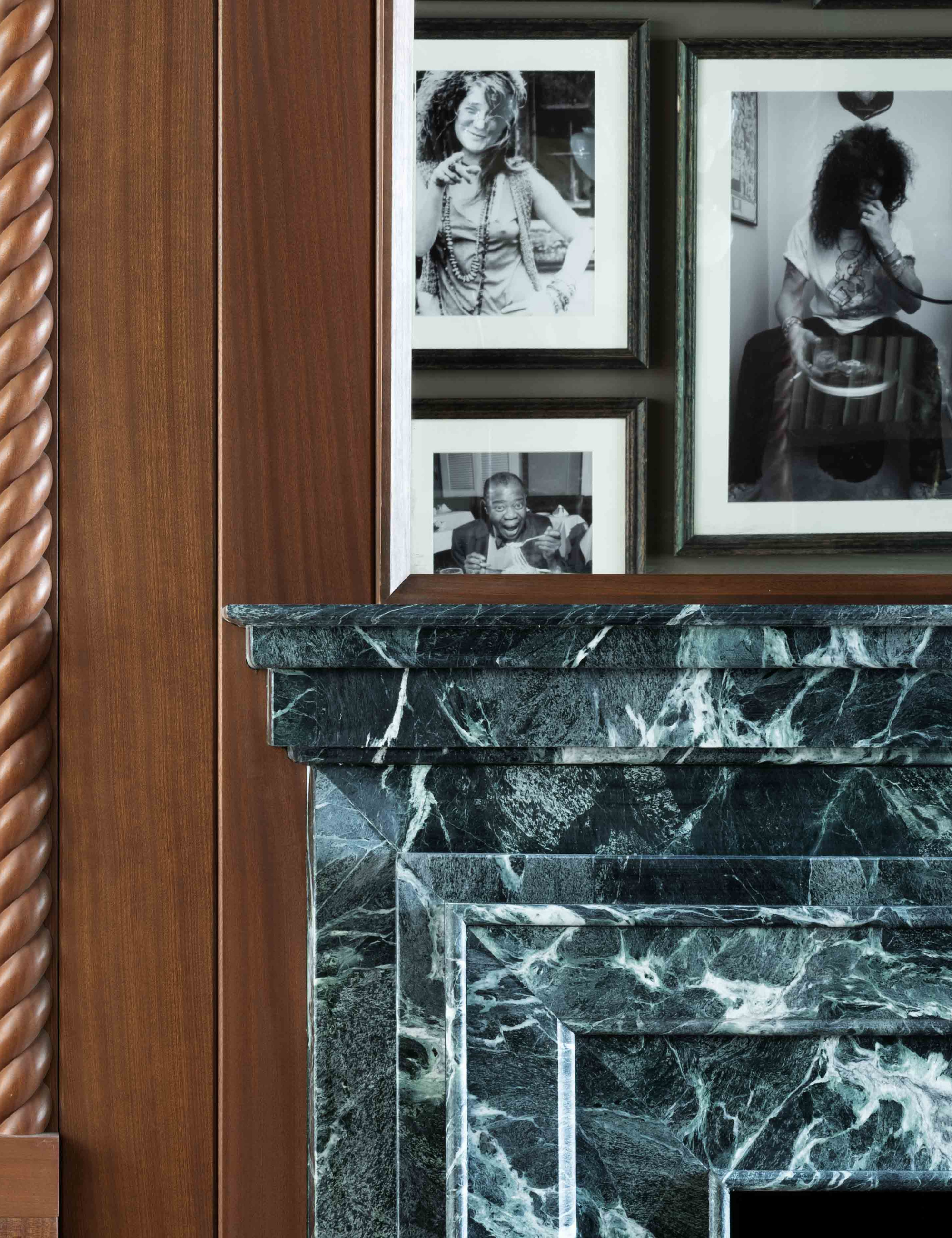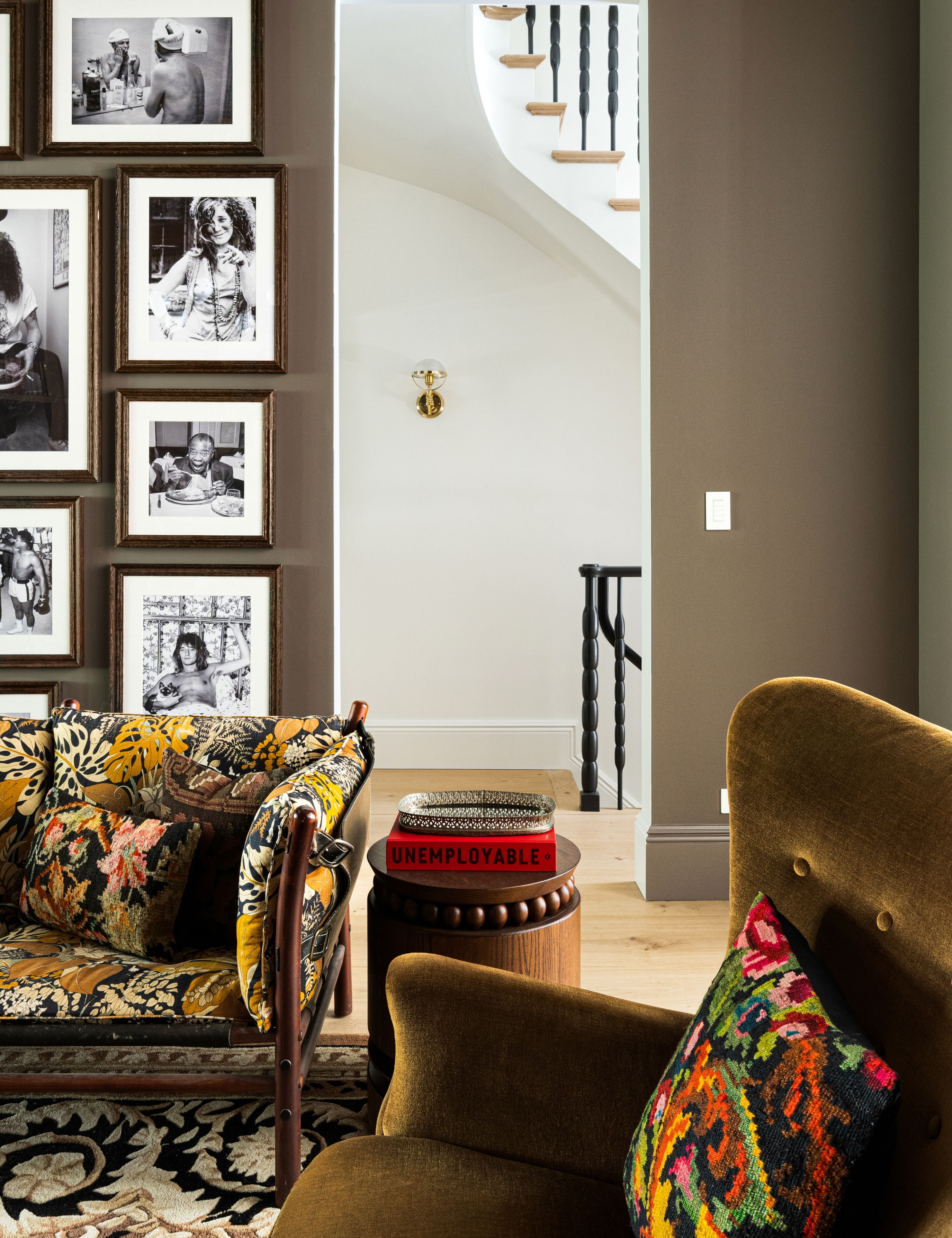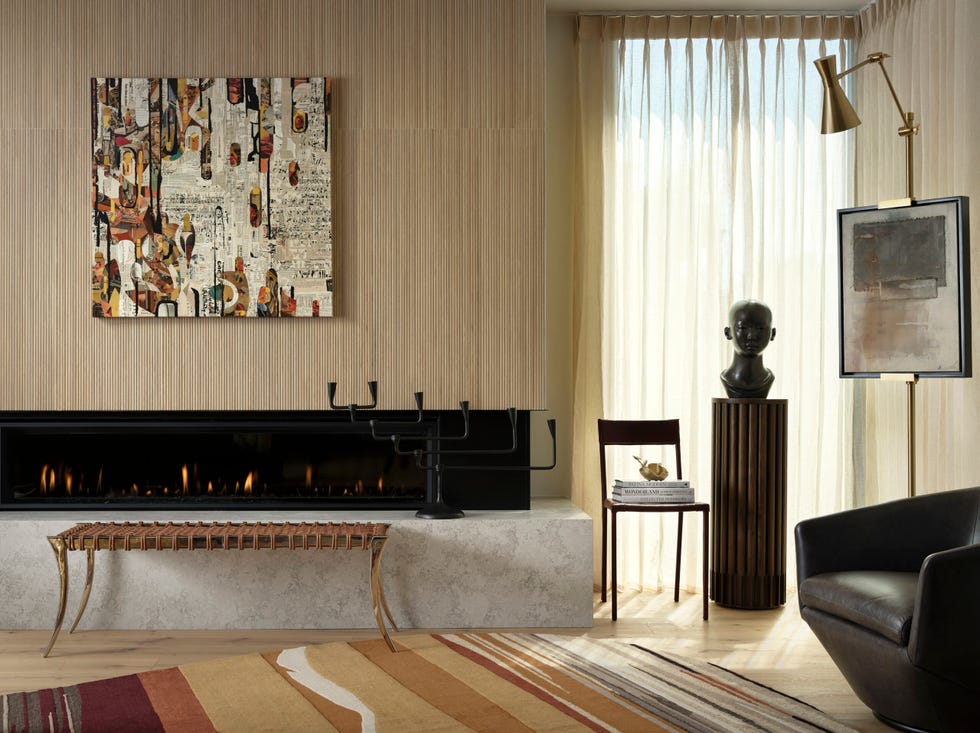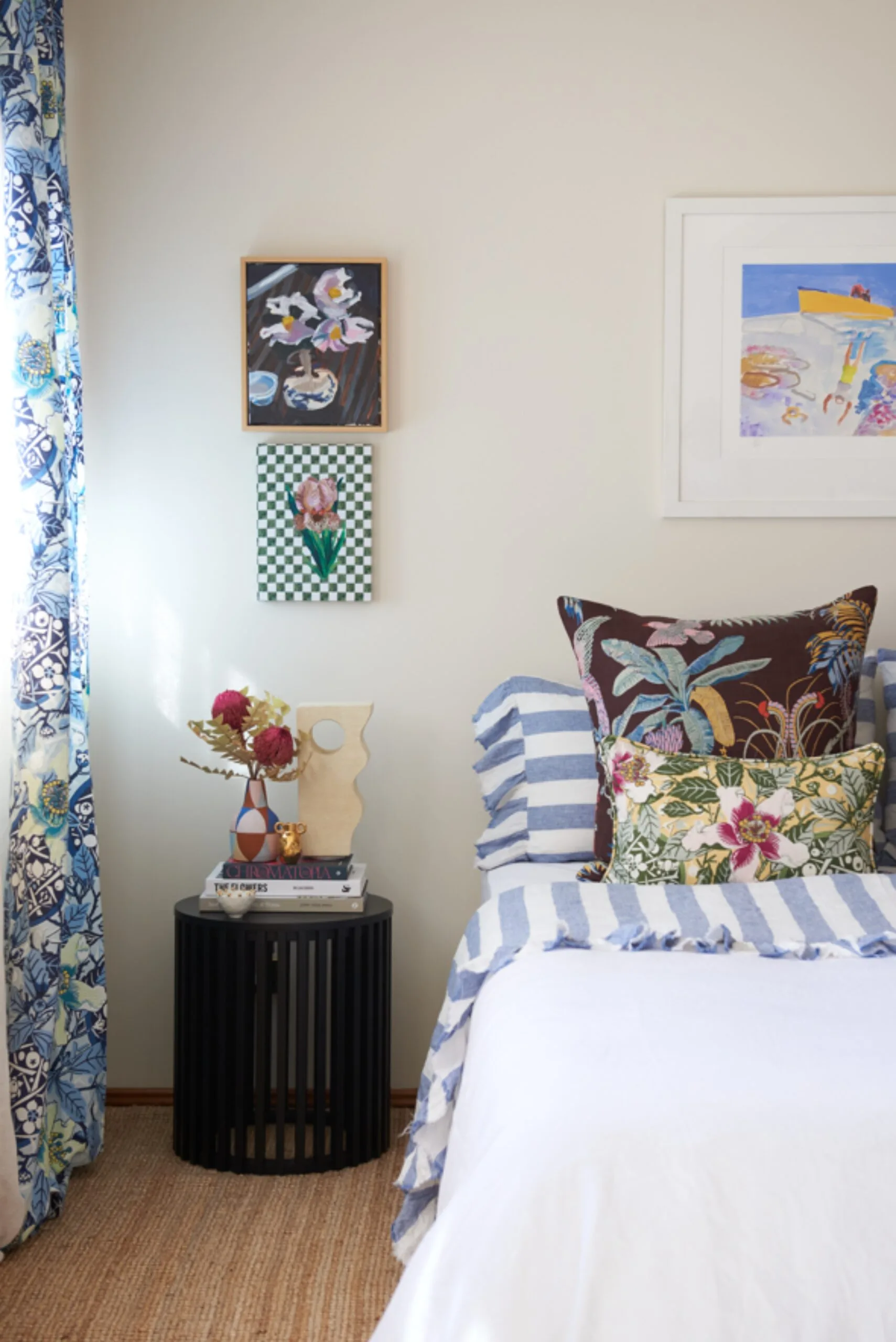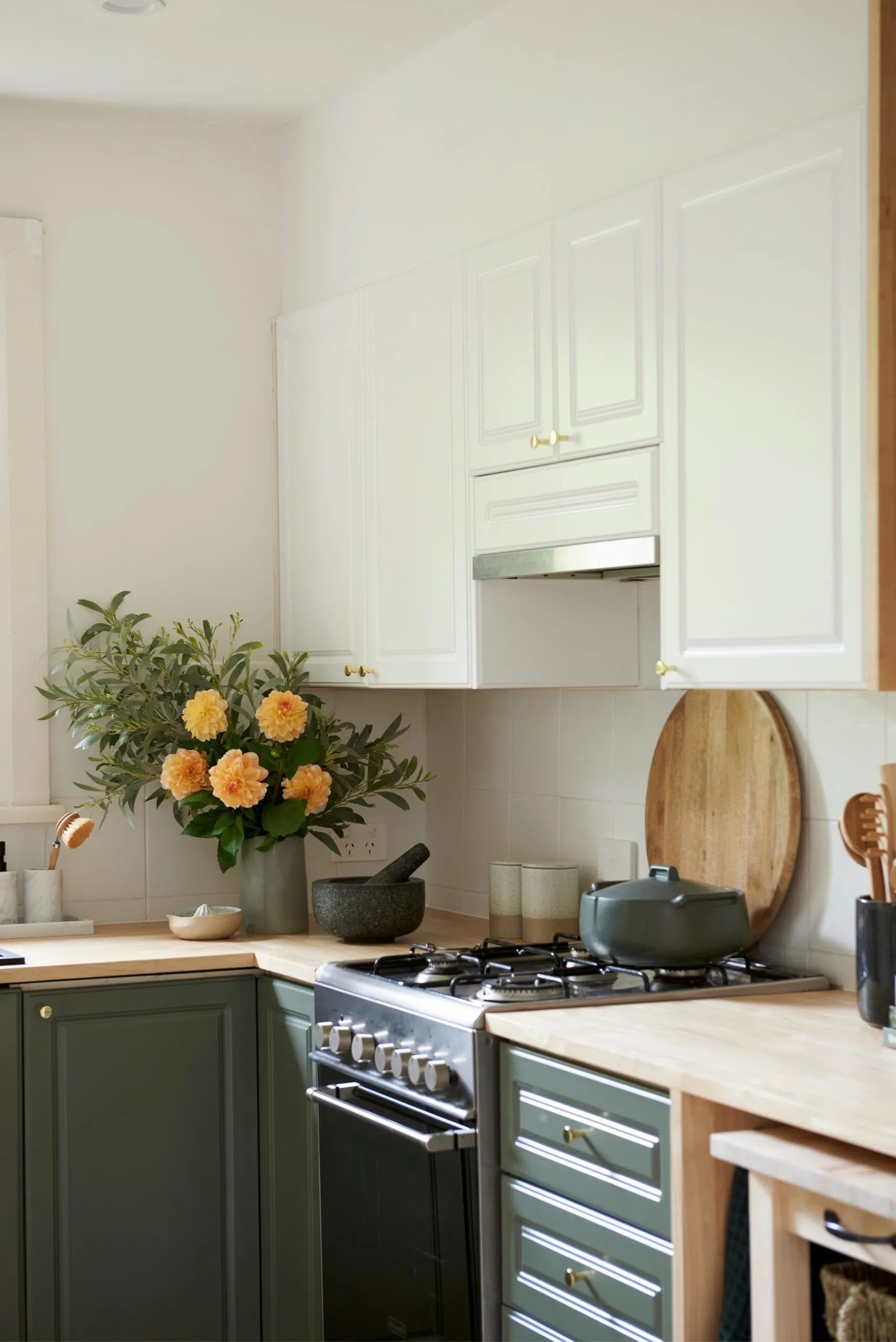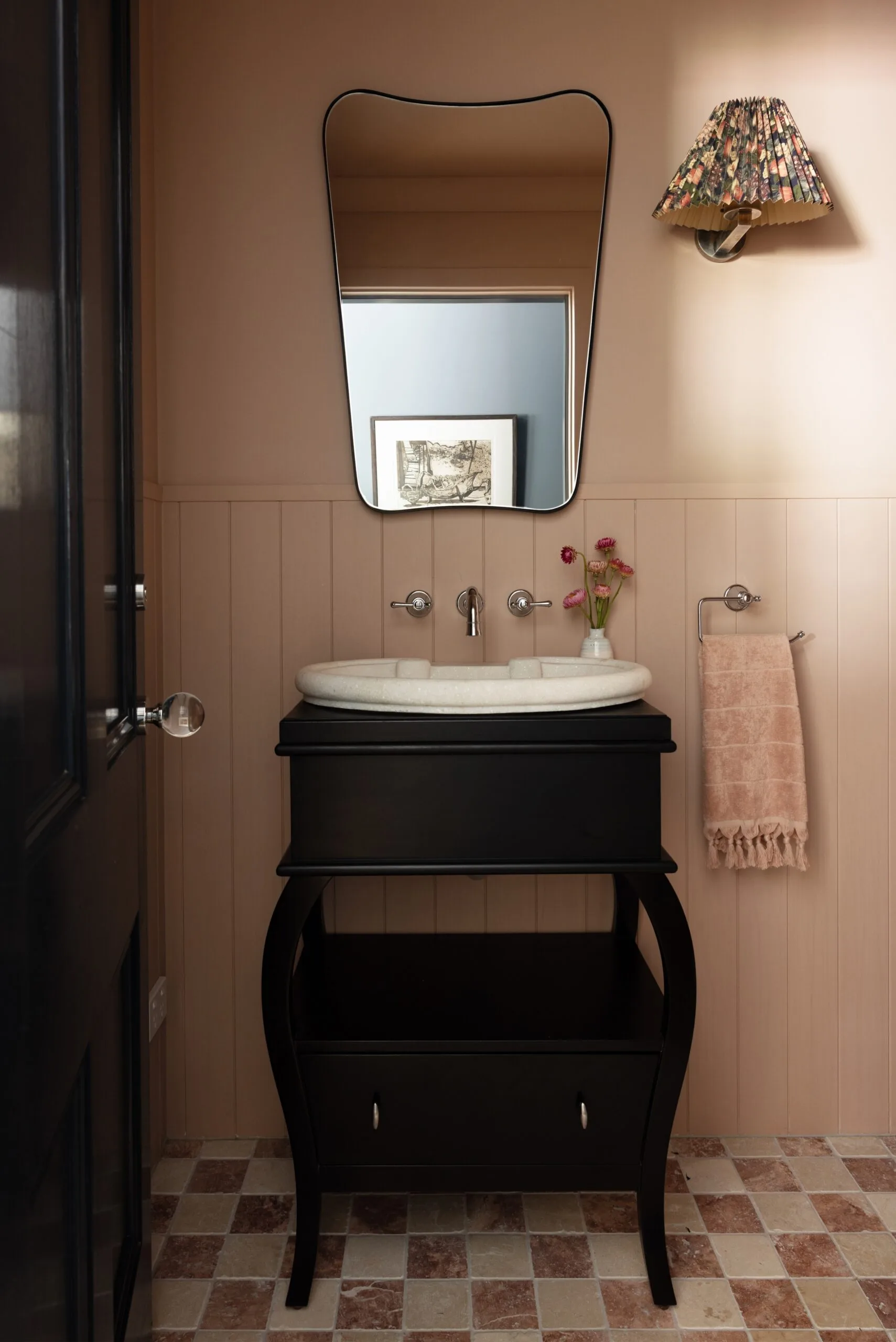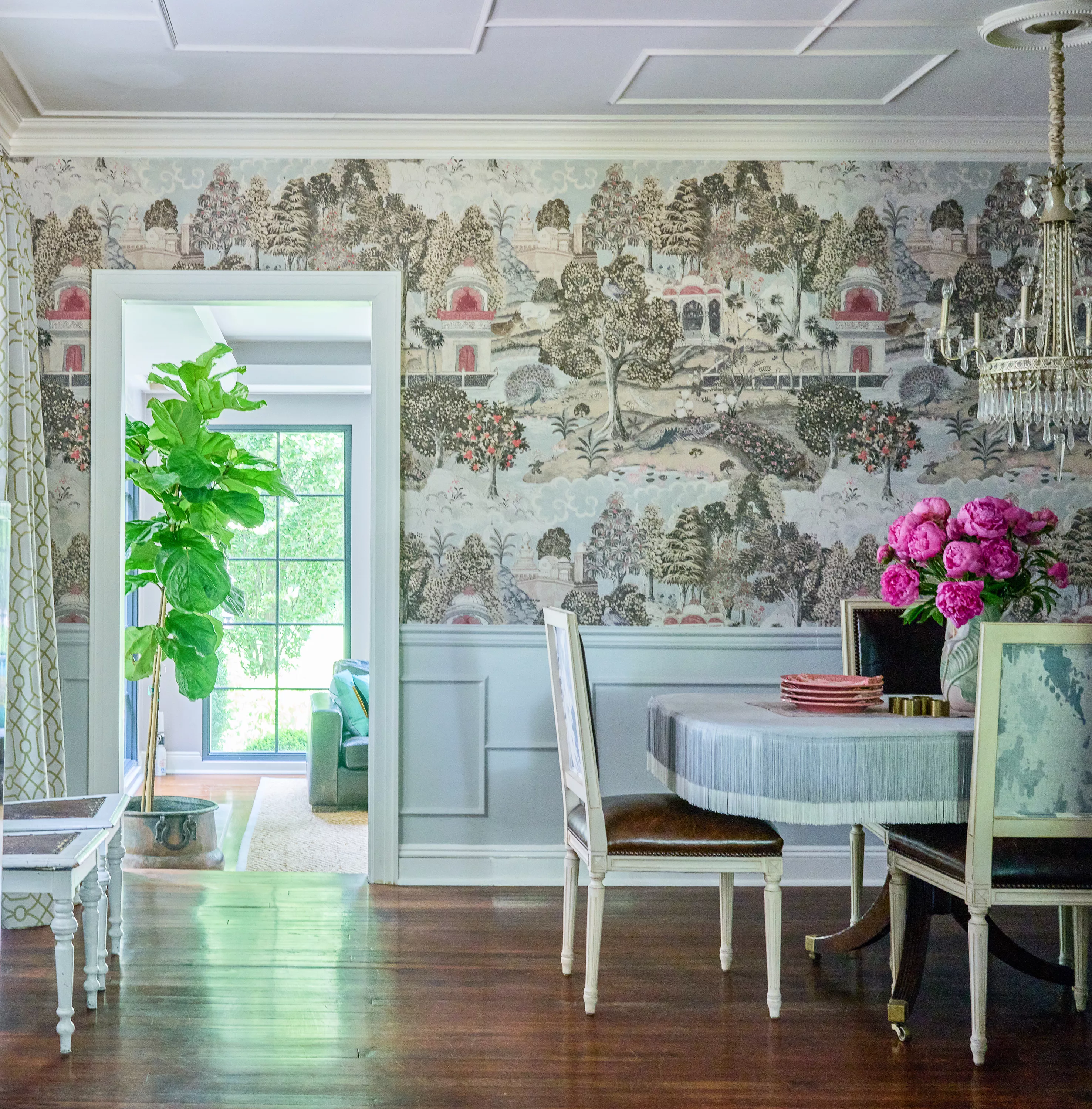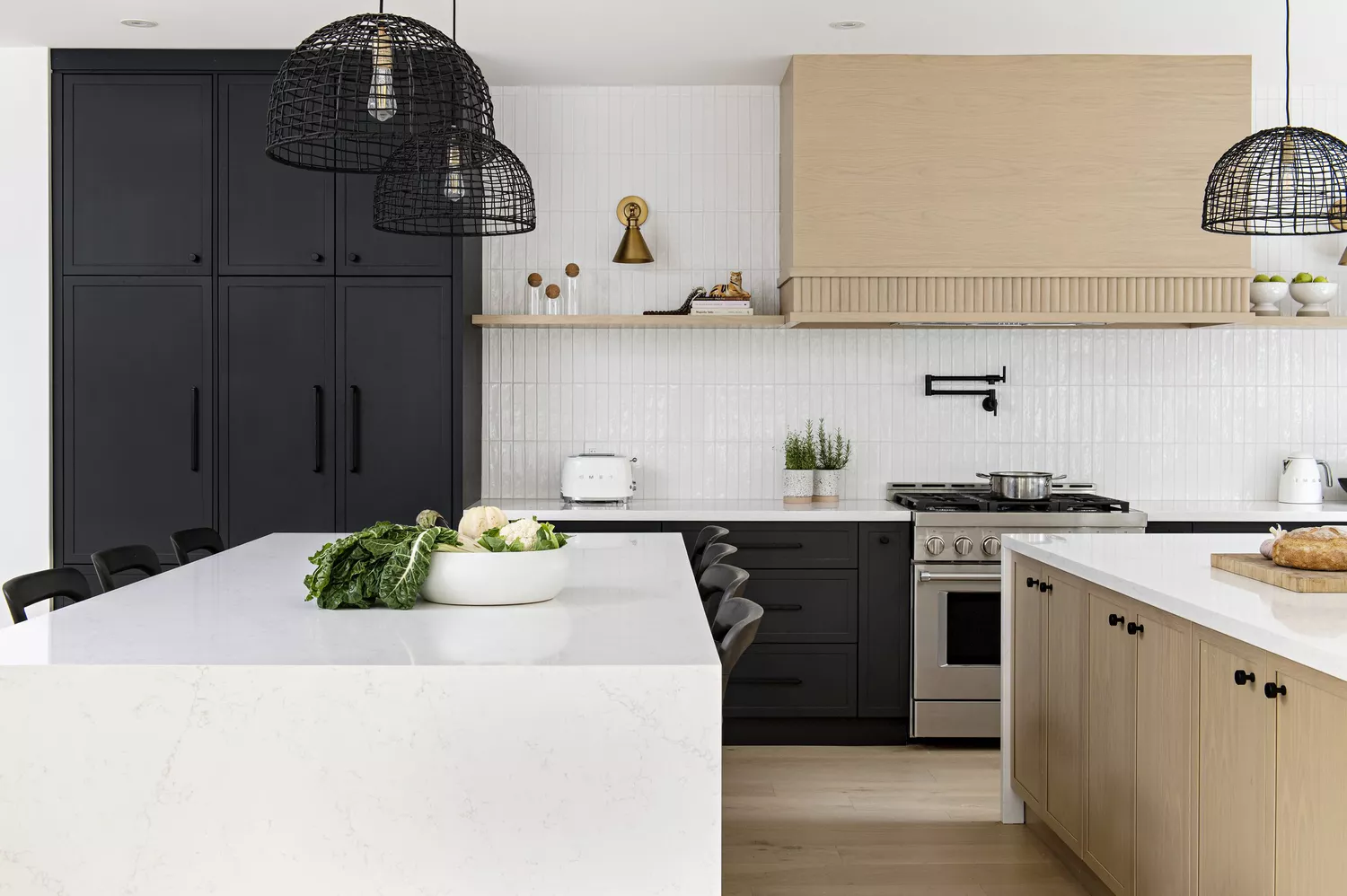
The Both/And Trend Is Here to Stay, Designers Say—and You Might Already Be Doing It
The "both/and" trend, a design philosophy that champions duality and multifunctionality within living spaces, has recently garnered significant attention in interior design circles. While it has gained traction online, design experts confirm that this principle has been a foundational element of design for an extended period. This trend is not merely about aesthetic combinations but primarily focuses on creating functional, multipurpose spaces, reflecting an evolving understanding of how homes should serve their inhabitants.
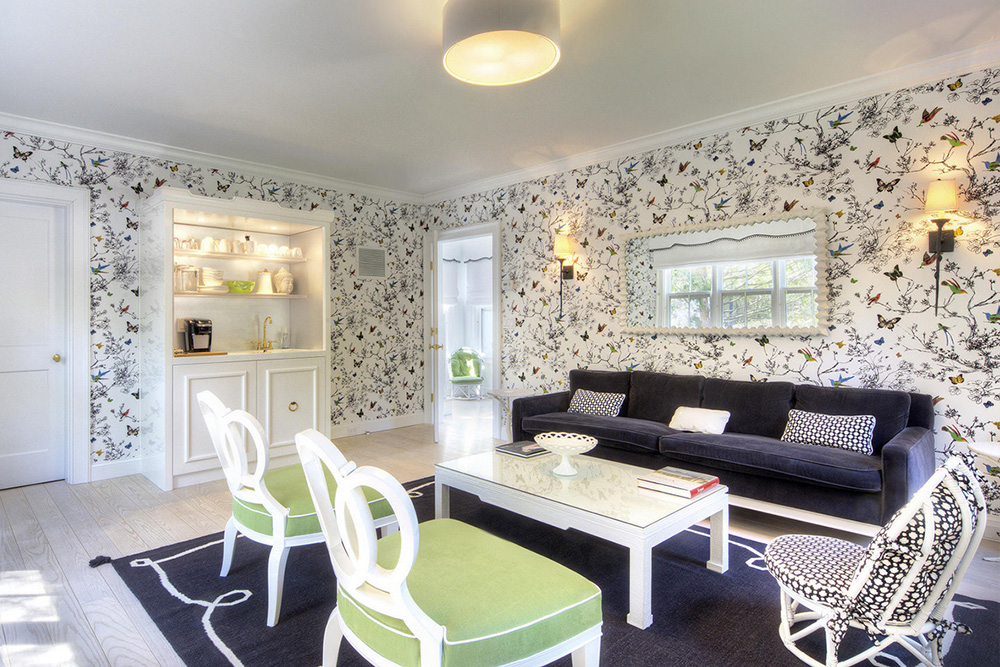
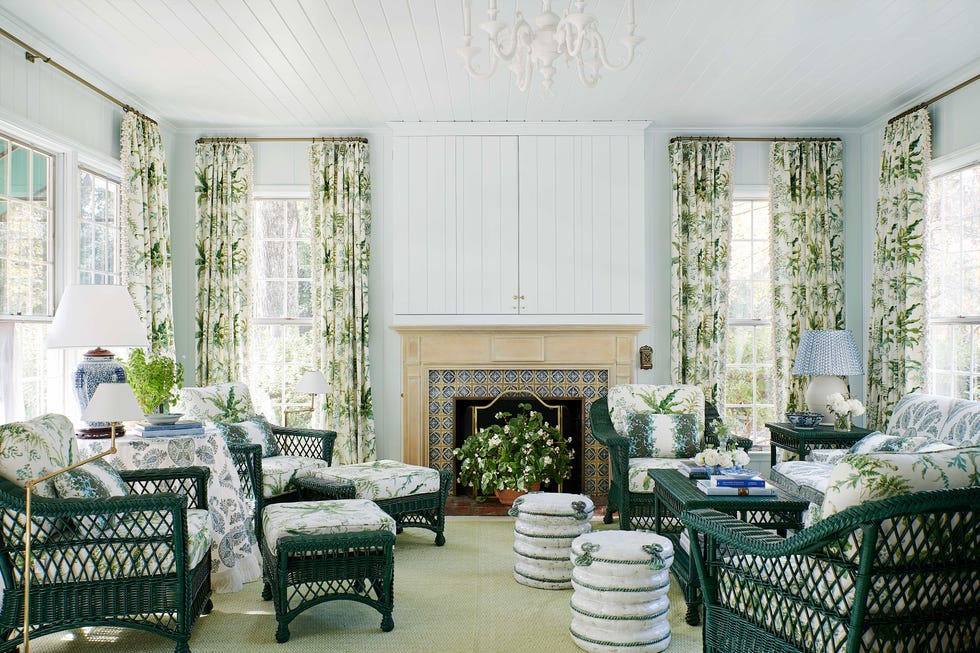
The genesis of the heightened popularity of the "both/and" trend can be traced back to the COVID-19 pandemic. The abrupt shift to remote work necessitated that many individuals convert existing spaces into functional home offices. This period catalyzed a broader recognition among homeowners of the need for adaptable environments. Consequently, the demand for spaces that can seamlessly transition between different functions has surged. This adaptability extends beyond home offices to include a re-evaluation of traditionally single-purpose rooms such as formal dining rooms, sitting rooms, and guest bedrooms. These areas are now increasingly being reimagined to maximize their utility, allowing them to serve multiple roles simultaneously.
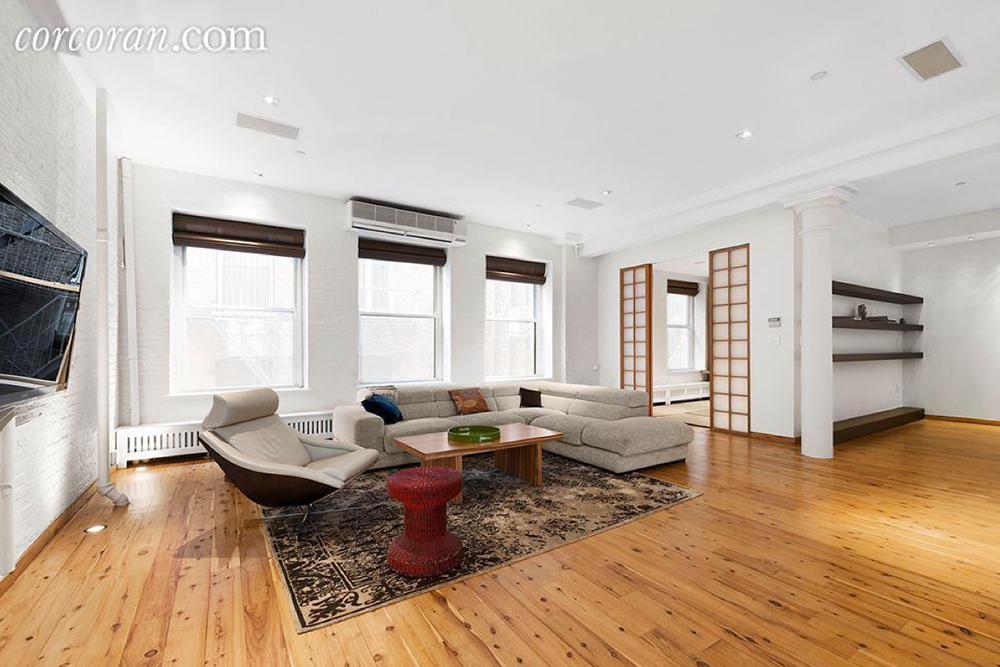
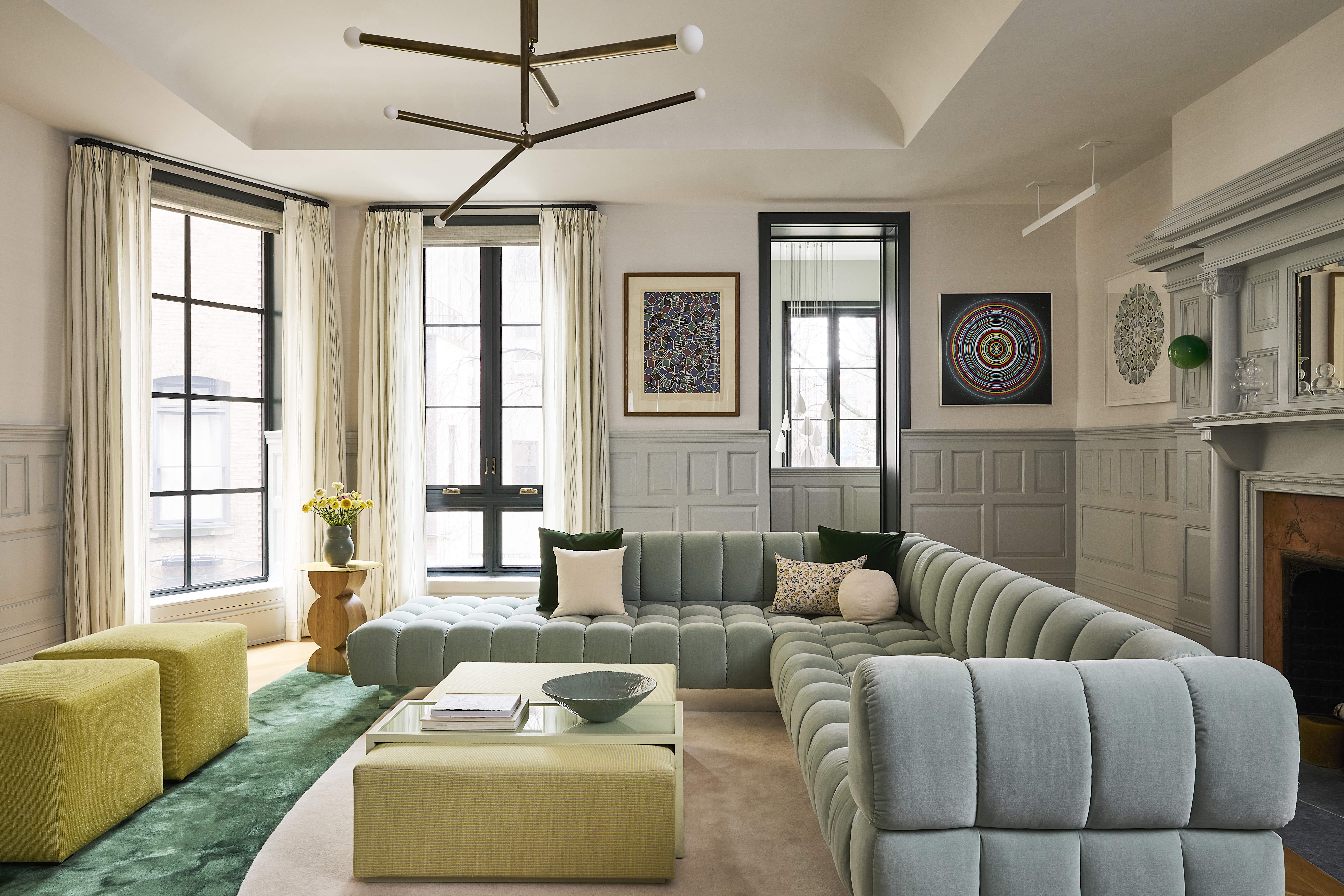
Interior designers observe that the rising cost of real estate is a significant factor driving this trend. Homeowners are keen to optimize every square foot of their property, seeking designs that offer flexibility and cater to their evolving needs. This desire manifests in various hybrid spaces, including guest bedroom-office combinations, kitchen-gathering areas, and living room-playroom-hobby room configurations. The underlying principle is to ensure that each space contributes meaningfully to the household's lifestyle rather than remaining underutilized.
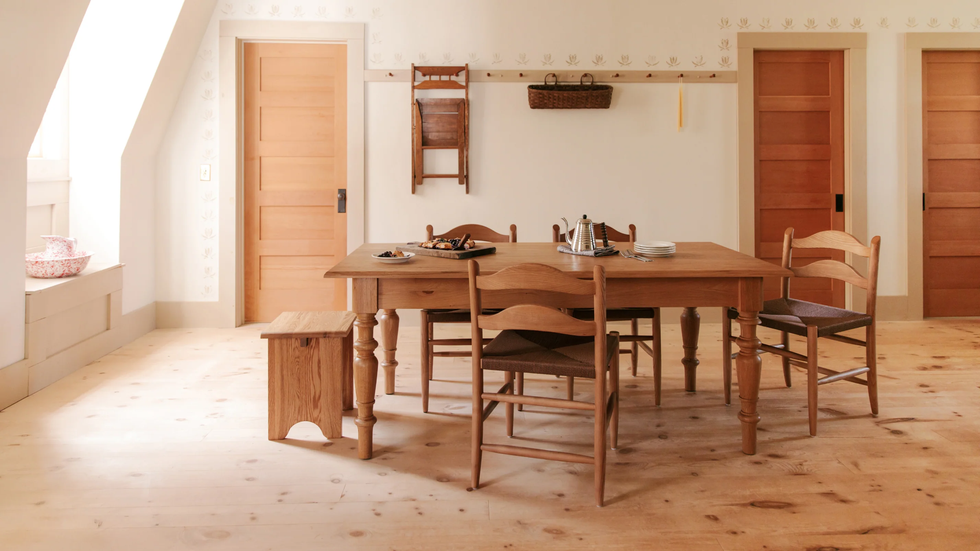
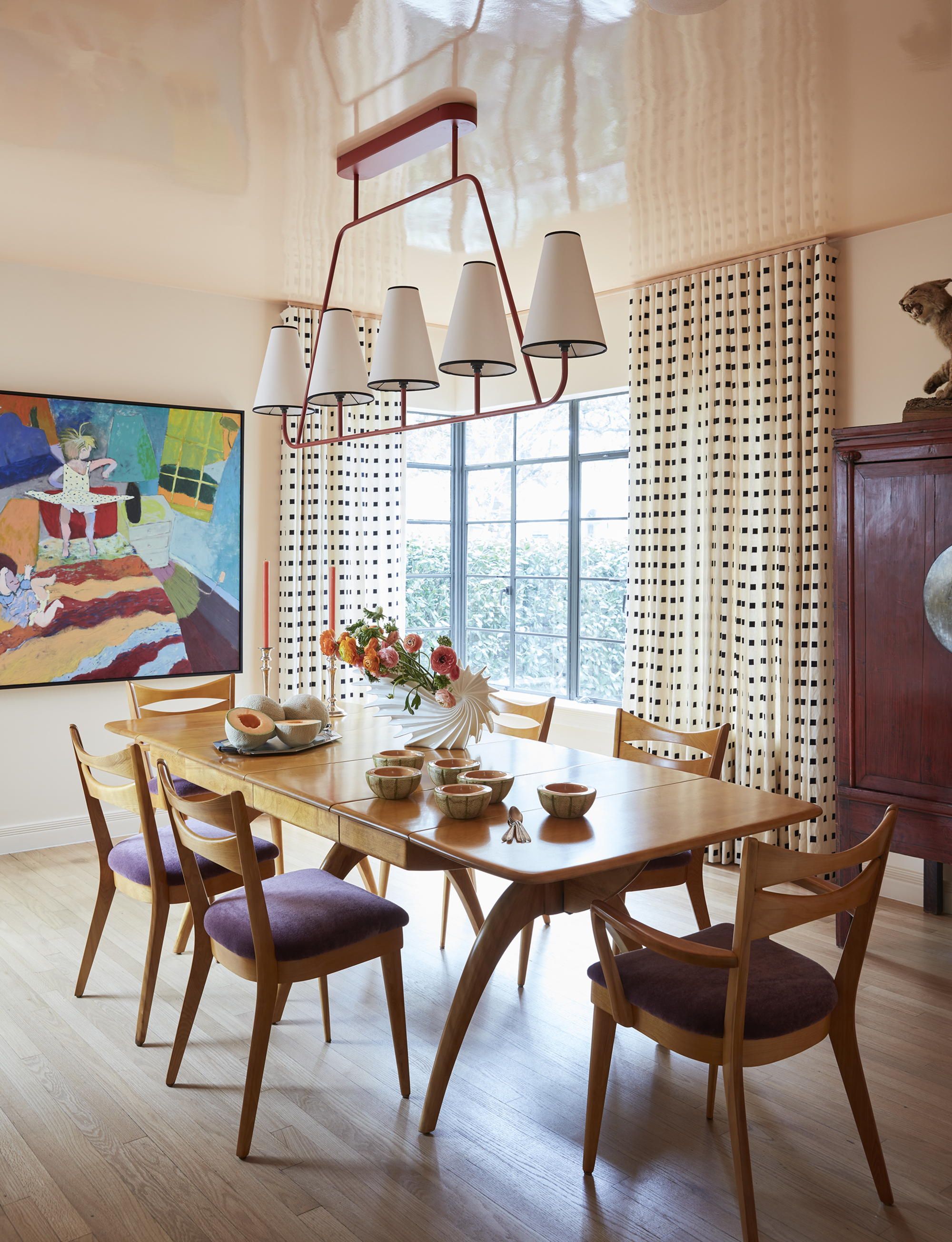
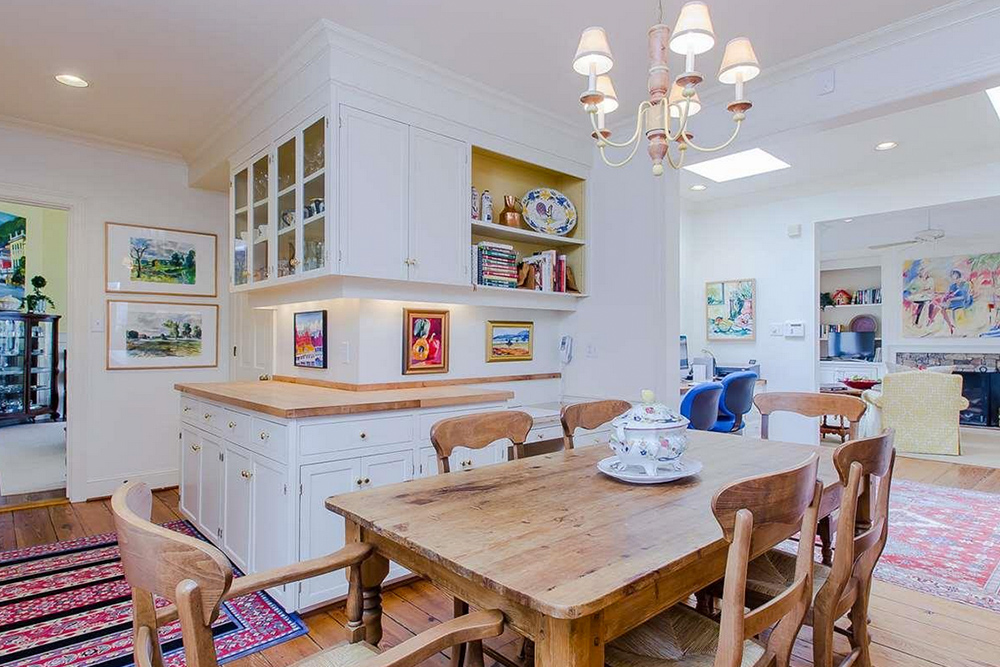
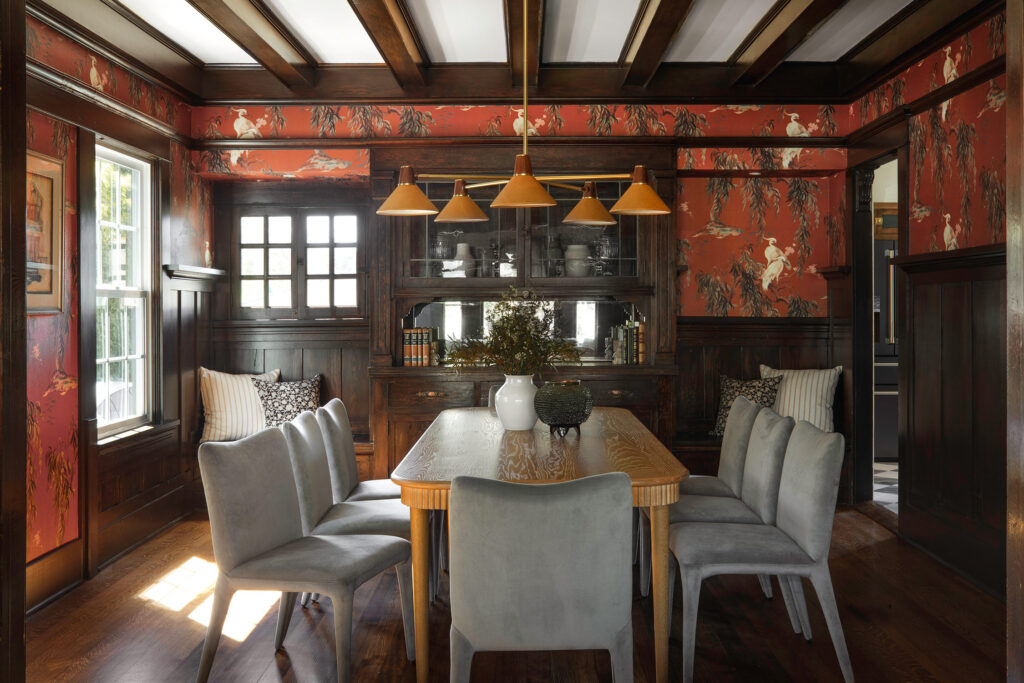
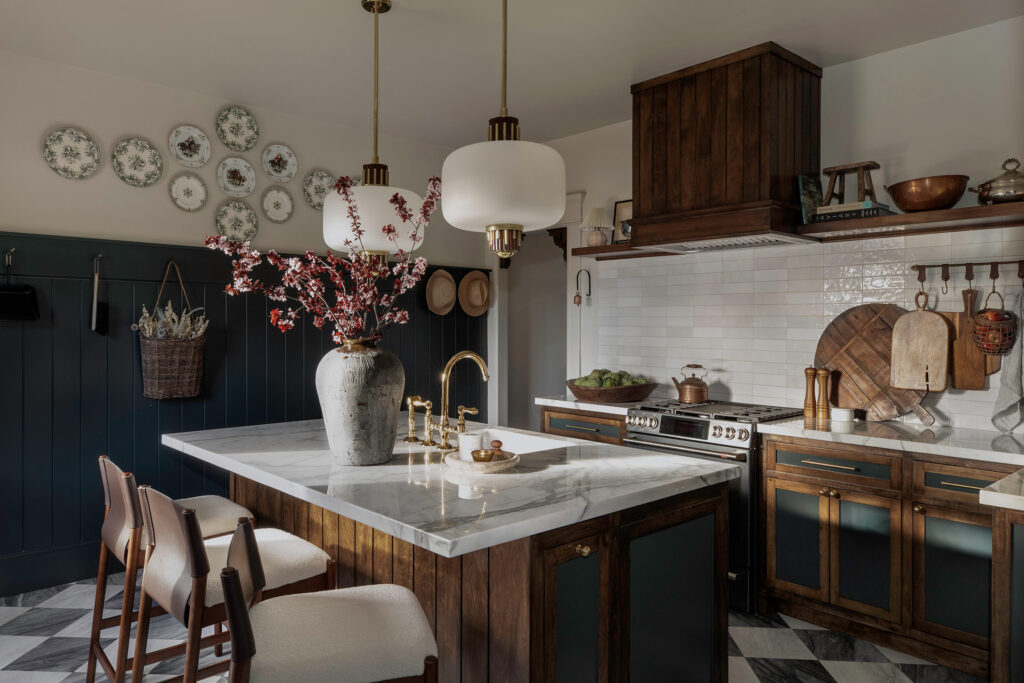
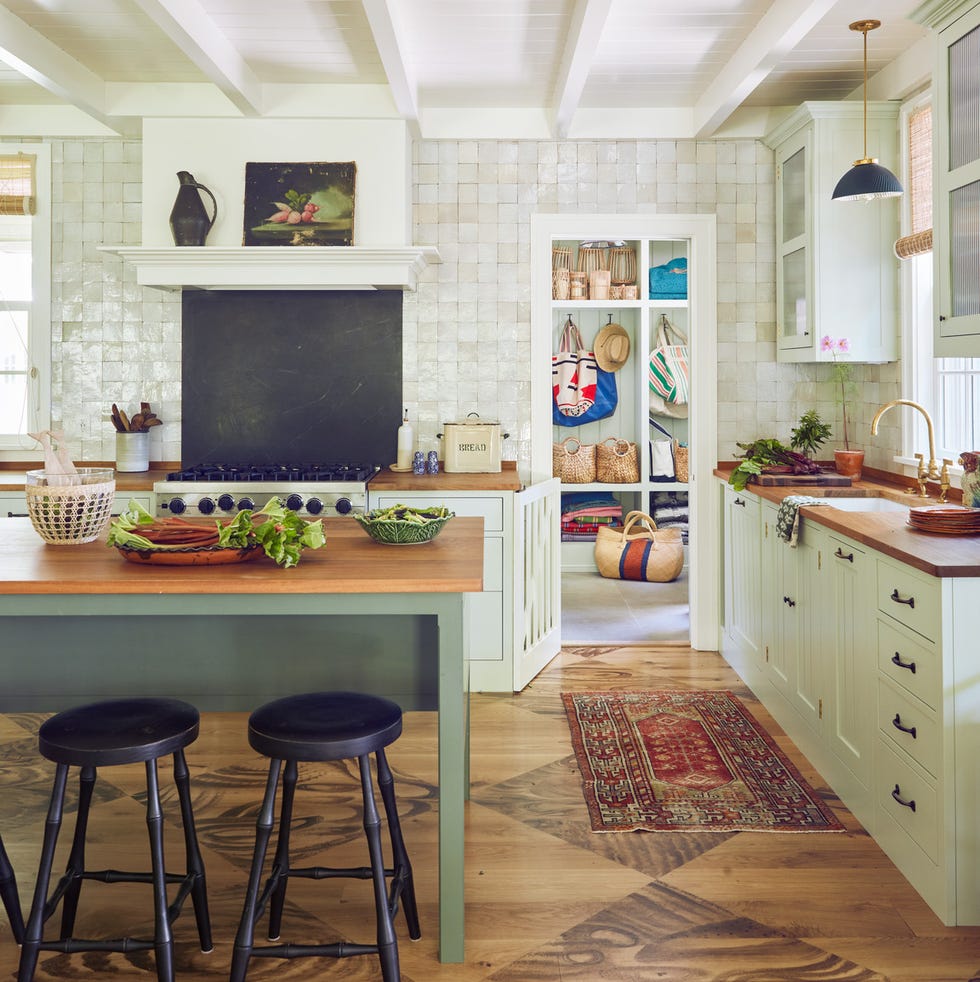
Implementing the "both/and" trend at home can be achieved through several practical approaches, regardless of the scale of the design project. A crucial step involves re-evaluating and potentially reconfiguring traditional spaces. If a formal dining room or sitting room is rarely used, designers suggest transforming it into a more functional area, such as an eat-in kitchen nook or a hobby room, music room, or playroom, aligning with the household's actual activities. Kitchen design, for instance, has evolved beyond mere cooking areas to become central gathering spaces, often incorporating ample seating through large islands to encourage social interaction. Prioritizing good lighting and inviting decor in these areas further enhances their appeal as versatile hubs.
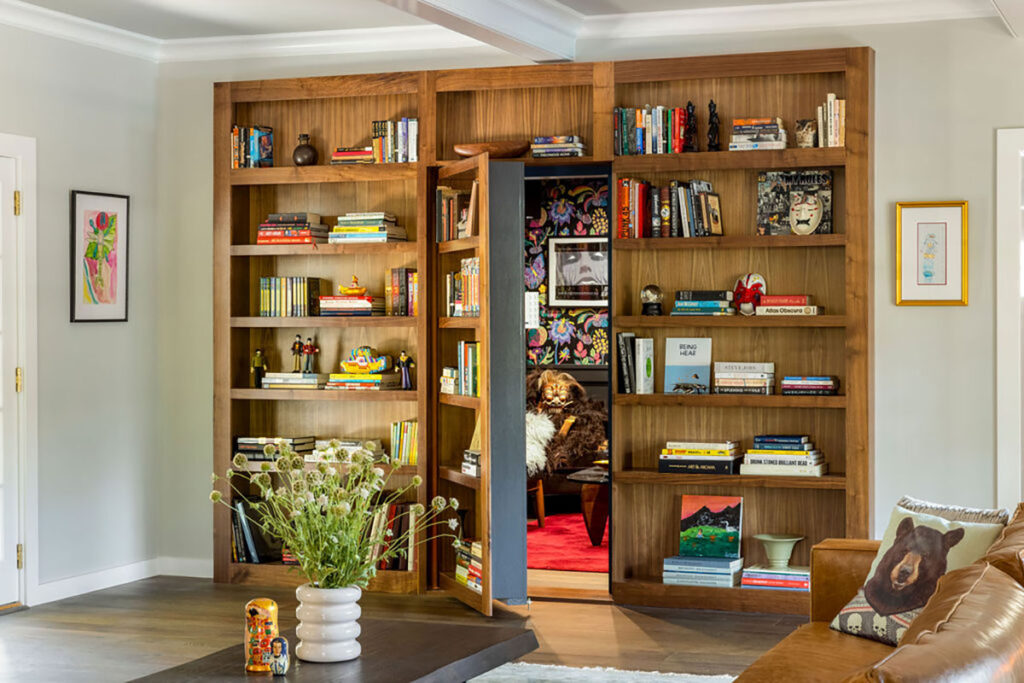
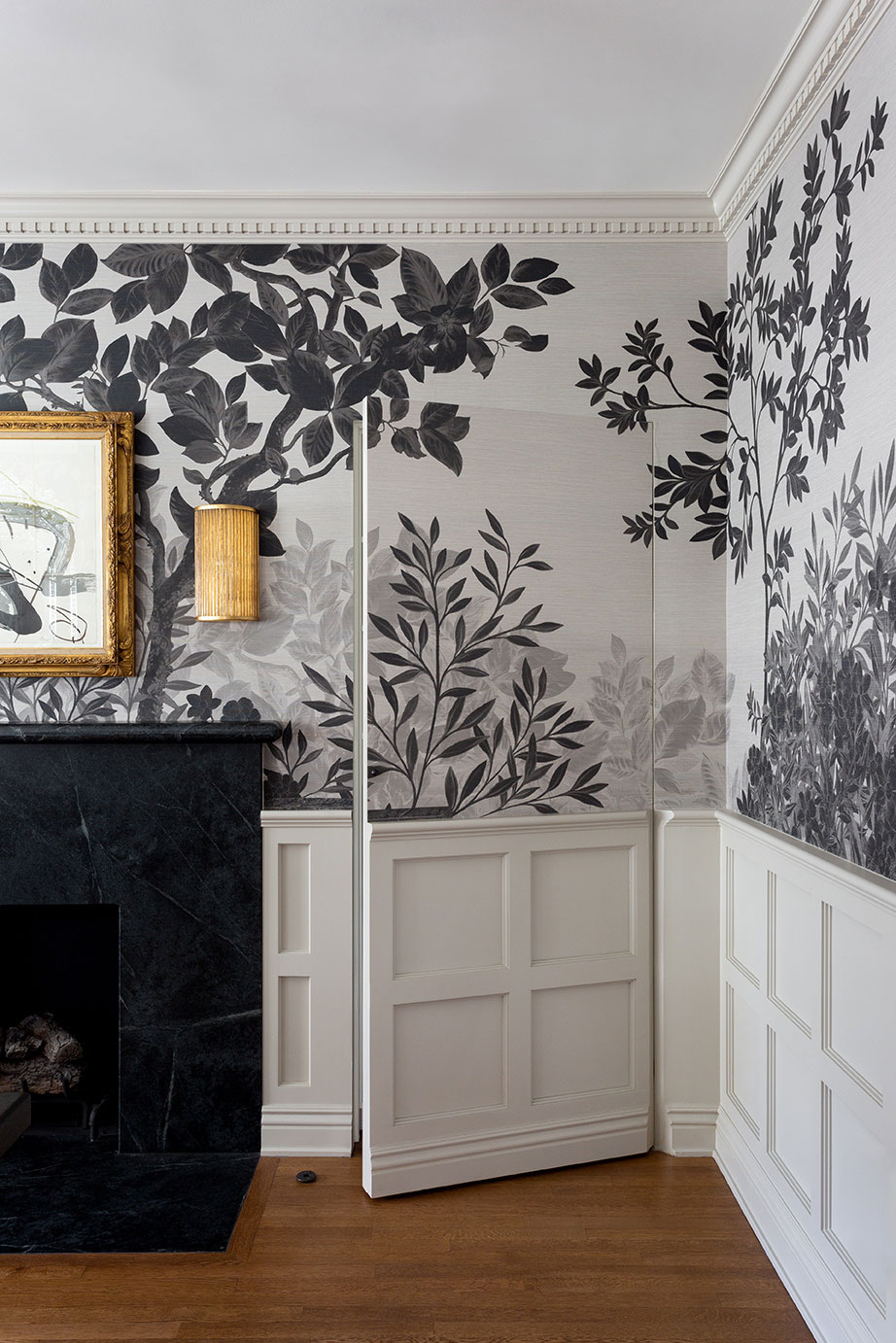
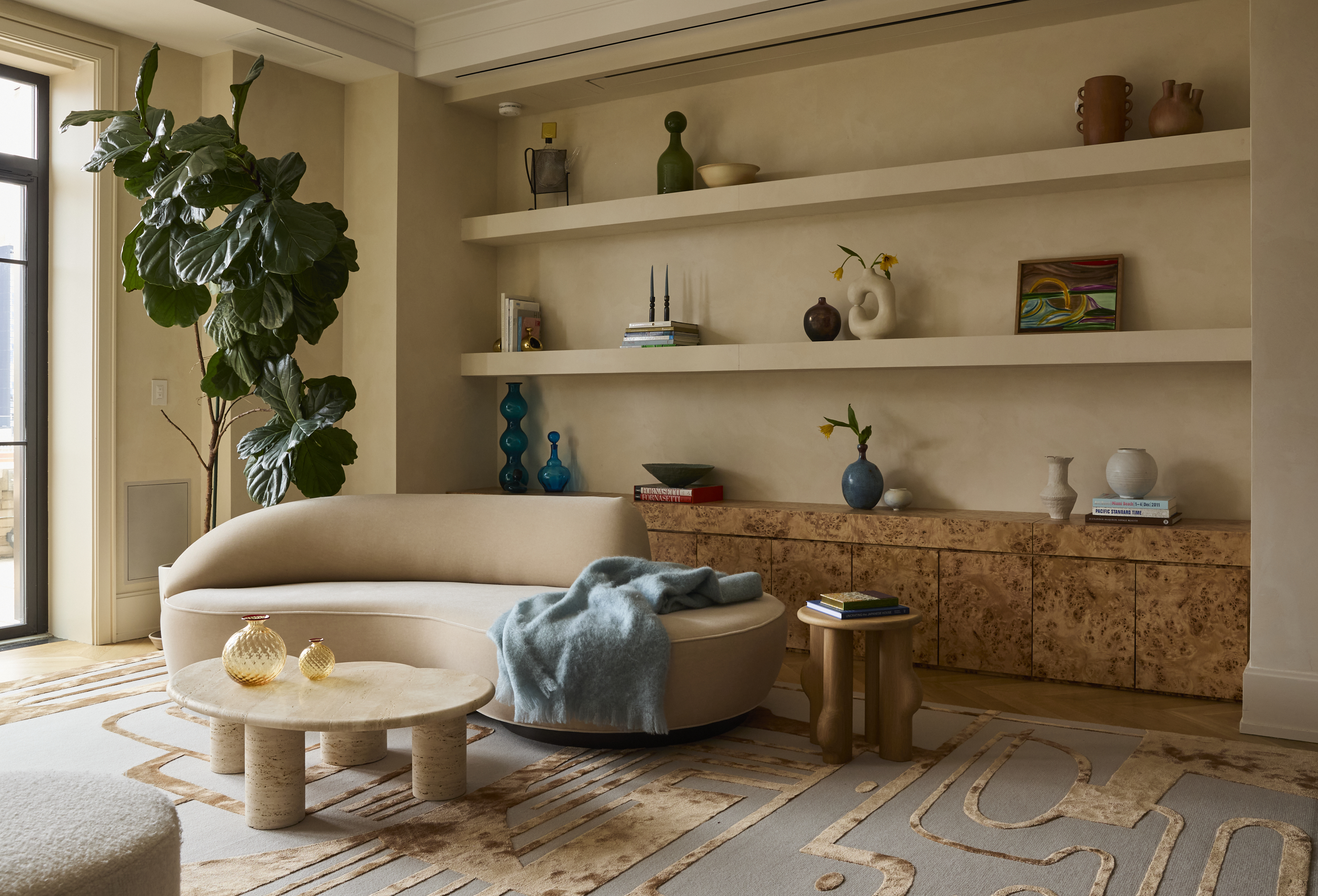
Another key strategy for embracing this trend is the incorporation of multifunctional furniture. Pieces that offer storage, expandability, retractability, or convertibility are invaluable, especially in smaller living areas. Murphy beds, for example, have seen significant advancements in comfort, operability, and design, often integrated with adjacent storage solutions like bookshelves or armoires, making them ideal for converting a guest room into a dual-purpose guest room/home office. Ultimately, the "both/and" trend encourages homeowners to move away from rigid, conventional notions of home design. Instead, it advocates for a personalized approach where spaces are designed to specifically suit the unique needs and lifestyles of the occupants, prioritizing functionality and adaptability over outdated conventions.
#HomeDesignTrends #BothAndTrend #MultifunctionalSpaces #InteriorDesign #FlexibleLiving #HomeOfficeSolutions #SpaceOptimization #FurnitureDesign #PostPandemicDesign #HomeDesignTrends #BothAndTrend #MultifunctionalSpaces #InteriorDesign #FlexibleLiving #HomeOfficeSolutions #SpaceOptimization #FurnitureDesign #PostPandemicDesign
0 comment in total
 No comments yet
You may also like

HGTV’s David Bromstad Says This Is the One Design Trend Everyone Should Be Embracing Right Now

Designers' Reveal the Biggest Pattern Trends for 2025, and It's Shaping Up to Be a Bold Return to the Classics

The Design Industry’s Coolest Trend Is Hiding in Plain Sight
Design Pros All Agree: The Color-Blocking Trend Is One to Try

The Fall 2025 Décor Trends Designers Say Are Already Everywhere

Surprise: 1990s Design Trends Are Coming Back
Design Pros All Agree: The Color-Blocking Trend Is One to Try

The unexpected 'microtrends' that designers say are actually timeless
This Designer’s Take on a Once-Dated Trend Proves…
The One Design Trend You Should Try, Designers Say (and It's Not Color Drenching)

2 Interiors Designers Talk Style, Inspiration & The Concept Of ‘Future Heritage’
"Neutral Maximalism" Is Trending—Here's How to Make It Work, According to Designers

This Throwback Trend Is Coming Back in Style—and Designers Have Mixed Opinions

This Is the Correct Way to Mix Design Eras and Styles
Designers Reveal the Surprising Home Trend That's Taking Over Right Now

Why eclectic style is the design trend we’re embracing in 2025

The #1 Retro Design Trend Designers Say is Making a Comeback

Designers Are Ditching the "Rule of Threes" for THESE Genius Styling Alternatives
8 Decorating Trends Designers Wish Would Go Away in 2025

Fringe Is Back and Better Than Ever—Here's How Designers Are Embracing the Trend