1/4
Sustainable Homes
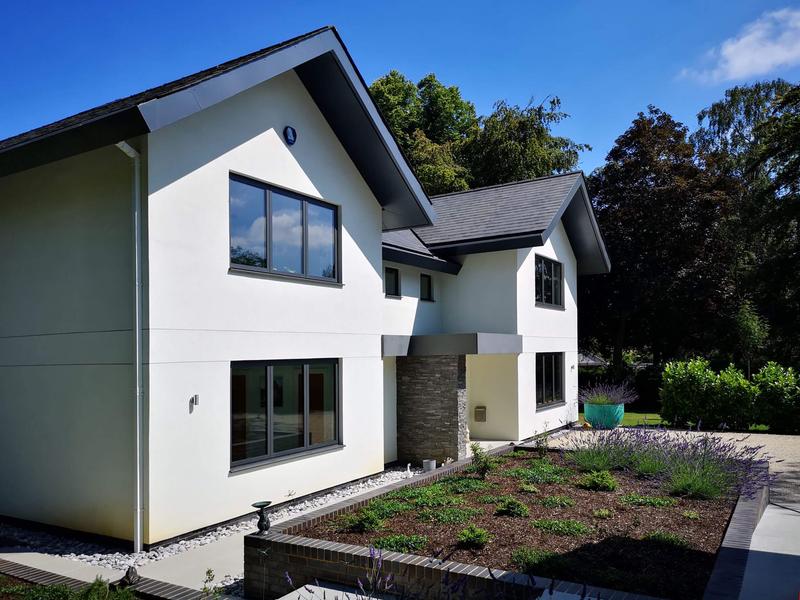
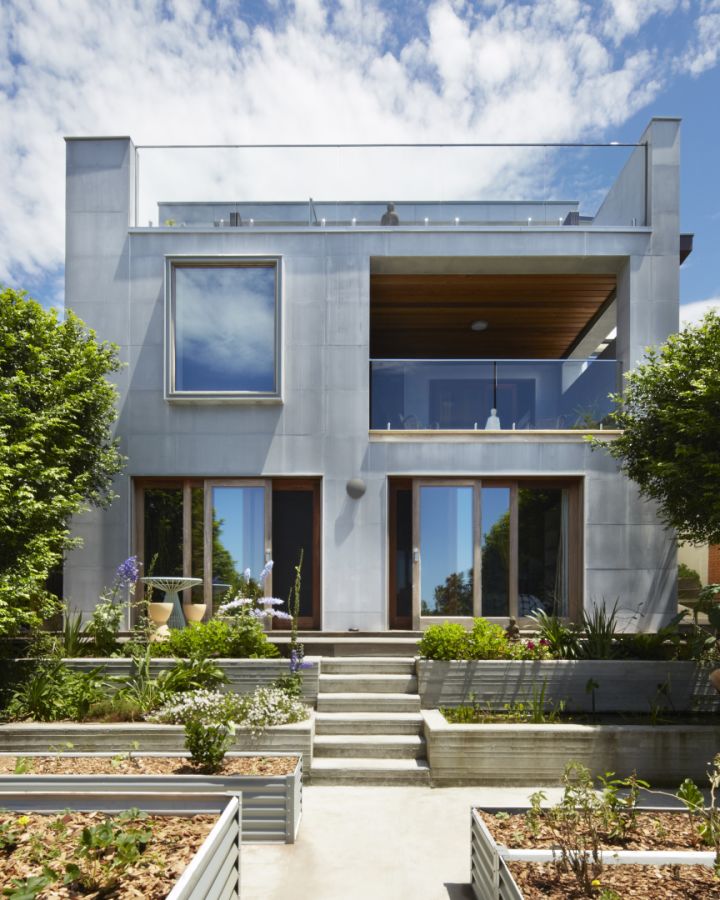
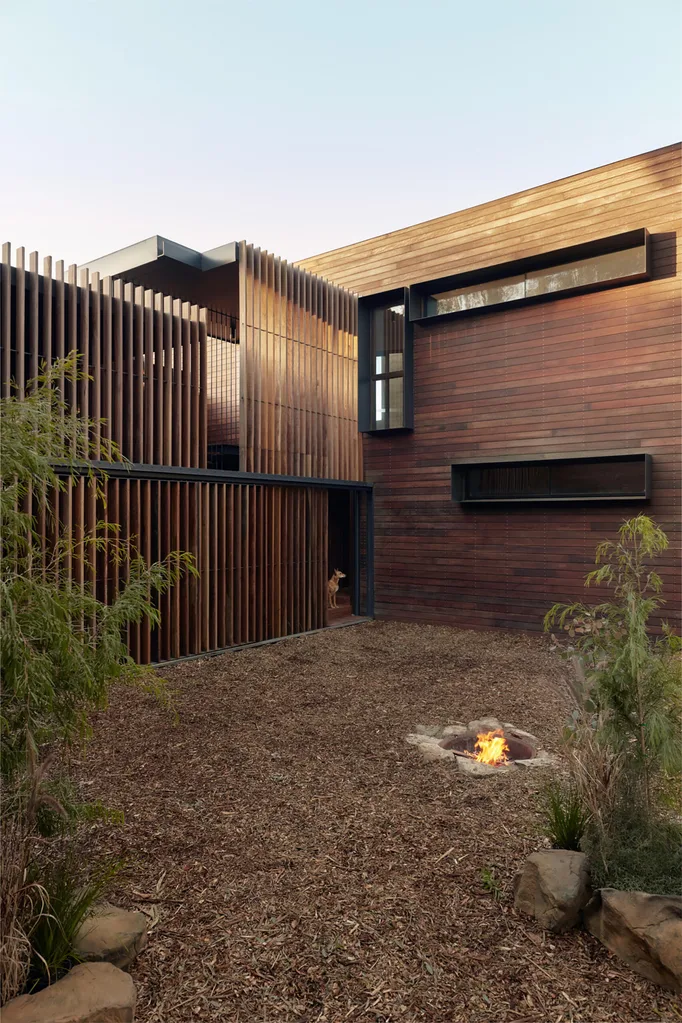
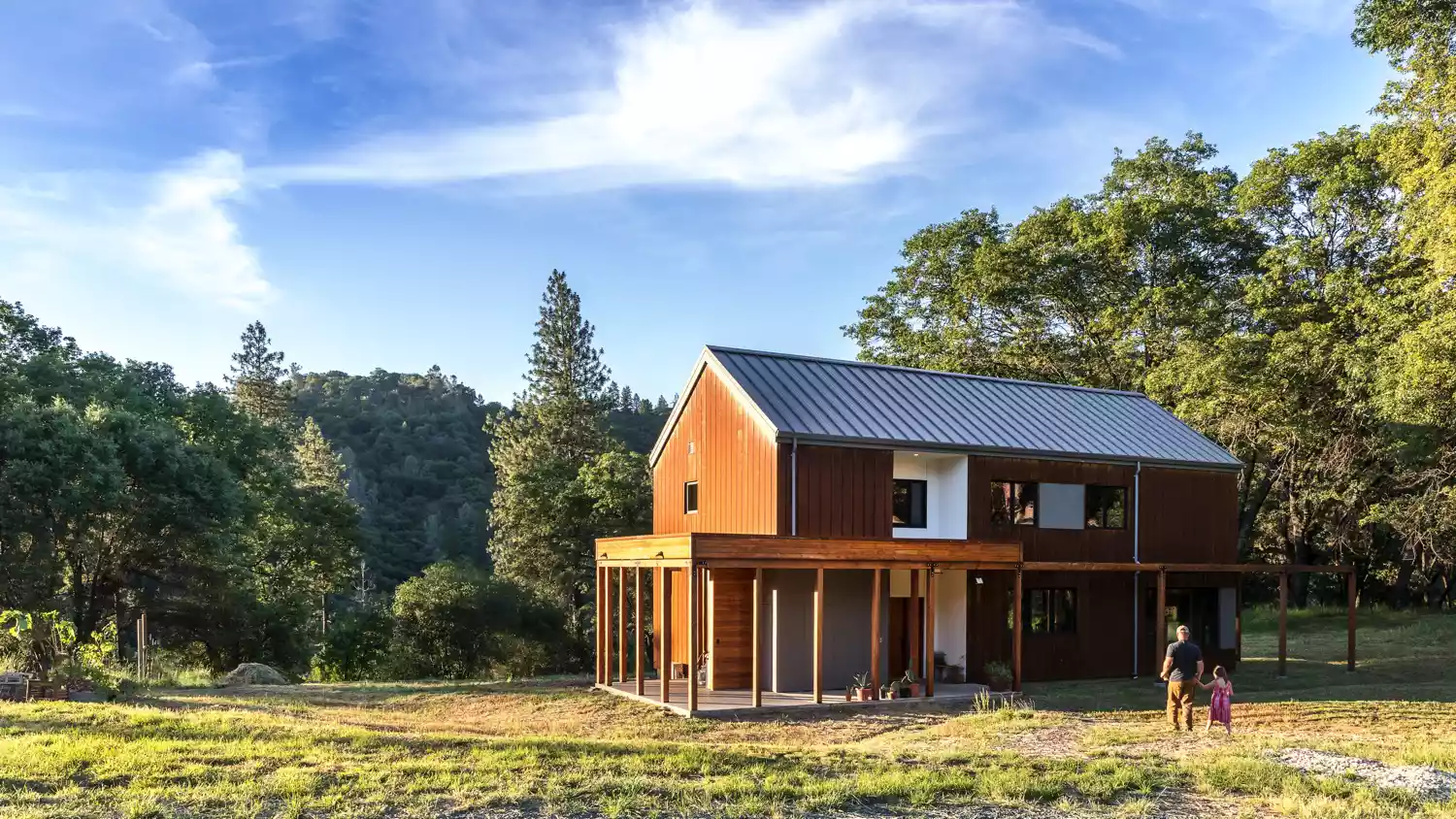
The article explores the concepts of "green" and "sustainable" homes, clarifying that these terms are interchangeable and refer to construction practices that minimize environmental damage. Architect Virge Temme explains that green architecture integrates design, materials, and systems to create homes that are environmentally responsible. While the initial cost of building a green home may be 2 to 5 percent higher, with an additional $3,000 for certification, owners can expect to save 10 to 30 percent in operating costs over the 30-year lifespan of the home, particularly with rising energy prices.
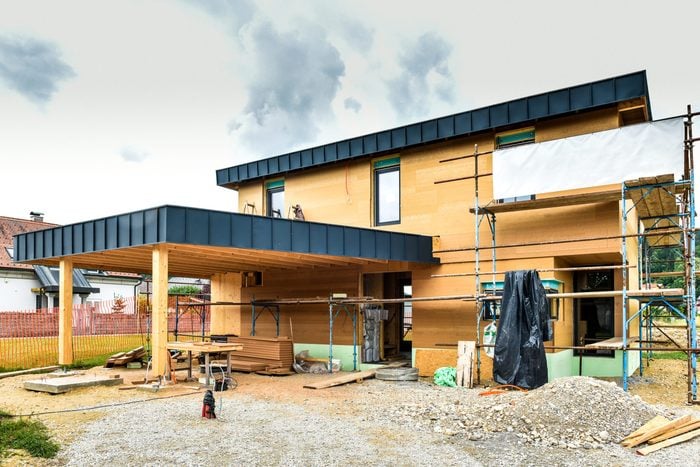
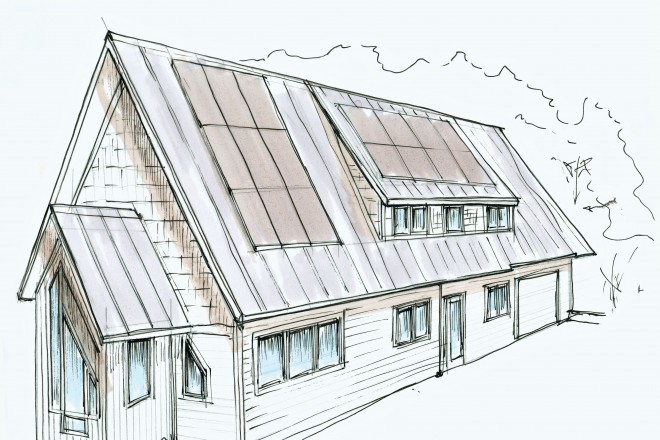
The article highlights the personal experience of Guy Fortin and Judy Samida, who are building one of the first Leadership in Energy and Environmental Design (LEED) certified homes in the nation near Sturgeon Bay, and the first in Wisconsin. Their approach is based on two core principles of green construction: building only what is needed and maximizing insulation. Firm environmentalists, Guy and Judy were also drawn to the idea of self-sufficiency and reducing reliance on external systems. Their home is significantly smaller than initially planned, achieving a 39 percent reduction in size and a nearly 1,400 square-foot smaller construction footprint, thereby preserving more trees. This reduction was achieved by designing multi-functional spaces, a process that required flexibility and open-mindedness.
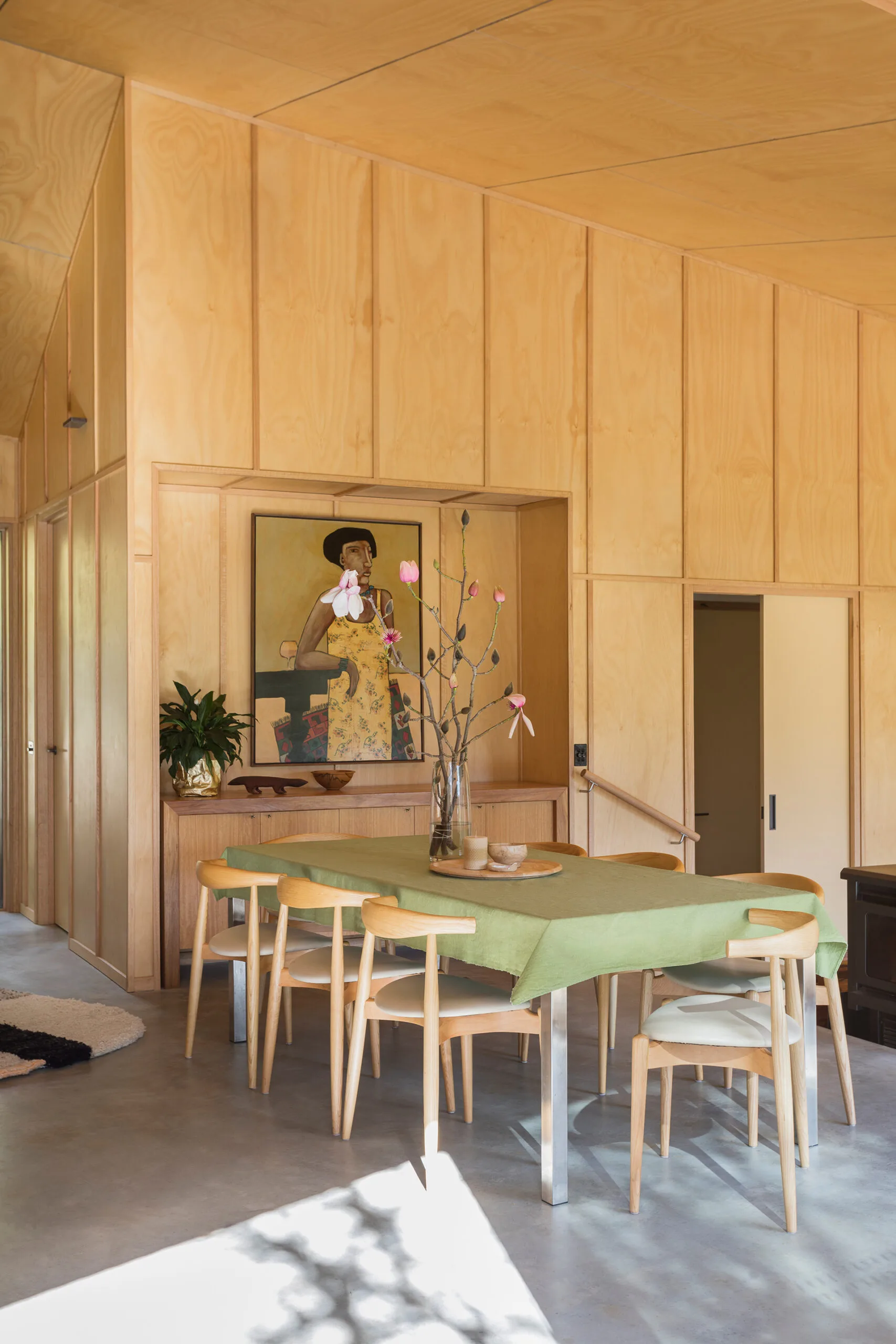
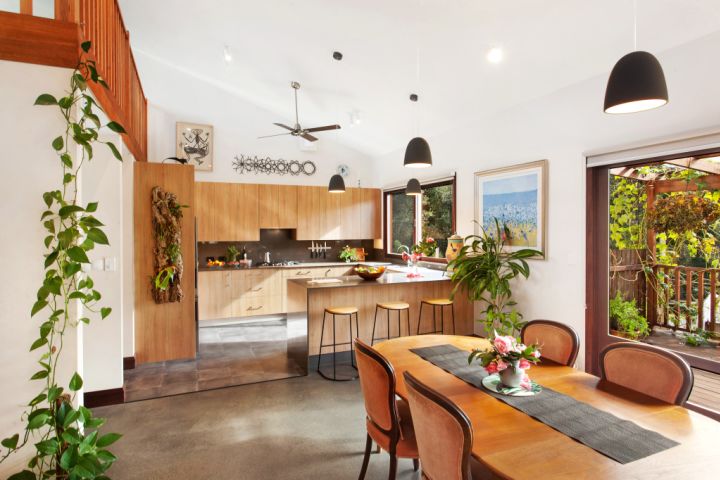
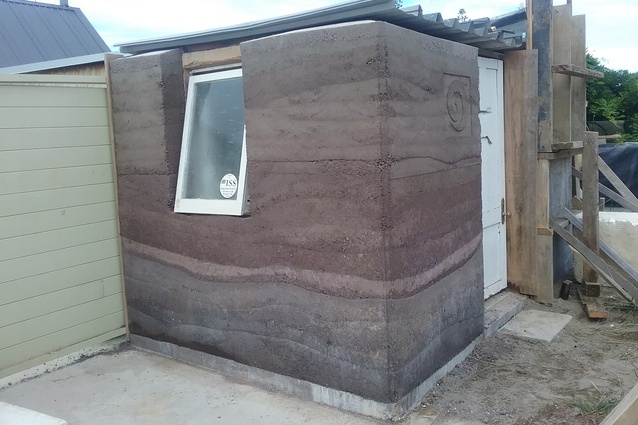
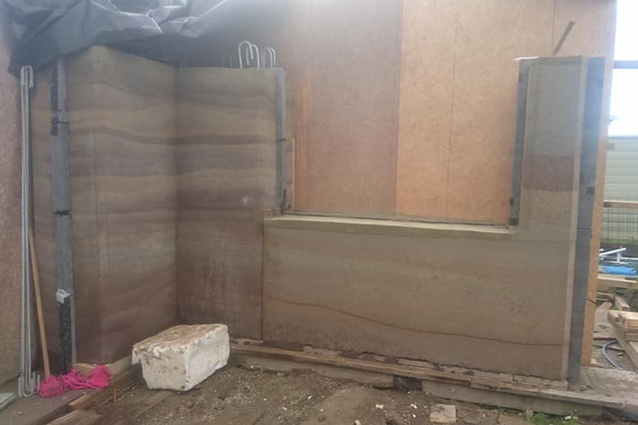
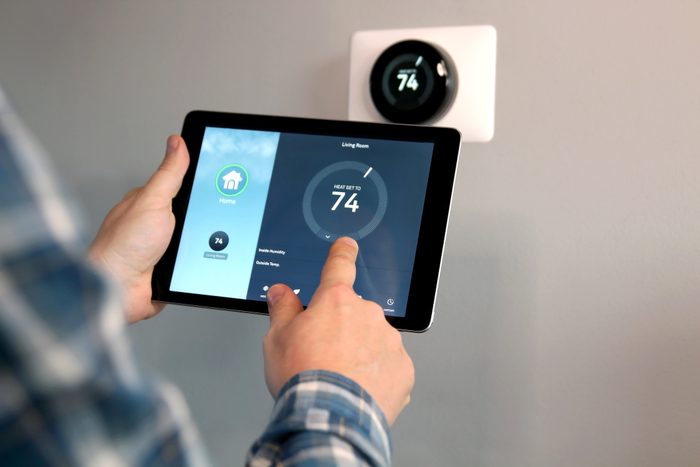
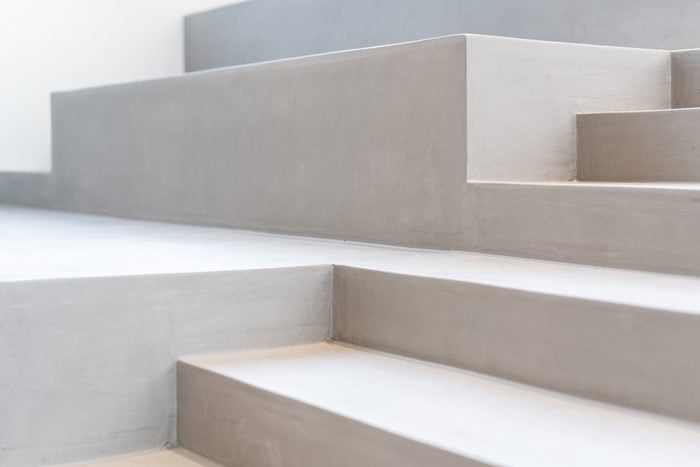
The Fortin and Samida home incorporates nearly all-natural, recyclable materials. Wood is sourced locally through sustainable forestry practices. The concrete foundation slabs serve as the finished floors, integrating in-floor solar hydronic radiant heat and finished with natural waxes and stains. A masonry wood stove provides supplementary heating. The metal roof, made from 80 percent recycled material, is recyclable and functions as a rainwater collection system for non-potable use. The home also features low-flow fixtures, energy-efficient appliances, and solar photovoltaic panels for power. Construction practices include strict recycling, no dumpsters on site, and minimal tree removal, limited to the area necessary for solar panel efficiency. The cleared area will host a septic field and vegetable gardens, watered by the rainwater collection system.
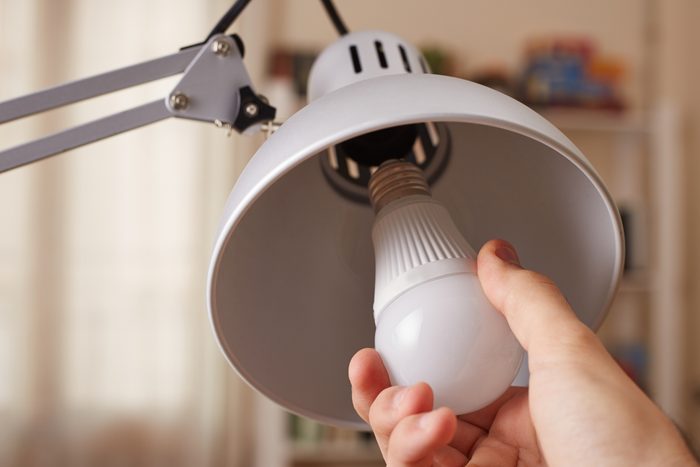
The article acknowledges that achieving a fully "perfect" sustainable home is challenging, emphasizing the importance of informed decision-making in all aspects of consumption, from product packaging to necessity. For existing homeowners, the advice is to avoid discarding functional items merely to replace them with green alternatives, as part of sustainability involves reducing landfill waste. Practical steps for existing homes include checking and upgrading furnace and hot water heater efficiency, installing timers on water heaters, and improving attic insulation with materials like icynene. The article also suggests exploring rebates for solar water panel installation, switching to compact fluorescent lightbulbs, opting for carpets made with recycled materials, using low VOC paints, and purchasing energy-efficient appliances. The use of sustainably processed local materials is also encouraged to reduce transportation fuel and support local economies.
Finally, the article introduces the LEED for Homes Program, established by the U.S. Green Building Council, which rates homes based on environmental standards for materials, construction, energy systems, and waste management. It also cautions against "greenwashing" and advises homeowners to educate themselves on green building practices and certifications from reputable sources like the Natural Choice Directory, the Whole Building Design Guide, and the Midwest Renewable Energy Association. The article concludes by highlighting the environmental impact of increasing home sizes in the U.S. over the past 50 years, noting that larger homes consume more resources and generate more waste, contributing significantly to greenhouse gas emissions.
#SustainableHomes #GreenBuilding #LEEDCertification #EnvironmentalDesign #EcoFriendlyLiving #EnergyEfficiency #RenewableEnergy #ResourceConservation #SustainableHomes #GreenBuilding #LEEDCertification #EnvironmentalDesign #EcoFriendlyLiving #EnergyEfficiency #RenewableEnergy #ResourceConservation
0 comment in total
 No comments yet
You may also like
7 breathtaking sustainable homes around the world

How residential design offers opportunities for sustainability
The Living House: August 2018 edition
Delaware Experts Share Advice on Creating a Sustainable Home
Calx Sustainable Houses / Pezestudio

Sustainable House Day 2021: Top picks to explore this year
8 Sustainable Home Improvements You Can Make In 2025

These 10 Sustainable Home Technologies Will Change the Way We Live

10 ways to make your home more sustainable
Eco-house: 10 sustainable homes with clever design ideas


12 Ways To Create a More Sustainable Home
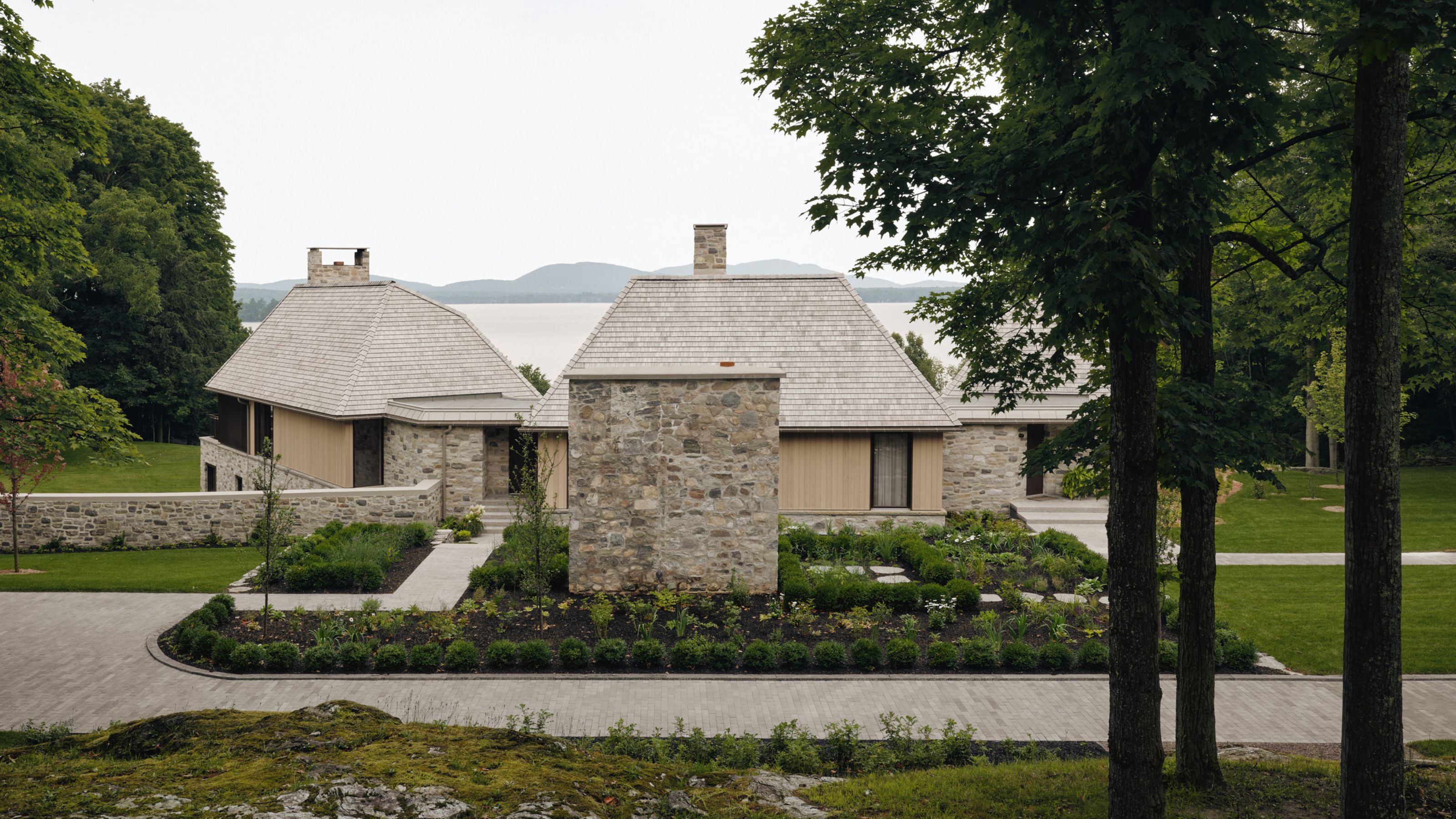
10 Sustainable Homes That Prove Interior Design Can Be Just as Easy on the Eye as It Is on the Earth

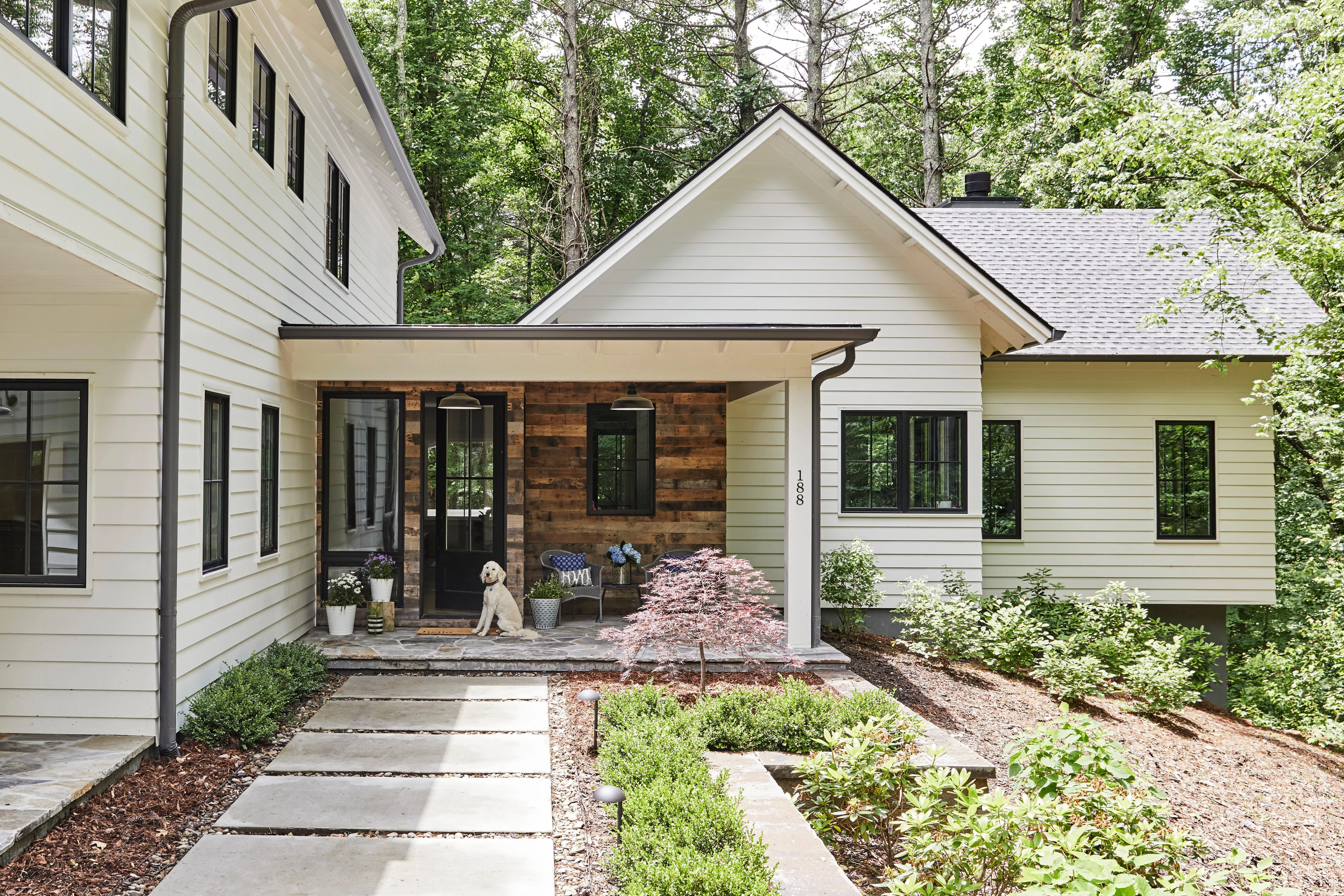
How to Assess a Home’s Sustainability to Choose One That’s Right for You

Here Are 37 Ways to Make Your Home More Earth-Friendly

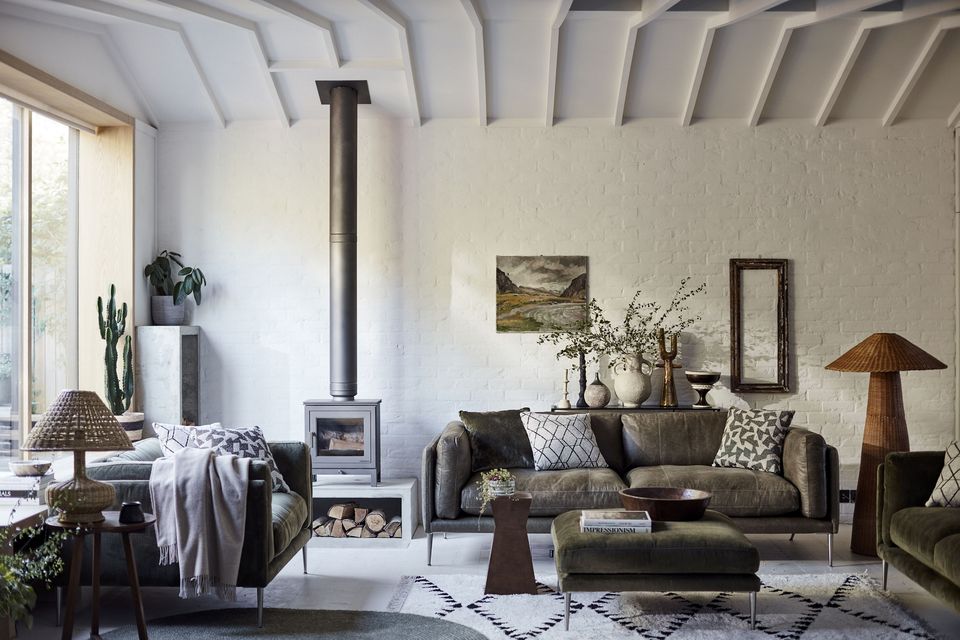
Interiors: Why home design is getting smart, sustainable and health conscious
Experts swear by these 6 sustainable home renovation tips
7 sustainable homes with style
11 Eco-Friendly Houses That Will Inspire You to Live Greener
This sustainable home is at one with nature
Architect Jeff Adams Designs a "Pretty Good House"