1/5
10 ways to make your home more sustainable
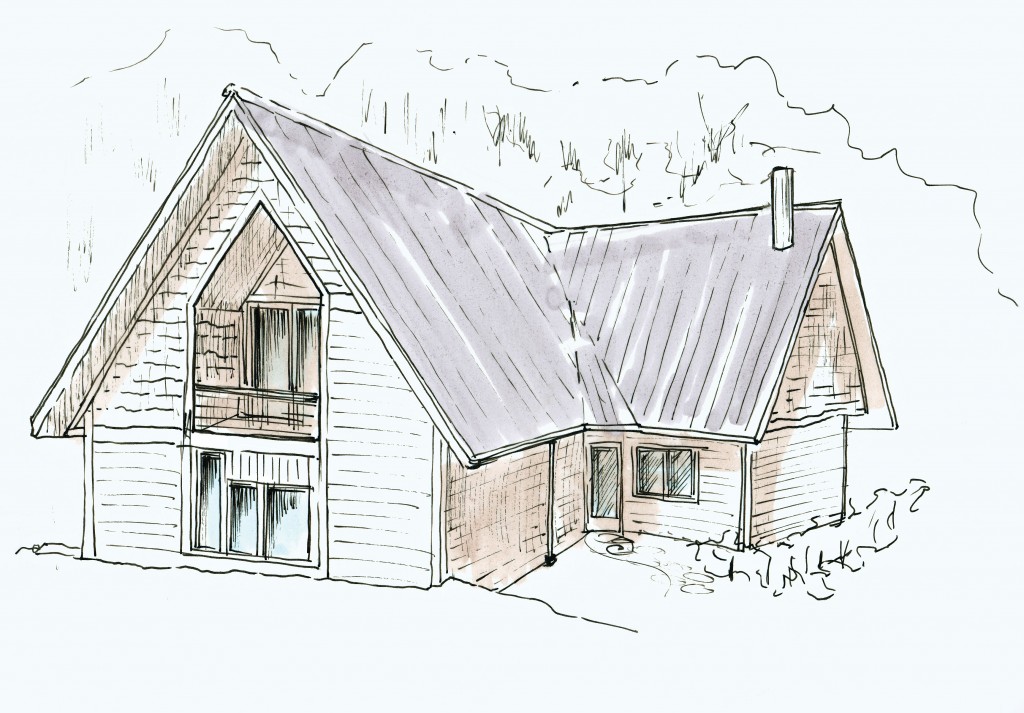
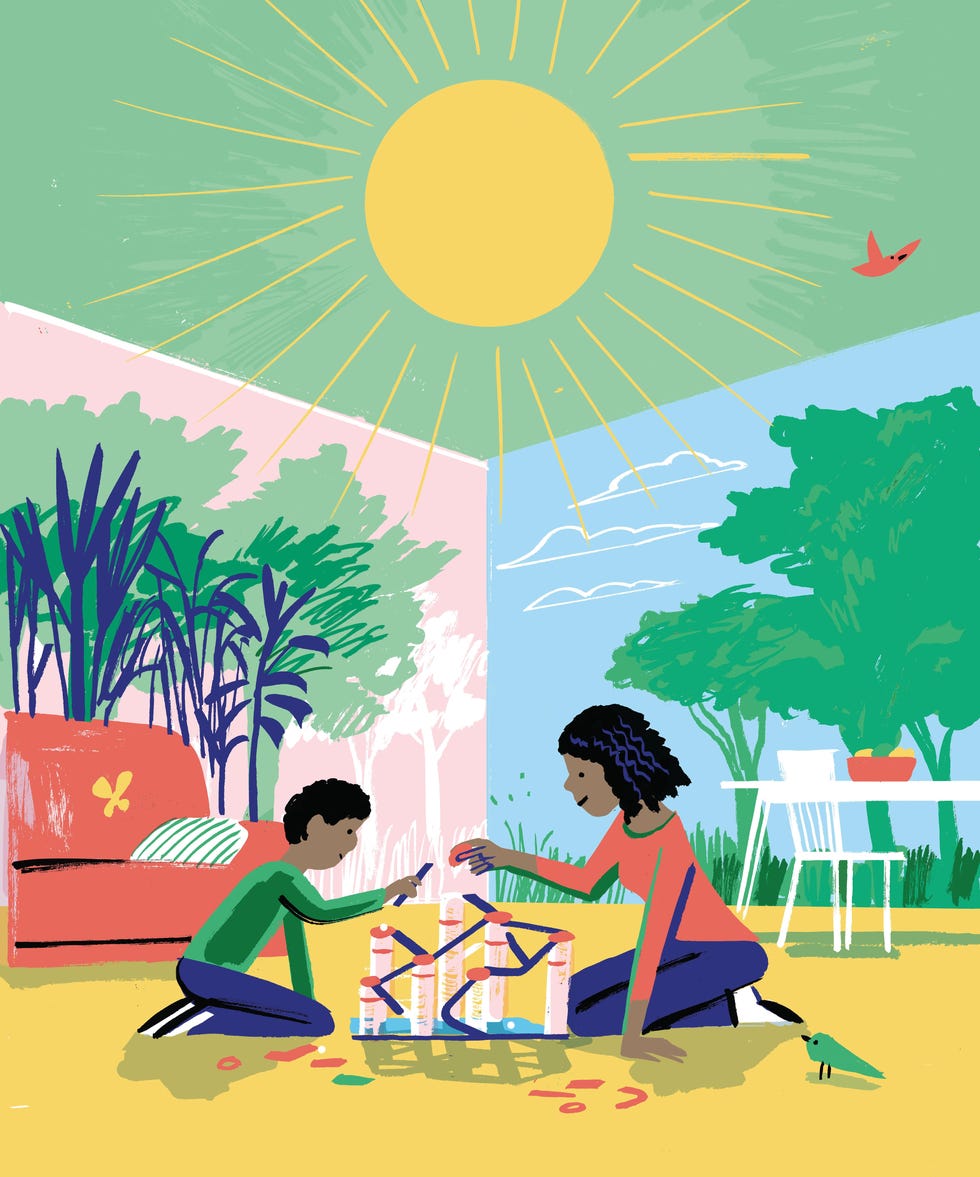
Making a home more sustainable is a growing priority for many, driven by environmental concerns, the desire to reduce household expenses, and the aim to create a more comfortable living space. Upgrading a home's eco-credentials offers numerous benefits, including a positive impact on the planet, lower energy bills, and a warmer, more efficient living environment. These changes can also contribute to improved mental well-being. Sustainable homes are specifically designed to minimize their environmental footprint, adhering to five core principles: a 'fabric first' approach to design, minimal use of environmental toxins, integration of energy-efficient features, optimal utilization of natural light and heat sources, and a focus on material reuse and waste reduction.
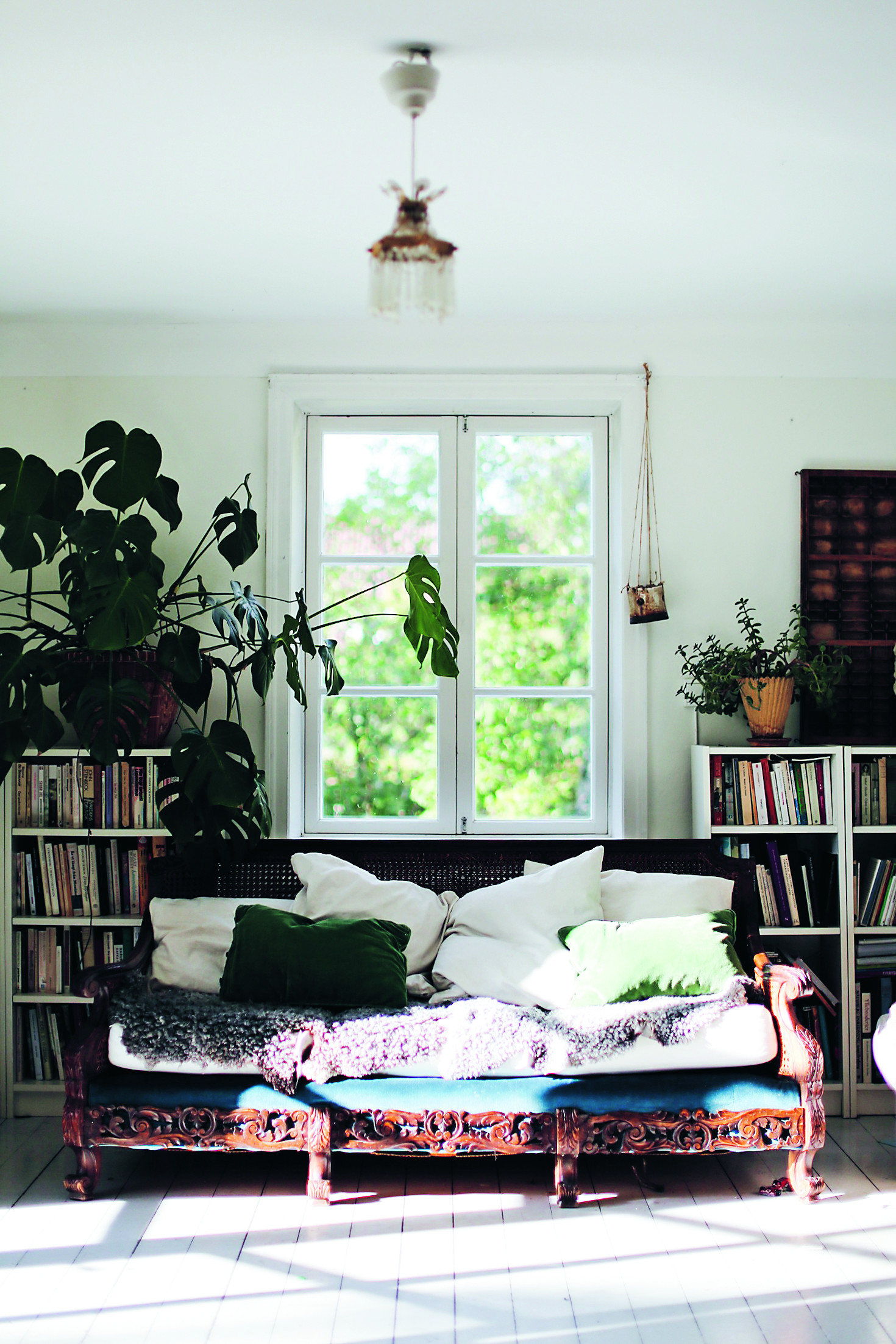
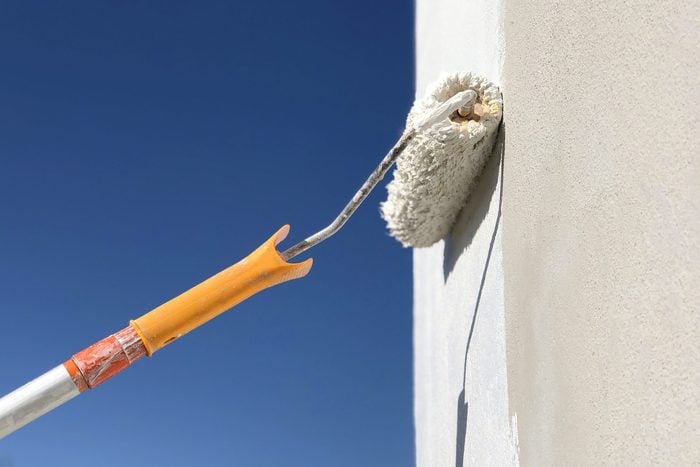
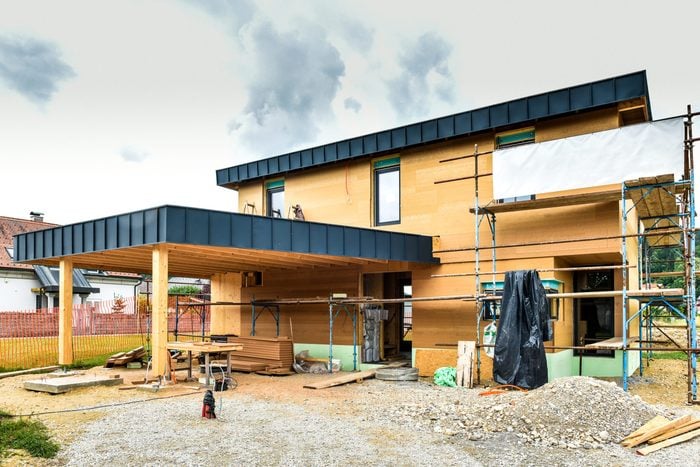
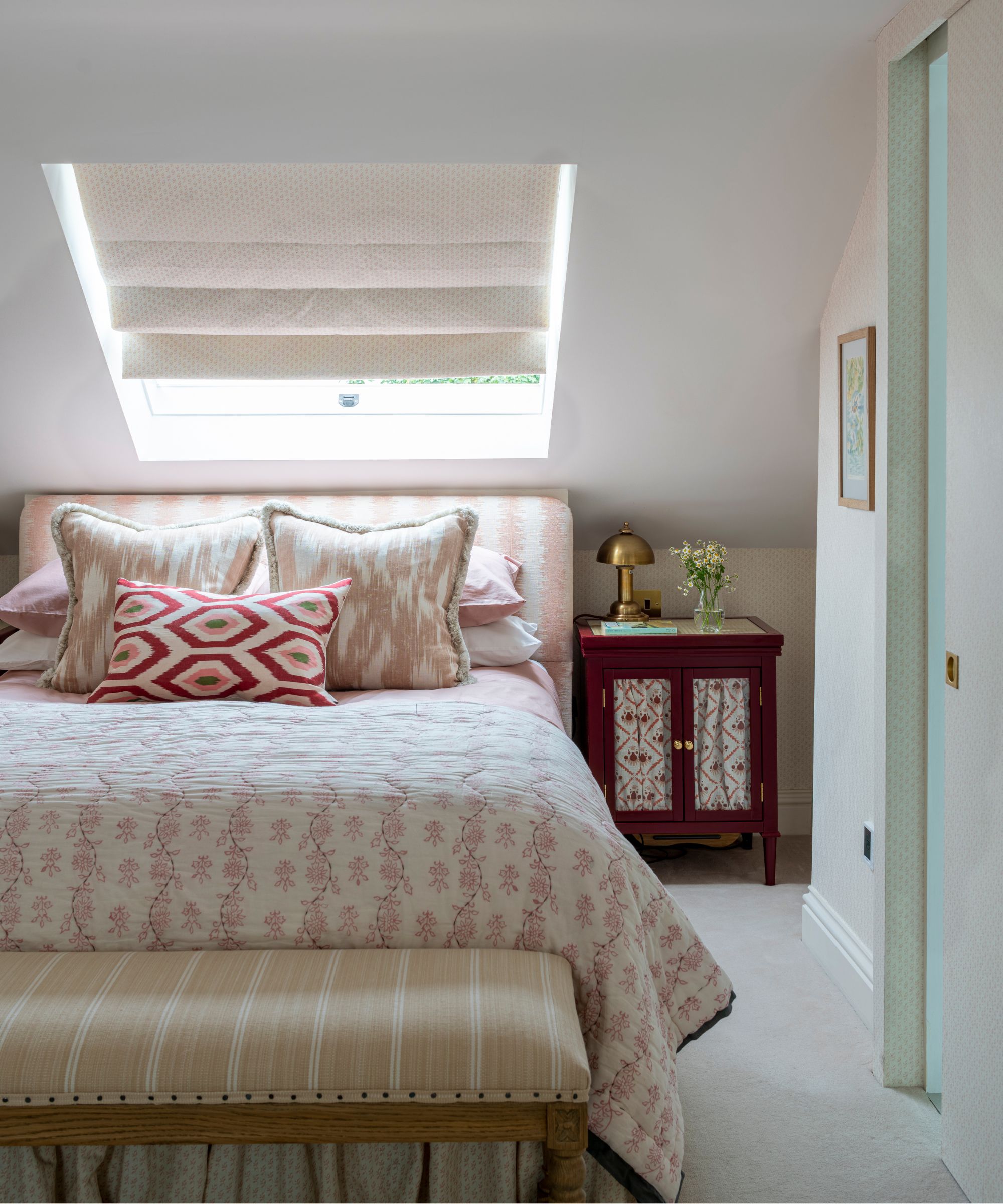
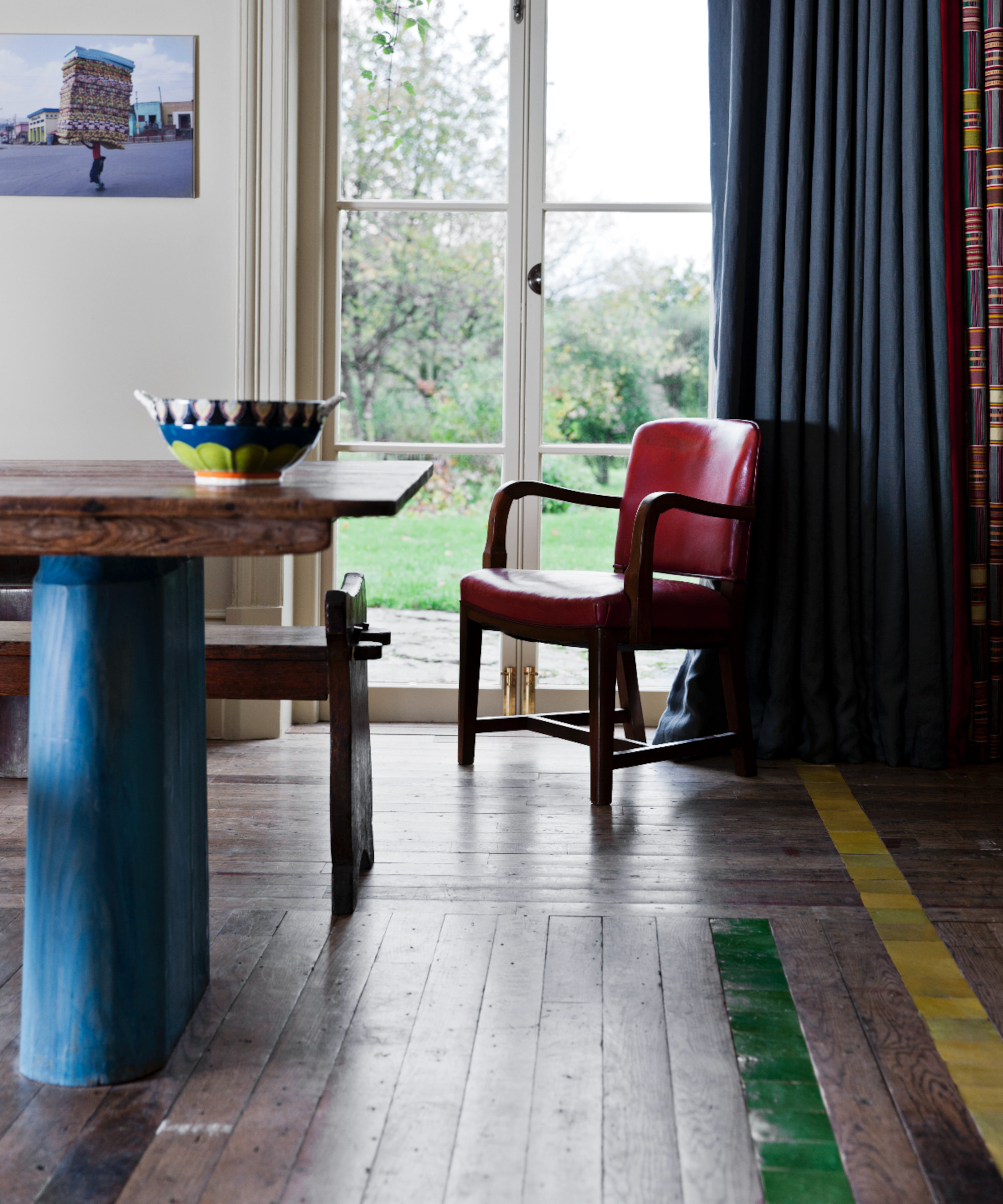
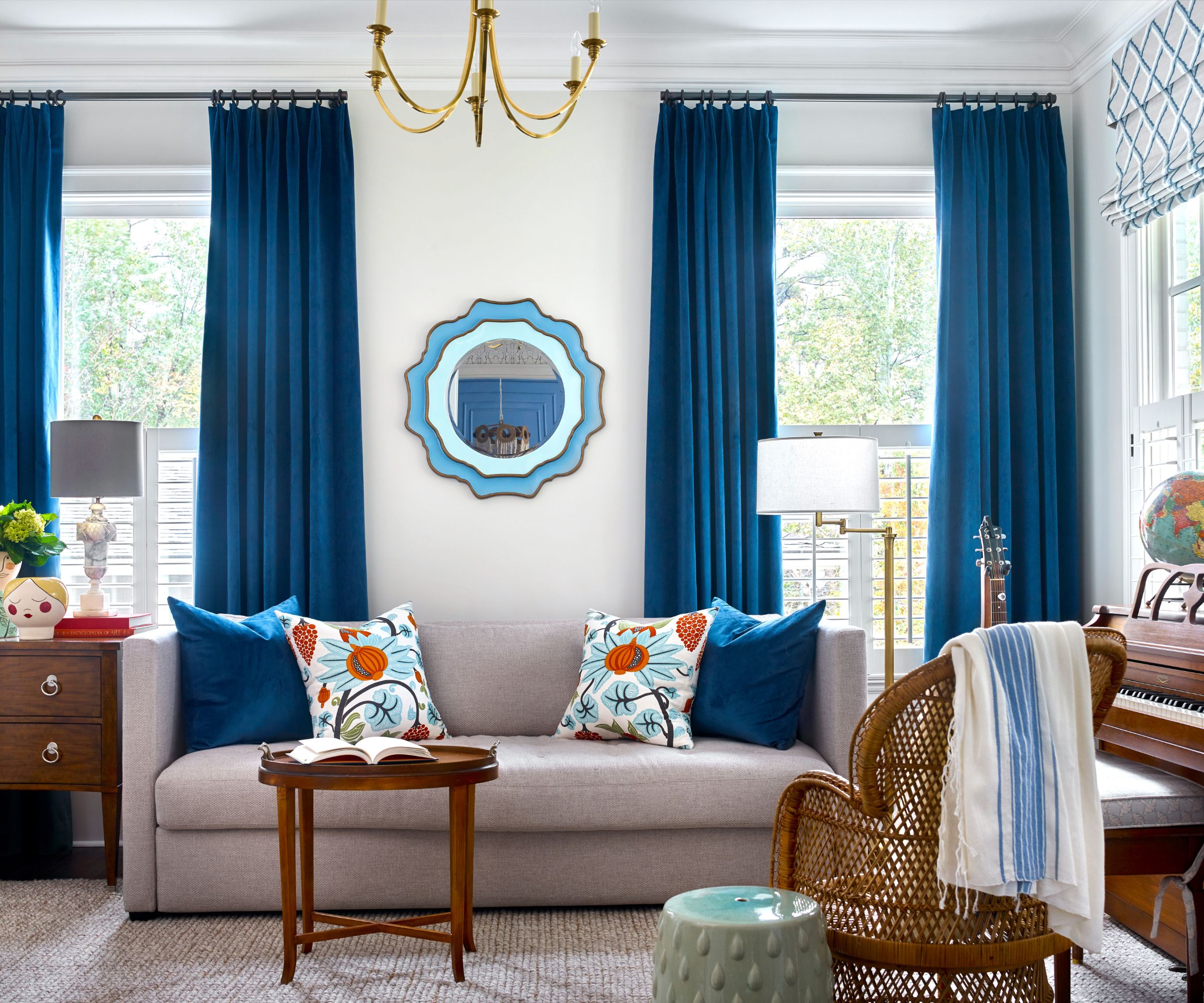
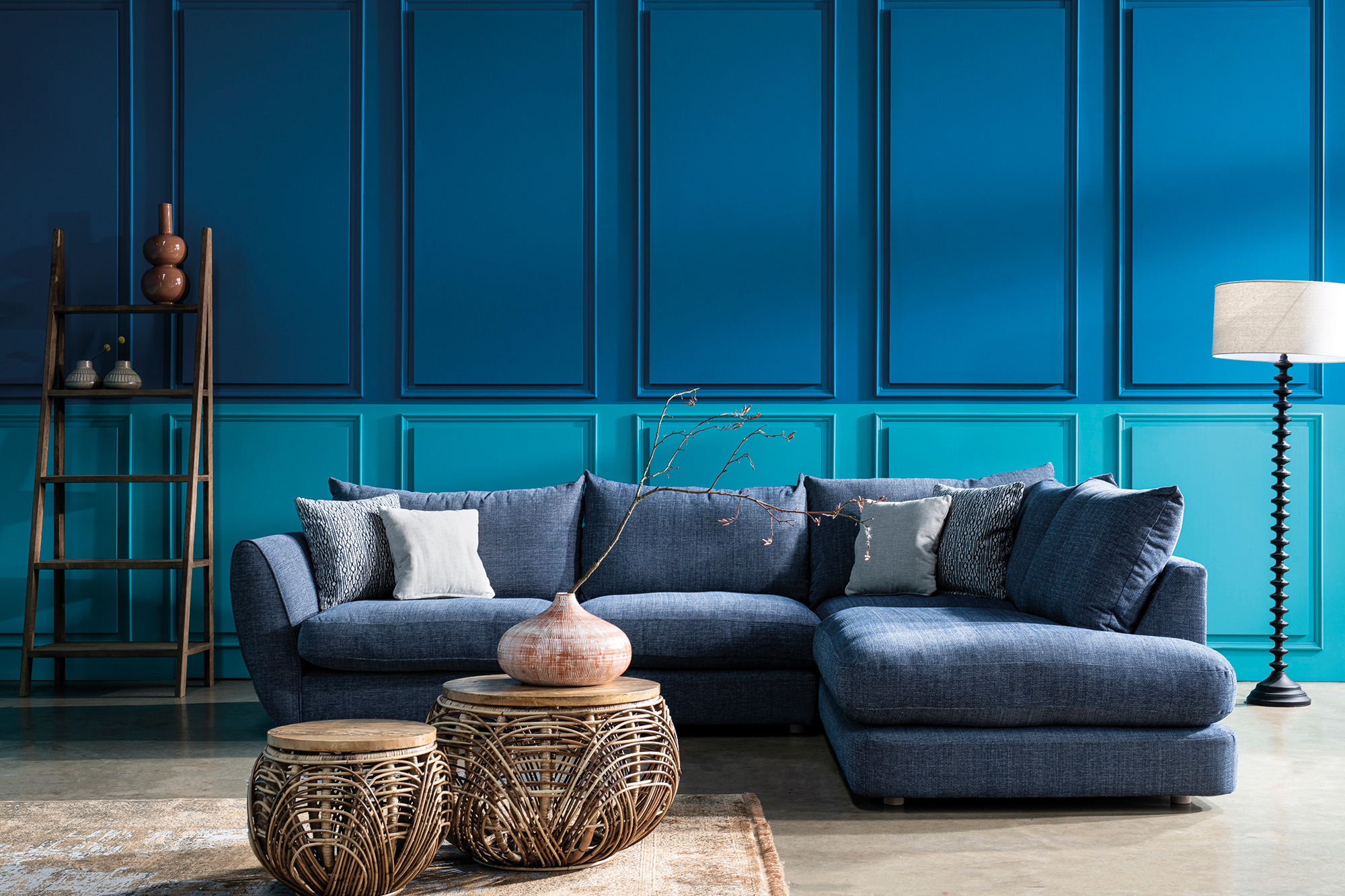
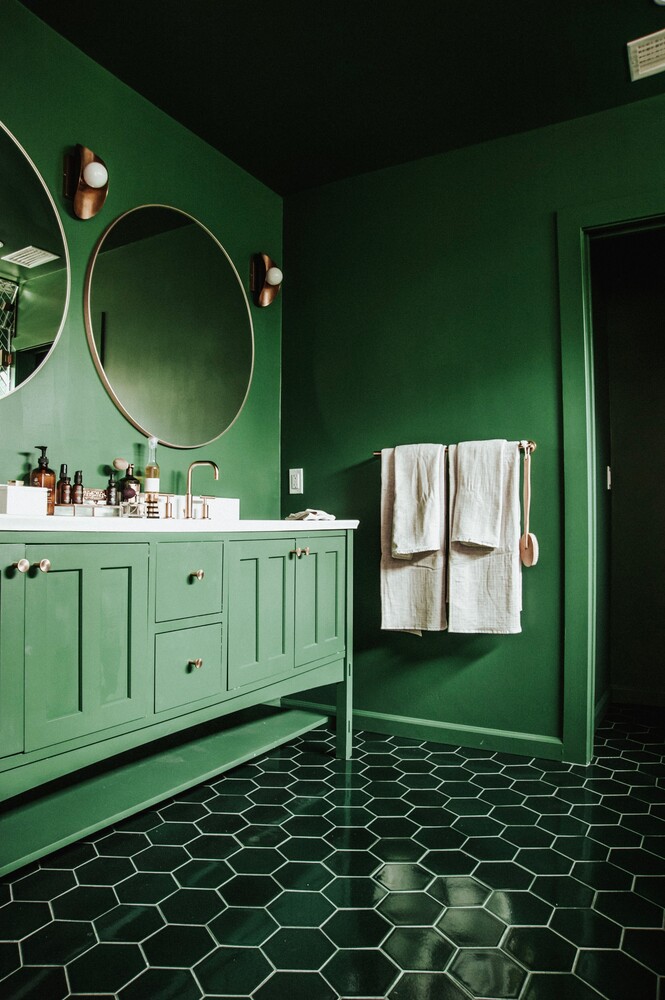
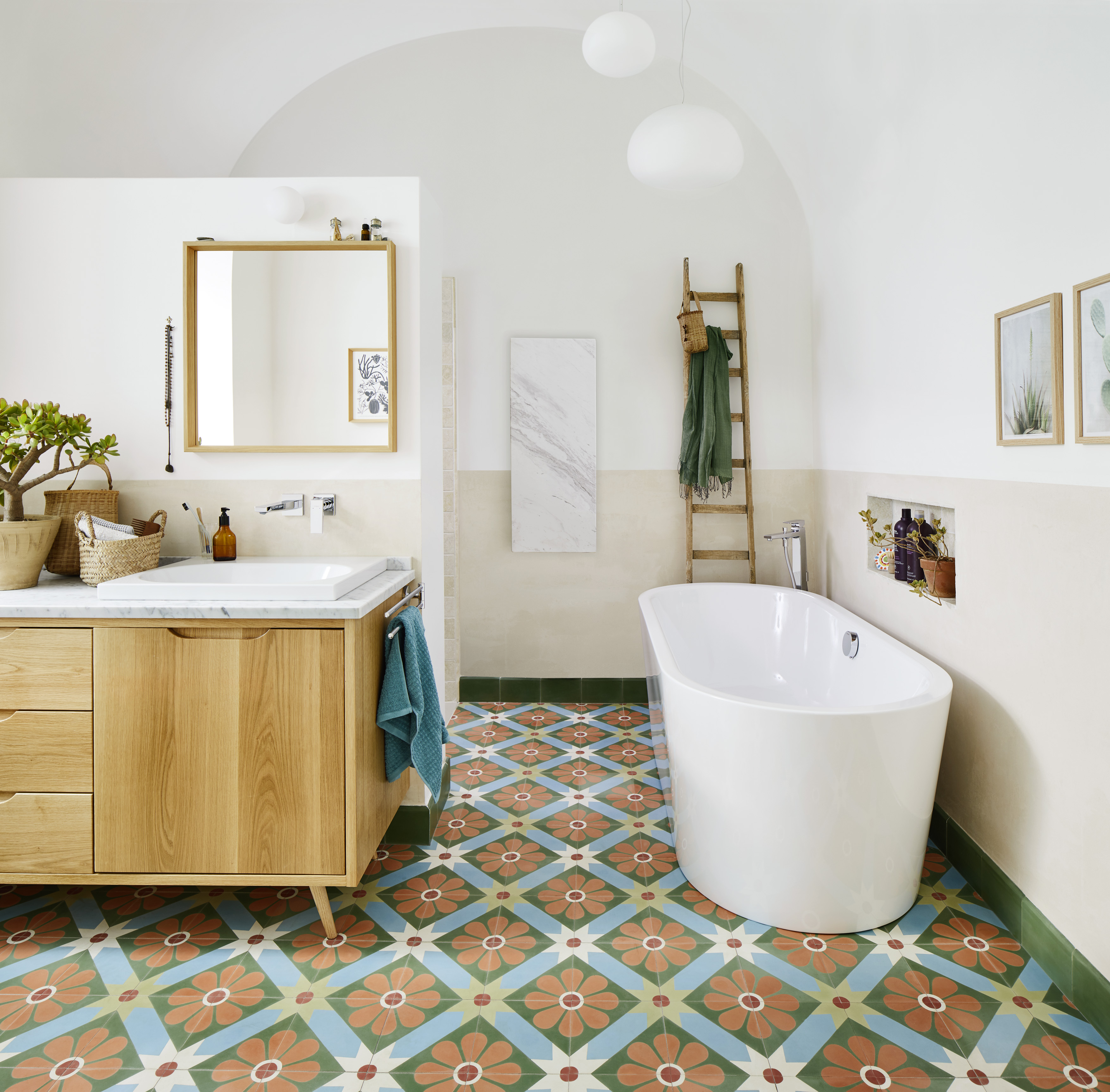
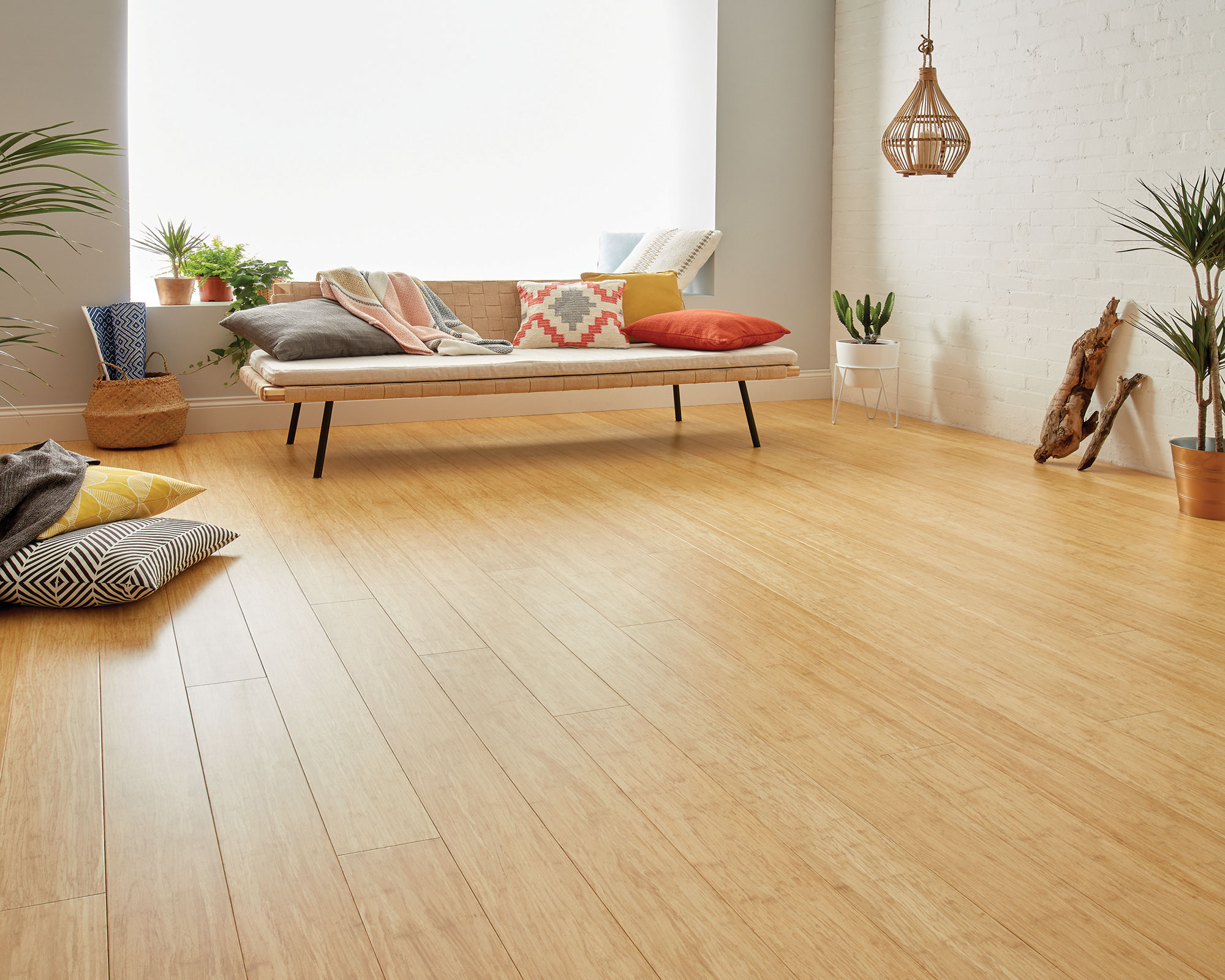
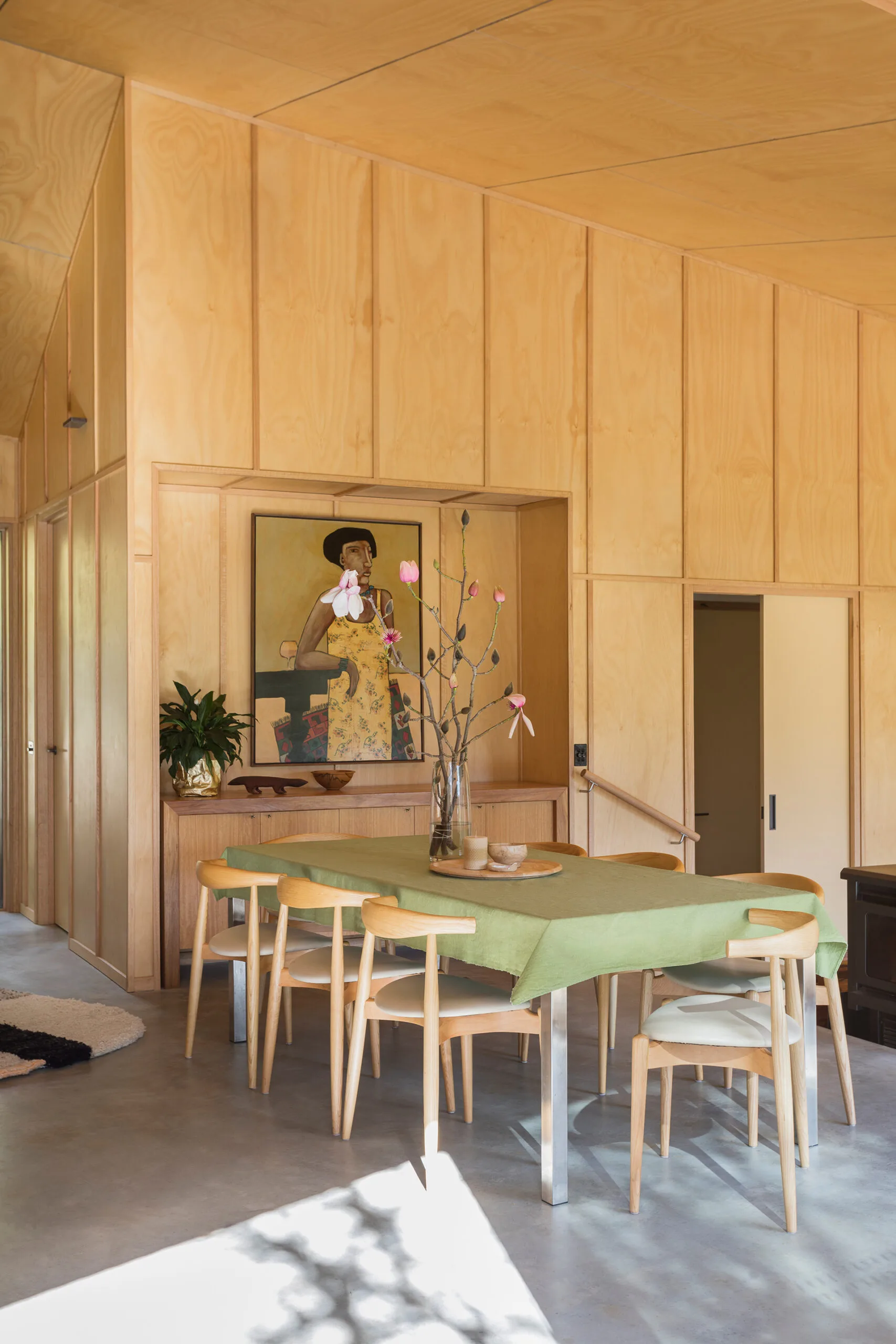
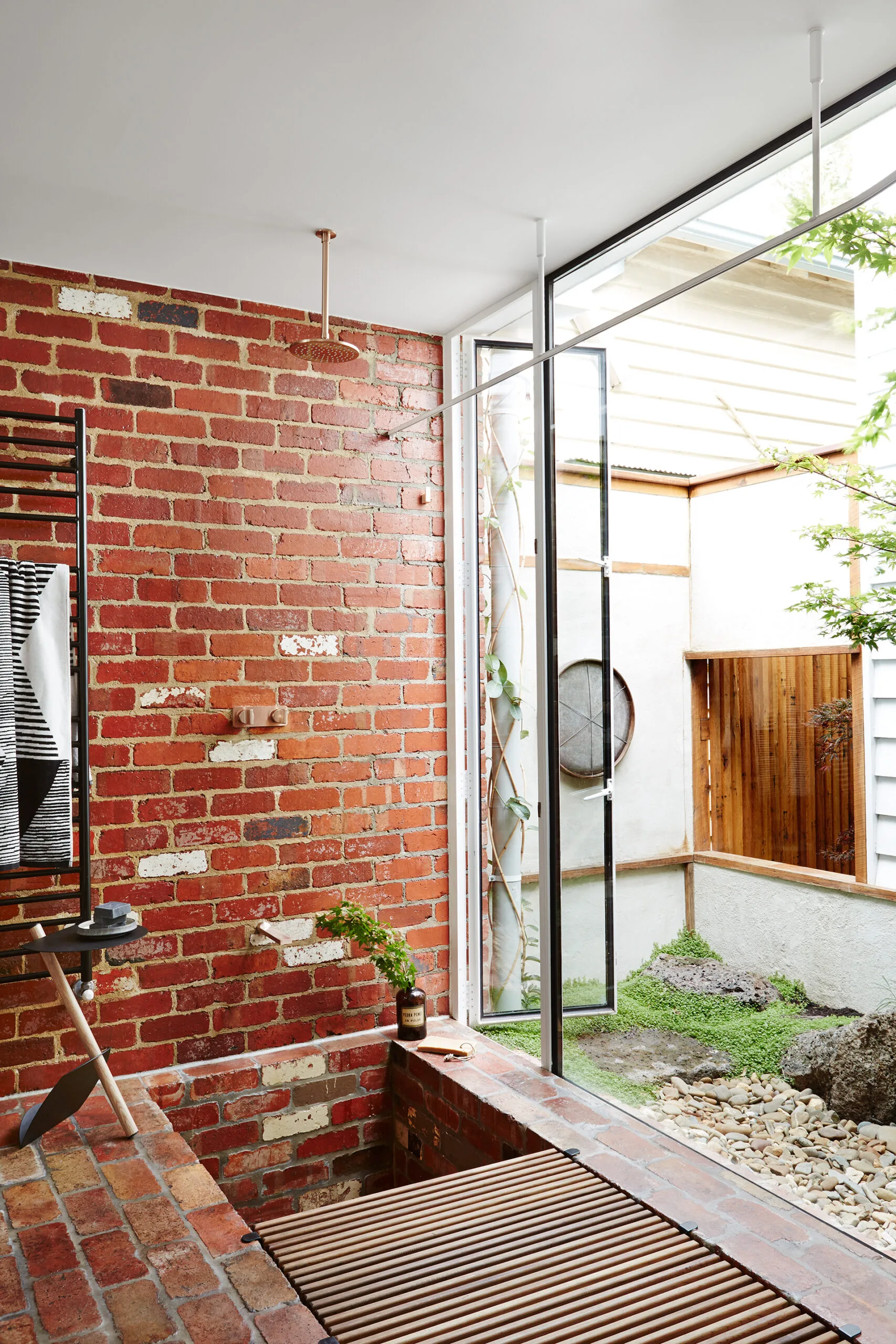
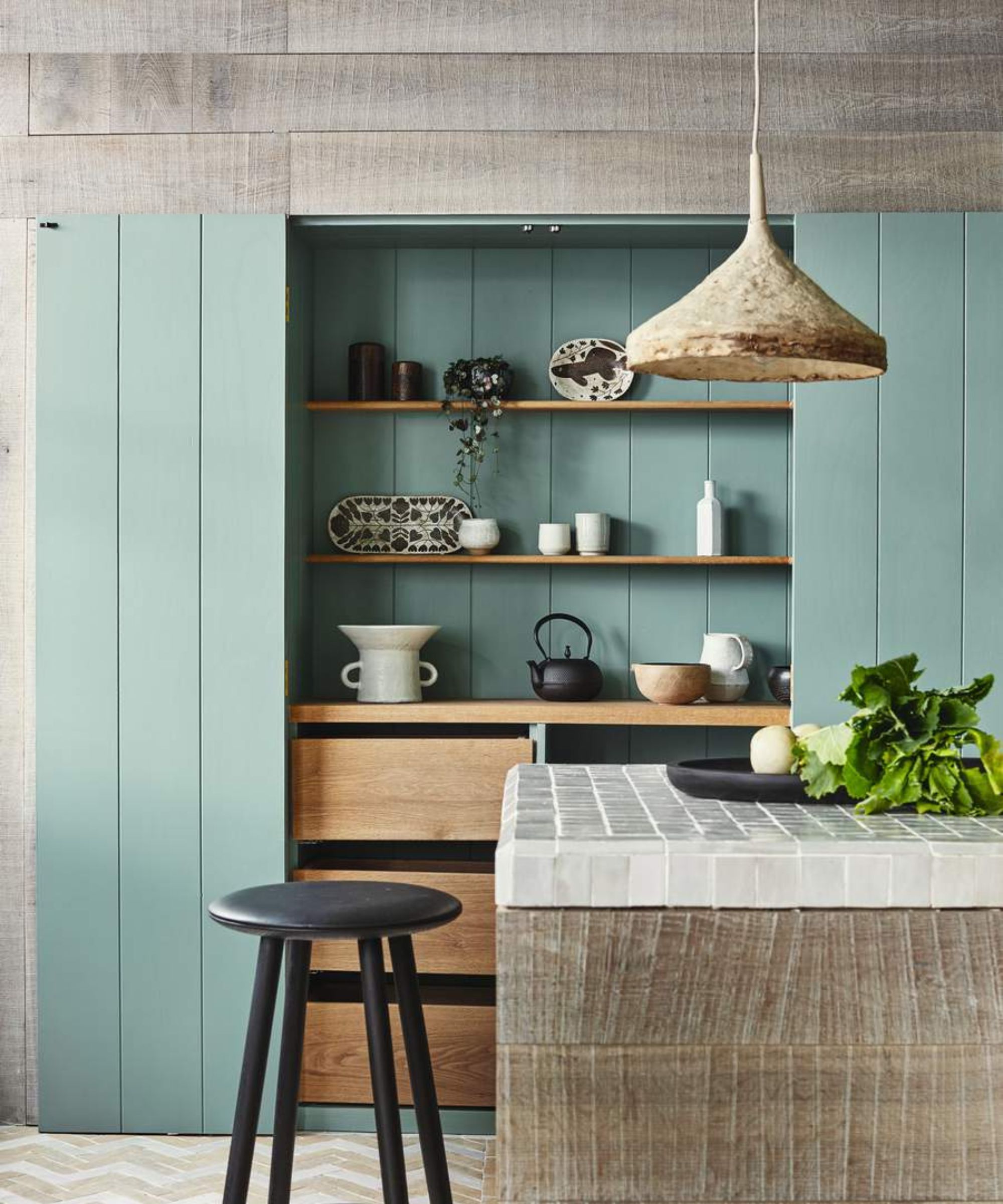
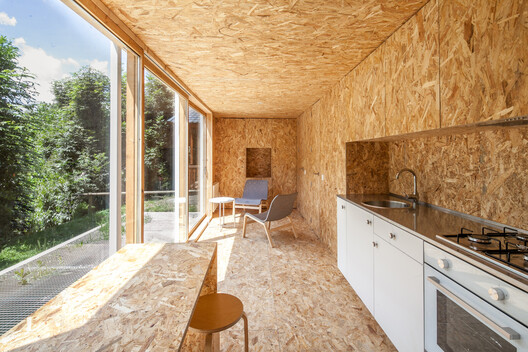
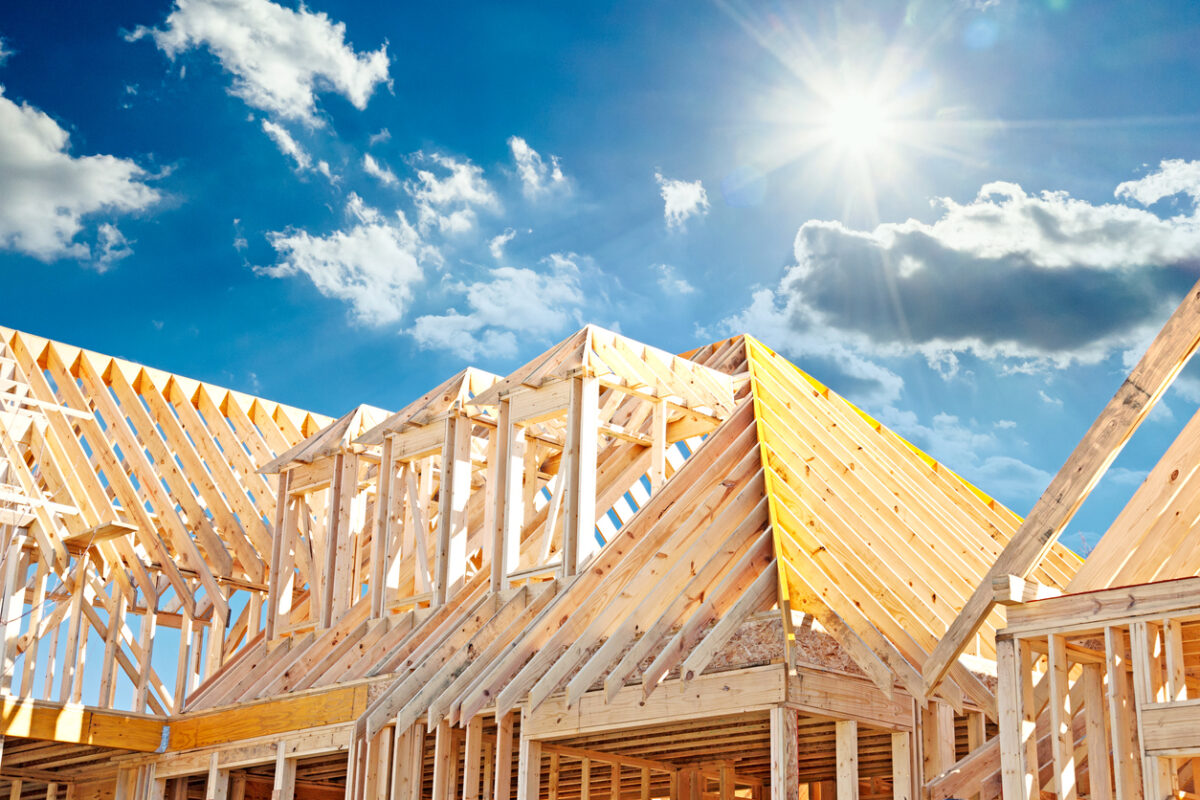
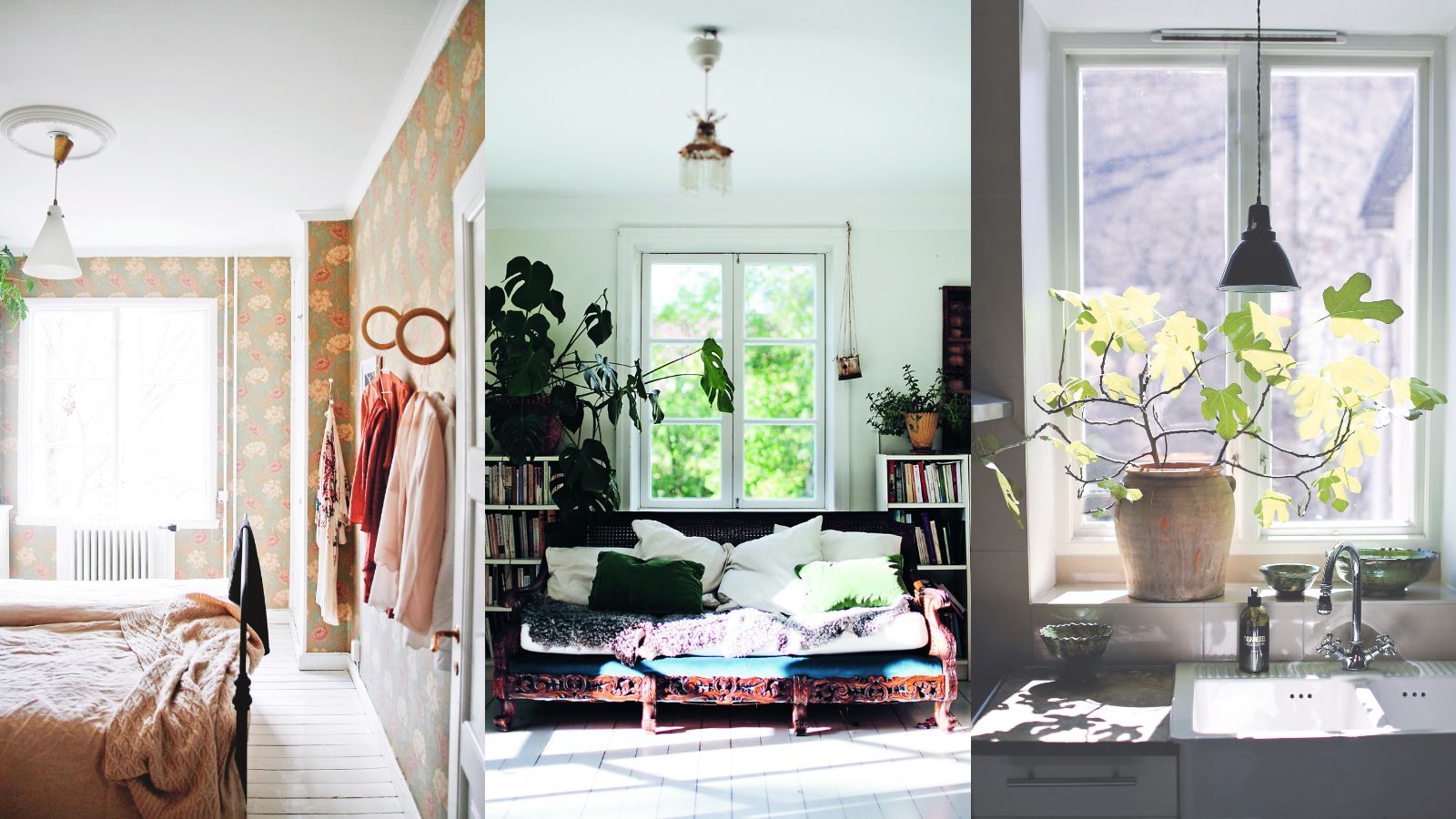
Key strategies for achieving a sustainable home begin with a 'fabric first' approach, prioritizing the building's design, materials, component selection, and the strategic placement of windows and doors to maximize inherent performance. This approach is considered before incorporating mechanical and electrical systems aimed at enhancing energy efficiency. For existing homes, this translates to comprehensive upgrades that improve overall efficiency. Another crucial step is to reuse existing materials and furniture. This practice not only contributes to sustainability but also offers cost savings and can result in unique and characterful design schemes, such as repurposing bricks, salvaging old timber floors, or upcycling furniture. When decorating, opting for low VOC (Volatile Organic Compounds) paints is recommended. VOCs are chemical compounds found in many products that can be harmful to health and the environment, and low VOC paints significantly reduce their release, both during and after application.
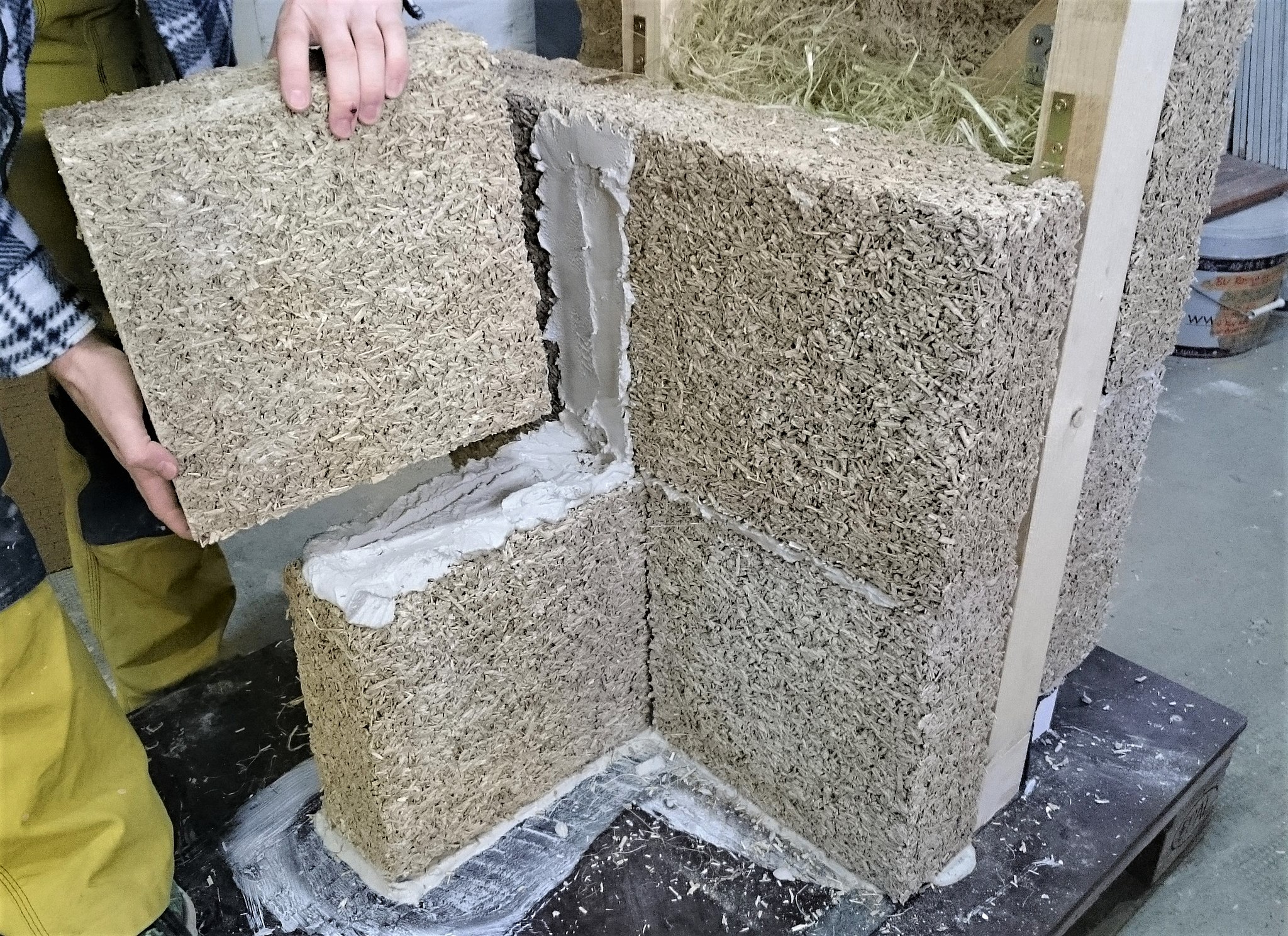
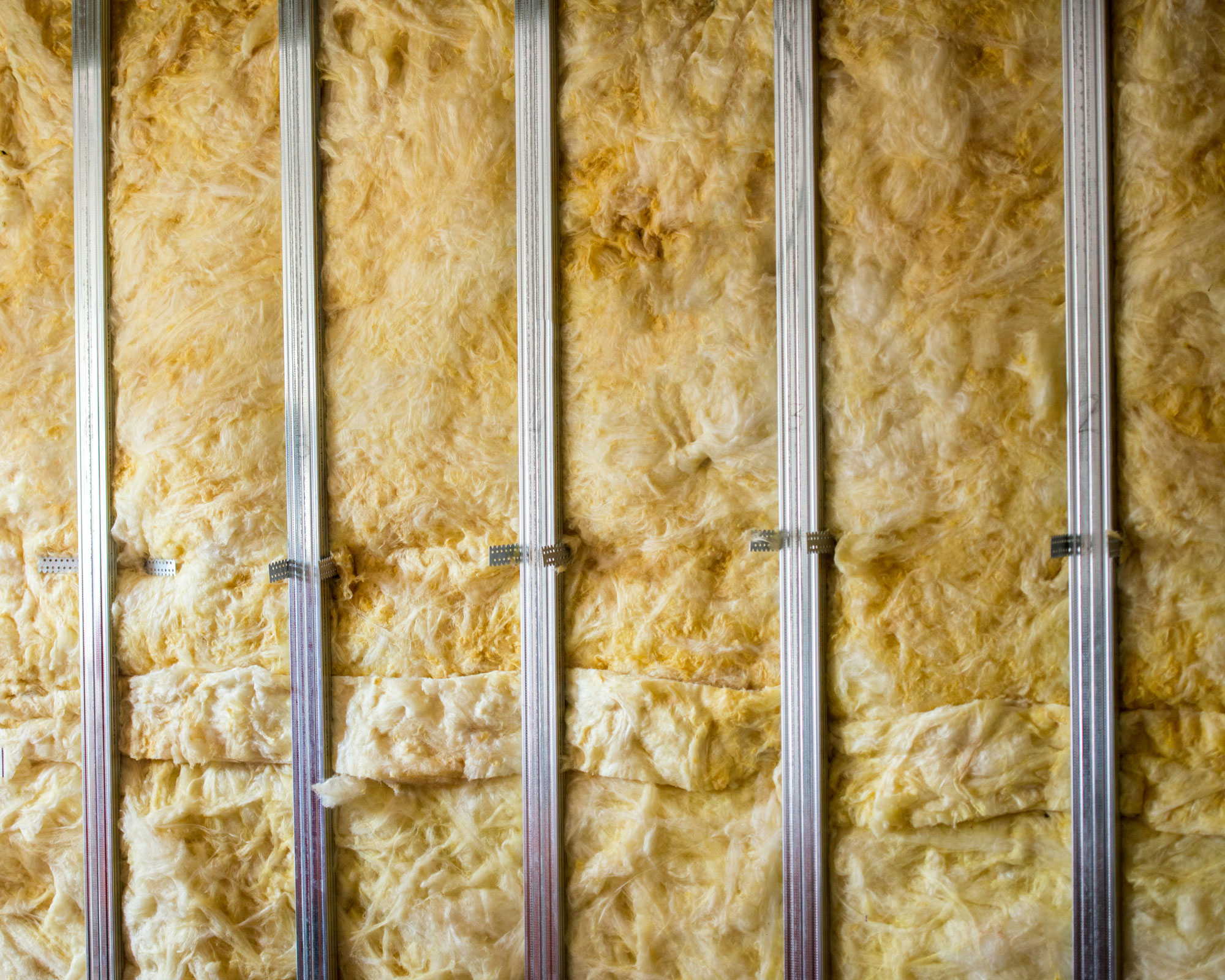
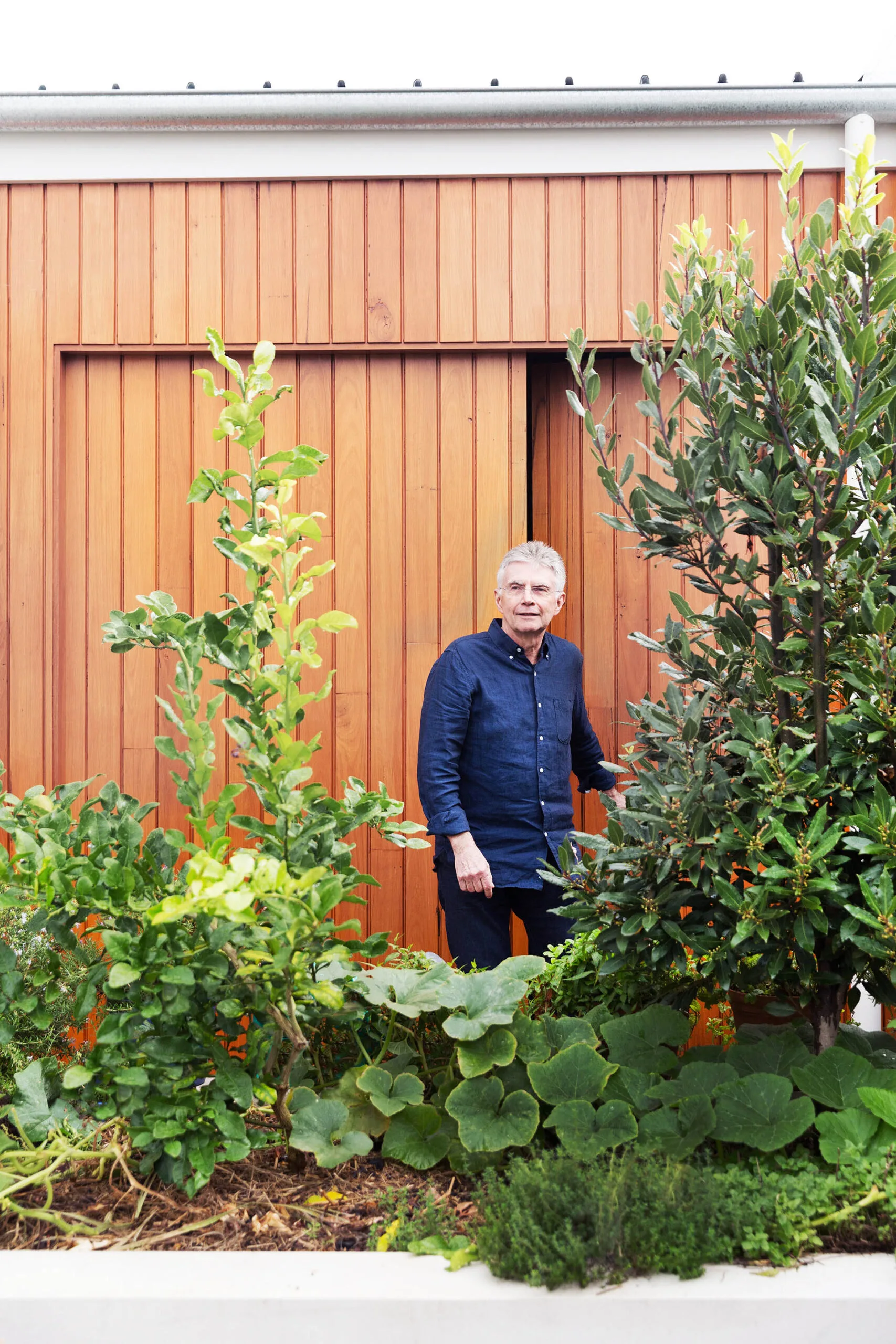
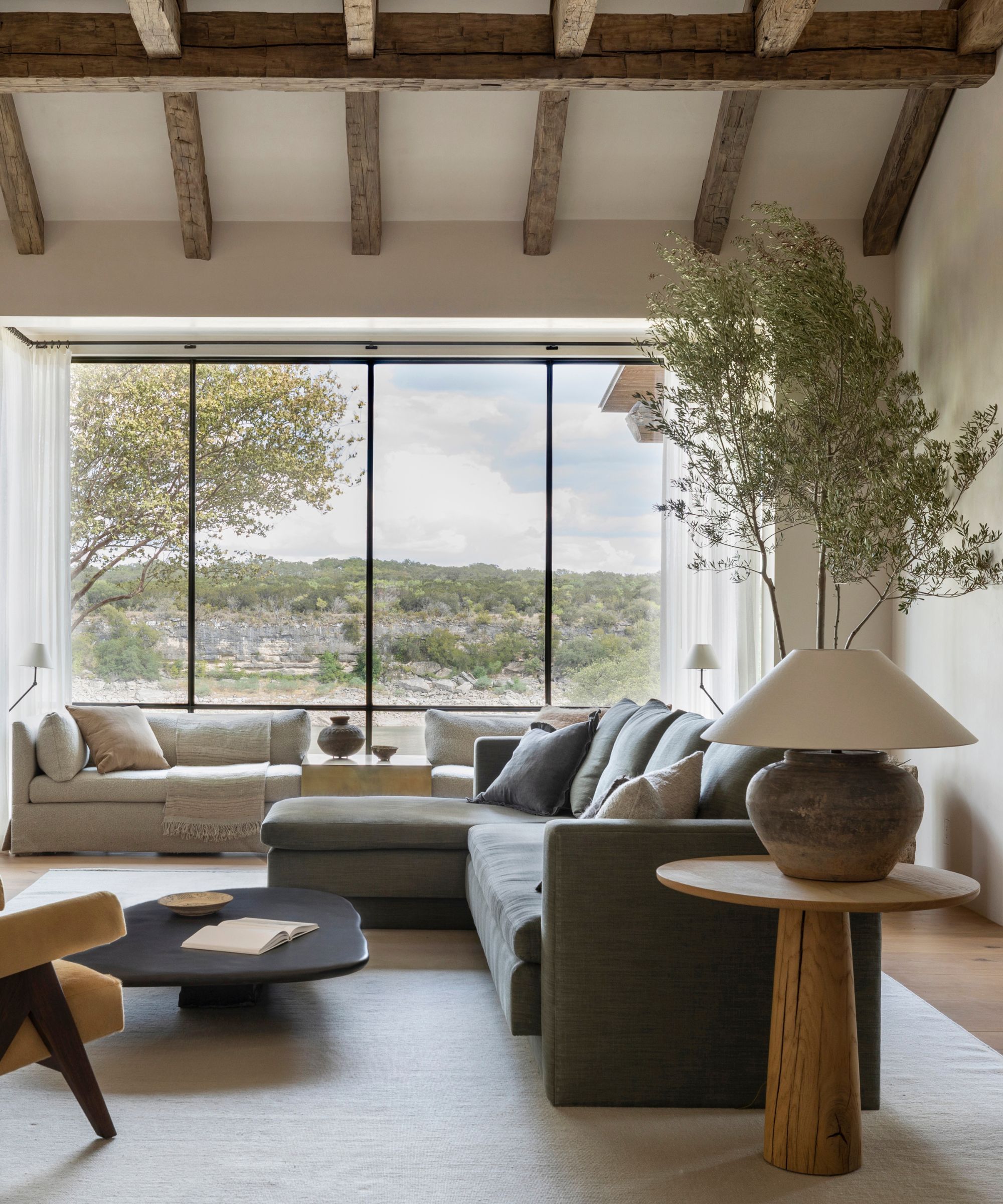
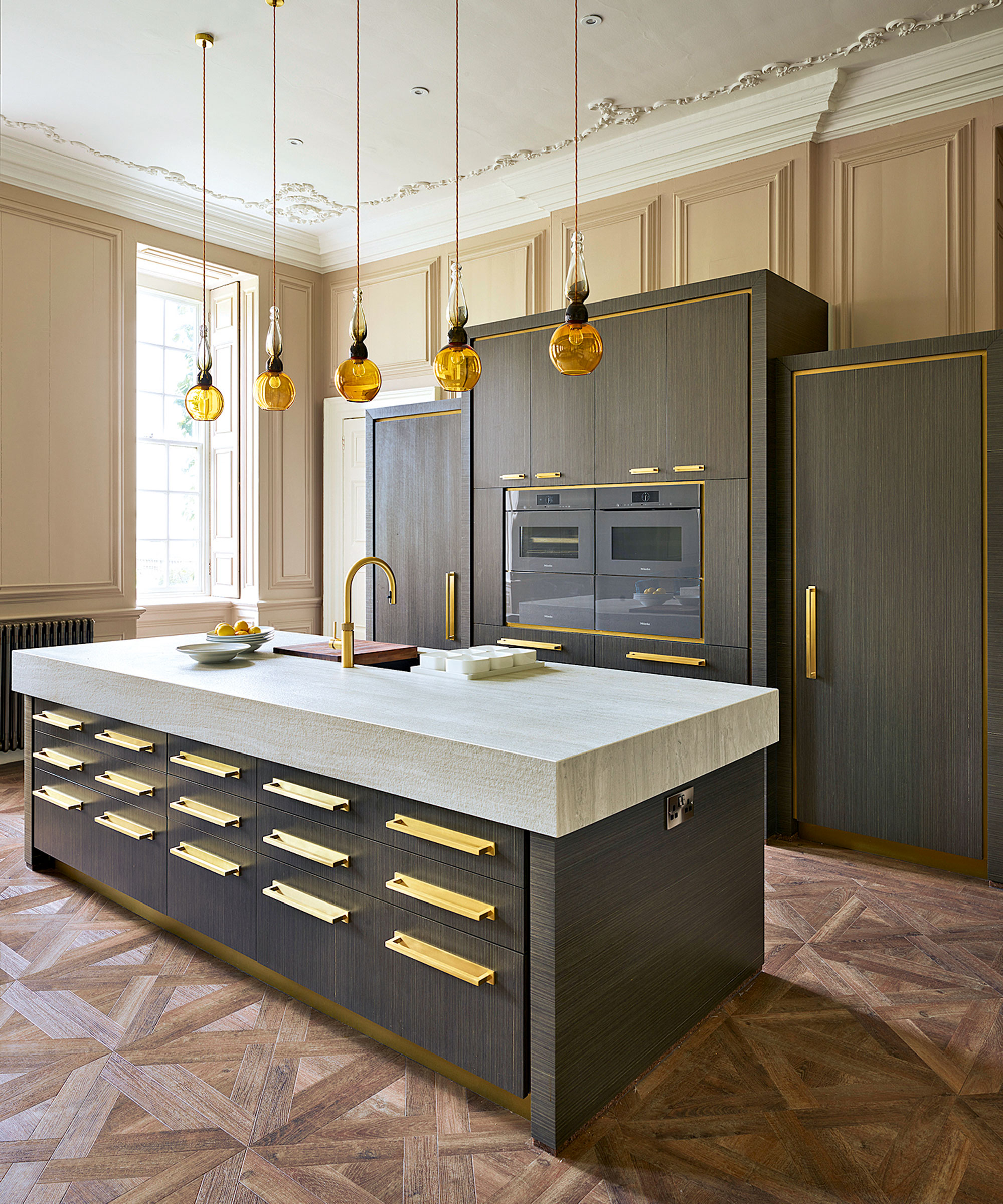
Further sustainability measures include purchasing used or ex-display kitchens, which dramatically reduces waste and offers substantial cost savings, often 50-70% off the retail price. Shopping locally for building materials and products is also beneficial, as it reduces transportation-related emissions and supports local economies. Upgrading insulation, including cavity wall, solid wall, and loft insulation, is one of the most effective ways to enhance a home's sustainability by preventing heat loss and reducing heating bills. Similarly, updating windows from single to double or even triple glazing significantly improves energy efficiency, minimizes draughts and heat loss, and can also reduce external noise. While triple glazing offers superior performance, its higher cost and optimal benefits are realized when integrated into a home with high insulation levels and other eco-friendly features.
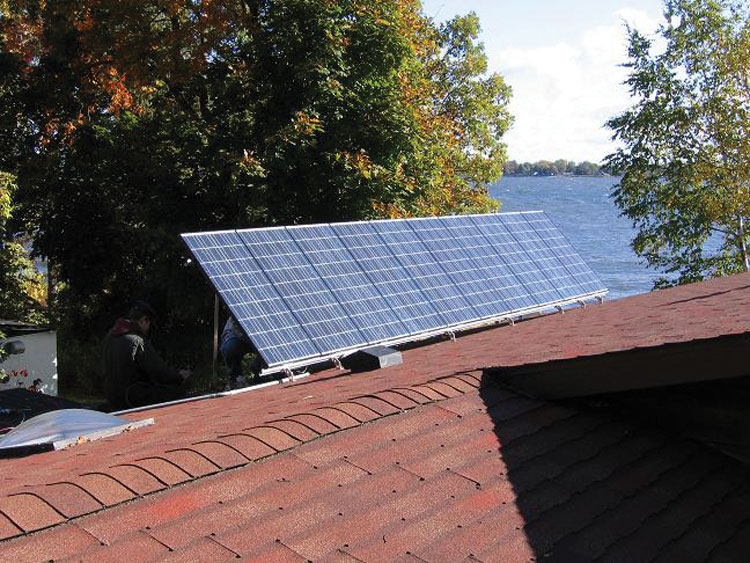
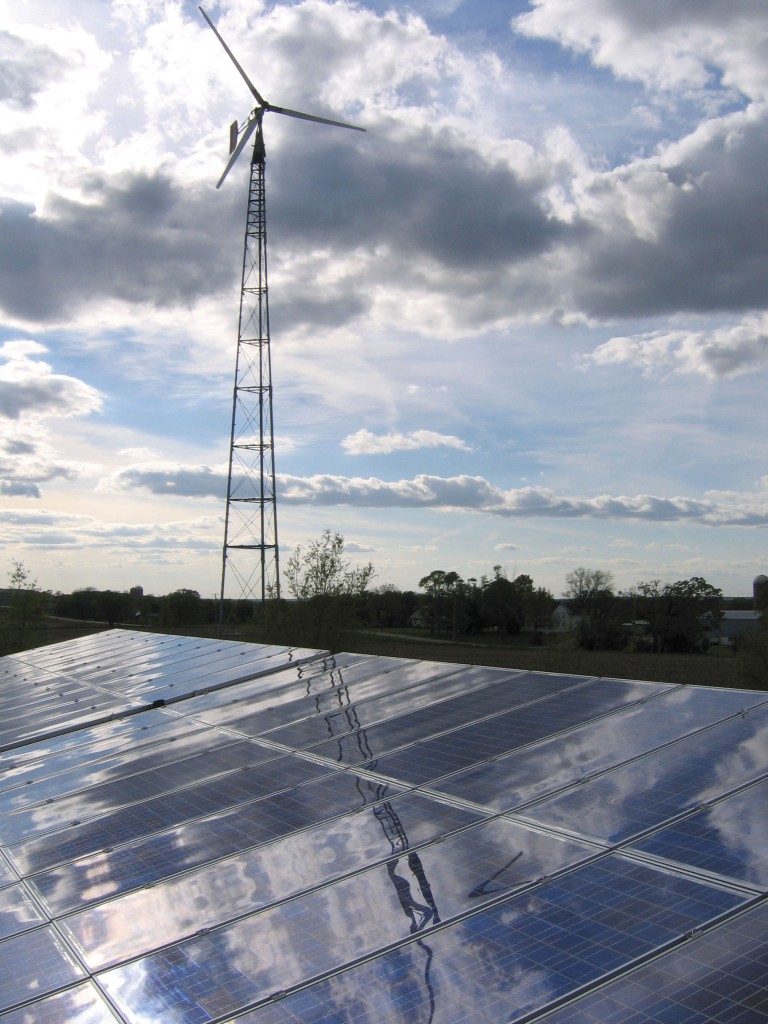
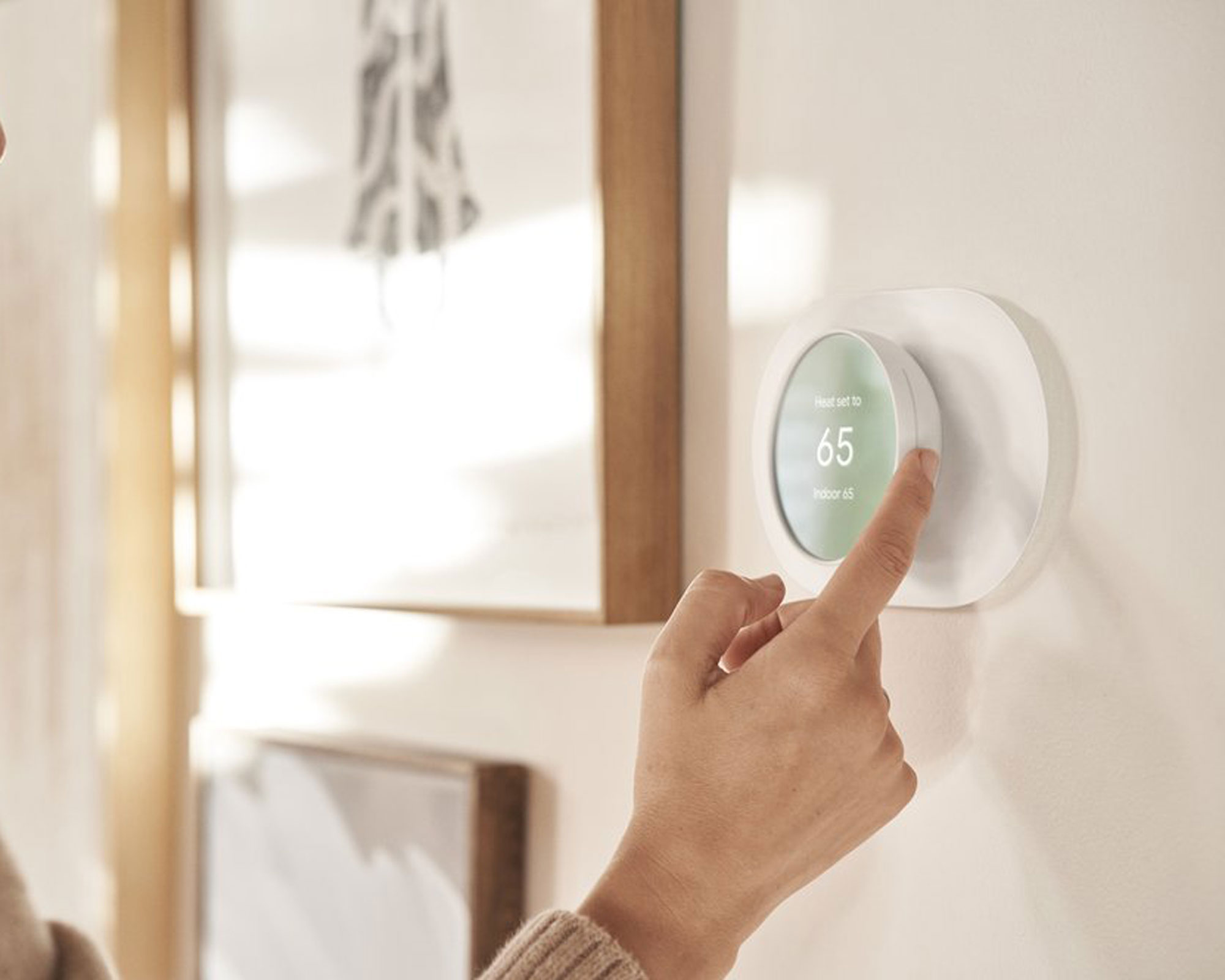
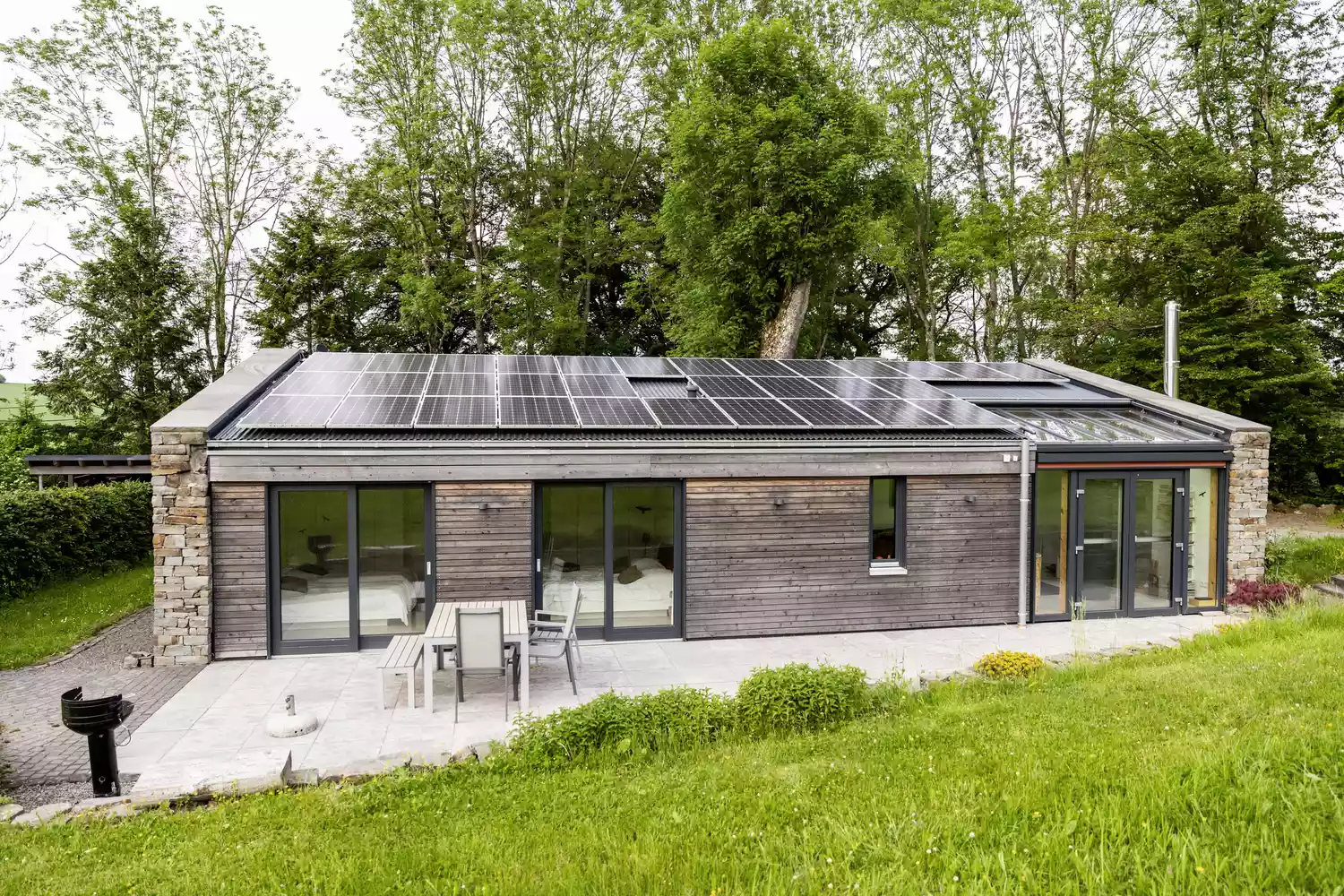
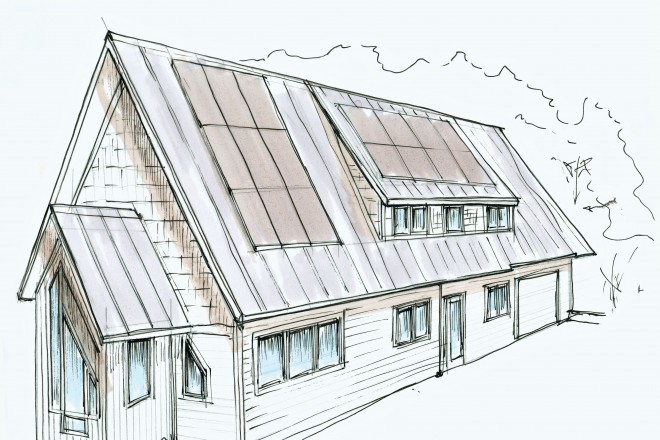
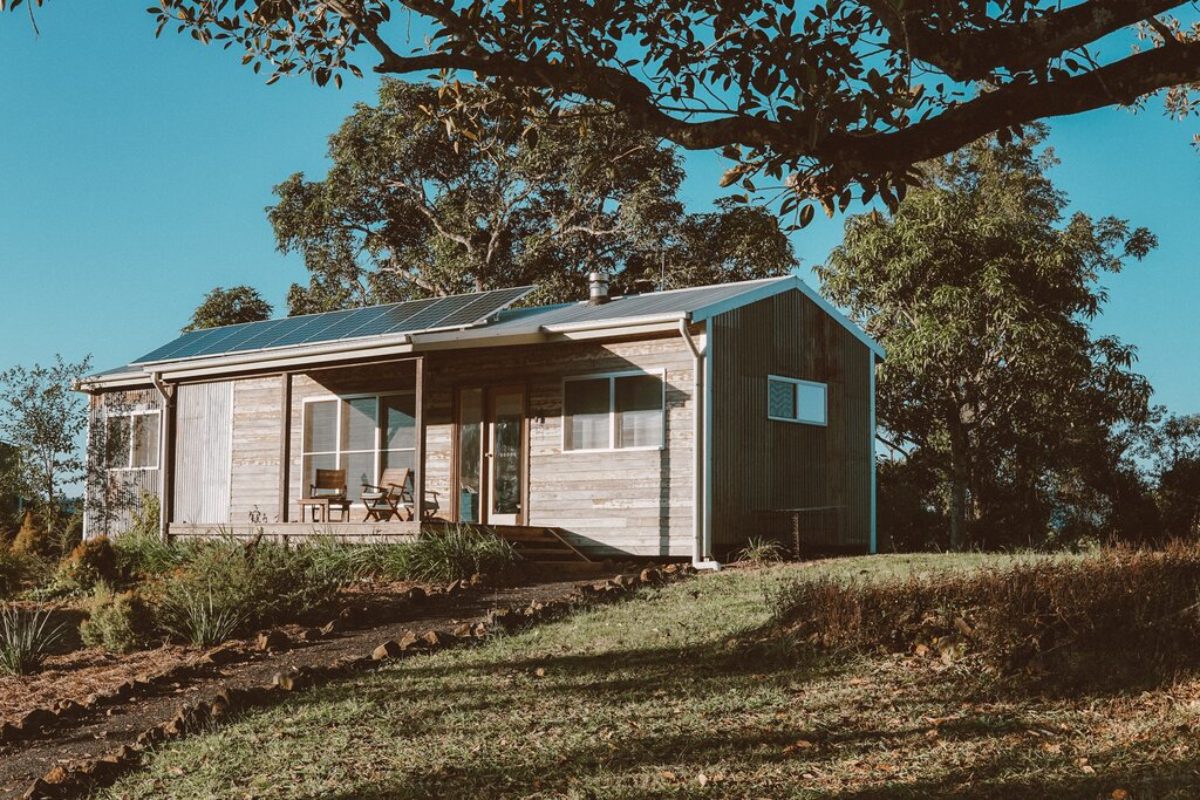
Exploring renewable energy systems is vital for those serious about creating a sustainable home. Advancements in technologies like solar panels, biomass boilers, and ground and air source heat pumps provide increasingly efficient options. Government schemes, such as The Renewable Heat Incentive (RHI), have previously encouraged the adoption of these technologies by offering payments over several years. For those considering a fire feature, choosing alternatives to traditional log-burning stoves, such as biofuel, gas, or electric options, presents a more eco-friendly approach. Finally, installing a rainwater harvesting system is an excellent way to reduce reliance on mains water. Even simple water butts can significantly cut down water usage for garden irrigation, while more advanced systems can filter and store rainwater for use in toilets and washing machines, potentially reducing mains water consumption by around 50%. Implementing even a few of these suggestions contributes positively to the environment and can lead to lower utility bills.
#SustainableHome #EcoFriendlyLiving #EnergyEfficiency #RenewableEnergy #GreenBuilding #HomeRenovation #Recycling #Insulation #WaterConservation #SustainableHome #EcoFriendlyLiving #EnergyEfficiency #RenewableEnergy #GreenBuilding #HomeRenovation #Recycling #Insulation #WaterConservation
0 comment in total
 No comments yet
You may also like

12 Ways To Create a More Sustainable Home

10 Innovative Materials Poised to Make Home Building More Sustainable

How to shop sustainably for your home – 12 stylish ways to make a statement

Want an Eco-Friendly Home? Everything You Should Know About Sustainable Architecture

9 ways to be sustainable at home
Eco-friendly organizing tips for a more sustainable home
8 Sustainable Home Improvements You Can Make In 2025

Experts swear by these 6 sustainable home renovation tips
How to Make Your Home More Sustainable, According to Design Experts

7 Design Trends That Will Make Your Home More Sustainable
Sustainable home improvements – 8 ways to make your home more energy efficient

What Can Be Done to Make Interiors More Sustainable?

Eco-house: 10 sustainable homes with clever design ideas

How can you be more sustainable in your interior design? 10 things to always consider
Here Are 37 Ways to Make Your Home More Earth-Friendly

5 sustainable home solutions that won’t cramp your style
These 10 Sustainable Home Technologies Will Change the Way We Live
Sustainable Homes
7 sustainable homes with style
How To Reduce Your Carbon Footprint with Sustainable Housing