1/9
Sustainable home improvements – 8 ways to make your home more energy efficient
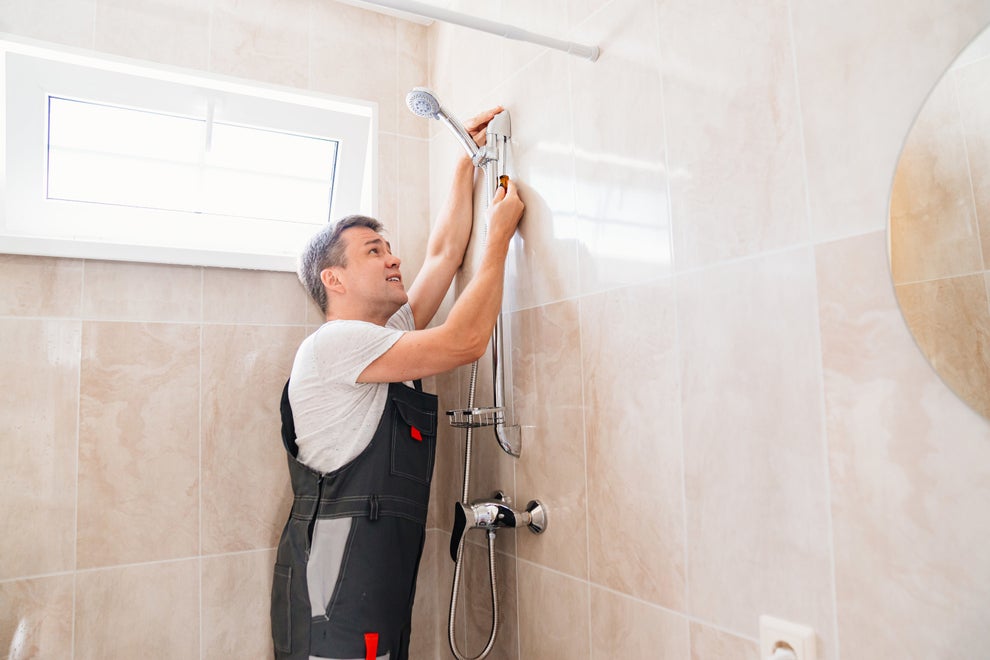
This article discusses various sustainable home improvements aimed at making homes more energy-efficient and eco-friendly. It emphasizes the importance of adopting sustainable practices in existing homes, especially given the recent scrapping of government grants like the Green Homes Grant, placing the onus on individual homeowners to improve their properties' energy efficiency. Paula Higgins from HomeOwner's Alliance highlights that while major renovations like loft conversions inherently improve energy performance due to higher building standards, it is financially prudent to exceed minimum requirements. She notes that tradespeople can charge a reduced 5% VAT for installing energy-saving products, which not only cuts utility bills and enhances comfort but also increases property value, as evidenced by government regulations impacting landlords and potential future regulations for home sellers.
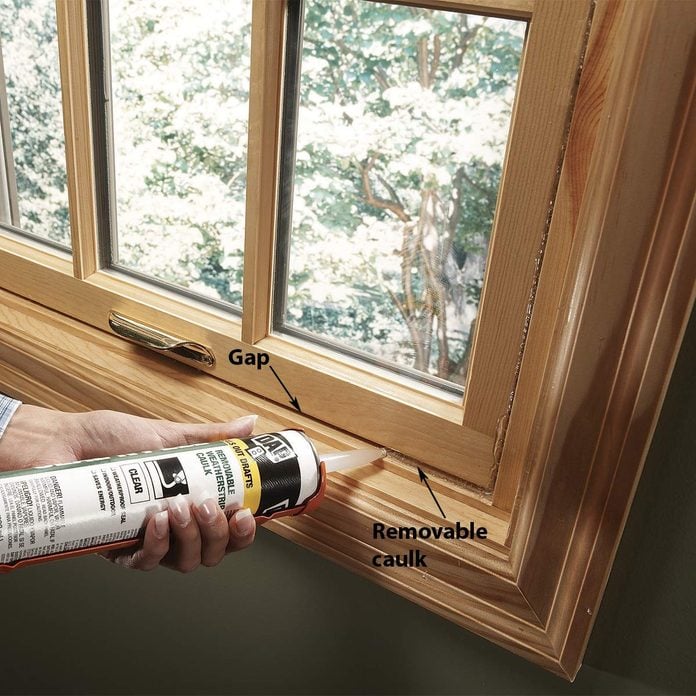
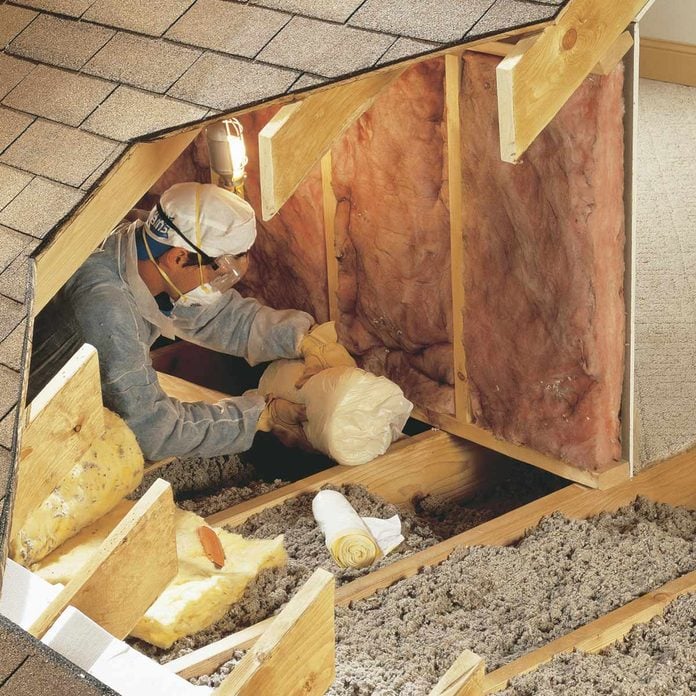
The article outlines eight innovative ways to improve a home's sustainability, starting with enhanced insulation. Poor insulation leads to heat loss, increasing heating costs. Experts like Tim Pullen from Homebuilding & Renovating stress that thermal efficiency and consistent insulation across the entire building envelope are crucial for eco-homes. Insulating lofts and cavity walls is relatively straightforward, with potential annual savings of around £275 on energy bills, according to The National Insulation Association. For solid walls, internal thermal lining or external insulation with render can be applied, though breathability is important for period homes to prevent damp.
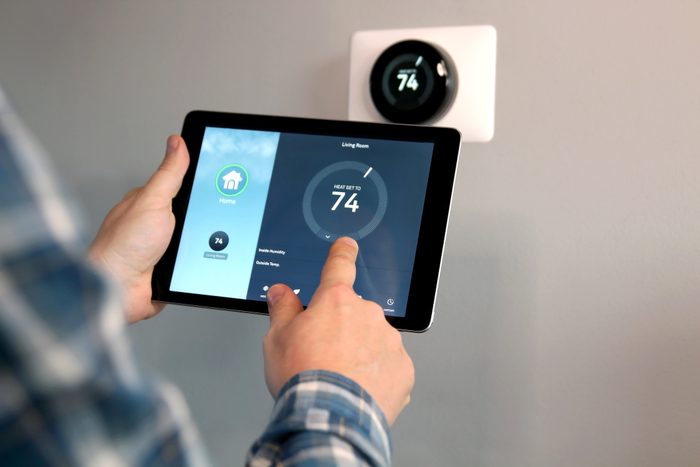
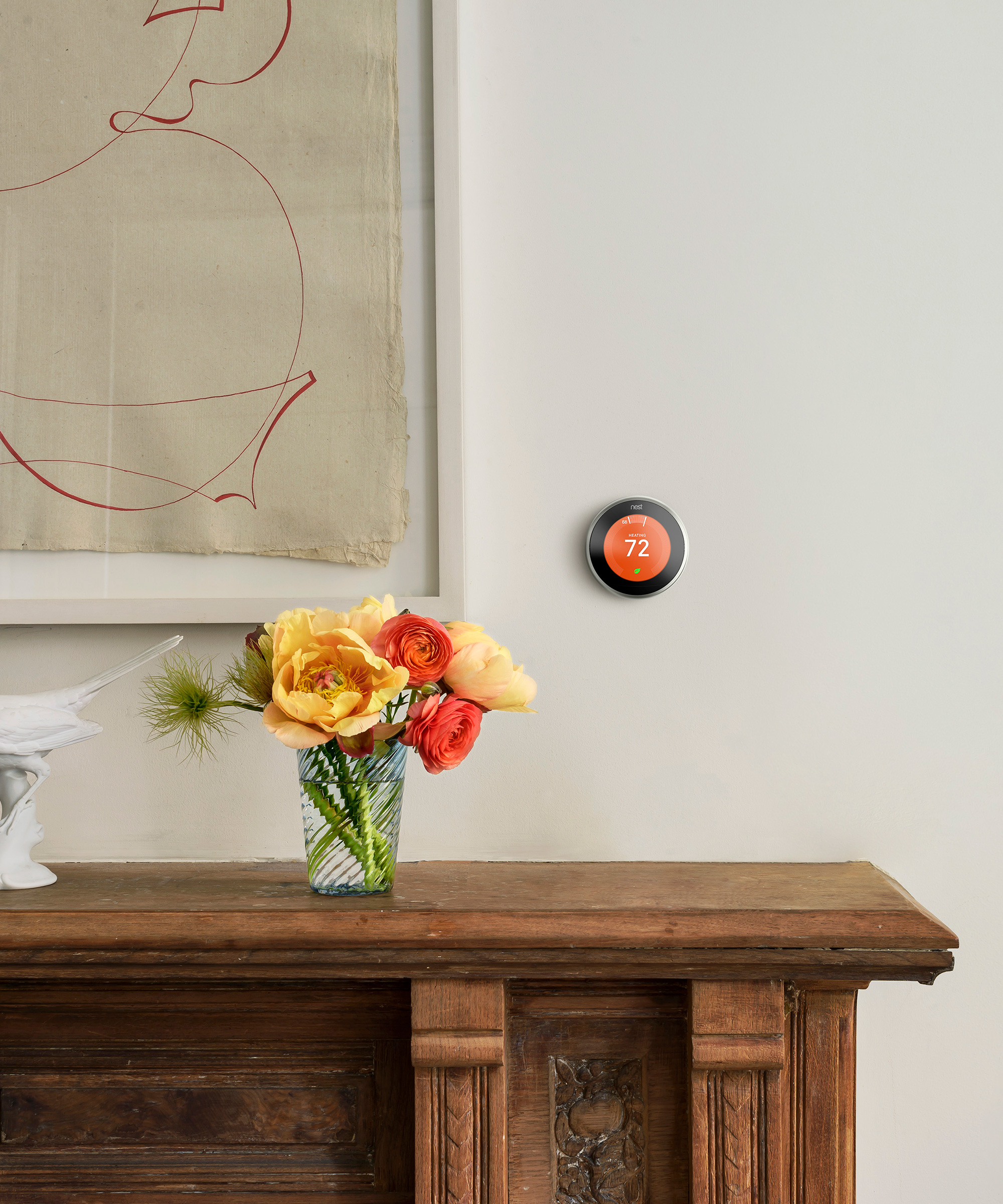
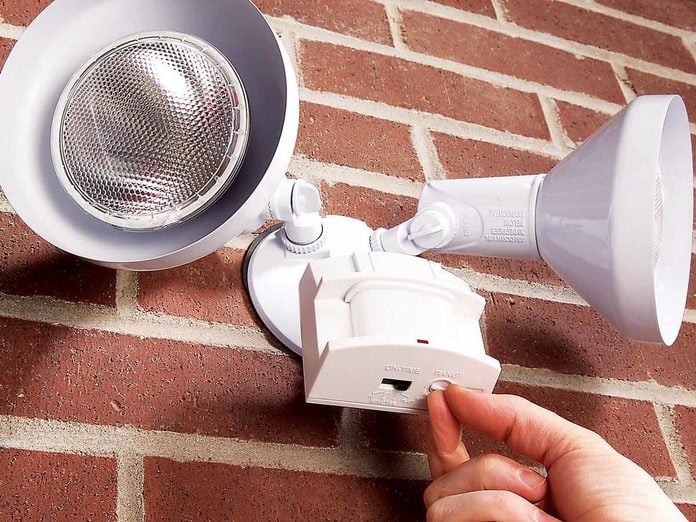
Installing a thermostat is another key improvement. Efficient use of heating controls can significantly reduce carbon dioxide emissions and save money. The Energy Saving Trust suggests that turning down a thermostat by one degree can save £60 and 310kg of CO2 annually, while using a programmer, room thermostat, and thermostatic radiator valves could save £75 and 320kg of CO2. Smart thermostats, such as Google Nest, offer remote control capabilities for enhanced convenience and efficiency. Bamboo flooring is presented as an eco-friendly alternative to traditional hardwood, valued for its strength, affordability, and rapid regeneration. The Bamboo Flooring Company emphasizes bamboo's sustainability, noting its five-year maturity period compared to decades for hardwood trees. To ensure true sustainability, FSC certification is recommended.
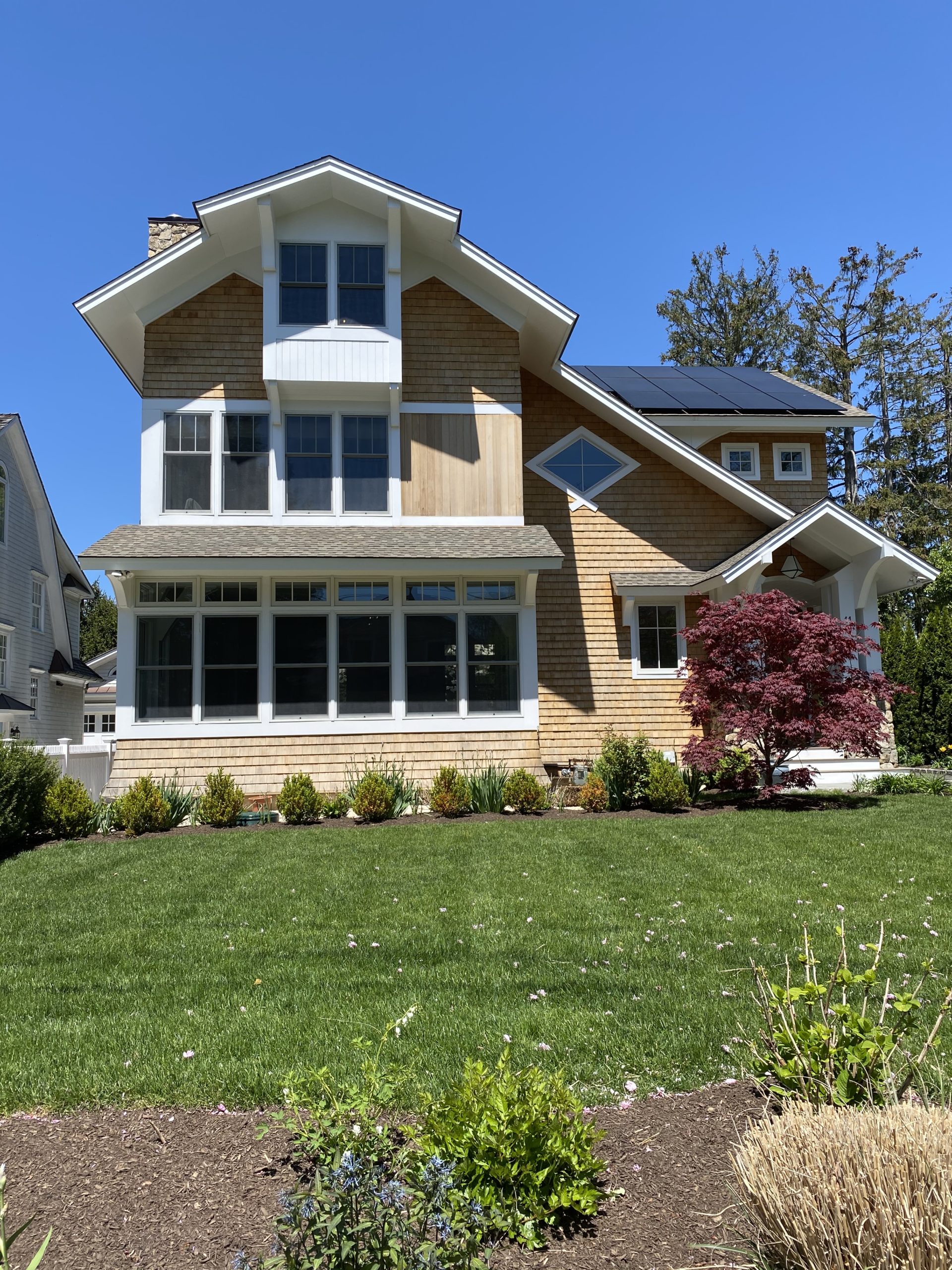
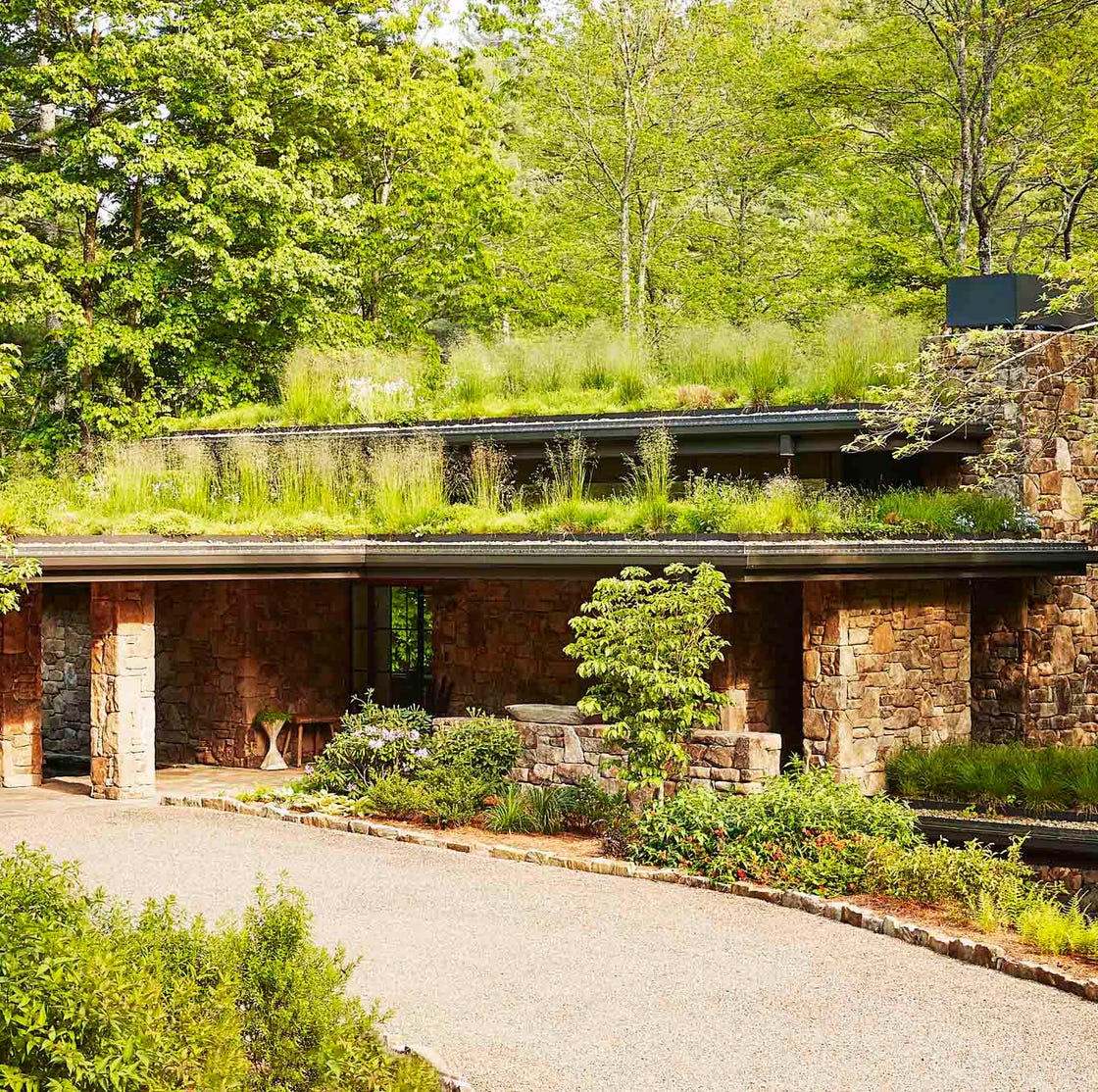
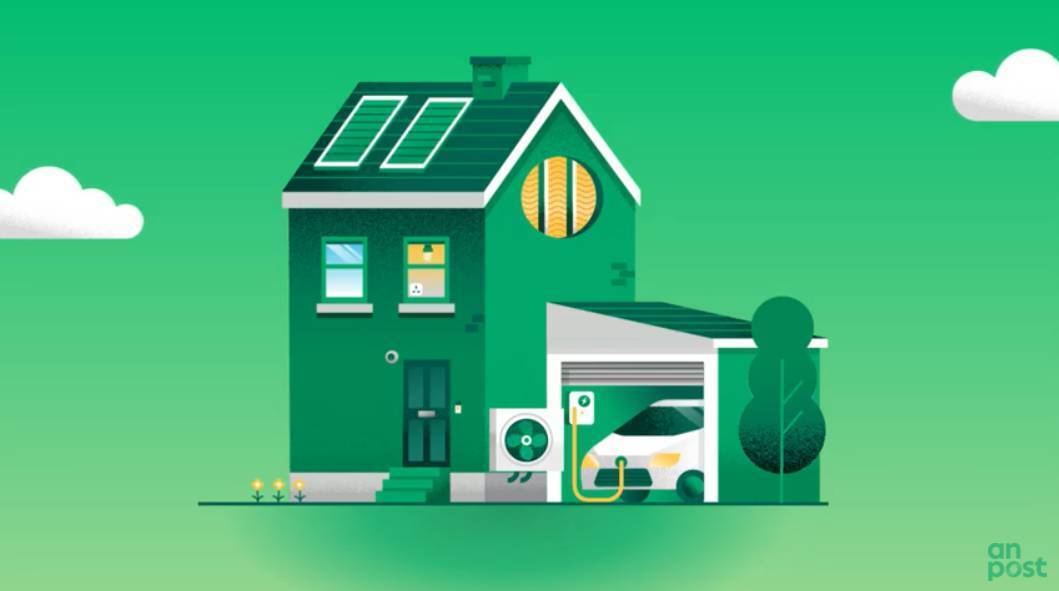
Solar panels are highlighted as a source of green, renewable energy. Once installed, they drastically reduce electricity costs and carbon emissions, with potential payments for excess energy generated through schemes like the Smart Export Guarantee in the UK. Solar PV systems operate even on cloudy days and are generally considered permitted developments, though local authority checks are advised. Green roofs offer additional insulation, primarily for cooling in summer, and boost biodiversity. They absorb CO2, solar heat, rainwater, and noise, while providing habitats for urban wildlife. Resources like Living Roofs' DIY guide are recommended for installation.
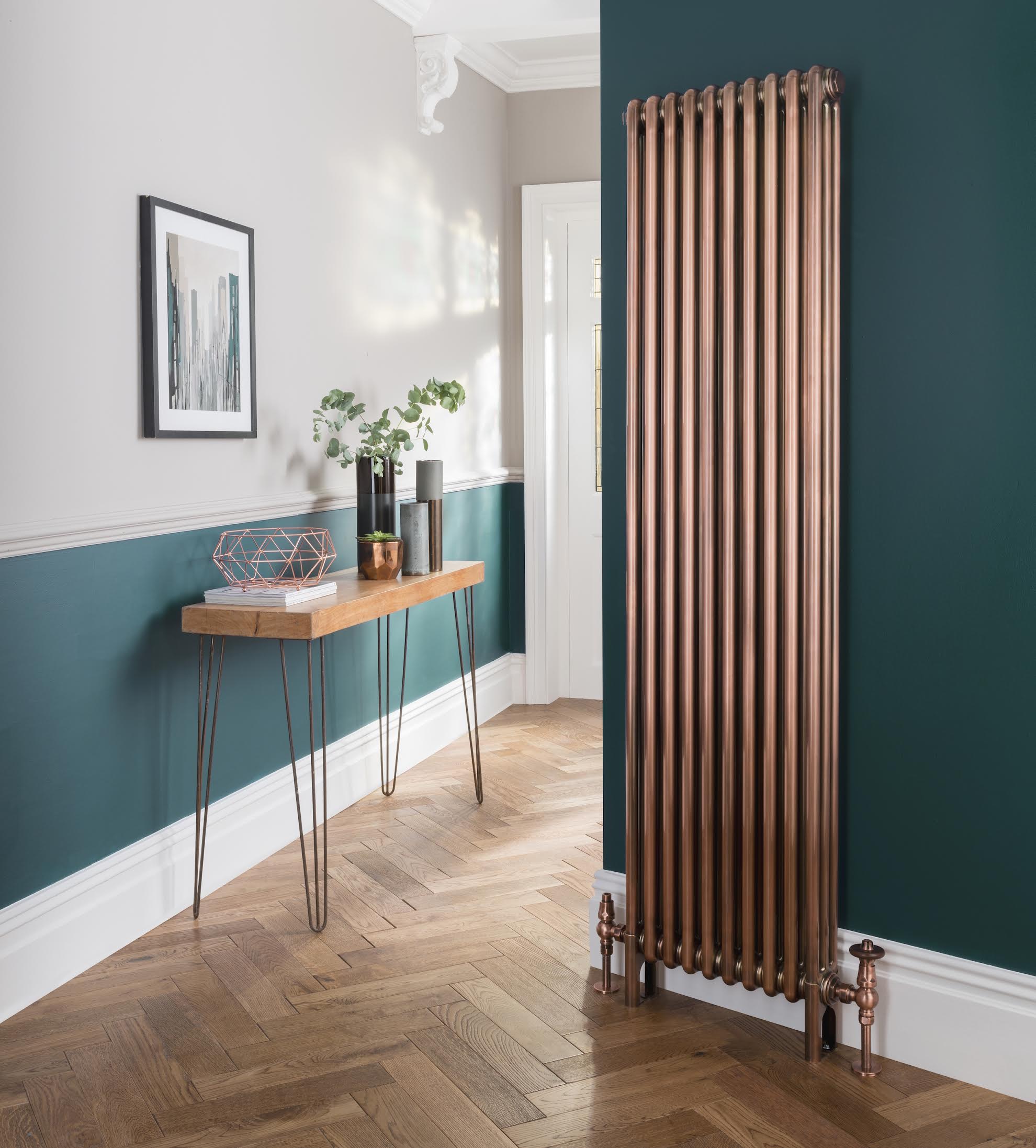
Decorating with eco-friendly finishes is also discussed, citing brands like LIVDEN, which produces stylish recycled tiles. Hilary Gibbs, Co-Founder of LIVDEN, explains that durable eco-materials have longer life cycles, reducing the need for frequent replacement and environmental impact. Eco-paints, such as those from Lick, are water-based and low in VOCs, offering a more biodegradable option. Finally, the article delves into underfloor heating and air heat pumps. Underfloor heating, whether wet or dry, is an energy-efficient method providing consistent warmth at lower temperatures than traditional radiators. Air heat pumps, extracting renewable heat from the environment, lower carbon emissions and heating bills, with potential government incentives like the Renewable Heat Incentive. However, their efficiency depends on existing central heating systems and good insulation, and planning permission may be required due to their external placement and noise output.
#SustainableHome #EnergyEfficiency #EcoFriendlyLiving #HomeImprovement #Insulation #SmartThermostat #BambooFlooring #SolarPanels #GreenRoof #EcoFriendlyDecor #UnderfloorHeating #AirHeatPump #SustainableHome #EnergyEfficiency #EcoFriendlyLiving #HomeImprovement #Insulation #SmartThermostat #BambooFlooring #SolarPanels #GreenRoof #EcoFriendlyDecor #UnderfloorHeating #AirHeatPump
0 comment in total
 No comments yet
You may also like
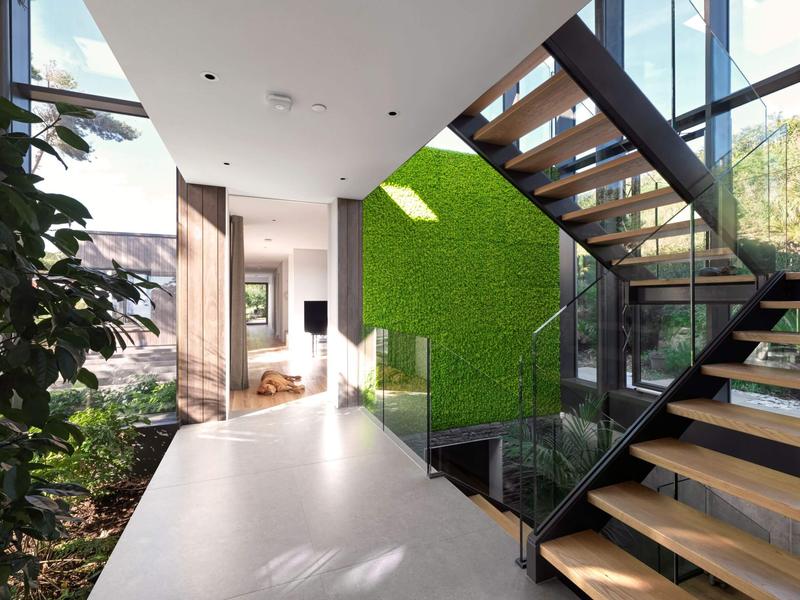
10 ways to make your home more sustainable
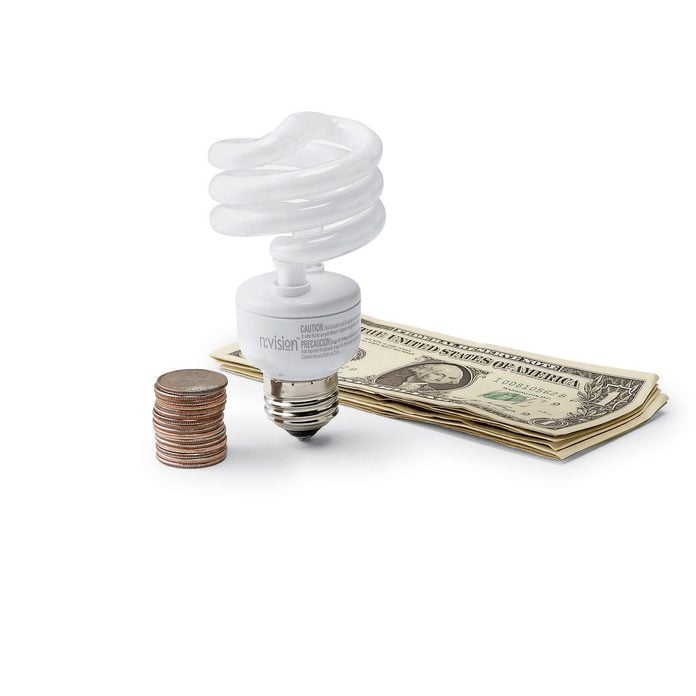
50 Super Simple Ways to Save on Energy Costs

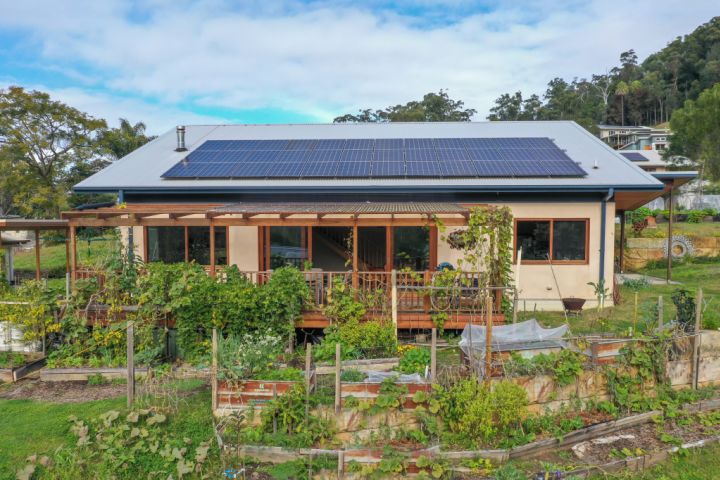
Sustainable House Day 2021: Top picks to explore this year
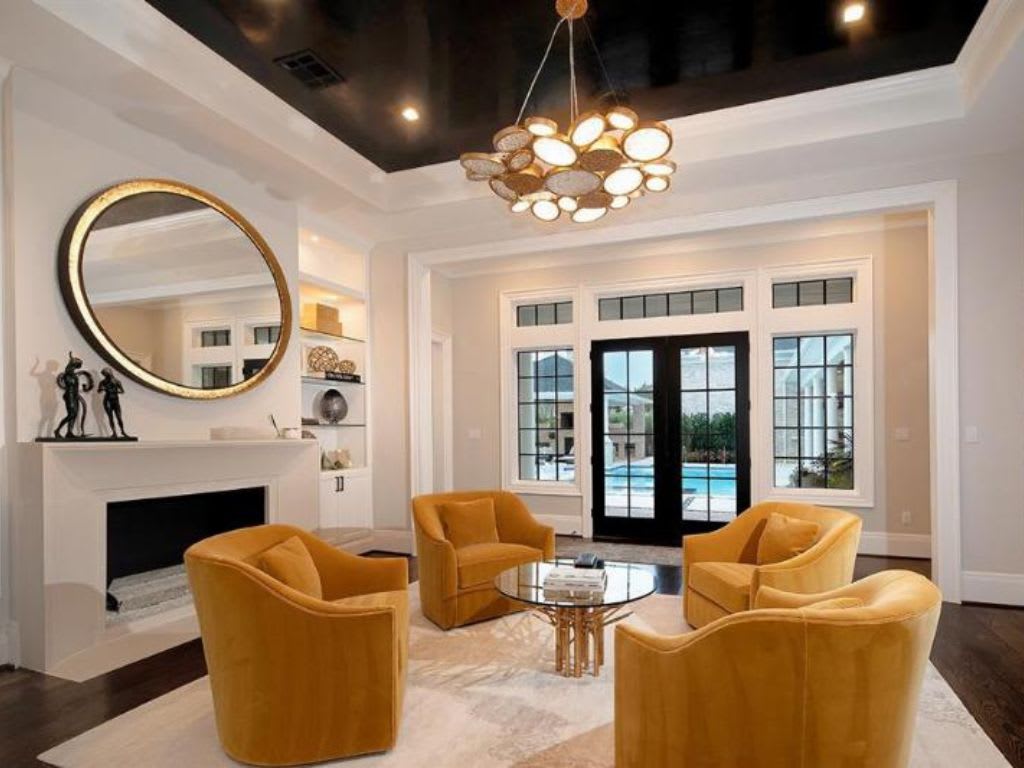
Top 5 Home Remodel Houston TX Trends for 2025
12 Ways To Create a More Sustainable Home
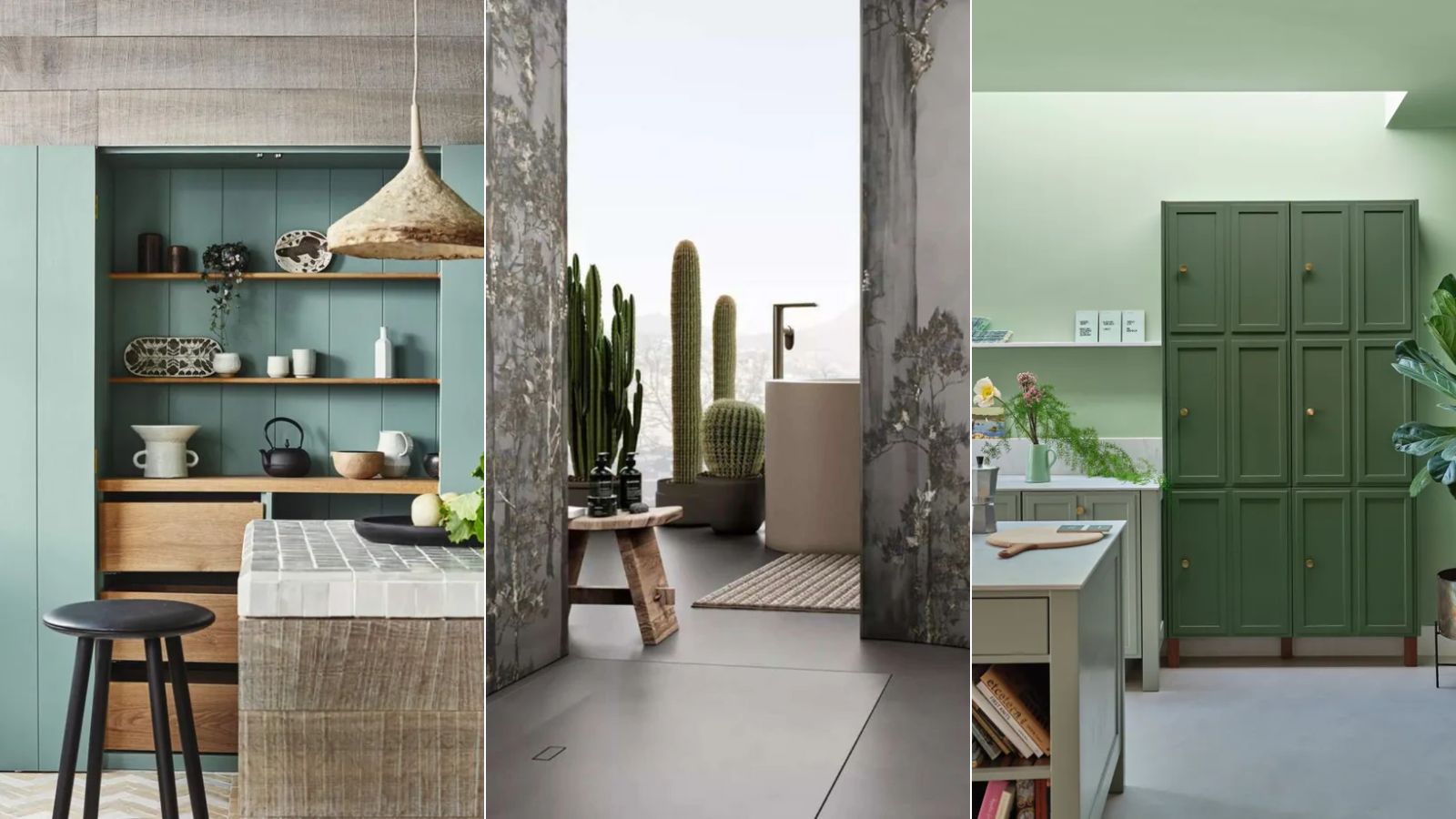
Experts swear by these 6 sustainable home renovation tips
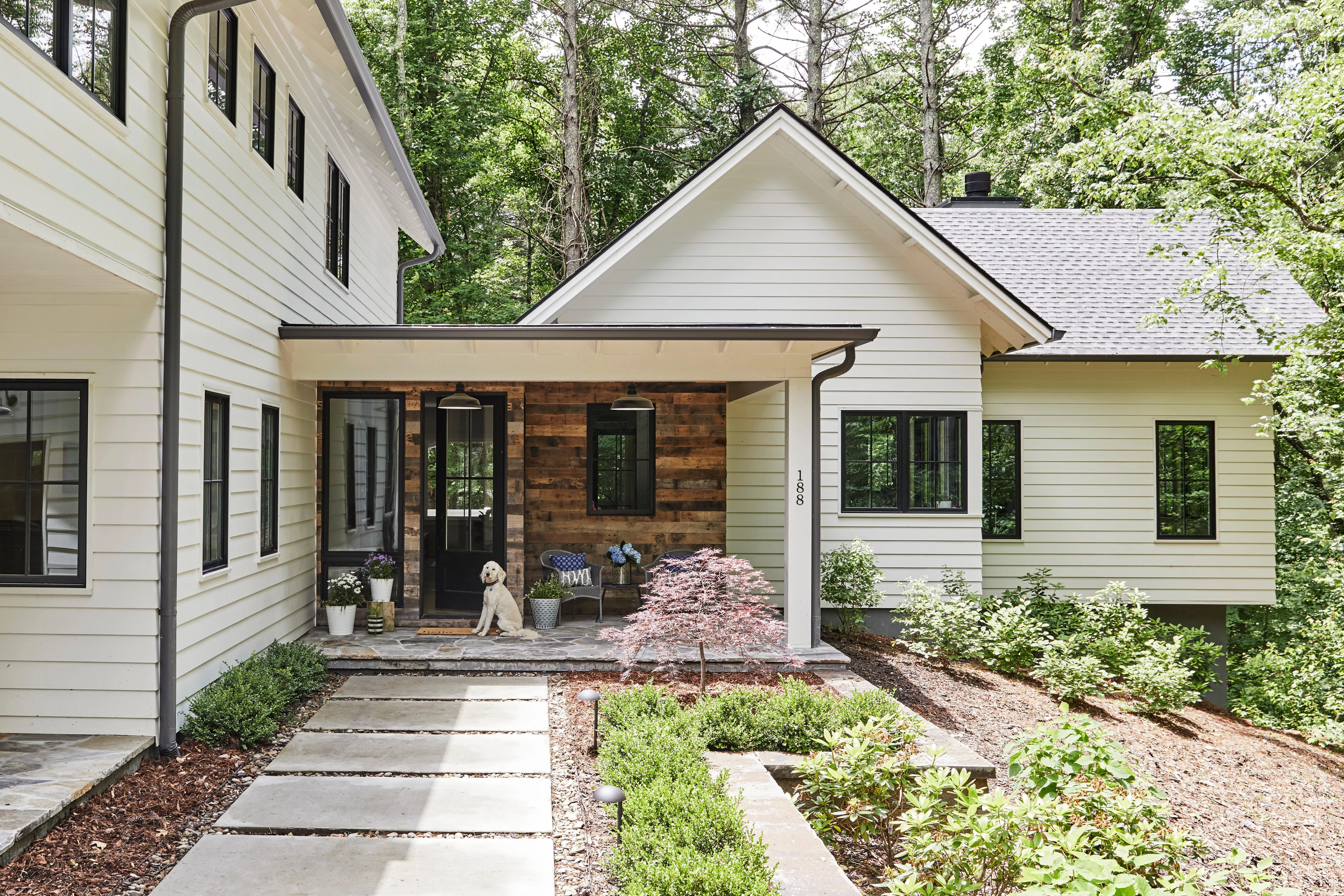
How to Assess a Home’s Sustainability to Choose One That’s Right for You

How to Make Your Home More Sustainable, According to Design Experts

Homeowners Are Revealing The One Budget-Friendly Upgrade That Continues To Make The Biggest Difference

8 Sustainable Home Improvements You Can Make In 2025

How to feng shui your home: 8 ways to attract positive energy

18 energy saving ideas

8 Sustainable Home Improvements You Can Make In 2026

5 sustainable home solutions that won’t cramp your style

Here Are 37 Ways to Make Your Home More Earth-Friendly
Smart home must-haves – the 8 smart products to upgrade your home and lifestyle

How to save money on home renovations – 6 cost-effective ideas
13 instant changes to reduce your electricity bills

Five Simple Rules For House Design That Drastically Lower Energy Costs

Upgrade your heating system to reduce bills and energy usage