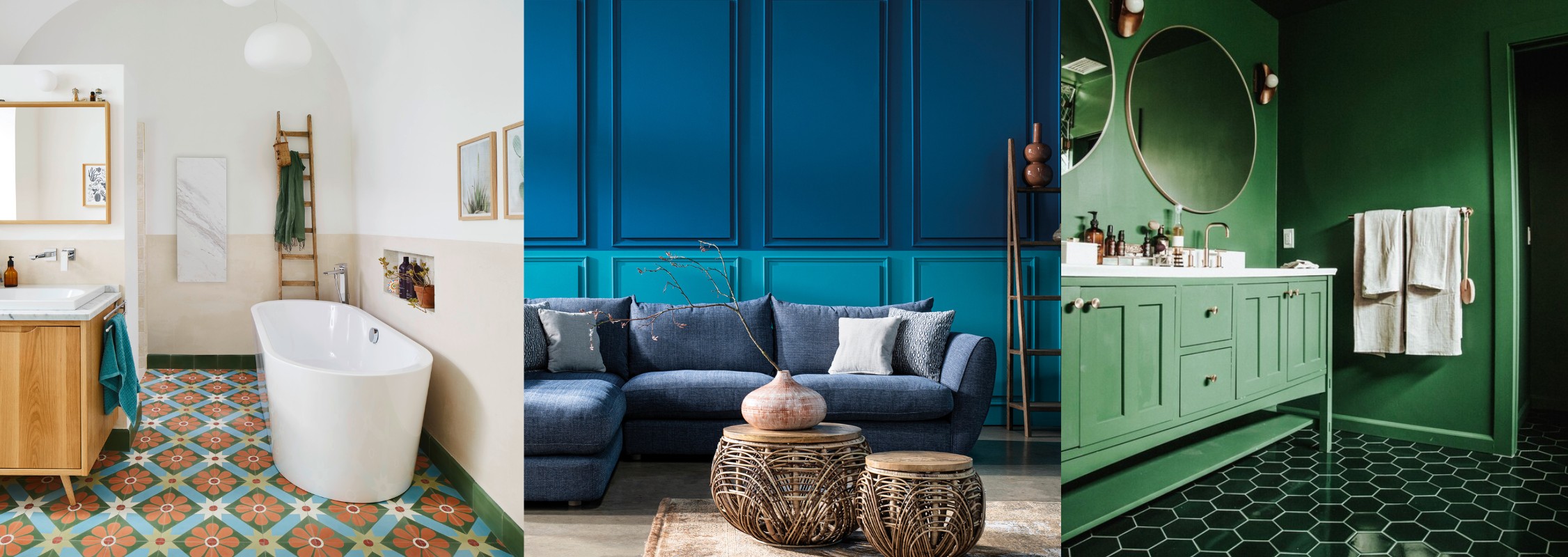
1/6
How to shop sustainably for your home – 12 stylish ways to make a statement
Shopping sustainably for the home is an increasingly important consideration for many individuals looking to minimize their environmental impact without sacrificing style or functionality. As an ethical and holistic designer, every purchasing decision can have environmental or social consequences, prompting a rigorous approach to selecting products with reduced ecological footprints. While complete perfection is challenging, asking retailers and suppliers about product origins and manufacturing processes can influence their stock choices.
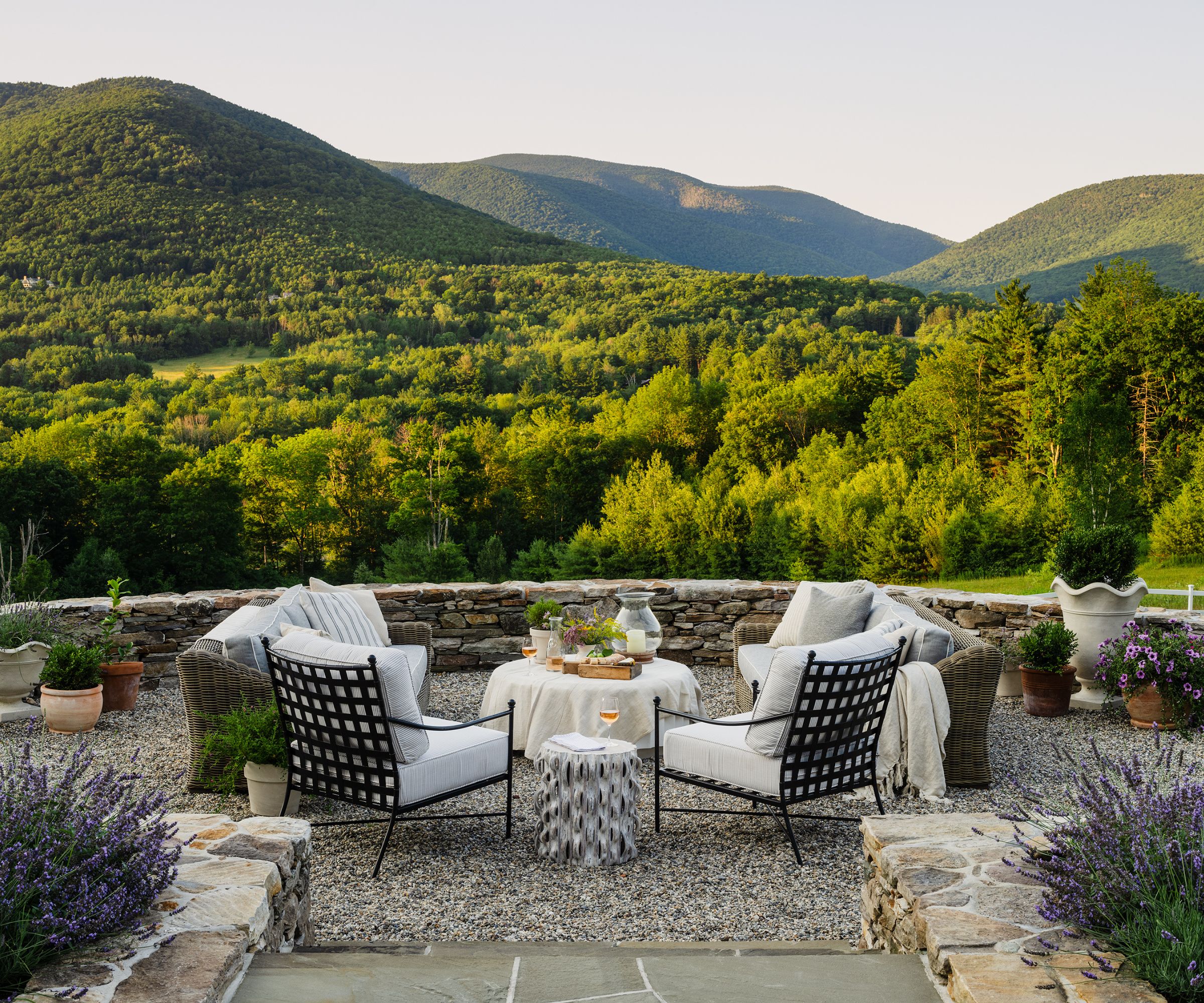
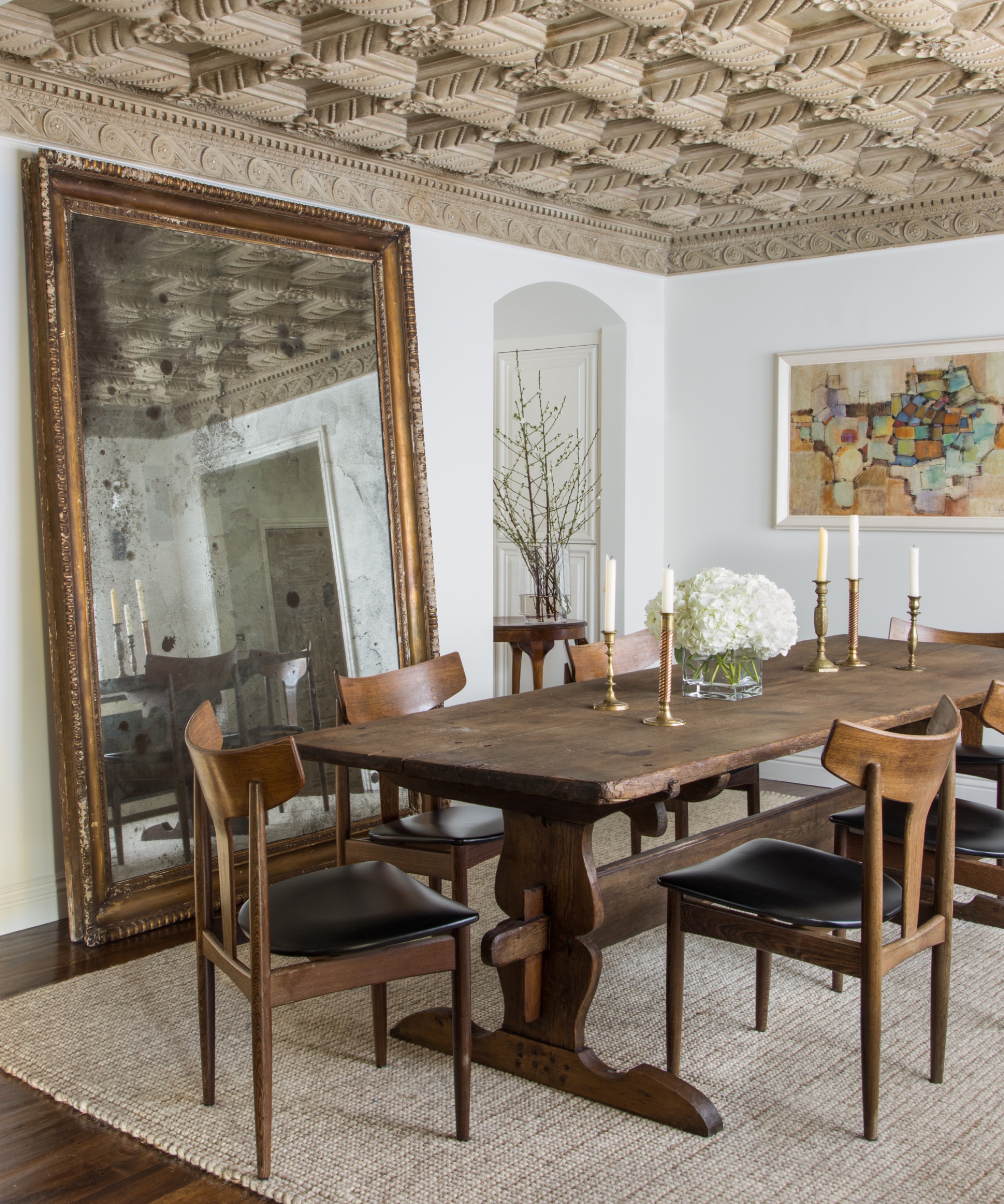
Several key strategies can help achieve a more sustainable home. When selecting furniture for both indoor and outdoor spaces, prioritizing reuse is crucial. This involves exploring second-hand options from auctions or stores and considering refurbishing pieces that may not initially align with personal style. Utilizing local restorers and upholsterers can update these items or enhance their comfort. Furthermore, choosing furniture made from reclaimed, recycled, or recyclable materials, such as those that divert waste from landfills, significantly reduces carbon footprints. For example, some brands use recycled plastics to create high-quality fibers for fabrics and fillings in upholstered furniture, while others utilize reclaimed wood from demolished homes or storm-damaged trees, transforming them into durable, heirloom-quality pieces.
Sustainable choices extend to mattresses, where the focus should be on longevity and end-of-life recyclability. With millions of mattresses ending up in landfills annually, opting for models designed to last 8-10 years and be fully recyclable is vital. Eco-friendly mattresses often incorporate natural materials like cotton, linen, wool, natural latex, or bamboo, sometimes combined with recycled plastic fibers. The manufacturing process also plays a role; organic materials, certified by standards like Global Organic Textile Standard (GOTS) and Global Organic Latex Standard (GOLS), ensure that both the product and its production are environmentally sound.
Checking product labels and certifications helps navigate sustainable options. Certifications such as FSC-certified wood indicate responsible forest management, while GreenGuard or CertiPUR-US certifications confirm the absence of hazardous chemicals. Cradle to Cradle certification signifies a comprehensive review of human and environmental health characteristics. Another high-level certification is Climate Neutral, awarded to brands that fully offset their greenhouse gas emissions and actively work to reduce them, with annual re-certification required. Over 300 companies, including home brands like Avocado and Fireclay Tile, hold this distinction.
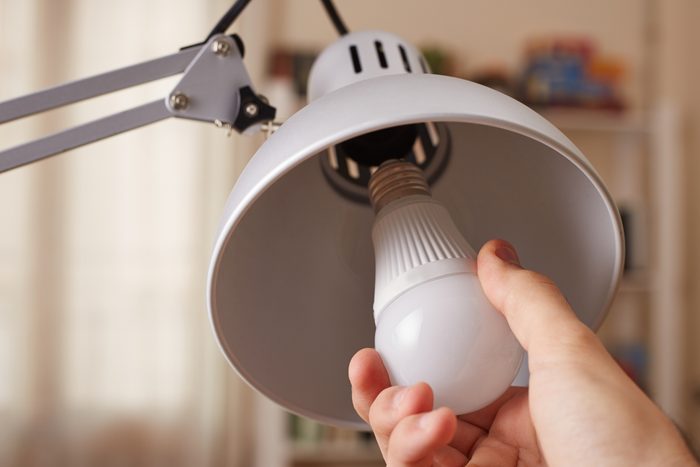
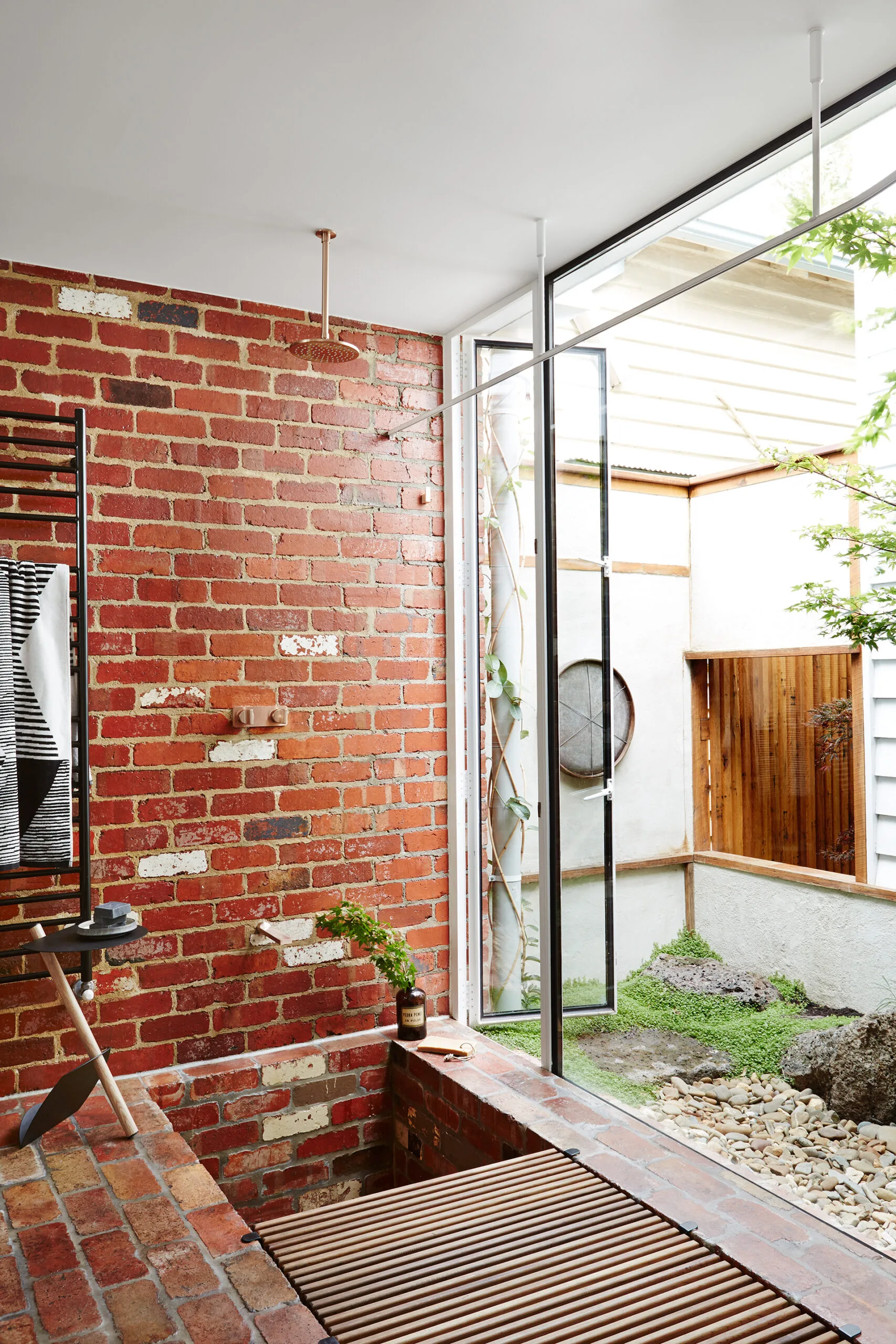
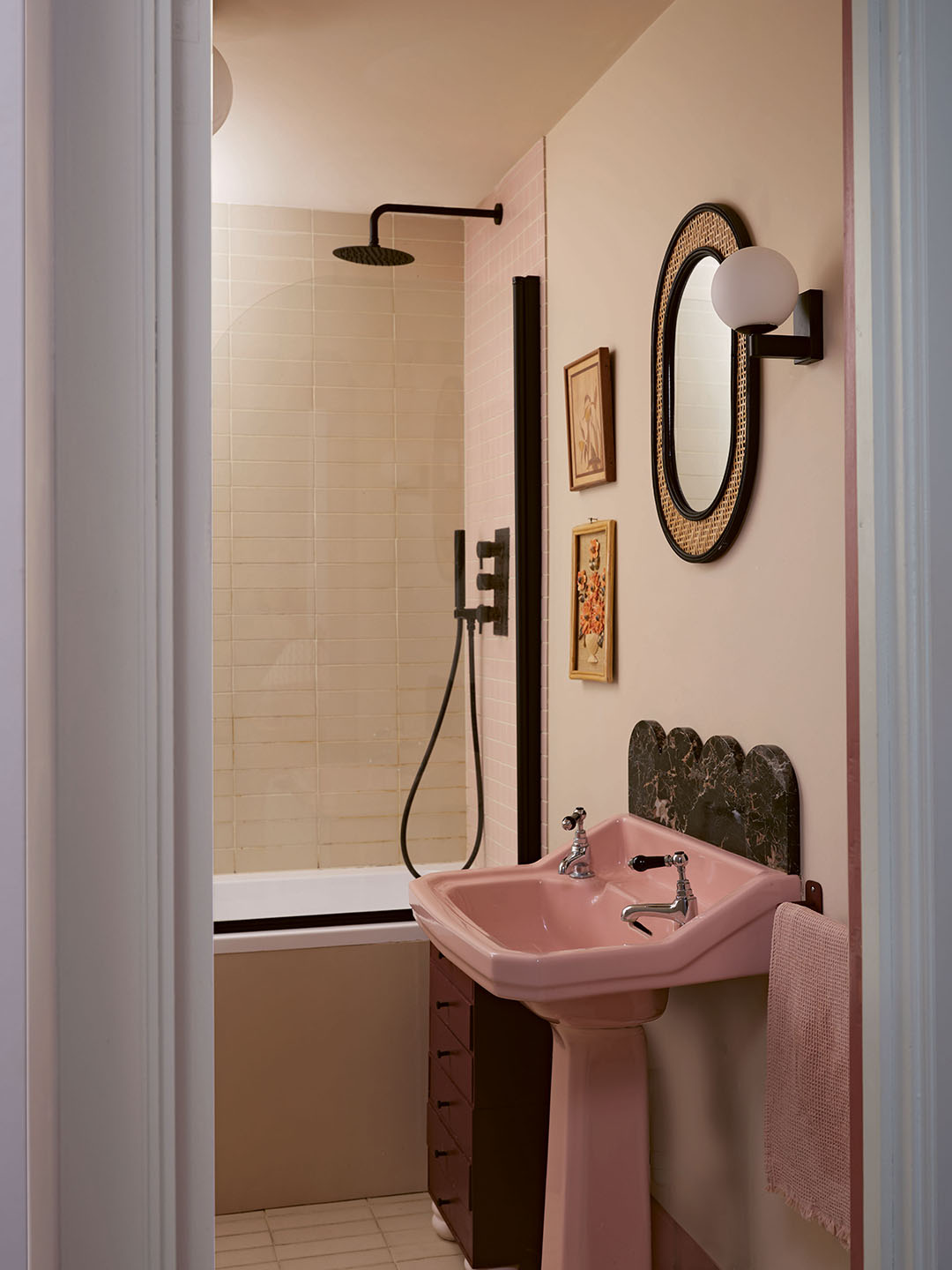
Eco-friendly lighting options include LED and CFL bulbs for interiors due to their longevity and energy efficiency. For outdoor lighting, LEDs are effective, but solar garden lighting offers the ultimate green alternative in sunny areas. In bathrooms, selecting fixtures that are recyclable and made from recycled materials, such as steel enamel baths and basins, reduces waste. Prioritizing designs that conserve water, like efficient toilets, faucets, and showers, along with Energy Star-certified ventilation fans, further enhances sustainability. For home appliances, choosing models built for durability, energy efficiency, and water conservation, indicated by Energy Star and EnergyGuide labels, is important. Checking for repairability and spare part availability can extend appliance life and keep them out of landfills.
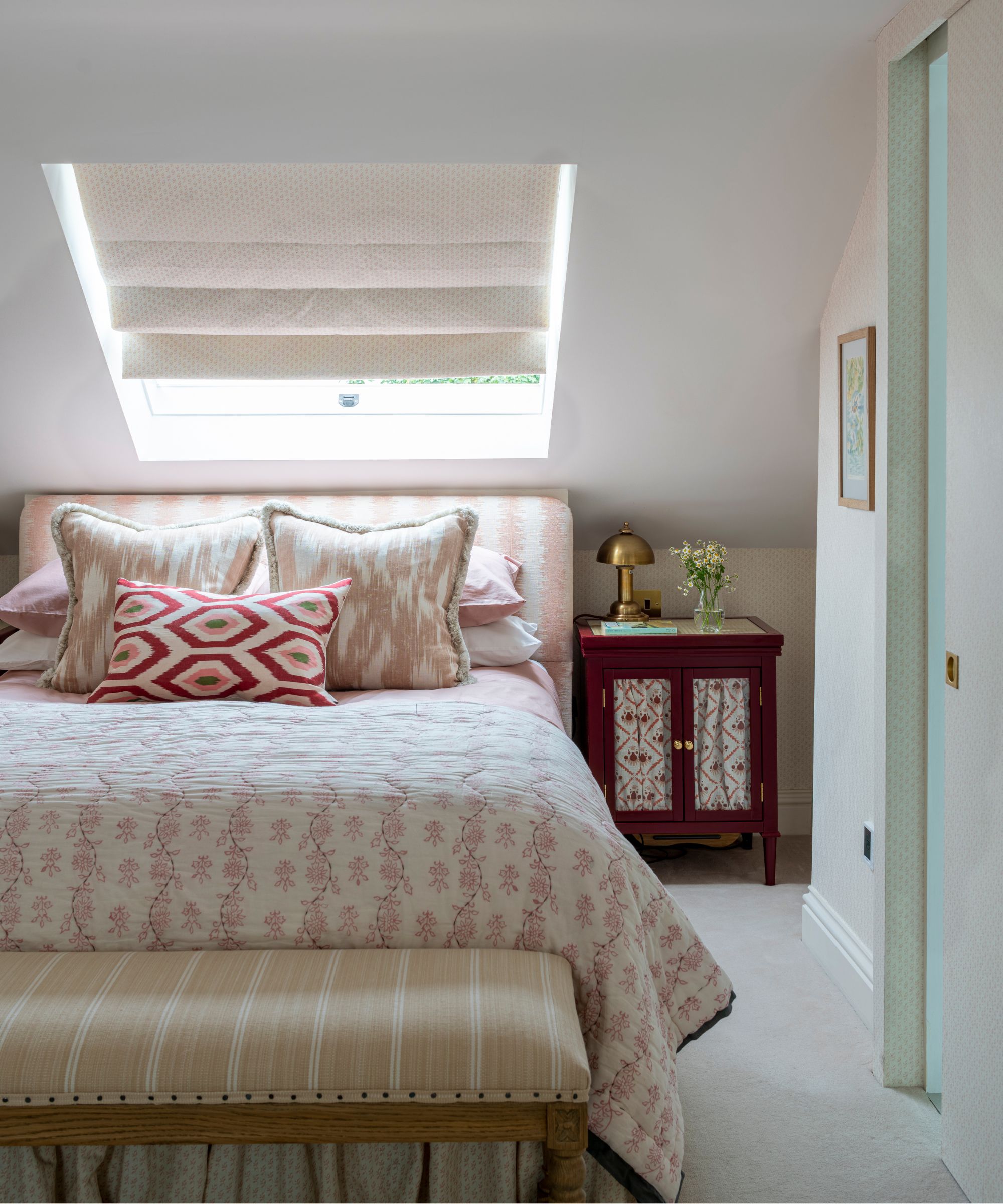
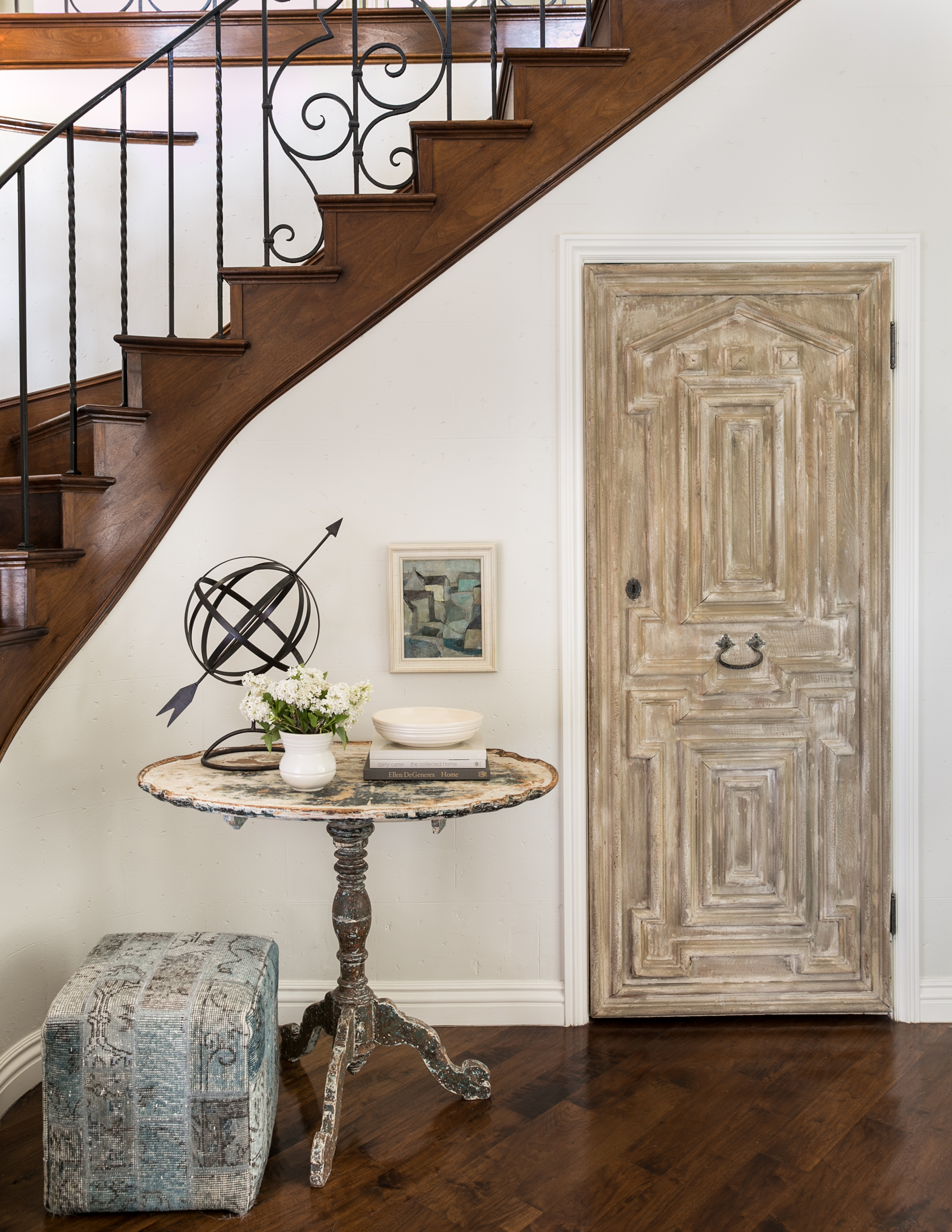
Window treatments can also be sustainable, with options like shades made from recycled plastic bottles or plantation shutters from FSC-certified wood. Organic cotton, linen, hemp, natural bamboo, or wool drapes and shades, particularly those with Oeko-Tex and GOTS certifications, are also eco-conscious choices. For flooring, reclaimed wood or tiles offer character and divert materials from waste streams, while new wood should be FSC-accredited. Cork flooring is another sustainable option, providing insulation and comfort. Linoleum, made from natural raw materials, and carpets with Cradle to Cradle Certified Product Standard, represent other eco-friendly flooring solutions.
Sustainable bedding often features 100% natural cotton and linen, which are durable, long-lasting, and easily recyclable. Ethical manufacturing environments and certifications like Oeko-Tex, which prohibits harmful dyes and pesticides, are crucial. Organic options ensure that fibers are grown sustainably. Shopping locally for home goods reduces transportation emissions and supports local economies and craftspeople. Many US brands, for instance, pride themselves on American craftsmanship, limiting travel distances for materials and finished products. Finally, using eco-friendly cleaning products that are biodegradable, come in sustainable packaging, and are made with naturally derived ingredients, helps maintain a green home environment. Brands like Seventh Generation, ECOS, Kind Laundry, Earth's Breeze, Dropps, Delphis Eco, and Ecover offer various sustainable cleaning solutions, contributing to a holistic approach to sustainable living.
#SustainableShopping #EcoFriendlyHome #GreenLiving #HomeDecor #RecycledMaterials #EthicalSourcing #EnergyEfficiency #OrganicProducts #ClimateNeutral #SustainableShopping #EcoFriendlyHome #GreenLiving #HomeDecor #RecycledMaterials #EthicalSourcing #EnergyEfficiency #OrganicProducts #ClimateNeutral
0 comment in total
 No comments yet
You may also like

12 Ways To Create a More Sustainable Home

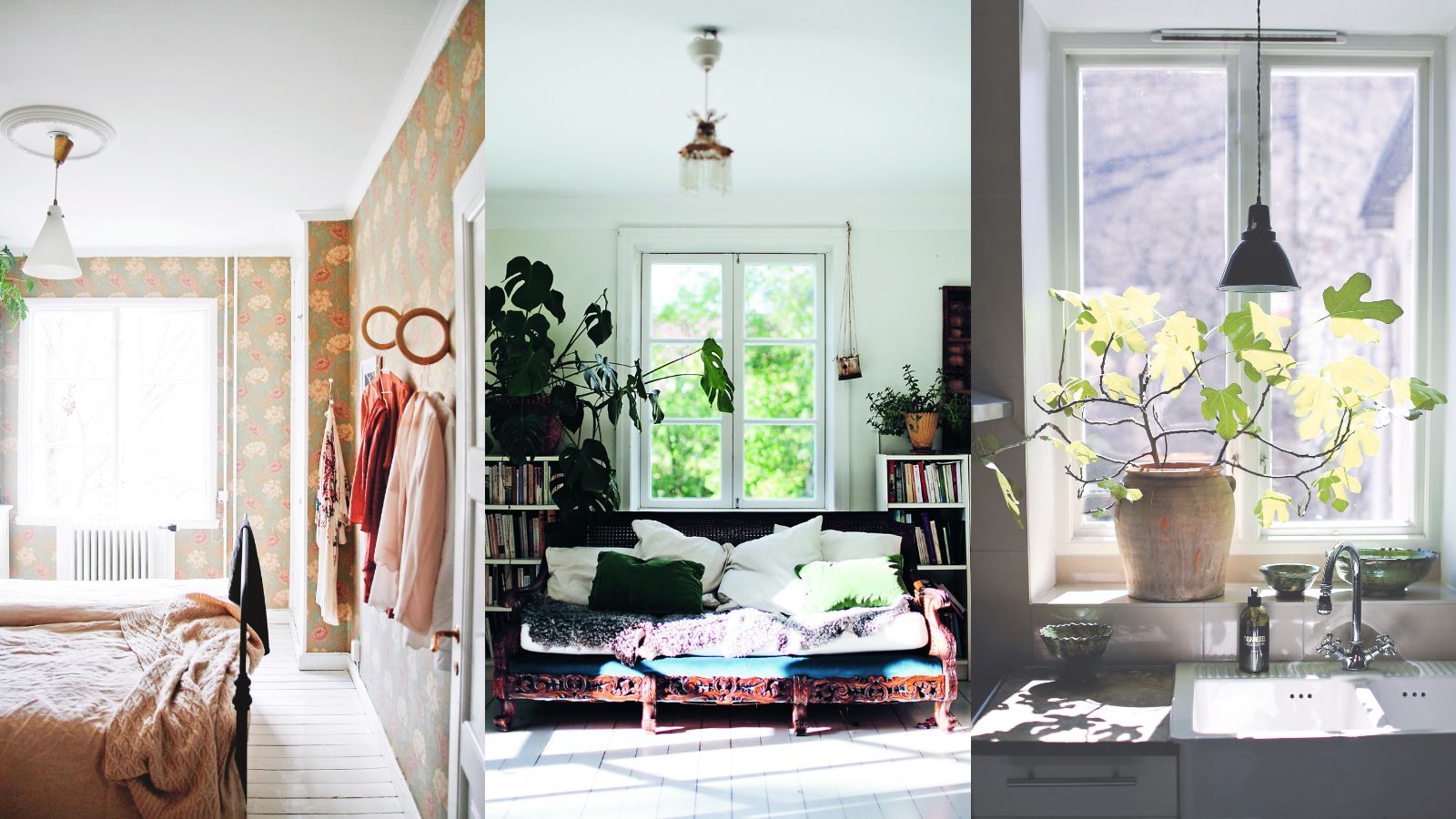
9 ways to be sustainable at home
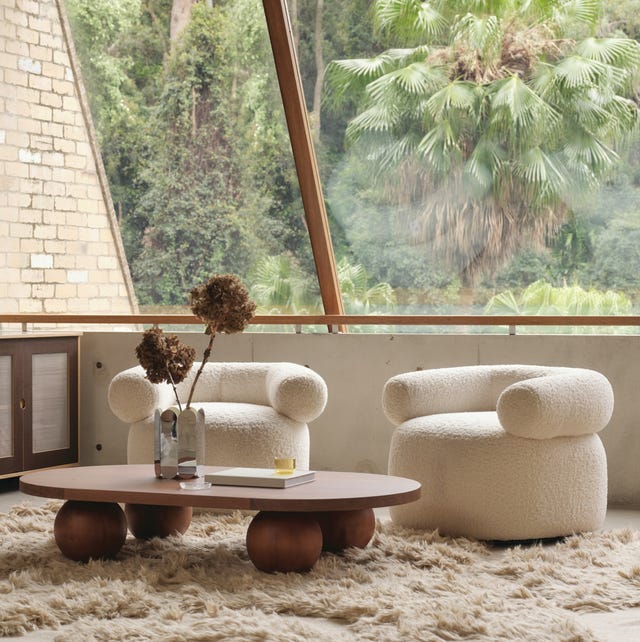
Shop Sustainably at These Eco-Friendly Home Decor and Furniture Brands

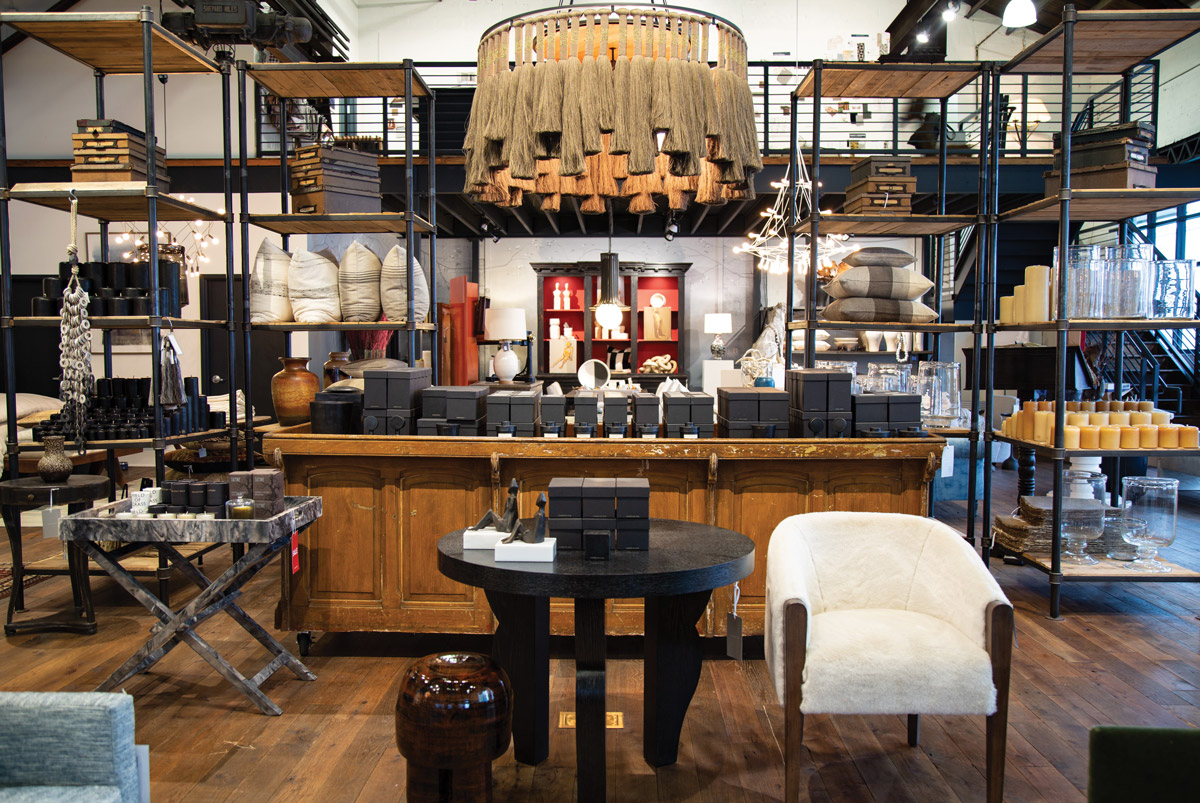
Sustainable style: Here’s where to shop for ecofriendly home decor in Atlanta
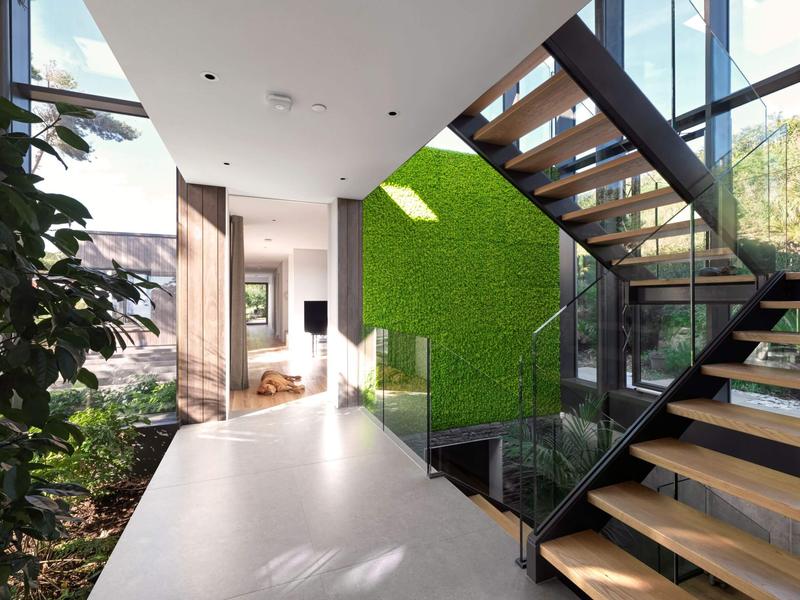
10 ways to make your home more sustainable
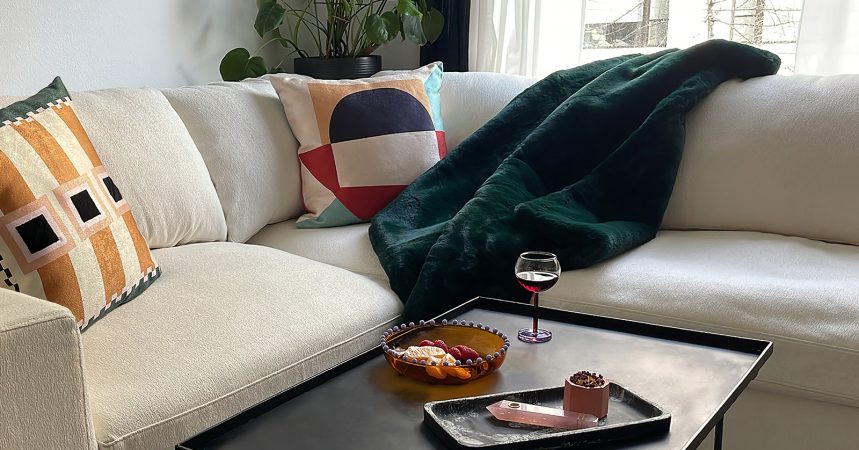
Where to Shop Sustainable Home Decor Online

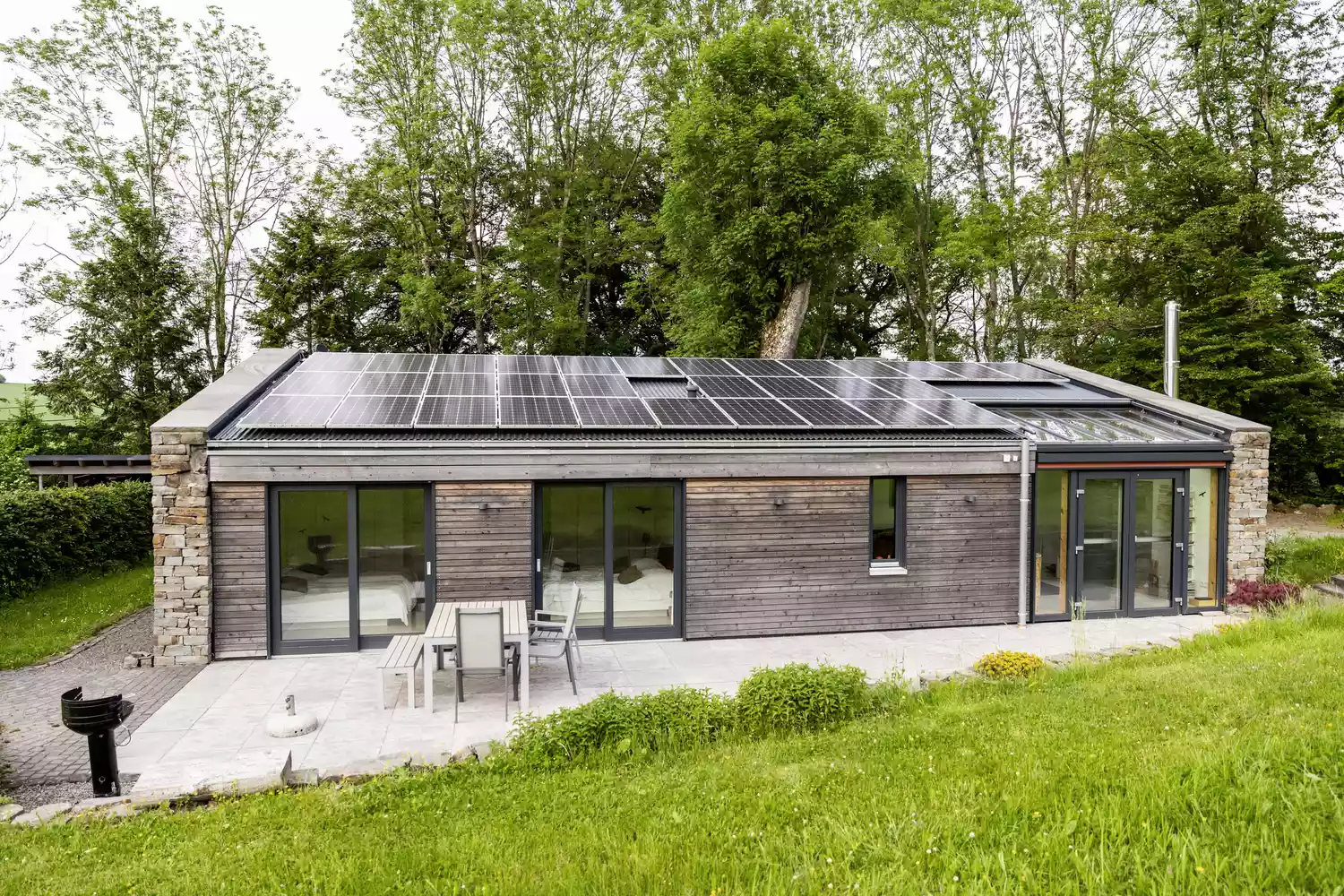
Want an Eco-Friendly Home? Everything You Should Know About Sustainable Architecture

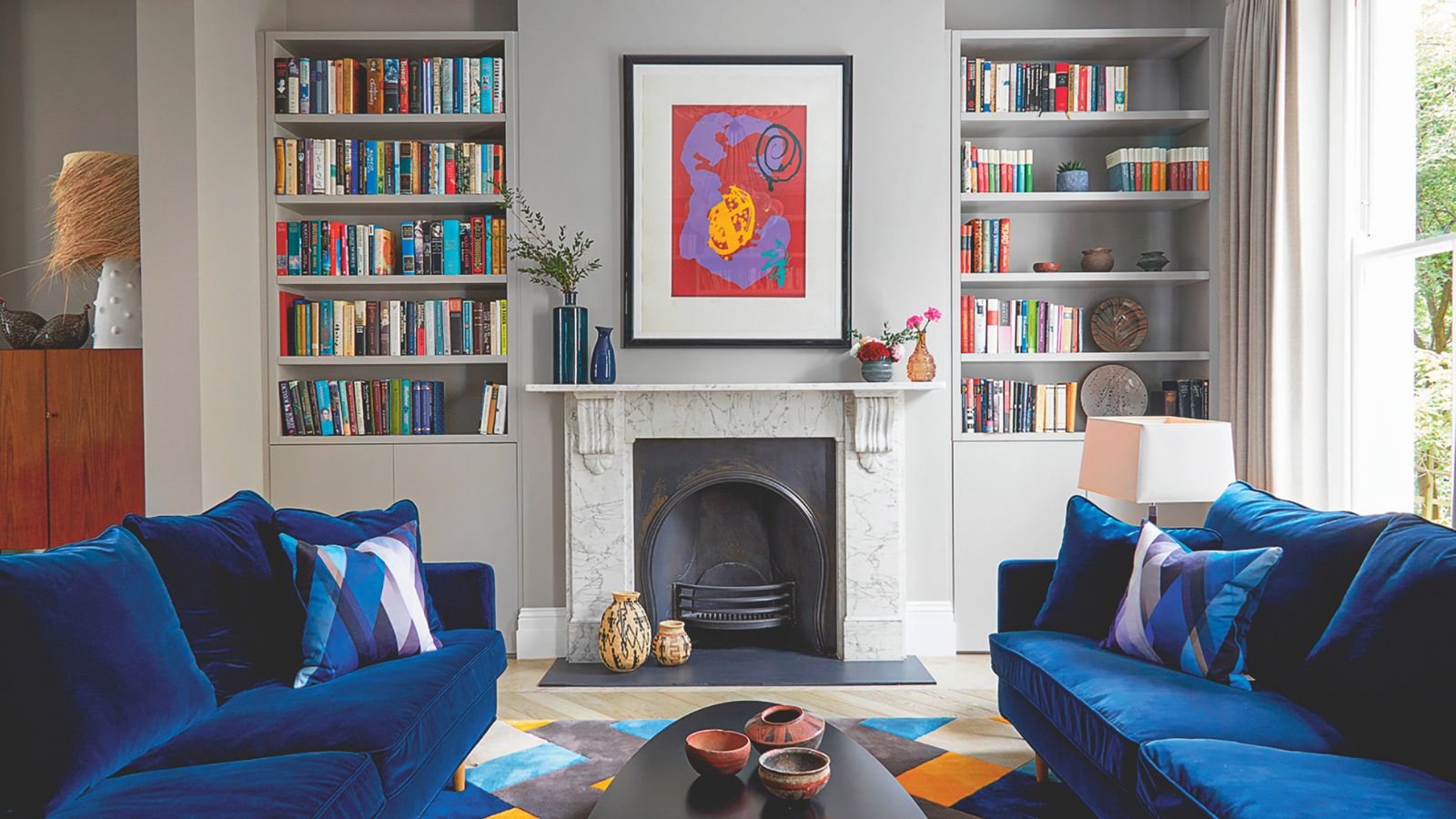
Eco-friendly organizing tips for a more sustainable home
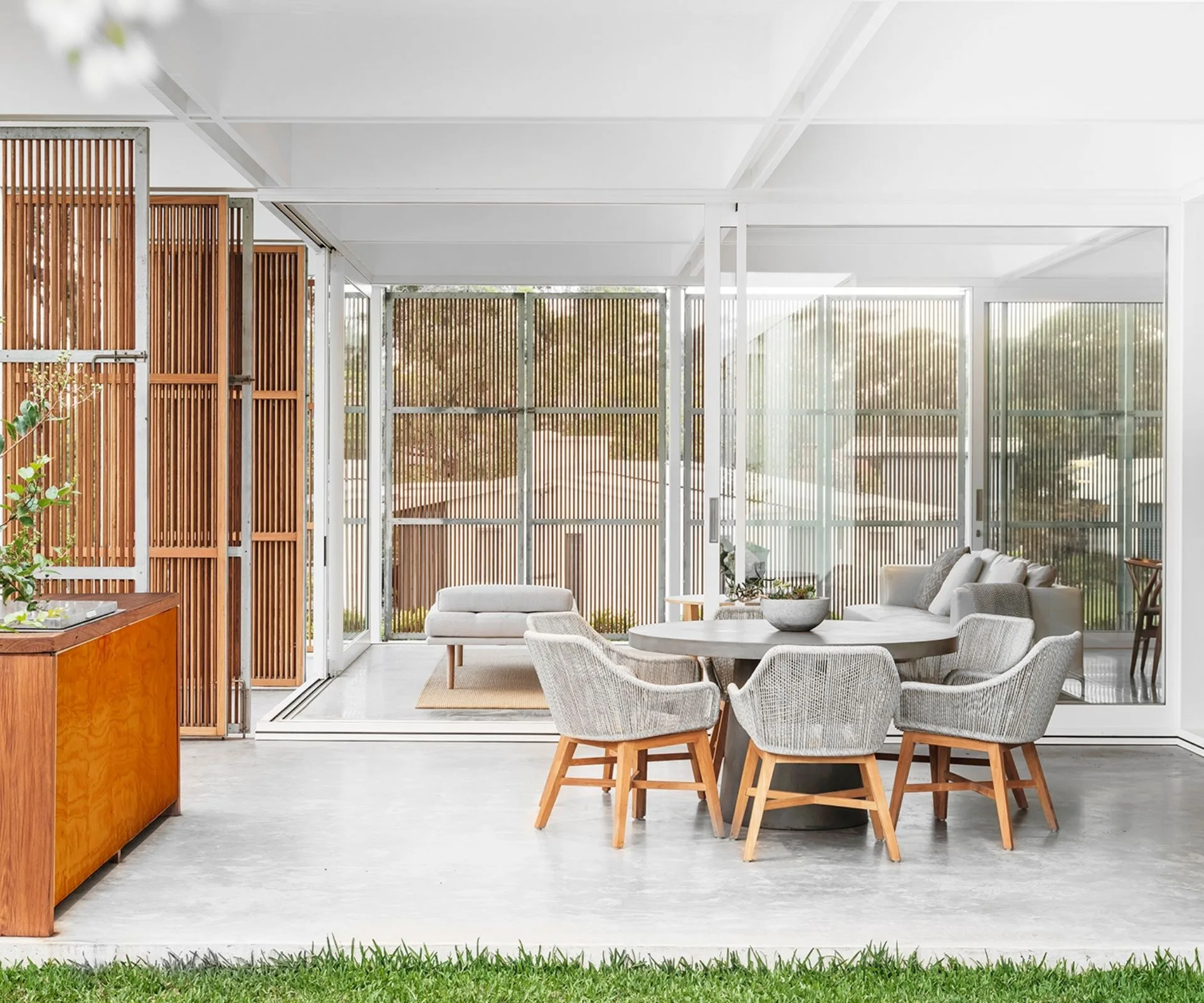
7 sustainable homes with style

Sustainable home decor: Eco-friendly interior design trends to watch


How to Make Your Home More Sustainable, According to Design Experts

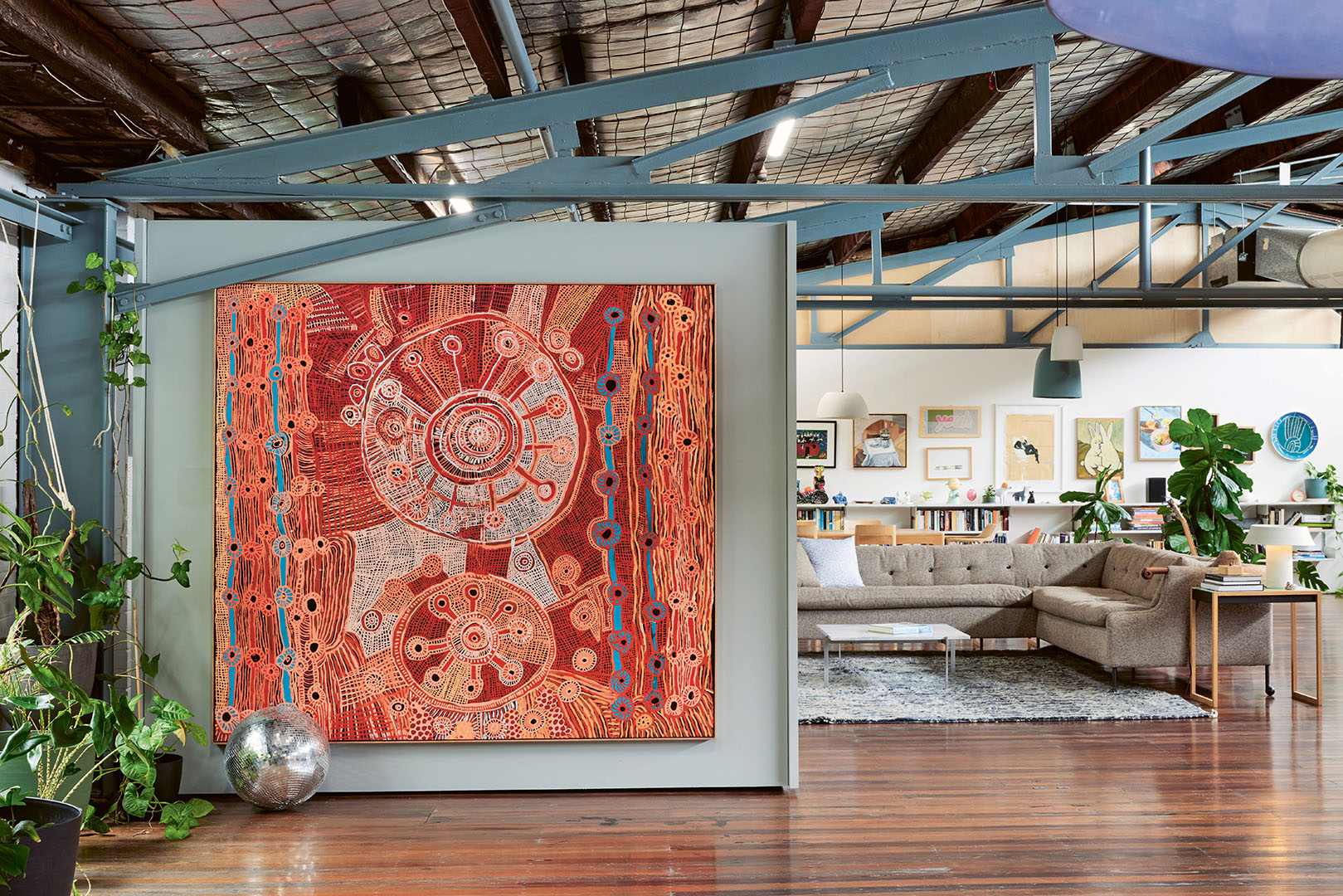
I Wrote a Book About Sustainable Homes—These 8 Ideas Are Still Inspiring Me

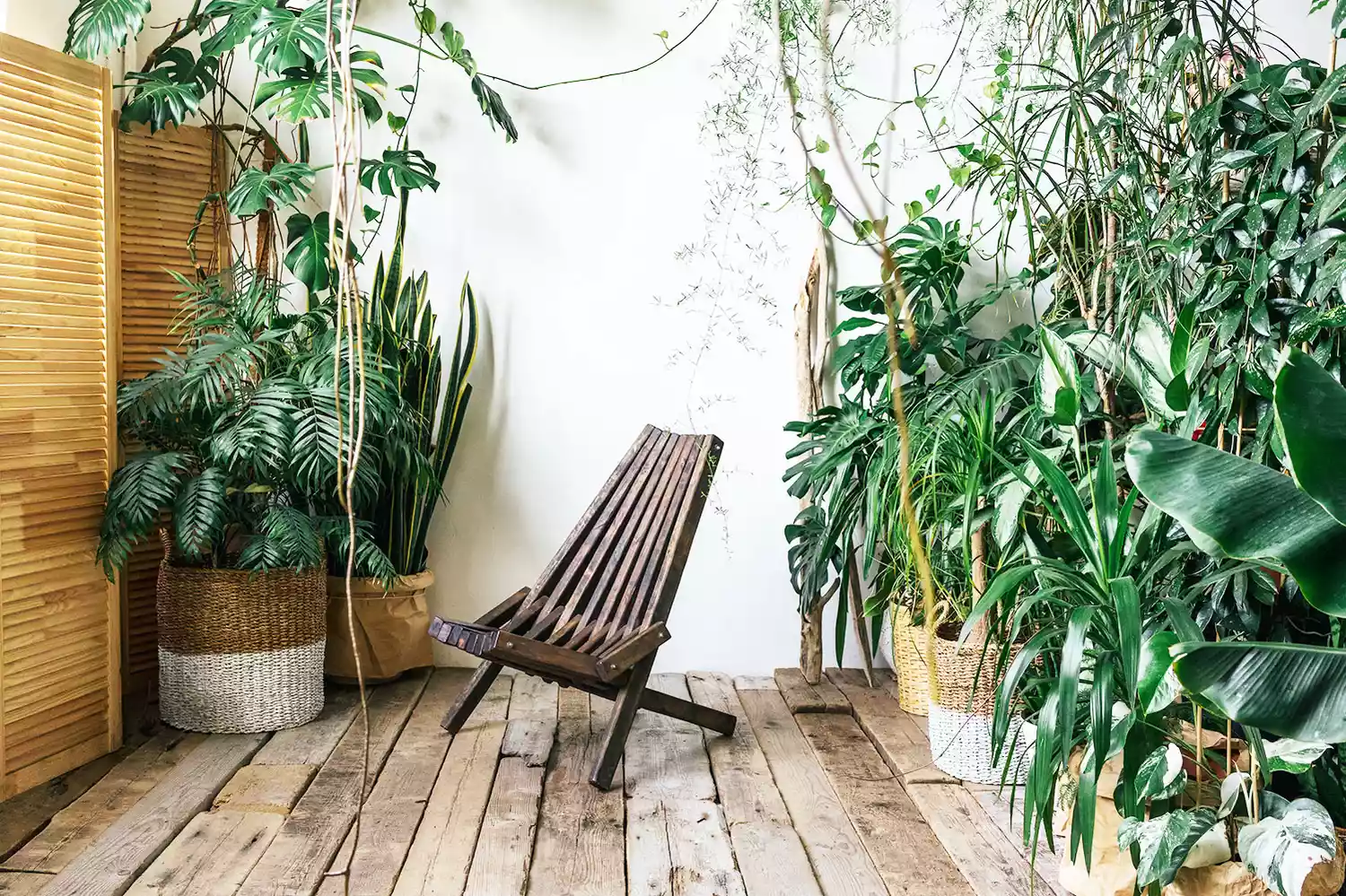
7 Design Trends That Will Make Your Home More Sustainable
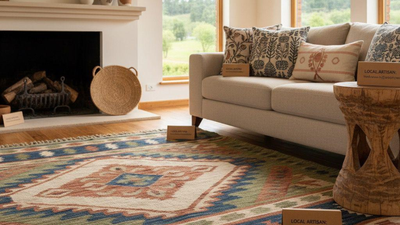
Sustainable Home Décor: Eco-Friendly Interior Design Trends to Watch

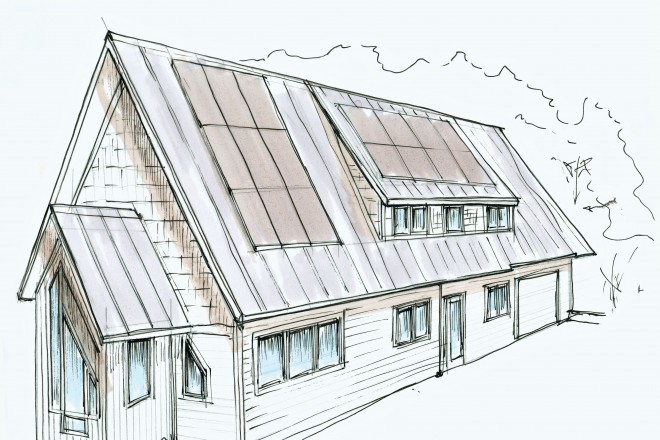
Sustainable Homes
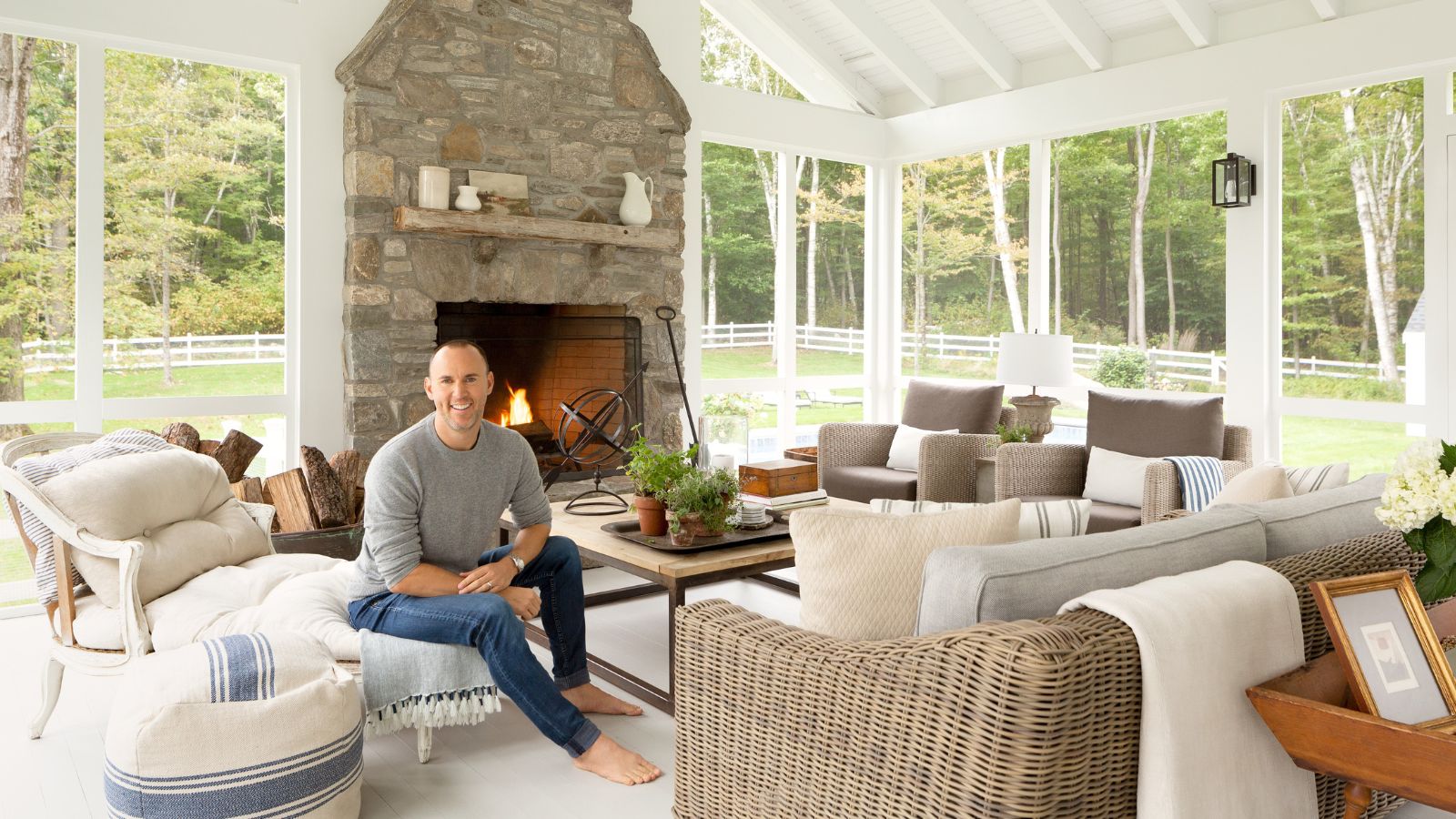
How I encourage my clients to make sustainable choices in their interior design
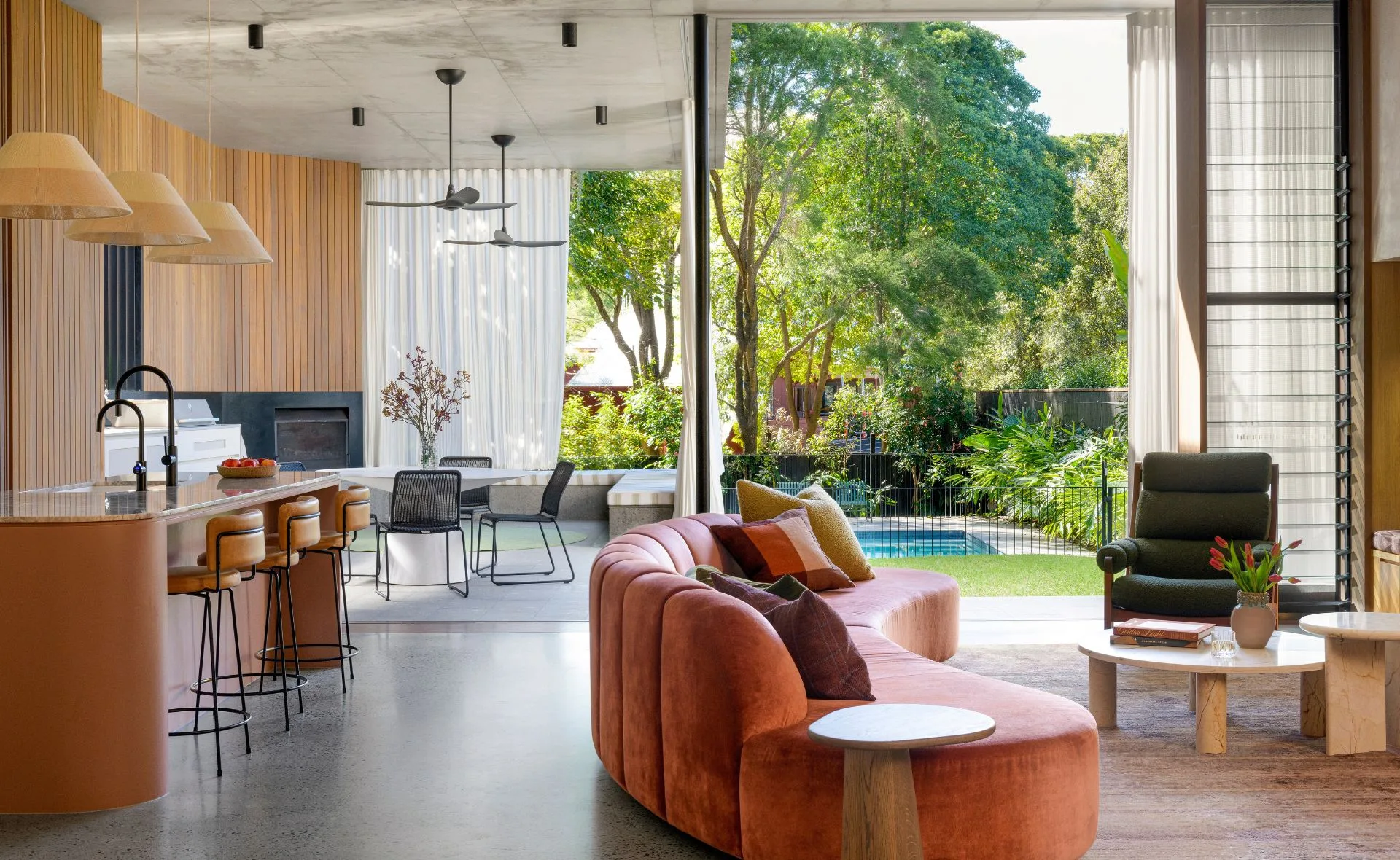
5 sustainable home solutions that won’t cramp your style
Here Are 37 Ways to Make Your Home More Earth-Friendly

Home Rescue's Dee Coleman on the six R's of sustainable interior design
How to Assess a Home’s Sustainability to Choose One That’s Right for You