1/5
Home Rescue's Dee Coleman on the six R's of sustainable interior design
Interior designer Dee Coleman, presenter of 'Home Rescue: The Big Fix,' discusses the importance of sustainable interior design practices in the context of increased interest in home improvements and the issue of 'fast homewares.' She highlights the problems associated with mass-produced products, akin to fast fashion, and advocates for a sustainable approach to home renovations and décor.
Coleman introduces the 'six R's of sustainability' as a guiding framework: rethink, refuse, reduce, reuse, repair, and recycle. The first step, 'rethinking,' encourages individuals to critically assess whether a new purchase is truly necessary. For instance, if an integrated kitchen is desired but existing standalone appliances like a washing machine and tumble dryer are functional, she suggests keeping them and simply concealing them behind doors, rather than replacing them unnecessarily.
When new purchases are unavoidable, Coleman advises consumers to investigate manufacturers' green credentials. She recommends seeking suppliers who adopt a 'cradle-to-cradle' approach, where manufacturers take responsibility for products at the end of their lifecycle, ensuring they are repurposed or integrated back into new products. Additionally, she encourages inquiries about emissions, production locations, and recycling processes to make informed choices.
'Reducing' consumption is emphasized, encouraging a mindful approach to the quantity of items brought into homes. This concept ties into 'repairing,' where she points out that while reupholstering a sofa might seem costly (e.g., €1500), it often involves better-made, older furniture with stronger materials, avoiding the use of cheaper materials like MDF and reducing the environmental impact of new manufacturing. She notes that the perceived cost-effectiveness of a new flatpack item often overlooks the superior quality and environmental benefits of repairing existing pieces.
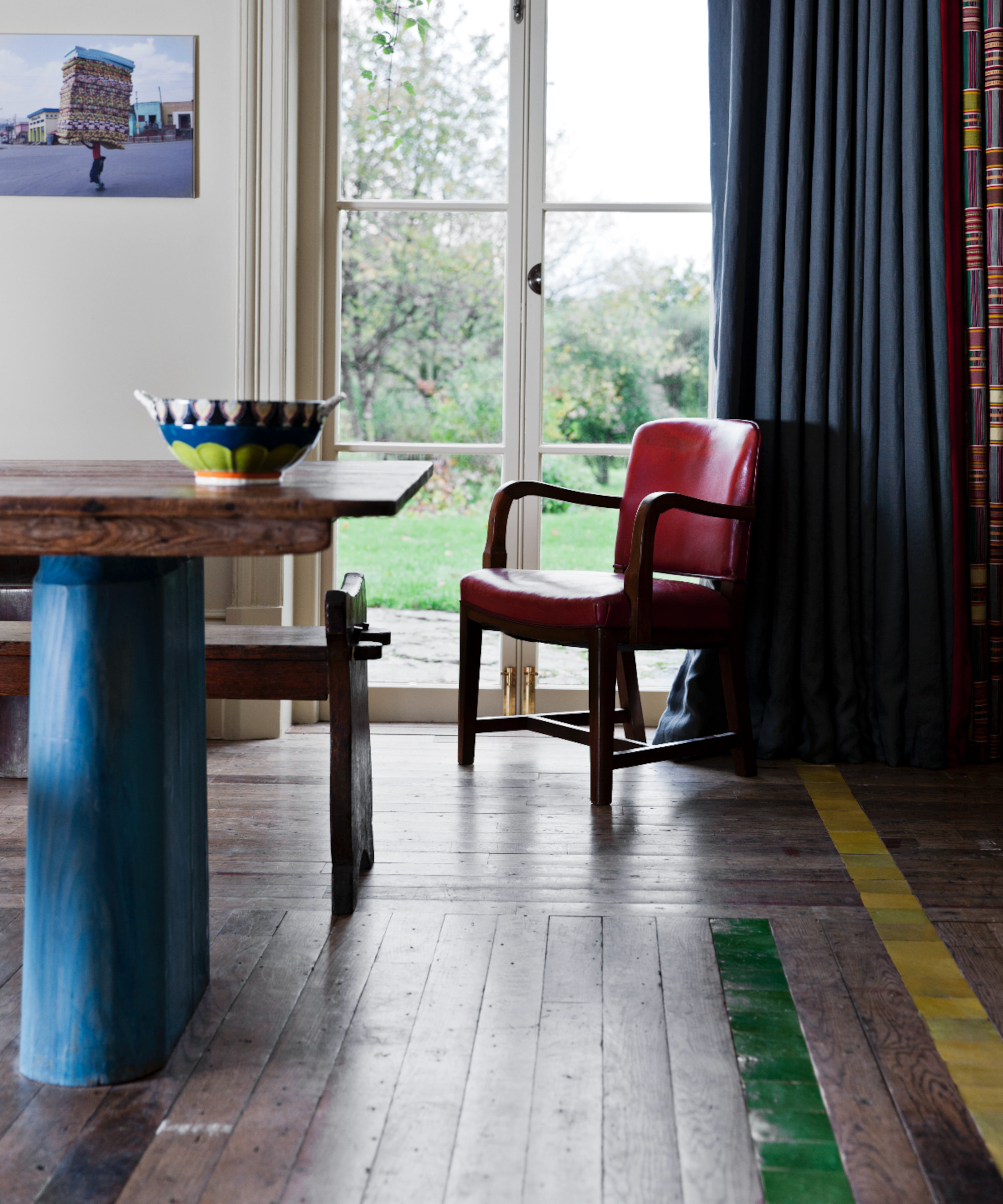
Coleman criticizes the tendency in building work to strip everything out, even when minor repairs could suffice. She cites the example of wooden floors, suggesting that instead of covering them with plastic laminate, investing time in refurbishment yields a more aesthetically pleasing and environmentally friendly outcome. 'Recycling' is presented as a last resort, as it signifies that an item has become waste. She challenges the common consumer belief that simply putting items in the correct bin absolves one of responsibility, arguing that the focus should be on curbing the influx of new products into the system.
Coleman shares her personal experience with a deep renovation of her own home, where she prioritized environmentally friendly infrastructure like a heat pump and rainwater harvesting over cosmetic finishes such as bathroom tiles. She asserts that the priority should be an environmentally responsible home, cautioning against prioritizing Instagrammable aesthetics over sustainable practices. She reminds that the planet is borrowed from future generations, not inherited.
For 'green interior quick wins,' Coleman recommends choosing eco-friendly paints, specifically looking at their shipping origin and VOC (Volatile Organic Compound) emissions. She also advocates for buying pre-loved items from platforms like DoneDeal and Freecycle, as well as exploring resources like Oxfam Furniture, salvage yards, and antique stores. She suggests that while this requires effort, it is more mindful than blind consumption. For upcycling, a Shellac-based primer is recommended for painting furniture, including flatpack items. Finally, she encourages supporting local makers, aligning with the social and economic pillars of sustainability by sustaining local communities and businesses.
#SustainableInteriorDesign #HomeRenovation #EcoFriendlyLiving #CircularEconomy #ReduceReuseRecycle #GreenHomewares #ConsciousConsumption #LocalMakers #SustainableInteriorDesign #HomeRenovation #EcoFriendlyLiving #CircularEconomy #ReduceReuseRecycle #GreenHomewares #ConsciousConsumption #LocalMakers
0 comment in total
 No comments yet
You may also like
I Wrote a Book About Sustainable Homes—These 8 Ideas Are Still Inspiring Me


How to talk to architects, builders and general contractors about sustainability
Experts swear by these 6 sustainable home renovation tips
2008 Design Trends


What books inspire sustainable interior design?

10 Sustainable Homes That Prove Interior Design Can Be Just as Easy on the Eye as It Is on the Earth

Delaware Experts Share Advice on Creating a Sustainable Home
What Sustainable Interior Design Really Means in 2025 — And Why It’s No Longer Just About the Materials
How I encourage my clients to make sustainable choices in their interior design

A Guide to Sustainable Design
Copy-And-Paste Interiors: Repeating A Look Isn’t Lazy — It’s Clever
How can you be more sustainable in your interior design? 10 things to always consider

The best ways to talk about sustainability with your clients


Year in review: top 10 design stories of 2022, selected by Wallpaper* design editor Rosa Bertoli

What Can Be Done to Make Interiors More Sustainable?

Future-Proofing Design: How Interiors Will Evolve in 2023 and Beyond
Sustainable Home Décor: Eco-Friendly Interior Design Trends to Watch

Stand Out with 2026 Home Trends
Sustainable Interior Design Trends for 2024: Embracing Eco-Friendly Living

Interior Design Trends for 2021