1/8
7 breathtaking sustainable homes around the world
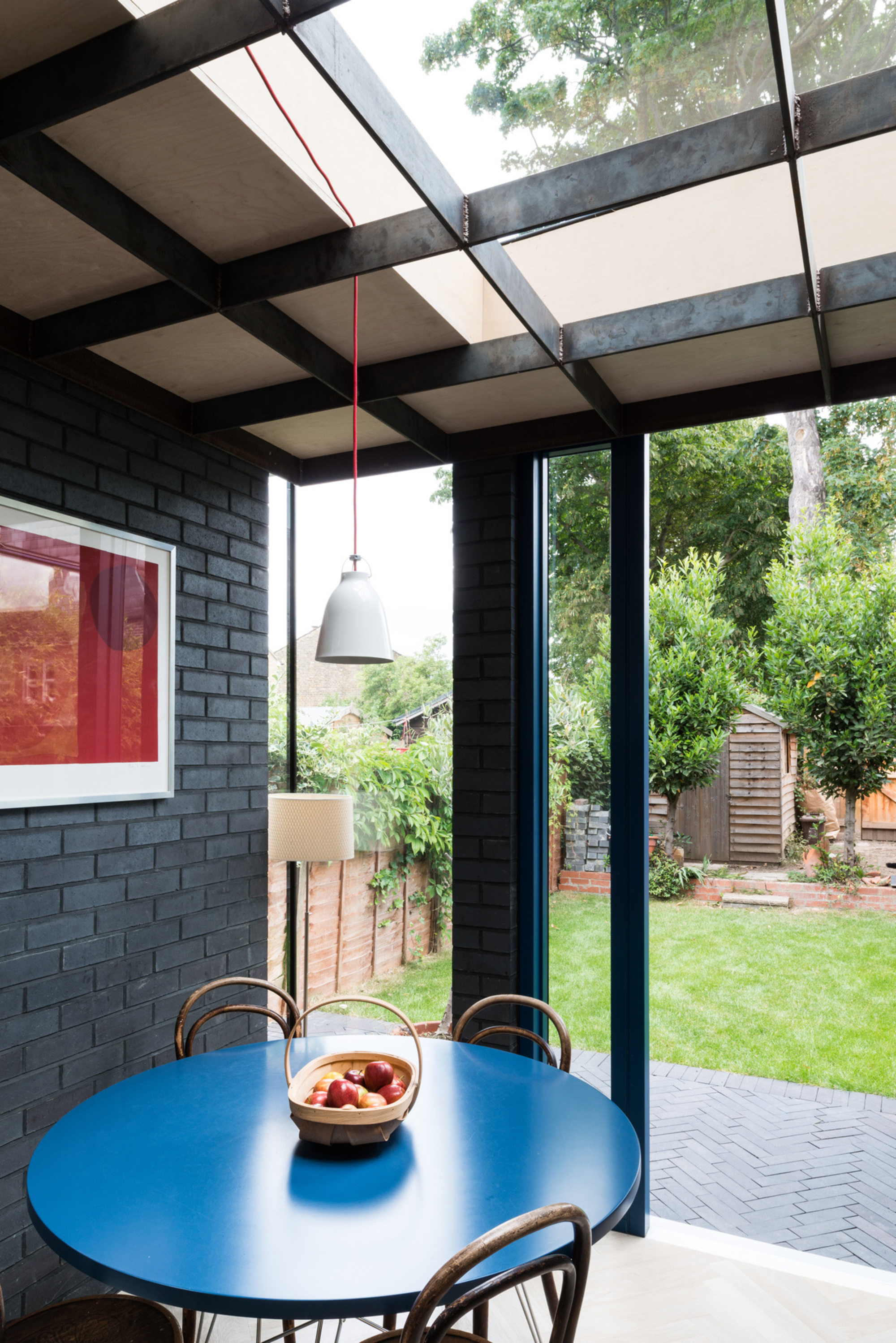
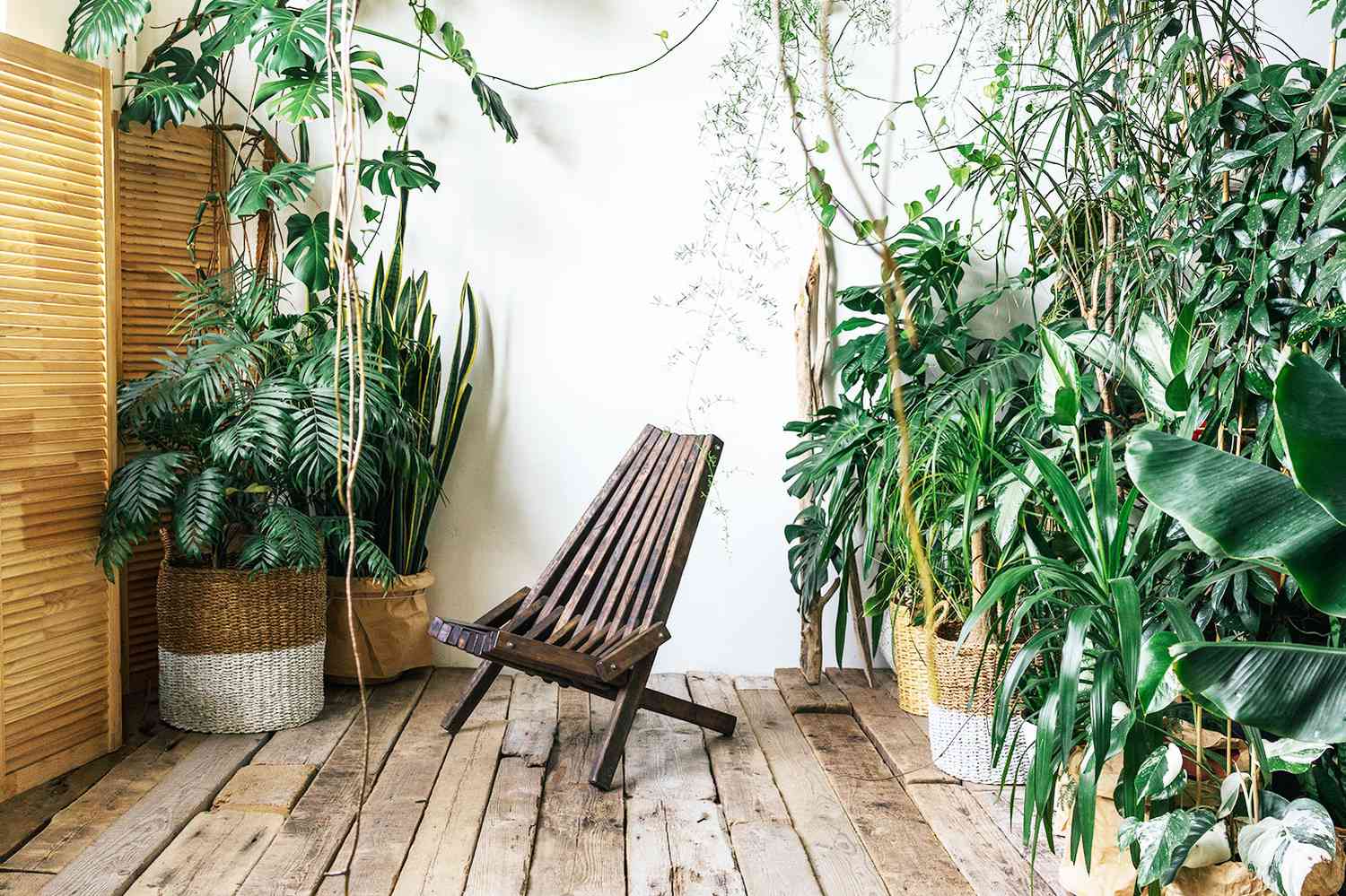
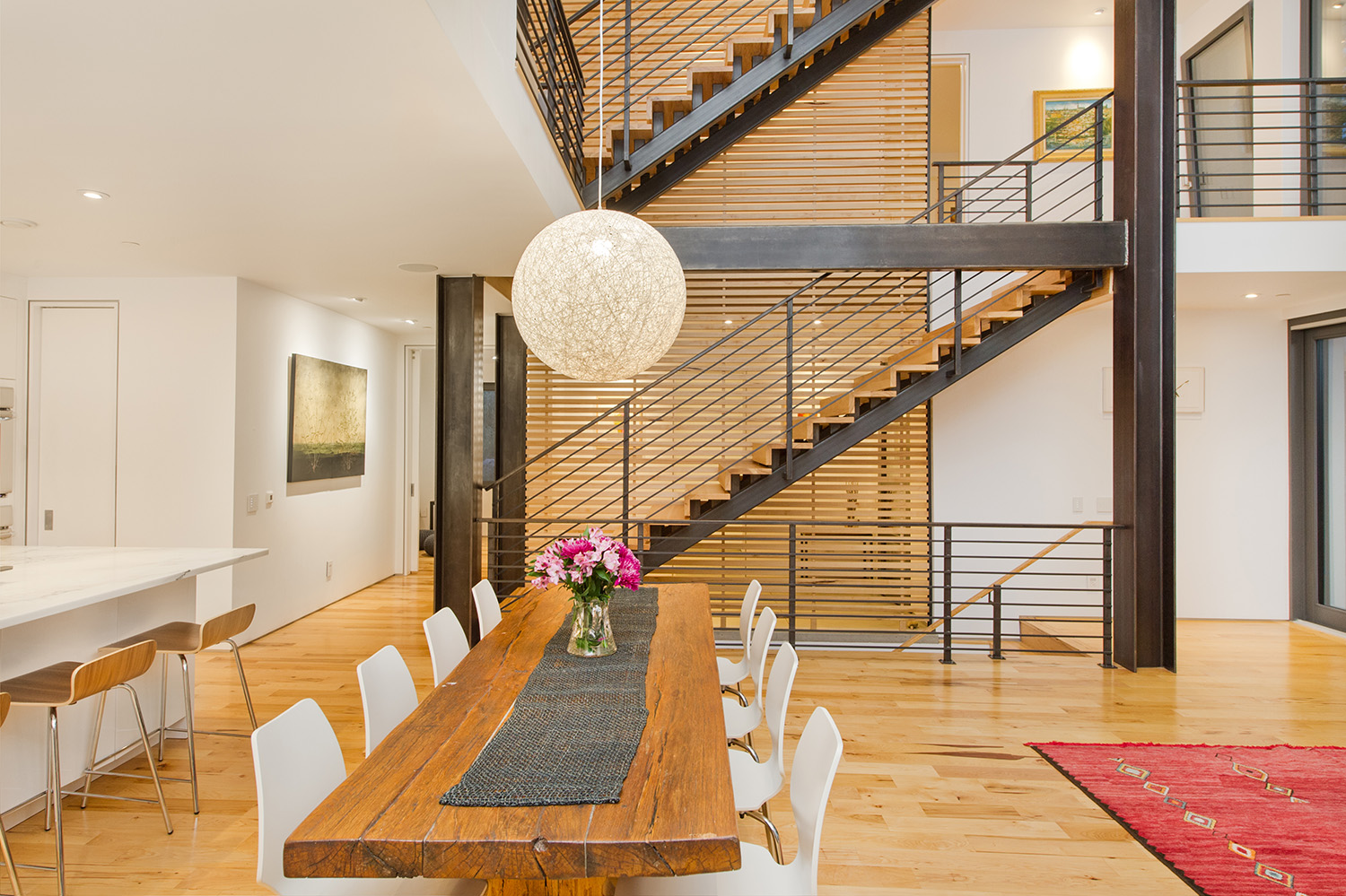
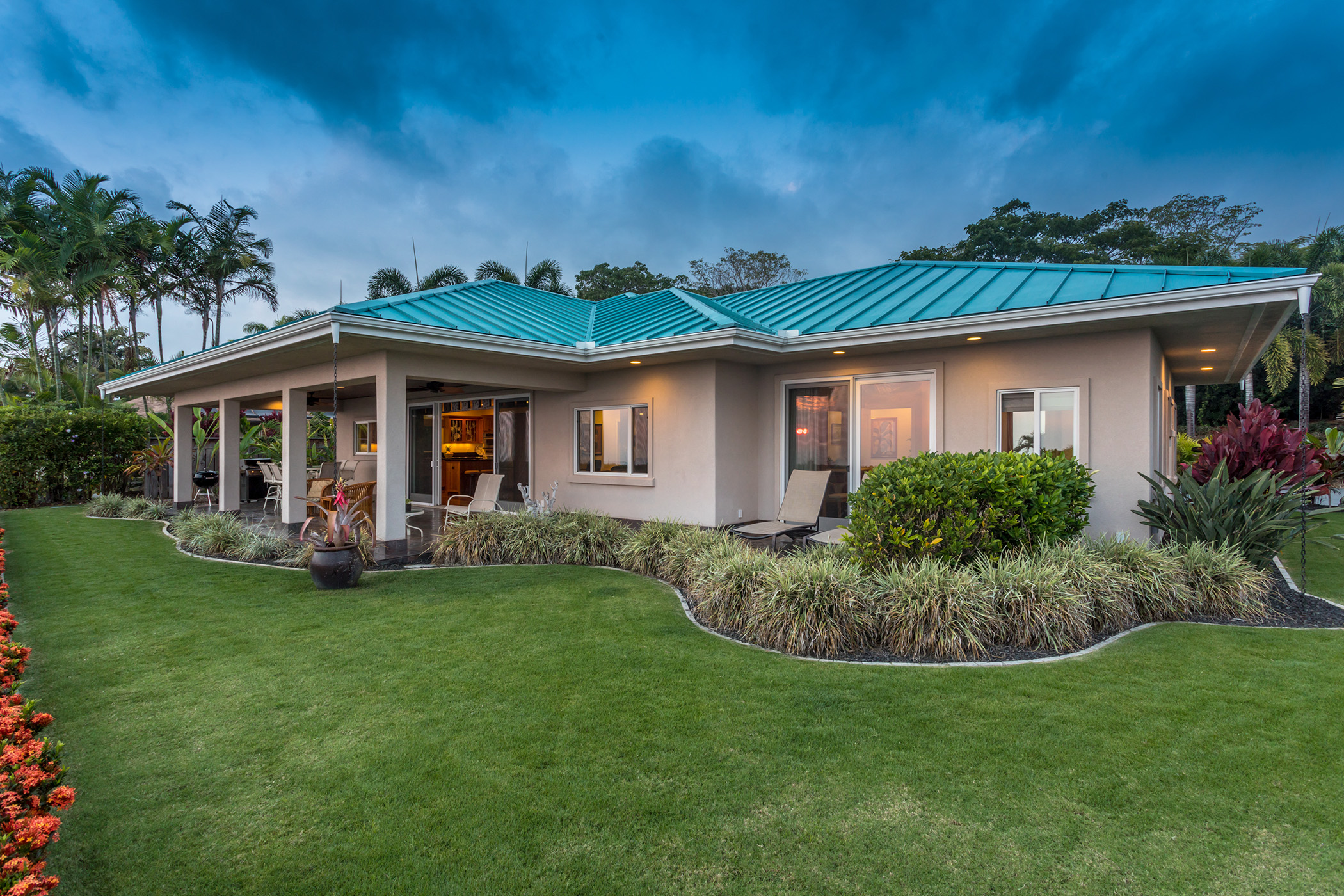
The article explores the increasing necessity of sustainable homes in response to global challenges such as the climate crisis, depletion of natural resources, aging populations, and rapid urbanization. It highlights the crucial role architects play in creating a positive future through innovative and sustainable design. Avi Friedman, author of "Future Homes: Sustainable Innovative Designs," emphasizes that sustainable thinking involves considering the future consequences of present actions. His book showcases a collection of homes that exemplify this forward-thinking approach, addressing diverse aspects of sustainability including environmental considerations, community integration, and aesthetic longevity. Friedman selected these homes based on their innovative sustainable responses to emerging social challenges, as well as their architectural appeal and clever design.
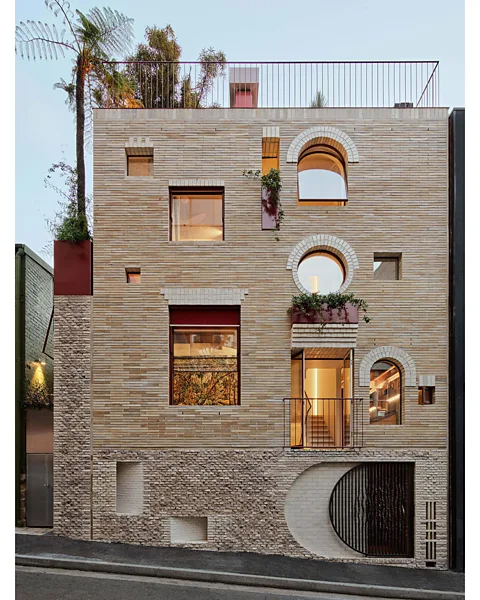
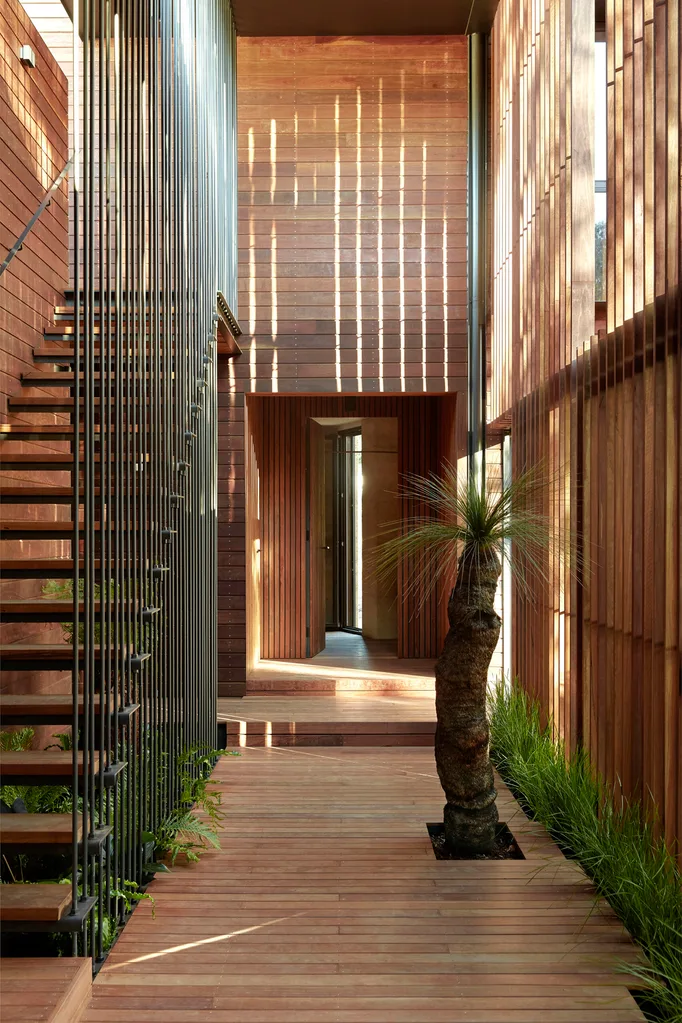
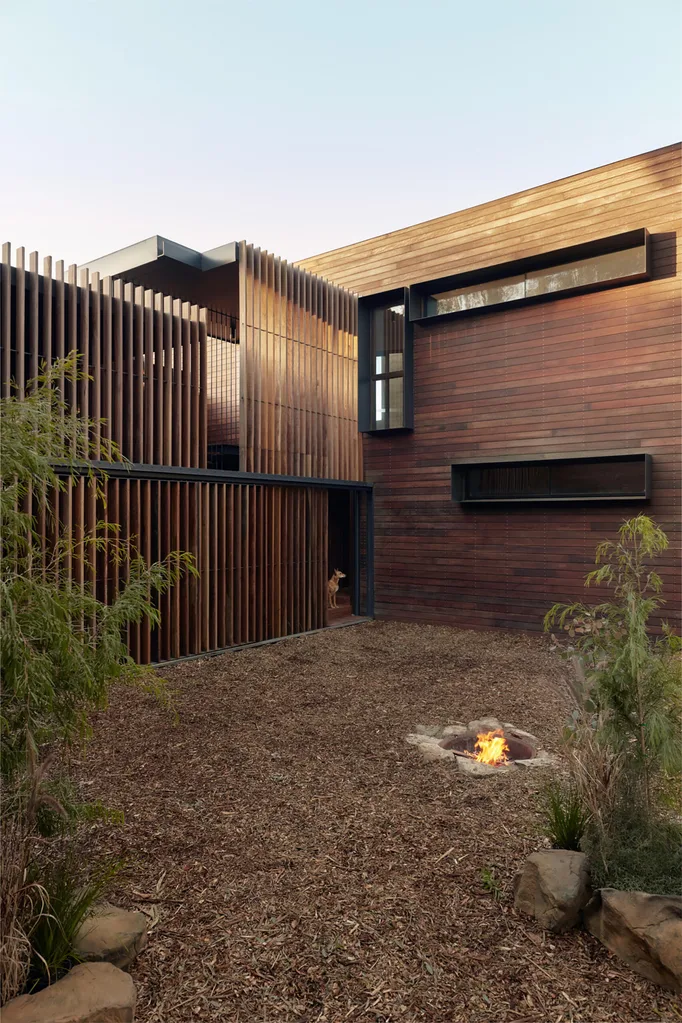
The article then details seven exemplary sustainable homes from around the world. The first, SysHaus in São Paulo, Brazil, is a customizable prefabricated home designed by Arthur Casas. These homes utilize recyclable materials and offer optional features like green roofs, rainwater collection systems, solar panels, and biodigesters for waste-to-energy conversion. The second, Holmberg House in Belgrano, Argentina, features an innovative water delivery and circulation system integrated into its façade. This system, resembling a radiator, not only circulates water but also supports plant growth, creating beneficial microclimates. The third, Living Screen House in Sydney, Australia, incorporates a unique wood grid façade with windows and perforated metal panels, maximizing natural light for interior LED-lit green living walls. It also includes smart home systems for energy monitoring, solar panels, and an integrated water collection and reuse system.
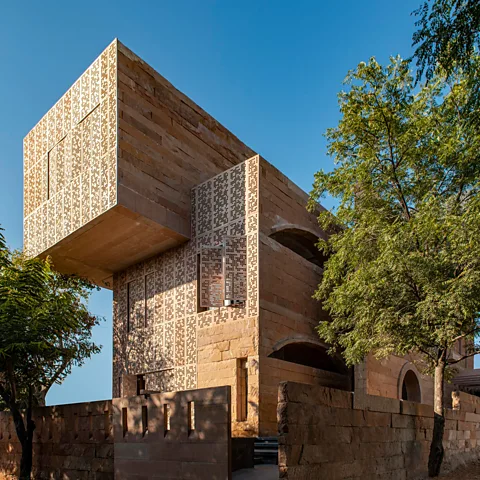
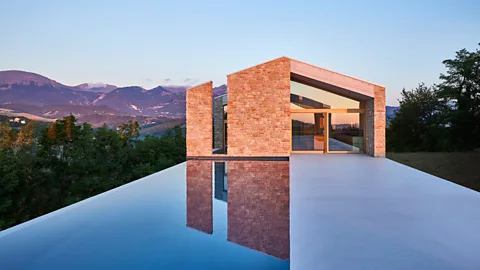
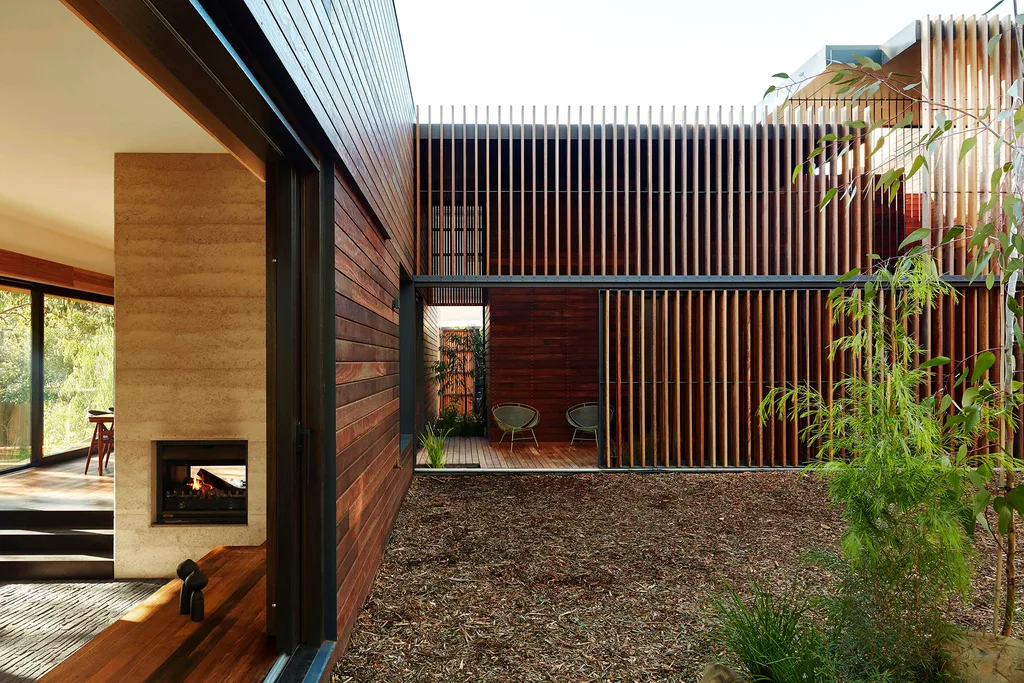
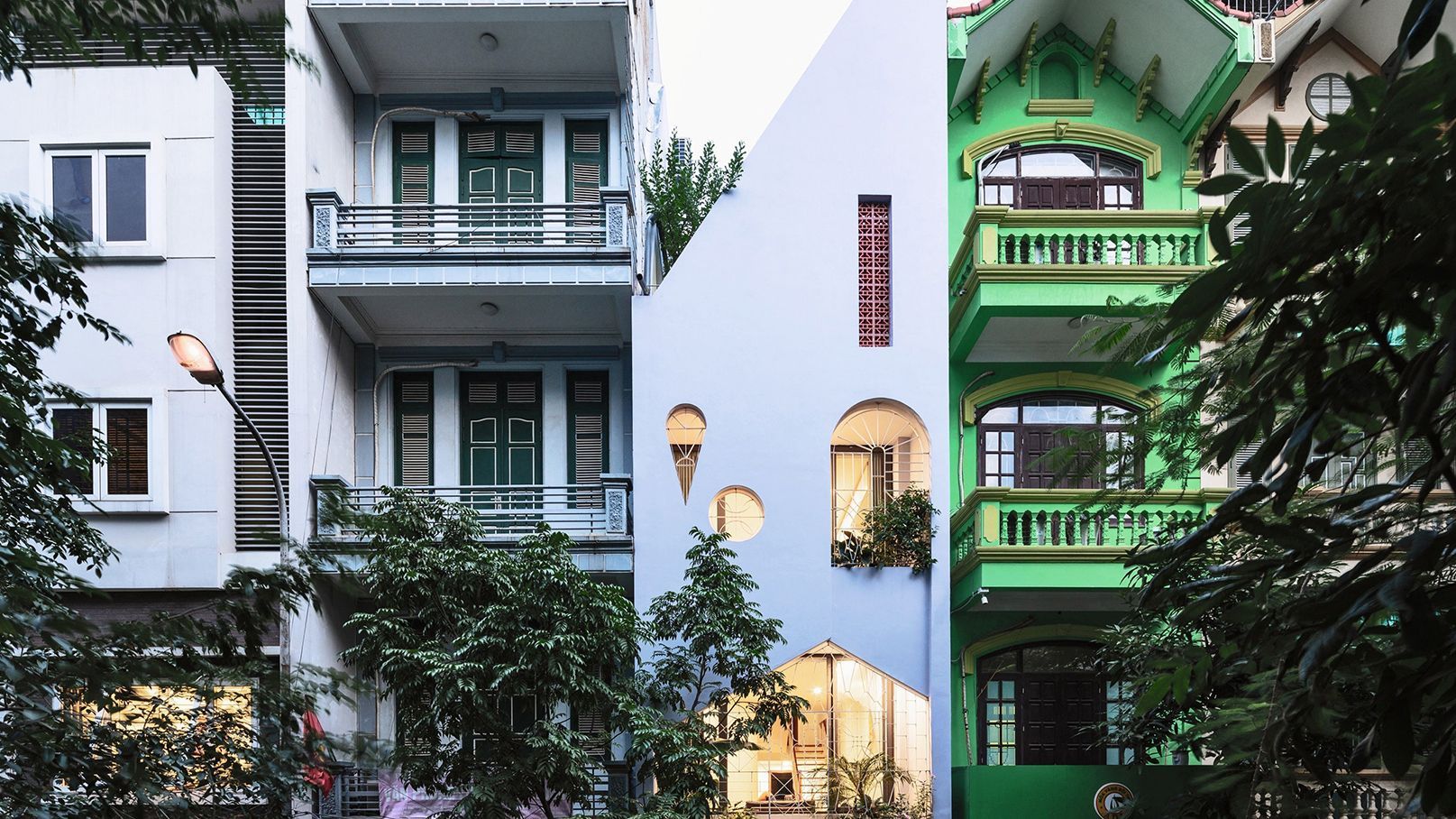
Limestone House in Melbourne, Australia, designed by John Wardle Architects, is the fourth example. This home adheres to rigorous Passivhaus and Living Building Challenge (LBC) standards through airtight construction, triple-glazed windows, and high-performing insulation, significantly reducing energy consumption for heating and cooling. The fifth, Đai Kim House in Hanoi, Vietnam, focuses on maximizing ventilation and creating visual interest through its façade. This mass-customization approach aims to prevent architectural monotony and enhance occupants' sense of personalization. The sixth, Marmalade Lane Cohousing Project in Cambridge, UK, designed by Mole Architects, promotes a socially active and eco-friendly lifestyle. It offers modular dwelling units and shared common spaces, fostering a community dedicated to a sustainable social future.
Finally, the article presents Hammarby Sjöstad in Stockholm, Sweden, a residential development designed to encourage alternative transportation methods. This community has achieved a largely car-free environment through strategic planning, including extensive public transportation access, wide, landscaped sidewalks, and close proximity between residential and commercial areas. These seven homes collectively illustrate the diverse and impactful ways architects are responding to contemporary challenges by integrating sustainability into their designs, creating functional, aesthetically pleasing, and environmentally responsible living spaces worldwide.
#SustainableHomes #SustainableDesign #Architecture #EnvironmentalDesign #EcoFriendlyHomes #GreenArchitecture #UrbanPlanning #SustainableHomes #SustainableDesign #Architecture #EnvironmentalDesign #EcoFriendlyHomes #GreenArchitecture #UrbanPlanning
0 comment in total
 No comments yet
You may also like
7 sustainable homes with style

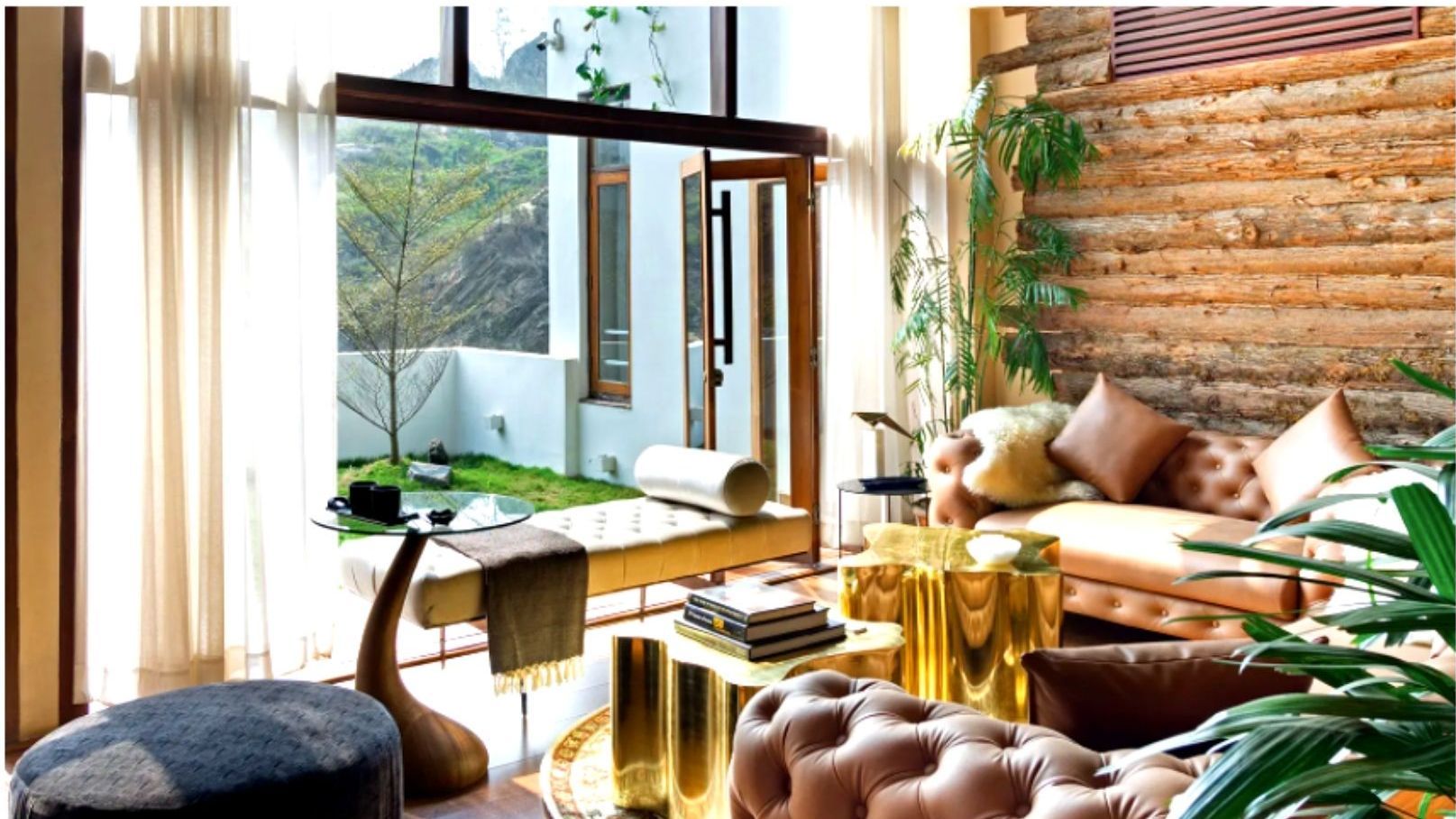
4 Indian homes that spotlight sustainable design practices

12 Ways To Create a More Sustainable Home

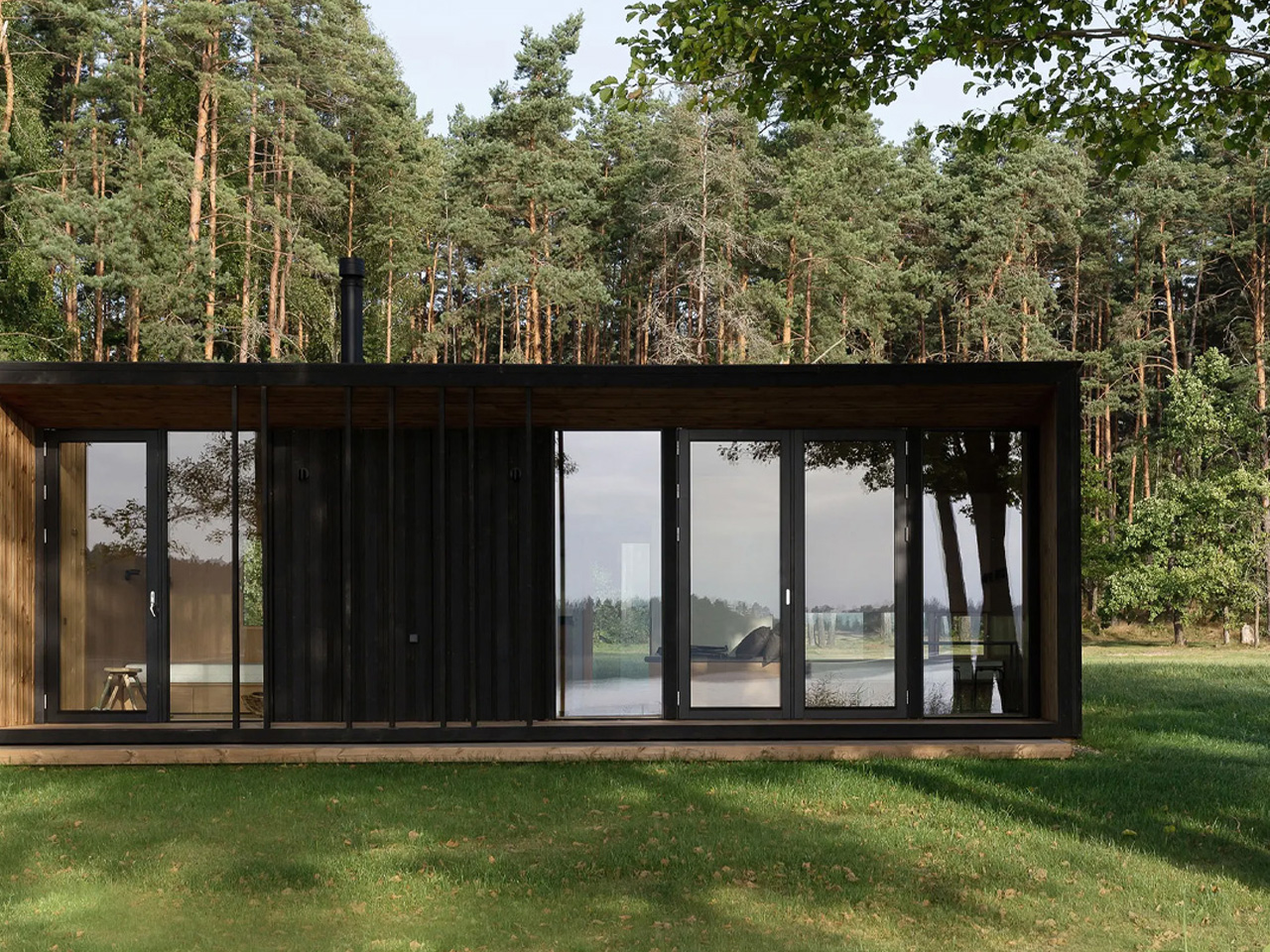
Top 10 Homes Designed To Be Sustainable Retreats For Off-Grid Living

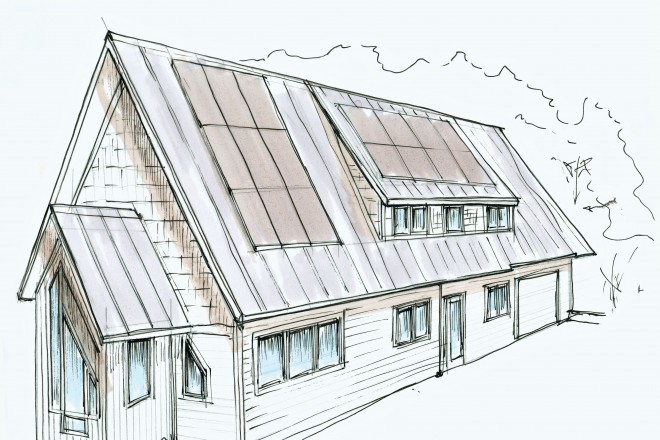
Sustainable Homes
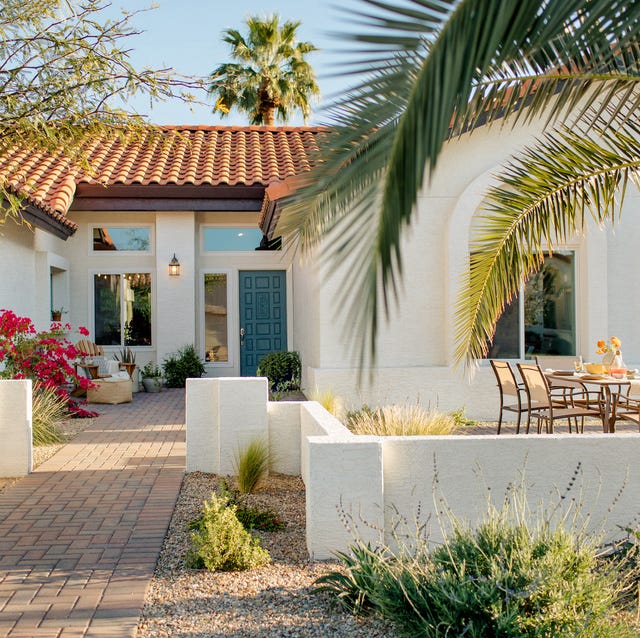
11 Eco-Friendly Houses That Will Inspire You to Live Greener

The top 7 sustainable interior design creators

3 sustainable homes with bamboo screens that redefine indoor-outdoor living
10 Sustainable Homes That Prove Interior Design Can Be Just as Easy on the Eye as It Is on the Earth

Eco-house: 10 sustainable homes with clever design ideas
7 sustainable buildings in Italy
Gorgeous Green: Sustainable Housing In A Place You Wouldn’t Expect
7 Design Trends That Will Make Your Home More Sustainable
7 Innovative Home Decor Items With Sustainable Origins

6 beautiful homes that run on solar power

5 sustainable home solutions that won’t cramp your style
I'm Obsessed With These 7 Home Brands Doing Cool Things in the Sustainability Space
Eight of the world's most remarkable homes
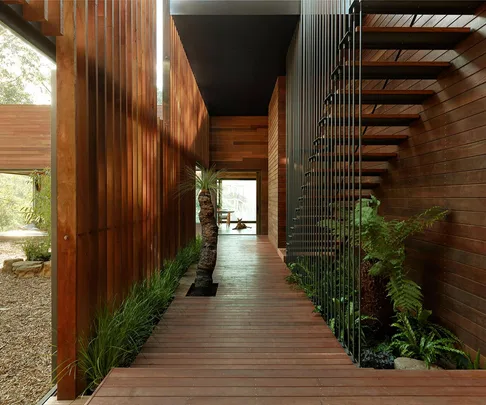
This sustainable home is at one with nature
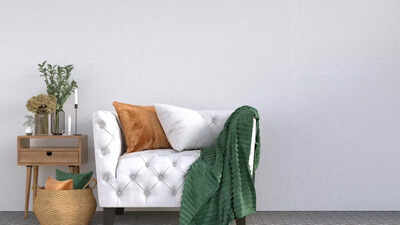
Sustainable home decor: Eco-friendly interior design trends to watch