1/8
I'm Obsessed With These 7 Home Brands Doing Cool Things in the Sustainability Space
This article highlights seven innovative product designs that are spearheading sustainability in home decor for 2025, emphasizing the growing importance of environmentally-conscious choices in interior design. As Earth Month prompts reflection on our impact on the planet, the featured brands demonstrate how design can minimize waste, promote circularity, and encourage new approaches to home aesthetics.
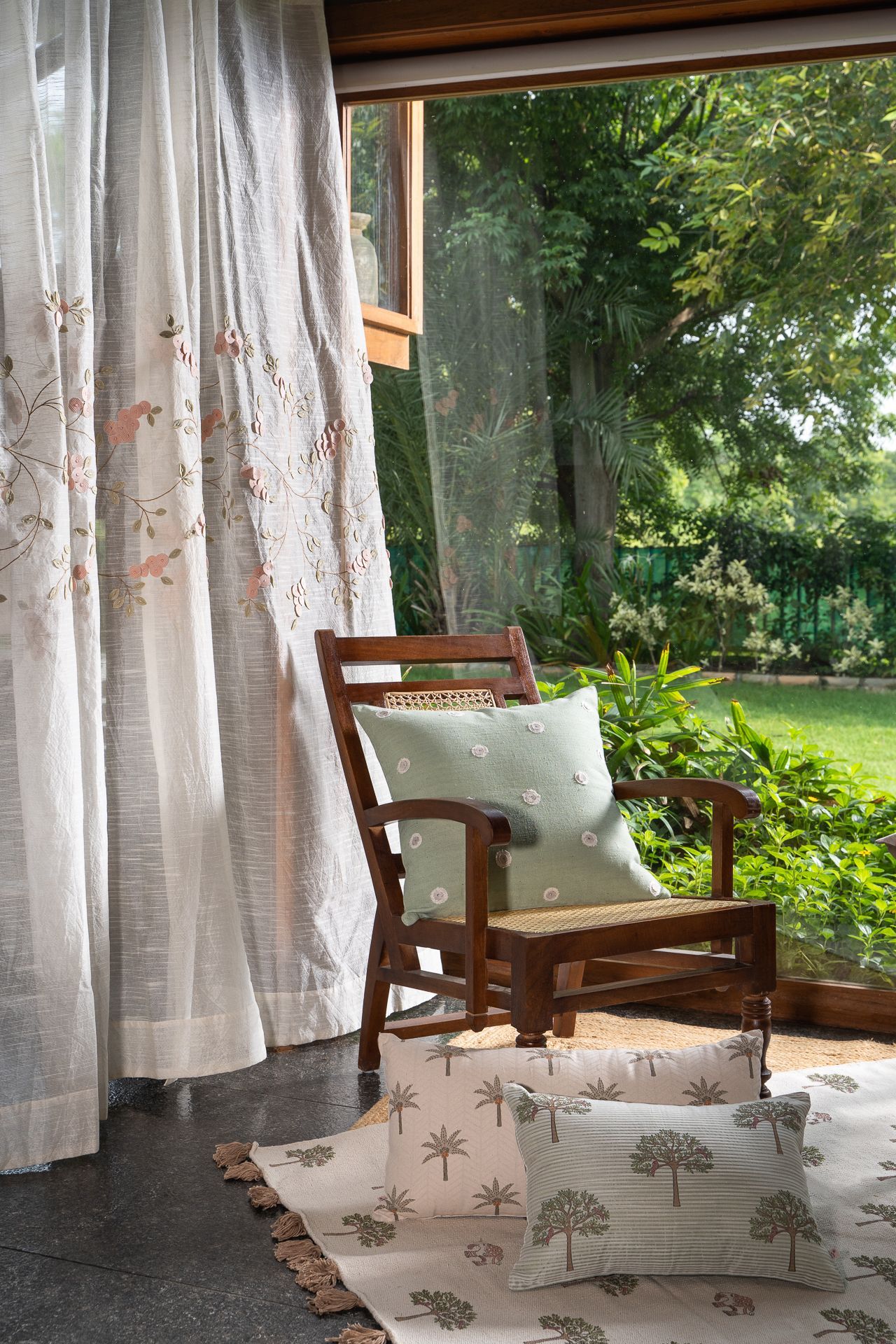
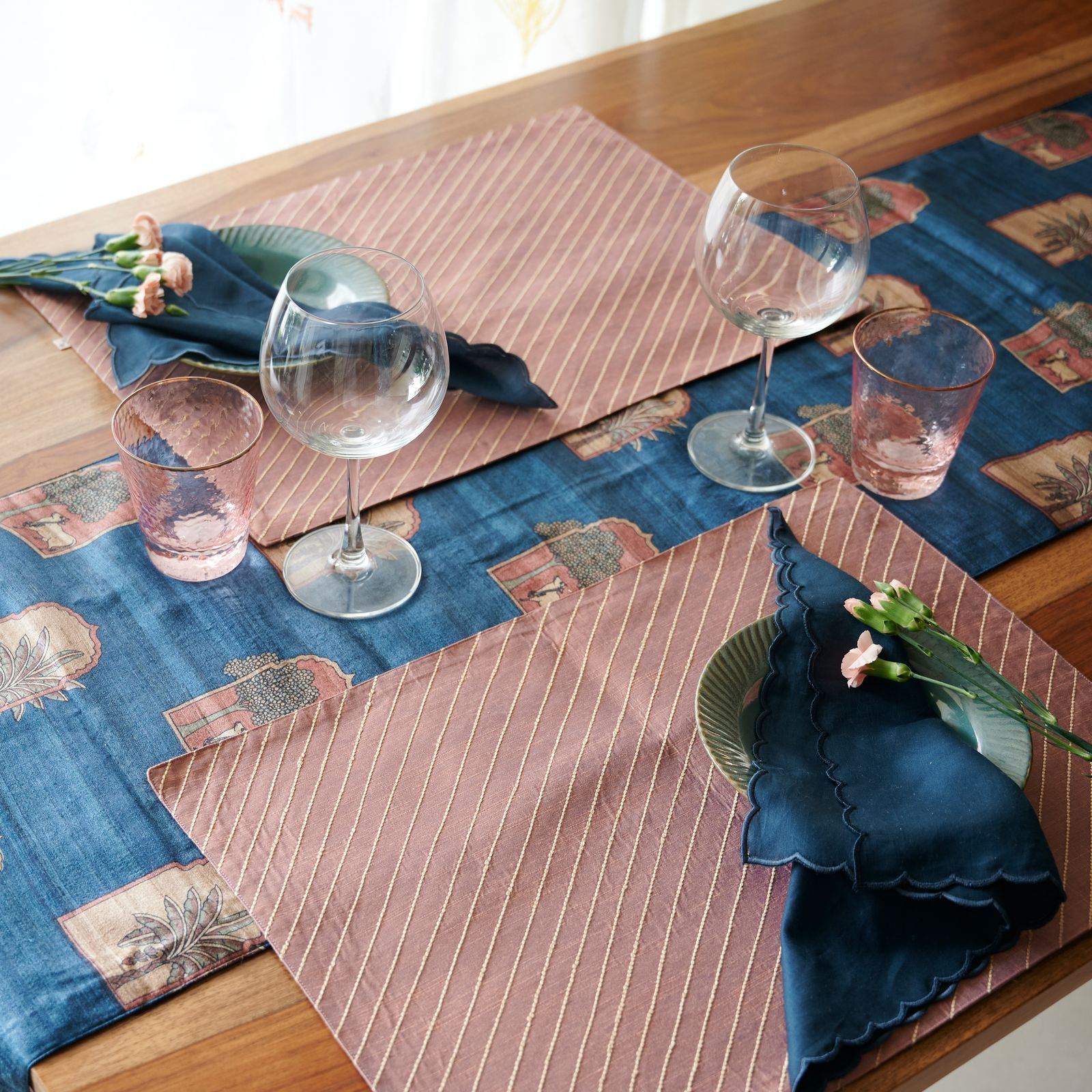
The first featured brand, Juslin Maunula, a Helsinki-based design studio, tackles textile waste by transforming deadstock fabrics into desirable homeware pieces such as floor cushions, pillows, and poufs. Founders Lilli Maunula and Laura Juslin, with backgrounds in fashion, aim to convert forgotten materials into purposeful products, showcasing their commitment to progress in sustainability.
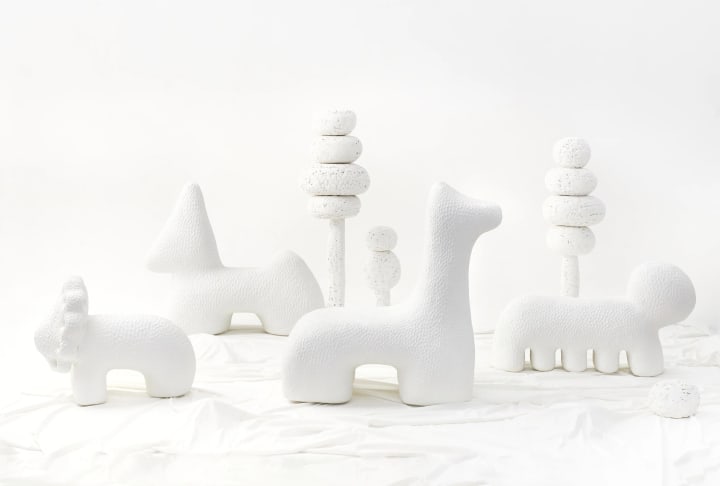
Mater Design illustrates that sustainable furniture can be chic through its use of Matek, a patented material made from waste. The brand’s CEO, Ketil Årdal, highlights their cutting-edge technology for transforming waste into high-end design. Mater collaborates with renowned designers like Patricia Urquiola, whose Adler collection features lounge and side tables made from biodegradable plastic that can decompose naturally at the end of their lifecycle, preventing landfill accumulation.
LAUFEN, a Swiss sanitaryware brand, introduces innovation with the world’s first electric kiln, a decarbonized chamber producing sanitaryware without fossil fuels. Their collaboration with designer Yves Behar resulted in the VOLTA washbasin, which debuted at Milan Design Week. Emma Mottram, LAUFEN’s brand marketing manager, underscores the brand’s holistic approach to sustainability, incorporating water-saving solutions and recycled materials to define the future of bathroom design.
MycoWorks revolutionizes luxury materials with Reishi, a bio-material made from mycelium (mushroom root system). This “grown” material, crafted from recycled sawdust, bran, mycelium spawn, and filtered water combined with textiles, offers the aesthetic and durability of animal leather. MycoWorks' collaboration with Ligne Roset on the Kobold Sofa demonstrates Reishi’s potential in high-end home furnishings, emphasizing its role as a new design paradigm inviting nature into the creative process.
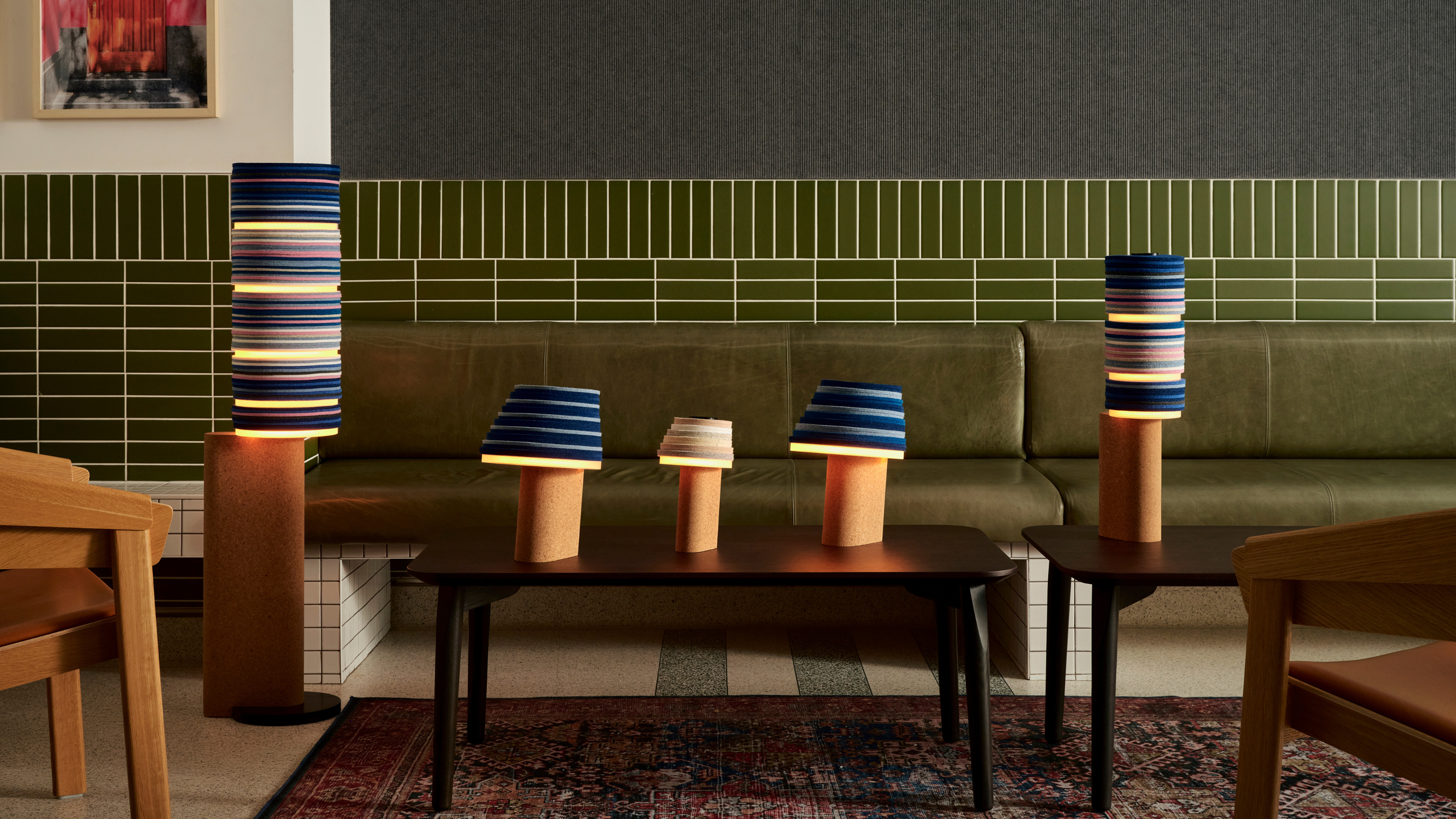
Stackabl, a Toronto-based design studio, initially focused on using scrap materials like wool felt for custom furniture and lighting. The brand's founder, Jeff Forrest, explains their commitment to reducing waste, increasing manufacturing efficiency, and extending product lifespan. Their 'Tilt and Shift' collection features lamps made from cork, a renewable and infinitely recyclable material. Designed for easy assembly, disassembly, adaptation, and repair, these products support a circular economy and encourage a rethinking of how products are conceived and valued.
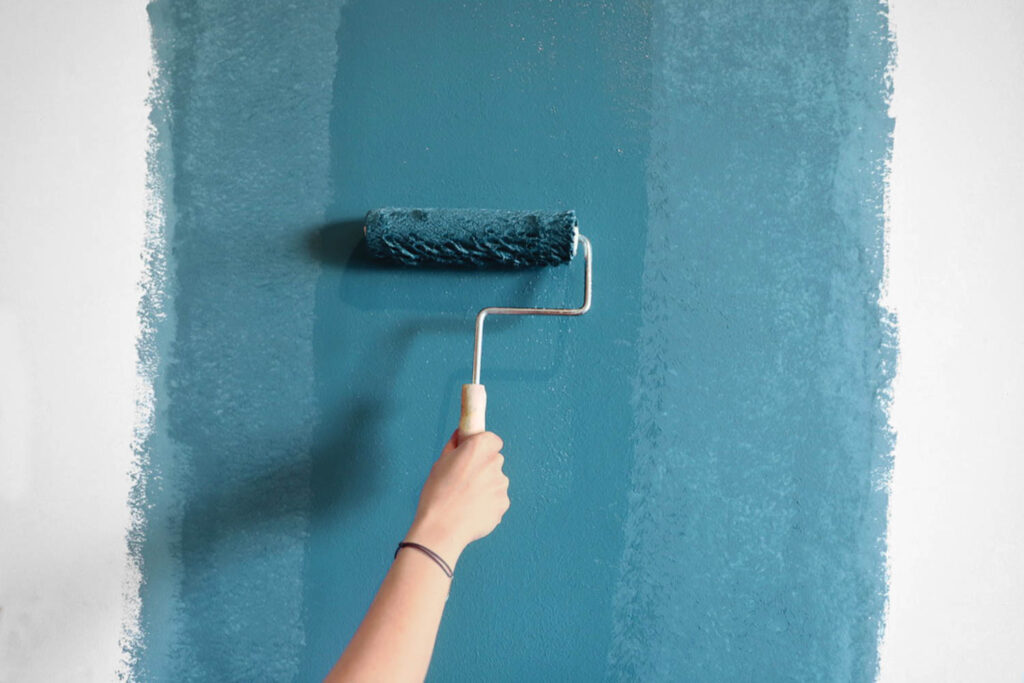
Mylands, a London-based paint brand, addresses the environmental impact of paint by creating eco-friendly options with low VOC content. For over a decade, Mylands has focused on reducing chemical and microplastic inclusion in its products. Their Olive Stone Emulsion paint, made from powdered olive stones, a by-product of the olive oil industry, exemplifies their dedication to plant-based, durable, and wipeable eco-paints, proving that environmental responsibility can be integrated into everyday household products.
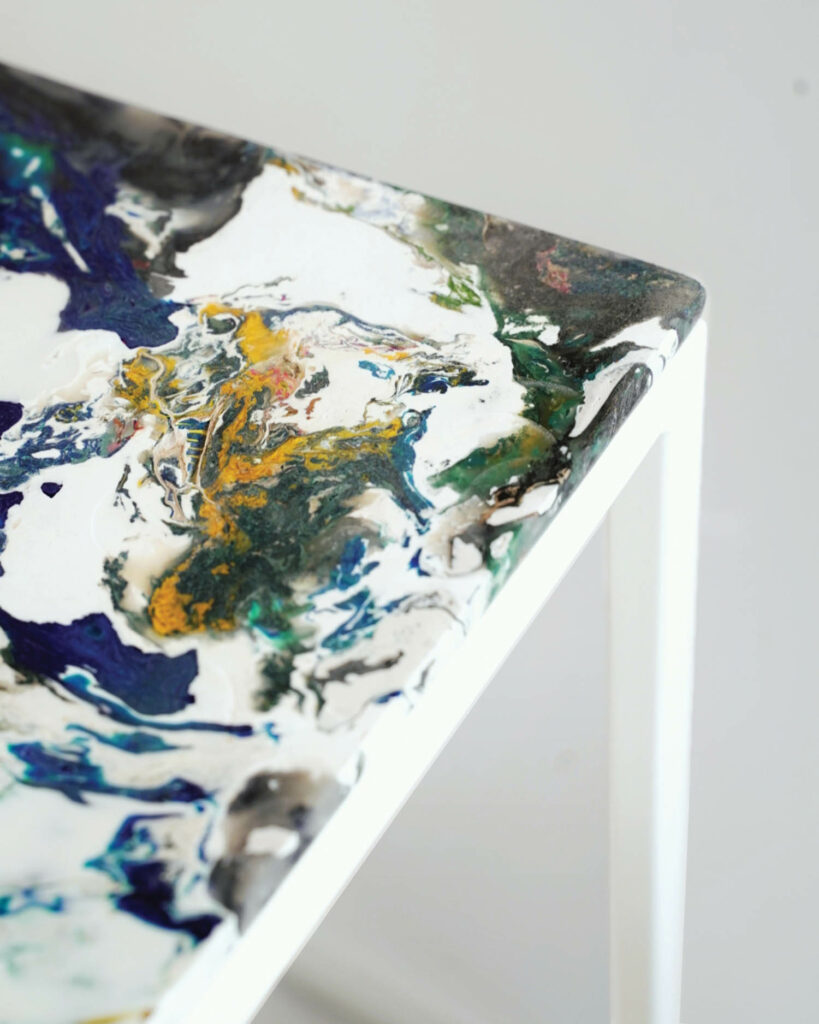
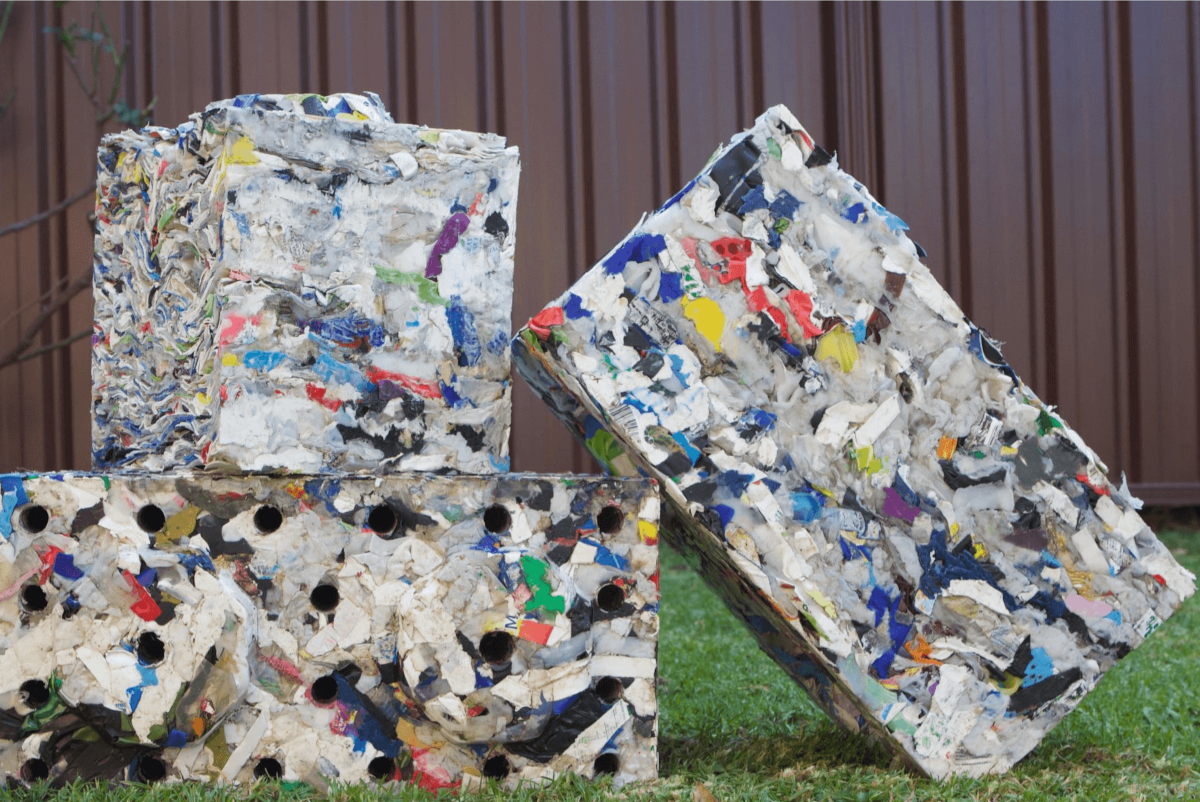
Finally, the Superpop collection by Italian furniture manufacturer Miniforms, in collaboration with designer Paolo Cappello, features versatile tables and stools made from recycled plastics. The polyethylene waste materials are sorted and melted at low temperatures, enabling repeated recycling and minimal environmental impact. These colorful and playful designs promote a circular approach to plastic use, offering durable and environmentally conscious furniture options for both indoor and outdoor spaces. The article concludes by encouraging readers to consider broader sustainable practices, such as sustainable wall finishes, flooring types, and building methods, to maximize environmental impact in their homes.
#SustainableProductDesign #EcoFriendlyHomeware #CircularEconomy #TextileWaste #BiodegradableFurniture #ElectricKilnSanitaryware #MyceliumMaterials #CorkLighting #LowVOCPaint #RecycledPlastics #SustainableProductDesign #EcoFriendlyHomeware #CircularEconomy #TextileWaste #BiodegradableFurniture #ElectricKilnSanitaryware #MyceliumMaterials #CorkLighting #LowVOCPaint #RecycledPlastics
0 comment in total
 No comments yet
You may also like
7 sustainable homes with style

Redecorating? Get Some Gorgeous Pieces From These Sustainable Furniture Brands


10 Innovative Materials Poised to Make Home Building More Sustainable

Sustainable home decor: Eco-friendly interior design trends to watch

7 Innovative Home Decor Items With Sustainable Origins

Preserving artisanal craftsmanship: How this brand is redefining sustainable home decor

8 Sustainable Home Improvements You Can Make In 2025

How to shop sustainably for your home – 12 stylish ways to make a statement

Shop Sustainably at These Eco-Friendly Home Decor and Furniture Brands
The top 7 sustainable interior design creators

Sustainable Home Décor: Eco-Friendly Interior Design Trends to Watch

These 10 Sustainable Home Technologies Will Change the Way We Live

7 Design Trends That Will Make Your Home More Sustainable
5 sustainable home solutions that won’t cramp your style

7 Trending Features That EVERY Homebuyer Wants Right Now

Hottest Home Trends in 2025
7 breathtaking sustainable homes around the world
Sustainable Homes
Sustainable House Day 2021: Top picks to explore this year
5 Celebrity Home Decor Brands We're Adding to Cart (And You Should Too)