1/48
Sustainable architecture: 46 innovative and inspiring building designs
The article discusses the increasing importance of sustainable architecture in 2025, driven by climate change and social challenges. It highlights how architects are focusing on materials, construction methods, building performance, provenance, maintenance, and the social impact of their designs. The Wallpaper* Design Awards 2025 recognized works that emphasize restoration, rebalancing, and renewal, with nature, wellbeing, and sustainability being central themes.
Leading architectural firms, such as Skidmore, Owings & Merrill (SOM), are developing innovative solutions like the ‘Urban Sequoia’ model for carbon-negative architecture. The article presents a curated list of 46 exemplary projects worldwide that embody sustainable principles, ranging from residential buildings to care centers and offices. These examples not only showcase aesthetic appeal but also demonstrate a commitment to environmental and social responsibility.
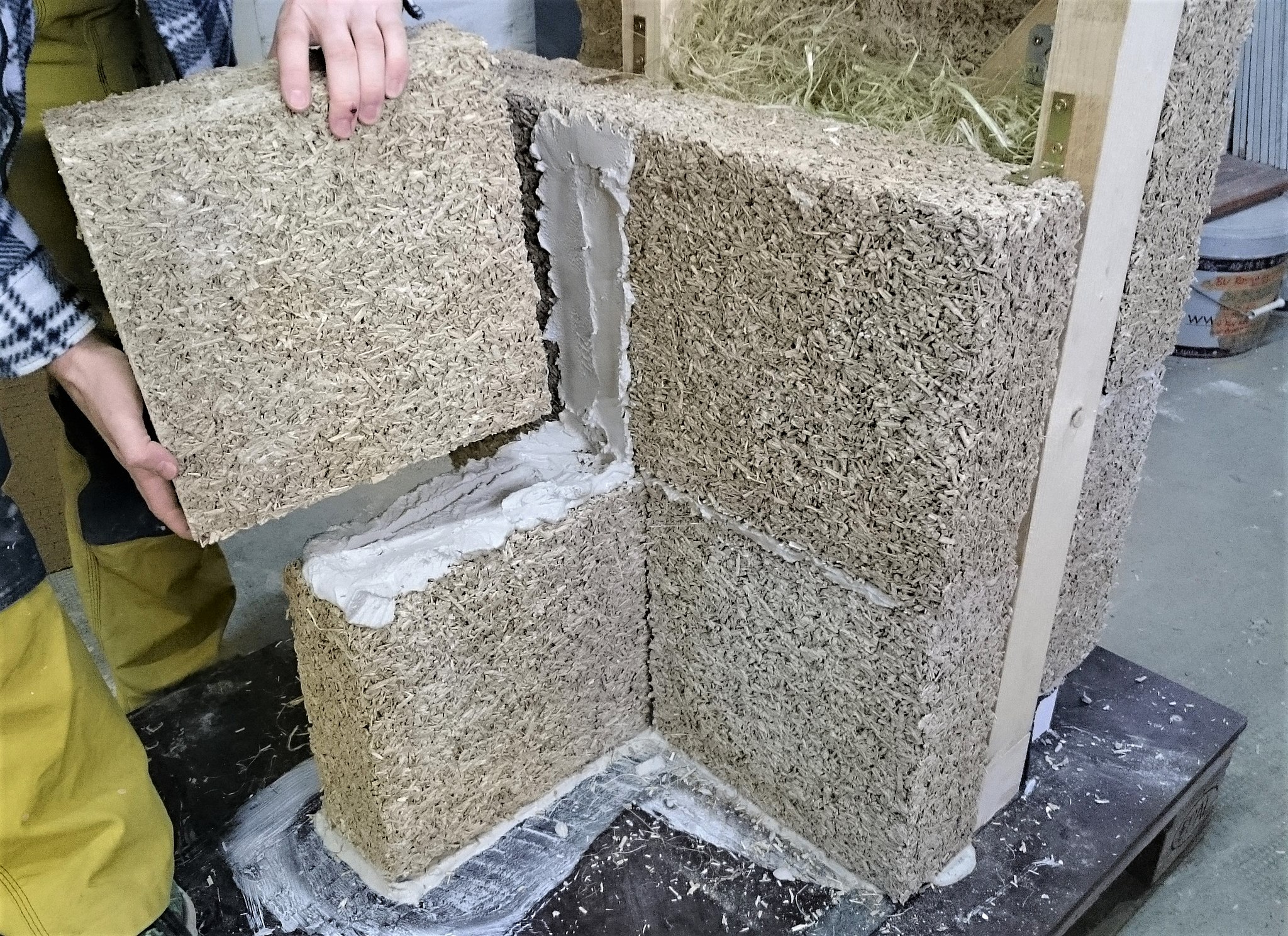
The core principles of sustainable architecture are broken down into several key areas. Firstly, a building's entire lifecycle – past, present, and future – is considered. This includes utilizing locally sourced materials to reduce transportation-related carbon emissions and employing construction methods that minimize environmental impact, such as prefabrication and innovative, low-carbon concrete. Examples like Seratech's carbon-neutral composite cement, winner of the 2022 Obel Prize, are highlighted for their material innovation.
Once constructed, buildings must support sustainable maintenance and energy efficiency throughout their operational life. This involves smart ventilation systems, adherence to Passivhaus principles, and the use of natural materials to foster user wellness by minimizing exposure to harmful substances. The Kempegowda International Airport Terminal 2, designed by SOM with interiors by Enter Projects Asia, exemplifies this approach by integrating green technologies and bamboo, reflecting Bengaluru's 'garden city' reputation.
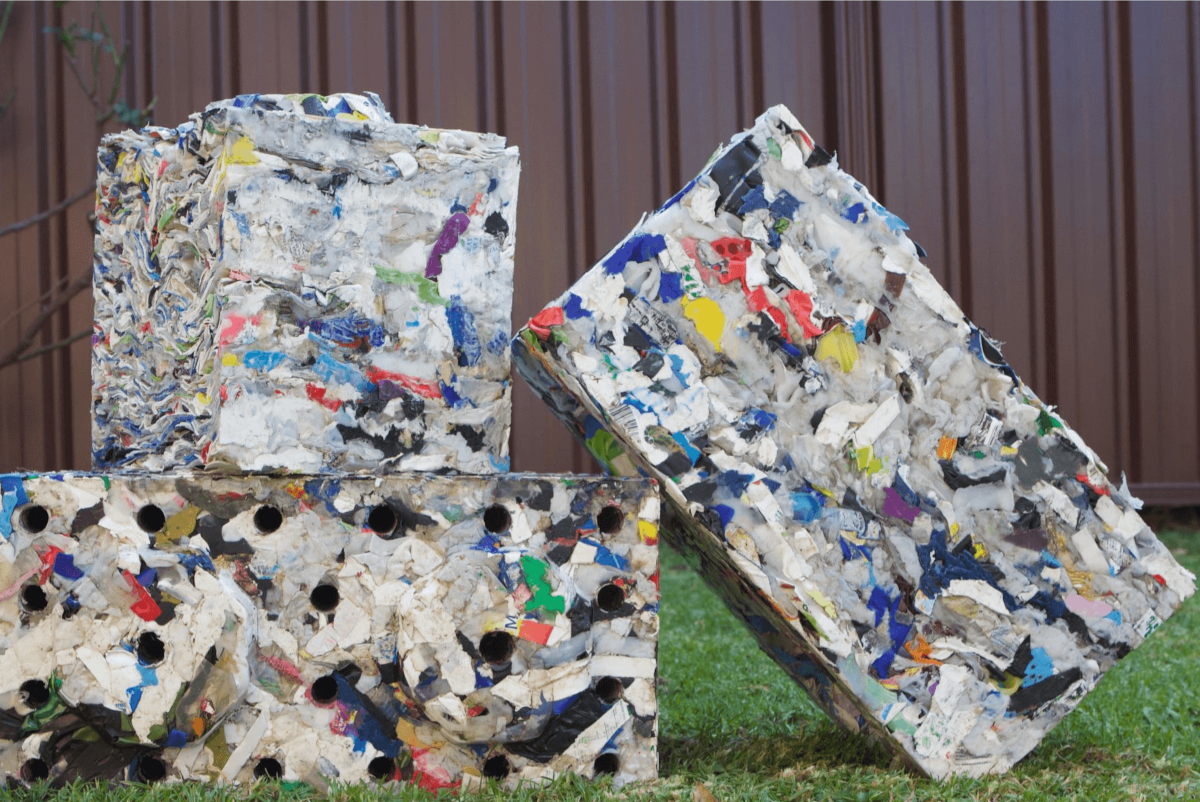
The 'afterlife' of architecture is another critical aspect, with many sustainable designs incorporating demountable and reusable components. This allows structures to be relocated, rebuilt, or have their materials recycled, extending their lifespan and reducing waste. The construction industry's significant contribution to carbon emissions makes ensuring a building's long, healthy life, or its adaptability for future retrofitting, crucial for sustainability. Apartamento Paraíso by Rúina, which transformed a fragmented space using recycled and repurposed materials, illustrates this principle.
Beyond environmental considerations, the social dimension of sustainable architecture is emphasized. Buildings are designed to serve a function for their users and local communities, necessitating thoughtful design that enhances quality of life and is future-proofed for long-term efficiency. This includes blending accessibility and inclusivity into designs to cater to diverse needs, such as aging populations or those with varying abilities. Knox Bhavan's March House, a prefabricated, flood- and future-proof home, exemplifies how architectural design can integrate strong eco-credentials with functional, contemporary living in a sensitive natural environment.
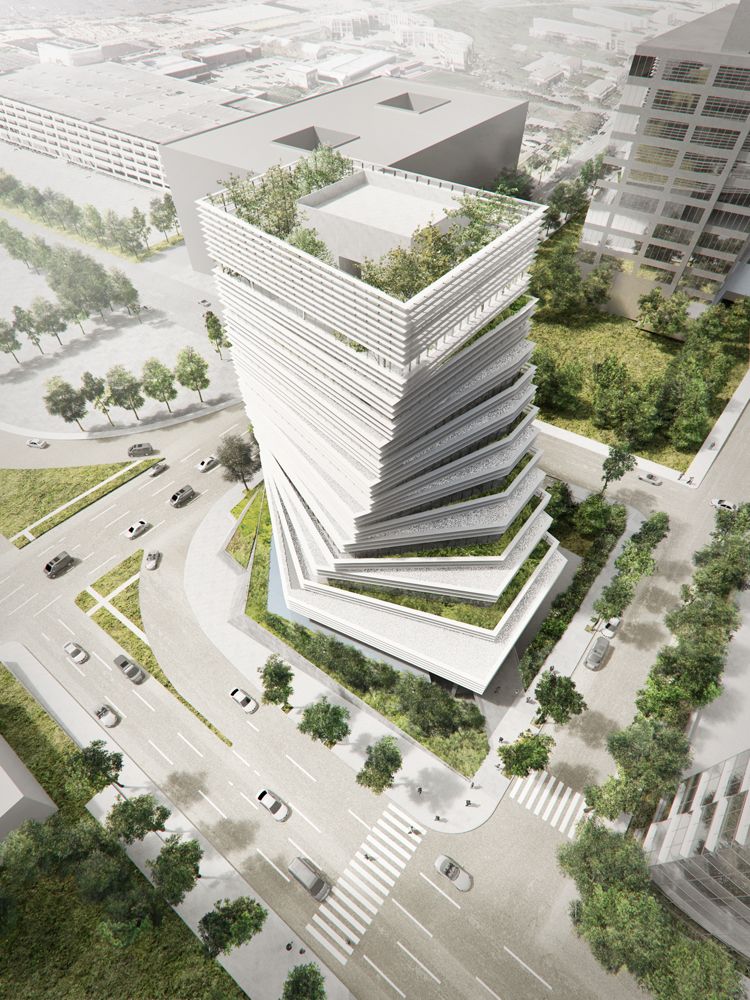
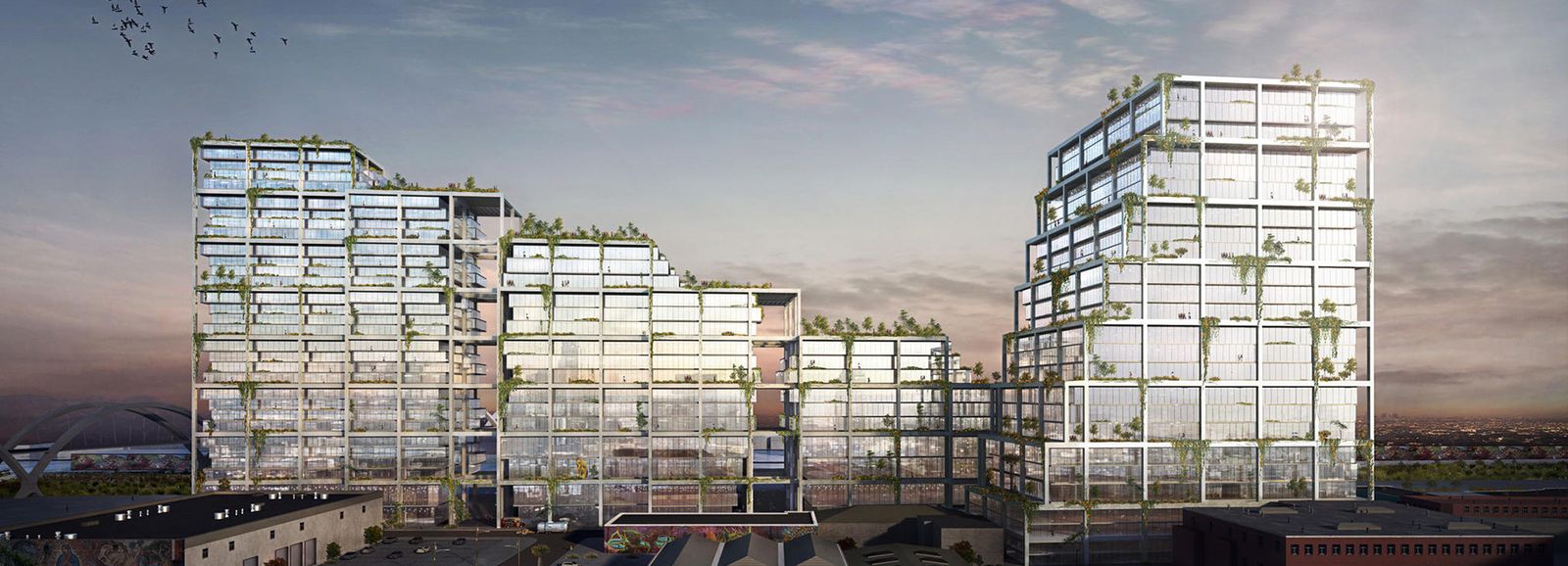
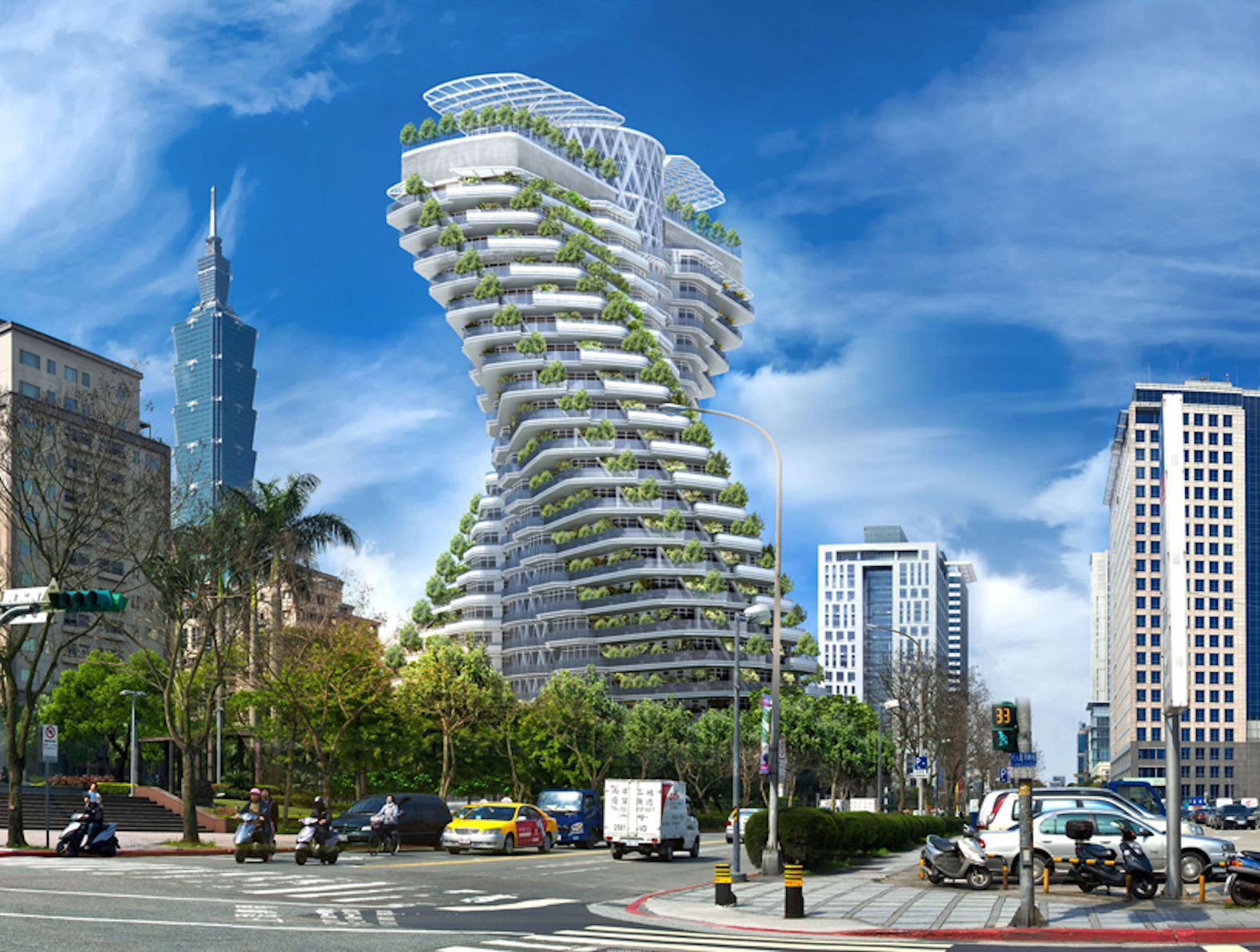
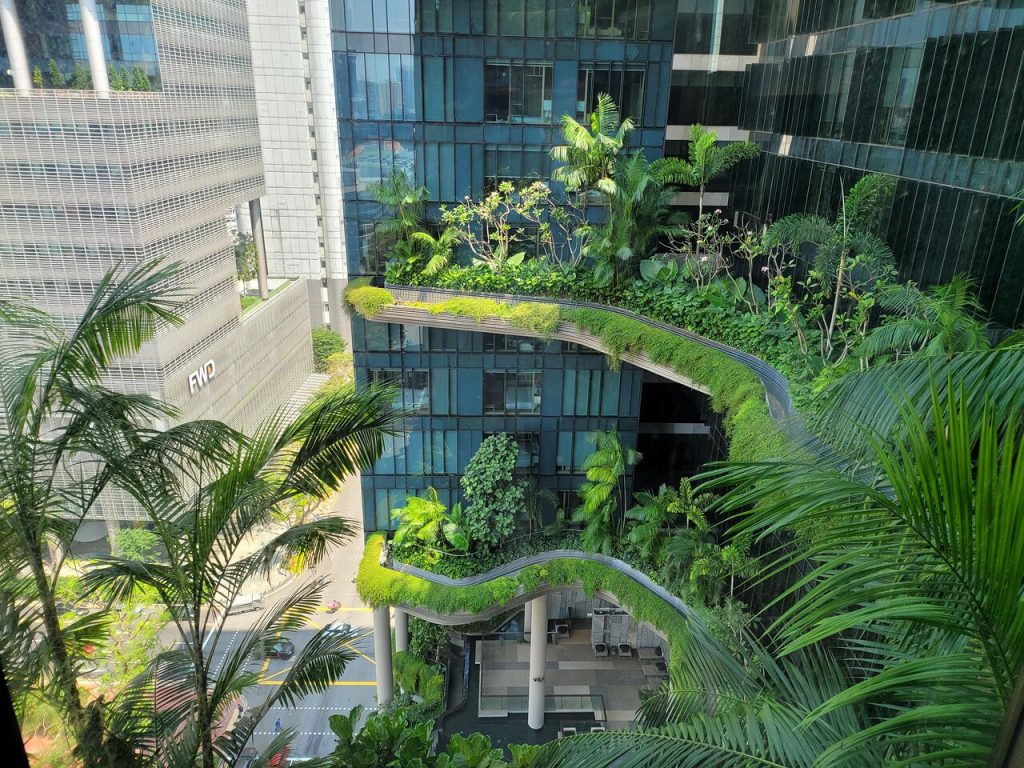
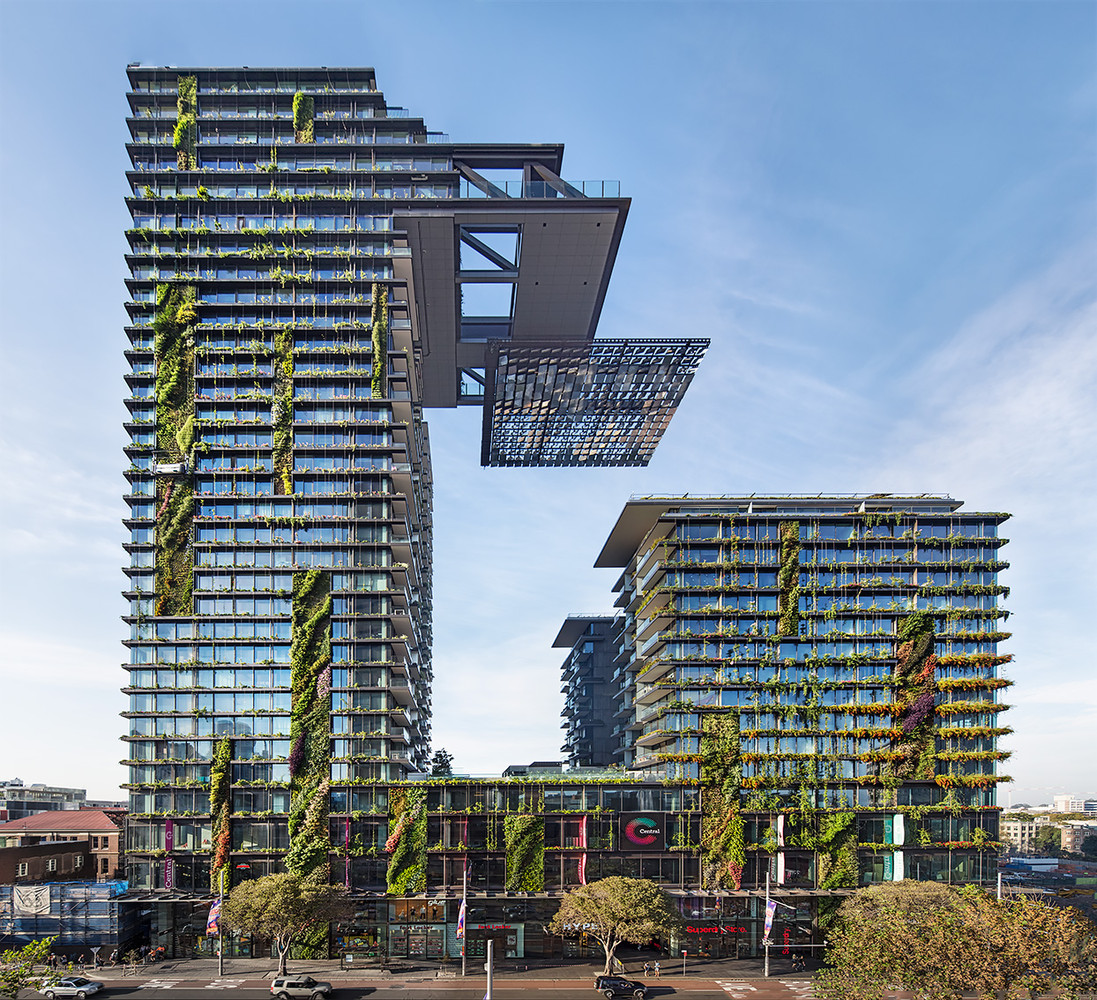
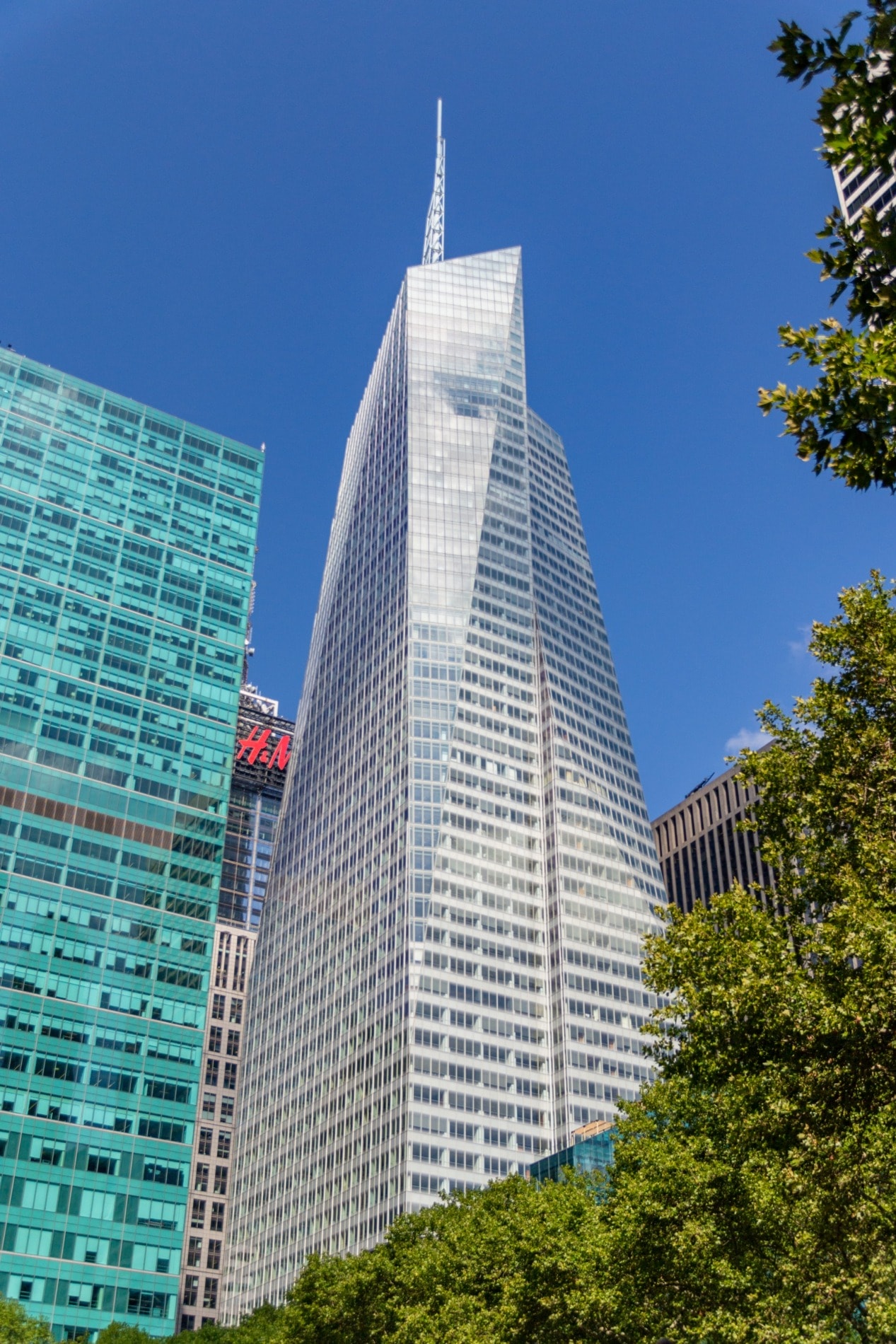
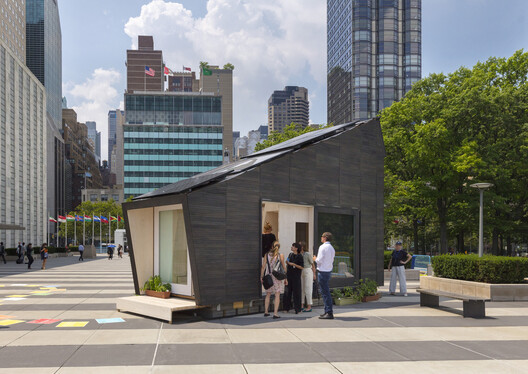
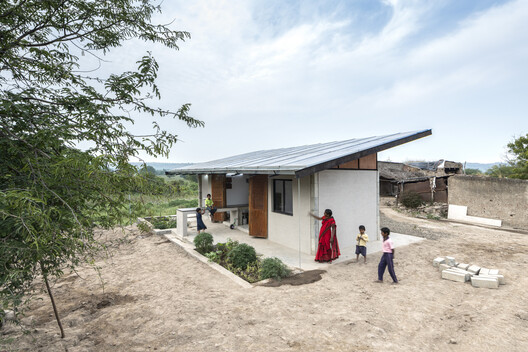
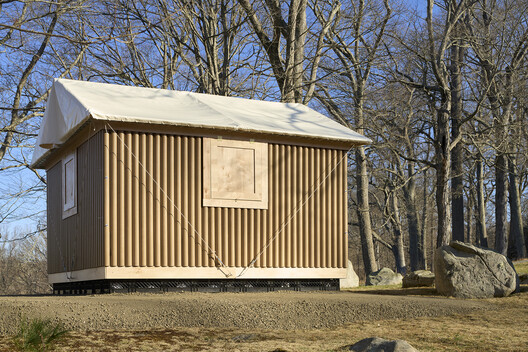
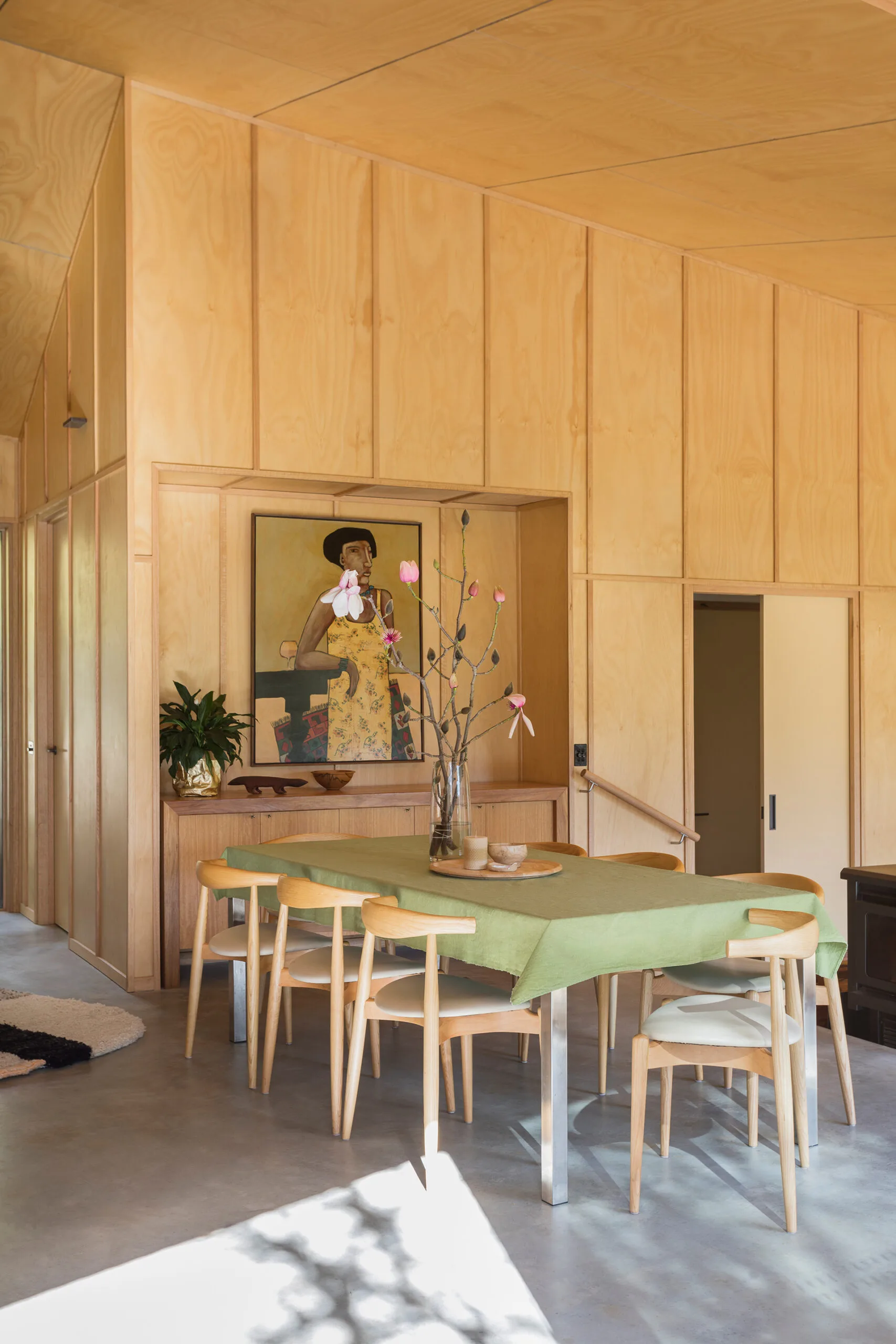
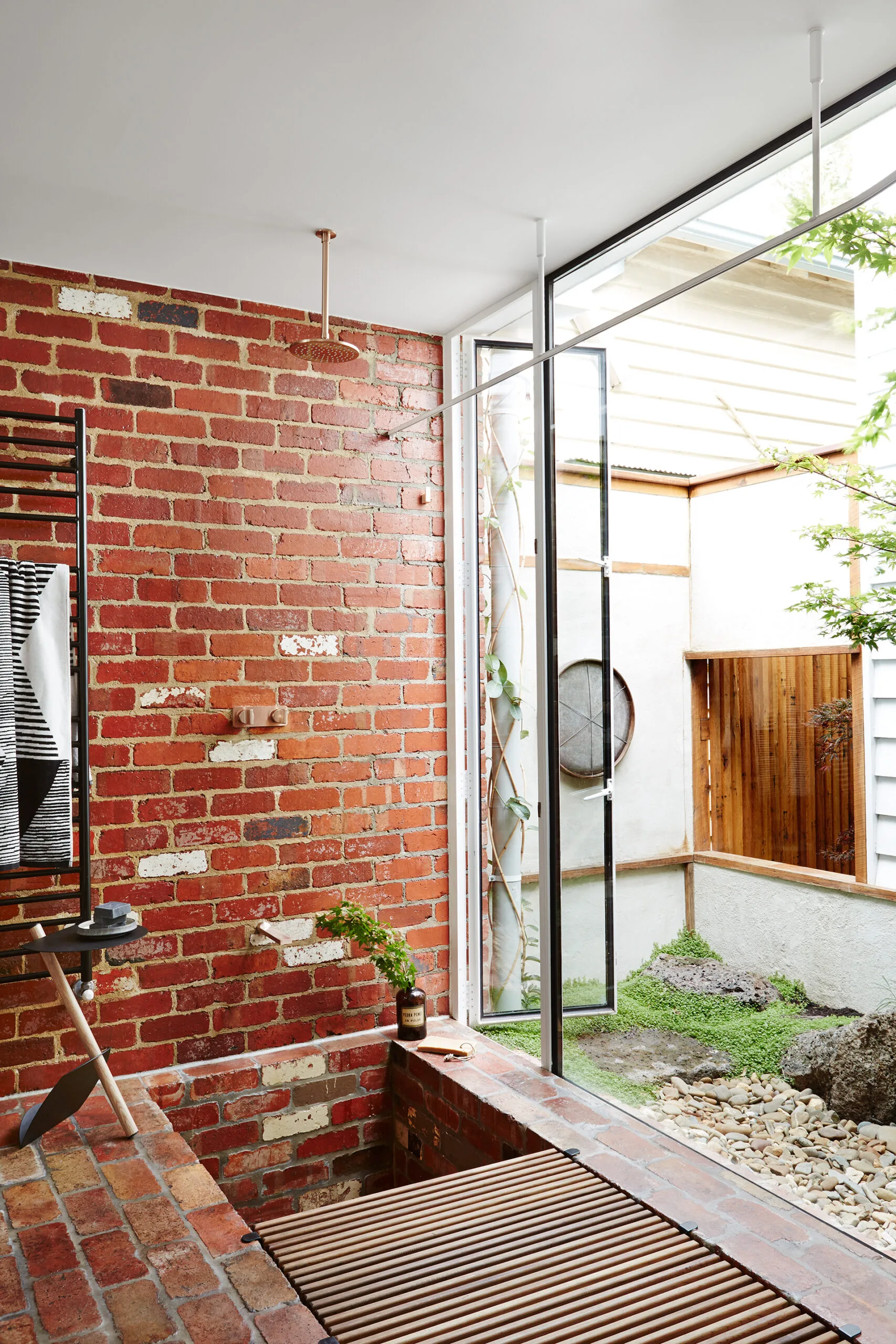
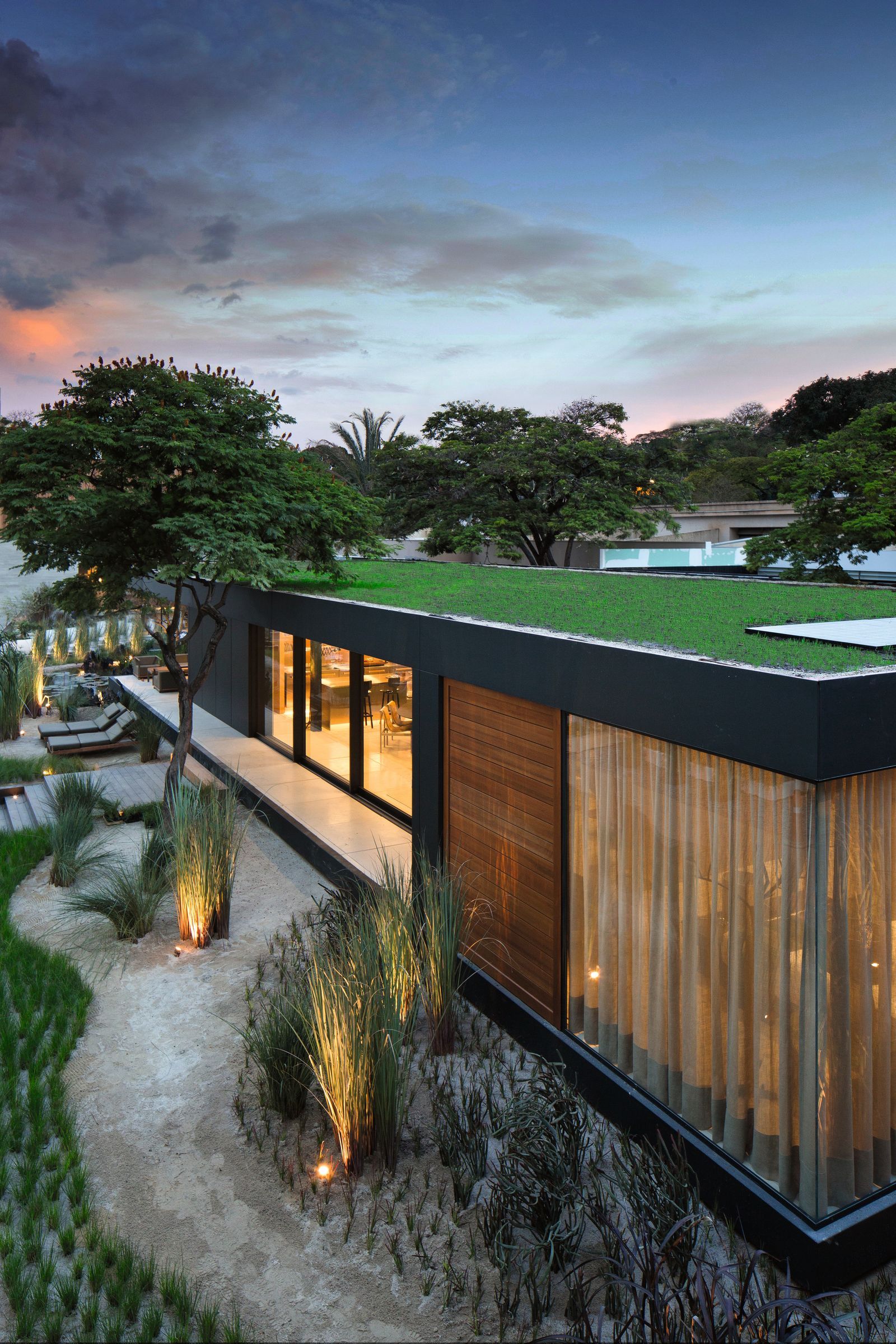
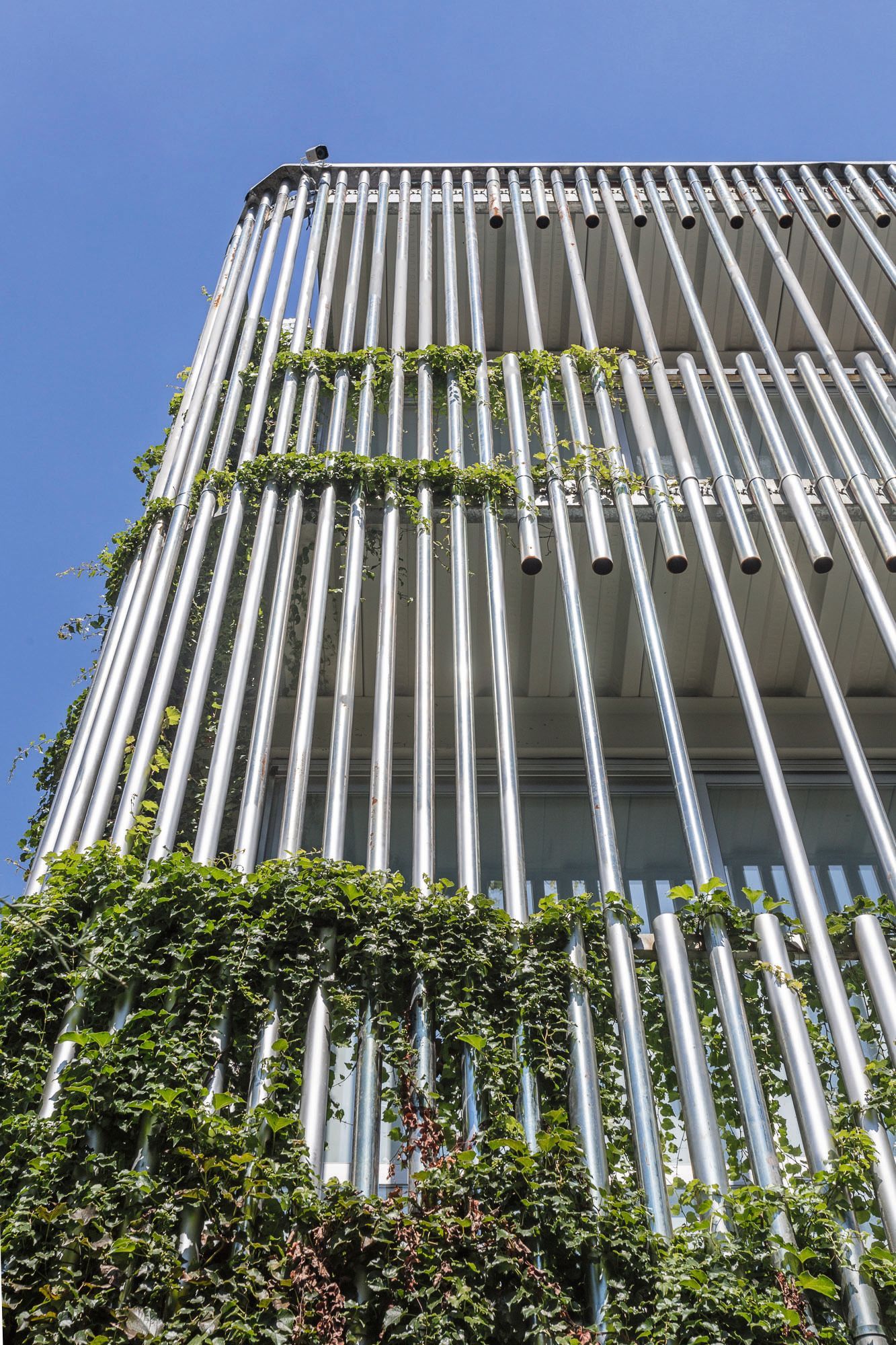
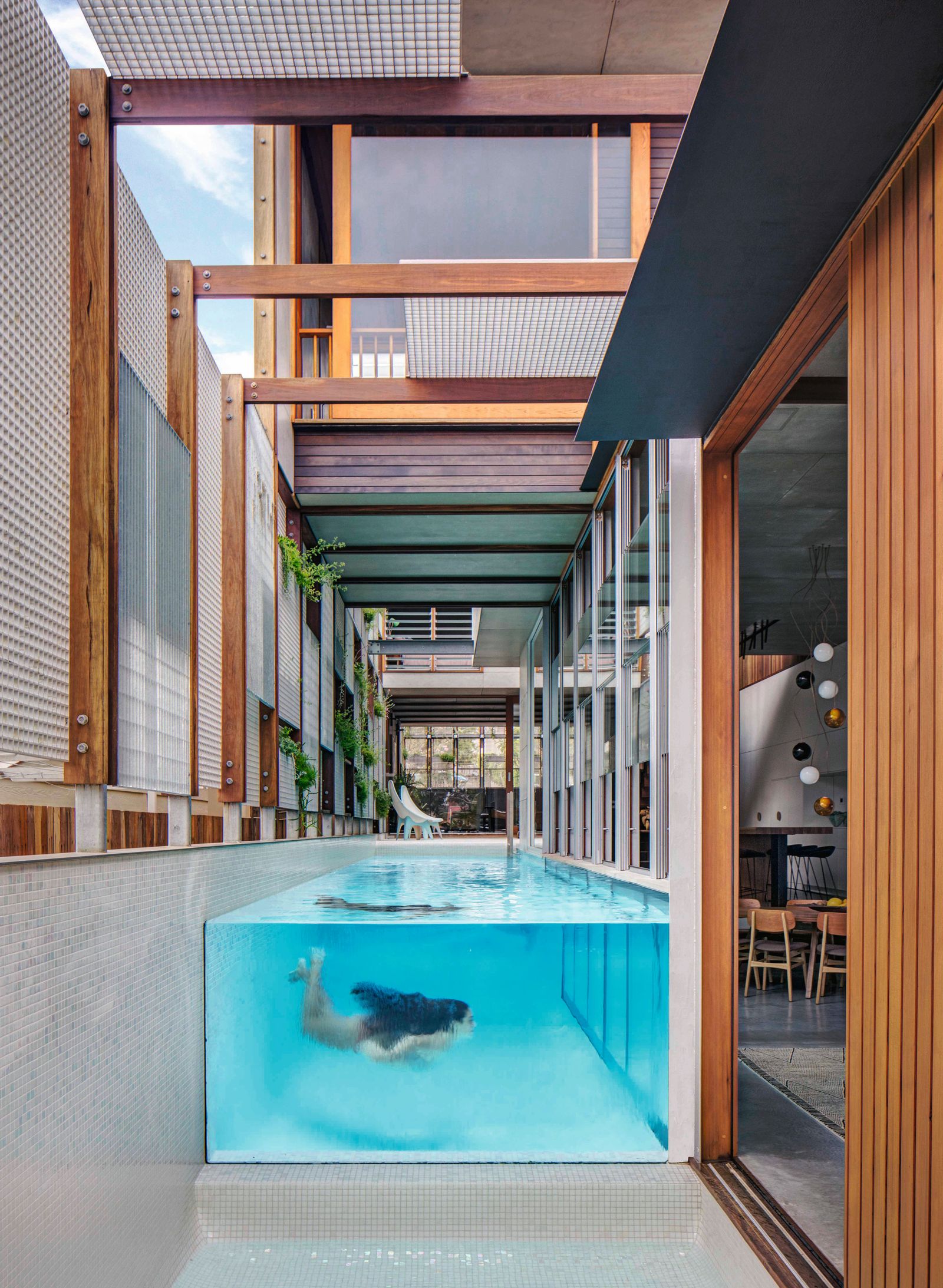
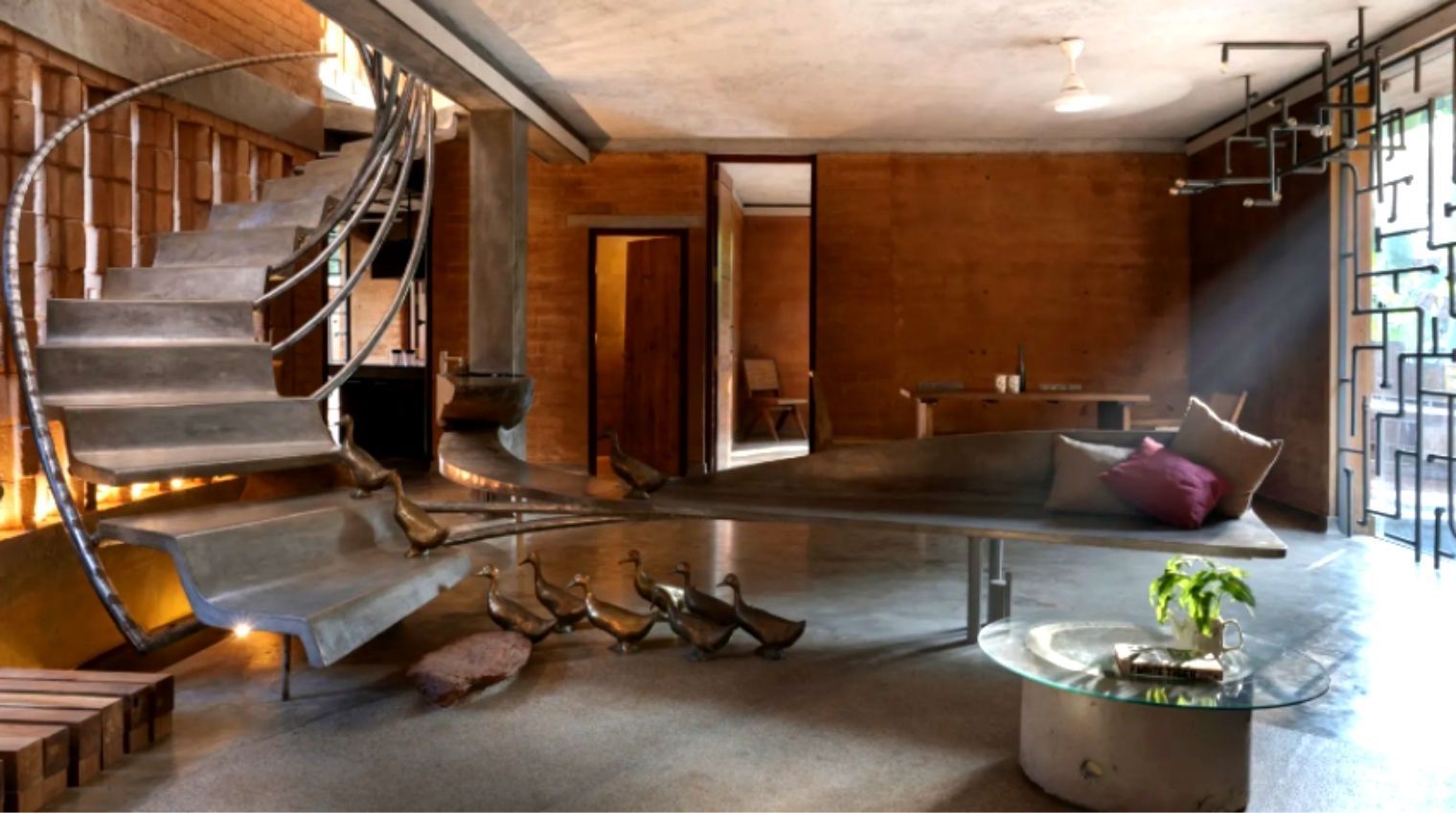
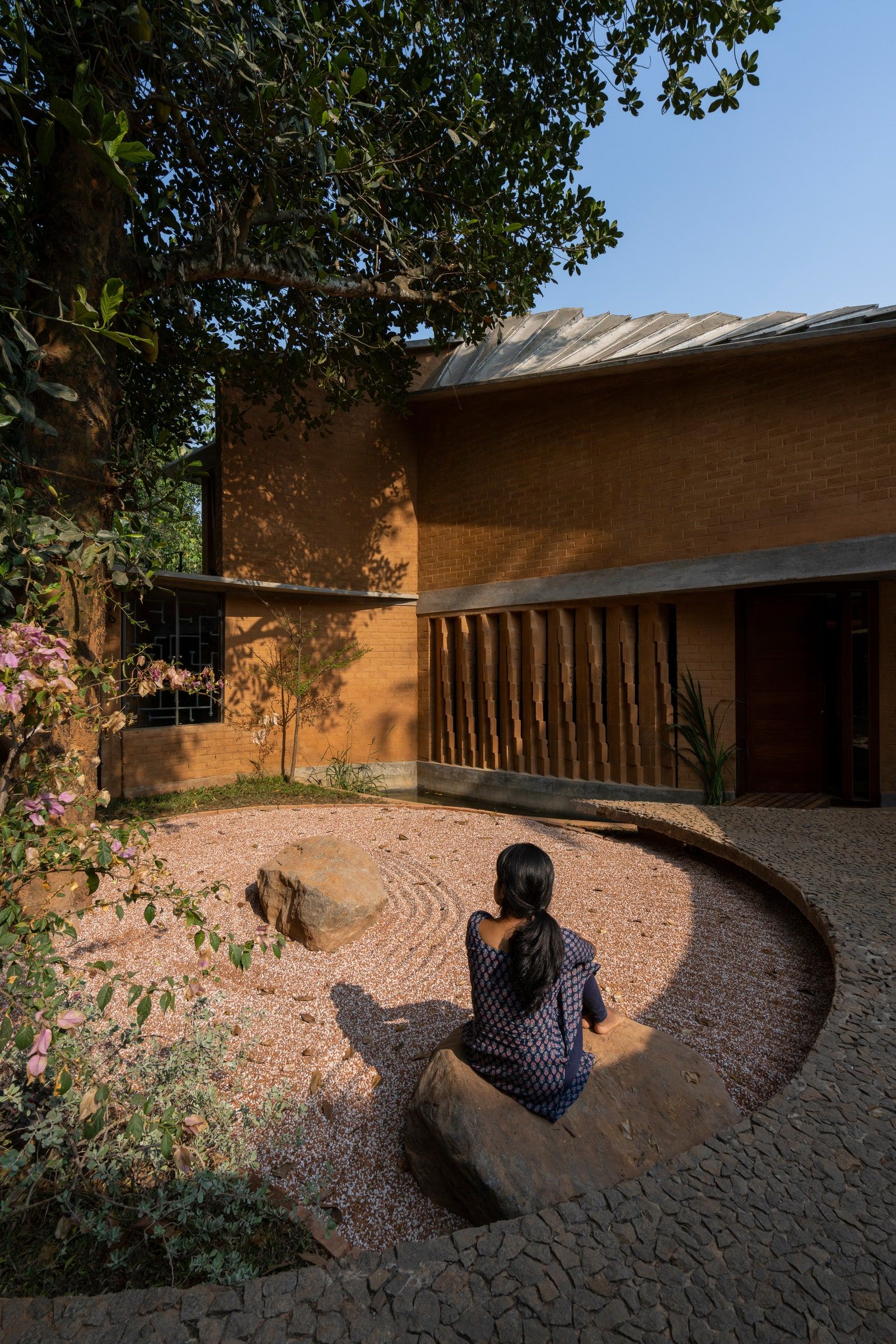
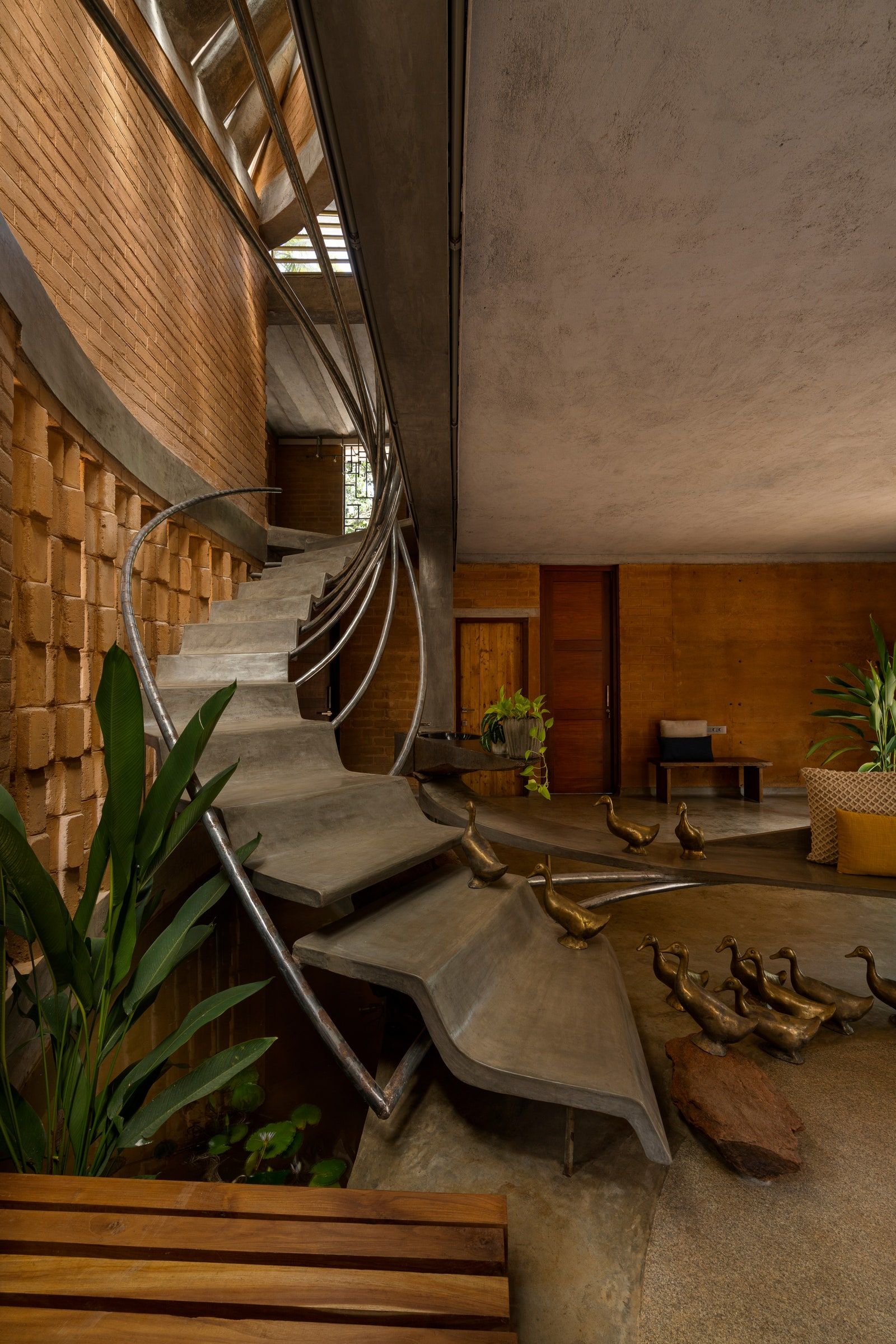
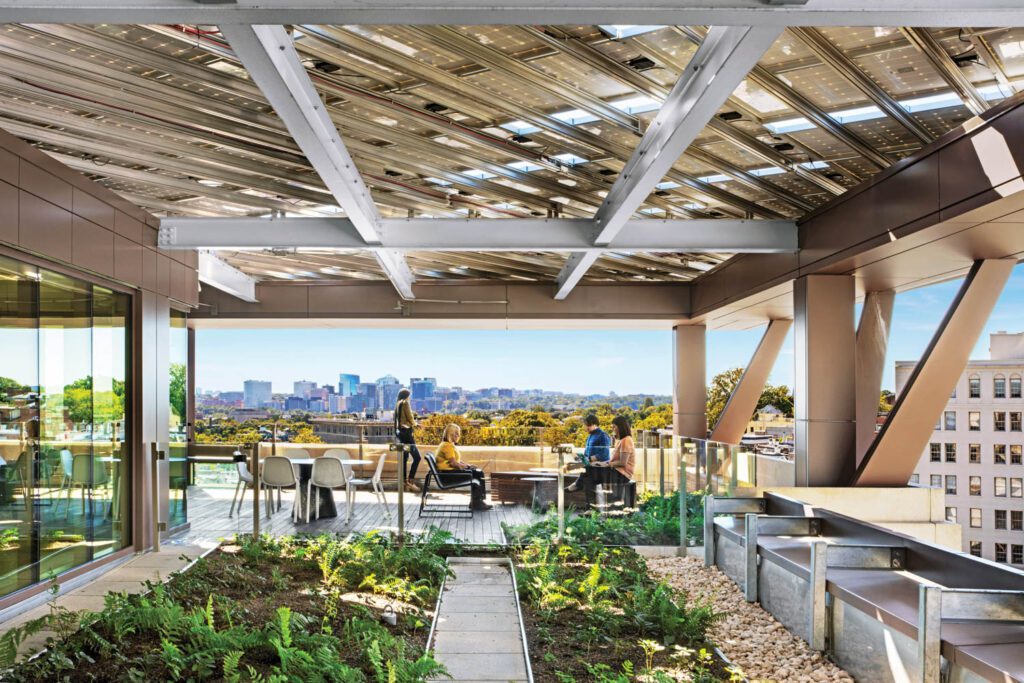
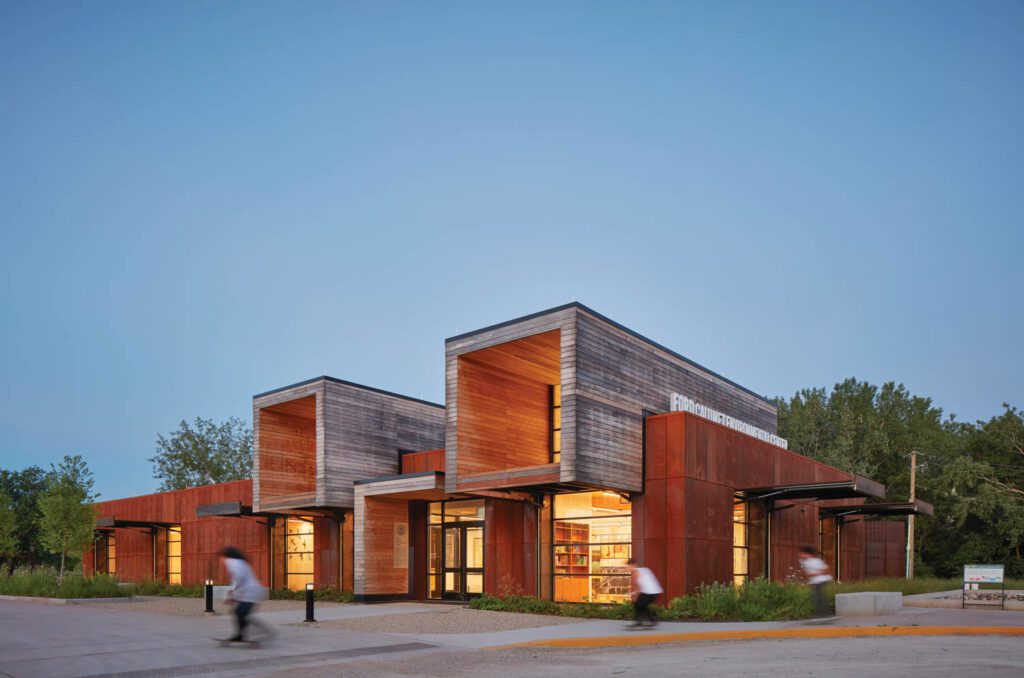
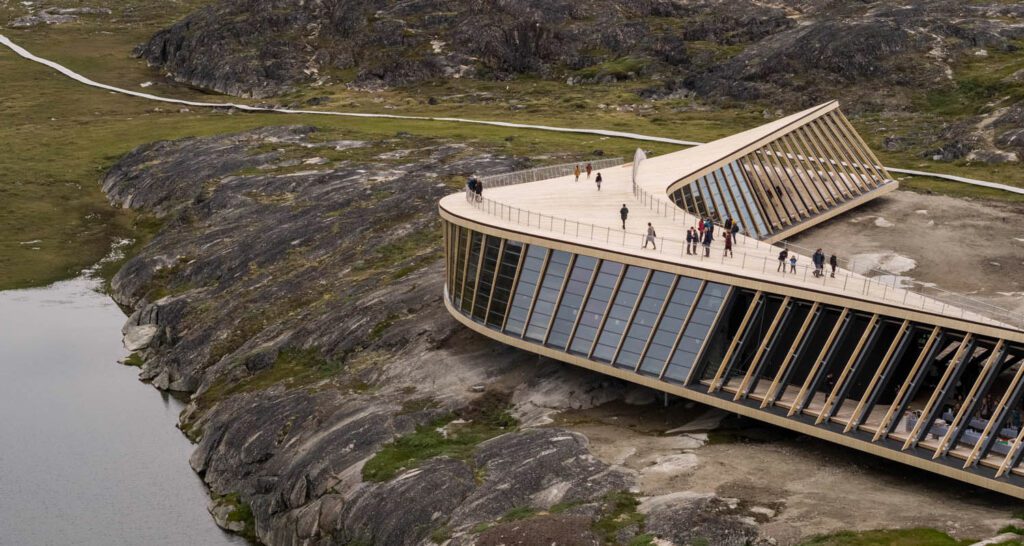
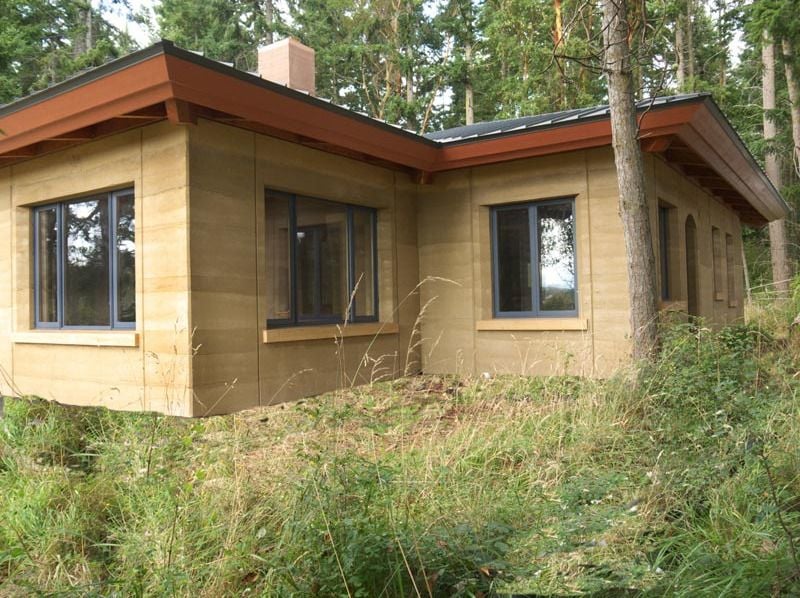
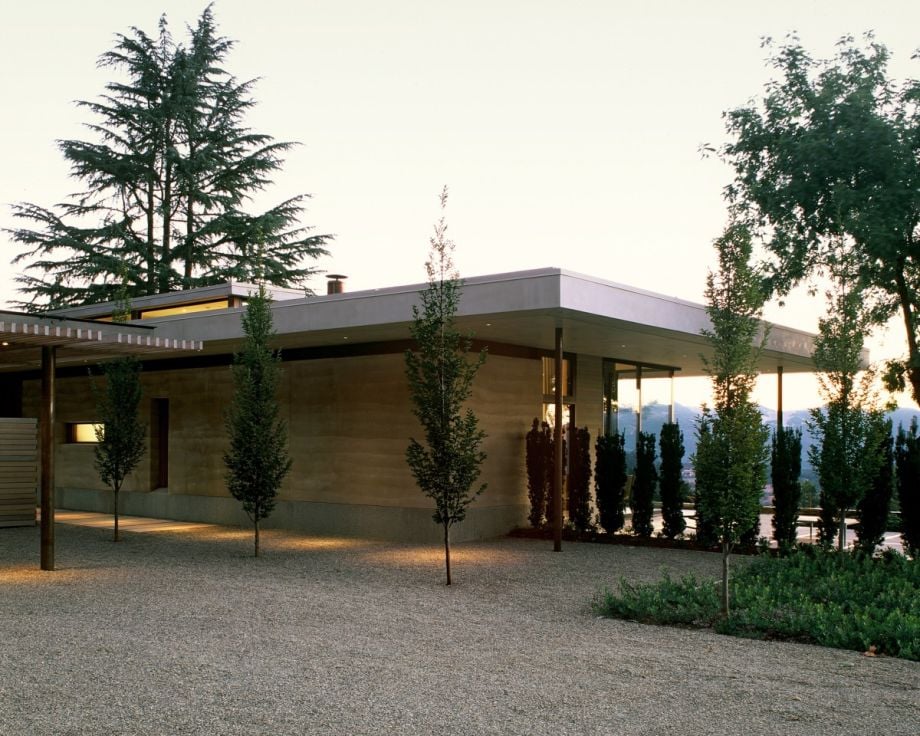
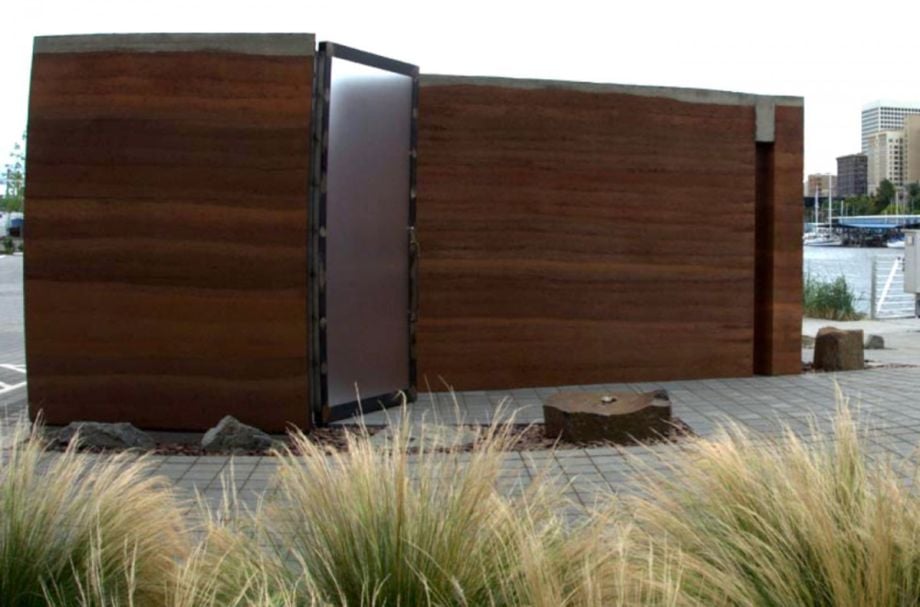
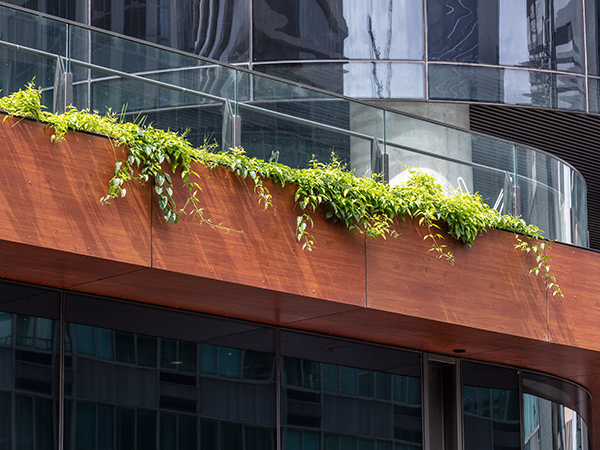
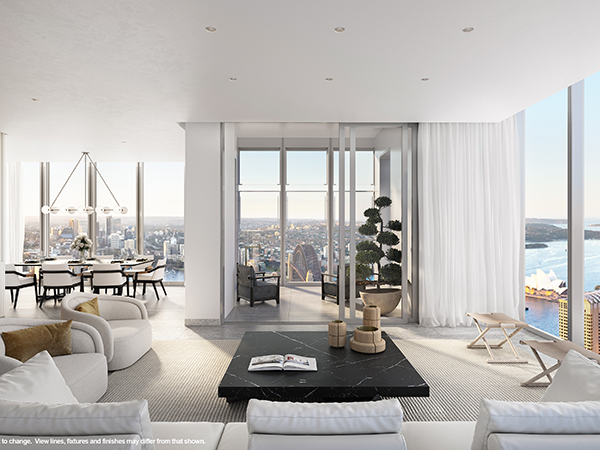
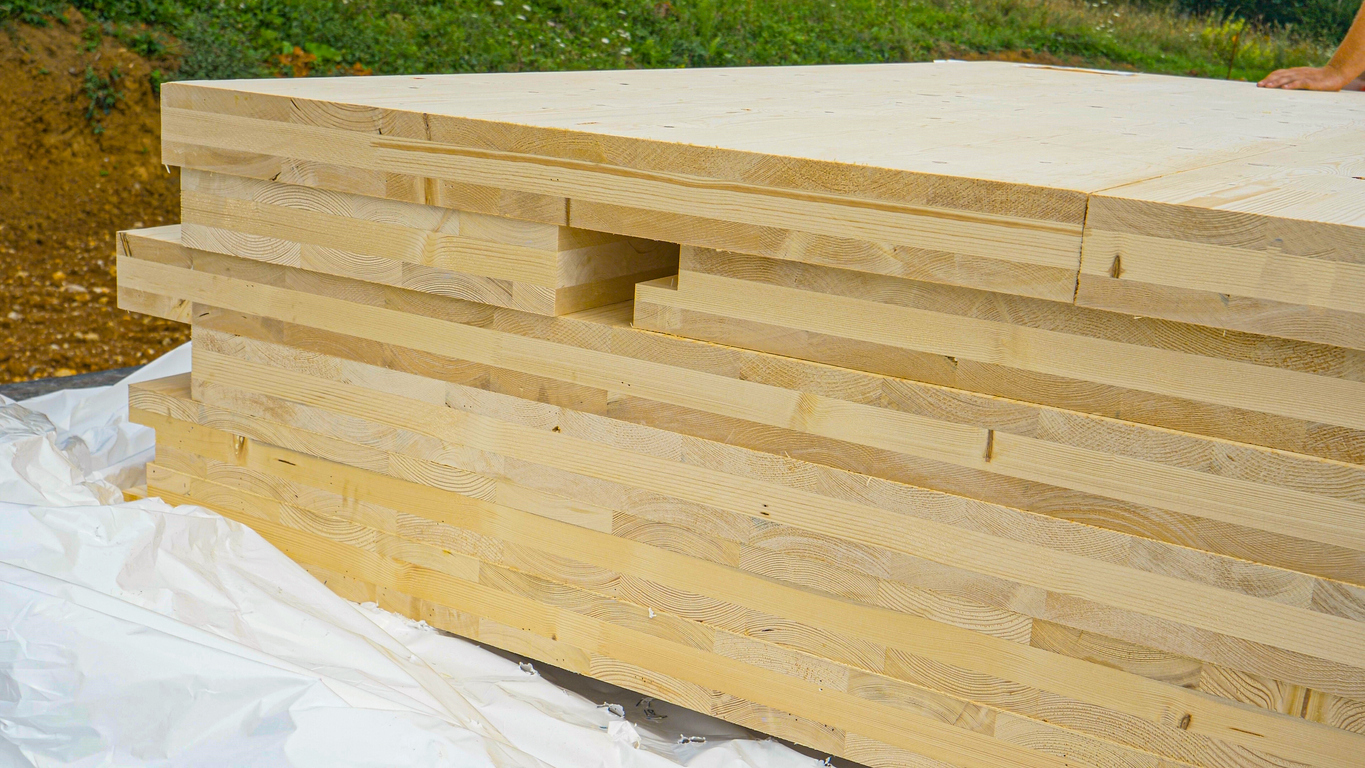
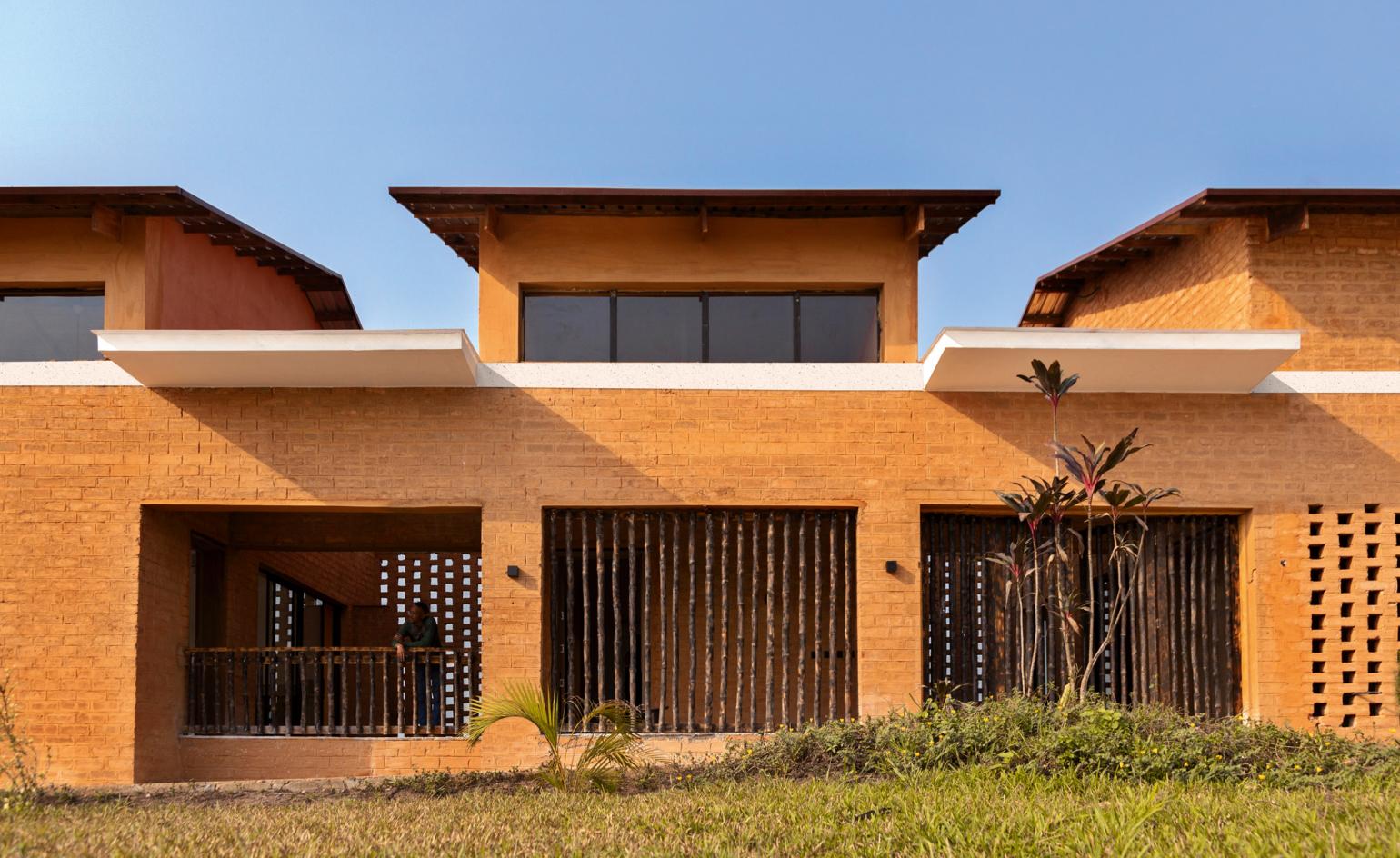
The article then presents a detailed list of specific projects, each with its location, designer, and a highlighted sustainability feature. These examples include the Kura Kura badminton court in Bali (bamboo architecture), 'Wood Up' in Paris (timber construction), Finlandia Hall in Helsinki (sustainable restoration), Tom Lee Park in Memphis (greening and nature restoration), Slot House in Utah (Passivhaus construction), The Magasin Électrique at Luma Arles (sustainable materials and reuse), Reference Center of Babassu Coconut Breakers in Brazil (fostering community), Kampala art centre (reclaimed and natural materials), Spruce House in London (CLT structure), Citizens House in London (affordable housing), Saltviga House in Norway (recycled material, off-cuts), Congregation Kol Emeth synagogue in Palo Alto (LEED Platinum certification), The Black and White Building in London (timber construction), Quay Quarter Tower in Sydney (high-rise retrofit), Novartis Pavilion in Basel (zero-energy media facade), The Learning Tree in London (natural materials), Karper in Brussels (urban retrofit), Ostro Passivhaus in Scotland (Passivhaus construction), The Plus in Norway (high energy efficiency), Casa Azul in Brazil (environmental approval for building in sensitive nature), Earthitects workspace in Bengaluru (natural, organic materials), Ecology Green Farm in Nigeria (building with earth), Bide cabin in Dorset (self-building and local materials), Friendship Hospital in Bangladesh (social impact), Haus on the Ridge in Kent (Passivhaus), The Arc at Green School in Bali (bamboo construction), The Wood Hotel by Elite in Sweden (timber construction), The Hilda Solis Care First Village in Los Angeles (services for people experiencing homelessness), House with Three Pavilions in Goa (fostering biodiversity, near zero-impact construction), Timber House in Kent (Passivhaus), Lemvig Klimatorium in Denmark (small environmental footprint), 'Structure' by Better Shelter (emergency housing), Khor Kalba Turtle and Wildlife Sanctuary in UAE (prefabrication), Kaj micro-hotel in Copenhagen (self-building and recycled material), Tambacounda Hospital extension in Senegal (earth bricks, brise soleil, local vernacular techniques), SLAK Campus in Kenya (low-tech, earth building), TECLA by Mario Cucinella Architects (3D printed earth house), Casona Sforza in Mexico (brickwork, low tech, natural ventilation), Elephant World in Thailand (low tech, local materials and construction, supporting wildlife), Powerhouse Telemark in Norway (energy-positive building, BREEAM certification), and Anandaloy in Bangladesh (community support, local materials and labour), Treehouse in Costa Rica (passive temperature control and rainwater recycling), Bahareya Village in Egypt (recycled construction material), Cold Spring Residence in USA (Passivhaus), and Flying House in India (mud brick, local construction).
The article emphasizes that these projects collectively demonstrate how architects globally are addressing environmental and social concerns through thoughtful design, material selection, and construction practices, pushing the boundaries of what is possible in sustainable building.
#SustainableArchitecture #GreenBuilding #EcoFriendlyDesign #MaterialInnovation #CircularEconomy #Passivhaus #CommunityDevelopment #ArchitecturalDesign #EnvironmentalImpact #SustainableArchitecture #GreenBuilding #EcoFriendlyDesign #MaterialInnovation #CircularEconomy #Passivhaus #CommunityDevelopment #ArchitecturalDesign #EnvironmentalImpact
0 comment in total
 No comments yet
You may also like
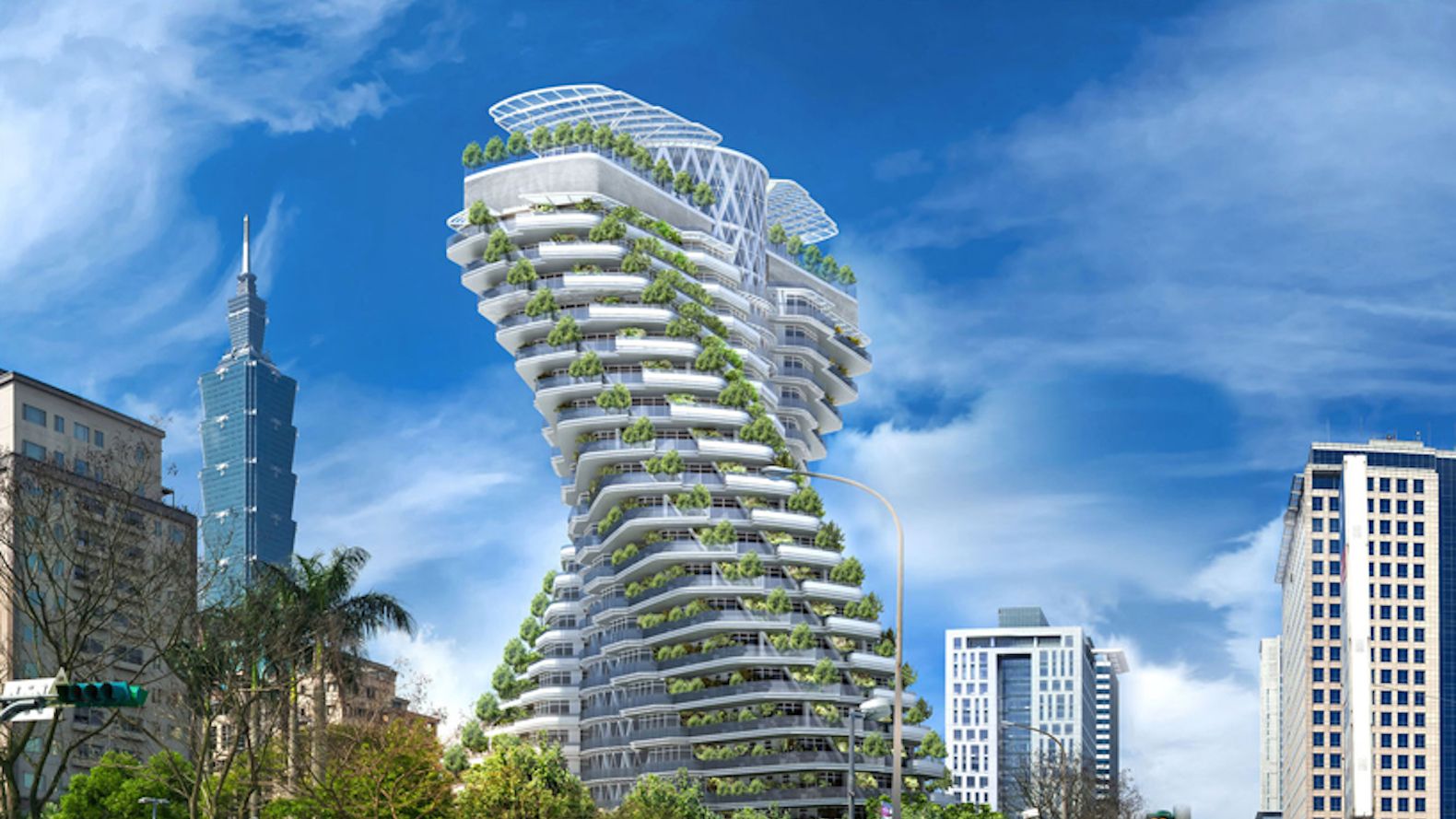
8 Remarkable Buildings That Use Trees as a Design Element

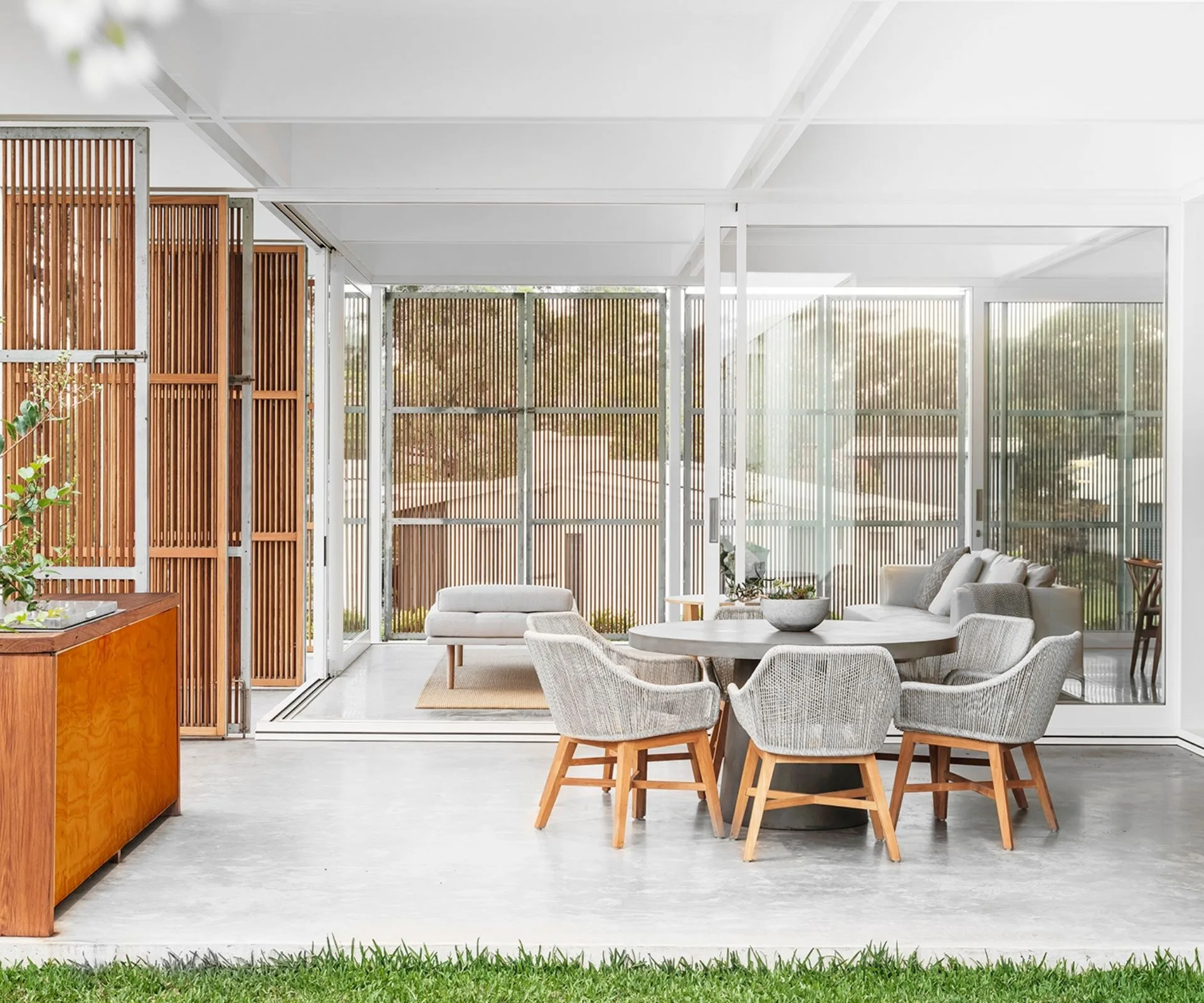
7 sustainable homes with style

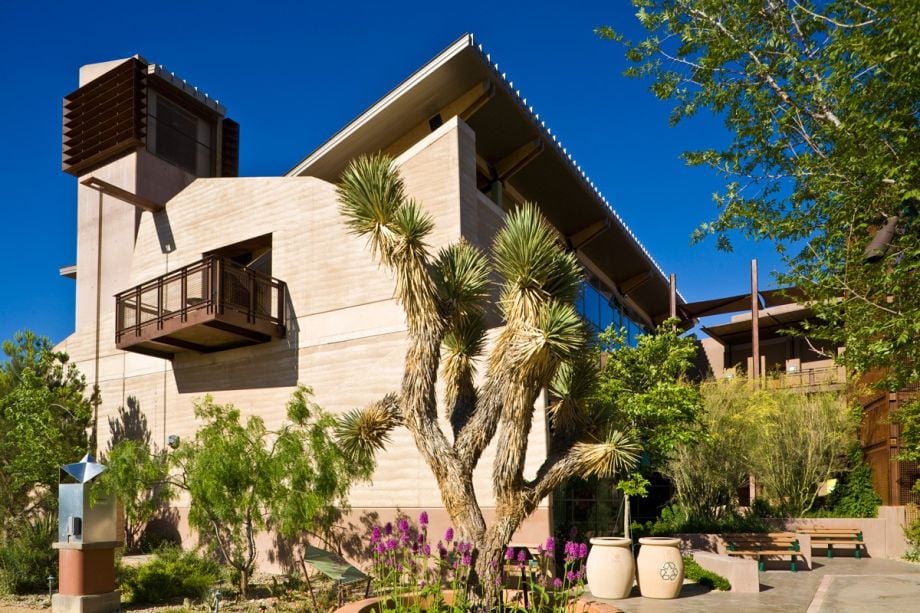
Rammed Earth Fits Into Urban Architecture’s Sustainable Future
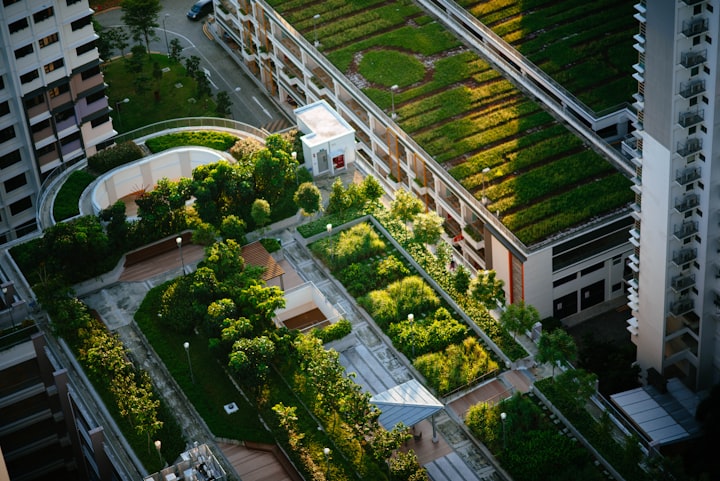
Emerging Trends in Green Building and Sustainable Design
Top 10 Examples of Most Sustainable Architecture in 2025

7 breathtaking sustainable homes around the world

Contemporary Architecture is More Common Than You Think — Here's How to Spot It
10 Sustainable Homes That Prove Interior Design Can Be Just as Easy on the Eye as It Is on the Earth

Sustainable Buildings: Pioneering a Green Revolution in Urban Design

Want an Eco-Friendly Home? Everything You Should Know About Sustainable Architecture

10 Must-Watch Documentaries on Renewable Architecture: Innovations & Insights

Books for Architectural Design Inspirations

Innovations Driving Sustainable Building and Architecture Forward
4 Indian homes that spotlight sustainable design practices
The latest and greatest innovations in sustainable building materials
10 Innovative Materials Poised to Make Home Building More Sustainable

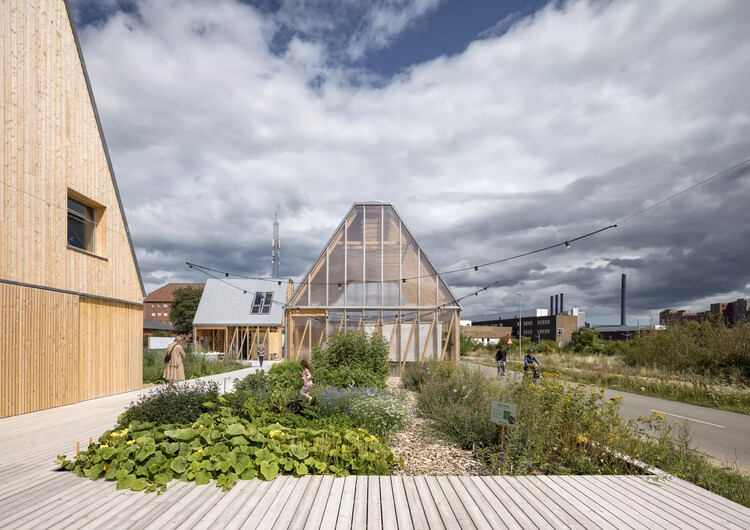
From Prototype to Progress: How Small-Scale Sustainable Housing Models Are Shaping Our Future

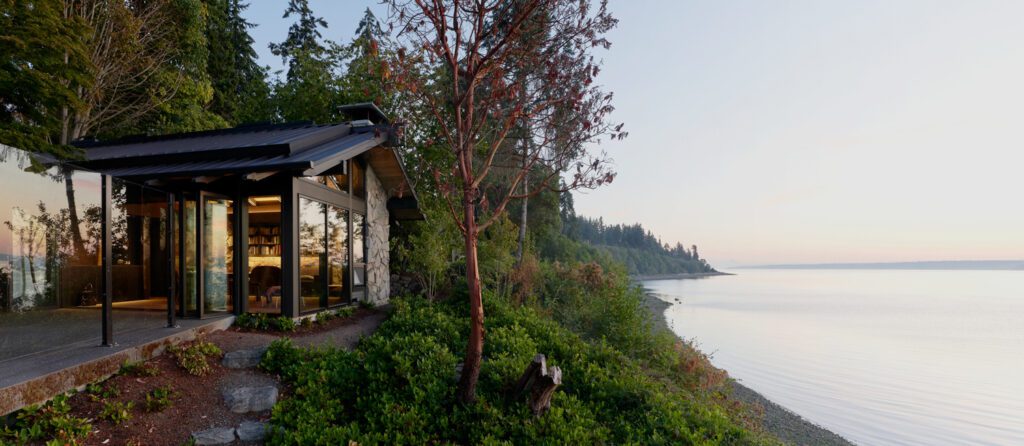
30 Sustainable Projects Leading the Way for Green Design


What books inspire sustainable interior design?
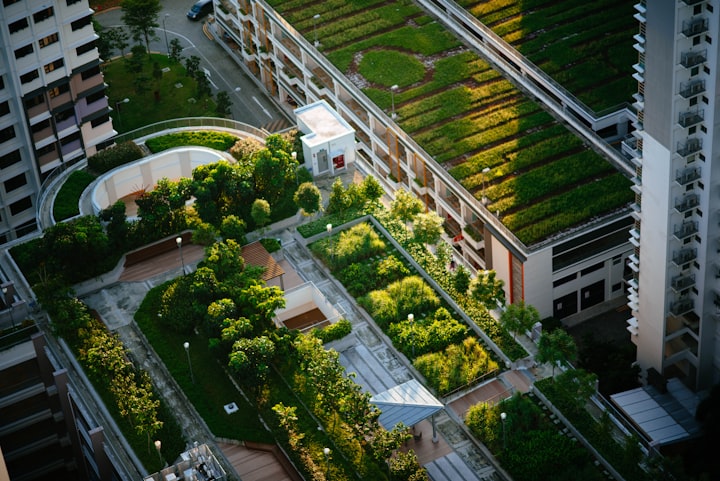
Emerging Trends in Green Building and Sustainable Design