1/30
30 Sustainable Projects Leading the Way for Green Design
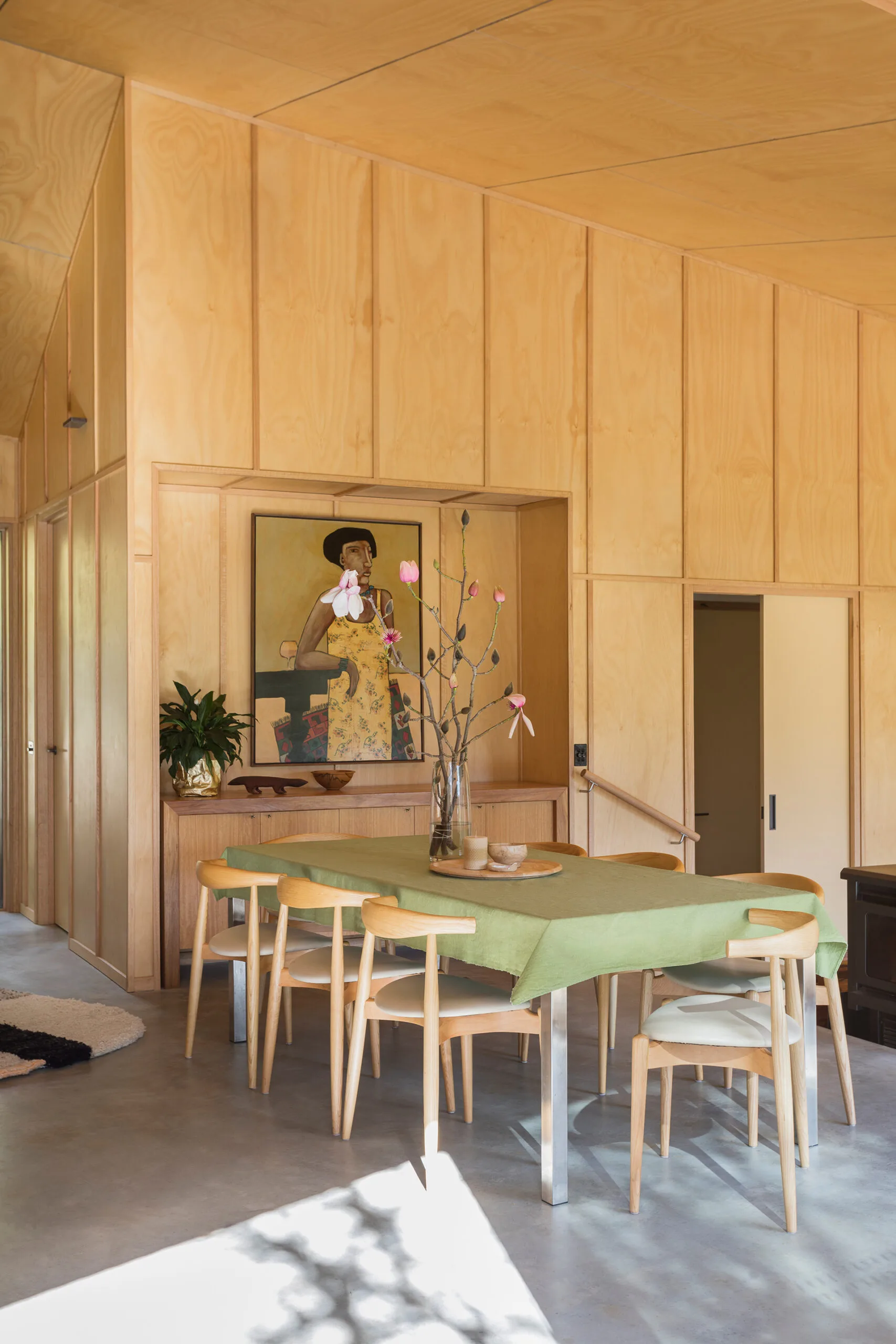
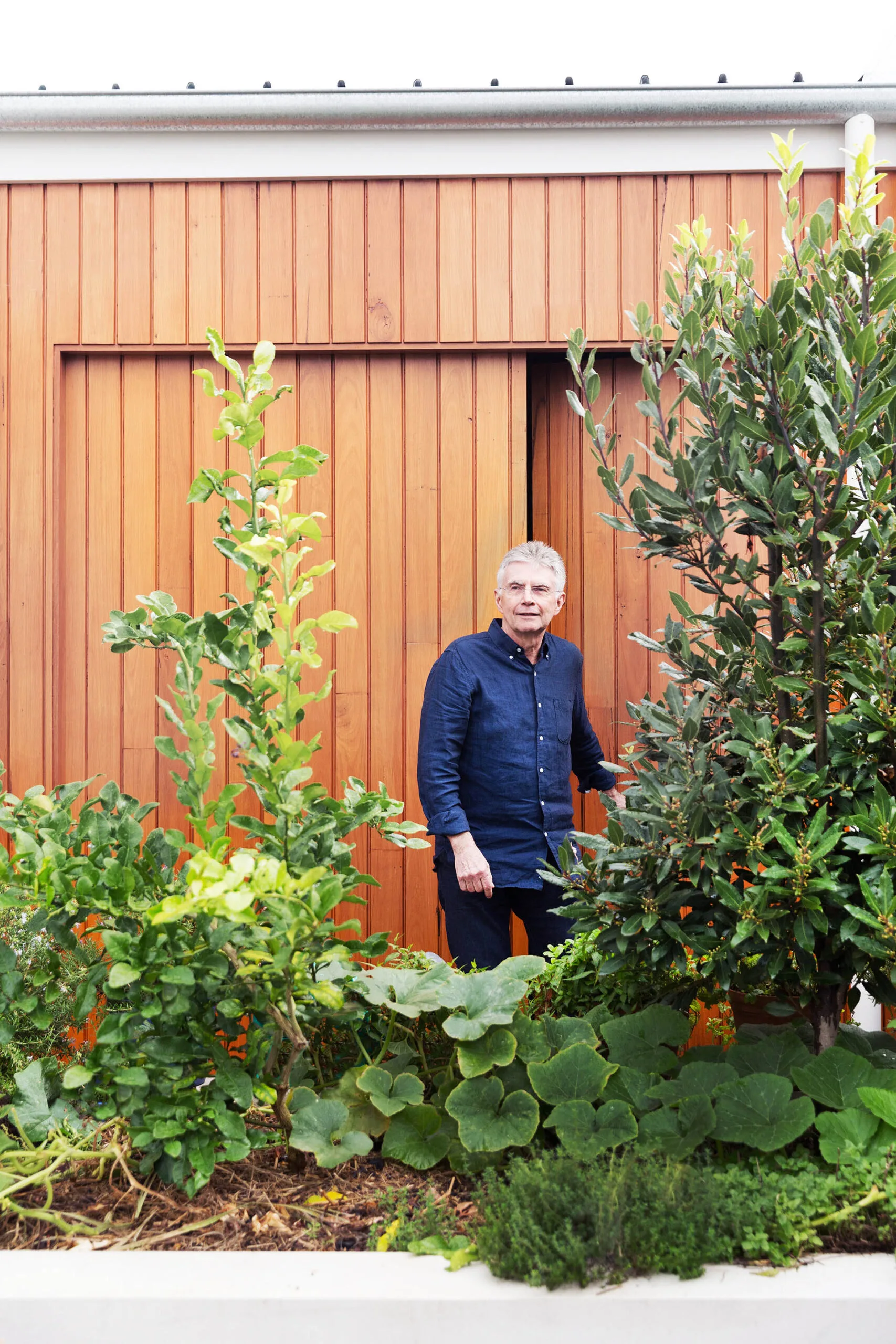
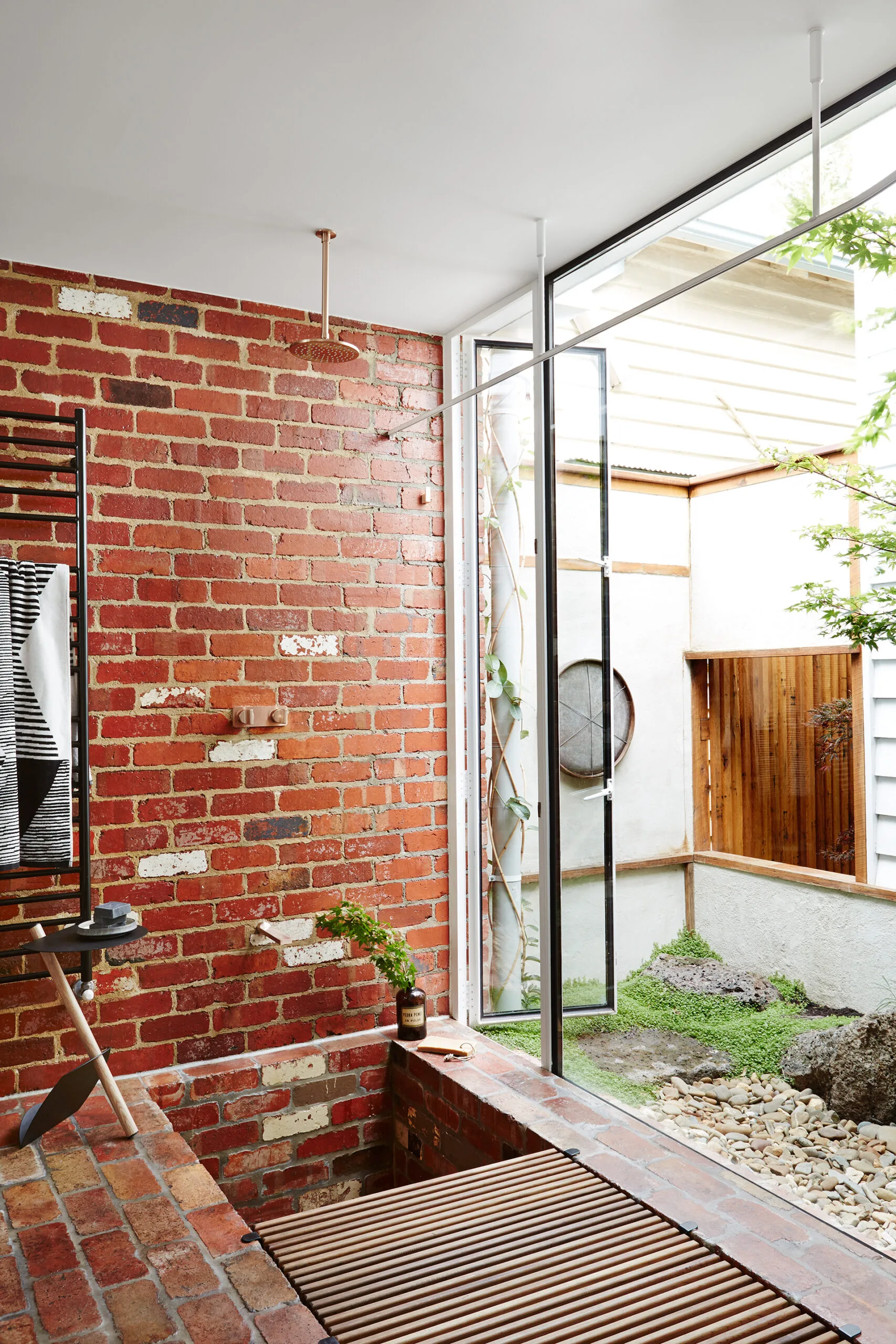
The article highlights the growing importance of sustainability in architecture and interior design, presenting 30 projects that exemplify green design principles. It emphasizes that LEED certification is just a starting point for comprehensive sustainable interior design, which requires a multifaceted approach, thoughtful consideration, and careful planning. The featured projects demonstrate various innovative strategies for sustainability across different building types and locations.
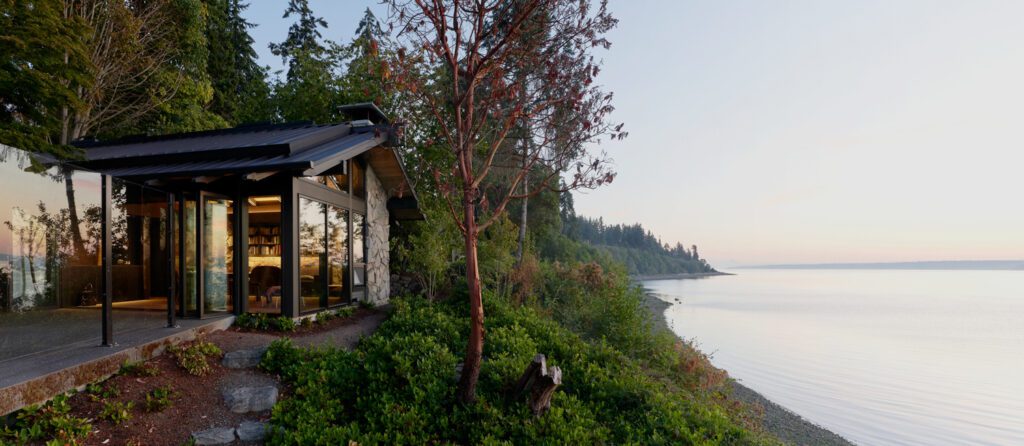
Several projects focus on adaptive reuse and renovation. The Miller Hull Partnership's sustainable home overlooking Puget Sound showcases the challenges and successes of retrofitting existing structures for environmental efficiency. Similarly, Hickok Cole’s eco-sensitive update for the American Geophysical Union's Washington Headquarters involved extensive planning for energy reduction, reclamation, absorption, and generation. ZGF transformed a derelict campus building in Los Angeles into an energy-efficient educational space, underscoring the potential of adapting and reusing existing structures. Park + Associates' own office, minimal intervention transformed a 1960’s former school into a showcase of clean-lined design.
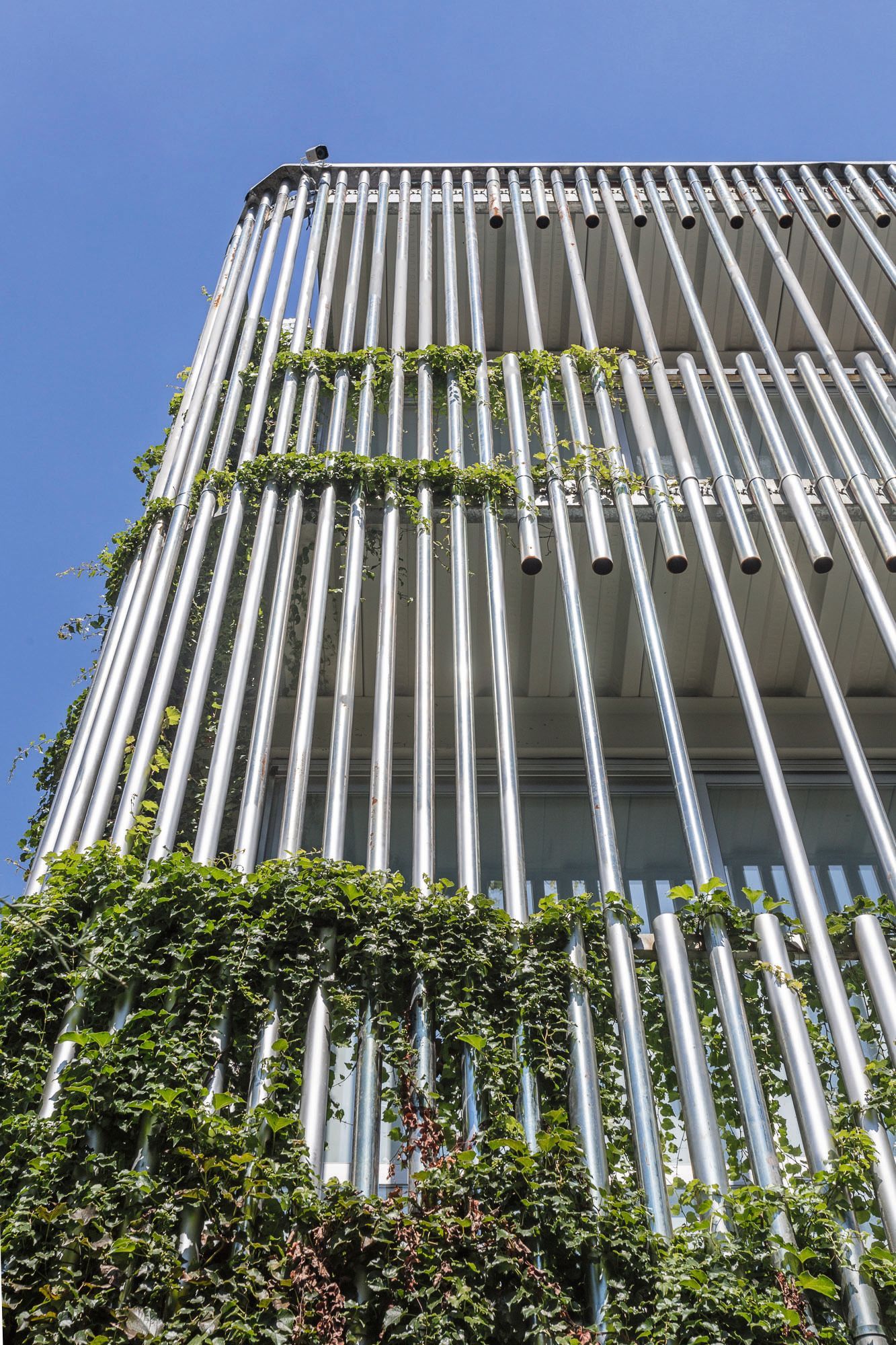
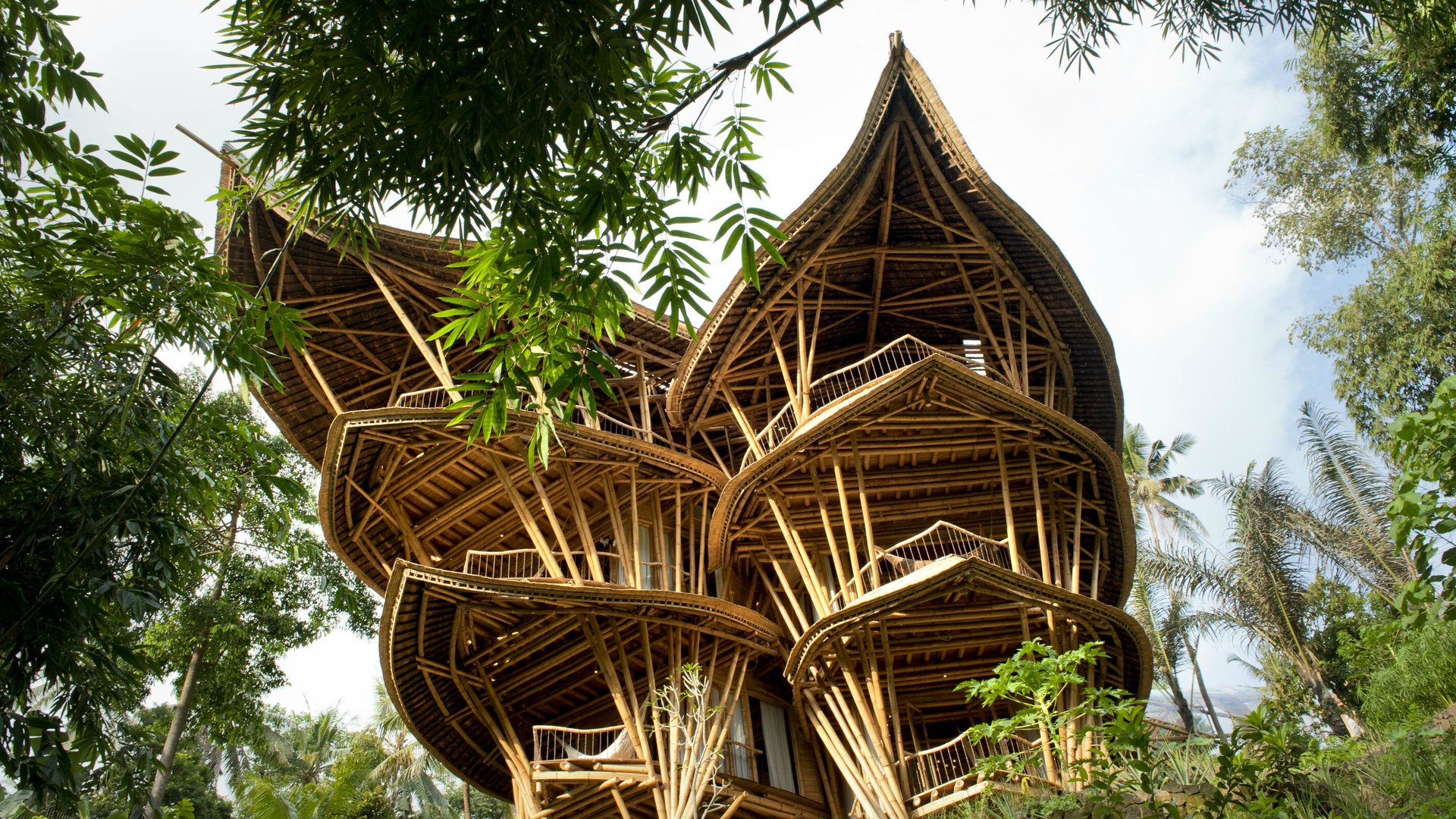
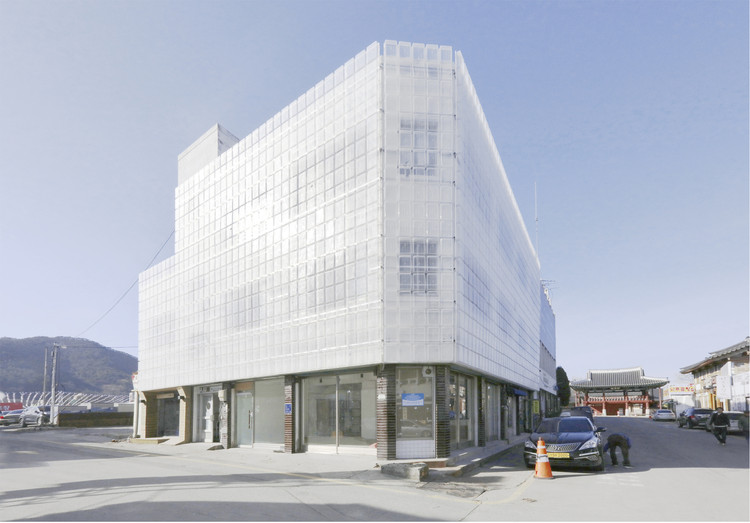
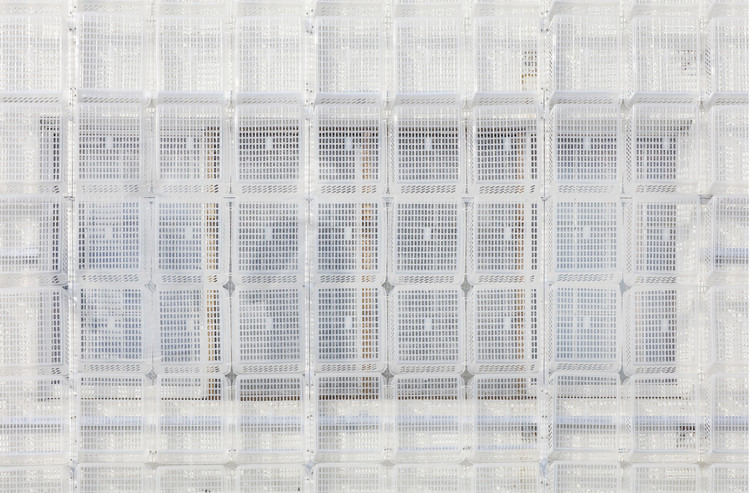
Material innovation and resource management are key themes. The bike park and educational center in Chicago by Valerio Dewalt Train utilizes nail-laminated timber, a renewable resource effective in carbon sequestration and requiring less energy than steel or concrete. Minarc's super-green house prominently features a bamboo kitchen and bathrooms with recycled materials and a lush plant wall. The Early BKK café in Bangkok is a zero-waste coffee shop built with local upcycled materials, including re-board made from milk cartons and plywood, and a facade framed by 600 beer bottles. Maserati's GranTurismo Luce interiors use ECONYL, a regenerated nylon yarn, while Kia is committed to phasing out leather interiors.
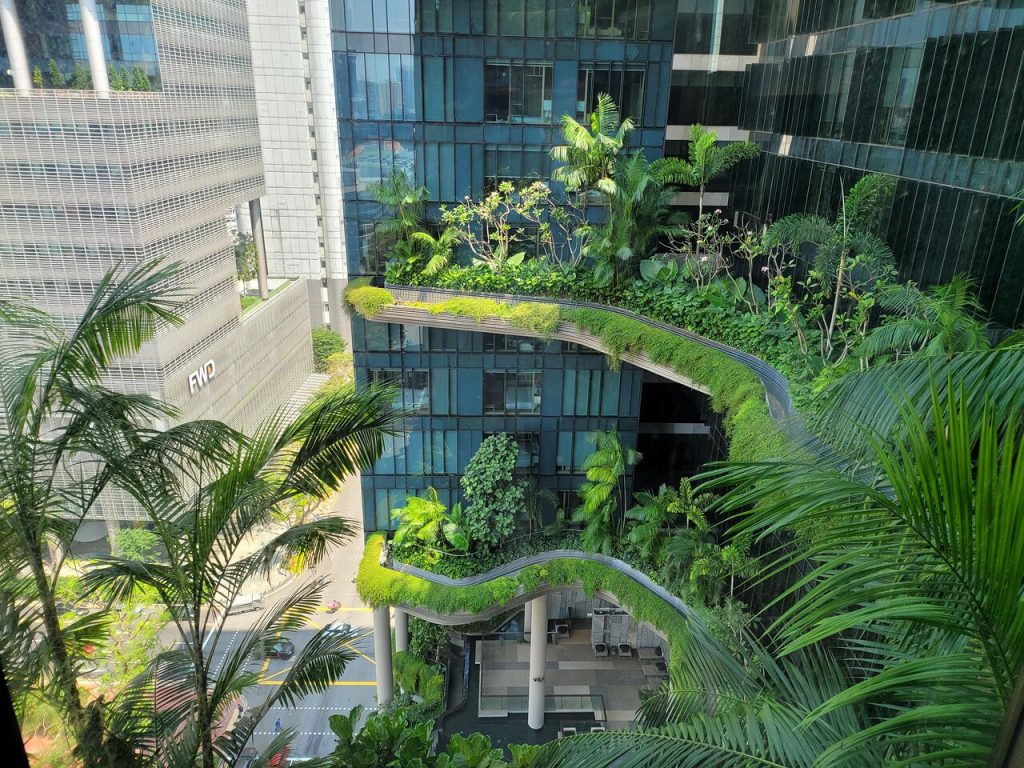
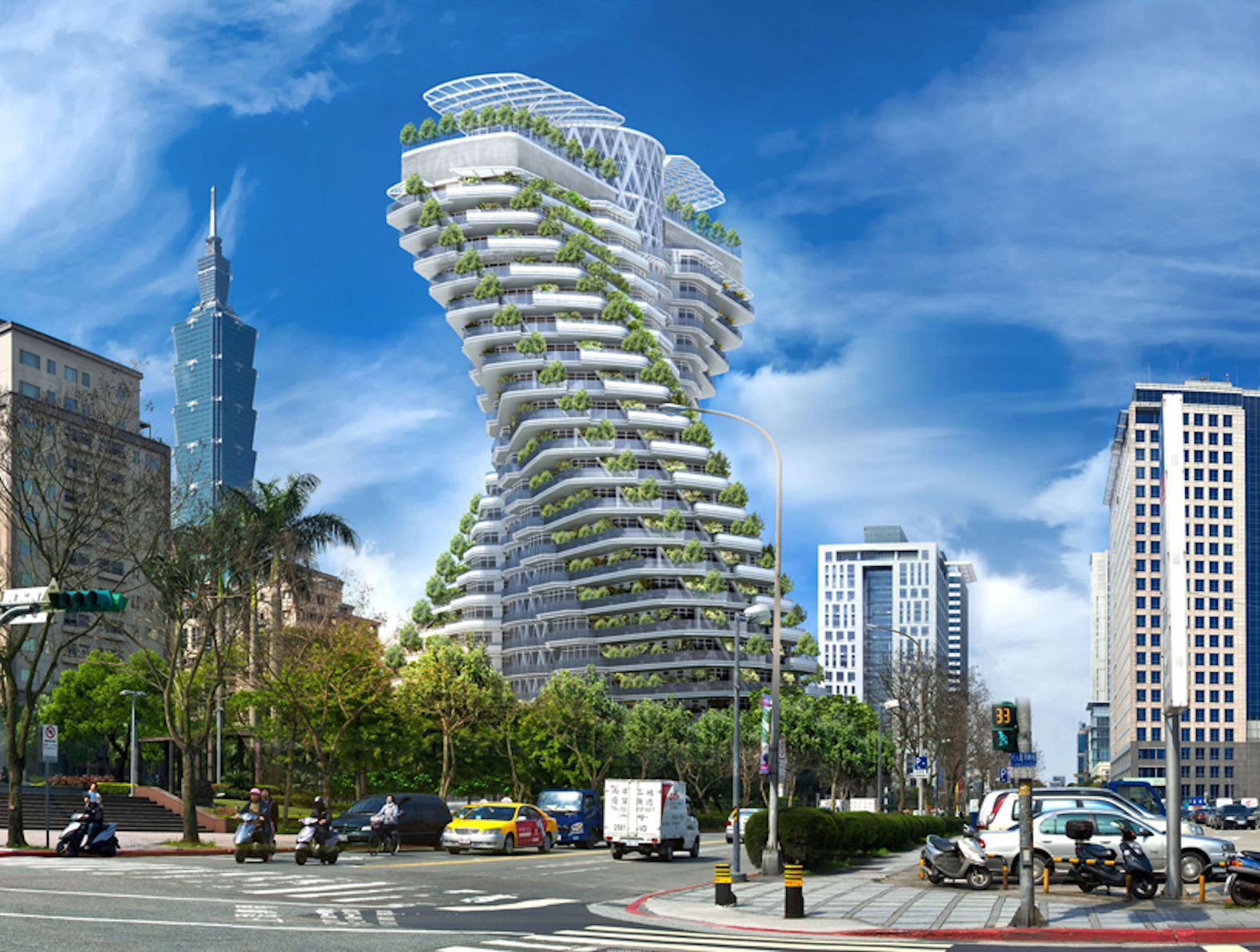
Energy efficiency and climate-responsive design are central to many projects. The Ilulissat Icefjord Centre in Greenland by Dorte Mandrup is designed to safeguard the UNESCO-protected wilderness. Nieto Sobejano Arquitectos' Arvo Pärt Centre in Estonia incorporates advanced thermal insulation. The Oasia Hotel Downtown in Singapore by WOHA features a vine-covered facade, sky terraces, and numerous planter boxes for natural ventilation and reduced energy consumption. OHLab's Paseo Mallorca 15 in Spain employs passive heating and cooling techniques, including pine shutters and cross-ventilation, drawing on vernacular Mallorcan architecture. The Boston University Center for Computing & Data Sciences uses 31 geothermal wells for heating and cooling and is resilient against floods, making it one of the most environmentally responsible buildings in the region. The Kimpton resort in the Caribbean utilizes a solar array, rainwater harvesting, and geothermal air-conditioning.
LEED and WELL certifications are frequently cited, indicating a commitment to established sustainability standards. The Olympic House by 3XN is LEED platinum-certified and reused 90 percent of concrete from the previous headquarters. Parq Vancouver by ACDF Architecture and Architecture49 achieved LEED Gold status, with its mirrored facade reflecting surroundings and aluminum louvers capturing sunlight. TPG Architecture's office for the Associated Press in New York received LEED Gold certification. The Center for Fiction in Brooklyn, designed by BKSK Architects, is a LEED Silver-certified building. The ASID Headquarters in Washington, DC, designed by Perkins + Will, became the world's first space to earn both LEED and WELL Platinum certification, incorporating circadian lighting and biophilic design. Mohawk Group's NYC showroom by Gensler also integrates LEED and WELL Building Standard qualifications. Huntsman Architectural Group's McKesson office is pursuing both WELL Building and LEED Gold certifications. Perkins&Will's Nixon Peabody office in New York also achieved LEED Gold certification. Alliance Architecture's sustainable law office for Venable is a LEED Platinum project.
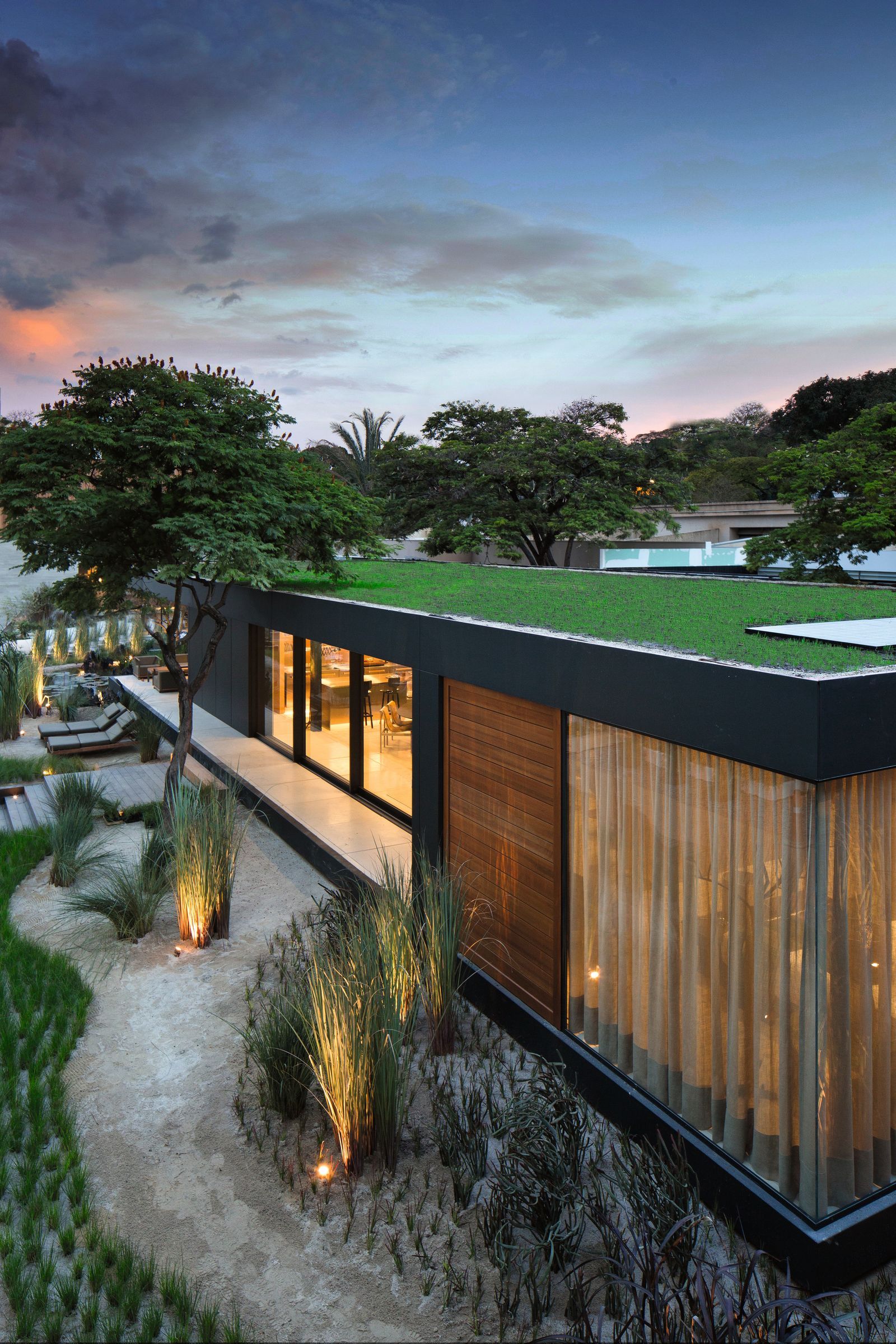
Other notable examples include green roofs, such as those highlighted in “Six Futuristic Projects Sprouting Green Roofs,” which contribute to storm water management, air quality, and energy efficiency. The U.S. Bank Stadium by HKS, site of Super Bowl LII, operates on wind power and boasts a 91 percent waste diversion rate through recycling, composting, and donations. LaGuardia Airport's Delta Airlines Terminal C, redesigned by Corgan, features abundant natural light, salvaged skylights for an art installation, a vast thermal storage system, and electrochromic smart glass to control glare and heat gain.
These diverse projects collectively underscore that green design is evolving from an optional feature to an essential requirement in contemporary architecture and interior design, setting a positive example for the industry worldwide.
#SustainableDesign #GreenArchitecture #LEEDCertification #WELLBuildingStandard #EcoFriendlyMaterials #EnergyEfficiency #AdaptiveReuse #ClimateResponsiveDesign #InteriorDesign #SustainableDesign #GreenArchitecture #LEEDCertification #WELLBuildingStandard #EcoFriendlyMaterials #EnergyEfficiency #AdaptiveReuse #ClimateResponsiveDesign #InteriorDesign
0 comment in total
 No comments yet
You may also like
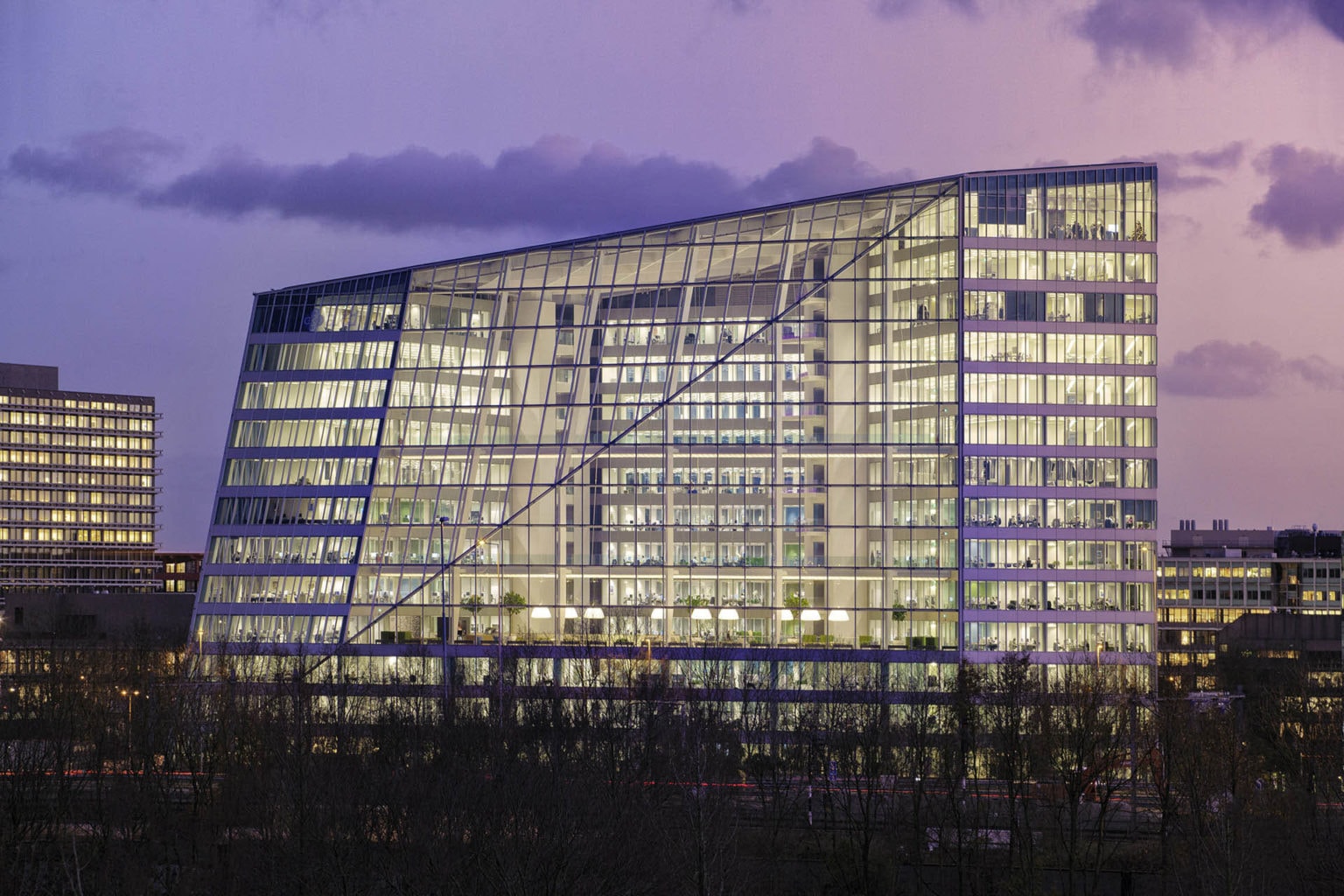
Sustainable Buildings: Pioneering a Green Revolution in Urban Design

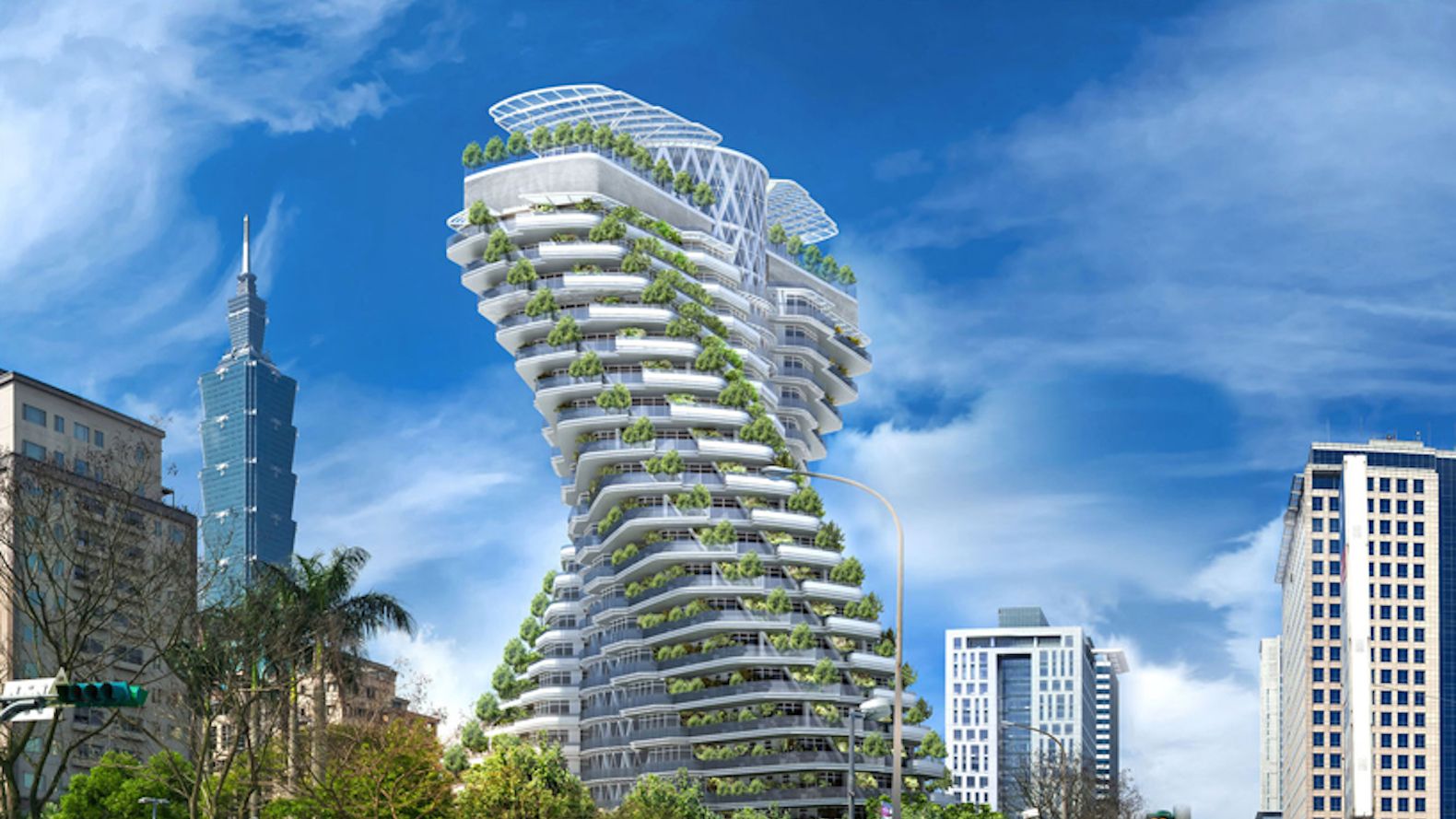
8 Remarkable Buildings That Use Trees as a Design Element

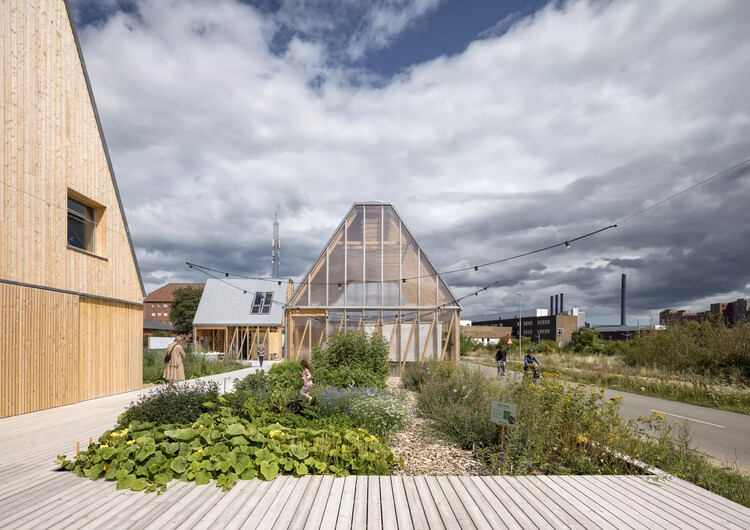
From Prototype to Progress: How Small-Scale Sustainable Housing Models Are Shaping Our Future

Innovations Driving Sustainable Building and Architecture Forward
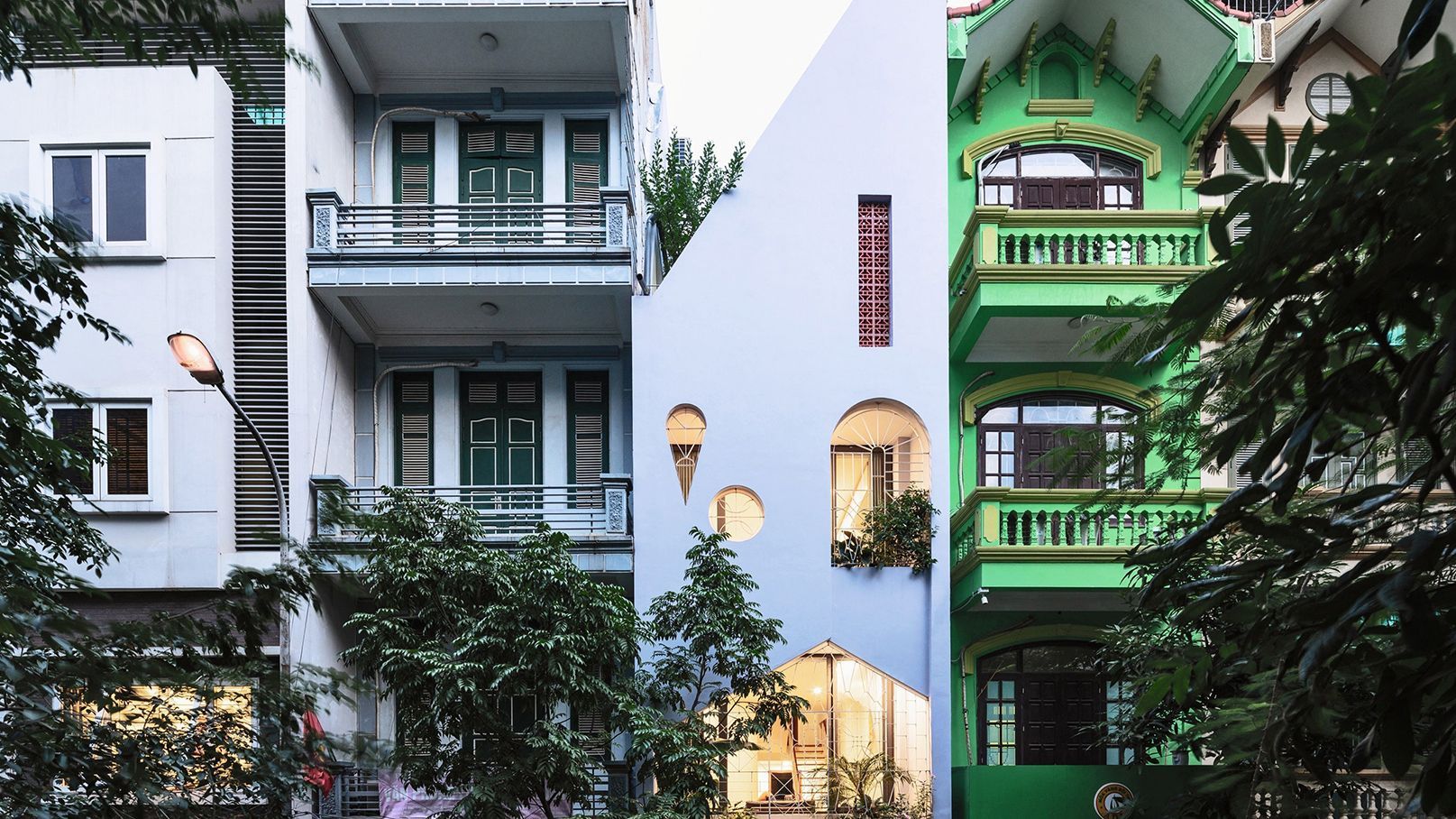
7 breathtaking sustainable homes around the world

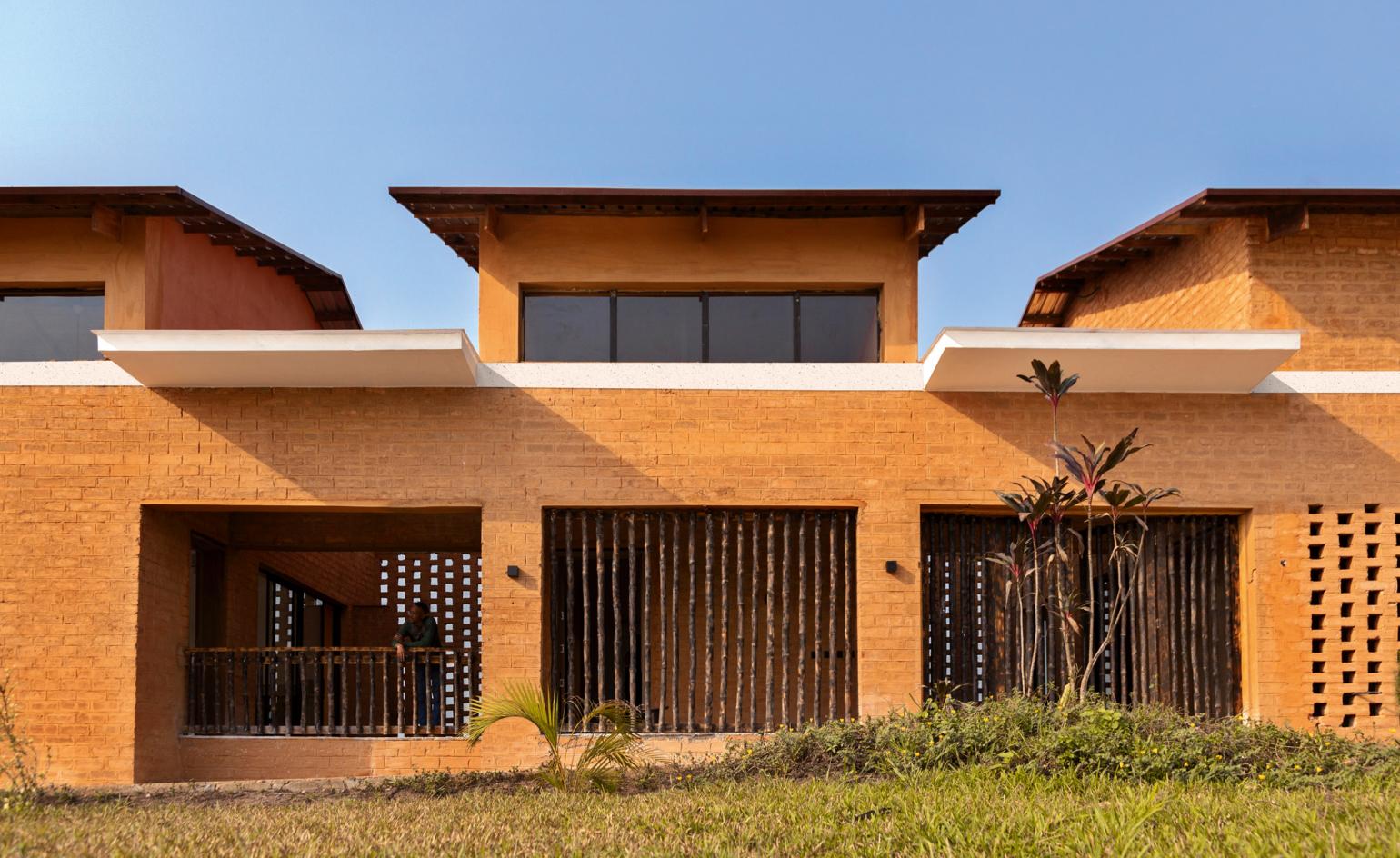
Sustainable architecture: 46 innovative and inspiring building designs

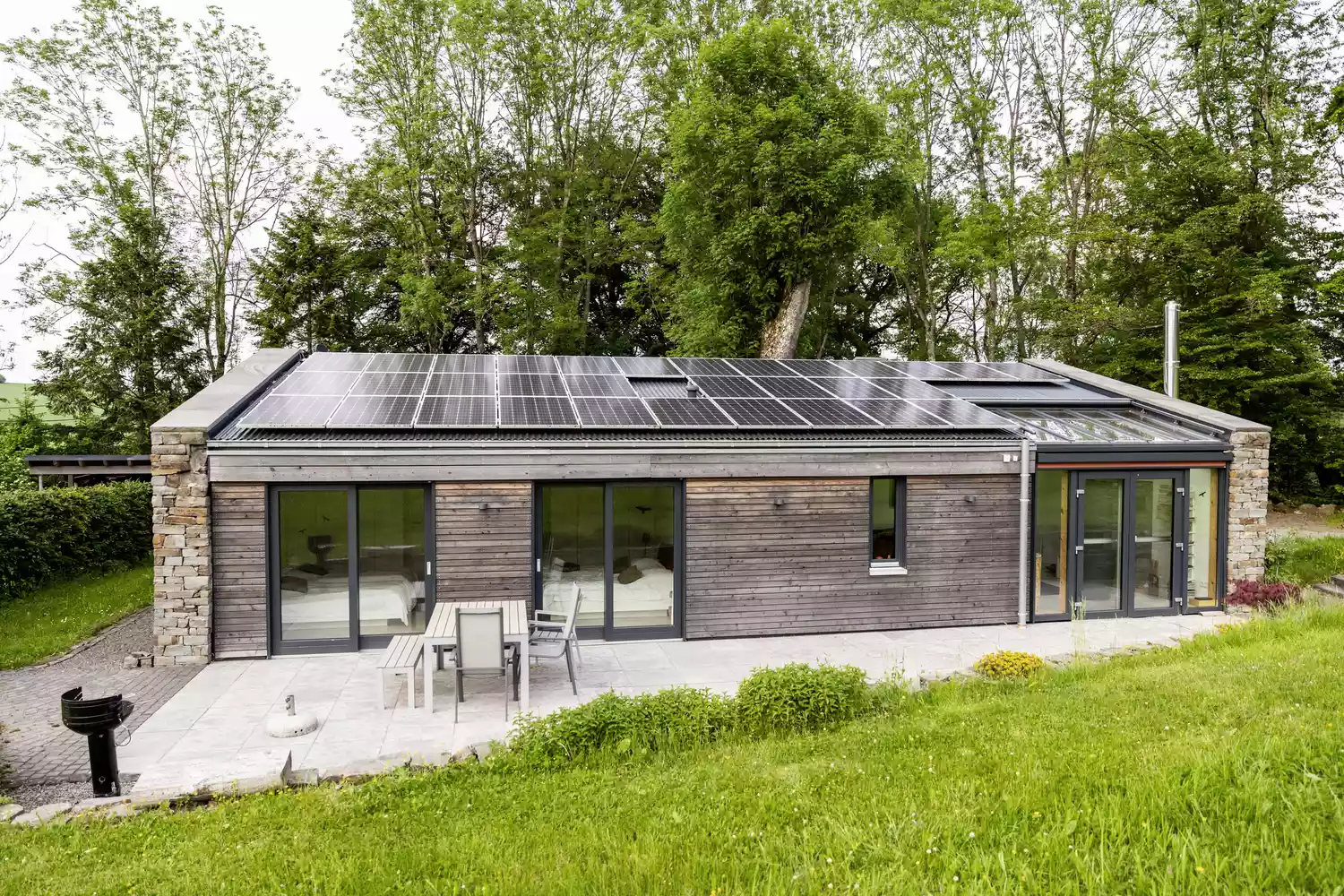
Want an Eco-Friendly Home? Everything You Should Know About Sustainable Architecture

Sustainable Home Décor: Eco-Friendly Interior Design Trends to Watch

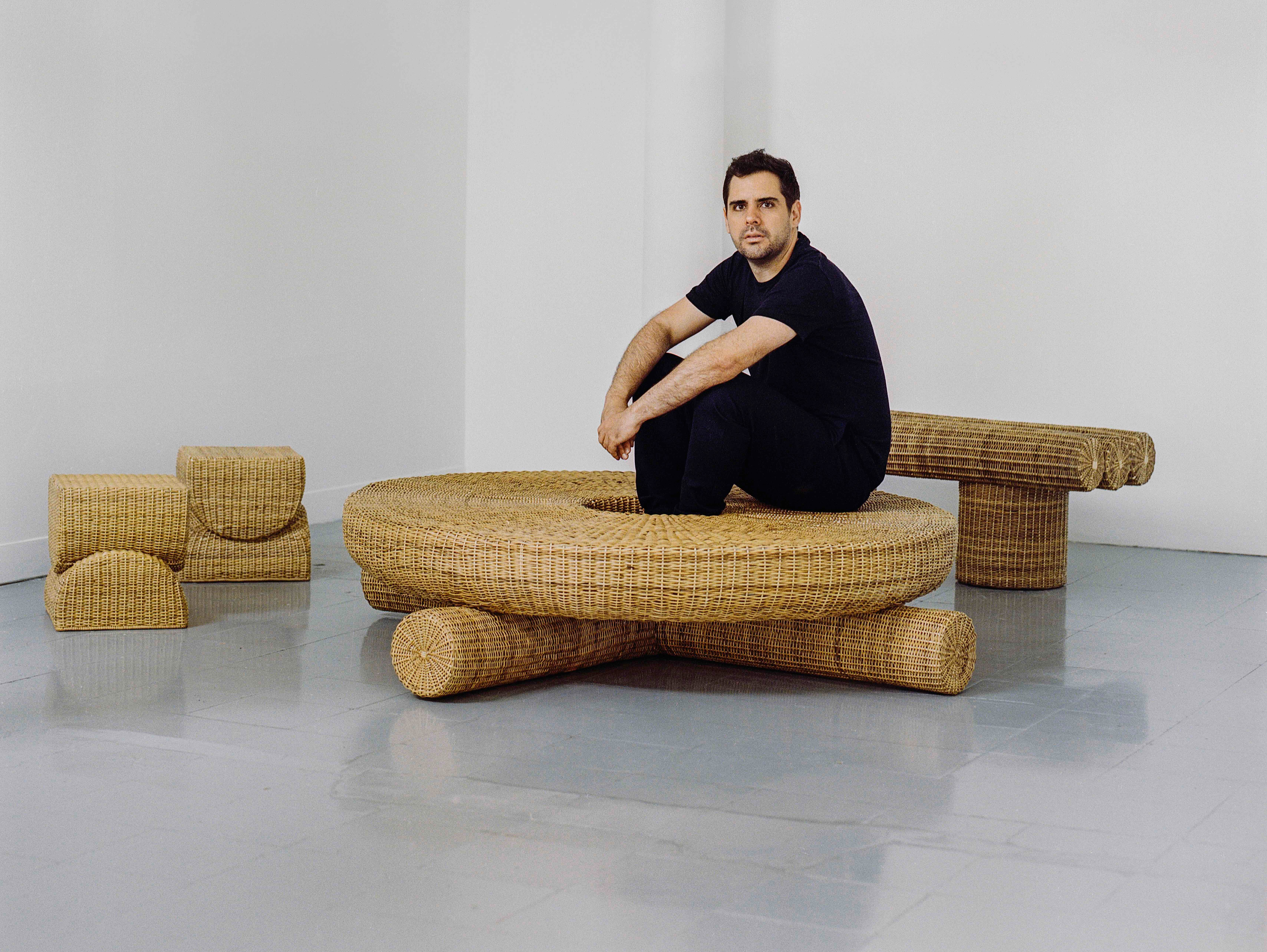
Meet the designers using revolutionary eco materials

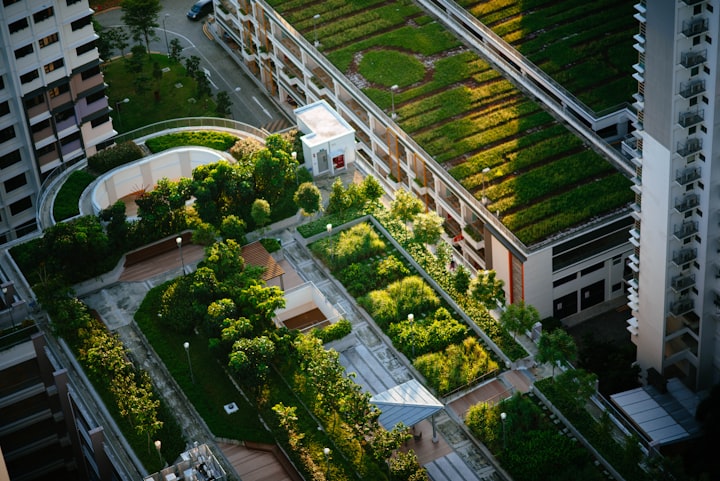
Emerging Trends in Green Building and Sustainable Design
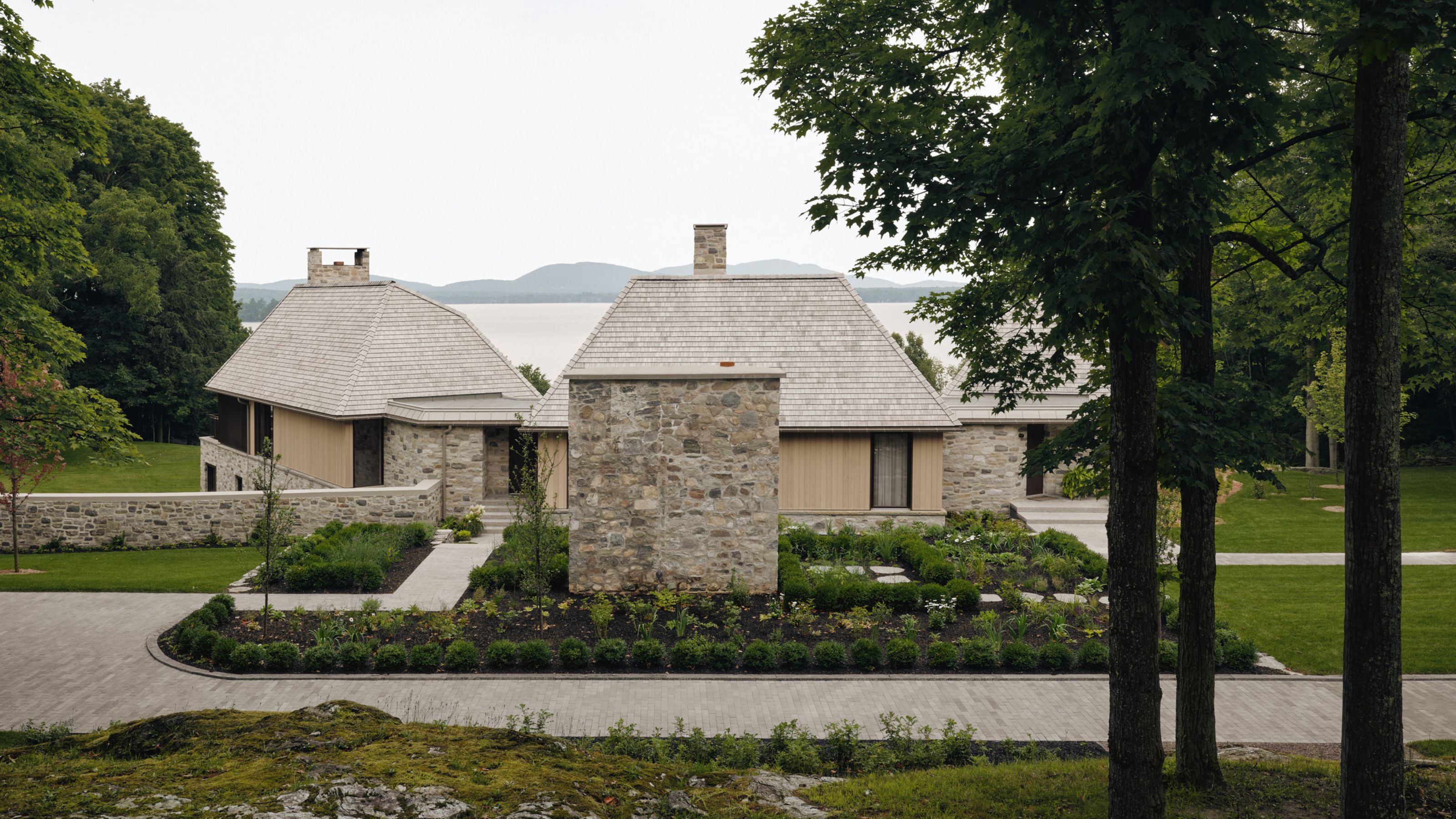
10 Sustainable Homes That Prove Interior Design Can Be Just as Easy on the Eye as It Is on the Earth


How to talk to architects, builders and general contractors about sustainability
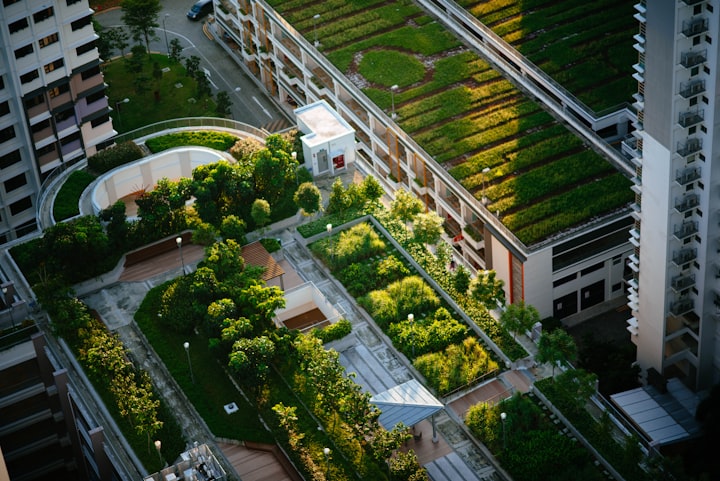
Emerging Trends in Green Building and Sustainable Design

7 sustainable homes with style

How to Make a Facade with Recycled Materials: 21 Notable Examples

Rammed Earth Fits Into Urban Architecture’s Sustainable Future
Top 10 Examples of Most Sustainable Architecture in 2025

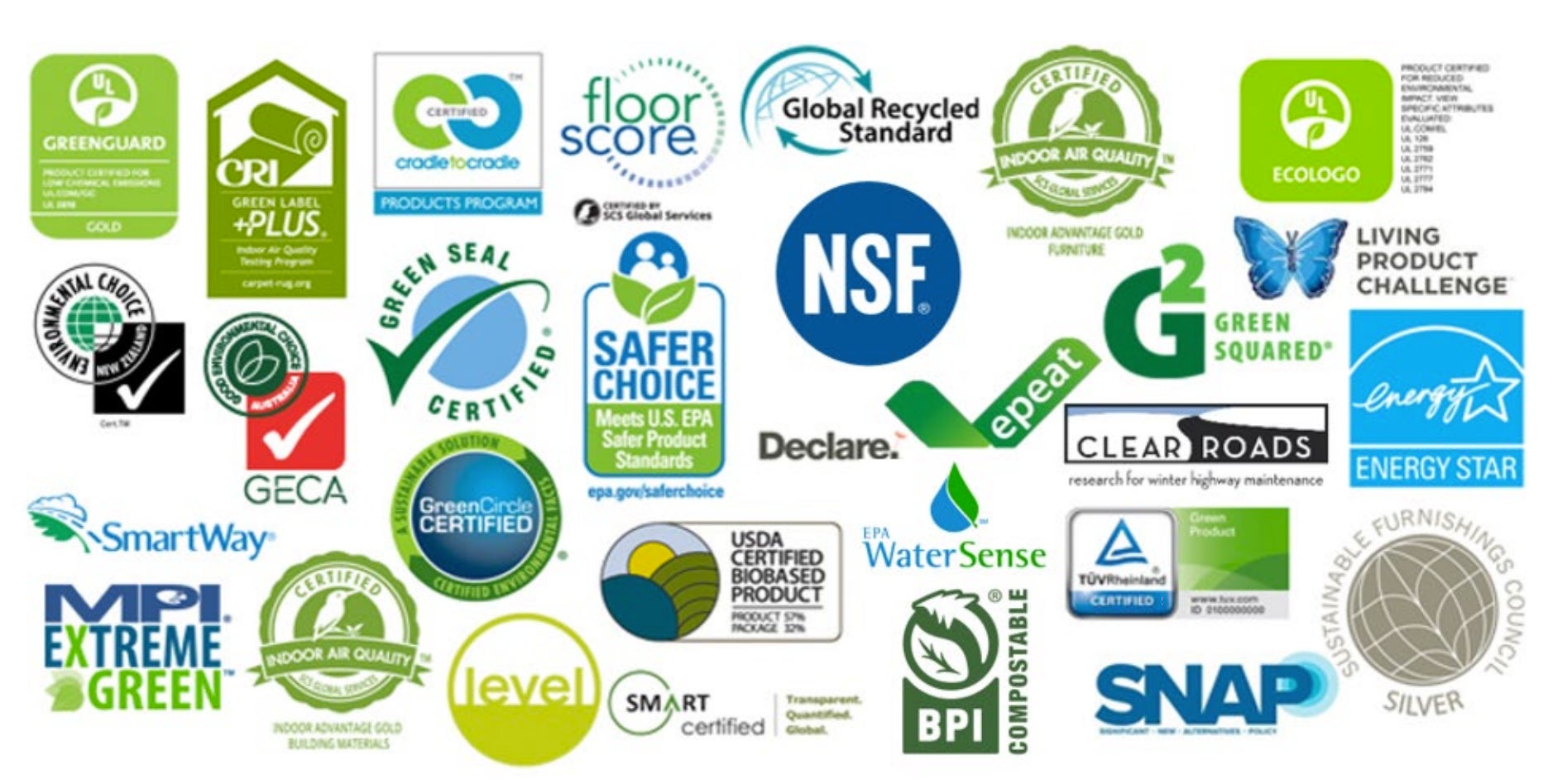
What is sustainable design and how can consumers identify it?

What books inspire sustainable interior design?
A Guide to Sustainable Design