1/11
What is sustainable design and how can consumers identify it?
The concept of sustainable design, frequently linked to eco-friendly fashion, furniture, or architecture, lacks a universal definition, despite its recognized importance. The UK Design Council highlights that over 80% of a product's ecological impact is determined during the design phase. The term itself combines two complex concepts: 'sustainability' and 'design.' Sustainability, as defined by a 1987 UN paper, refers to meeting present needs without compromising future generations' ability to meet their own, a definition that is far from concrete. 'Design' is also a multifaceted term, used as both a noun and a verb, and often confused with art or style, sparking ongoing debates among professional designers across various specializations like architecture, fashion, and interior design, each with its unique terminology and practices.
Different organizations and educators interpret sustainable design differently. For instance, the US General Services Administration defines it as interventions that reduce negative environmental impacts and improve occupant health and comfort in buildings. Similarly, the US Environmental Protection Agency focuses on green architecture. However, practitioners from different design disciplines, even within the same academic program, hold diverse views on what sustainability entails, often considering it a worldview or philosophy. A significant misconception, as pointed out by Denise DeLuca, director of the sustainable design program at the Minneapolis College of Art and Design, is using 'sustainable design' to describe improvements to inherently unsustainable products, such as designing more fuel-efficient cars or LEED-certified buildings, which, while beneficial, do not eliminate environmental impact entirely.
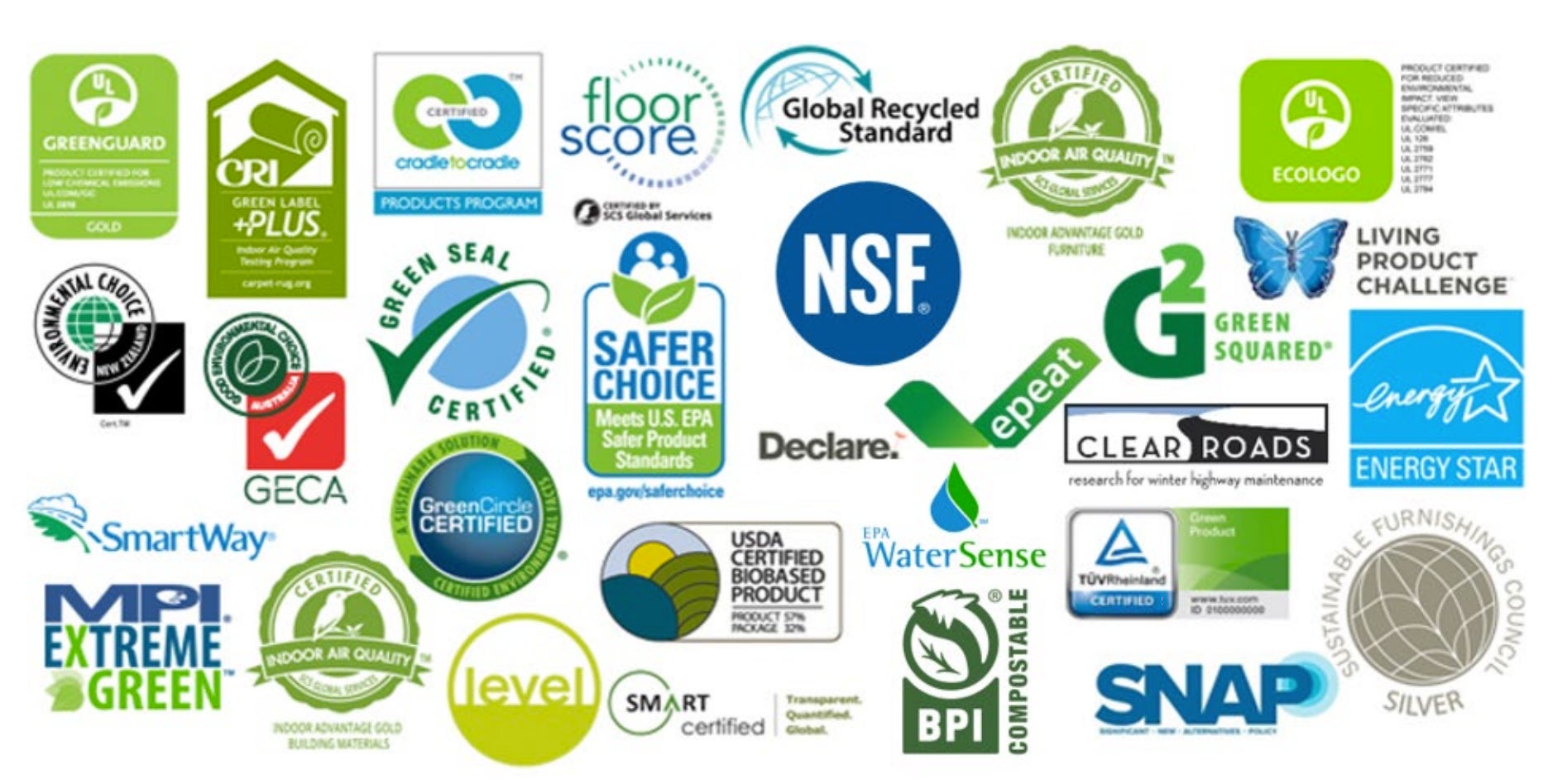
Adding to this confusion is the vast number of eco-labels, certificates, and green stickers. While initially intended to help consumers identify responsibly made goods, this overwhelming array often leads to more bewilderment. There is no single globally accepted symbol for sustainable design, just as there is no universal definition. Historical examples like Germany's "Blue Angel" seal, launched in 1978, aimed to guide consumers toward environmentally friendly products. Over time, numerous countries, independent certification bodies, and industry associations have developed their own seals and criteria, cataloged by resources like the Ecolabel Index. The credibility of these labels varies, with some regulated by the International Organization for Standardization, while others are company-specific branding efforts. For example, Future Prosperity, a new lifestyle brand, created its own "FPXII Certified" seal, intentionally avoiding traditional green and blue aesthetics based on studies suggesting male consumers might perceive such colors as feminine.
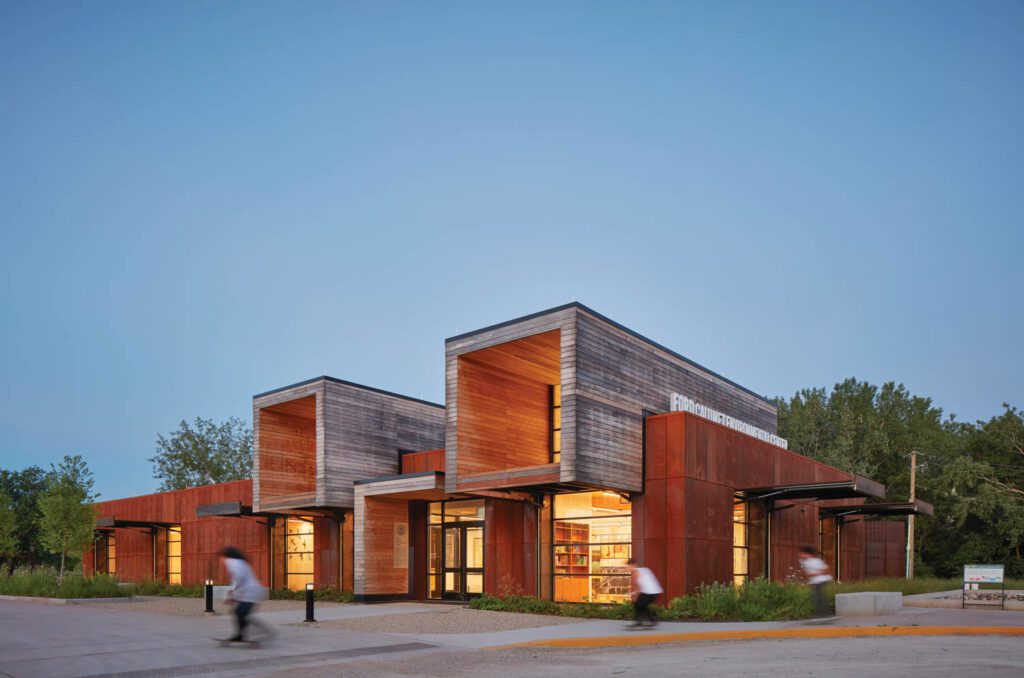
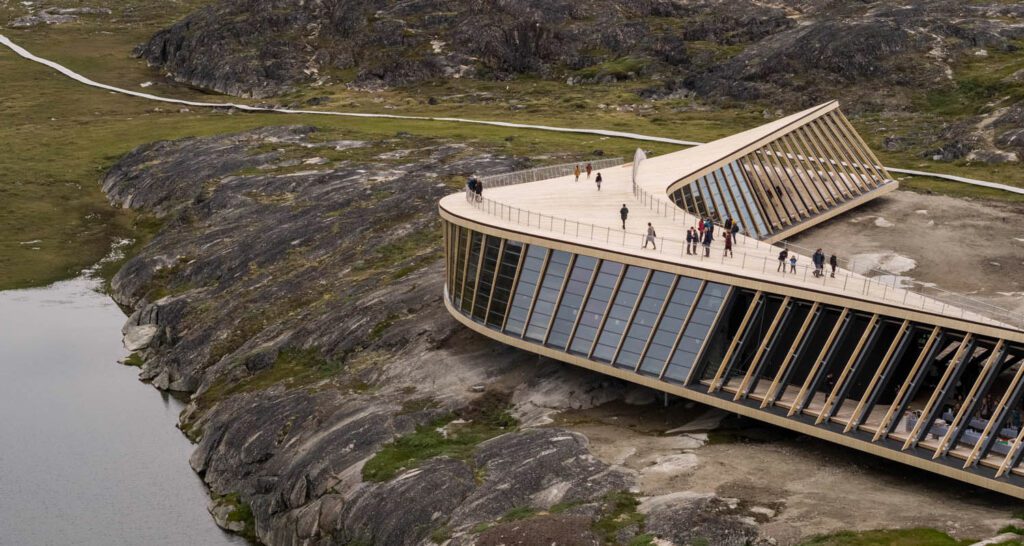
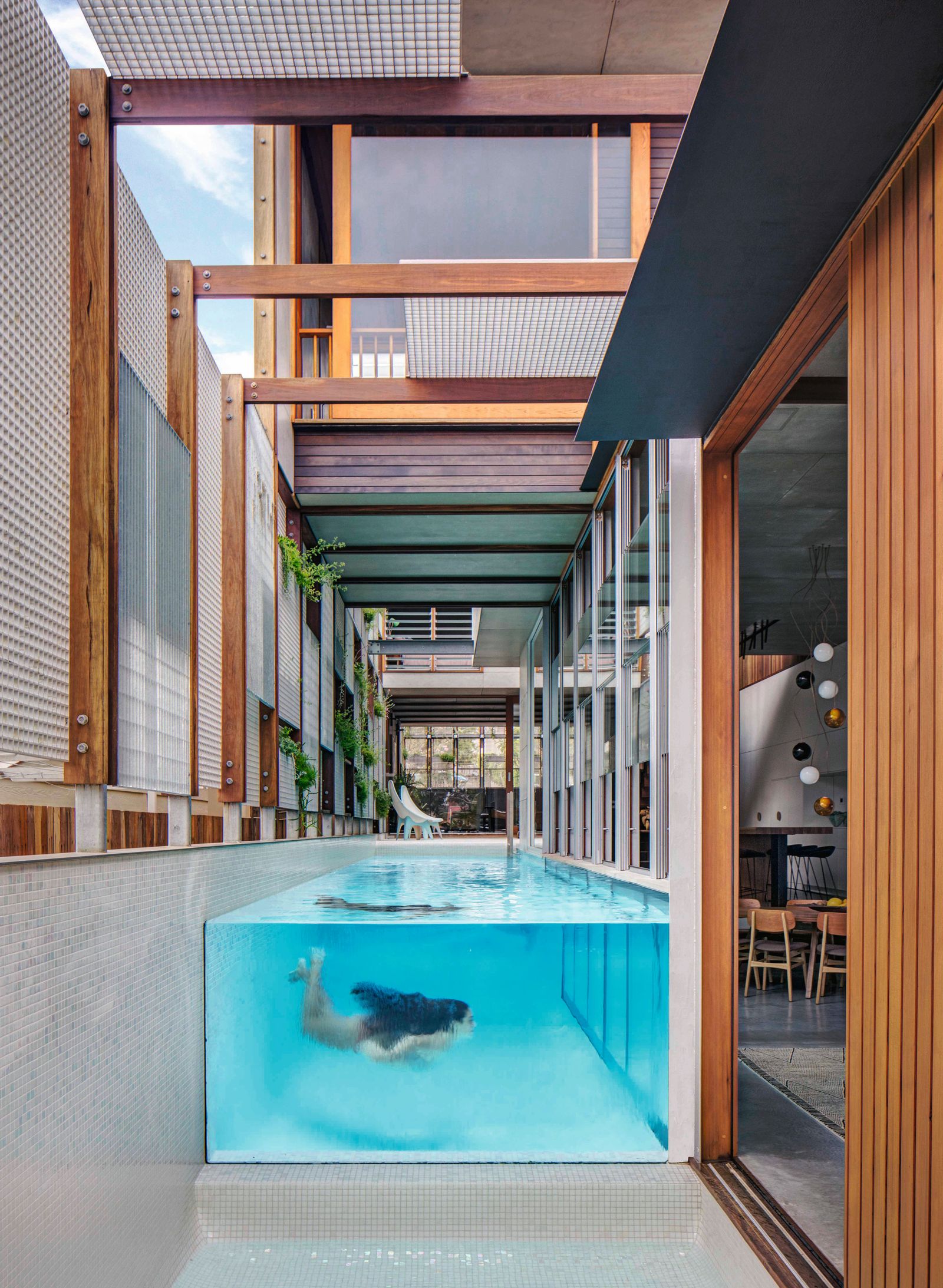
To better understand sustainable design, one must delve into specific design fields. The article categorizes these into architecture and urban design, fashion design, graphic design, interior design, and industrial design. Each category has its own scope, common terms (e.g., biomimicry, circular fashion, FSC-certified, biophilic design, cradle-to-cradle), and specific seals or certifications. Some labels, like the FSC-certified seal, are applicable across multiple fields, appearing on various products from paper to construction materials.
Beyond "sustainable design," terms like "regenerative design" are gaining traction, aiming to encompass broader goals from an environmental perspective, though critics note it may not adequately address human and social aspects. Regenerative design emphasizes restoring and optimizing positive impacts rather than merely reducing negative ones, a shift from the "100% less bad" approach often associated with traditional sustainability. Advocates, such as Michael Pawlyn, argue for an urgent transition to repair damage to life support systems. Designers, with their unique skill sets, are seen as crucial in envisioning and making tangible the possibilities for a truly sustainable future, moving beyond incremental improvements to transformative solutions for the climate emergency.
#SustainableDesign #EcoLabels #EnvironmentalImpact #GreenArchitecture #ConsumerGuidance #RegenerativeDesign #DesignCertification #ProductEcology #SustainableDesign #EcoLabels #EnvironmentalImpact #GreenArchitecture #ConsumerGuidance #RegenerativeDesign #DesignCertification #ProductEcology
0 comment in total
 No comments yet
You may also like
How I encourage my clients to make sustainable choices in their interior design

How can you be more sustainable in your interior design? 10 things to always consider
These Heirloom-Quality Pieces From CB2 Are Designed With Longevity in Mind


The best ways to talk about sustainability with your clients

How residential design offers opportunities for sustainability
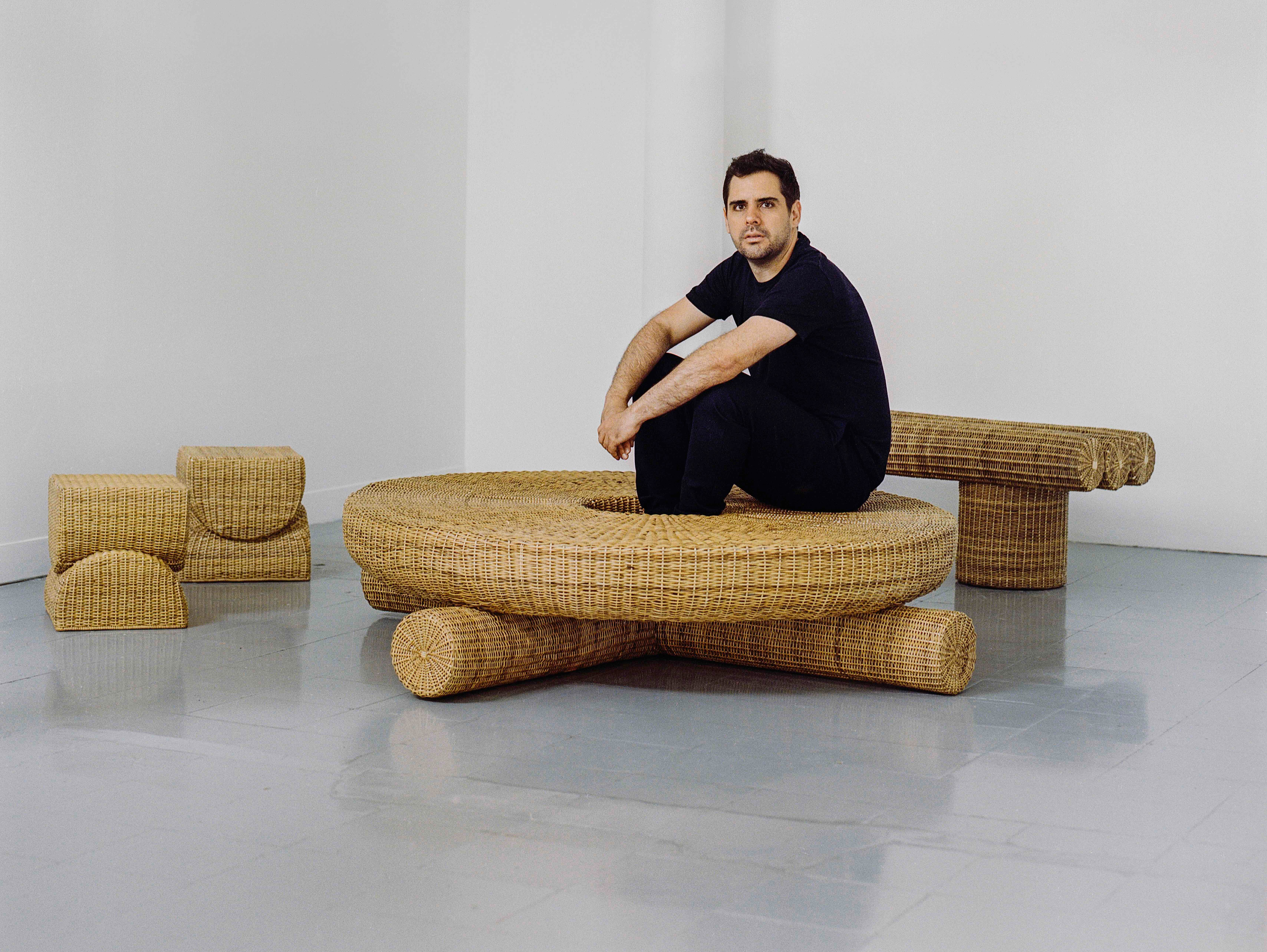
Meet the designers using revolutionary eco materials

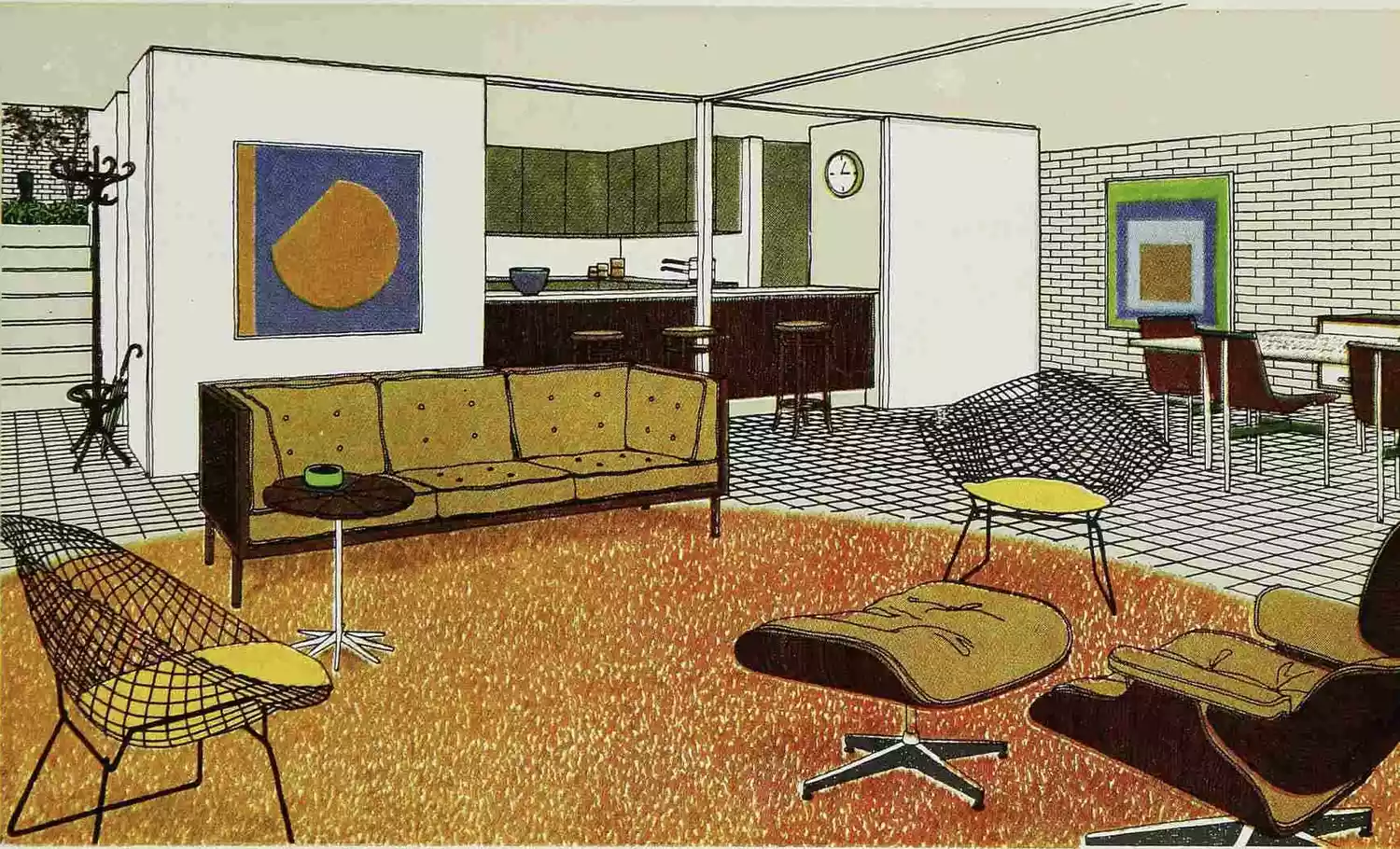
Magazine Archives Spotlight Why Timeless Design Is Sustainable Design
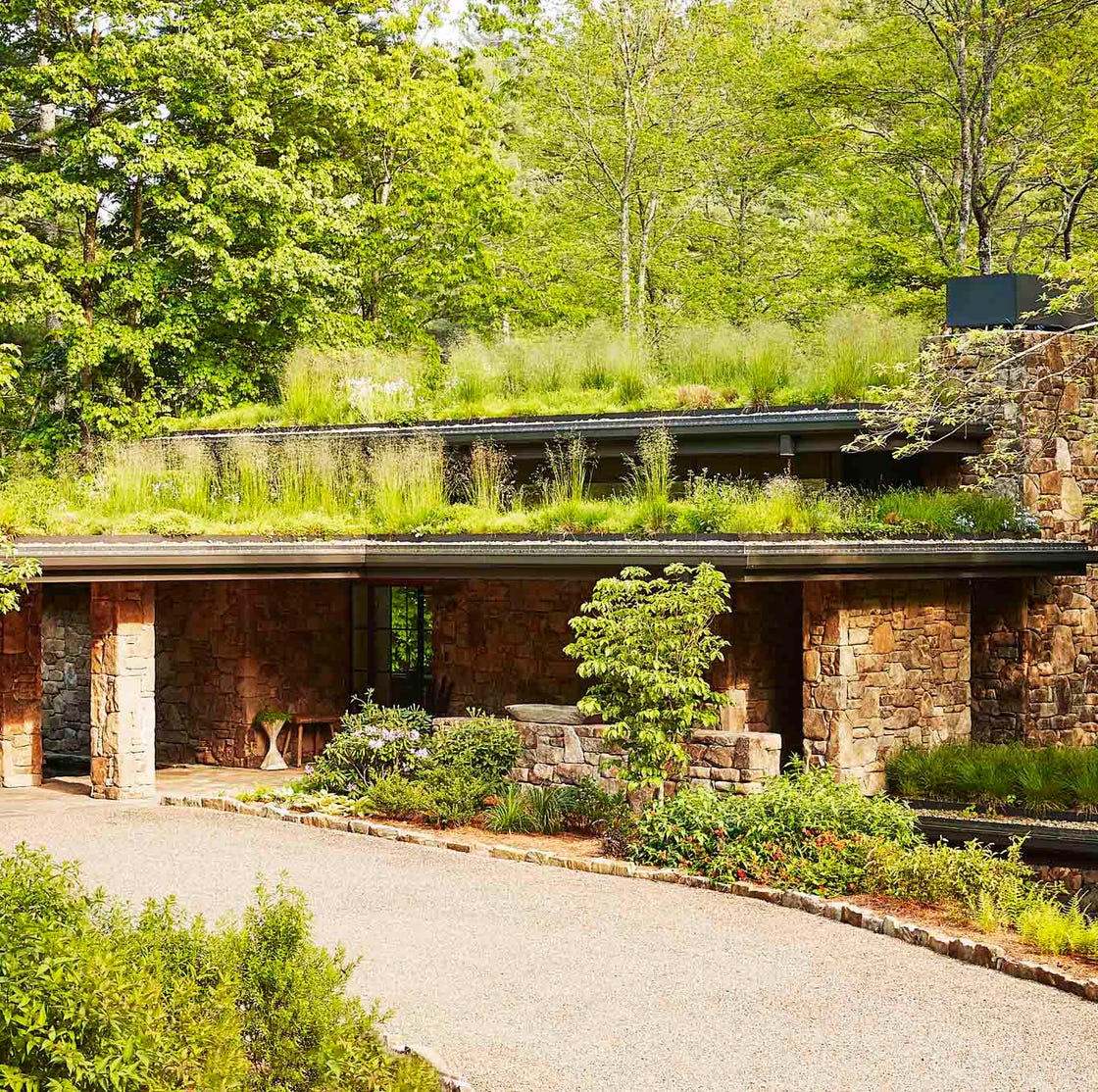
How to Make Your Home More Sustainable, According to Design Experts

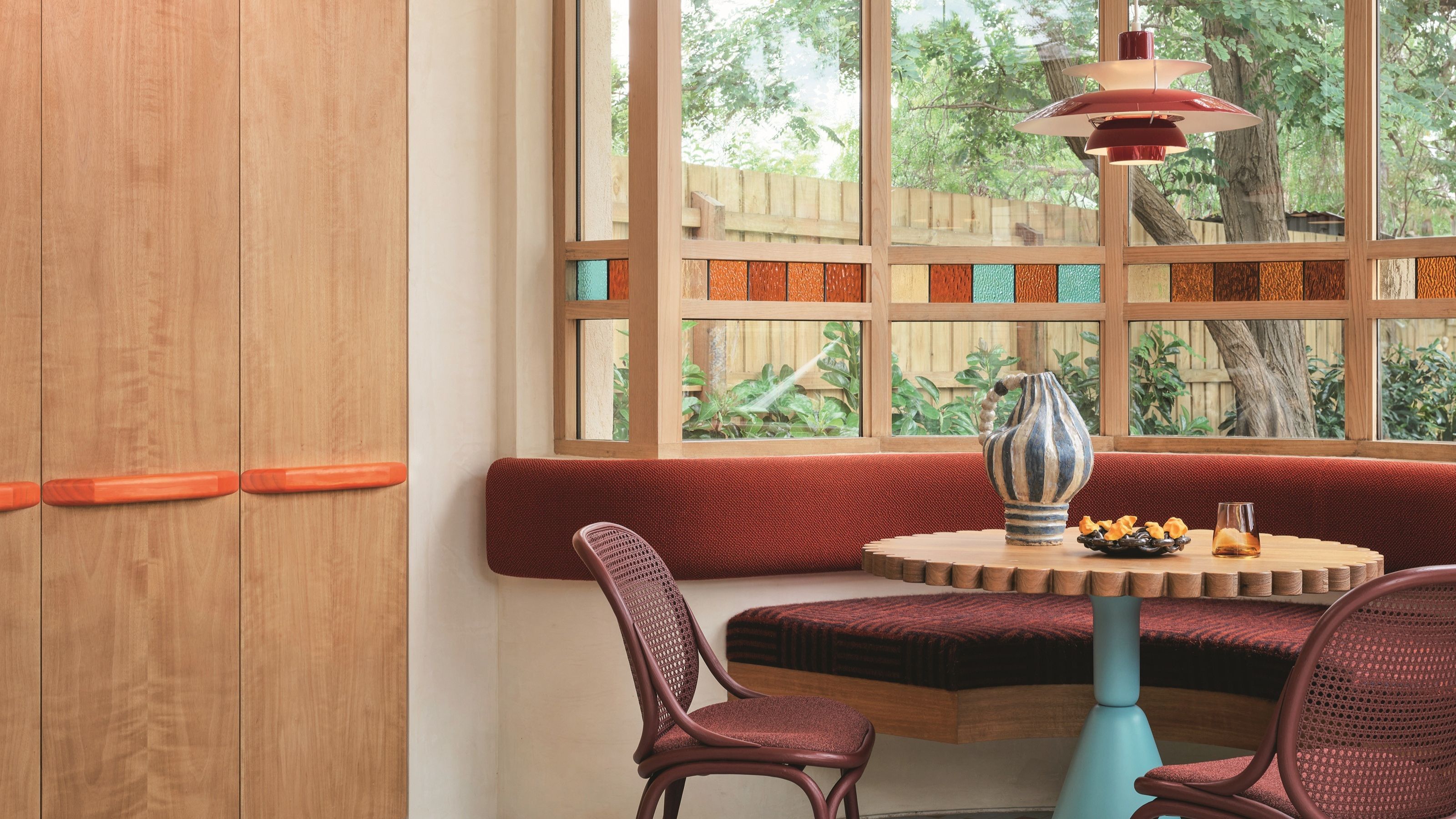
A Digestible Guide to Greenwashing in Interior Design — What It Is, What It's Not, and How to Avoid It

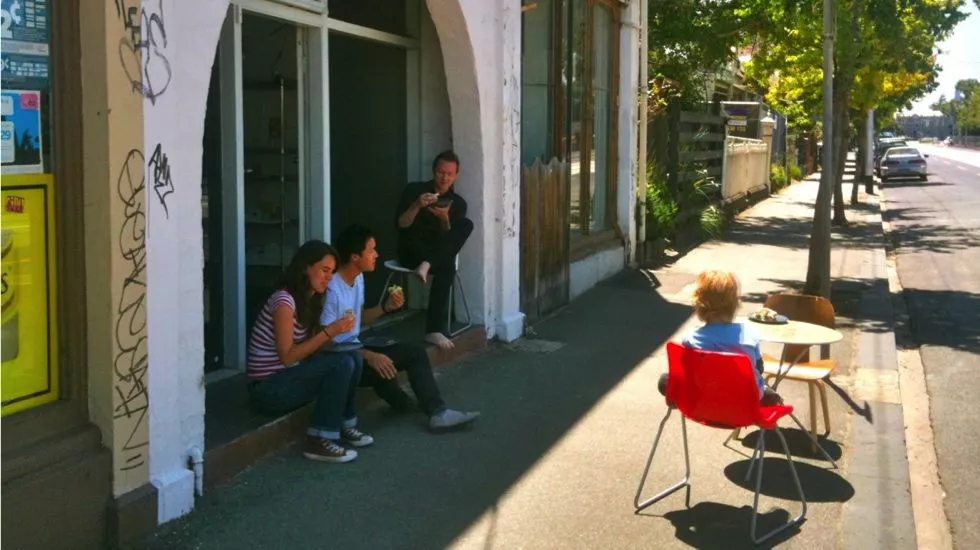
What Is Sustainable Design? A Look at How Australian Architect Andrew Maynard Does It
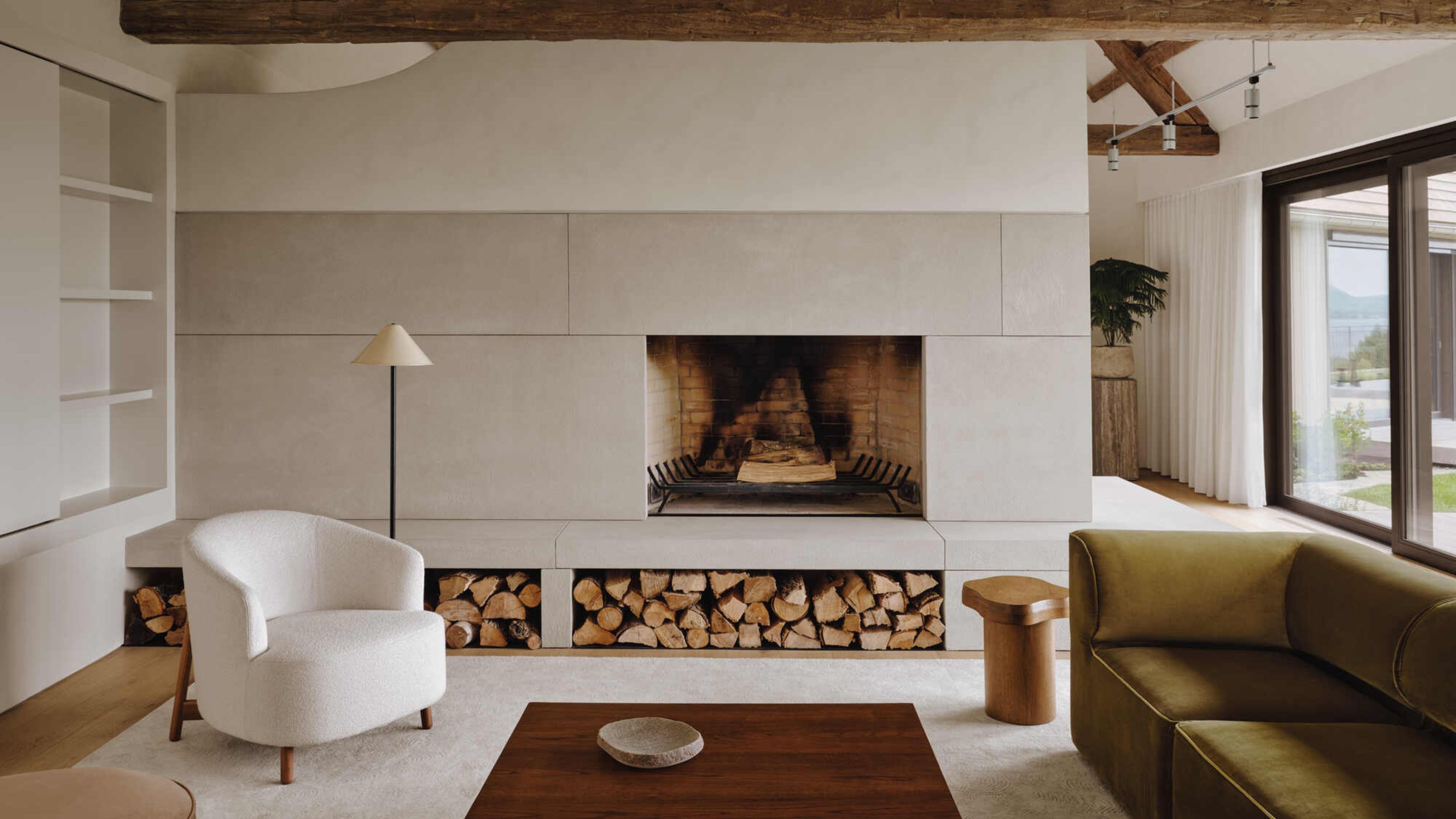
What Sustainable Interior Design Really Means in 2025 — And Why It’s No Longer Just About the Materials
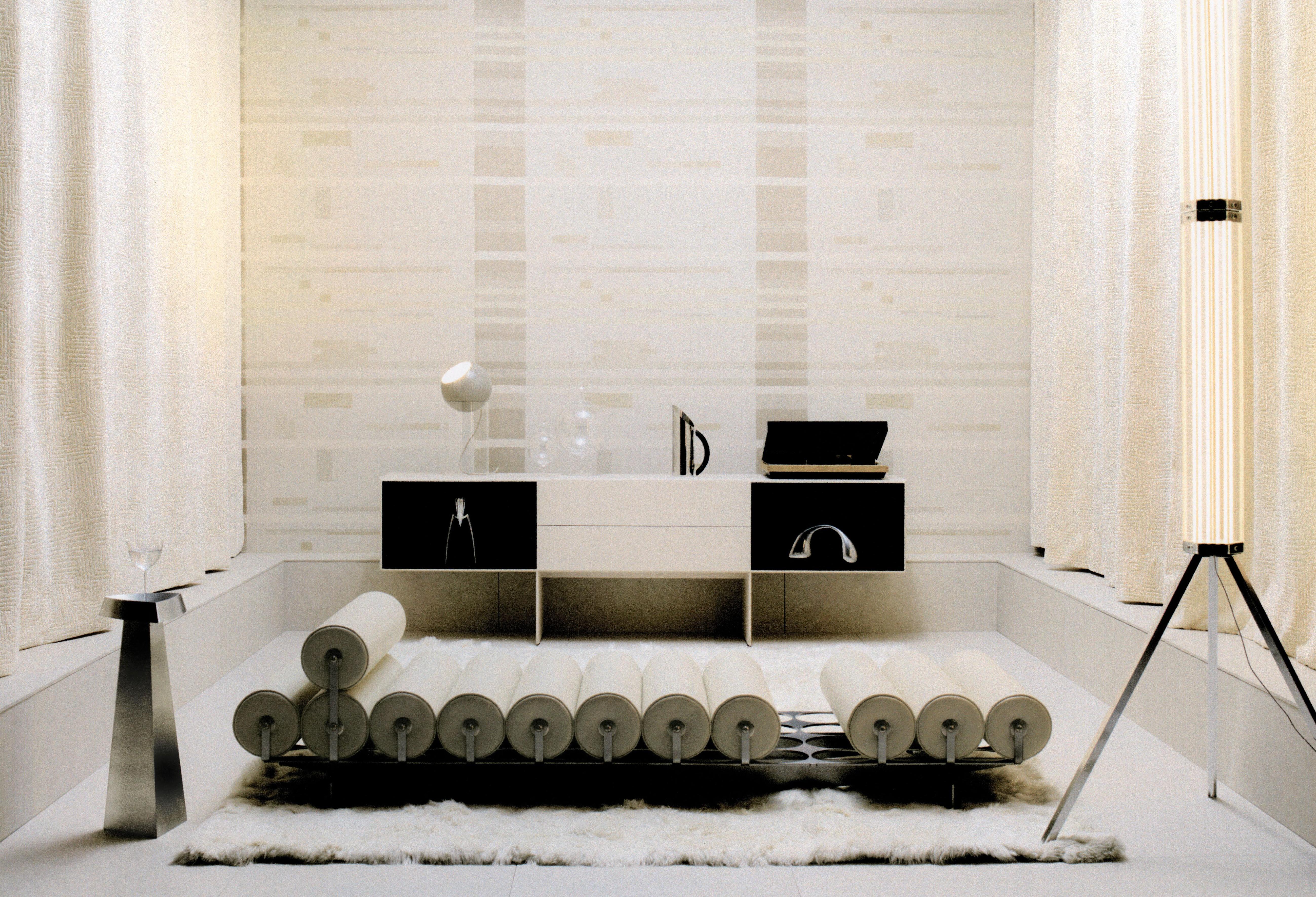
Explore our visual compendium of timeless design, from classic to contemporary furniture, objects and lighting

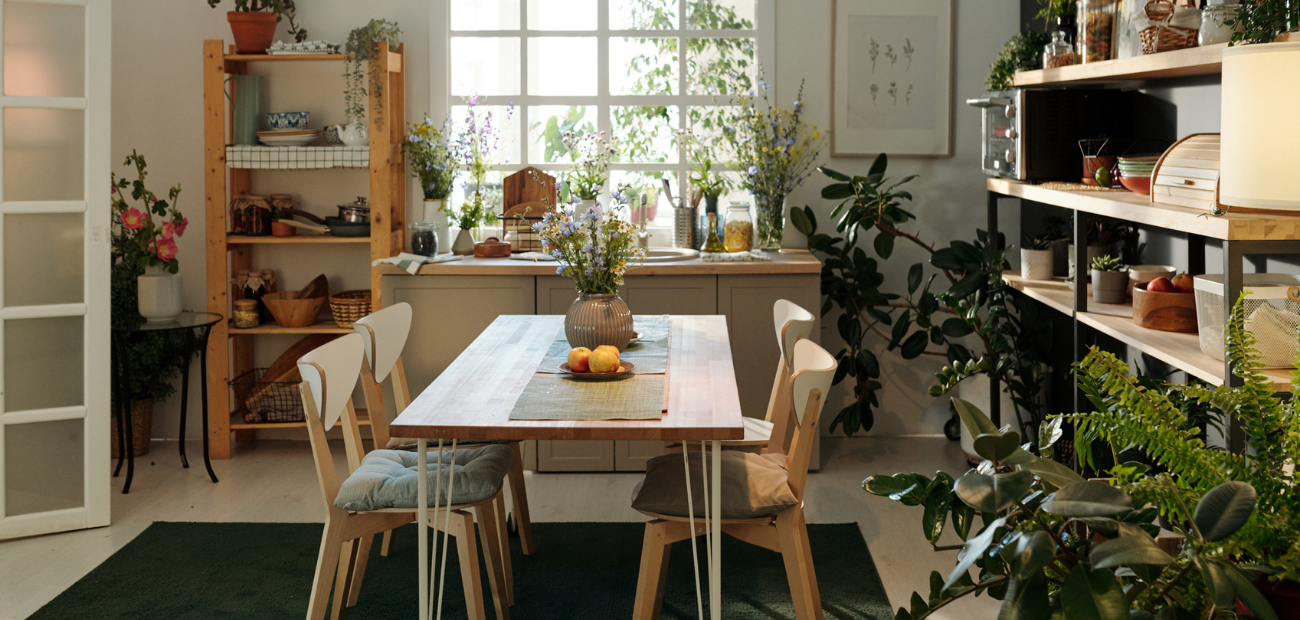
A Guide to Sustainable Design
Sustainable kitchen ideas – 19 ways to design an eco-friendly cook space
7 breathtaking sustainable homes around the world


How to talk to architects, builders and general contractors about sustainability

30 Sustainable Projects Leading the Way for Green Design

How to shop sustainably for your home – 12 stylish ways to make a statement

What books inspire sustainable interior design?
How to Assess a Home’s Sustainability to Choose One That’s Right for You