Magazine Archives Spotlight Why Timeless Design Is Sustainable Design
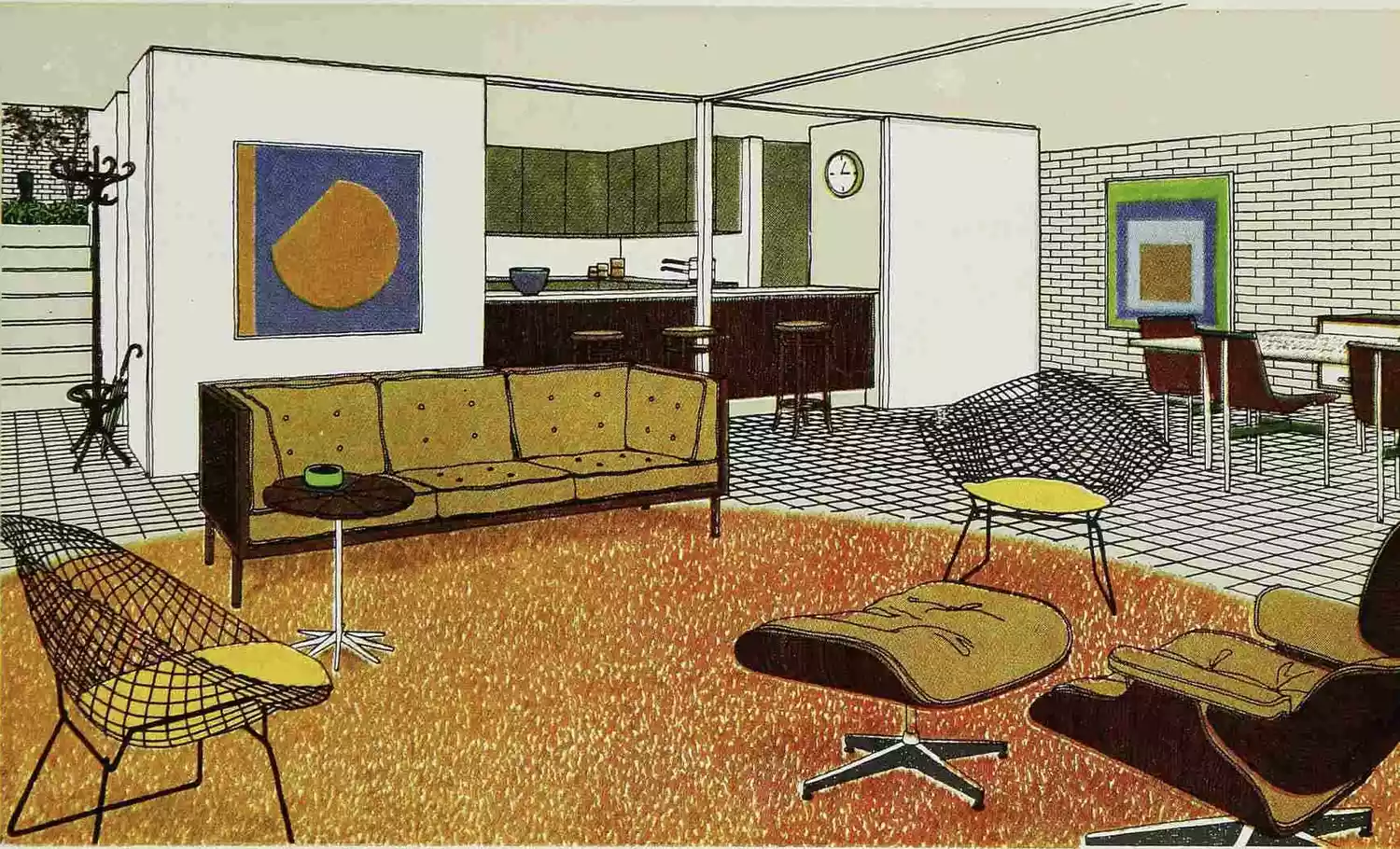
This article explores the concept that good design inherently leads to sustainable outcomes, drawing insights from the archives of Better Homes and Gardens (BHG) magazines. The author, Lloyd Alter, a design editor and educator in sustainable design, reflects on his childhood fascination with design magazines and revisits a specific 1968 BHG issue. The core argument is that objects and designs that are well-conceived and aesthetically appealing are cherished and thus preserved longer, aligning with the philosophy articulated by Lance Hosey: "If it's not beautiful, it's not sustainable." This perspective suggests that aesthetic attraction is an environmental imperative, as desire fuels preservation.
The article delves into a particular house design featured in the 1968 BHG issue, a commission from architect Y.C. Wong, AIA. Wong, a student of Ludwig Mies van der Rohe, was known for his precision, directness, and use of atriums and glass-walled interiors, features prominently displayed in the chosen design. The house plan, unconstrained by specific client demands or site limitations, allowed for an optimal representation of the architect's vision. Key features of the house include a front facade with no street-facing windows, an atrium entrance court, and robust construction methods like cavity walls with insulation and precast concrete ceilings, which, while not considering embodied carbon at the time, contribute to durability and low maintenance.
A significant part of the discussion revolves around the furniture choices presented in the architectural renderings. The author identifies classic pieces such as the Eames Lounge chair, Bertoia diamond chairs, Mies van der Rohe stools, an Arco floor lamp, and a Thonet rocking chair, many of which are still in production. The article highlights the expertise of the individuals responsible for furnishing these fictional spaces, crediting Carlos Diniz Associates, a prominent architectural presentation firm. Carlos Diniz, an illustrator who started his career after WWII and later worked with renowned architects like Victor Gruen, was likely instrumental in selecting the iconic modern furniture that imbued the renderings with timeless appeal.
The house plan also showcases an innovative kitchen layout that offers both open and closed configurations through the use of sliding doors, providing an efficient U-shaped design that balances contemporary preferences for openness with the functionality of a closed-off space. The upper level features a three-bedroom, two-bathroom layout, with a notable separation of the toilet from the sink area for improved hygiene and privacy. The article concludes by emphasizing that while some aspects of the 1968 design, such as the atrium entry for security or the large real estate footprint for the garage, might be viewed differently today, the overall durability and enduring aesthetic of the house and its furnishings exemplify sustainable design principles. The value of the furniture, possibly surpassing that of the house itself, further underscores the lasting investment in well-designed pieces, reinforcing the idea that timeless design contributes to sustainability.
#SustainableDesign #TimelessDesign #ArchitecturalHistory #MidCenturyModern #InteriorDesign #BetterHomesAndGardens #YCWong #CarlosDiniz #DesignSustainability #SustainableDesign #TimelessDesign #ArchitecturalHistory #MidCenturyModern #InteriorDesign #BetterHomesAndGardens #YCWong #CarlosDiniz #DesignSustainability
0 comment in total
 No comments yet
You may also like
Explore our visual compendium of timeless design, from classic to contemporary furniture, objects and lighting

Meet the designers using revolutionary eco materials

The unexpected 'microtrends' that designers say are actually timeless
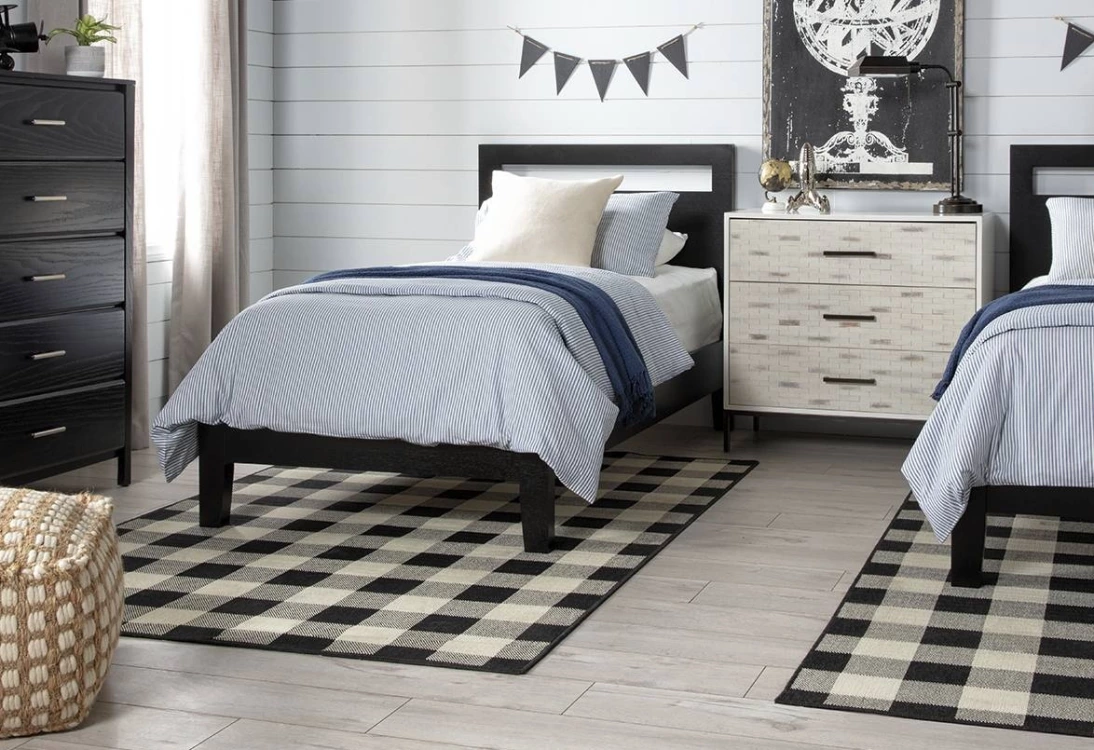
Timeless Eco-Friendly Home Decor for a Sustainable Living
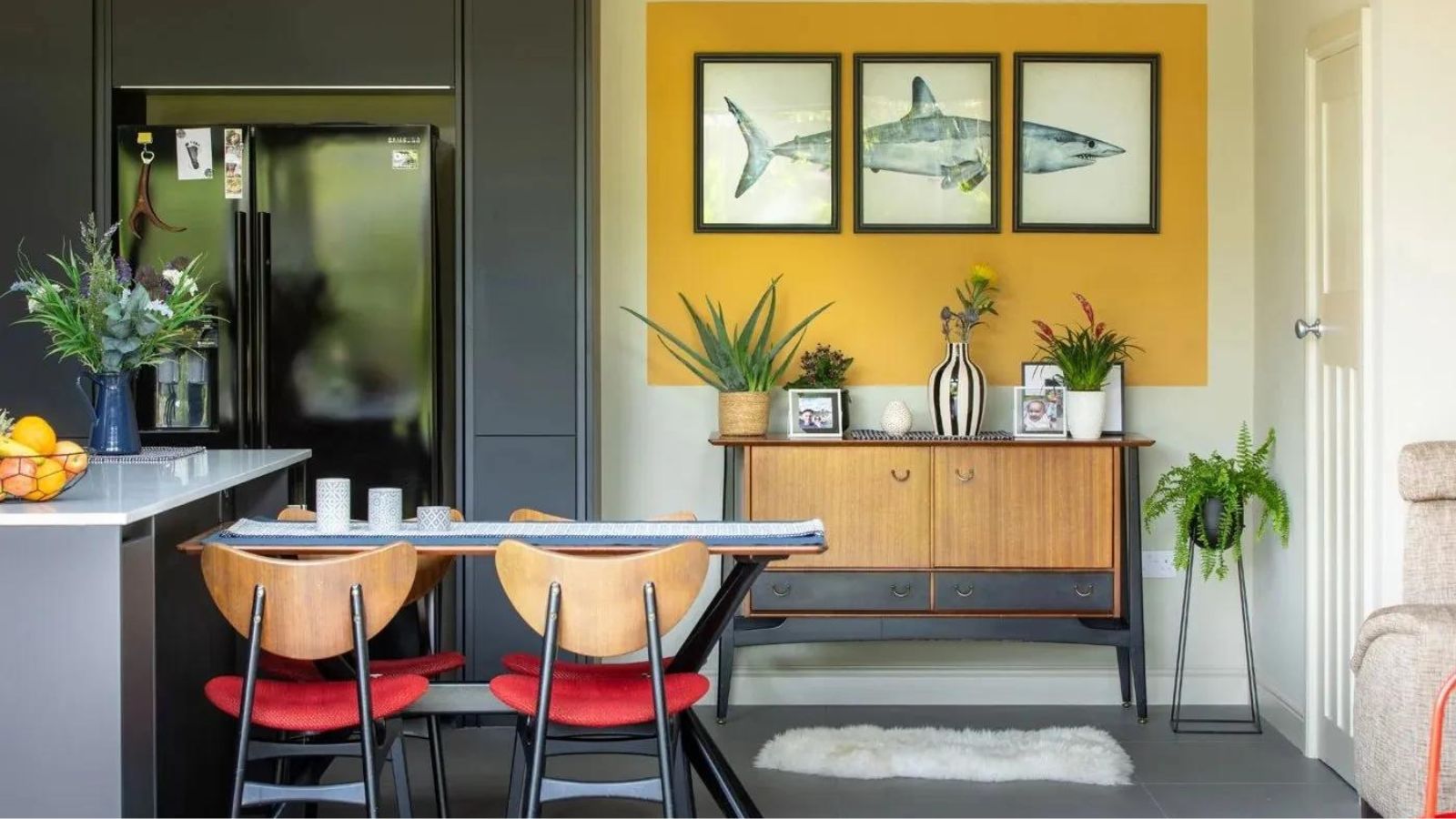
Should you follow interior design trends? Do they create a stylish home or one that will date fast?
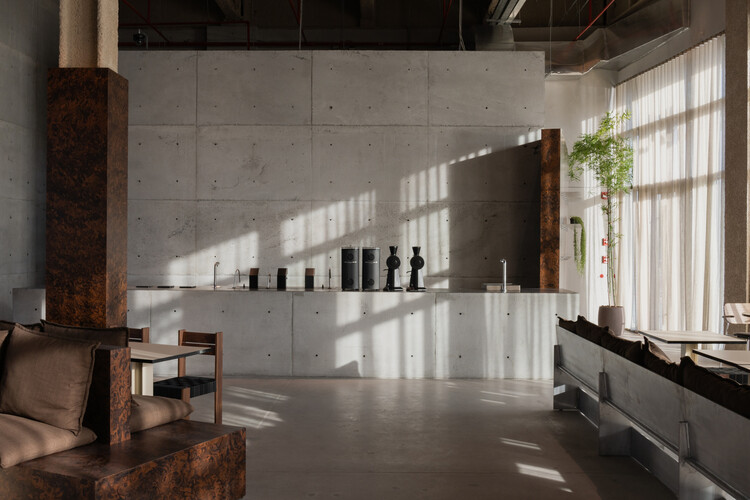
Unwrapped Interiors: A Case for Material Authenticity and Clarity

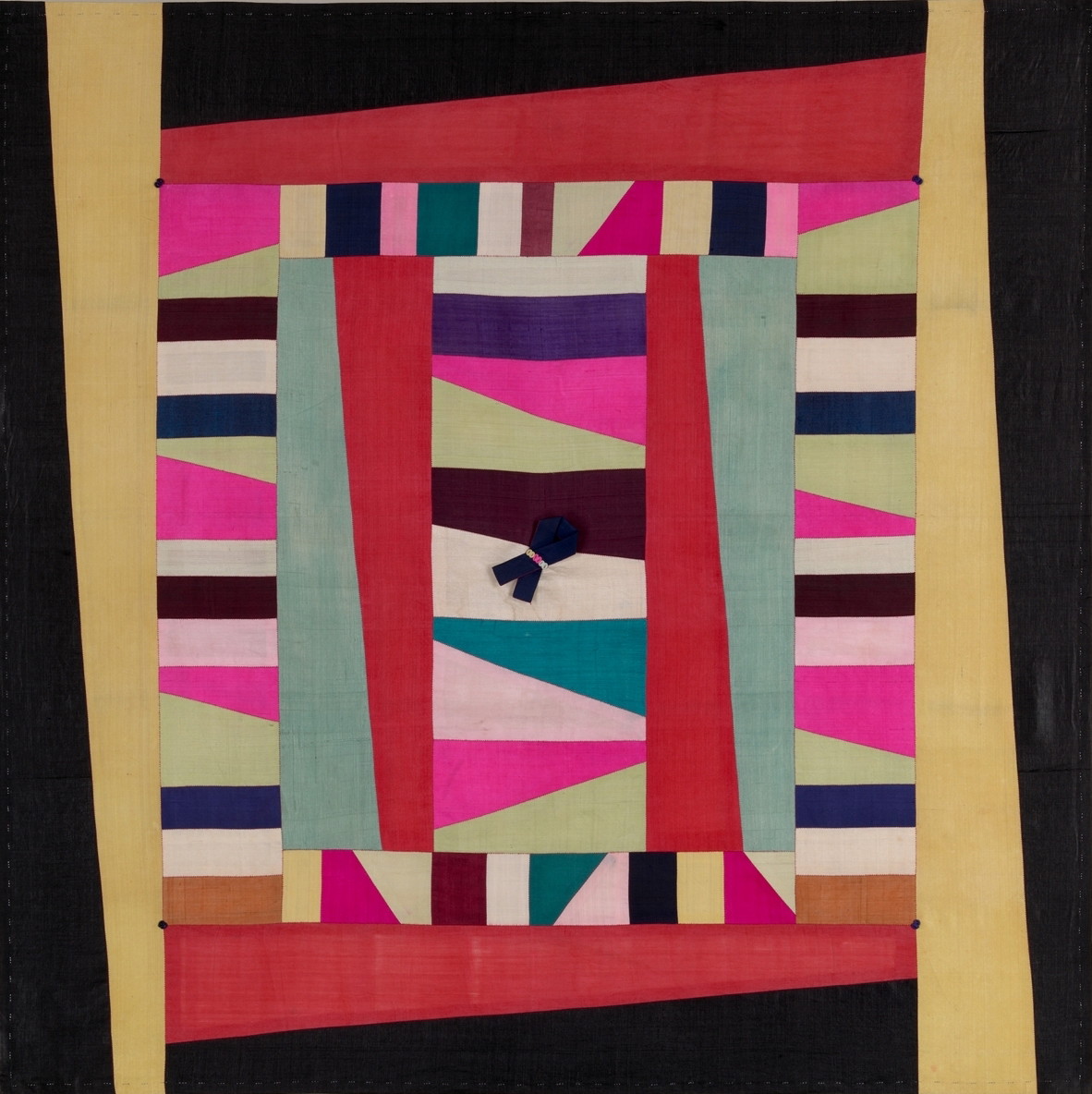
Material Acts - Elsa Mäki - Stitching: Future Fabrication and Traditions of Reuse
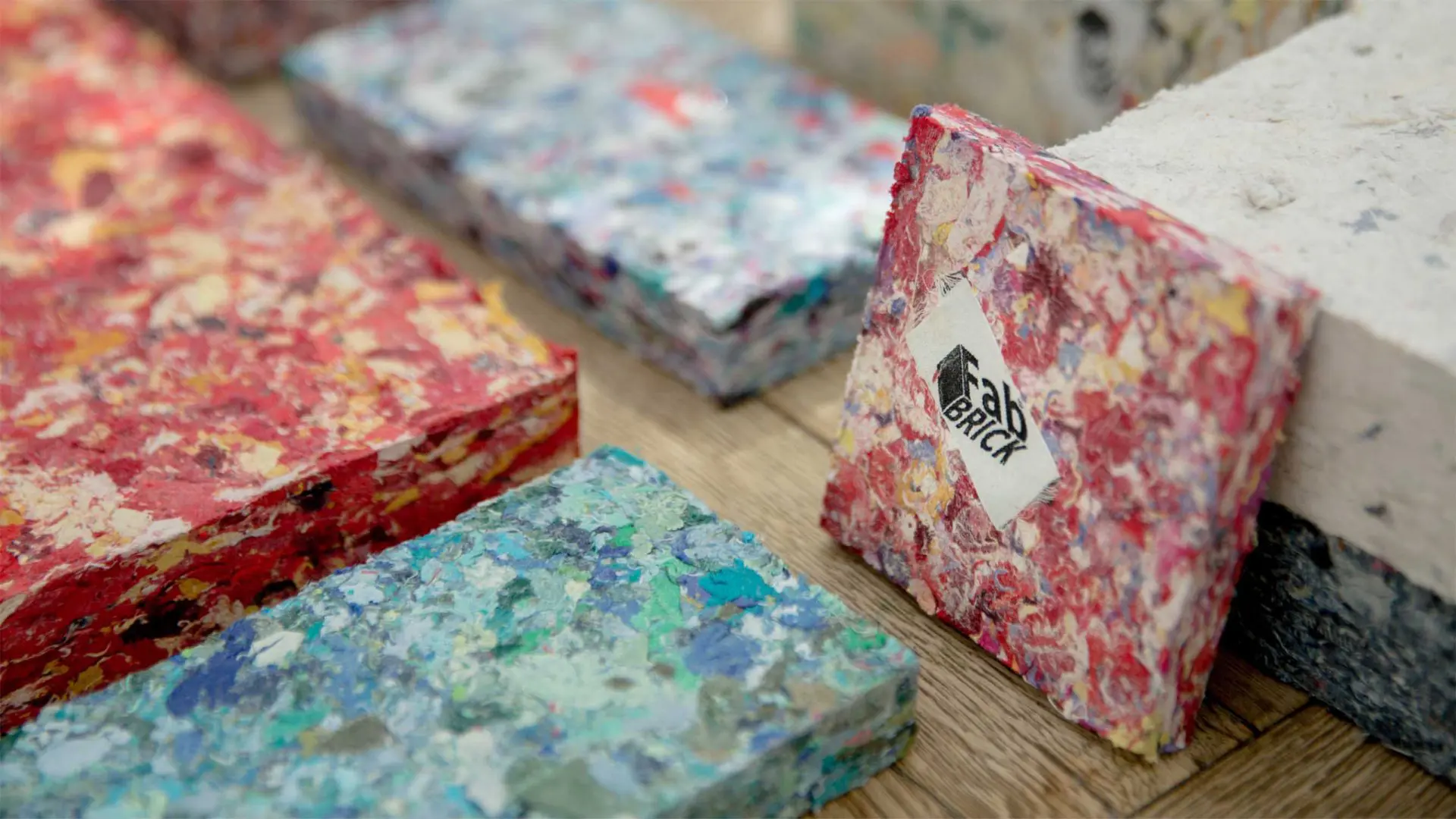
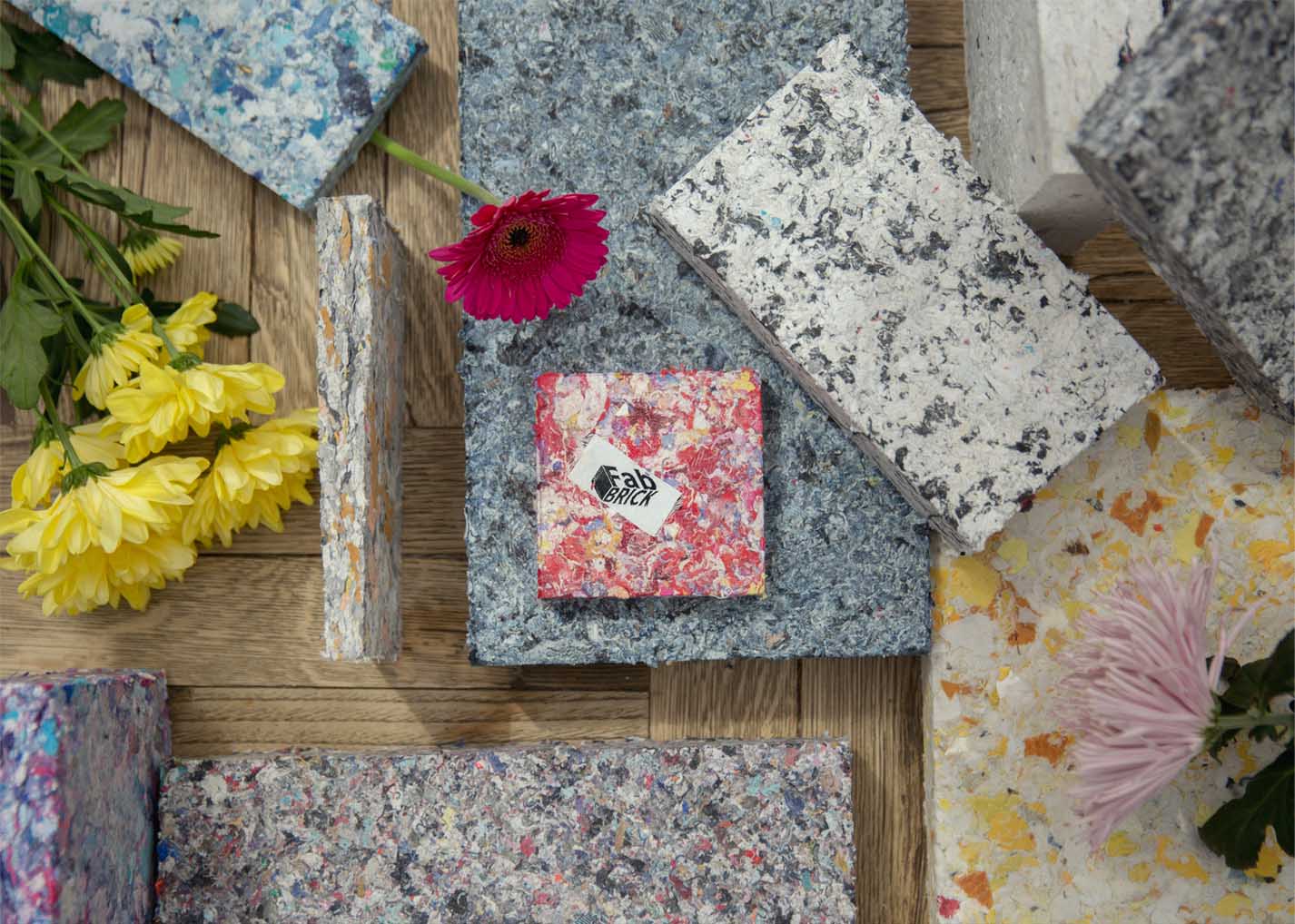
FabBRICK reinvents construction materials with recycled textile waste

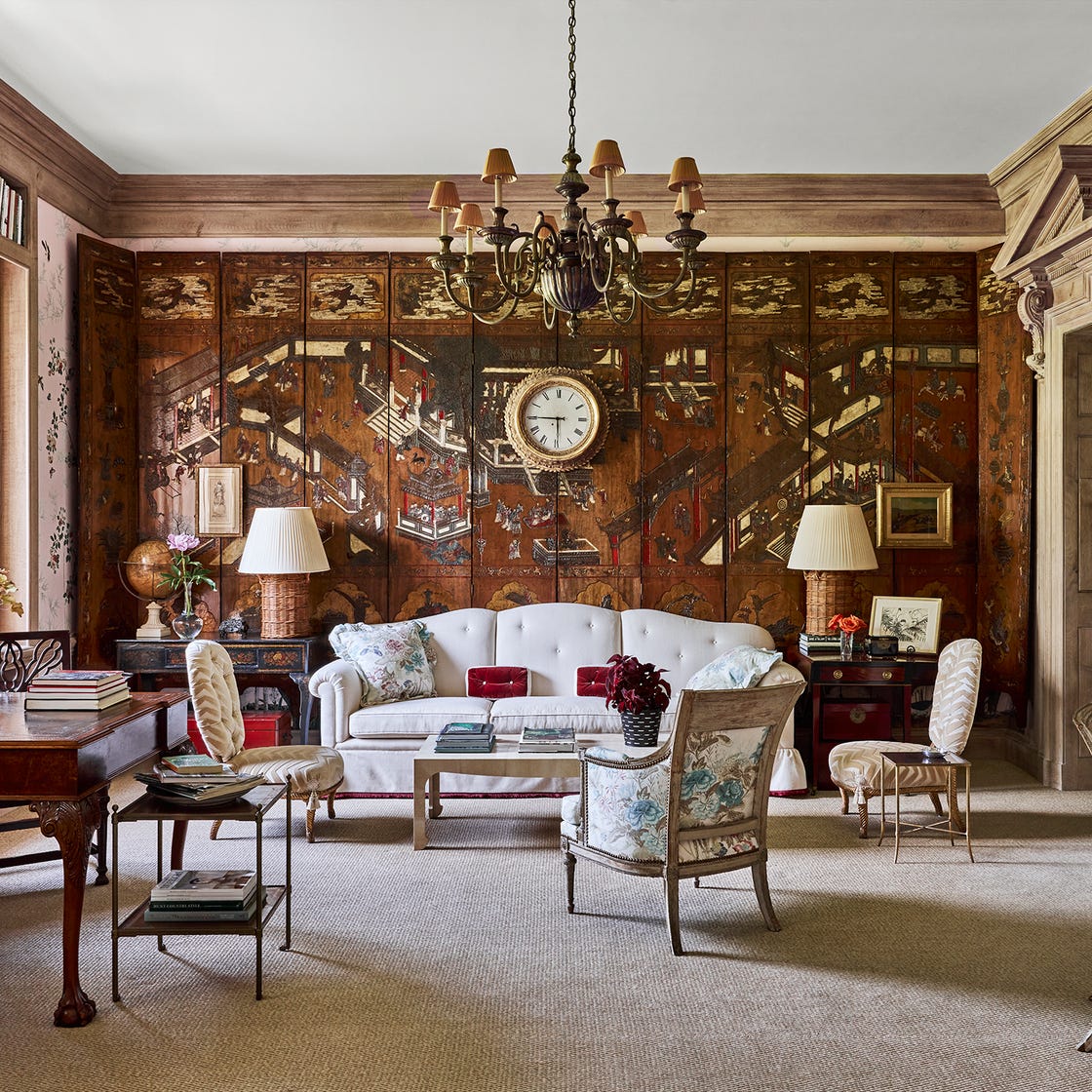
9 Decorating Choices That'll Never Go Out of Style, According to Interior Designers


The best ways to talk about sustainability with your clients

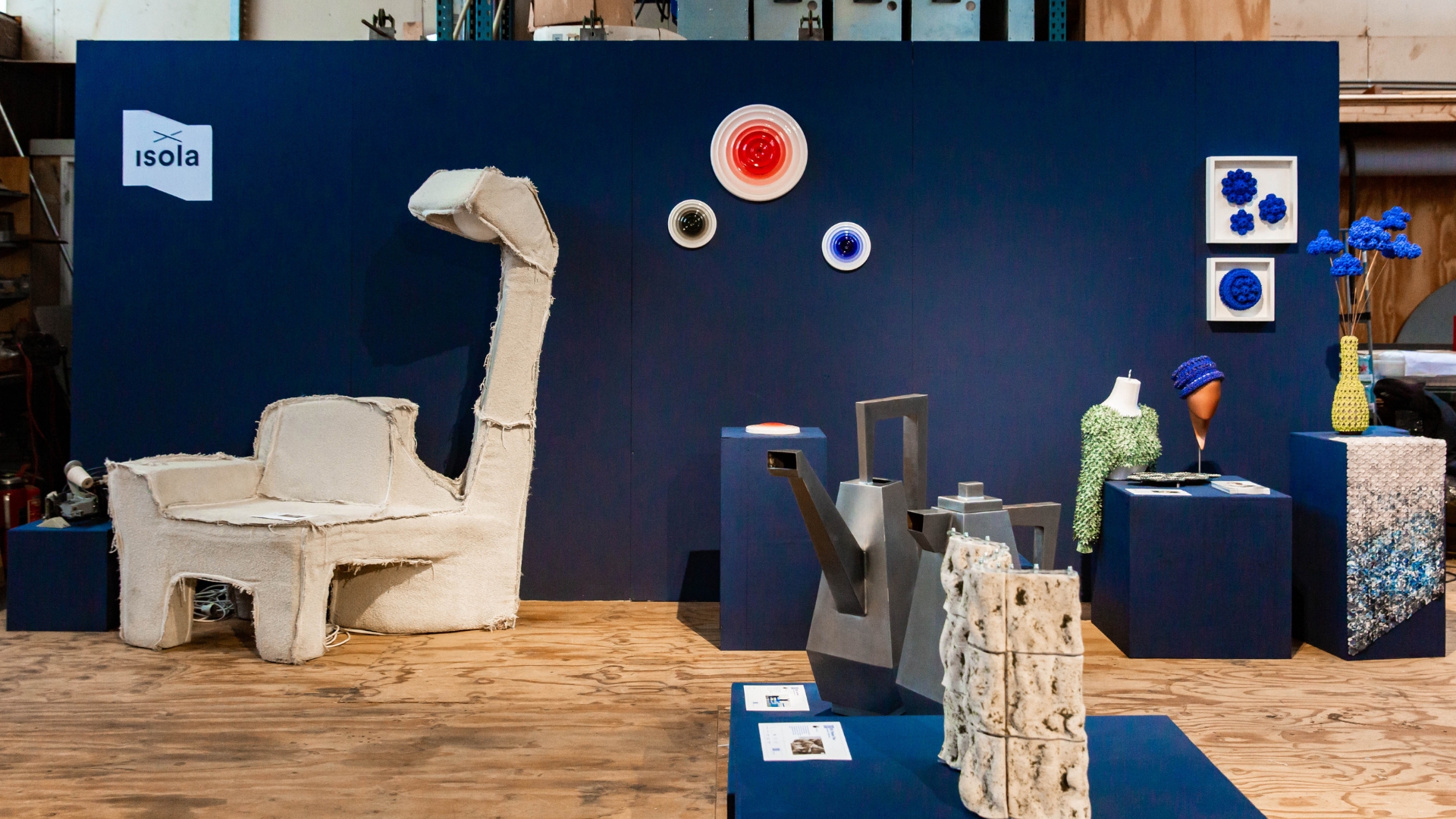
Spotlighting 8 projects from Isola’s showcase at Dutch Design Week 2023
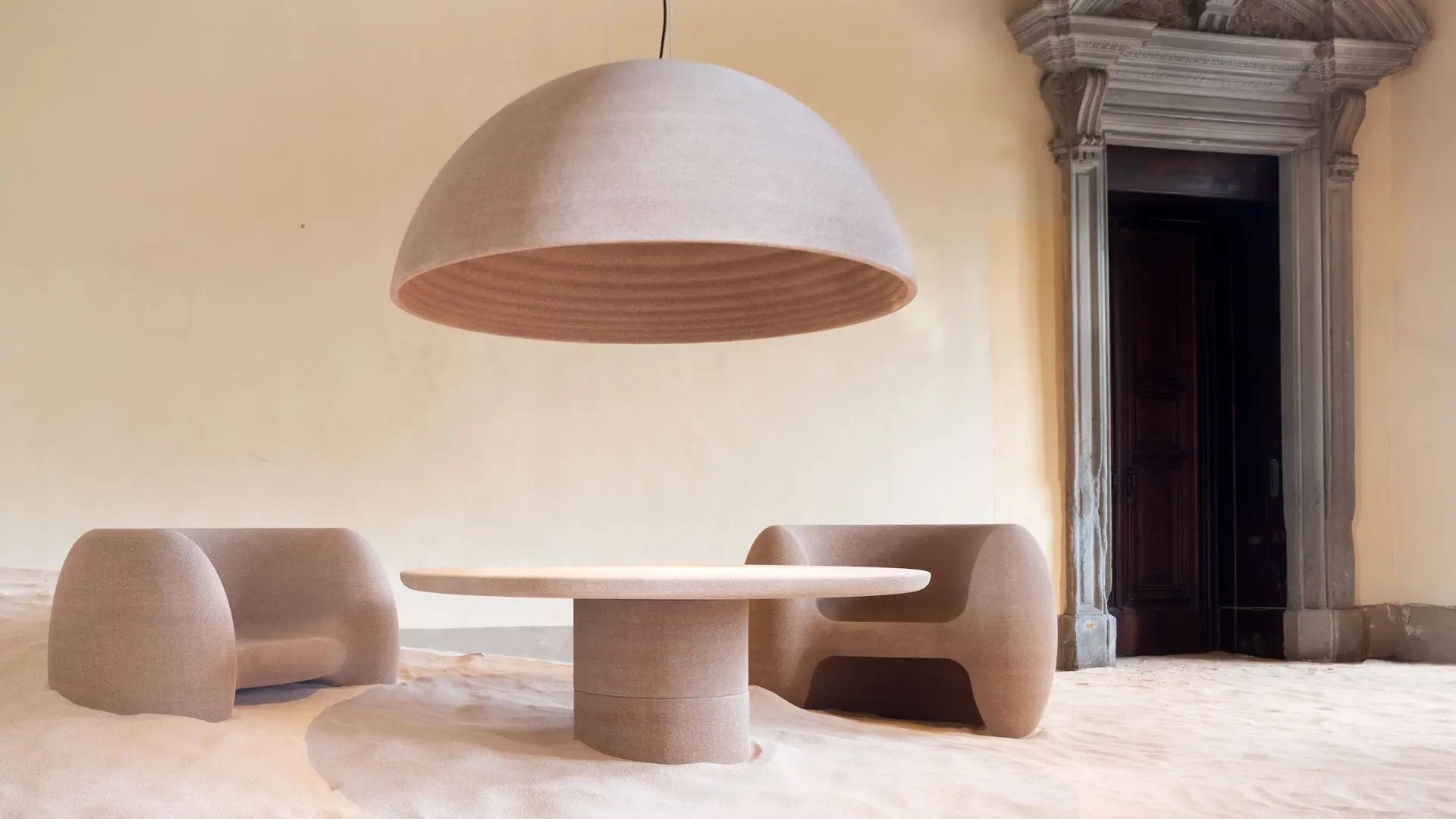
econitWood™ turns timber scraps into new material resources
A Guide to Sustainable Design
Home Design: Timeless Meets Modern

What is sustainable design and how can consumers identify it?
Year in review: top 10 design stories of 2022, selected by Wallpaper* design editor Rosa Bertoli

Seeking timeless interior design? The professionals break it down
5 interior designers on the styles they will love forever

Sustainable architecture: 46 innovative and inspiring building designs

2008 Design Trends