1/11
How to Make a Facade with Recycled Materials: 21 Notable Examples
This article highlights the innovative use of recycled materials in architectural facades, presenting 21 notable projects that demonstrate how waste products can be transformed into aesthetically pleasing and functional building elements. The goal is to encourage architects to adopt more sustainable design practices by showcasing diverse applications of reclaimed materials beyond conventional plastic and glass. Each project description details the specific recycled material used and its impact on the building's design and environmental footprint.
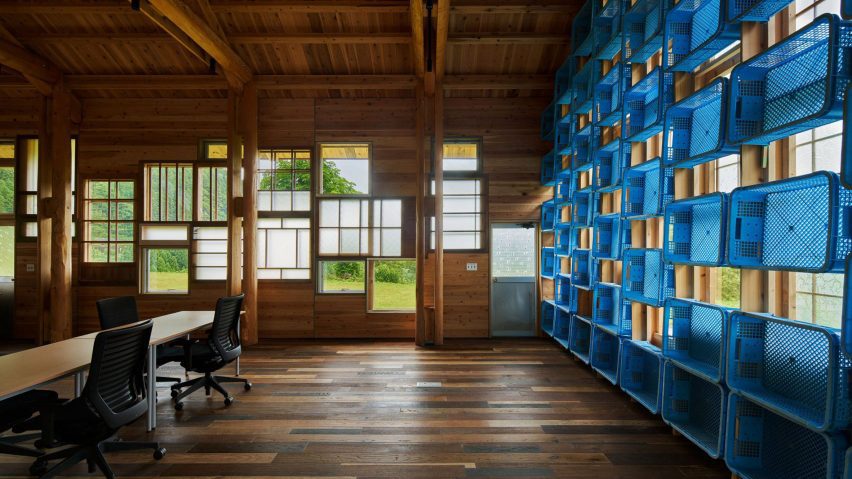
One featured project is the Naju Art Museum by Hyunje Joo, which incorporates 1,500 semi-transparent plastic baskets into its facade. This design creates a flexible architectural element that blurs the lines between interior and exterior, allowing light and silhouettes to pass through. The material's reflective properties create dynamic light effects, making the passage of time more perceptible. A key sustainability aspect is the planned reuse of these baskets after the building's two-year lifespan.
The Ningbo Historic Museum, designed by Wang Shu, Amateur Architecture Studio, uses recycled terracotta and clay tiles for its facade, mimicking a mountain surface. By salvaging materials from demolished buildings on the site, the design not only reduces waste but also evokes a sense of historical continuity, embedding the past into the building's physical structure. Similarly, the Capilla San Bernardo by Nicolás Campodónico utilizes century-old recycled bricks from a dismantled rural house, emphasizing local history and resourcefulness.
SHAU Bandung's Bima Microlibrary showcases a unique facade made from 2,000 recycled plastic ice cream containers. These containers are arranged to form a binary code message, adding a conceptual layer to the design while diffusing sunlight to create a pleasant indoor ambiance. The Backyard Cabin by Emerging Objects features over 4,500 3D-printed ceramic tiles, made from upcycled agricultural and industrial waste products like grape skins, salt, cement, and sawdust, highlighting the versatility of waste materials in creating diverse textures and forms.
The PET Pavilion by Project.DWG + LOOS.FM demonstrates the use of over 40,000 recycled plastic bottles, ingeniously arranged within a steel framework to form a transparent, double-walled facade. This system, inspired by Mies van der Rohe's Farnsworth House, not only reuses a significant amount of plastic waste but also creates a distinctive visual effect. H&P; Architects' Properly Breathing House employs recycled ceramic bricks in a double-skin facade, optimizing ventilation and light in monsoon tropical conditions.
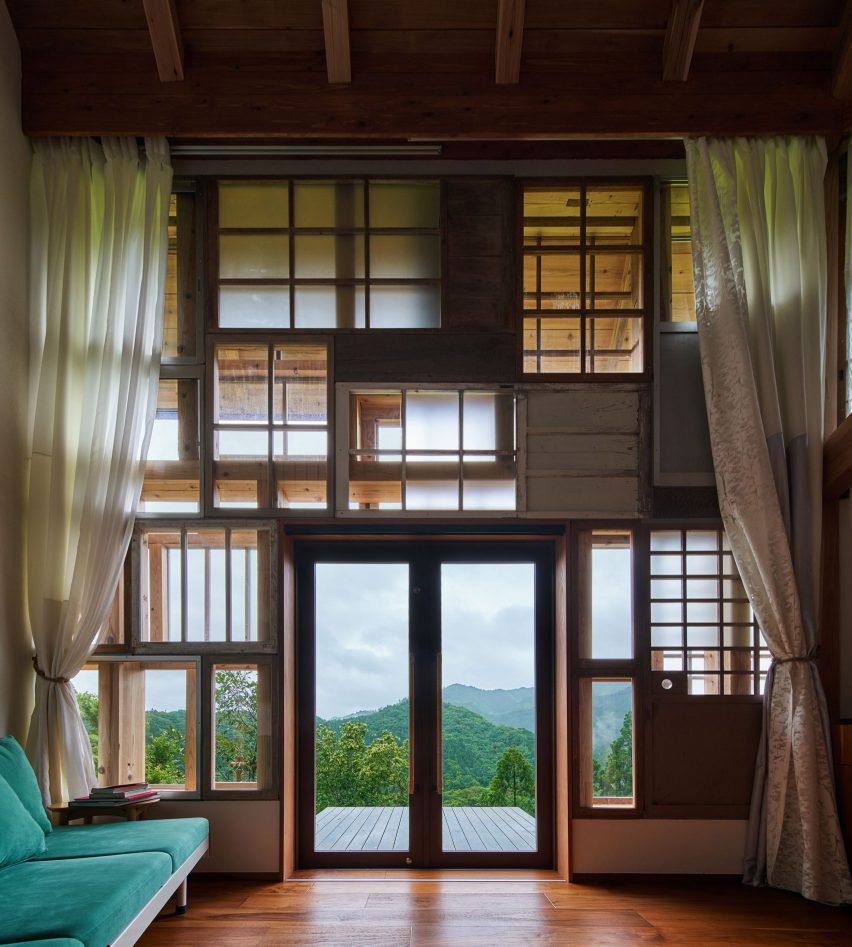
The Vegan House by Block Architects creatively integrates recycled windows from various sources, forming a vibrant, multi-colored facade that provides natural ventilation and preserves traditional Vietnamese architectural elements. Kengo Kuma & Associates' China Academy of Arts’ Folk Art Museum uses recycled tiles from local houses, allowing the building to blend seamlessly with its natural surroundings due to the varying sizes and textures of the tiles. Hiroshi Nakamura & NAP's Kamikatz Public House features windows salvaged from abandoned houses, symbolizing hope and continuity for a town facing declining population.
Fahed + Architects' Luxury Pavilion utilizes recycled bedsprings to create an organic, mesh-like outer skin, demonstrating a commitment to 100% recyclable materials from local waste management. STUDIOKCA's Head in the Clouds Pavilion is constructed from 53,780 recycled plastic bottles, providing an immersive experience of light and color. LOT-EK's Carroll House reimagines residential architecture by stacking and cutting 21 recycled shipping containers to form a monolithic and private volume. S+PS Architects' Collage House, as its name suggests, integrates recycled windows and doors from demolished houses into its facade, transforming them into a unique architectural collage that speaks to history and memory.
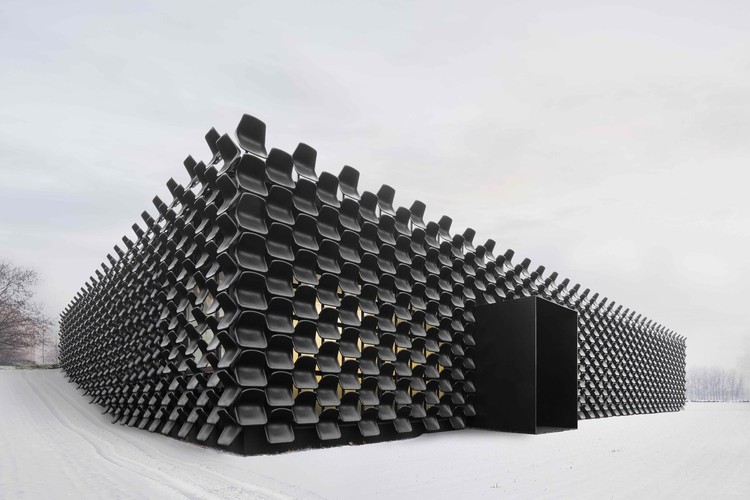
The Beehive by Luigi Rosselli + Raffaello Rosselli employs recycled terracotta roof tiles as a brise-soleil, addressing harsh sun exposure while reusing a common yet often discarded material. Avatar Architettura's Recycled Pallet Pavilion uses prefabricated recycled pallets to create a flexible, diamond-structured facade. Gray Organschi Architecture's Storage Barn features recycled construction materials in a practical, energy-efficient shelving system. Shanmugam Associates' Rane Vidyalaya School incorporates recycled grey fly ash bricks from industrial cement waste, alongside local red wire-cut bricks, to create a layered and sustainable facade. Finally, Archi-Union Architects' Chi She uses recycled grey-green bricks from an old building, employing advanced robotic technology to create a dynamic, cambered facade. Breathe Architecture's Bardolph Gardens House uses recycled bricks to create a contemporary facade that harmonizes with its surroundings, and CHYBIK+KRISTOF's Gallery of Furniture uses recycled plastic chairs to create a unique and durable exterior.
#SustainableDesign #RecycledMaterials #FacadeDesign #ArchitecturalInnovation #GreenArchitecture #WasteReuse #CircularEconomy #BuildingMaterials #EnvironmentalDesign #SustainableDesign #RecycledMaterials #FacadeDesign #ArchitecturalInnovation #GreenArchitecture #WasteReuse #CircularEconomy #BuildingMaterials #EnvironmentalDesign
0 comment in total
 No comments yet
You may also like

10 Ways to Use Recycled Materials in Your Home Reno

6 clever ways to upcycle leftover decorating materials: to save money and be more eco-friendly

7 Innovative Home Decor Items With Sustainable Origins


How a Plastic Water Bottle Becomes a Sofa (Hint: It’s Complicated)

11 Recycled Building Materials Made From Trash

17 Projects That Use “Ugly” Materials in Beautiful Ways


Top 10 Things to Recycle at Your Construction Site
Eco decor – 10 beautiful, sustainably-designed room ideas
For These Designers and Homebuilders, the Best Materials Are Ones That Have Already Been Used
W Tiles: Behind the Great Walls

Twisting rammed earth home wraps around a grand jackfruit tree

Turning reclaimed timber power poles into architectural products
Wall cladding made from corn cob waste brings sustainable construction materials

Wall paneling ideas – 18 ways to add decorative cladding and moulding
27 Inspiring DIY Tiny Homes Built With Recycled Materials
Gatsby wall covering by Jeffrey Ibañez for Impact Acoustic
Eight interiors that feature reclaimed and recycled materials
This rammed earth home in India uses recycled materials throughout
3 ways to update picture frames for elevated displays of art and photos

Sustainable Cladding: 5 Best Eco-Friendly Wall Cladding Options Available in Australia