Sustainable Cladding: 5 Best Eco-Friendly Wall Cladding Options Available in Australia
The construction industry is increasingly focusing on sustainable practices, with material selection playing a crucial role in reducing environmental impact. Sustainable cladding is a key component in eco-friendly building, offering both aesthetic appeal and enhanced performance. This approach goes beyond simply selecting natural materials; it encompasses the entire lifecycle of a material, from sourcing and manufacturing to installation and end-of-life disposal. Key considerations for sustainable cladding include energy efficiency, waste reduction, recycled content, and durability. By choosing the right cladding, buildings can achieve better thermal performance, leading to reduced energy consumption for heating and cooling, which in turn lowers greenhouse gas emissions and operational costs.
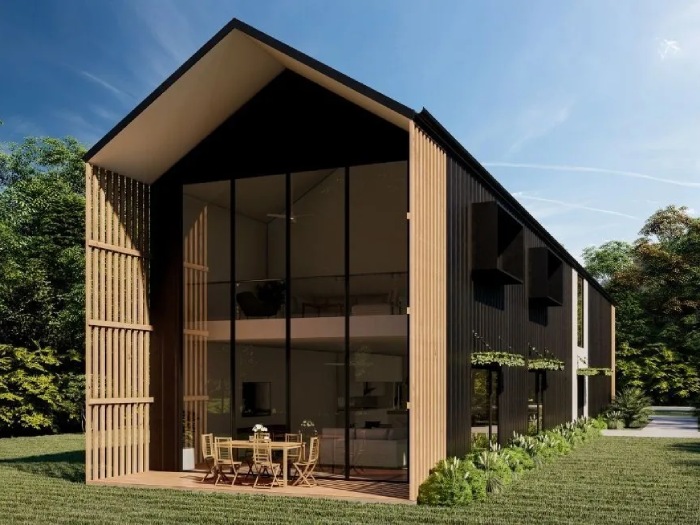
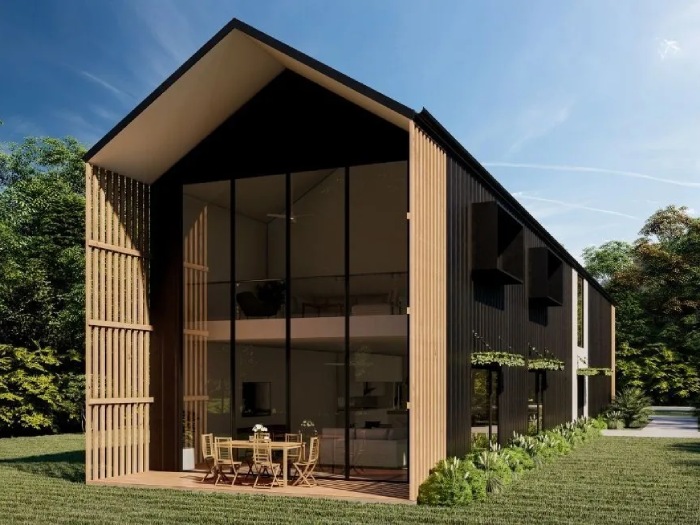
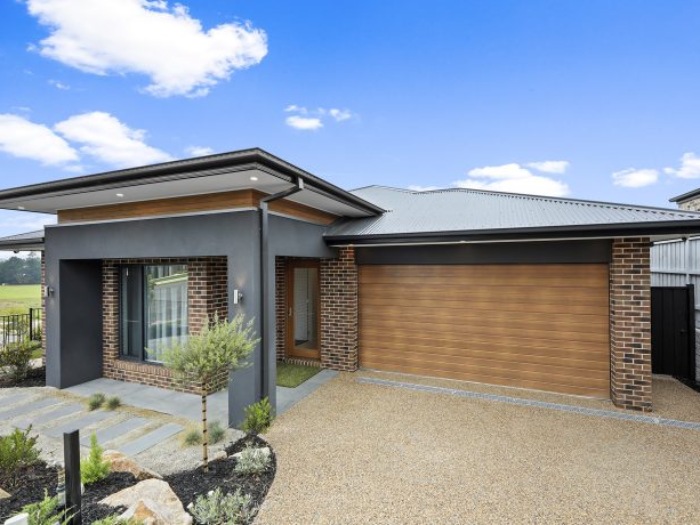
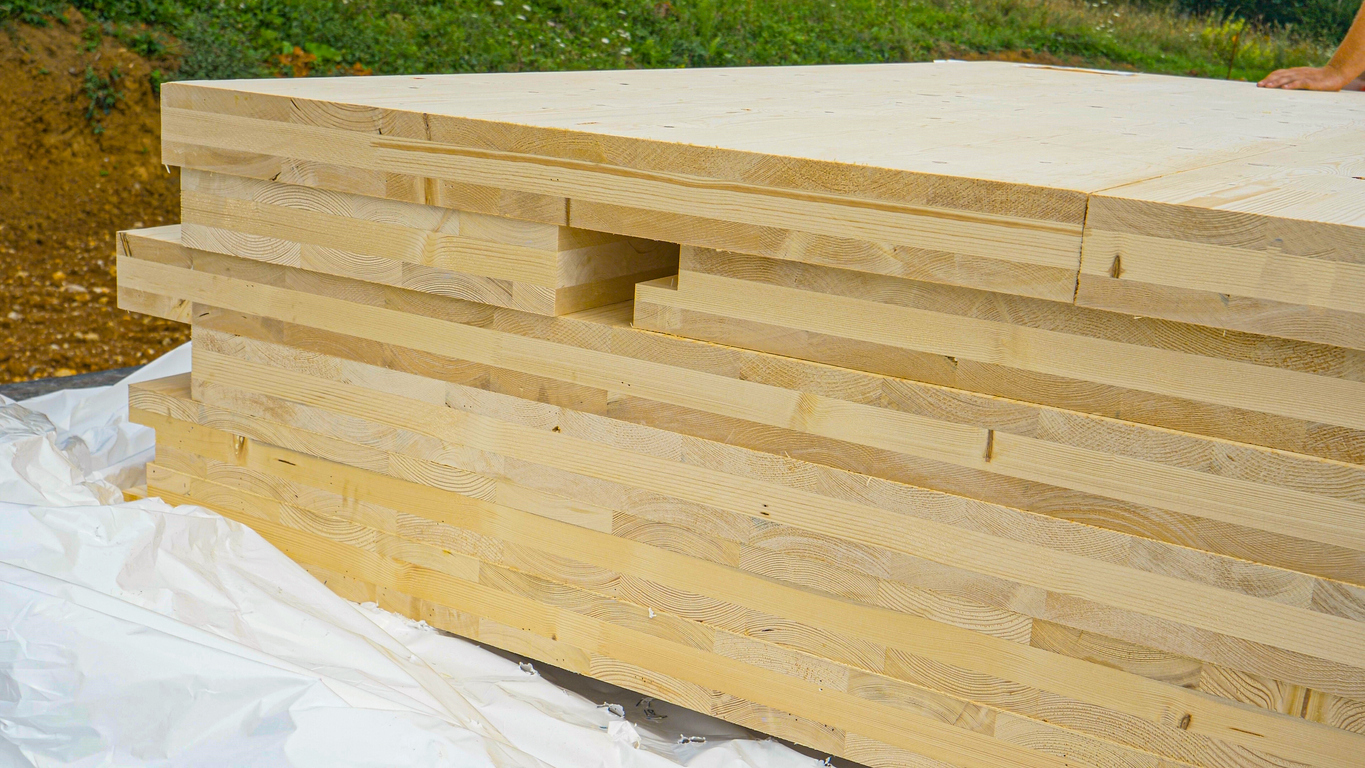
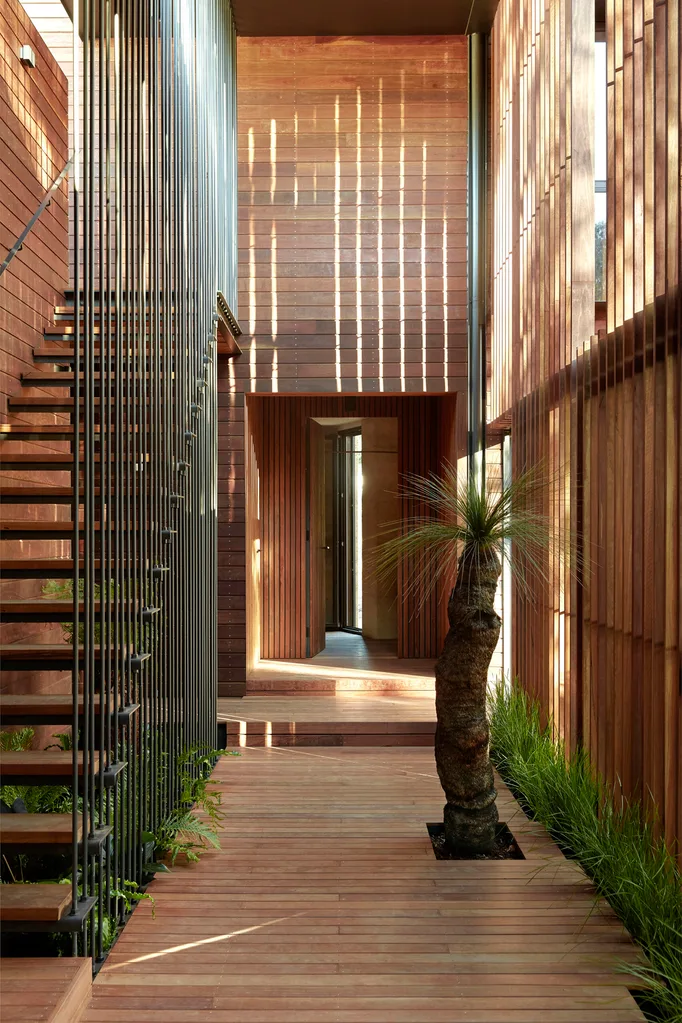
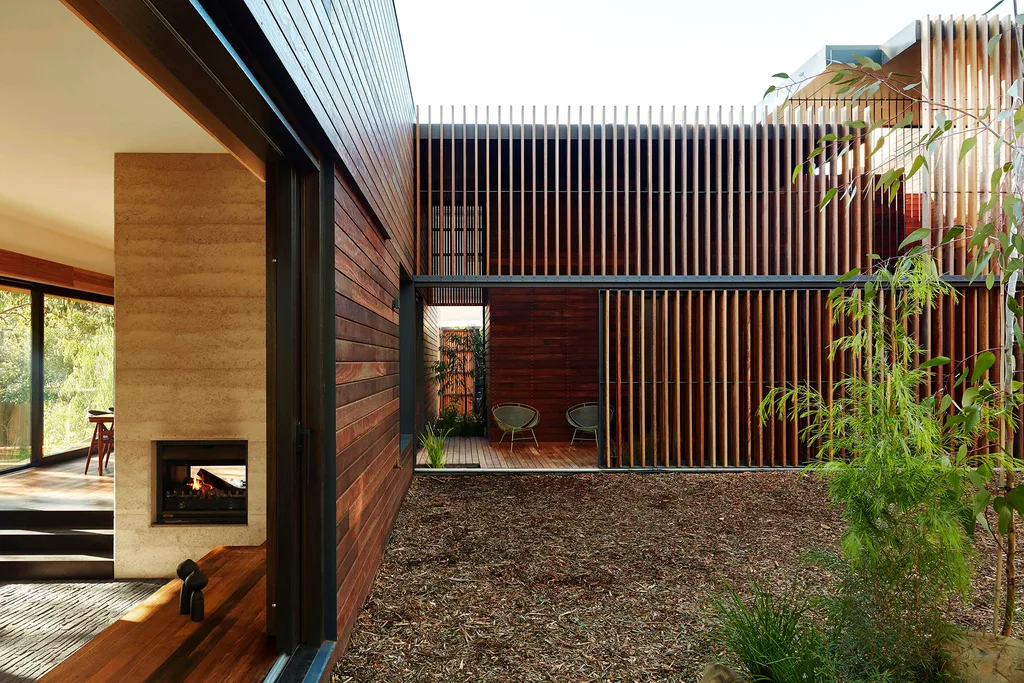
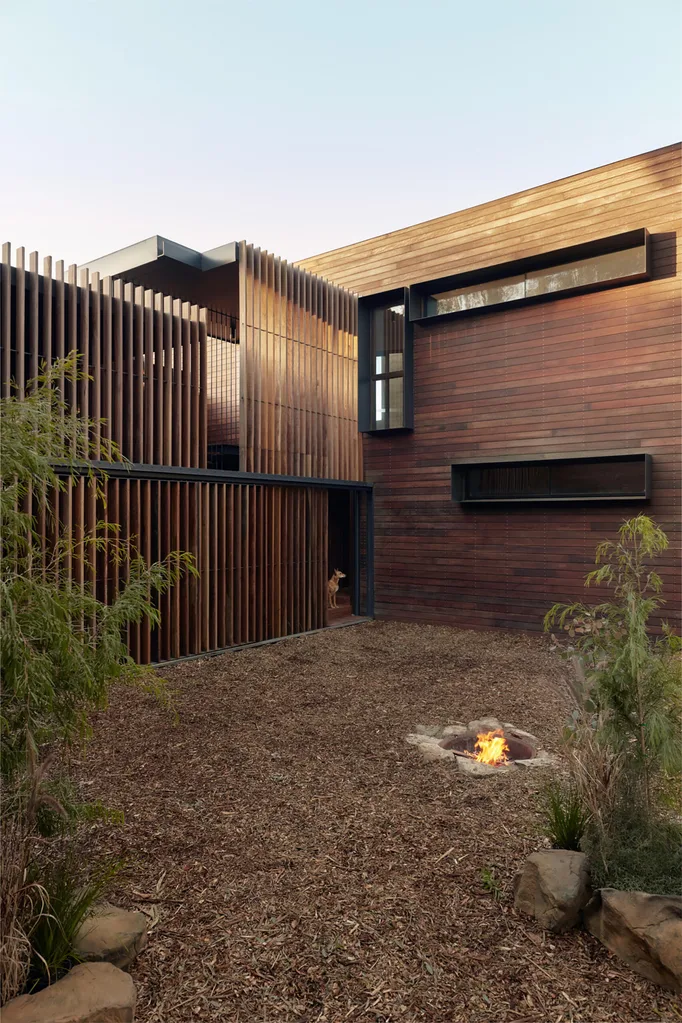
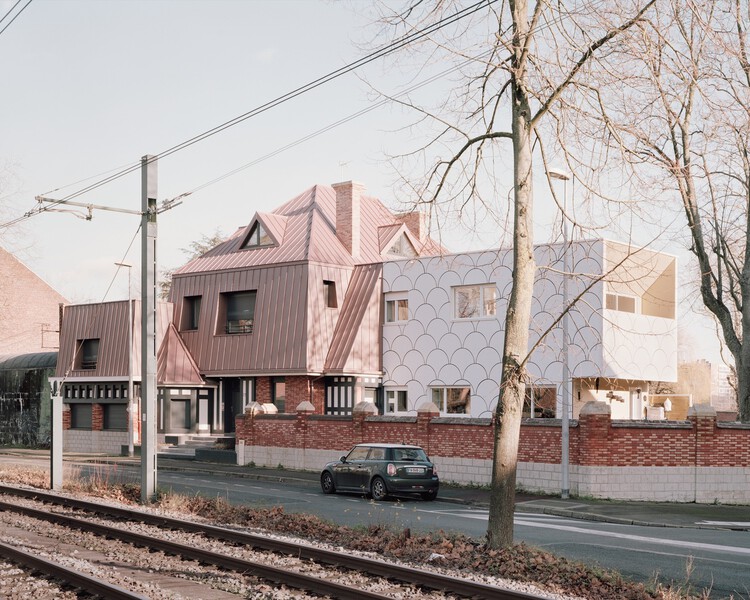
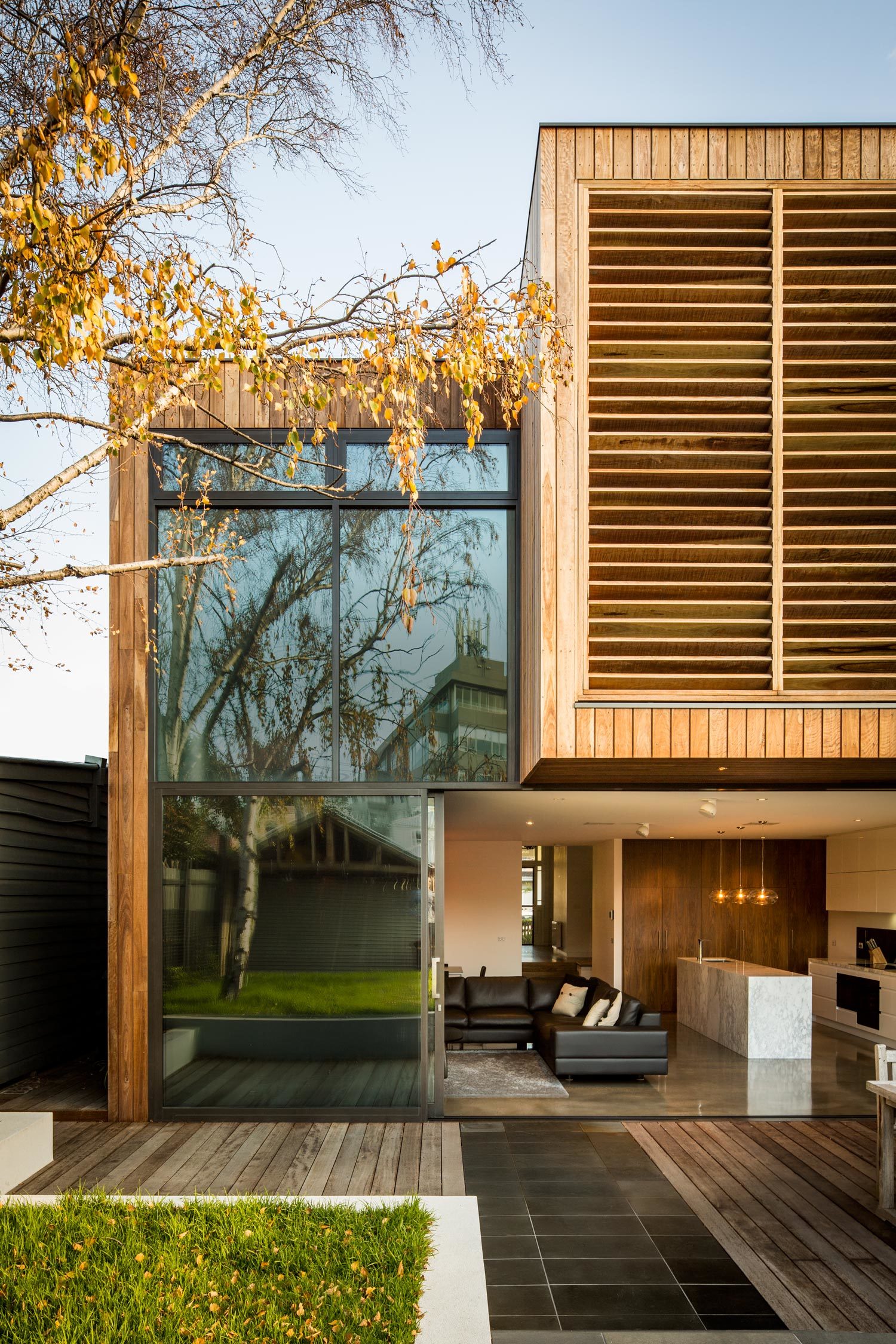
Various types of sustainable cladding are available, each with unique environmental benefits. One popular option is recycled timber, which repurposes wood that would otherwise be discarded. This reduces demand for new timber, thereby conserving forests and minimizing the energy associated with processing virgin materials. Recycled timber often carries a unique aesthetic, showcasing its history and contributing to a distinctive character in a building's design. Another significant category is fiber cement, particularly when produced with a high percentage of recycled content or sustainable manufacturing processes. Fiber cement is renowned for its durability, resistance to pests and rot, and low maintenance requirements, all of which contribute to a longer lifespan and reduced need for replacement materials. Its versatility allows for various finishes and colors, making it a flexible choice for diverse architectural styles.
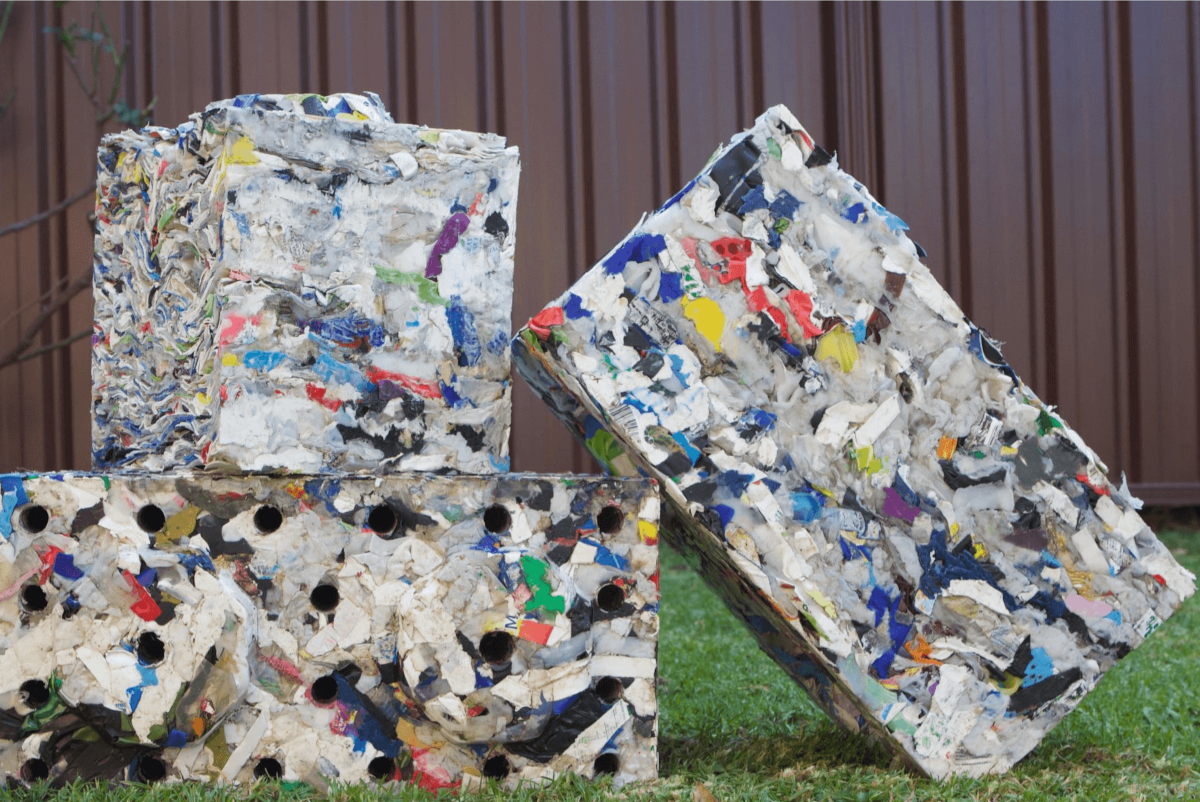
Bamboo is an exceptionally fast-growing renewable resource, making it an excellent choice for sustainable cladding. Its rapid growth cycle means it can be harvested without depleting natural forests. Engineered bamboo products offer strength and stability, often surpassing traditional timber in certain applications. Bamboo cladding is also naturally resistant to insects and moisture, further enhancing its durability. While often associated with modern design, bamboo can be adapted to fit various aesthetic preferences. Recycled plastic composites, including timber-plastic composites (WPC), represent another innovative solution. These materials divert plastic waste from landfills and oceans, transforming it into durable and weather-resistant cladding. WPCs combine the aesthetic appeal of wood with the resilience of plastic, offering a low-maintenance solution that resists rot, decay, and insect infestation. The manufacturing processes for these composites are also becoming increasingly energy-efficient.
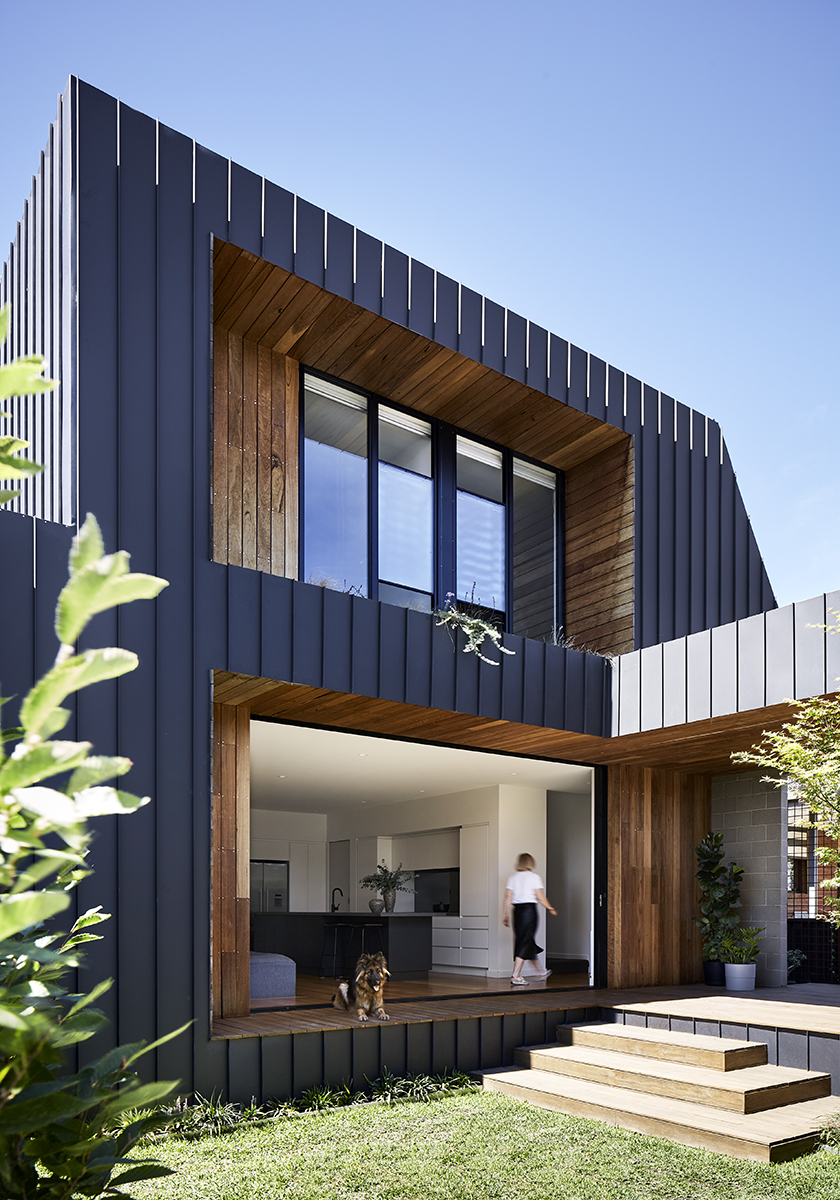
Finally, various types of metal cladding, such as recycled aluminum and steel, provide a sustainable option due to their high recycled content and recyclability at the end of their service life. Metal cladding offers exceptional durability, fire resistance, and a modern aesthetic. Its reflective properties can also contribute to thermal performance by reducing solar heat gain. When selecting sustainable cladding, it is essential to consider local availability, transportation emissions, and the overall environmental footprint of the product. Certifications and environmental product declarations (EPDs) can provide valuable information regarding a material's sustainability credentials. By embracing these eco-friendly cladding options, the construction industry can significantly reduce its environmental impact while creating aesthetically pleasing and high-performing buildings.
#SustainableCladding #EcoFriendlyBuilding #RecycledTimber #FiberCement #BambooCladding #RecycledPlasticComposites #MetalCladding #GreenBuildingMaterials #AustralianArchitecture #SustainableCladding #EcoFriendlyBuilding #RecycledTimber #FiberCement #BambooCladding #RecycledPlasticComposites #MetalCladding #GreenBuildingMaterials #AustralianArchitecture
0 comment in total
 No comments yet
You may also like
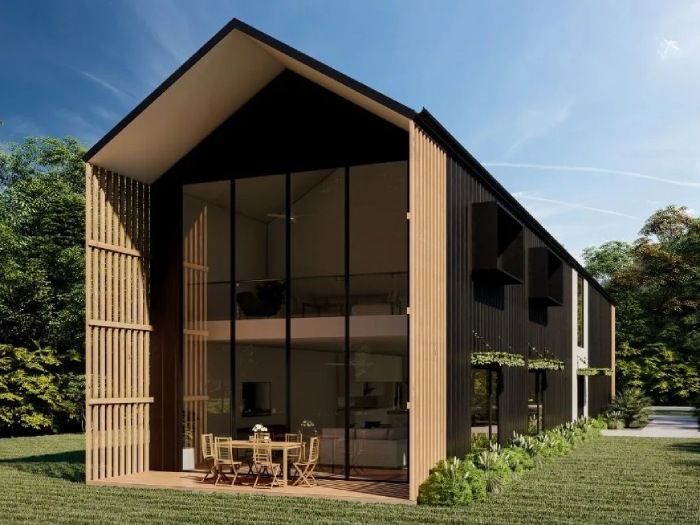
The Best Sustainable Home Builders In Australia
11 Chic Alternatives to Vinyl Wallcoverings
I Just Found Out That Wall Finishes Can Reduce the Air Quality in Your Home — Here's 5 Options That Don't


Finding Sustainable Alternatives to Traditional Building Materials
Armourcoat creates durable clay wall covering as "ecological alternative to paint"
10 Innovative Materials Poised to Make Home Building More Sustainable
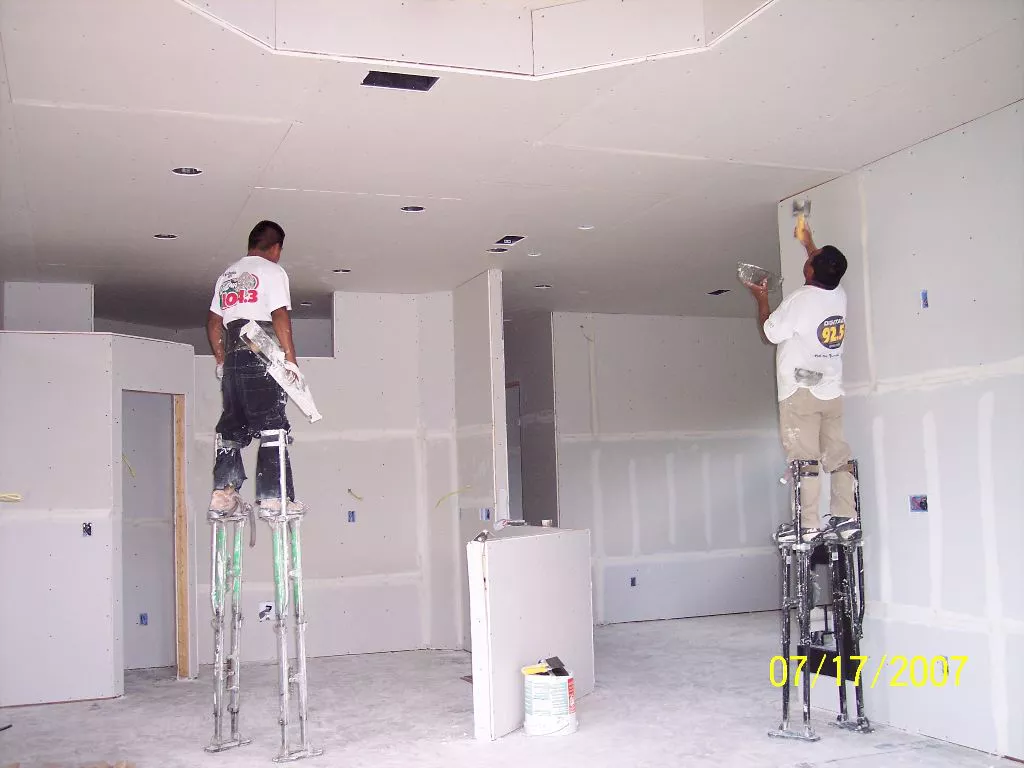
Is It Time to Hang Up on Hanging Drywall?

Green roofs and walls – a growth area in urban design

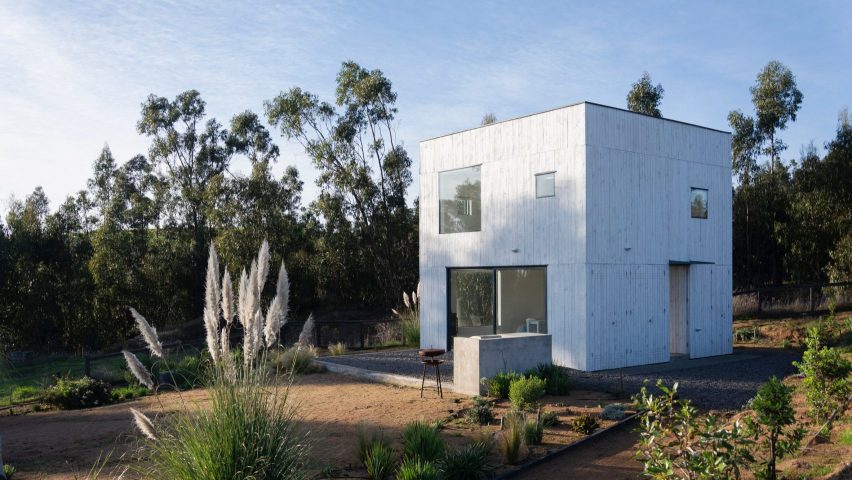
Distinctive house cladding from Dezeen's Pinterest
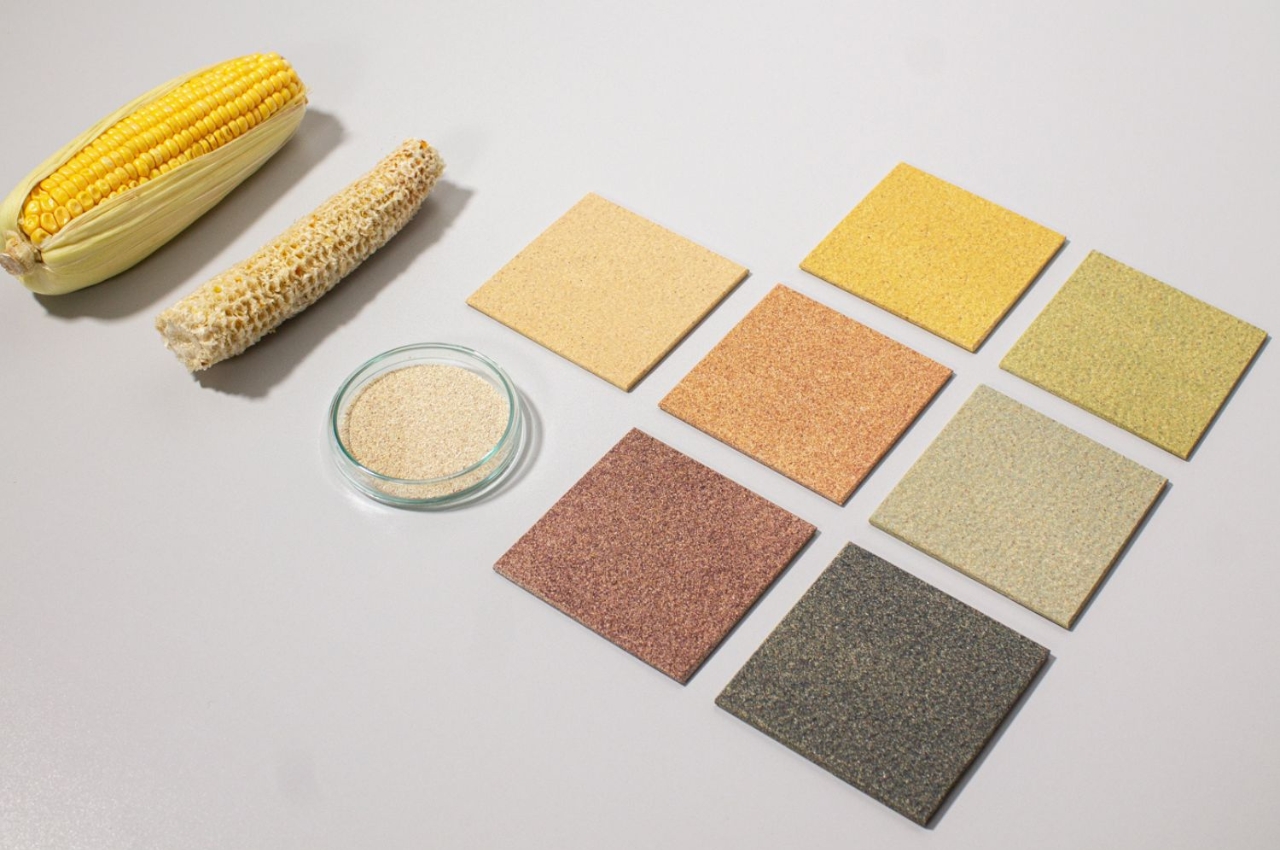
Wall cladding made from corn cob waste brings sustainable construction materials

The latest and greatest innovations in sustainable building materials
Wall paneling ideas – 18 ways to add decorative cladding and moulding

6 Eco-Friendly Wall Finishes and Why Designers Love Them

This sustainable home is at one with nature

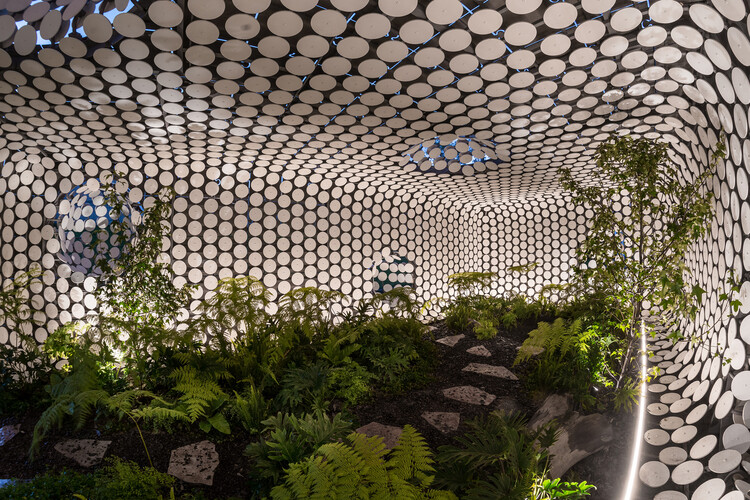
The Circular Potential of Fiber Cement Cladding

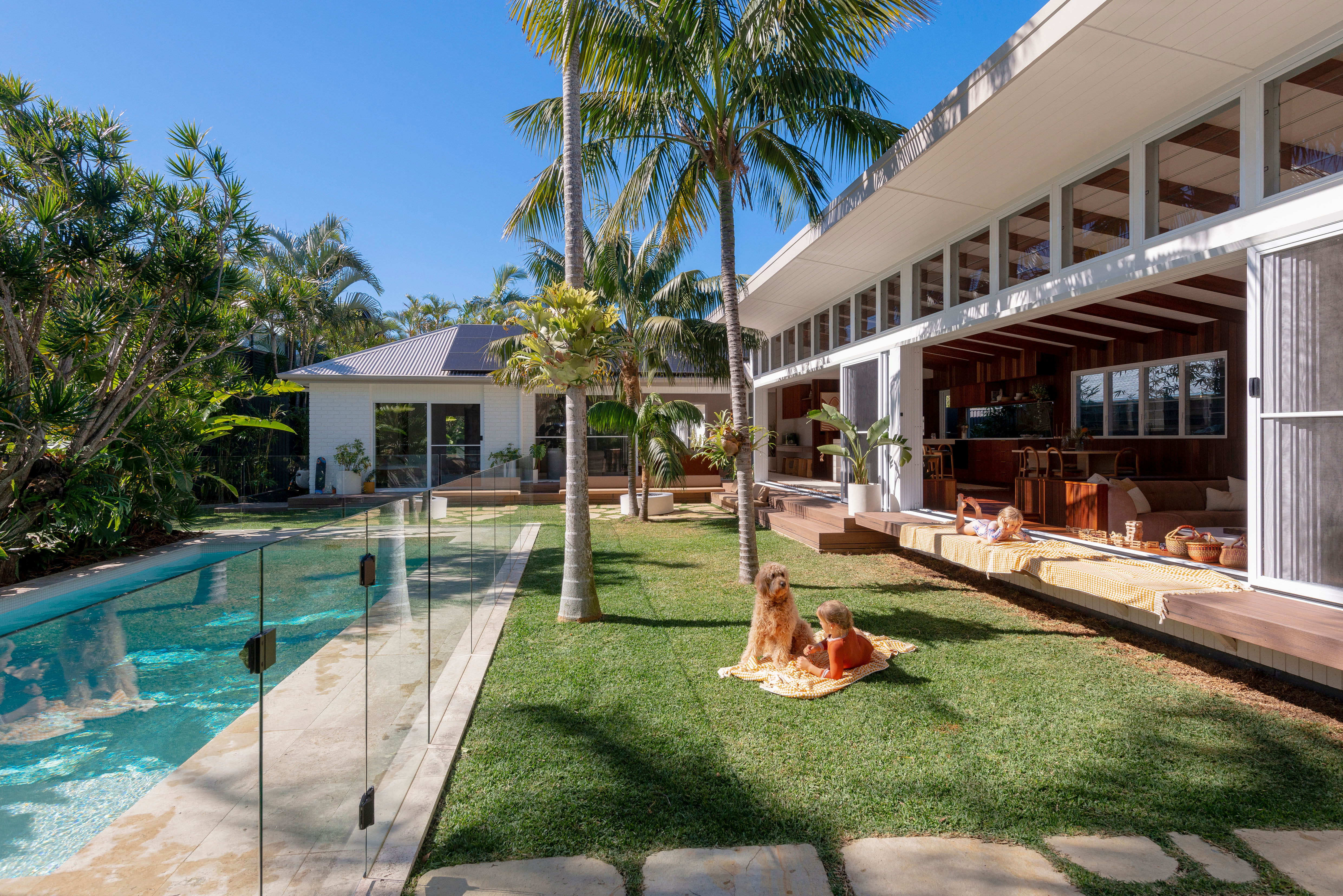
20 Impressive Australian Homes That Bring the Outdoors In

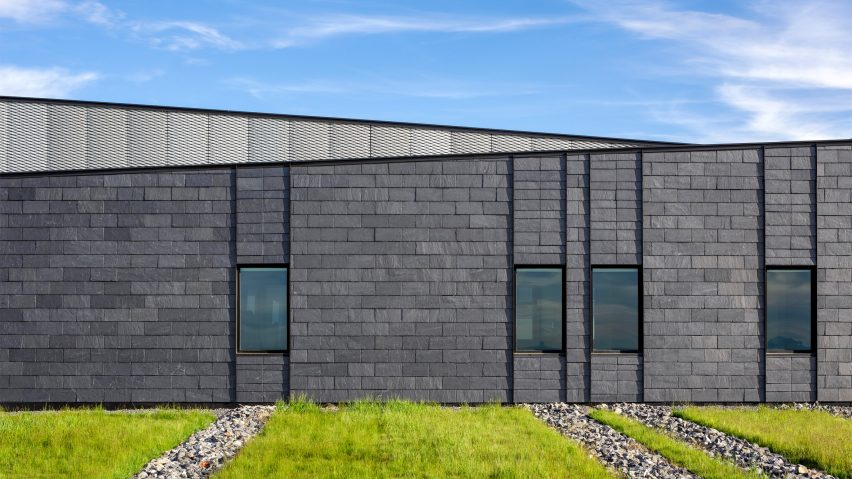
Cupa Pizarras creates cladding system that "utilises the beauty of natural slate"
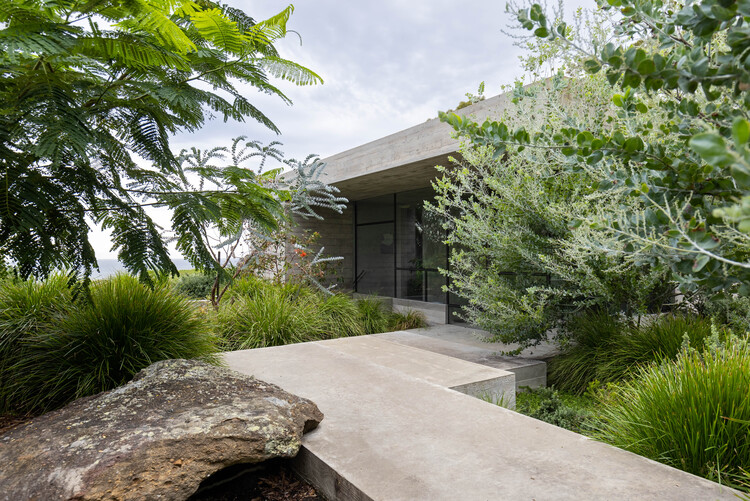
Bunkeren House / James Stockwell Architect
The best wall panelling ideas and trends, according to the experts

Innovations Driving Sustainable Building and Architecture Forward