1/11
11 Chic Alternatives to Vinyl Wallcoverings
The design industry is witnessing a significant shift towards sustainable materials, particularly in the realm of interior finishes. This movement is driven by growing environmental awareness and a desire for healthier indoor environments. Traditional vinyl wallcoverings, while durable and versatile, often contain chlorine and other polymers that raise environmental concerns regarding their production, use, and disposal. In response to these issues, manufacturers are developing innovative alternatives that offer both aesthetic appeal and reduced environmental impact.
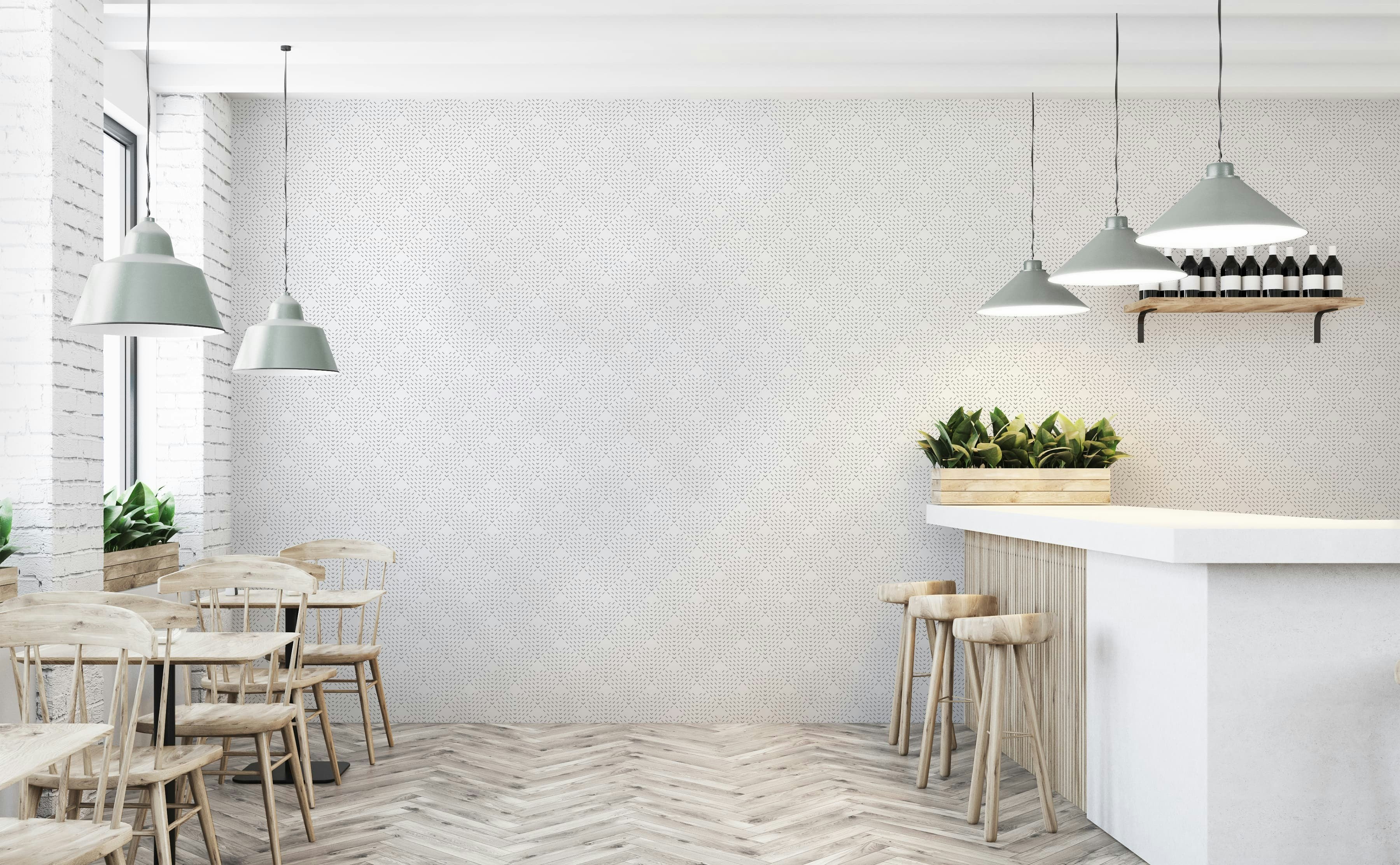
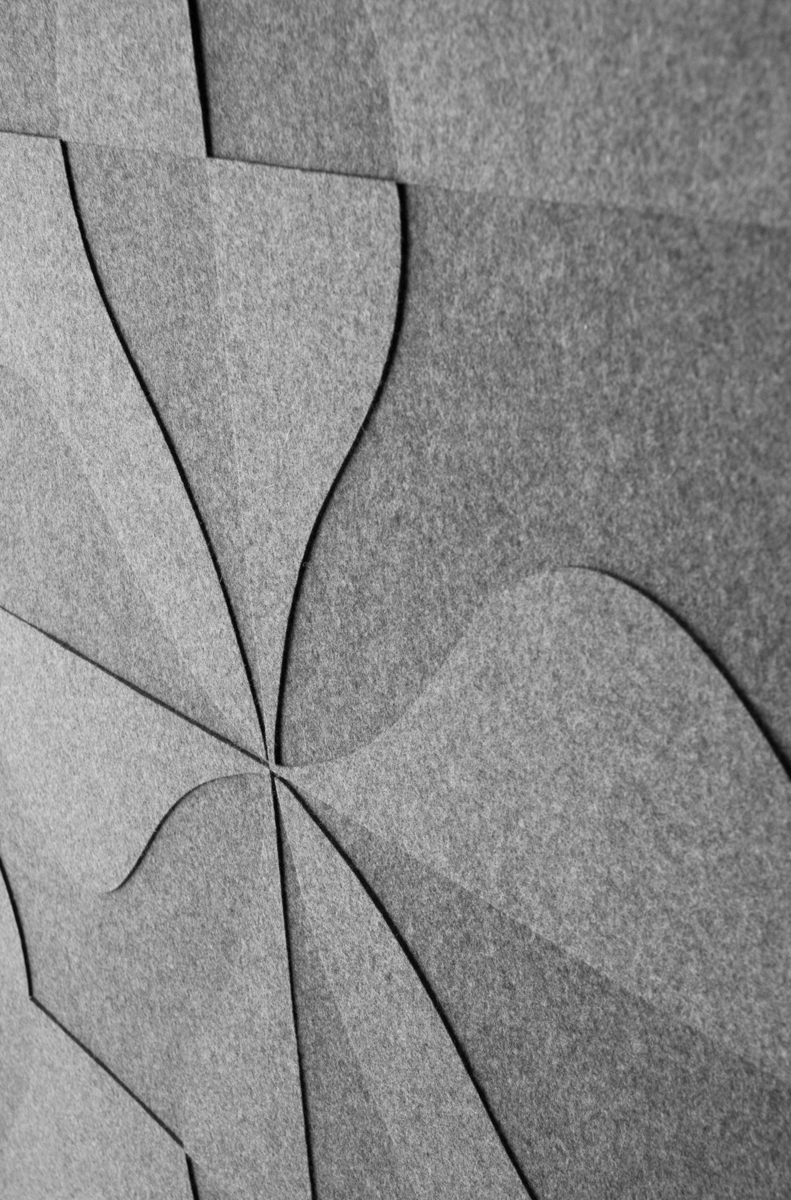
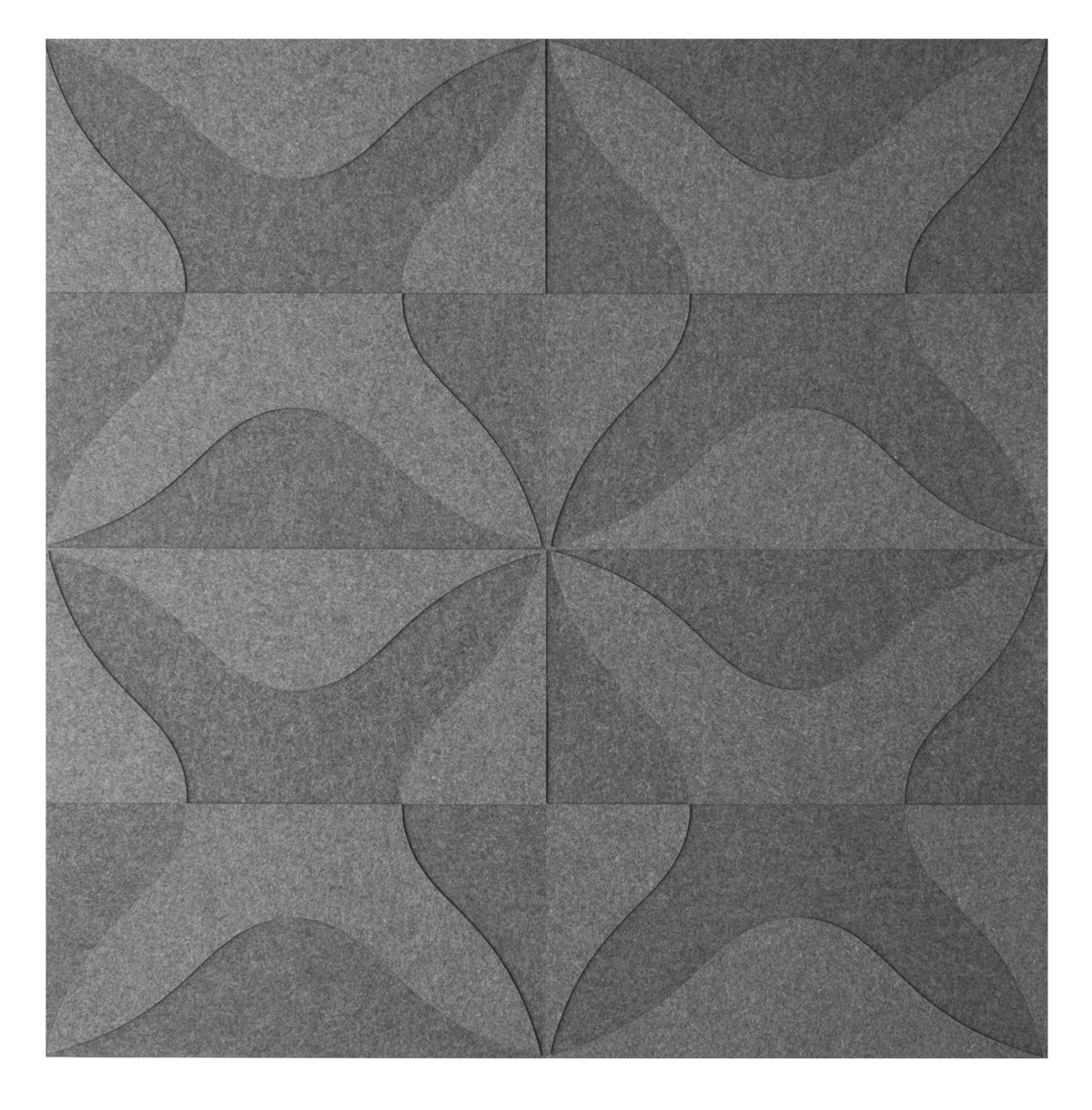
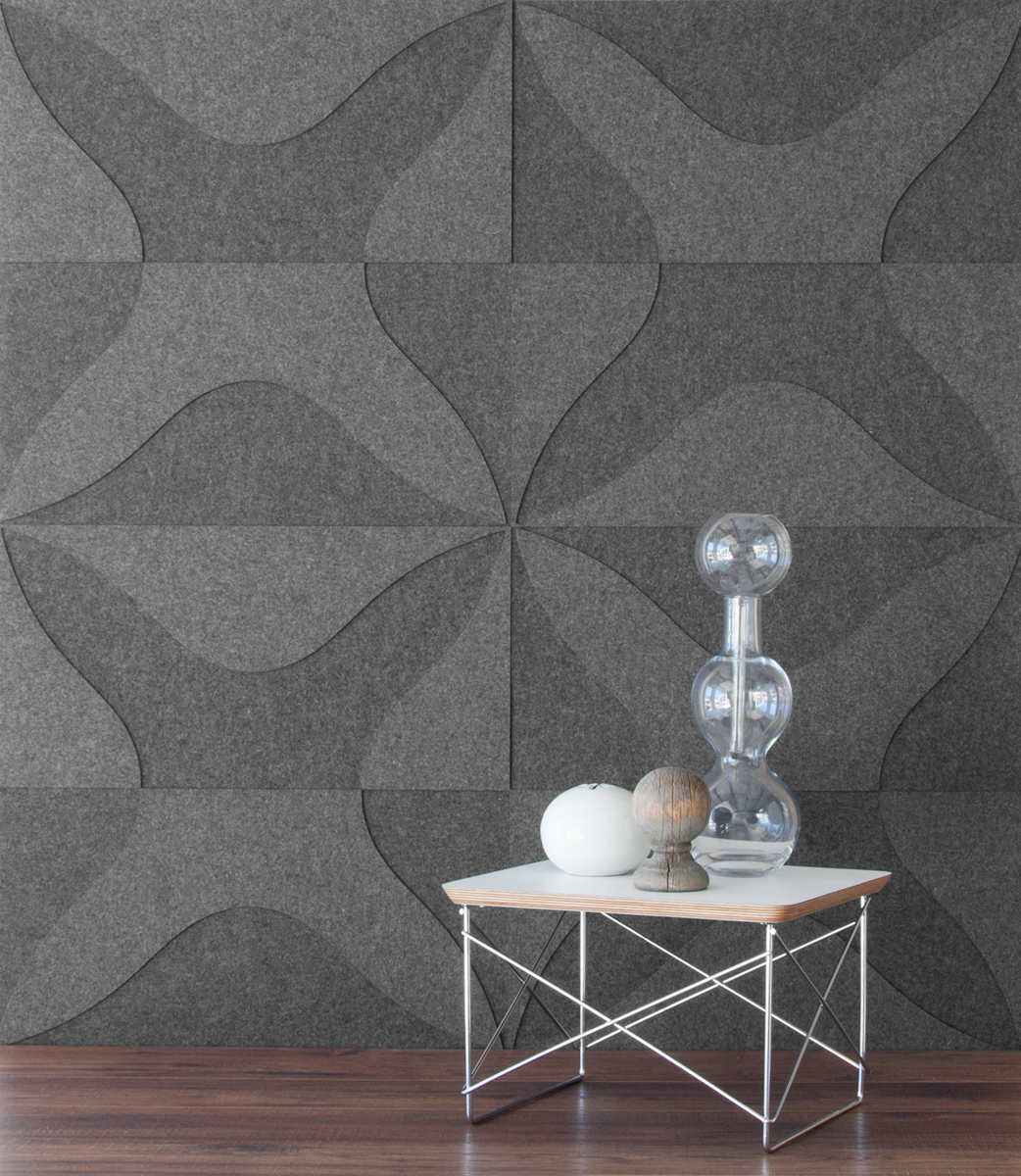
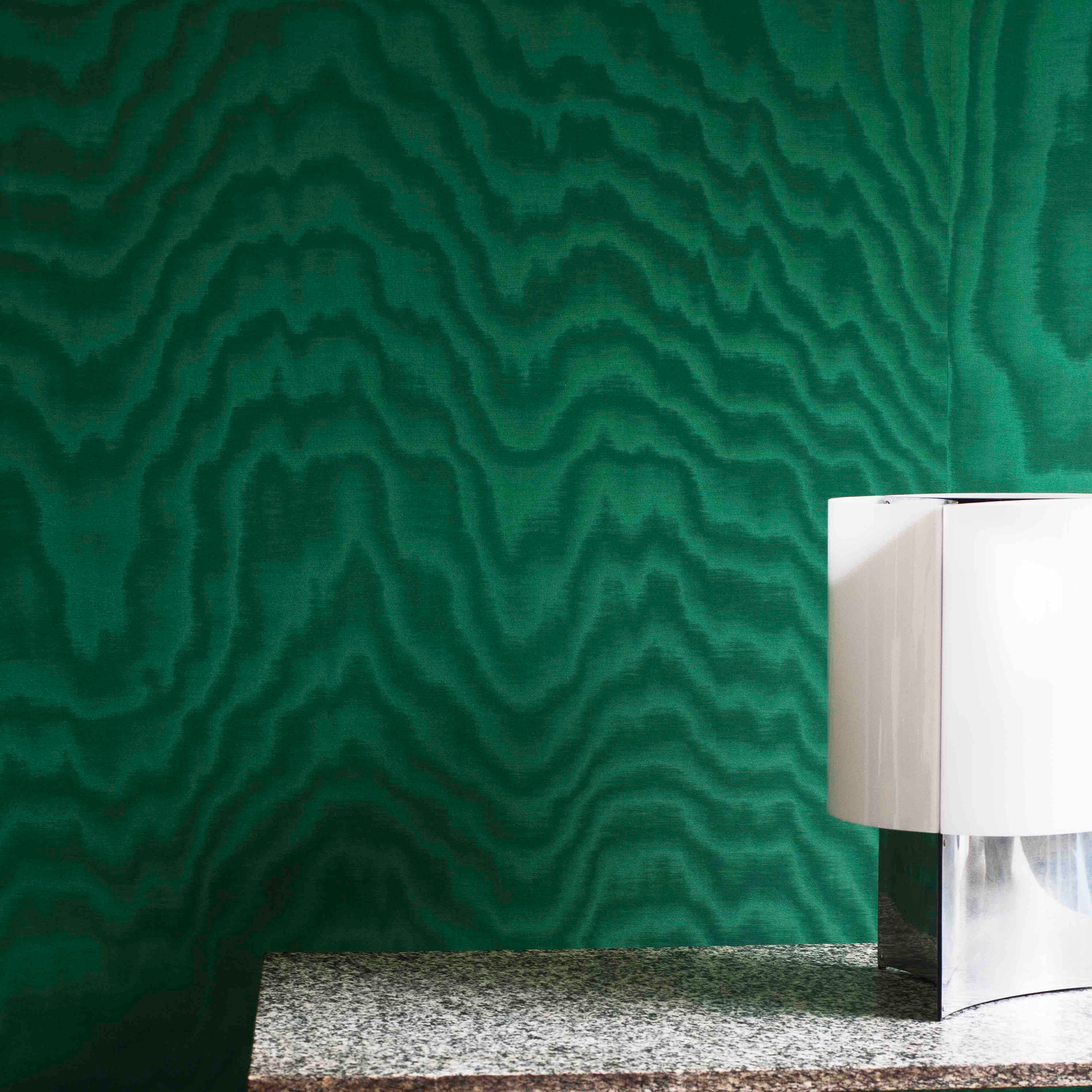
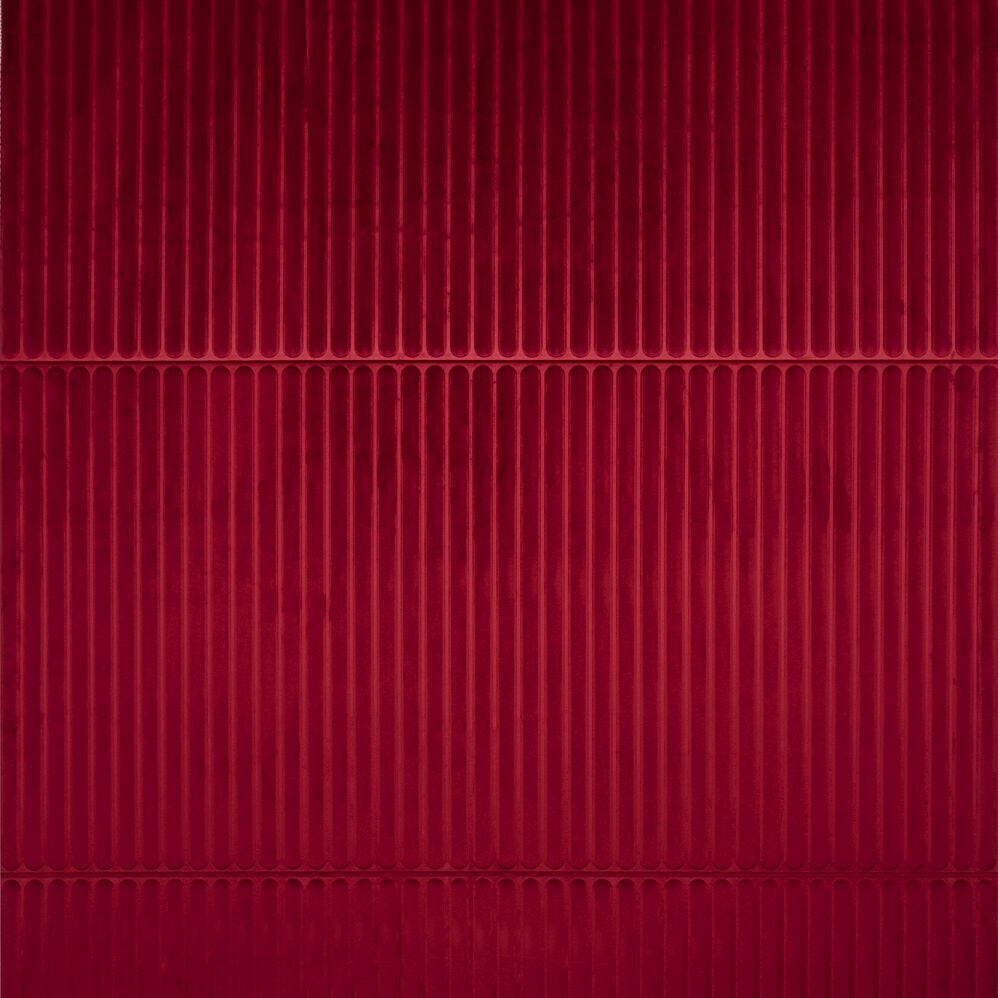
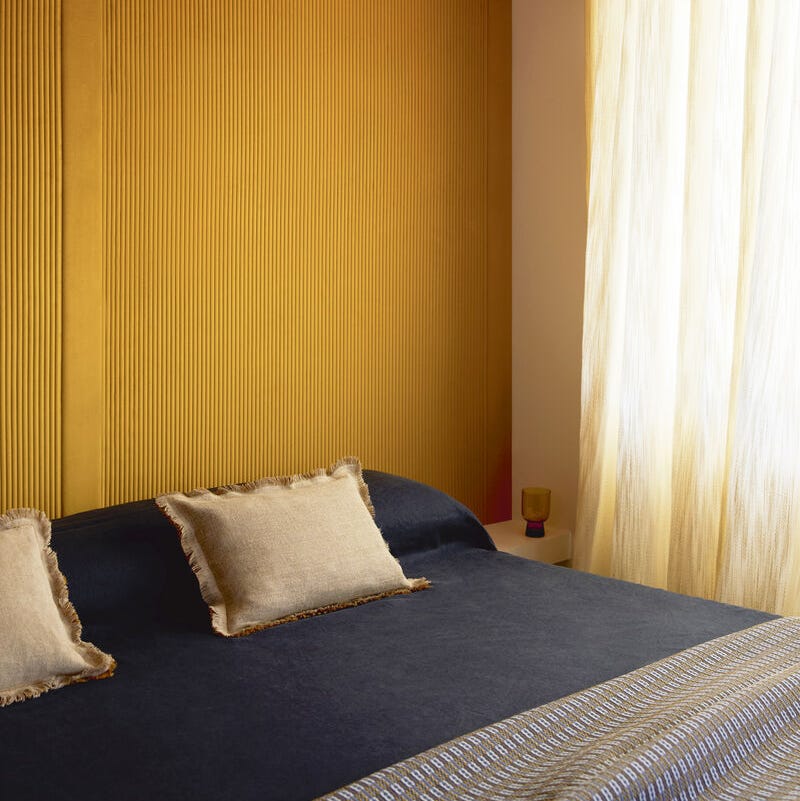
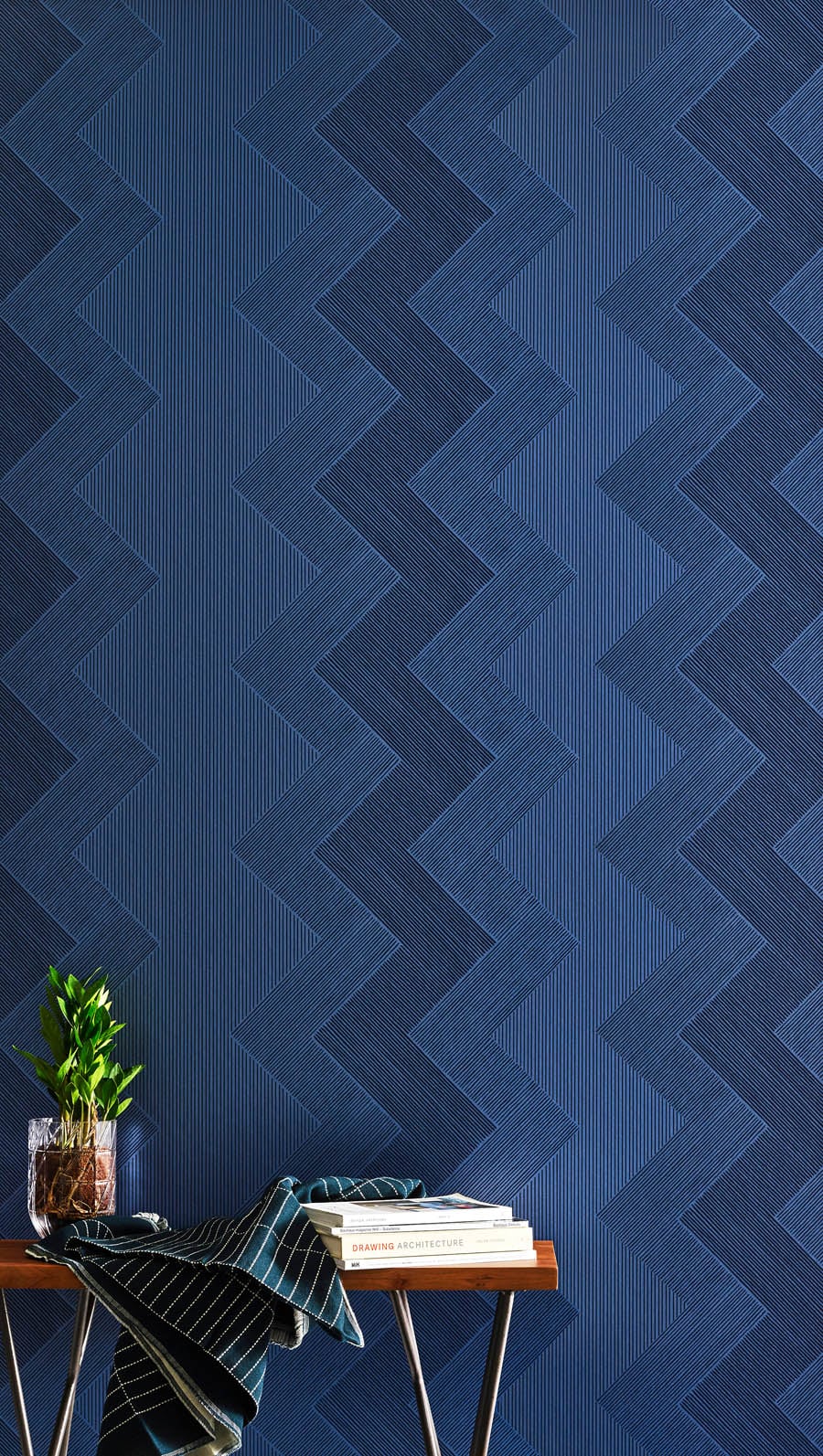
Two prominent manufacturers, Carnegie Fabrics and Maharam Design Studio, are at the forefront of this sustainable innovation, introducing new collections of wallcoverings that provide chic and environmentally responsible alternatives to vinyl. Carnegie Fabrics, known for its commitment to sustainable textiles, has expanded its high-performance thermoplastic olefin (TPO) wallcovering collection. TPO is a material distinguished by its high impact and thermal endurance, serving as a superior alternative to the chlorine and polymer-based materials typically found in conventional textiles. Carnegie's latest offerings, including Arcade, Diverge II, Sketch, and Zig Zag, are designed not only to minimize environmental harm but also to introduce visual interest and contrast into interior spaces through their geometrically imprinted designs. The Zig Zag pattern, for instance, incorporates a strong graphic element and is composed of 90 percent thermoplastic olefin and 10 percent post-consumer glass, highlighting a blend of innovation and recycled content.
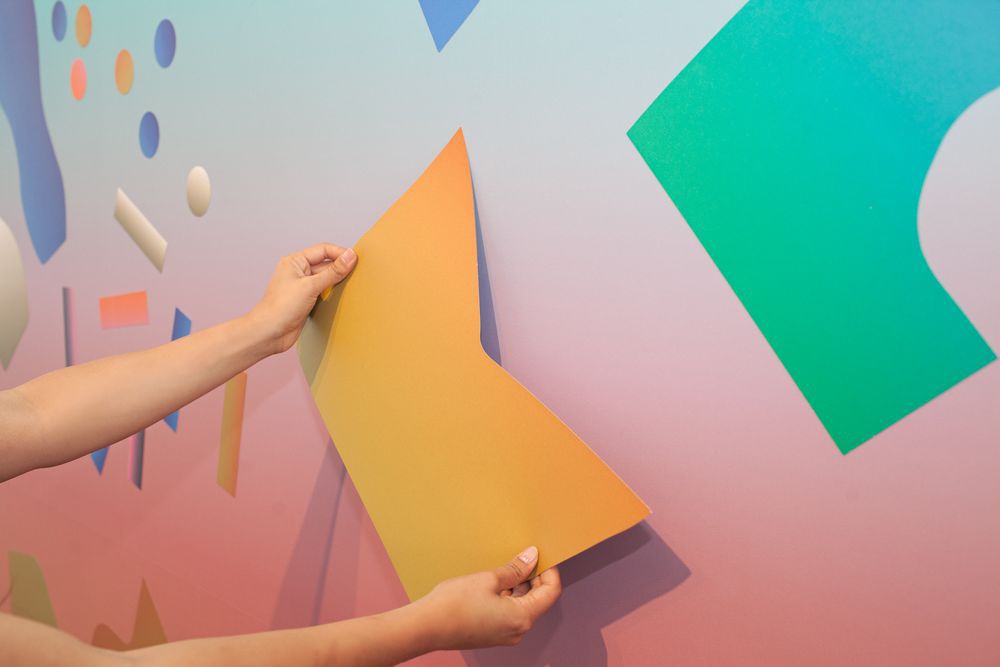
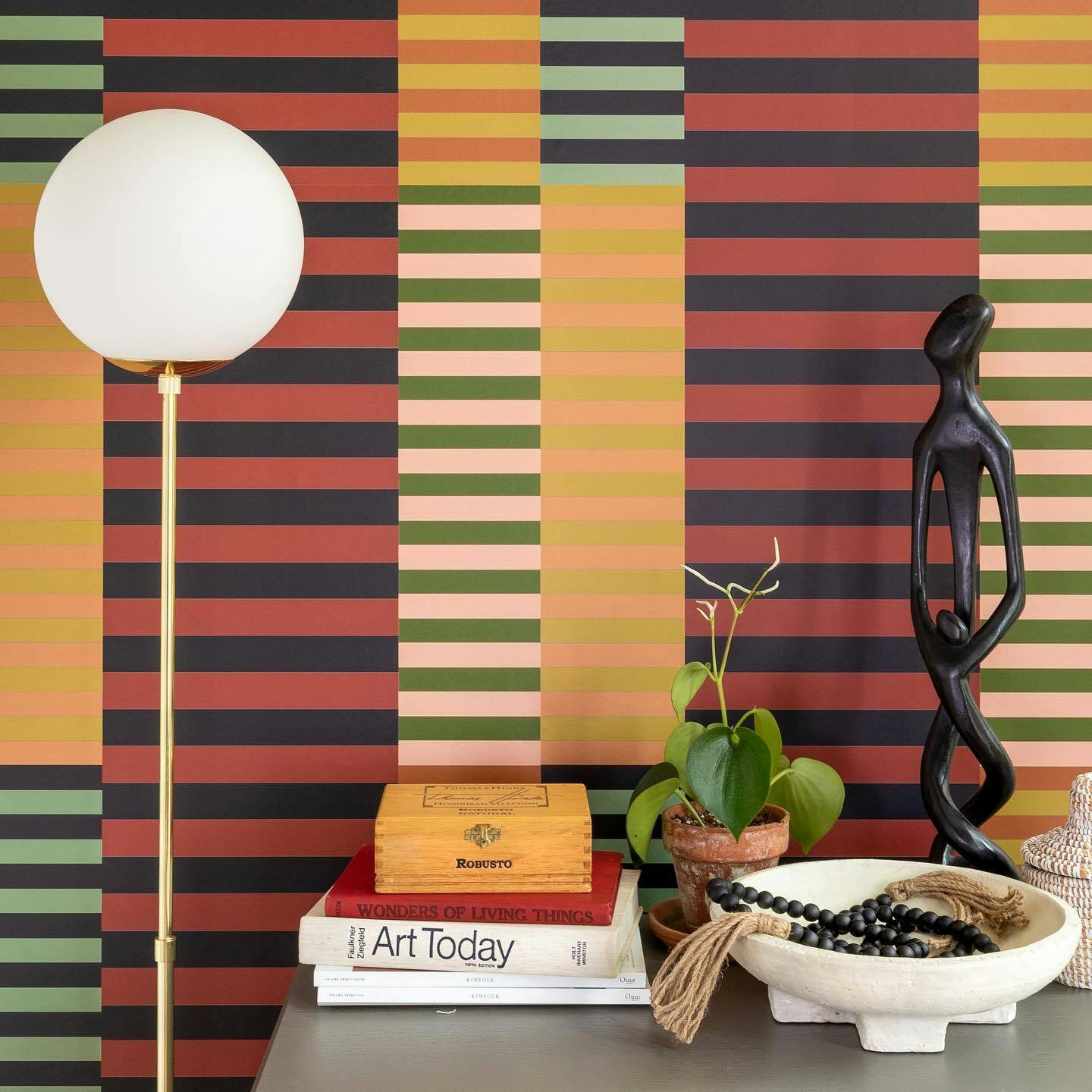
Maharam Design Studio is also contributing to the sustainable wallcovering market with its introduction of seven new graphic wallpapers. These wallpapers are digitally printed on a 100 percent cellulose substrate, a material choice that significantly reduces carbon emissions throughout the product's life cycle, from manufacturing processes to eventual recycling and reuse. The designs within Maharam's new collection span a wide aesthetic range, from the monochromatic and randomly gridded Score to the polychrome Realm, which features colored bars that evoke contemporary digital graphics. These diverse patterns enable clients to create dynamic and visually compelling spaces using materials that are both affordable and environmentally conscious.
The development and availability of these new wallcovering options from Carnegie Fabrics and Maharam Design Studio signify a positive trend in the interior design industry. They demonstrate that sustainable design does not necessitate a compromise on style or performance. Instead, these innovations provide designers and consumers with a broader array of choices to craft sophisticated, interesting, and environmentally responsible interiors. The focus on materials like TPO and cellulose, combined with thoughtful design, represents a significant step forward in making interior spaces more sustainable and healthier.
#SustainableDesign #Wallcoverings #InteriorFinishes #GreenMaterials #CarnegieFabrics #MaharamDesignStudio #ThermoplasticOlefin #CelluloseWallpapers #EcoFriendlyInteriors #SustainableDesign #Wallcoverings #InteriorFinishes #GreenMaterials #CarnegieFabrics #MaharamDesignStudio #ThermoplasticOlefin #CelluloseWallpapers #EcoFriendlyInteriors
0 comment in total
 No comments yet
You may also like
The Baton Rouge business behind some of the branded walls all over town


21 Record Wall Ideas To Give Scratched Vinyl A New Life

New Wool Felt and Cork Wall Coverings from Submaterial
11 Vinyl Floor Ideas That Perfectly Fit The 80s Aesthetic
Vinyl’s gotten gorgeous—here’s how to use it at home and fool everyone

5 wall decor ideas perfect for renters and DIY lovers
This Wall-Decor Hack Is Even Easier Than Peel-and-Stick Wallpaper
The 21 Best Places to Buy Wallpaper Online, According to Style Editors

These Chic (and Easy!) Living Room Wall Decor Ideas Are Game-Changing
10 best wall stickers: Simple way to add to the appeal of any space | Hindustan Times

The fabric effect: 8 of the best textural wallcoverings

24 Wallpapers That Are Better Than Any Zoom Background

9 stunning alternatives to painting your walls

10 Stylish Removable Wallpaper Decor Ideas to Transform Your Space
Removable wallpaper apartment DIY: I transformed my living room in an afternoon
Wallpaper is back, in a big way

The Top 6 Places to Buy Standout Removable Wallpaper

13 peel-and-stick wallpapers we love
6 ways to fake wall panelling and create the sought-after look on a budget
Make a statement with wallpaper