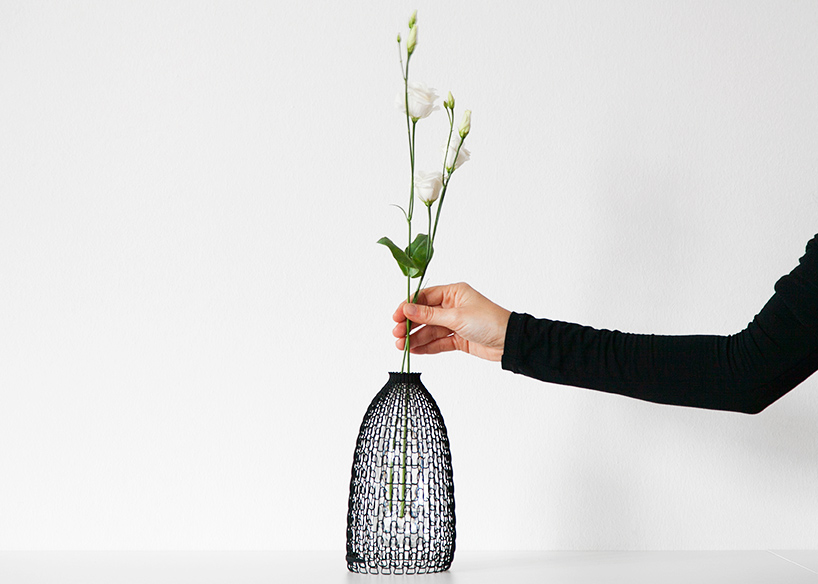

How a Plastic Water Bottle Becomes a Sofa (Hint: It’s Complicated)
The pervasive issue of plastic waste, with a million plastic water bottles purchased globally every minute, has spurred innovative solutions, particularly in the home furnishing and decor industries. This article explores how discarded plastic bottles are being transformed into various home products, offering a sustainable alternative to traditional materials and addressing the growing problem of landfill waste.
Several companies are at the forefront of this movement. The Citizenry, for instance, crafts rugs from a fiber derived from plastic bottles, with each rug utilizing approximately 3,000 bottles. Sofa manufacturer Lovesac repurposed 11 million plastic bottles in 2018 by incorporating recycled yarn into its products. Major retailers like World Market are integrating throw pillows and outdoor furniture made from recycled bottles, while Dutch brand De Vorm produces chairs upholstered in felt created from the material. Even IKEA has committed to using only recycled or renewable materials by 2030, highlighting a broader industry shift towards sustainability.
The transformation of a plastic bottle into a finished product like a sofa or a chair involves a detailed and multi-step process known as downcycling. Initially, recycled plastics are sorted, collected, and thoroughly cleaned, with caps removed. They are then shredded into flakes, cleaned again, and melted to produce fibers. These fibers undergo stretching and heating multiple times before being compressed into felt or spun into yarn. Alternatively, the plastic flakes can be melted into larger panels to construct items such as kitchen chairs. This process results in repurposed materials with impressive properties, including sound absorbency and malleability, as noted by Alejandra Albarrán, Director of Design & Innovation at ROOM, a company that utilizes recycled PET in its sound-absorbent phone booths.
While the concept of using recycled plastic is promising, significant challenges exist in its implementation. Sourcing recycled materials can be difficult due to a lack of consistent global regulations for recycling processes. Paola Calzada Prats, founder of Luken Furniture, which makes outdoor furniture from HDPE plastic, highlights issues such as the limited availability of specific plastic colors and delays in production due to insufficient sorting mechanisms in some regions. Additionally, the presence of improperly sorted or contaminated waste further complicates the recycling process, making it cumbersome and expensive to extract useful plastic. This often results in recycled plastic being more costly than virgin plastic, which can deter some companies and consumers from choosing eco-friendly options.
Despite these hurdles, the benefits of using recycled plastics are substantial. Plastic takes 1,000 years to degrade in a landfill, and downcycling plastic requires 88 percent less energy than producing virgin plastic. The global recycling landscape was further impacted by China's decision in 2017 to stop accepting plastic waste from other countries, necessitating urgent alternative solutions for managing plastic waste. Repurposing plastic into durable goods not only removes existing plastics from the environment but also reduces the consumption of natural resources, as articulated by environmental health advisor Gay Browne. For developing countries, finding sustainable uses for overwhelming plastic waste is crucial, and initiatives like The Citizenry's rug production demonstrate how modern problems can be addressed through traditional crafts, creating long-lasting, heirloom-quality products.
Consumers can contribute to this effort by reducing their use of single-use plastic bottles and ensuring proper recycling practices. Only about 30% of the six billion pounds of plastic bottles discarded annually are recycled. To improve recycling effectiveness, items should be clean before being placed in recycling bins, and local recycling guidelines should be followed carefully regarding plastic bags and other materials. The article advocates for a broader commitment to sustainability, emphasizing the importance of buying vintage or used goods, making conscious purchasing decisions, and embracing biophilic design to foster an emotional connection with the natural world. Ultimately, by supporting products made from recycled plastics, consumers can help reduce waste and contribute to a more sustainable home and planet.
#SustainableLiving #RecycledMaterials #HomeDecor #PlasticWaste #EcoFriendlyDesign #CircularEconomy #GreenInitiatives #InteriorDesign #ManufacturingProcess #SustainableLiving #RecycledMaterials #HomeDecor #PlasticWaste #EcoFriendlyDesign #CircularEconomy #GreenInitiatives #InteriorDesign #ManufacturingProcess
 No comments yet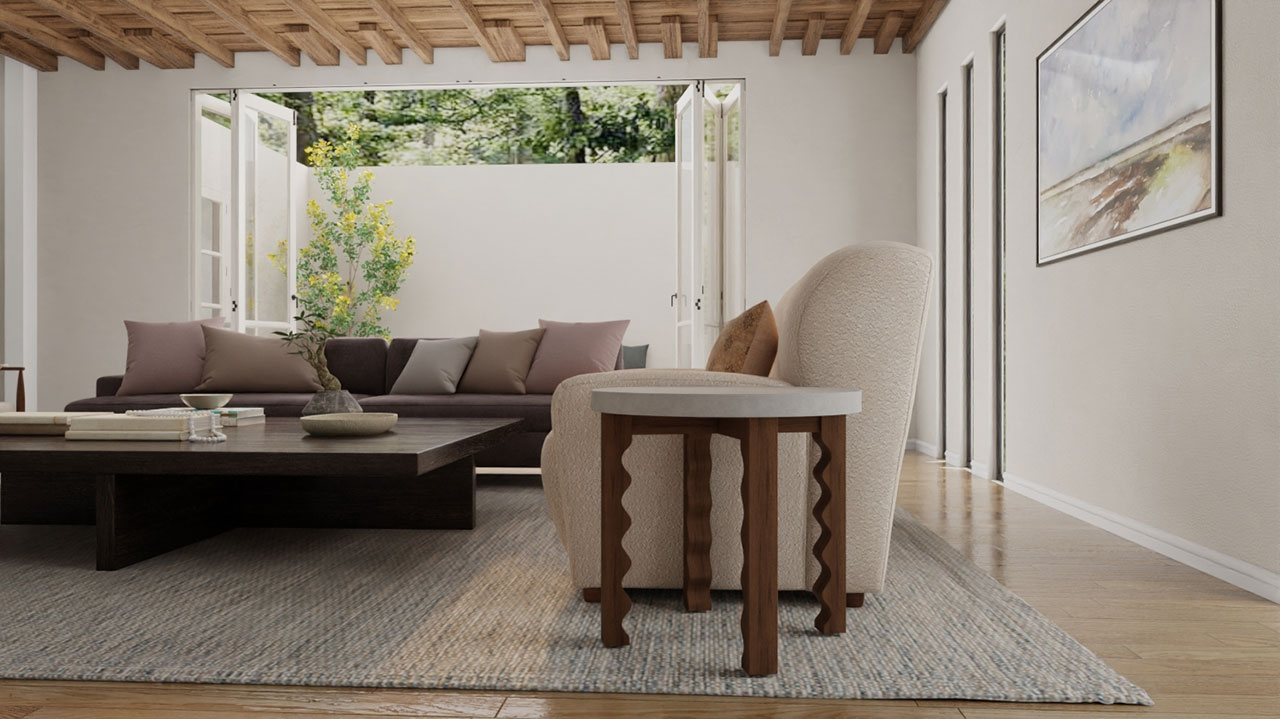
TRASHY Transforms Recycled Styrofoam Into New Furniture Collection
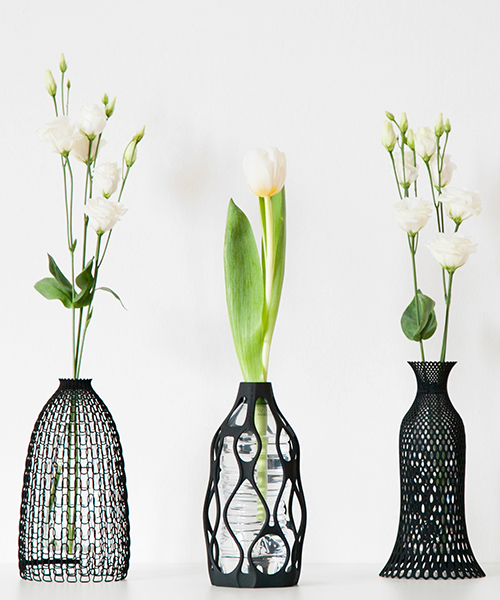
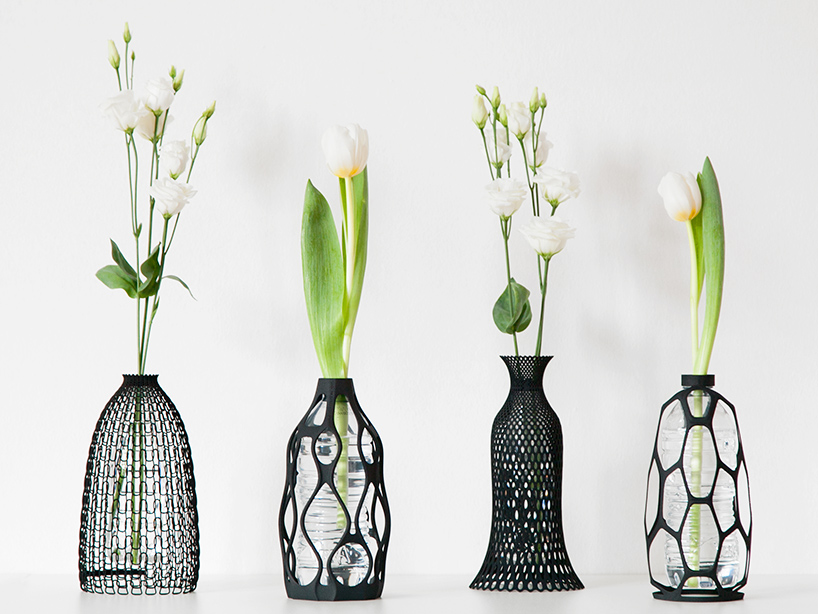
3D printed vases turn your recycled water bottles into design objects
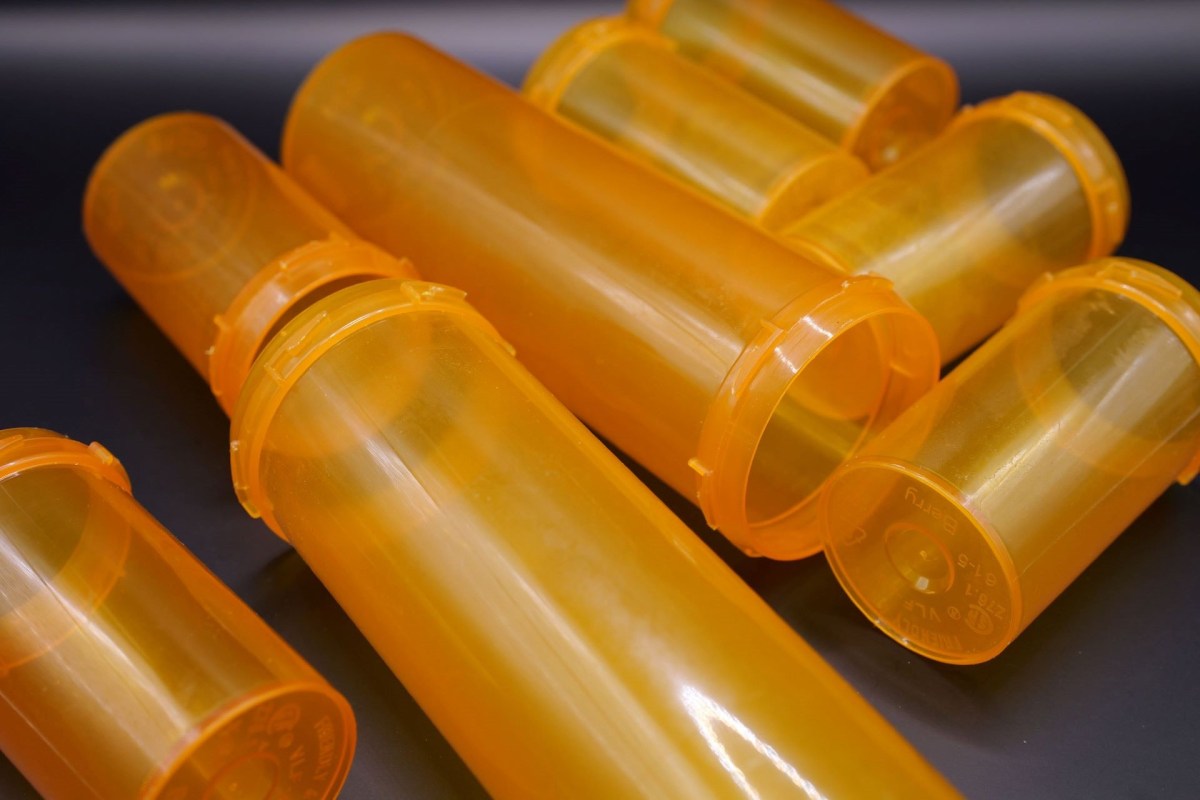
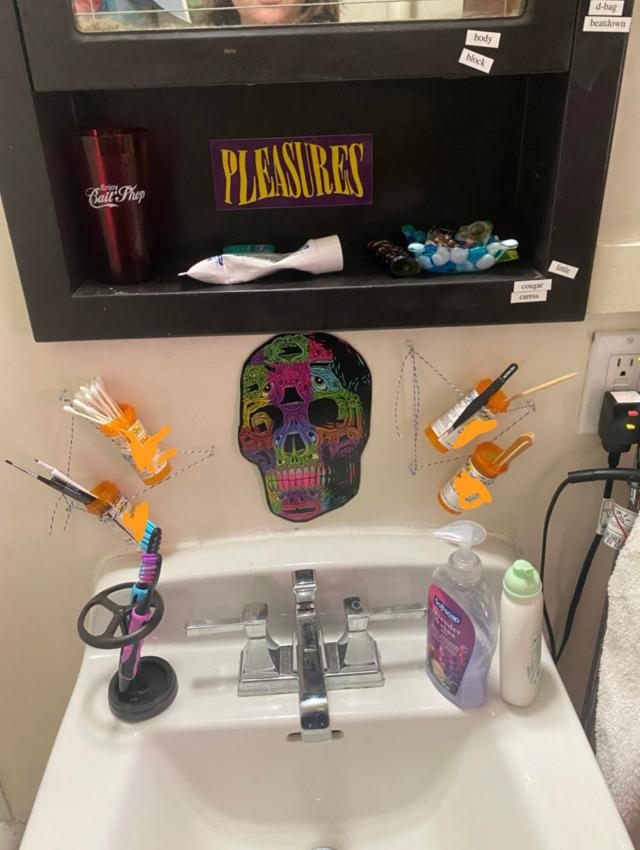
Clever crafter shares unexpected way to reuse pill bottles: 'This is my admittedly tacky solution'

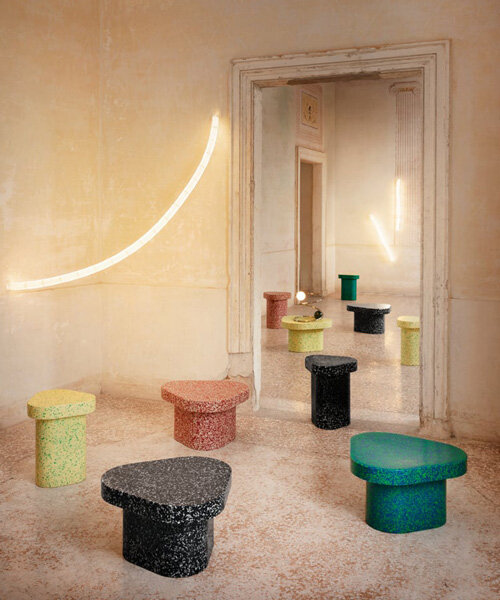
paolo cappello transforms plastic waste into playful furniture objects