Finding Sustainable Alternatives to Traditional Building Materials
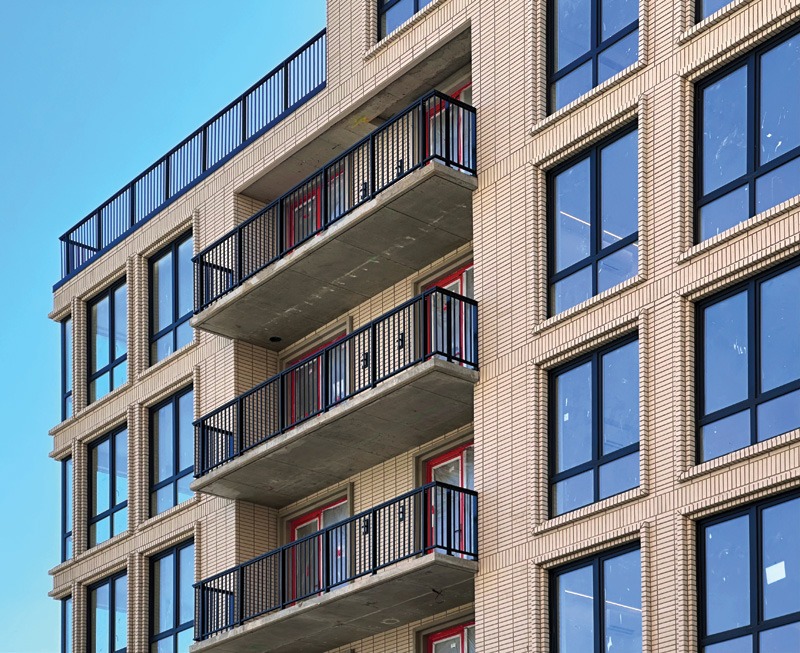
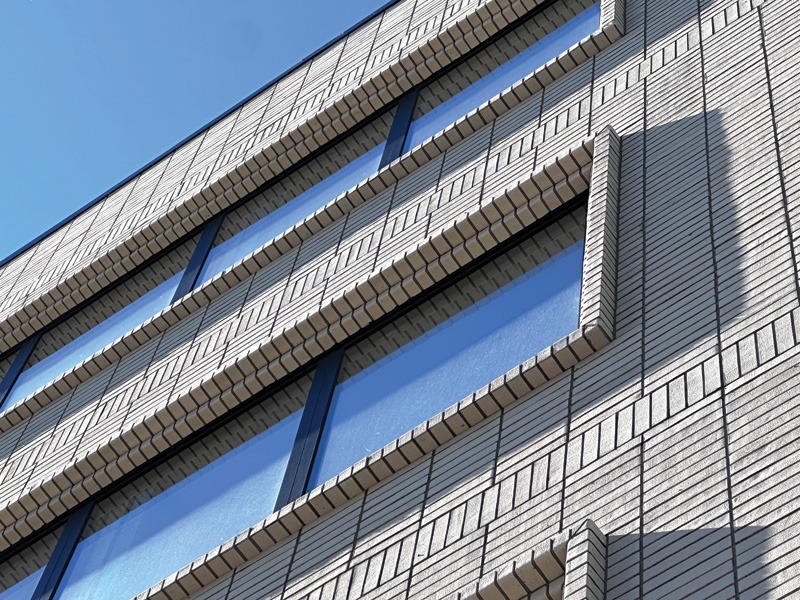
The construction sector significantly contributes to global greenhouse gas emissions, accounting for approximately 37% of the total. This includes both operational emissions from a building's use and embodied emissions from material extraction, production, and disposal. While progress has been made in reducing operational emissions through eco-friendly systems, embodied emissions, particularly from concrete, steel, and aluminum, still represent a substantial portion of the sector's environmental footprint. Addressing these embodied emissions is a critical challenge for achieving sustainability in construction.
MycoTile, a Kenyan company co-founded by Mtamu Kililo, is actively developing sustainable building materials using readily available agricultural waste and mushroom mycelium as a bonding agent. Kililo, an architect by profession, was inspired to explore mycelium after observing mushroom growing processes in Rwanda. His initial experiments led to the realization that mycelium could effectively bind agricultural fibers to create composite materials. This entrepreneurial journey, initially met with skepticism, gained traction with support from Habitat for Humanity and the Kenya Industrial Research and Development Institute (KIRDI), leading to the development of marketable insulation products and other building components.
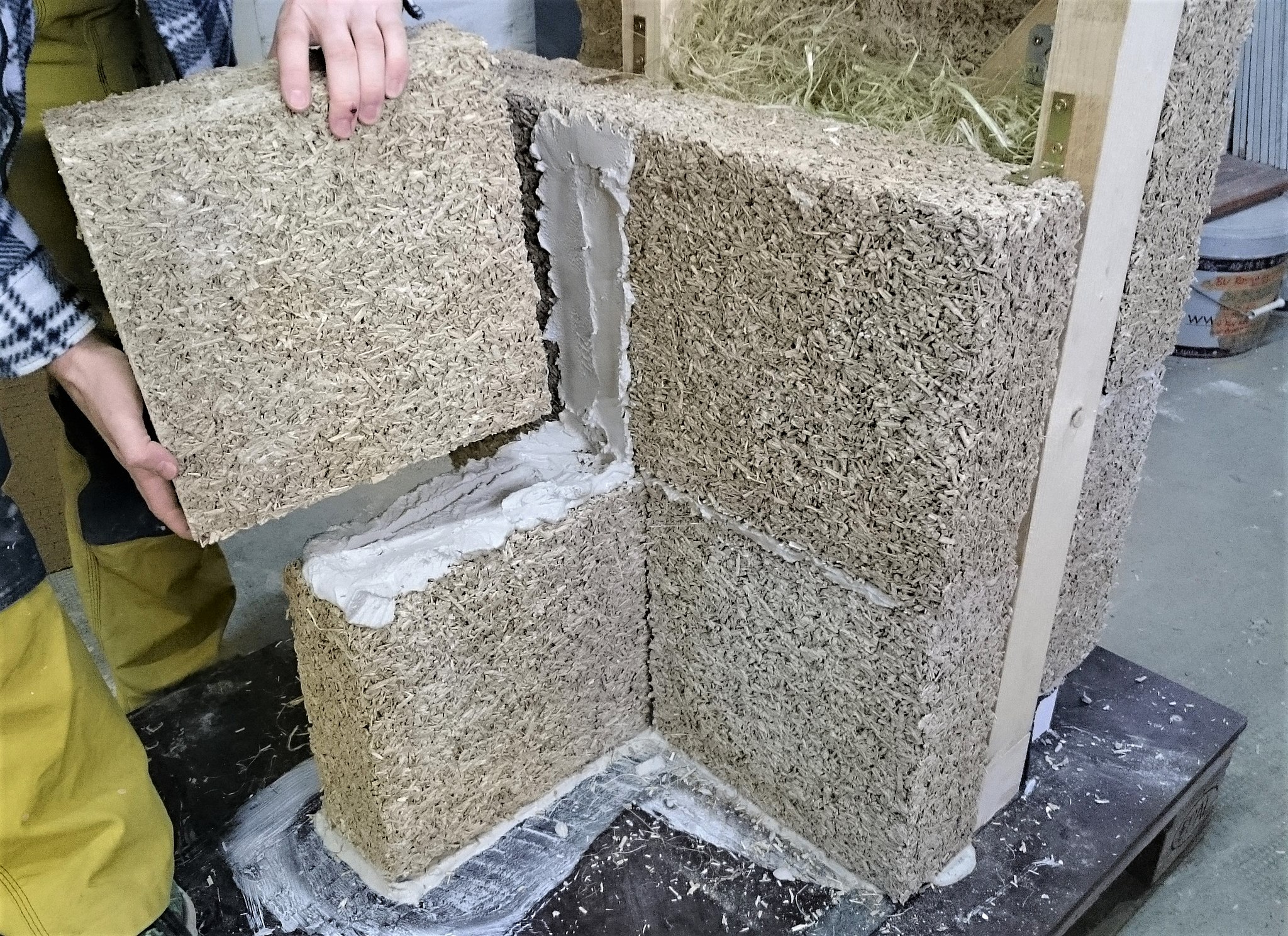
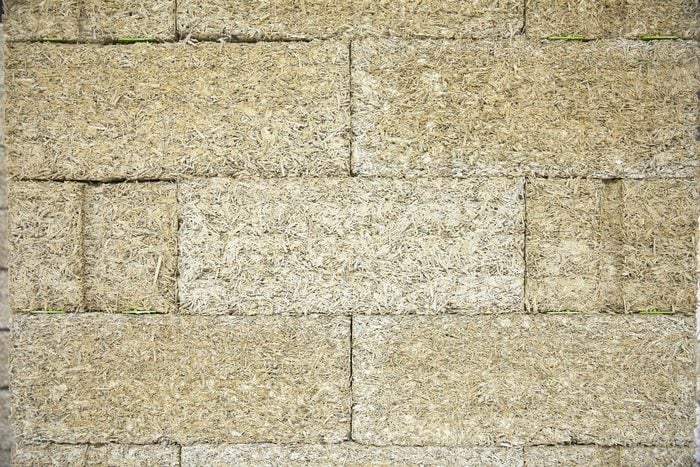
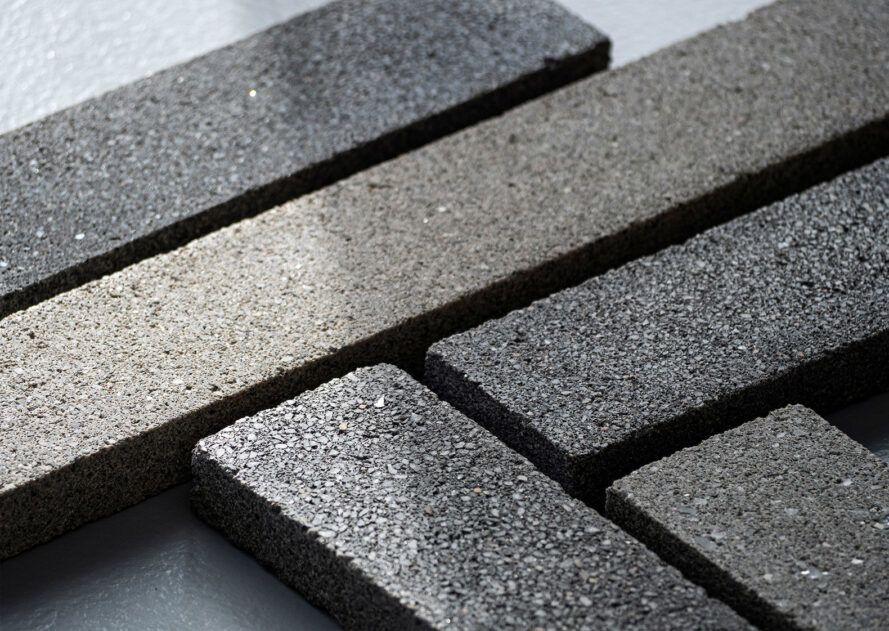
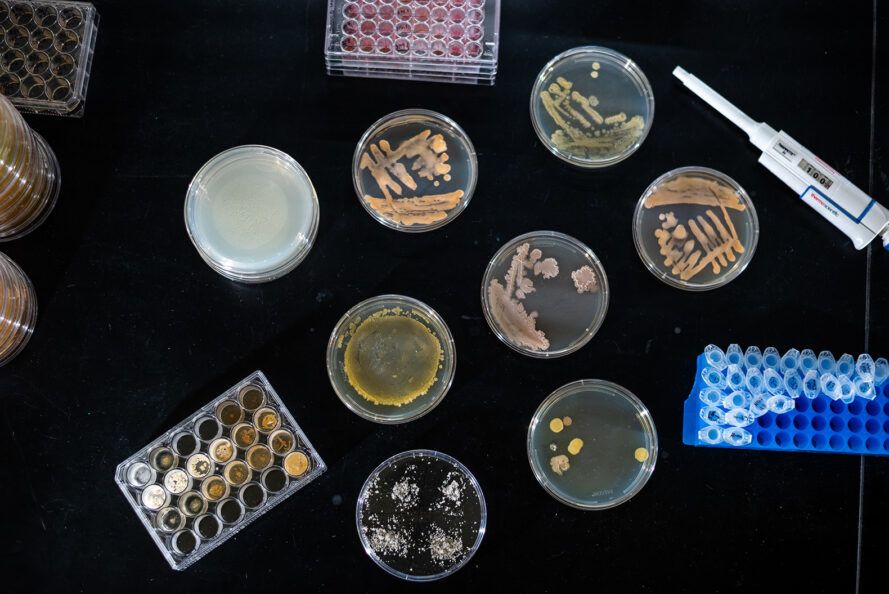
The production process for MycoTile's materials involves sterilizing agricultural waste, such as sugarcane bagasse, coffee husks, or corn cobs, and then introducing mushroom spawn. The mycelium grows through the waste fibers, bonding them into a composite. This composite can be left in its sponge-like form for insulation or compressed hydraulically to create denser materials like medium-density fiberboard, strawboard, or even bricks. A crucial step in the process is denaturing the mycelium by heating it to around 60°C to prevent further growth, ensuring the material's stability and preventing mushrooms from sprouting from finished products. The specific agricultural waste used may influence the process, with adjustments made for acidity or fiber length by adding basic substances or straw, respectively.
Mycelium-based materials offer several environmental benefits, serving as organic substitutes for carbon-intensive products like concrete and petroleum-based insulation. They are fully compostable at the end of a building's life, supporting a circular economy. The process of growing mycelium also sequesters carbon, capturing it within building materials. Furthermore, mycelium contains chitin, a natural fire retardant, which enhances the safety of these materials by causing them to char rather than burn through. In addition to environmental advantages, these materials address socio-economic challenges, particularly in regions like Kenya with significant housing deficits and a need for employment opportunities. MycoTile's local production minimizes reliance on imports, making sustainable building options more accessible and affordable.
Despite the promising benefits, the adoption of mycelium-based materials faces challenges. A significant hurdle is the lack of established standards for organic building materials, requiring MycoTile to contribute to developing these standards with bodies like the Kenyan Bureau of Standards. This absence of existing benchmarks complicates product certification and market acceptance, especially for clients requiring rigorous adherence to specific standards. Informally, the construction industry's conservative nature and preference for traditional, solid materials also present a barrier. The light and somewhat 'flimsy' feel of mycelium products in a 'knock test' contrasts with the perceived solidity of concrete, despite their functional efficacy as insulation. Overcoming these perceptions and regulatory gaps requires ongoing research, education, and patient market penetration, as exemplified by other innovative building material companies in the region.
#SustainableConstruction #MyceliumMaterials #Biomaterials #CircularEconomy #GreenBuilding #AgriculturalWaste #CarbonSequestration #MaterialInnovation #KenyanInnovation #SustainableConstruction #MyceliumMaterials #Biomaterials #CircularEconomy #GreenBuilding #AgriculturalWaste #CarbonSequestration #MaterialInnovation #KenyanInnovation
0 comment in total
 No comments yet
You may also like
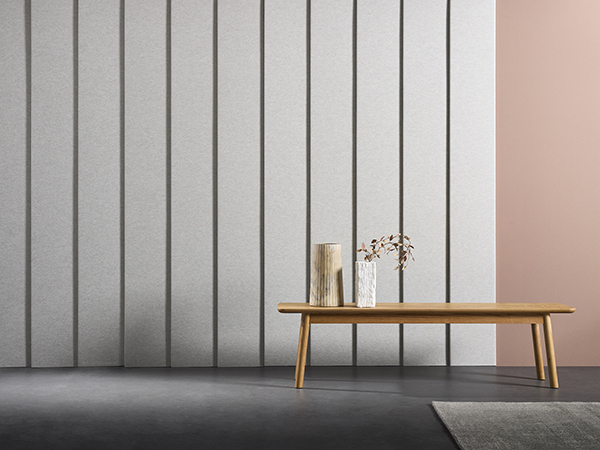
The latest and greatest innovations in sustainable building materials
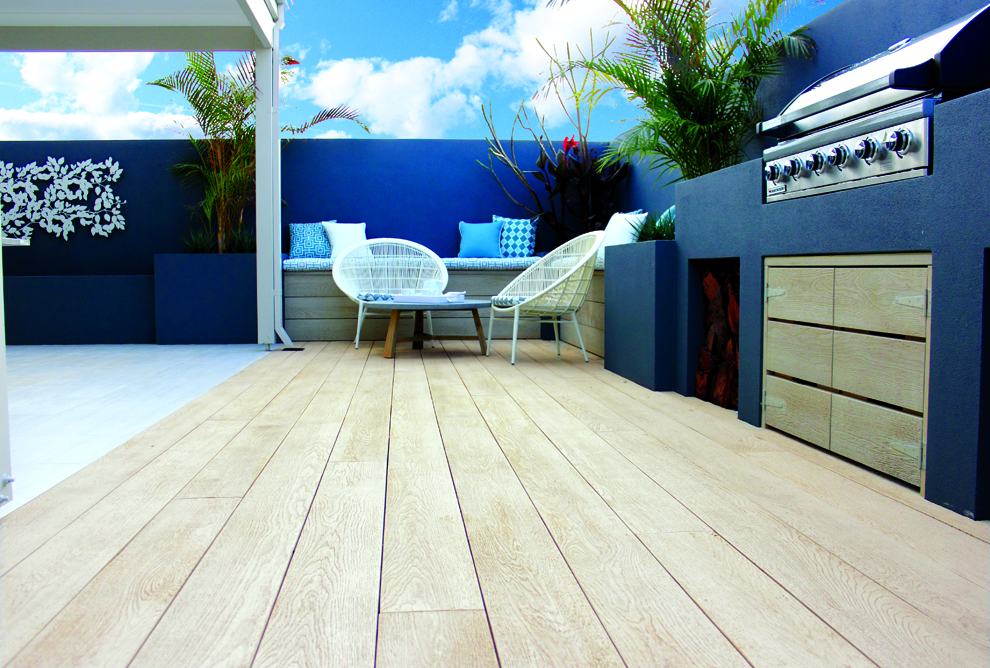
6 Wood Substitutes and When to Use Them

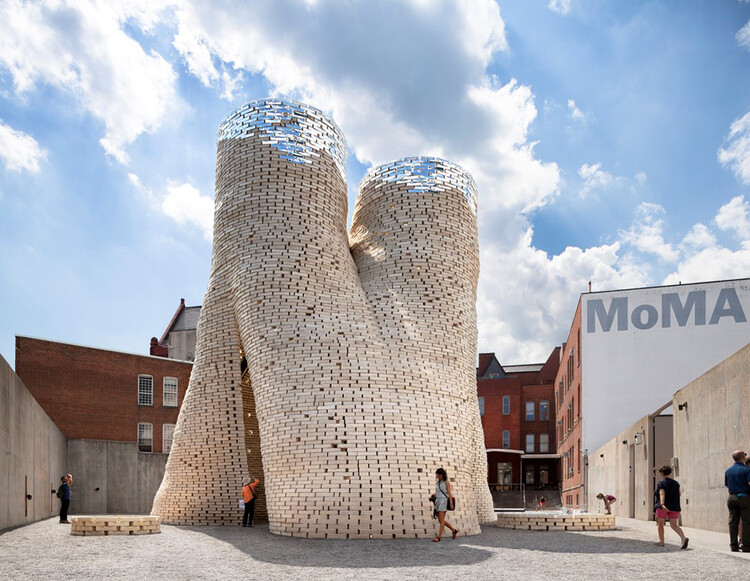
10 Start-ups Creating Innovative and Sustainable Building Materials, from Mycelium Bricks to Water Purifying Tiles

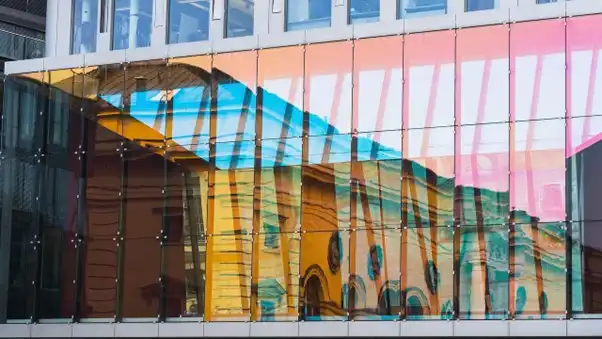
Innovations Driving Sustainable Building and Architecture Forward
10 Innovative Materials Poised to Make Home Building More Sustainable

11 Recycled Building Materials Made From Trash

Building with earth could transform sustainable construction – here’s how

From Prototype to Progress: How Small-Scale Sustainable Housing Models Are Shaping Our Future
17 Projects That Use “Ugly” Materials in Beautiful Ways

Eco-friendly materials: the future of residential and commercial construction
For These Designers and Homebuilders, the Best Materials Are Ones That Have Already Been Used
The BioBased concrete tiles cut carbon emissions and waste

The future of sustainable building materials
7 Earth-based Solutions For Building Closer to Nature
Another brick in the wall
Masonry reinvented: One brick at a time
7 Concrete Alternatives
10 Ways to Use Recycled Materials in Your Home Reno

6 Sustainable Material Trends That Prove It's No Longer Just a Buzzword, but an Exciting Design Opportunity


Sustainable Cladding: 5 Best Eco-Friendly Wall Cladding Options Available in Australia