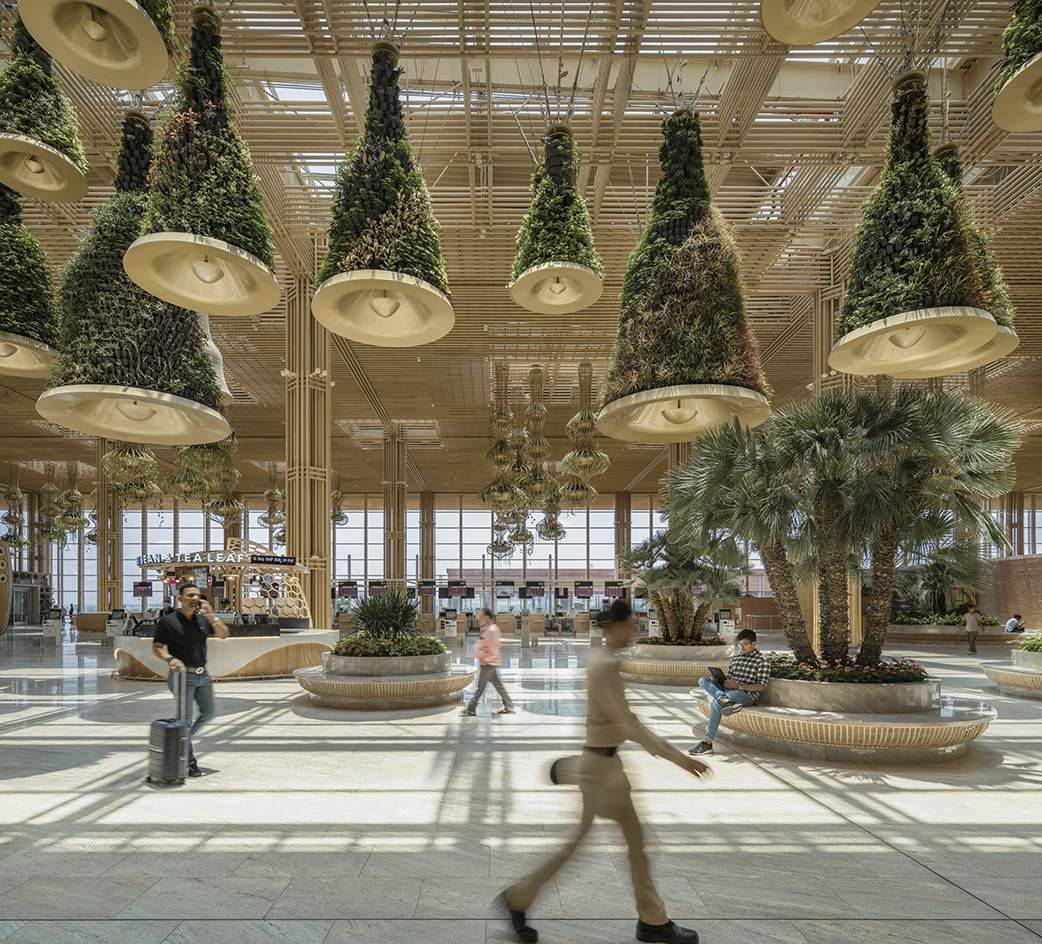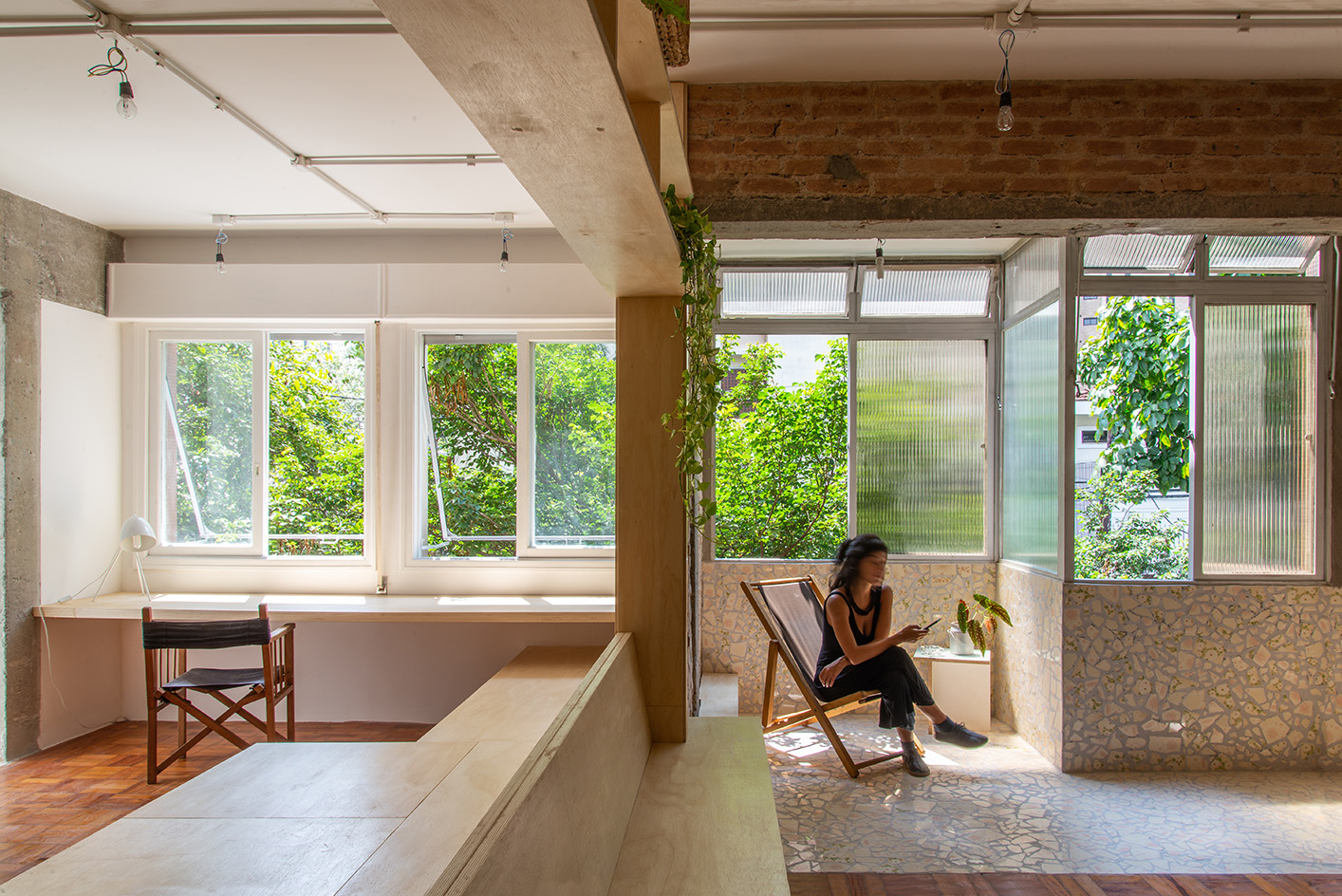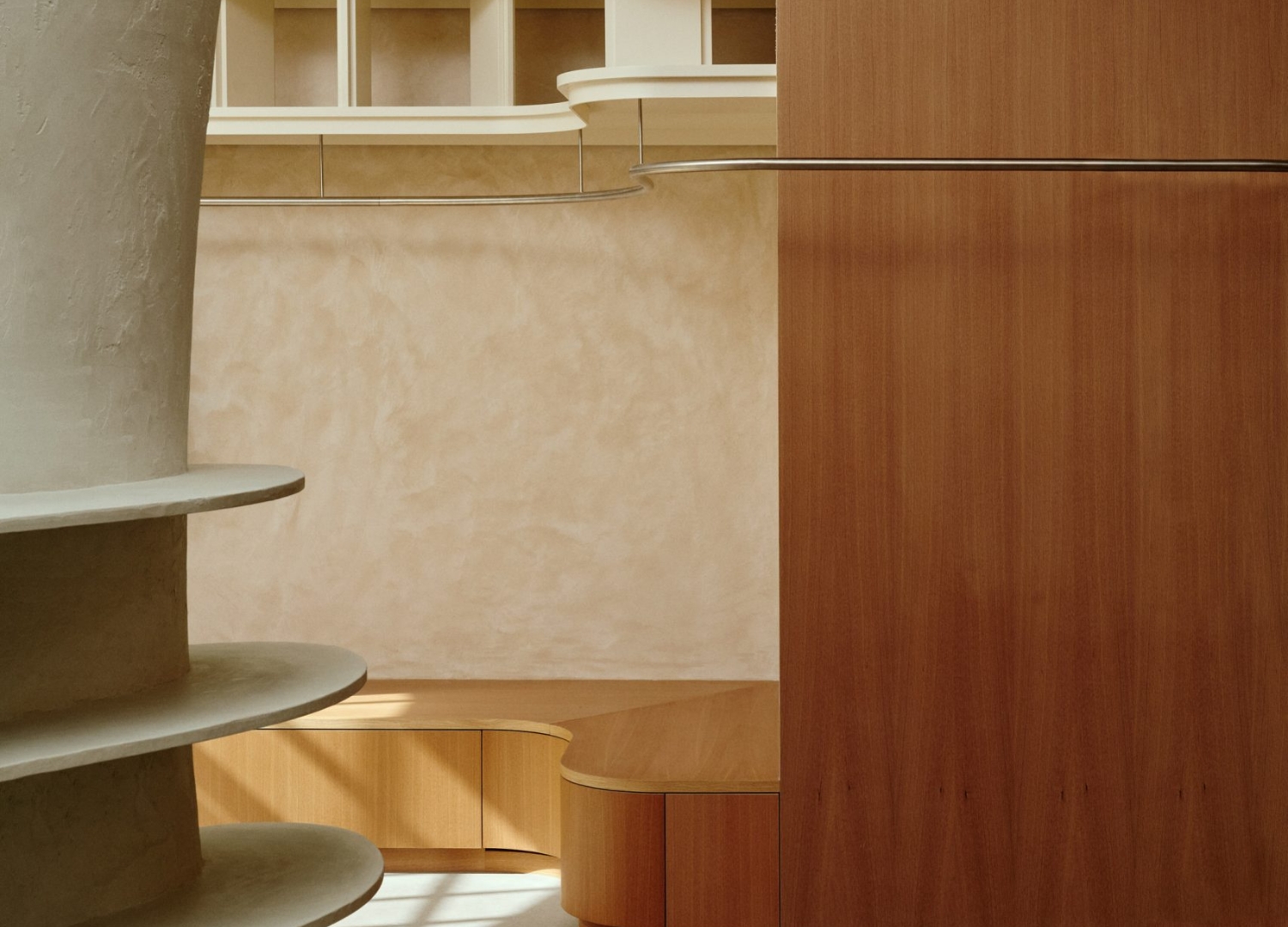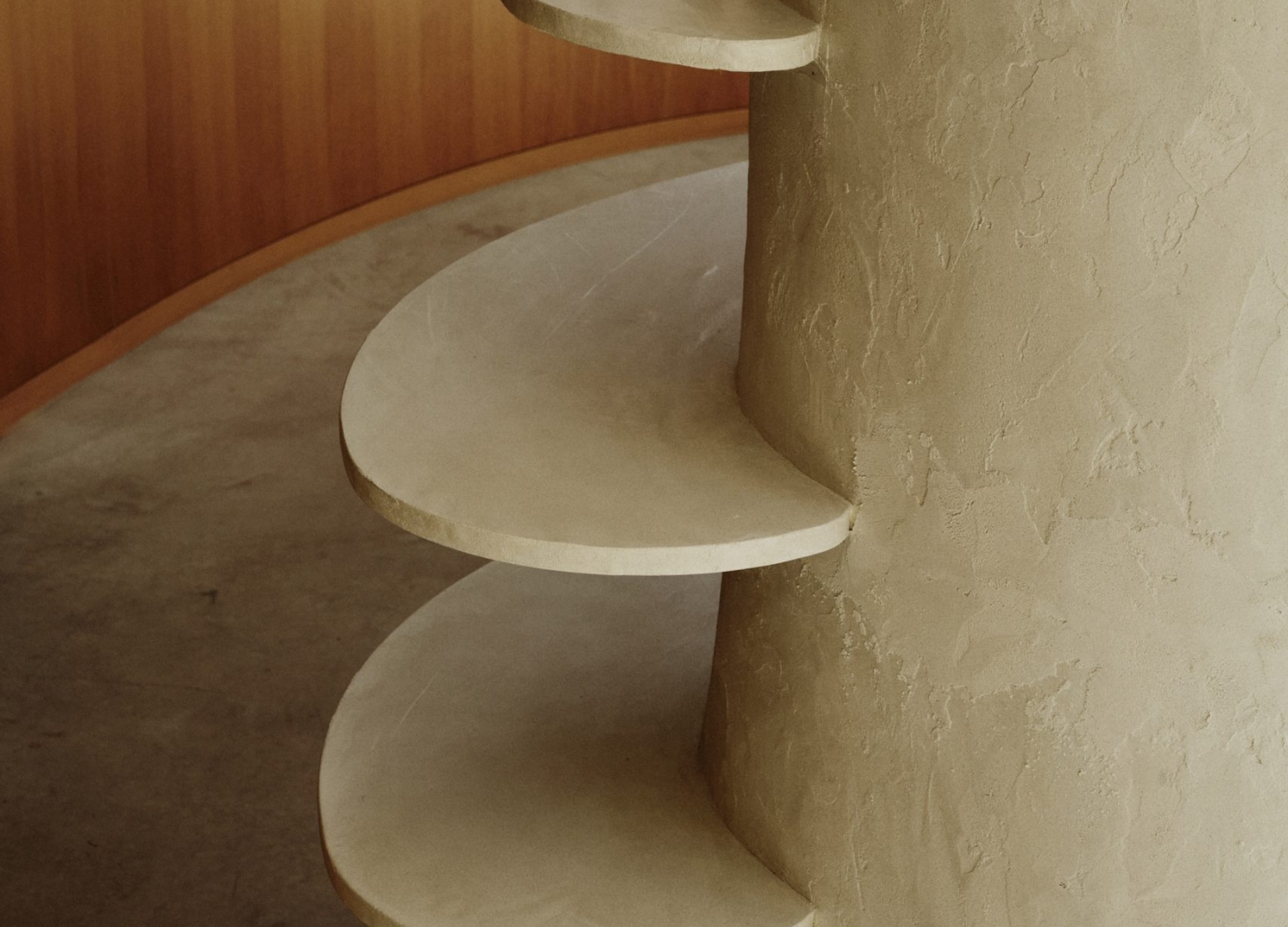
Eco-friendly materials: the future of residential and commercial construction
The construction industry is experiencing a significant shift towards sustainability, with eco-friendly materials becoming increasingly prevalent in both residential and commercial projects. This movement is driven by a growing awareness of climate change, evolving regulatory requirements promoting energy efficiency, and consumer demand for sustainable choices. The adoption of these innovative building solutions not only aims to reduce environmental impact but also offers advantages such as cost-efficiency and versatility.
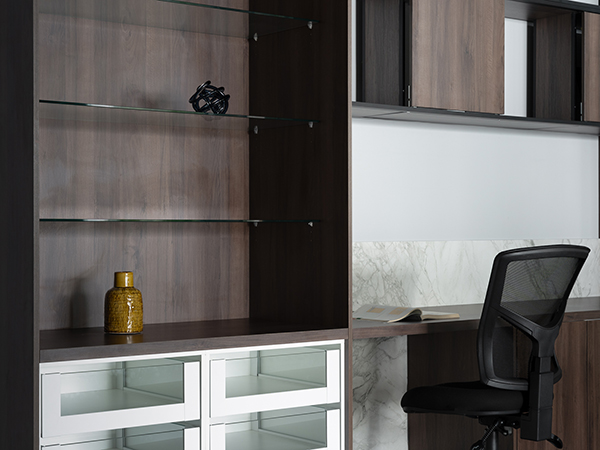
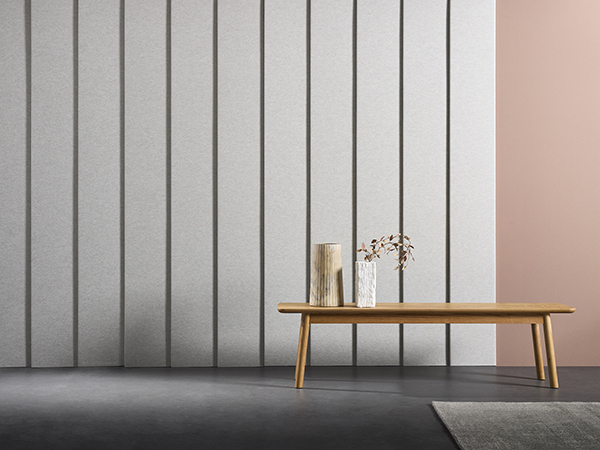
Several cutting-edge materials are at the forefront of this sustainable construction trend. Demountable wall partitions provide flexible and reconfigurable spaces, minimizing waste and extending material lifespan. These are practical for creating multipurpose areas in homes and adaptable office layouts in commercial settings. Recycled steel offers a sustainable alternative to virgin steel, reducing energy consumption in production while maintaining structural integrity for framing, roofing, and other components.
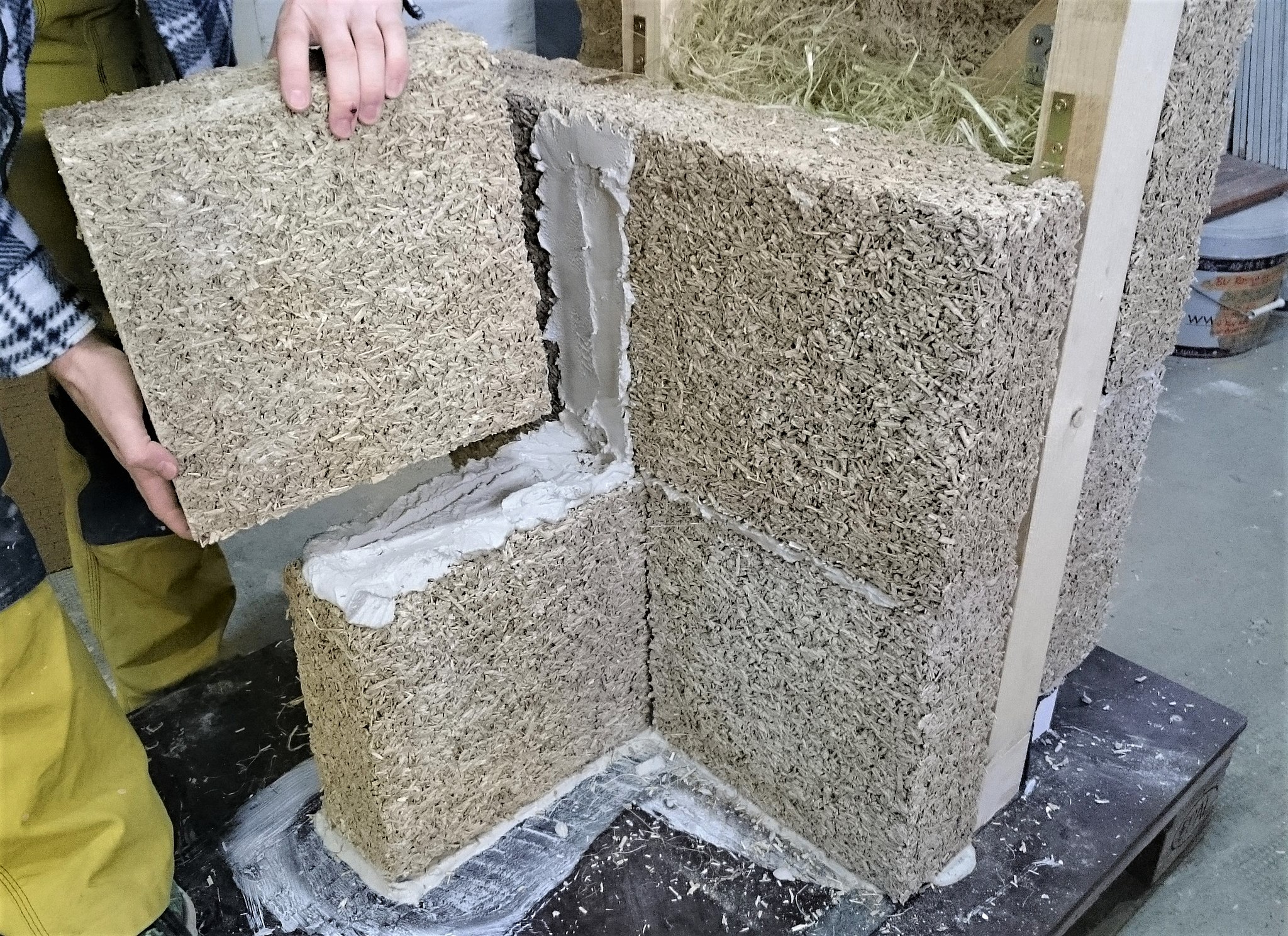
Energy-efficient building materials, including insulated concrete forms (ICFs), structural insulated panels (SIPs), and low-emissivity (low-E) glass, play a crucial role in reducing energy consumption. These materials improve a building's insulation and temperature regulation, leading to lower heating and cooling costs and significant environmental benefits. Hempcrete, a bio-composite material made from hemp fibers, water, and lime, serves as an excellent natural insulator. It is carbon-negative and naturally resistant to mold and pests, presenting a viable bio-based construction option.
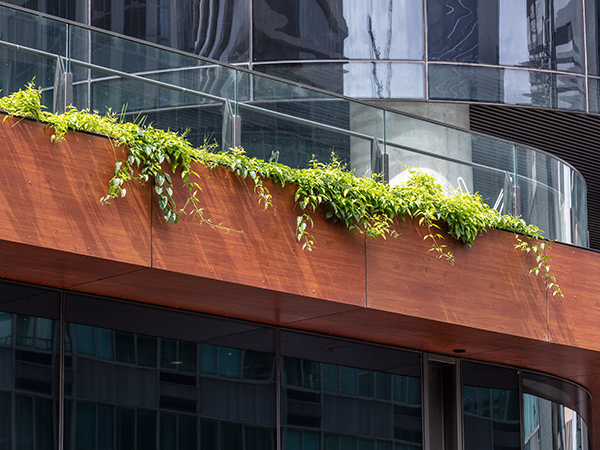
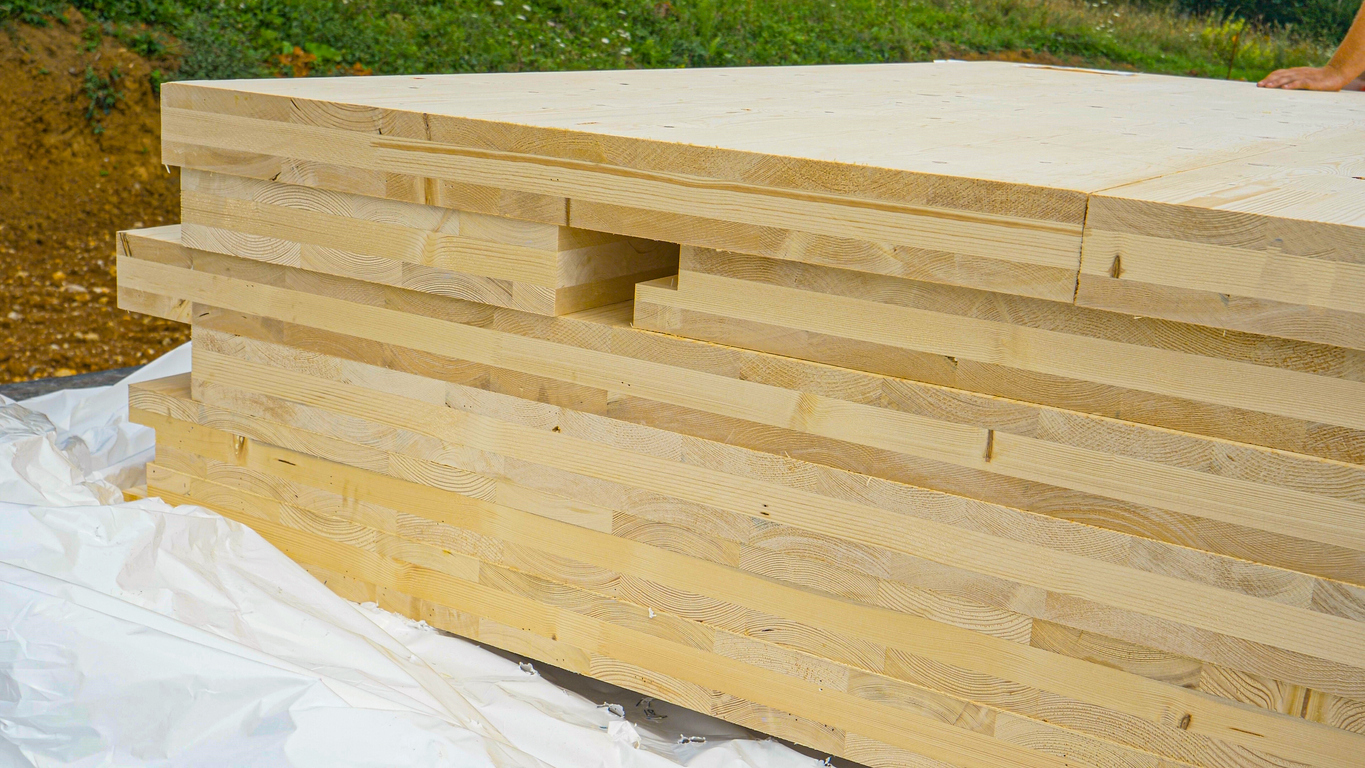
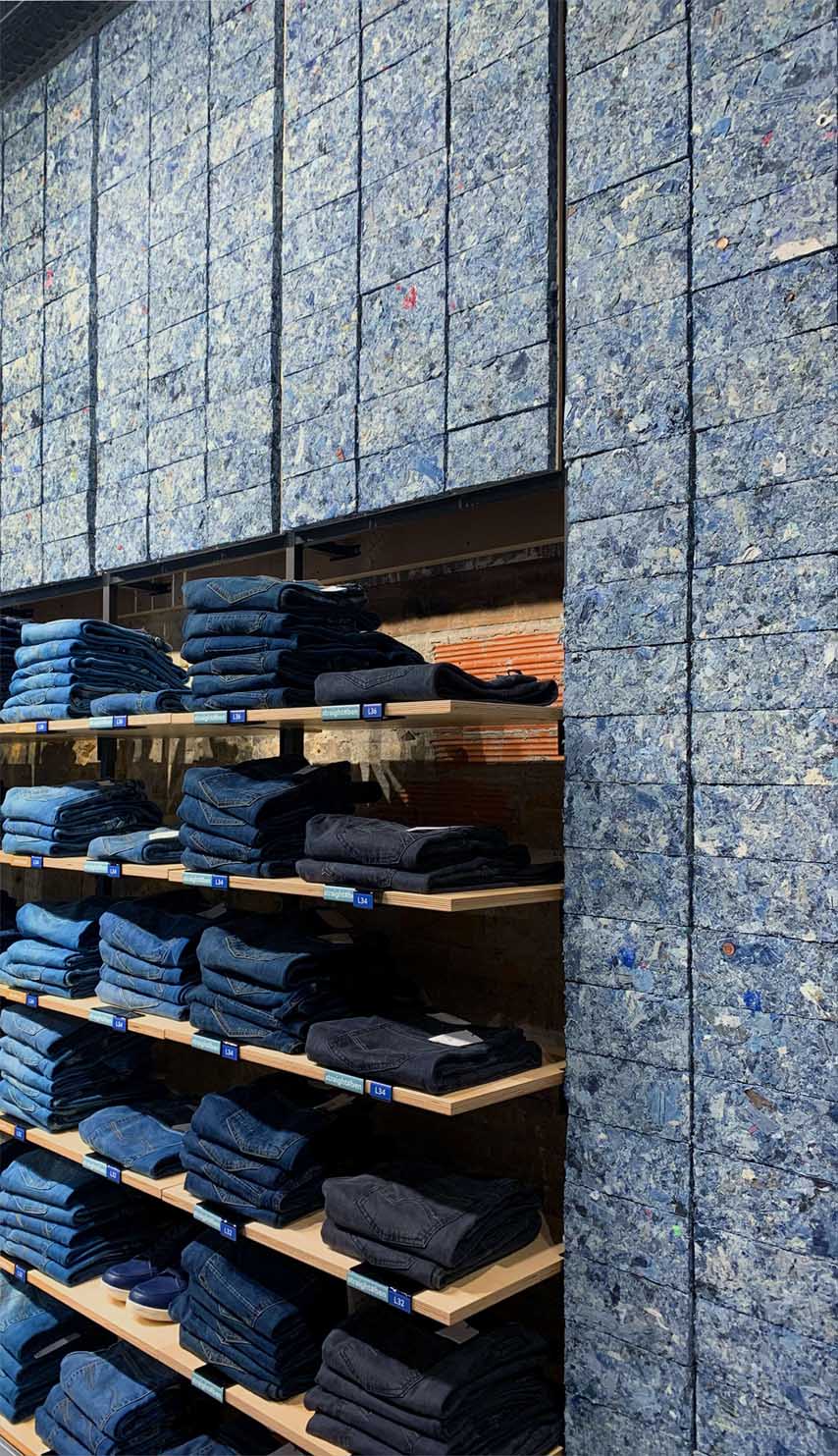
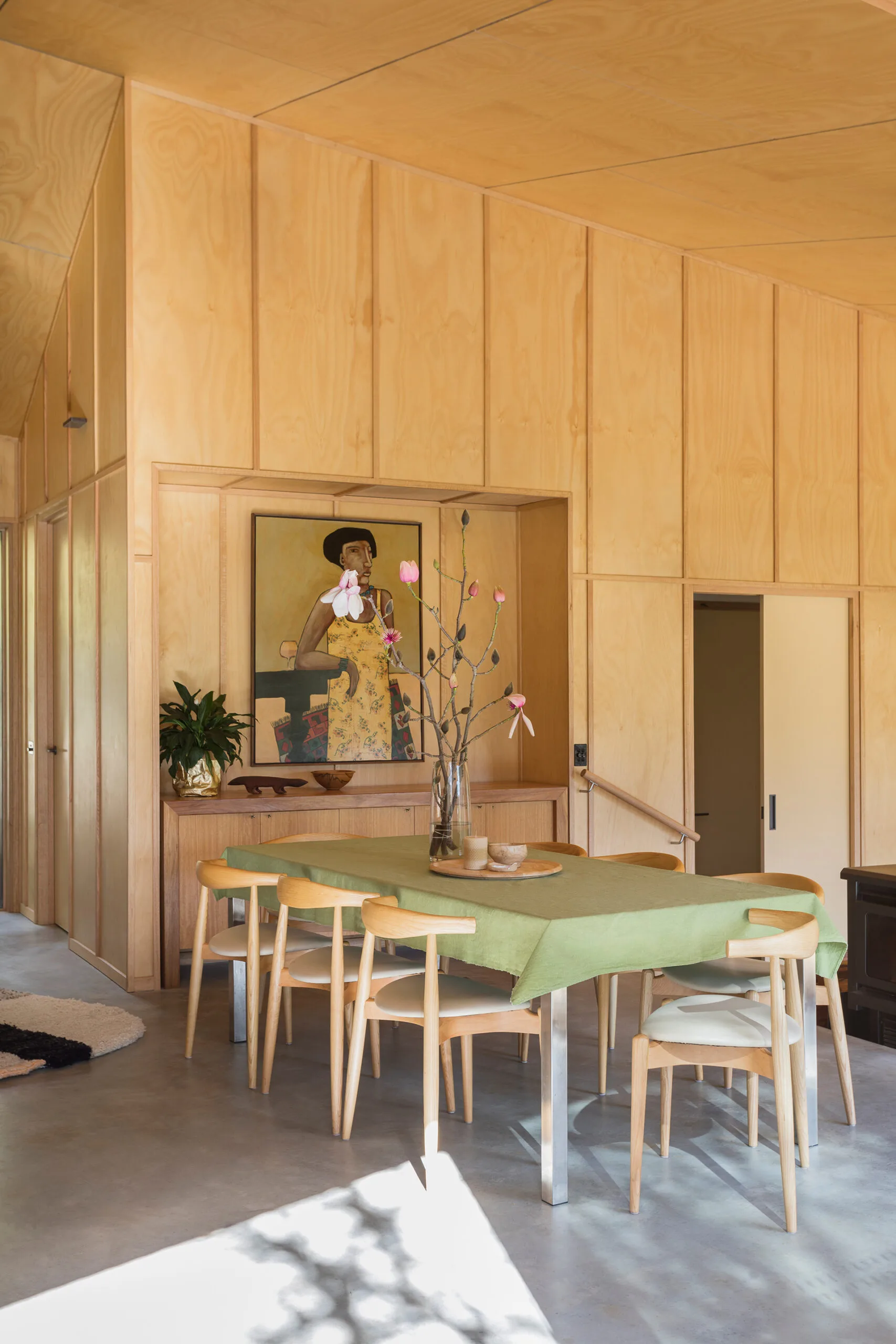
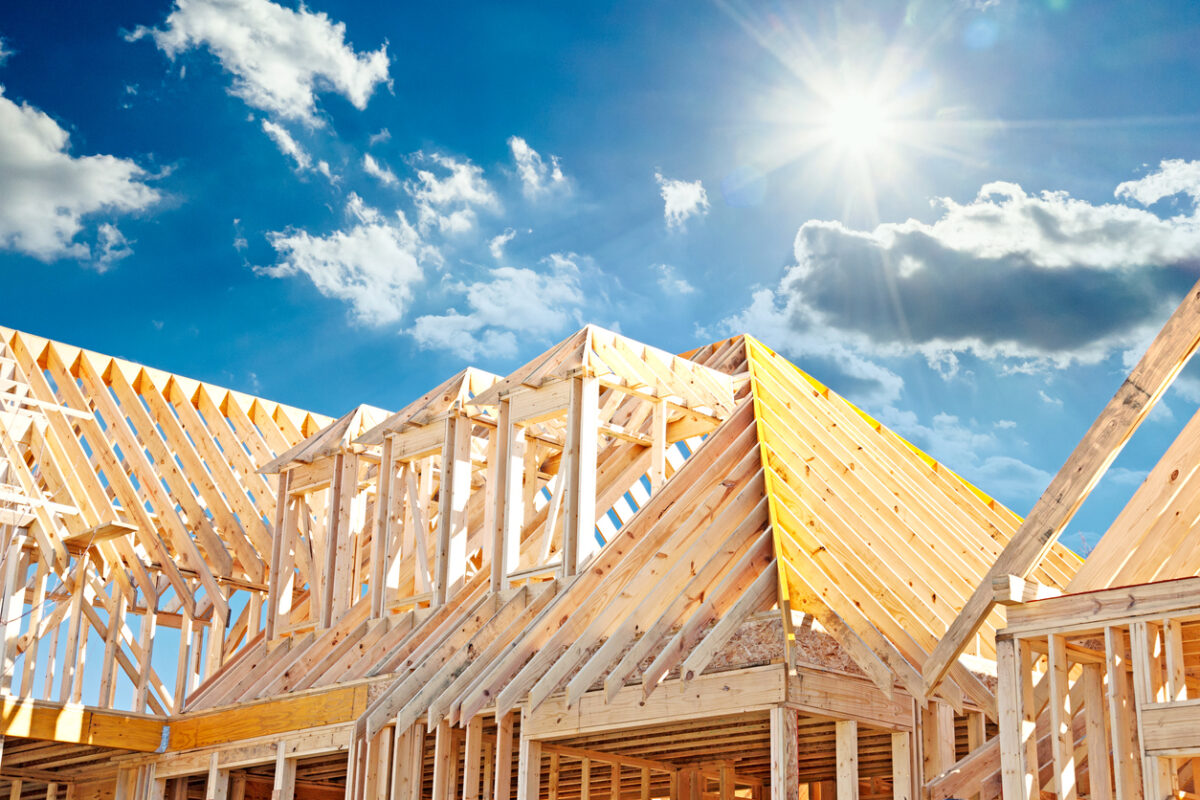
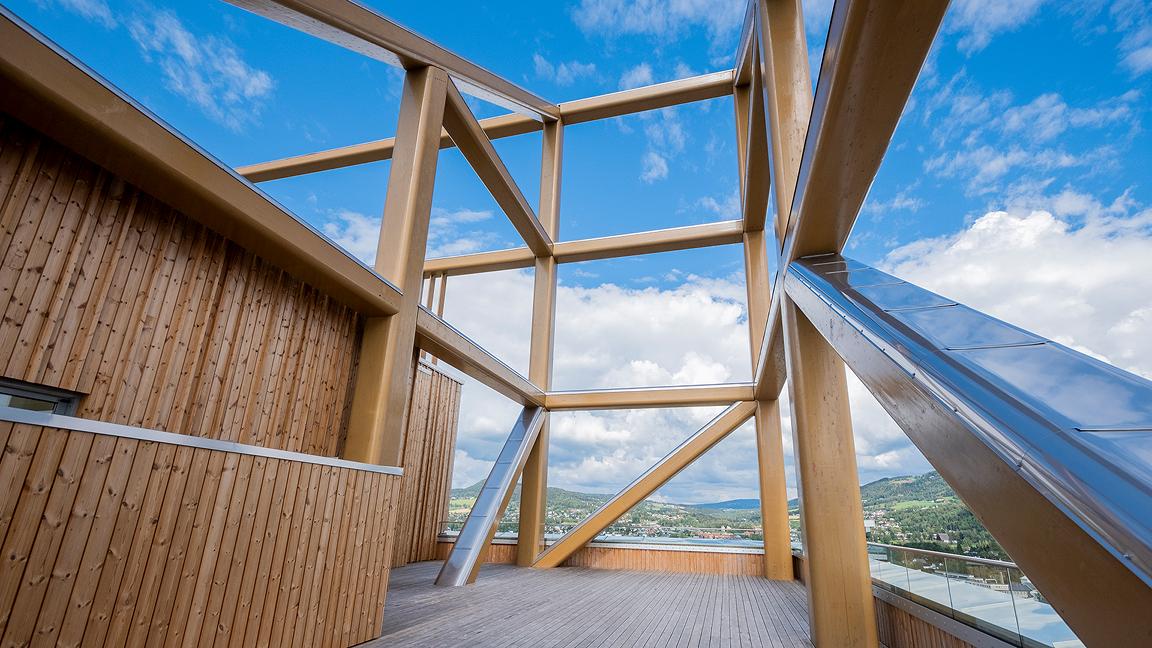
Rubber roofing pavers, manufactured from recycled rubber, contribute to durability and eco-friendliness. They aid in stormwater management by facilitating effective drainage and support green roofing initiatives, such as rooftop gardens and cool roofs, which help regulate building temperatures and improve urban air quality. Cross-laminated timber (CLT) is emerging as a sustainable alternative to concrete and steel. Made from bonded wood layers, CLT panels offer comparable strength with significantly reduced carbon emissions. Architectural panels, often crafted from recycled or renewable materials, provide superior insulation, energy efficiency, and durability for exterior cladding, interior walls, and decorative facades, enhancing both aesthetics and performance.
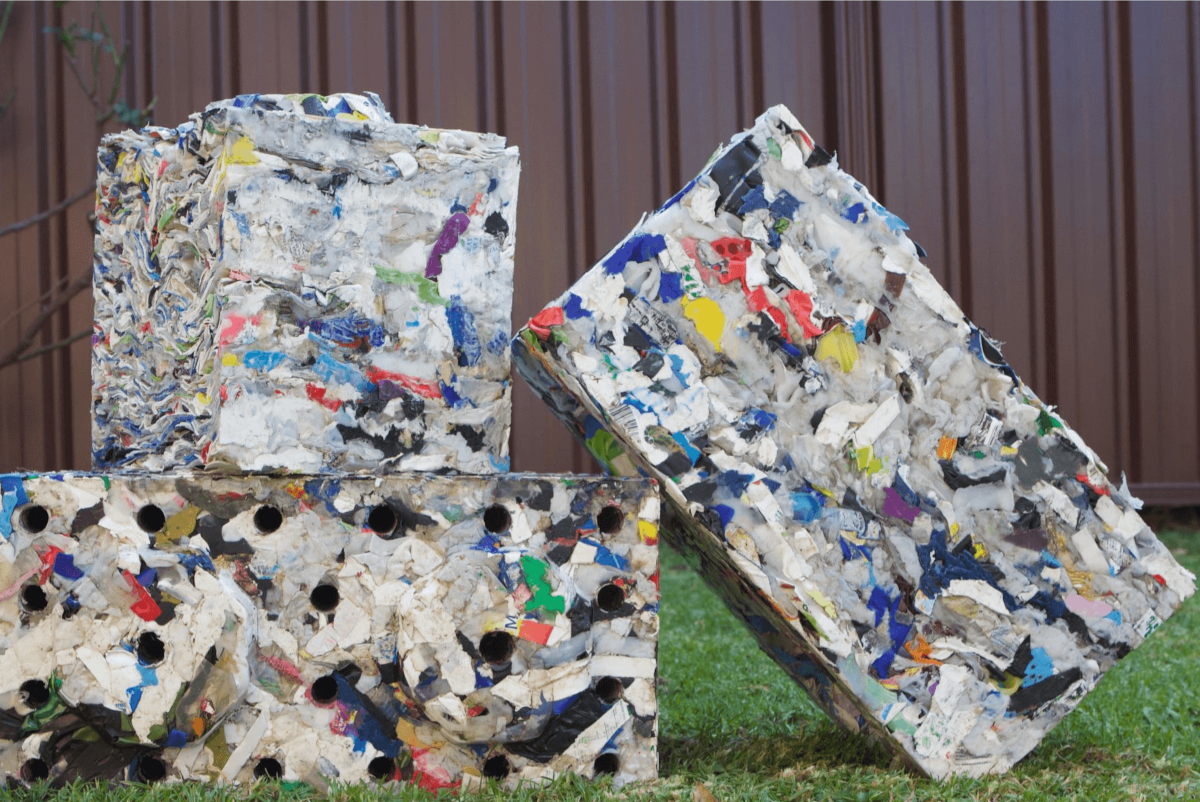
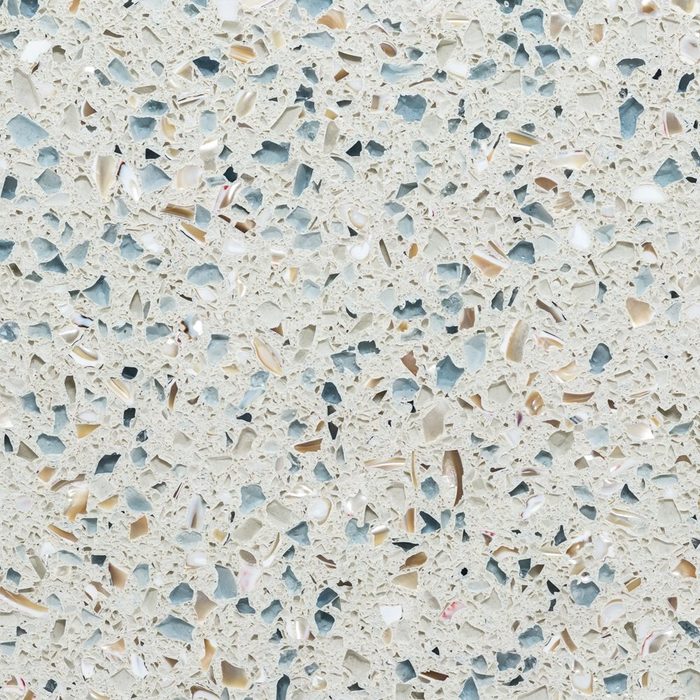
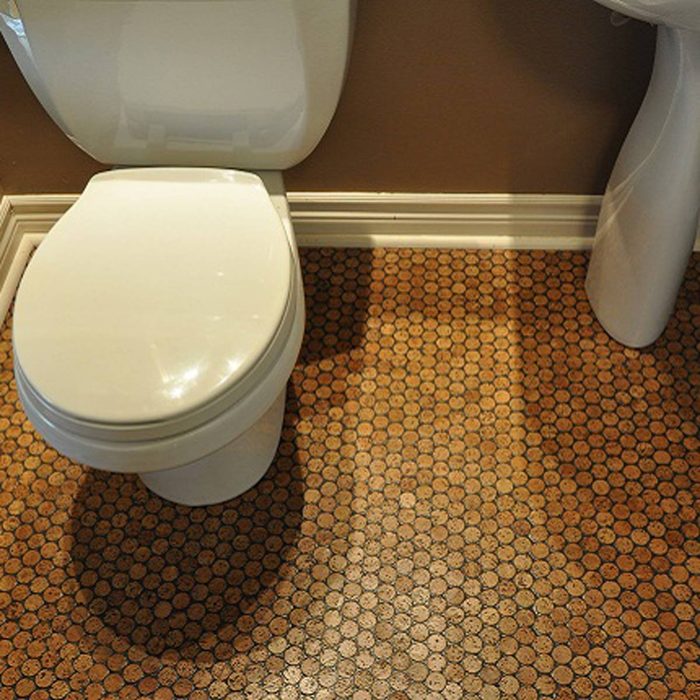
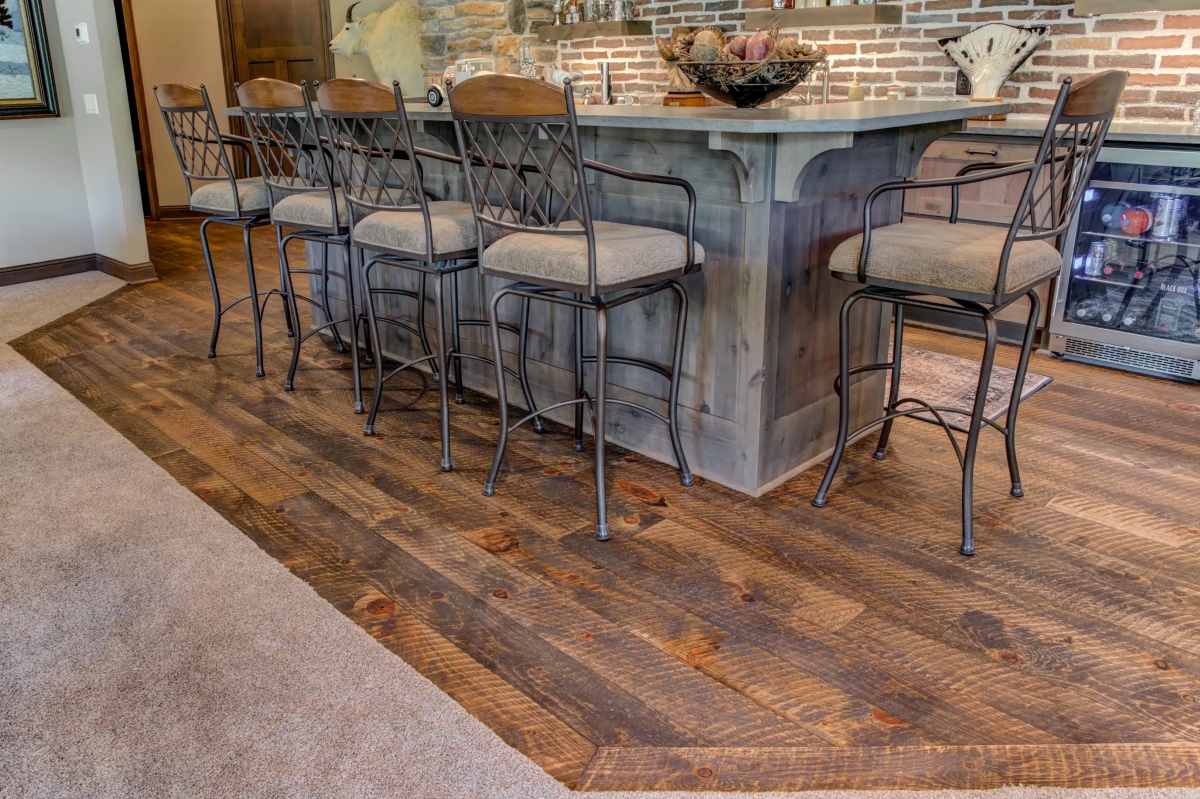
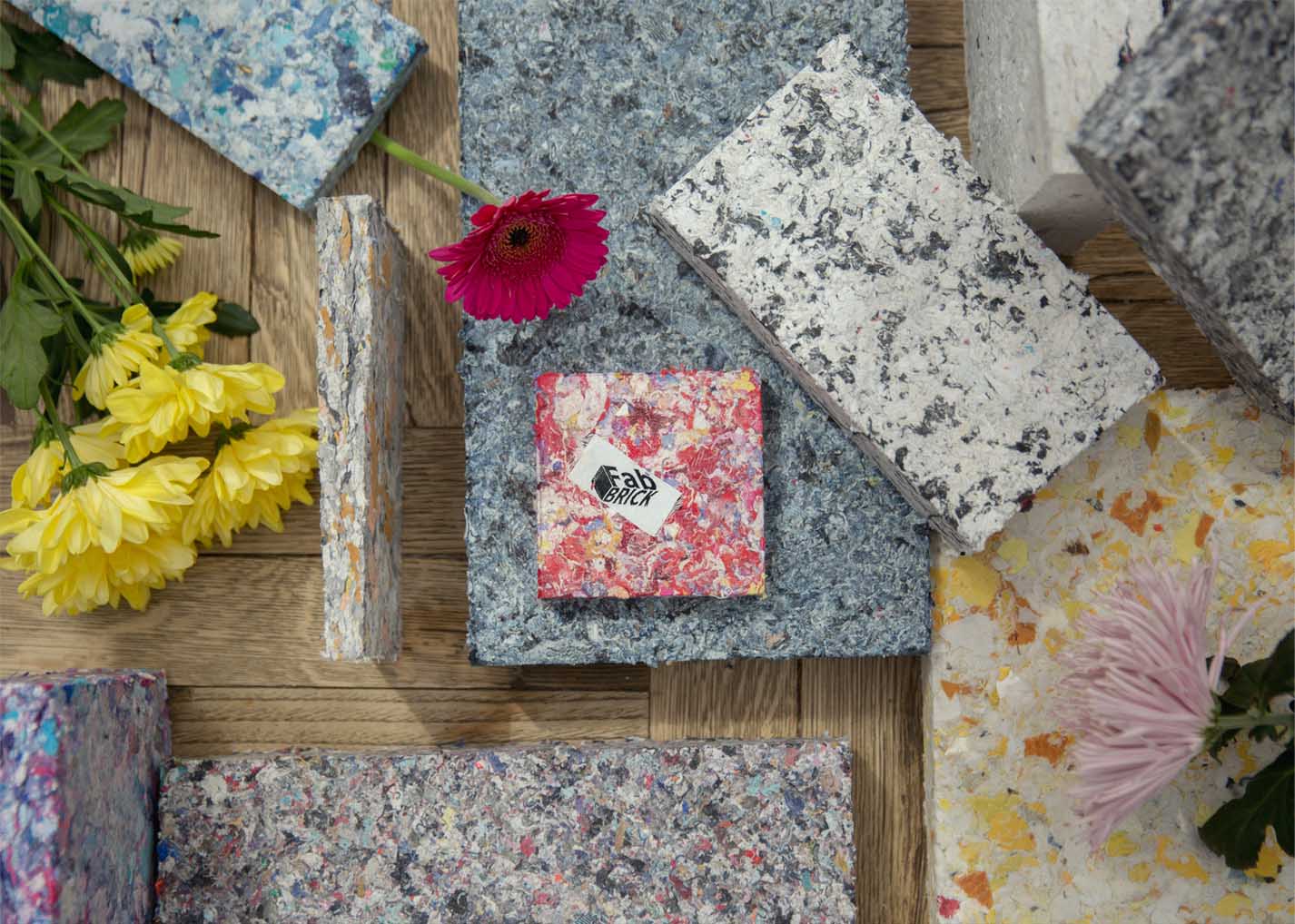
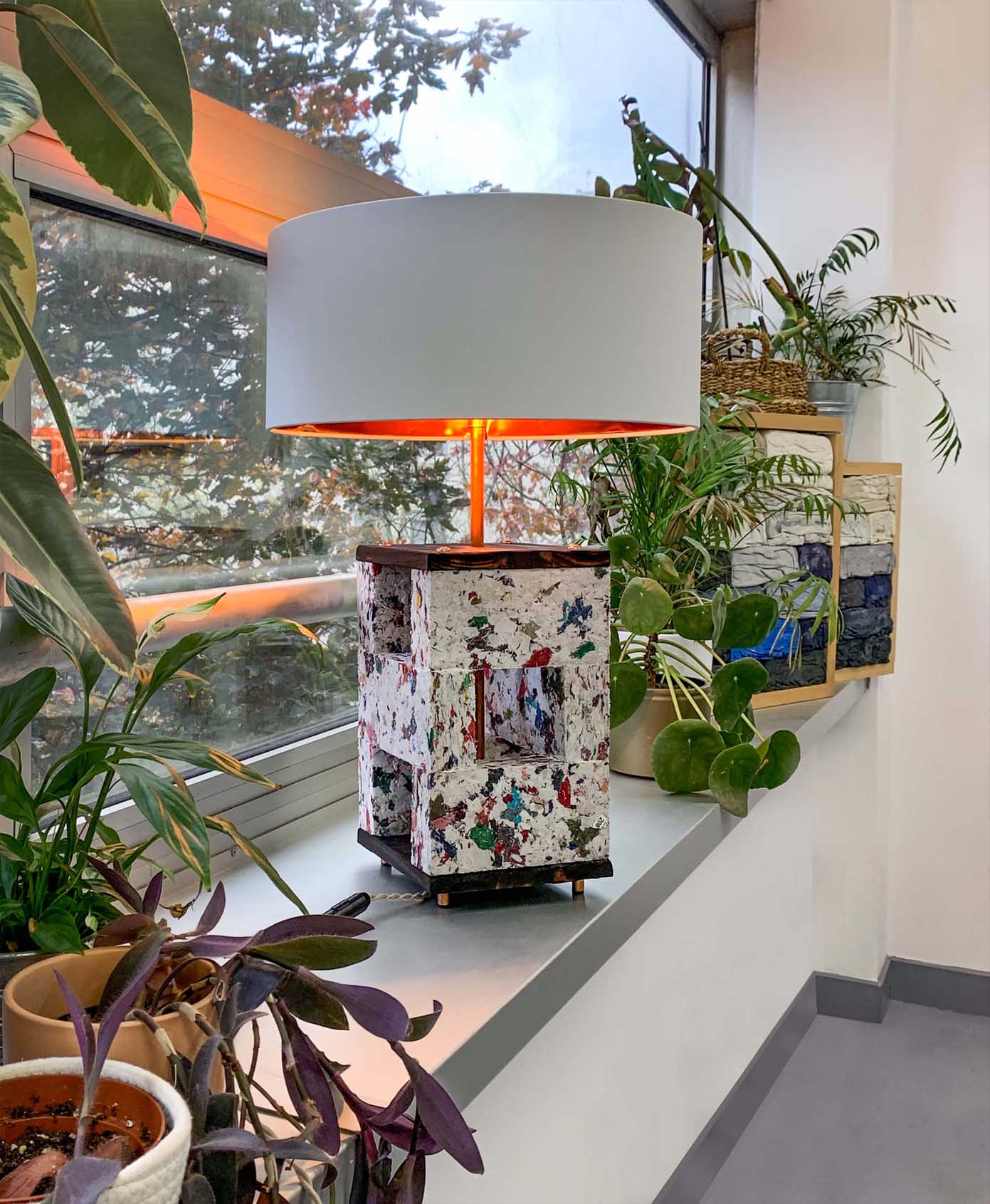
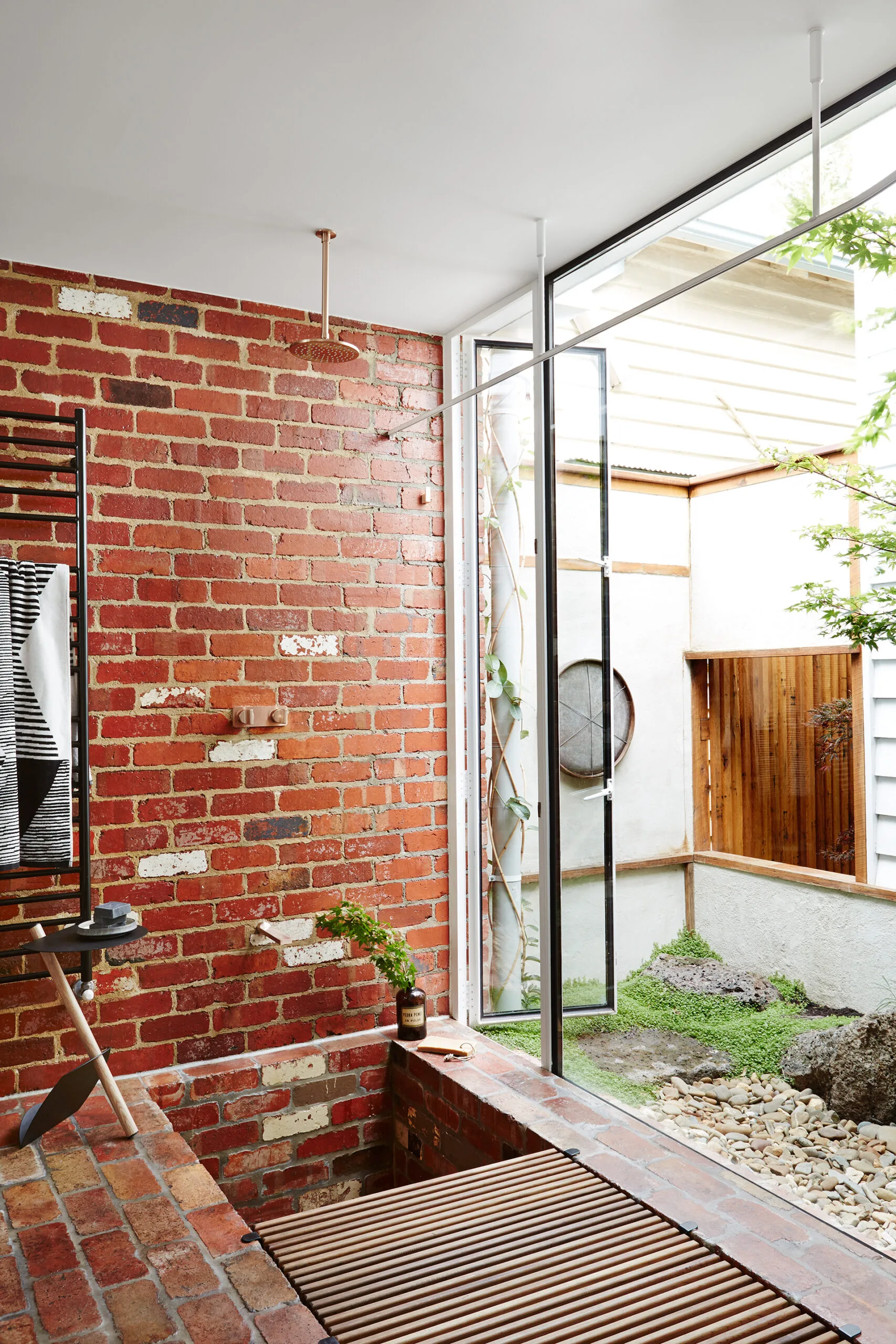
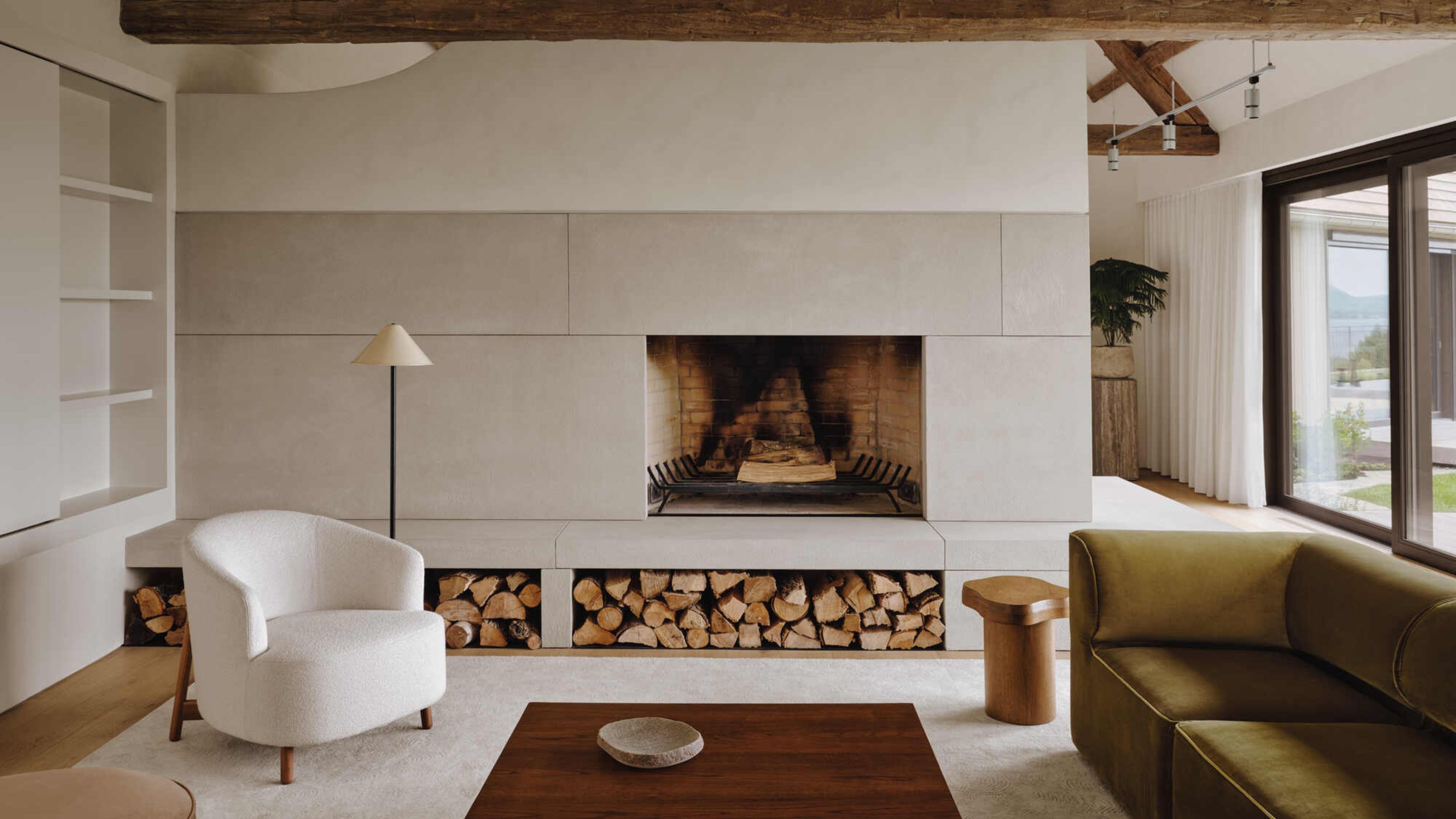
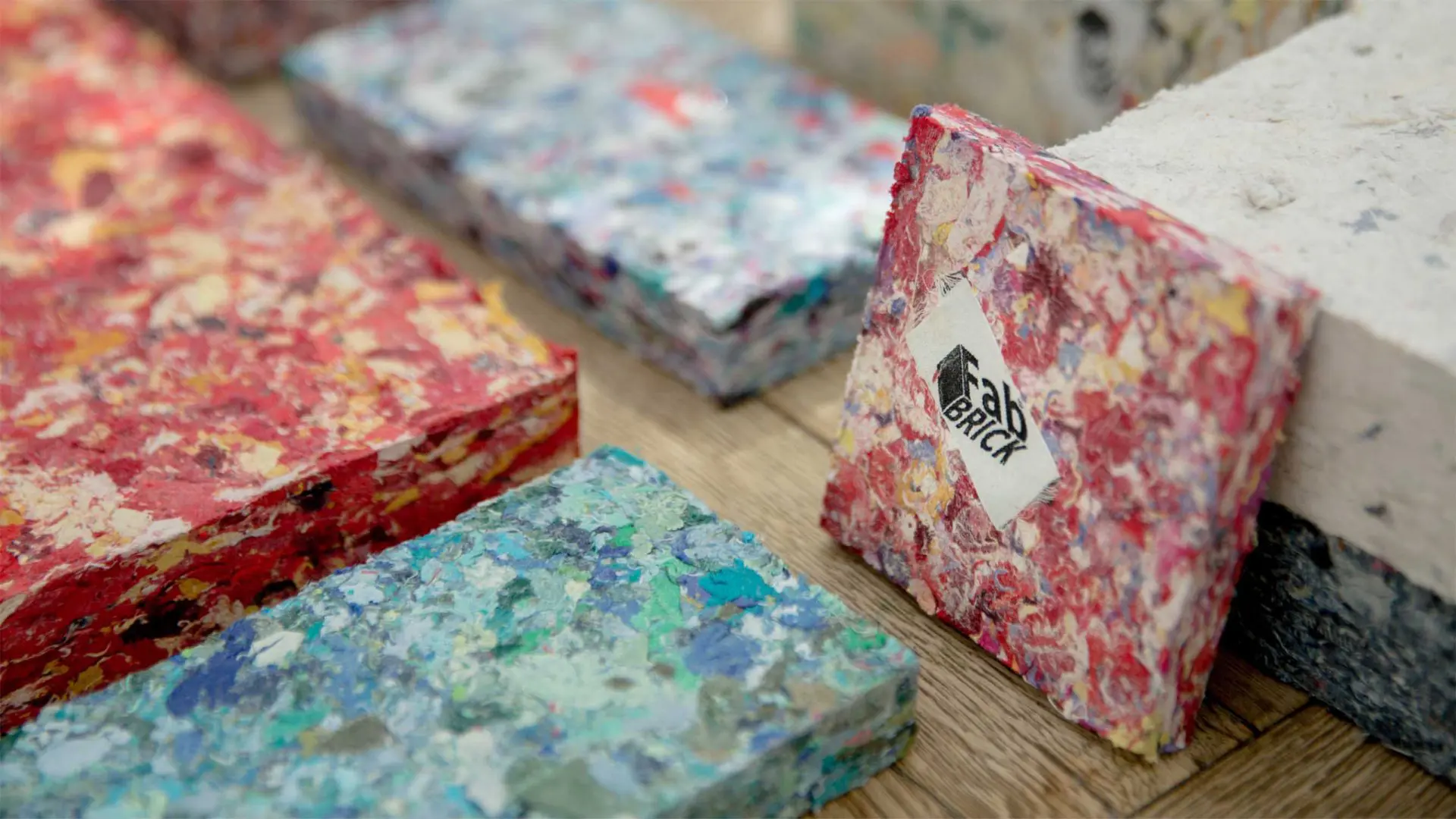
Furthermore, utilizing reclaimed and recycled building materials like reclaimed wood, recycled metal, and repurposed architectural elements effectively reduces waste and conserves raw materials. These materials not only add unique aesthetic appeal but also decrease demand for new resources. The financial and environmental impacts of green construction are substantial. Green buildings often command higher property values and attract environmentally-conscious buyers or tenants. Energy-efficient solutions result in lower utility bills, while durable materials reduce maintenance costs. Various financial incentives, including tax rebates and grants, further support the economic viability of sustainable construction. The reduction of waste through reuse and recycling also aligns with broader environmental goals, contributing to the fight against resource depletion and pollution.
Ultimately, eco-friendly materials are poised to define the future of construction, offering practical, aesthetic, and financial advantages. As the industry continues to innovate, the widespread adoption of sustainable materials like demountable wall partitions, energy-efficient systems, rubber roofing pavers, and reclaimed materials will become standard practice. This shift towards eco-conscious construction is a necessary evolution that will shape the built environment for generations to come, contributing to a healthier planet.
#EcoFriendlyMaterials #SustainableConstruction #GreenBuilding #ResidentialConstruction #CommercialConstruction #EnergyEfficiency #RecycledMaterials #Hempcrete #CrossLaminatedTimber #EcoFriendlyMaterials #SustainableConstruction #GreenBuilding #ResidentialConstruction #CommercialConstruction #EnergyEfficiency #RecycledMaterials #Hempcrete #CrossLaminatedTimber
0 comment in total
 No comments yet
You may also like
The latest and greatest innovations in sustainable building materials
What Sustainable Interior Design Really Means in 2025 — And Why It’s No Longer Just About the Materials


A new life with composites


Sustainable Construction in Concrete - A Greener Future

10 Innovative Materials Poised to Make Home Building More Sustainable

Sustainable architecture: 46 innovative and inspiring building designs

Building with earth could transform sustainable construction – here’s how


Meet the designers using revolutionary eco materials

11 Recycled Building Materials Made From Trash


Finding Sustainable Alternatives to Traditional Building Materials
10 Sustainable Homes That Prove Interior Design Can Be Just as Easy on the Eye as It Is on the Earth
Application of bionic architecture in low-carbon design: a systematic review from nature inspiration to architectural practice
The future of sustainable building materials
Sustainable retail design – 8 stores give us a glimpse of a green future

FabBRICK reinvents construction materials with recycled textile waste
10 Start-ups Creating Innovative and Sustainable Building Materials, from Mycelium Bricks to Water Purifying Tiles


10 Ways to Use Recycled Materials in Your Home Reno
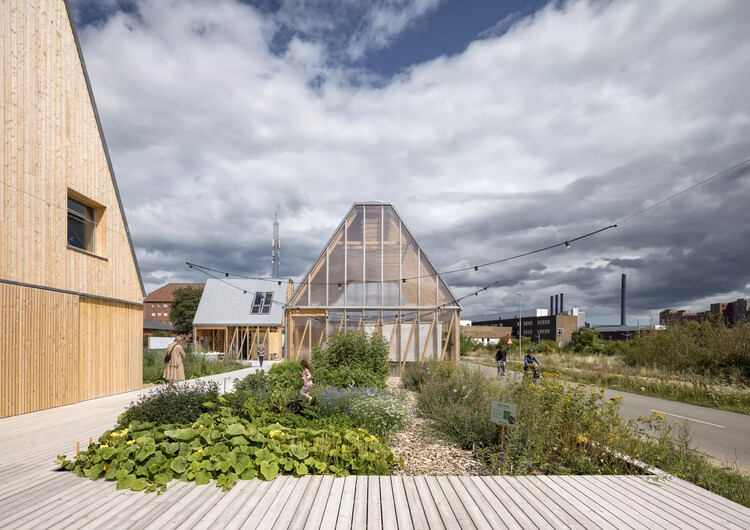
From Prototype to Progress: How Small-Scale Sustainable Housing Models Are Shaping Our Future
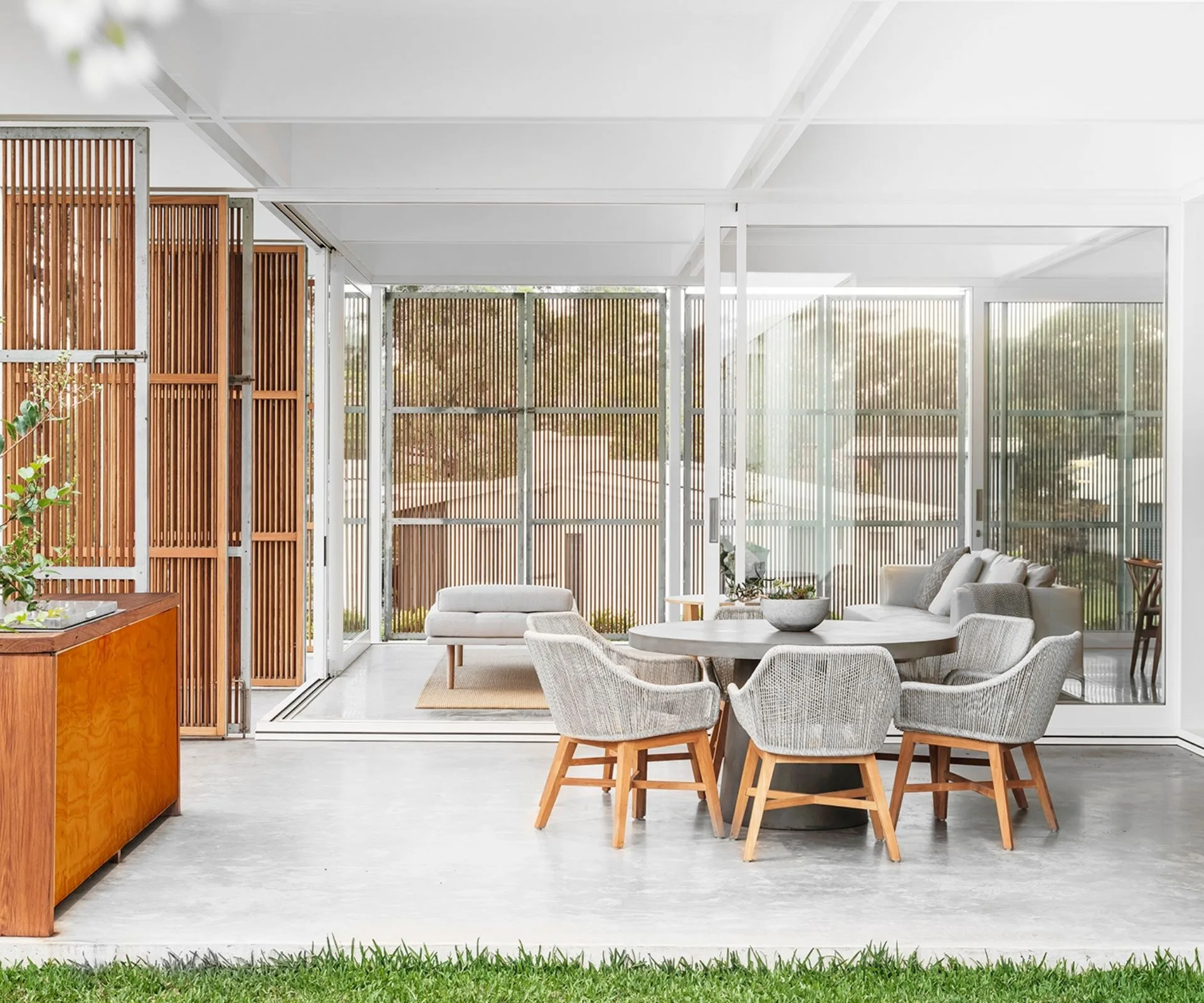
7 sustainable homes with style

Innovations Driving Sustainable Building and Architecture Forward