1/8
6 Wood Substitutes and When to Use Them
This article explores six sustainable and innovative alternatives to traditional wood for home renovation and DIY projects. As an increasing number of homeowners and DIY enthusiasts seek eco-friendly and high-performance materials, these wood substitutes offer unique benefits in various applications. The article details the composition, advantages, and ideal uses for each material, providing a comprehensive guide for those considering alternatives to conventional lumber.
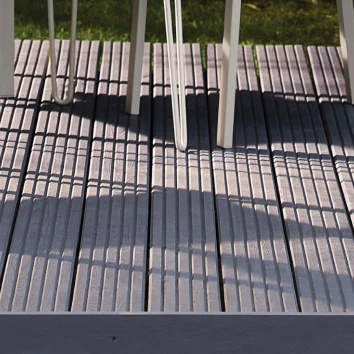
The first substitute presented is rice hull wall cladding and decking, exemplified by products like Acre from Modern Mill. Unlike many plastic composites, Acre is primarily made from rice hulls, exhibiting a performance closer to wood. It produces sawdust similar to wood when cut, avoiding the common issue of sticky, statically charged plastic composite dust. Acre is notably water-resistant, stain-resistant, pest-resistant, and guaranteed against rot or cracking, accepting paint and stain exceptionally well. Its applications include decking, siding, and millwork.
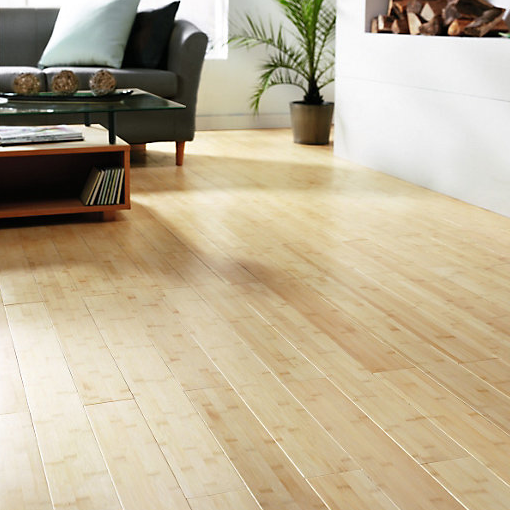
Next, bamboo lumber is highlighted for its natural resistance to insects and rot, coupled with its rapid growth and sustainability. Brands like Moso offer bamboo decking, siding, square stock lumber, 2x beams, and tongue-and-groove boards suitable for porch flooring, soffits, and fences. Moso's Bamboo Outdoor Thermo boasts a Class A fire rating and performance comparable to exotic hardwoods, while Bamboo Outdoor N-Durance is akin to IPE and Cumaru.
Paper wall studs, developed by Wood Tube, represent another innovative alternative. Made from recycled paper, these studs are designed for non-load-bearing walls, aiming to reduce the construction industry's environmental impact. They are lightweight, easy to cut with standard tools, and can be installed with conventional fasteners for walls up to 13 feet tall. A crucial consideration is that paper studs must be kept dry and protected from water contact.
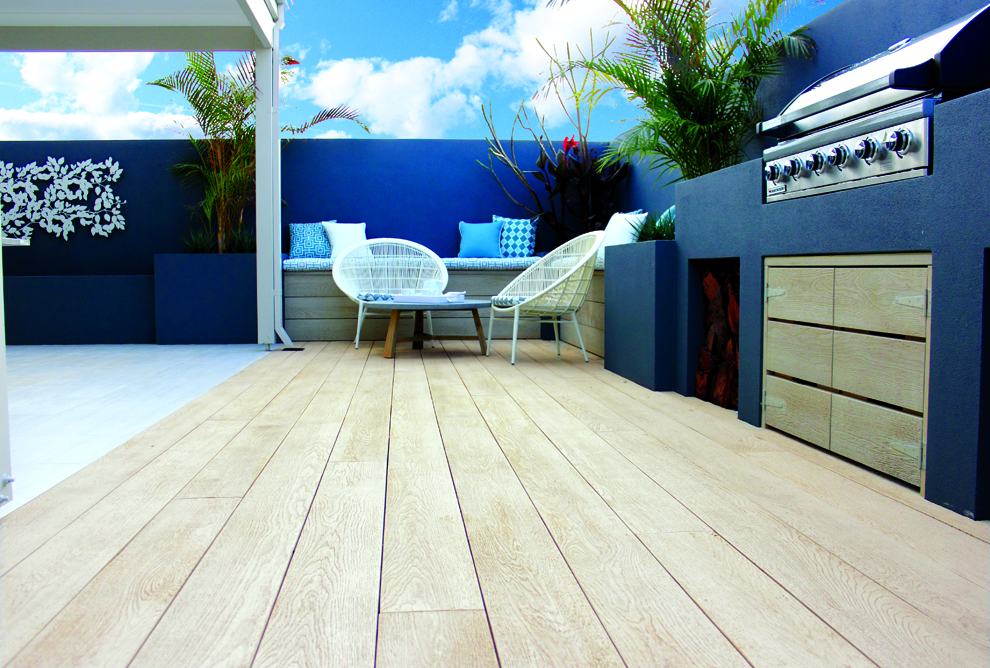
Wood composite siding and decking are discussed as evolving alternatives. Modern composites, such as those from Millboard, are molded from real oak boards to mimic the appearance and texture of natural wood. These materials combine polyurethane with a polymer resin core reinforced with fiberglass for strength and stability. The top layer, made from a pliable material similar to shoe soles, offers resistance to scratches and stains. Being non-porous, rot-resistant, and lighter than wood, these composites are suitable for shower walls, tub surrounds, backsplashes, pool decks, and outdoor furniture.
Hemp-based products, including trim, cabinets, and flooring, are introduced as sustainable options. HempWood, made from fiber hemp stalks and a soy-based adhesive, is an engineered non-structural hardwood. It is designed for interior applications like flooring, cabinets, counters, trim, and furniture, offering hardness 20 percent greater than hickory. As a USDA-Certified BioBased Product, HempWood contributes to carbon sequestration, storing 1 pound of carbon for every 2 feet of flooring.
Finally, cork is presented as a renewable and biodegradable wood substitute for walls and floors. Derived from the outer bark of oak trees, cork insulation panels like Thermacork's offer an R-4 per inch rating for exterior applications. For interiors, brands such as Cancork provide wood-grain cork flooring options, digitally printed for aesthetic appeal, and acoustic cork wall panels that complement modern and transitional designs. Cork also provides excellent sound absorption, making it suitable for media rooms or open-plan spaces.
#WoodSubstitutes #SustainableMaterials #EcoFriendlyBuilding #HomeRenovation #DIYProjects #GreenBuilding #CompositeMaterials #InteriorDesign #ExteriorDesign #WoodSubstitutes #SustainableMaterials #EcoFriendlyBuilding #HomeRenovation #DIYProjects #GreenBuilding #CompositeMaterials #InteriorDesign #ExteriorDesign
0 comment in total
 No comments yet
You may also like

15 Types Of Wood That Are Easy To Build With
Wood Treatments

Types of wood flooring
If You Can’t Get Plywood Now, Try This Instead

Deciding on Wood Fillers

The 10 Best Woods for Woodworking (According to a Pro)

Your Guide to Wood Flooring


Wood Dyes & Waxes | Wax for Unfinished Wood
The 10 Best Woods for Woodworking (According to a Pro)
Designers Already Have White Oak Fatigue—Here’s Which Finish Comes Next

Ten projects that seamlessly integrate wood into the design

Minecraft: All Wood Types, Ranked
Materials 101: The Versatility of Wood with Manomin Resawn Timbers

Timber
5 ways to treat exterior wood
Wood Flooring – Our Pick of the Best
What's replacing wooden flooring? These are the 5 chic alternatives designers are switching to

8 Tricks for Repairing and Restoring Wood Damage
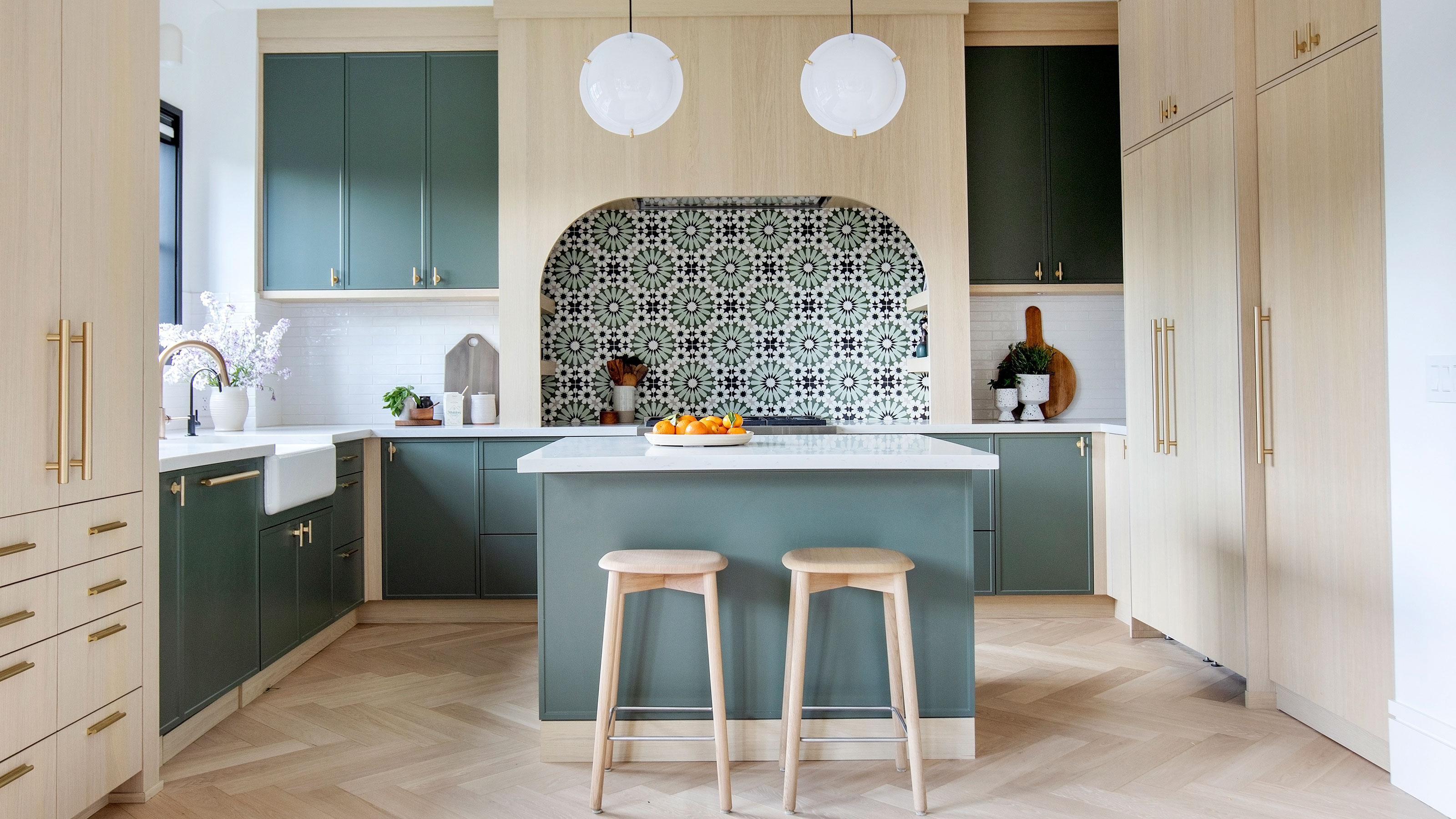
Designers weigh in on the best wooden kitchen cabinets for every style of kitchen
wood and timber architecture and design Archives