1/12
The 10 Best Woods for Woodworking (According to a Pro)
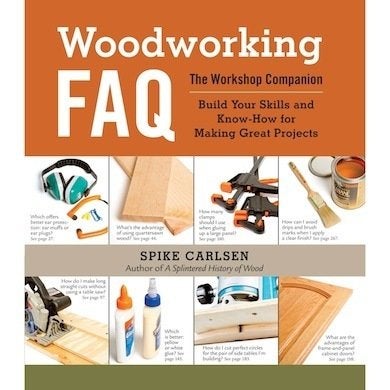
This article, drawing insights from woodworking professional Spike Carlsen, former executive editor of *Family Handyman* and author of *Woodworking FAQ: The Workshop Companion*, provides a comprehensive guide to the top ten woods suitable for various woodworking projects. It aims to assist both seasoned woodworkers and novices in selecting the appropriate material based on specific project requirements, offering detailed characteristics, common uses, and estimated costs for each type of wood.
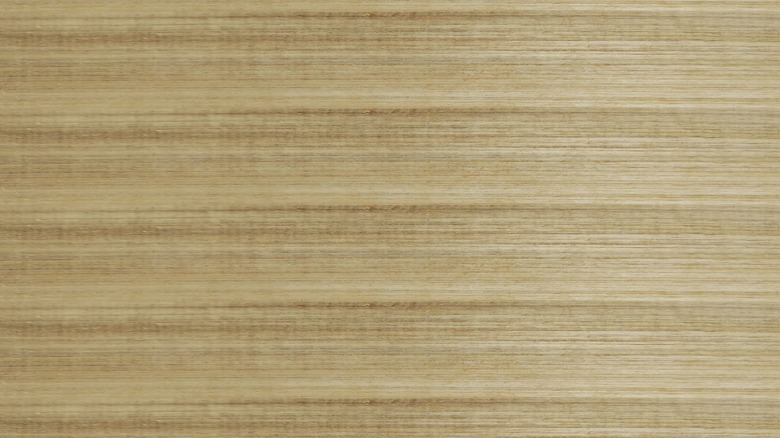
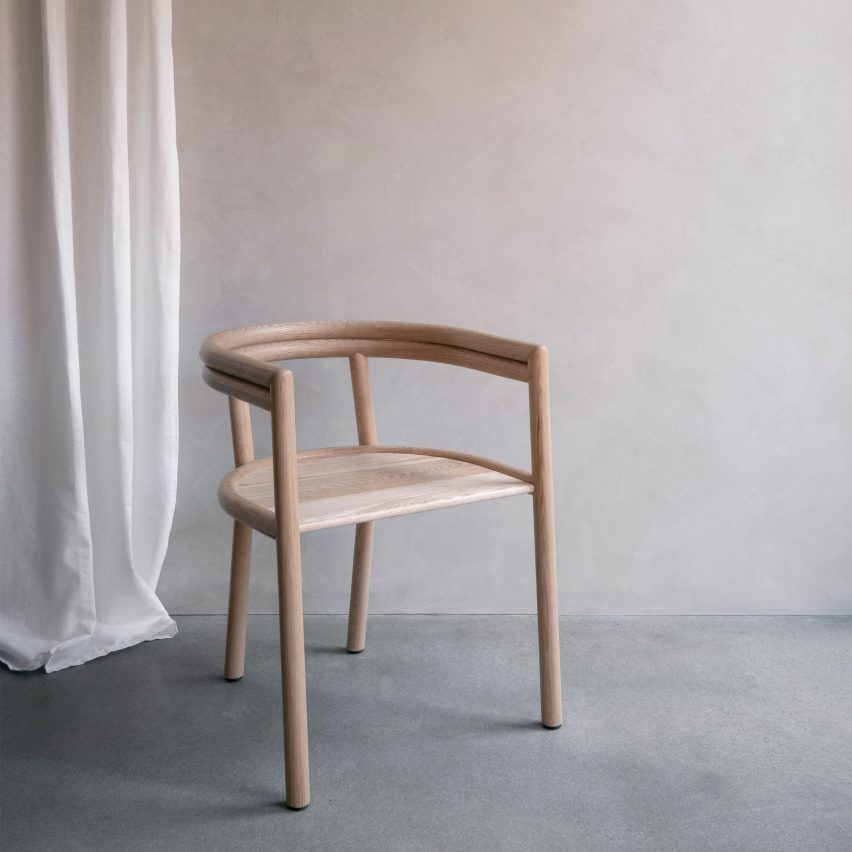
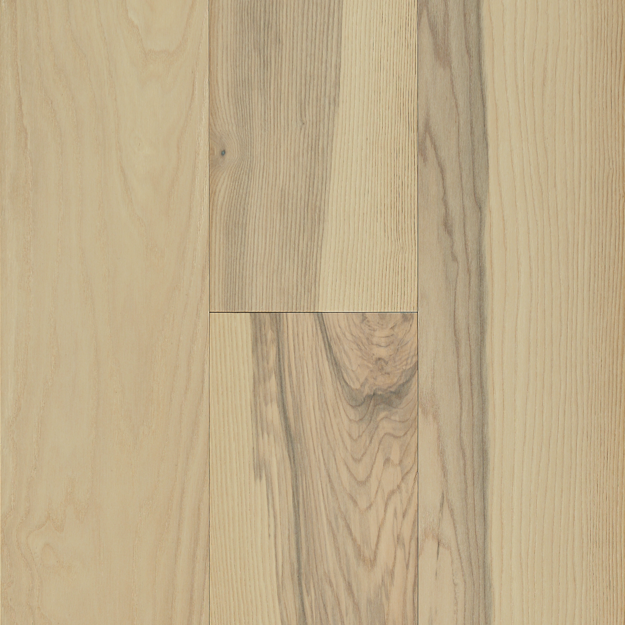
The article begins by highlighting Ash, a gray-brown wood known for its straight, pronounced grain and coarse texture. It is heavy, strong, and frequently utilized for items requiring durability such as bats, hockey sticks, tool handles, furniture, and curved boat parts. Its price point is moderate. Butternut, with its white to light brown hue, is a soft wood characterized by a straight, coarse grain. It is ideal for carving, cabinets, turning, and crafting kitchen utensils, also falling into a moderate price category.
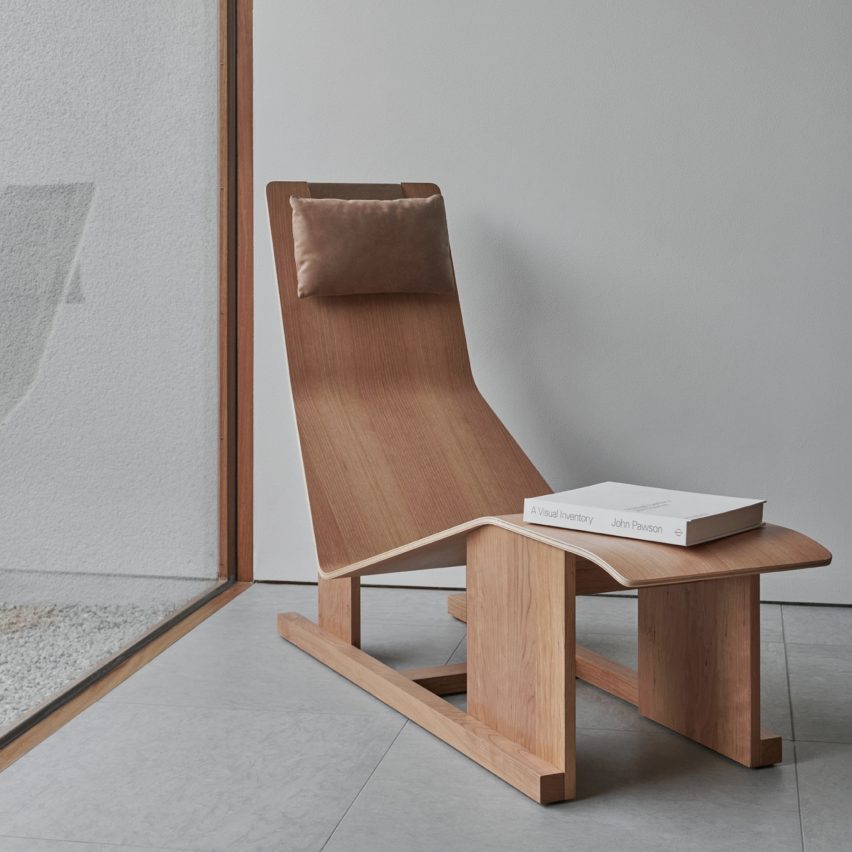
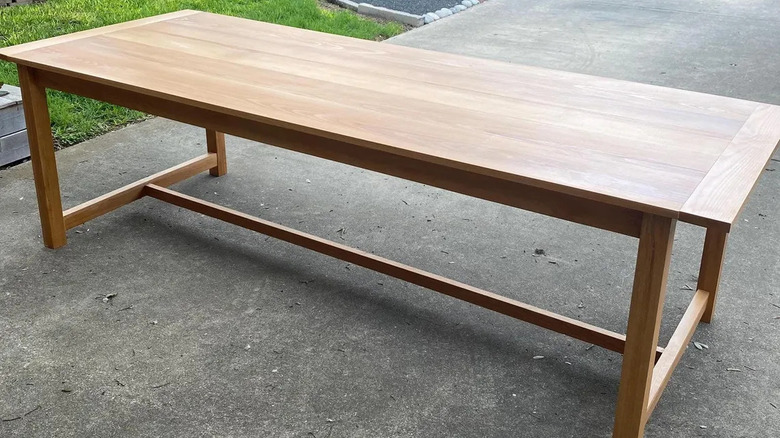
Cherry wood is described as ranging from light to dark reddish-brown, possessing a straight, faint grain, and being moderately hard with excellent finishing properties. It is commonly used for cabinets, architectural woodwork, furniture, and pipes, and is considered a higher-priced option. Hard Maple presents as a light, reddish-brown wood with a straight, faint grain, similar to cherry in its moderate hardness and good finishing capabilities. Its applications include furniture, cabinets, flooring, butcher blocks, baseball bats, and piano actions, and it is moderately priced.
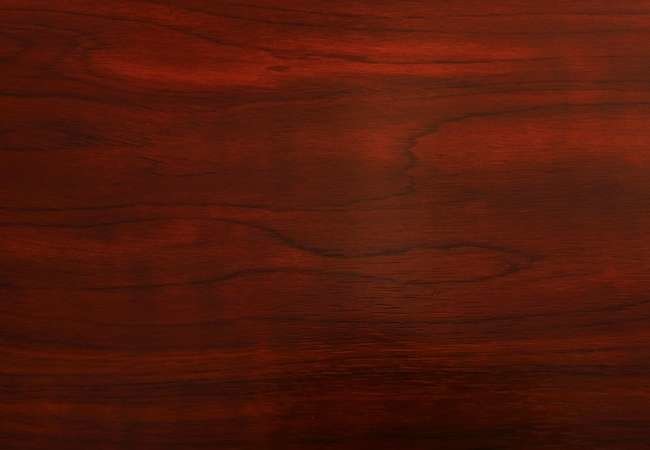
Mahogany, known for its light to deep reddish-brown color, features a straight, interlocked grain and a coarse texture. It is highly valued for fine furniture, office furniture, decorative veneers, stairways, boatbuilding, caskets, and pattern making, commanding a higher price. Pine, a pale yellow to light brown wood, is soft and lightweight. It stains poorly but offers good workability, making it suitable for construction lumber, millwork, window sashes, doors, musical instruments, cabinets, and paneling, and is the most budget-friendly option.
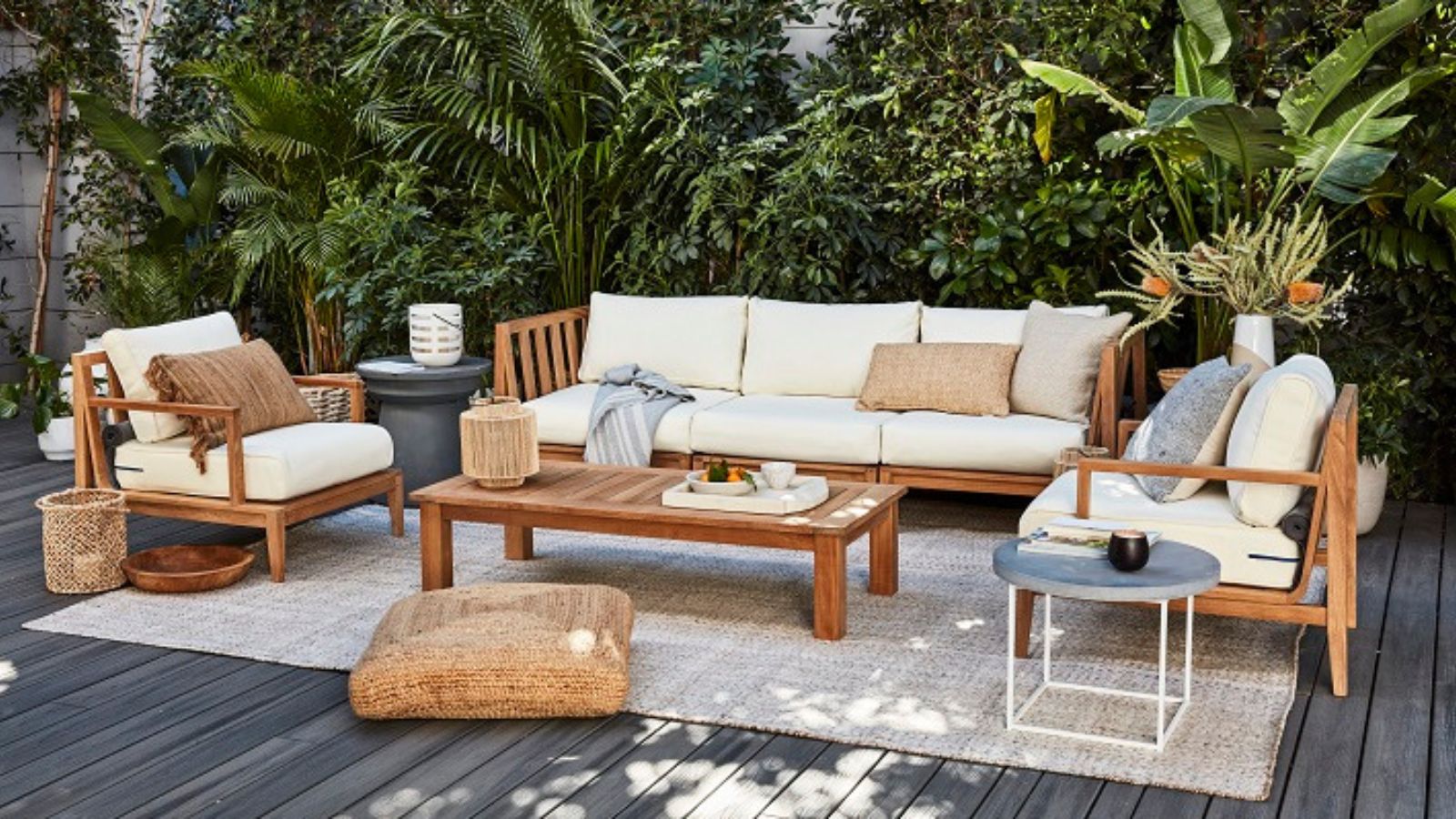
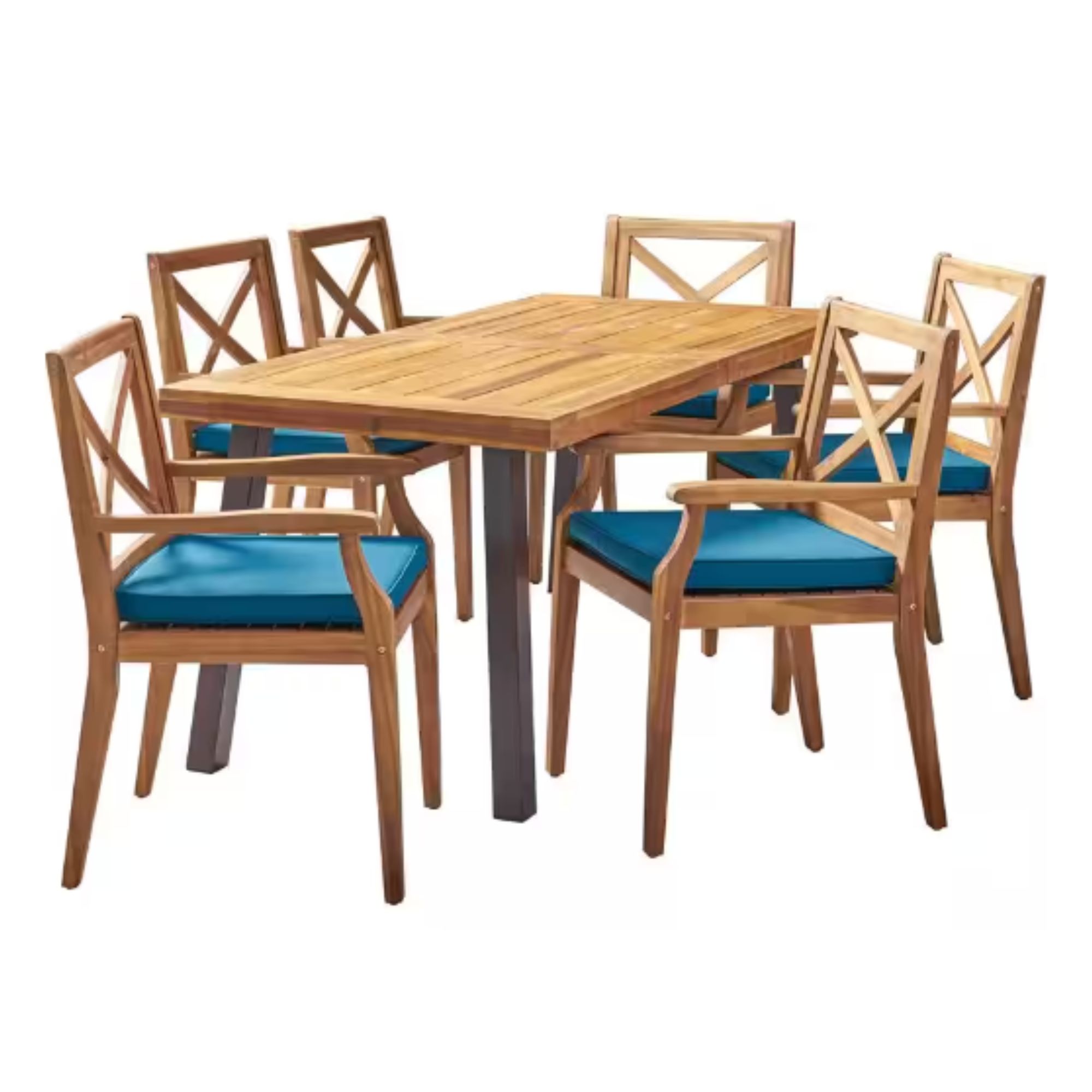
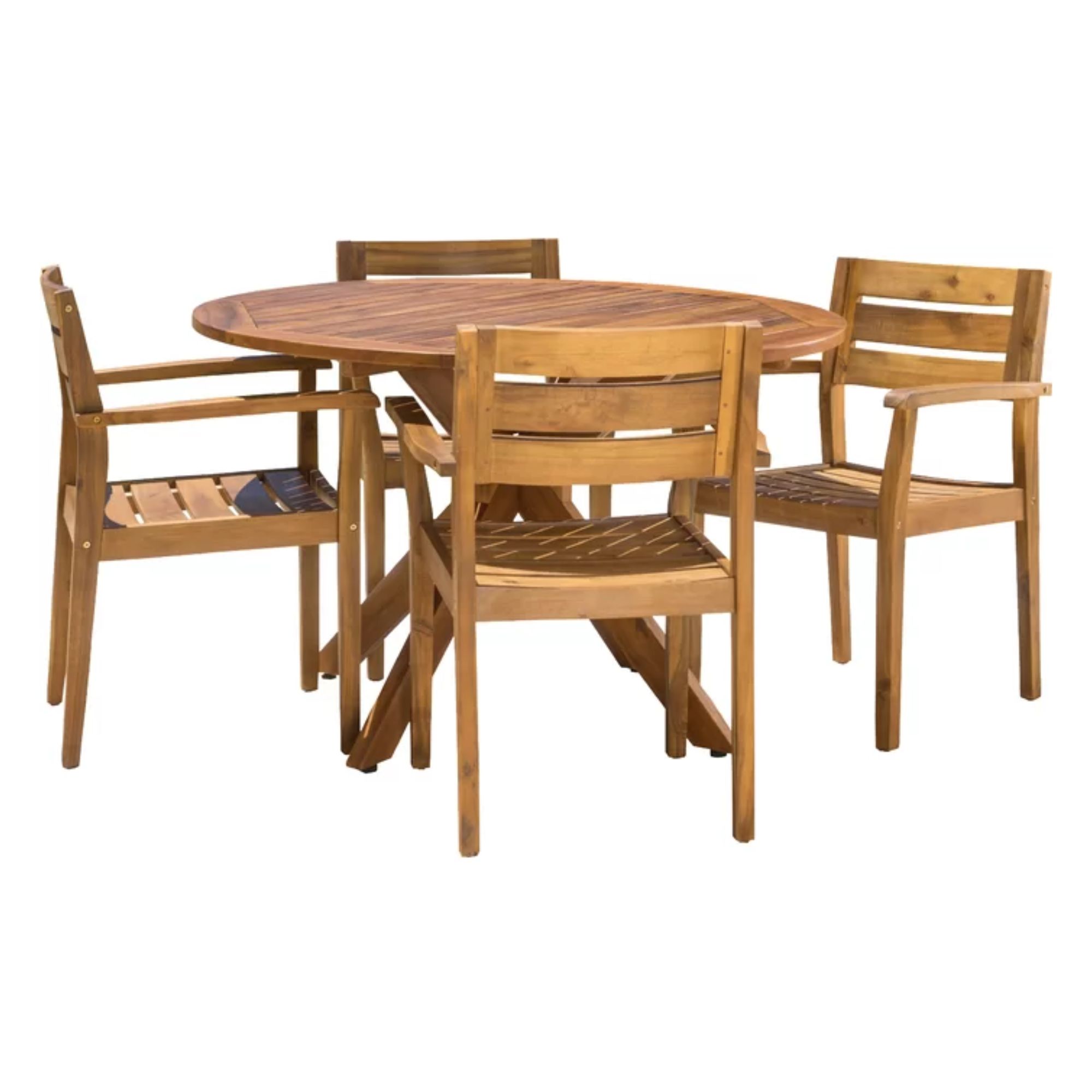
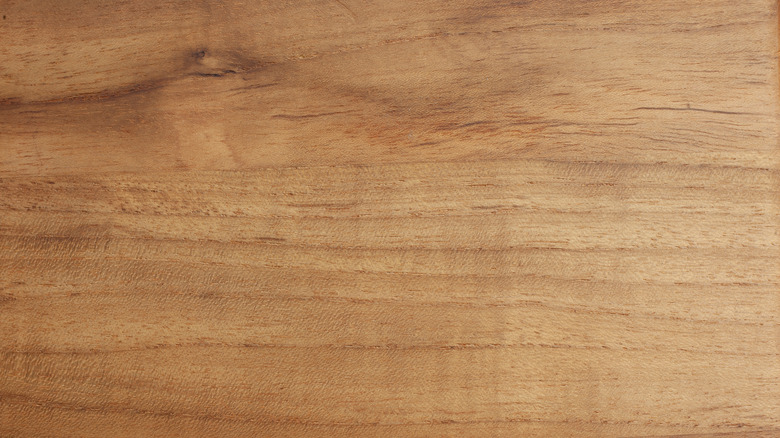
Rosewood stands out with its chocolate brown to violet brown coloration, amazing figure, and extreme density and hardness, to the point of barely floating. It is an oily and rare wood primarily used for stringed instruments, turning, fine furniture, and decorative items, and is the most expensive. Teak, a golden-brown wood, is celebrated for its resistance to rot and moisture, and its oily nature, though its sawdust can be an irritant and it is abrasive to tool edges. Its durability makes it perfect for outdoor furniture, boat decks, and flooring, placing it in the higher price range.
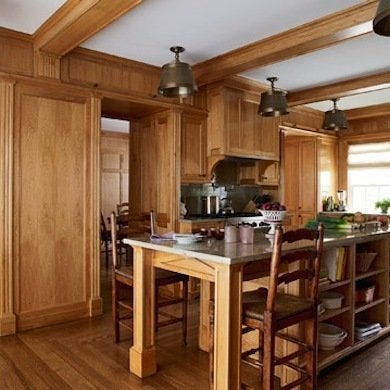
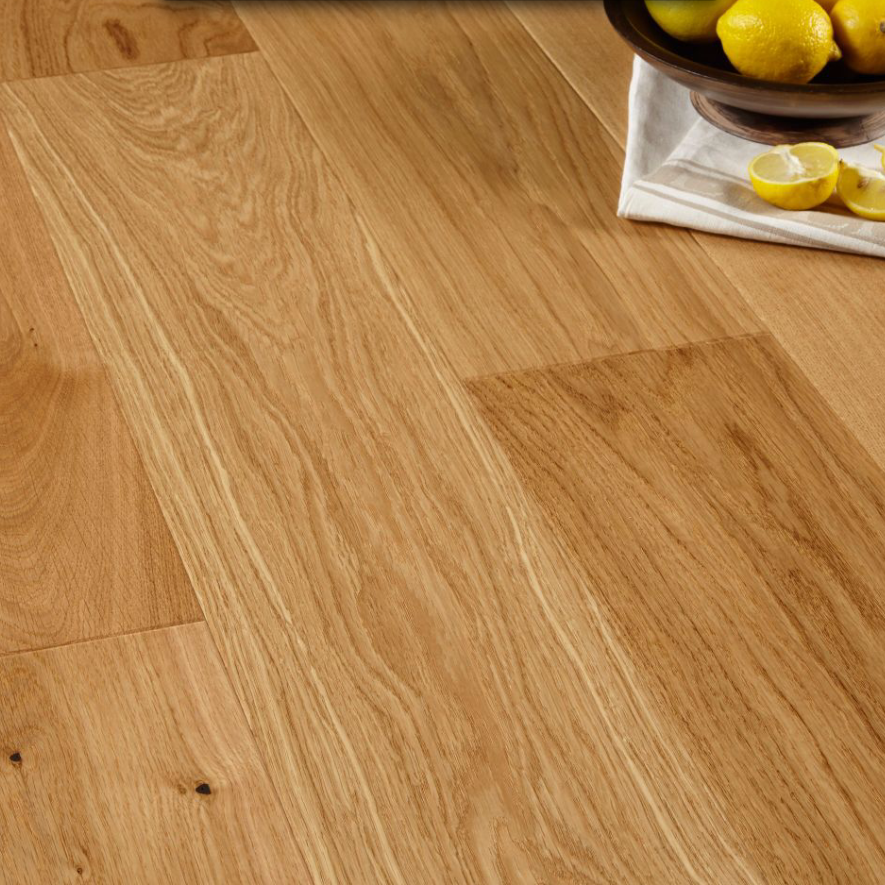
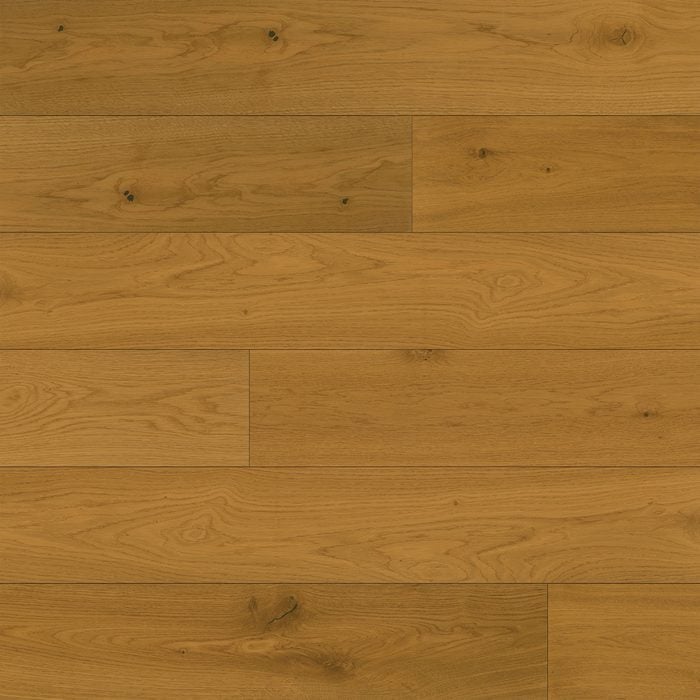
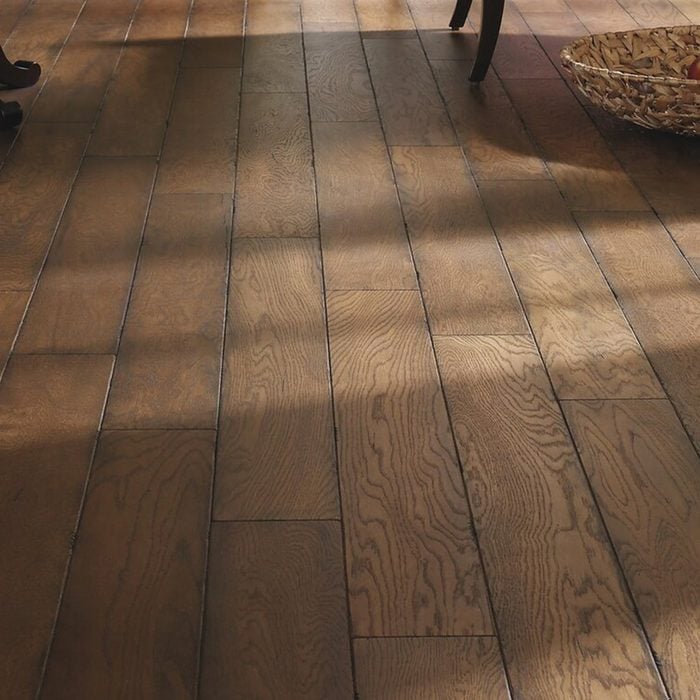
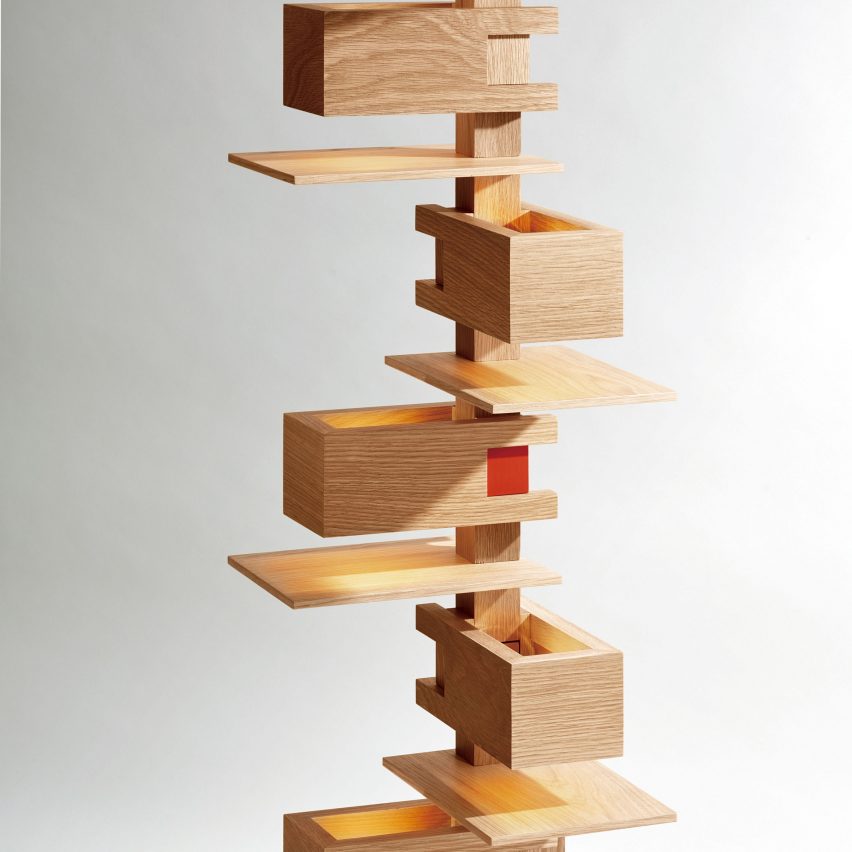
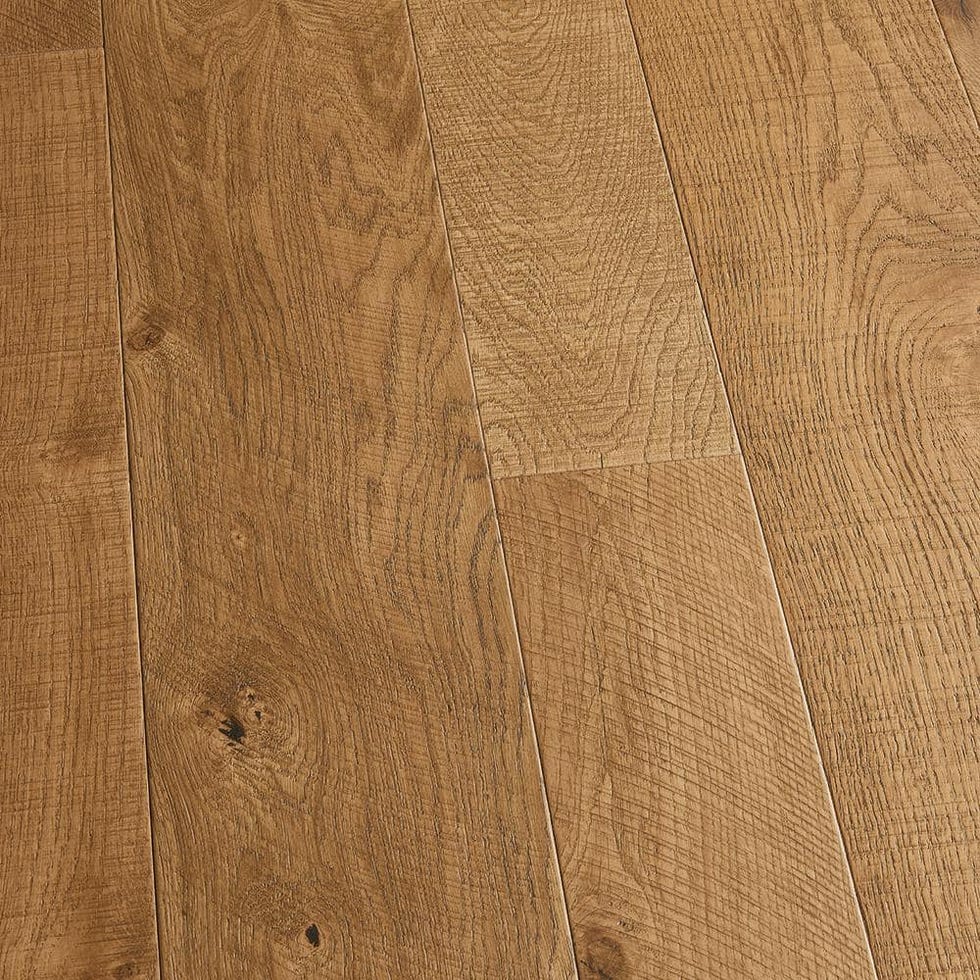
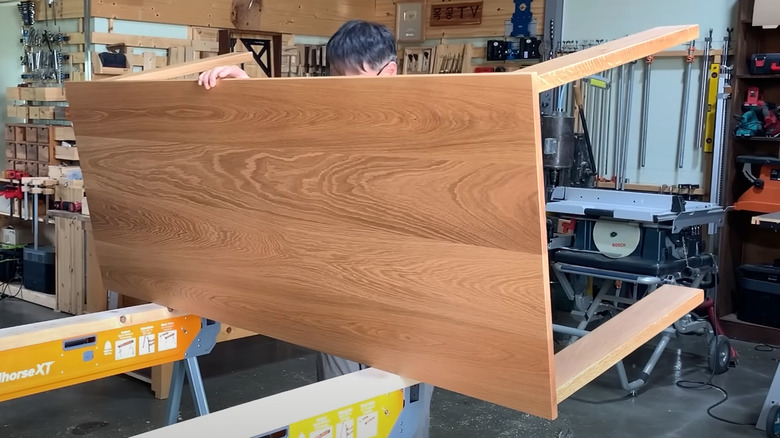
Walnut offers a light gray-brown to purplish-brown color, highly figured grain, burls, and crotches. It polishes well and is noted for its strength and stability, finding uses in furniture, carving, gunstocks, and cabinets, and is another higher-priced option. Finally, White and Red Oak are characterized by a reddish-brown to tan color, strong grain figure, and are hard and heavy, staining well. They are extensively used for cabinets, flooring, and furniture, with white oak also being favored for cooperage and boatbuilding. Both types of oak are moderately priced.
#Woodworking #WoodTypes #HomeImprovement #DIYProjects #MaterialSelection #FurnitureMaking #ConstructionMaterials #WoodCharacteristics #Craftsmanship #Woodworking #WoodTypes #HomeImprovement #DIYProjects #MaterialSelection #FurnitureMaking #ConstructionMaterials #WoodCharacteristics #Craftsmanship
0 comment in total
 No comments yet
You may also like
The 10 Best Woods for Woodworking (According to a Pro)
Best wood for outdoor projects – 5 types that are loved for their durability and good looks in equal measure

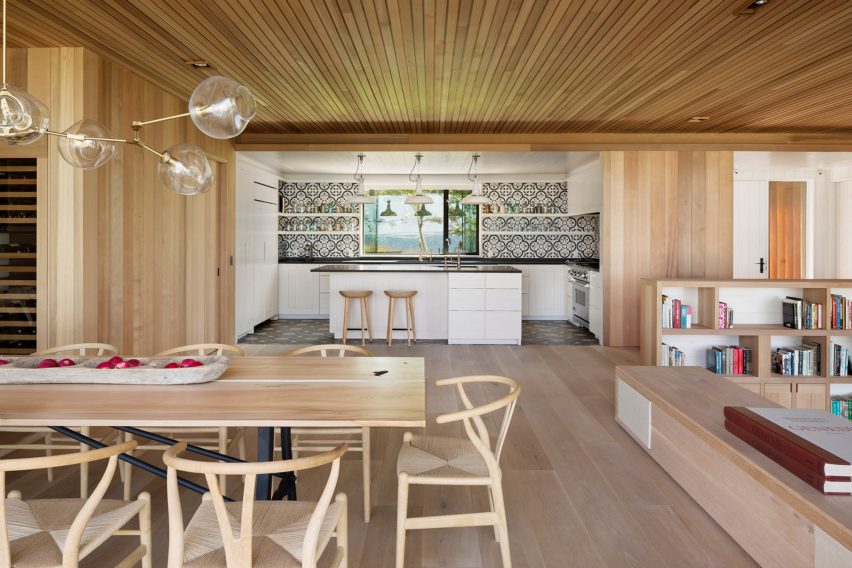
Ten projects that seamlessly integrate wood into the design
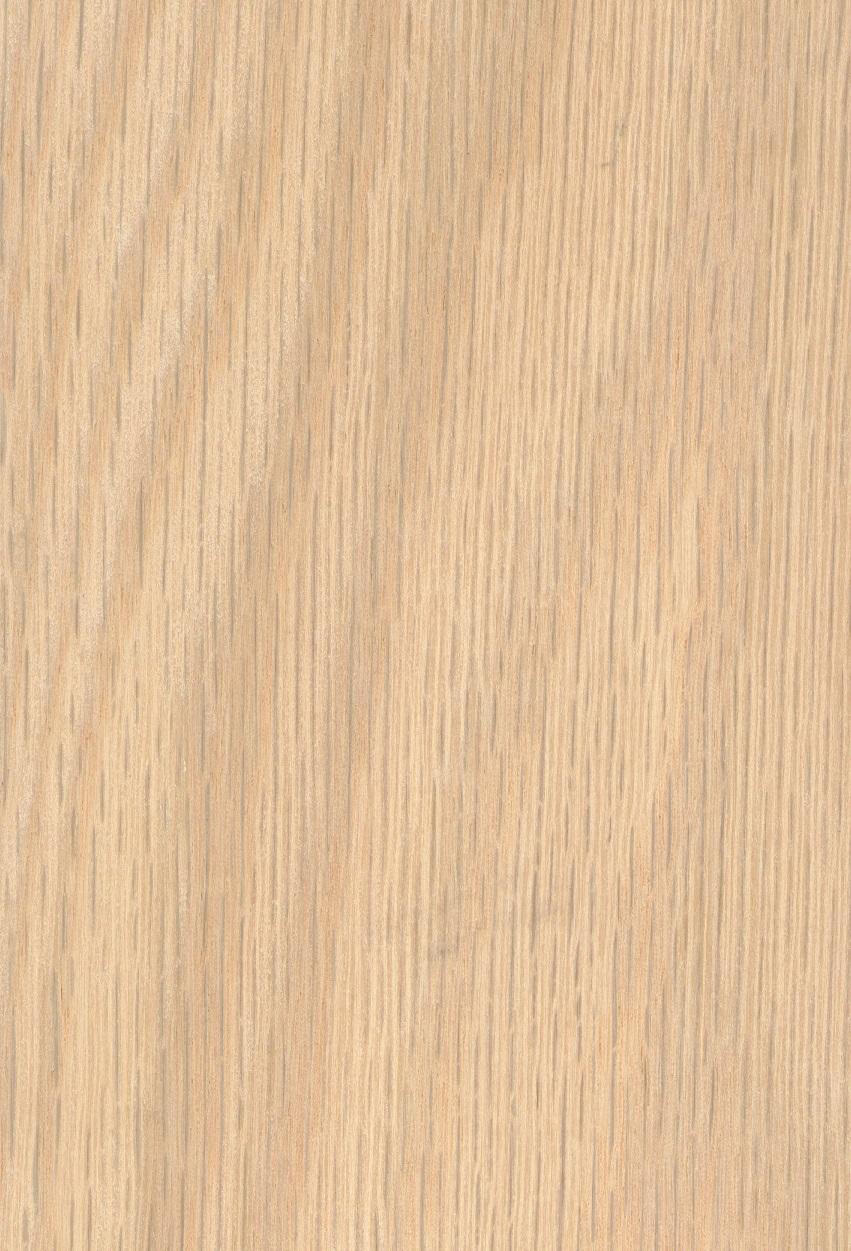
Red Oaks a diverse group

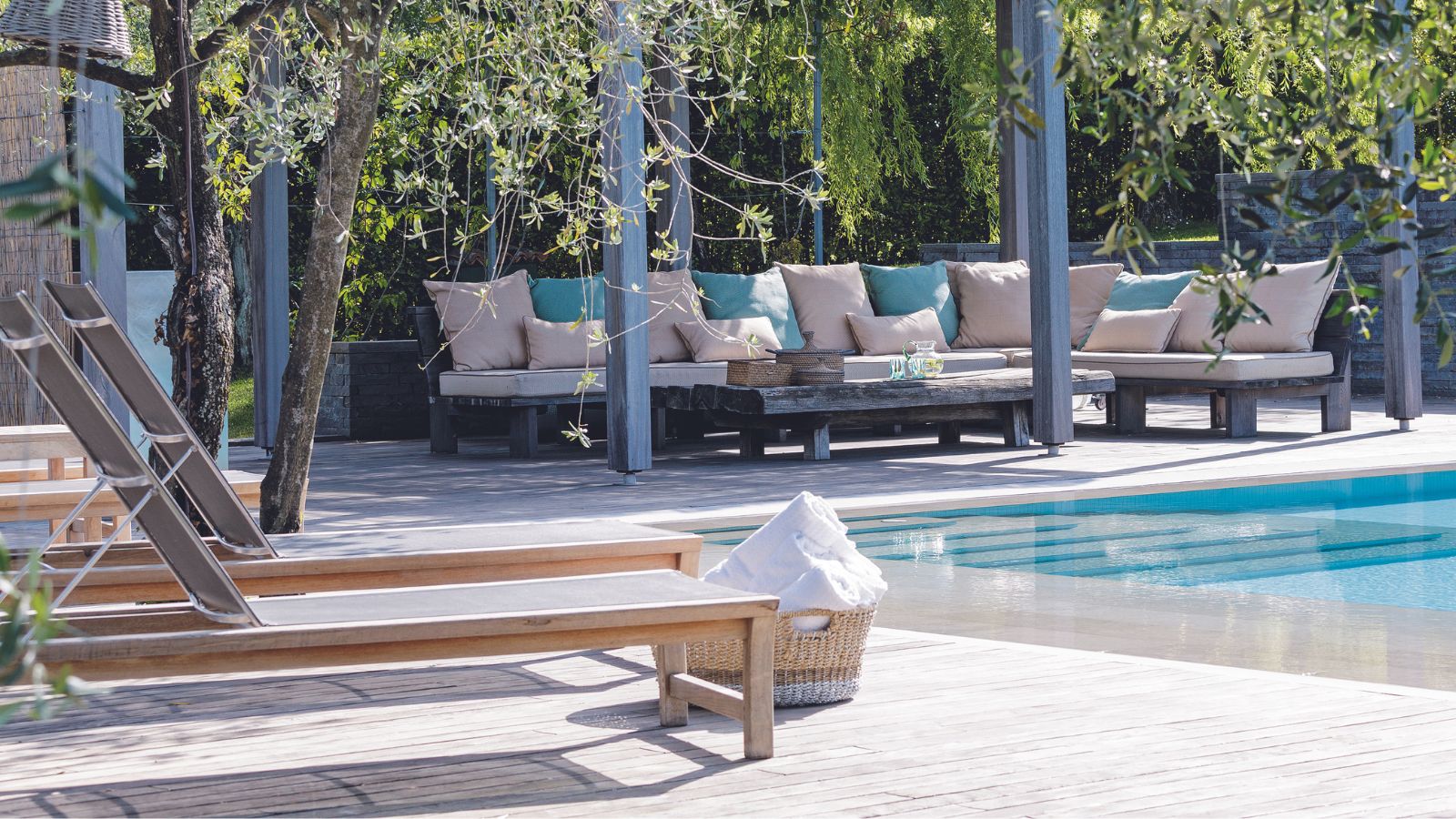
Best wooden outdoor furniture – expert picks and advice

This Is Your Sign to Replace Your Plastic Cutting Board — These Wooden Picks Aced Our Tests

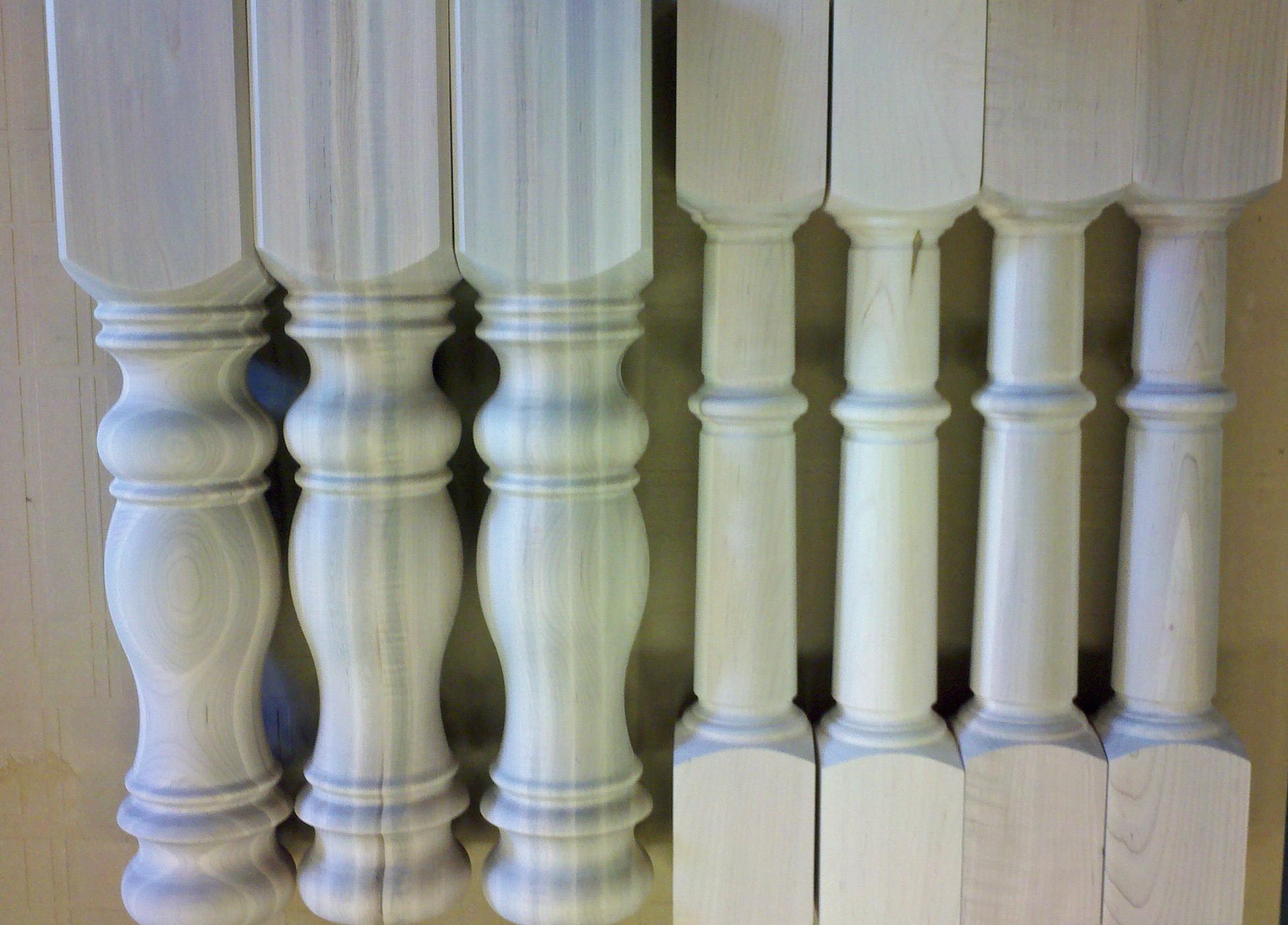
Elite Woodworks' components for success
We Put the Best Exterior Wood Stains Through 40 Hours of Testing to Find the Top Picks
15 Types Of Wood That Are Easy To Build With

Timber Look Tiles: Top 10 Wood Tiles on the Market
Every DIYer Should Have One of These Carpenter-Approved Wood Glues
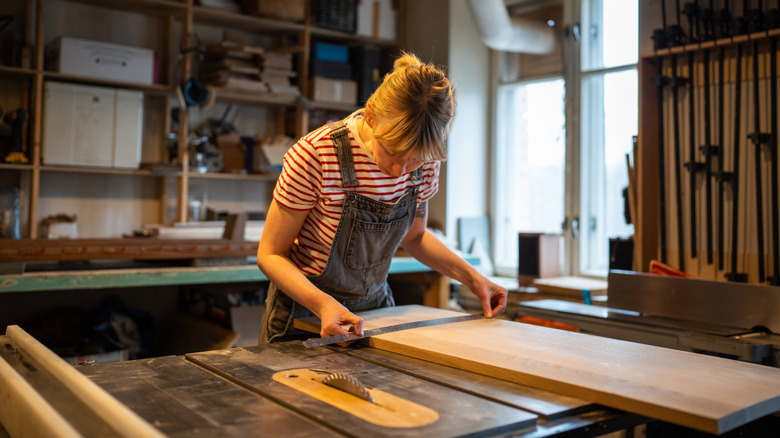
The 8 Best Types Of Wood For A DIY Dining Table
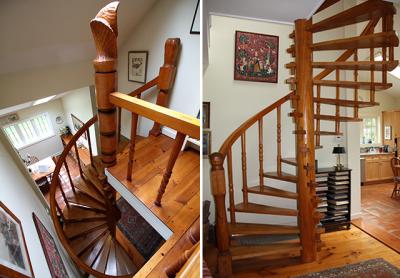
Legacy of a Woodworking Master

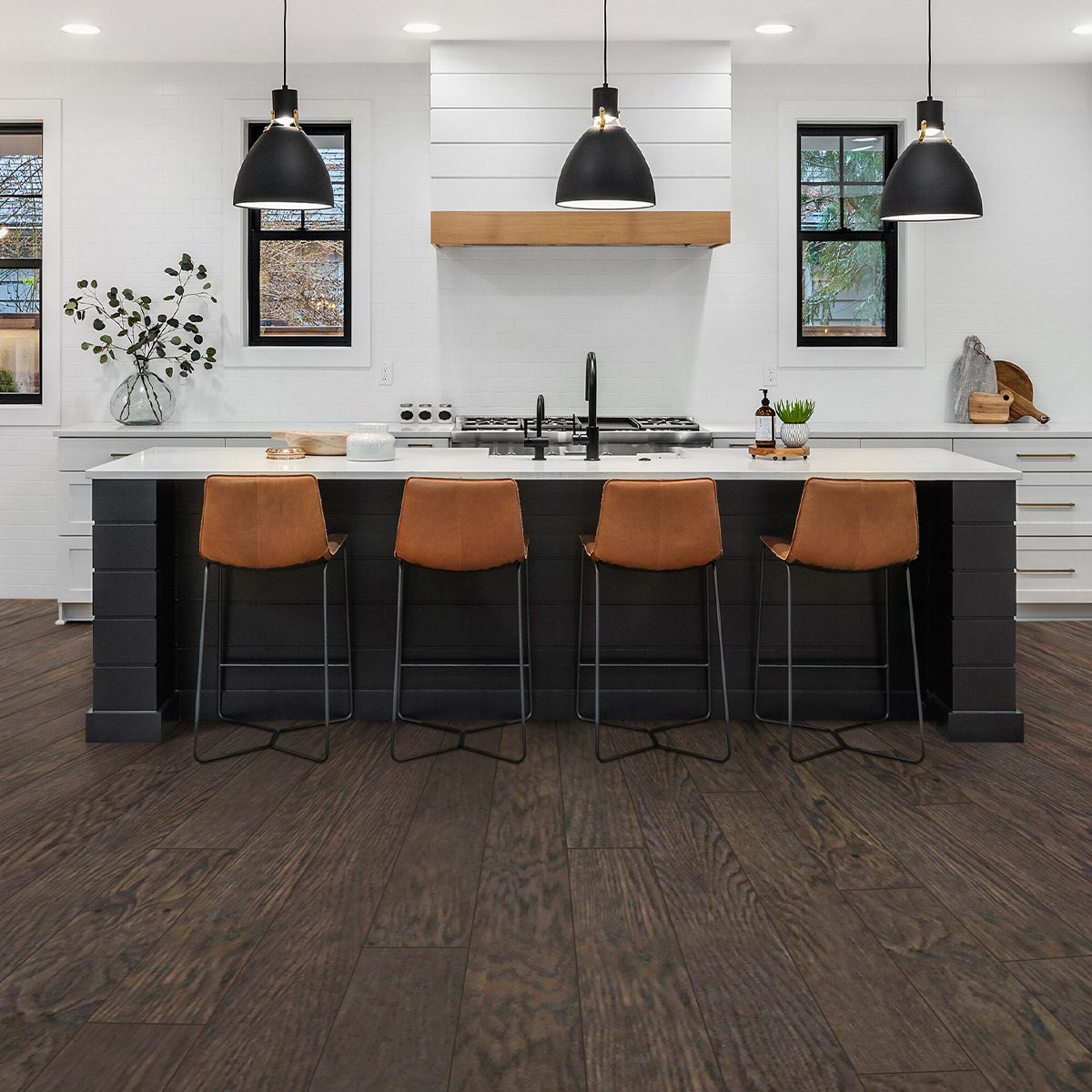
The 12 Best Engineered Wood Flooring Options, According to Testing and Reviews

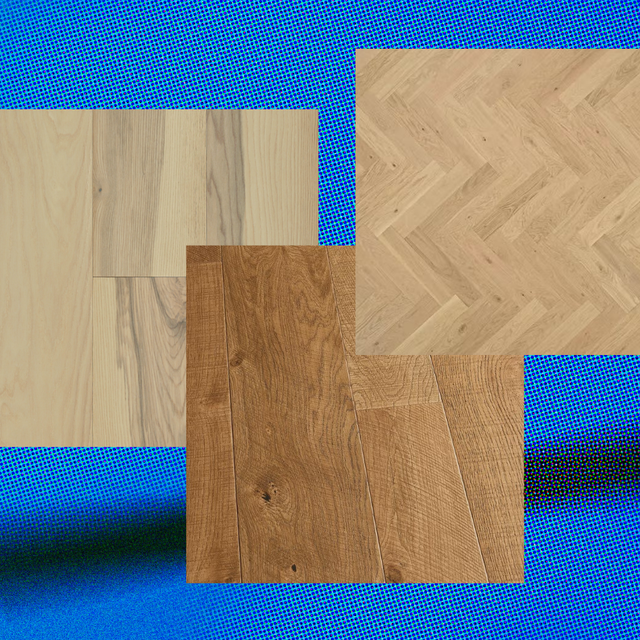
The Best Engineered Wood Flooring, According to Home Improvement Experts

Wood Treatments

Wood Flooring – Our Pick of the Best
12 designs made from wood that showcase the versatility of the material
The 5 Best Cutting Boards of 2026 | Reviews by Wirecutter

12 Woodworking Projects That Sell Online (2026)