1/12
The 10 Best Woods for Woodworking (According to a Pro)
Selecting the appropriate wood is a fundamental aspect of successful woodworking, influencing the durability, aesthetics, and overall outcome of a project. Spike Carlsen, an experienced woodworker and former executive editor of *Family Handyman*, offers his expert insights on the top ten woods for various applications, detailing their unique characteristics, common uses, and relative costs.
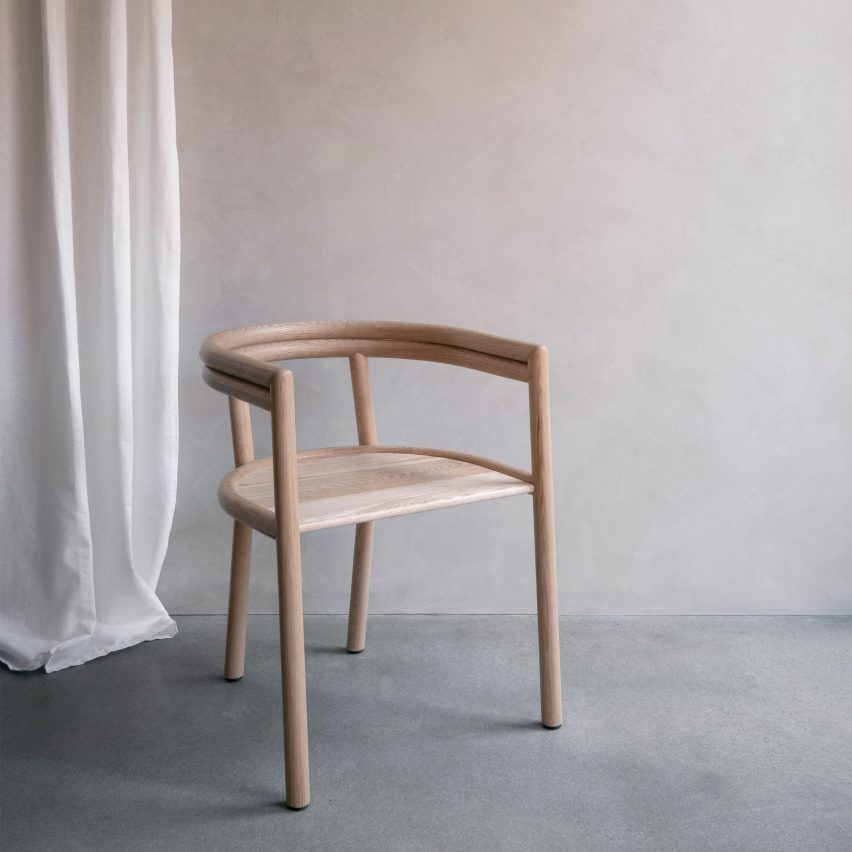
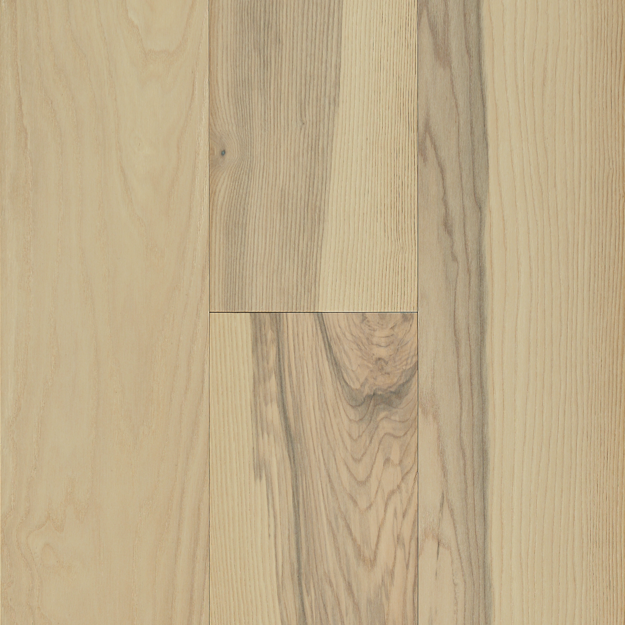
Ash is recognized for its gray-brown hue, straight and pronounced grain, and coarse texture. It is a heavy and strong wood, making it suitable for items requiring resilience such as bats, hockey sticks, tool handles, and furniture. Its strength also lends itself to curved boat parts. Ash is categorized as a moderately priced wood.
Butternut, characterized by its white to light brown color and soft, straight, coarse grain, is a versatile wood. It is particularly valued for carving, cabinet making, turning projects, and the creation of kitchen utensils. Like ash, butternut falls into the mid-range price bracket.
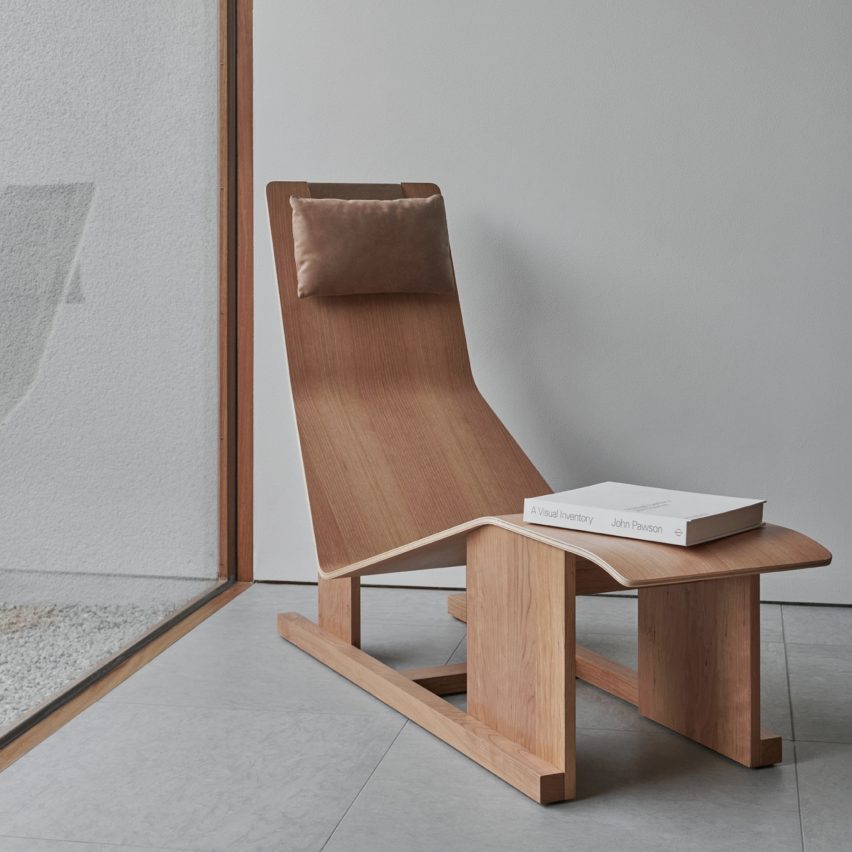
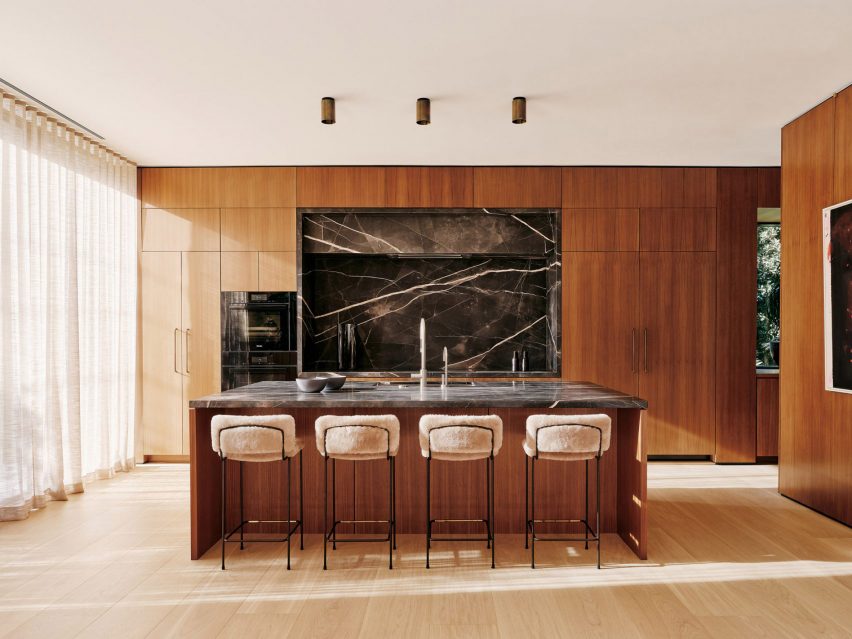
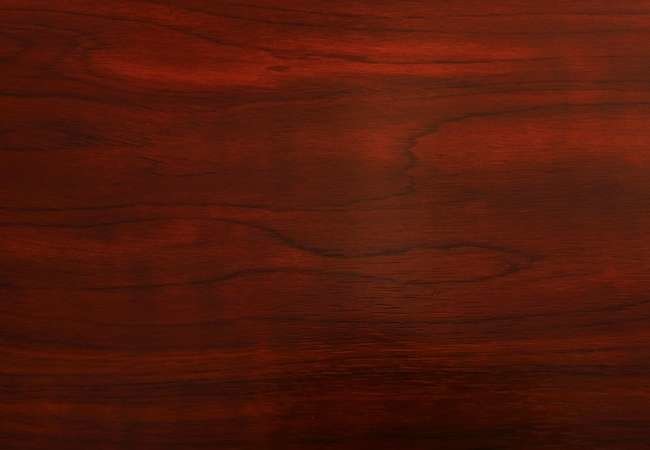
Cherry wood displays a light to dark, reddish-brown color with a straight, faint grain. It is moderately hard and known for finishing well, making it a popular choice for cabinets, architectural woodwork, fine furniture, and even pipes. Cherry is a more expensive option among the listed woods.
Hard Maple, similar to cherry in its light, reddish-brown color and straight, faint grain, is also moderately hard and finishes effectively. Its applications include furniture, cabinets, flooring, butcher blocks, baseball bats, and piano actions. Hard maple is moderately priced.
Mahogany presents a light to deep reddish-brown color with a straight, interlocked grain and coarse texture. This wood is highly sought after for fine furniture, office furniture, decorative veneers, stairways, boatbuilding, caskets, and pattern making due to its distinctive appearance and workability. Mahogany is considered a premium-priced wood.
Pine is a pale yellow to light brown wood, known for being soft and lightweight. While it stains poorly, its good workability makes it a staple for construction lumber, millwork, window sashes, doors, musical instruments, cabinets, and paneling. Pine is the most economical choice on the list.
Rosewood is distinctive for its chocolate brown to violet brown coloration and remarkable figure. It is exceptionally heavy, hard, and dense, barely floating in water, and possesses an oily quality. This rare wood is primarily used for stringed instruments, turning, fine furniture, and decorative items. Rosewood is the most expensive wood mentioned due to its rarity and desirable characteristics.
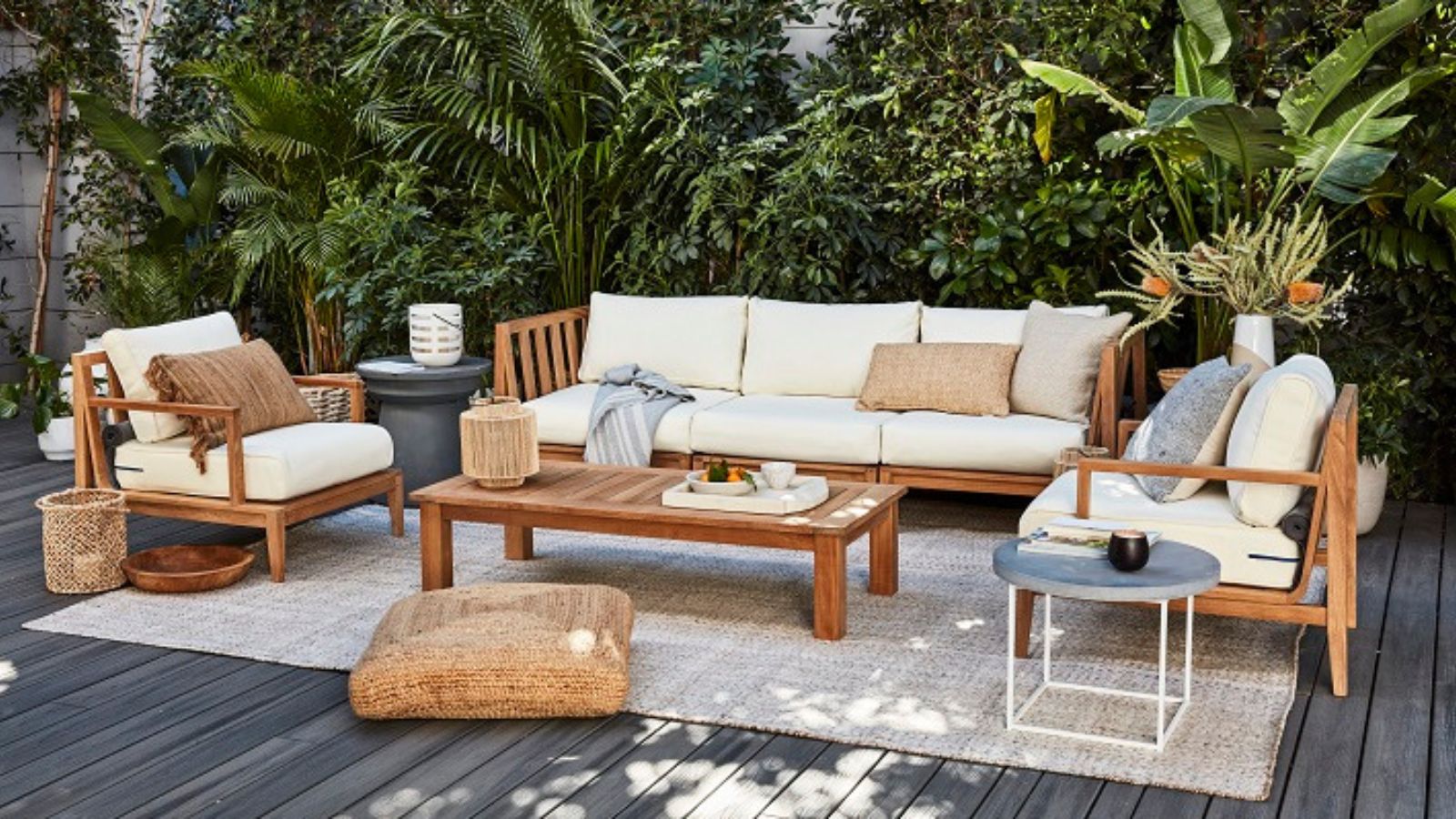
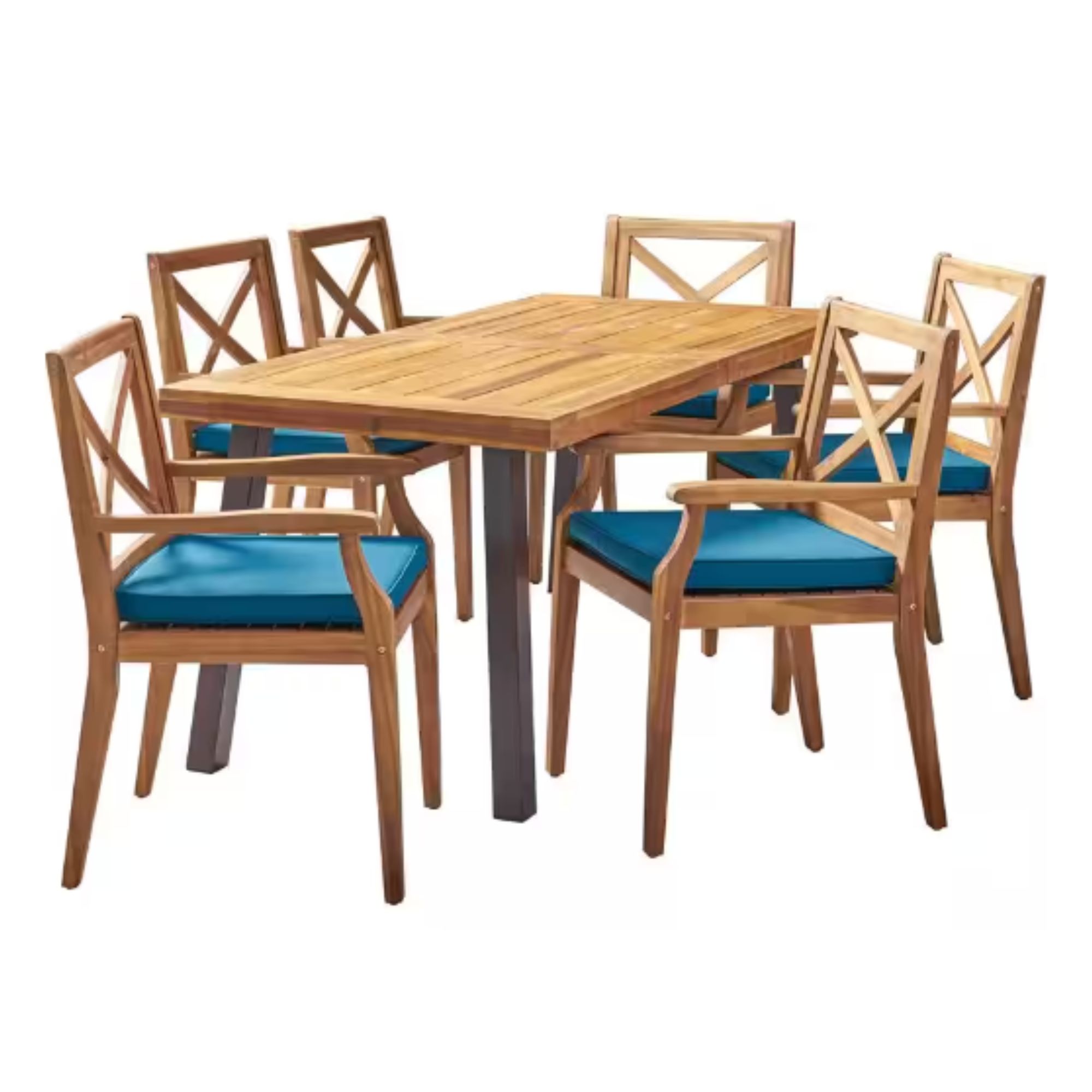
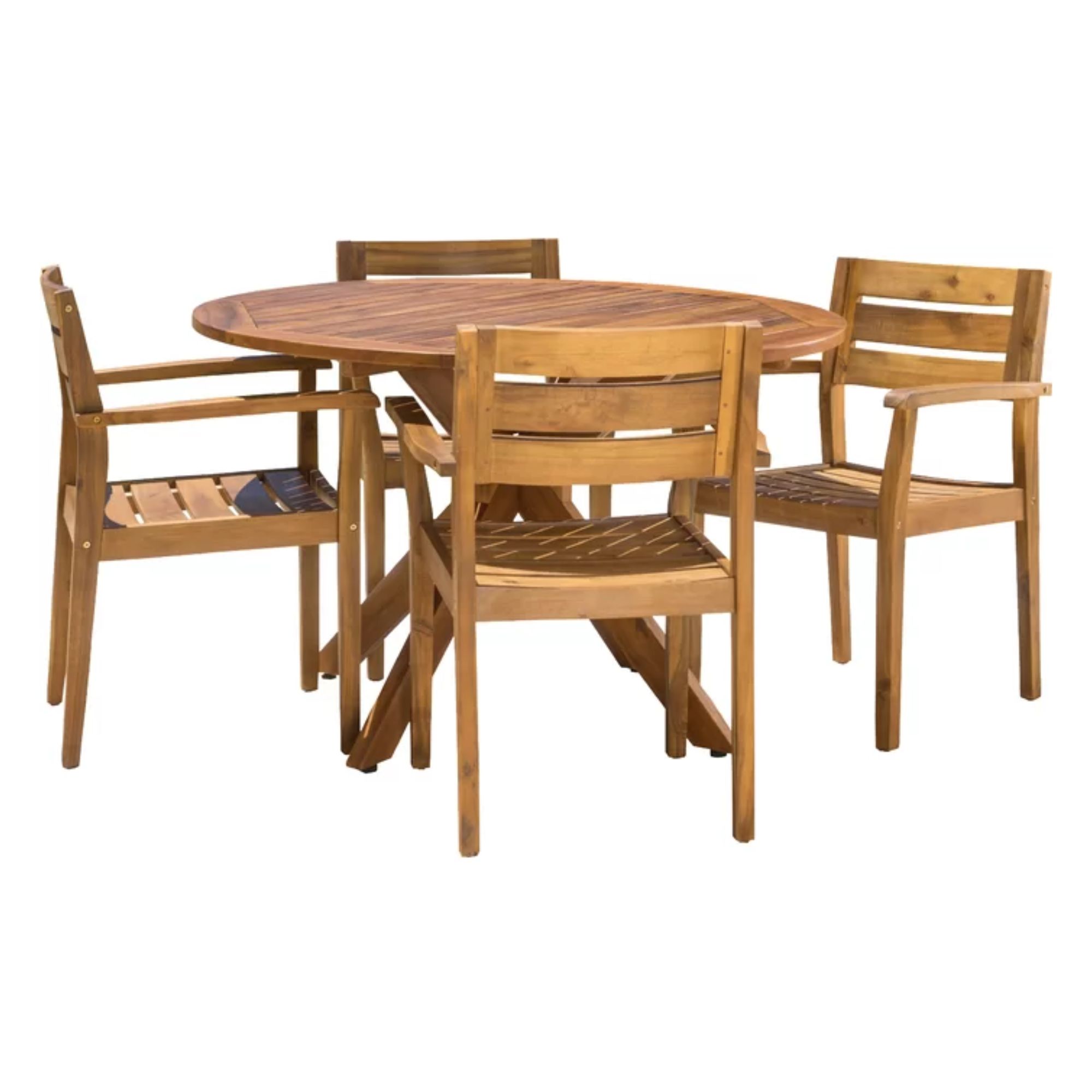
Teak features a golden brown color and is highly prized for its natural resistance to rot and moisture, though it is oily and abrasive on tool edges, and its sawdust can be an irritant. Its durability in outdoor conditions makes it ideal for outdoor furniture, boat decks, and flooring. Teak is a high-priced wood.
Walnut ranges from light gray-brown to purplish-brown, characterized by its highly figured grain, including burls and crotches. It polishes well and is known for its strength and stability. Walnut is commonly used for furniture, carving, gunstocks, and cabinets, and is a premium-priced wood.
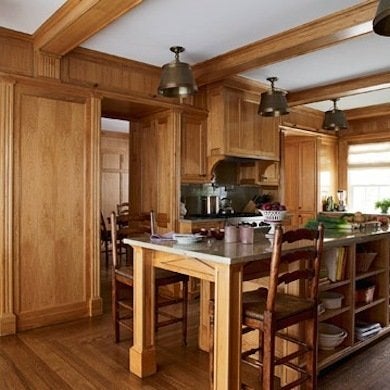
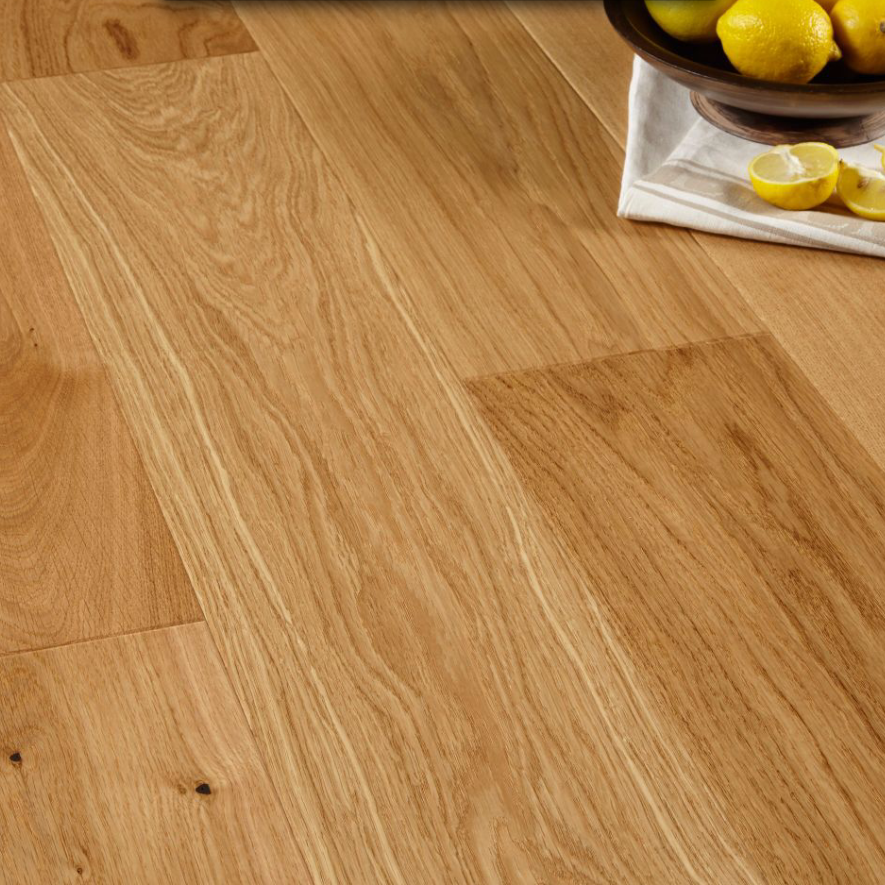
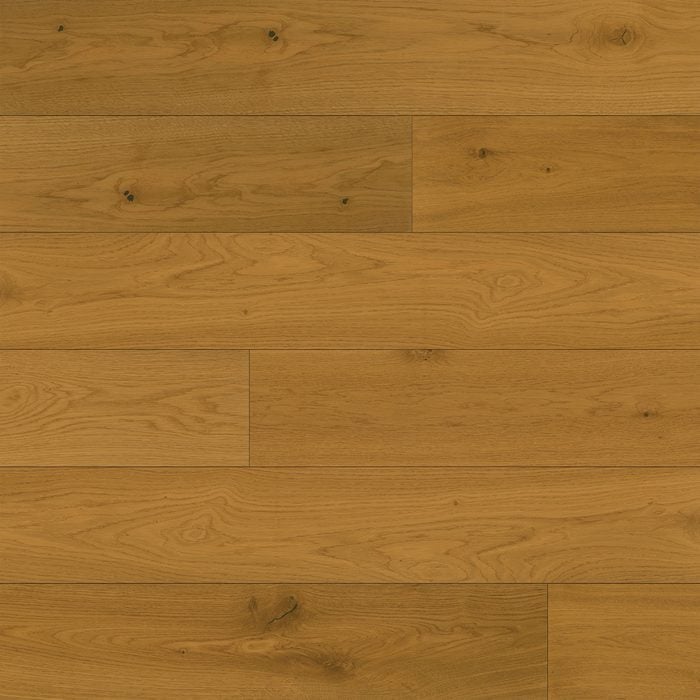
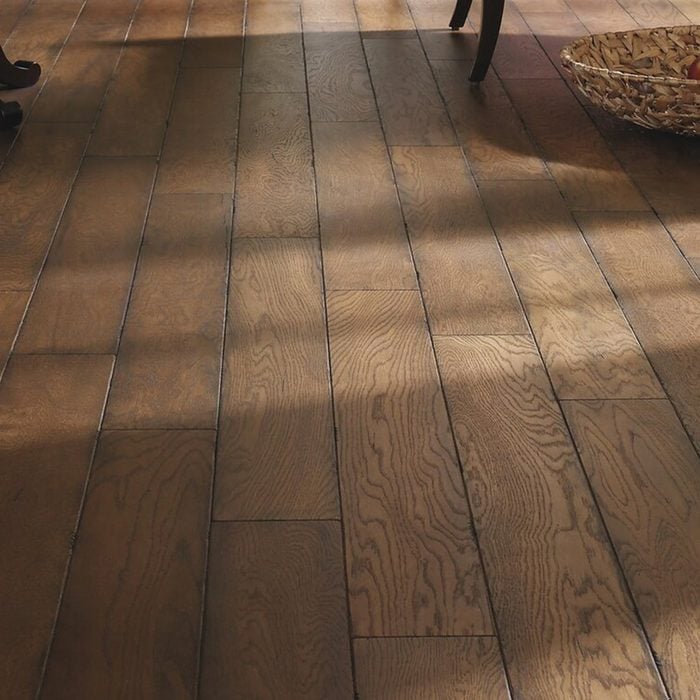
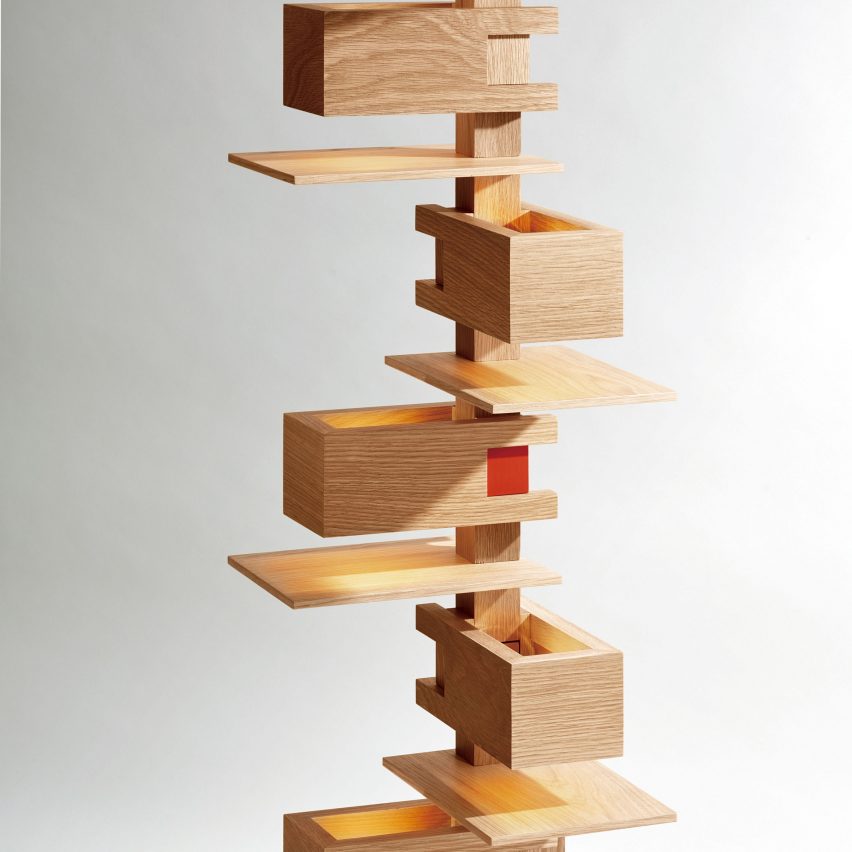
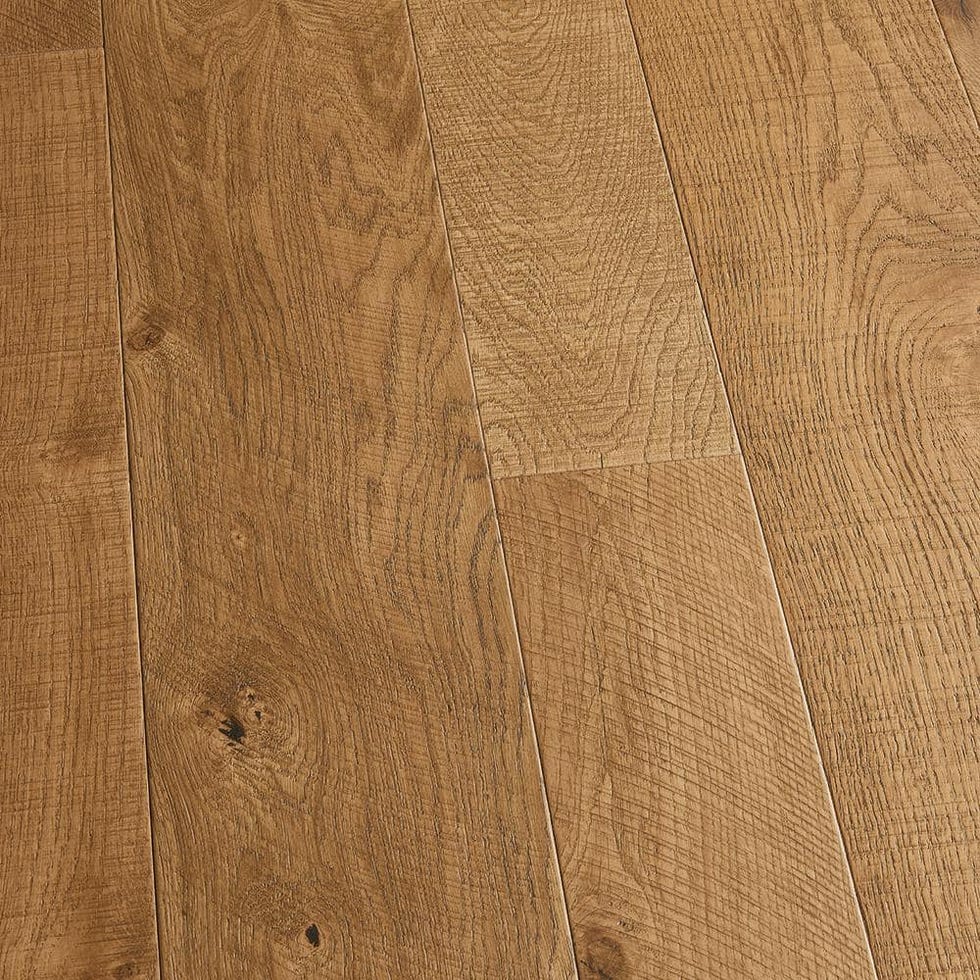
White and Red Oak are grouped together, both exhibiting a reddish-brown to tan color with a strong grain figure. These woods are hard and heavy, and they stain well. They are frequently used for cabinets, flooring, and furniture, with white oak specifically favored for cooperage and boatbuilding due to its water resistance. Both oak varieties are moderately priced.
#Woodworking #WoodSelection #TimberCharacteristics #DIYProjects #FurnitureMaking #BuildingMaterials #Craftsmanship #HomeImprovement #Woodworking #WoodSelection #TimberCharacteristics #DIYProjects #FurnitureMaking #BuildingMaterials #Craftsmanship #HomeImprovement
0 comment in total
 No comments yet
You may also like
The 10 Best Woods for Woodworking (According to a Pro)

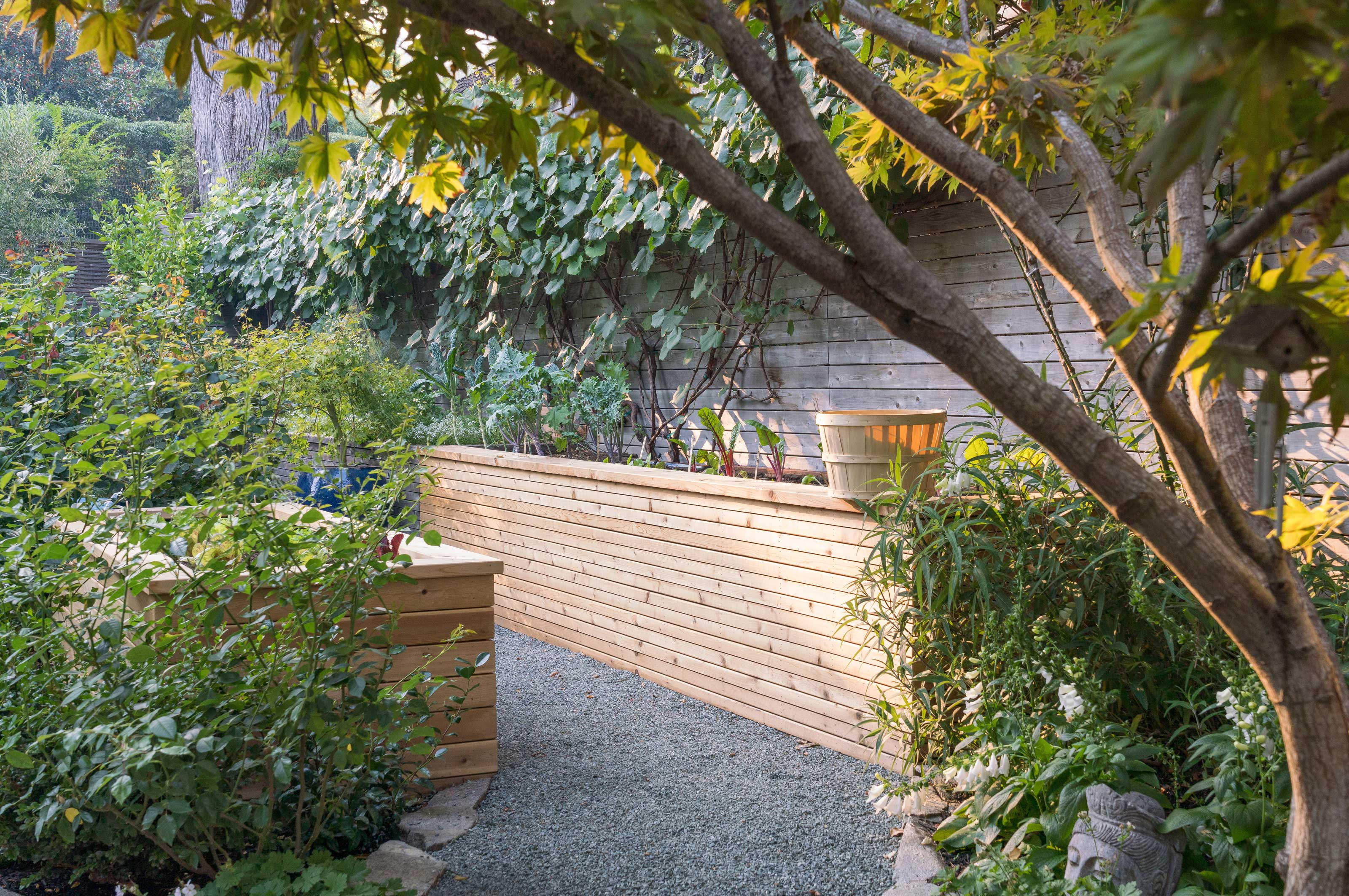
Best wood for outdoor projects – 5 types that are loved for their durability and good looks in equal measure

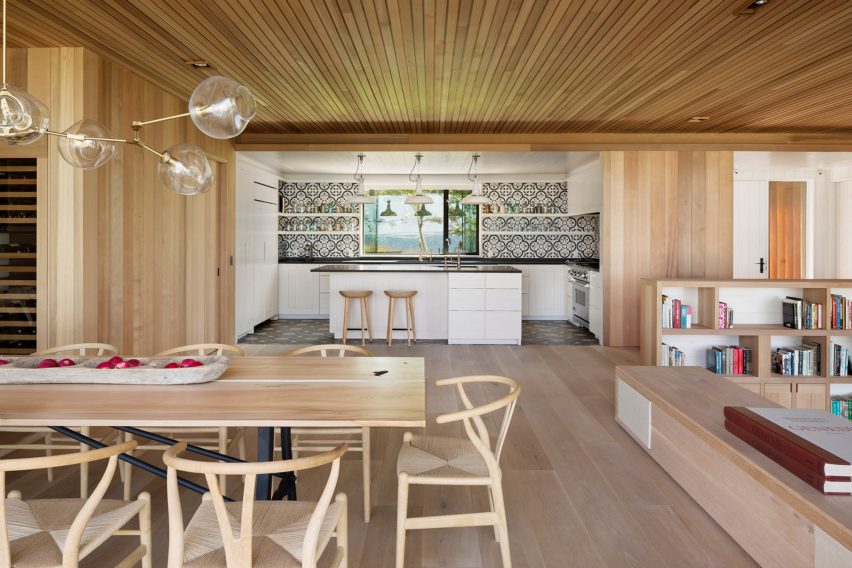
Ten projects that seamlessly integrate wood into the design
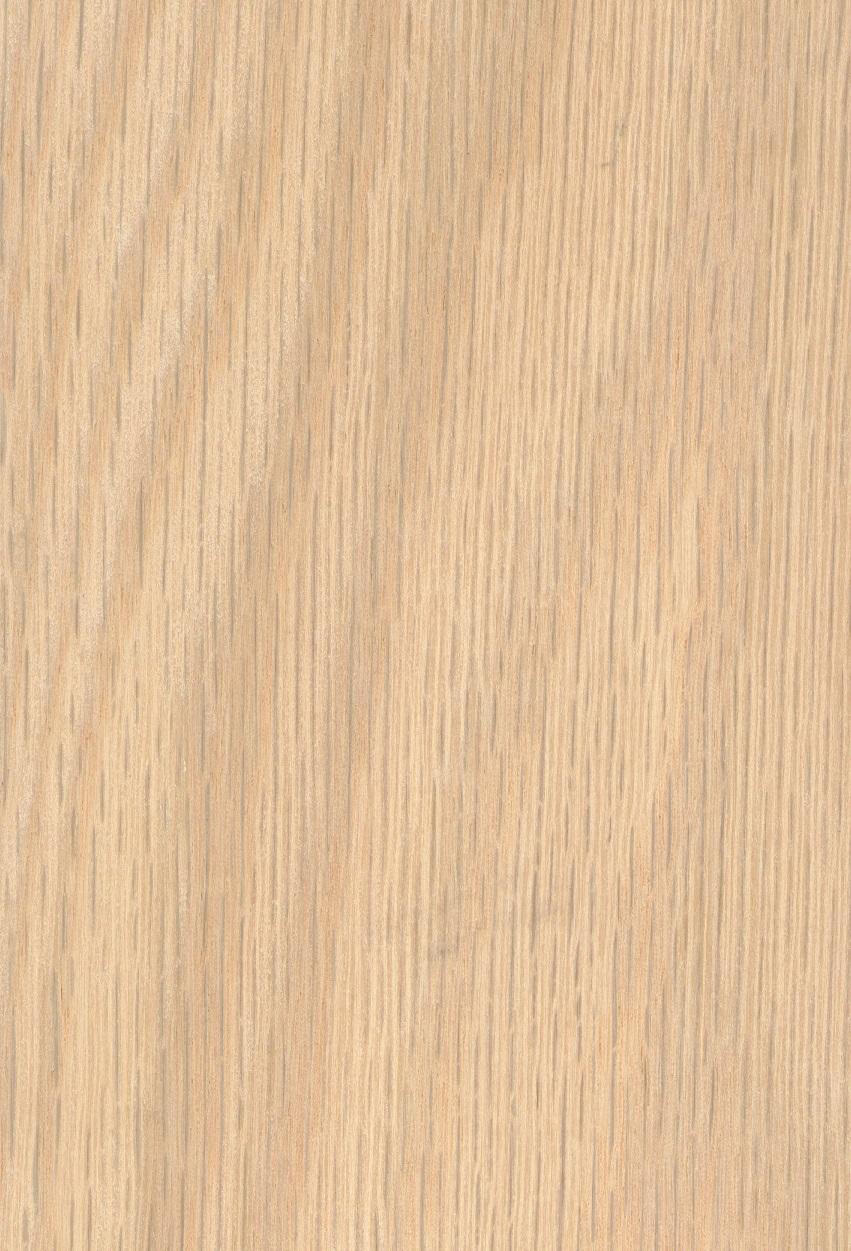
Red Oaks a diverse group

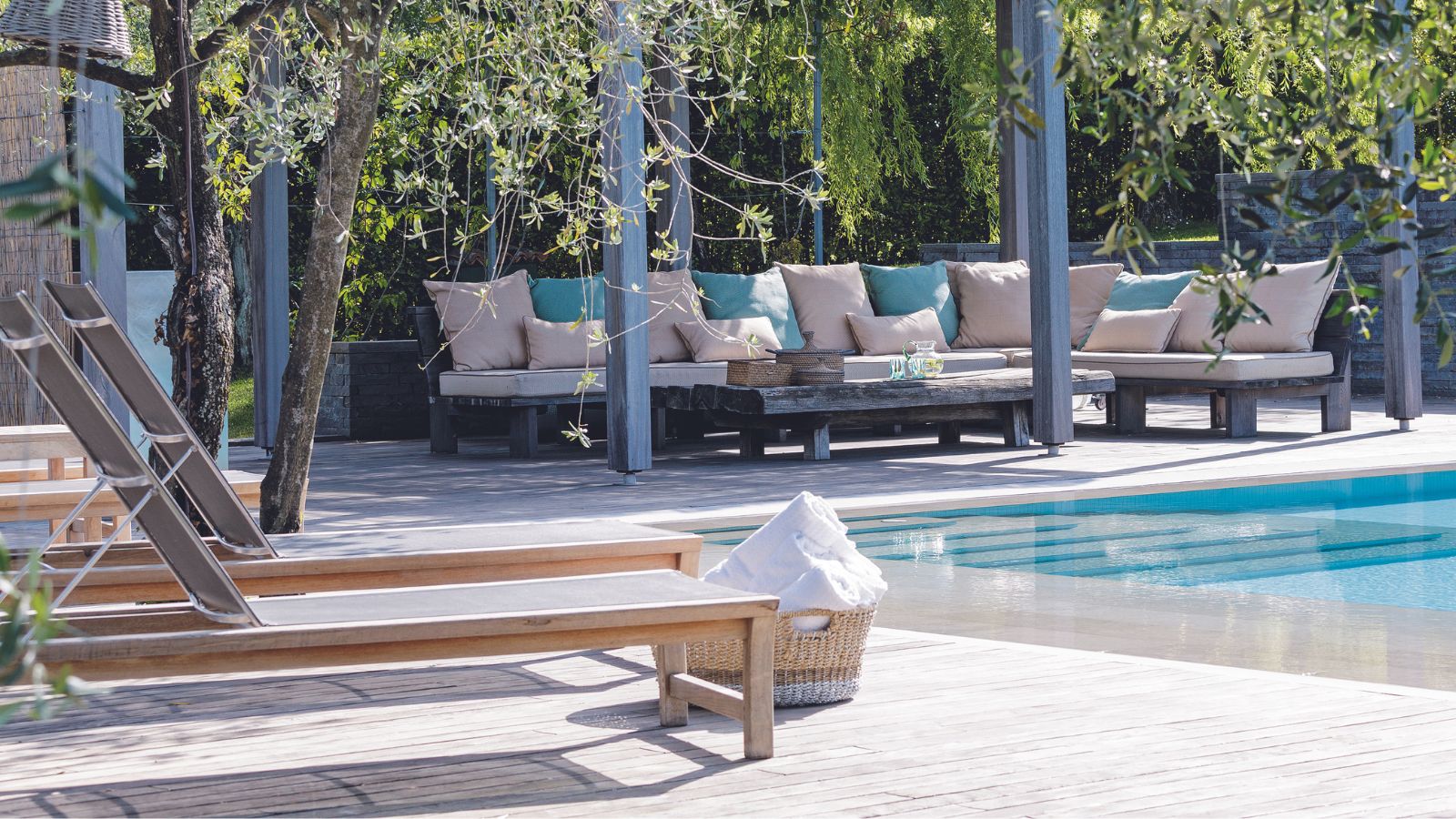
Best wooden outdoor furniture – expert picks and advice


This Is Your Sign to Replace Your Plastic Cutting Board — These Wooden Picks Aced Our Tests

Elite Woodworks' components for success
We Put the Best Exterior Wood Stains Through 40 Hours of Testing to Find the Top Picks
15 Types Of Wood That Are Easy To Build With

Timber Look Tiles: Top 10 Wood Tiles on the Market
Every DIYer Should Have One of These Carpenter-Approved Wood Glues
The 8 Best Types Of Wood For A DIY Dining Table
Legacy of a Woodworking Master

The 12 Best Engineered Wood Flooring Options, According to Testing and Reviews

The Best Engineered Wood Flooring, According to Home Improvement Experts

Wood Treatments

Wood Flooring – Our Pick of the Best
12 designs made from wood that showcase the versatility of the material
The 5 Best Cutting Boards of 2026 | Reviews by Wirecutter

12 Woodworking Projects That Sell Online (2026)