1/6
5 ways to treat exterior wood
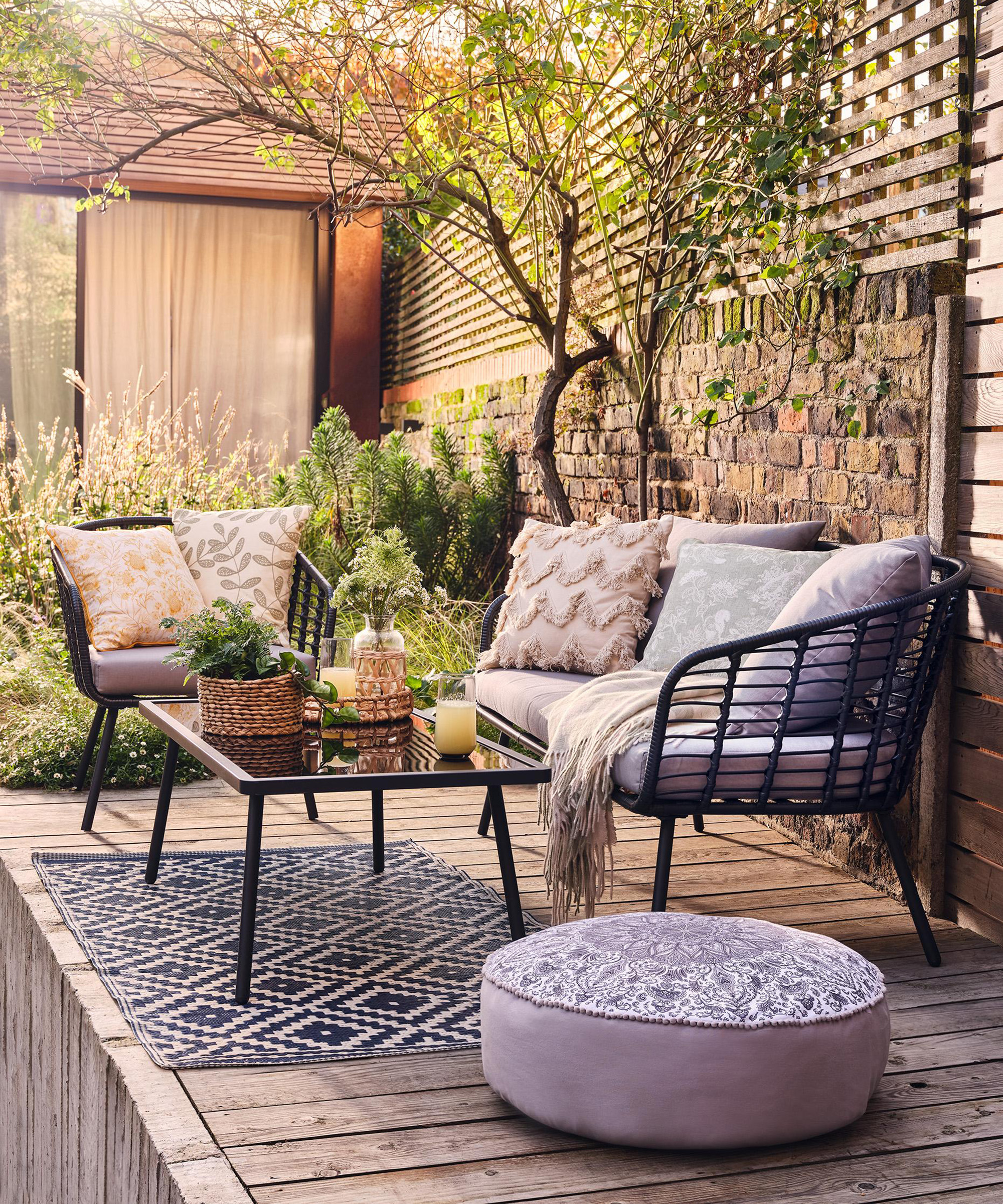
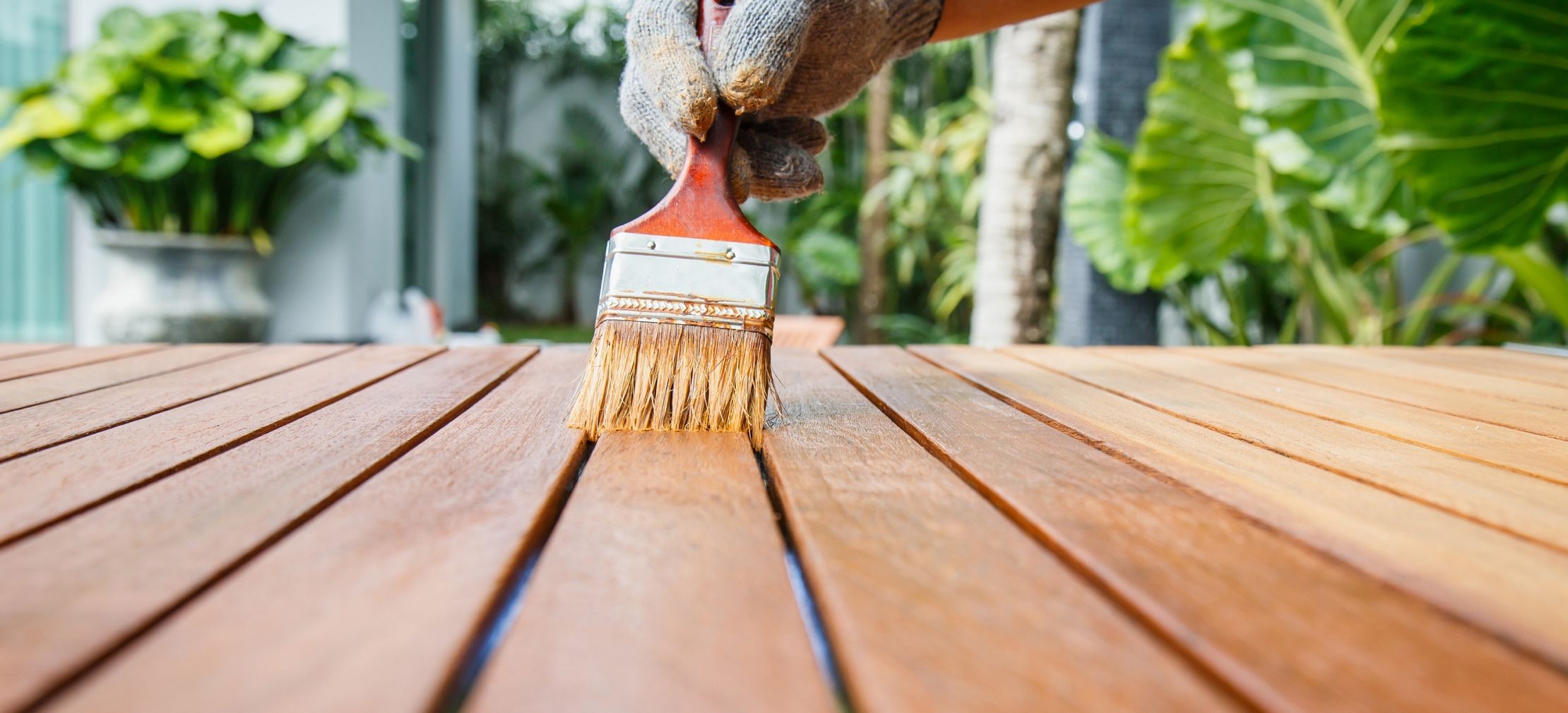
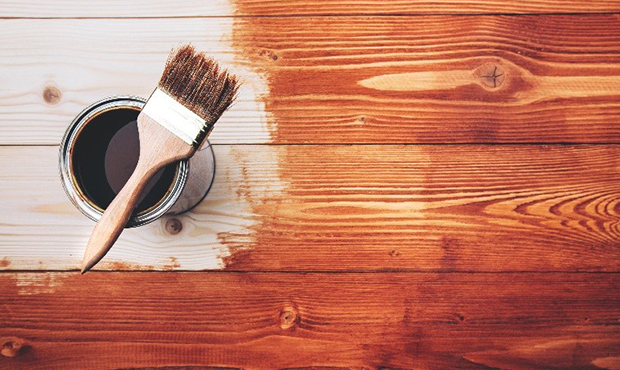
The changing seasons make it an opportune time to focus on garden maintenance tasks, particularly timber care. This includes not only sheds, decking, and fencing but also exterior wood elements like window frames, doors, garage doors, and porches, which may require attention after being exposed to various weather conditions. Whether the goal is to protect timber from rot, wear, and decay to extend its lifespan, or to refresh a worn surface to maintain its appearance year-round, there are several effective methods for treating outdoor wood. This guide explores five key approaches, ranging from surface coatings to penetrative treatments.
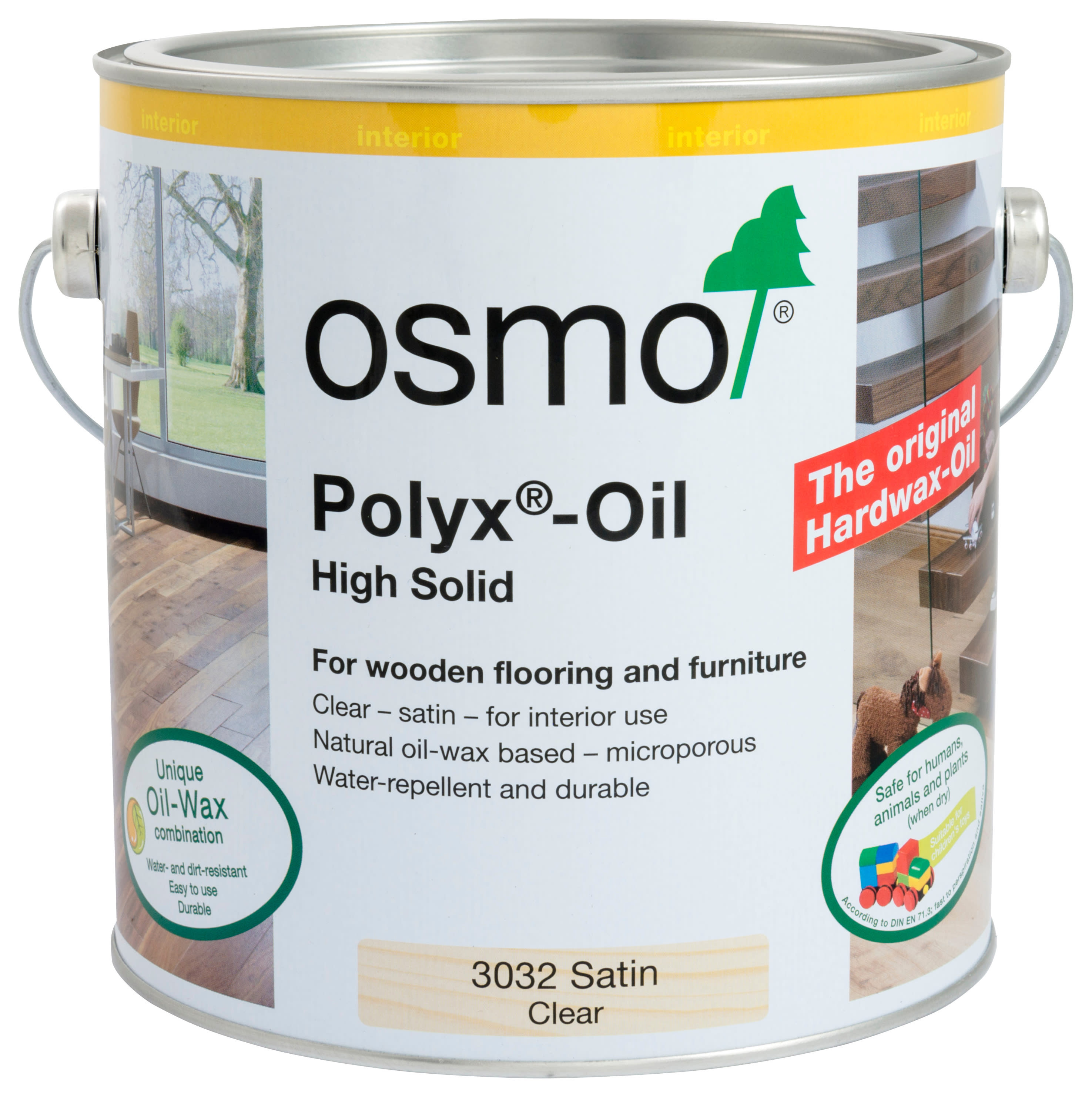
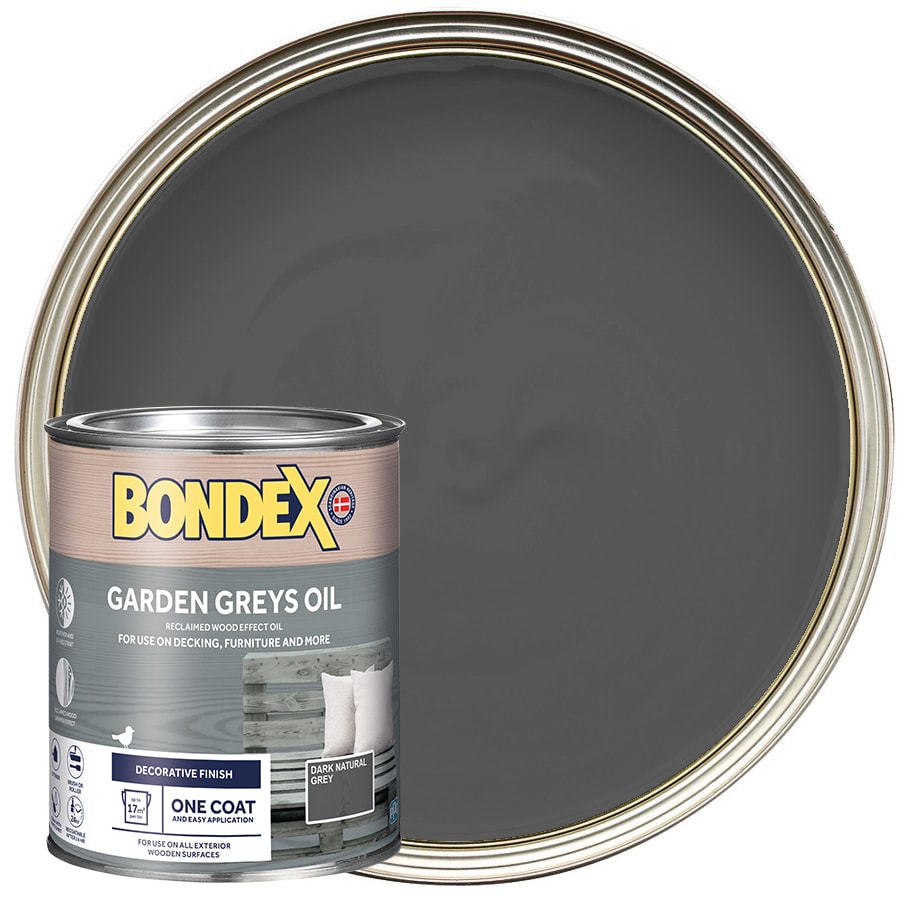
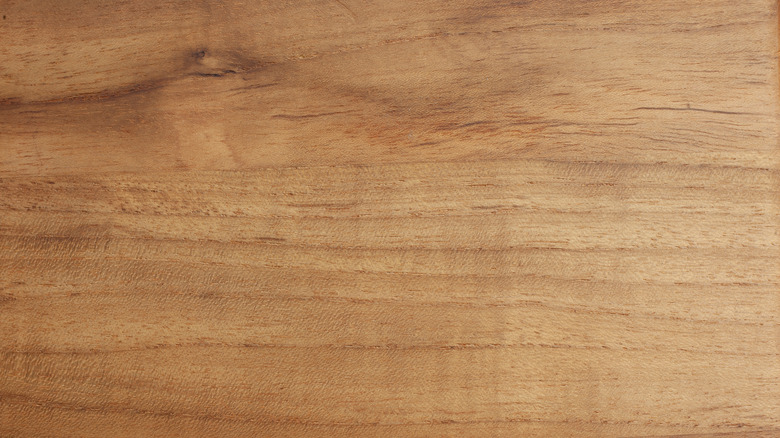
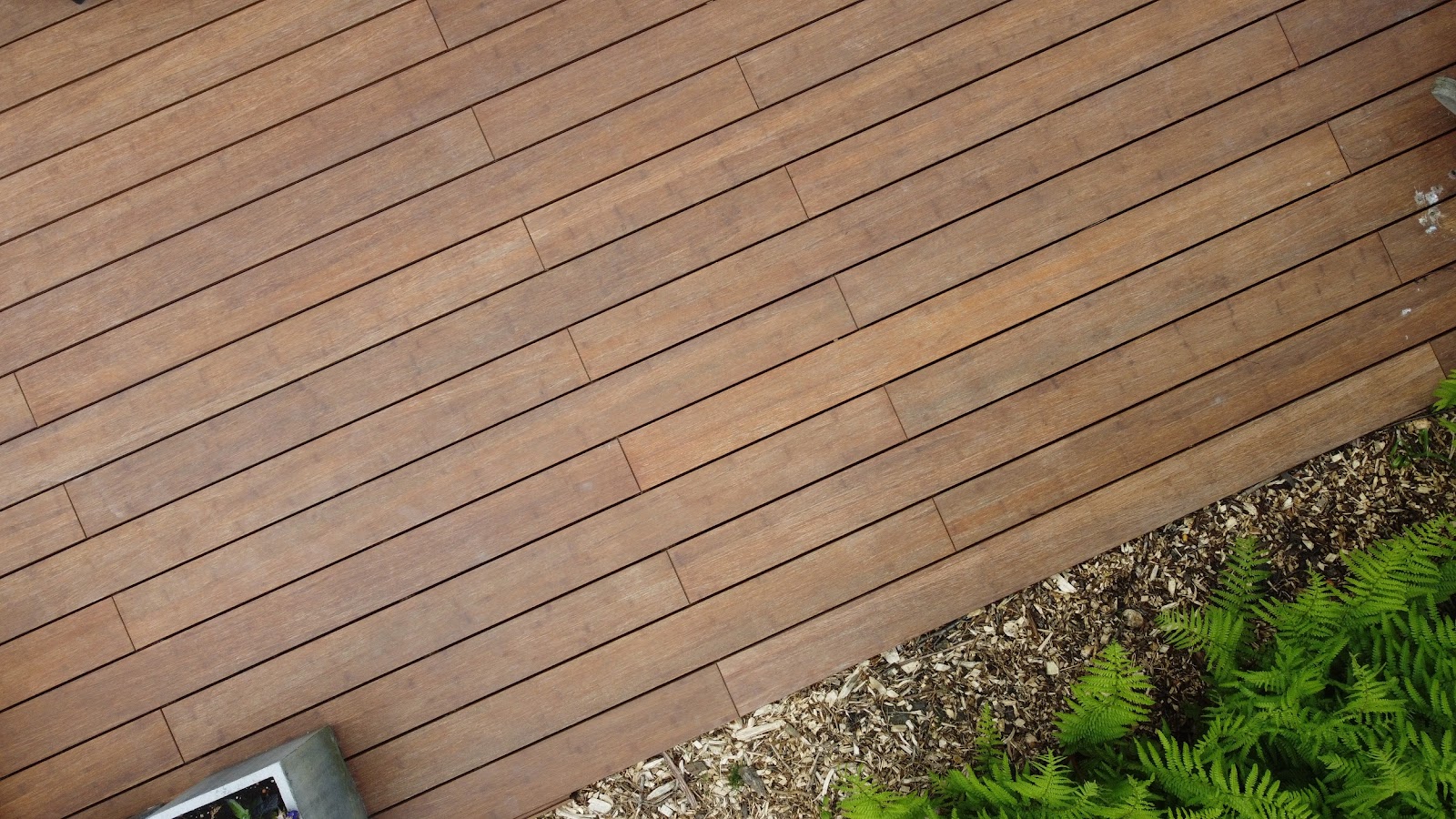
One effective method is using wood oil. Wood oils are designed to penetrate deeply into the wood grain, replenishing essential oils lost due to weathering. This process nourishes and seals the surface, providing protection from within. Wood oils help prevent drying, warping, and splitting, resulting in a tough, durable, and waterproofing finish with a low luster. For enhanced water repellence, blends of oil and resin are available, while increased UV filters offer better protection against sun damage. Application involves applying thin, even coats with a brush or cloth, allowing each coat to absorb and dry before reapplying. Wood oils are suitable for both softwoods and hardwoods and are particularly recommended for decking and garden furniture.
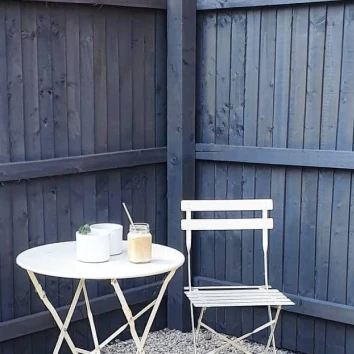
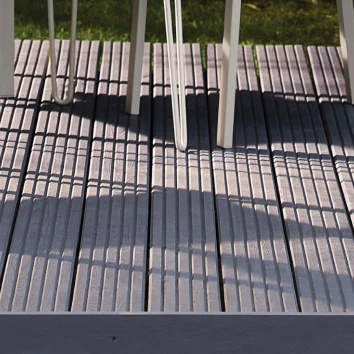
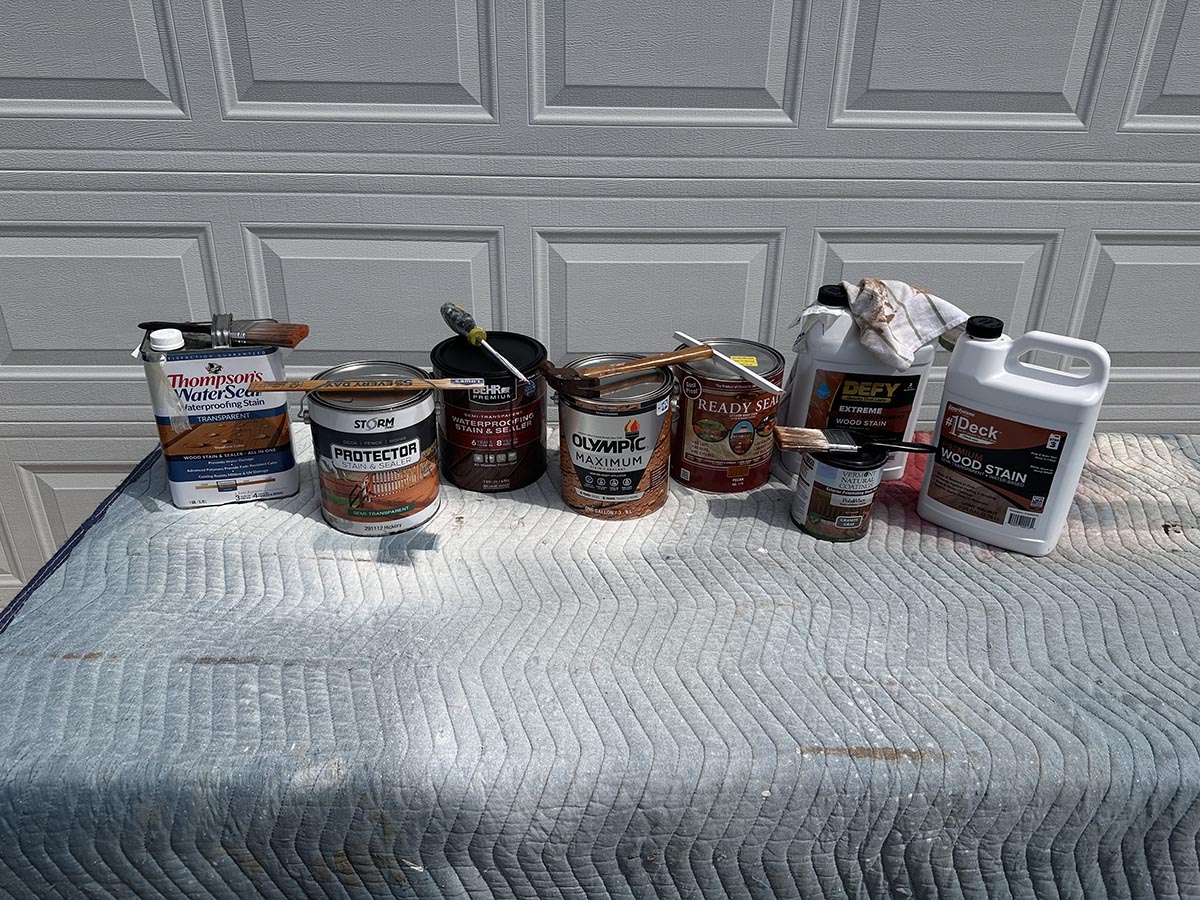
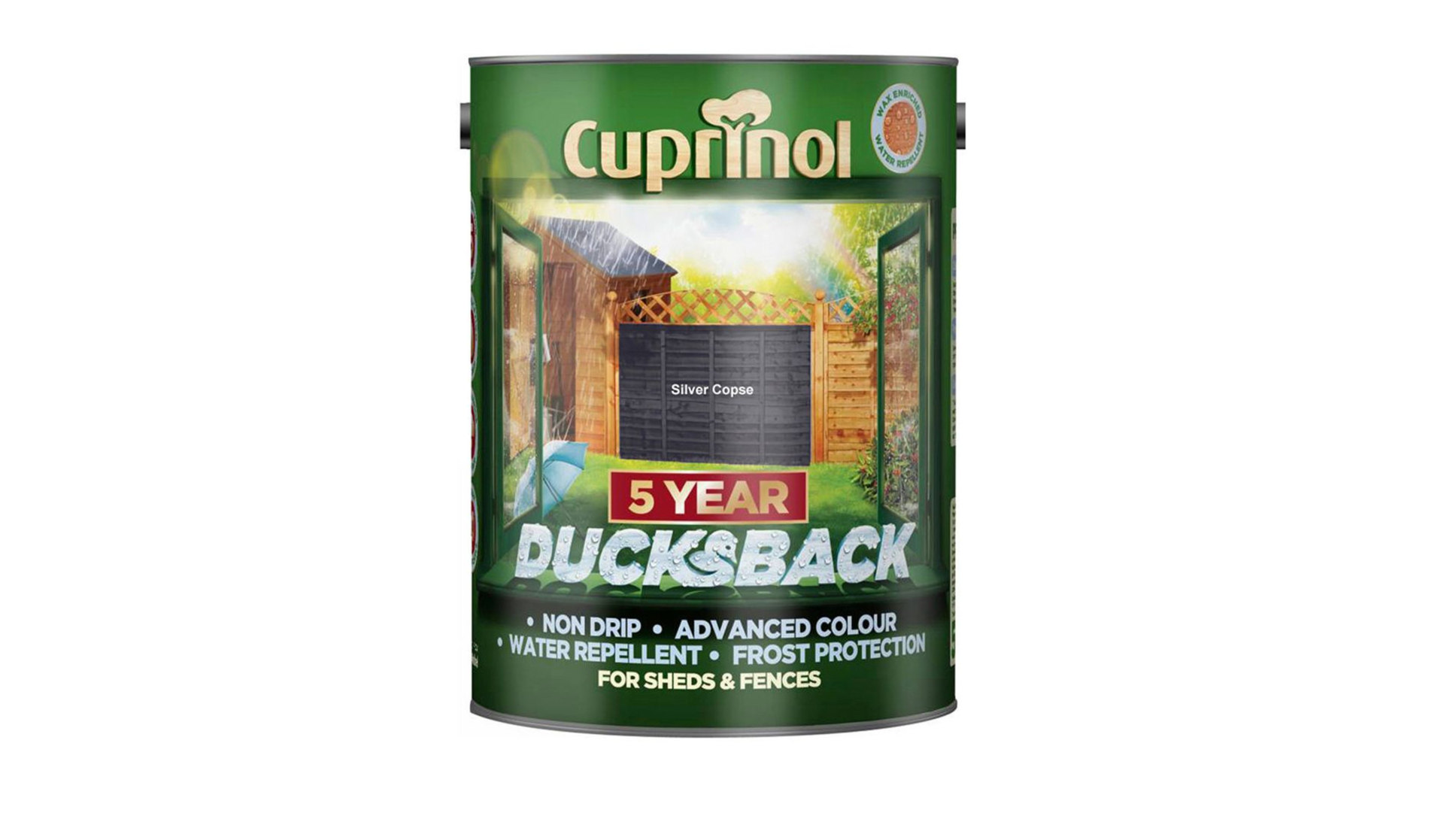
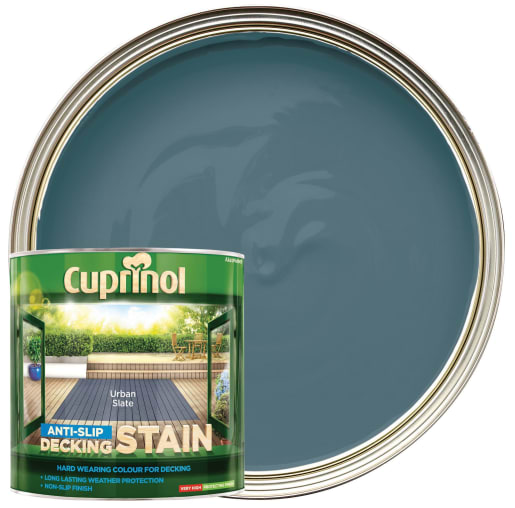
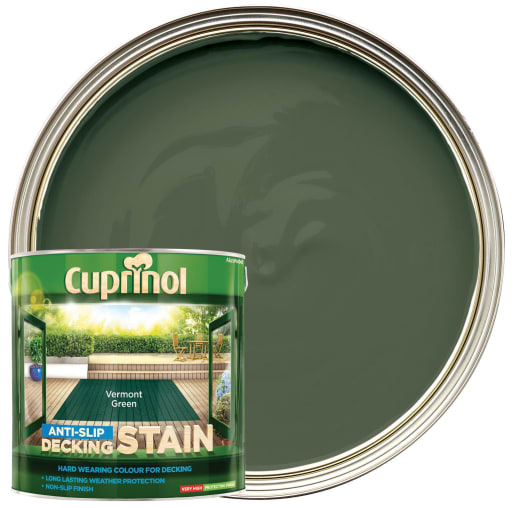
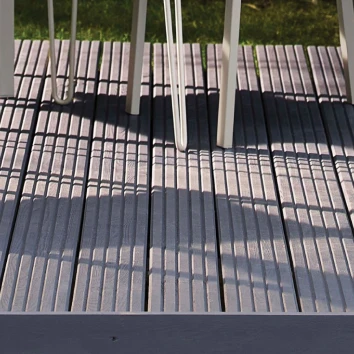
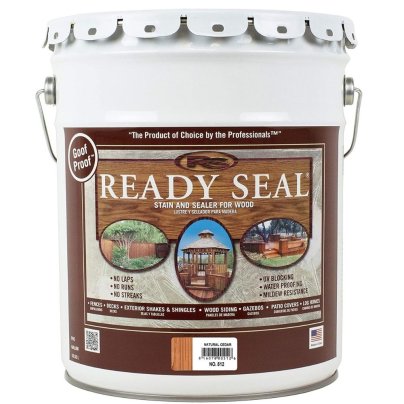
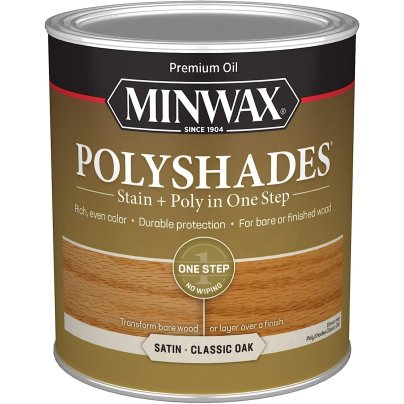
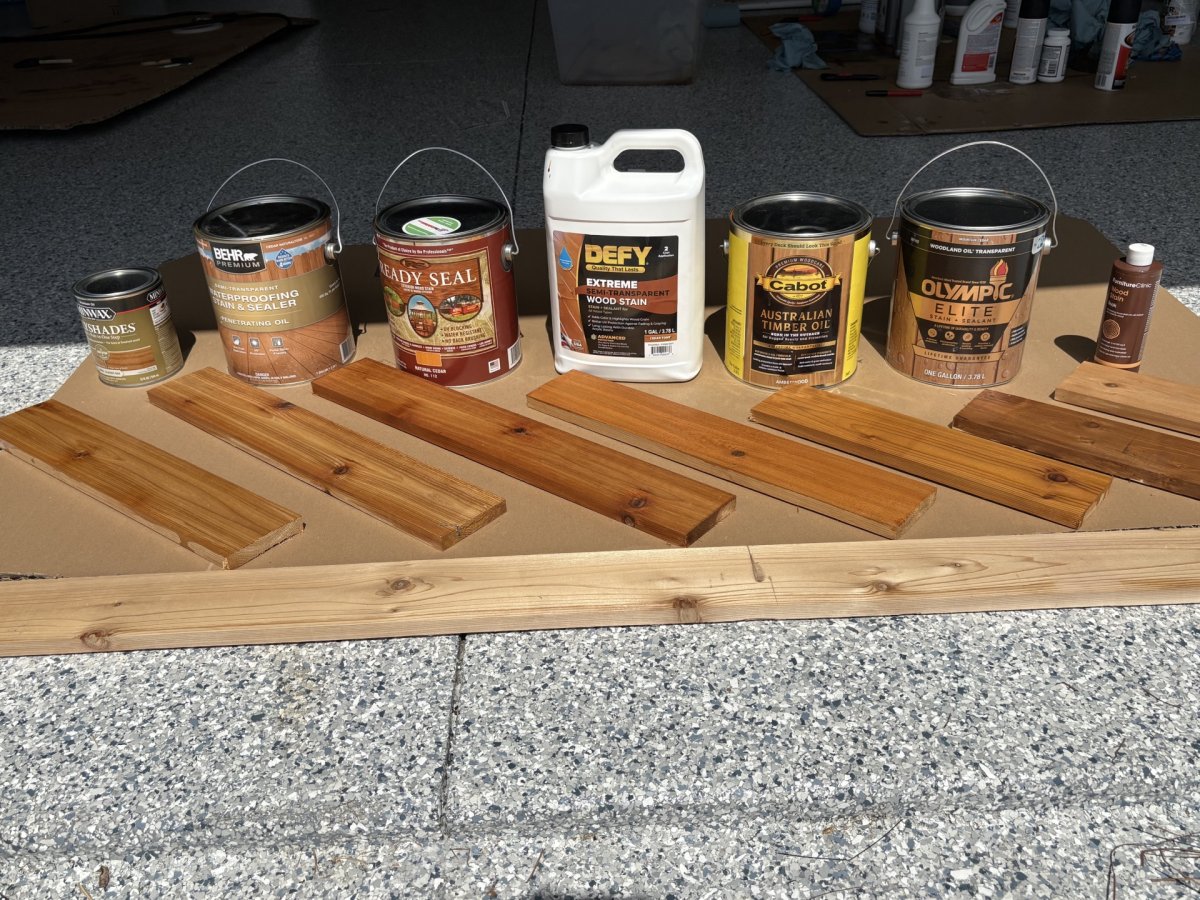
Another option is wood stain and dye, which not only protect exterior wood from weathering and heavy foot traffic but also add rich color. Wood stains offer excellent coverage and long-lasting durability, enhancing the natural wood grain to create a hardwearing, scuff-resistant finish. Various colors are available, including those with wax-enriched formulas for improved water repellence and a non-slip finish, making them ideal for decking. These treatments are resistant to cracking, blistering, and peeling. While wood stain saturates the surface, wood dye penetrates deeper into the timber for a richer depth of color. Reapplication is typically needed every two to three years, depending on wear, though some brands offer guaranteed long-life protection.
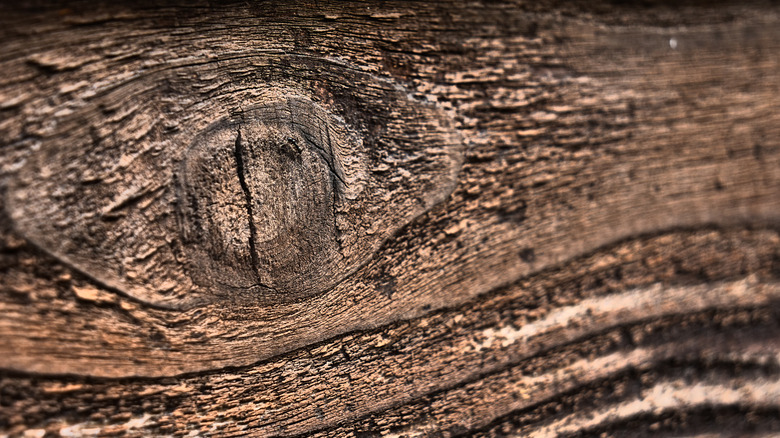
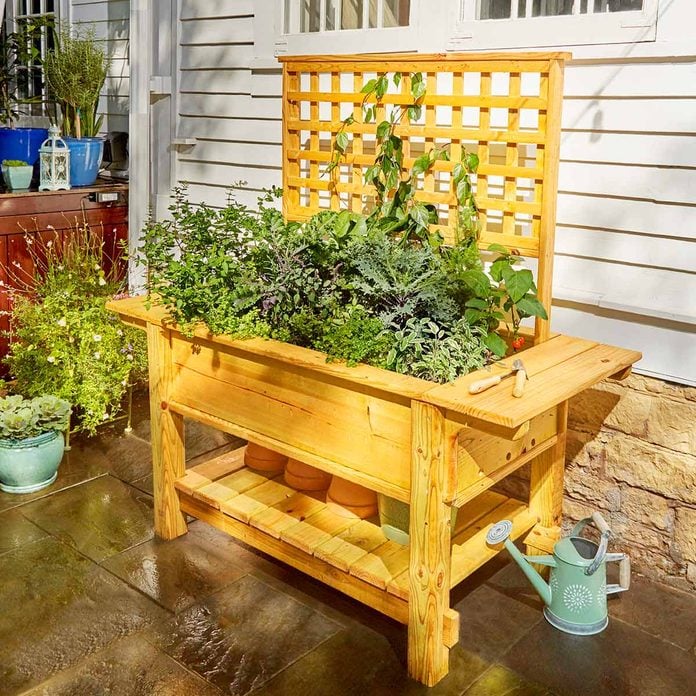
Wood preservers offer similar benefits to stains, dyes, and oils, providing waterproofing and protection against rot and decay. Available in clear and colored options, wood preservers also guard against mold, algae growth, and woodworm attacks. They often include UV protectors to resist fading and the natural greying process. For deep protection, wood preserver should be applied liberally with an exterior brush, allowing the timber to soak it in for optimal results. This treatment is a good choice for raised beds, fencing, and sheds. A fresh topcoat can be applied without prior sanding, and once dry, the timber can be finished with an exterior coat of paint to complement a garden design.
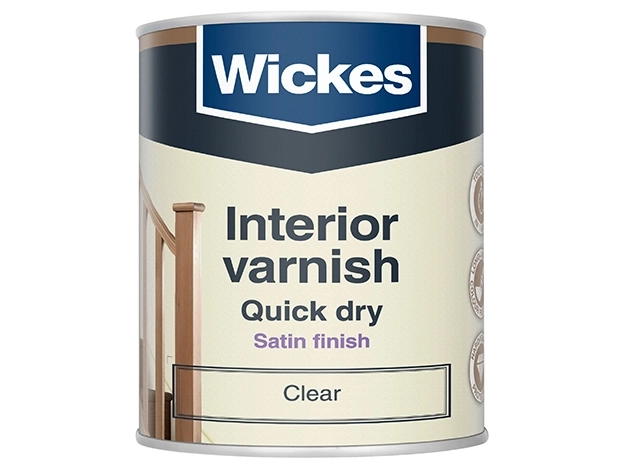
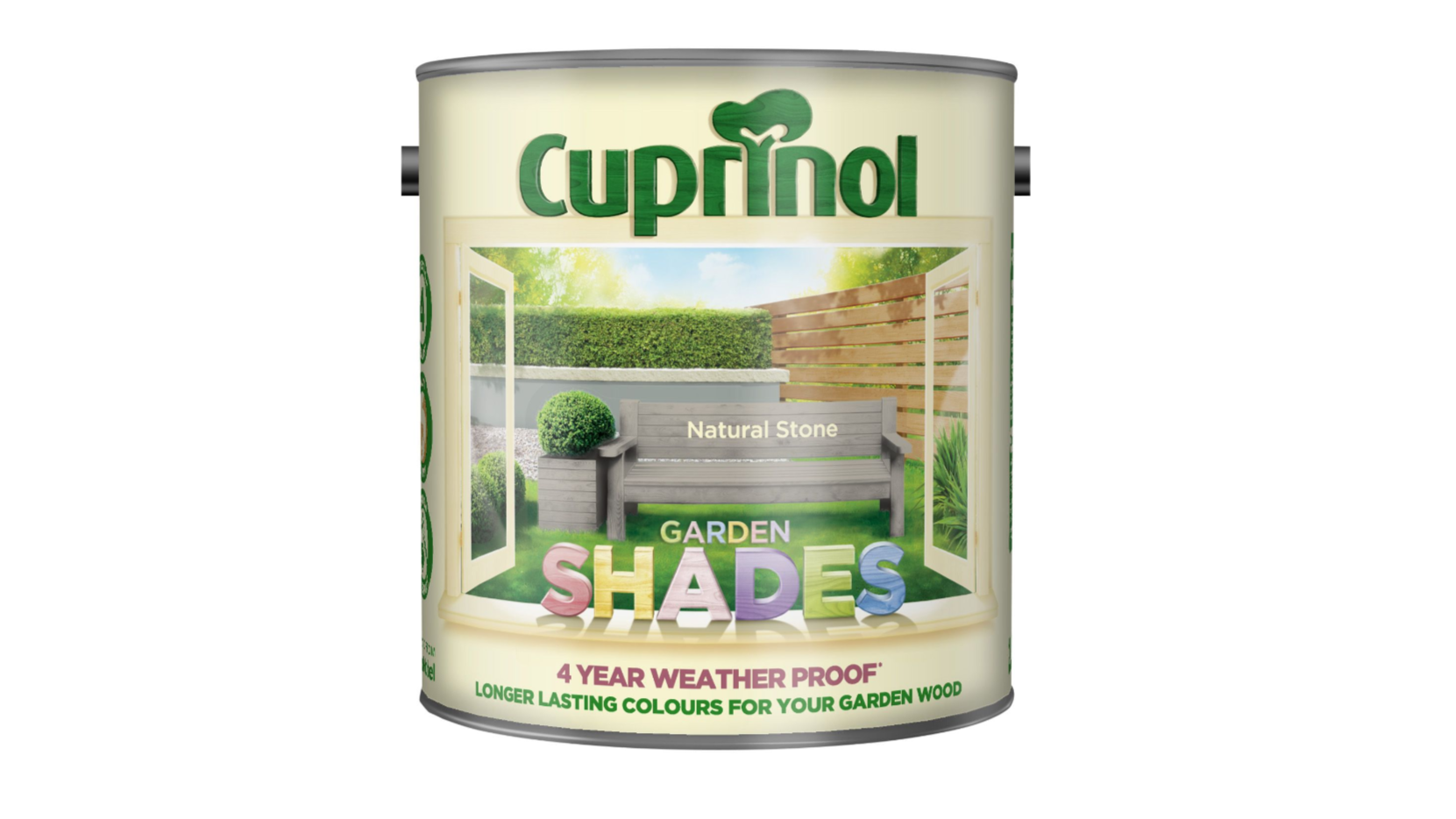
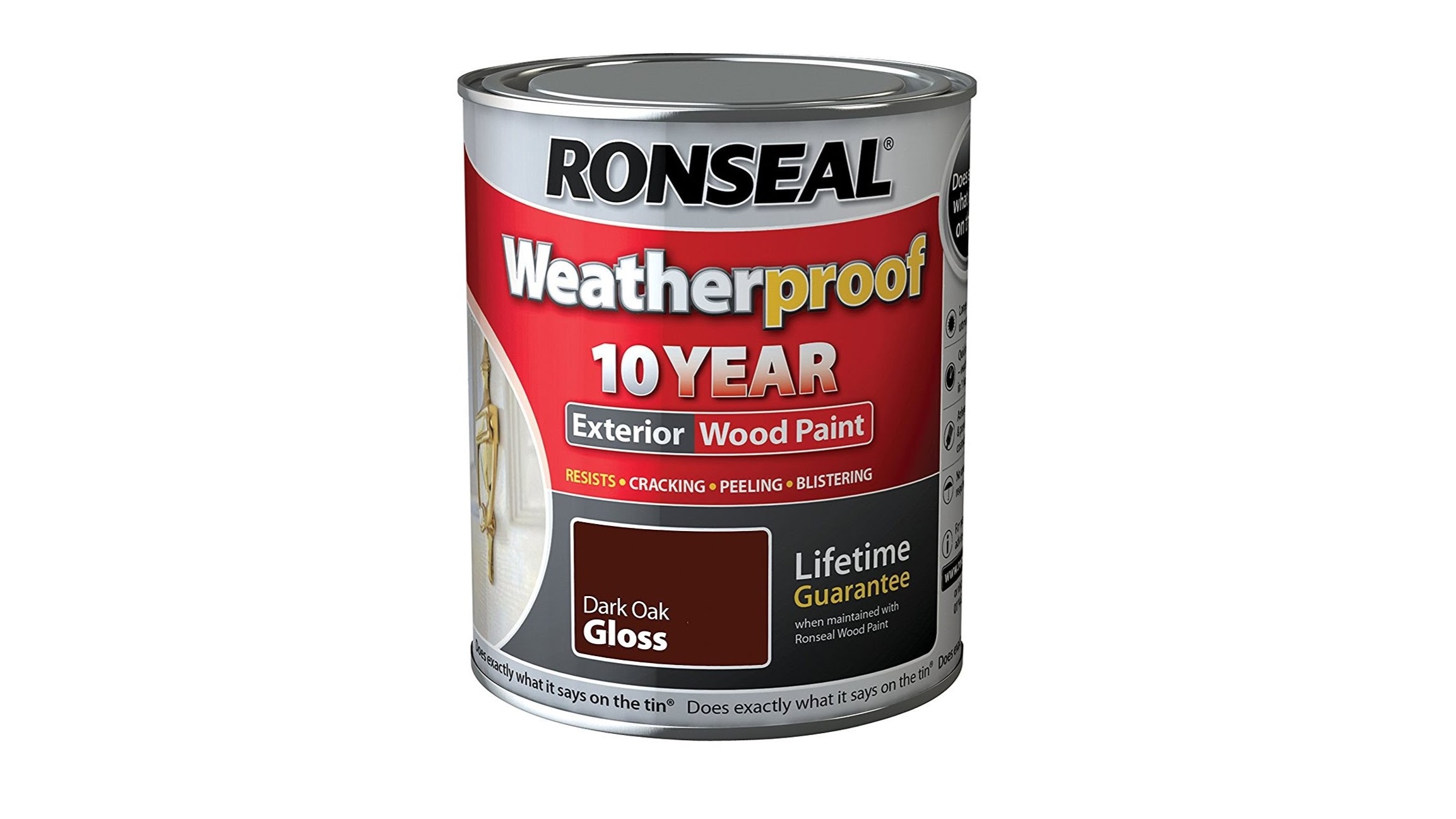
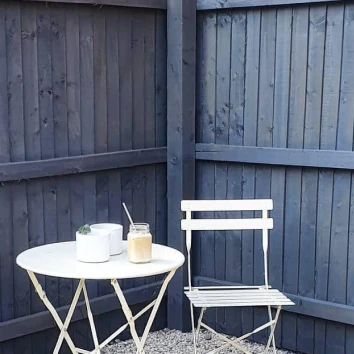
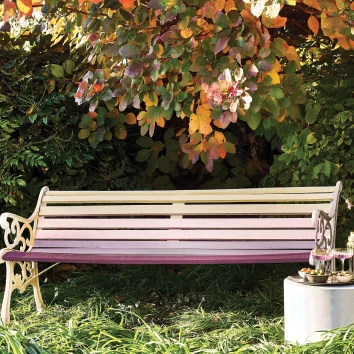
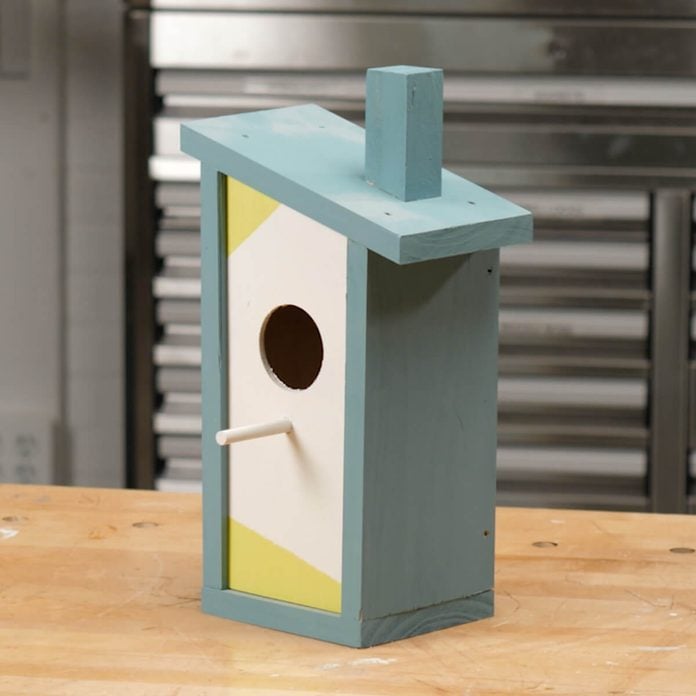
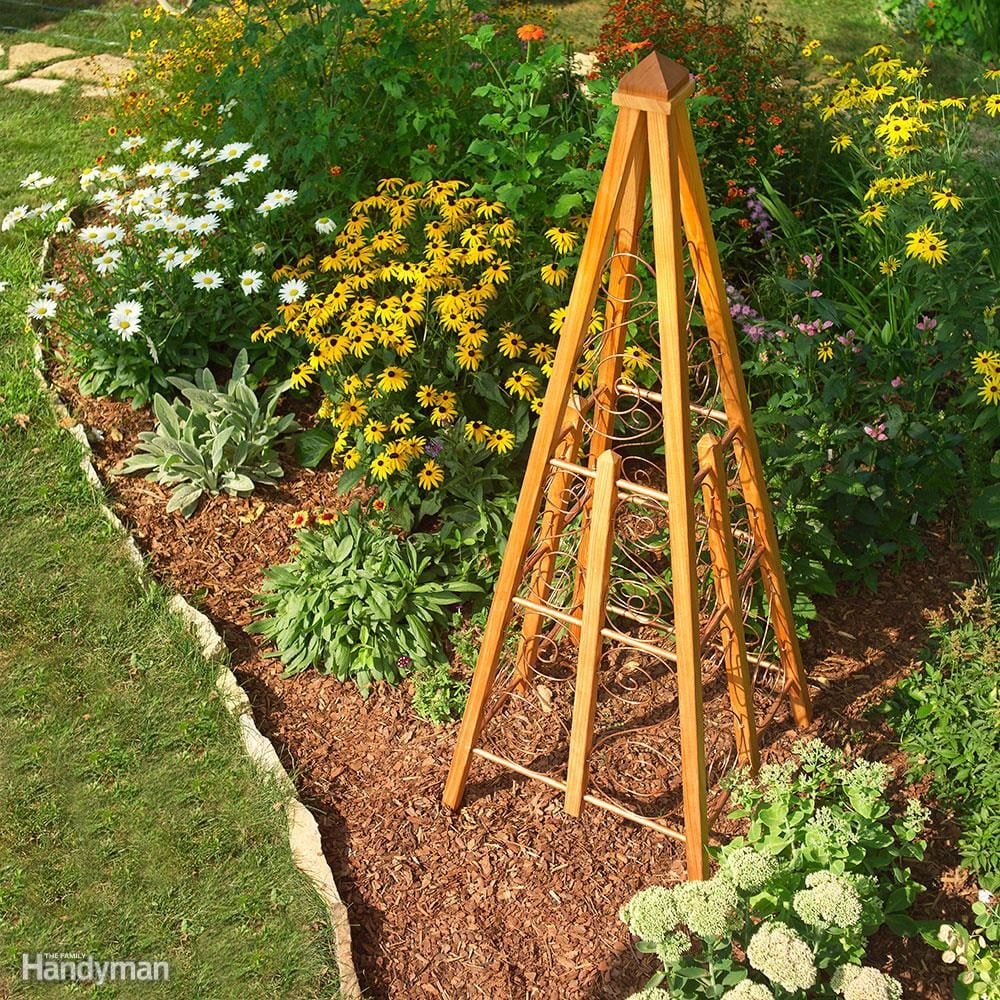
Wood varnish is ideal for woodwork such as external doors, door frames, timber windows, and gates, providing high-performance protection against UV light and water penetration. It is particularly effective for previously stained or treated wood, as exterior varnish resists the cracking, peeling, and blistering commonly associated with weathering. For continuous year-round protection, flexible formulas are available that adapt to the timber’s expansion and contraction with changing weather. Varnishes come in clear matt, satin, and gloss finishes, enhancing the wood’s grain and slightly darkening the surface for a rich color. Proper surface preparation, including using wood filler for cracks and sanding, is crucial for the best application. Finally, exterior wood paints offer a quick and easy way to refresh timber or introduce new colors. These paints provide protection against fading, peeling, and weather-related wear, enhancing timber with rich, pigmented color. They are available in a wide range of colors, from garden hues and pastels to bold shades. Wood paints are suitable for old garden furniture, fence panels, planters, sheds, bird boxes, trellises, and timber garden buildings. For best results, non-drip, wax-enriched, and child/pet-friendly varieties can be applied with a brush, pump, or paint sprayer. Applying two or three even coats is recommended for the richest and most vibrant color, while still allowing the natural wood grain to show through.
#ExteriorWoodTreatment #GardenMaintenance #WoodProtection #WoodOil #WoodStain #WoodPreserver #WoodVarnish #WoodPaint #DIYGarden #ExteriorWoodTreatment #GardenMaintenance #WoodProtection #WoodOil #WoodStain #WoodPreserver #WoodVarnish #WoodPaint #DIYGarden
0 comment in total
 No comments yet
You may also like
Wood Treatments
Best exterior wood paint 2020


15 Types Of Wood That Are Easy To Build With
Spring Into Stain Season with the Hottest Outdoor Color of 2025

Wood Stain | Exterior Wood Stain & Paints
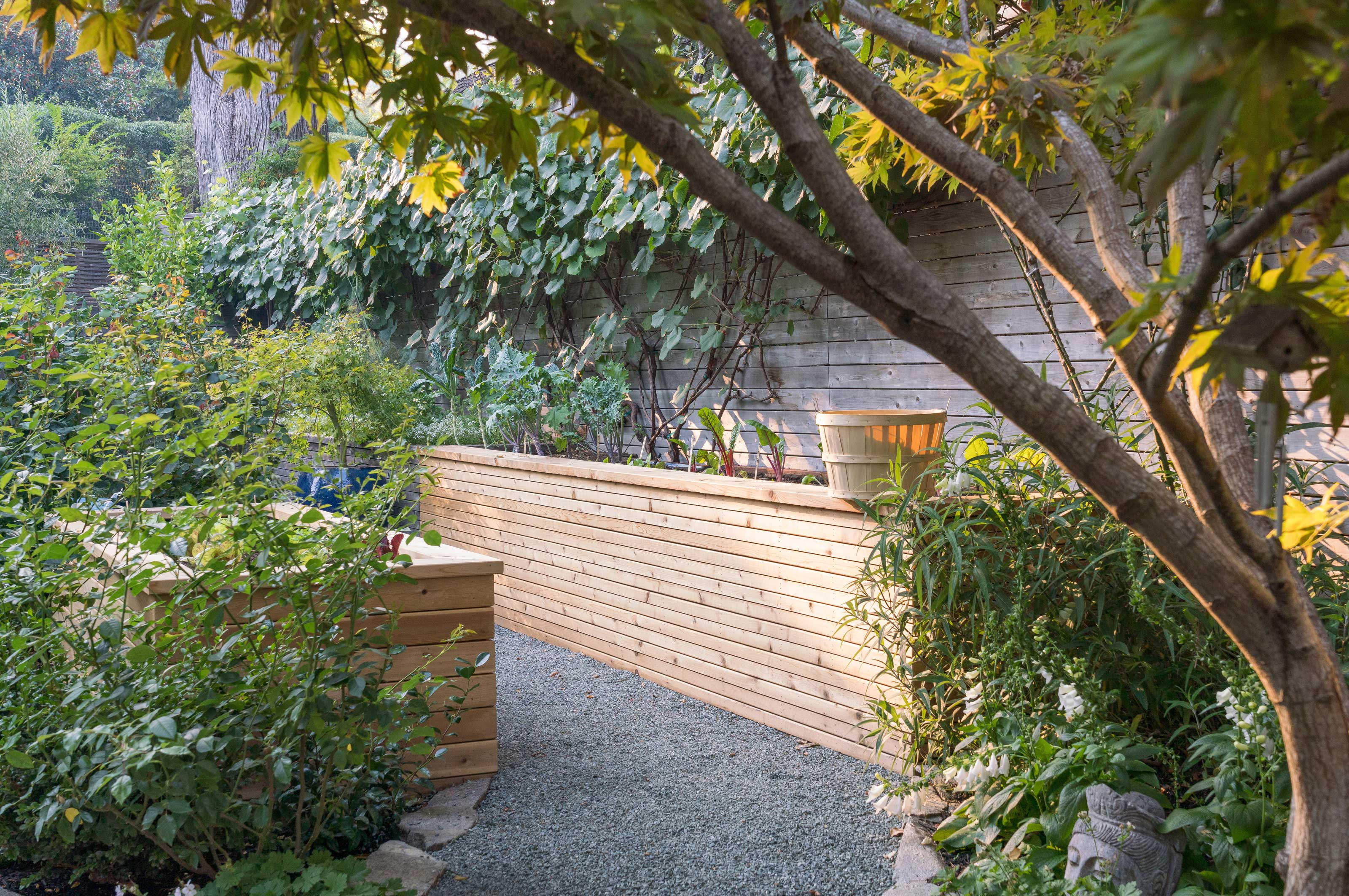
Best wood for outdoor projects – 5 types that are loved for their durability and good looks in equal measure

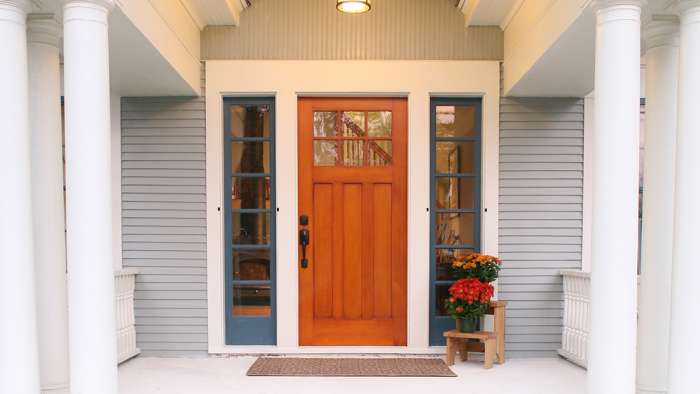
Video Series: Finishing an Exterior Door

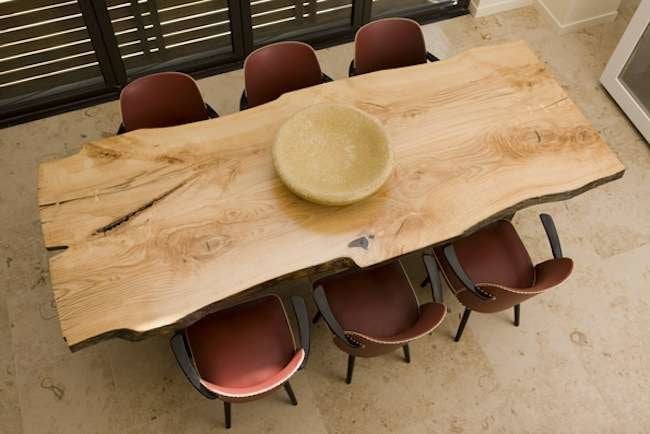
15 Ways to Use Salvaged Wood in Your Home

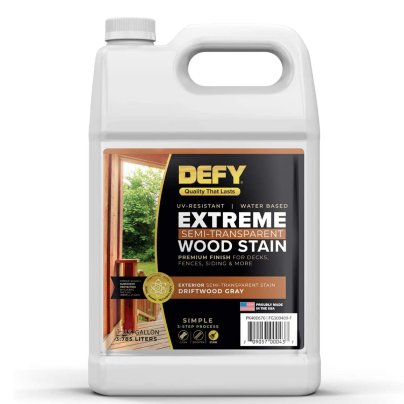
We Put the Best Exterior Wood Stains Through 40 Hours of Testing to Find the Top Picks
Here’s how to treat and maintain your wood deck and balcony

6 Wood Substitutes and When to Use Them
How to clean outdoor furniture – 3 simple steps for wood, metal, resin and rattan

No stain, no gain: Staining exterior wood is a simple way to boost outdoor living spaces


Wood Dyes & Waxes | Wax for Unfinished Wood
39 Outdoor Woodworking Projects for Beginners

Make Cedar Shine: Our Favorite Wood Stains
8 Tricks for Repairing and Restoring Wood Damage
Exterior Paint | Outdoor Painting & Decorating
I Asked My Furniture-Maker Dad How to Remove Water Stains From Wood — These Are His 3 "Tried and Tested" Tricks
Oct 2018: Refinishing pressure-treated wood a losing battle