1/4
Some home design decisions simply don’t matter – here’s what to stop stressing over and where to focus your energy instead
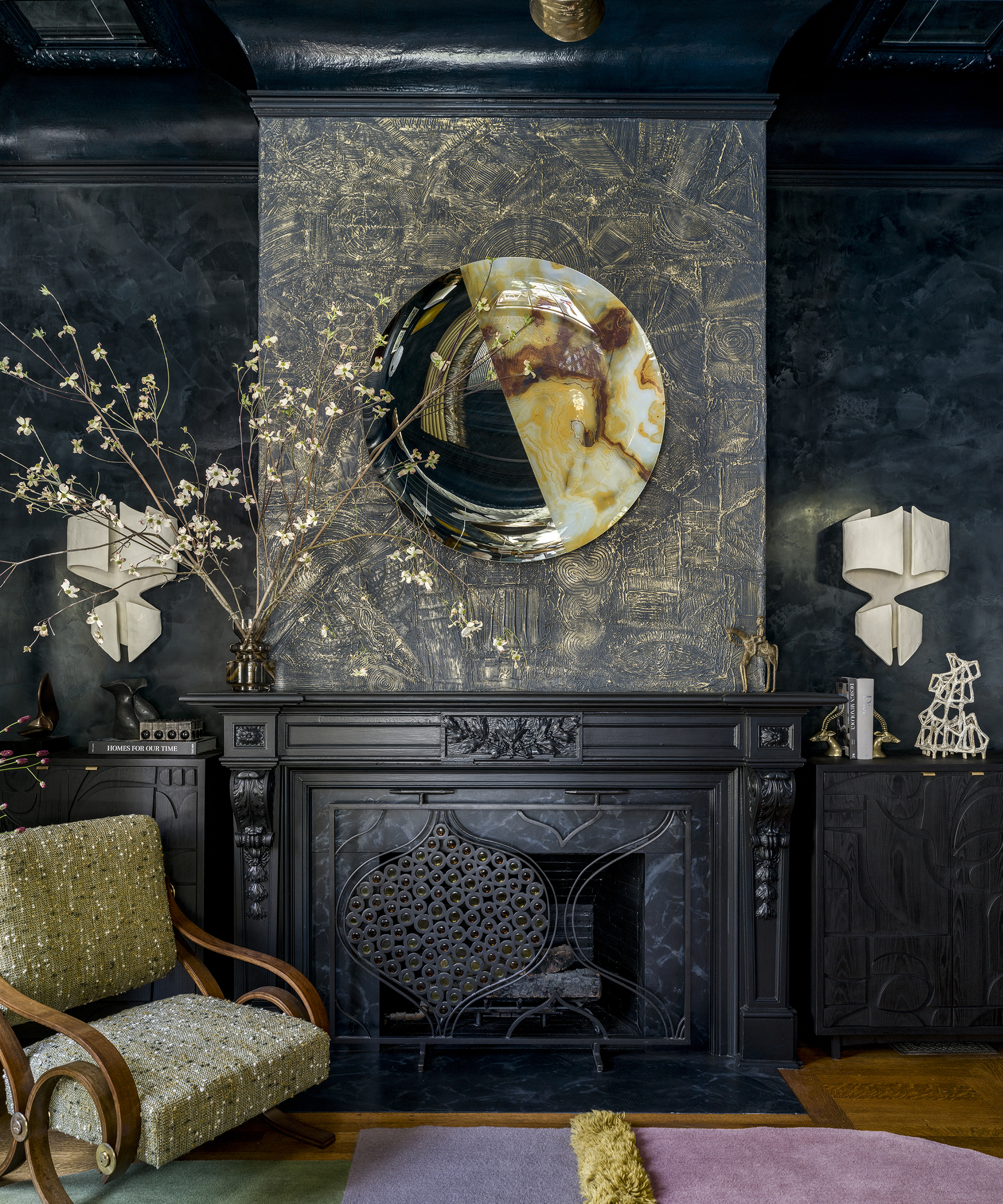
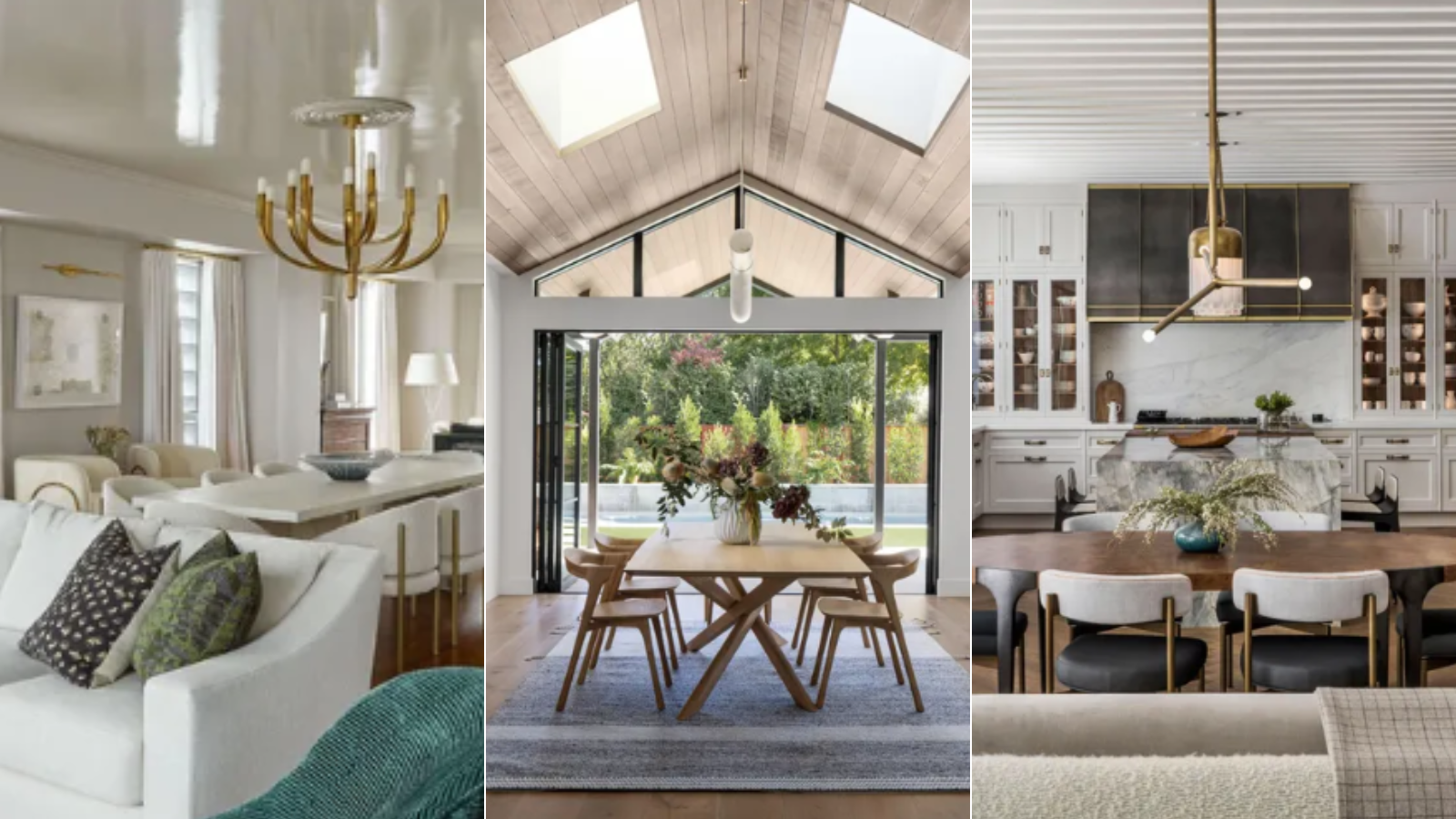
The article, written by interior designer Tineke Triggs, emphasizes that many details homeowners stress over in interior design do not significantly impact the overall feel or function of a home. Instead, she advocates for focusing energy on crucial elements like lighting, layout, and layers, rather than getting caught up in minor decisions. Triggs argues that agonizing over small choices, such as the perfect shade of white paint or matching metal finishes, can drain creative energy and lead to unnecessary stress, ultimately detracting from the process of creating a comfortable and authentic living space.
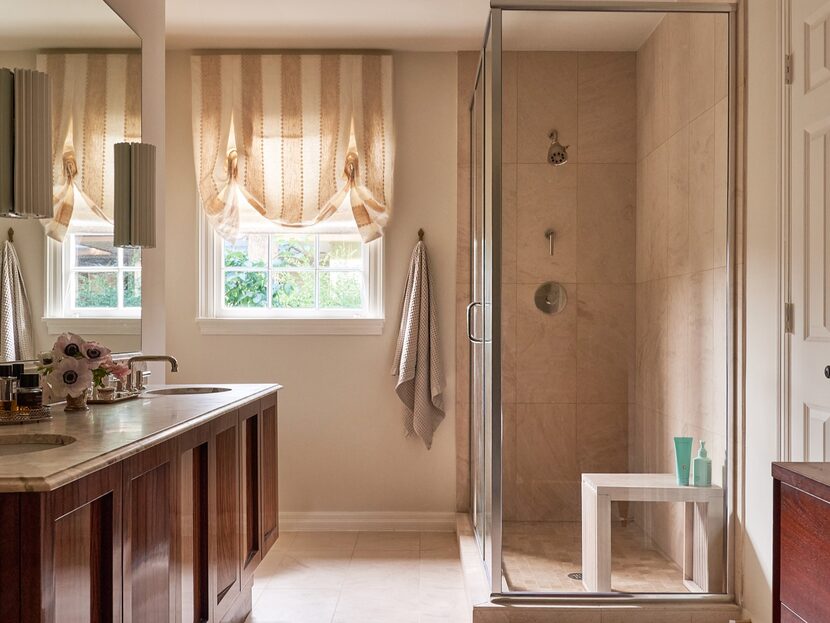
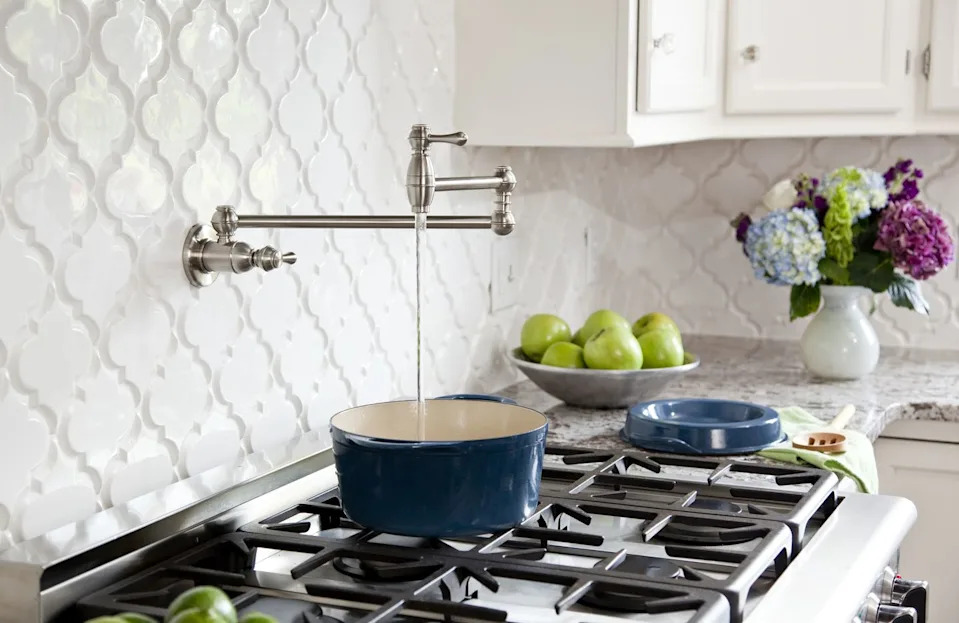
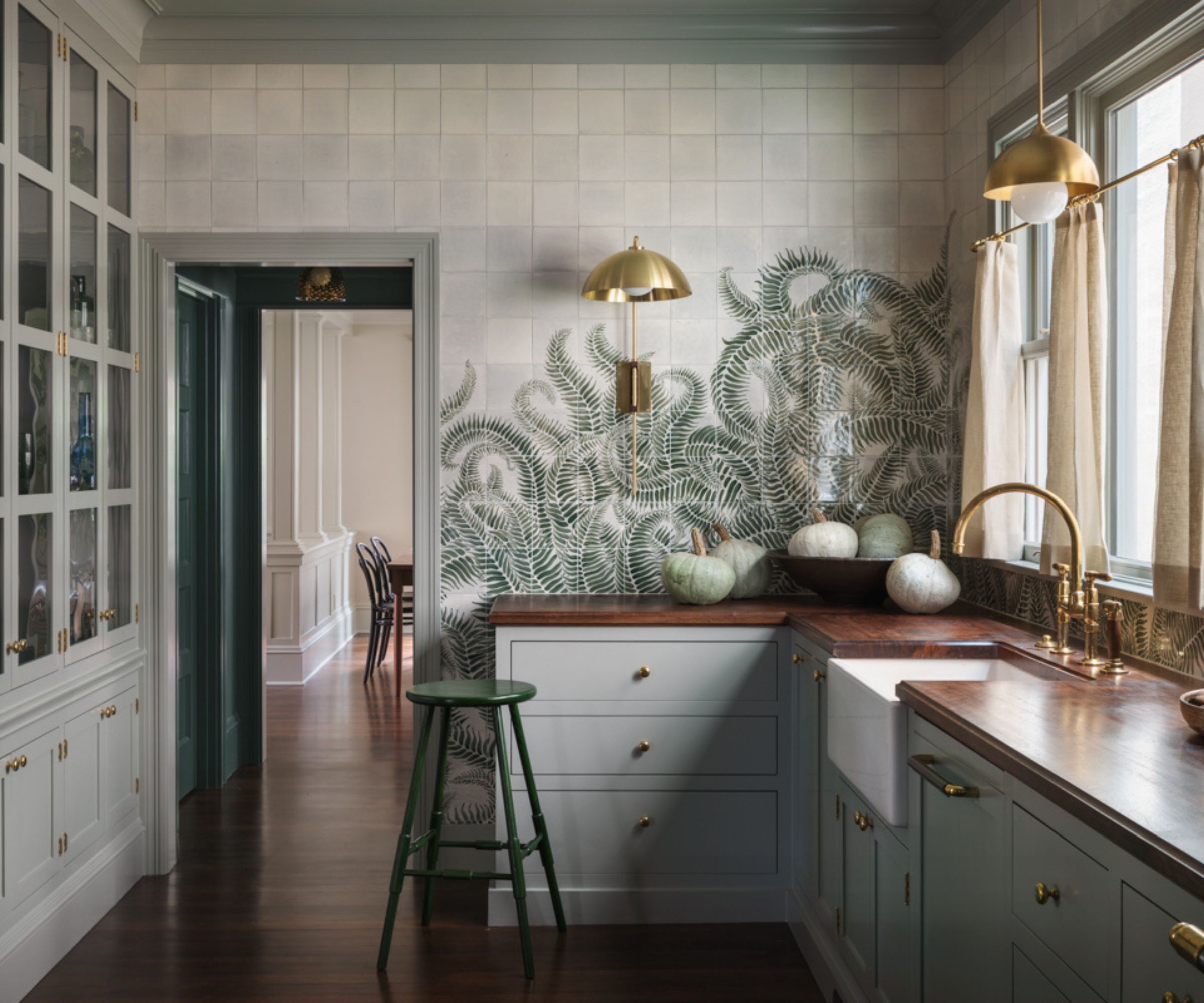
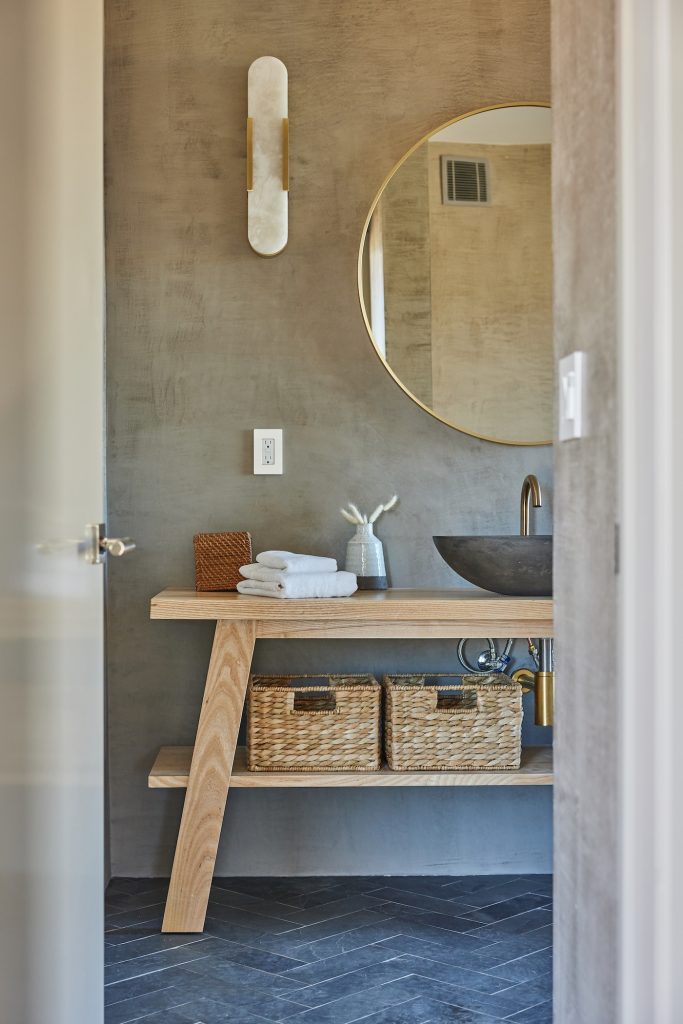
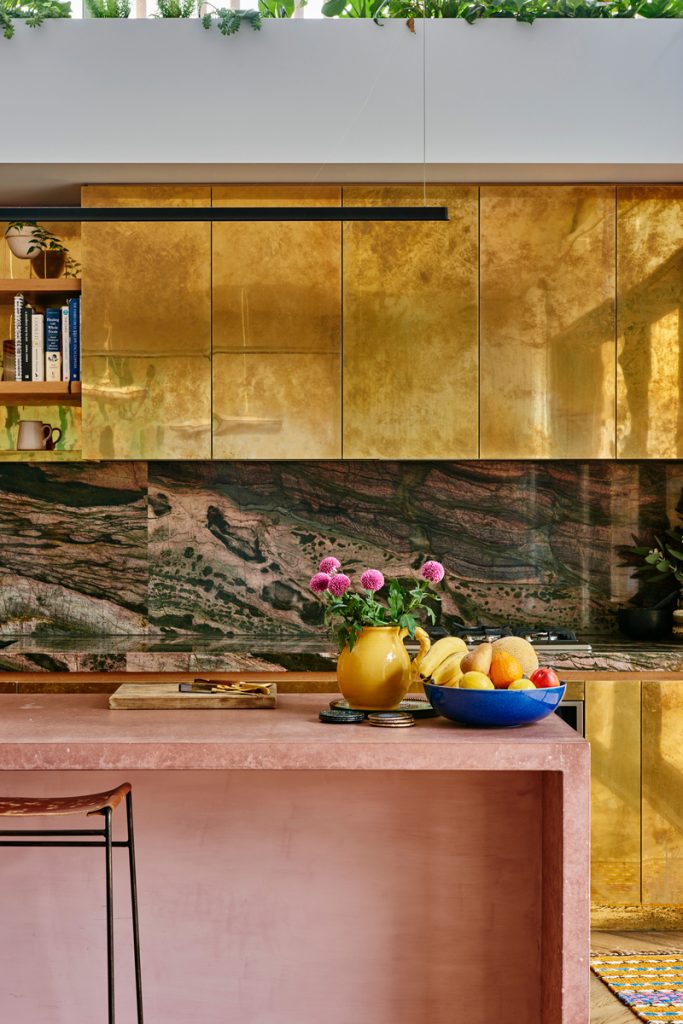
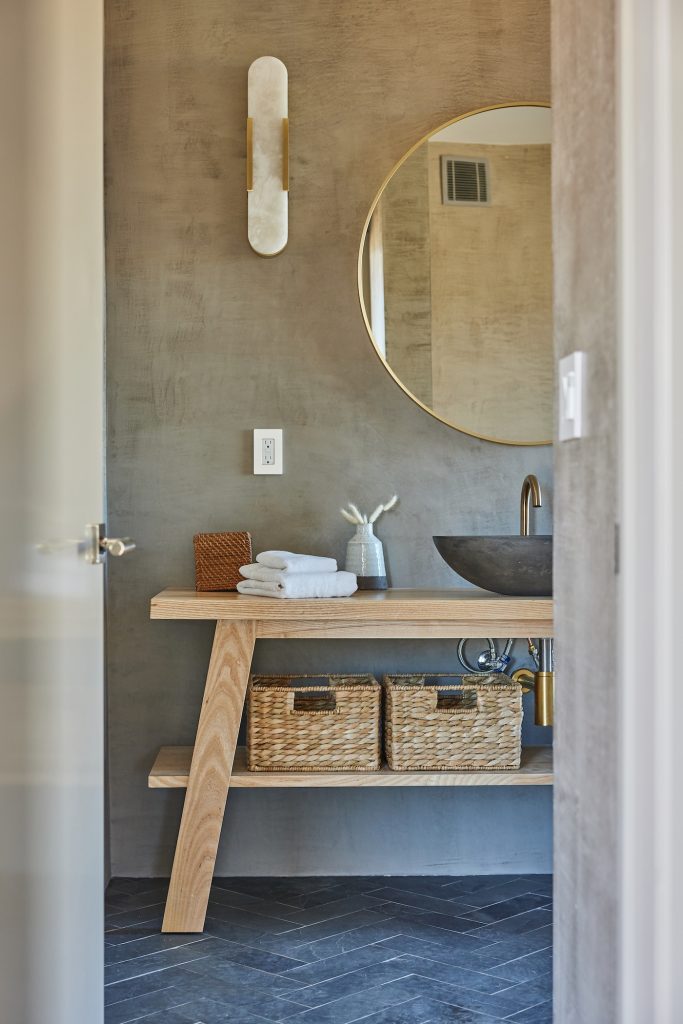
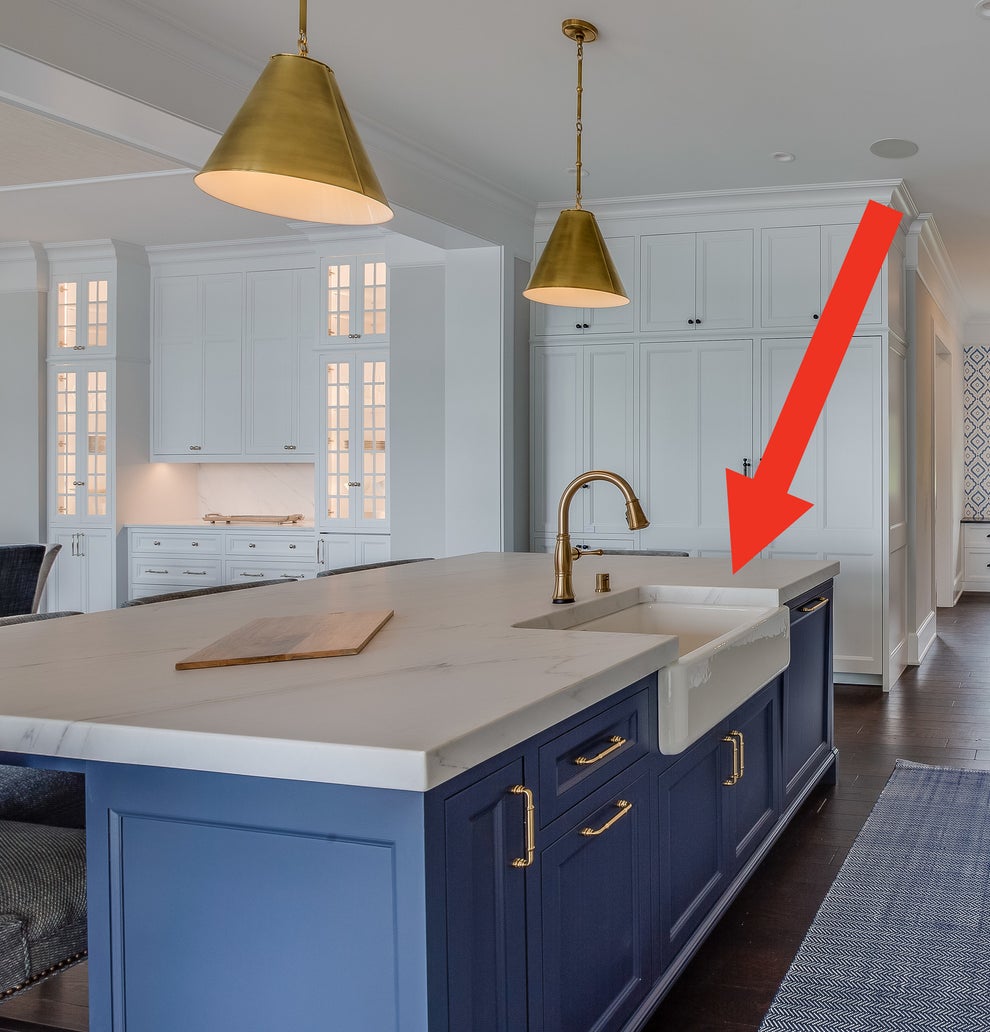
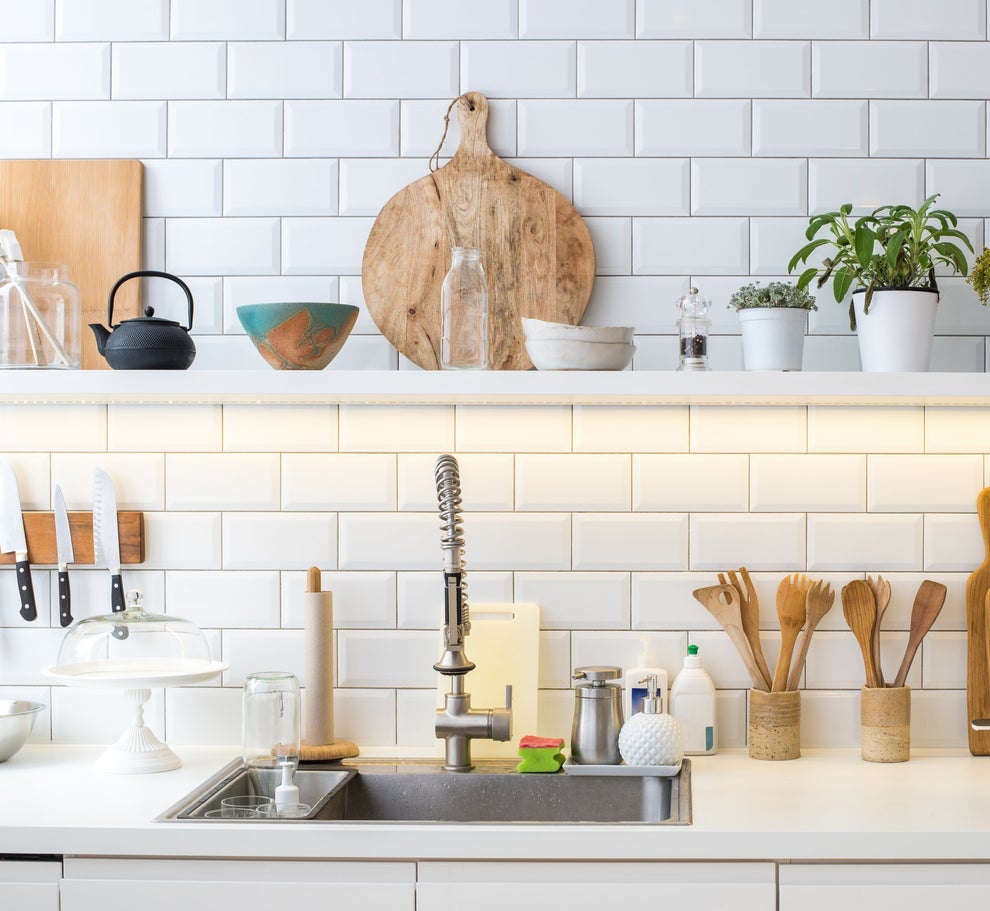
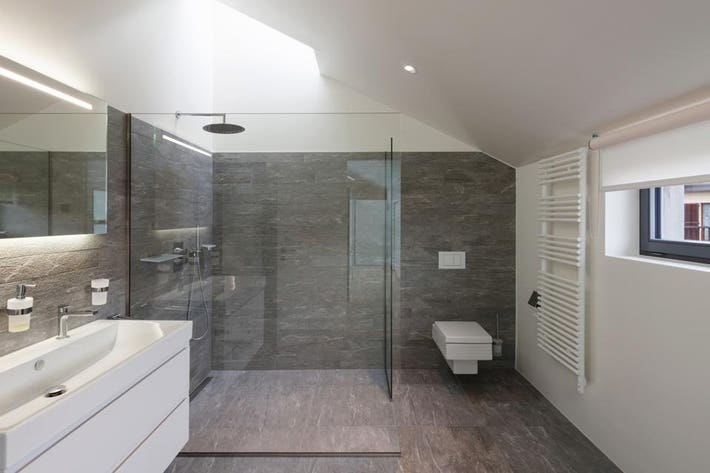
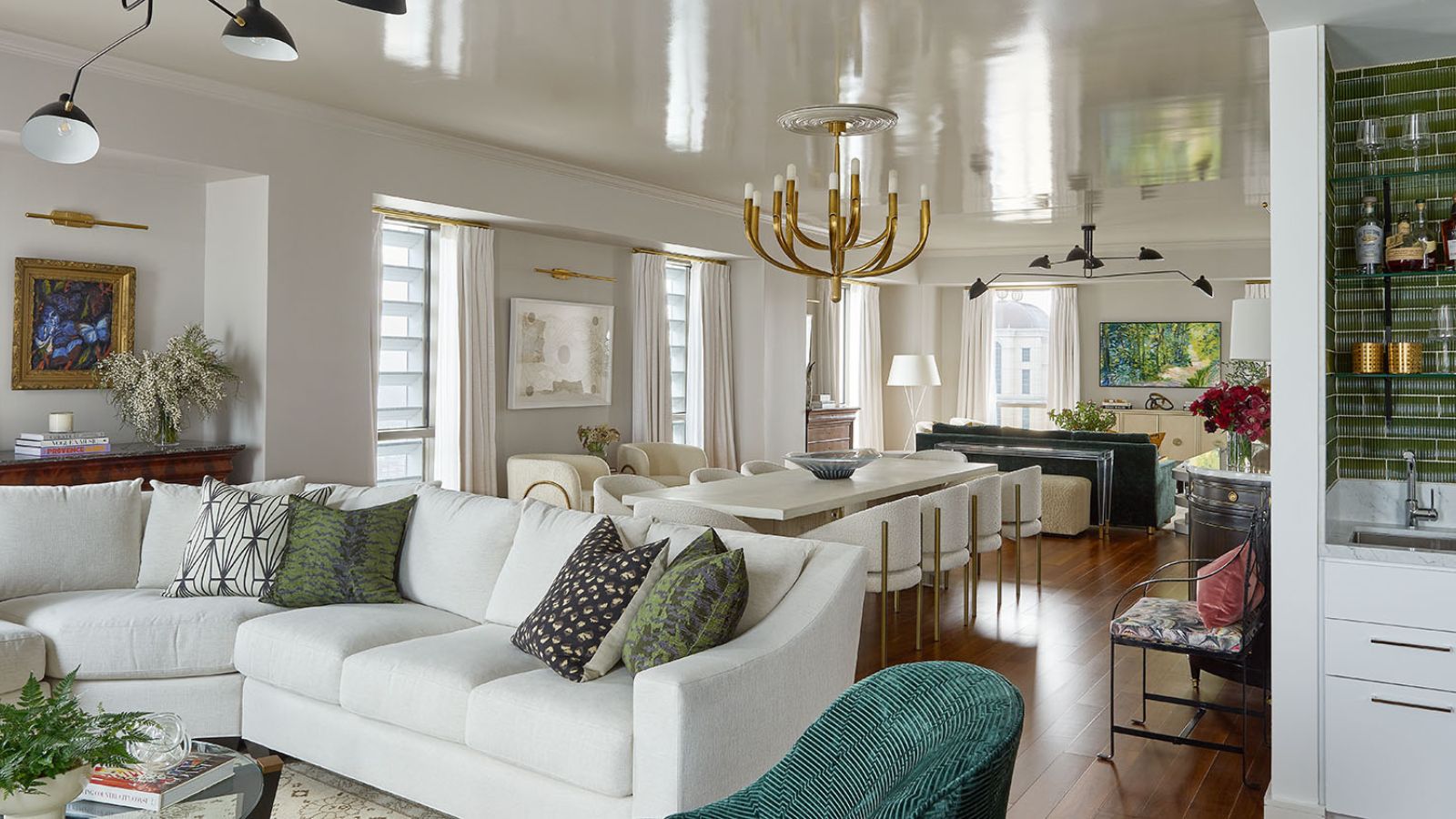
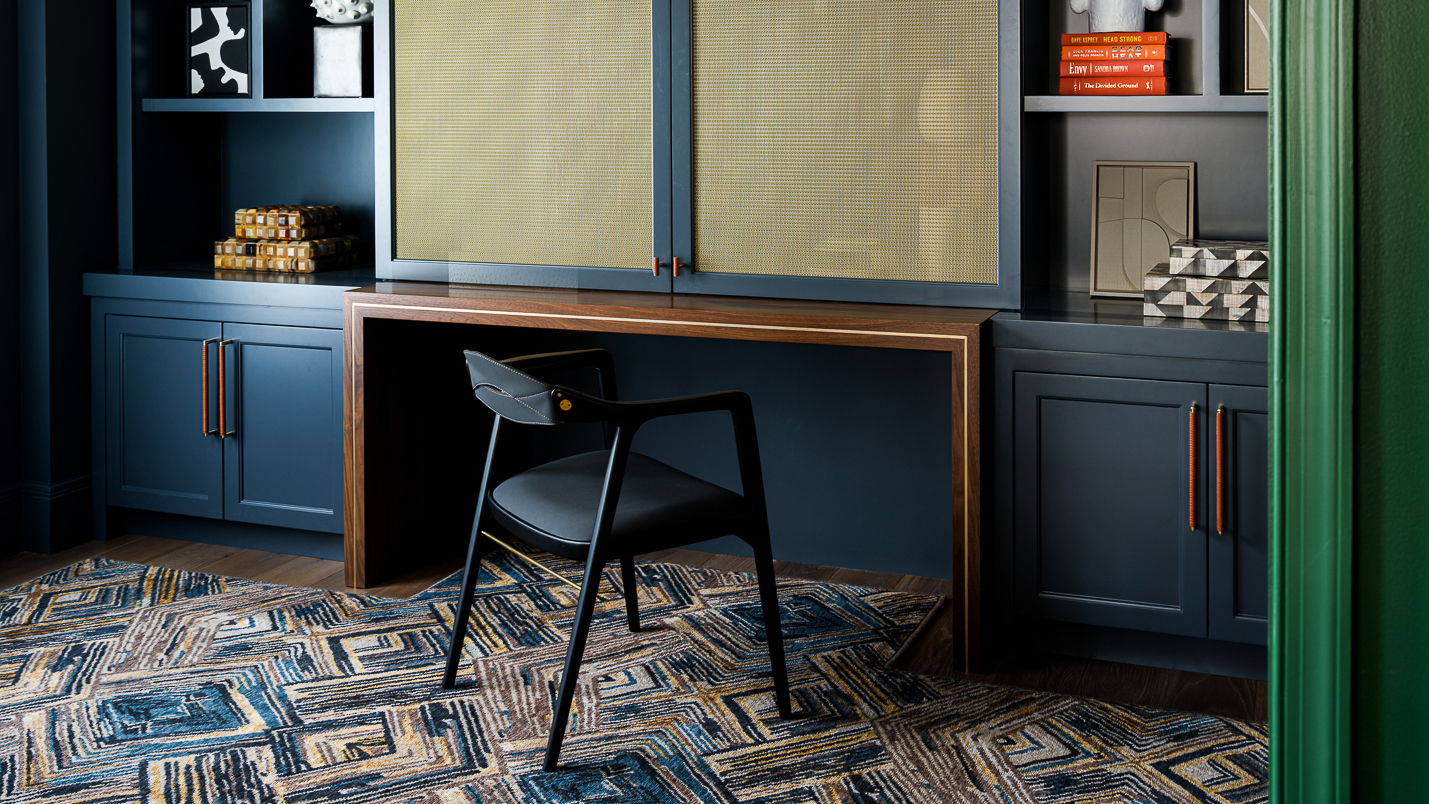
Triggs highlights specific areas where homeowners tend to overthink, beginning with metal finishes. She states that there is no need to perfectly match metal finishes, such as cabinet hardware and faucets. Instead, mixing metals by considering their tone and texture (warm vs. cool, brushed vs. polished) can create depth and character, making a space feel more curated and less like a showroom. The key is thoughtful layering to achieve an intentional and unique aesthetic. This approach allows for greater design freedom and personalization without compromising cohesion.
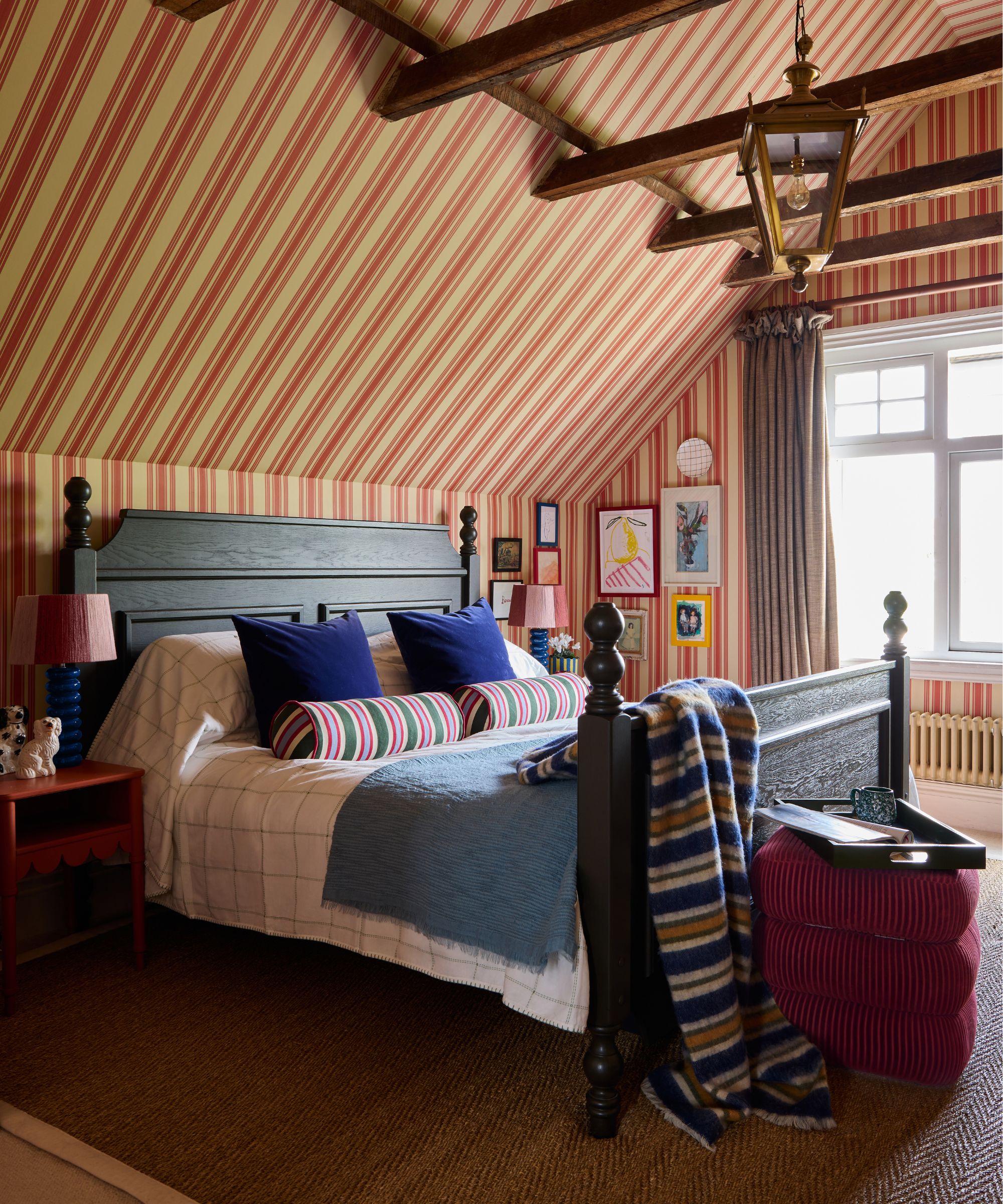
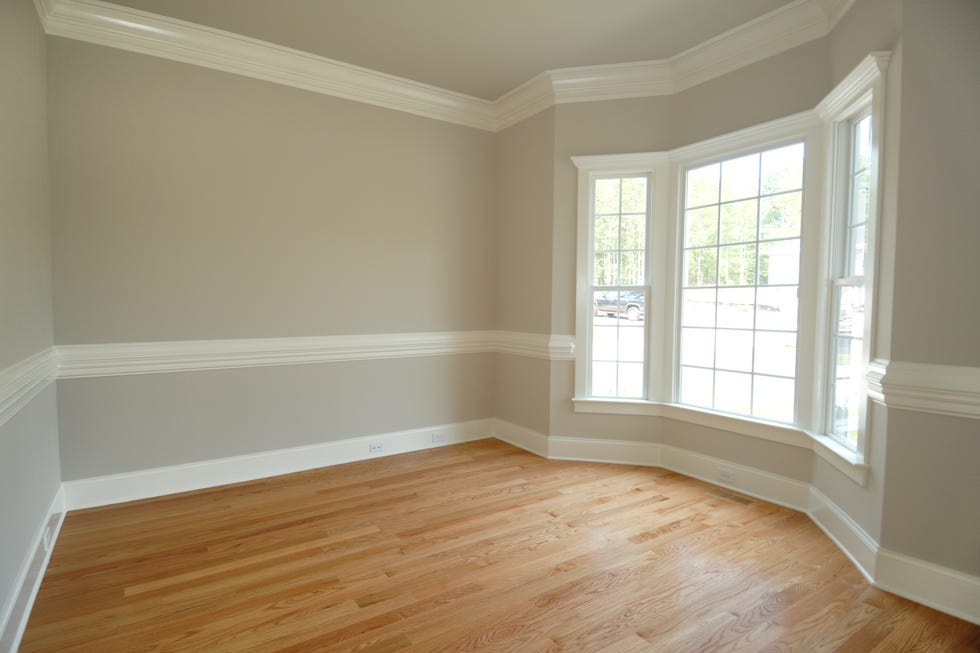
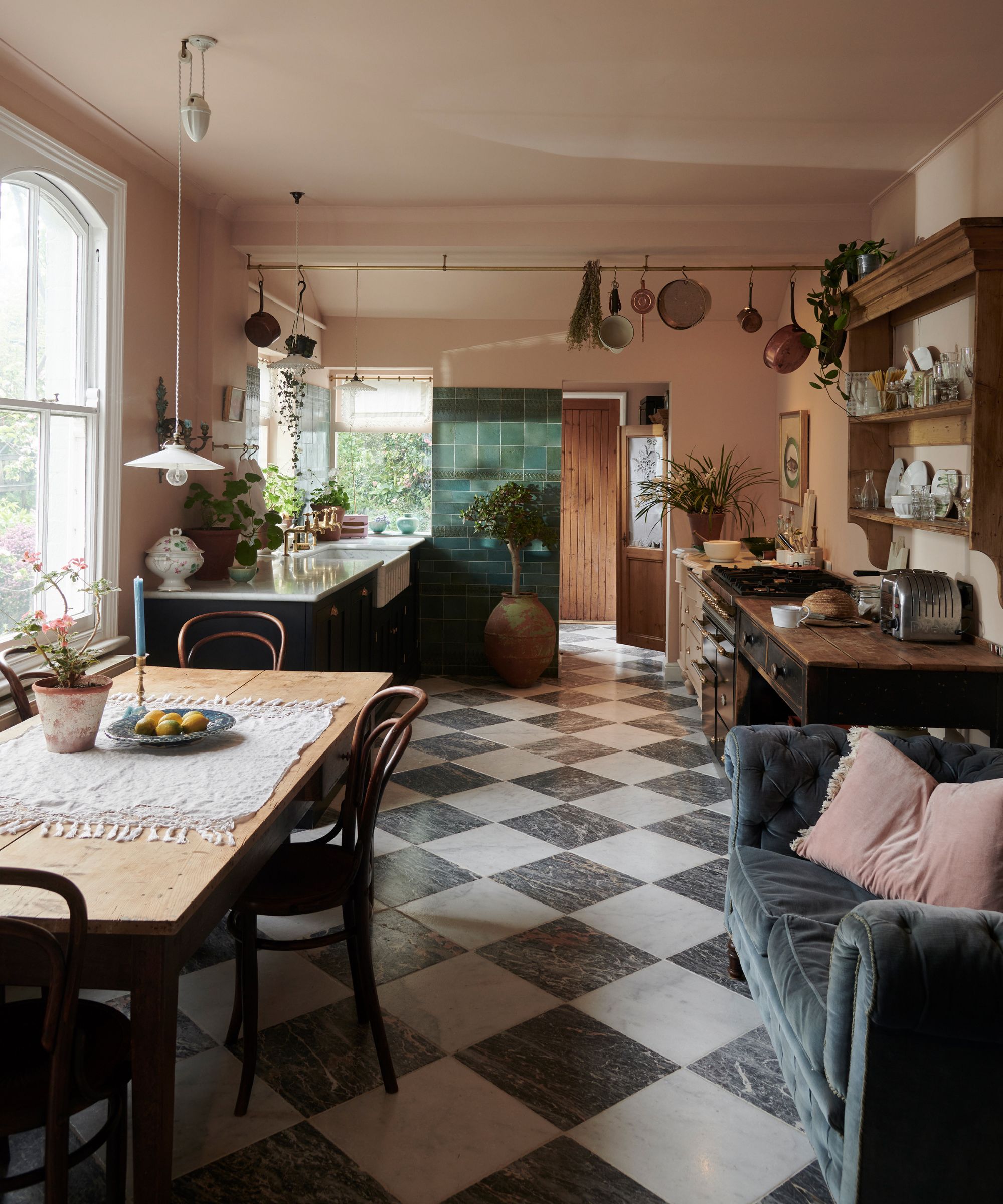
Another point of common over-stress for homeowners is paint color. Triggs advises against extensive deliberation over subtle variations of paint, reminding readers that paint is one of the easiest and most reversible design elements. She suggests choosing a few favorite shades, testing them directly on the wall to observe their appearance throughout the day, and trusting one's instincts. The flexibility of paint means that any initial dissatisfaction can be easily remedied, making it an area where excessive worry is unwarranted.
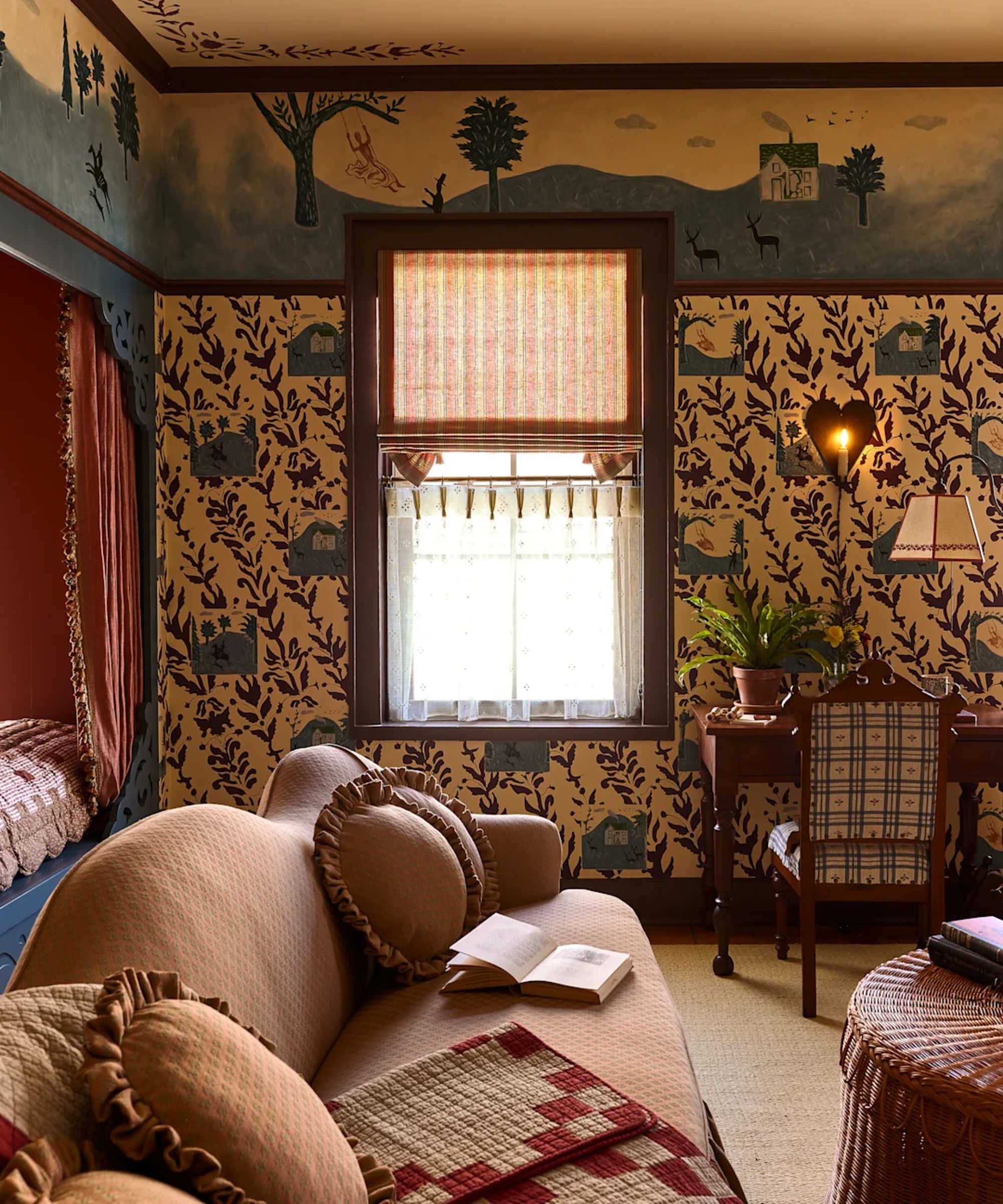
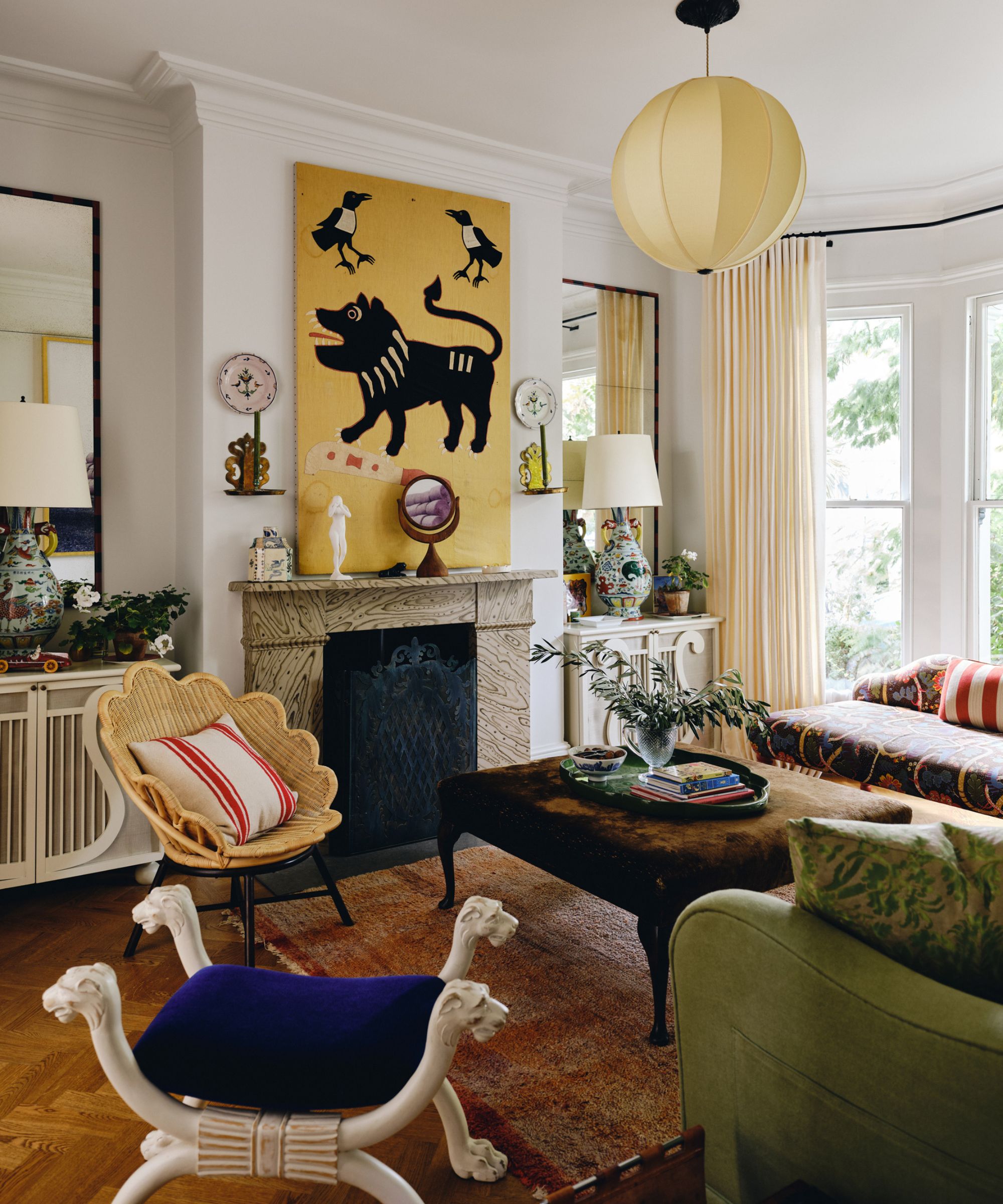
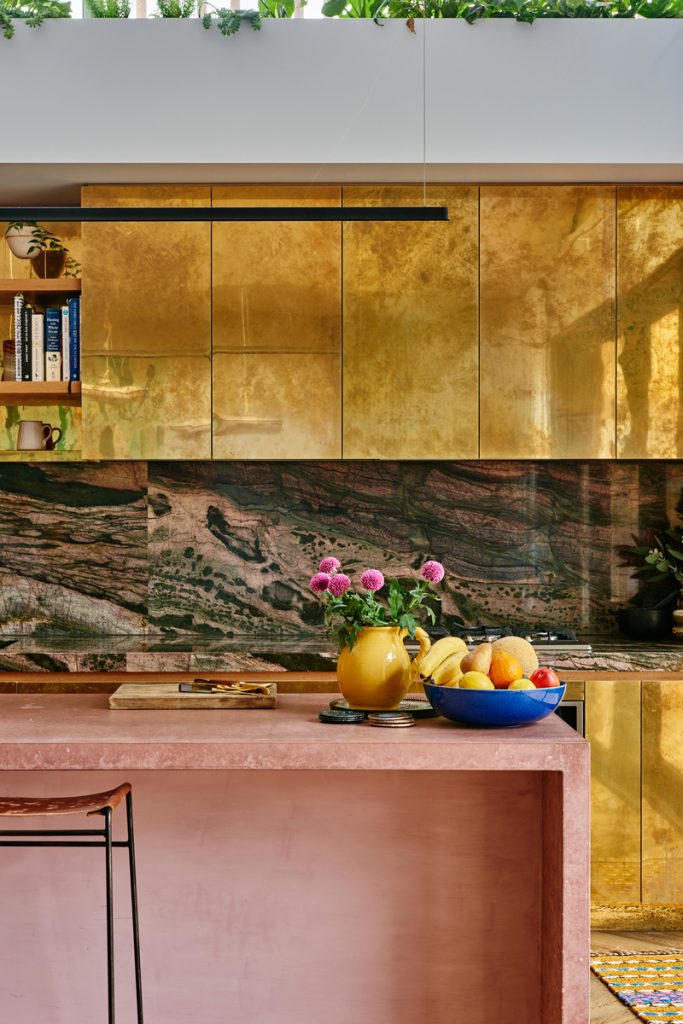
Triggs also warns against designing a home to conform to external opinions or current trends, such as those found on Pinterest. She argues that chasing trends or trying to please others can lead to design regret and a lack of authenticity. Instead, she encourages homeowners to create a space that genuinely reflects their personal lifestyle, memories, and individual sense of comfort or humor. The most successful interiors, according to Triggs, are those that are authentic and personal, not necessarily the most fashionable.
Furthermore, the article addresses the common desire to complete home decoration all at once. Triggs advises against rushing the process, as this often leads to regrettable choices and unnecessary expenditures. She suggests focusing on high-impact areas, such as the living room or bedroom, first and allowing the rest of the home to evolve gradually. Living in a space before fully furnishing every corner provides valuable insight into functional needs and personal preferences, leading to more deliberate and satisfying design decisions over time.
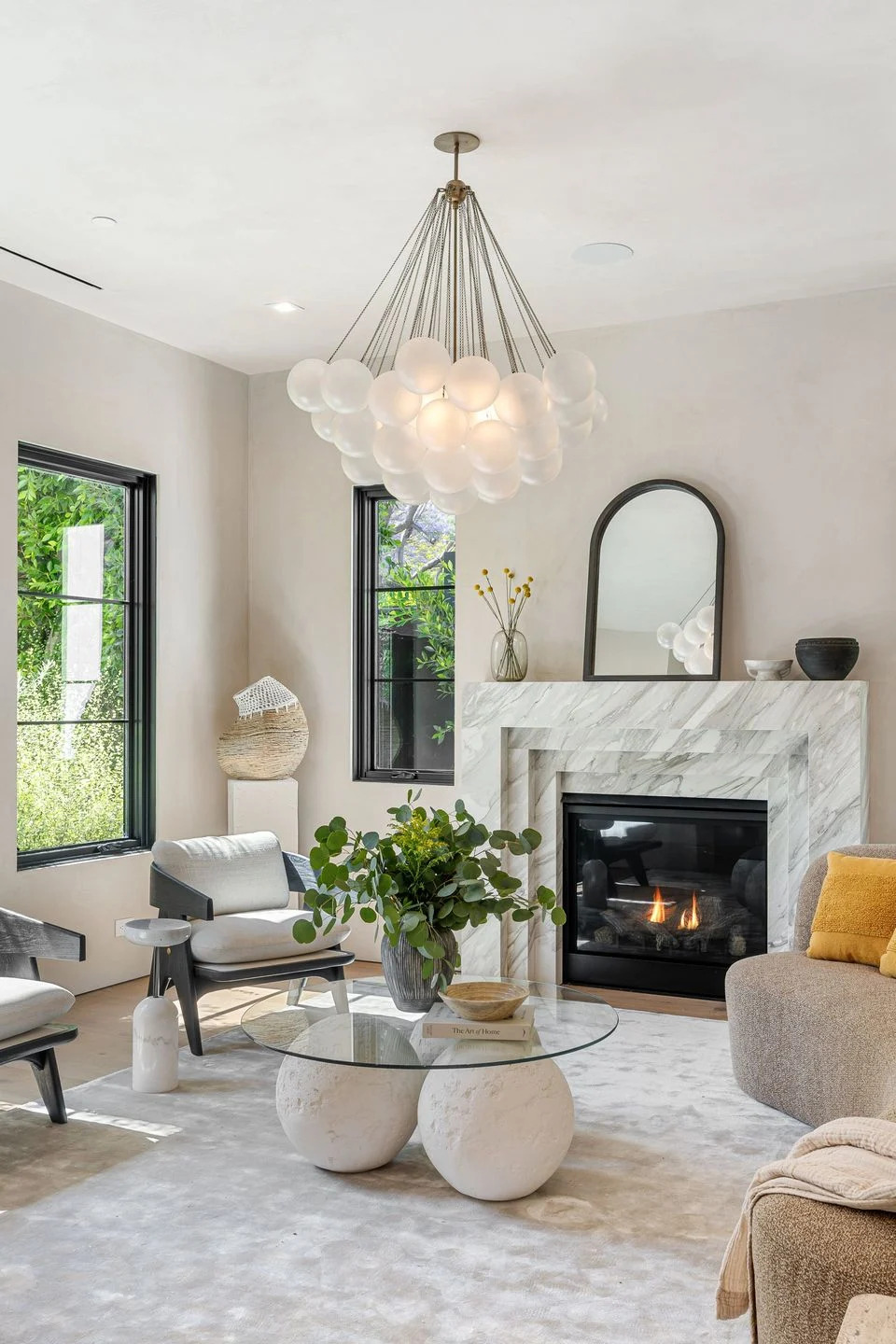
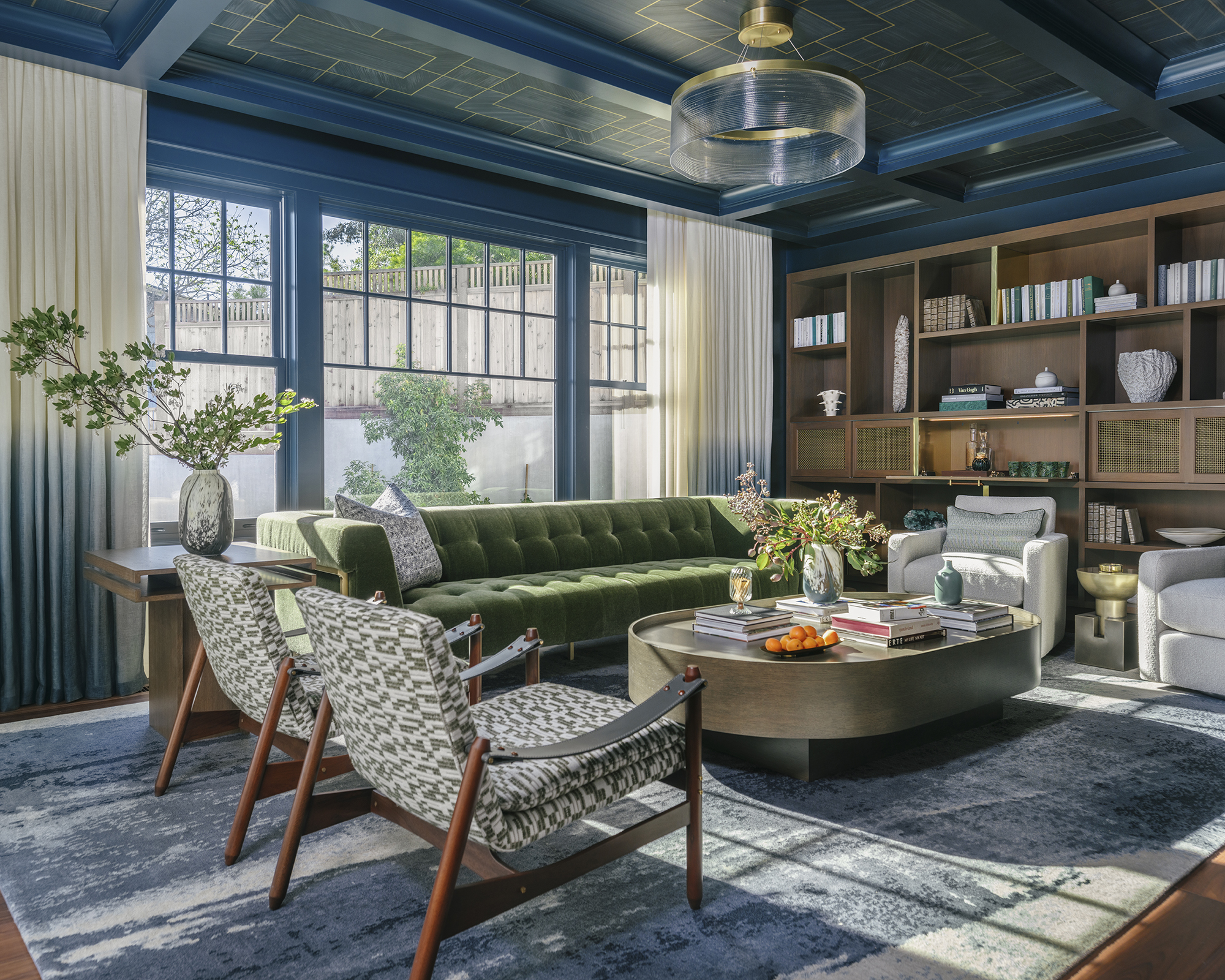
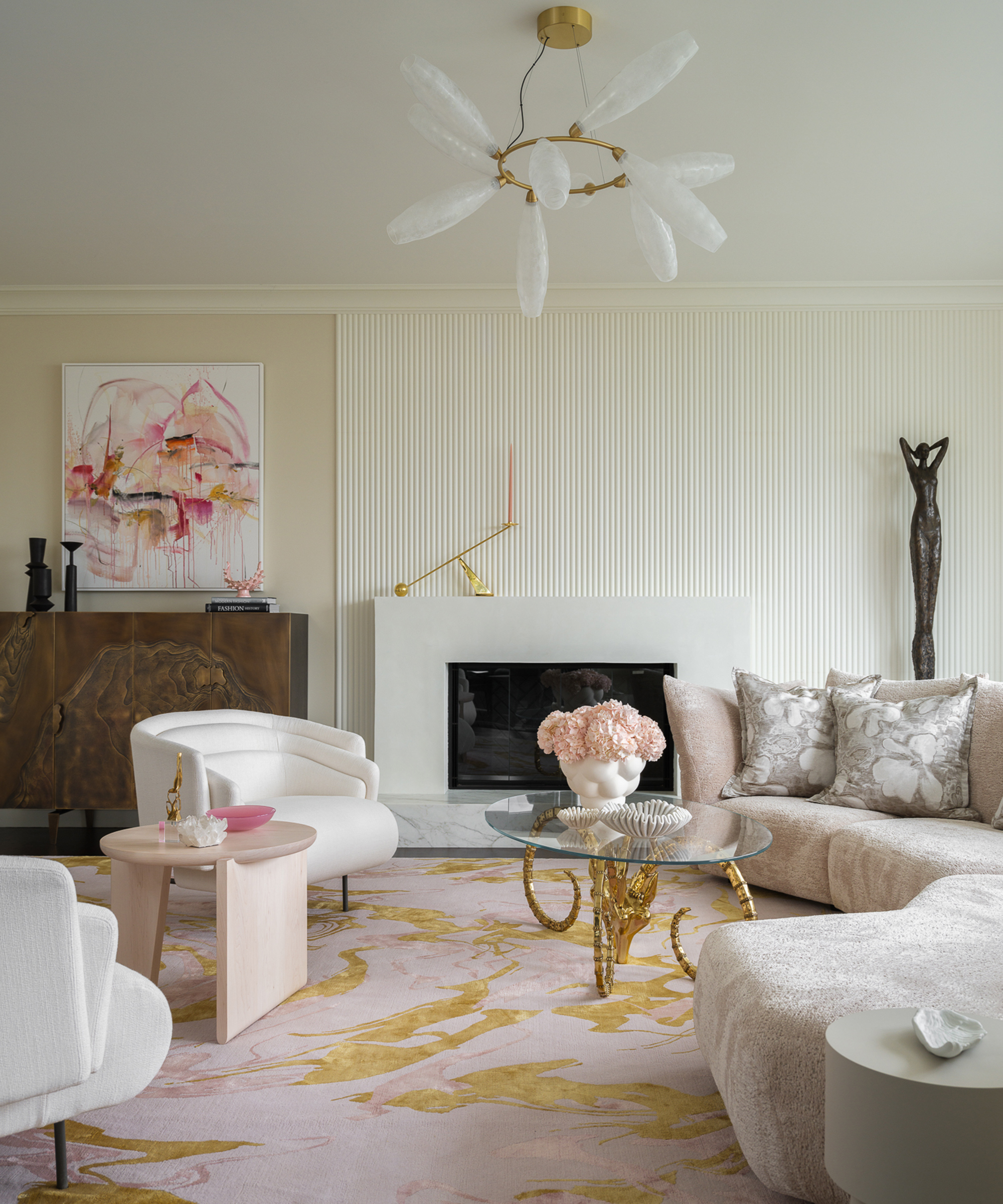
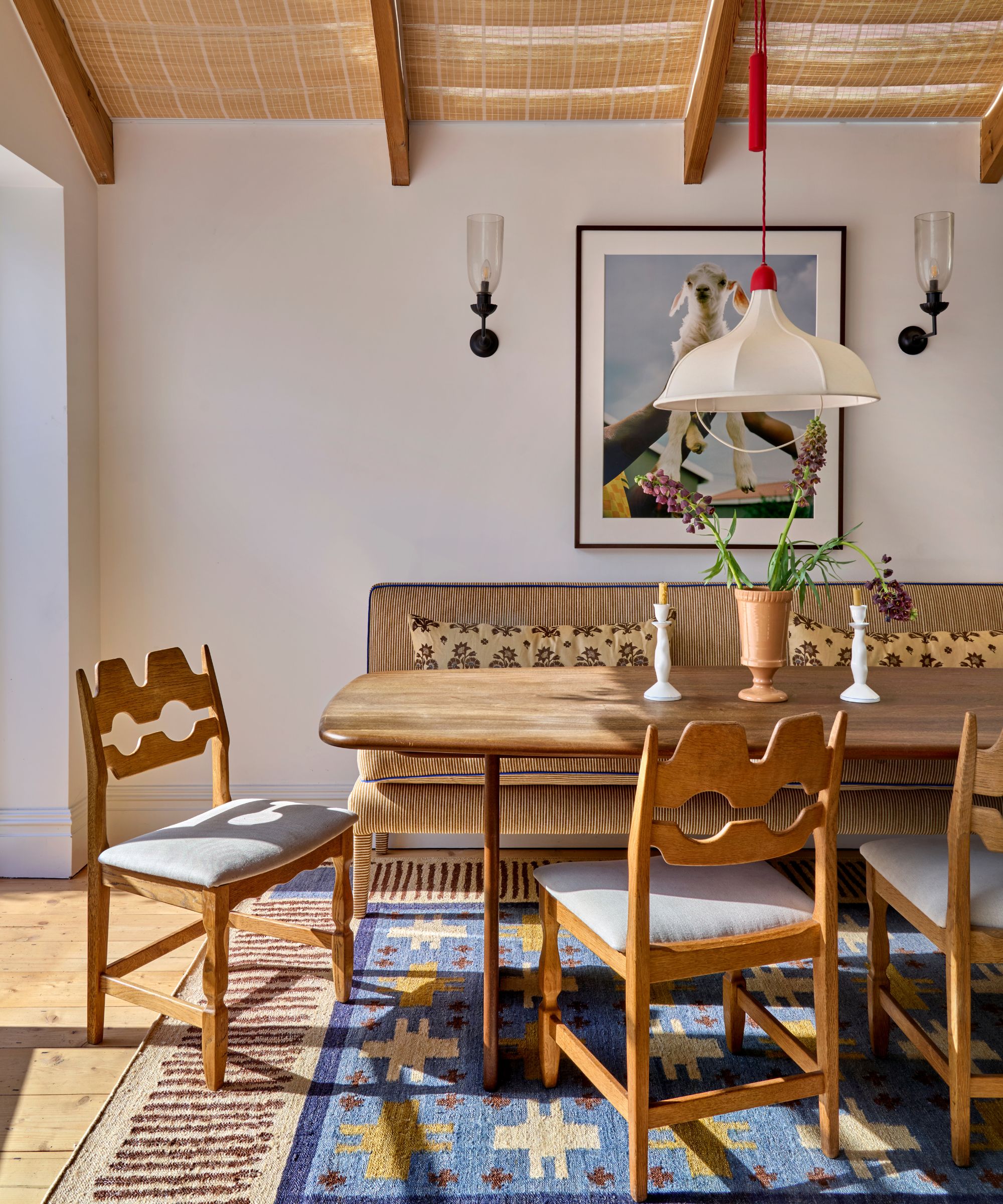
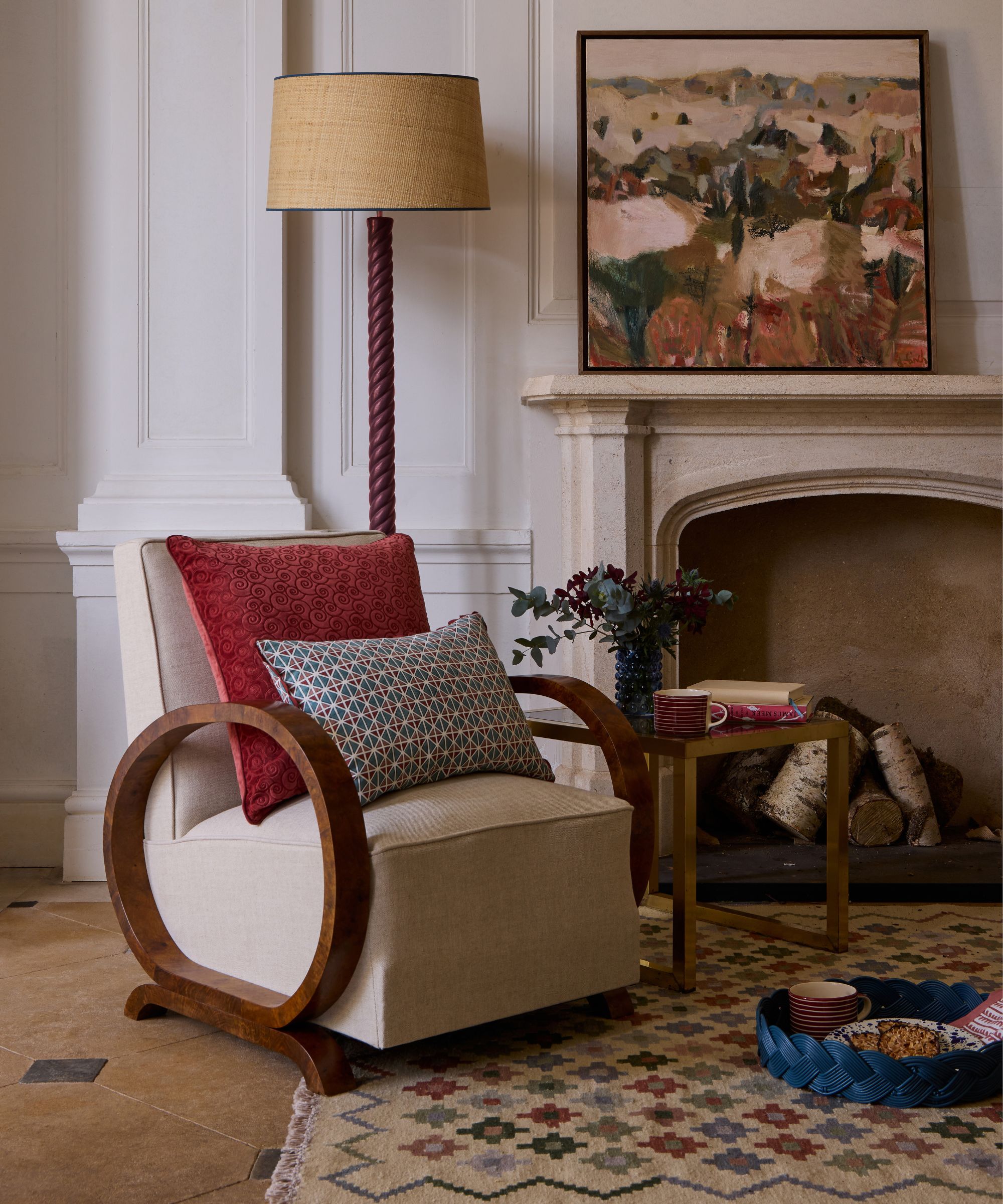
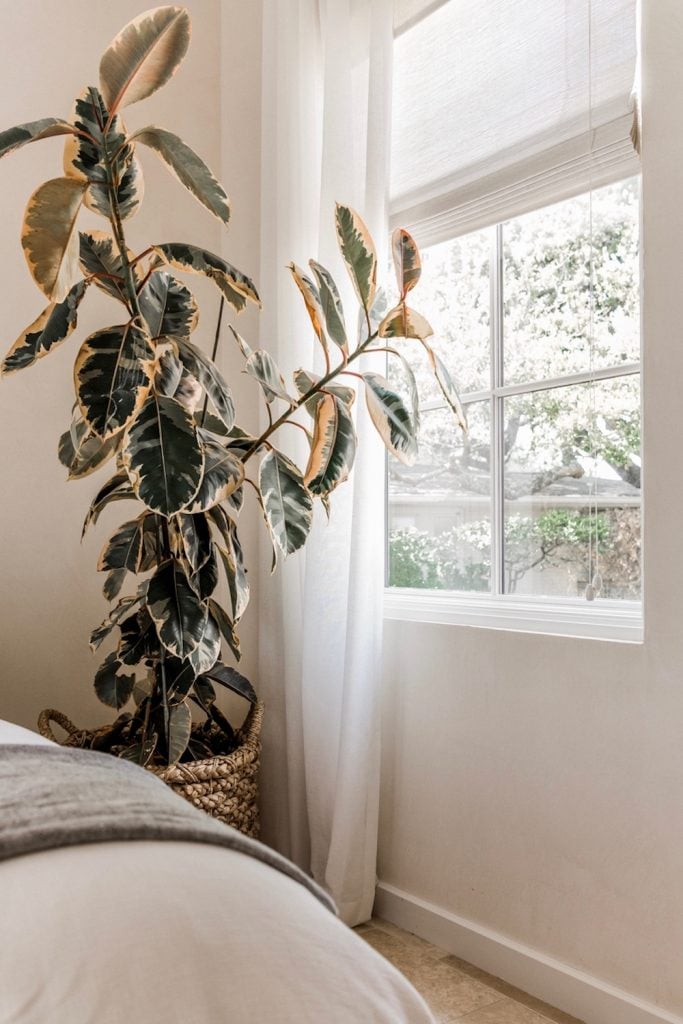
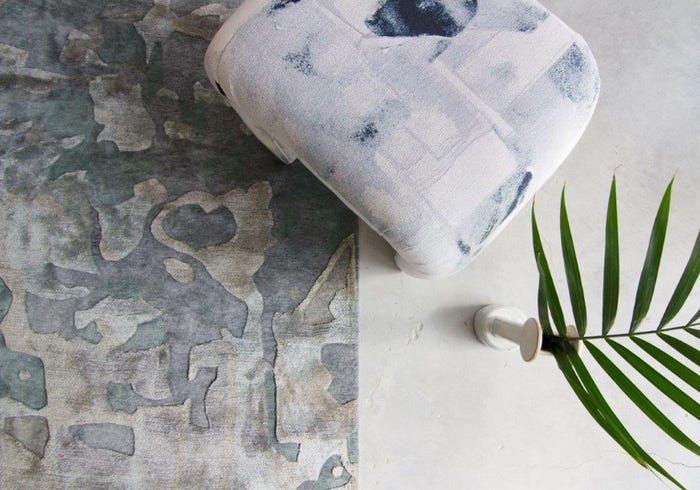
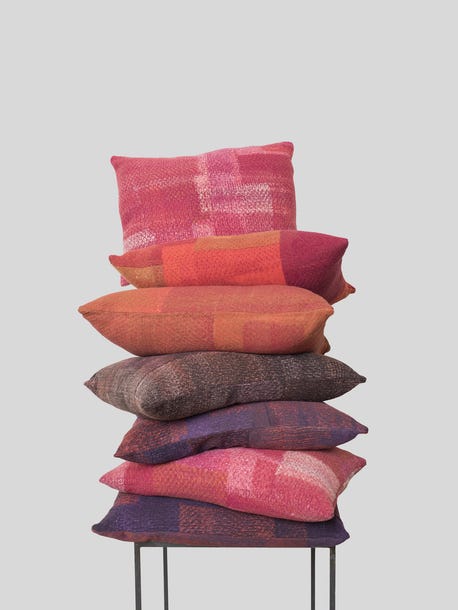
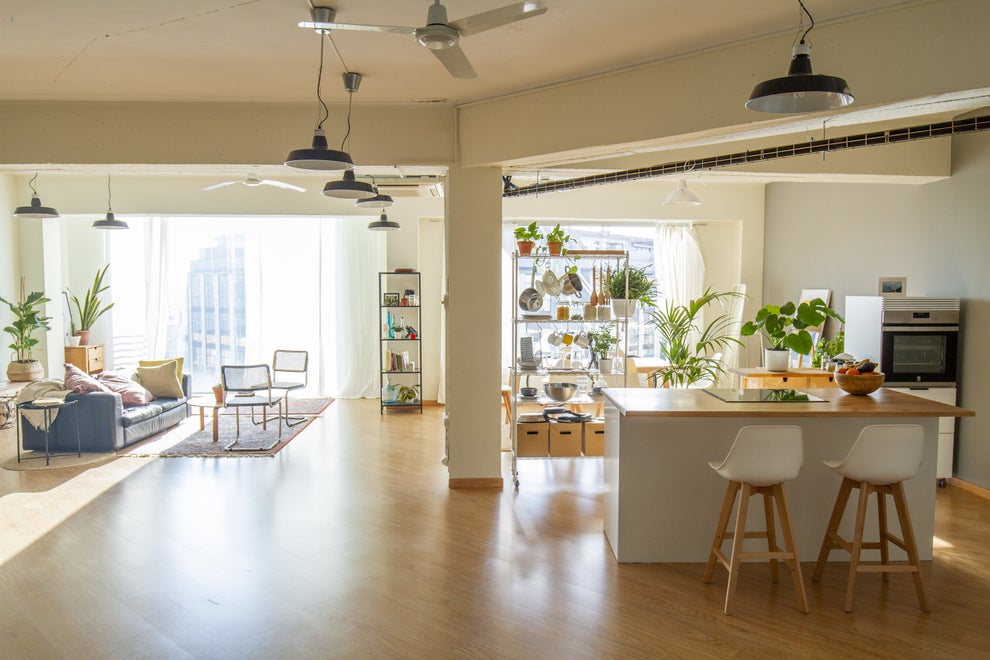
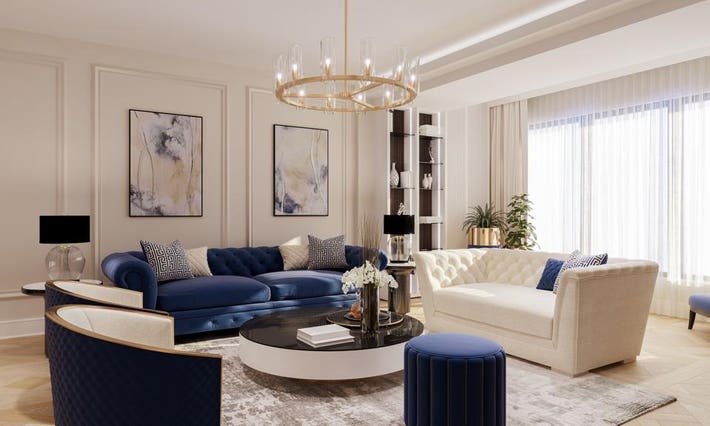
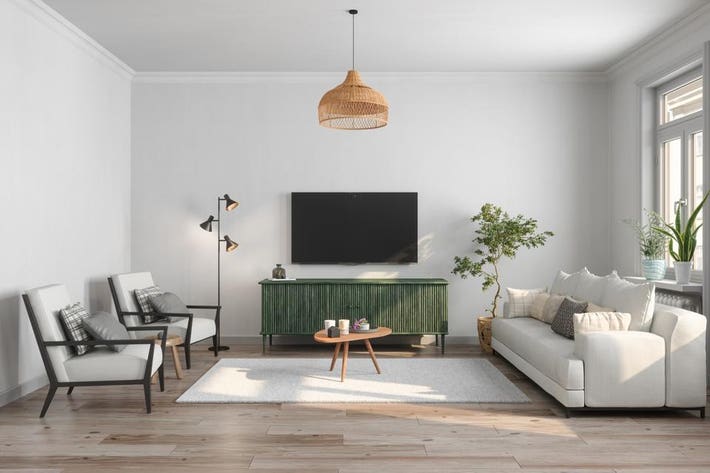
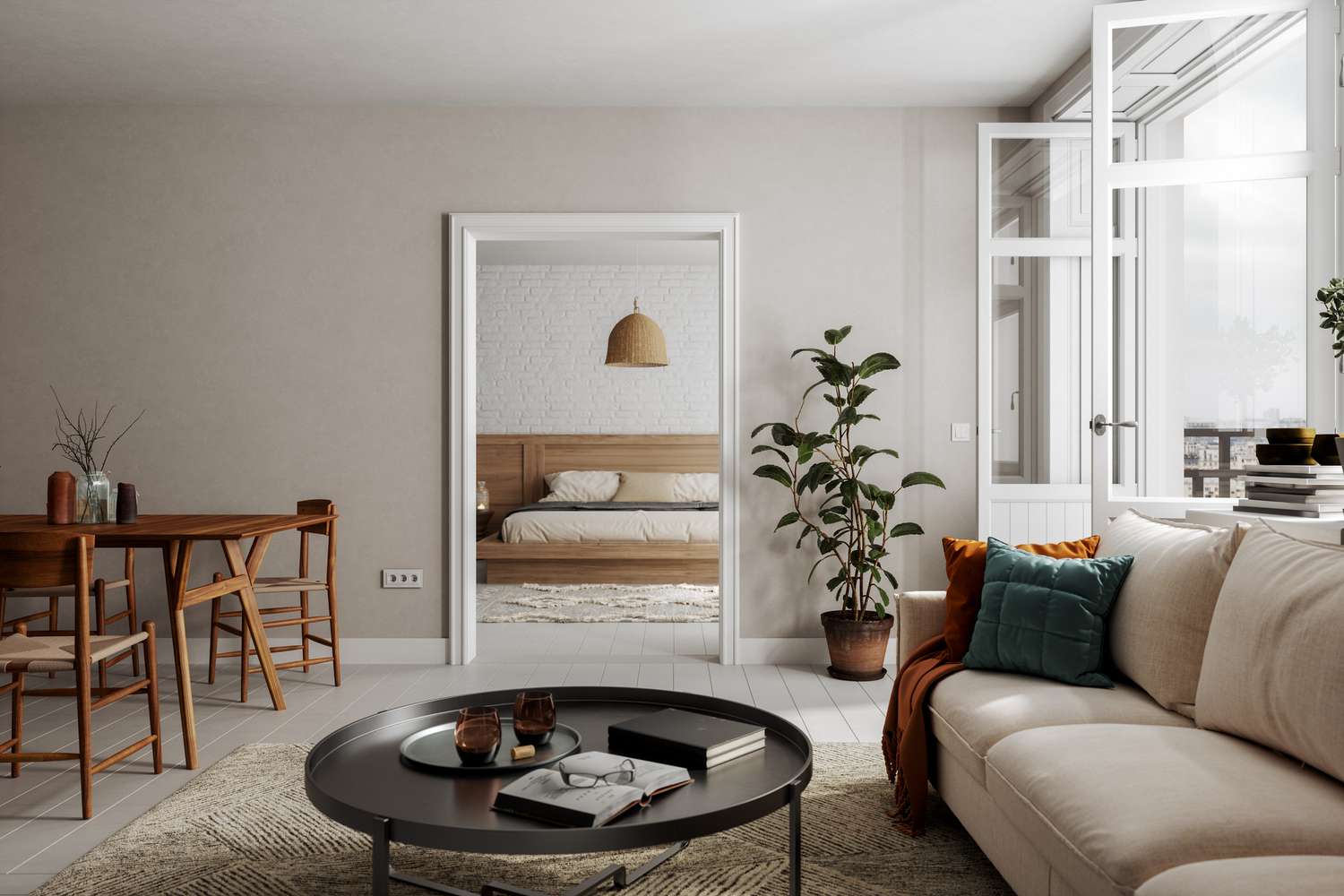
Finally, Triggs identifies three core elements that warrant significant attention: lighting, layout, and layers. Effective lighting is crucial for setting the mood and enhancing the functionality of a room. A well-planned layout ensures optimal flow and usability, while thoughtful layering of textures and tones—through elements like rugs, pillows, curtains, and art—transforms a house into a cohesive and inviting home. By concentrating on these foundational aspects, homeowners can create spaces that are both beautiful and deeply personal, fostering joy rather than stress throughout the design journey.
#InteriorDesign #HomeDecor #DesignTips #TinekeTriggs #HomeStyling #PersonalStyle #StressFreeDesign #AuthenticLiving #FunctionalDesign #InteriorDesign #HomeDecor #DesignTips #TinekeTriggs #HomeStyling #PersonalStyle #StressFreeDesign #AuthenticLiving #FunctionalDesign
0 comment in total
 No comments yet
You may also like
7 home design trends to skip (and what to do instead)

The #1 Home Trend You Should Avoid, According to Designers

From the Wrong Rug Size to Too-Short Curtains, Interior Designers Share Their Biggest Pet Peeves

7 Decorating Mistakes That Always Make Interior Designers Cringe

The Top Home Features Designers Always Skip
'Your home isn't weird enough, and that's why it looks like everyone else's' – this one piece of advice got me out of an interior design rut and now I think everyone needs to try it too
"It Ended Up Being A Major Mistake": 15 Popular Home Design Trends People Tried But Ultimately Regretted
7 open plan living mistakes – what can go wrong and how to avoid it

'Not every piece of furniture needs to be as important,' says designer Tineke Triggs, who knows what makes a room comfortable – and what you don’t need to stress over
"I Regretted It After Two Weeks": Homeowners Are Revealing The Popular Home Fads That Aren't Worth Trying Out
Homestyle: Attention to detail
6 mistakes design experts instantly notice in your home – and how to fix them


A serial home flipper with over 25 years of experience shares 7 common renovation mistakes people make
Here's What to Do With Those Awkward Spaces in Your House, According to Designers
People Are Defending The "Unpopular" Home Design Trends That Actually Make A Lot Of Sense In Their Own Homes

Copy-And-Paste Interiors: Repeating A Look Isn’t Lazy — It’s Clever
'You could go for it a little bit more in your home' – why this designer thinks we should all be more nervous about our interior design decisions
The 10 Biggest Interior Design No Nos According to Decorators
10 Interior Design Mistakes Experts Avoid In Their Own Homes

5 Stuffy Living Room Decor Choices You Need to Stop Making, According to Designers