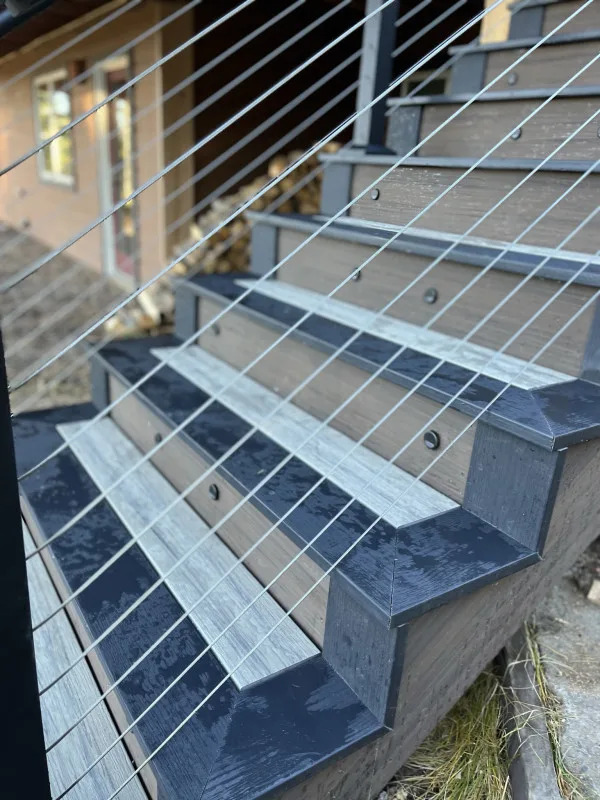
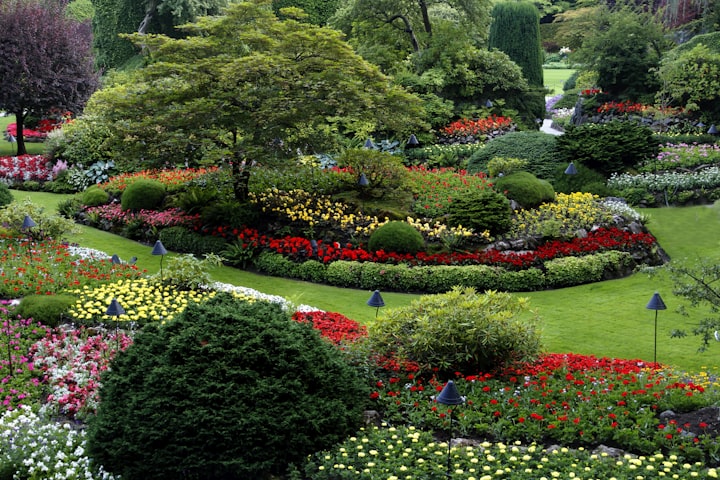
2026 Landscaping Trends: Transform Your Outdoor Space with Sustainable Design
The landscaping industry is undergoing a significant transformation in 2025, driven by a growing focus among homeowners on sustainability, functionality, and overall wellness in their outdoor spaces. This article explores key emerging trends that can guide individuals looking to either comprehensively renovate or simply update their existing landscapes, helping them create environments that are both aesthetically pleasing and ecologically responsible.
Eco-conscious landscaping is at the forefront of this movement, with sustainability transitioning from a mere concept to a core design principle. Homeowners are increasingly adopting eco-friendly practices aimed at reducing water consumption, supporting local ecosystems, and minimizing environmental impact. A central element of this approach is the integration of native plants, which are adapted to local conditions and therefore require less water, fewer fertilizers, and minimal maintenance compared to non-native species. Research from the University of Delaware highlights that native landscaping substantially boosts local biodiversity, fostering significantly larger populations of pollinators and native bird species. A study in Conservation Biology further corroborated this, showing native properties support eight times more bird species of conservation concern than conventional landscapes.
Professional expertise is becoming increasingly vital in the creation of sustainable and functional outdoor spaces. Landscape professionals offer specialized knowledge in plant selection, soil management, and design principles that optimize both aesthetic appeal and environmental performance. They possess a deep understanding of regional climate patterns, the specific needs of native species, and installation techniques that ensure long-term success. Modern landscape professionals also integrate advanced technologies, such as smart irrigation systems equipped with weather sensors and soil moisture monitors. These systems provide precise watering schedules, conserving water while maintaining plant health by automatically adjusting based on rainfall and temperature, thus simplifying landscape maintenance.
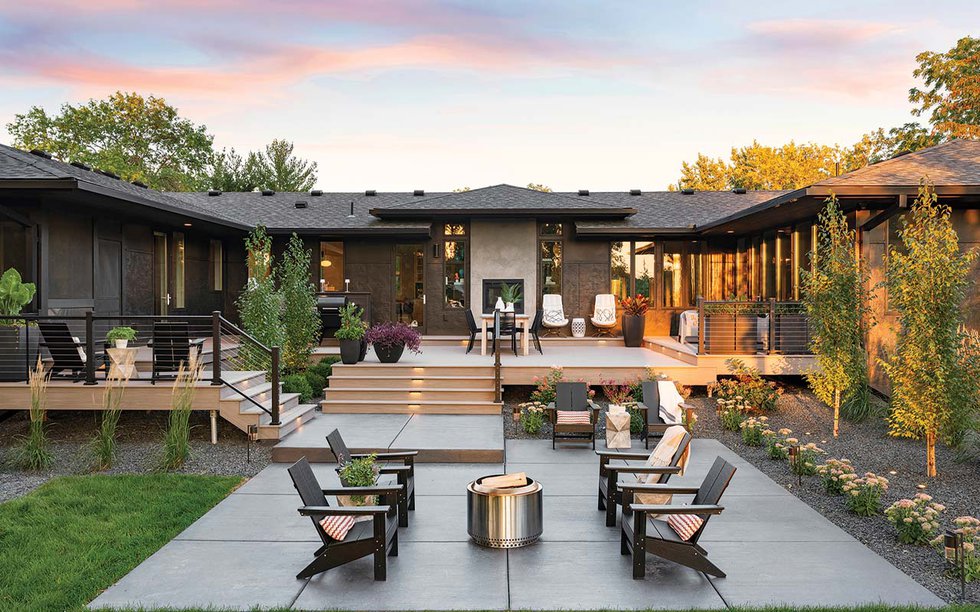
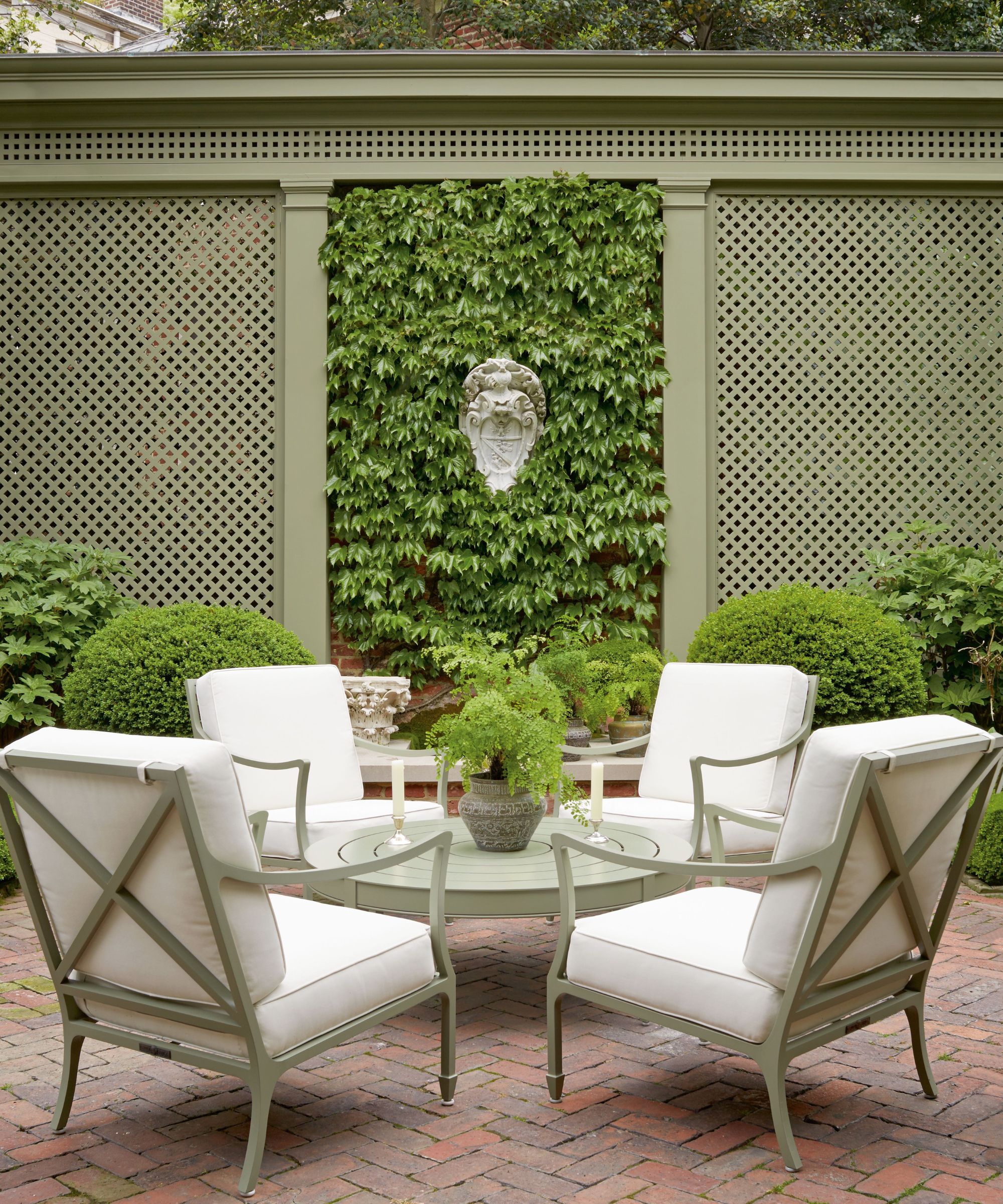
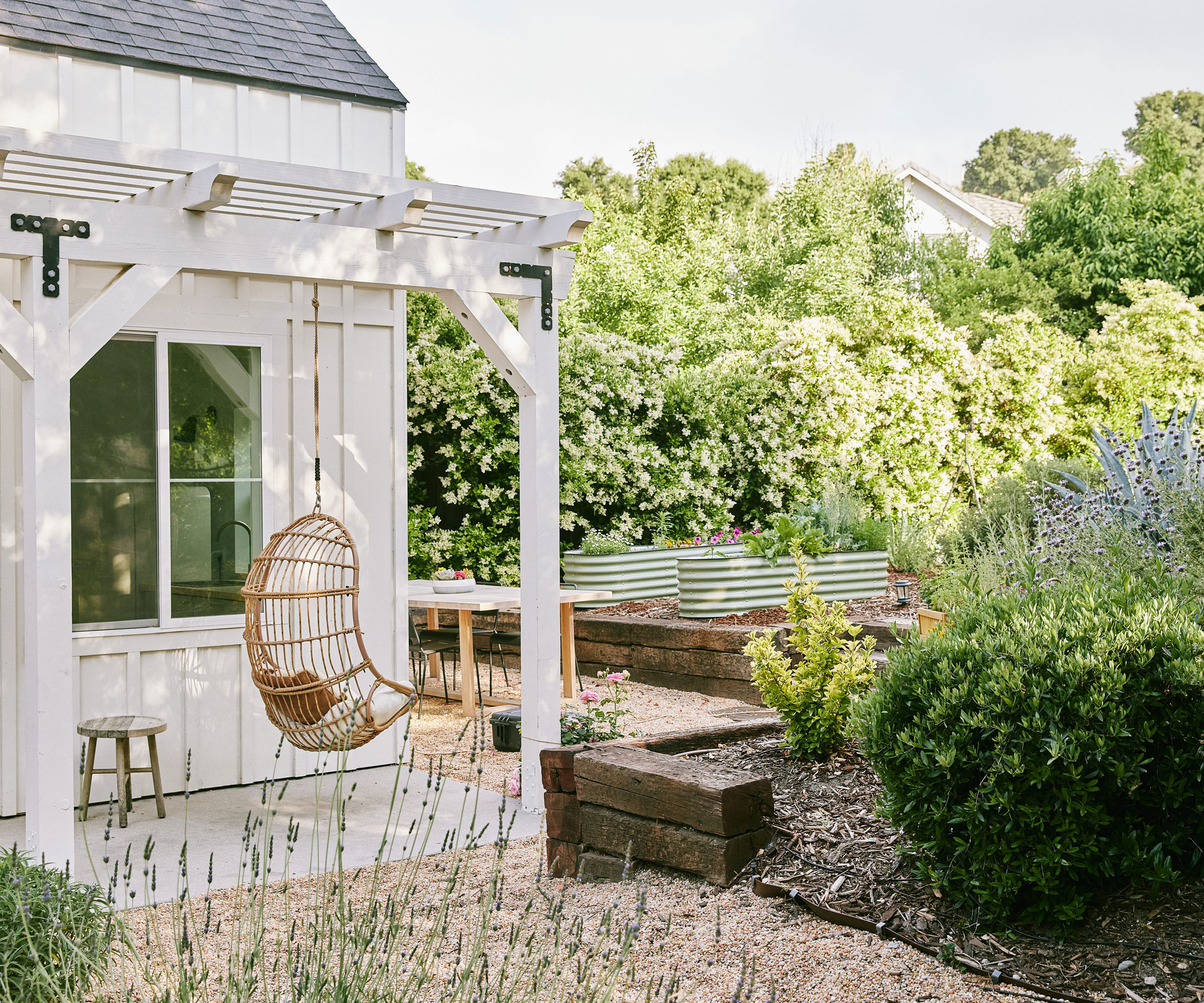
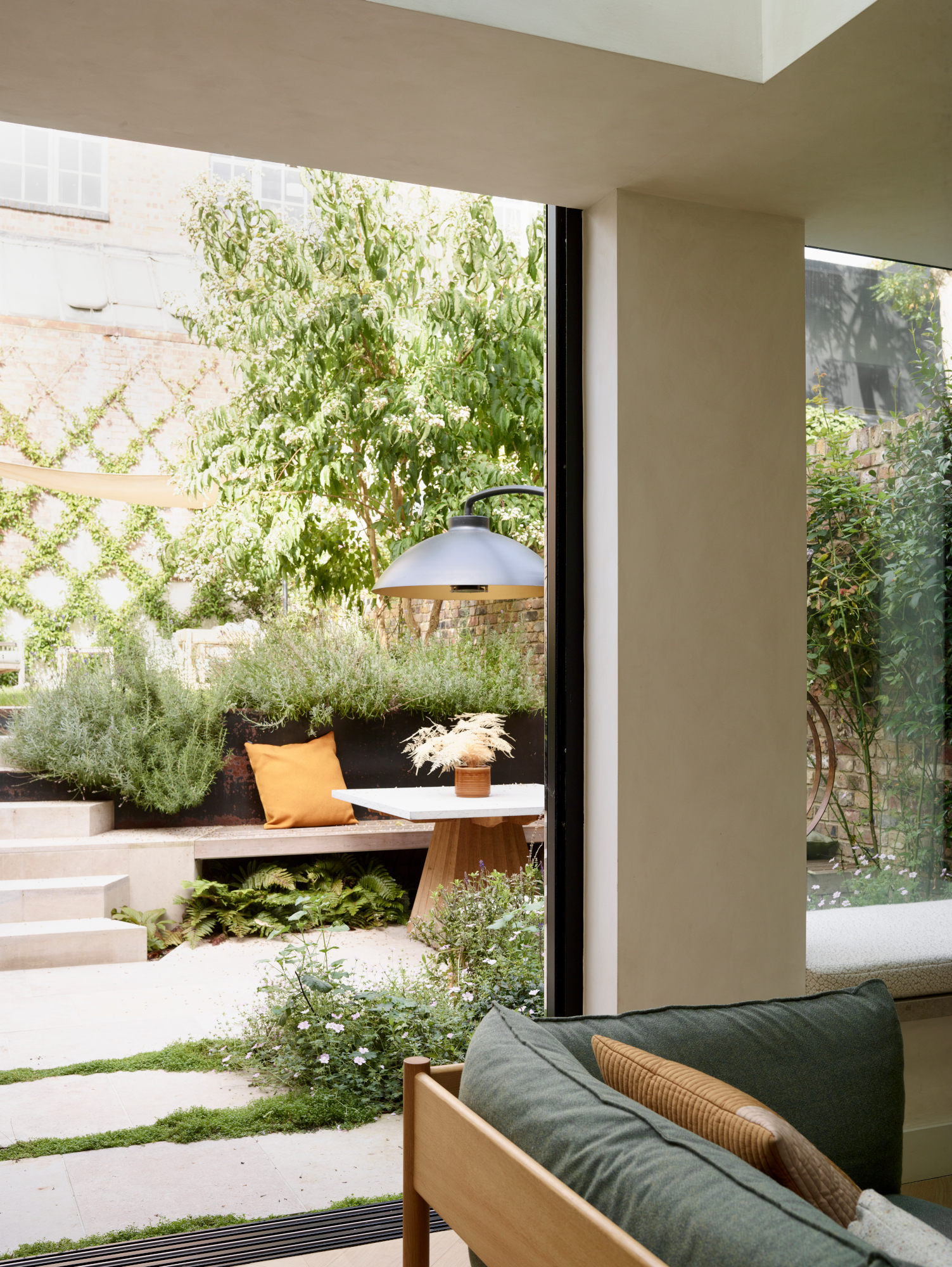
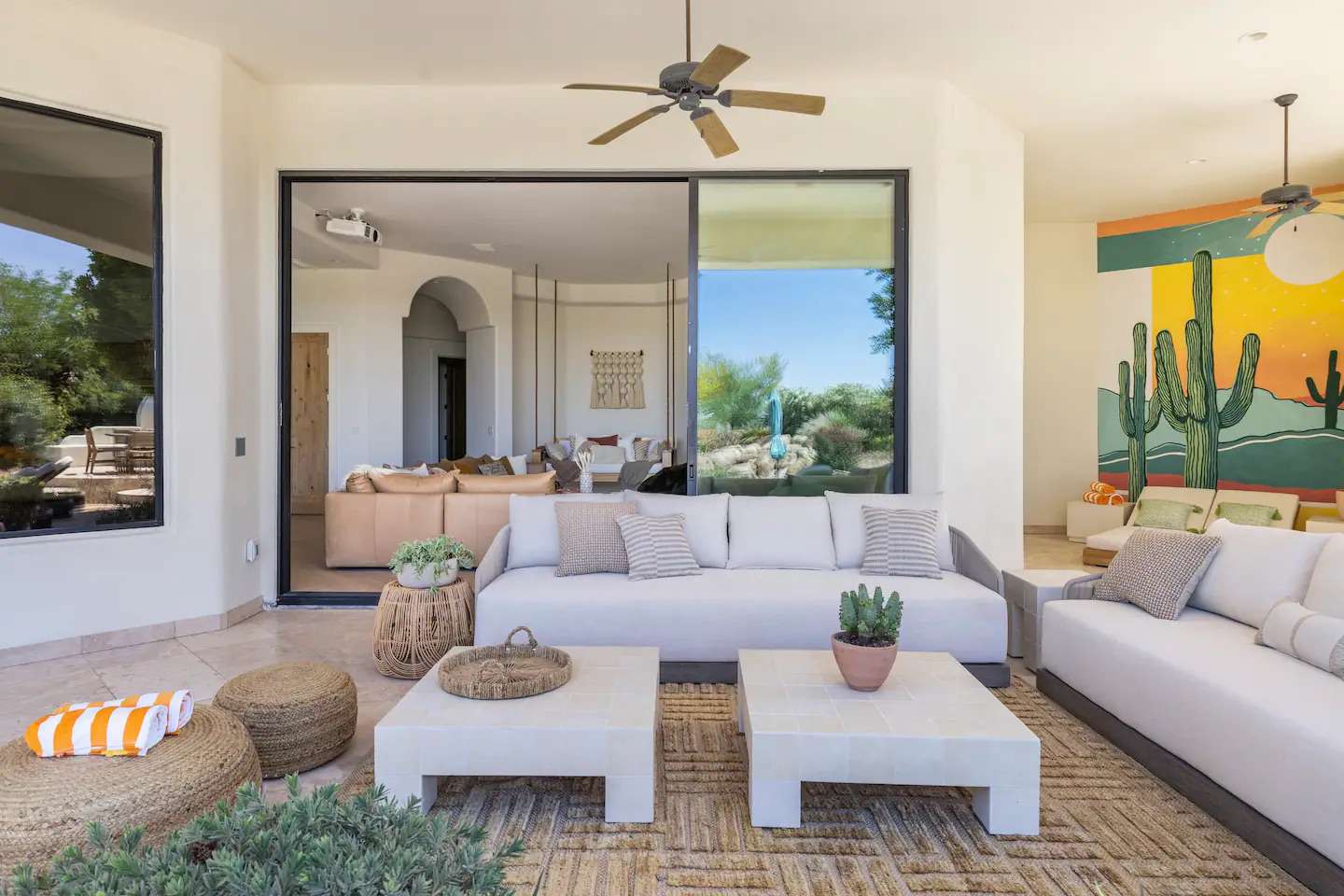
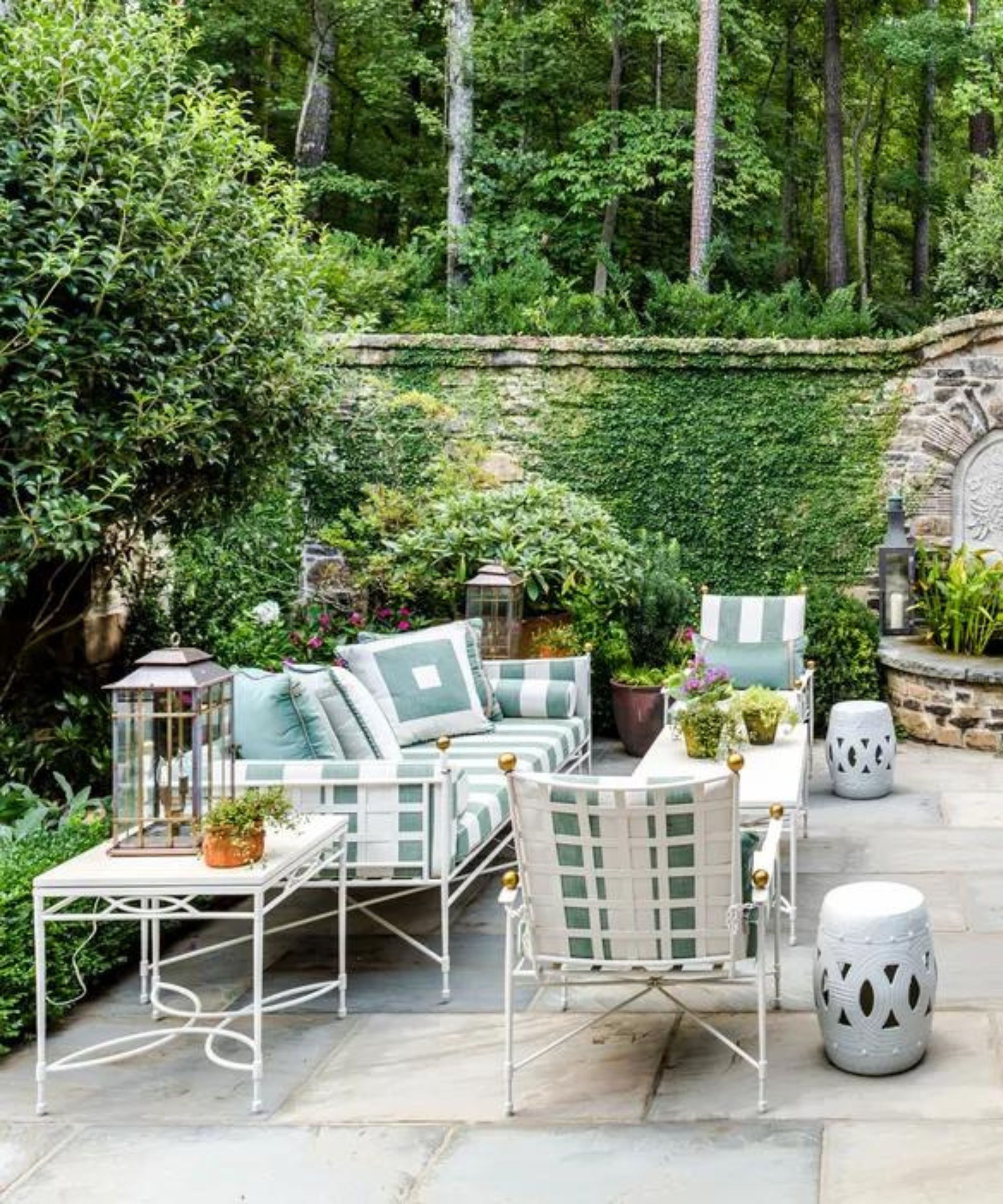
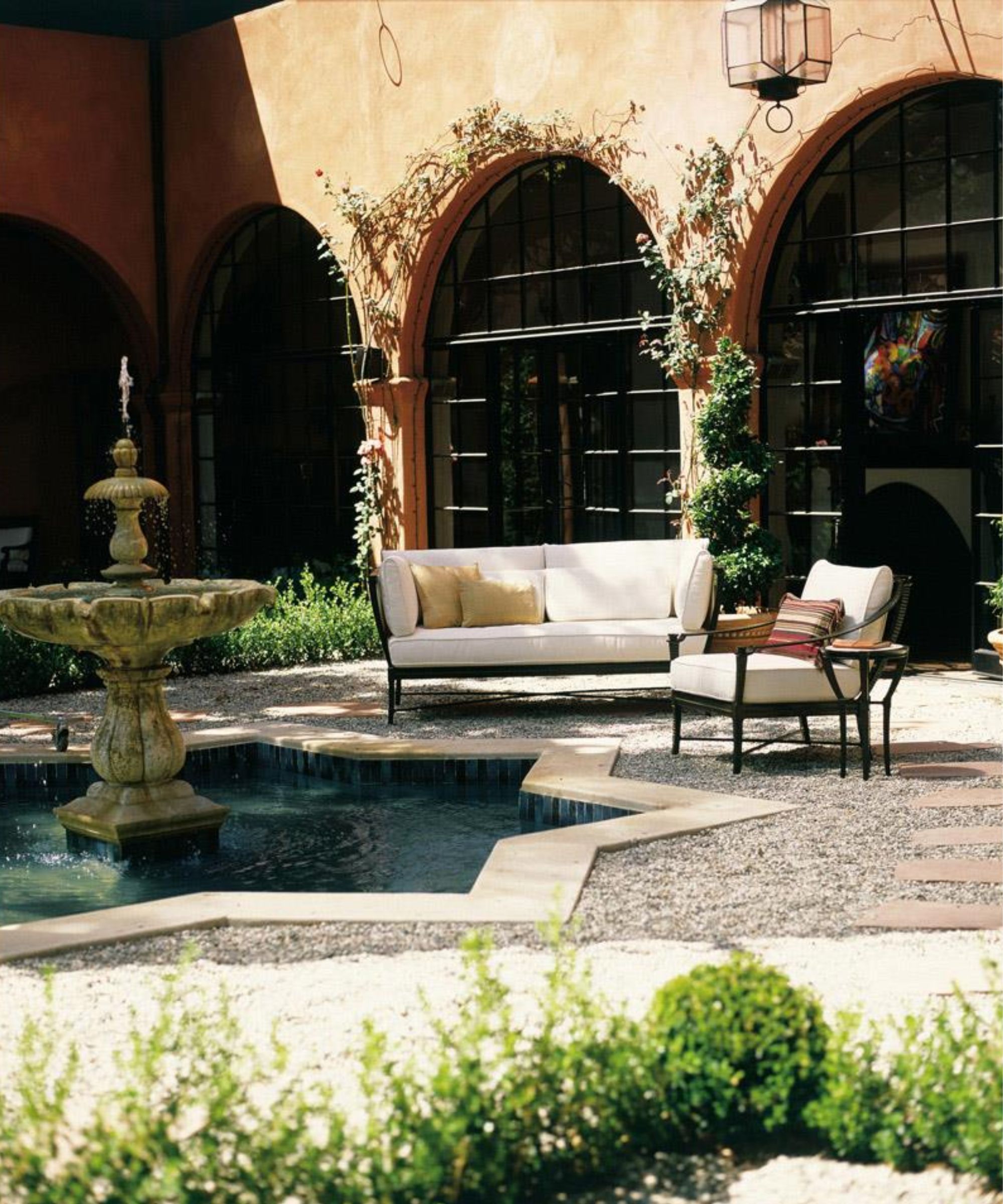
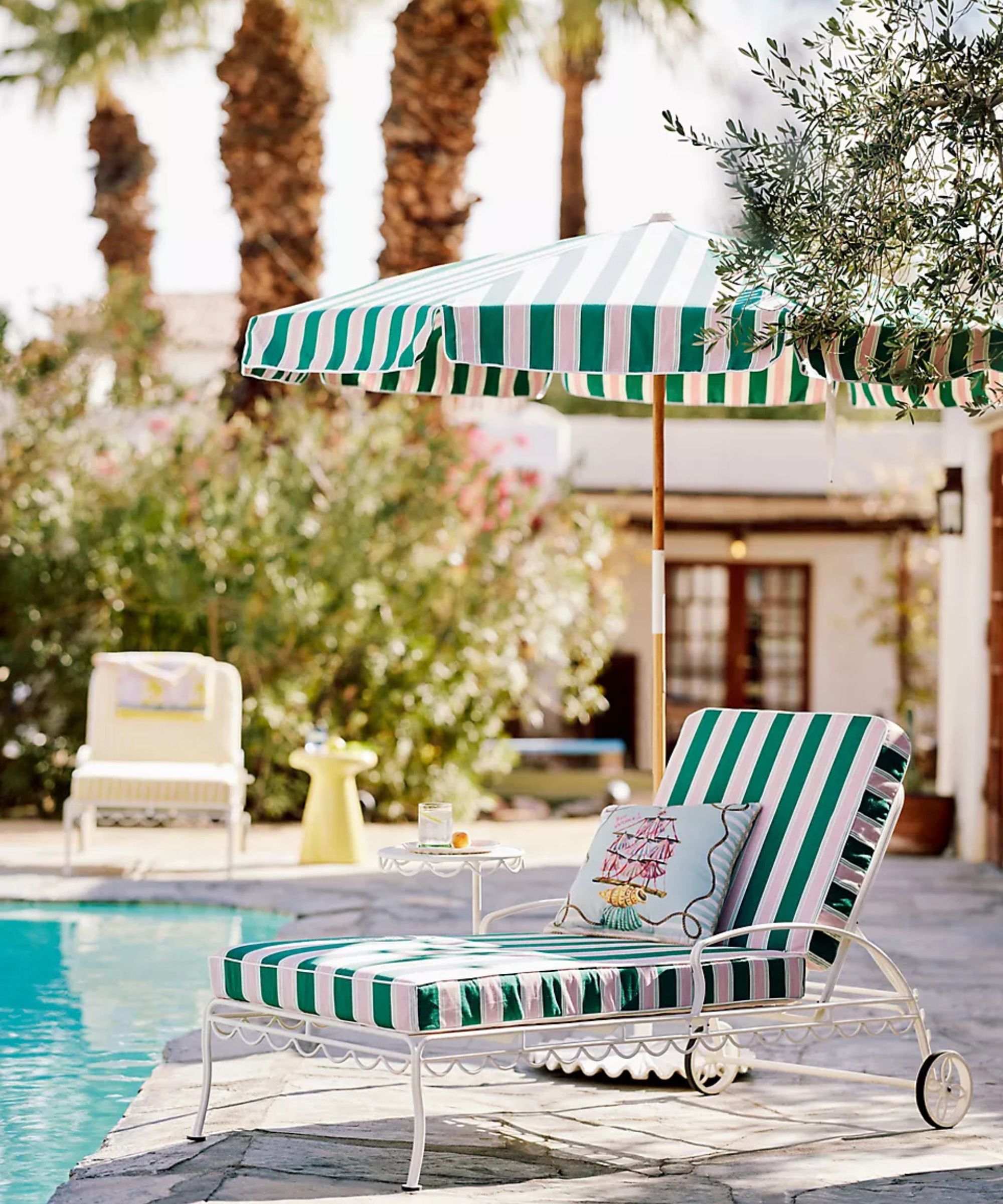
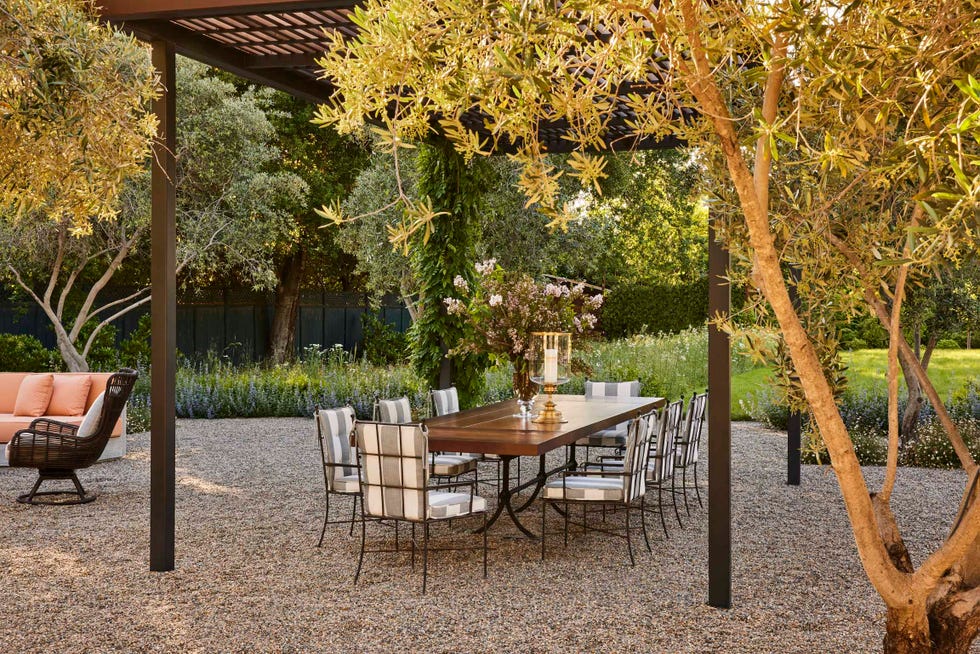
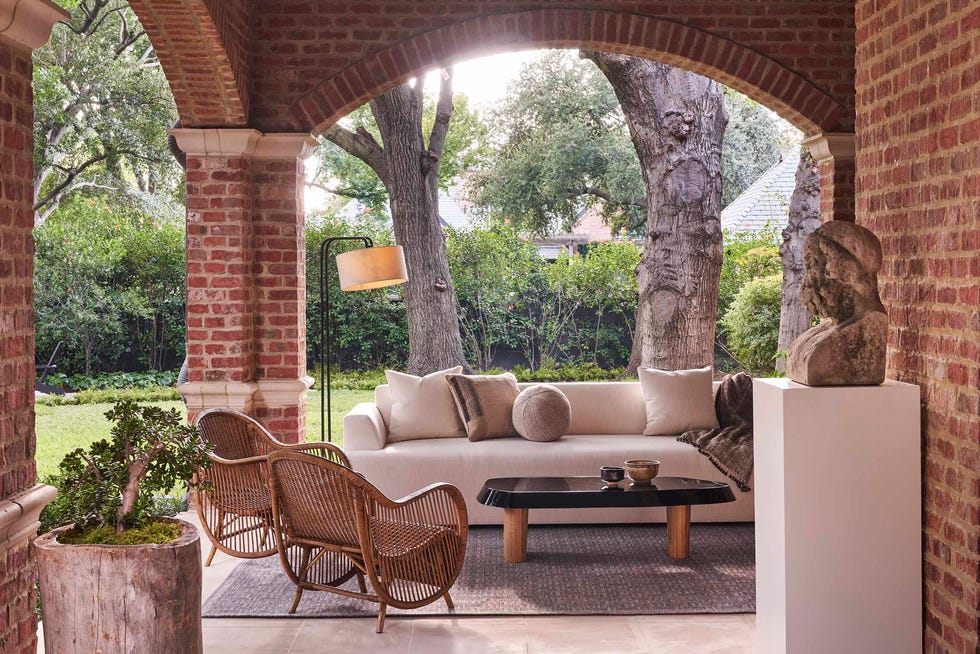
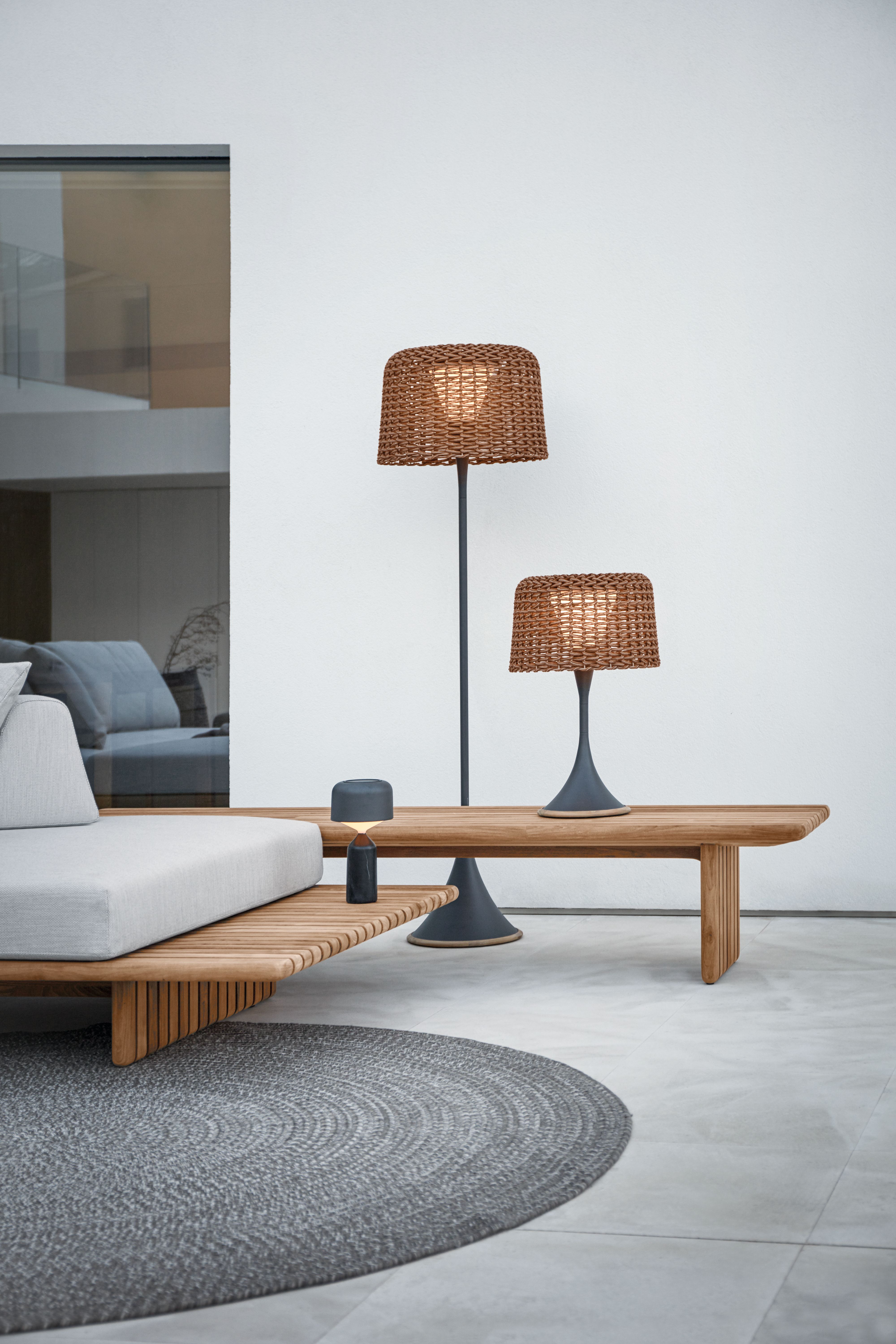
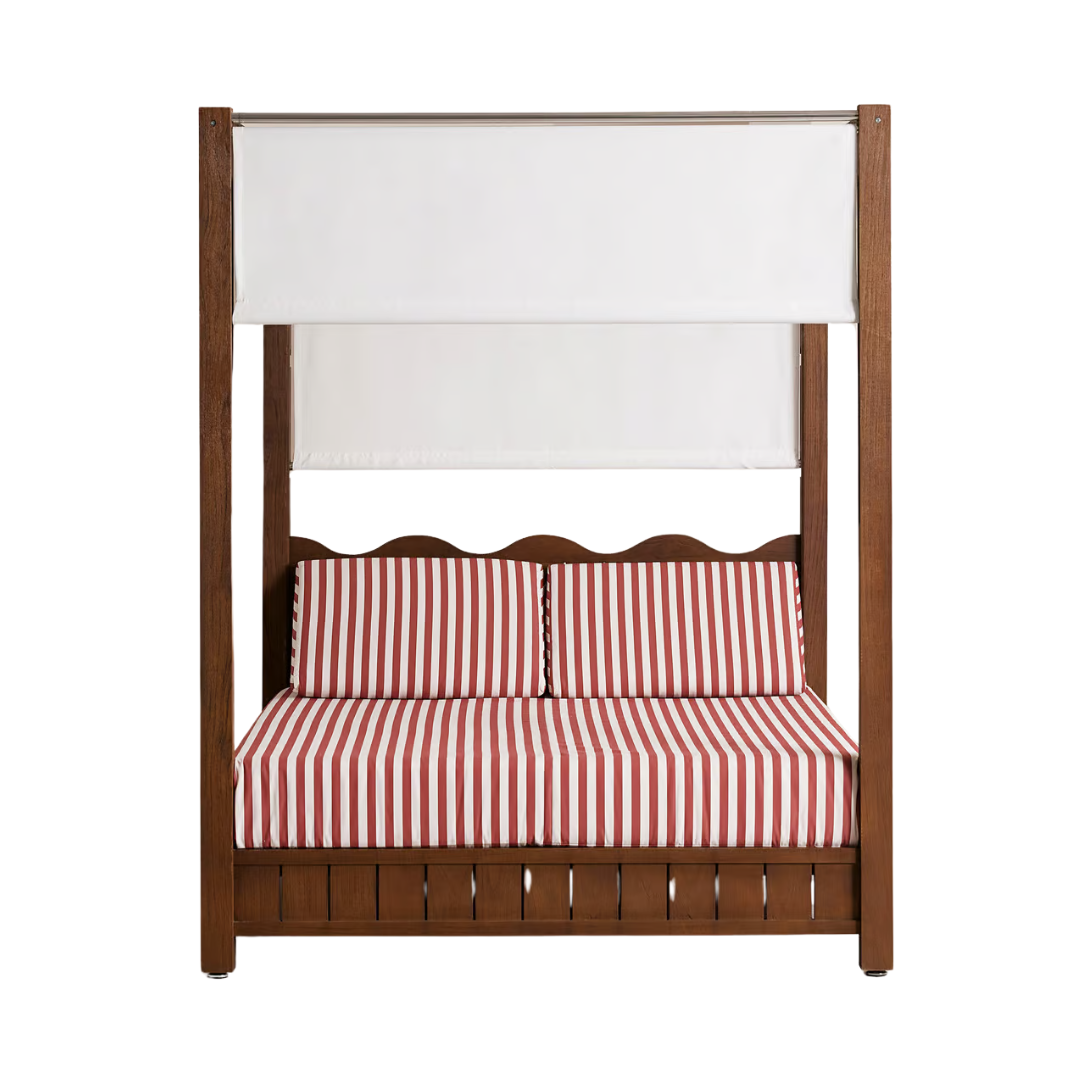
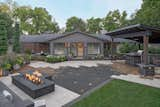
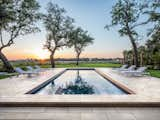
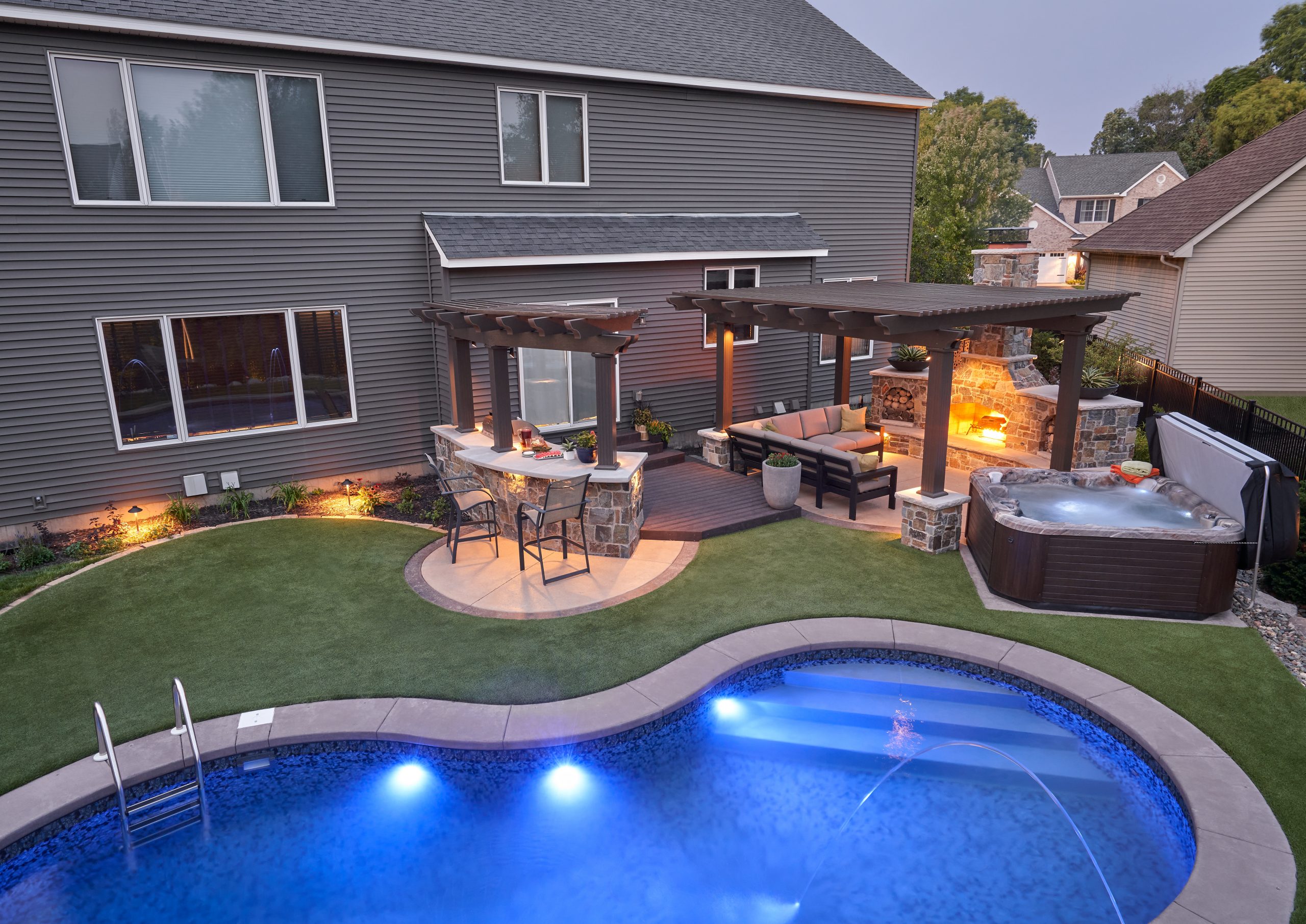
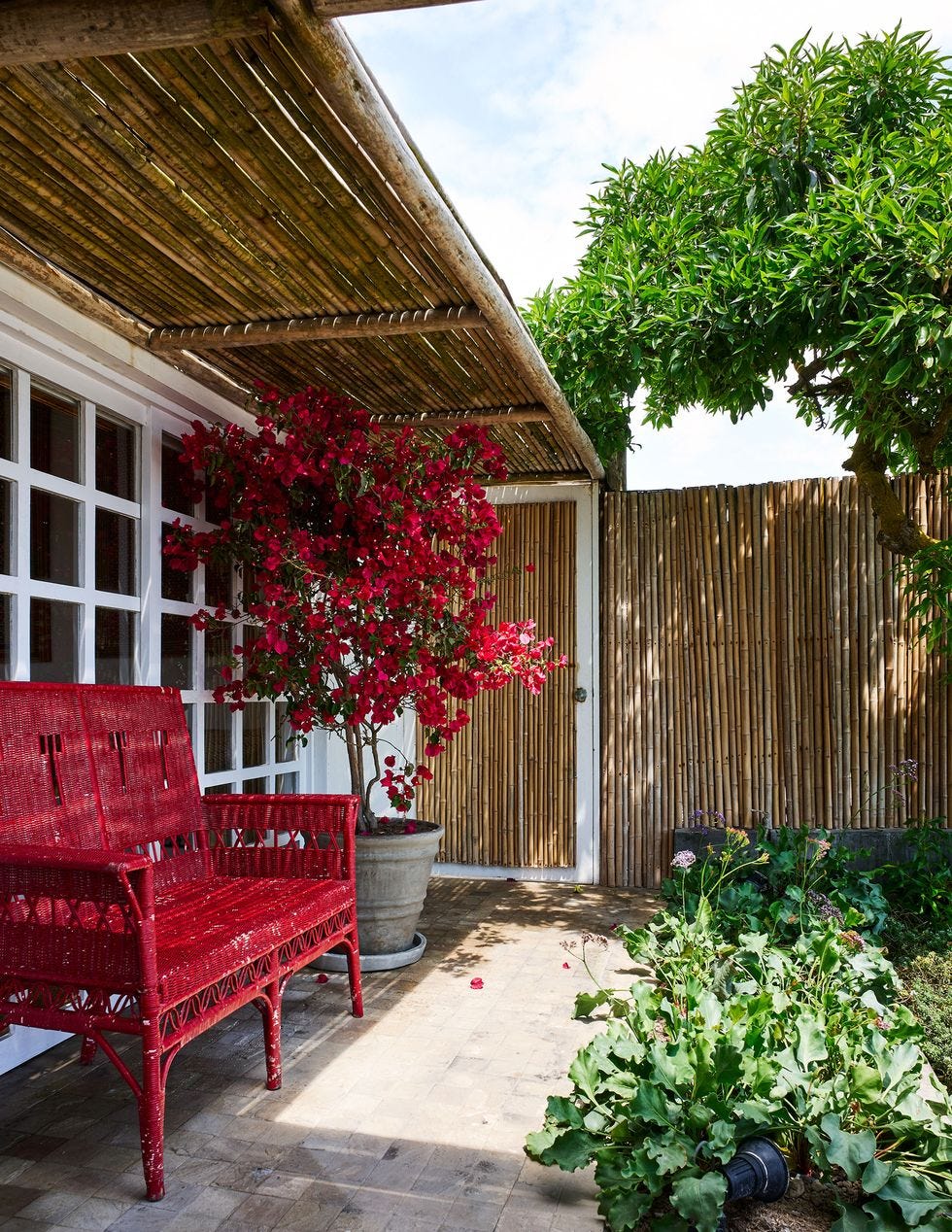
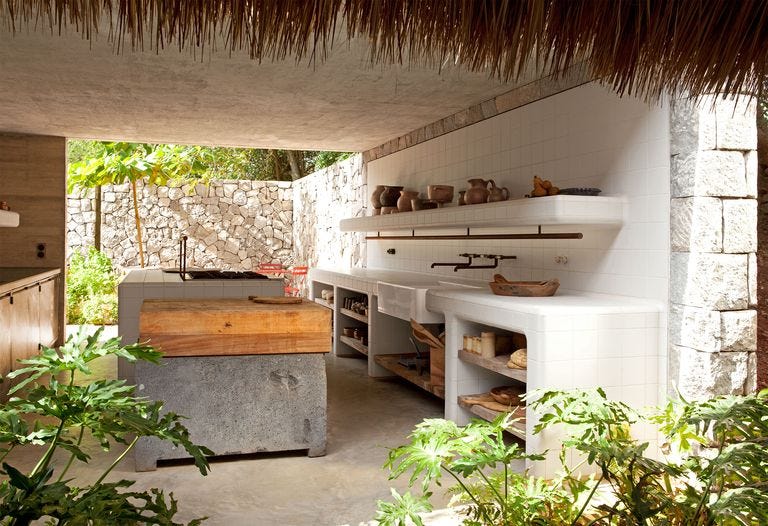
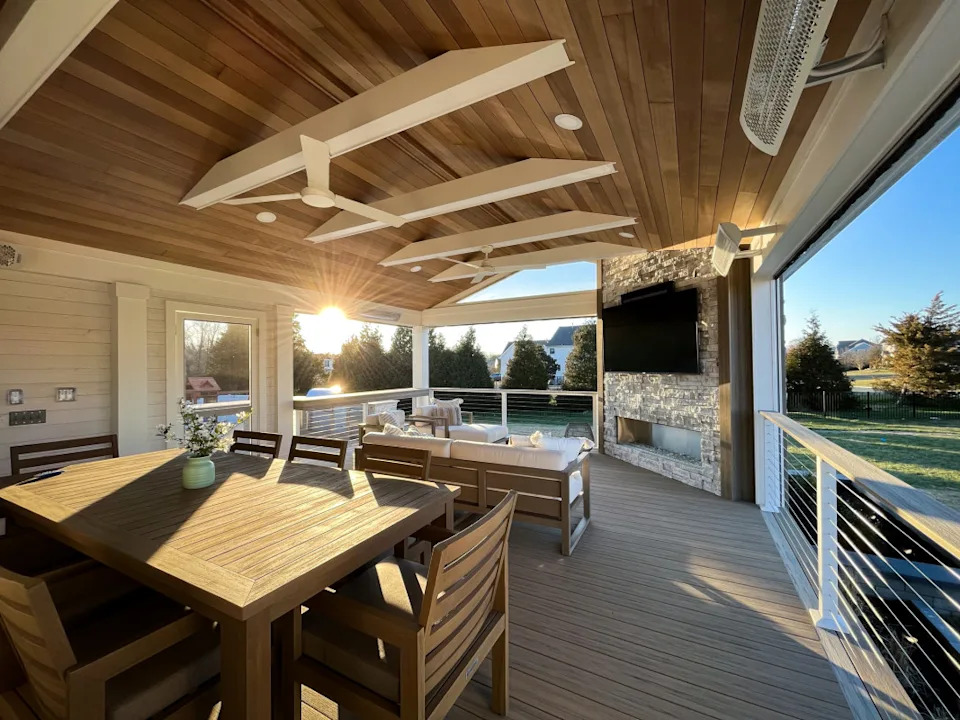
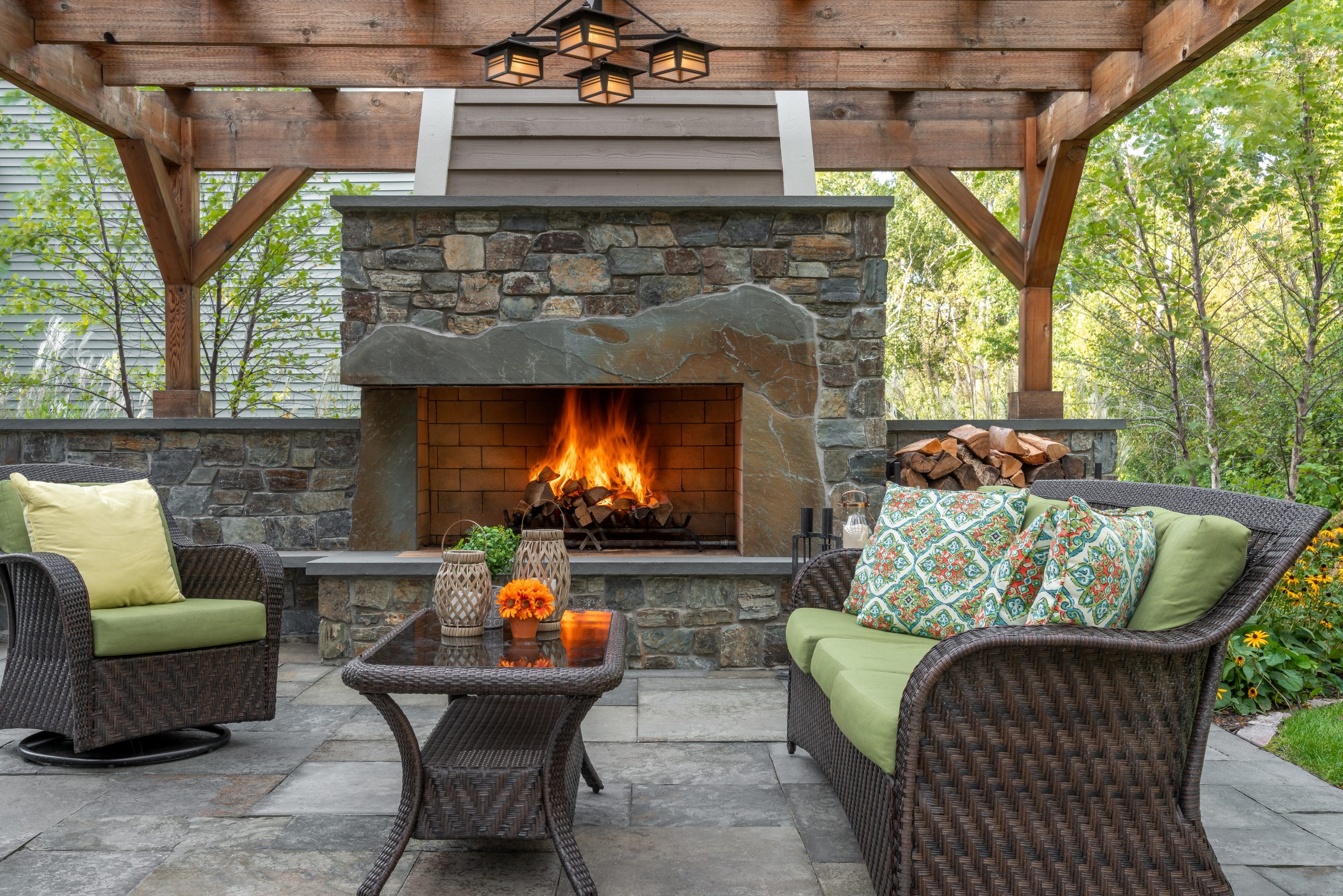
The concept of outdoor living has evolved, with homeowners investing in fully integrated outdoor spaces that offer the same comfort and functionality as interior rooms. This includes the incorporation of complete outdoor kitchens with professional-grade appliances, custom seating areas furnished with weather-resistant pieces, and architectural fire features, all designed to create year-round entertainment zones. These multifunctional areas seamlessly merge indoor and outdoor living through elements like large sliding glass doors, harmonious color palettes, and strategic lighting. Pergolas and cabanas offer shade and structural interest, while heated patios extend the usability of outdoor areas into cooler months.
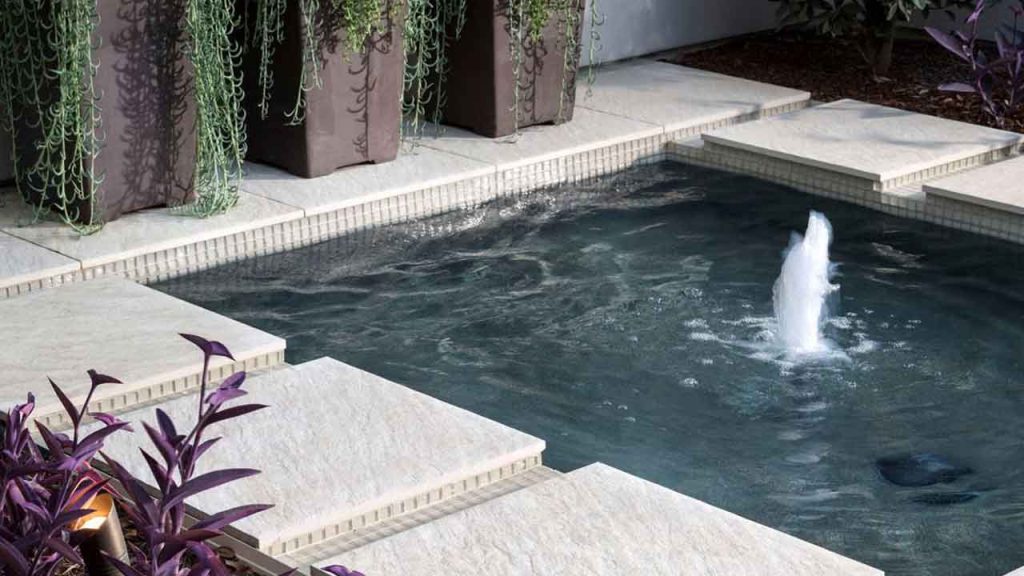
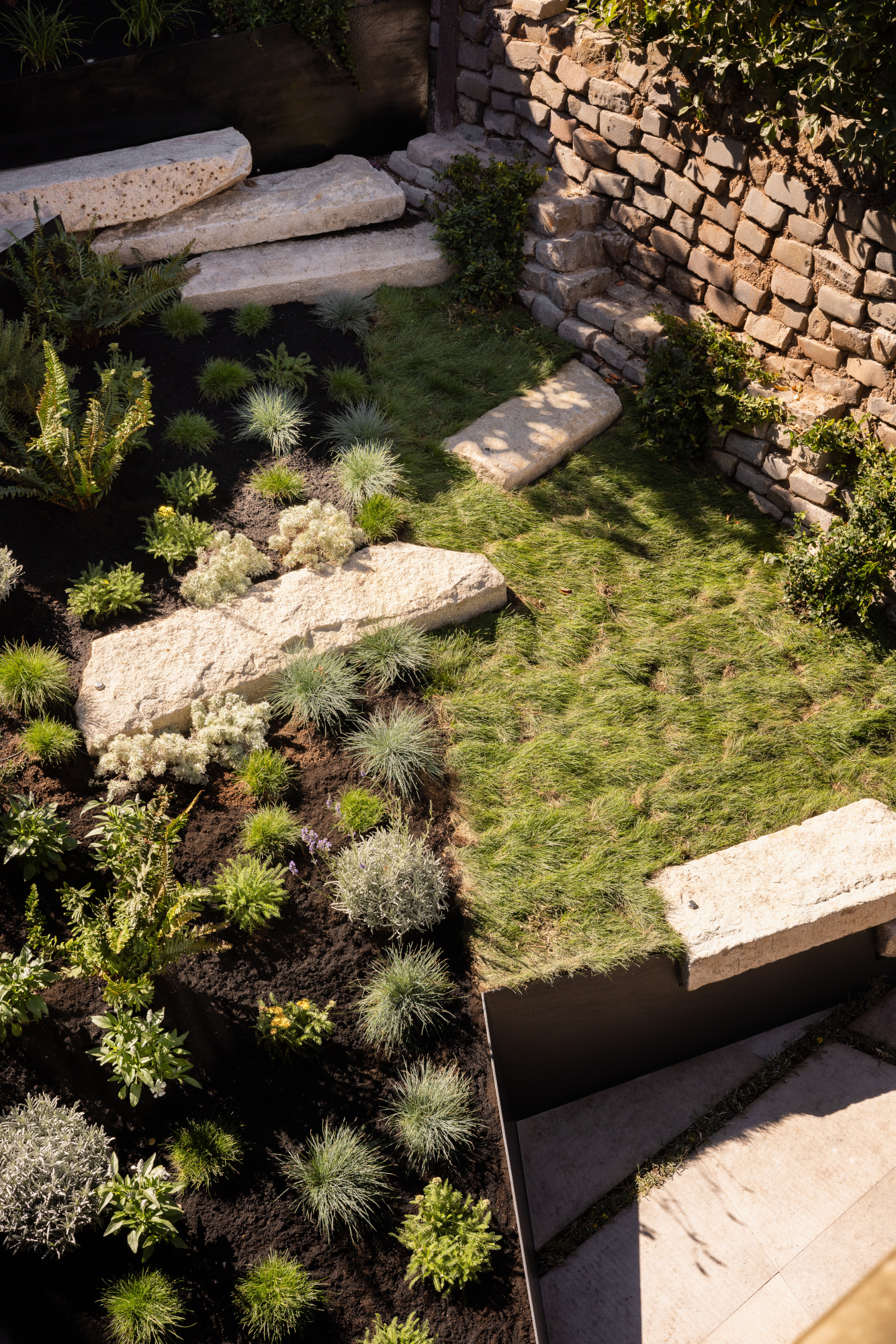
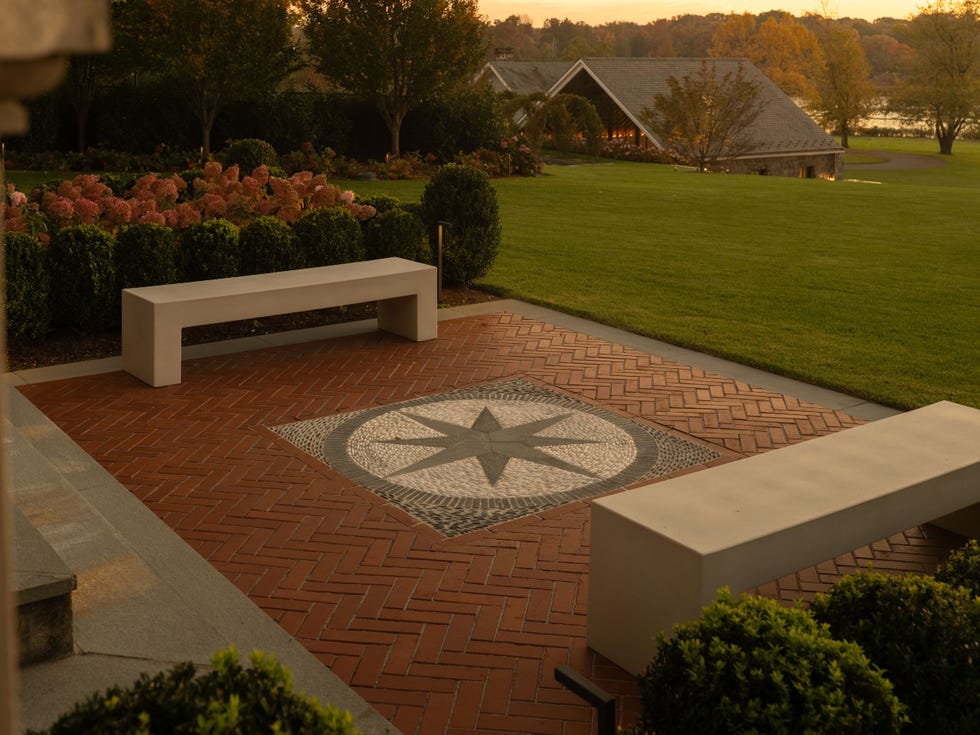
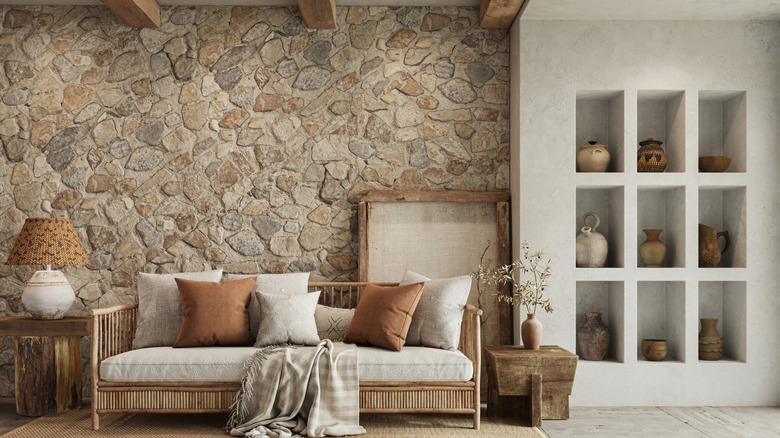
Wellness gardens and biophilic design are gaining prominence as mental health and wellbeing become key considerations in landscape planning. Wellness gardens feature dedicated spaces for meditation, aromatherapy plantings, and sensory elements to promote relaxation and reduce stress. These therapeutic landscapes engage all five senses through fragrant flowers, diverse foliage textures, calming water features, and comfortable seating areas. Biophilic design principles, which emphasize the innate human connection to nature, are influencing the design of outdoor spaces. Living walls and vertical gardens maximize green space in confined areas and improve air quality. The use of natural materials like reclaimed wood, river stones, and untreated timber adds organic textures, contributing to calming and restorative environments. Research published in 'Sustainability' indicates that well-designed green spaces on university campuses significantly enhance user satisfaction and wellbeing, underscoring the benefits of such designs in residential settings.
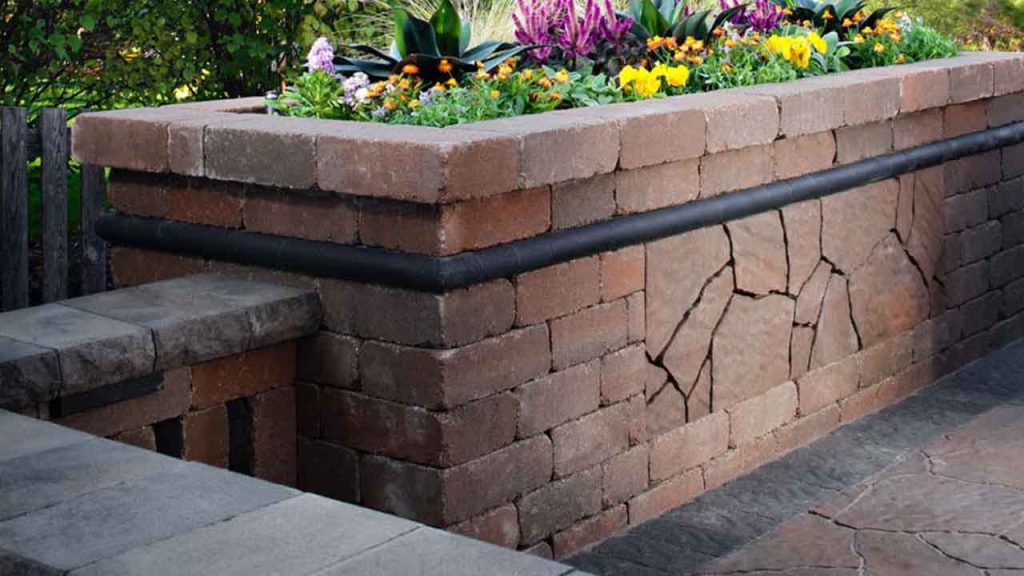
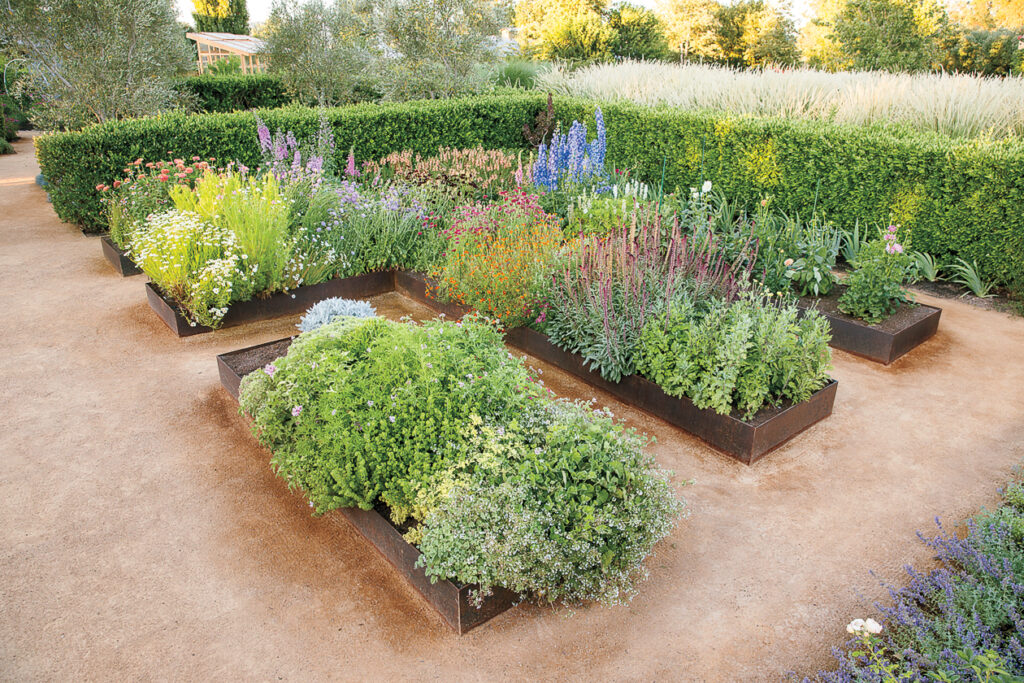
Pollinator-friendly gardens are also gaining momentum due to increased awareness of the ecological importance of pollinators. Gardens featuring plants like milkweed, lavender, coneflowers, and butterfly bushes attract bees, butterflies, and hummingbirds, enriching the landscape with vibrant colors and dynamic activity. Creating habitats for beneficial insects extends beyond plant selection, with homeowners embracing naturalistic approaches like "chaotic gardening," where fallen leaves and seed heads are left to provide shelter for overwintering insects, supporting biodiversity and reducing maintenance. Edible landscaping blends aesthetic appeal with functionality, with raised bed gardens for herbs, vegetables, and fruits becoming focal points rather than hidden patches. Espaliered fruit trees, berry bushes used as hedges, and edible flowers integrated into perennial borders demonstrate that productive landscapes can be visually stunning. This approach offers benefits such as fresh, organic produce, reduced grocery costs, educational opportunities, and support for pollinators.
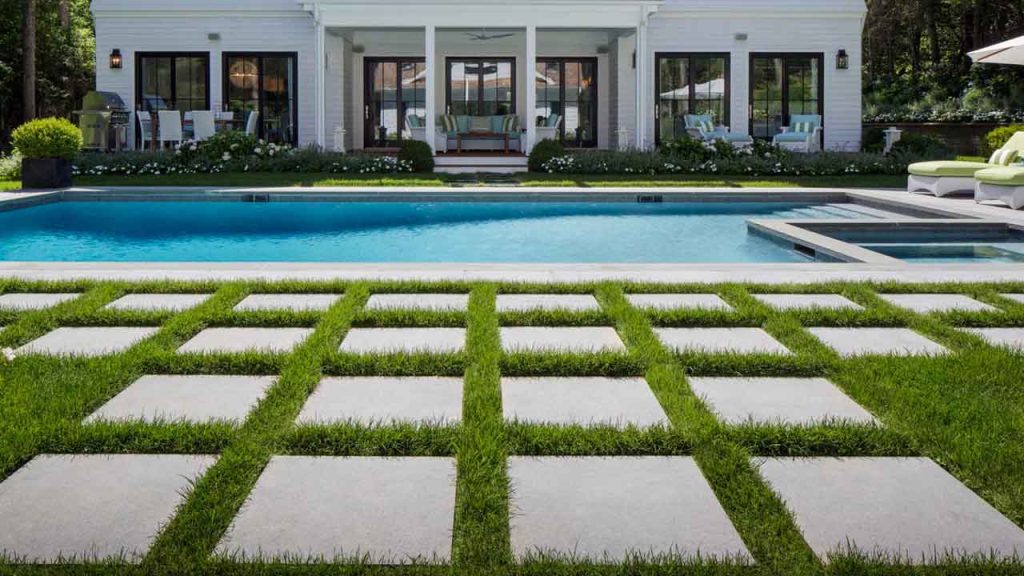
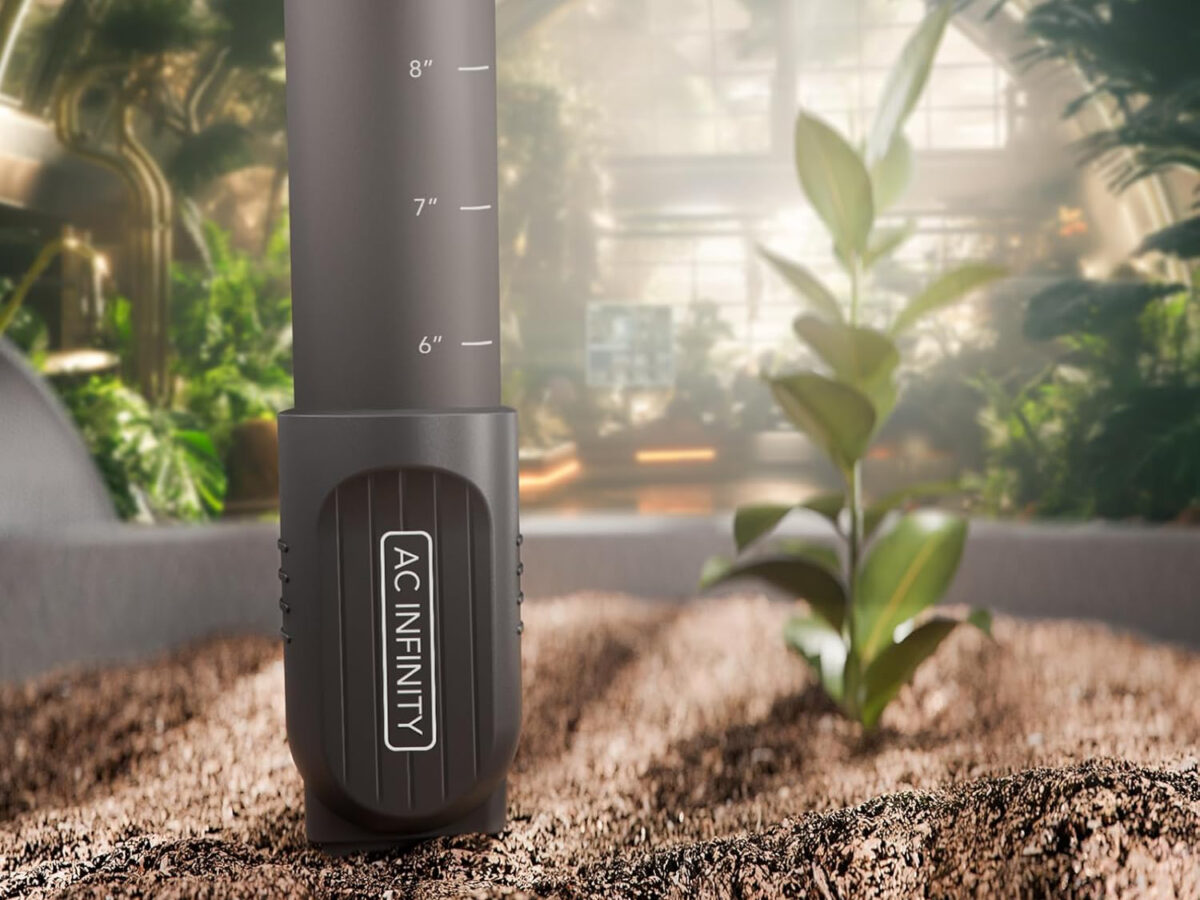
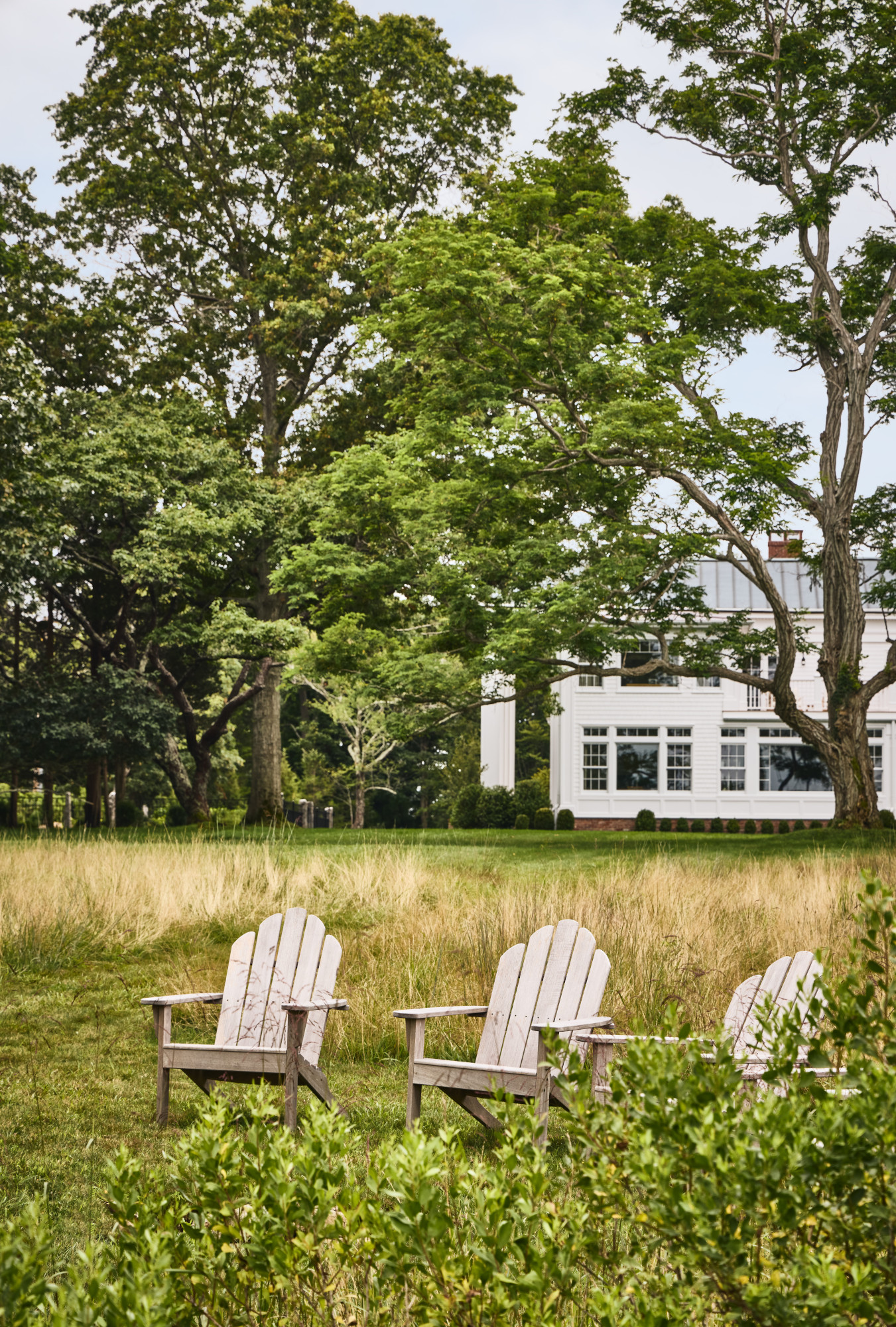
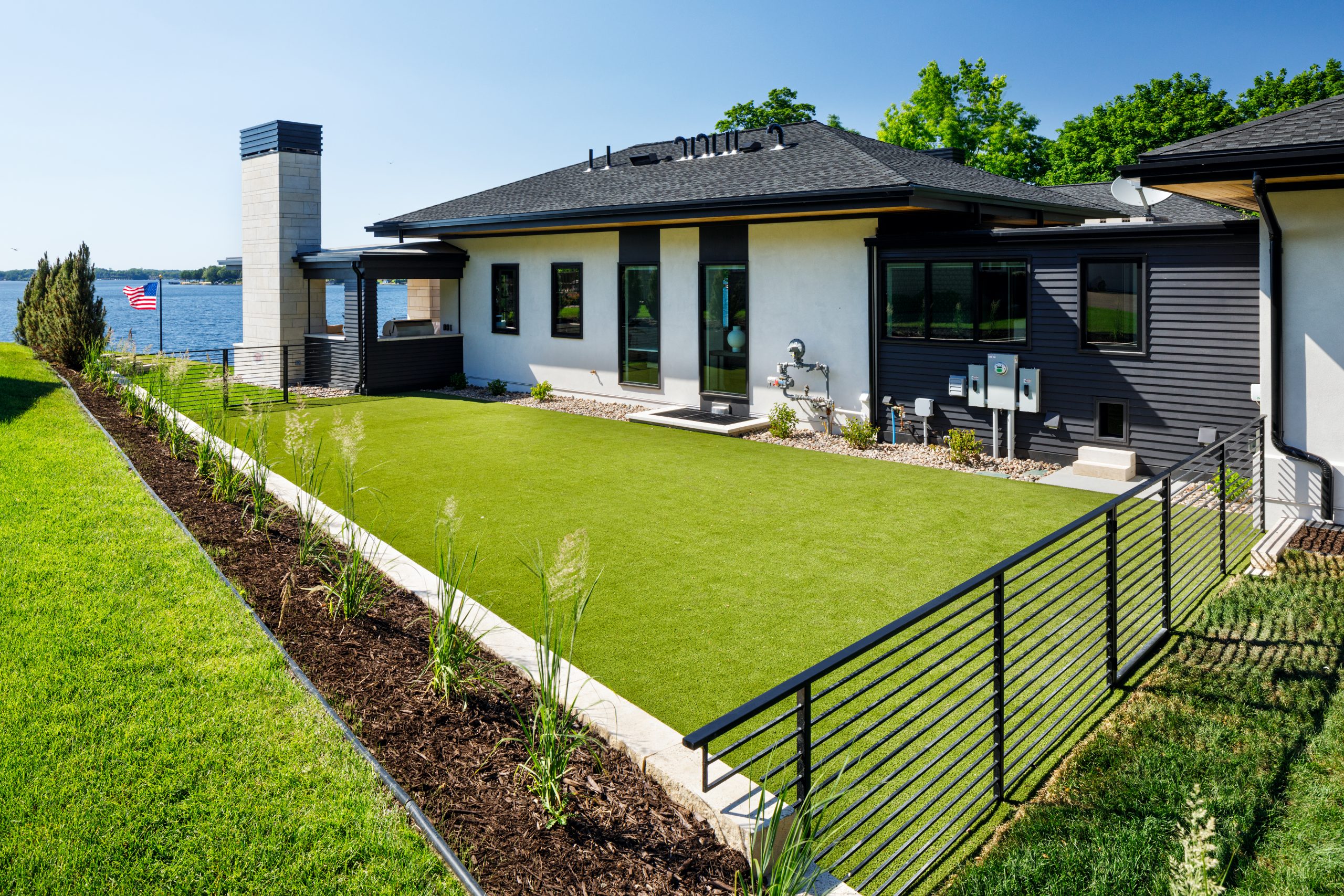
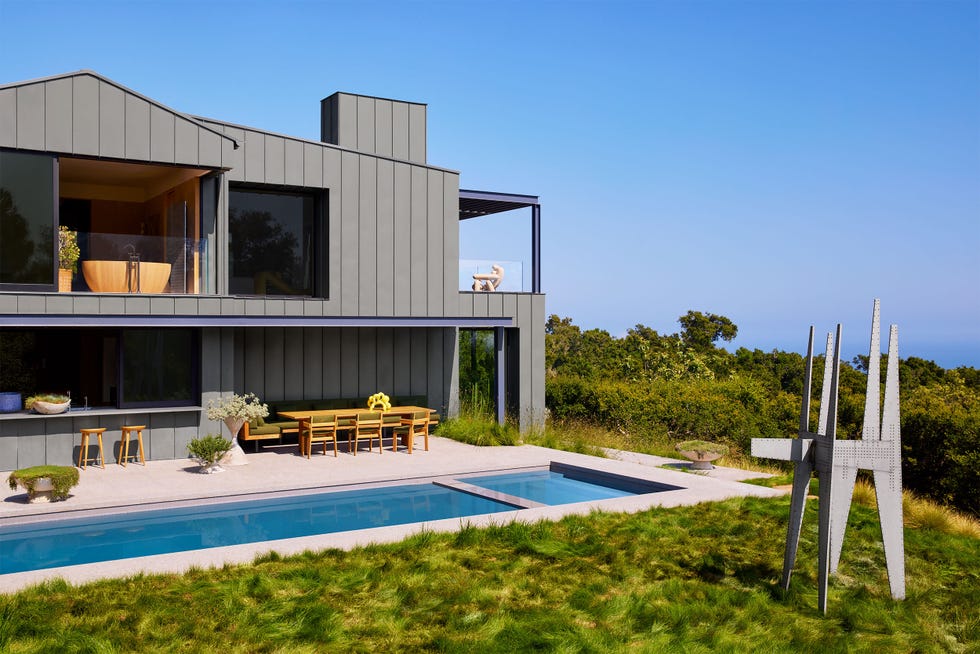
A significant shift is also occurring away from traditional, manicured lawns toward wildflower meadows and native plant lawns. These alternatives require less mowing, eliminate the need for fertilizers and pesticides, and provide crucial habitat for pollinators. Such naturalistic plantings offer year-round visual interest with changing blooms and textures. For those hesitant to completely eliminate traditional turf, partial lawn conversion offers a compromise, dedicating sections of the yard to meadow plantings while maintaining smaller areas of traditional grass. Smart technology is transforming landscape management beyond irrigation systems to include app-controlled landscape lighting for customizable ambiance, enhanced security, and highlighting features. Robotic lawnmowers handle grass cutting autonomously, and soil sensors provide real-time data on nutrient and moisture levels, making maintenance more efficient and reducing resource waste. Vertical gardens are proving ideal for urban dwellers and those with limited space, transforming blank surfaces into lush green features on balconies, patios, and compact lots. These installations offer practical benefits such as improved air quality, enhanced privacy, and noise reduction, while serving as striking architectural elements. Finally, year-round design considerations are essential, with strategic plant selection ensuring continuous visual appeal throughout all four seasons, featuring spring bulbs, summer perennials, fall foliage, and winter structure. Evergreen plants provide consistent structure, while deciduous species contribute seasonal change. Winter elements like ornamental grasses, persistent seed heads, and attractive bark textures maintain interest during dormant months. Heated outdoor features and weatherproof furniture extend outdoor usability into colder seasons, ensuring year-round value from outdoor investments.
#LandscapingTrends #SustainableDesign #EcoConscious #NativePlants #OutdoorLiving #WellnessGardens #BiophilicDesign #PollinatorFriendly #SmartTechnology #VerticalGardens #LandscapingTrends #SustainableDesign #EcoConscious #NativePlants #OutdoorLiving #WellnessGardens #BiophilicDesign #PollinatorFriendly #SmartTechnology #VerticalGardens
0 comment in total
 No comments yet
You may also like
Top Outdoor Living Trends for 2025: Transform Your Backyard with Expert Insights

Outdated backyard trends and what's replacing them in 2025 – 8 expert suggestions to refresh your outdoor space

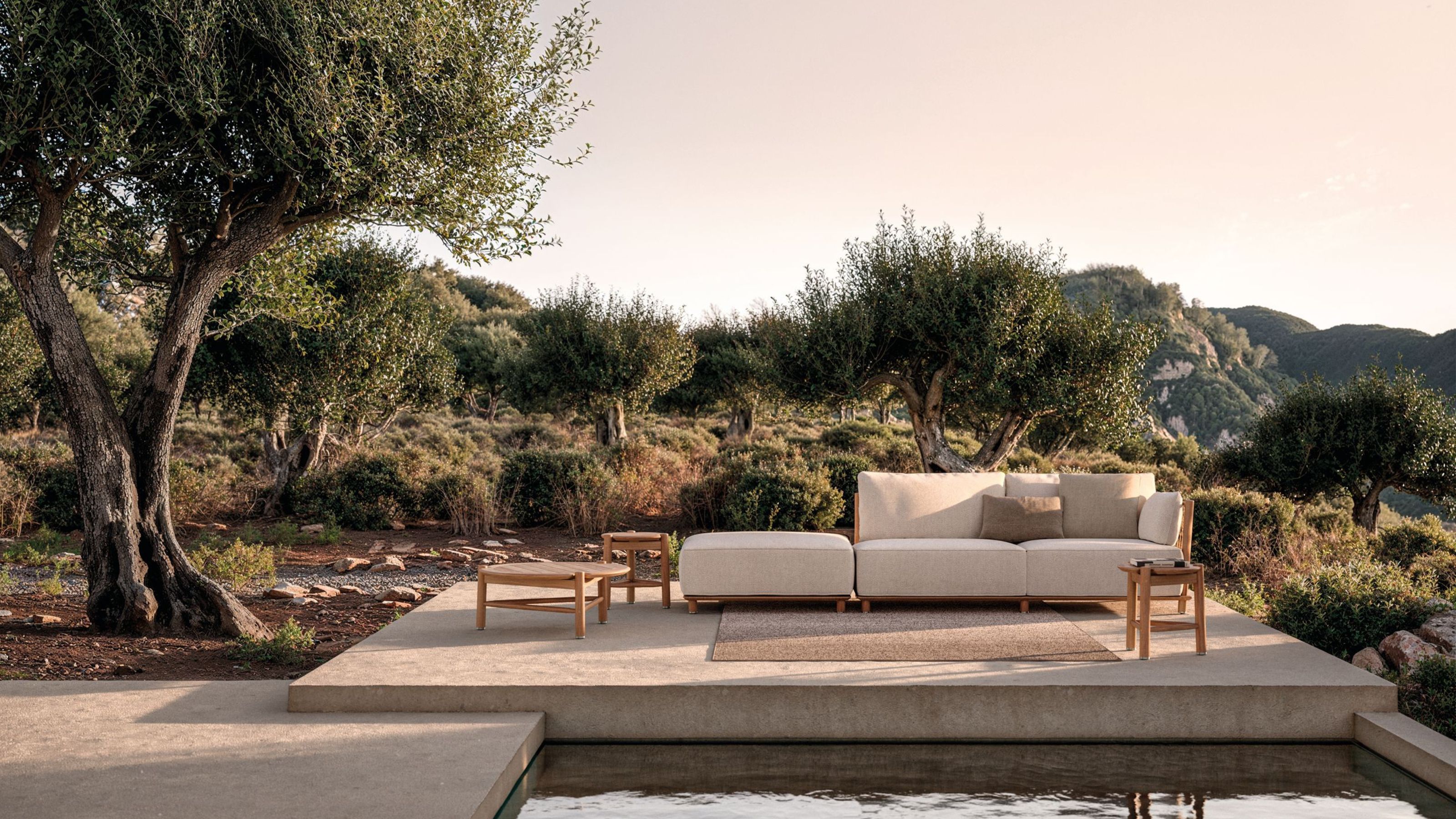
The Biggest Outdoor Furniture Trends for 2025 Embrace the Natural World, White Lotus, and a Touch of Whimsy

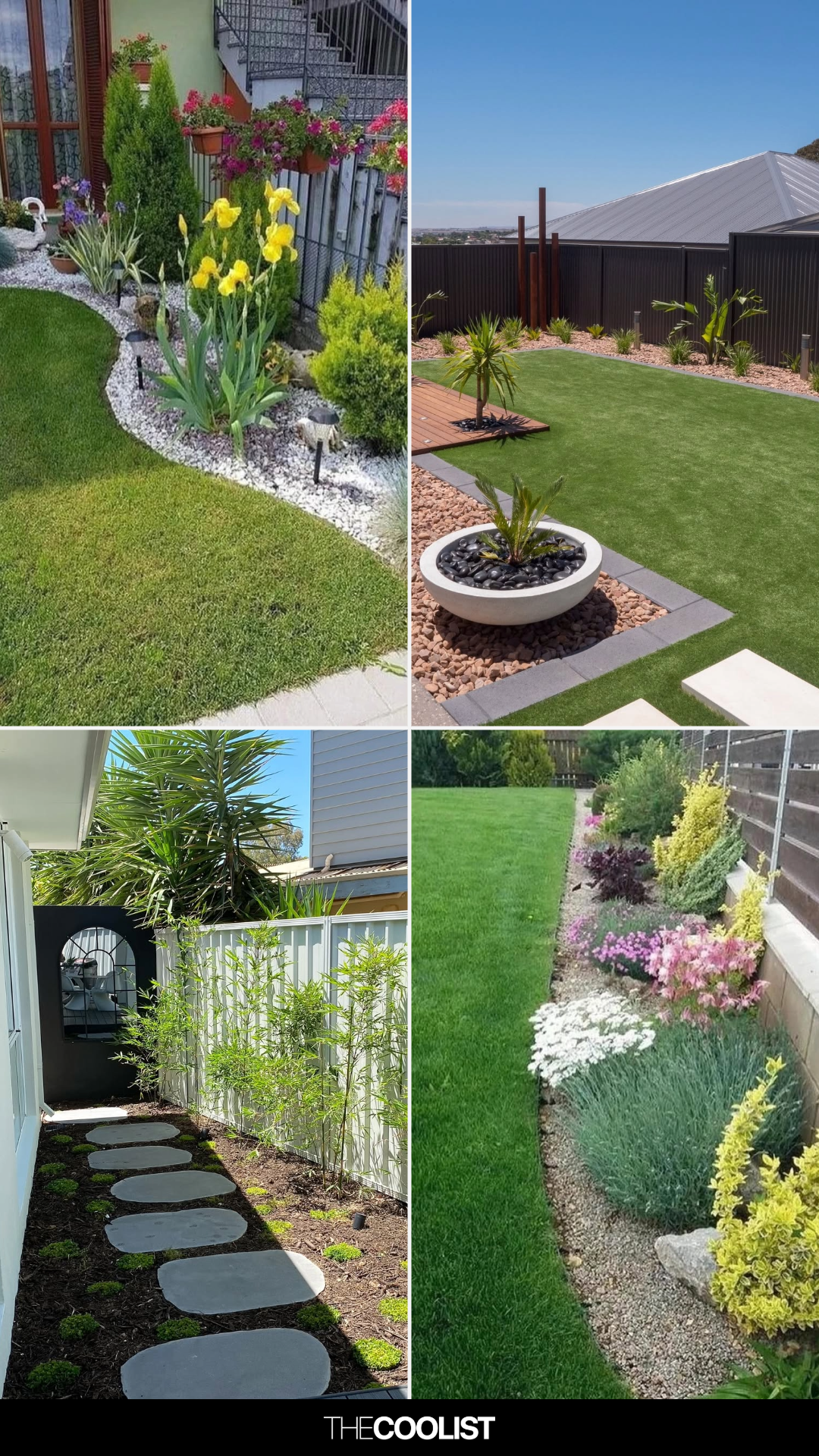
26 Backyard Landscaping Ideas That Look Like They Were Styled by an Outdoor Architect

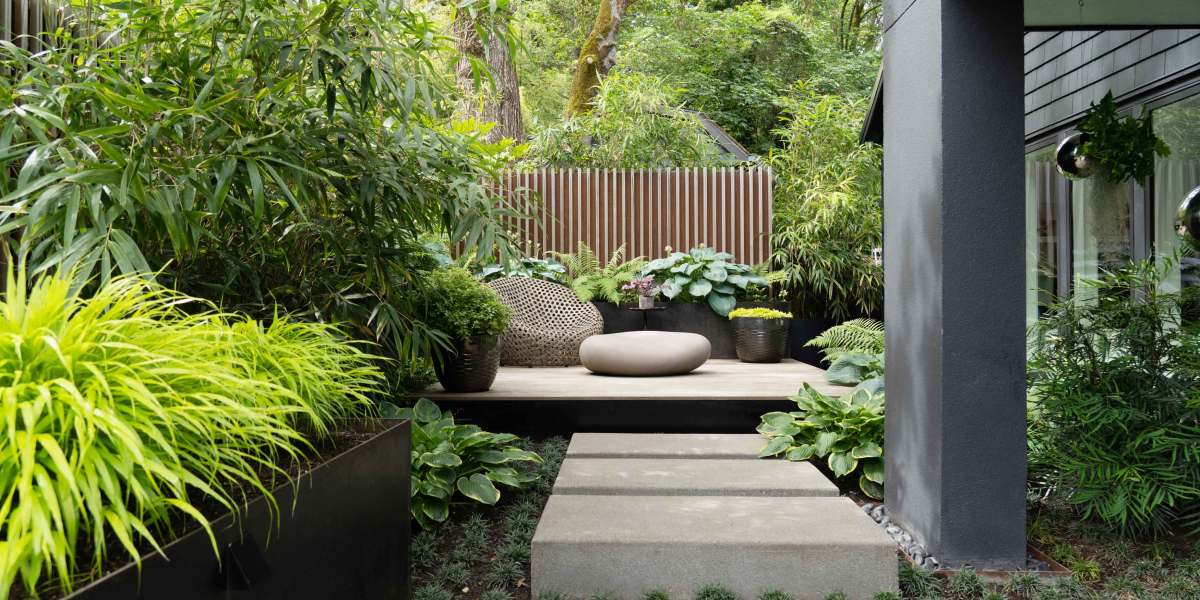
2026 Garden Trends: What to Do, Grow, and Design in the New Year

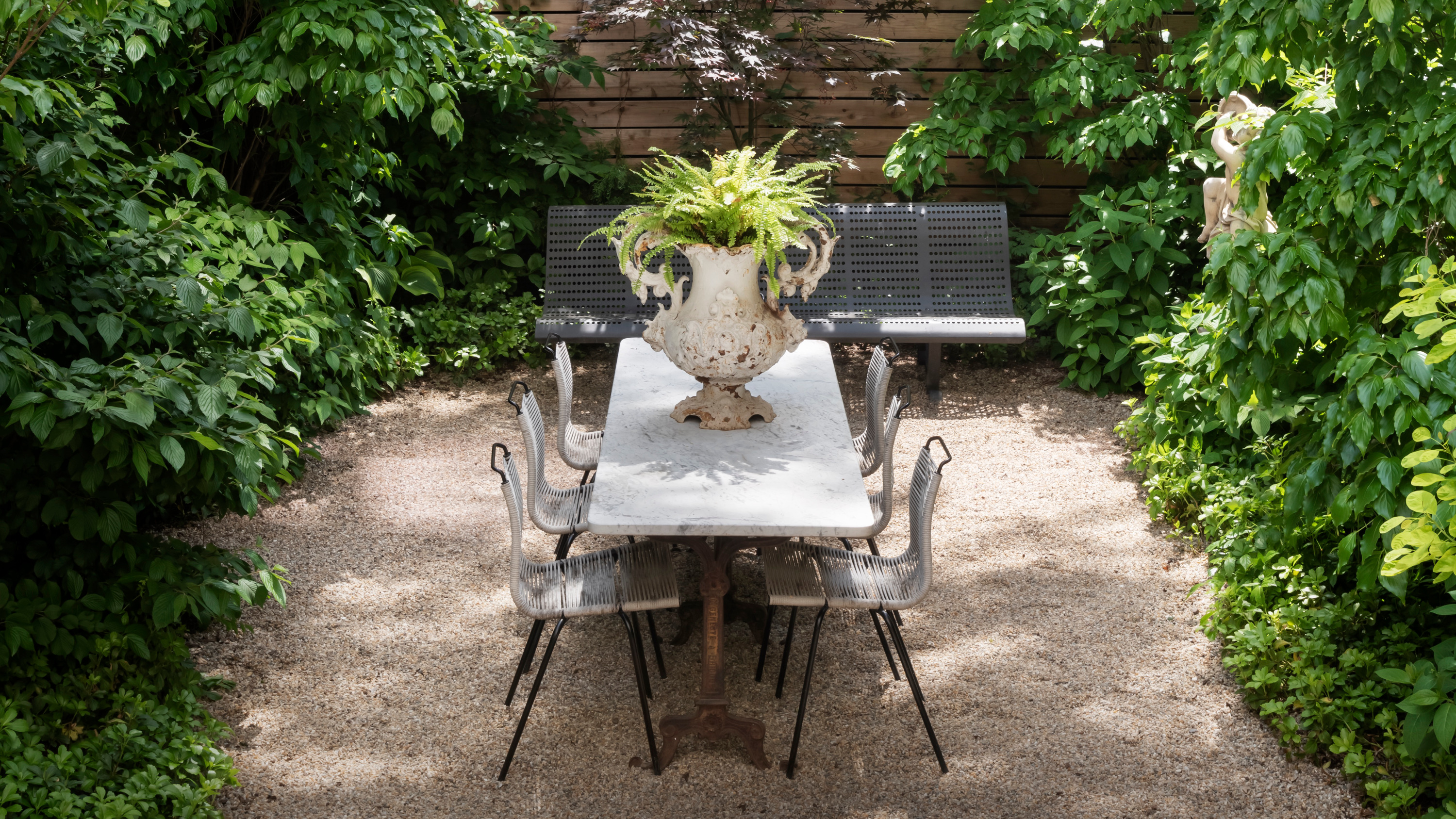
5 Outdated Backyard Designs That Landscape Designers Have Left Behind – And What They're Doing Now Instead
Garden Design Ideas, 2024
Rustic Design Trends You Can't Ignore In 2026

Home & Design | Reno Trends and Landscaping Tips for 2025
6 Patio Trends You're Going to See Everywhere in 2025, According to Designers

These 10 Trends Will Define Outdoor Design in 2023

Designers Are Predicting These Outdoor Living Trends Will Be Everywhere This Year

These are the biggest landscaping trends for outdoor living spaces
10 outdoor decorating trends that are going to be everywhere in 2025
Designers Swear By These 7 Outdoor Rug Trends for an Effortlessly Elegant Patio
The Biggest Trends for Outdoor Spaces

Add These 6 Plants to Your Landscape to be On Trend in 2026

These Will Be the 6 Biggest Porch and Patio Trends for 2025

Local Landscape Experts Weigh in on Yardzen’s 2023 Outdoor Living Trends

8 Deck Trends That Will Transform Your Backyard in 2025