1/16
Rustic Design Trends You Can't Ignore In 2026
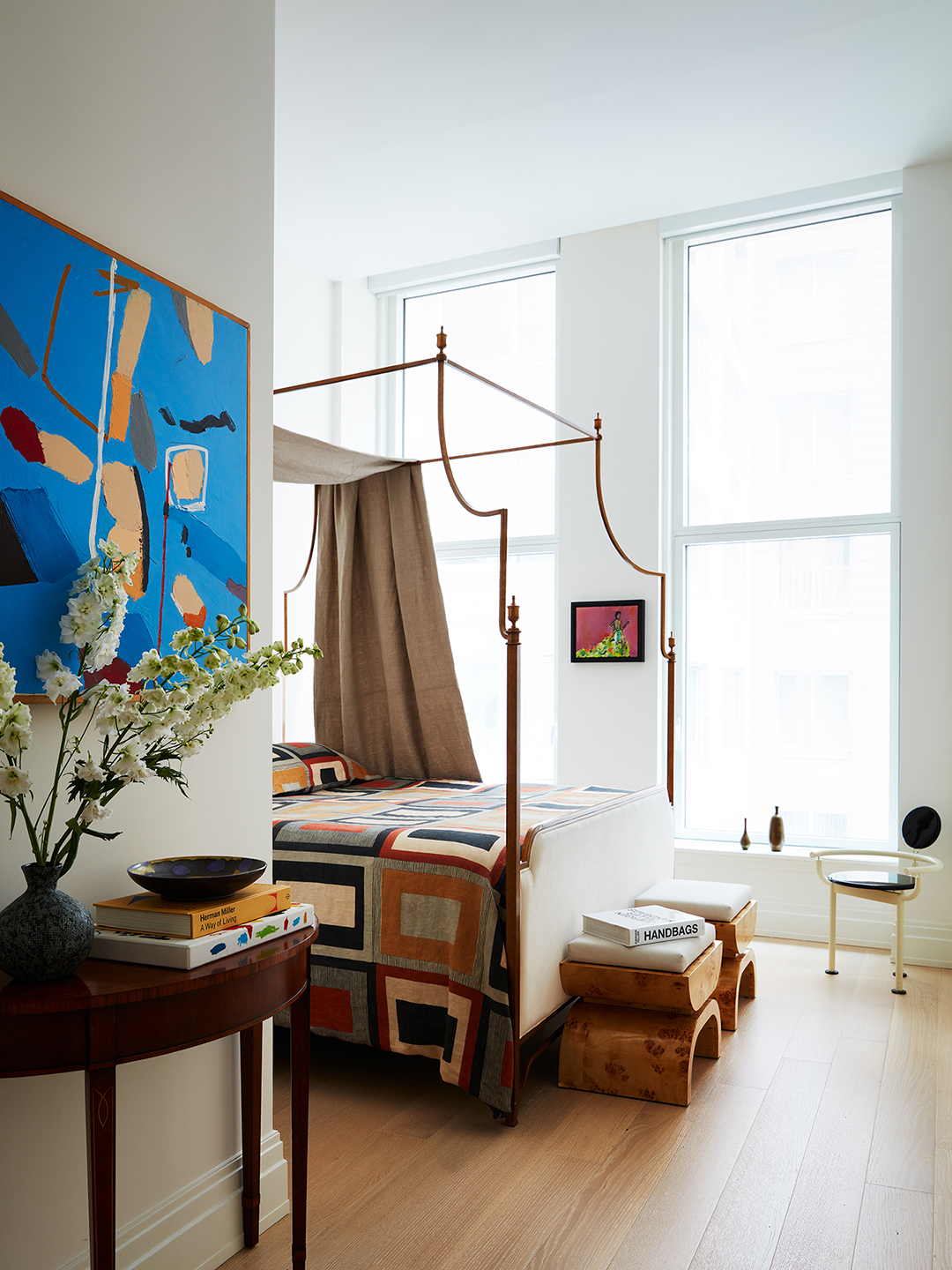
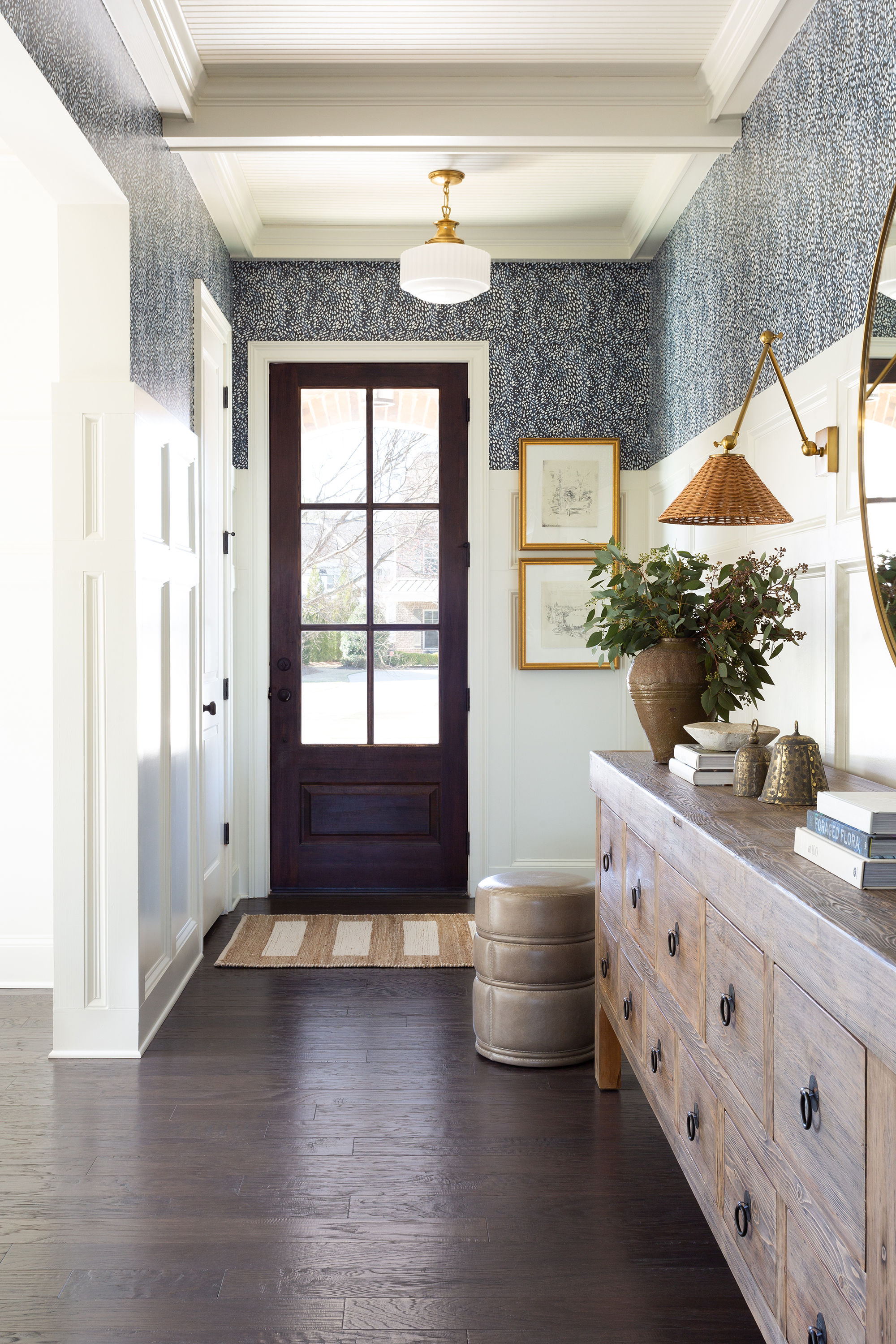
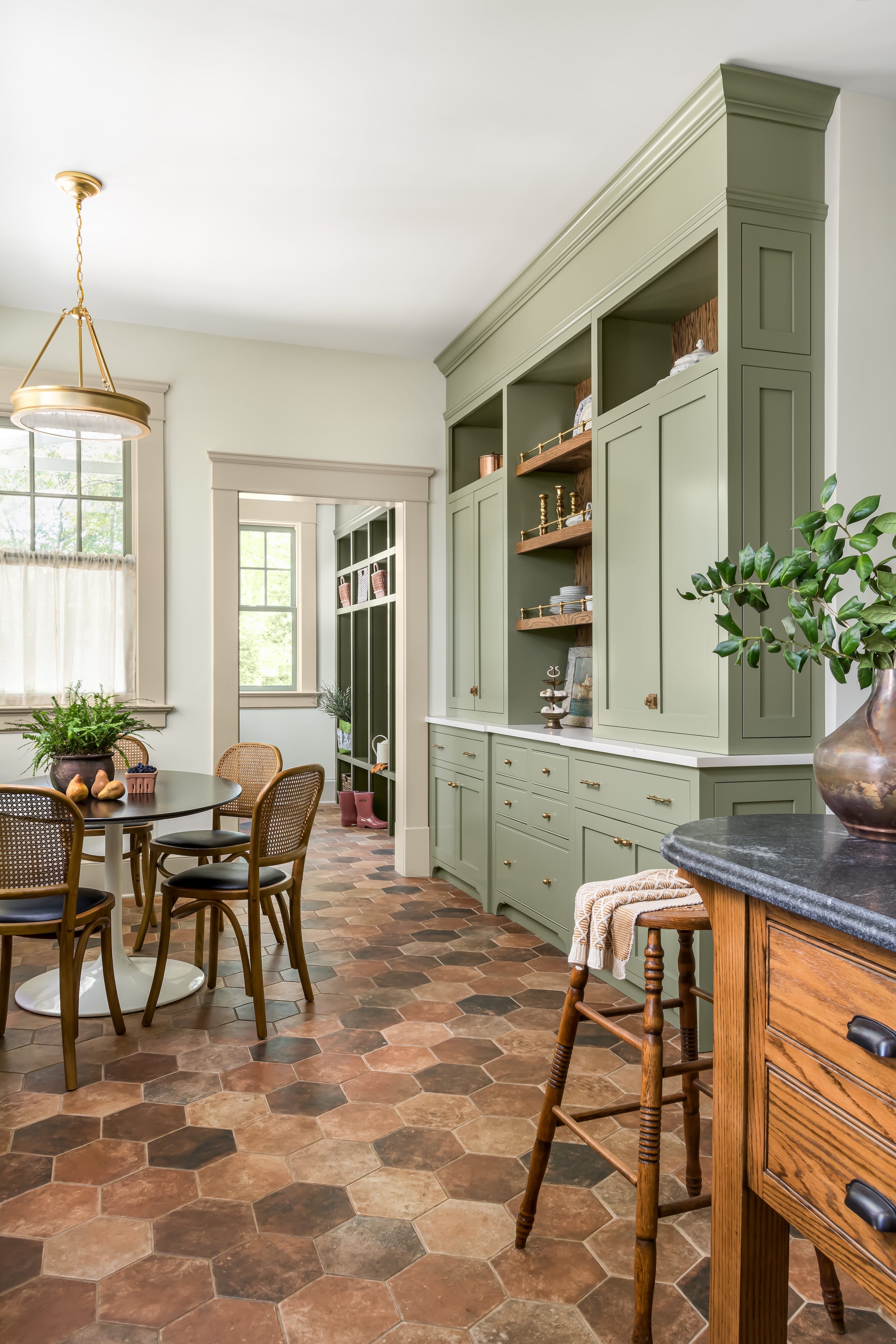
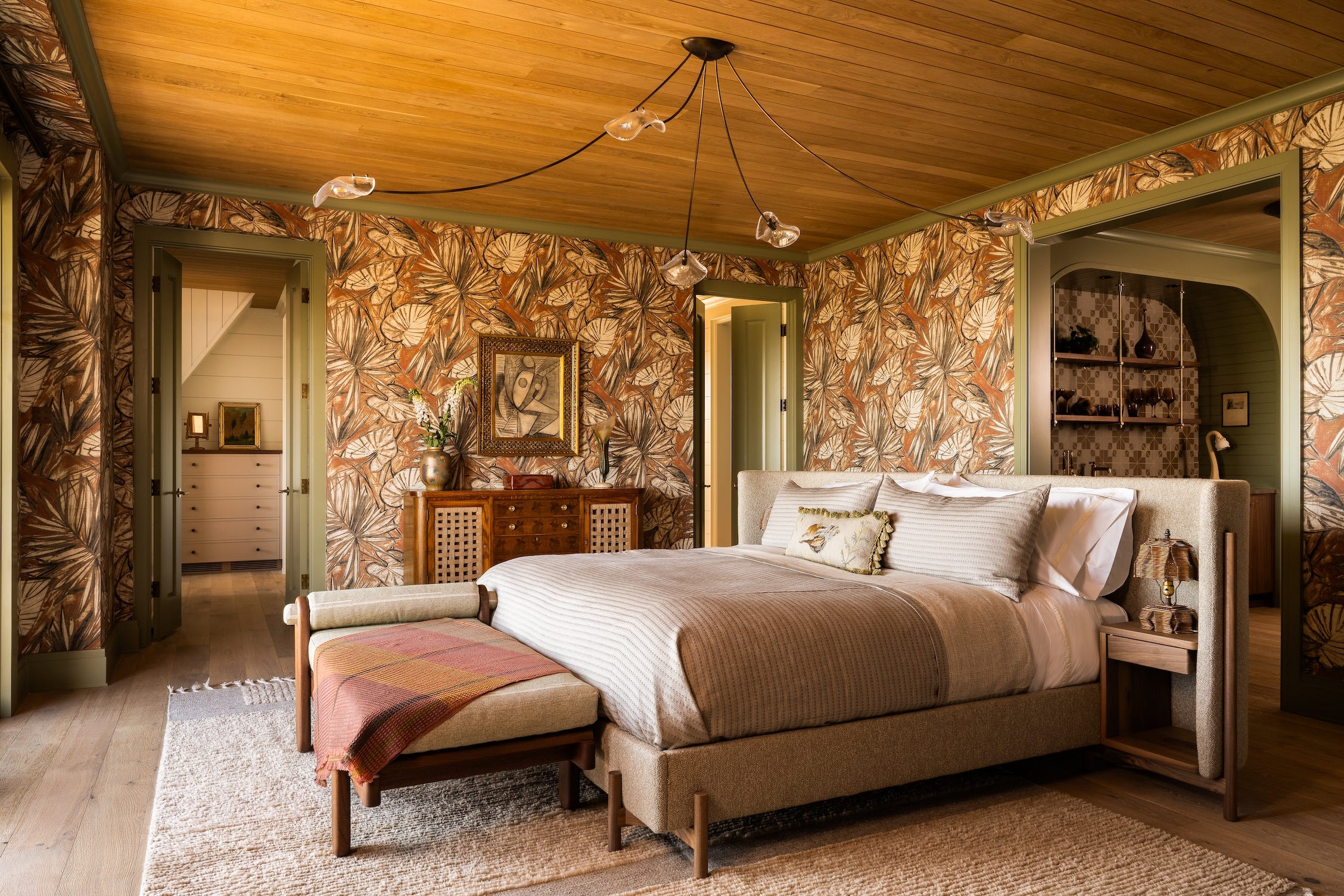
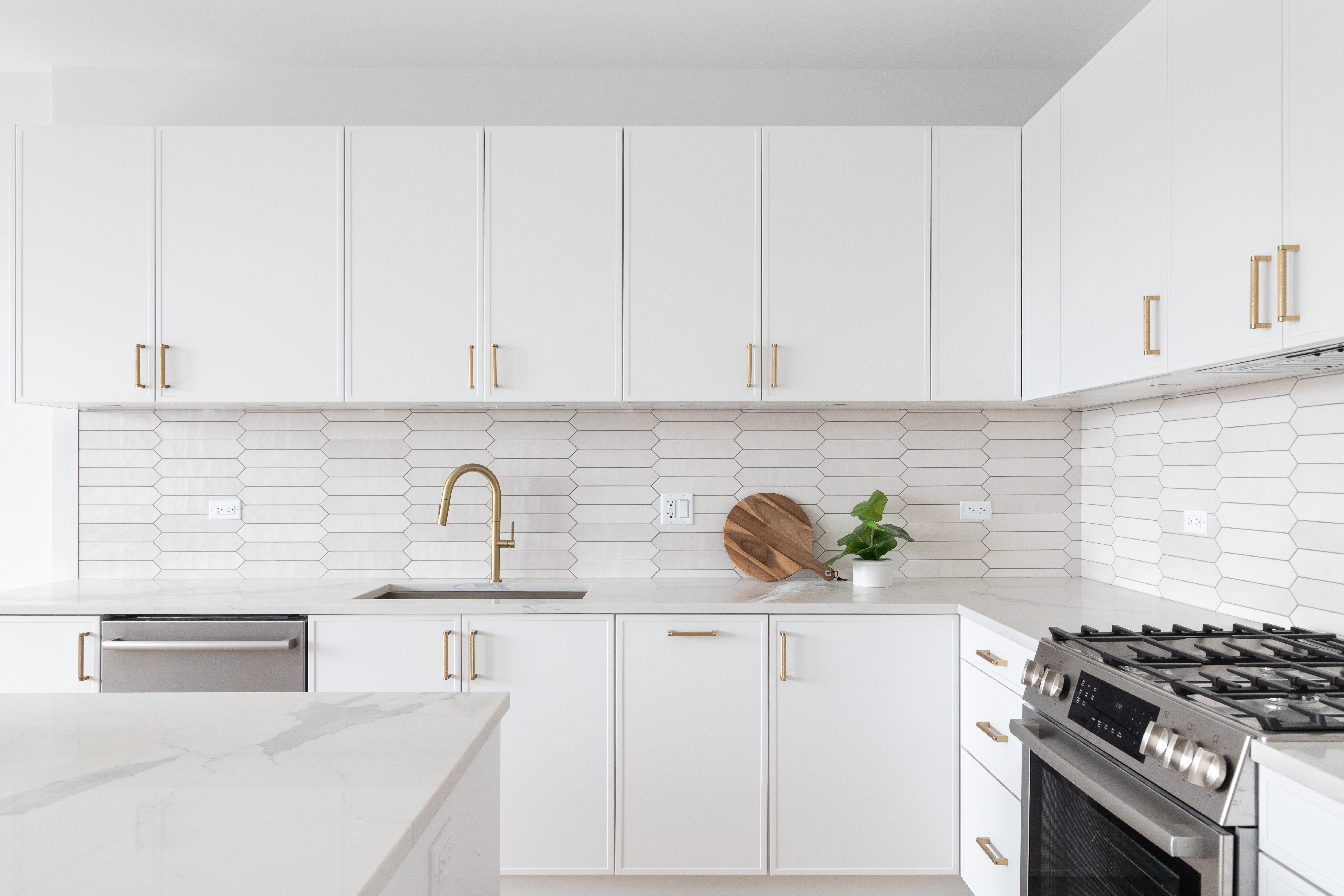
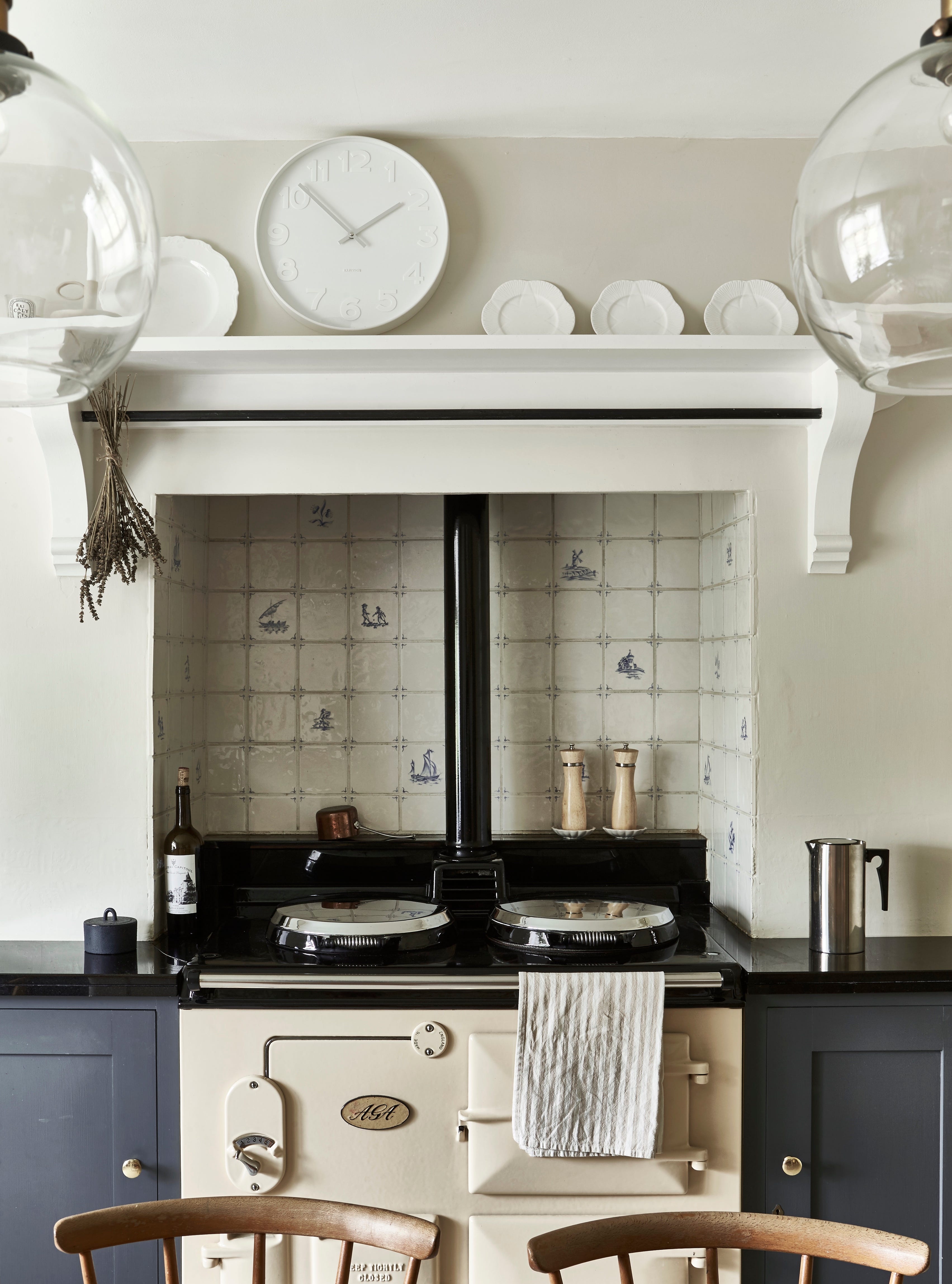
The modern rustic revival movement is set to be a significant design trend in 2026, driven by a desire for warm, grounded, and organic home aesthetics. This trend signifies a shift from sleek minimalism towards designs that incorporate history, texture, and natural finishes, echoing the popularity of 'castlecore' and 'cottagecore' trends. The contemporary interpretation of rustic chic balances raw natural elements with thoughtful design, moving beyond heavy lodge aesthetics to create interiors that feel timeless, inviting, and subtly luxurious.
Key to this movement are textural materials that evoke a sense of history and craftsmanship. Animal-inspired textures, such as sculptural antlers, horn motifs, and hair-on-hide accents, are being recontextualized as sophisticated design details rather than kitsch. These elements, when layered with rich interpretations of aged wood, contribute to a lived-in, authentic rustic space. The trend emphasizes the deliberate curation of these natural components, ensuring they enhance rather than overwhelm the design.
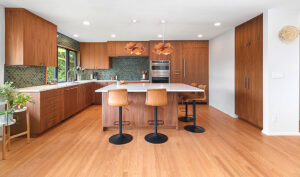
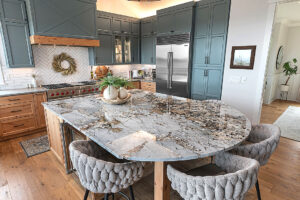
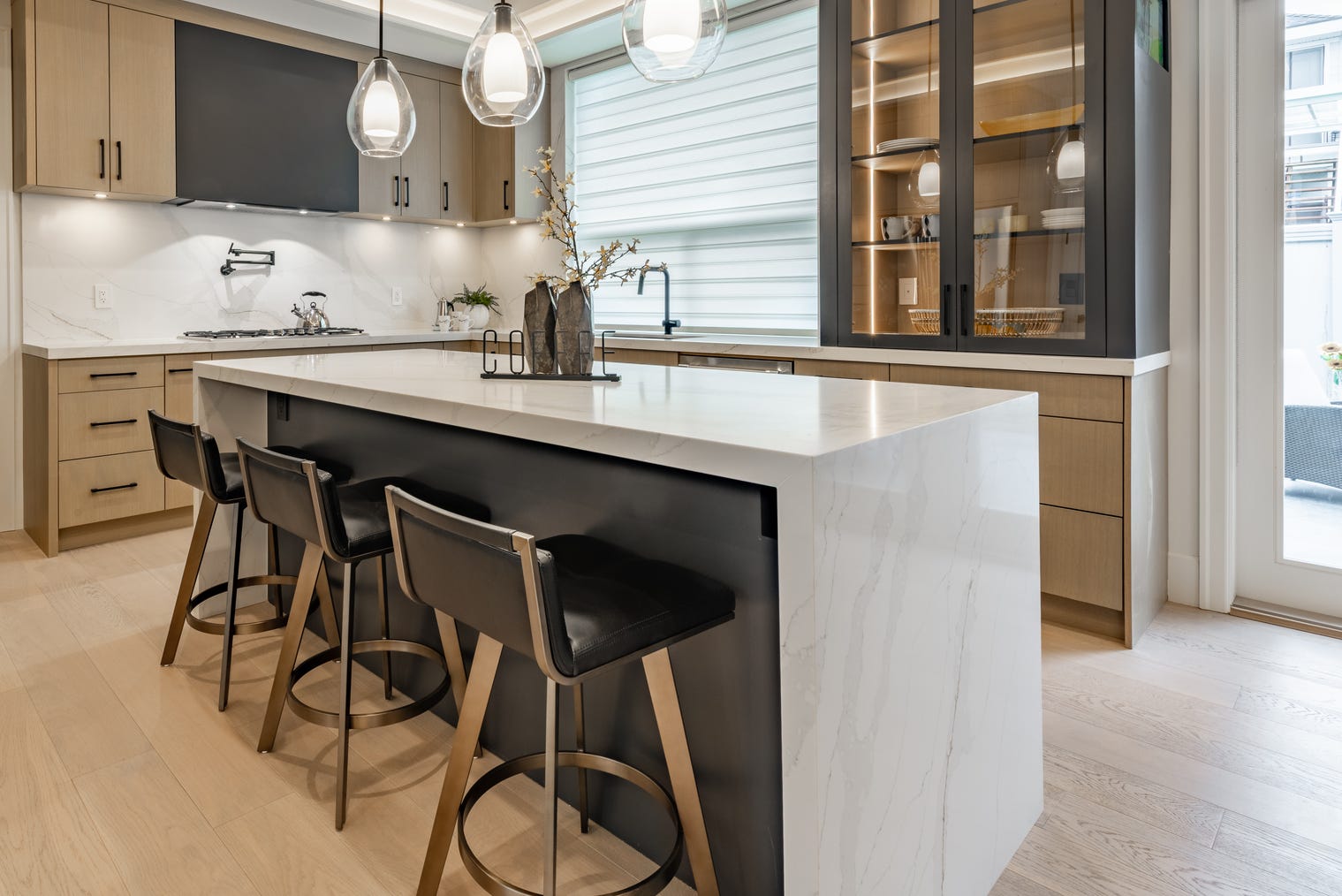
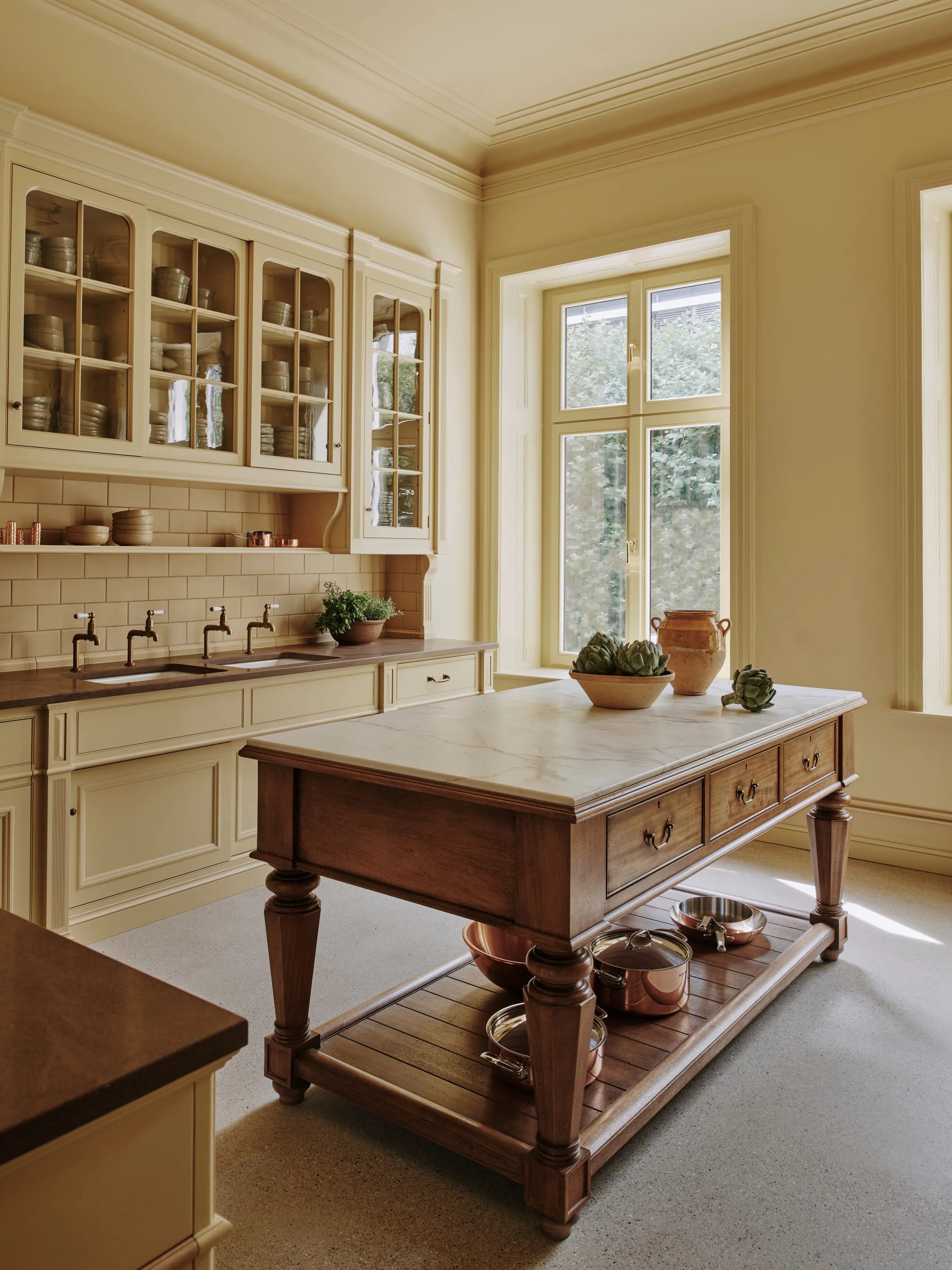
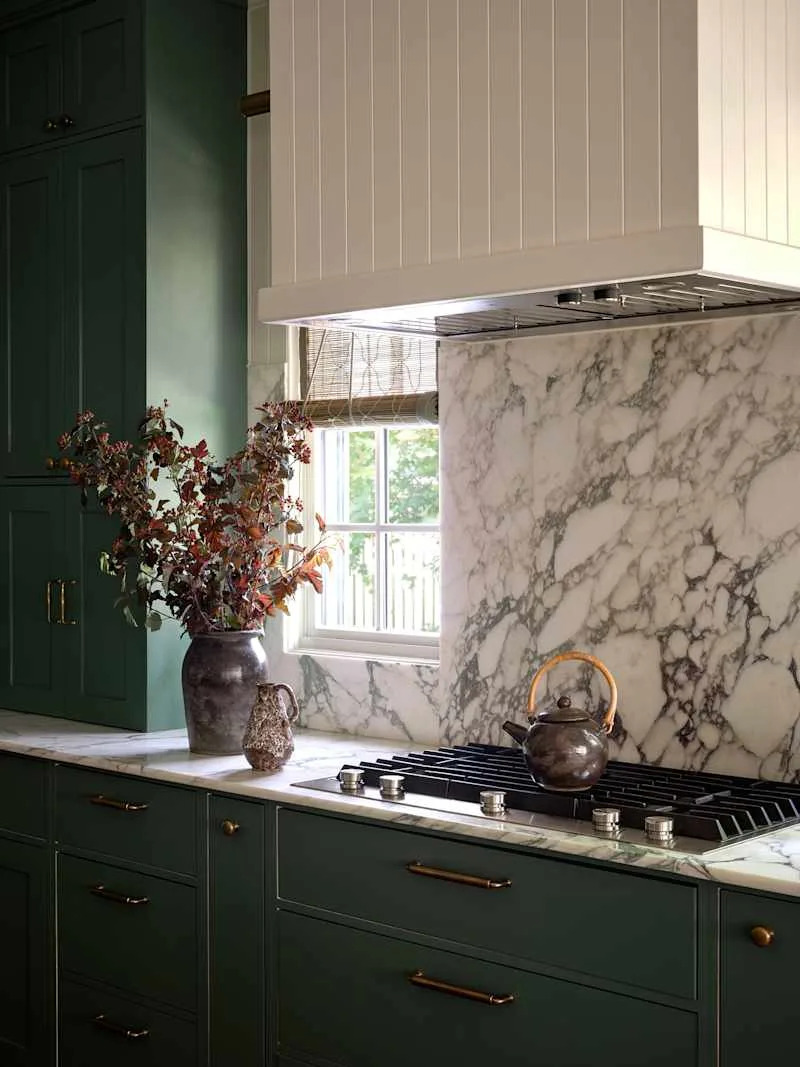
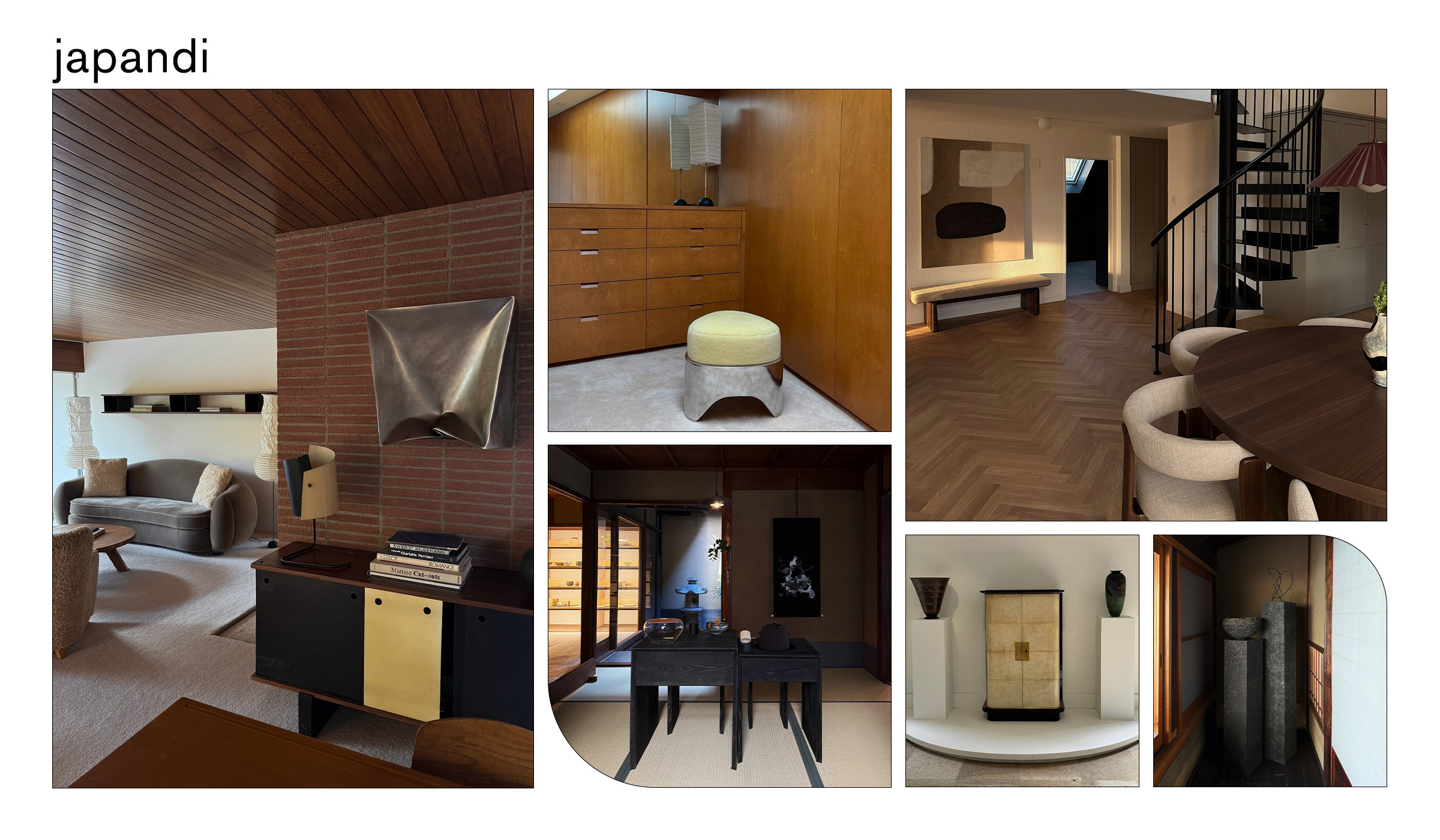
Stone, a historical design staple, is highly valued in this revival for its organic authenticity. Whether incorporated as limestone side lamps or rough-hewn accent walls and fireplaces, stone adds depth and a rooted comfort. Its natural balance is achieved when paired with softer materials like leather, linen, or wood, creating an elegant and refined aesthetic that warms up the stone while grounding other elements. Rich woods, such as Douglas fir, walnut, and oak, are integral, offering depth, character, and a sense of heritage. These woods appear in furniture, architectural details, and sculptural accents, signifying a potential shift from all-white decor to richer, layered pieces.
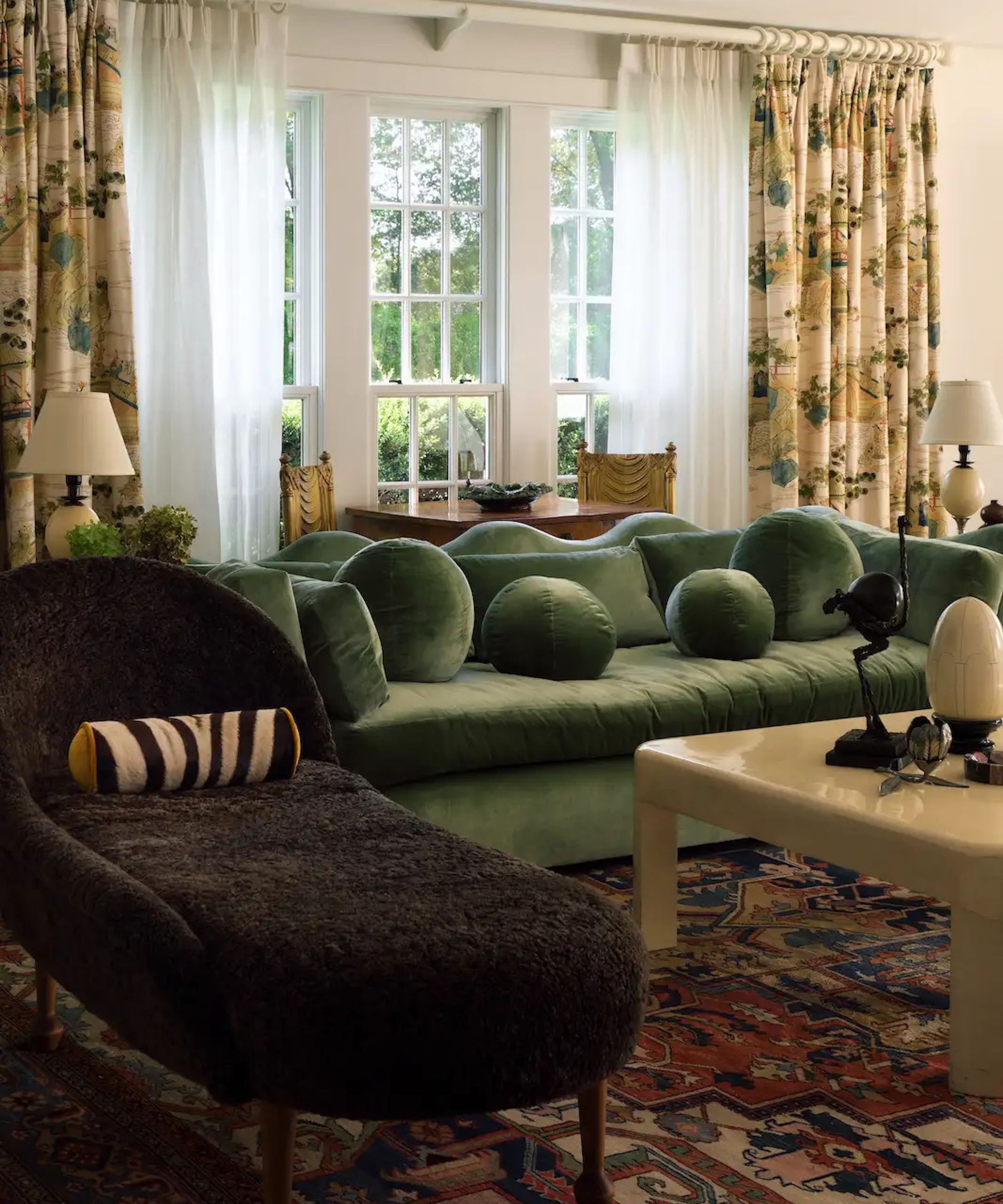
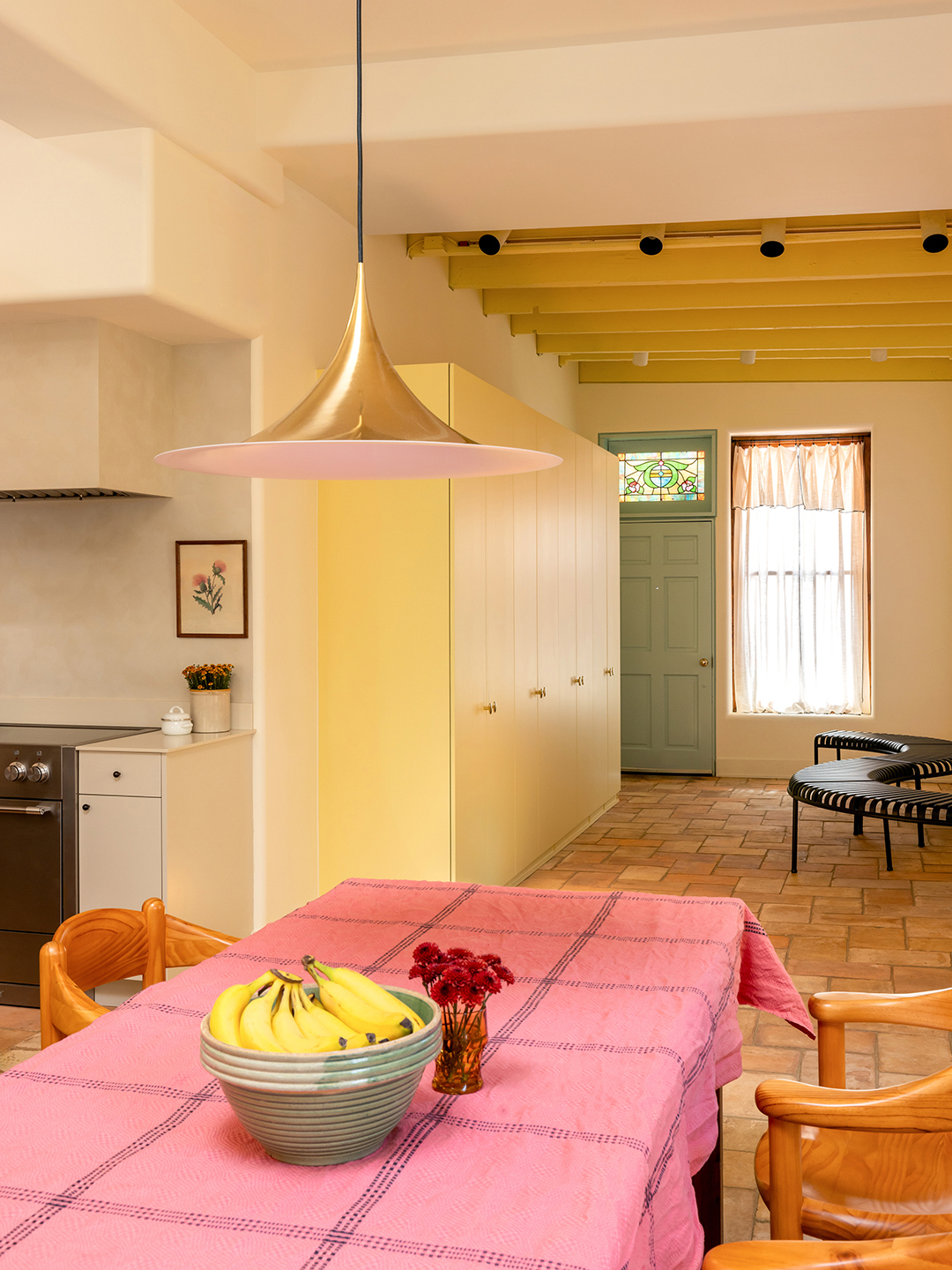
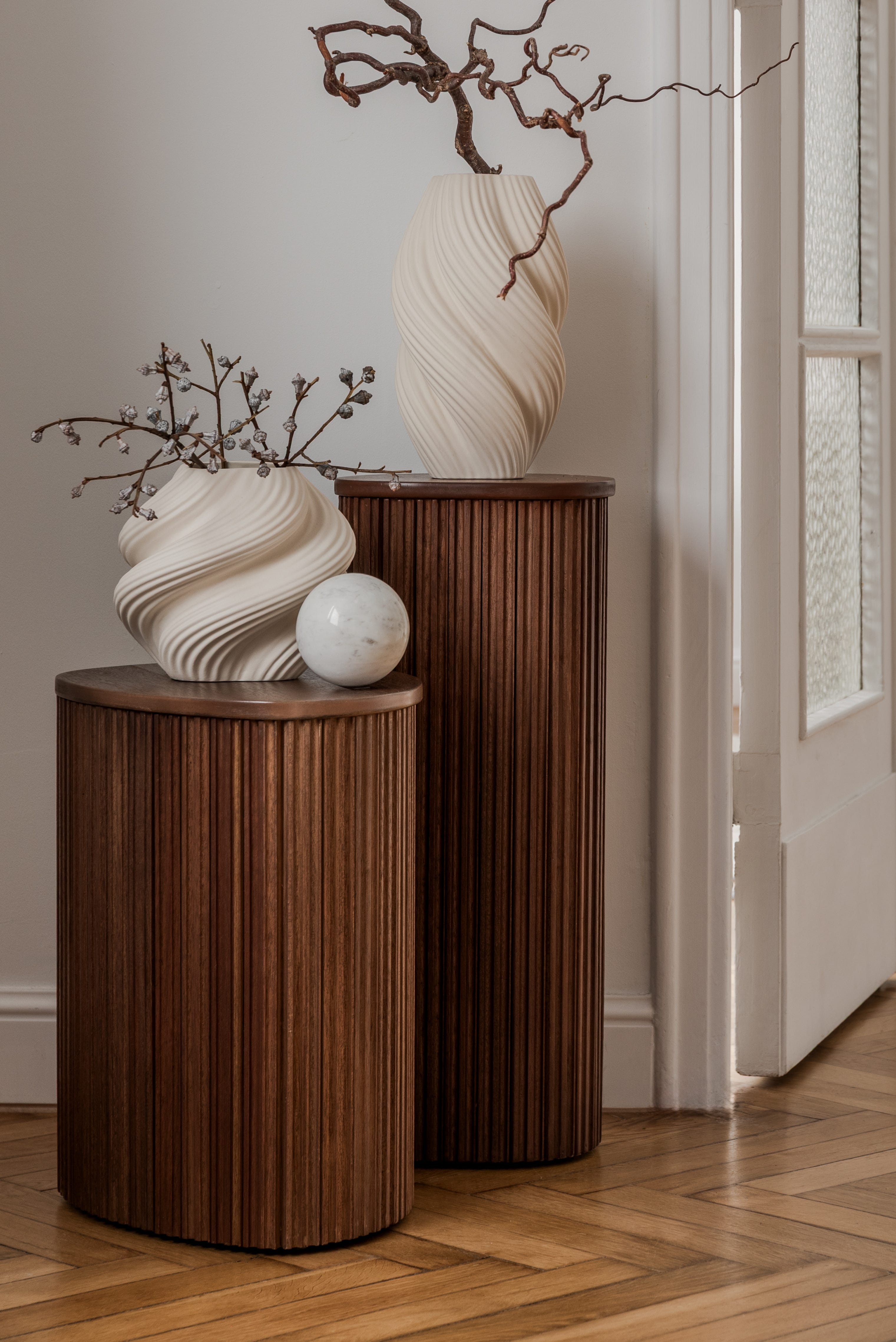
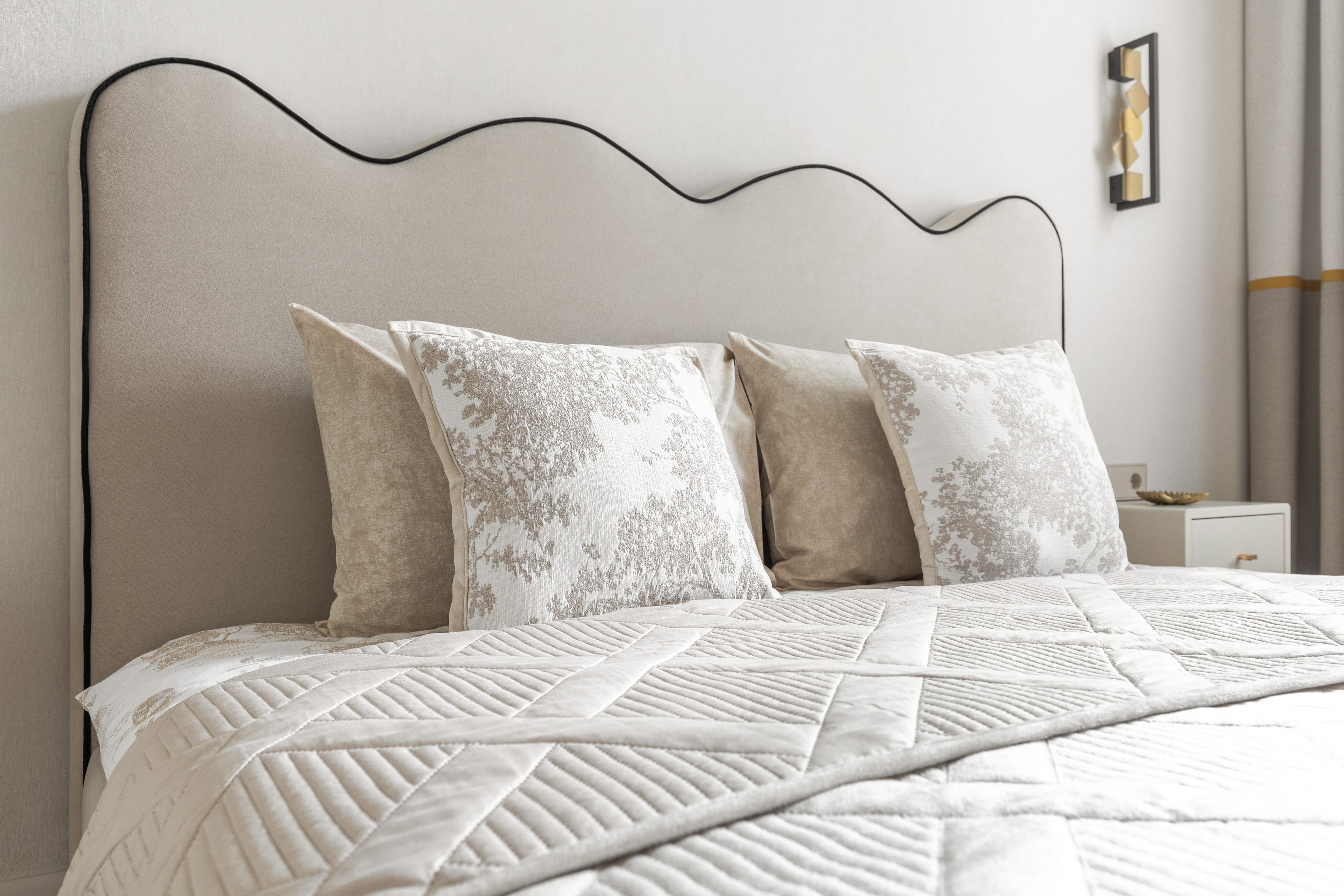
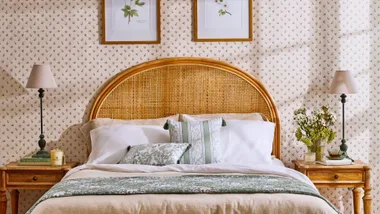
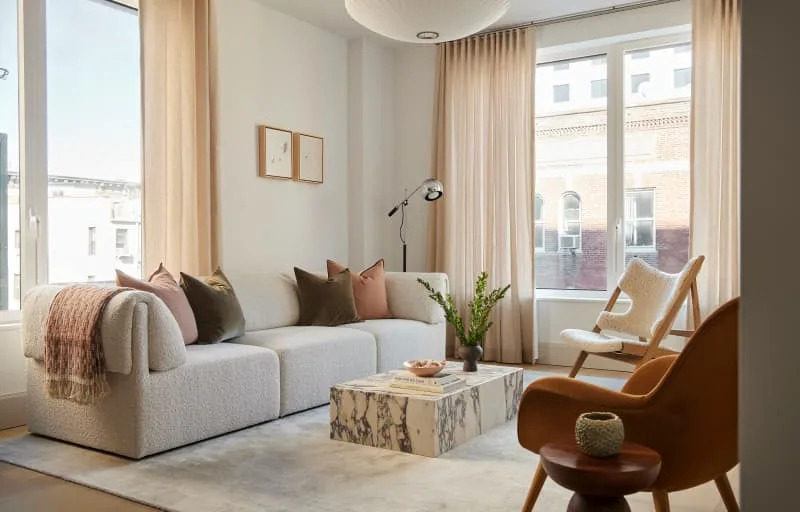
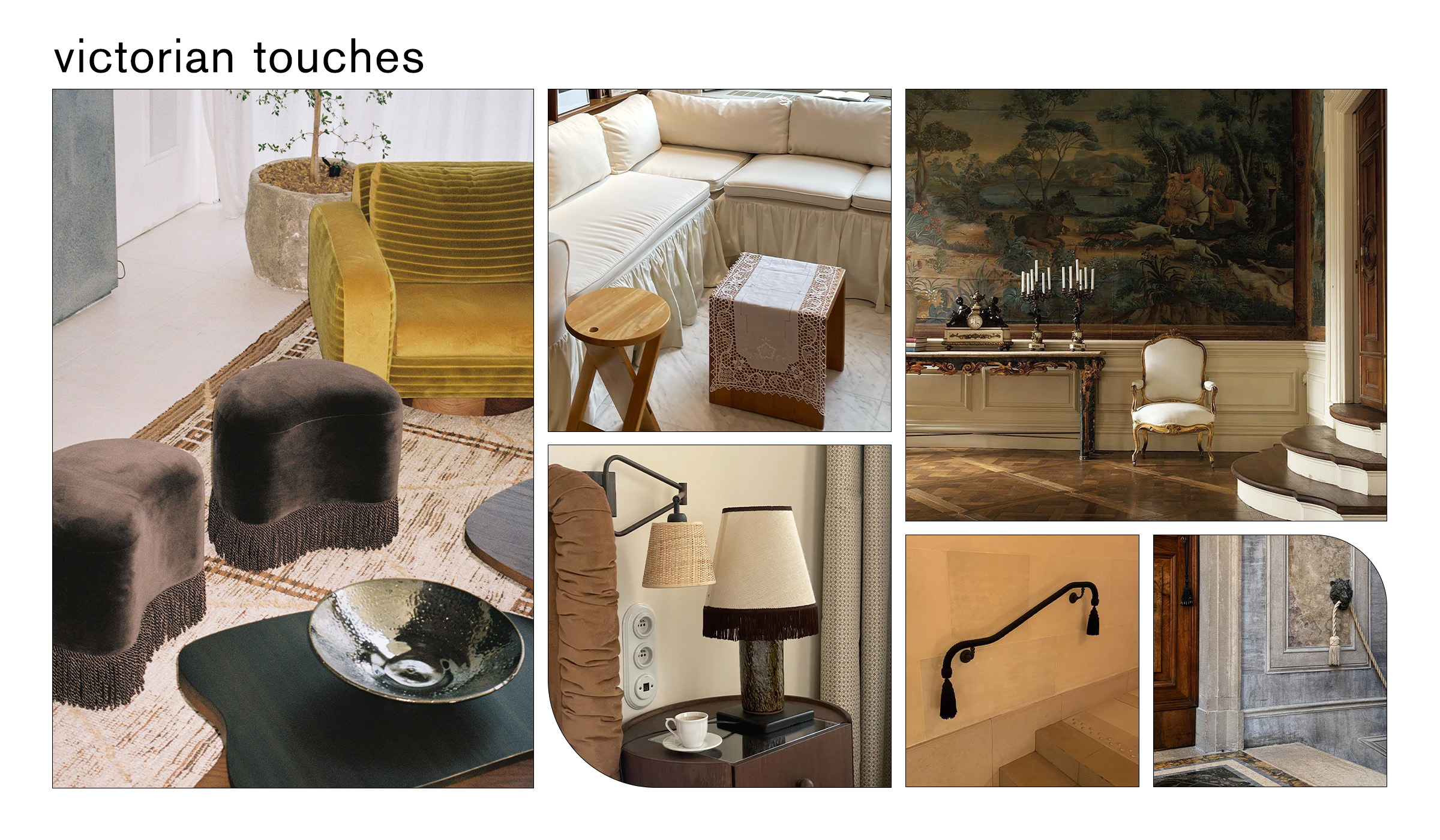
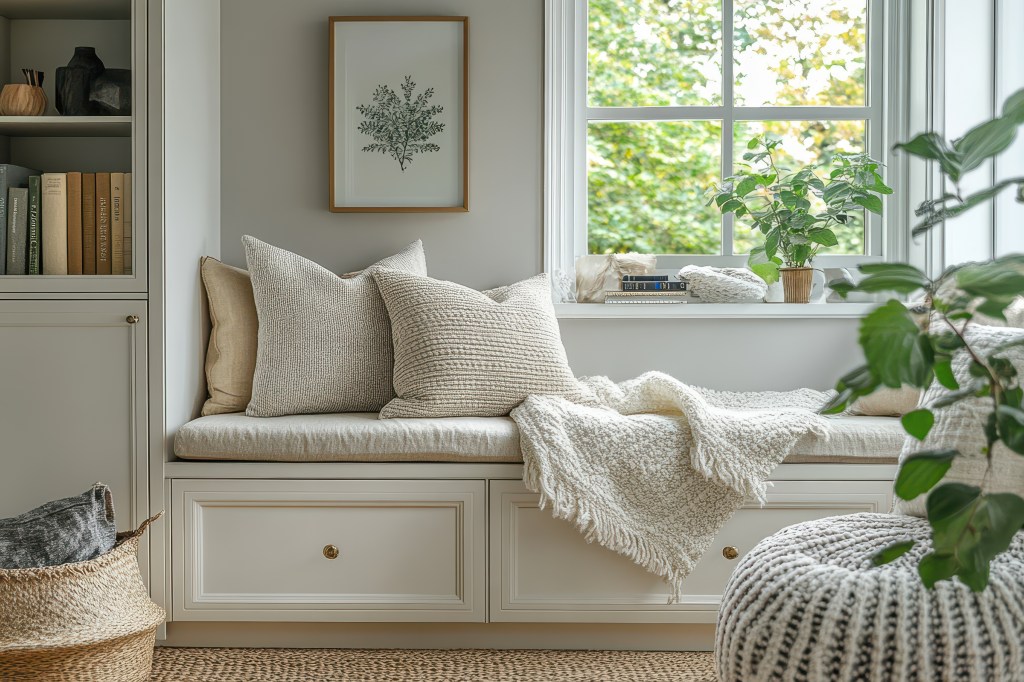
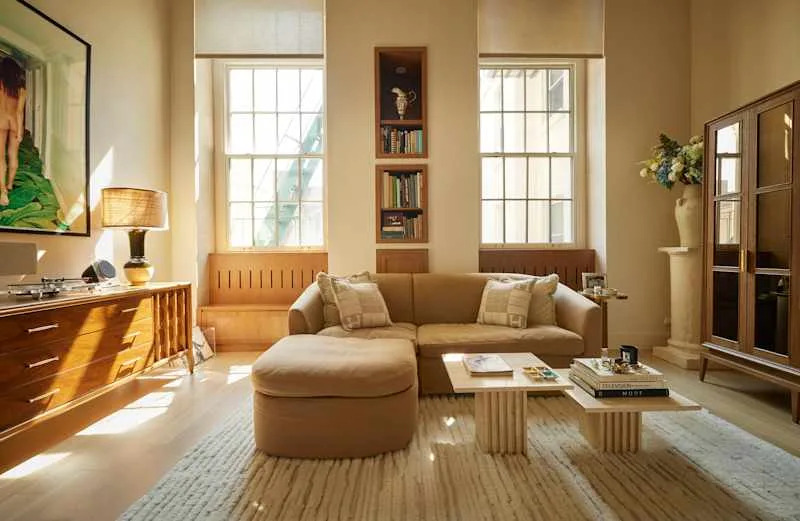
Tambour surfaces, characterized by narrow, rounded, repeating slats, add visual movement and a log-cabin-like texture on a smaller scale. This element offers a subtle way to introduce rustic vibes, especially when combined with other woods, stones, and earthy finishes. Layered textiles, including linen, leather, wool, and cotton, are crucial for introducing softness and contrast to the hardier materials. Natural fibers that wrinkle and age gracefully enhance the organic appeal, with earthy, grounded colors and obvious textures, such as fringes and crocheted pieces, creating optimal layering for lodge or farmhouse rustic aesthetics.
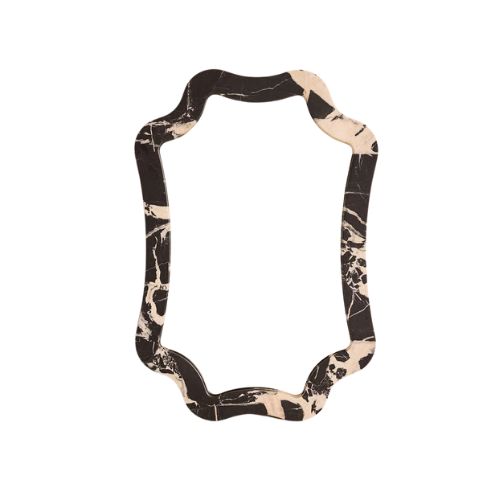
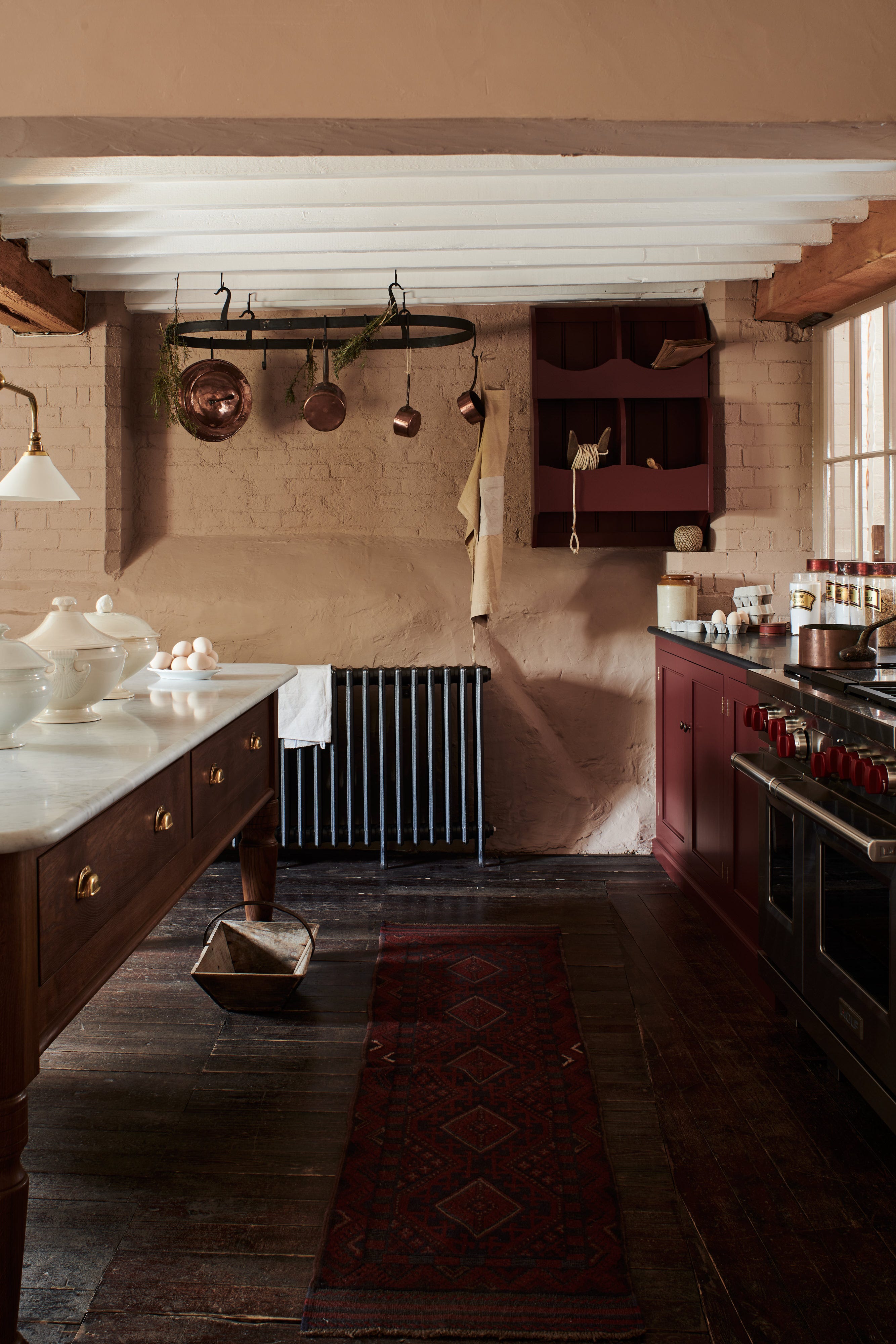
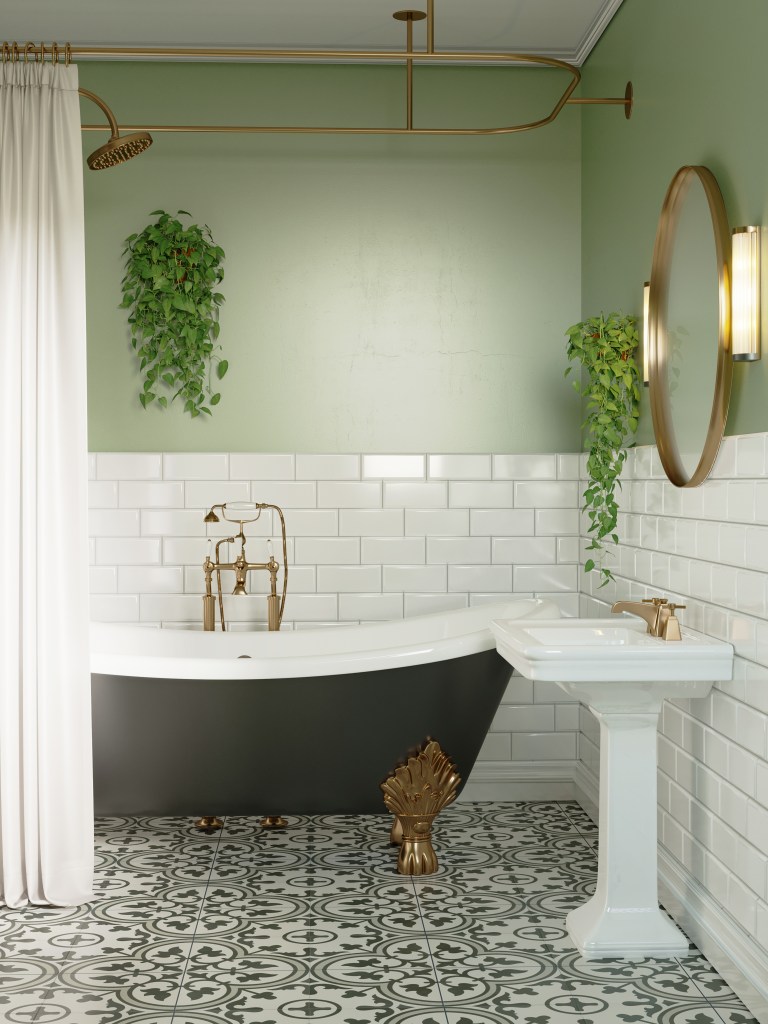
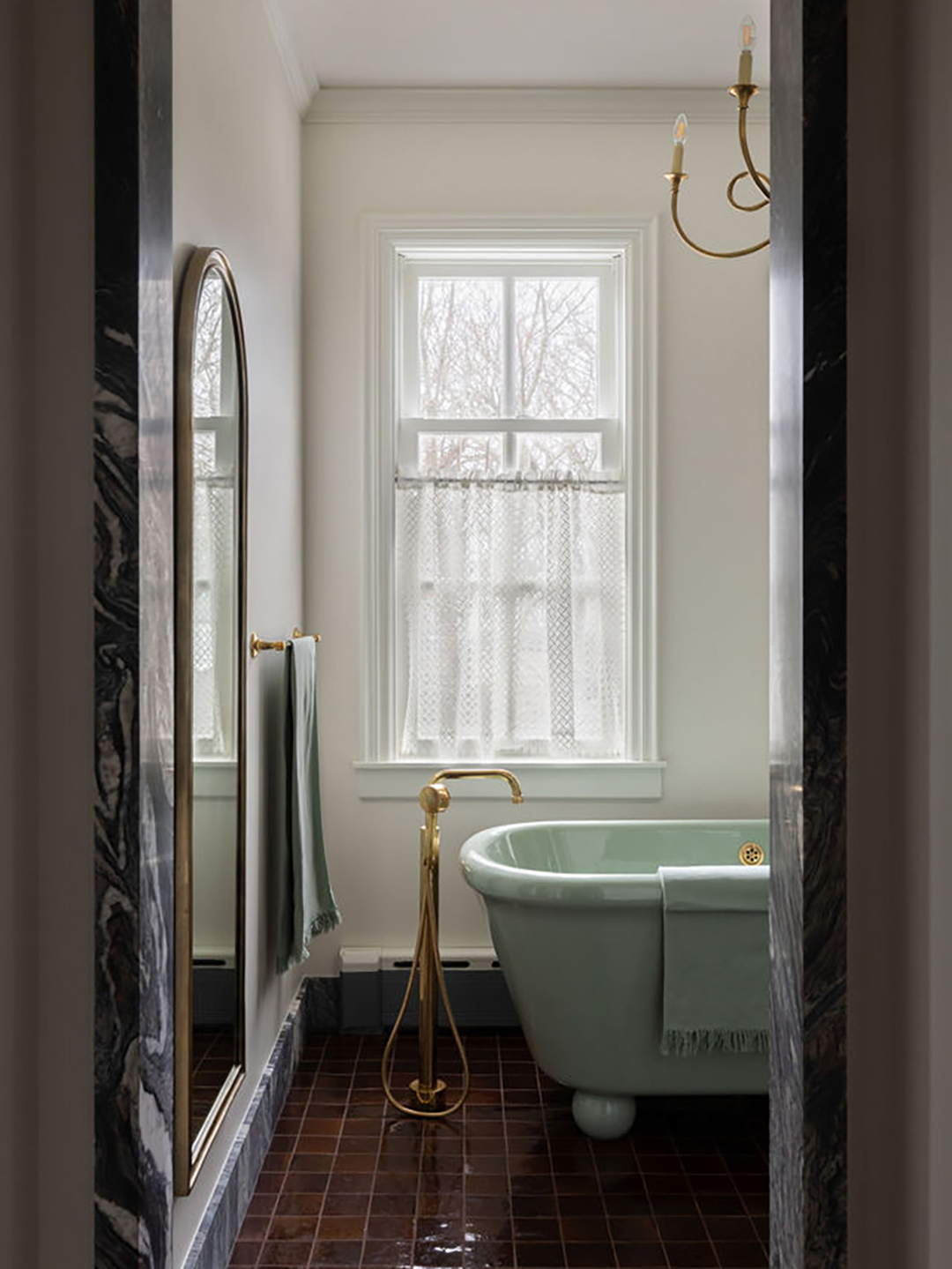
Aged metal details, like hammered surfaces and antiqued brass, contribute a sense of historic charm, with genuine antique pieces exhibiting natural oxidation and wear. These metallic accents introduce organic variations to rigid materials and can be integrated as large focal points, such as chandeliers, or subtle touches, like antiqued metal frames. Handcrafted decor, including pottery, carved wood, and woven baskets, adds purposeful irregularity and unique shapes, moving away from mass-produced items to emphasize personal, lived-in, and intentional spaces.
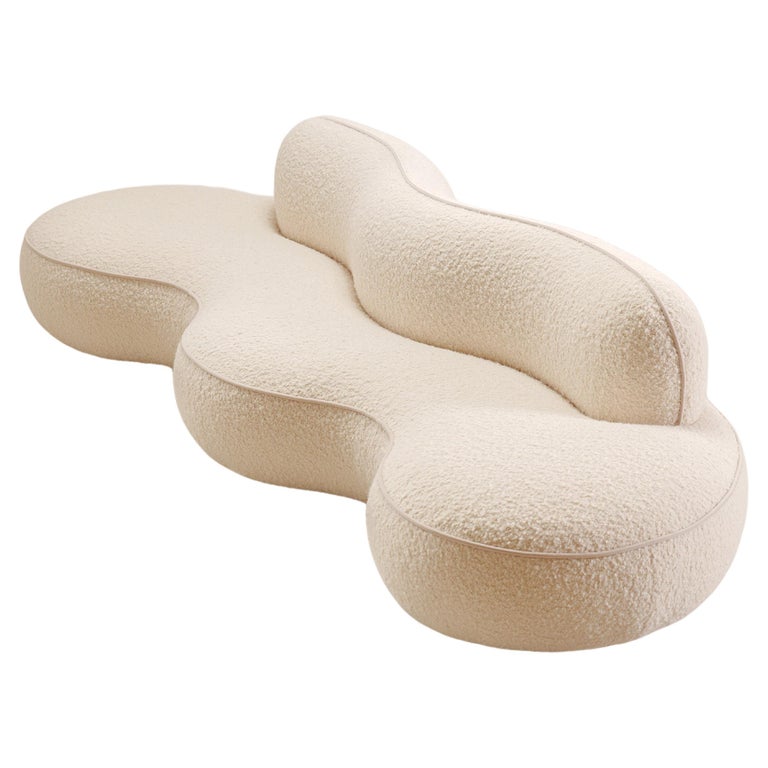
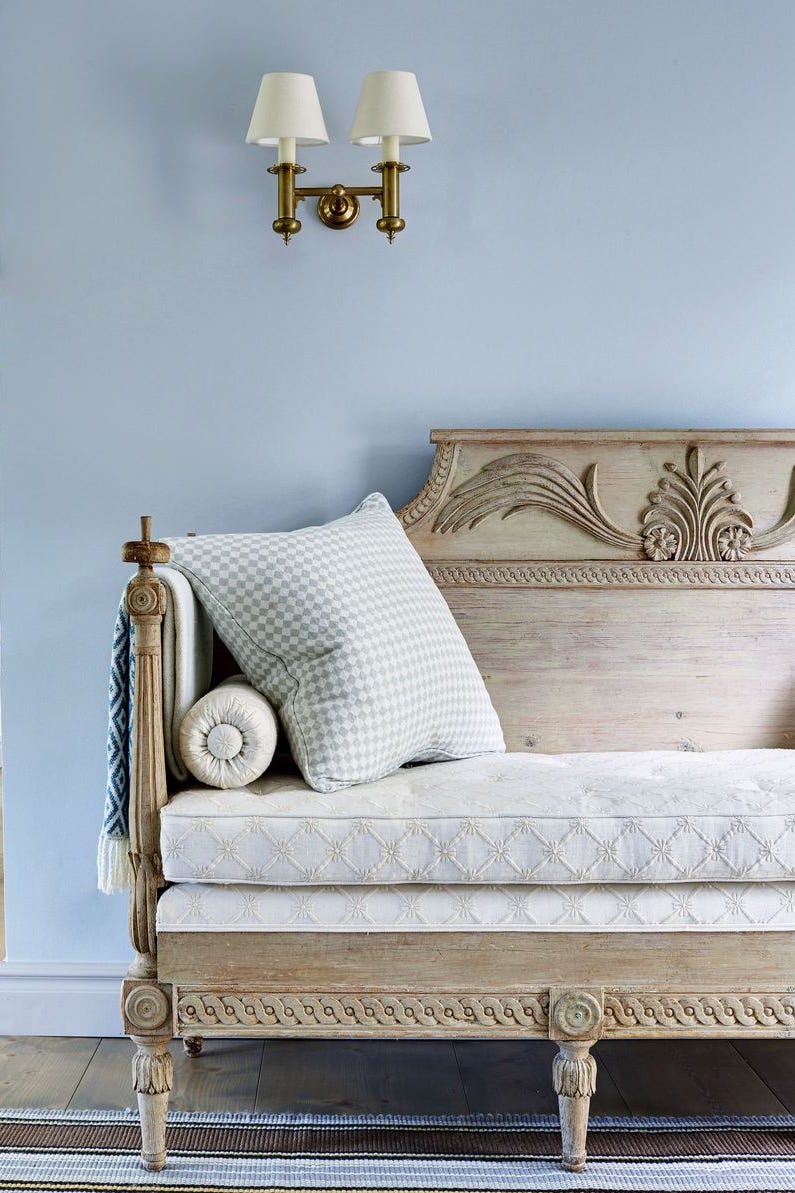
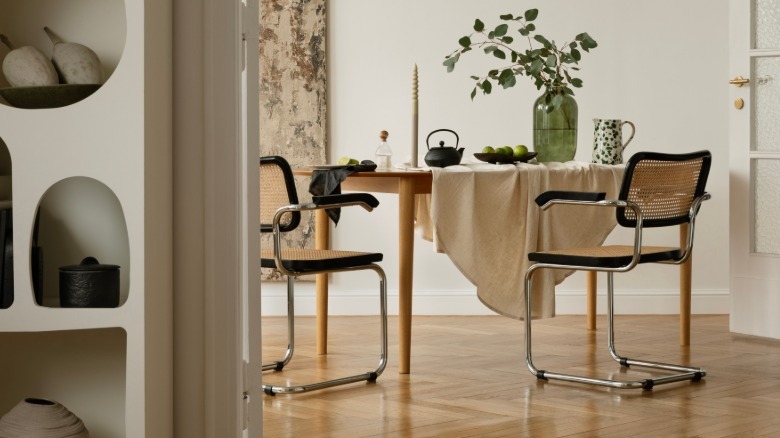
Organic shapes, including curved furniture and irregular forms, mirror natural contours, preventing spaces from feeling sterile. This approach encourages the use of wood that retains its natural log shapes and stone in its raw form. Genuine antique and vintage pieces, with their true patina and wear, offer authentic depth and history, reinforcing rustic design's appreciation for longevity and craft. Earthy color tones, such as clay, sand, moss, and warm grays, act as grounding neutrals, allowing natural materials to take center stage and creating a warm, well-loved environment. Textured walls, using wood paneling, limewash, natural plaster, or clay, add another layer of earthiness, allowing for a blend of modern and rustic styles.
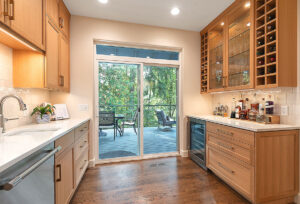
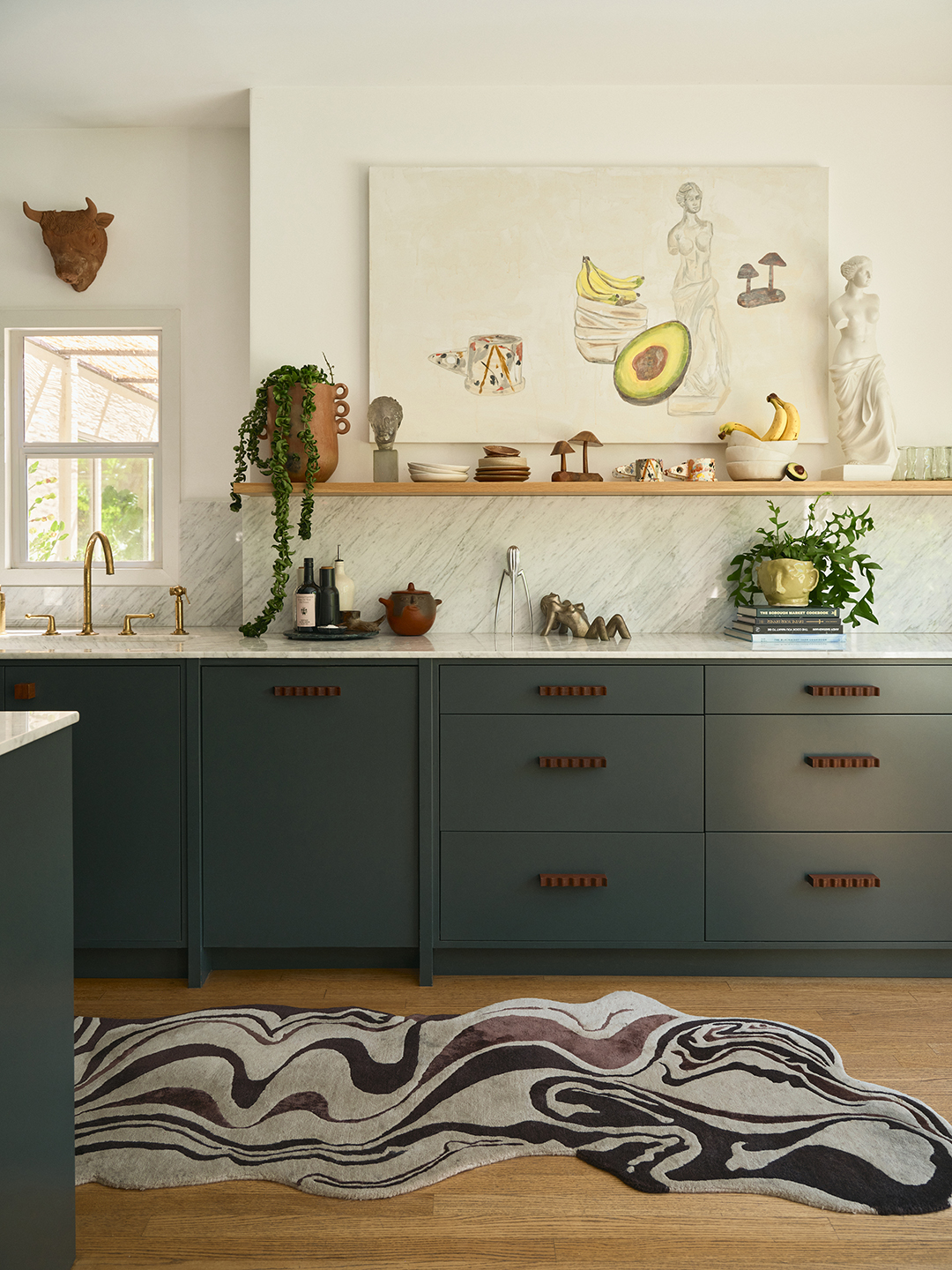
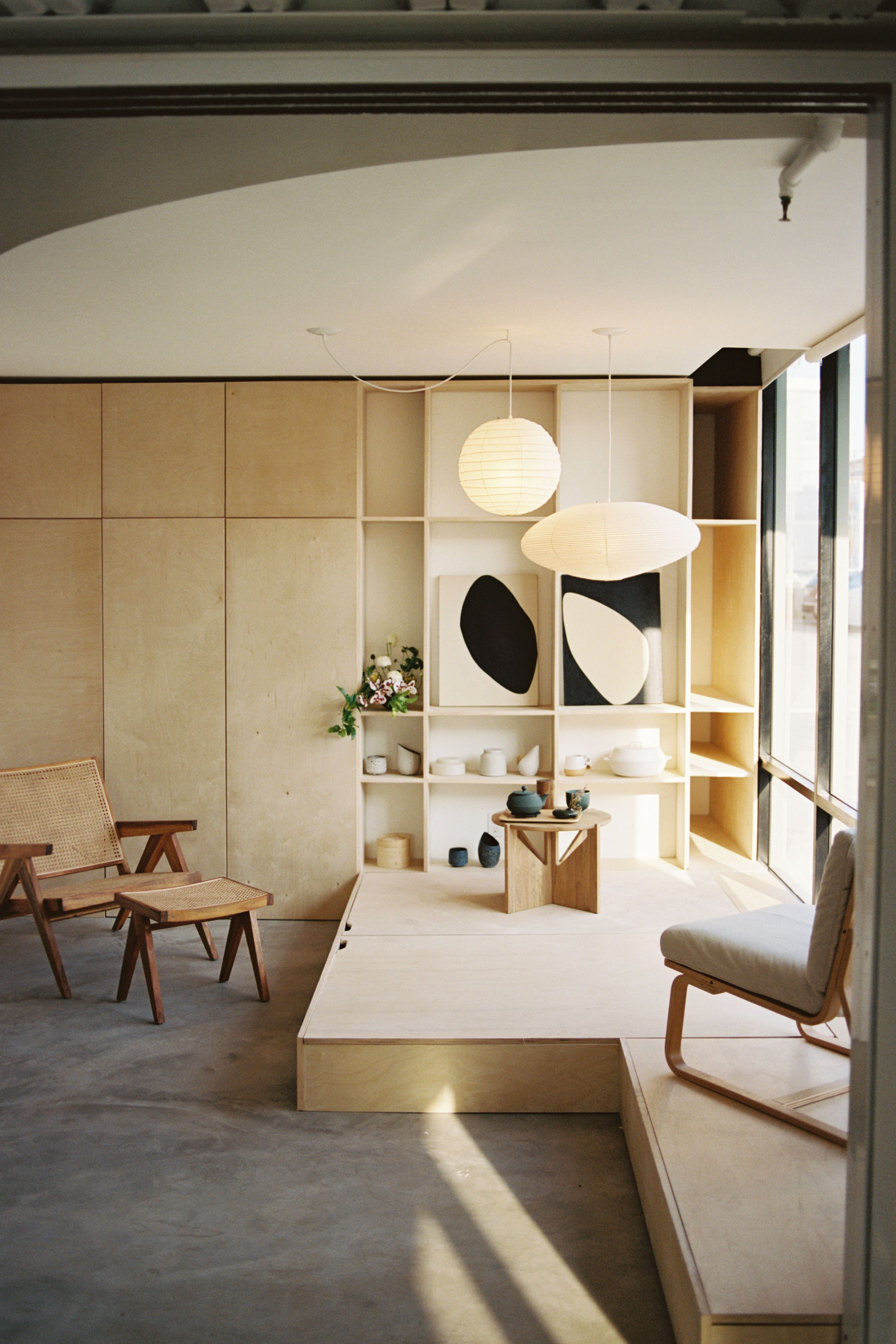
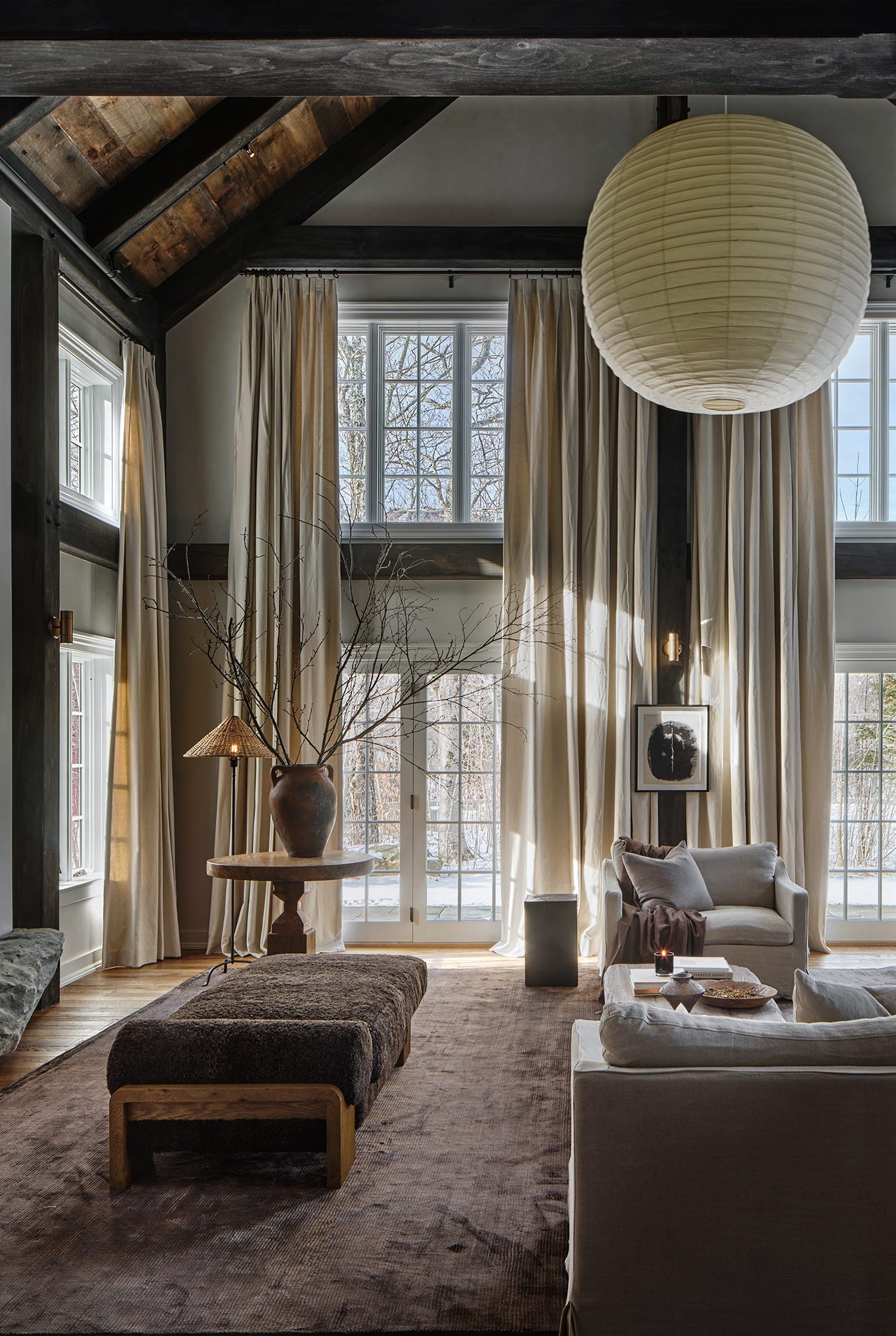
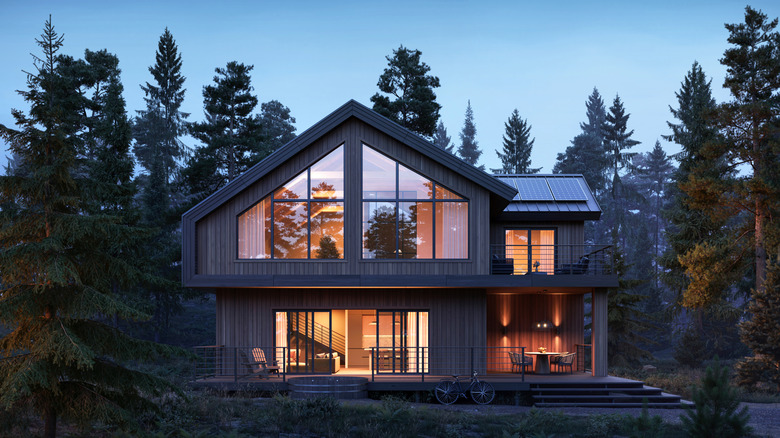
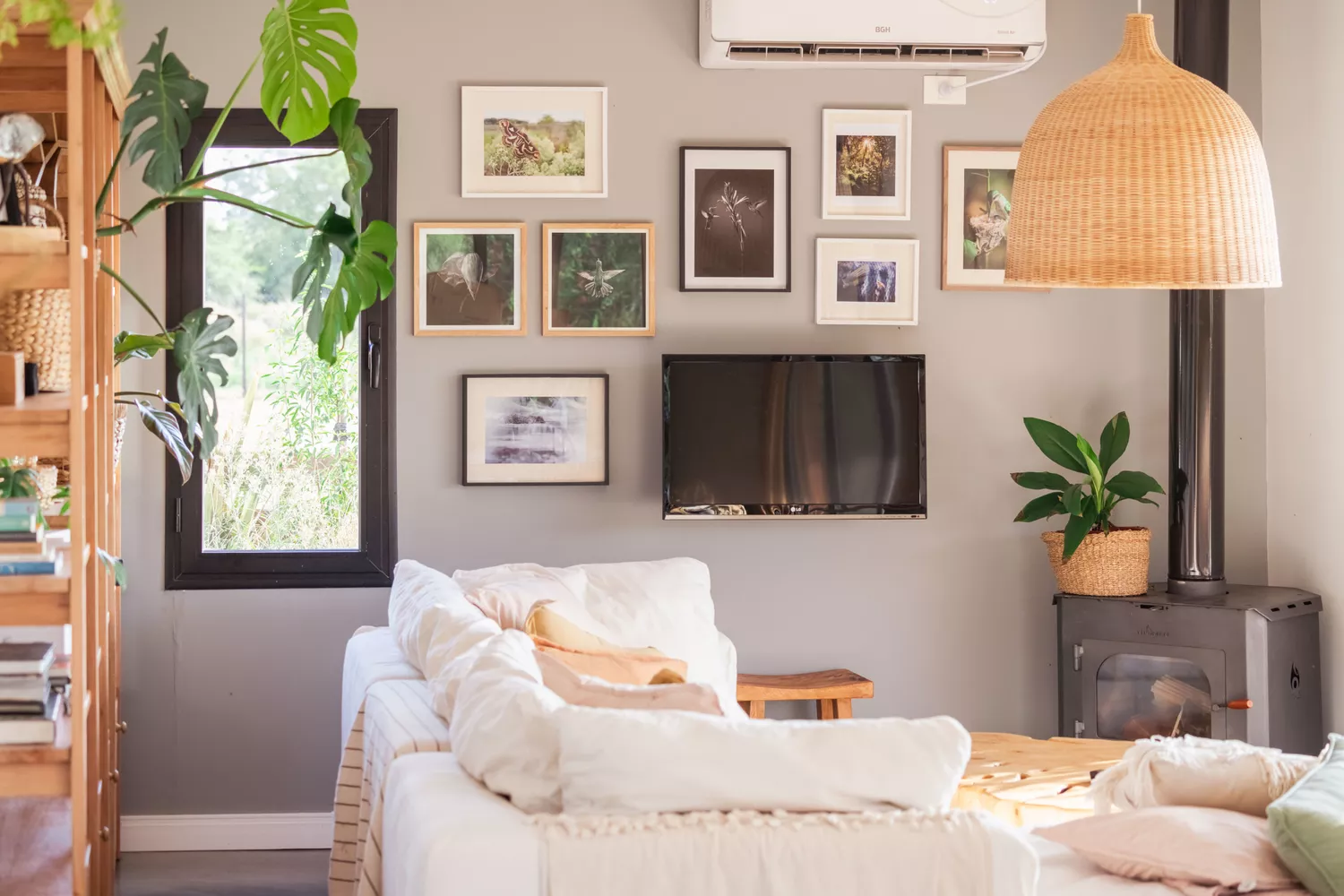
Oversized windows infuse a modern touch by inviting natural light and creating an inside-outside living experience, connecting the home to its natural surroundings. Statement greenery, including tall sculptural plants, trailing greenery, and potted plants in handcrafted planters, breathes life into the space and reinforces the organic aesthetic. Finally, lived-in bookcases, filled with personal items, antique bookends, and handcrafted pottery, highlight authenticity and comfort over formality. The ultimate expression of this trend is cabin-inspired, modern exteriors, blending natural materials with clean lines and A-frames to create retreat-like homes that connect deeply with nature.
#RusticDesign #HomeDecorTrends #InteriorDesign #OrganicAesthetics #NaturalMaterials #TexturalDesign #ModernRustic #HomeDesign2026 #SustainableDesign #RusticDesign #HomeDecorTrends #InteriorDesign #OrganicAesthetics #NaturalMaterials #TexturalDesign #ModernRustic #HomeDesign2026 #SustainableDesign
0 comment in total
 No comments yet
You may also like
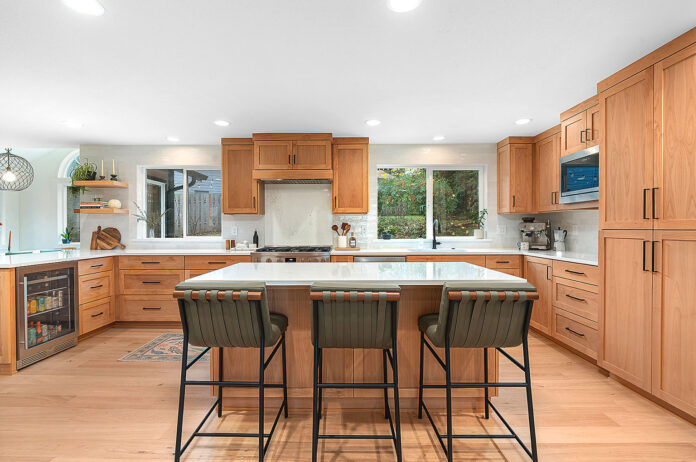
2026 Home Design Trends to Watch
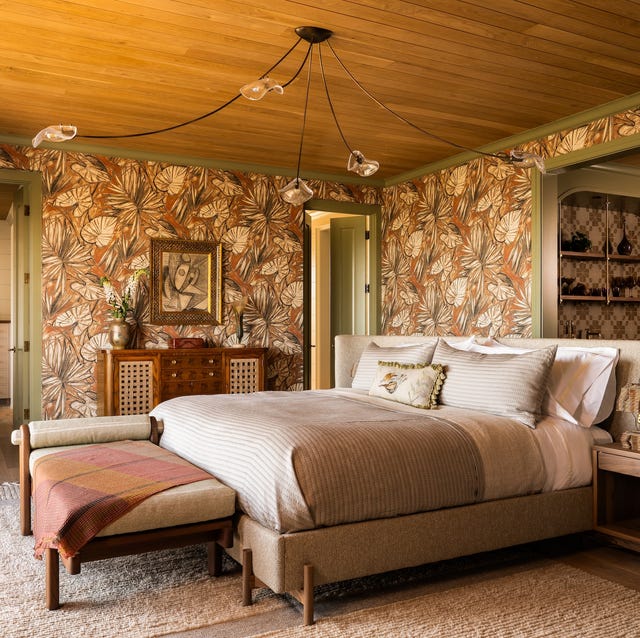
Designers Are Calling It: These Interior Design Trends Will Be Everywhere in 2026

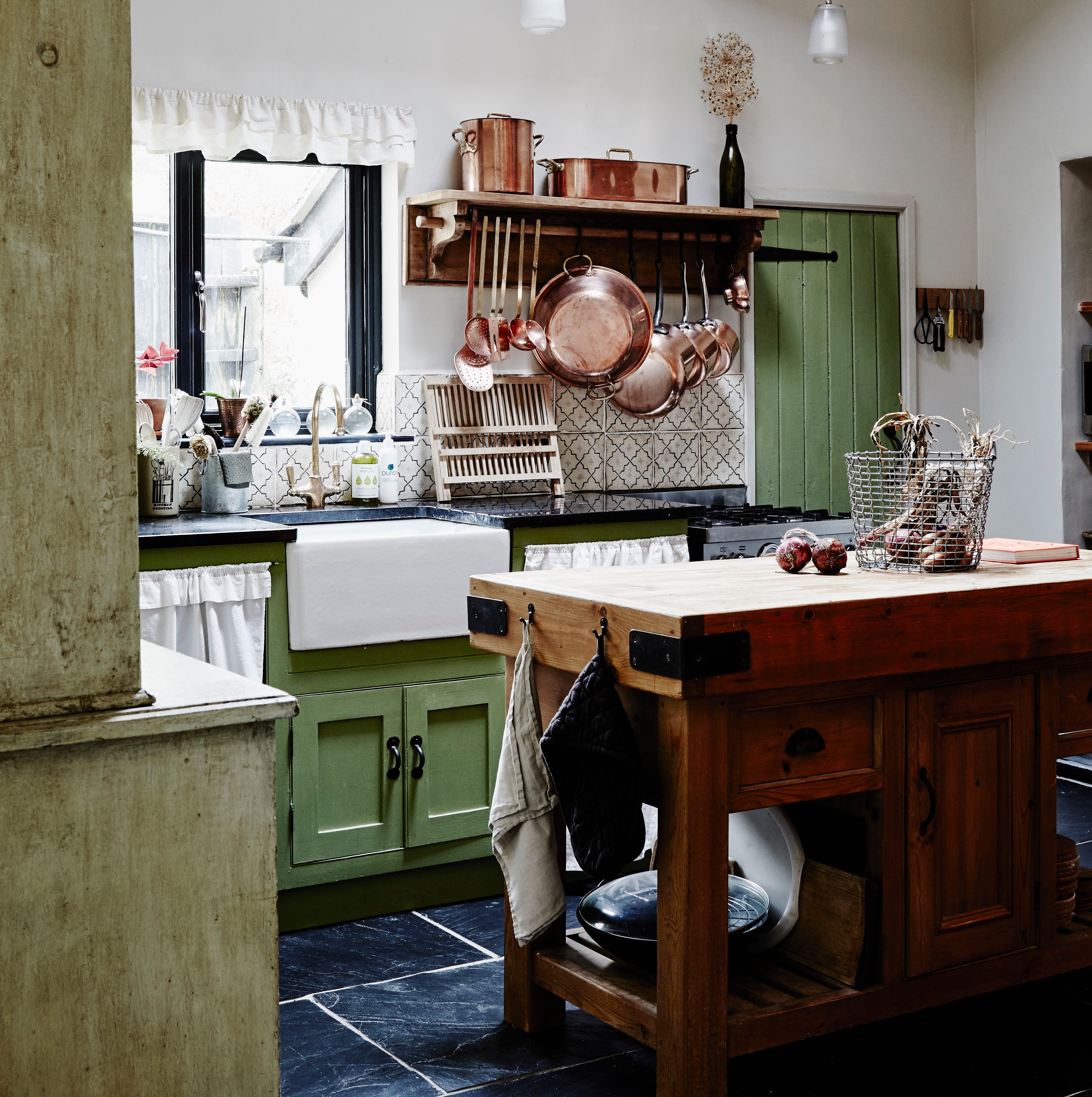
8 rustic kitchen trends set to be big in 2025
The art of subtle sophistication: Home design trends that are going to rule 2026

The Vintage Interior Trends Designers Predict Will Define Homes in 2026

These Are the Most Popular Interior Styles of 2026, According to Designers
The '60s-Inspired Design Trends That Pros Say You're Going to See Everywhere in 2026

These are the kitchen design trends that will dominate 2026

The Decorating Trends Designers Are Leaving Behind in 2026

Bold, Personal Design Is In—These Are the Home Trends Everyone’s Talking About for 2026

5 Styles That Will Dominate Home Decor in 2026, According to Experts
Designers Predict These 6 Living Room Trends Will Be Everywhere in 2026

The Top Interior Design Trends Experts Predict for 2026
Designers Agree: These 15 Home Trends Are Officially Out in 2026

Ask the remodeler: 10 home trends we’ll continue to see in 2026 renovations

Stand Out with 2026 Home Trends
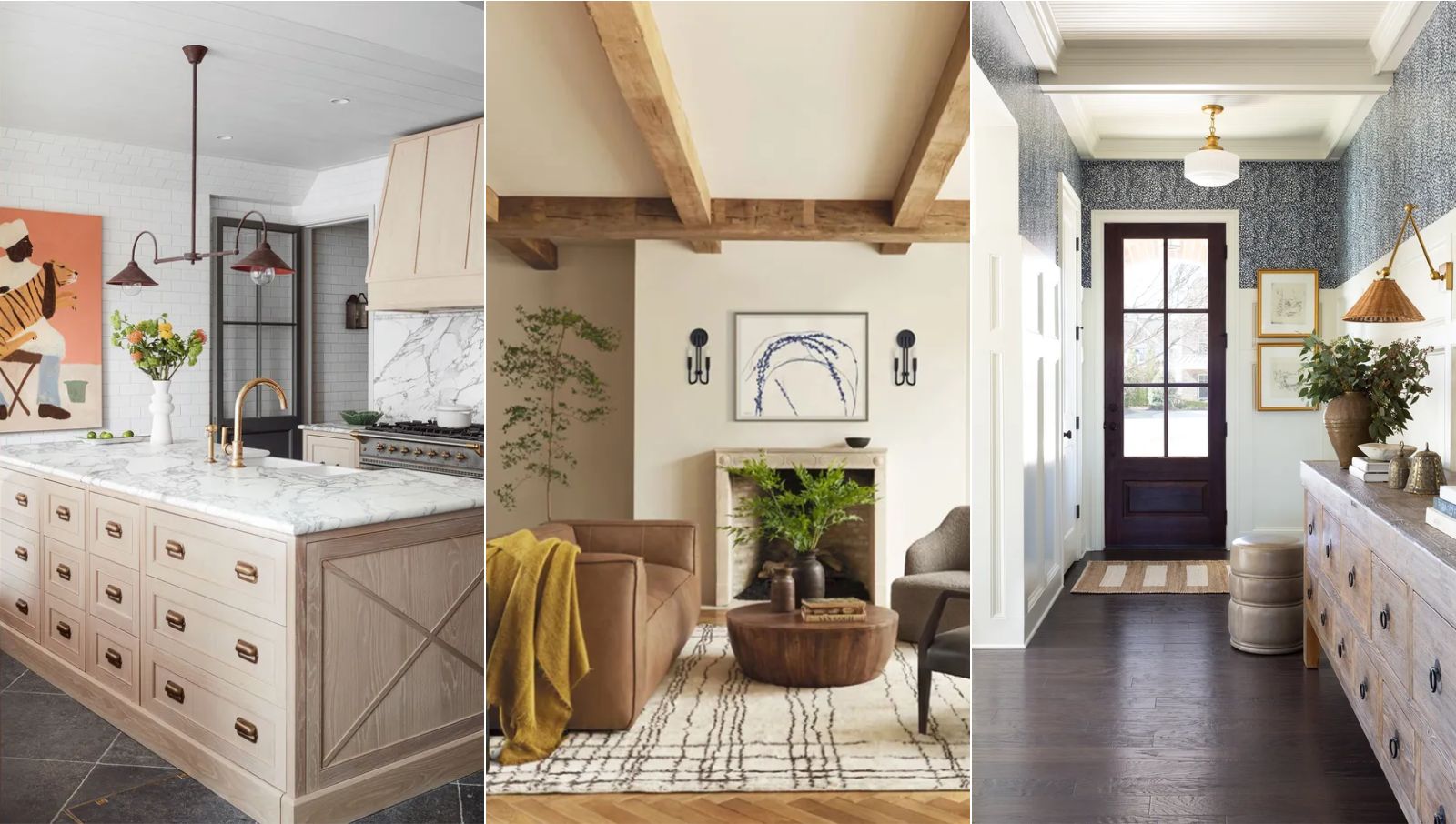
Is modern rustic decor still on trend? We asked designers if this much-loved look is here to stay
The decorating trends everyone will be talking about in 2026
6 Trends Defining Home Décor in 2025

The Old-School Furniture Design Trend Making A Big Comeback In 2026