1/9
These are the kitchen design trends that will dominate 2026
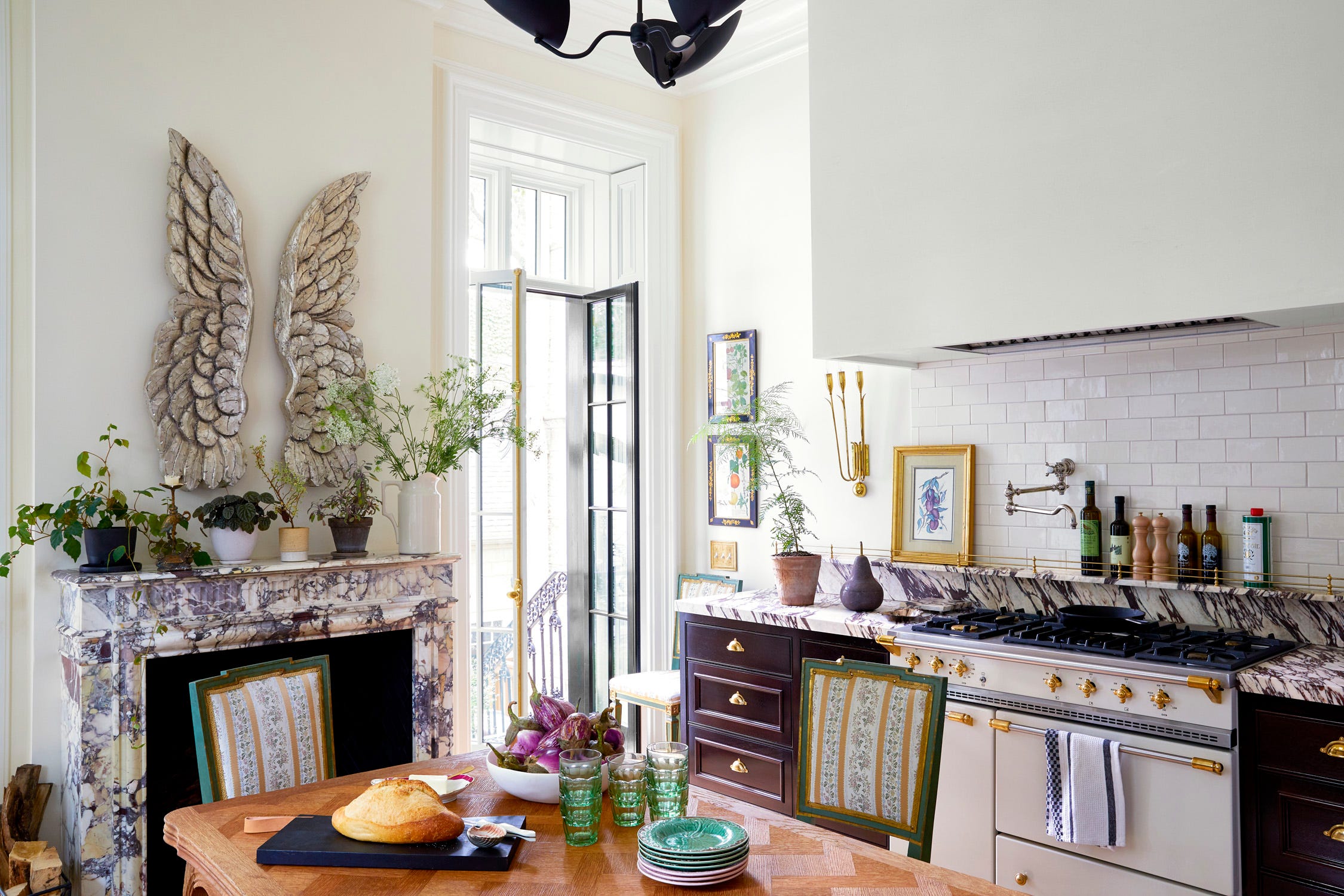
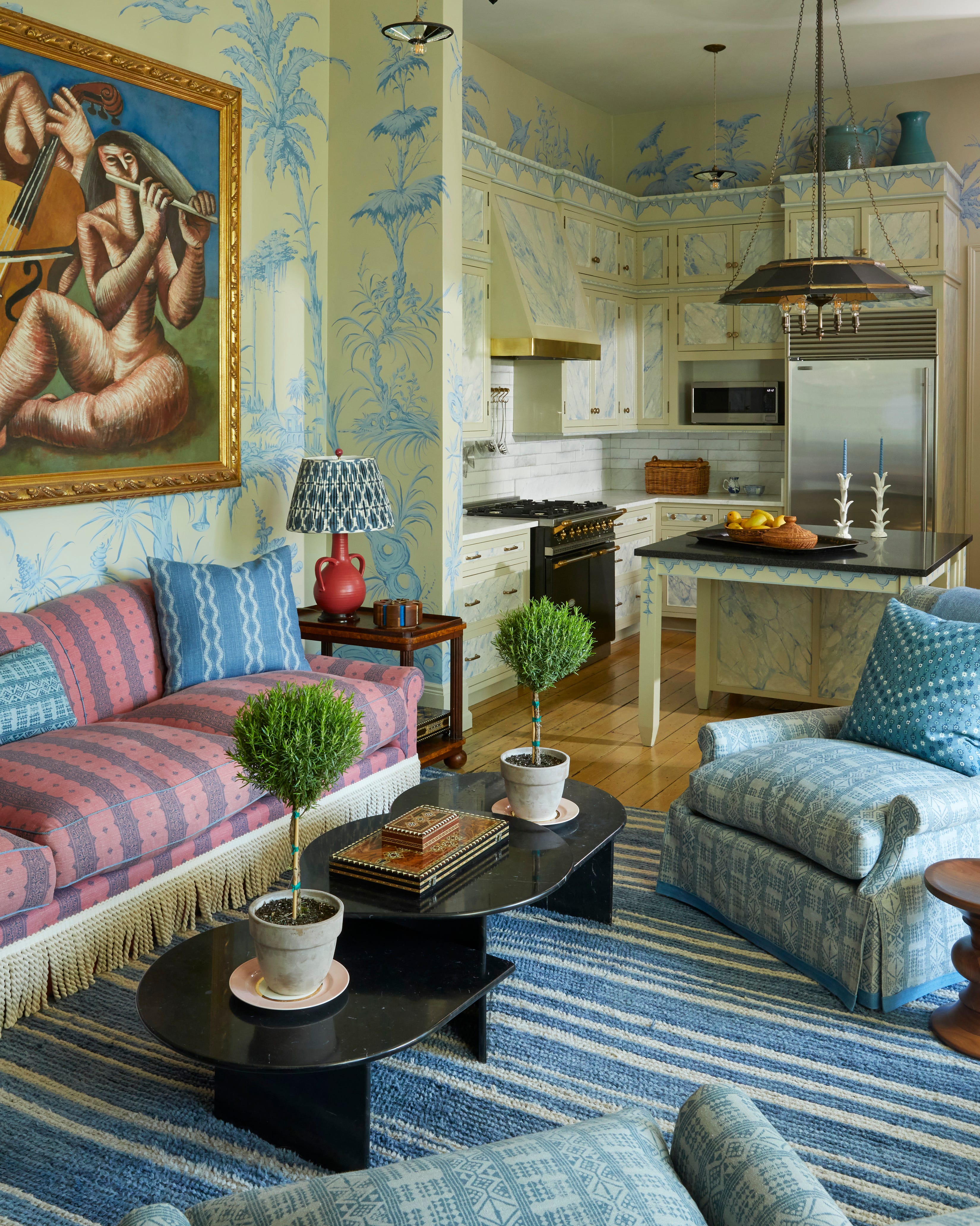
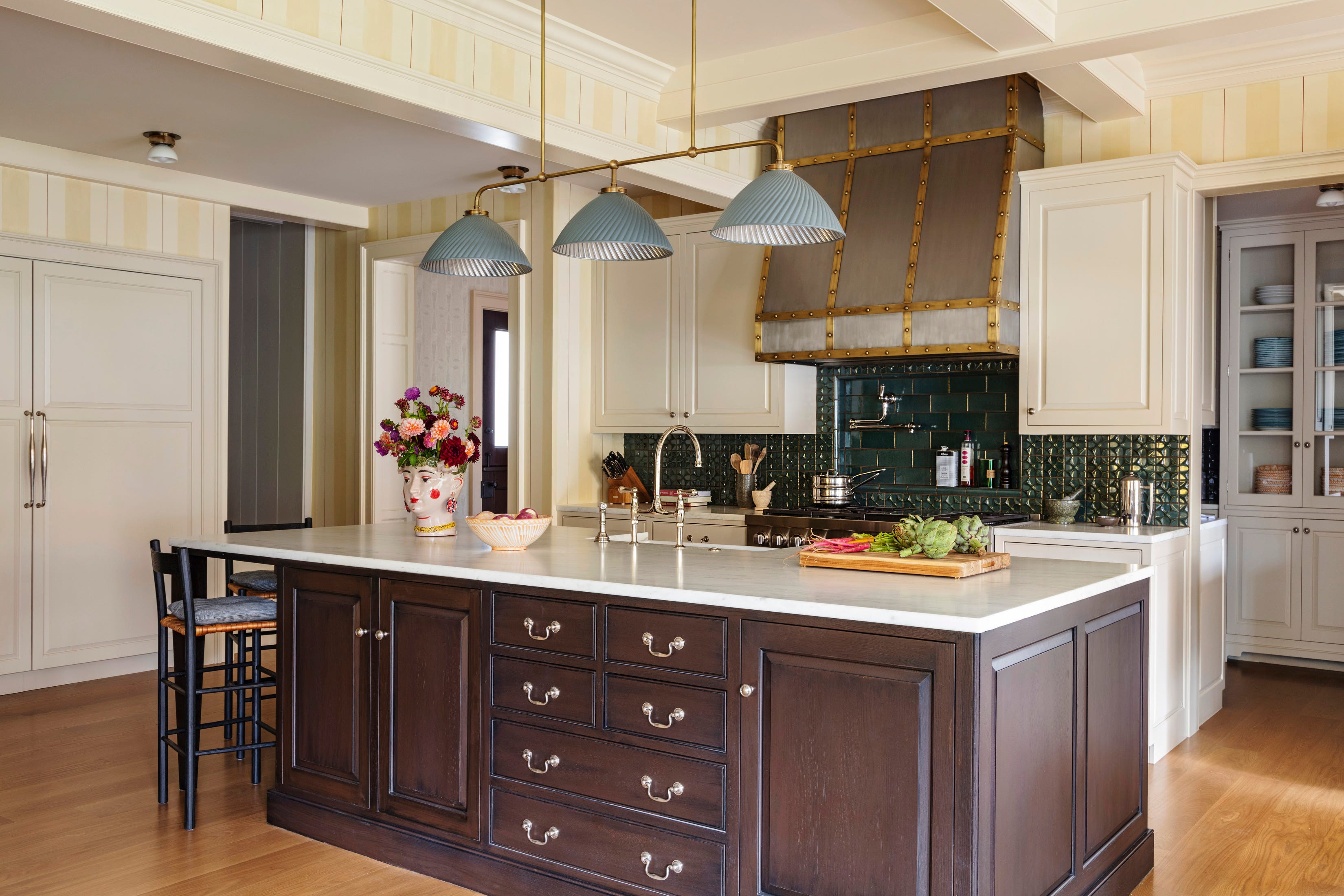
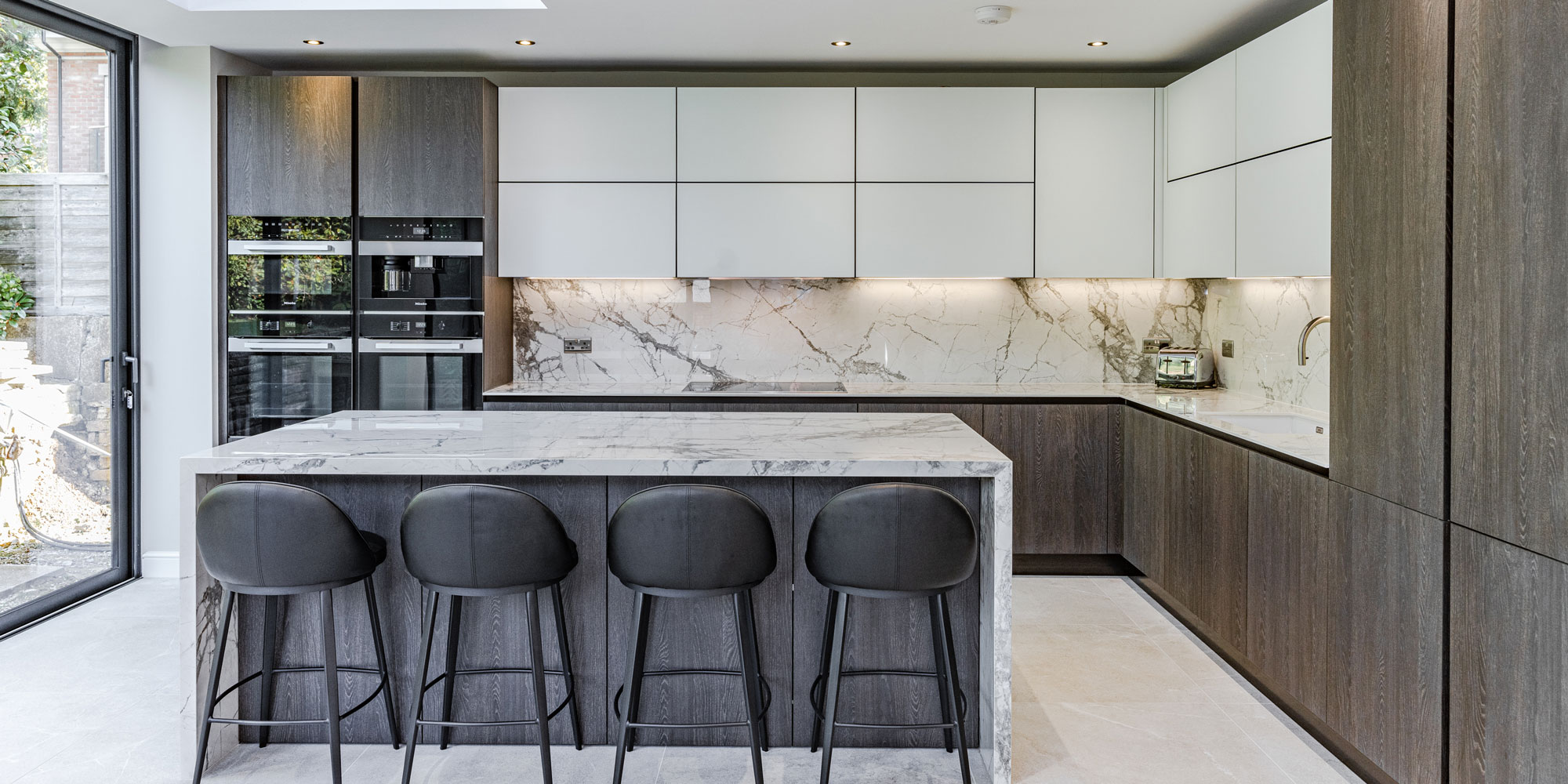
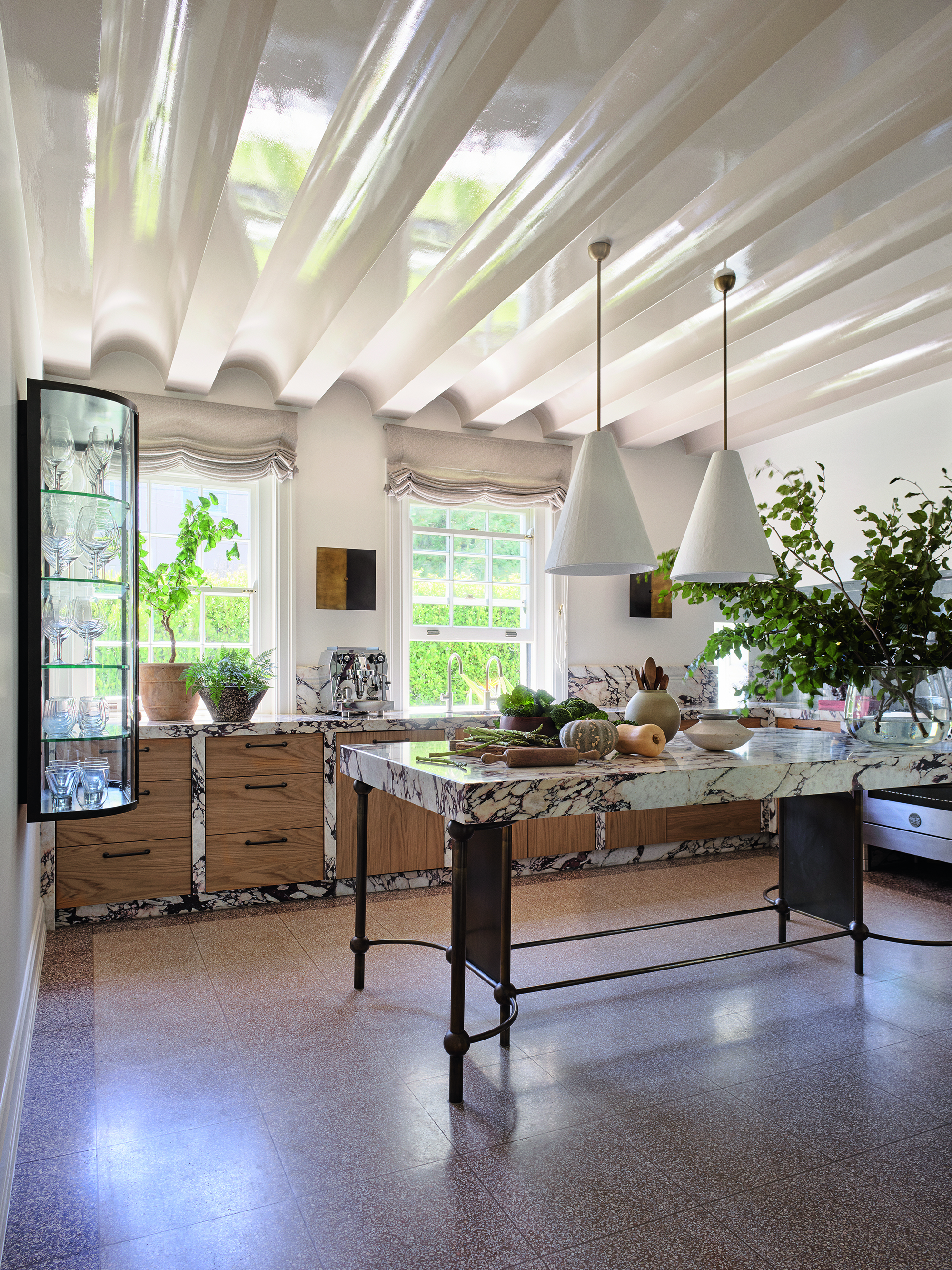
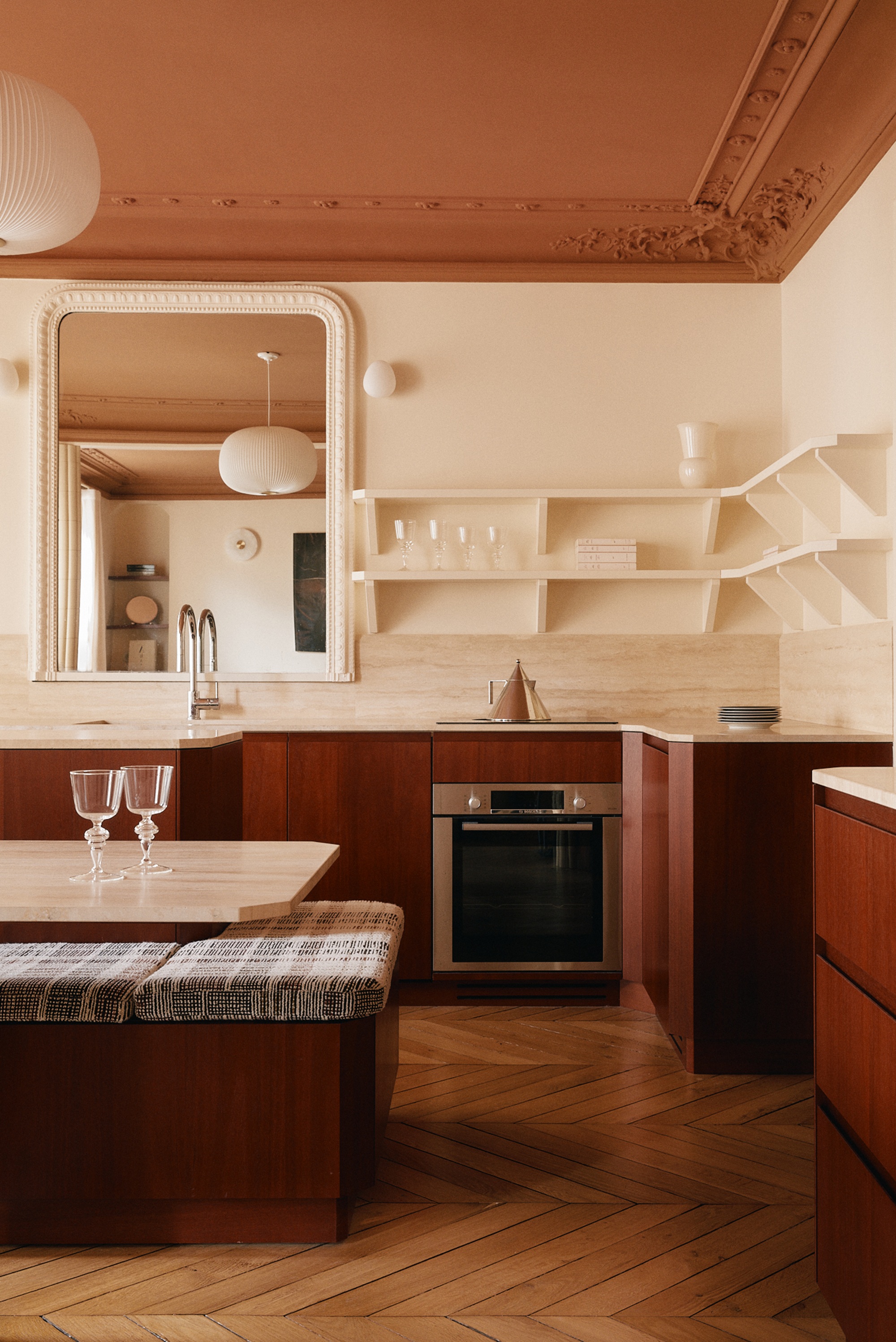
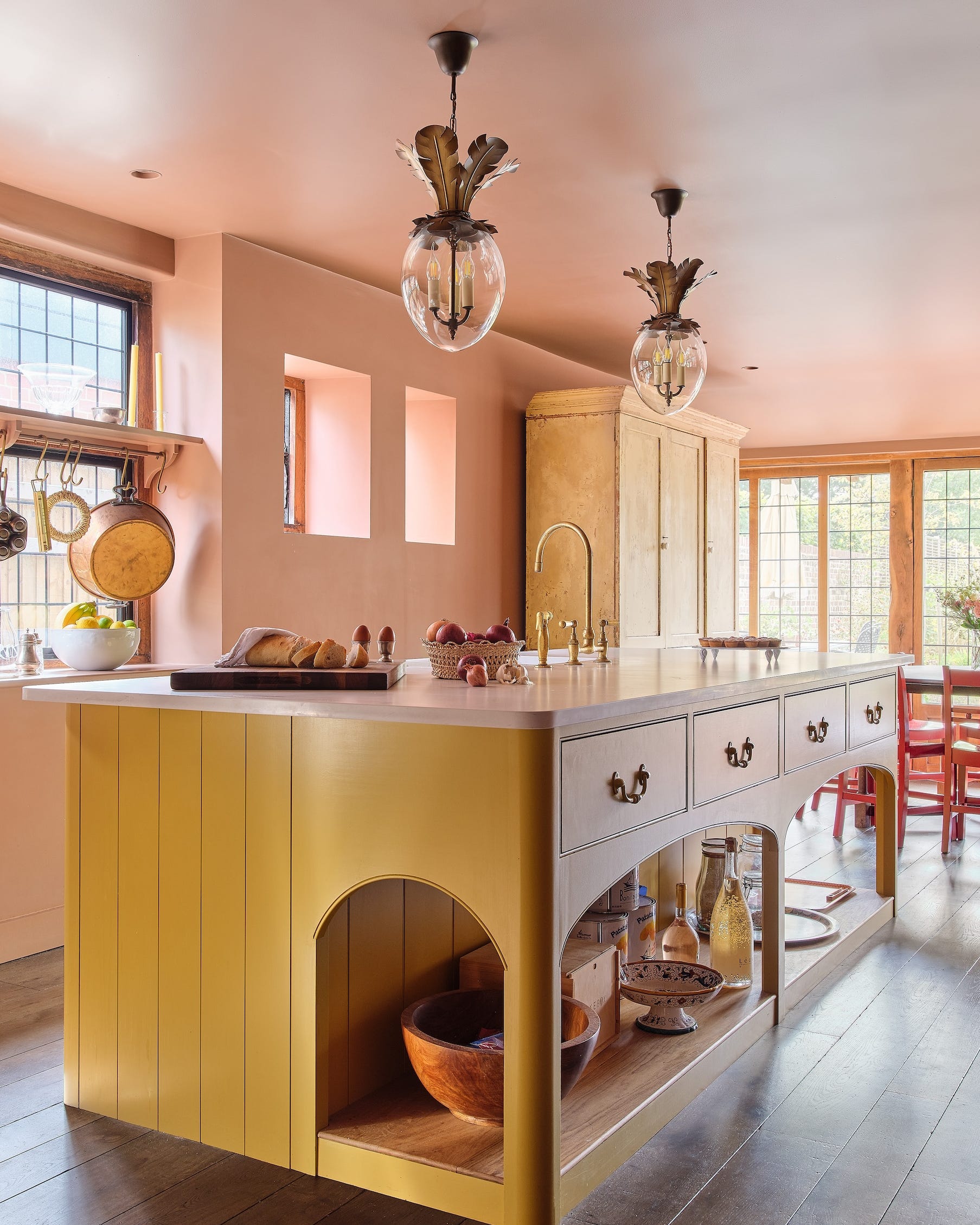
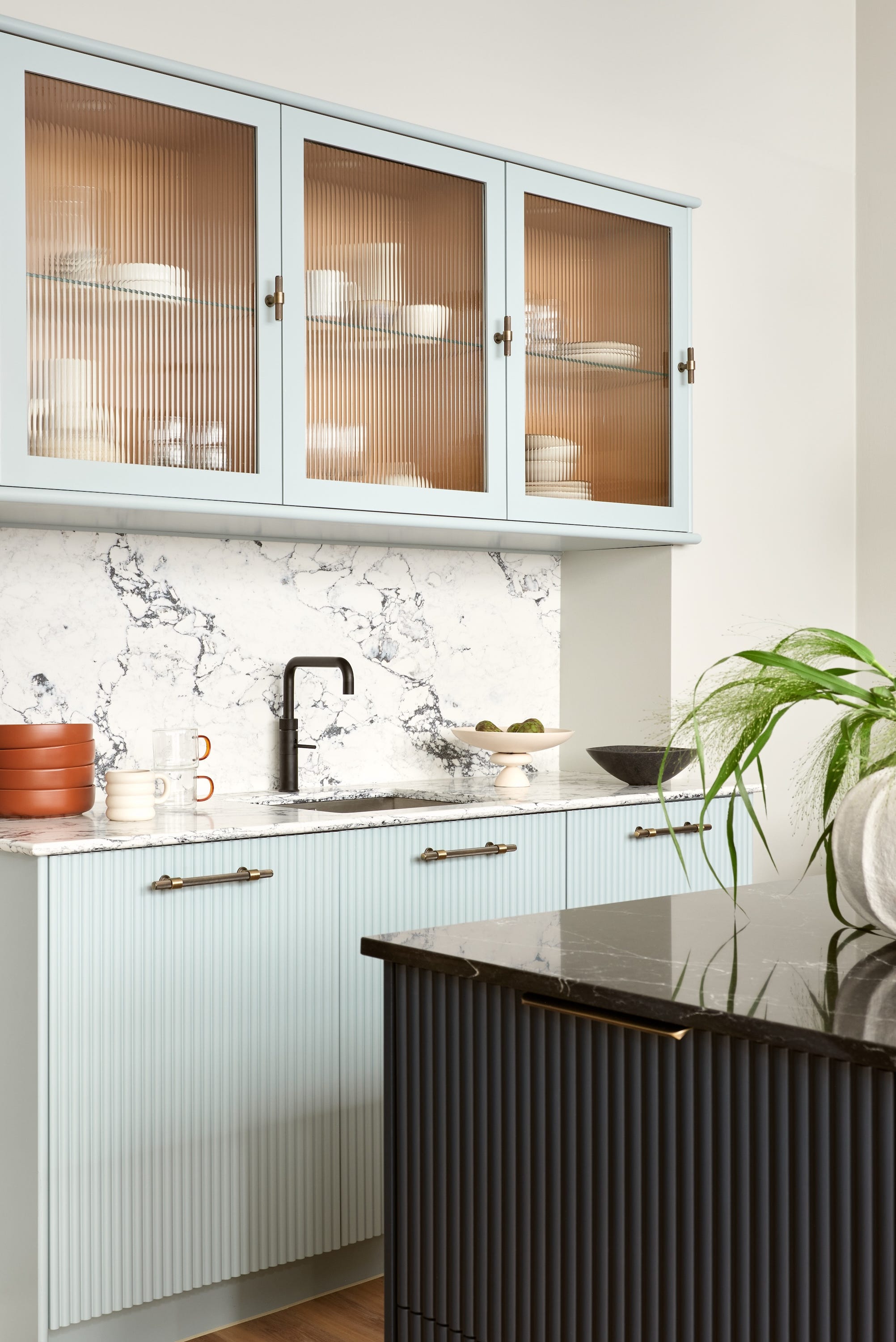
The article explores the anticipated kitchen trends for 2026, highlighting themes of luminosity, unique color palettes, and innovative materiality. These trends are identified through insights from leading brands renowned for integrating design with culinary efficiency and advanced gastronomic technology. The overarching principle guiding these developments is the creation of efficient, functional, and aesthetically remarkable kitchen spaces, where storage is seamlessly integrated and functions are harmonized within a controlled aesthetic.
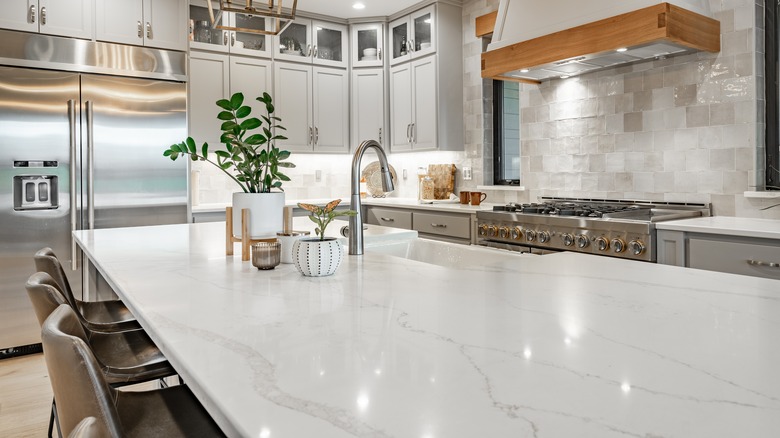
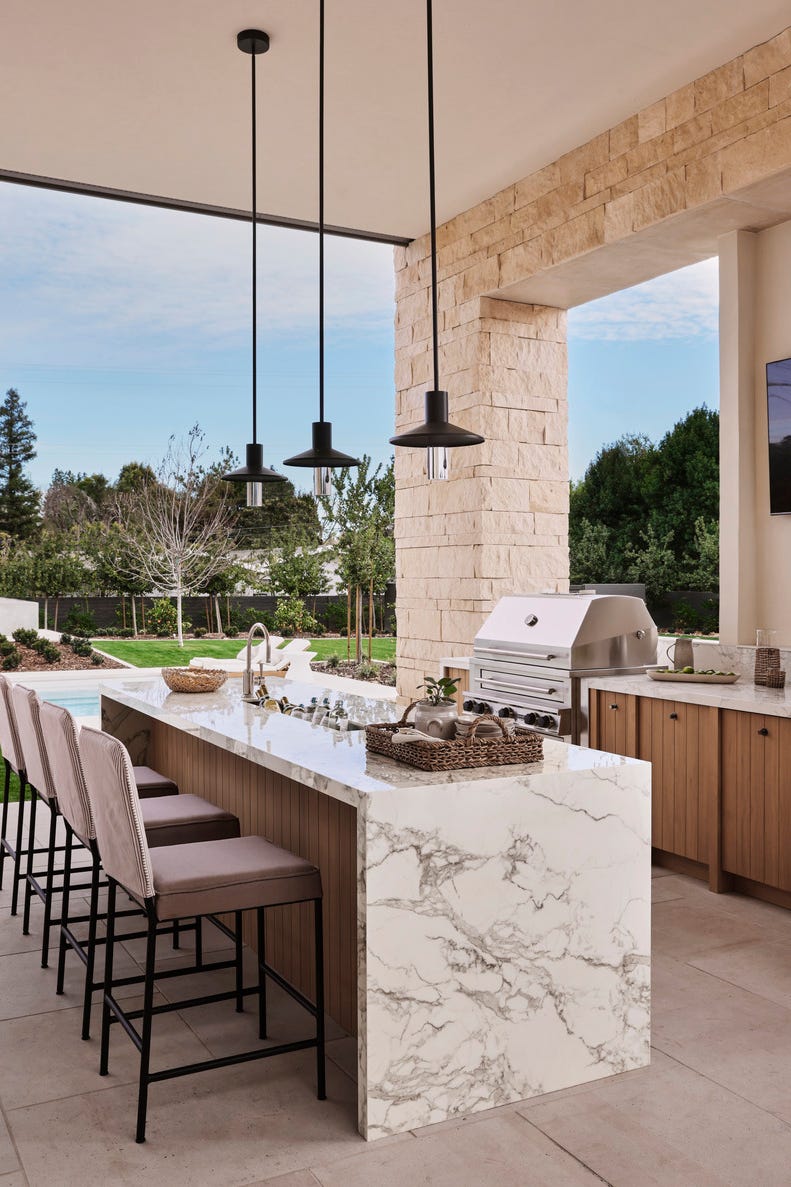
One significant trend identified is the rise of the collaborative kitchen, epitomized by monolithic kitchen islands designed for both beauty and enhanced functionality. A prominent example is Boffi’s ‘Cove’ by Zaha Hadid Design, which, initially introduced in 2017 as a limited-edition piece, has been updated to include a full-length snack counter. This design features Zaha Hadid’s characteristic fluid and dynamic forms, providing an ideal foundation for a collaborative cooking and hosting environment. The updated ‘Cove’ also incorporates new materials and color options for its countertops, such as Verde Alpi marble, and cabinet fronts available in metal-effect lacquer or a resin-mixed raw clay finish.
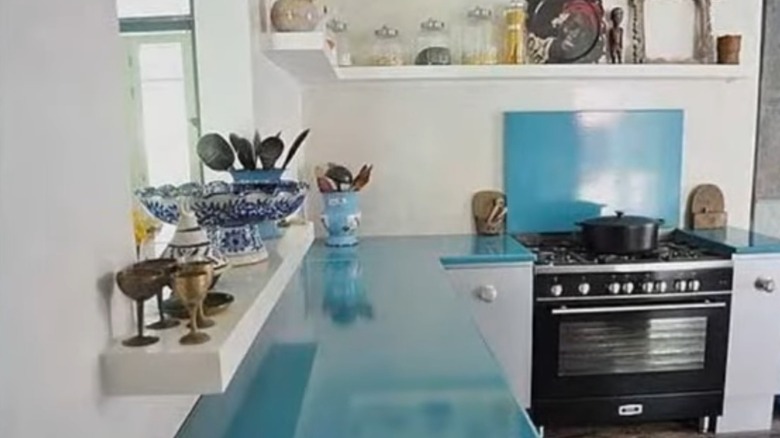

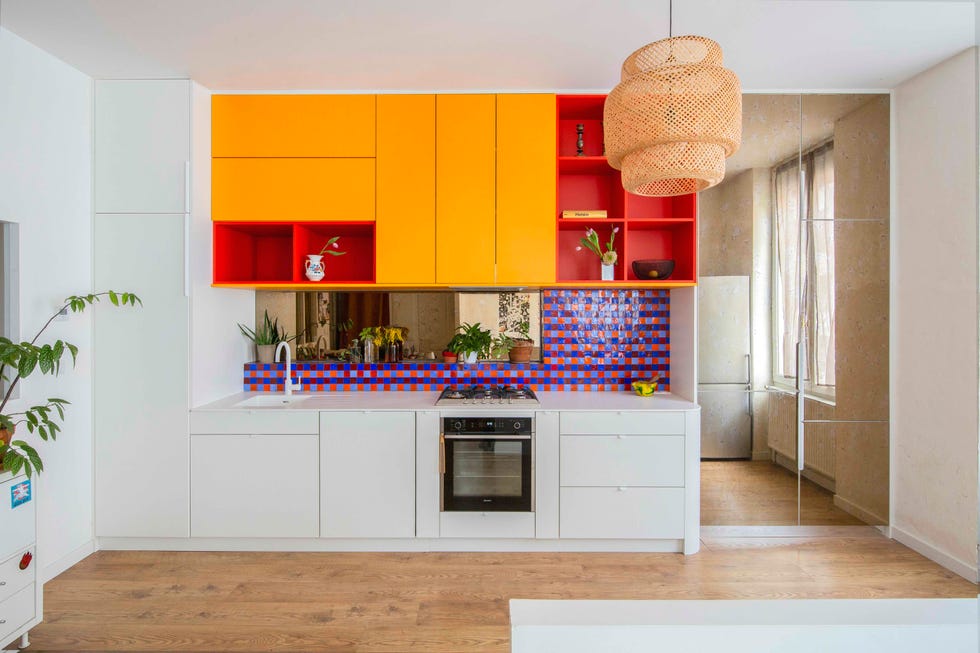
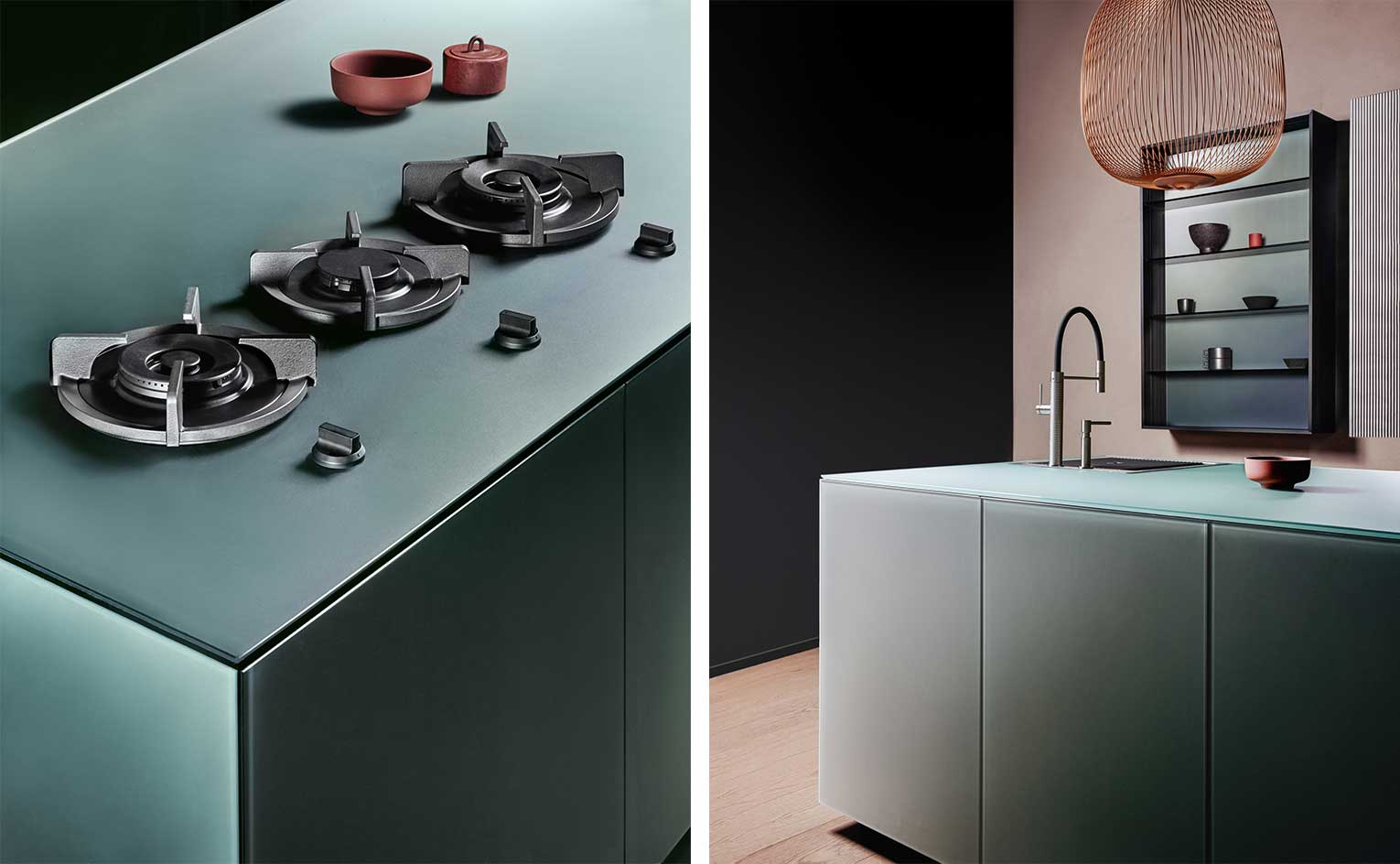
Another key trend is the incorporation of 'silky colourwork,' moving beyond traditional neutral palettes. While neutral tones remain popular, there is a growing interest in more adventurous color schemes. Cesar’s ‘N_Elle,’ with its 'Nuance' glass finish by Spanish studio García Cumini, stands out in this category. Inspired by historical delicate glasswork, the 'Nuance' finish aims to replicate the fluid and translucent qualities of frosted glass, offering depth and visual interest. This finish, initially applied to worktops, is now available for customizing kitchen elements in colors such as caramel, blue, green, and red.
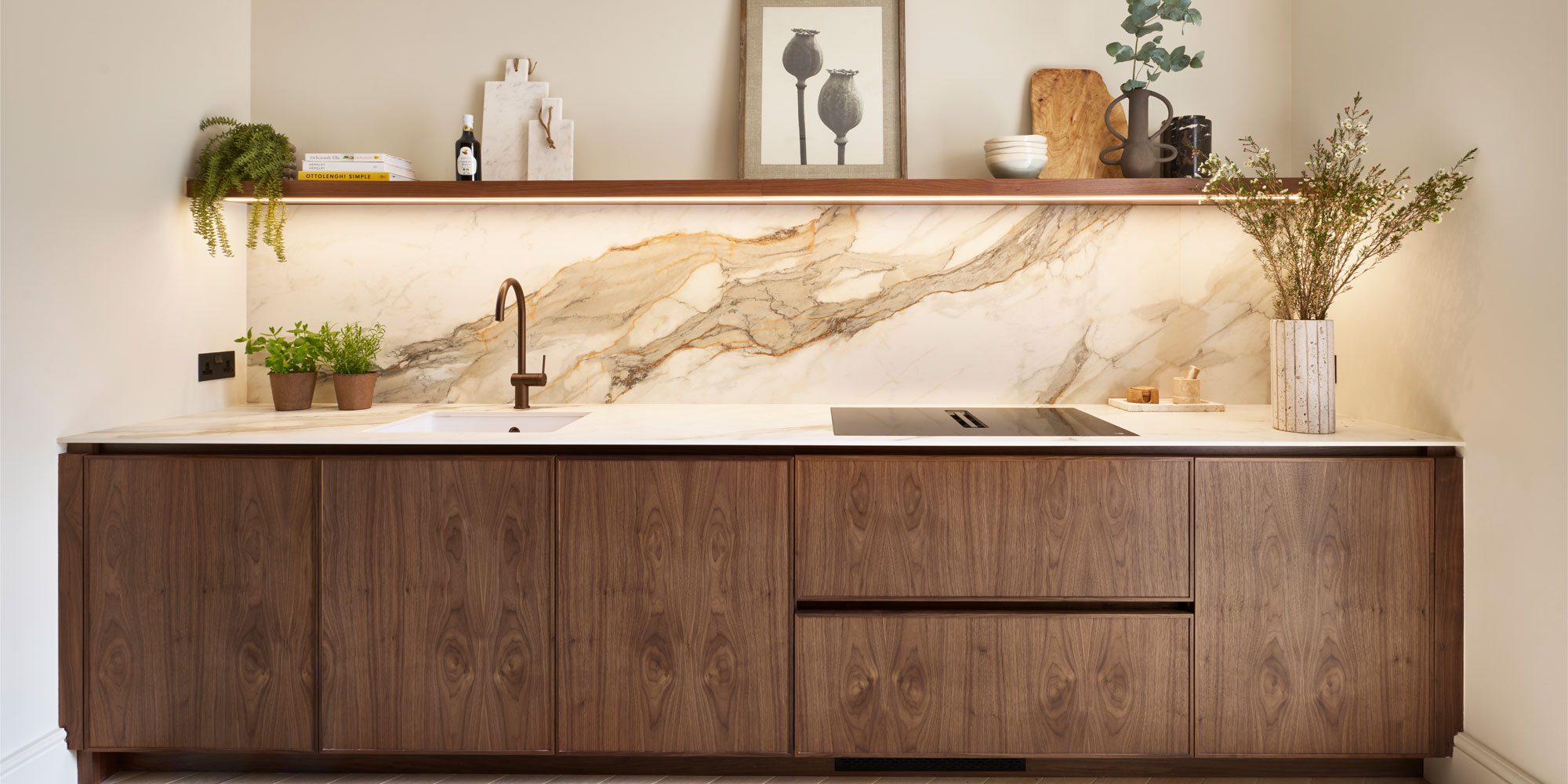
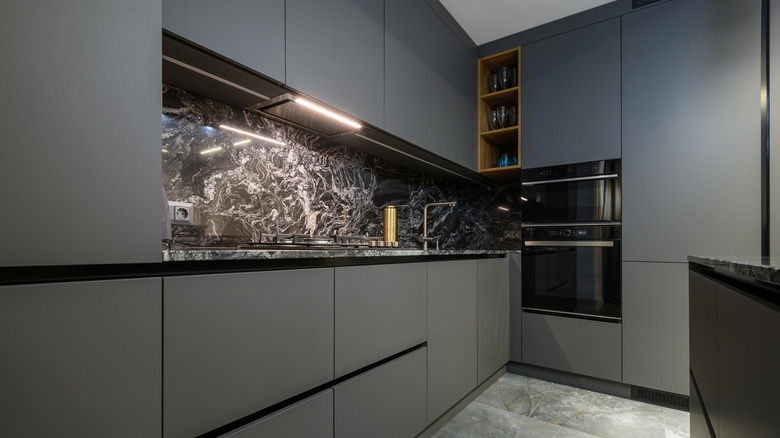
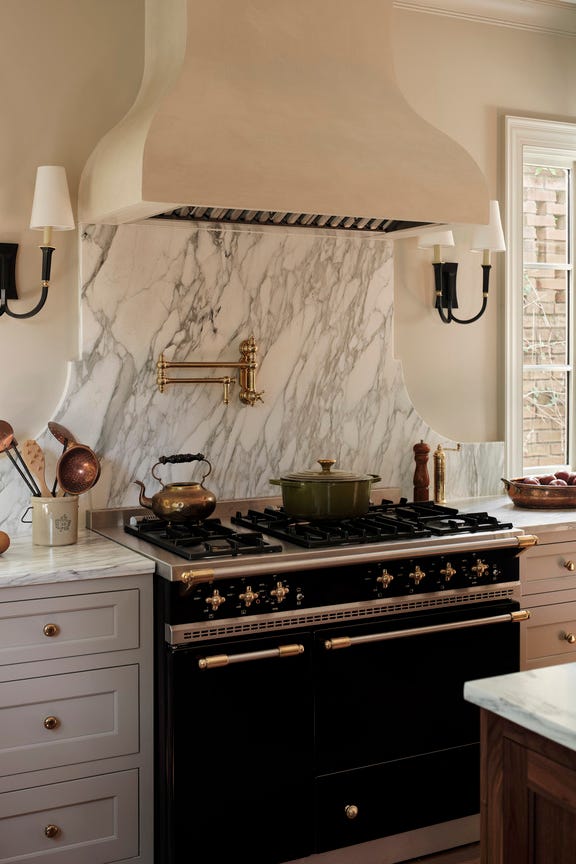
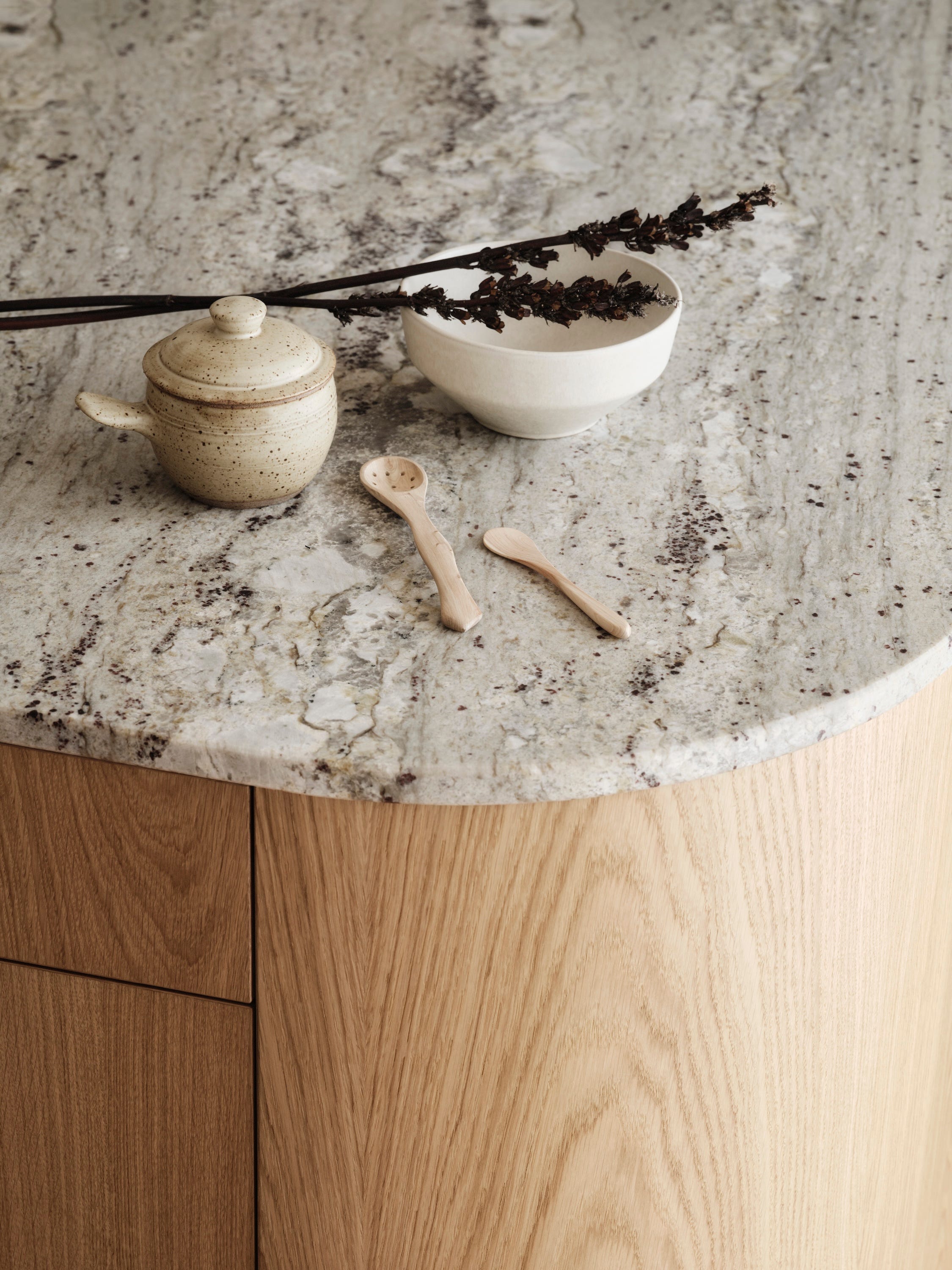
The article also points to the increasing use of 'dramatic marble' surfaces in kitchens. Modulnova’s 'Blade Lab,' designed by Carlo Presotto and Andrea Bassanello, exemplifies this trend. This kitchen showcases extensive use of heavy Sahara Brown marble for countertops, units, and back panels, reflecting the brand’s commitment to material research and technology. The design also features 1.5cm-thick doors, lightened for ease of use, paired with glass and aluminum cabinets coated in Bronze Dust. A full-height bookcase serves as a transitional element, connecting the kitchen to the living area.
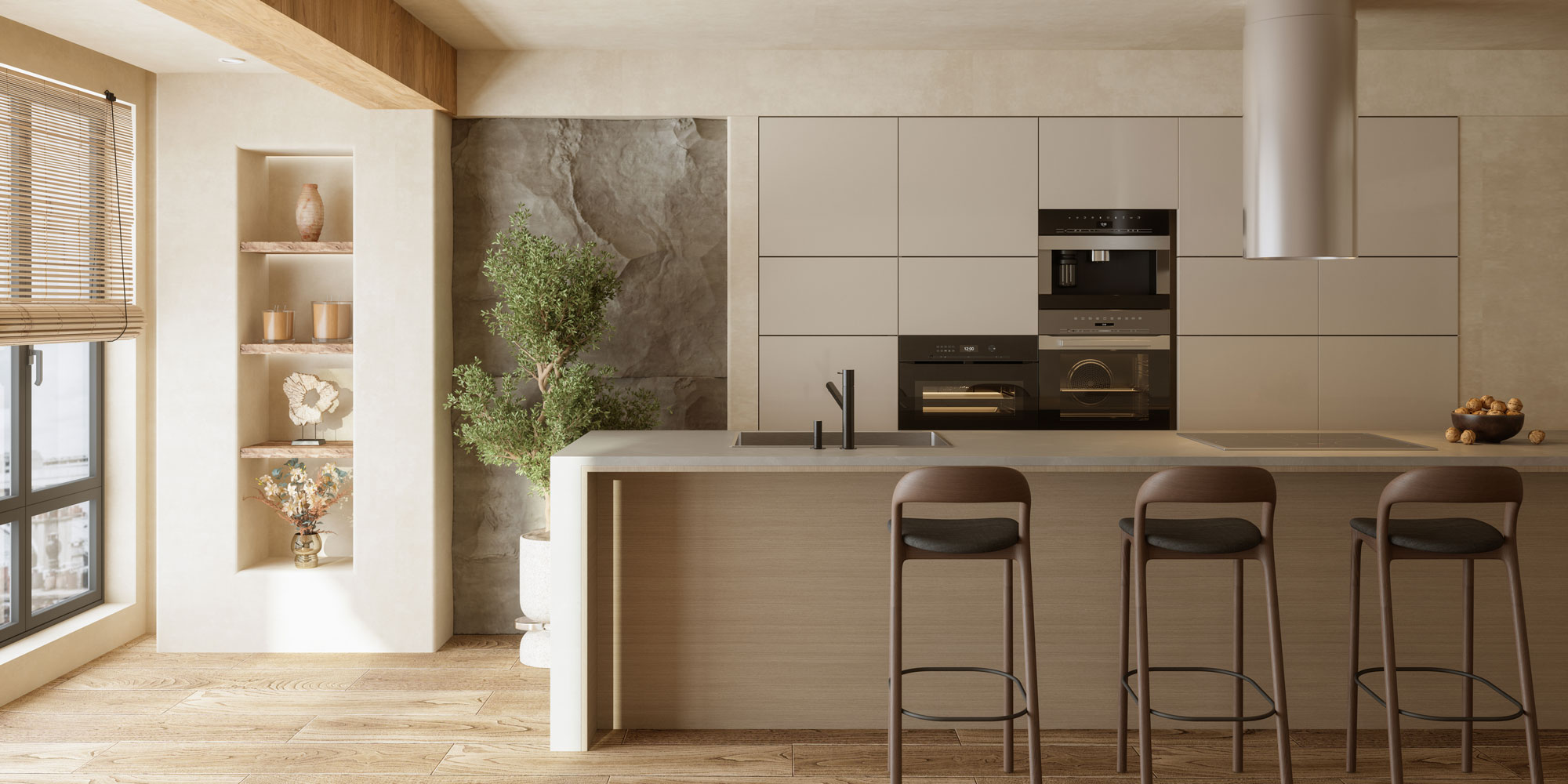
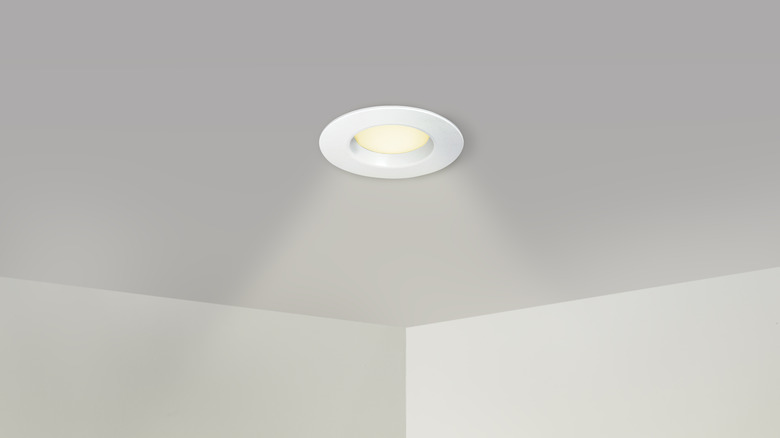
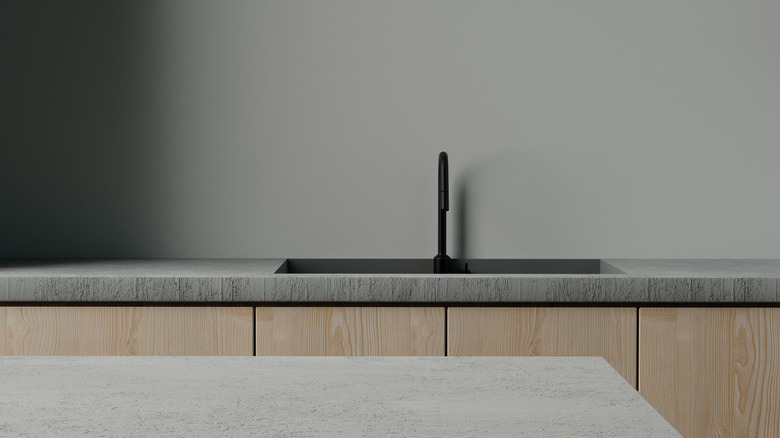
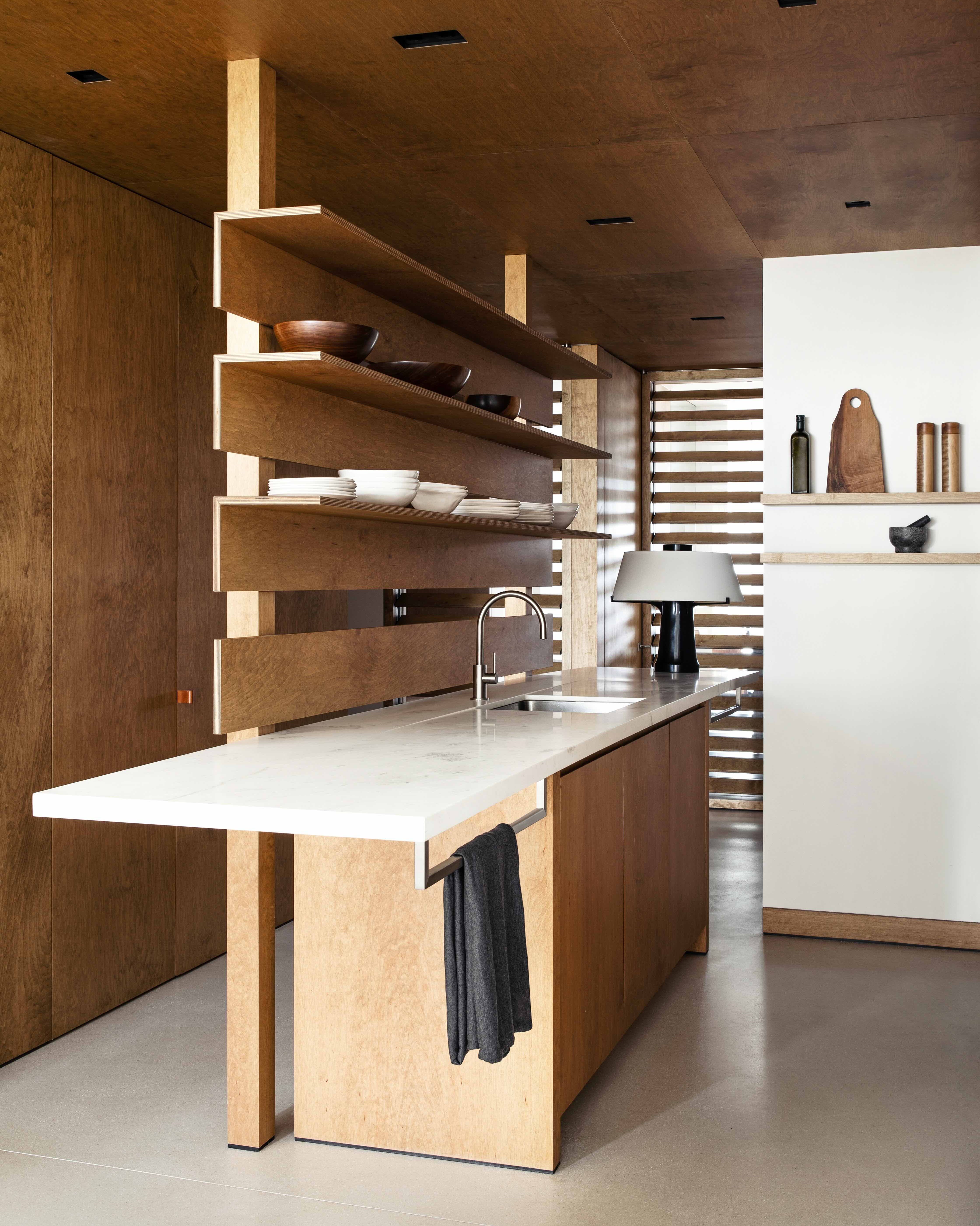
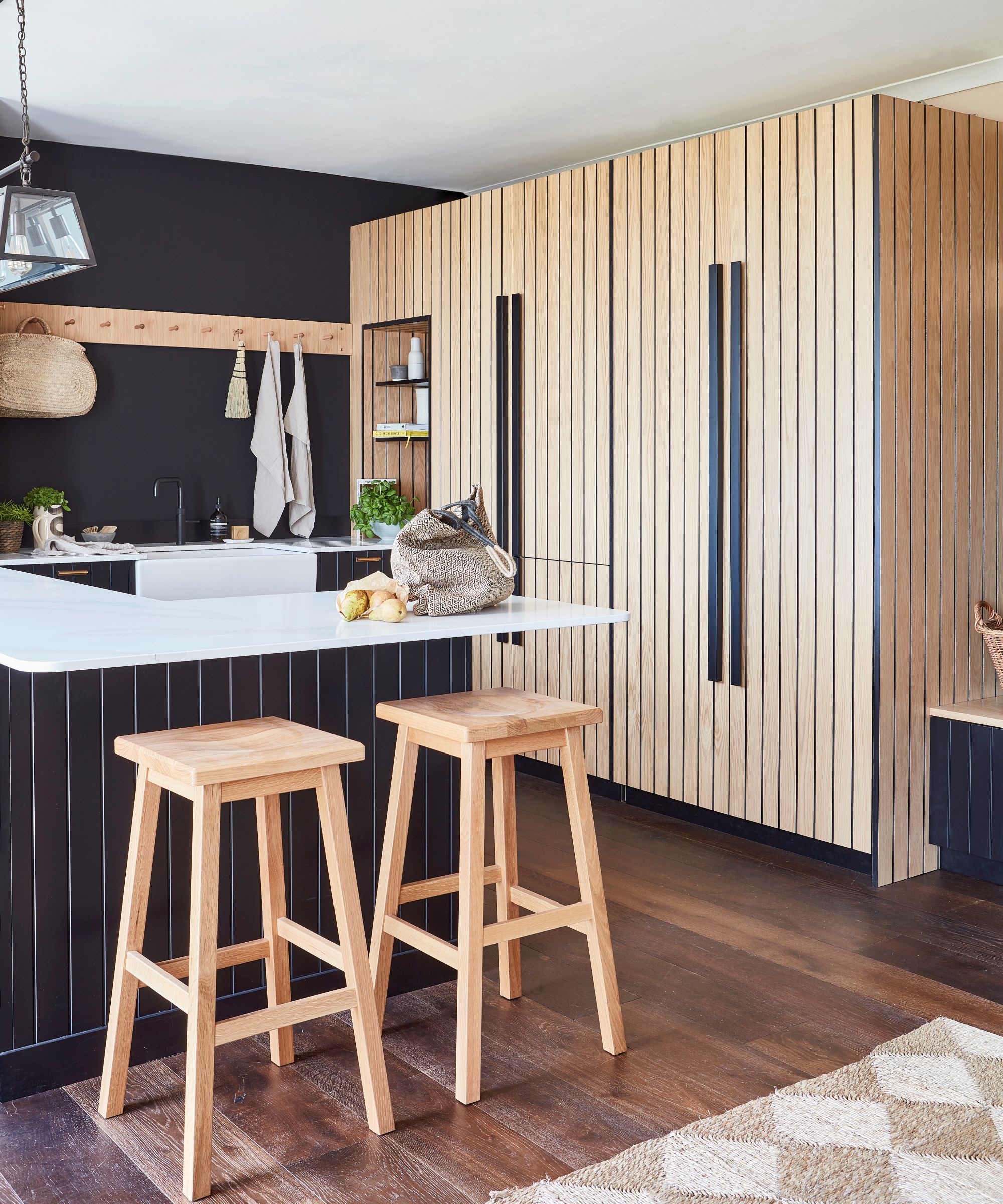
Furthermore, 'luminous warmth' is highlighted as a significant trend, suggesting a preference for kitchen environments that emanate a warm and inviting glow. This trend often involves strategic lighting and material choices that enhance natural or artificial light. Finally, 'unexpected materiality' is a crucial trend, driven by a desire to introduce innovative and experimental materials into the kitchen. Henrytimi is noted for its leadership in this area, crafting kitchens that are viewed as functional art pieces. Their designs prioritize natural materials like wood and stone, resulting in minimalist aesthetics and geometric purity. The ‘Arca’ collection, made from black clay and Nero Fossil stone, features textured curved cabinet doors with hidden drawers and a raised backdrop that doubles as a bar counter and conceals clutter. Similarly, 70 Materia explores new elements for its modular kitchen system, ‘Satellite,’ utilizing its proprietary material made from cement, water, and aggregates in various mixes, demonstrating a commitment to material innovation through collaborations with emerging designers.
#KitchenTrends #InteriorDesign #MaterialInnovation #CollaborativeKitchen #LuxuryKitchen #ZahaHadidDesign #ModularKitchen #DesignExcellence #KitchenTrends #InteriorDesign #MaterialInnovation #CollaborativeKitchen #LuxuryKitchen #ZahaHadidDesign #ModularKitchen #DesignExcellence
0 comment in total
 No comments yet
You may also like
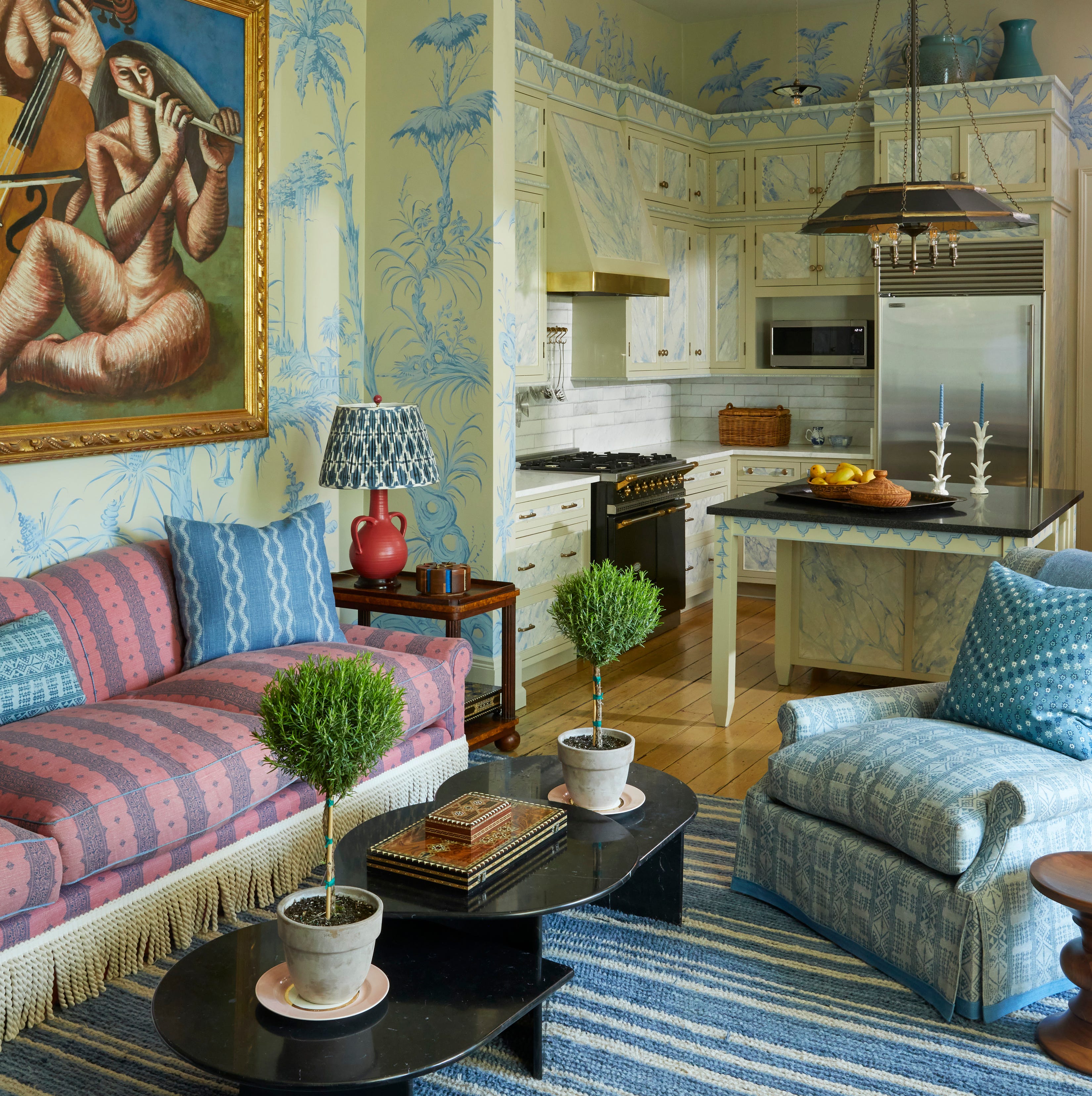
6 Kitchen Trends That Will Be Huge in 2026, According to Designers

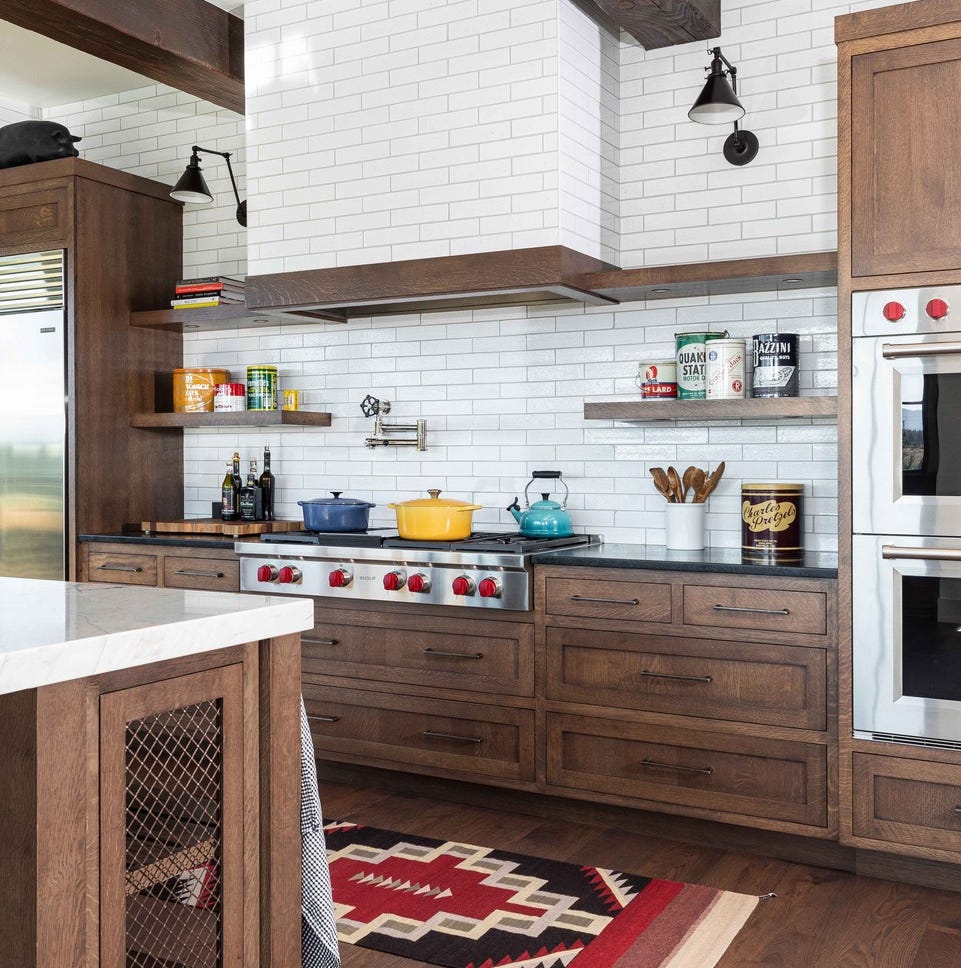
It's Official: These Are the Top 6 Kitchen Design Trends for 2024
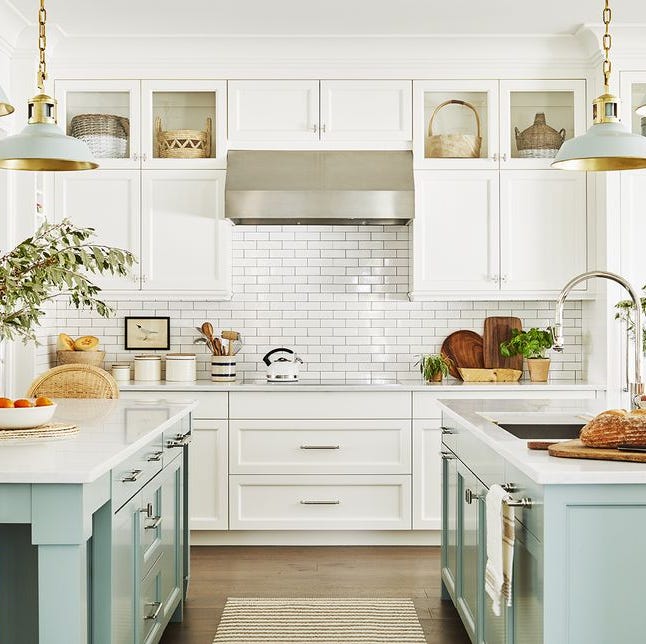
20 Kitchen Design Trends You’ll See Everywhere in 2025, According to Experts

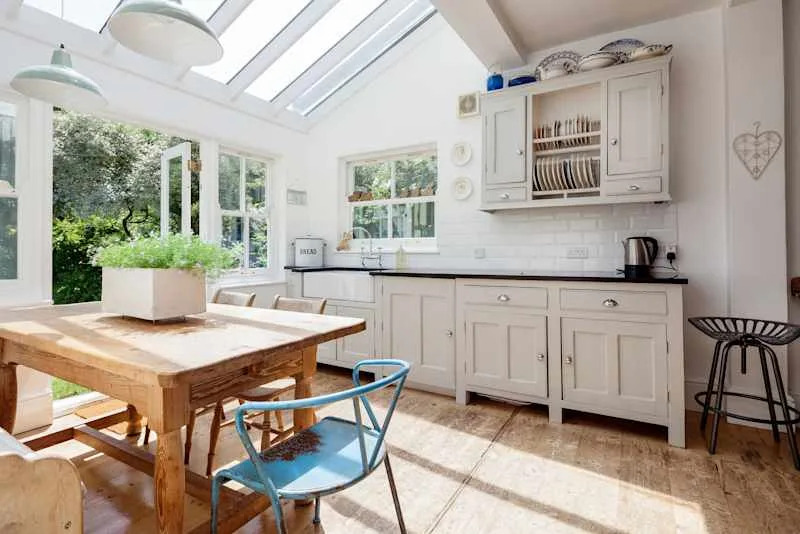
6 Kitchen Trends Definitely on Their Way Out in 2025, According to Designers
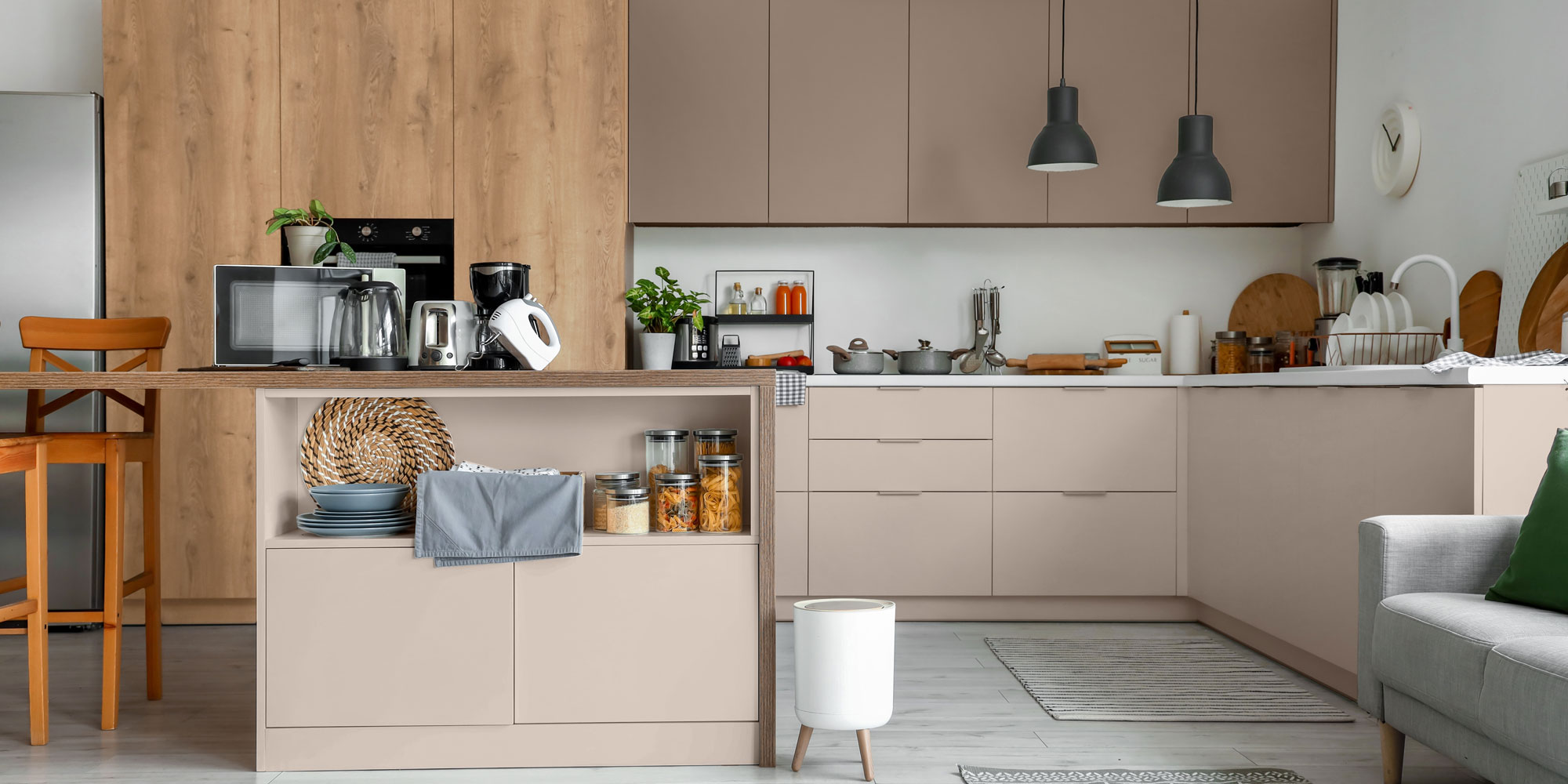
7 kitchen trends for 2026
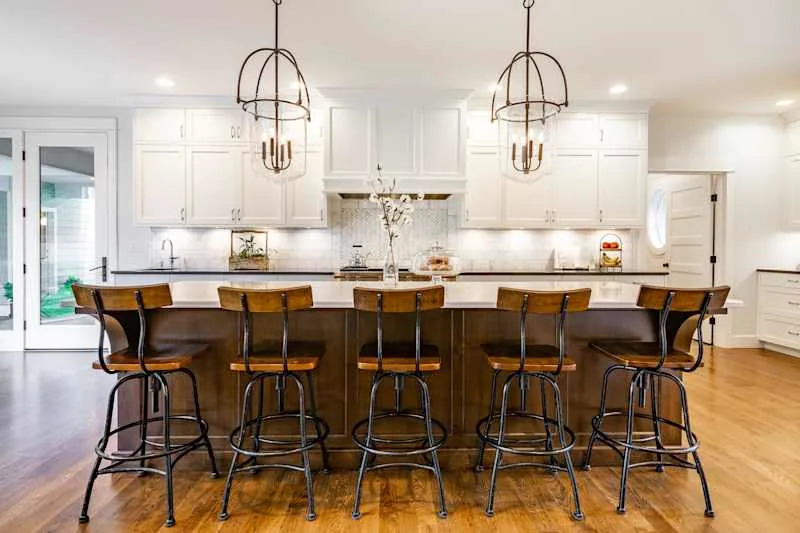
6 Kitchen Trends on Their Way Out in 2025, According to Designers
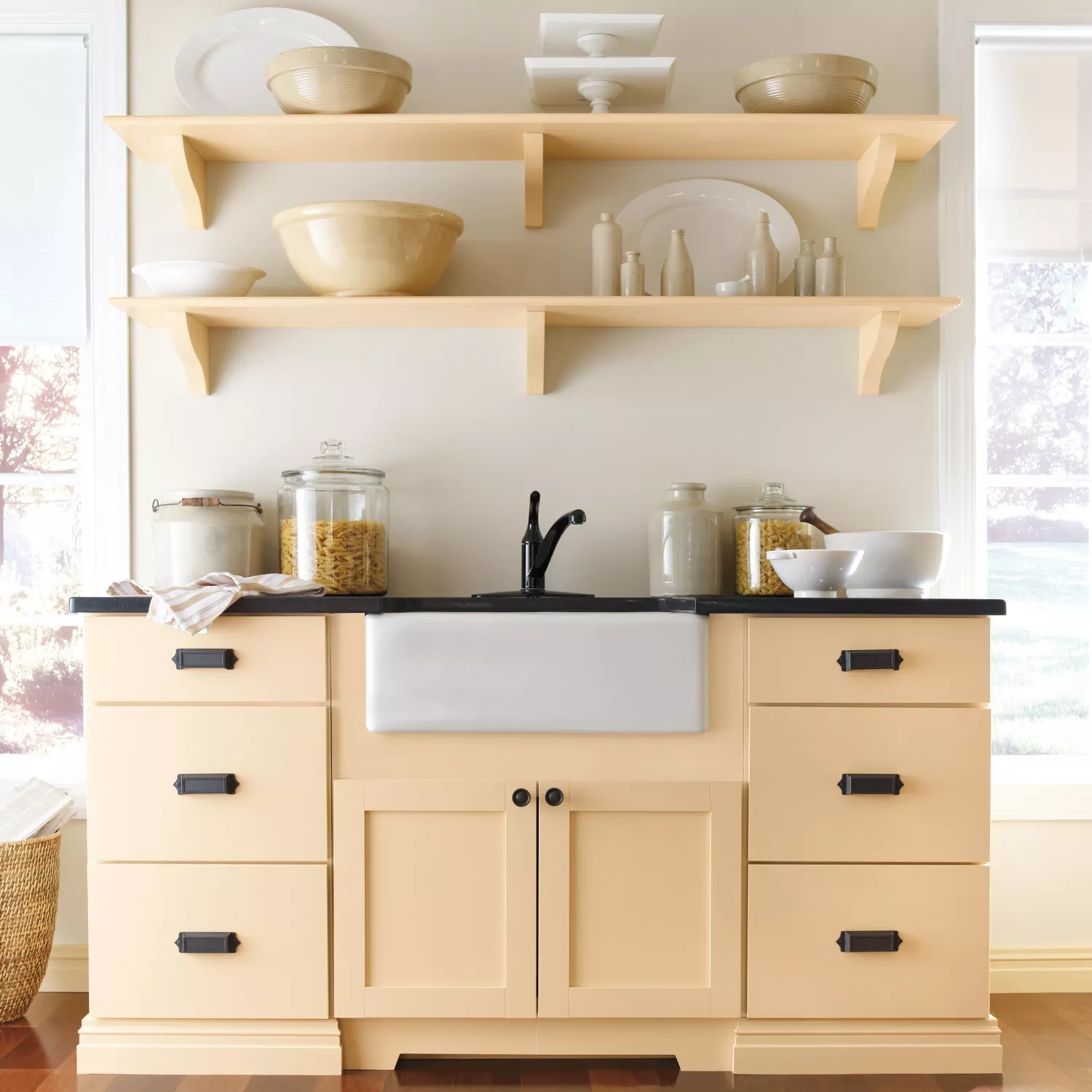
6 Kitchen Trends That Will Transform Your Space in 2025, According to Designers
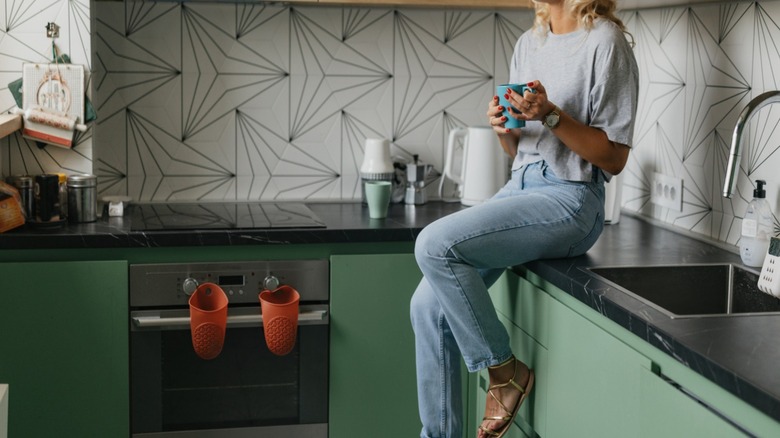
7 Gorgeous Cabinet Trends Set To Take Over Kitchens In 2026
10 Kitchen Trends On The Way Out In 2026

The Popular Kitchen Style You'll See Everywhere In 2026
How to Get the Look of 2026’s Top 3 Kitchen Trends – According to the Designers Who Shaped Them

The big kitchen trends of 2025 explained by top designers

6 Kitchen Trends You'll See Everywhere In 2026
5 Kitchen Design Trends Going Away In 2026

10 Kitchen Trends for 2026 to Know for Your Next Project |

6 small kitchen trends you'll be seeing everywhere in 2025
These Will Be The Biggest Kitchen Countertop Trends In 2026
8 kitchen trends to watch in 2026 - this is what the pros predict will be big next year
20 kitchen design trends you'll see everywhere in 2025, according to experts

Give Your Kitchen An Upgrade With The Trend You'll See Everywhere In 2026