1/11
10 Kitchen Trends On The Way Out In 2026
The world of kitchen design is constantly evolving, with new trends emerging and older ones fading. While not every fad needs to be embraced, understanding current and fading trends is crucial, especially when making significant investments in kitchen renovations. Opting for dated designs can decrease a home's perceived value and lead to costly re-dos. This overview highlights ten kitchen trends that are predicted to be on their way out by 2026, offering insights into why they are losing popularity and suggesting contemporary alternatives.
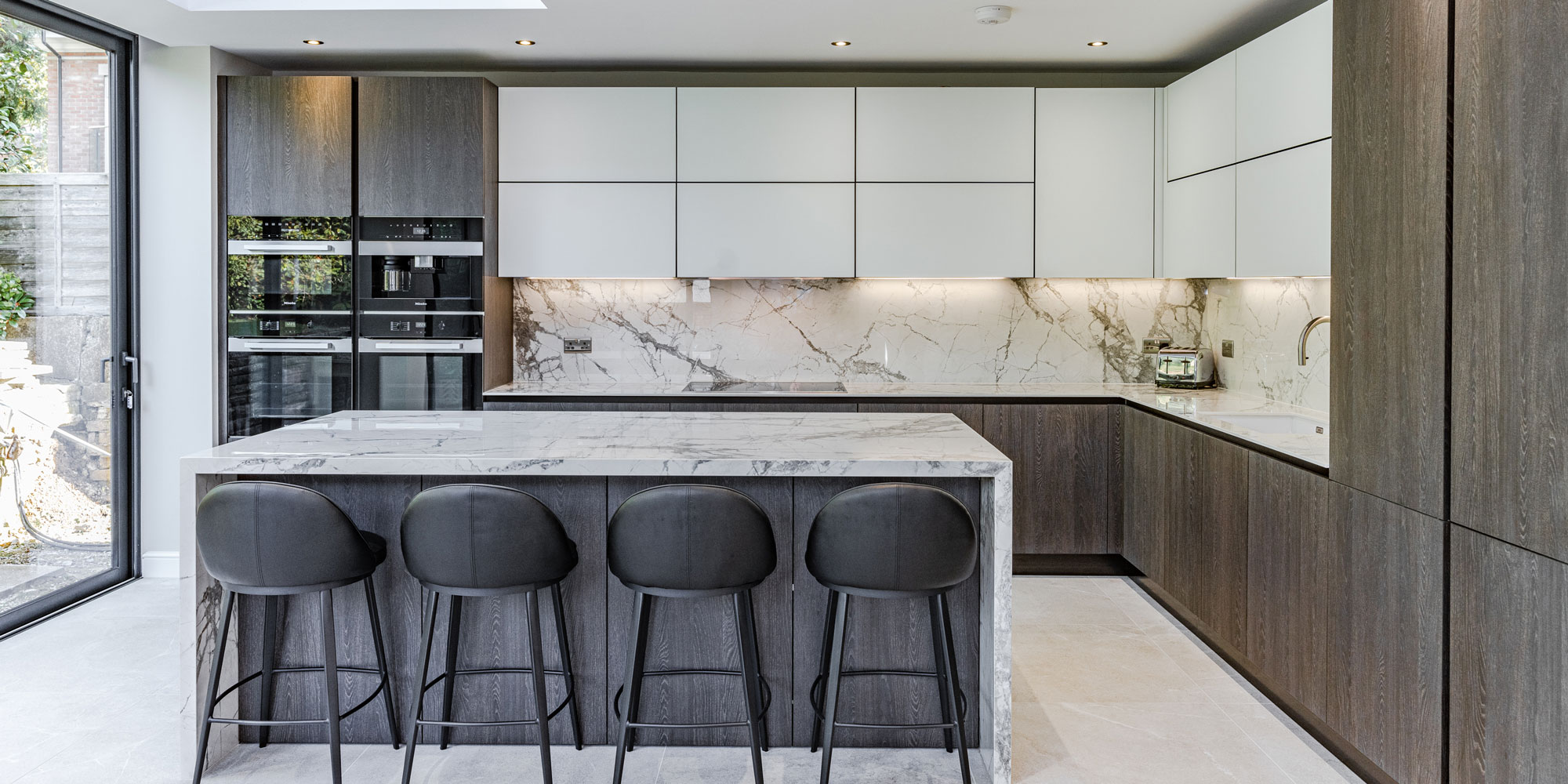
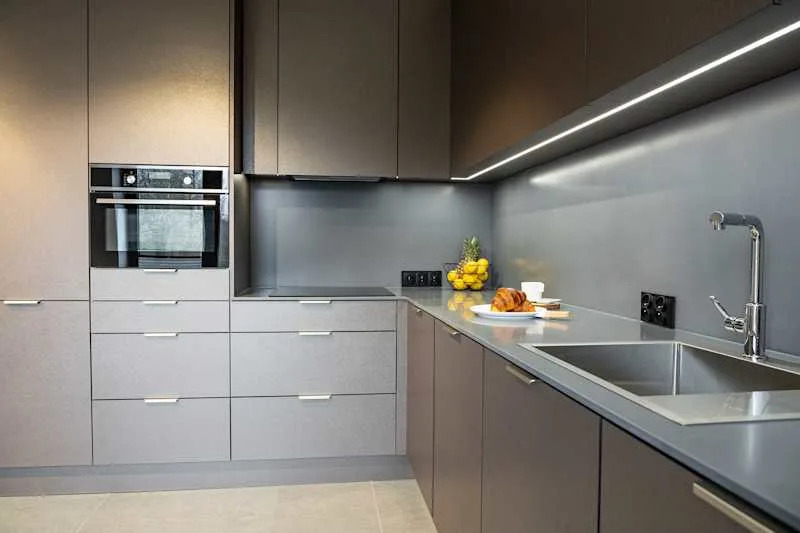
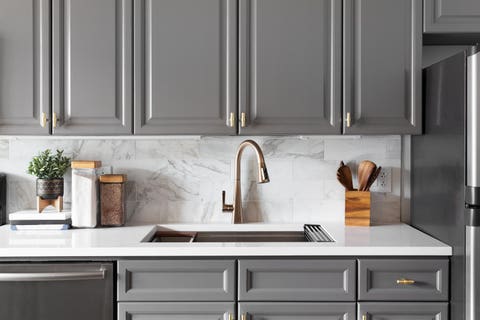
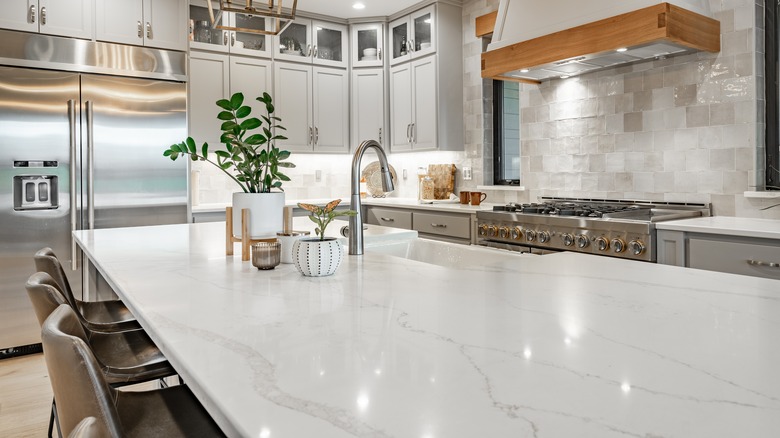
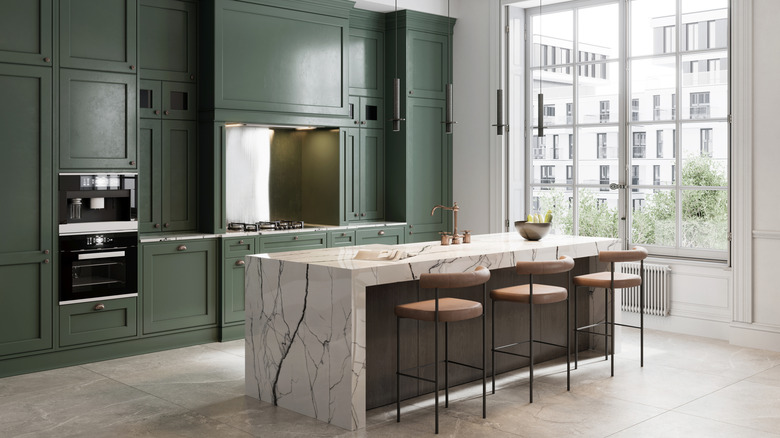
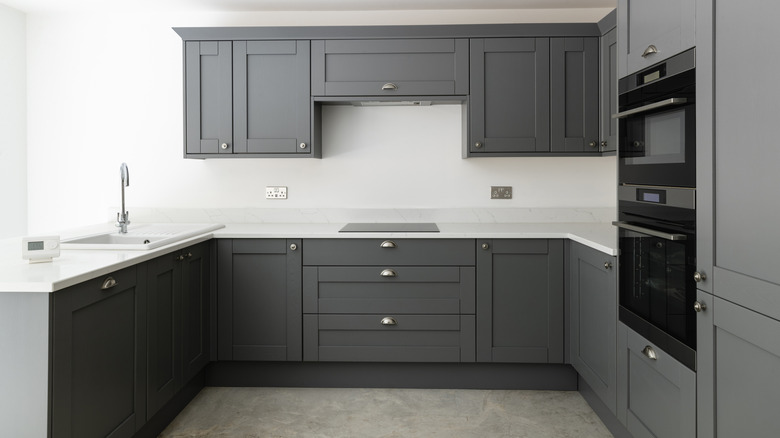
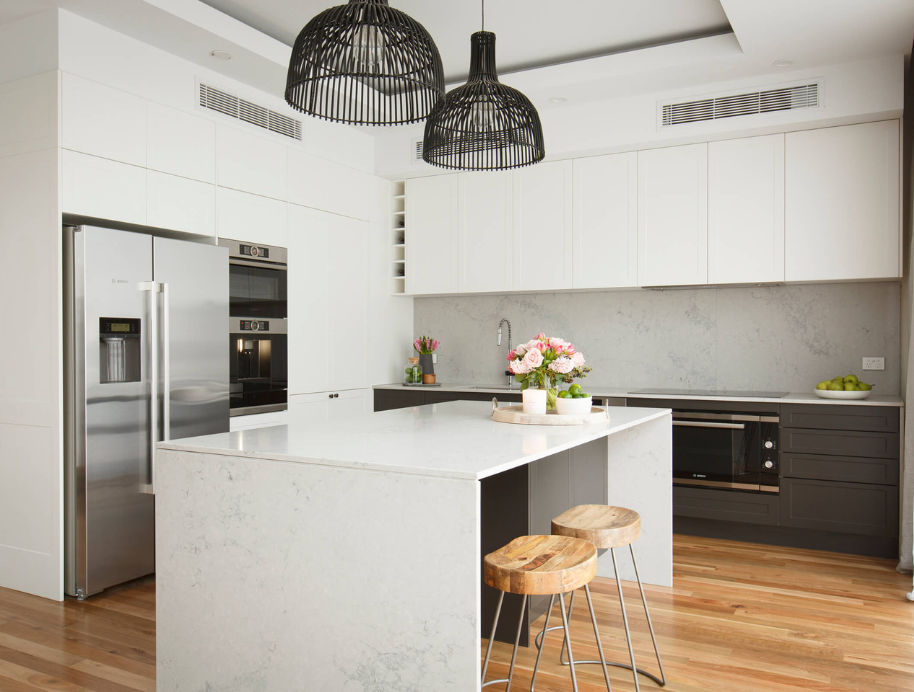
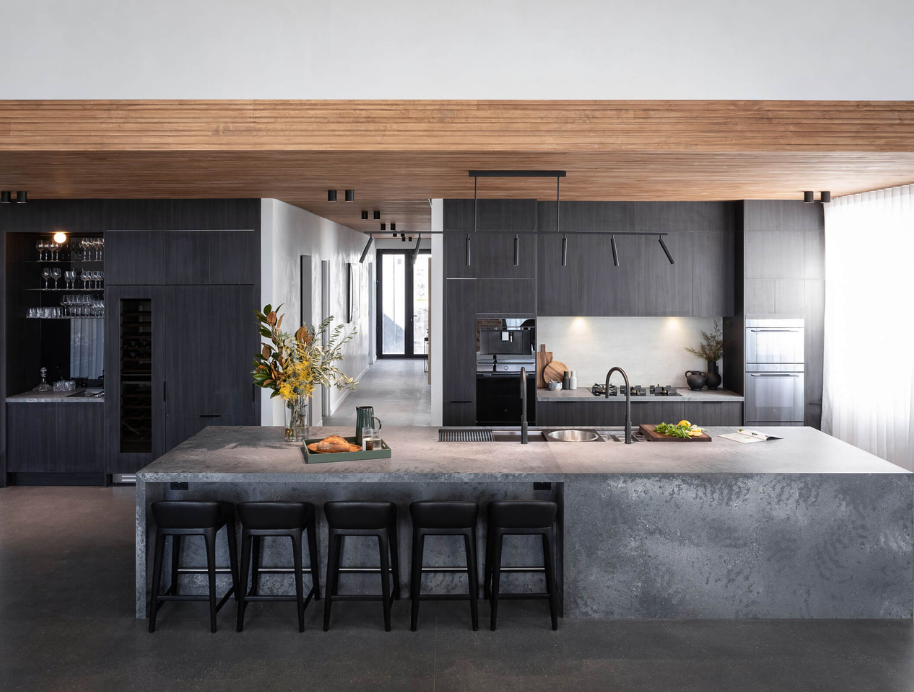
Gray kitchens, which once replaced the dominance of all-white designs, are now seeing a decline in popularity. While initially favored for their versatility, many cool-toned gray kitchens can appear gloomy and lack warmth. The widespread use of gray has also made it feel generic and devoid of personality. Homeowners are increasingly seeking vibrant colors or warmer neutrals like greige to add character and warmth to their kitchens.
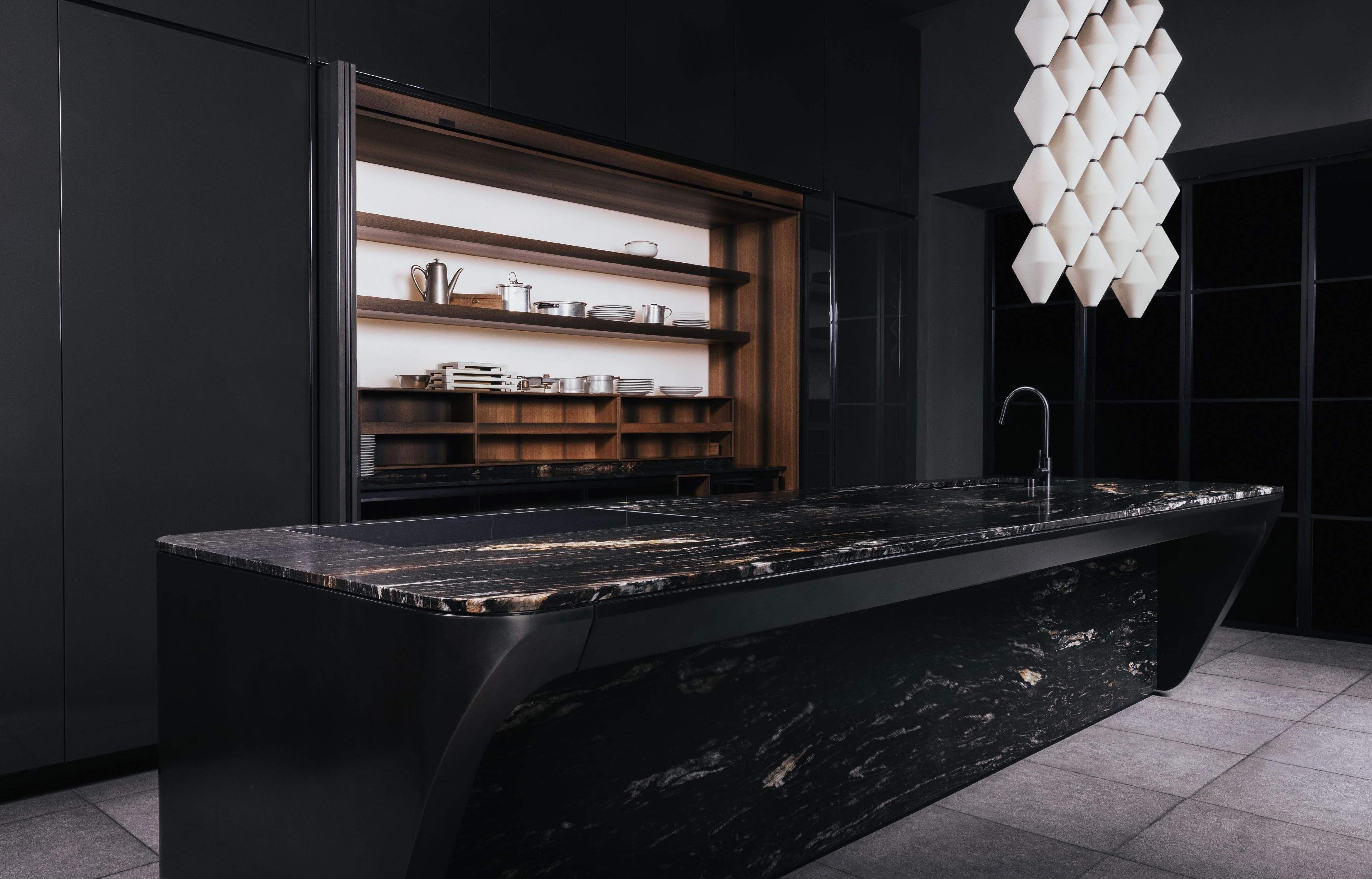
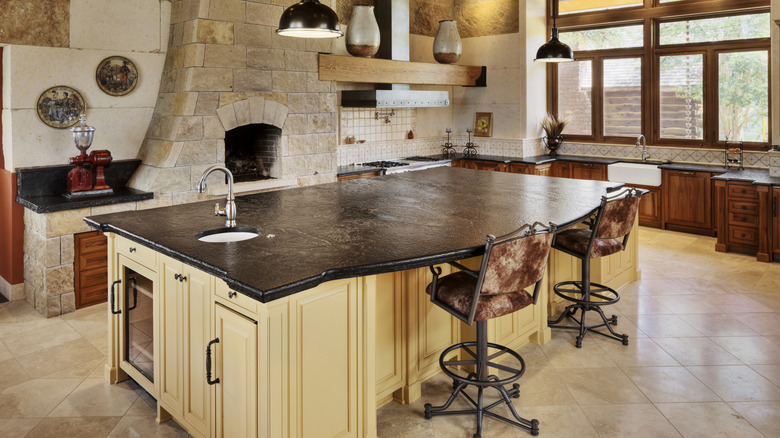
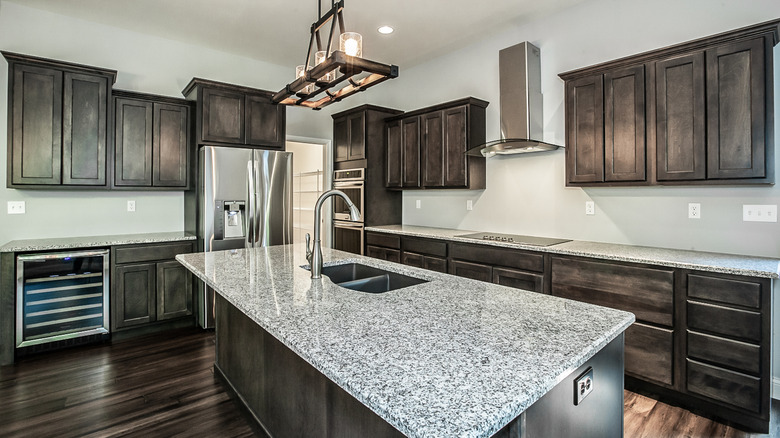
Granite countertops, a symbol of luxury from the mid-1990s to the 2000s, are also losing their appeal. Their strong association with past decades makes them feel dated. Despite their natural beauty, granite requires regular sealing, and their glossy finish is being replaced by velvety-smooth matte alternatives. Quartz, known for its durability, non-porous nature, and low maintenance, has emerged as the preferred choice, with a significant majority of designers and manufacturers favoring it over granite.
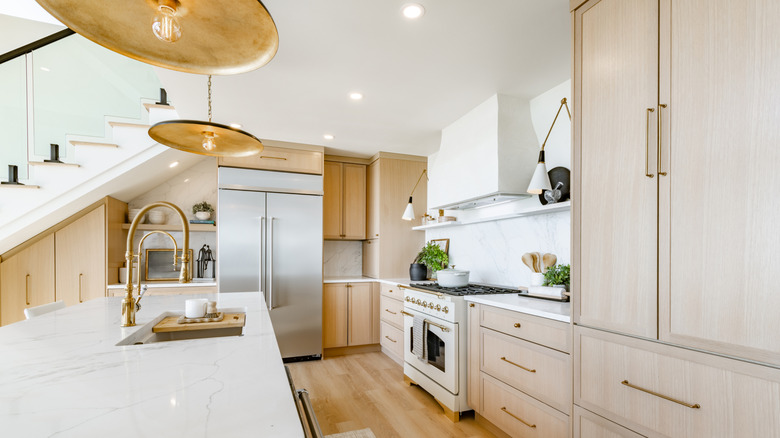
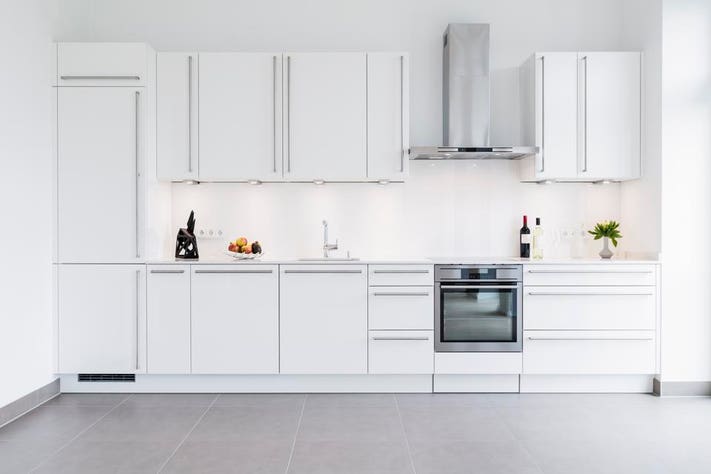
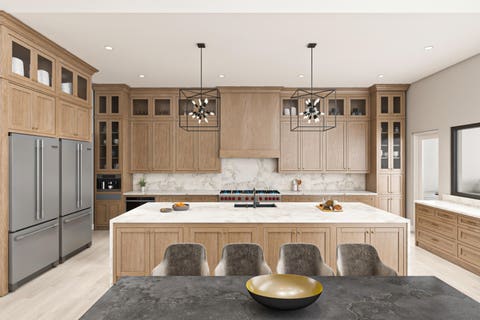
Recessed lighting, once a staple of minimalist kitchens due to its sleek and compact design, is becoming less popular. While efficient, it often lacks personality and requires numerous fixtures to achieve adequate illumination compared to decorative options like chandeliers or pendant lights. Modern kitchens are moving towards layered lighting schemes, incorporating lampscaping with various light sources to create warmer and more inviting atmospheres.
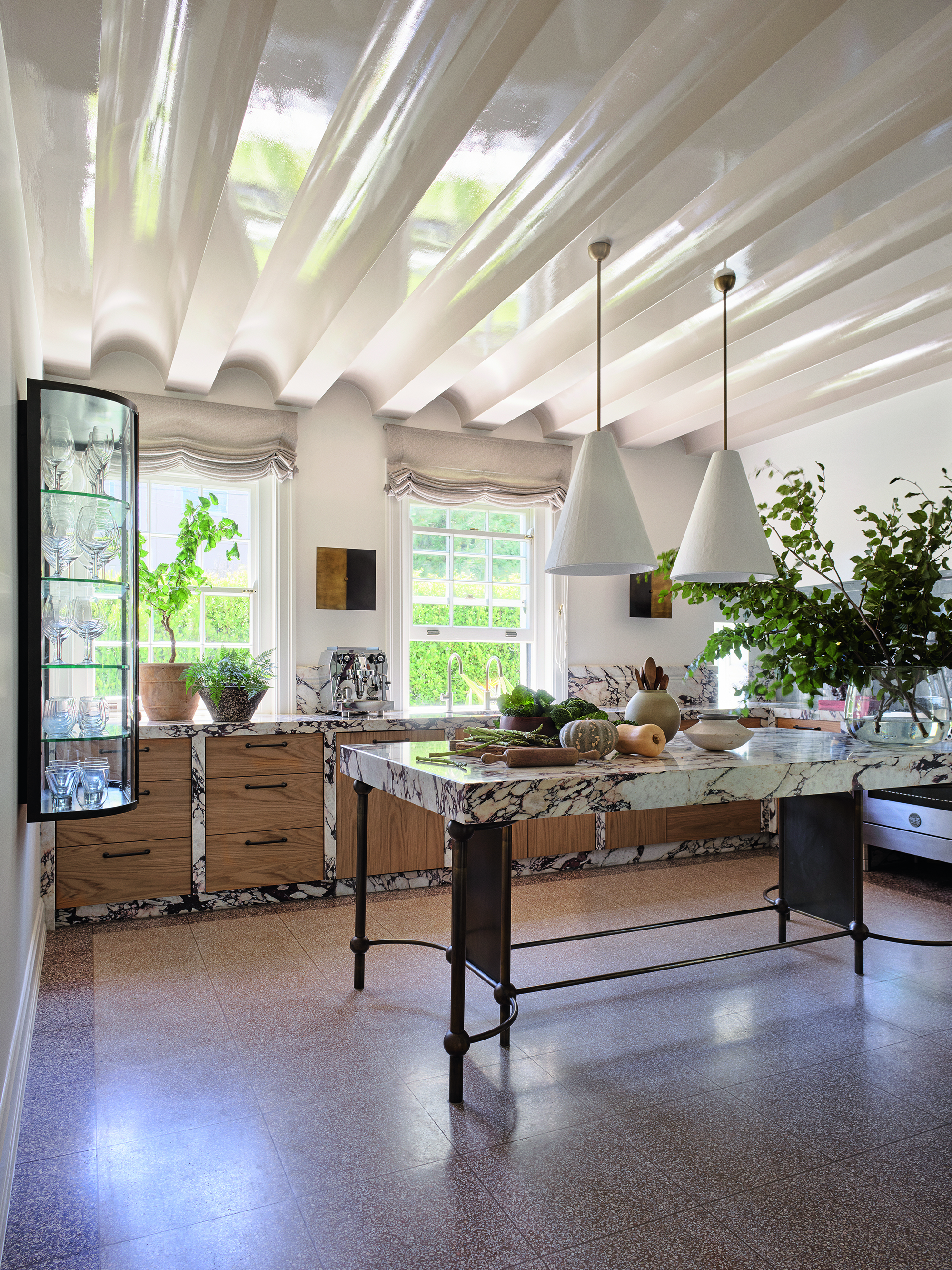
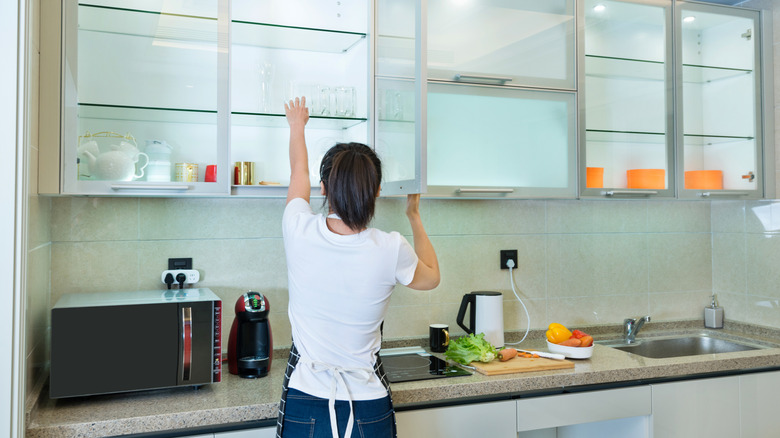
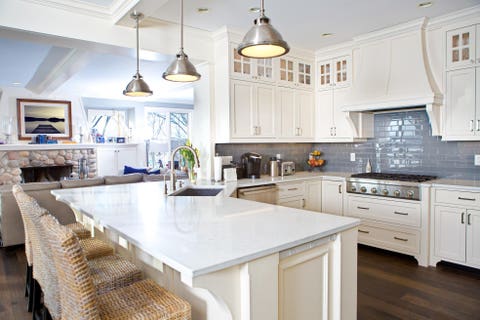
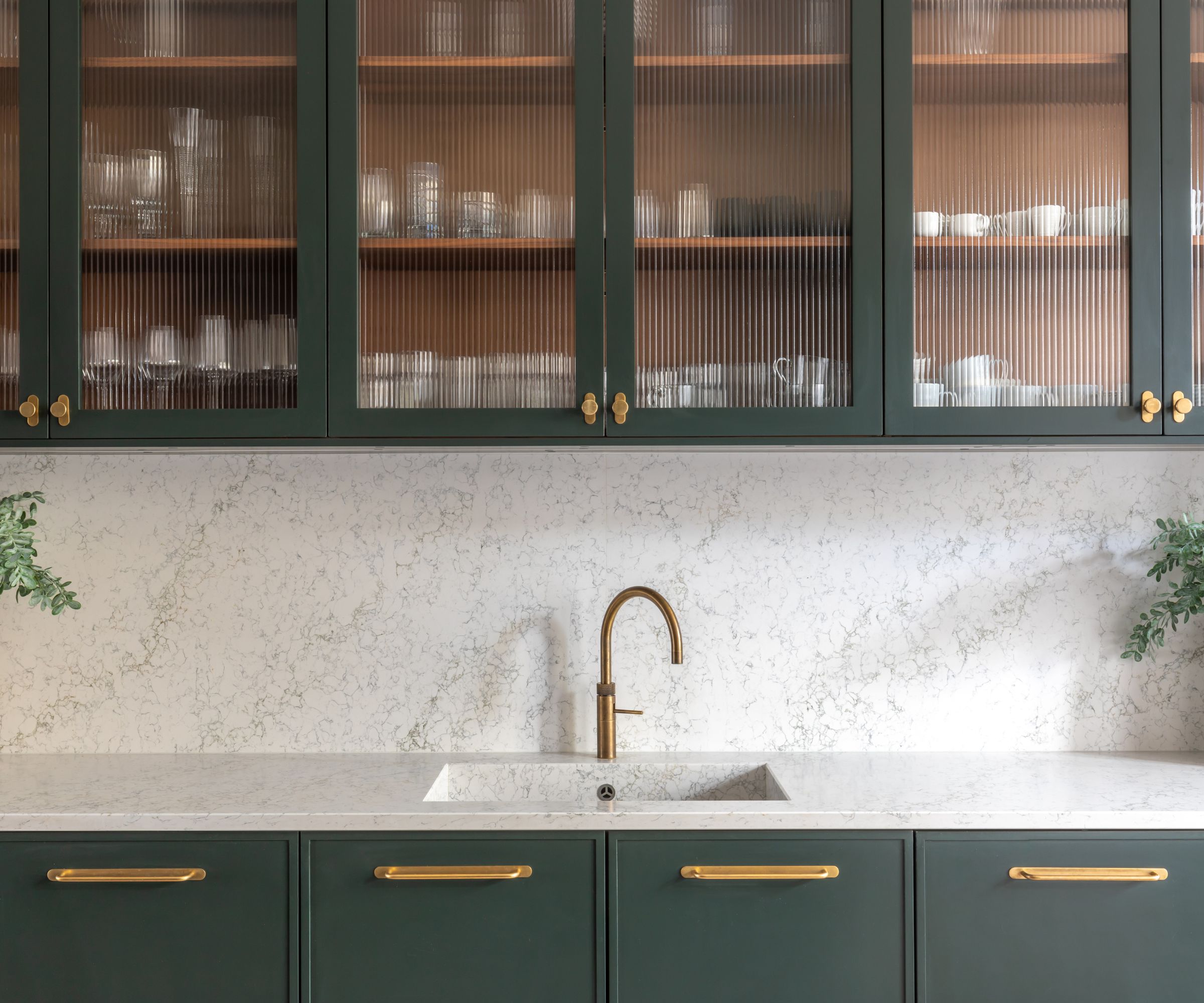
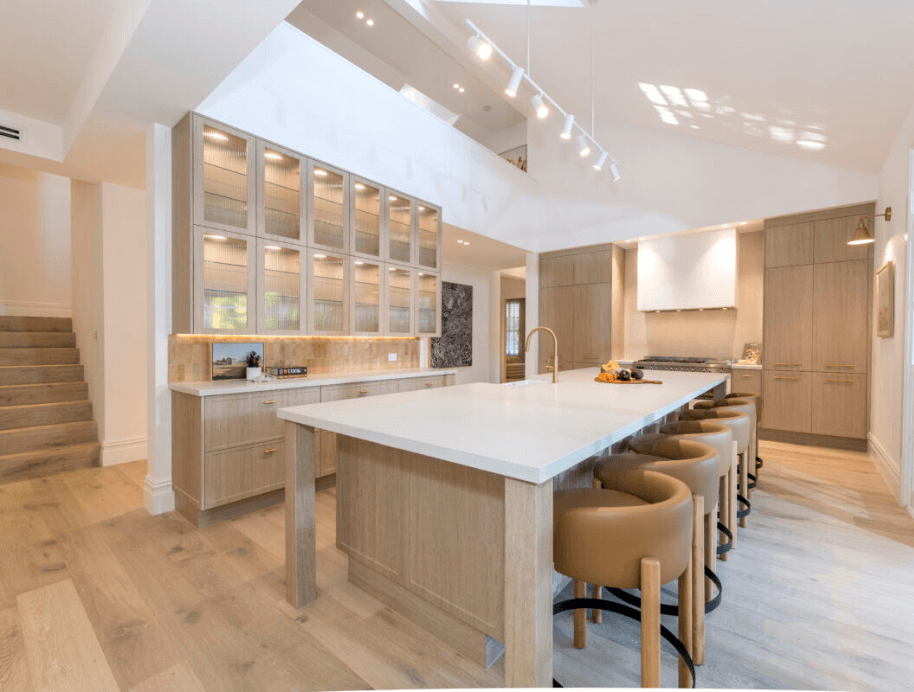
Glass front cabinets, a design element for displaying dishware since the 18th century, are also facing scrutiny. While they create visual openness, they demand constant tidiness to avoid appearing cluttered. Homeowners are now opting for frosted or etched glass to obscure clutter or turning to carefully curated open storage. The emphasis is shifting towards concealing functional items in discrete spaces rather than having them constantly on display.
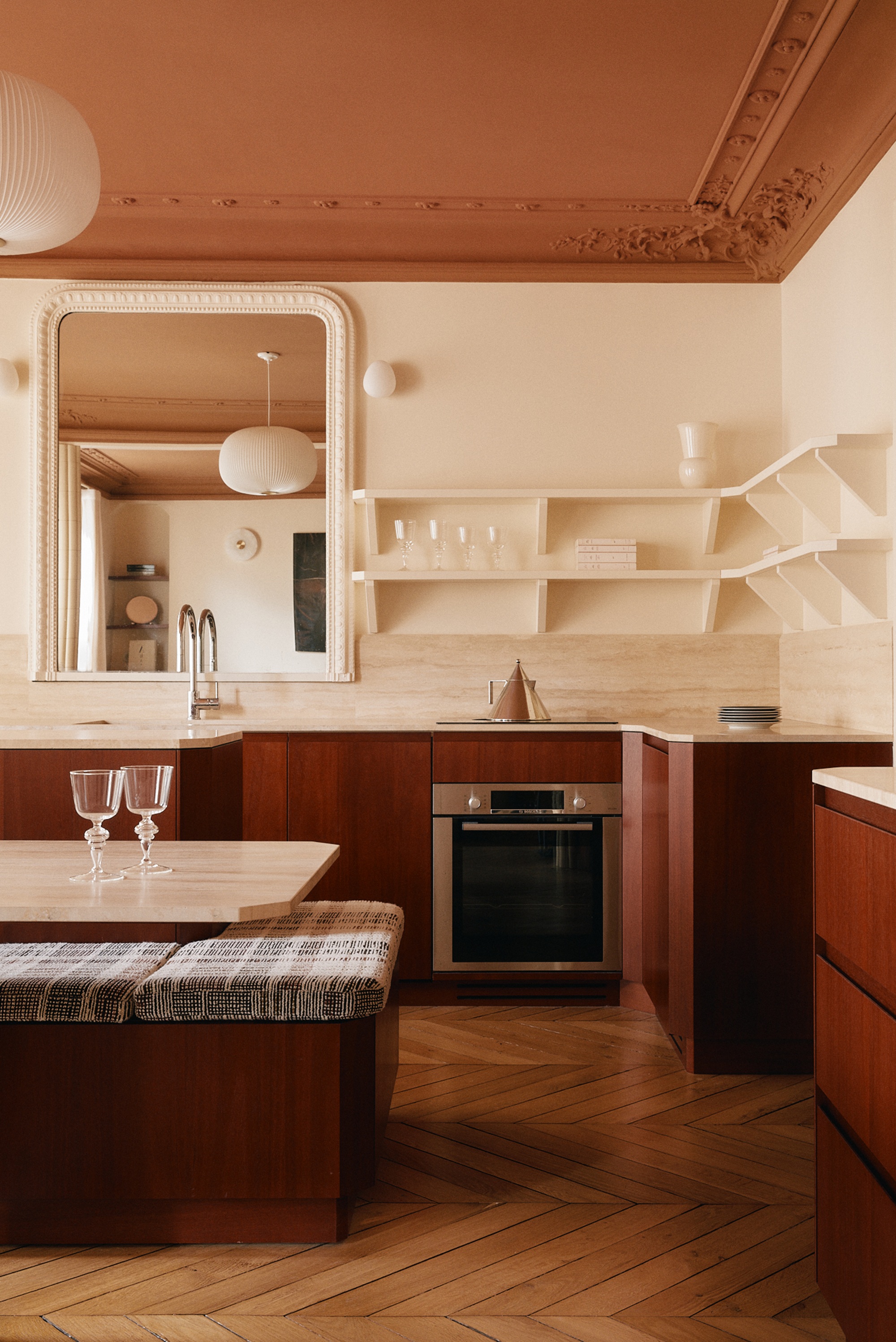
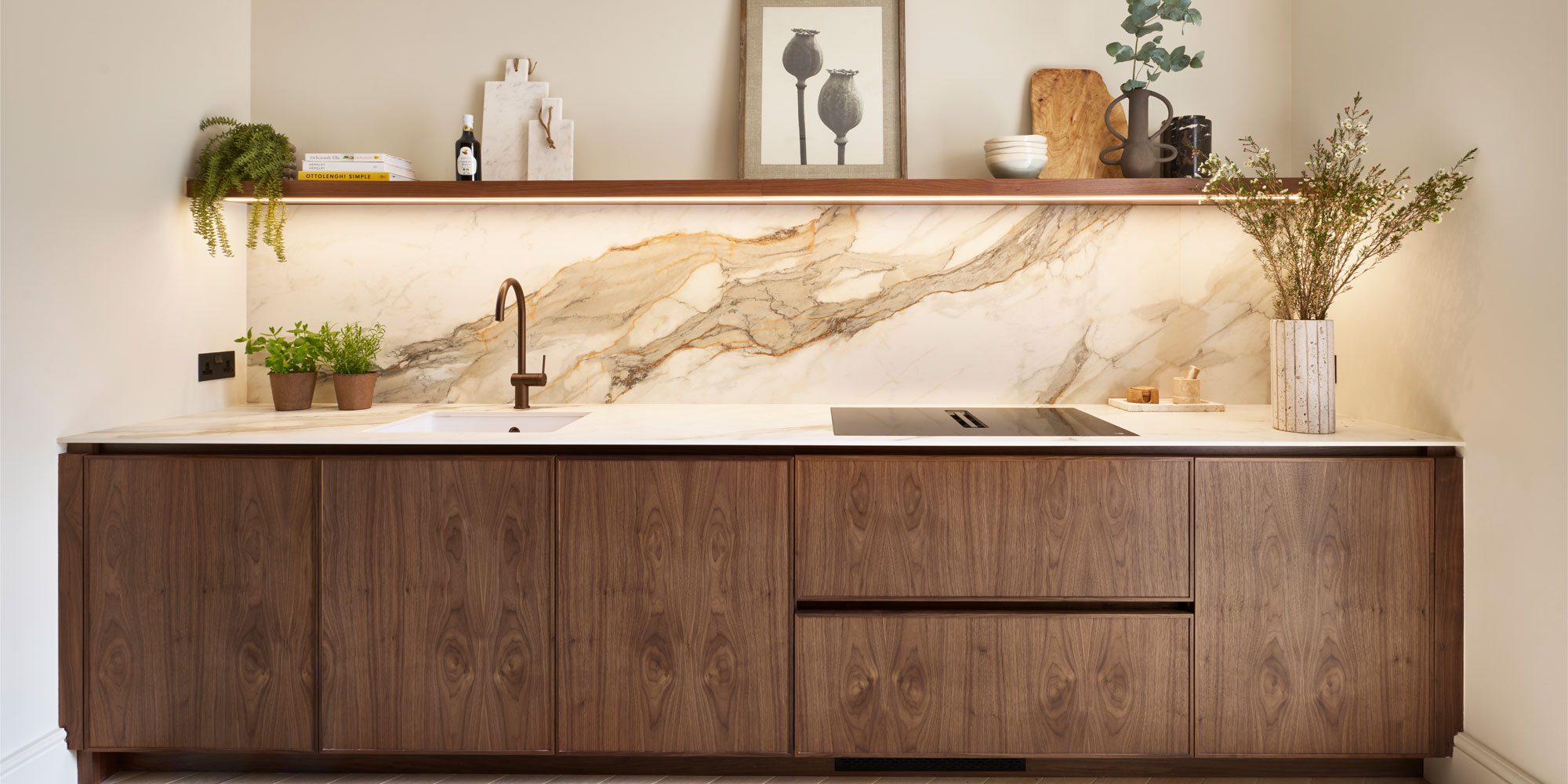
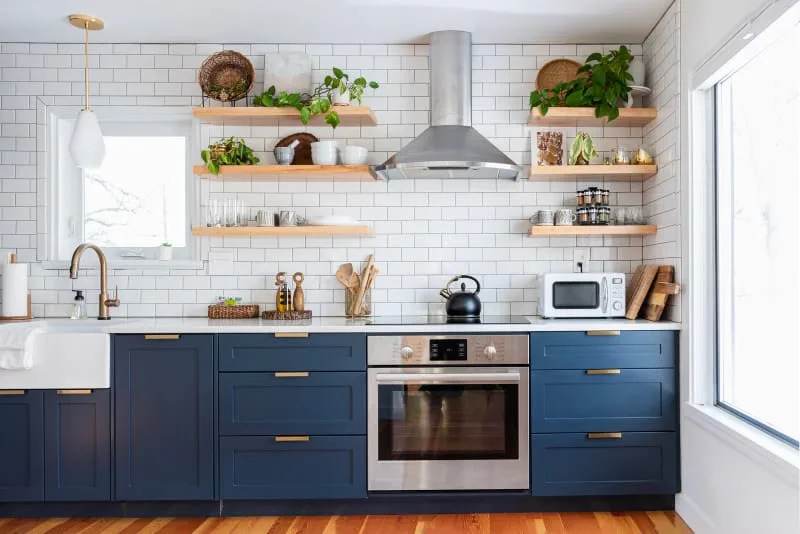
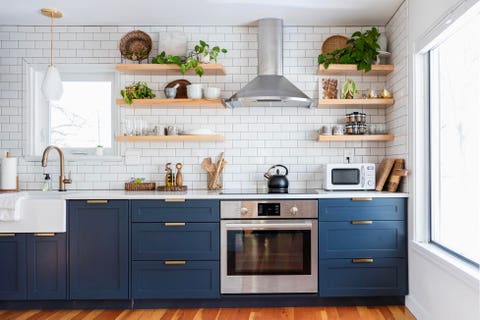
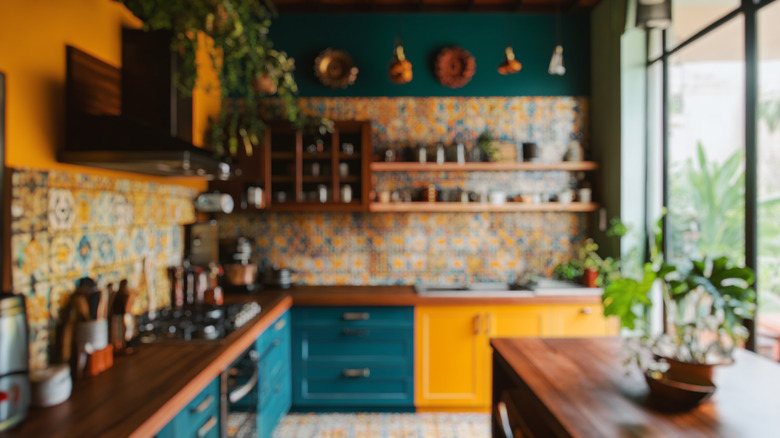
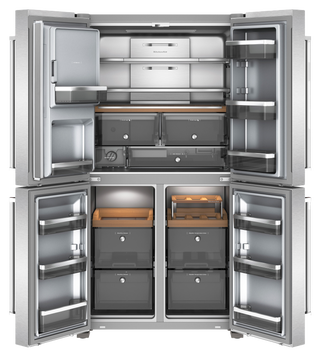
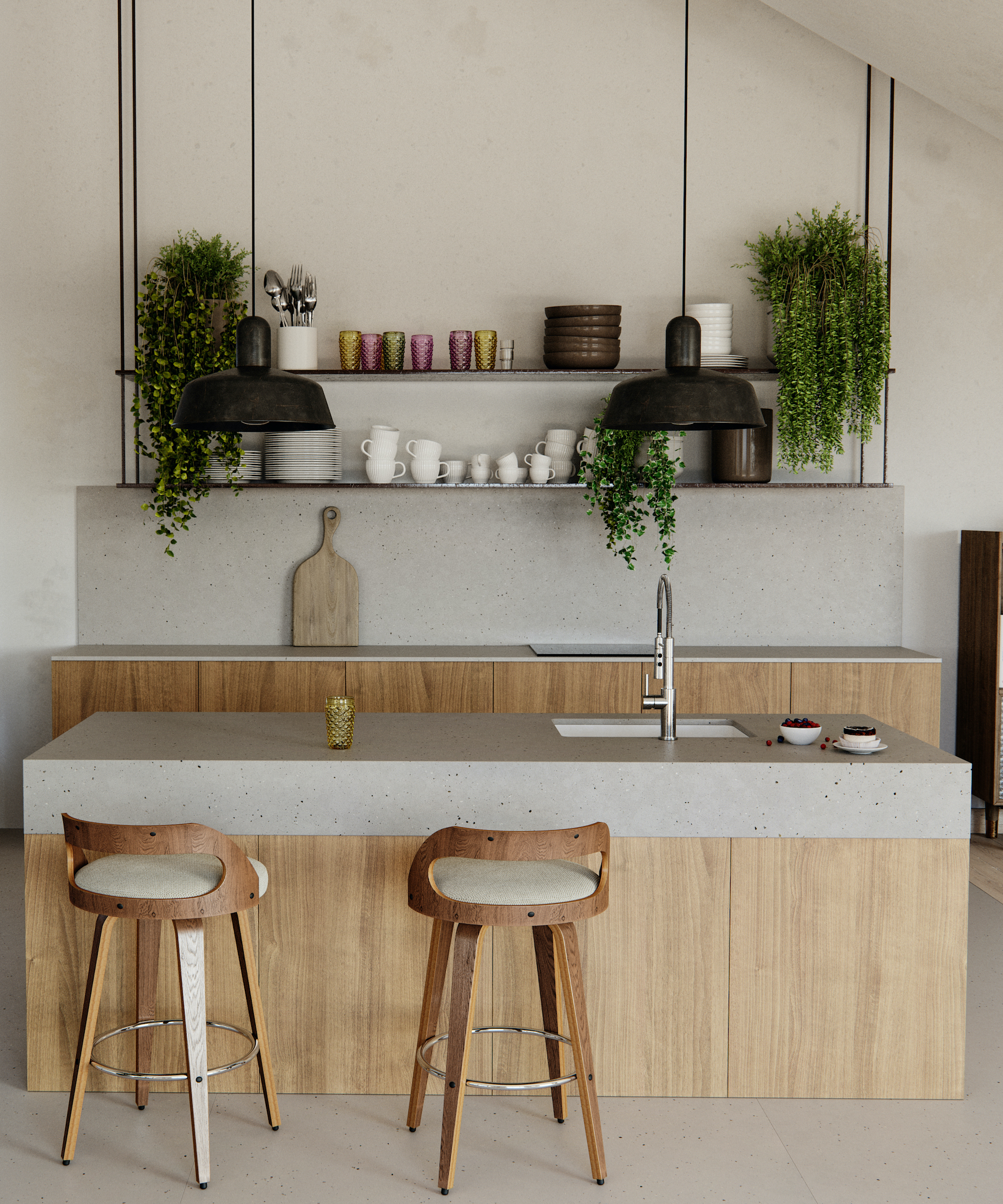
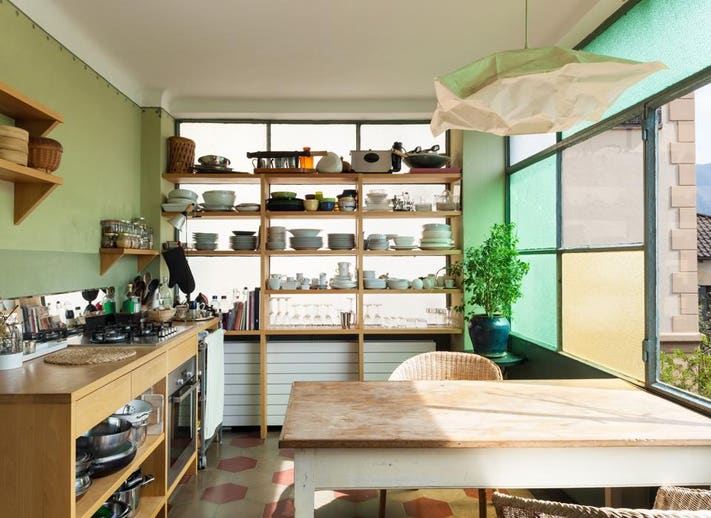
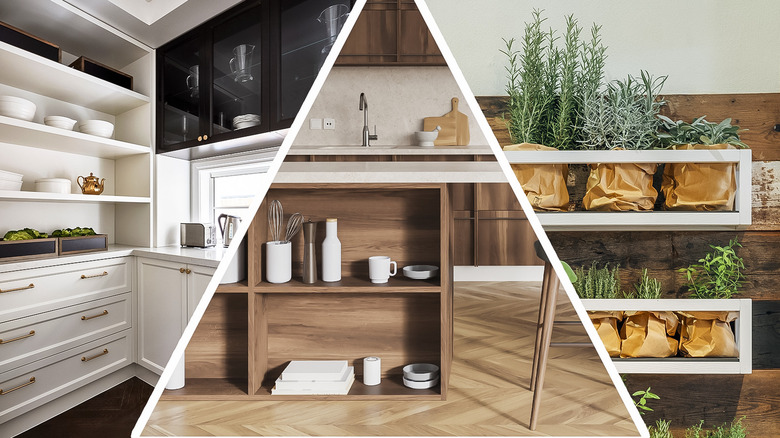
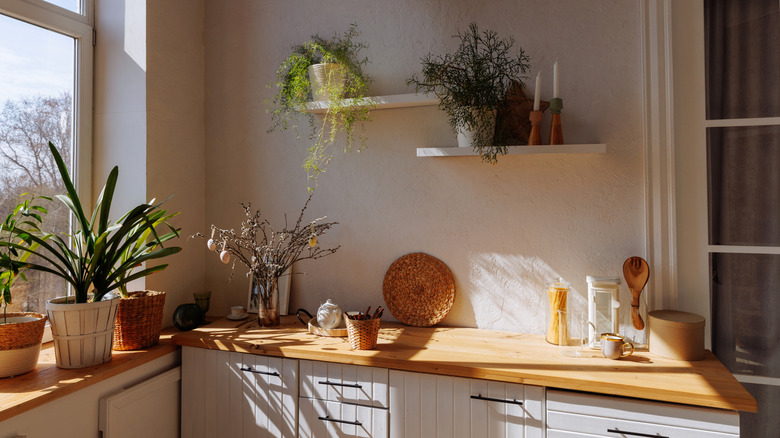
Open shelving, once a popular and inexpensive alternative to traditional cabinets, is experiencing fatigue. The high maintenance required to keep shelves clean from grease and dust, along with their tendency to accumulate clutter, has made them less desirable. The saturation of "#shelfies" on social media has also contributed to their decline. The current trend favors concealed storage solutions, such as hidden appliance cabinets and secret pantry doors, to reduce visual clutter and enhance a sense of quiet luxury.
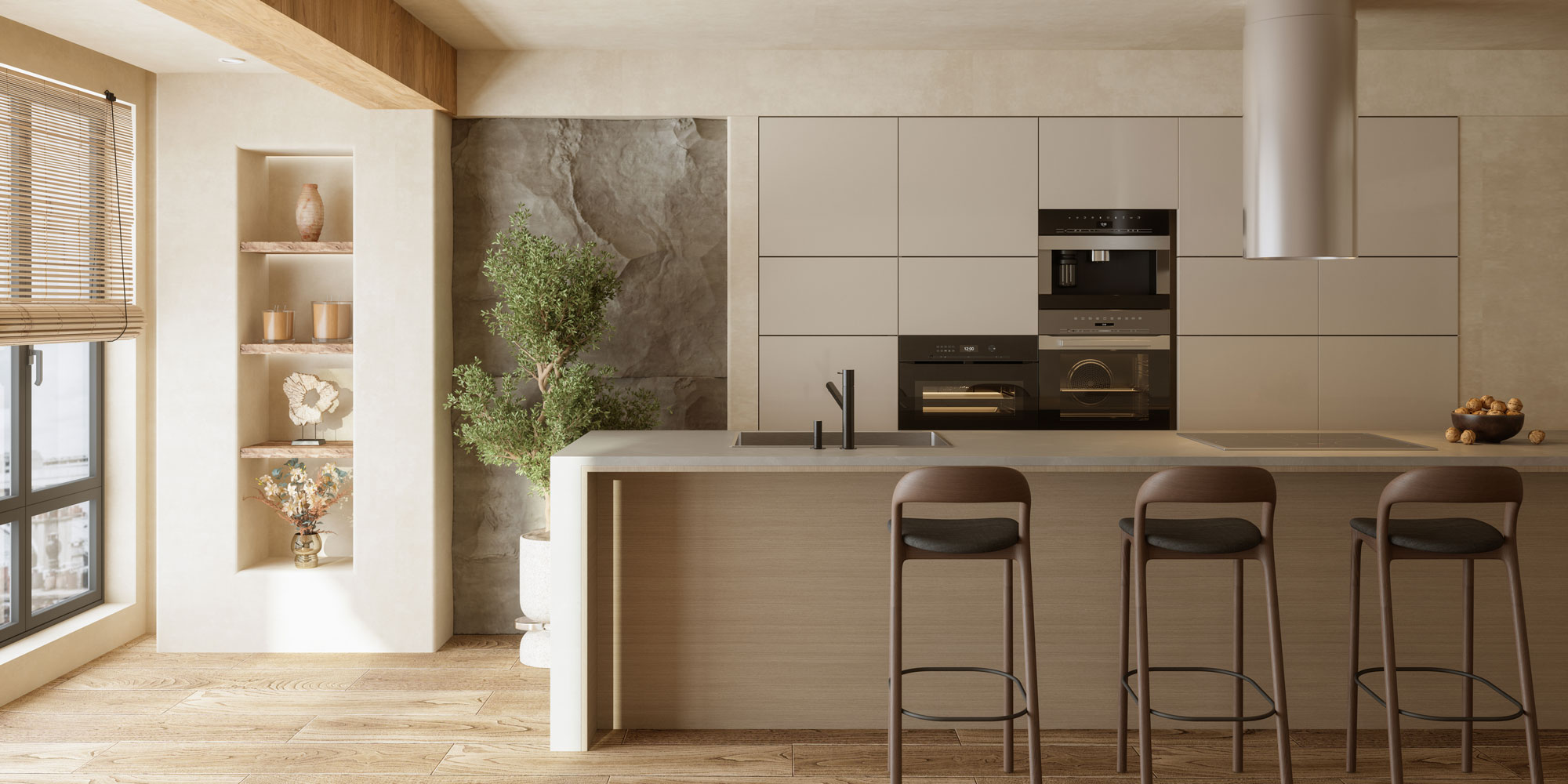
Open plan kitchens, a concept that gained traction in the 1950s, are also approaching a saturation point. While they offer a sense of openness between cooking and living areas, there's a growing desire for compartmentalization, especially after periods of increased time spent at home. Homeowners are seeking ways to partially divide kitchen spaces from living areas to manage odors and create distinct zones. Solutions include double-sided bookcases, sheer curtains, glass sliding walls, or plant walls.
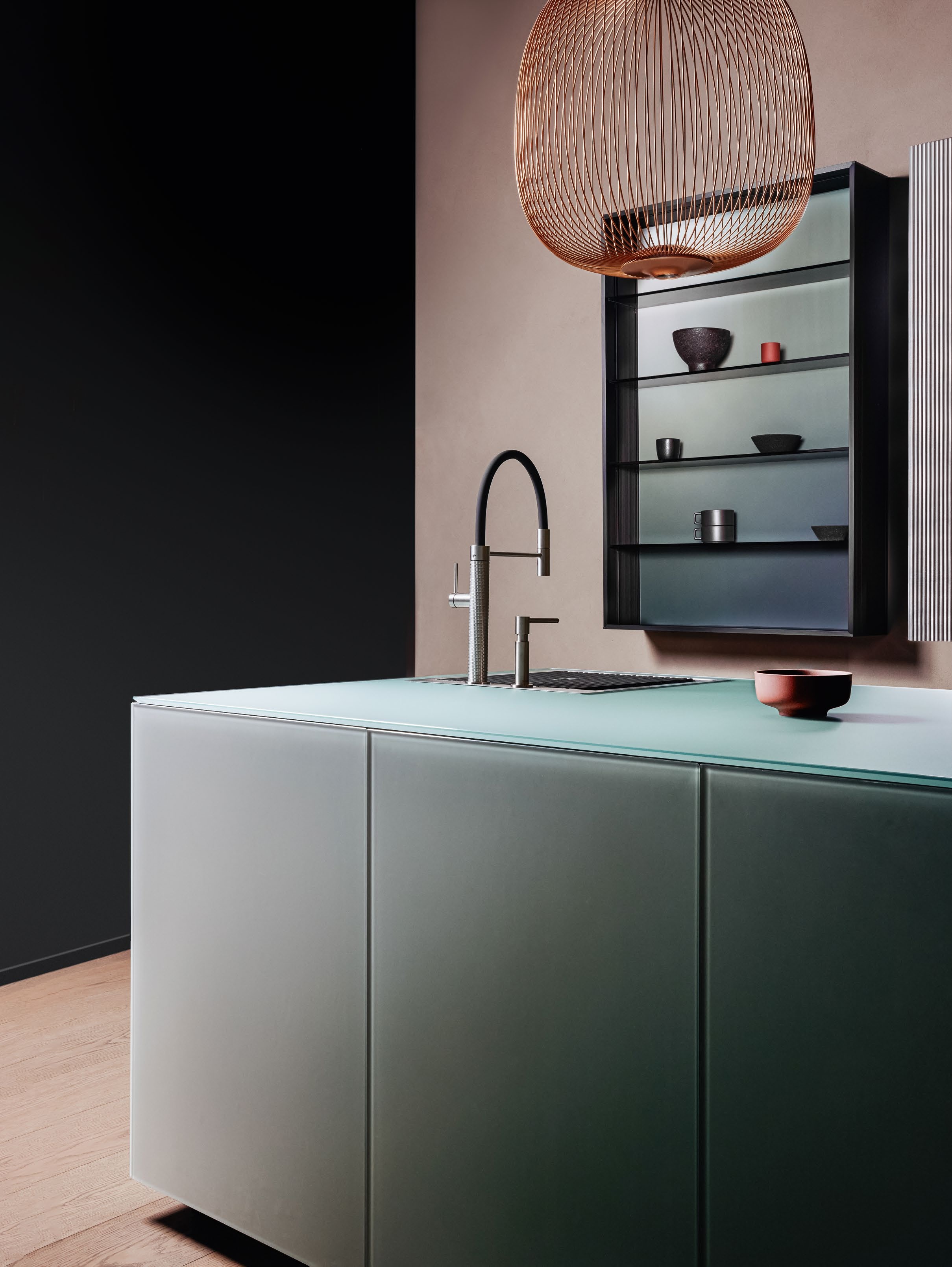
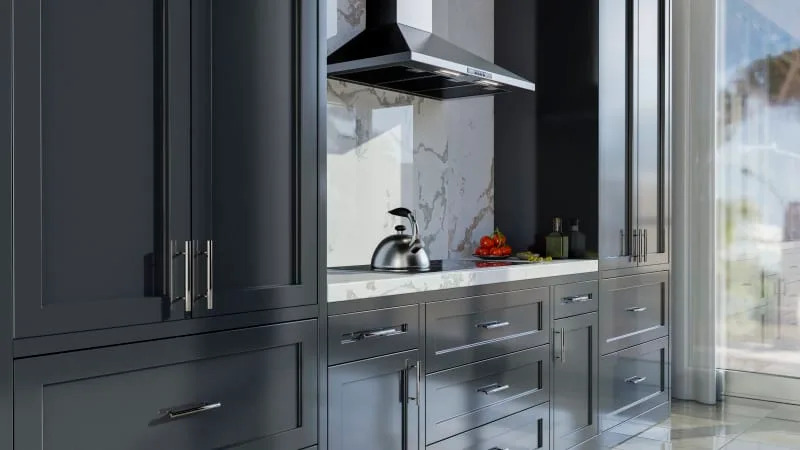
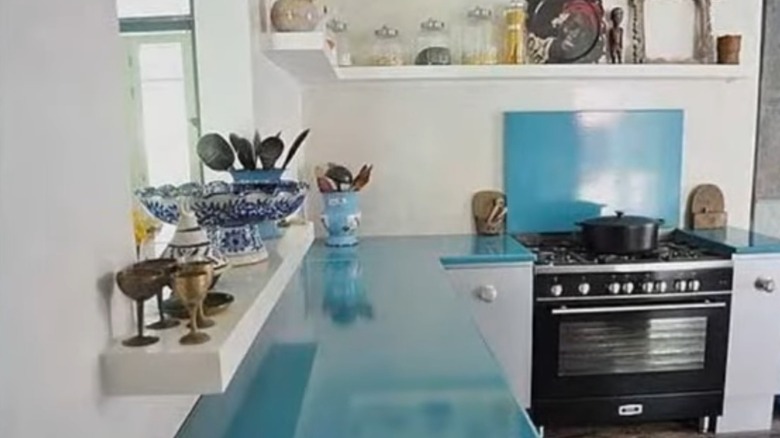
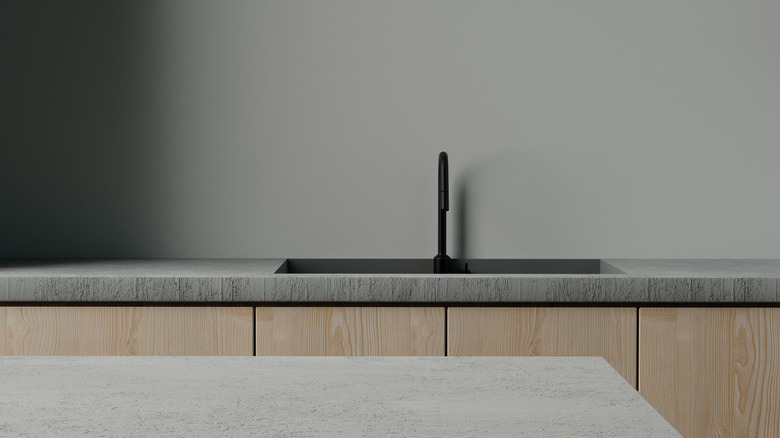
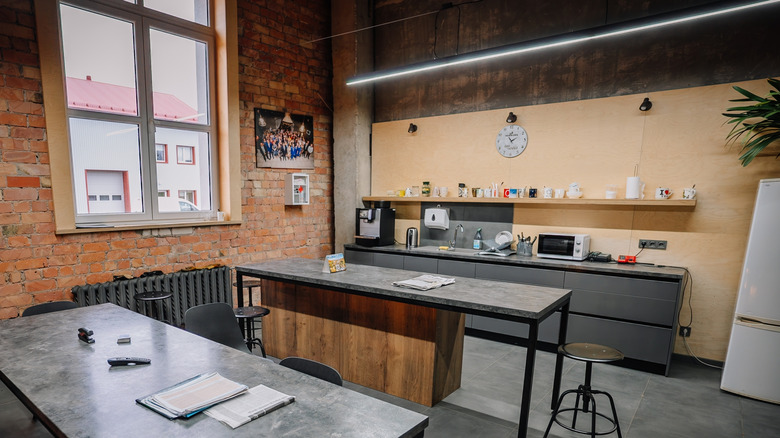
Glossy surfaces, prevalent in the 2010s for their light-reflecting properties, are being phased out. While easy to clean initially, they amplify fingerprints and smudges and can lose their luster in high-traffic areas without regular buffing. Matte and textured finishes are now preferred for their low maintenance and ability to add tactile elements. Honed quartz and butcher block countertops, along with soft-touch laminate cabinetry and exposed brick, offer a more elegant and lived-in feel.
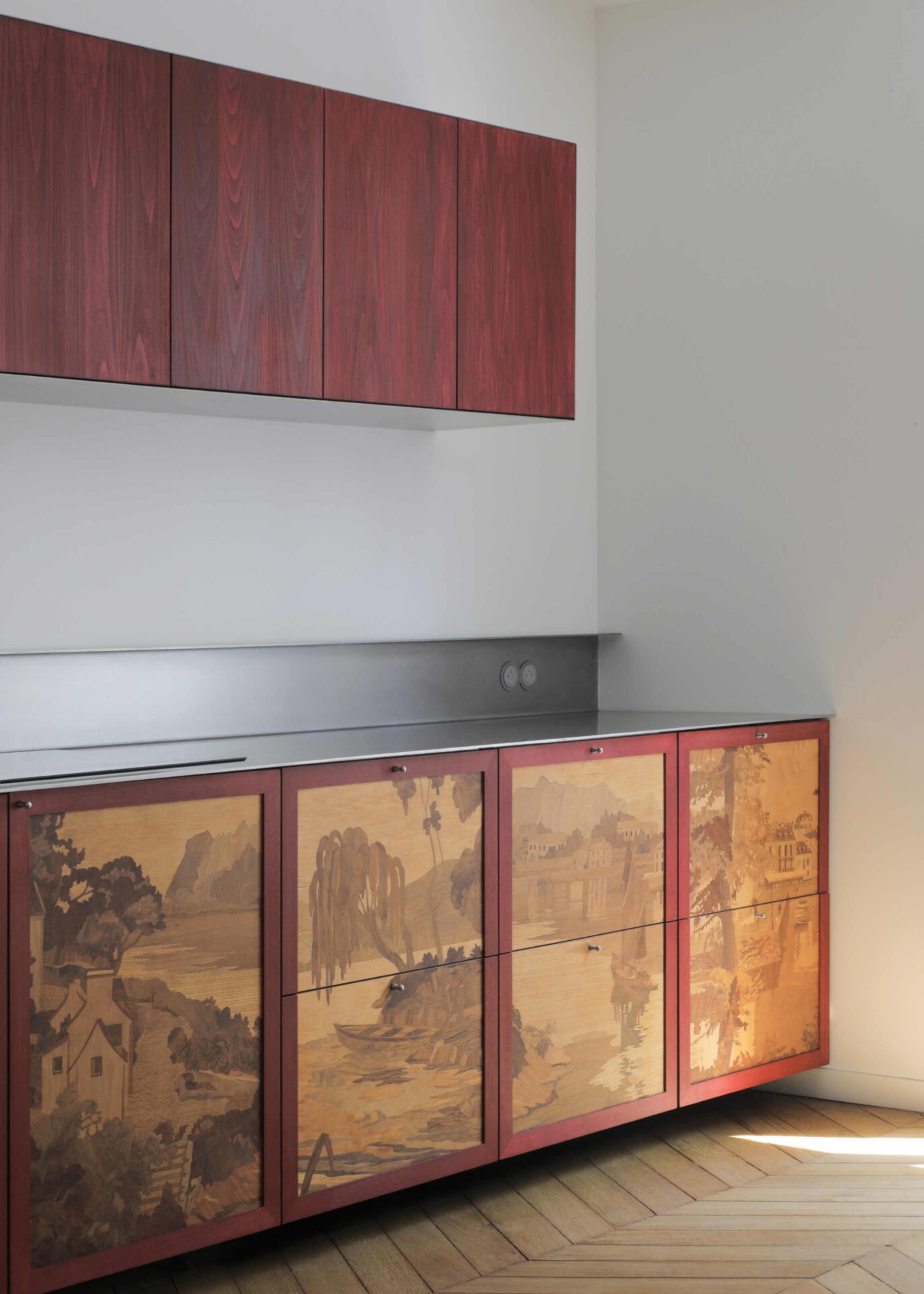
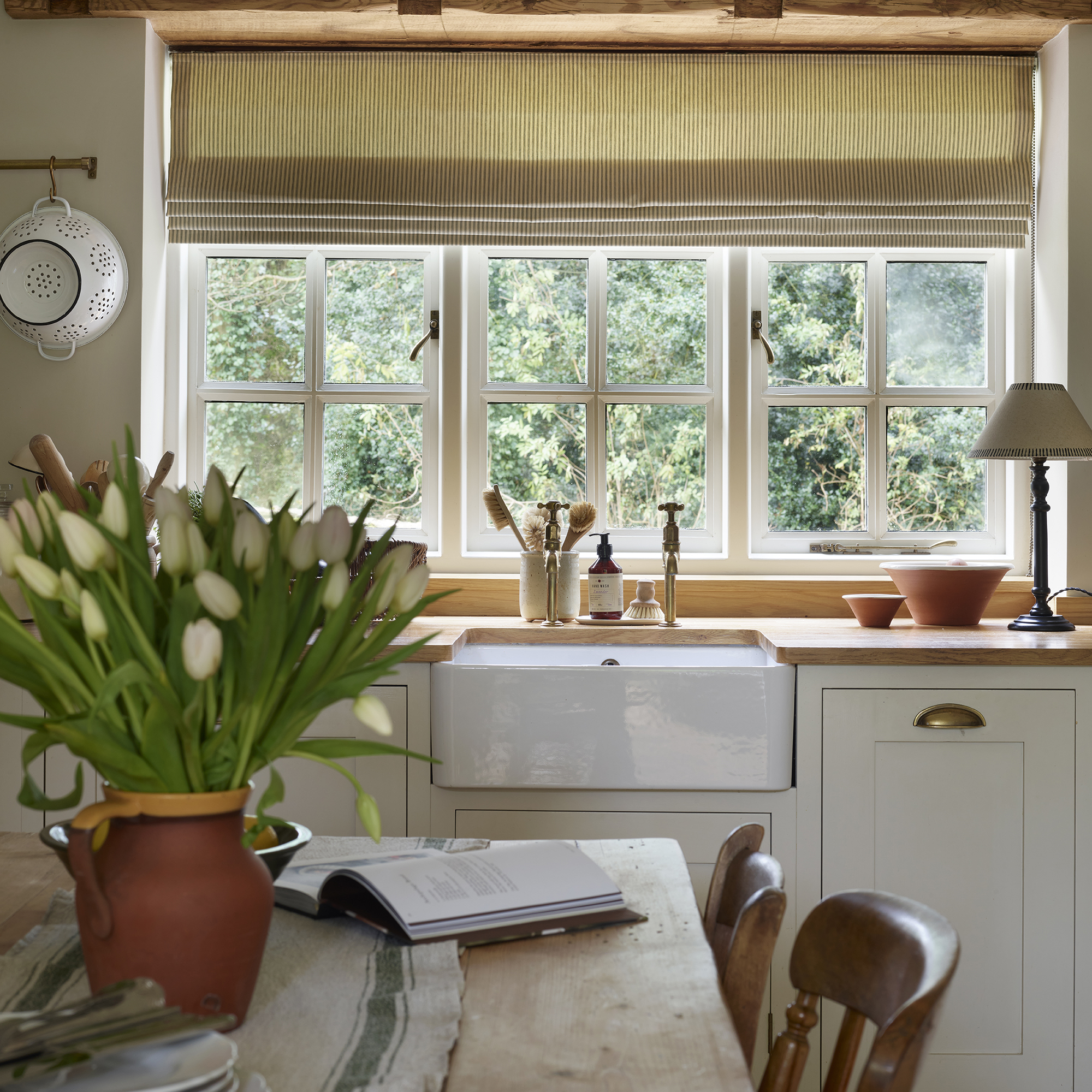
Distressed cabinets, which once romanticized the aging process of wood, are now considered dated. Associated with the "shabby chic" movement of the 2000s, they can make a kitchen appear frozen in time. The current preference is for naturally aged finishes and authentic patinas over intentionally scuffed designs. For those with distressed cabinets, repainting and updating hardware can provide a modern refresh.
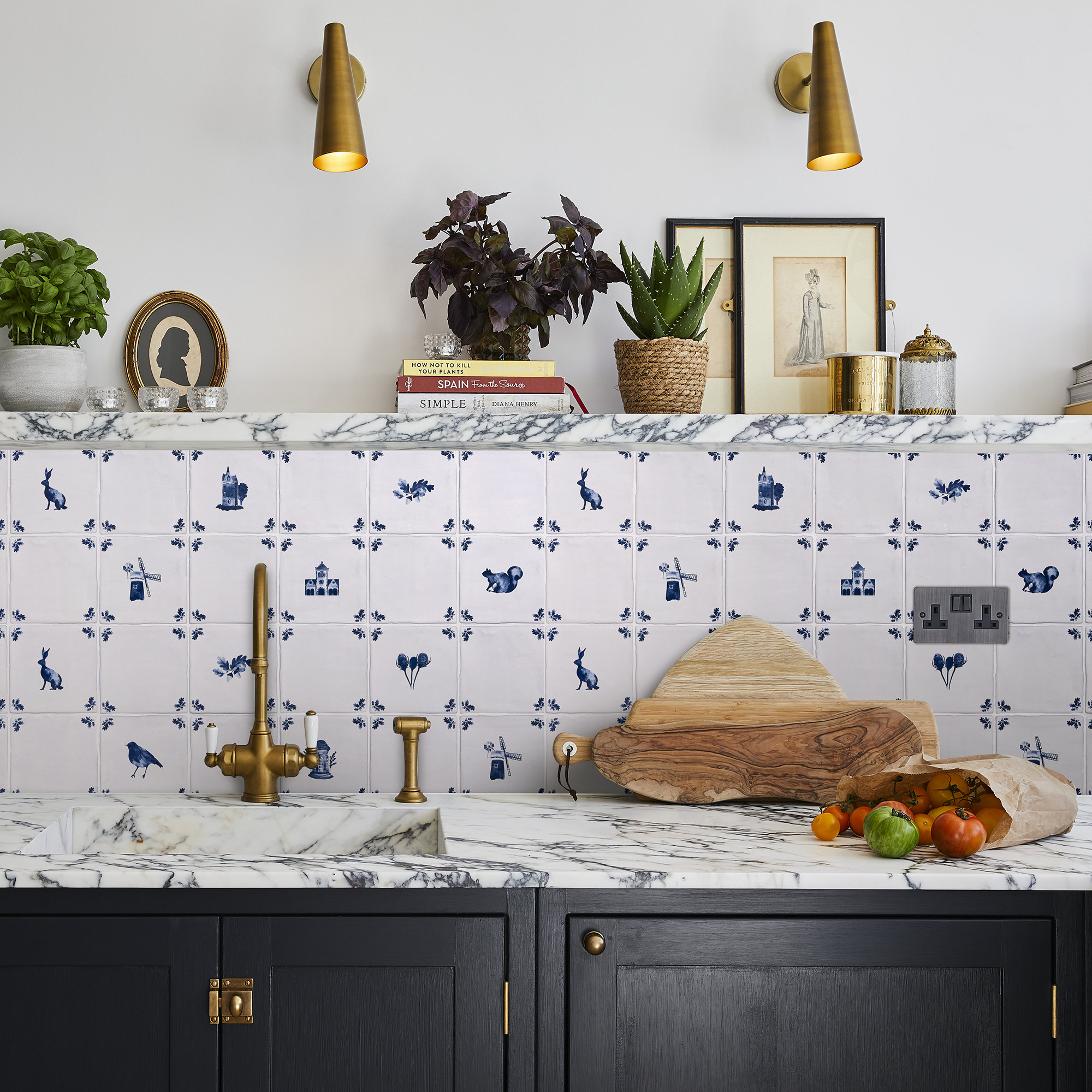
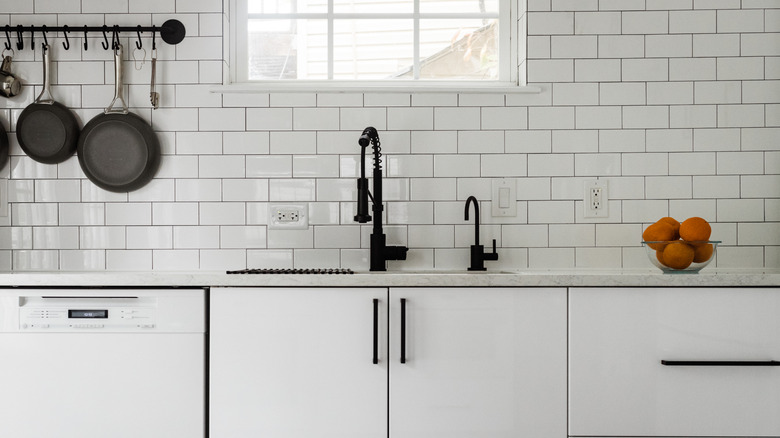
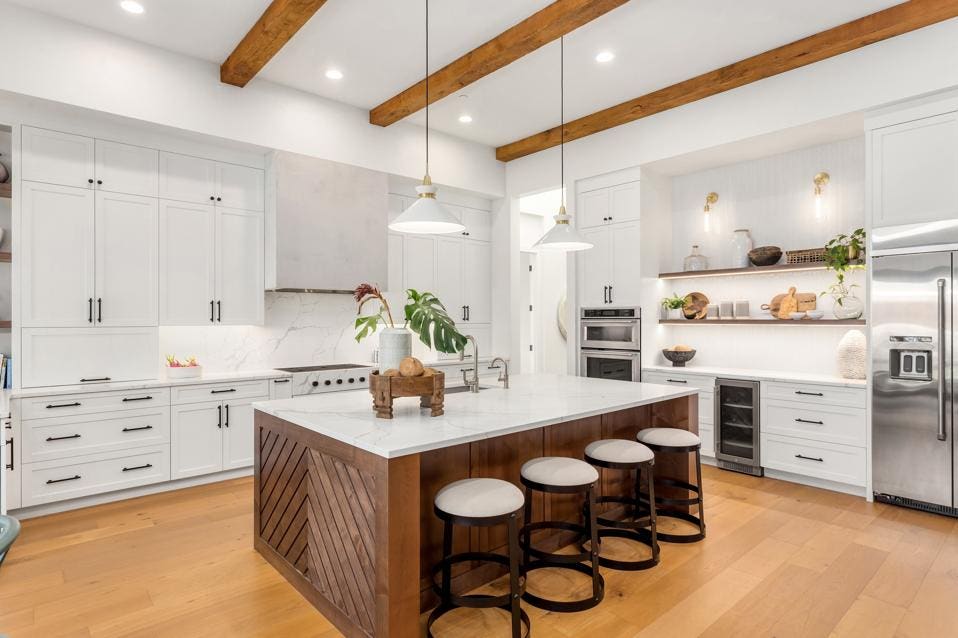
Black matte hardware, a popular choice that paired well with white shaker cabinets, is also losing its appeal. Its ubiquity in budget-friendly rentals has diminished its perceived value. Modern kitchen designs are incorporating warmer, more tactile materials like wood and stone, or adding pops of color with jewel-toned knobs. The rise of push-to-open mechanisms for cabinets also reduces the need for visible hardware, further sidelining black matte options.
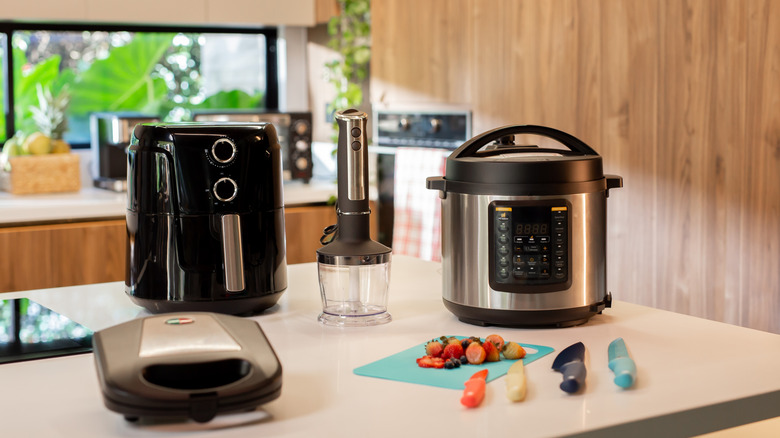
Finally, the kitchen work triangle, a long-standing principle from the 1940s that optimized the placement of the sink, refrigerator, and stove, is being challenged. Its universality is limited in smaller kitchens or those with one-wall designs. The increase in kitchen gadgets also makes it difficult to prioritize only three elements. The emerging trend is kitchen zoning, which allocates specific areas for different tasks like cooking, cleaning, and storage, creating a more efficient and personalized workflow that adapts to modern kitchen needs.
#KitchenTrends #HomeDesign #InteriorDesign #KitchenRenovation #DesignAndDecor #KitchenCabinetry #CountertopMaterials #KitchenLighting #StorageSolutions #KitchenLayouts #KitchenTrends #HomeDesign #InteriorDesign #KitchenRenovation #DesignAndDecor #KitchenCabinetry #CountertopMaterials #KitchenLighting #StorageSolutions #KitchenLayouts
0 comment in total
 No comments yet
You may also like
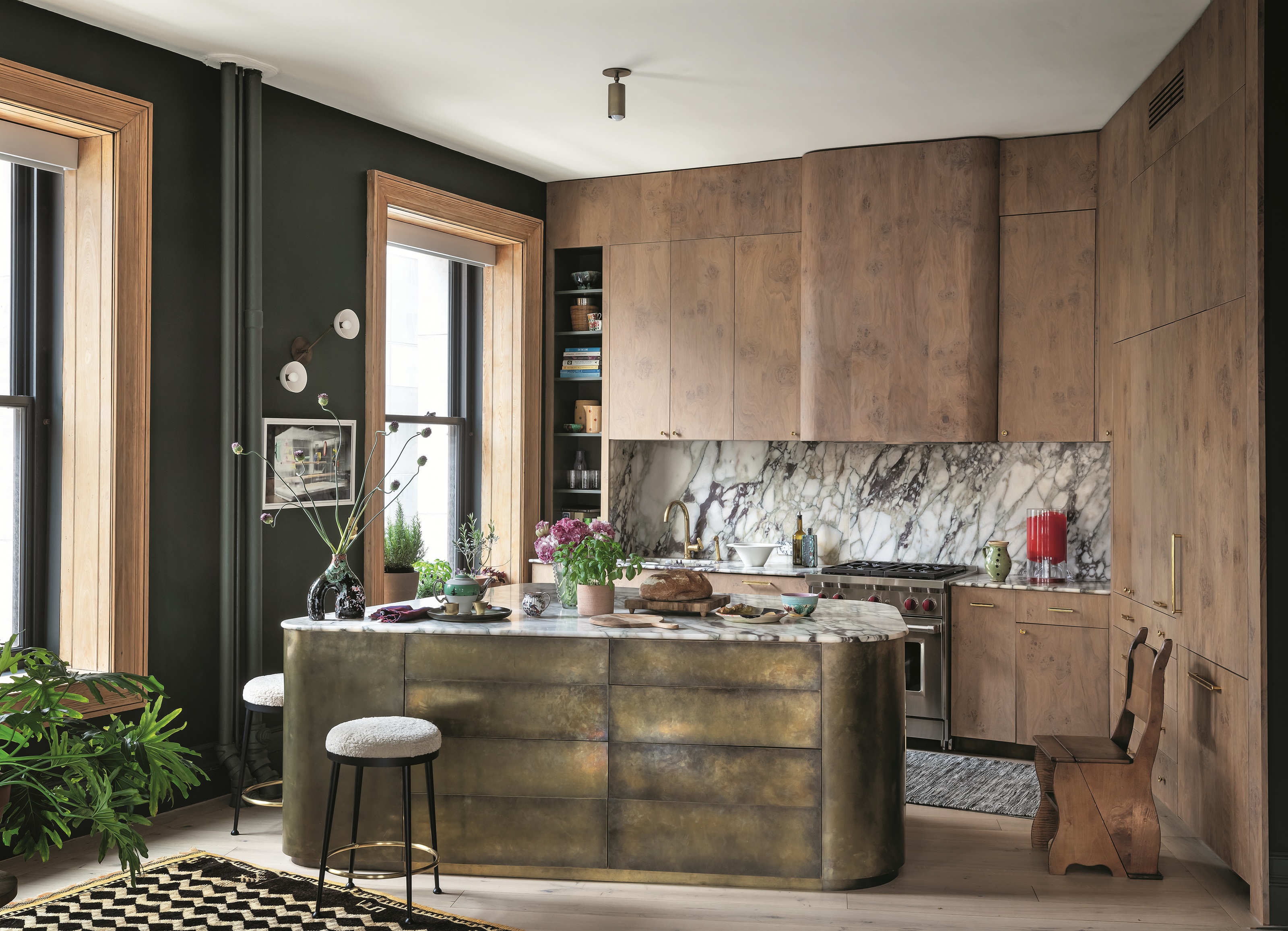
10 Kitchen Trends for 2026 to Know for Your Next Project |

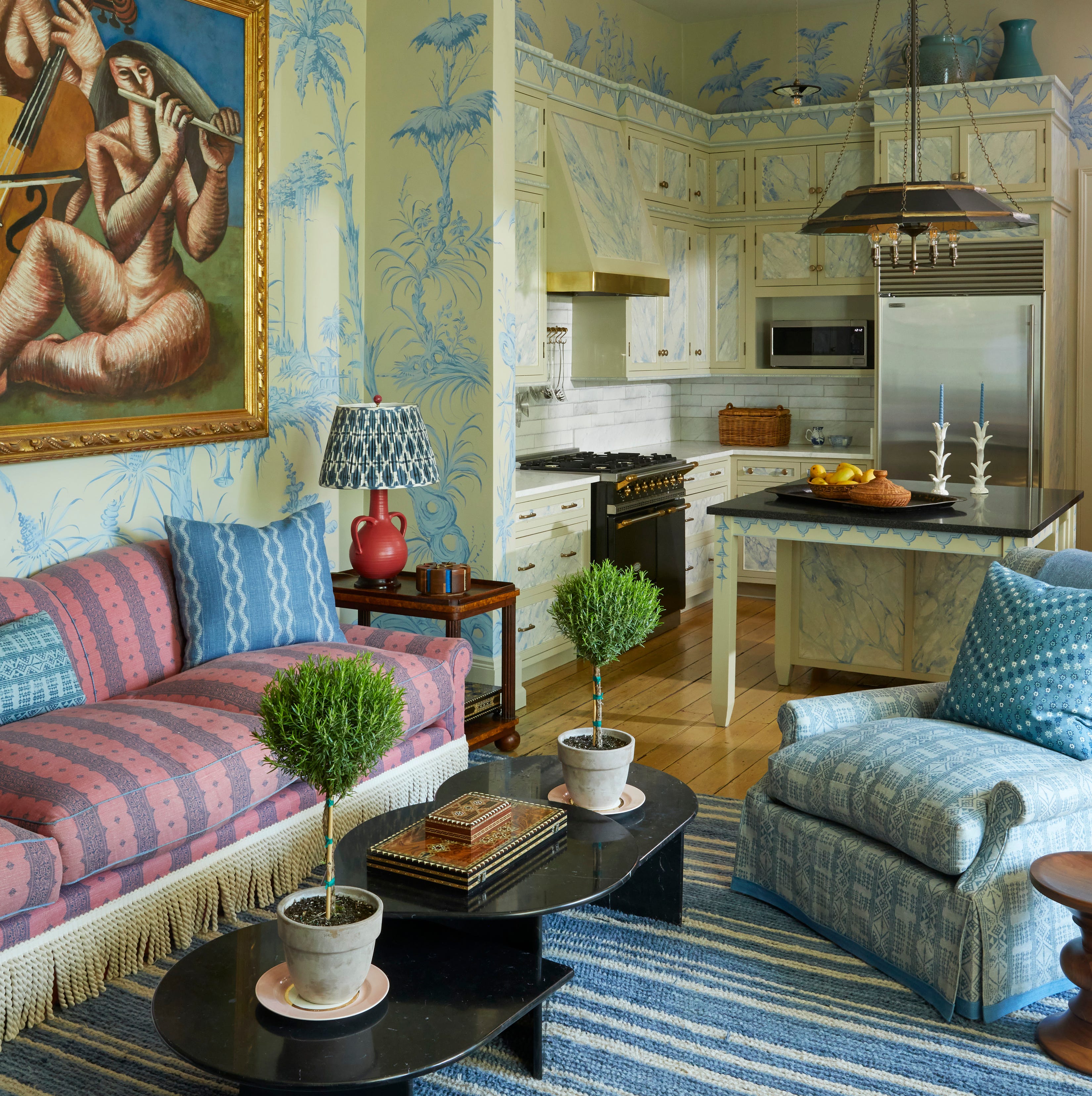
6 Kitchen Trends That Will Be Huge in 2026, According to Designers

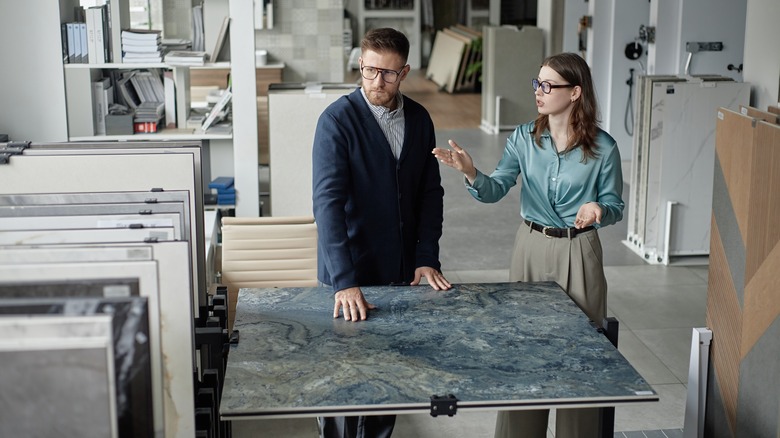
These Will Be The Biggest Kitchen Countertop Trends In 2026
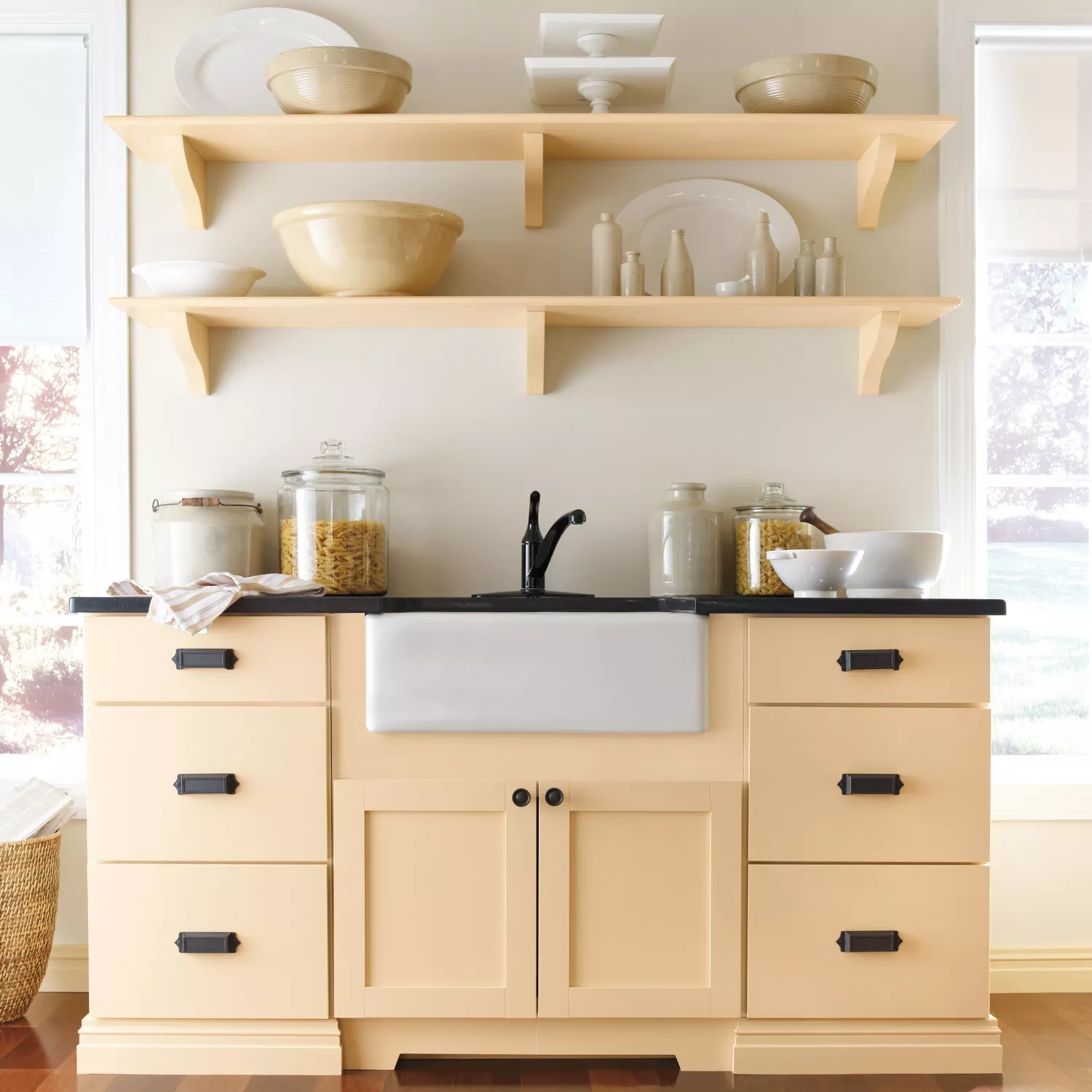
6 Kitchen Trends That Will Transform Your Space in 2025, According to Designers
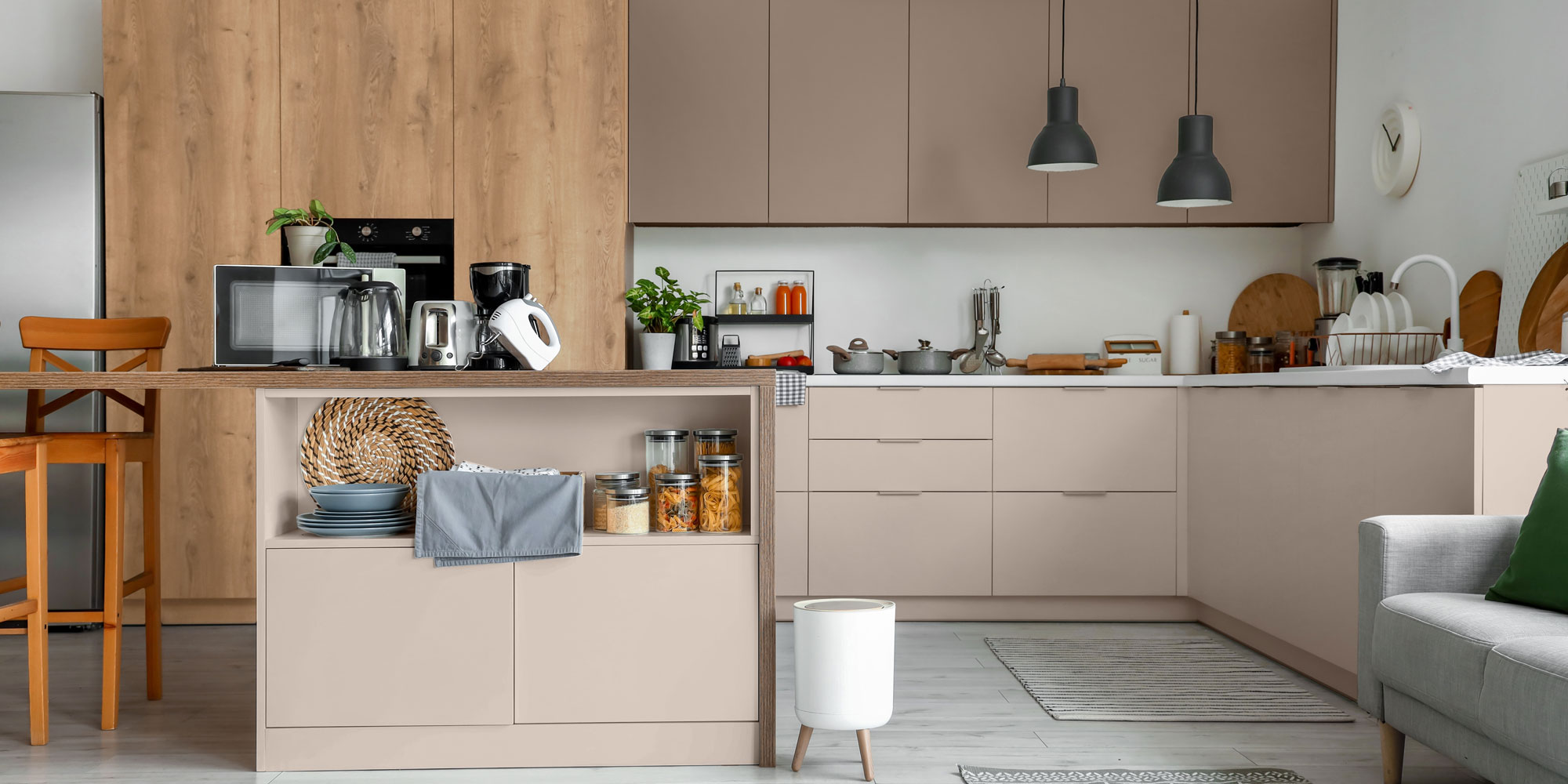
7 kitchen trends for 2026
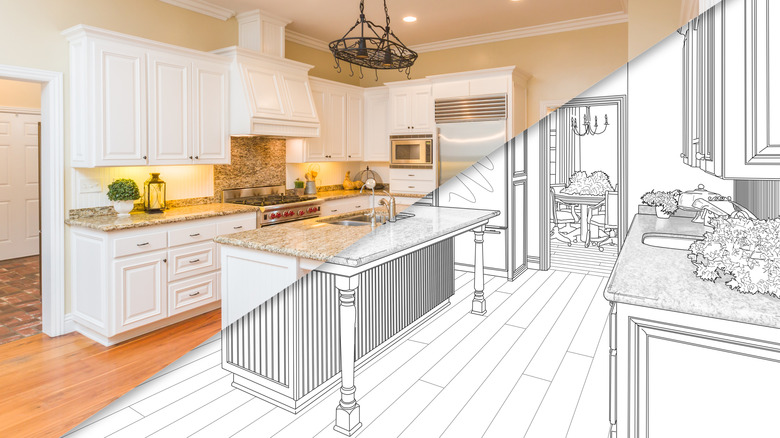
5 Kitchen Fads That Will Disappear In 2026


Give Your Kitchen An Upgrade With The Trend You'll See Everywhere In 2026
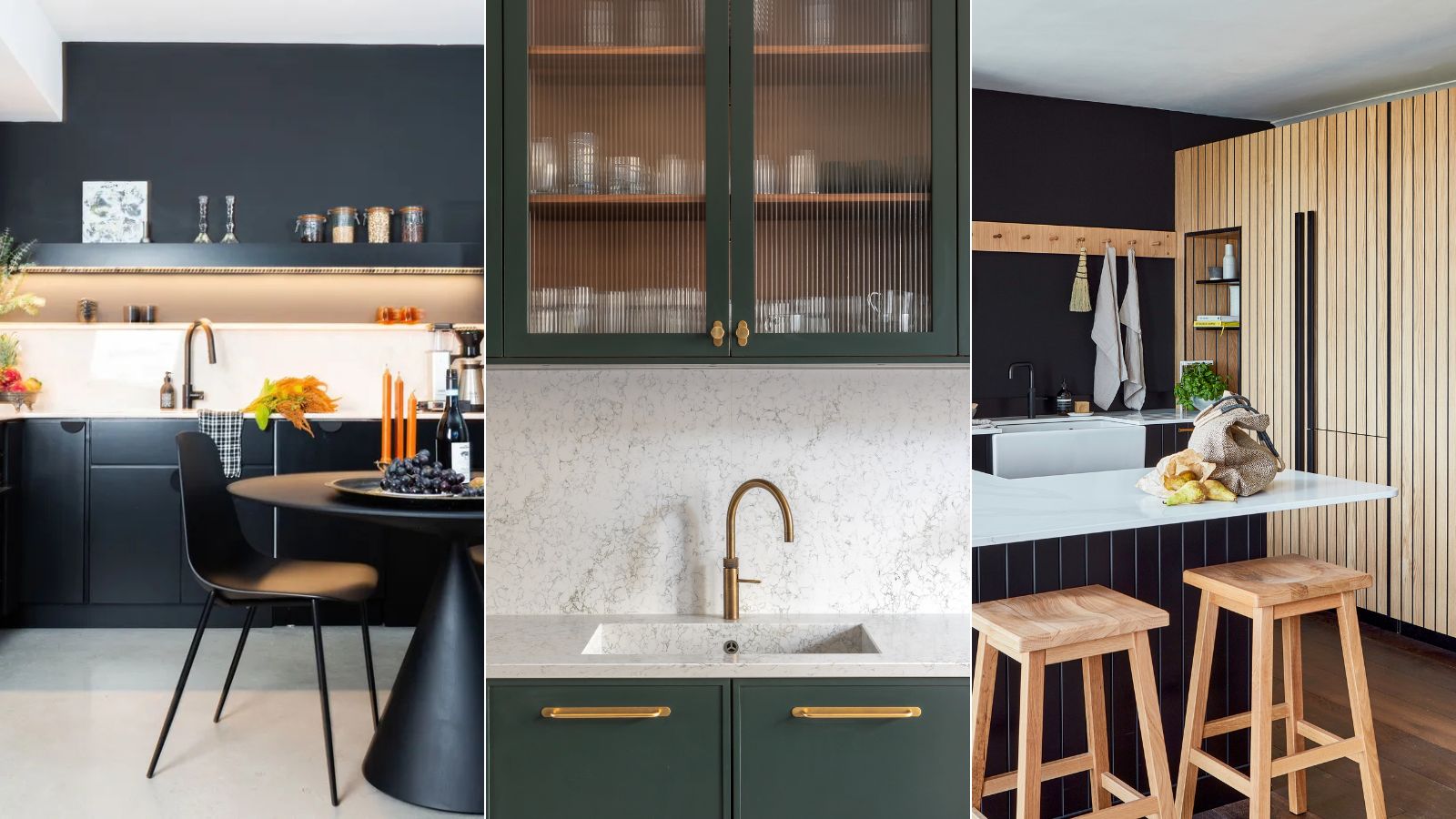
6 small kitchen trends you'll be seeing everywhere in 2025

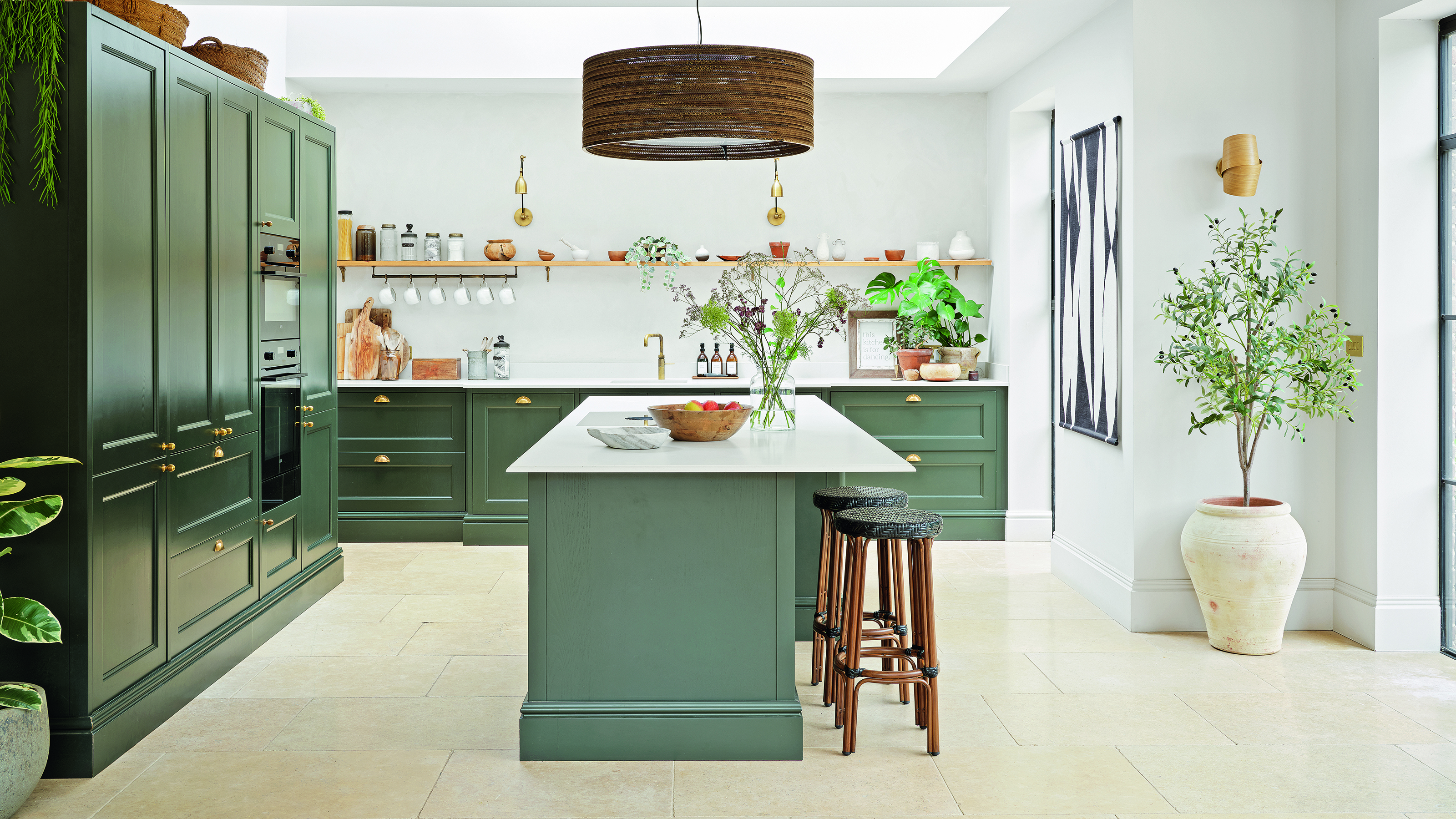
8 kitchen trends to watch in 2026 - this is what the pros predict will be big next year
6 Kitchen Trends Definitely on Their Way Out in 2025, According to Designers
13 Kitchen Trends That We Are Following In 2025

10 Kitchen Design Trends Going Out Of Style In 2025

6 Kitchen Trends You'll See Everywhere In 2026
6 Kitchen Trends on Their Way Out in 2025, According to Designers
The Top 10 Kitchen Trends of 2024, According to Experts

Kitchen Trends in 2025
These are the kitchen design trends that will dominate 2026

5 Kitchen Design Trends Going Away In 2026


Kitchen Trends That Are Being Left Behind In 2025 And Beyond
The Popular Kitchen Style You'll See Everywhere In 2026