1/9
5 Outdated Backyard Designs That Landscape Designers Have Left Behind – And What They're Doing Now Instead
The landscape design industry is experiencing a significant shift, moving away from conventional backyard trends towards more sustainable, biodiverse, and aesthetically integrated outdoor spaces. This evolution reflects a growing desire among homeowners and designers alike to create gardens that are not only beautiful but also contribute positively to the environment and seamlessly extend the home’s interior style. Several traditional backyard elements are now considered outdated, replaced by innovative approaches that prioritize natural aesthetics, ecological benefits, and enhanced outdoor living experiences.
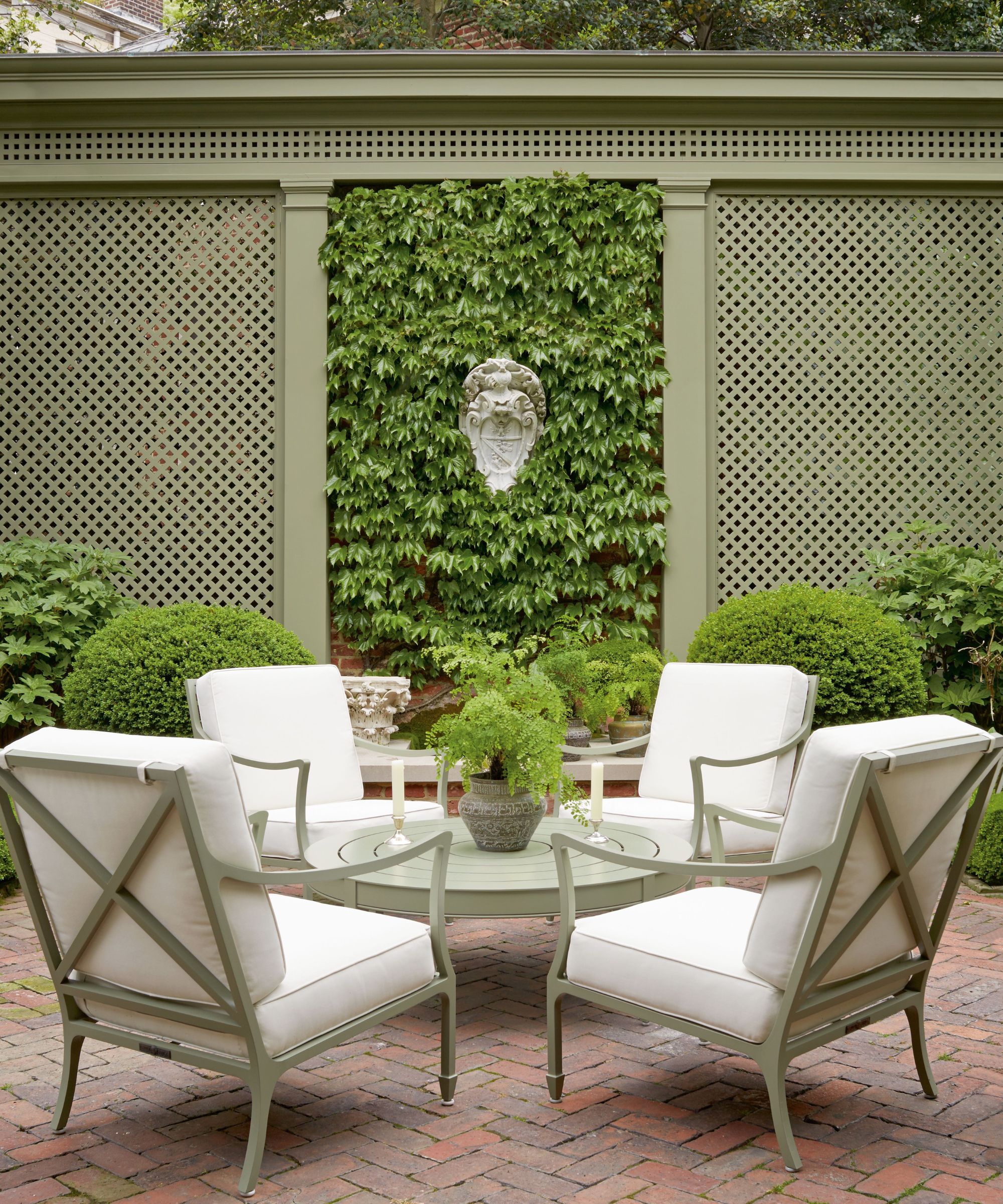
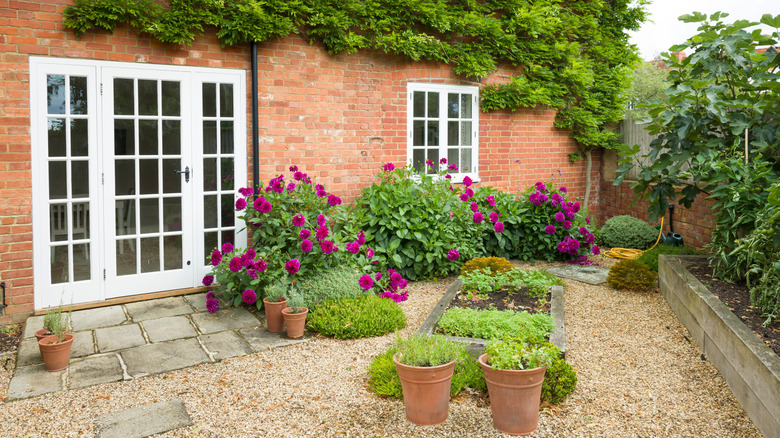
One key outdated trend is the concept of overly manicured landscaping. The rigid, symmetrical, and 'perfect' garden schemes are giving way to more organic and natural planting designs. Contemporary landscape architecture embraces the inherent asymmetry of nature, favoring meandering paths over rigid walkways and encouraging ‘almost overgrown’ shrubs and greenery. This shift moves beyond traditional grid-based layouts, promoting rounded and circular shapes that introduce visual rhythm and a more natural feel to the outdoor environment. The objective is to create spaces that feel authentic and less contrived, mirroring the wilder aspects of nature.
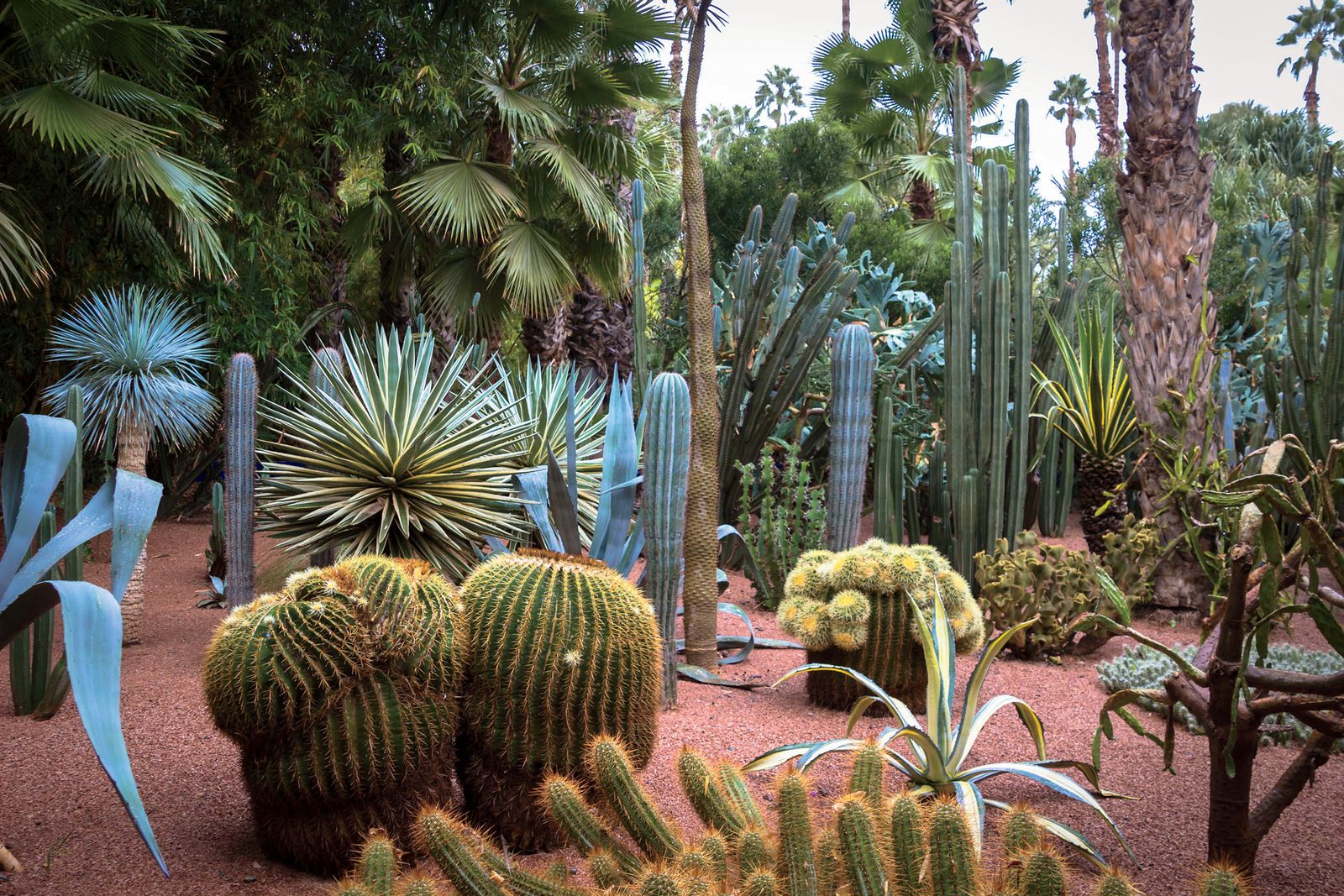
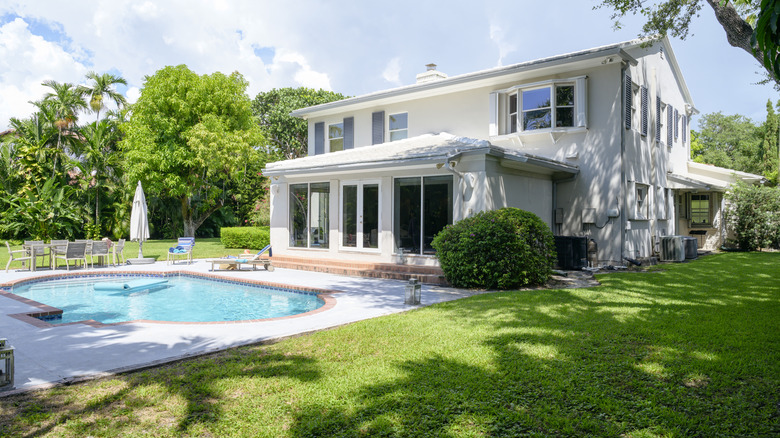
Another element being phased out is the wall-to-wall lawn. Extensive turf areas are increasingly seen as detrimental to biodiversity, offering limited habitat for wildlife, and are perceived as aesthetically uninteresting. Landscape designers are actively promoting grass alternatives, including native plant lawns, which provide greater ecological value and visual interest. These alternatives are often more low-maintenance, requiring less watering once established, and many native species are naturally pest-resistant. The integration of native evergreen plants and perennials also offers year-round greenery and color without the need for seasonal replanting, further reducing maintenance and resource consumption.
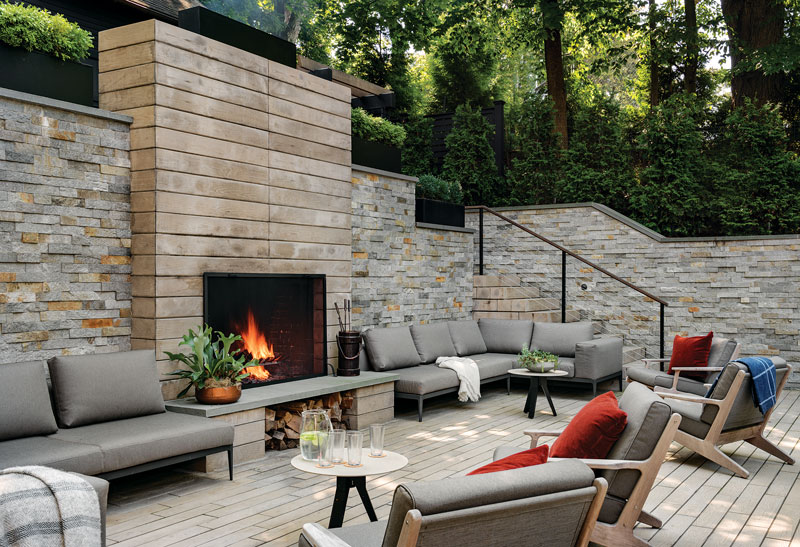
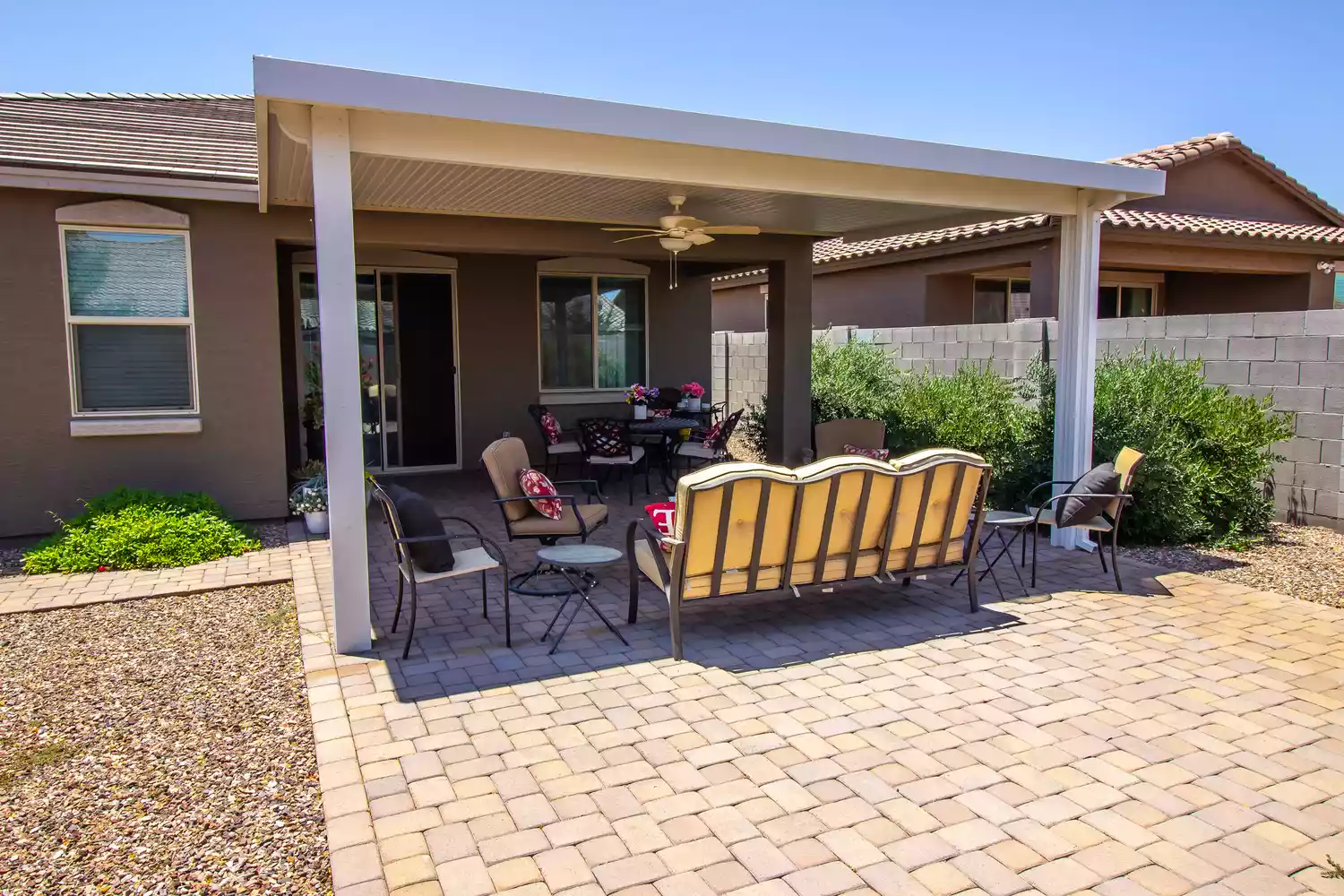
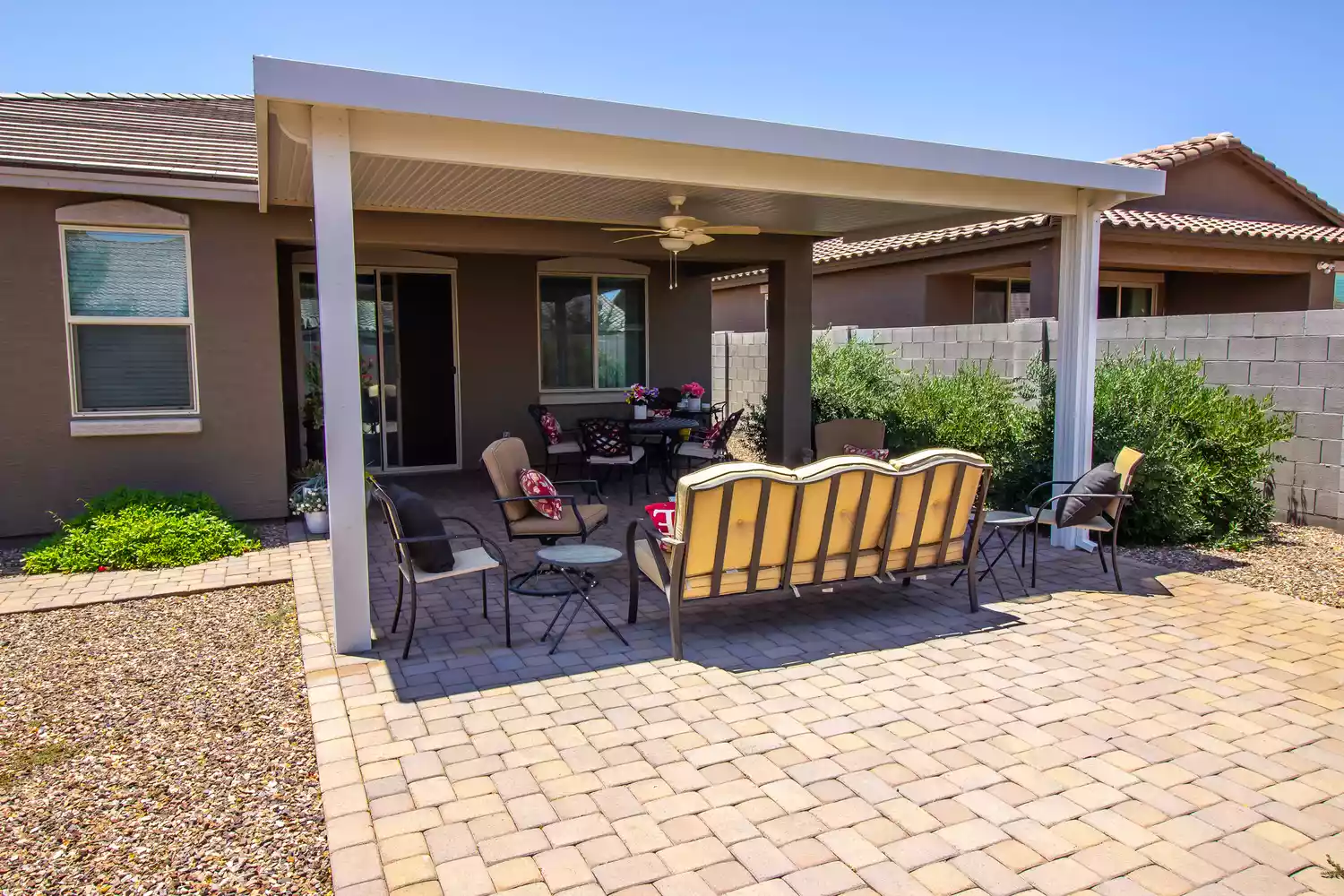
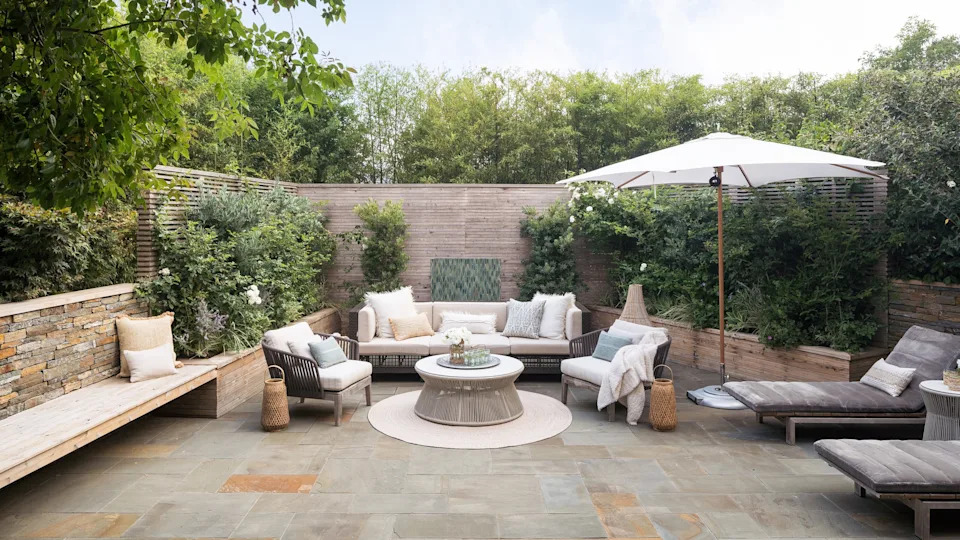
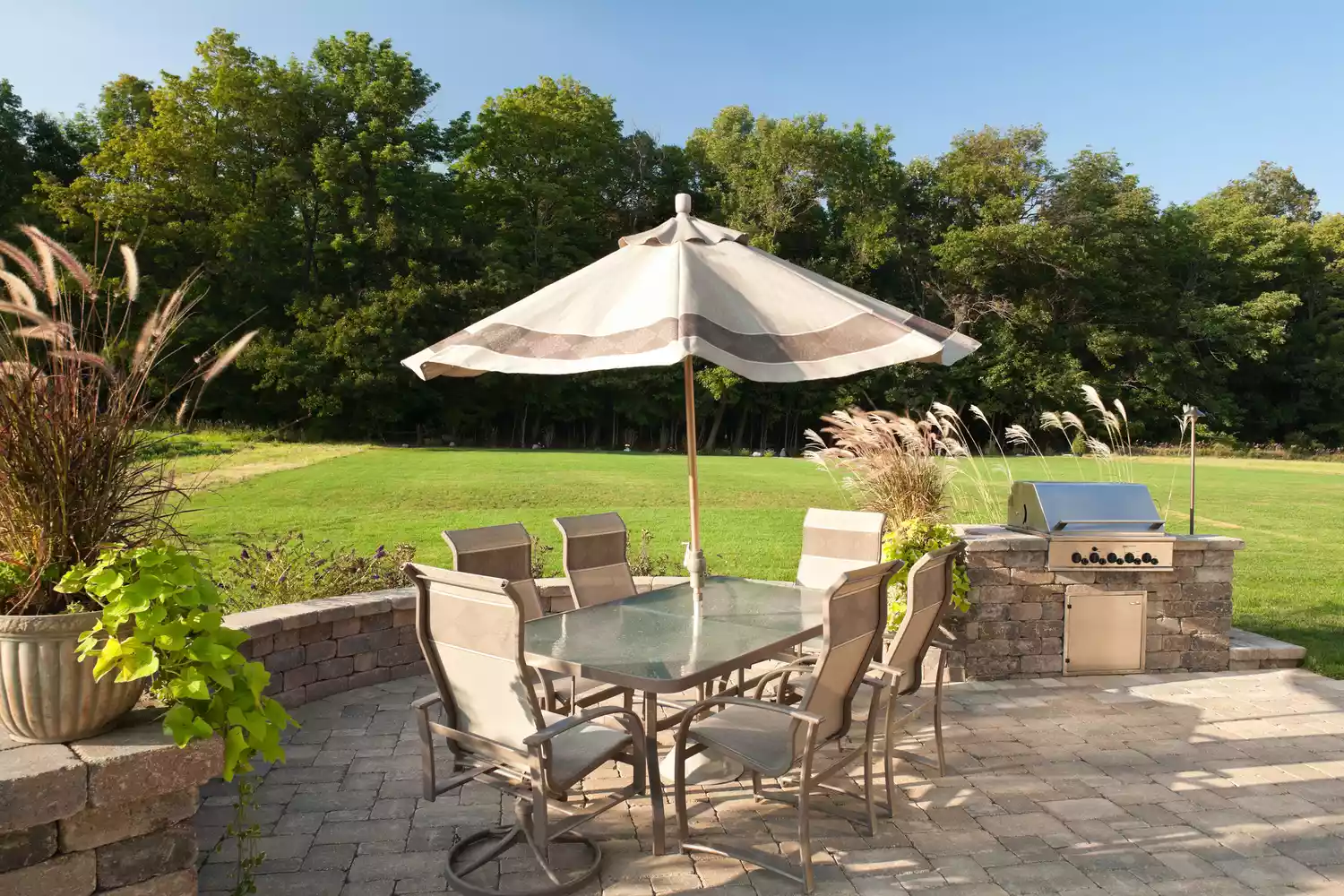
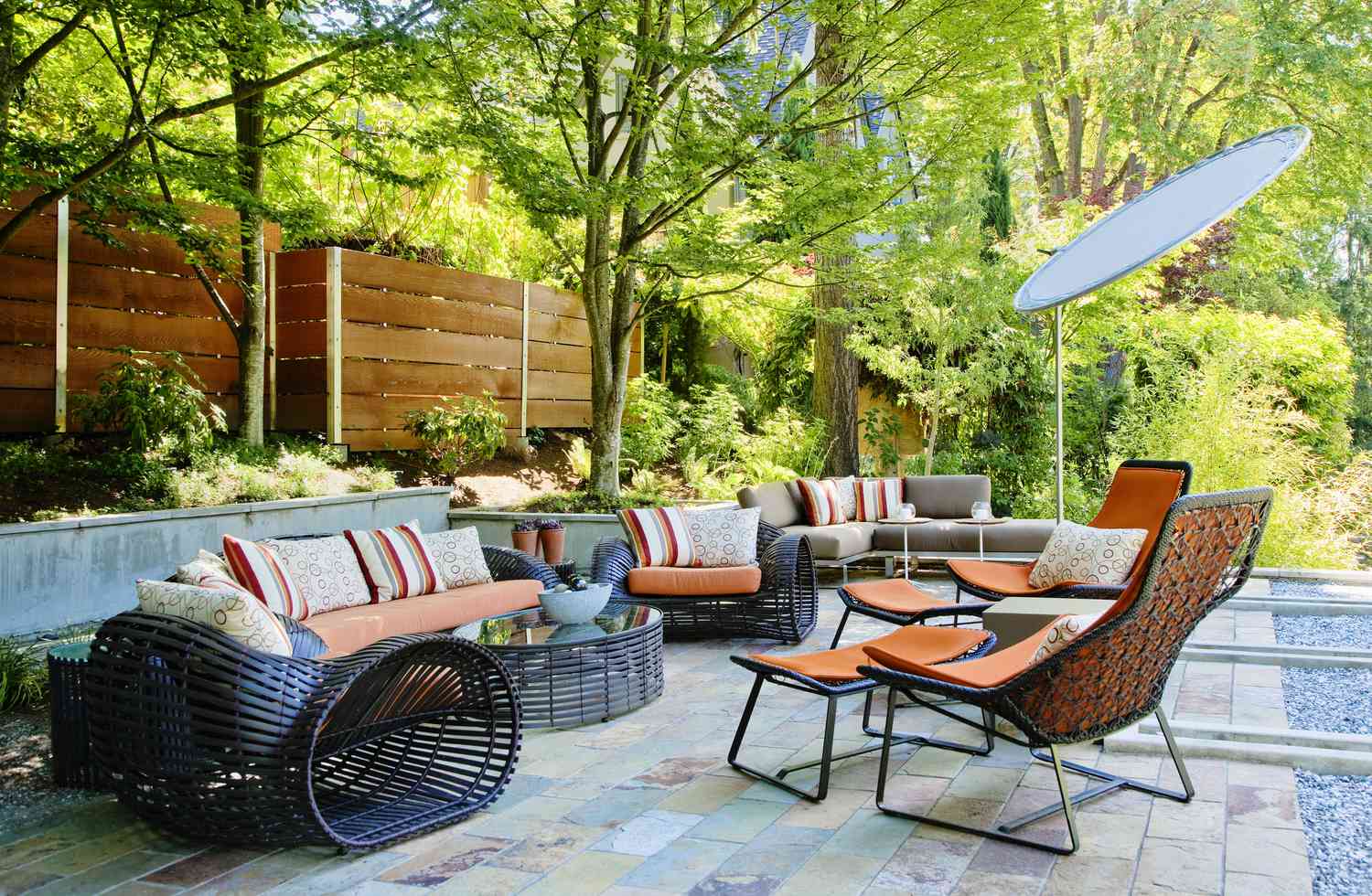
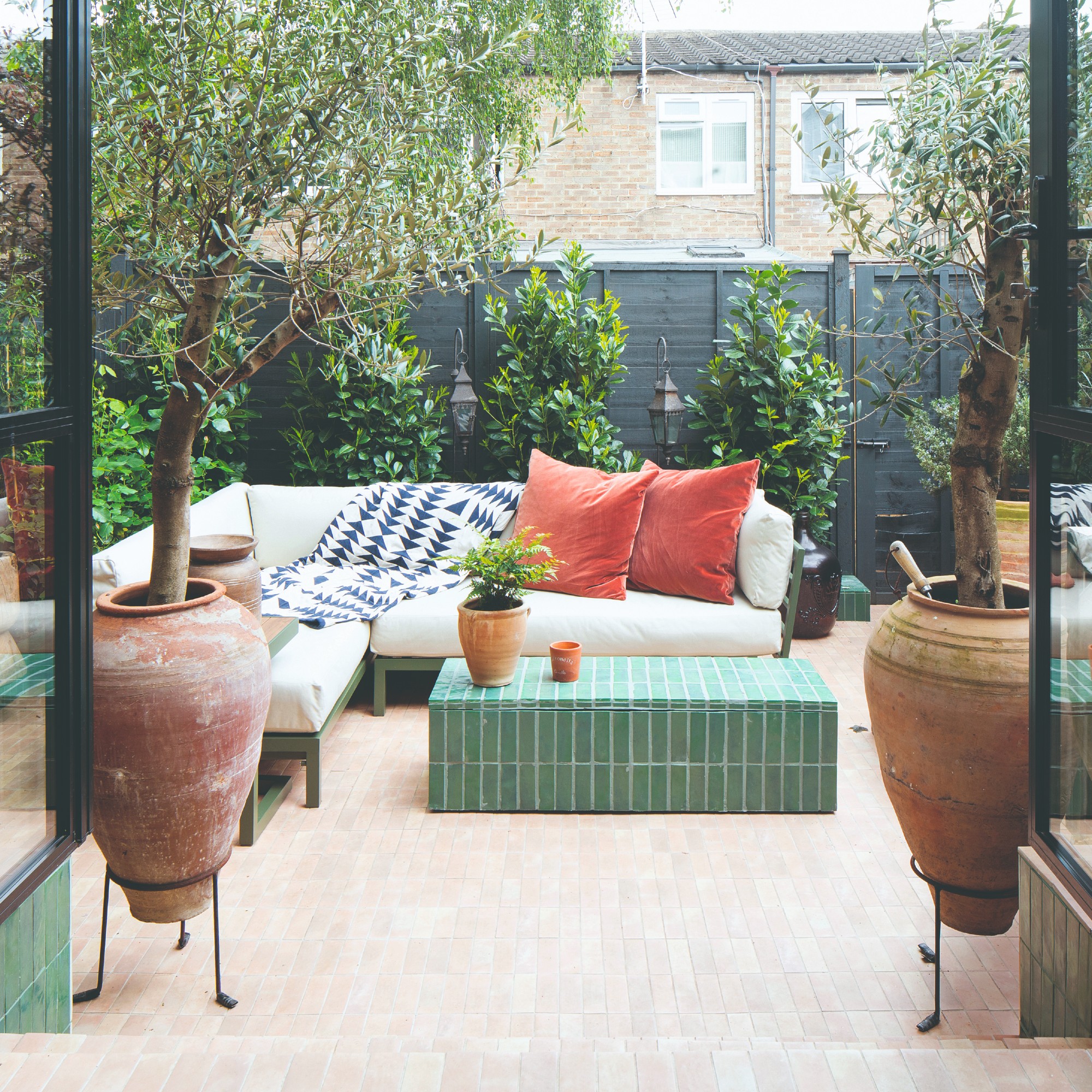
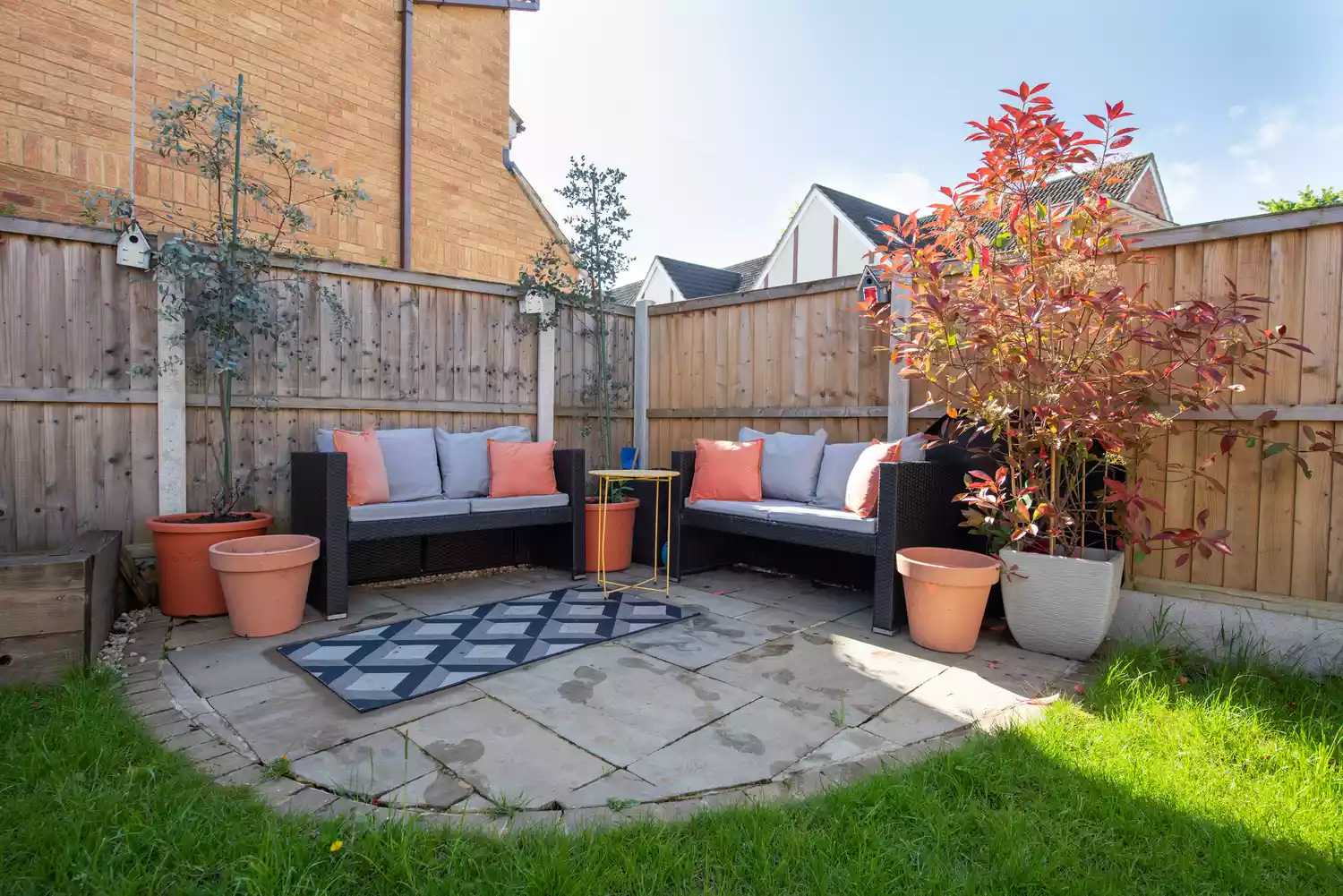
The days of 'typical' outdoor furniture, characterized by traditional wicker sofas and heavy iron bistro sets, are also fading. The modern approach blurs the lines between indoor and outdoor living, demanding furniture that feels equally at home in both environments. This trend is fueled by advancements in high-performance outdoor fabrics that are supple and stylish, allowing for a seamless transition from interior living spaces to patios. Sculptural outdoor furniture pieces are gaining popularity, acting as art installations that echo the natural forms of the surrounding landscape, making traditional furniture appear out of place in a natural setting.
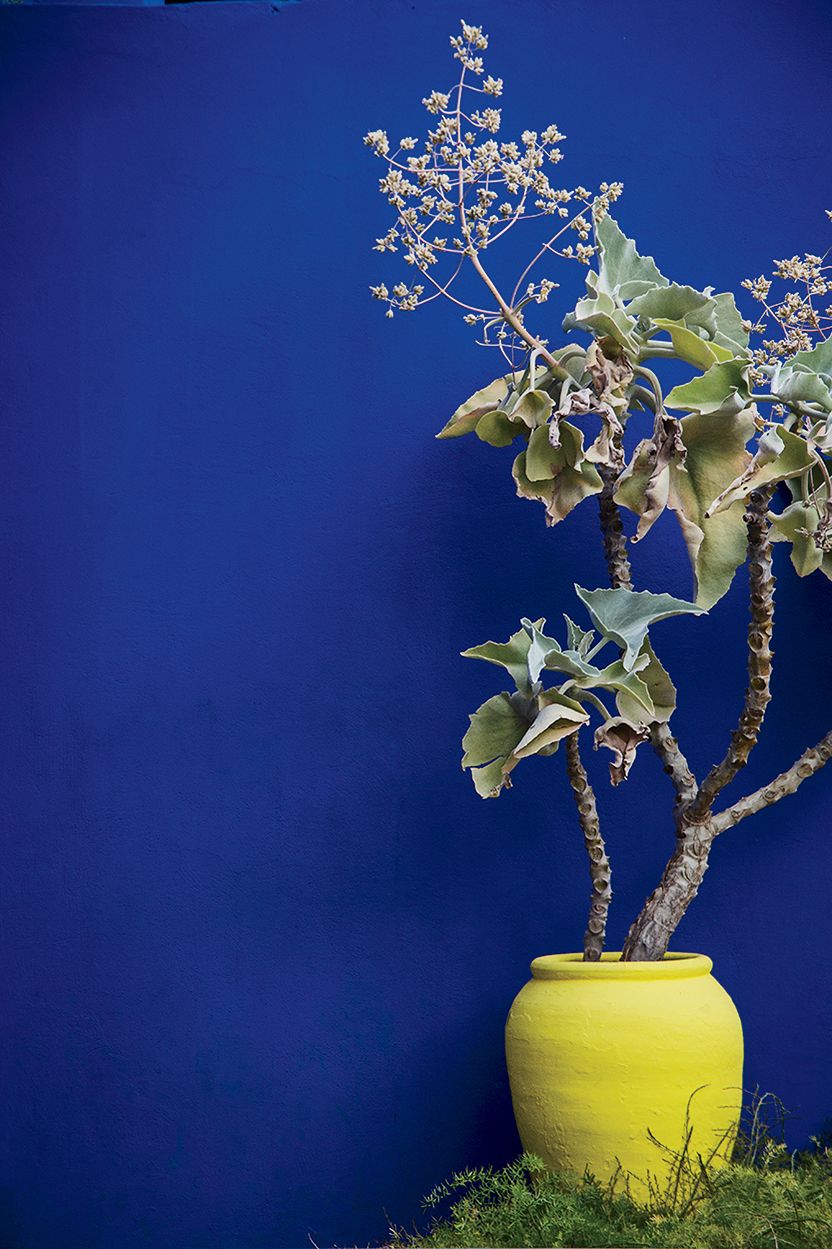
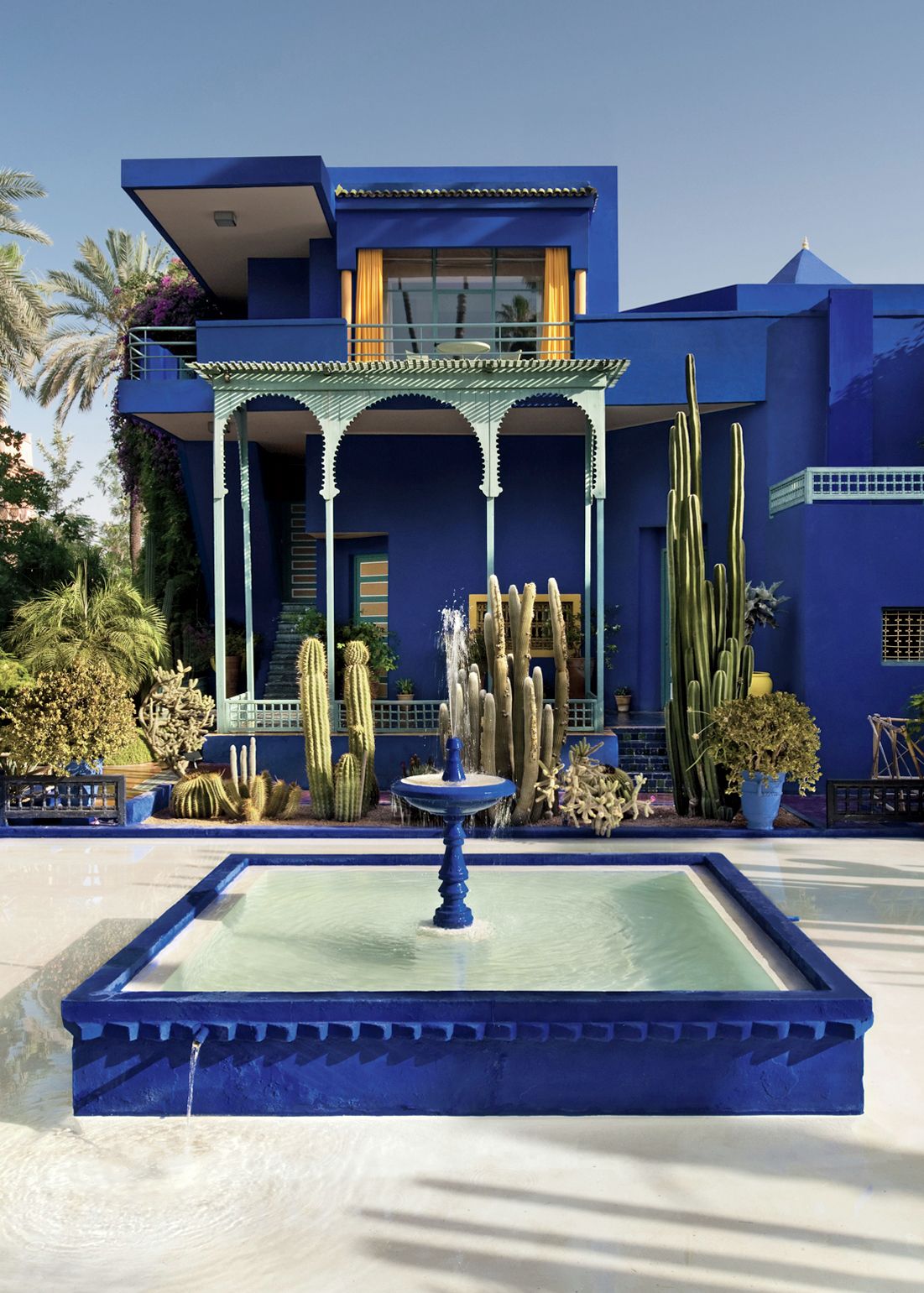
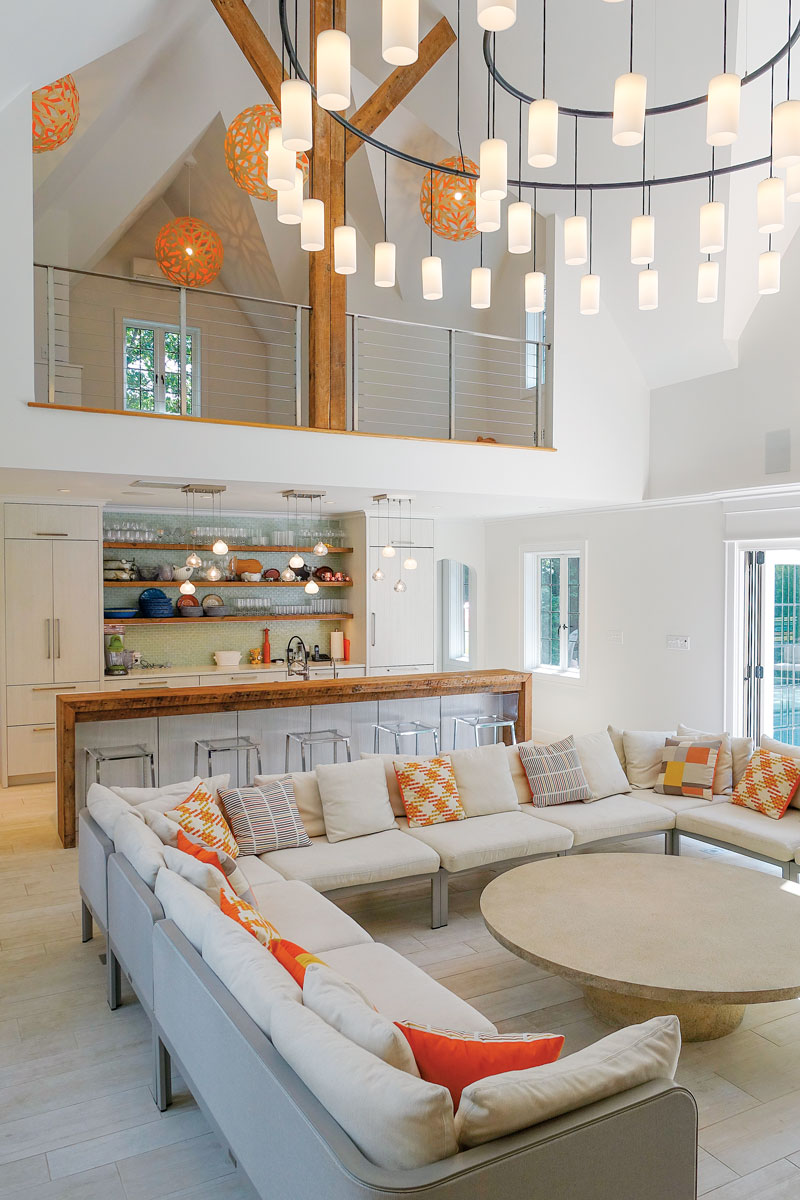
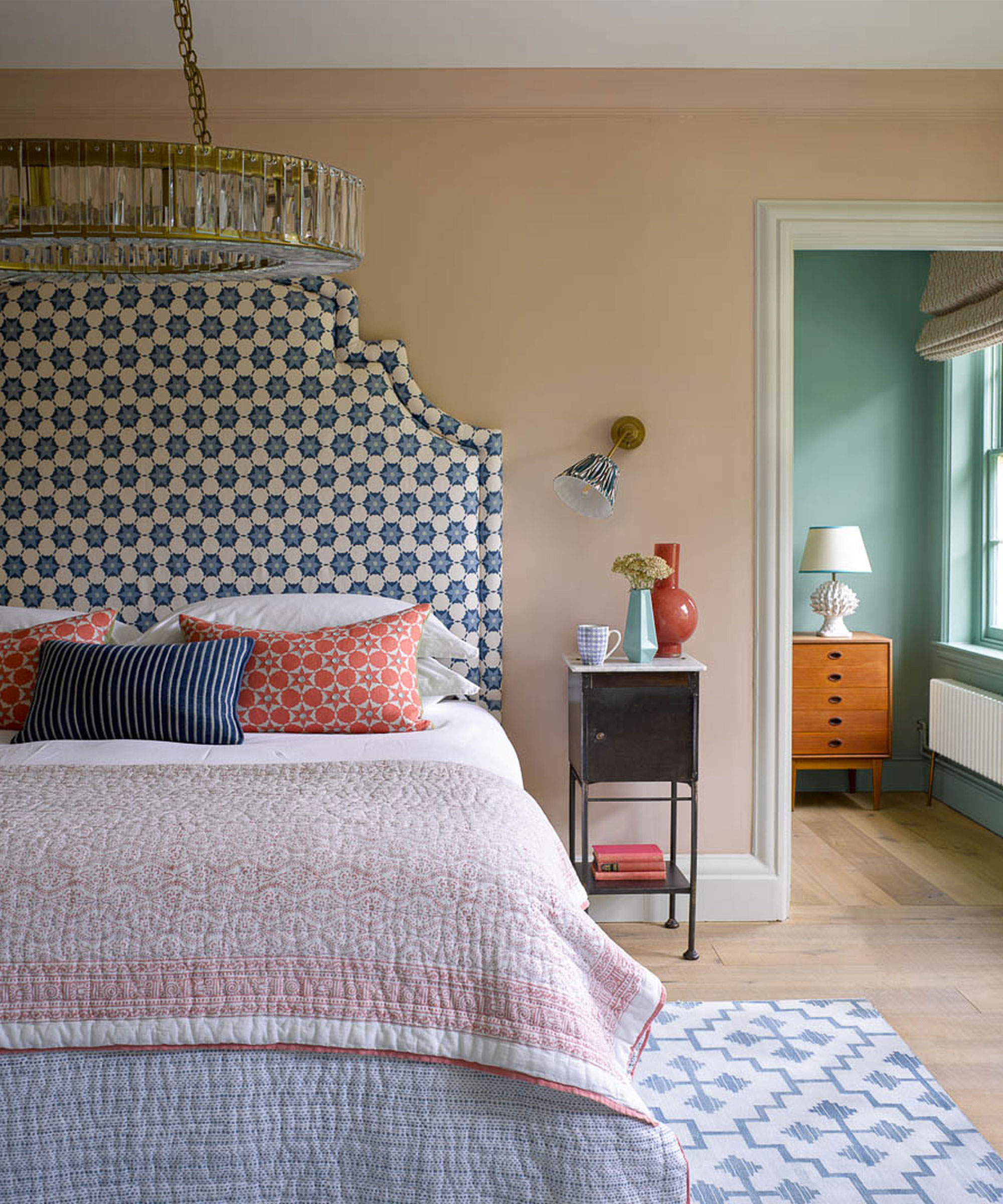
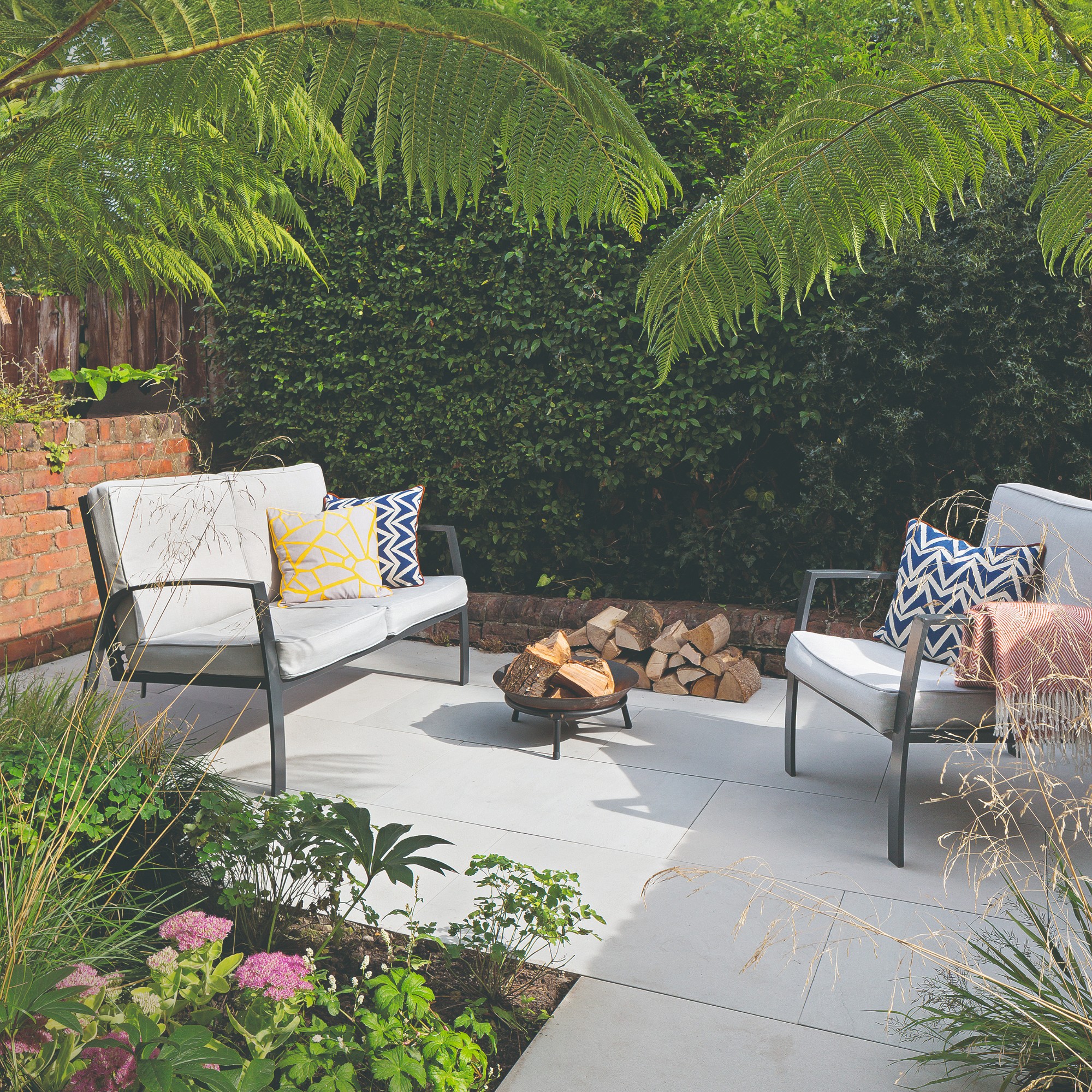
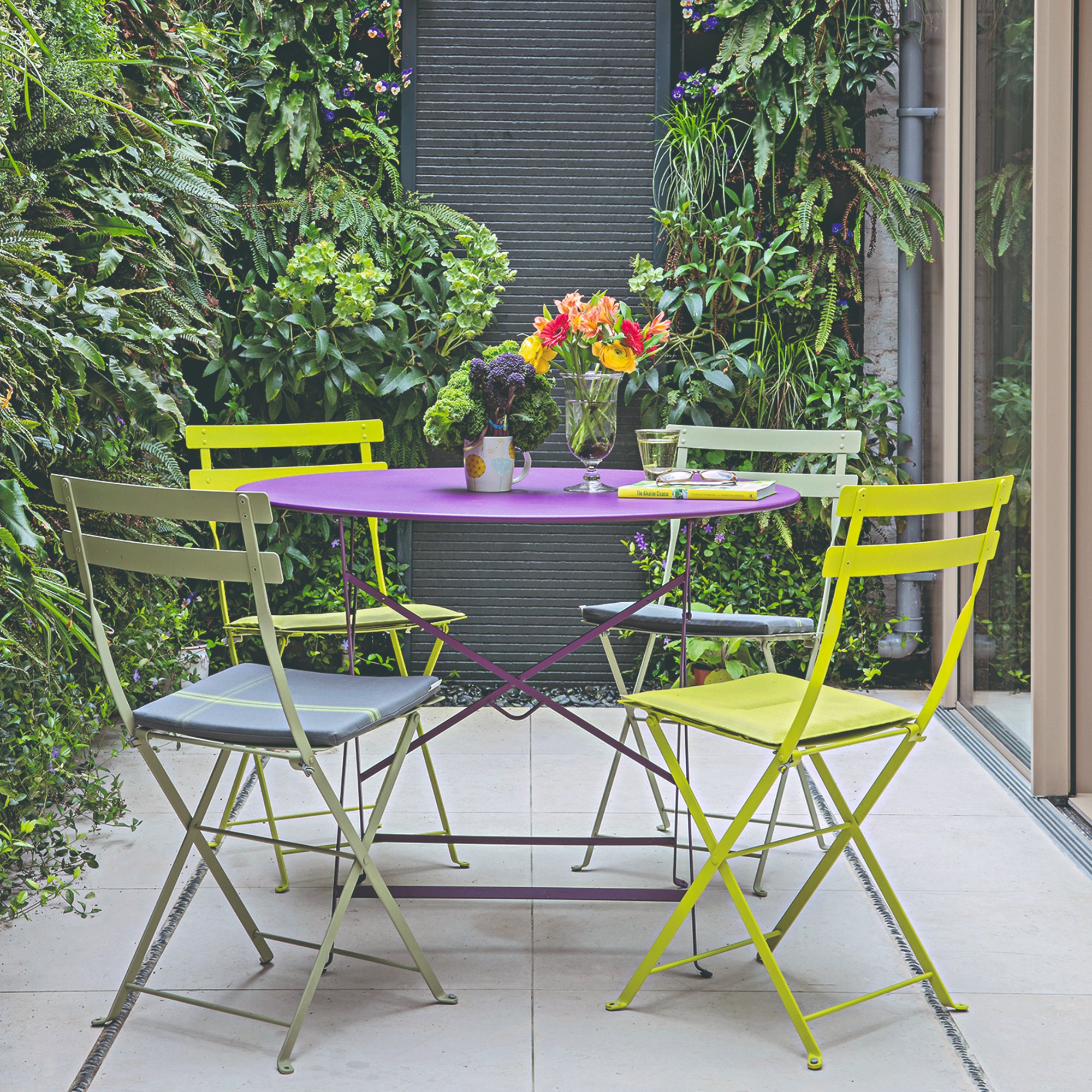
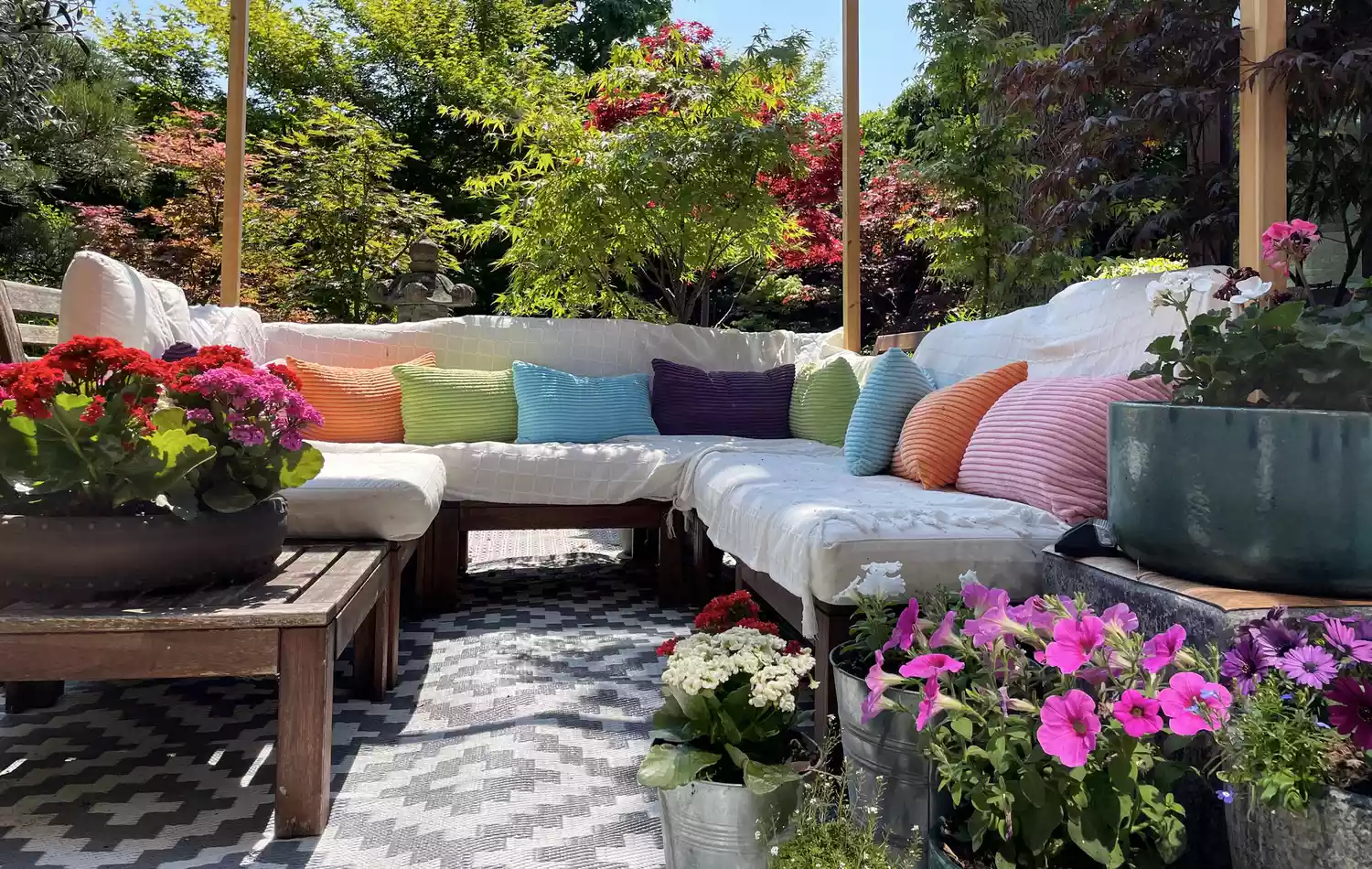
Monochromatic garden furniture is another trend that designers are moving away from. While seemingly safe, muted color schemes are now considered quiet and potentially dull. The contemporary preference is for more vibrant and diverse color palettes, incorporating prints and patterns in accent pieces and pillows. Designers suggest that adding color to outdoor furniture is less daunting than it might seem, as the natural green surroundings soften and blend these colors, with weather, sun, shade, and evening light further enhancing the chosen palette. The recommendation is to embrace more vibrant options for a lively and dynamic outdoor space.
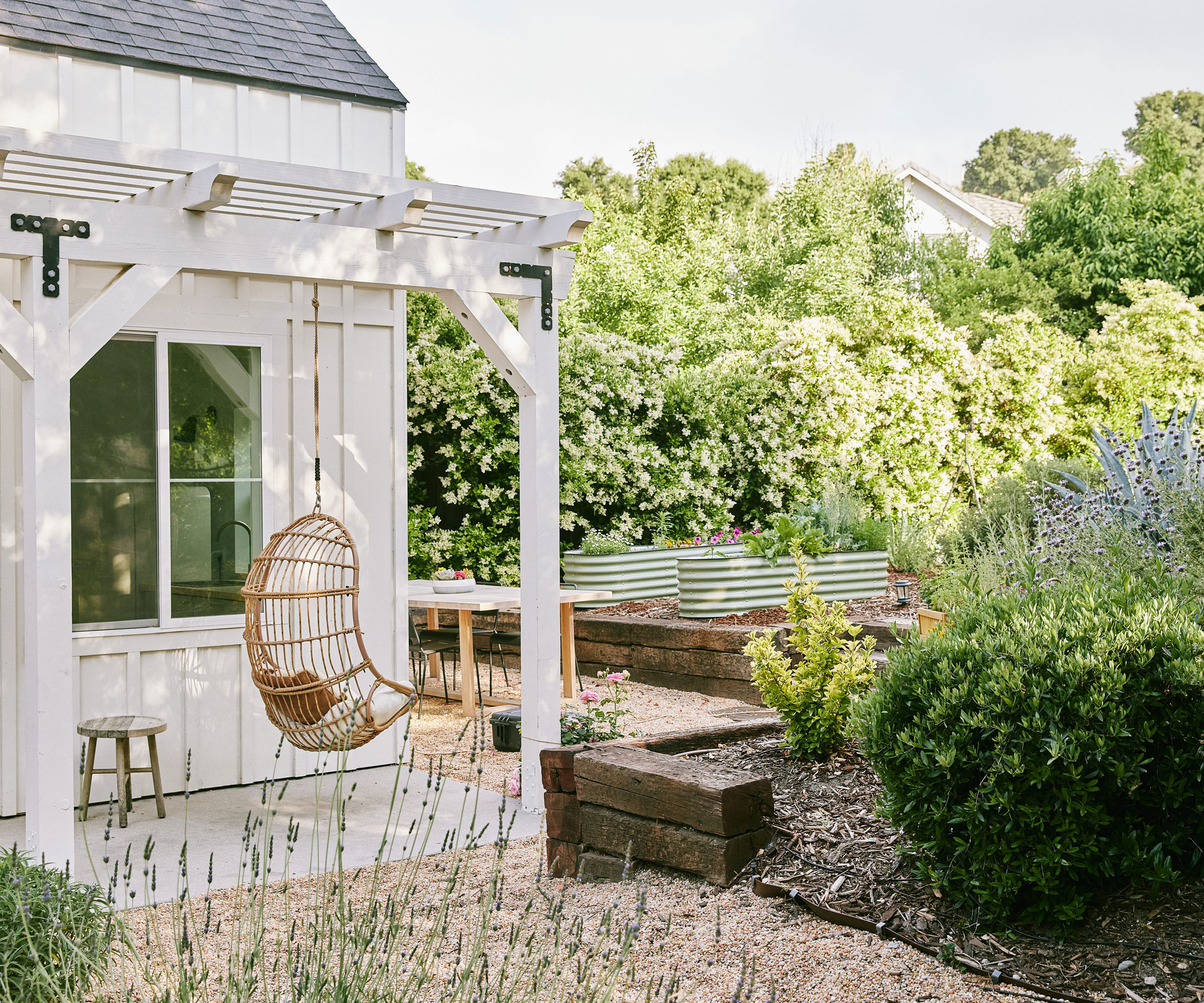
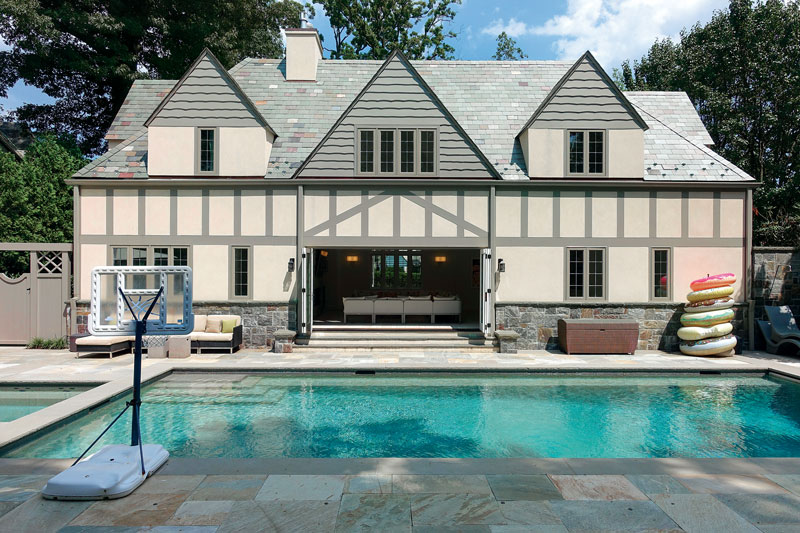
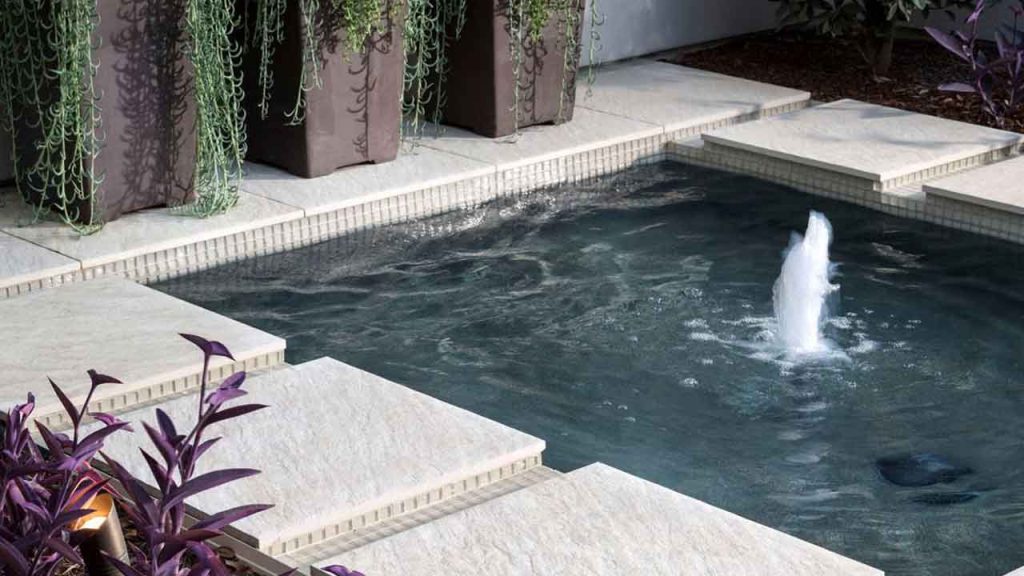
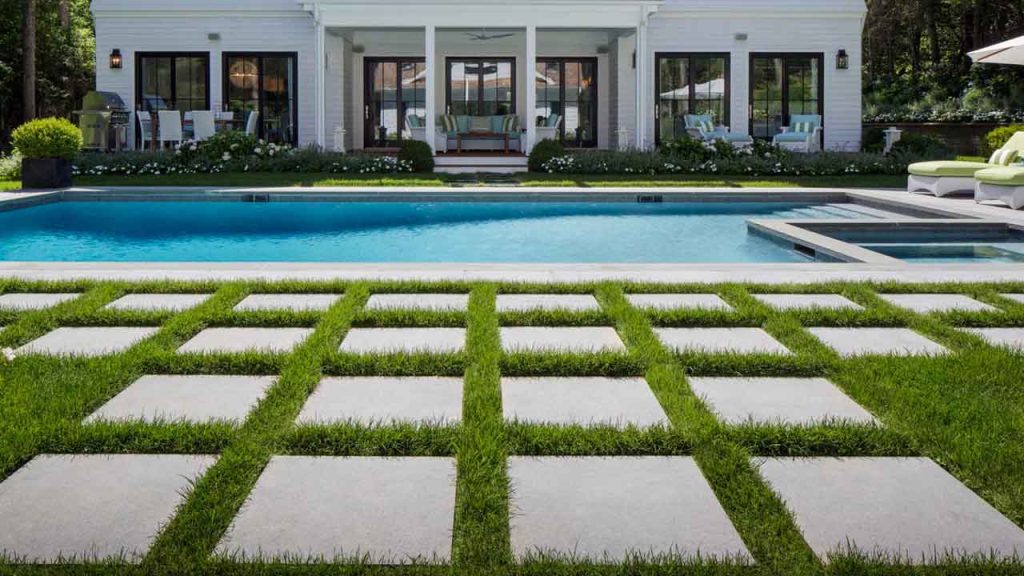
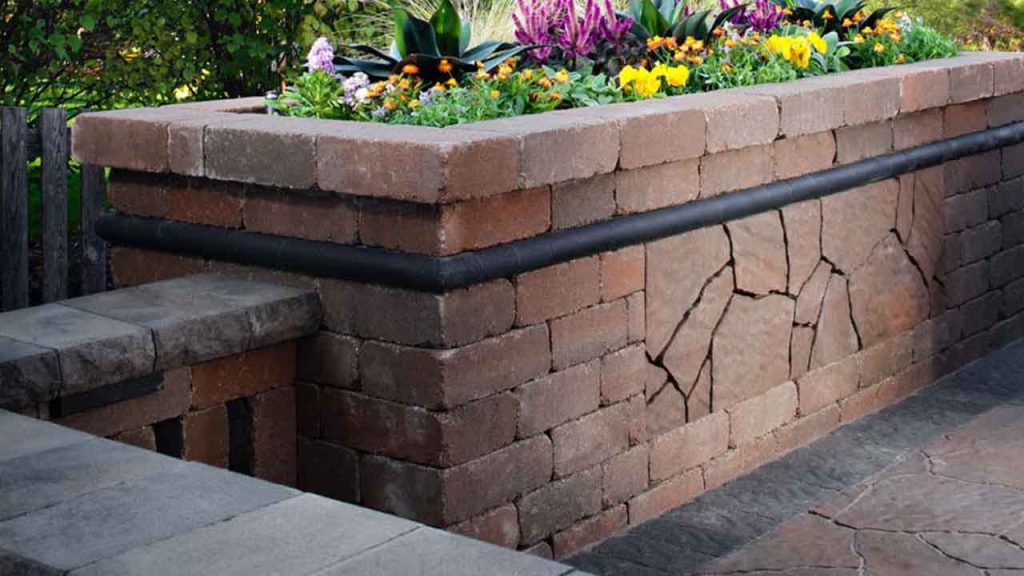
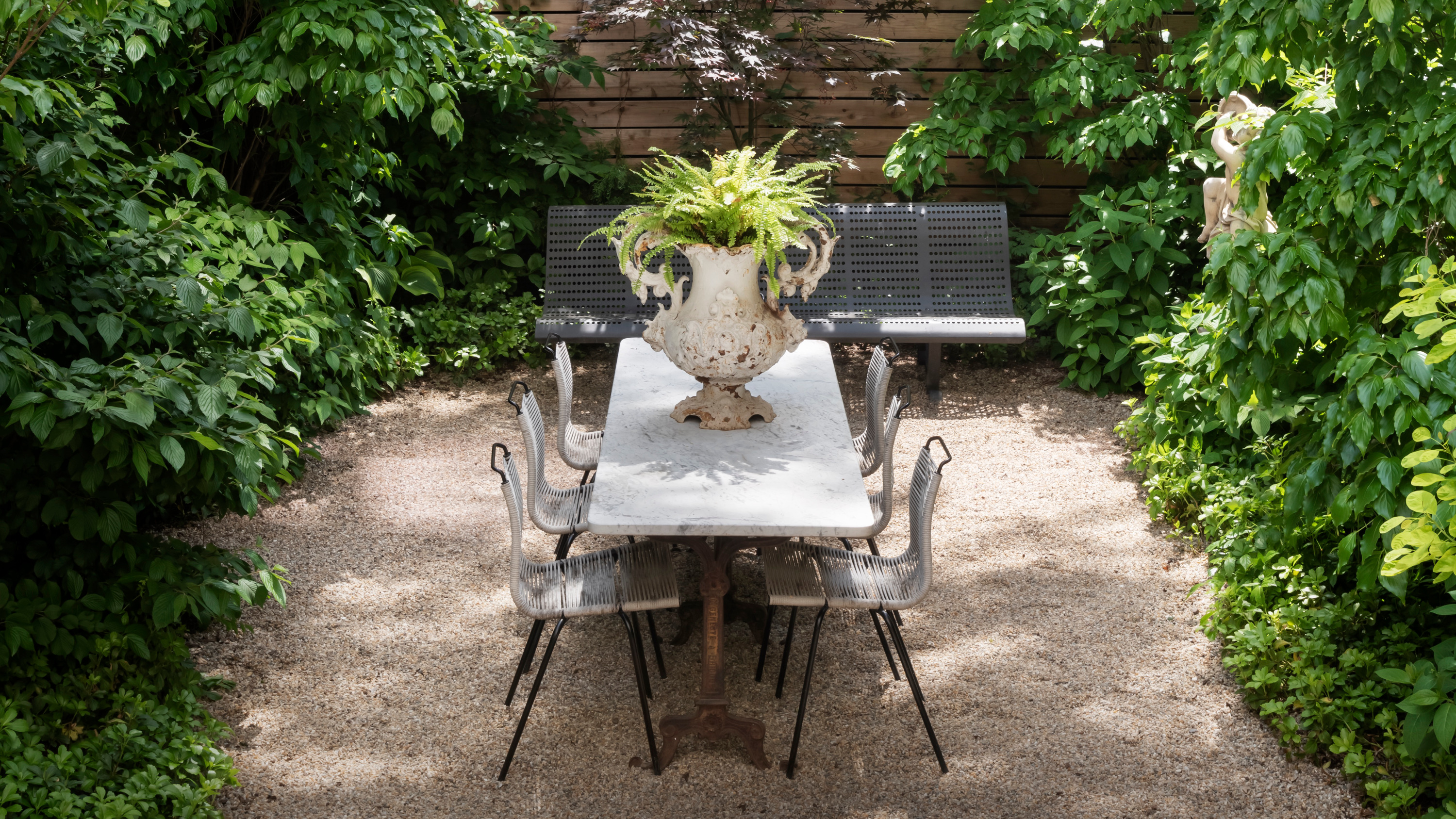
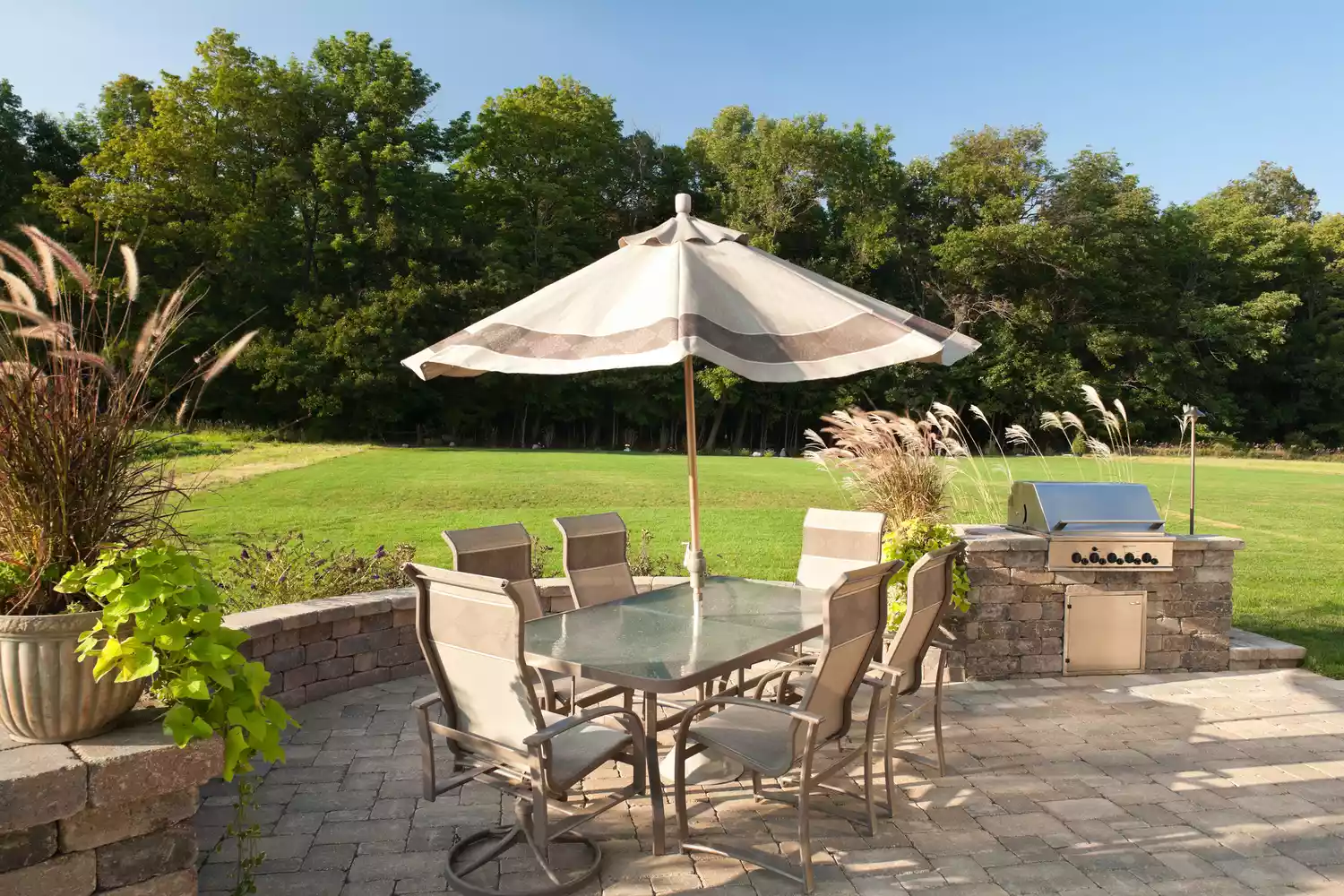
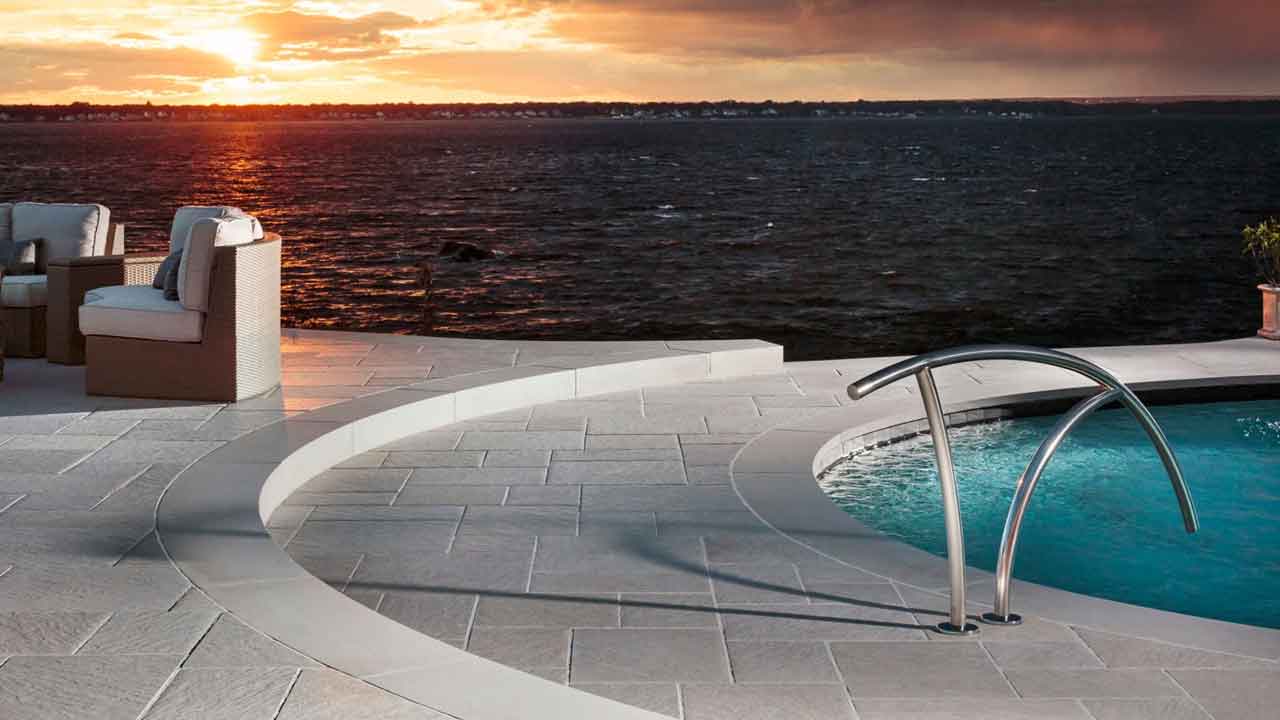
Finally, traditional solid stone patios are being re-evaluated due to their high maintenance requirements, susceptibility to weathering and cracking, and expense. Landscape designers are increasingly recommending gravel landscaping as a softer, more sustainable alternative. Gravel does not retain heat like stone, requires fewer repairs, allows for better water drainage, and remains non-slippery in wet conditions. The wide variety of gravel colors, edging options, and shapes offers creative flexibility. When stone paving is used, there's a trend towards reclaimed stone for its varied shapes, sizes, colors, and finishes, encouraging more creative spatial design. Furthermore, innovative laying techniques, such as incorporating grass panels and joints within stone paths, are making traditional stone surfaces more sustainable and visually appealing by adding permeability and rhythmic patterns.
#LandscapeDesign #OutdoorLiving #SustainableGardening #BackyardTrends #NativePlants #OutdoorFurniture #GardenDesign #PatioIdeas #GravelLandscaping #LandscapeDesign #OutdoorLiving #SustainableGardening #BackyardTrends #NativePlants #OutdoorFurniture #GardenDesign #PatioIdeas #GravelLandscaping
0 comment in total
 No comments yet
You may also like
Outdated backyard trends and what's replacing them in 2025 – 8 expert suggestions to refresh your outdoor space

5 Things That Always Make Your Patio Look Empty, According to Designers

Outdated Farmhouse Design Trends That Are Being Replaced In 2025
7 Outdated Patio Décor Trends You Should Skip—and What to Try Instead
5 Great Landscape Designers and Photos of Their Most Spectacular Gardens
The Backyard Home Trend That Needs To Go (And What We Recommend Instead)
5 Things That Immediately Make Your Backyard Look Bad, According to Designers
5 Outdated Tile Trends Designers Are Still Noticing in 2025 That Can Make Your Space Look Old-Fashioned
5 Great Backyards to Inspire Your Own Outdoor Renovation

Designers Say These 5 Front Yard Details Are Making Your Home Look Stuck in the Past

5 outdated lighting trends designers say to avoid – and the designs and techniques to use, instead
Top Outdoor Living Trends for 2025: Transform Your Backyard with Expert Insights

5 Backyard Features That Are So Outdated, According to Designers
5 ways to hide outdoor eyesores – the tricks landscape designers use to disguise your backyard's worst features

4 outdated wall decor trends designers are leaving behind – and the one that they're choosing instead
7 outdated rules to ignore when designing a small patio – experts say ditching them will transform your space
5 outdated paint trends that interior designers are glad to see the back of – and what they're doing instead
Is grasscloth wallpaper outdated? 5 ways designers are using it now, and what else to try
5 Outdated Tile Trends Designers Are Still Noticing in 2025 That Can Make Your Space Look Old-Fashioned
7 Outdated Outdoor Trends Designers Don't Want to See in 2025