7 Outdated Outdoor Trends Designers Don't Want to See in 2025
As the warmer months approach and homeowners prepare their outdoor living spaces, a shift in design preferences for 2025 is evident. Designers are moving away from certain outdated trends, favoring a more curated, timeless, and practical aesthetic. The emphasis is on quality pieces, muted earthy tones, and thoughtful integration of elements that extend the home's style outdoors, rather than treating outdoor spaces as separate entities.
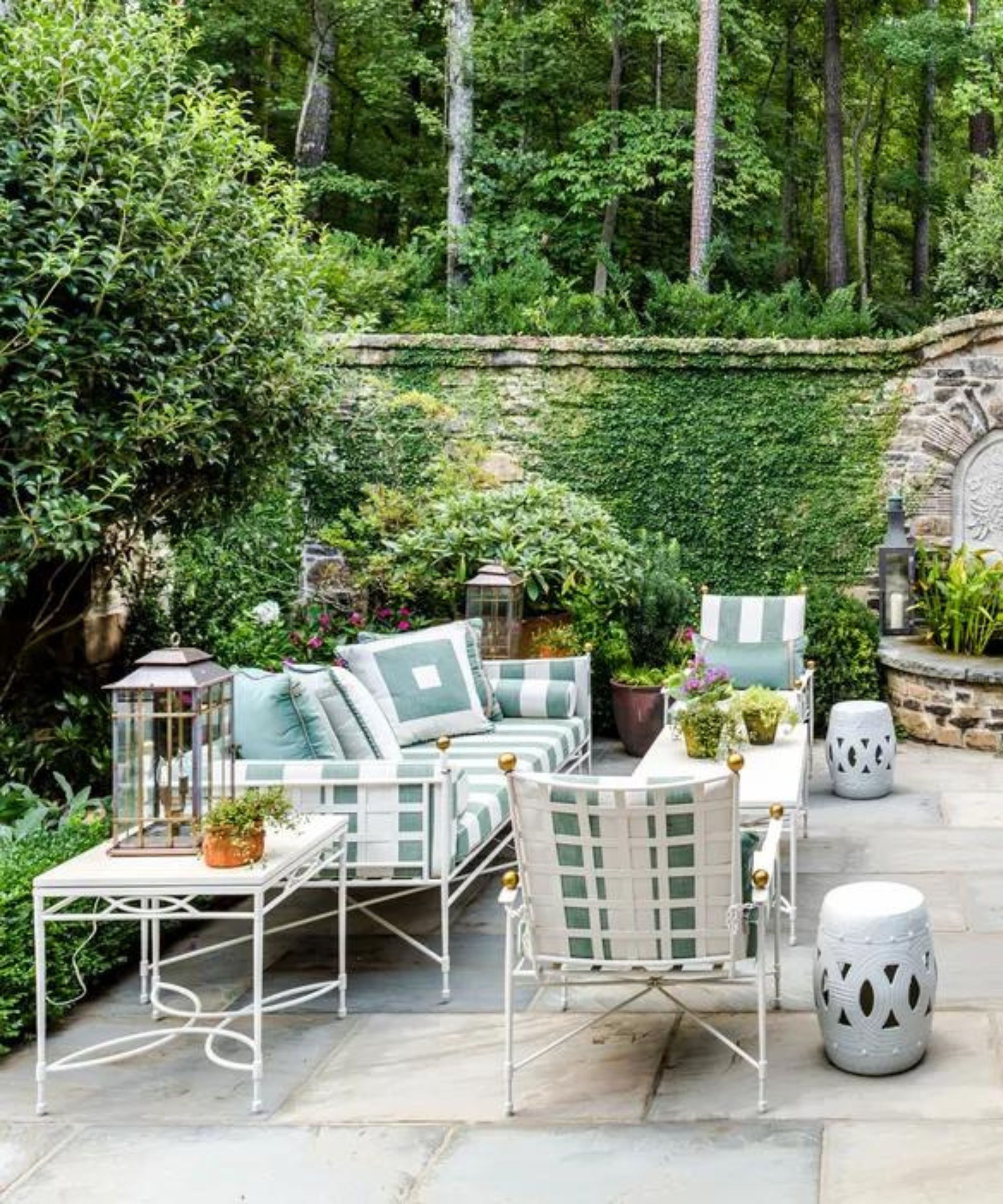
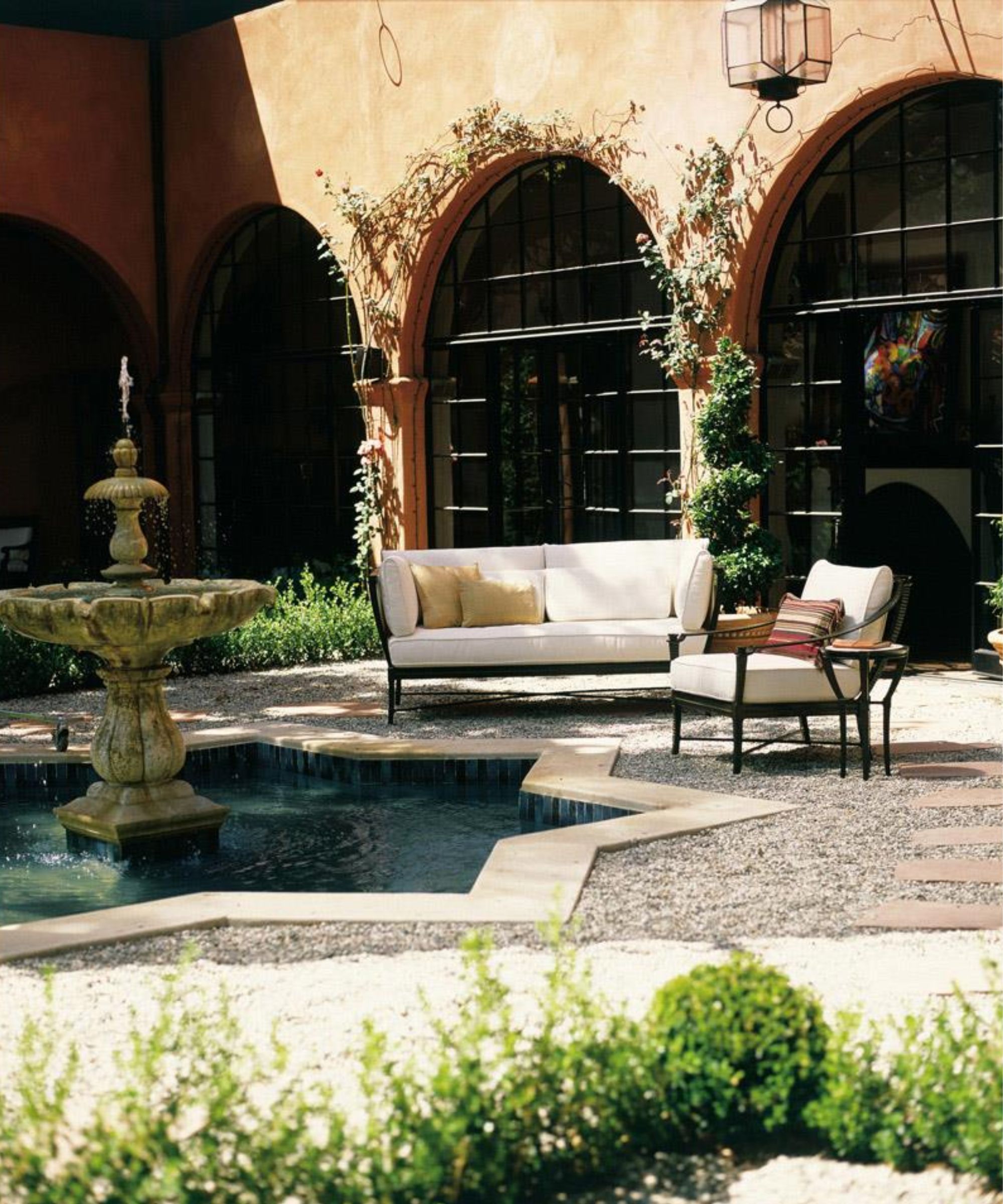
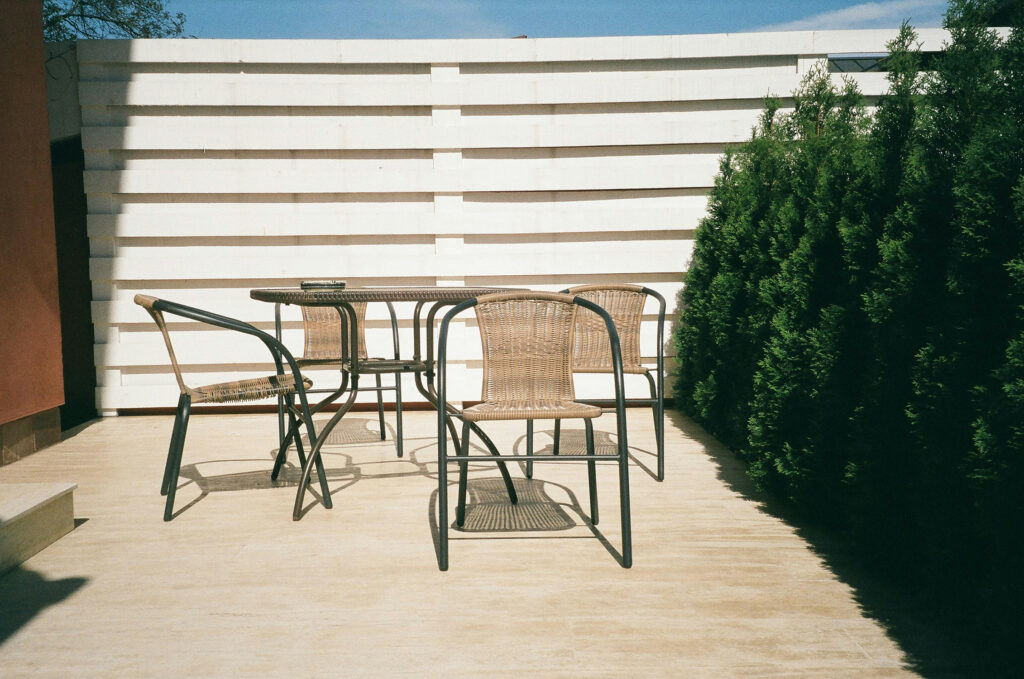
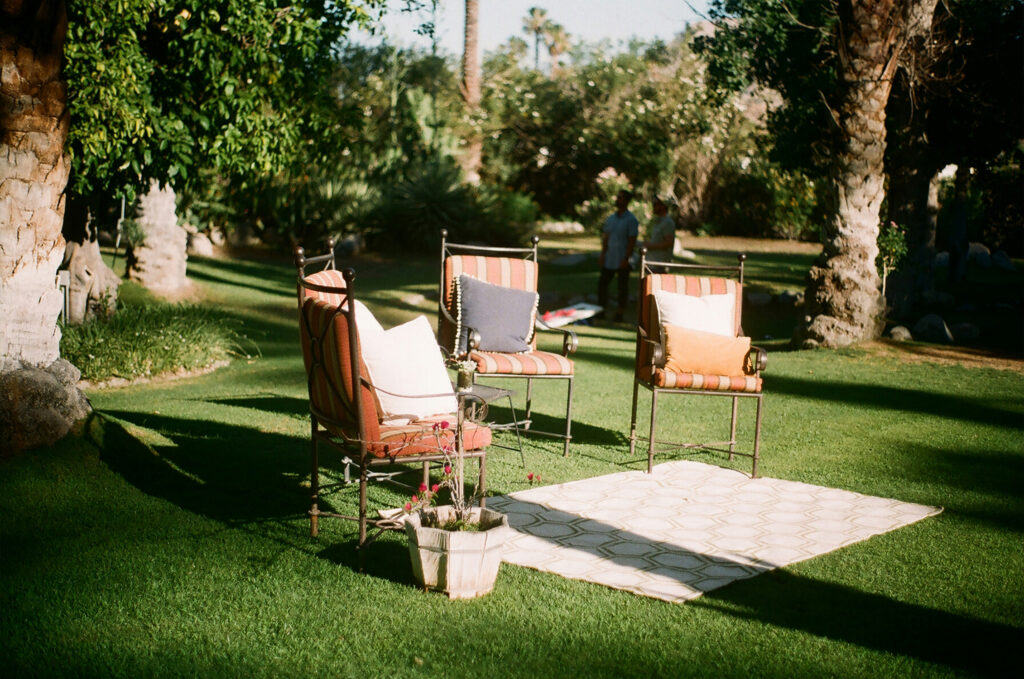
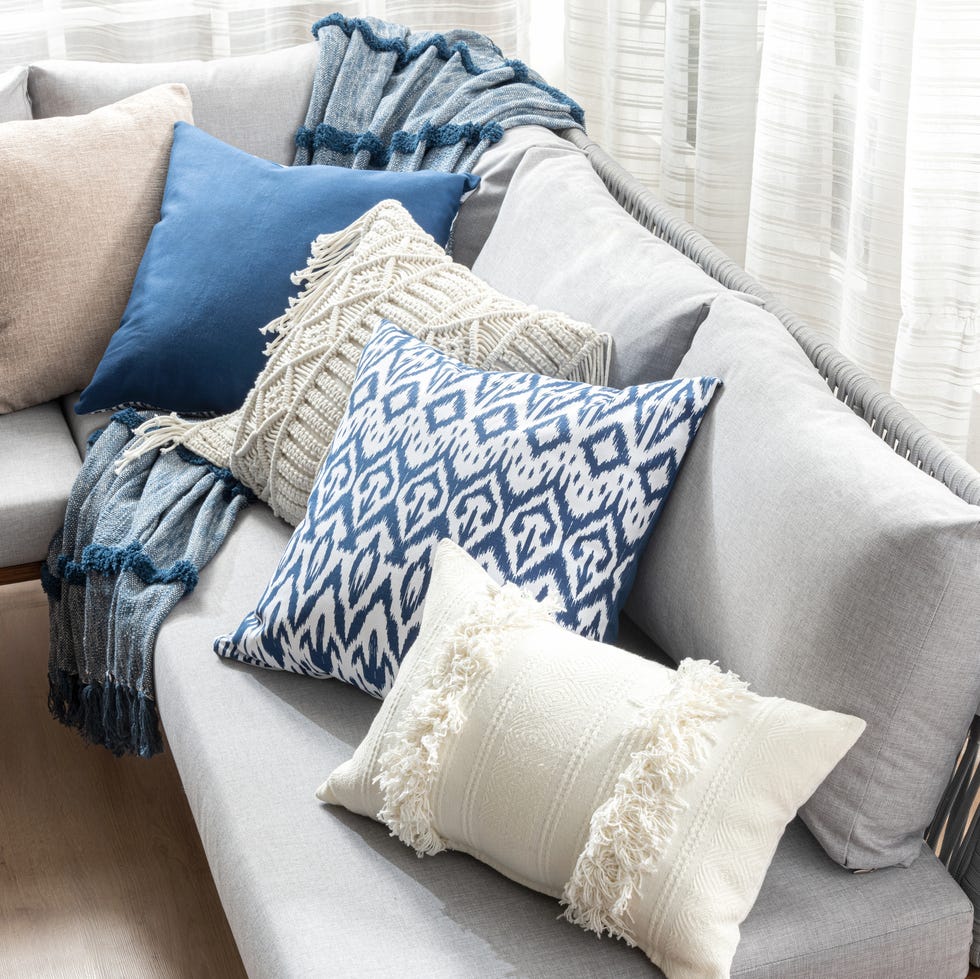
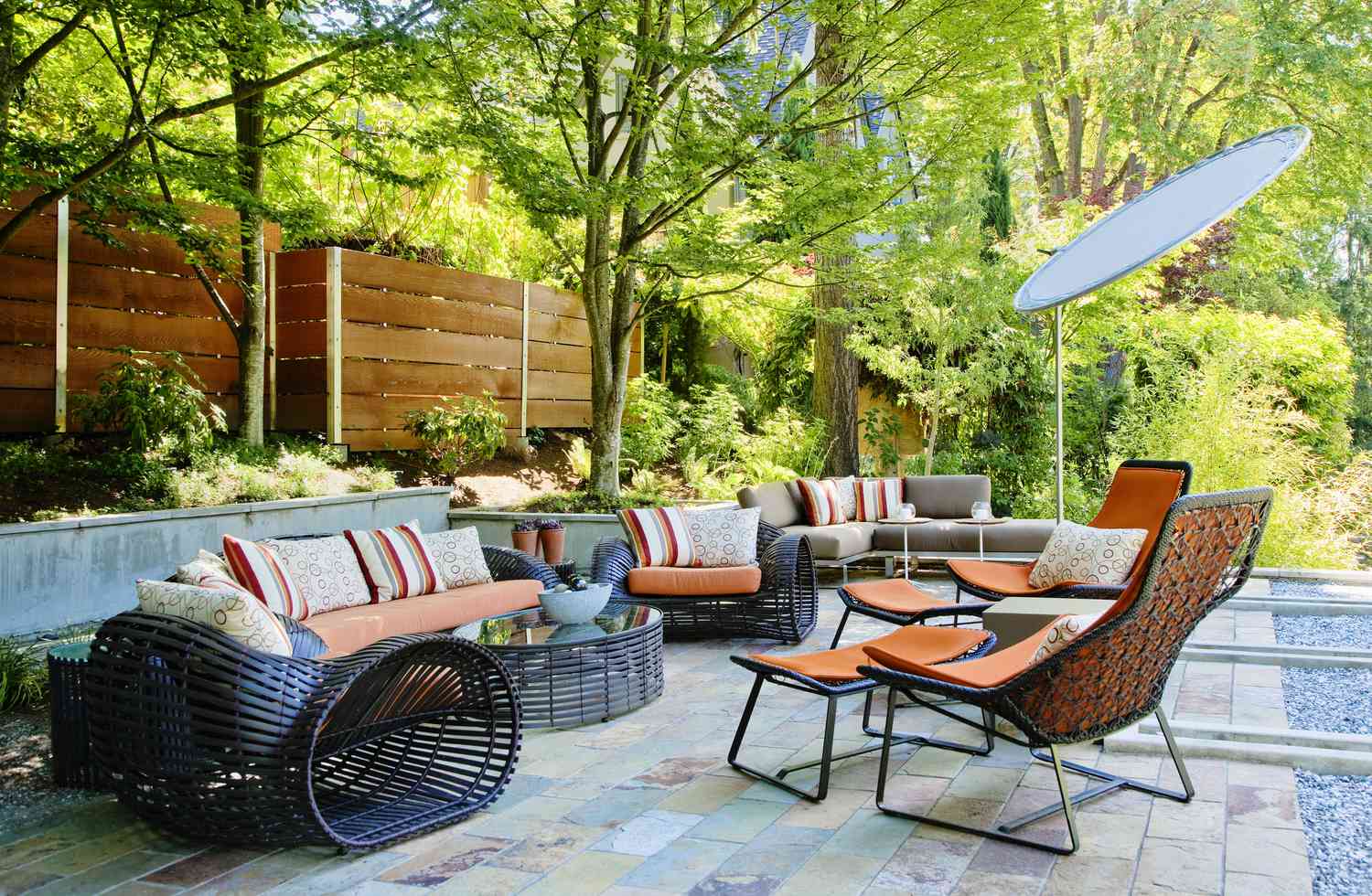
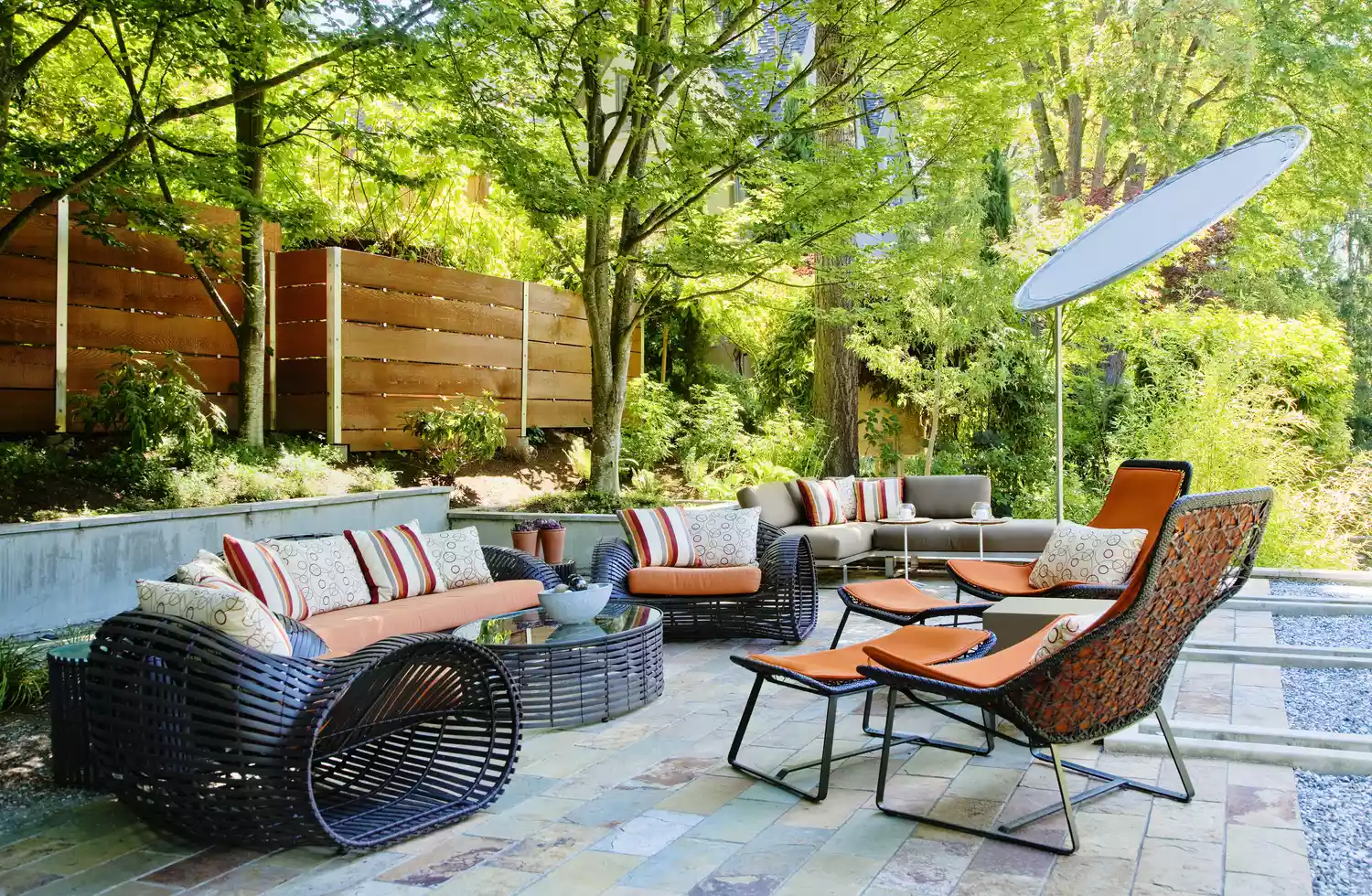
One significant trend to abandon is the use of matching furniture sets. While convenient, these sets tend to make outdoor areas feel generic and resemble a showroom. Instead, designers advocate for mixing materials and textures, such as combining powder-coated metal chairs with a vintage teak table or incorporating woven elements. This approach creates a layered, collected look that is both stylish and personalized, making the space feel more inviting and intentional.
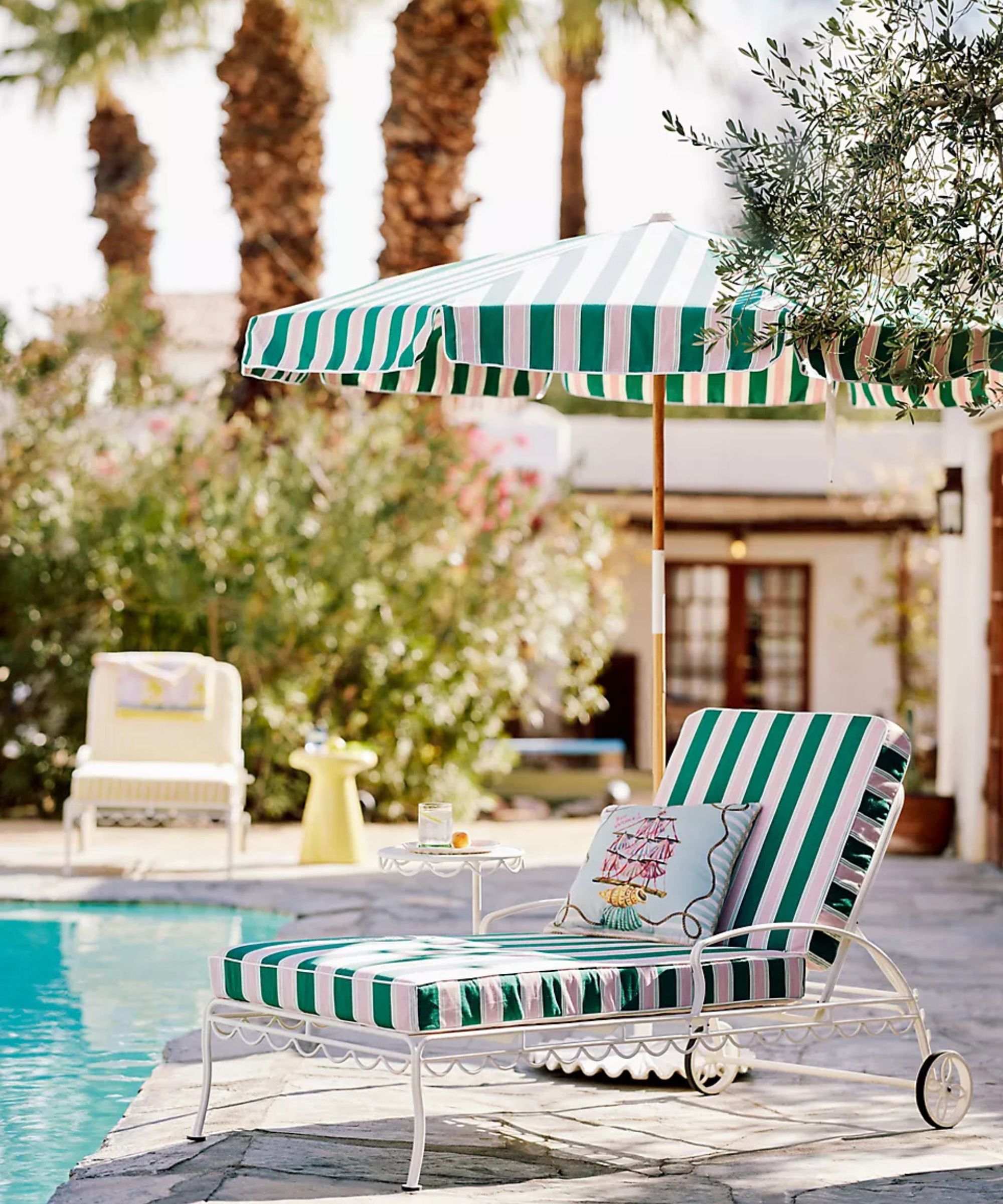
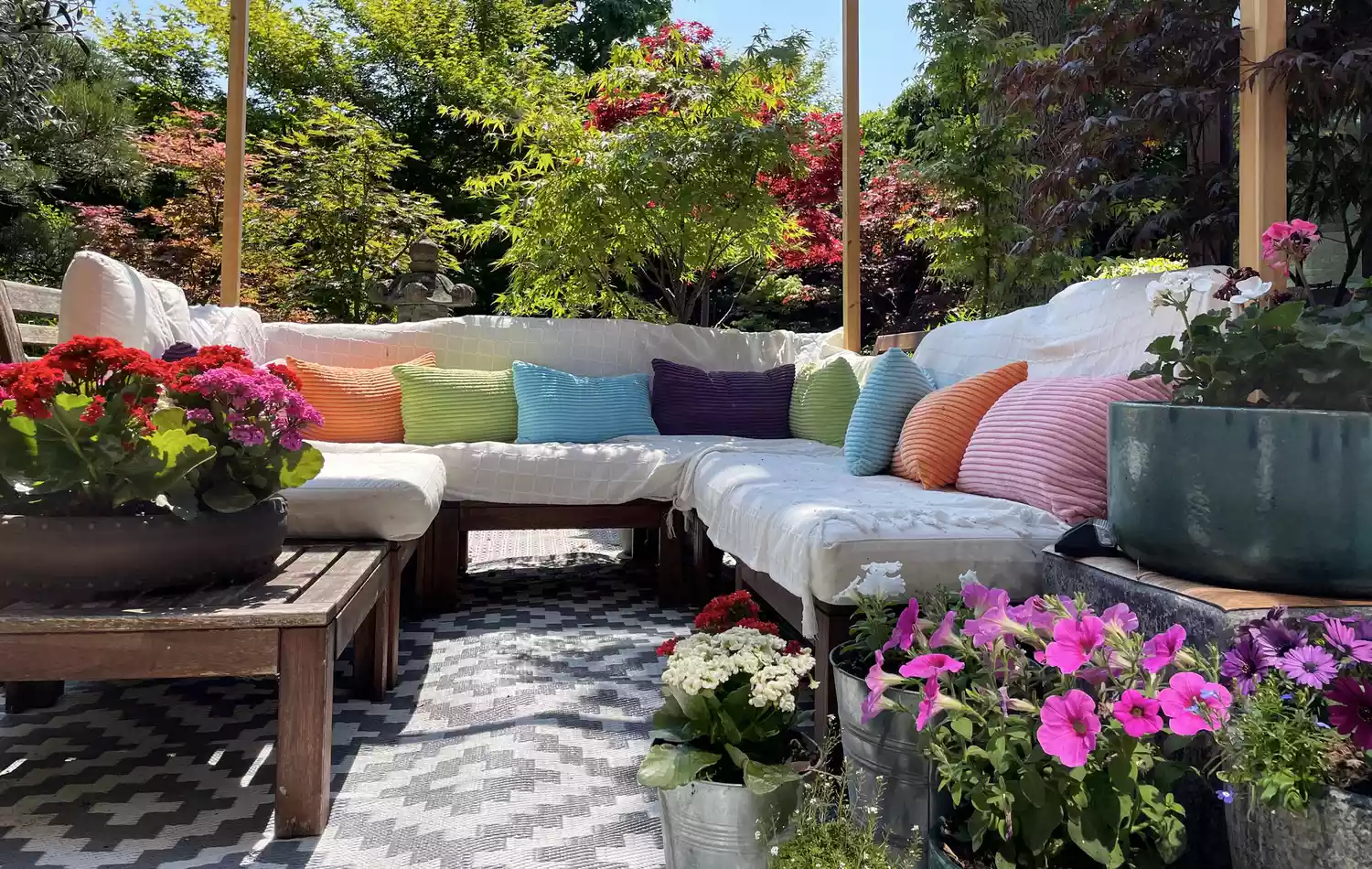
Another trend on its way out is overly themed seasonal decor. Such decor is seen as limiting and less sophisticated. Instead, the focus should be on colors and patterns that are versatile enough to be used throughout all seasons, particularly muted, earthy tones. This allows for investment in timeless pieces that maintain elegance year-round, avoiding the need for constant seasonal overhauls.
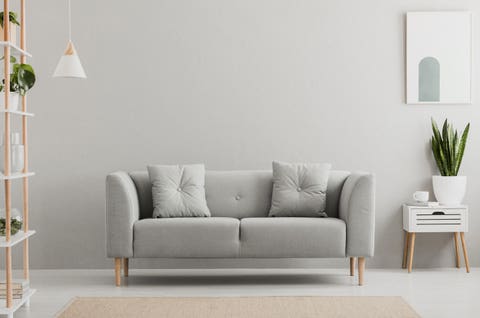
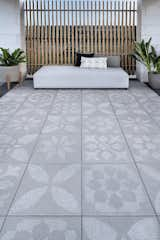
Gray-on-gray color schemes, which have long dominated outdoor furniture, are also being phased out. Just as interior design has moved beyond this cool neutral, outdoor design is now embracing warmer alternatives. All-gray patios can appear cold and uninspired. Designers recommend reintroducing depth and personality with warmer neutrals like beige, taupe, off-white, and brown, complemented by subtle pops of color, to create a soulful and stylish ambiance.
Plastic wicker furniture, particularly low-quality PVC versions, is another element designers are advising against. While wicker is popular, the material's quality is crucial. Cheap plastic wicker detracts from a luxurious feel. Higher-end HDPE wicker or a mix of materials such as teak and rope are preferred for a more refined and resort-inspired aesthetic. This shift emphasizes durability and a more elevated appearance.
String lights, while charming, are losing favor when placed without intention. Often a first choice due to affordability, haphazard placement or an excessive number of competing styles can make a space chaotic rather than cozy. Instead, thoughtful lighting solutions are encouraged, including sculptural lanterns, discreet uplighting, or integrated sconces. These elements add sophistication and make the outdoor space feel intentionally designed and inviting after dark.
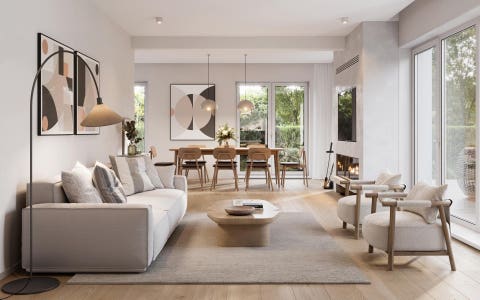
Similarly, an all-white outdoor aesthetic is no longer in vogue. Beyond appearing sterile and uninviting, all-white furniture is impractical for outdoor living, as it easily shows dirt, pollen, and spills. The move is towards warmer neutrals and rich textures, such as greige, stone, or sand, combined with performance fabrics. This approach prioritizes both beauty and practicality, creating spaces that work harmoniously with the natural environment.
Finally, low-quality plastic outdoor rugs are being left behind. These shiny, plastic-feeling rugs can cheapen even the most meticulously designed space. The preference is for high-performance weaves that offer comfort, durability, and understated elegance, feeling good underfoot while enhancing the overall aesthetic. This trend reflects a broader move towards investing in quality and longevity for all outdoor furnishings.
#OutdoorDesignTrends #HomeDecor #ExteriorDesign #OutdoorFurniture #DesignUpdates #TimelessDesign #NeutralPalettes #SustainableMaterials #OutdoorDesignTrends #HomeDecor #ExteriorDesign #OutdoorFurniture #DesignUpdates #TimelessDesign #NeutralPalettes #SustainableMaterials
0 comment in total
 No comments yet
You may also like
8 Decorating Trends Designers Wish Would Go Away in 2025

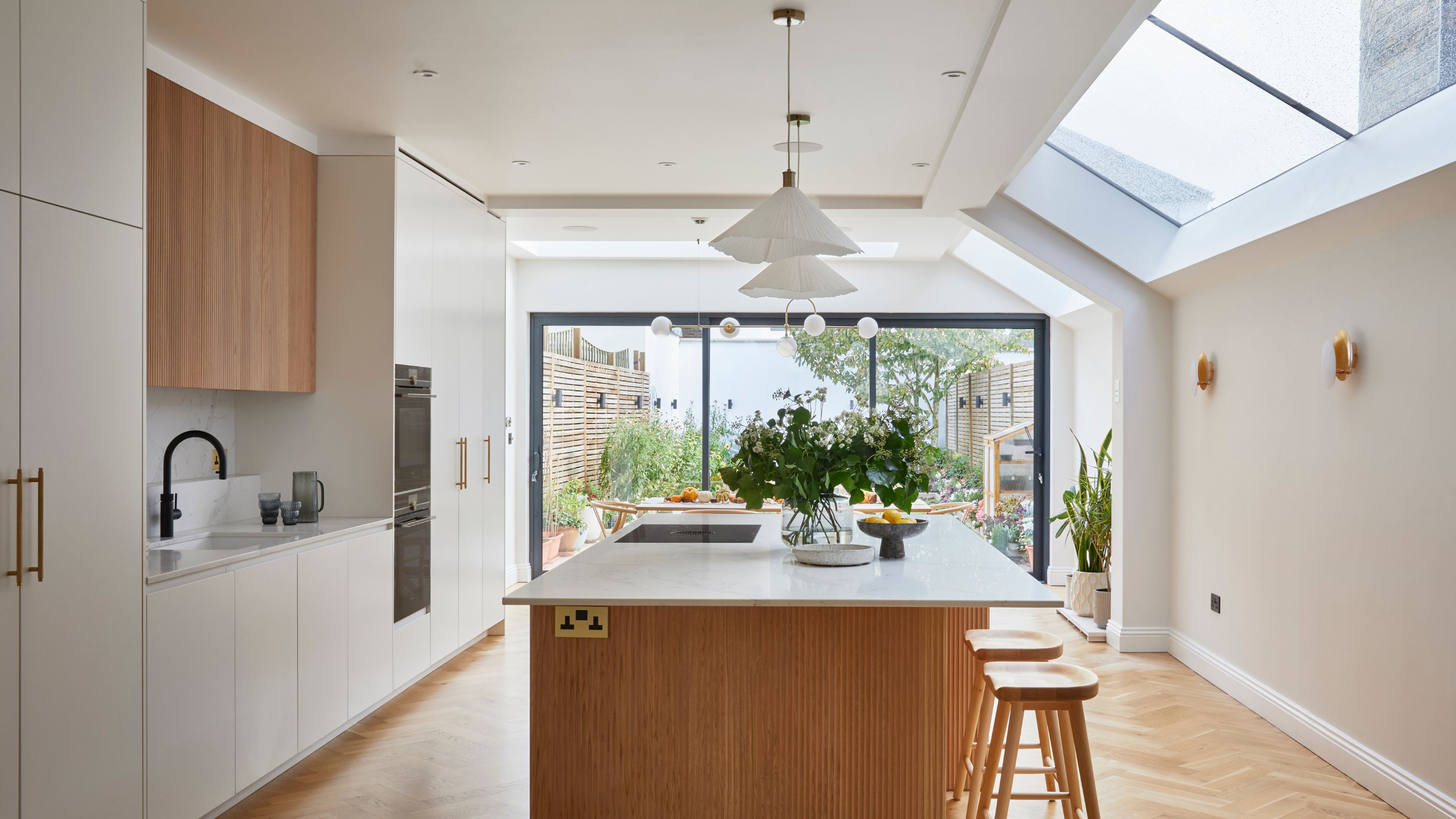
6 Outdated Kitchen Trends Designers Say You Need to Avoid in 2025 — And What to Do Instead

These 10 Trends Will Define Outdoor Design in 2023

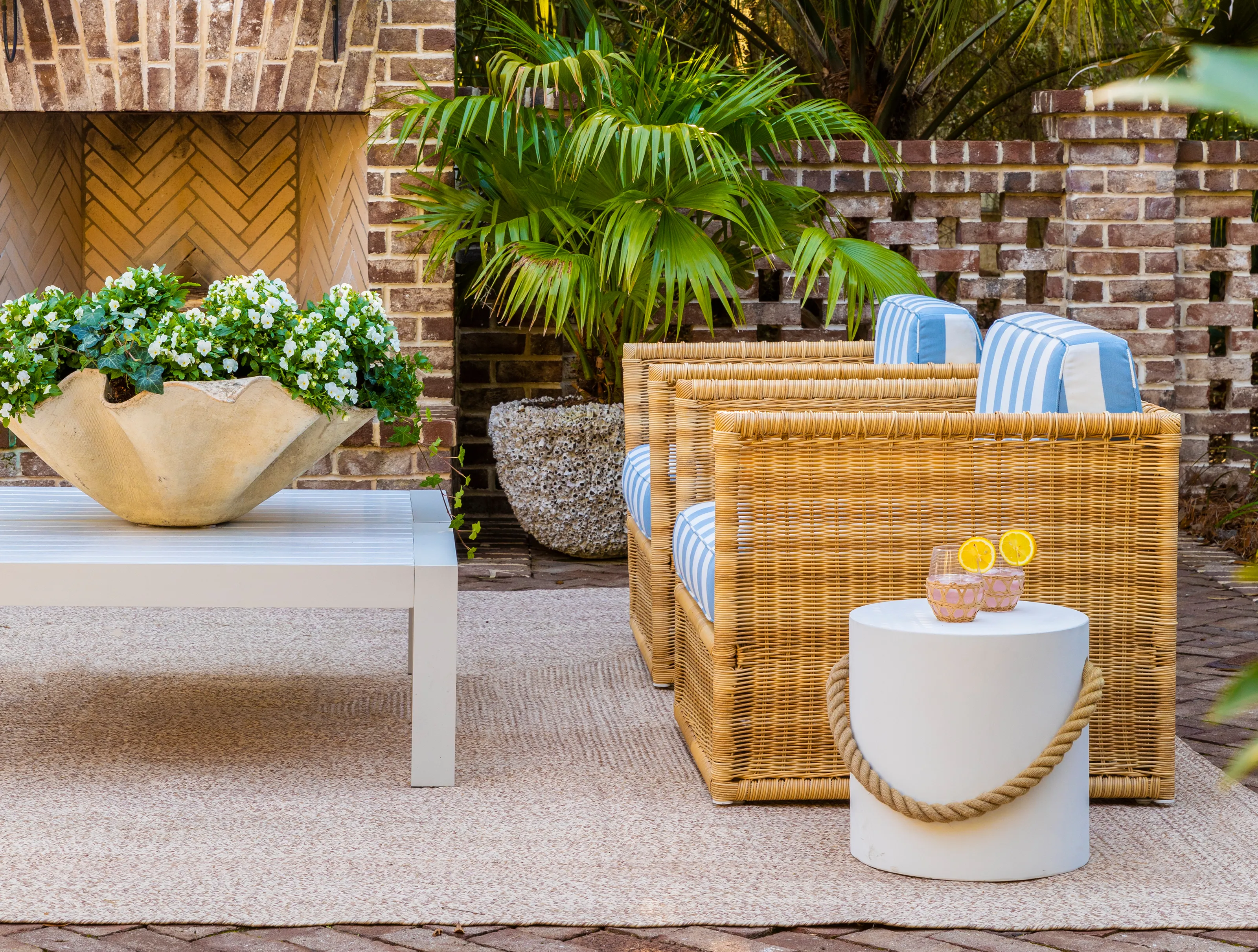
6 Patio Decor Trends Designers Are Begging You to Skip This Season

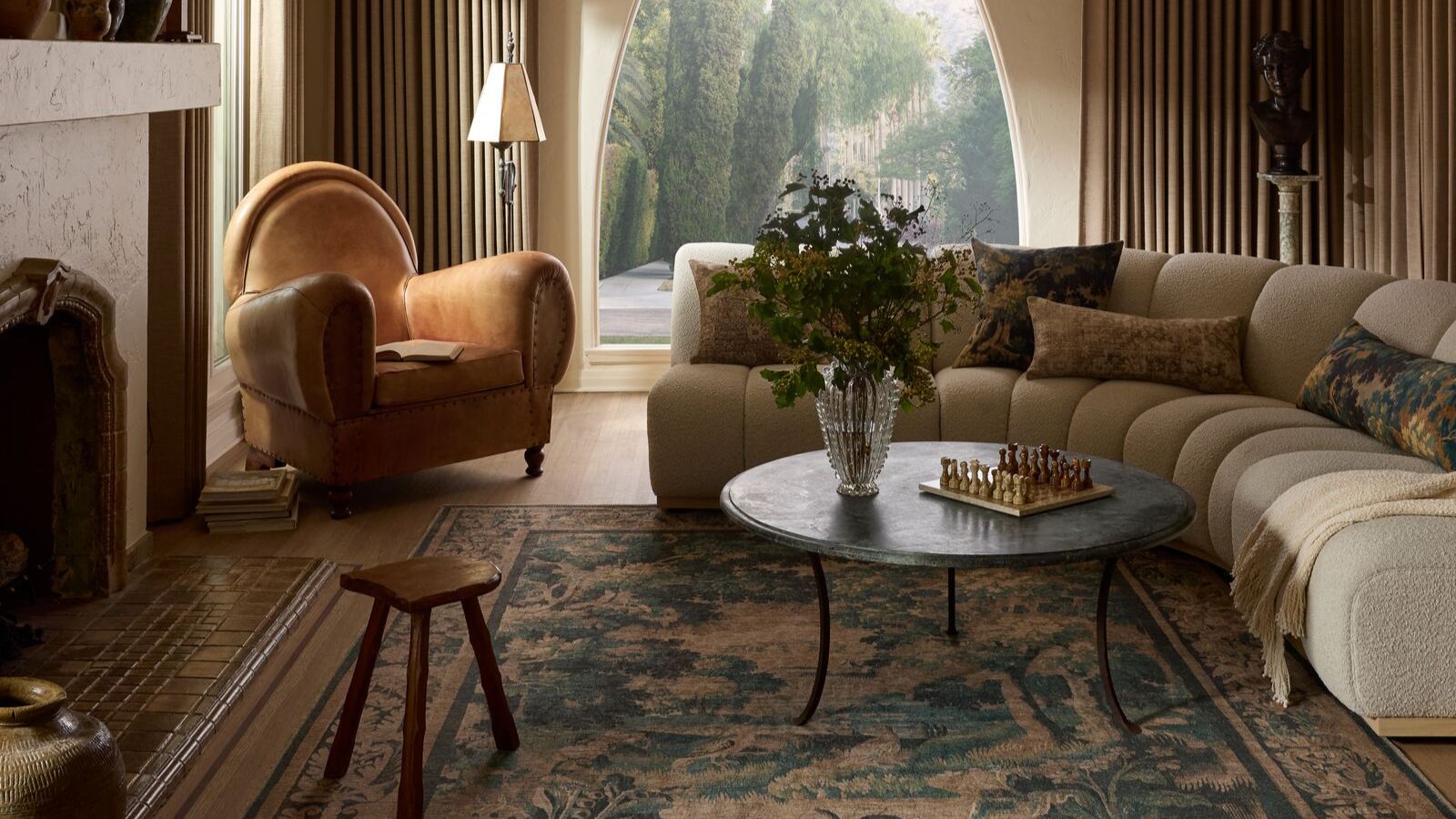
The decorating trends designers definitely want you to leave behind in 2025 – from fads to faux pas

10 outdoor decorating trends that are going to be everywhere in 2025
7 Flooring Trends Designers Don't Want to See in 2025

8 "Tacky" Home Trends That Are Tragically Dead to Designers in 2026

I asked interior designers what trends they are already sick of seeing in 2025
Designers Say These Trends Will Go Out of Style in 2025—Here Are Some to Try Instead
5 Mistakes Designers Want You to Stop Making with Your Outdoor Furniture
5 trends that look good right now but interior designers warn they won't last
7 Outdoor Living Trends That Will Be Everywhere in 2025, According to Designers
10 Interior Design Trends Going Away In 2025

5 outdated home decor trends interior designers want you to kiss goodbye in 2024, and what to do instead

These are the biggest pattern trends designers are using in 2025 and beyond
How to decorate in 2025: Skip these tired trends, interior designers say
Interior Designers are Ditching These Home Trends in 2024
The Decorating Trends Designers Are Leaving Behind in 2026

7 Outdated Patio Décor Trends You Should Skip—and What to Try Instead