1/11
10 Innovative Materials Poised to Make Home Building More Sustainable
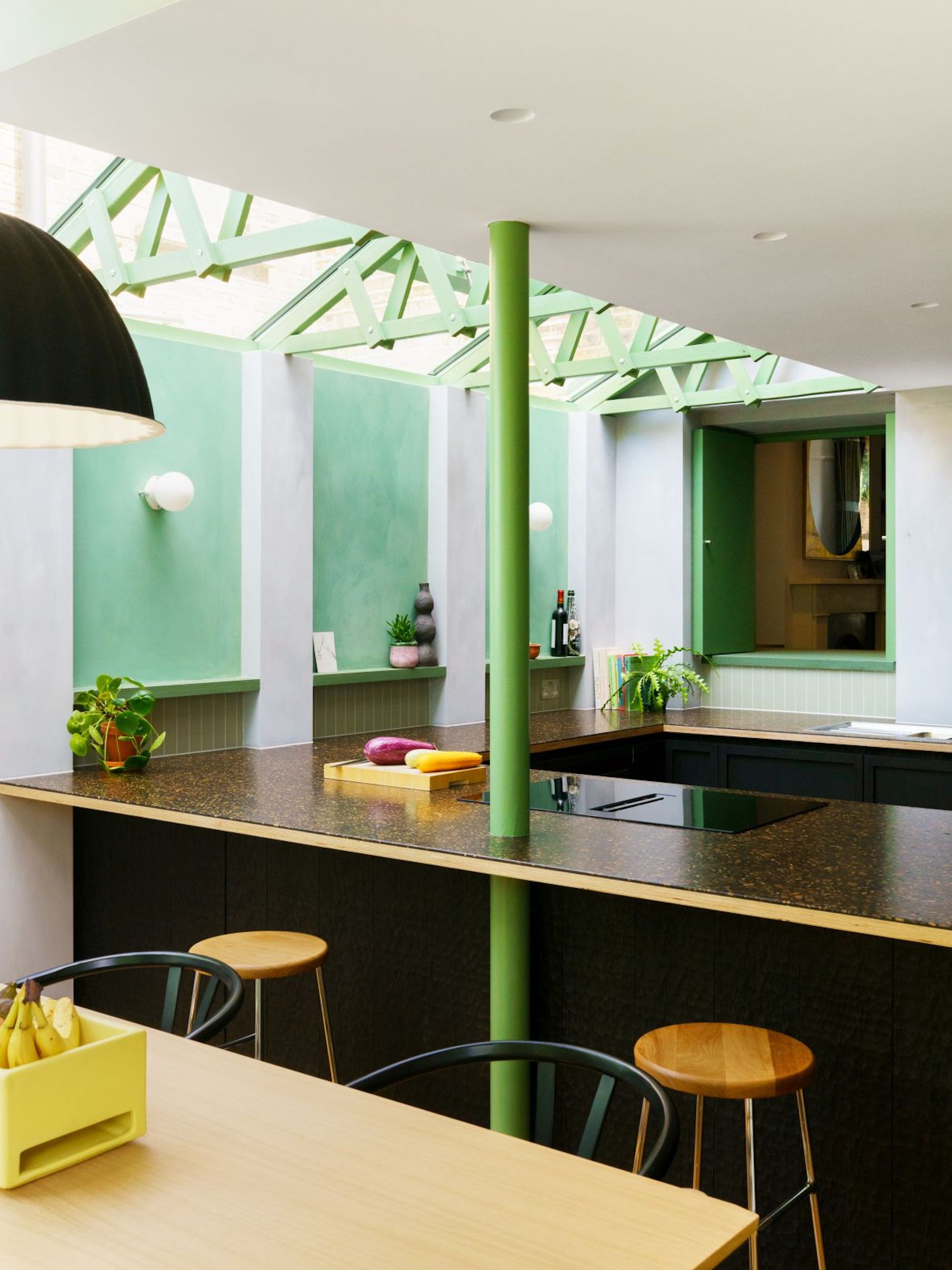
The increasing focus on sustainability necessitates the adoption of eco-friendly building materials in both new constructions and renovations. Selecting such materials involves considering factors like responsible sourcing, energy efficiency, minimal carbon emissions, waste reduction, use of renewable or recycled content, non-toxicity, reusability, recyclability, biodegradability, and durability. This article outlines ten innovative sustainable building materials available today, each offering distinct environmental and functional benefits.
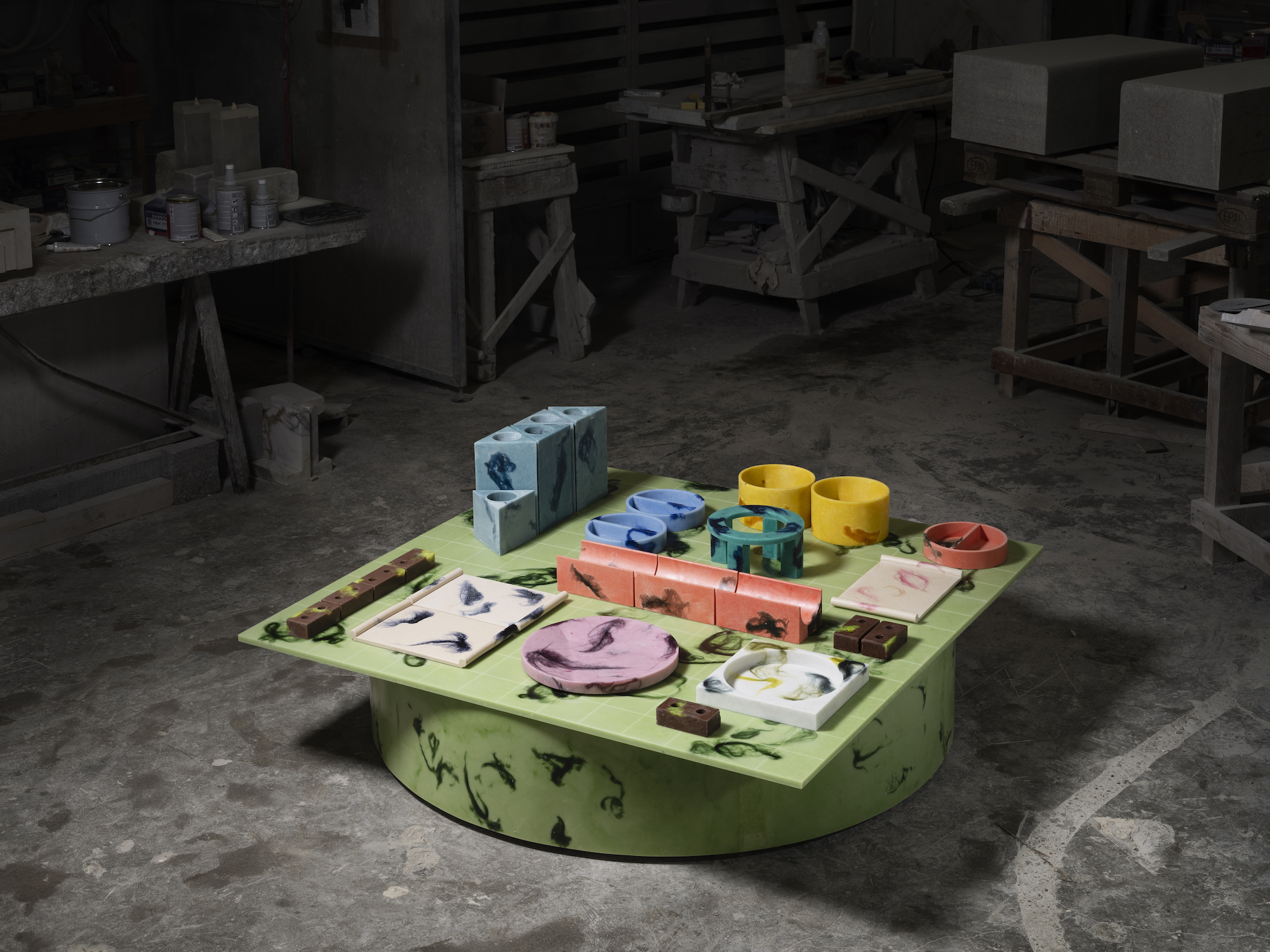
Hempcrete, a plant-based composite of sand, hemp fibers, and lime, serves as a sustainable insulation option. It is breathable, lightweight, fireproof, pest-resistant, and absorbs carbon dioxide during its curing process and throughout the hemp plant's life cycle. Available as pre-cured blocks or cast-in-place, it is suitable for various climates. ByBlocks represent a pioneering construction material derived entirely from recycled plastic waste, including non-recyclable types. Each block utilizes 22 pounds of plastic, preventing landfill accumulation. These blocks serve as an alternative to concrete blocks for applications like retaining walls, sheds, and landscaping. They exhibit water resistance, crack resistance, and produce 41% fewer greenhouse gas emissions than concrete blocks, all within a zero-waste manufacturing process.
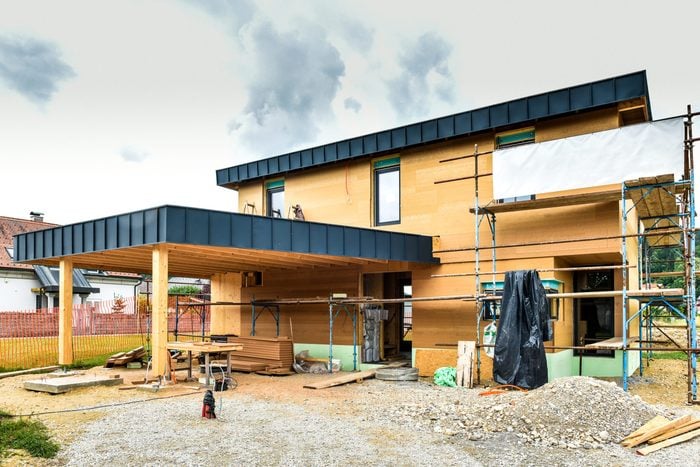
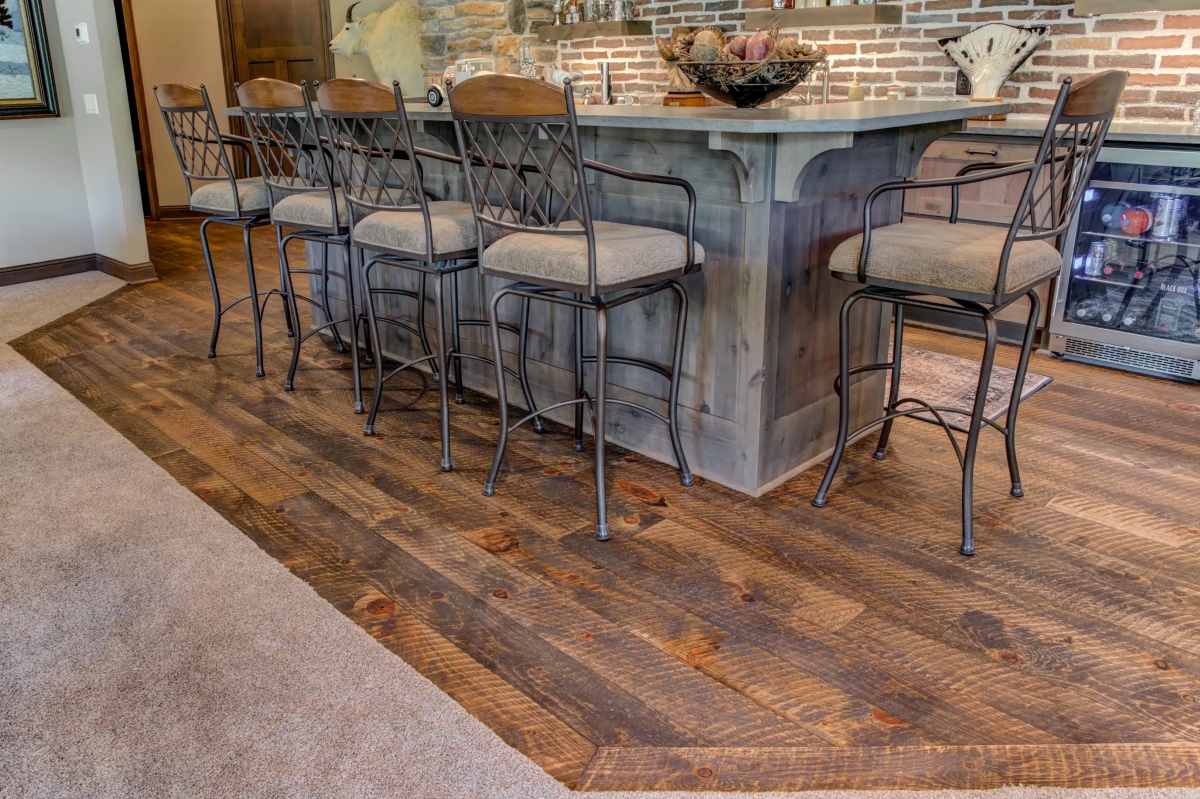
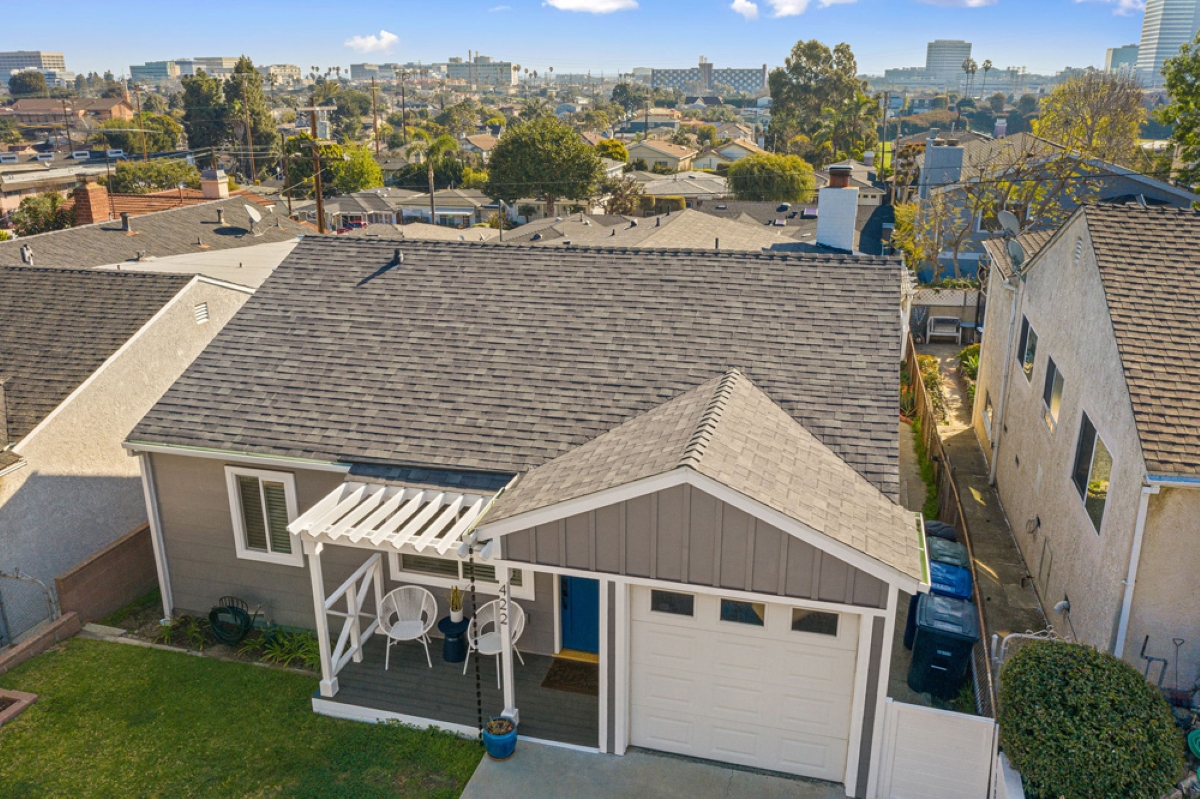
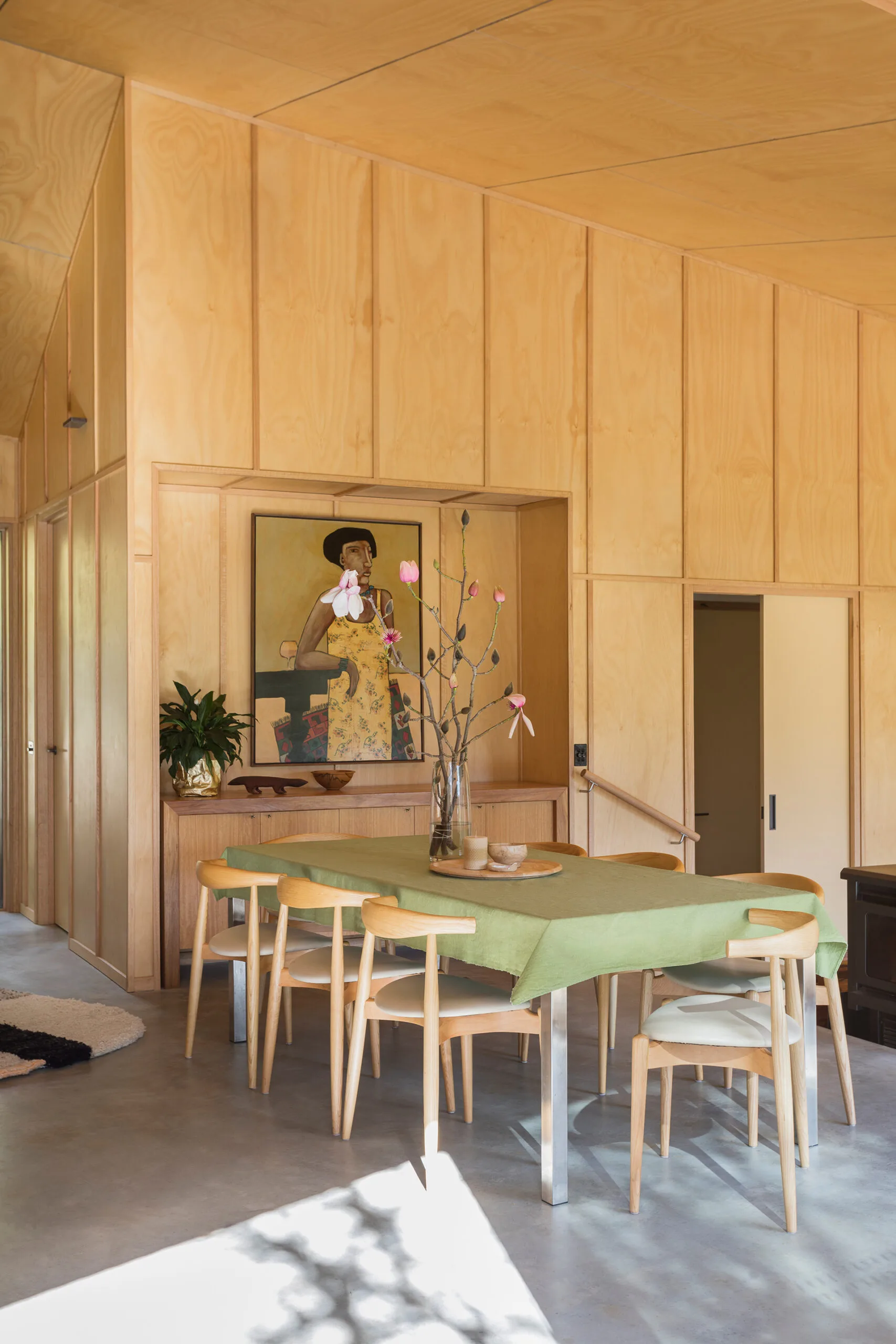
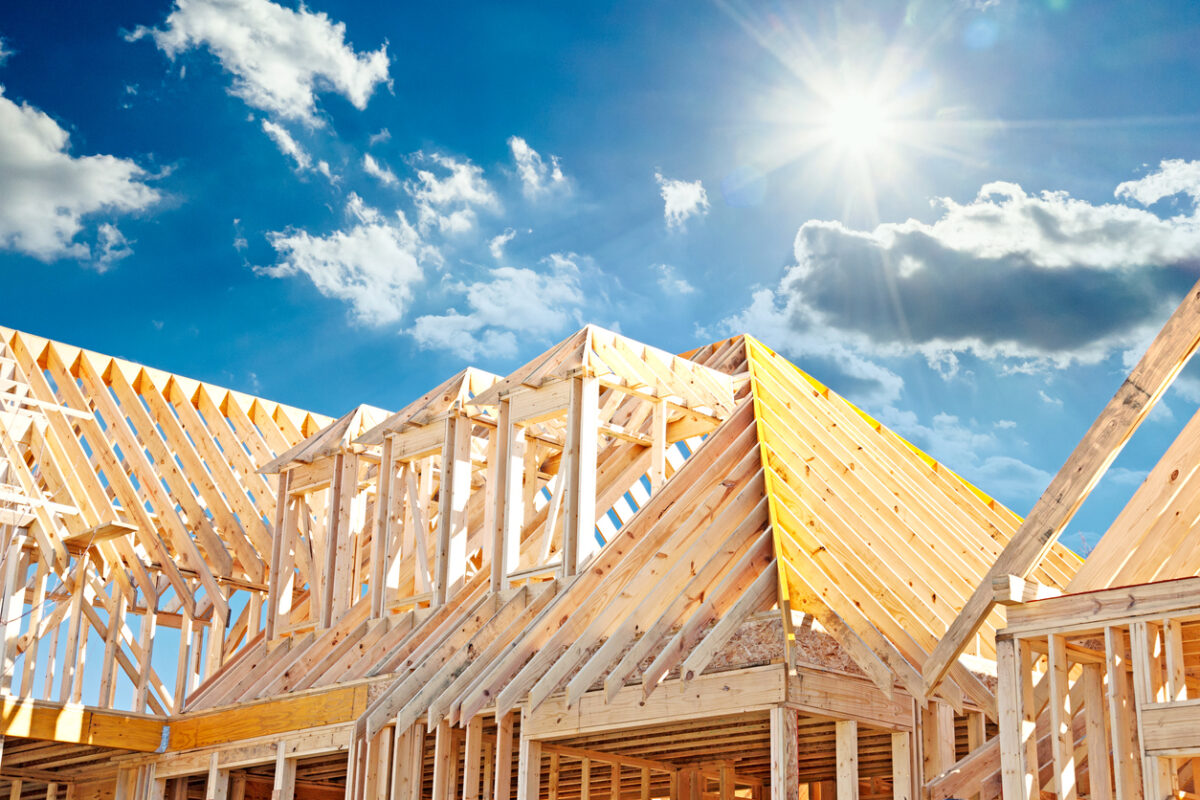
Mass timber, composed of thick layers of compressed wood, is gaining prominence in the building sector following changes in building codes. It offers a strong, versatile, and load-bearing alternative to concrete and steel, significantly reducing carbon emissions, especially when combined with responsible forestry. Its lighter weight and efficient construction process minimize on-site waste. Solar shingles, such as GAF Energy’s Timberline Solar system, provide an integrated and aesthetically pleasing solution for homeowners looking to adopt solar power. These shingles are water-shedding, strong, and can withstand high winds, offering a seamless blend of solar technology and traditional roofing. Bamboo, a rapidly growing plant, is a biodegradable and sustainable material primarily used for flooring, wall coverings, and countertops. Its quick harvesting cycle (3 years compared to wood's 25 years) helps combat deforestation, while its affordability, durability, and ease of installation make it an attractive option.
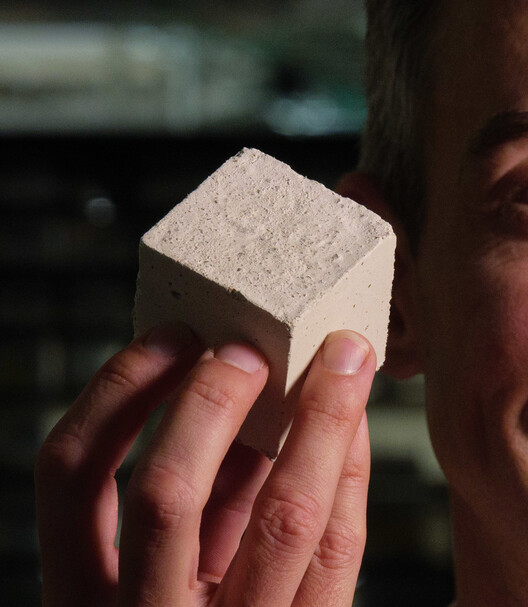
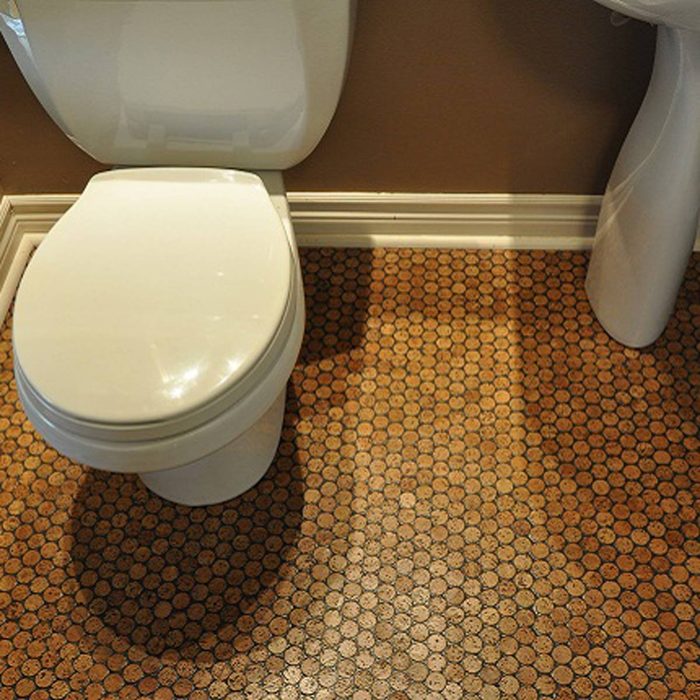
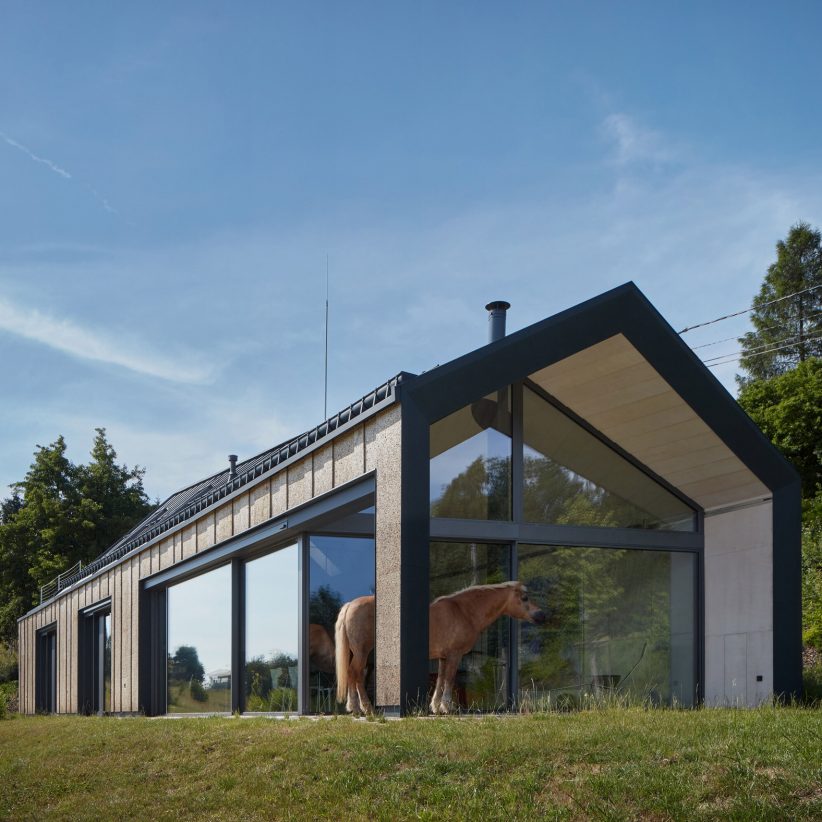
Ashcrete serves as an environmentally friendly concrete alternative, made from approximately 97% recycled materials, including fly ash and bottom ash from coal combustion. Despite its recycled content, Ashcrete is stronger and more durable than traditional concrete, with enhanced resistance to acid, fire, and temperature changes, and requires less water for hardening. Smart glass windows, often used in commercial and industrial settings, dynamically adjust their heating properties based on light exposure. Electrochromic coatings allow windows to darken in summer to reduce cooling needs and become transparent in winter to allow more heat, thereby improving comfort and energy efficiency. Cork, harvested sustainably from cork oak trees without cutting them down, is a renewable material with potential in construction, currently popular for flooring. It acts as an effective insulator, is durable, mold and mildew resistant, hypoallergenic, antimicrobial, and easy to install and maintain.
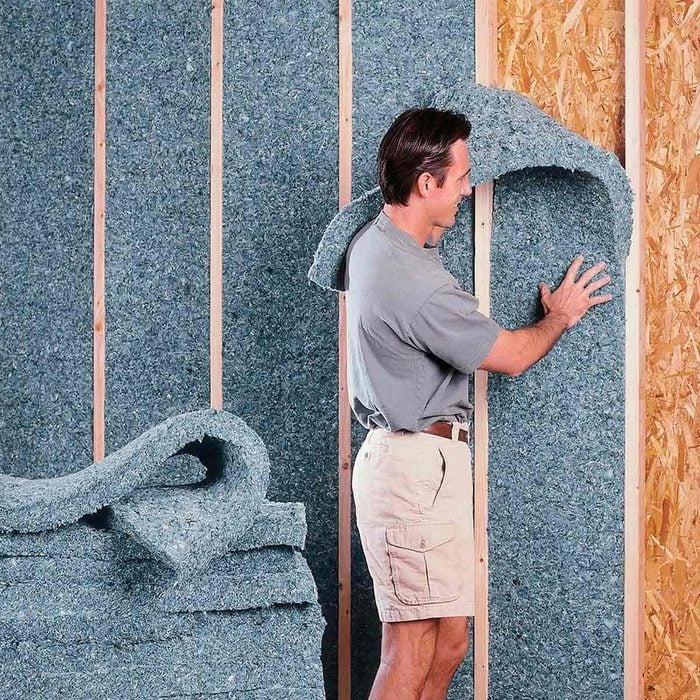
Newspaperwood is an innovative material that reverses the paper production process, transforming waste paper into a wood-like material. Produced by layering paper with solvent-free glue, it can be used for furniture and cabinetry in various thicknesses. This waterproof, flame-retardant material is 100% recyclable and biodegradable, and can be worked like traditional wood. Finally, plant-based rigid foams offer a greener alternative to petroleum-based foams for insulation and thermal barriers. These foams, derived from components like hemp, bamboo, kelp, or biopolymers, are durable, energy-efficient, reduce noise, and resist heat, moisture, mold, and pests, contributing to healthier indoor environments due to their natural and non-toxic composition.
#SustainableBuildingMaterials #EcoFriendlyConstruction #GreenBuilding #Hempcrete #RecycledPlastic #MassTimber #SolarShingles #BambooConstruction #SmartGlass #SustainableBuildingMaterials #EcoFriendlyConstruction #GreenBuilding #Hempcrete #RecycledPlastic #MassTimber #SolarShingles #BambooConstruction #SmartGlass
0 comment in total
 No comments yet
You may also like
The latest and greatest innovations in sustainable building materials

10 Ways to Use Recycled Materials in Your Home Reno
10 Sustainable Homes That Prove Interior Design Can Be Just as Easy on the Eye as It Is on the Earth

Innovations Driving Sustainable Building and Architecture Forward
These 10 Sustainable Home Technologies Will Change the Way We Live

7 sustainable homes with style

Eco-friendly materials: the future of residential and commercial construction
Acme Brick
10 ways to make your home more sustainable
The future of sustainable building materials
11 Recycled Building Materials Made From Trash
For These Designers and Homebuilders, the Best Materials Are Ones That Have Already Been Used


Finding Sustainable Alternatives to Traditional Building Materials

12 Ways To Create a More Sustainable Home
6 Sustainable Material Trends That Prove It's No Longer Just a Buzzword, but an Exciting Design Opportunity
Distinctive house cladding from Dezeen's Pinterest
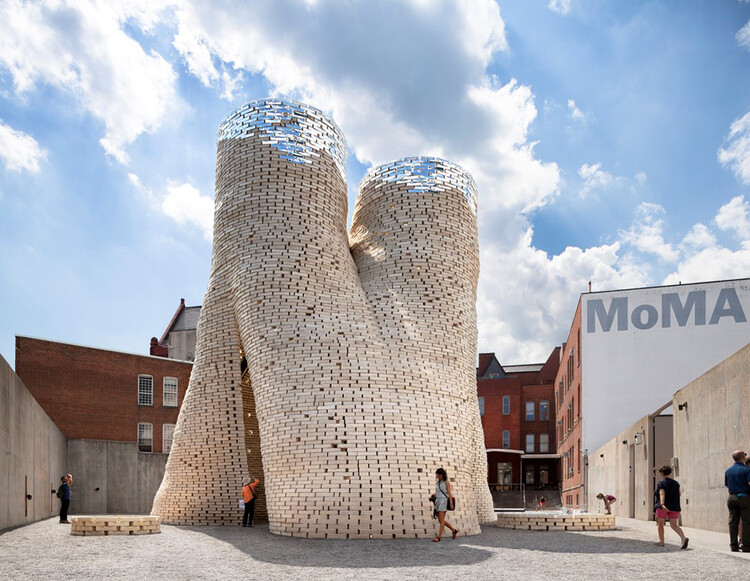
10 Start-ups Creating Innovative and Sustainable Building Materials, from Mycelium Bricks to Water Purifying Tiles


Innovative, Sustainable Materials for SWFL Homes
Ten furniture designs made from sustainable materials
7 Design Trends That Will Make Your Home More Sustainable