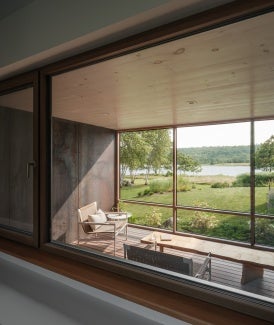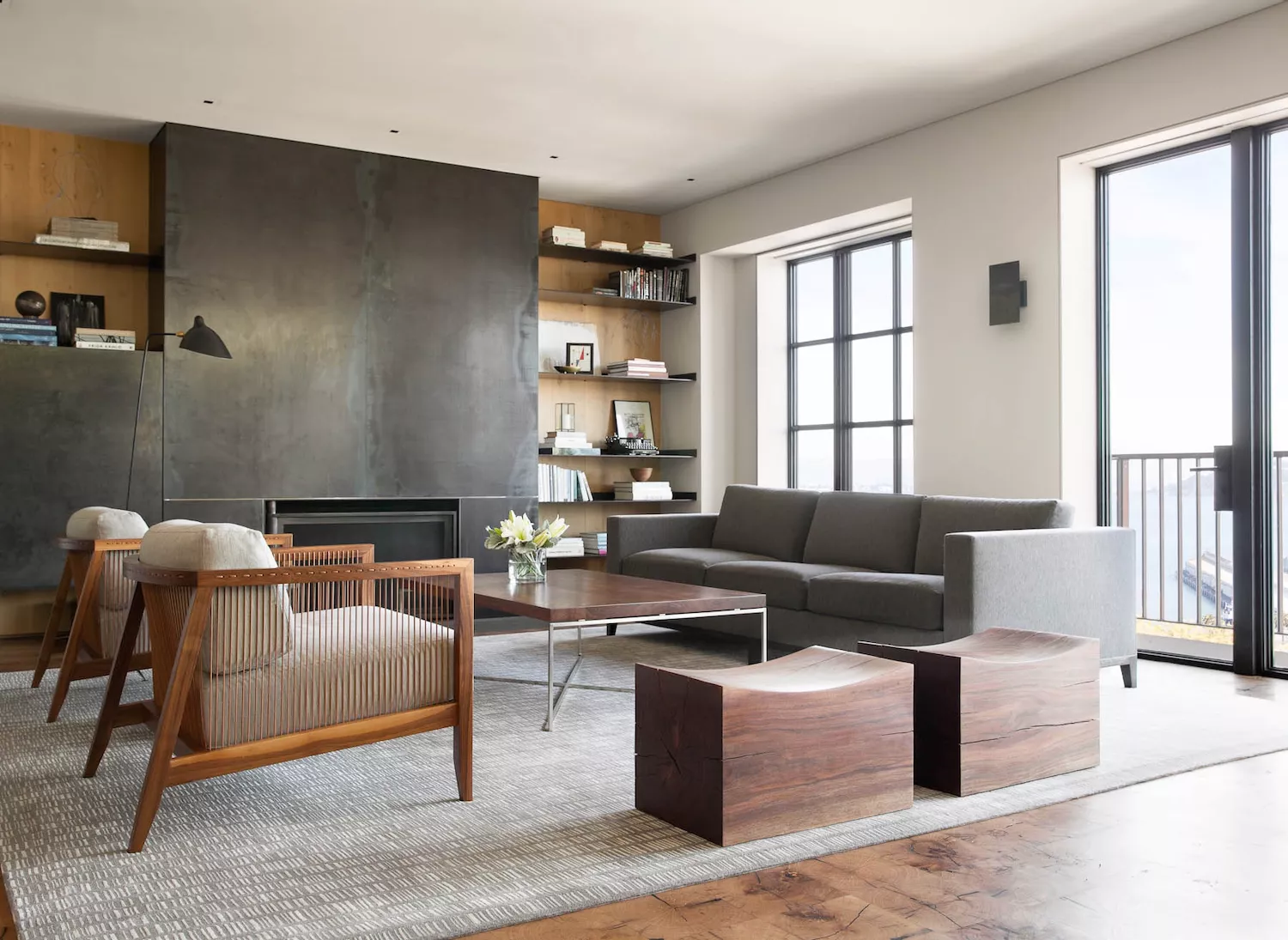
How to Renovate with Sustainability in Mind
Renovating a home can be a complex and often stressful undertaking, particularly when aiming for eco-friendly practices. However, integrating sustainability into home design has become more accessible, with numerous options available for both major and minor changes. Adopting a sustainable mindset for decisions regarding paint, flooring, lighting, appliances, furniture, textiles, and decor can simplify the renovation process and contribute to a greener living space while benefiting the environment.
To ensure sustainable choices during renovation, it is recommended to hire LEED (Leadership in Energy and Environmental Design) accredited professionals. These individuals, including architects, interior designers, and general contractors, are certified by the U.S. Green Building Council (USGBC), guaranteeing their focus on sustainable building practices.
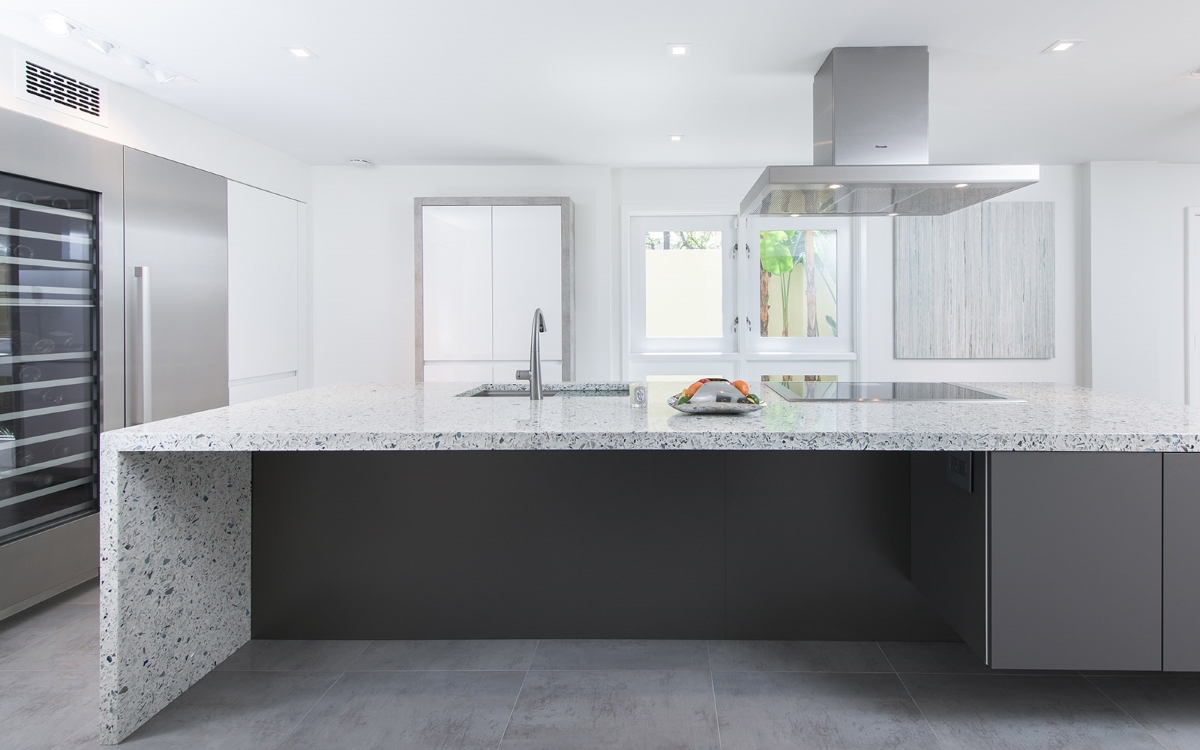
Updating appliances is another key step. In bathrooms, installing low-flow faucets and low-flush toilets can significantly reduce water consumption. For large appliances like washing machines, selecting models with the highest energy ratings is crucial. Replacing traditional lighting with LED systems saves energy and lowers operational costs. Furthermore, switching from gas stoves to induction models is a recommended strategy to reduce reliance on fossil fuels, as induction cooking is now considered superior in efficiency and environmental impact. Heat pumps offer a more efficient alternative for home cooling and water heating. The recently enacted Inflation Reduction Act provides tax incentives for climate-friendly improvements, such as installing solar panels and purchasing energy-efficient appliances, windows, and doors.
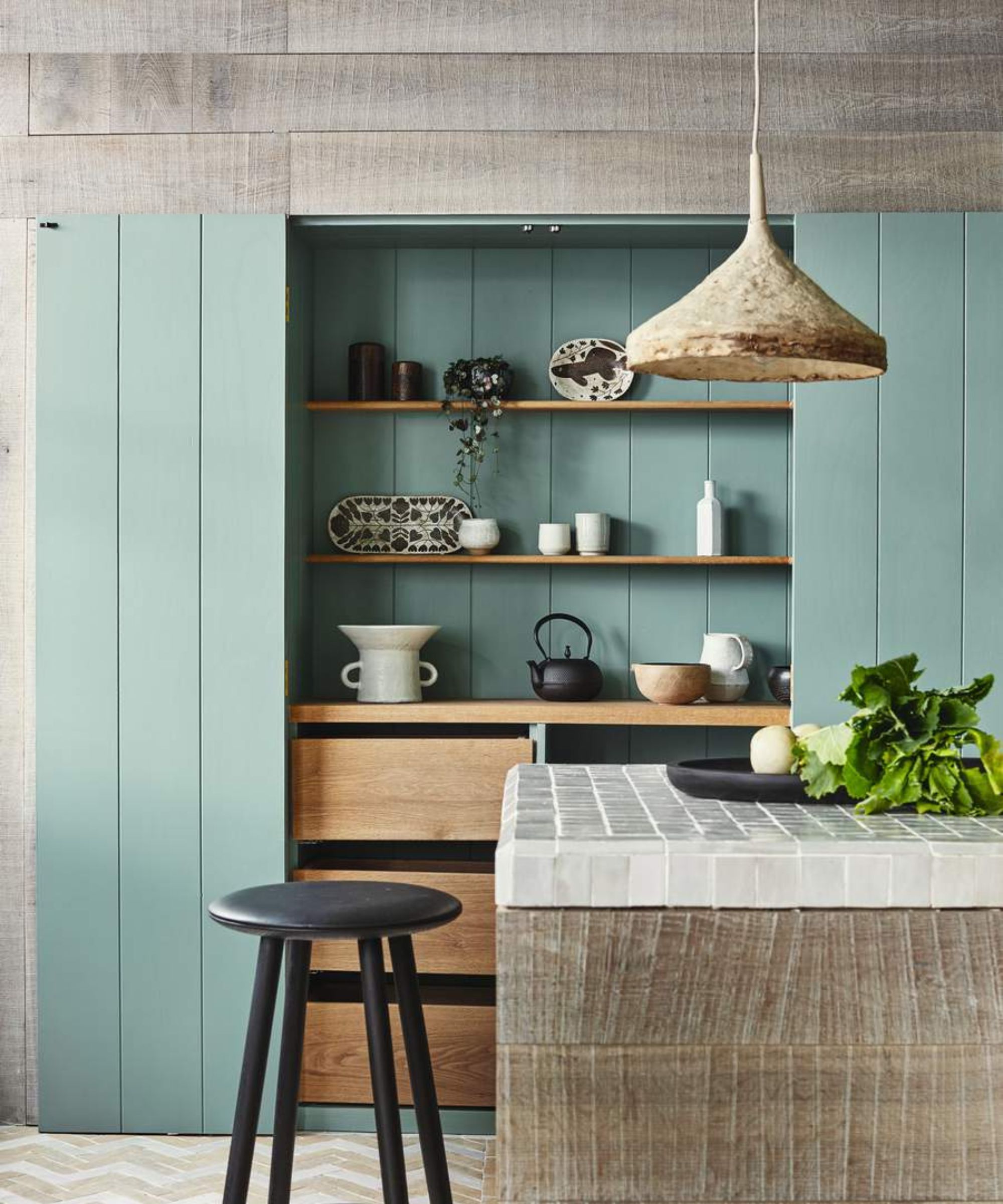
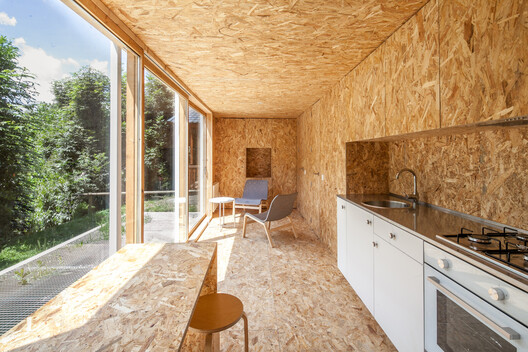
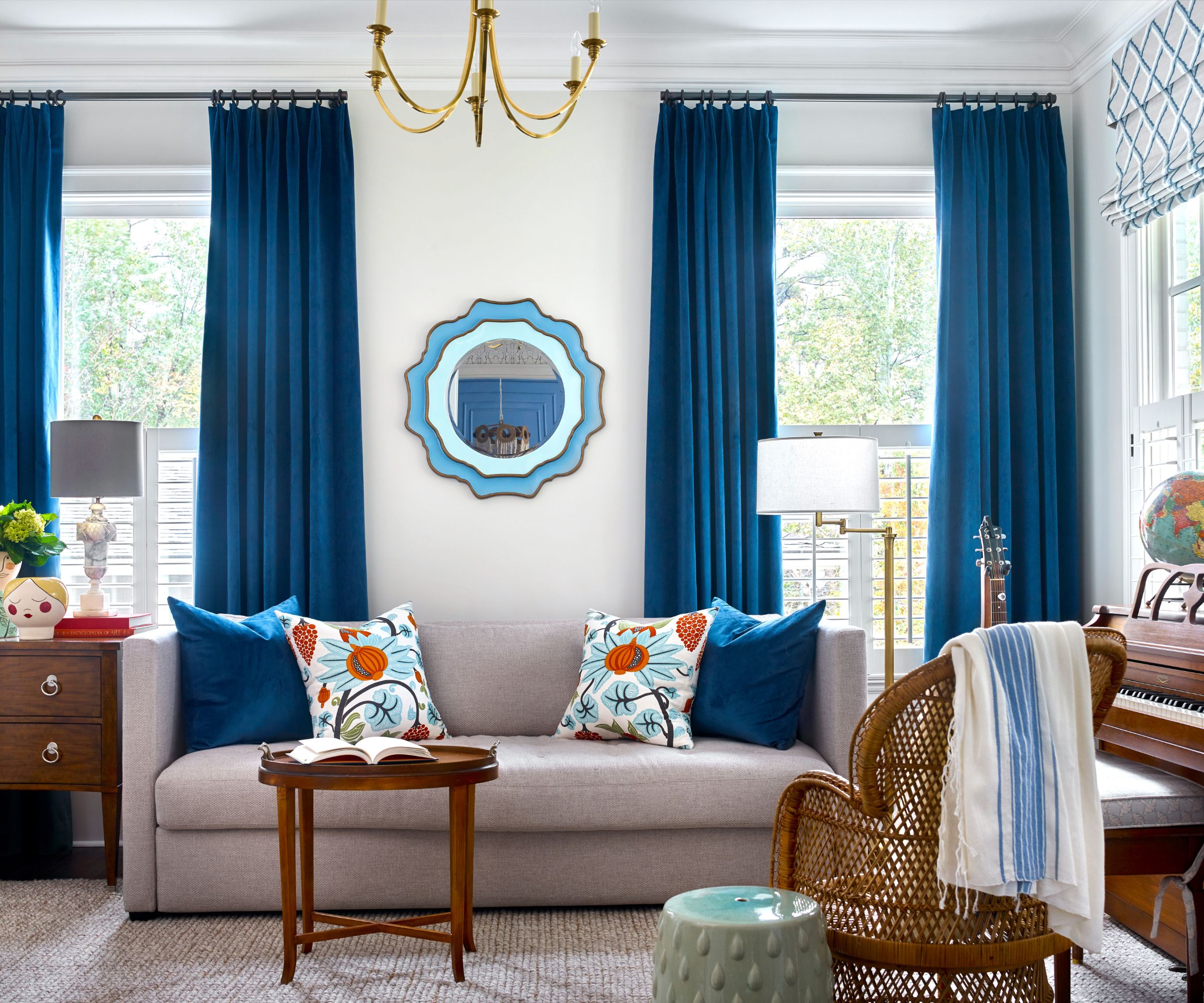
When selecting materials for building, renovation, interior design, and decor, prioritizing naturally regenerative options is essential. Materials such as bamboo and cork are highly recommended. Natural materials like hemp, straw, and wood can improve indoor air quality by eliminating toxic Red List chemicals often found in synthetic products. For paint, low or no VOC (Volatile Organic Compound) options are preferable, with brands like Clare Paint offering such products. Natural clay plaster wall finishes, such as those from British company Clayworks, provide a sustainable alternative to traditional paints by using unfired clays mixed with minerals and natural pigments. For textiles, including curtains, upholstery, and linens, natural materials like hemp and linen are excellent choices due to their sustainability, rapid growth, and recyclability. Innovative eco-friendly materials are also emerging, such as lamps grown from mycelium, the renewable root fibers of mushrooms.
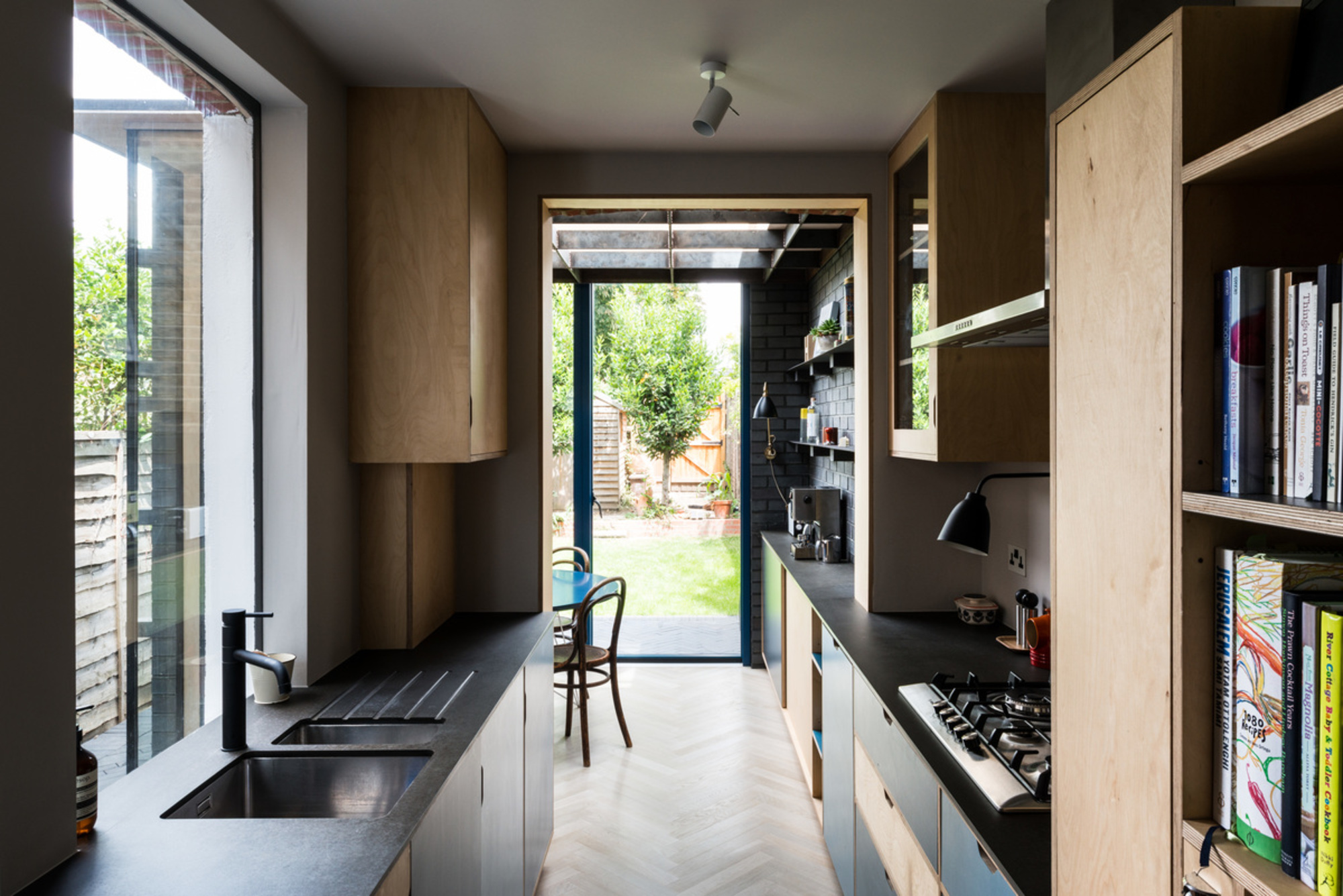
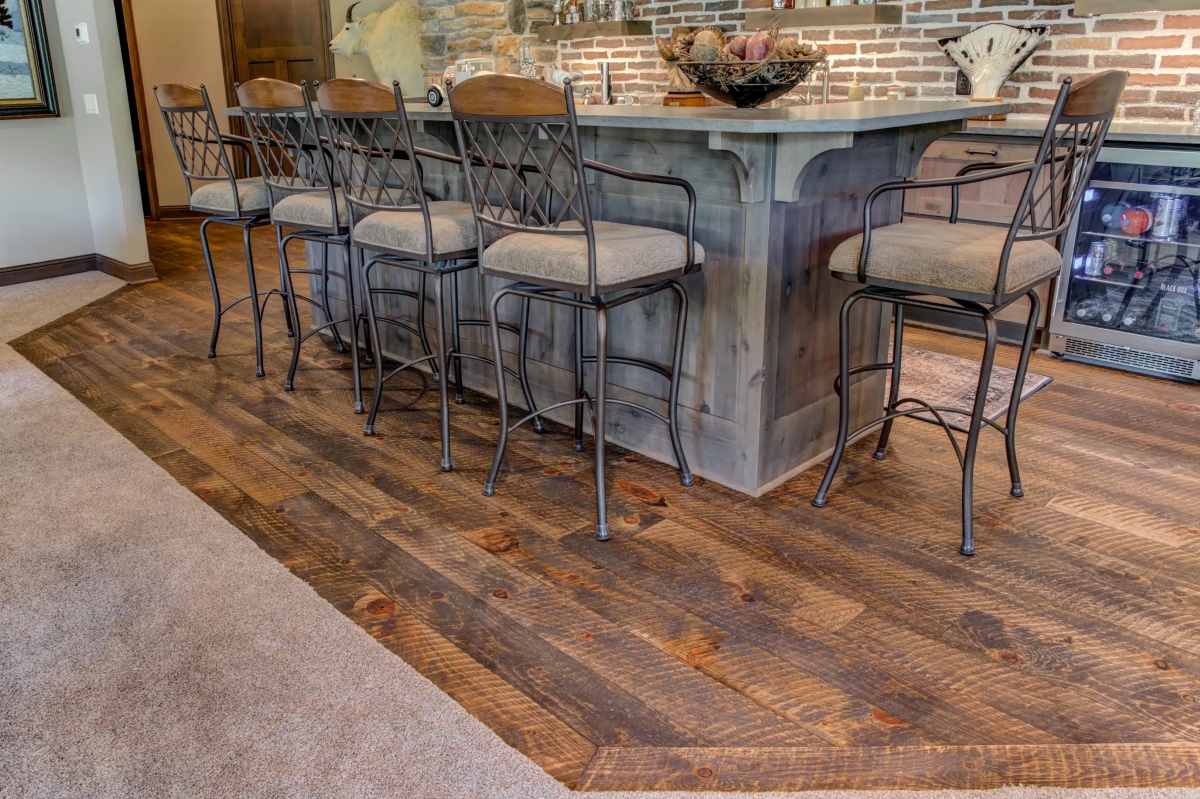
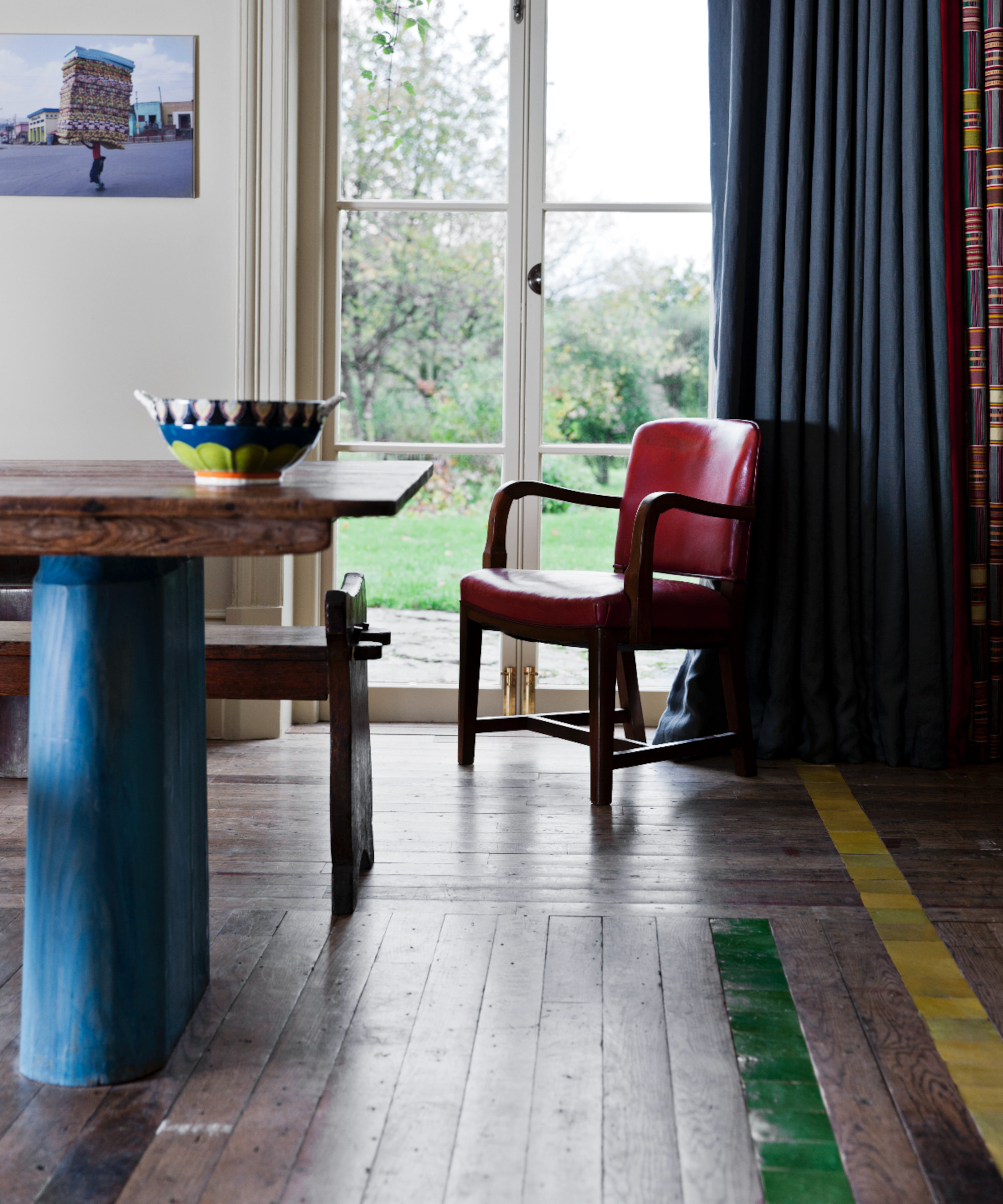
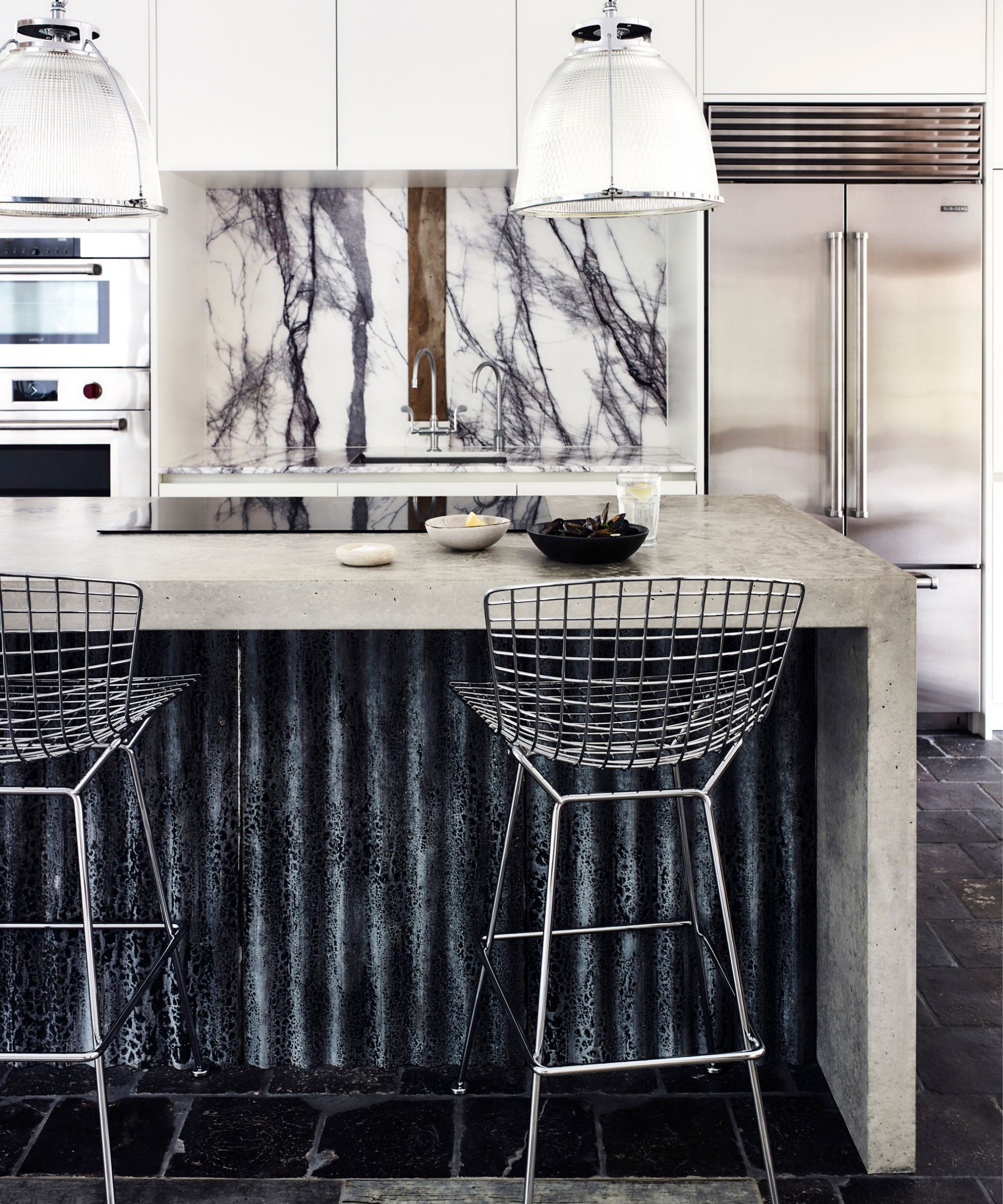
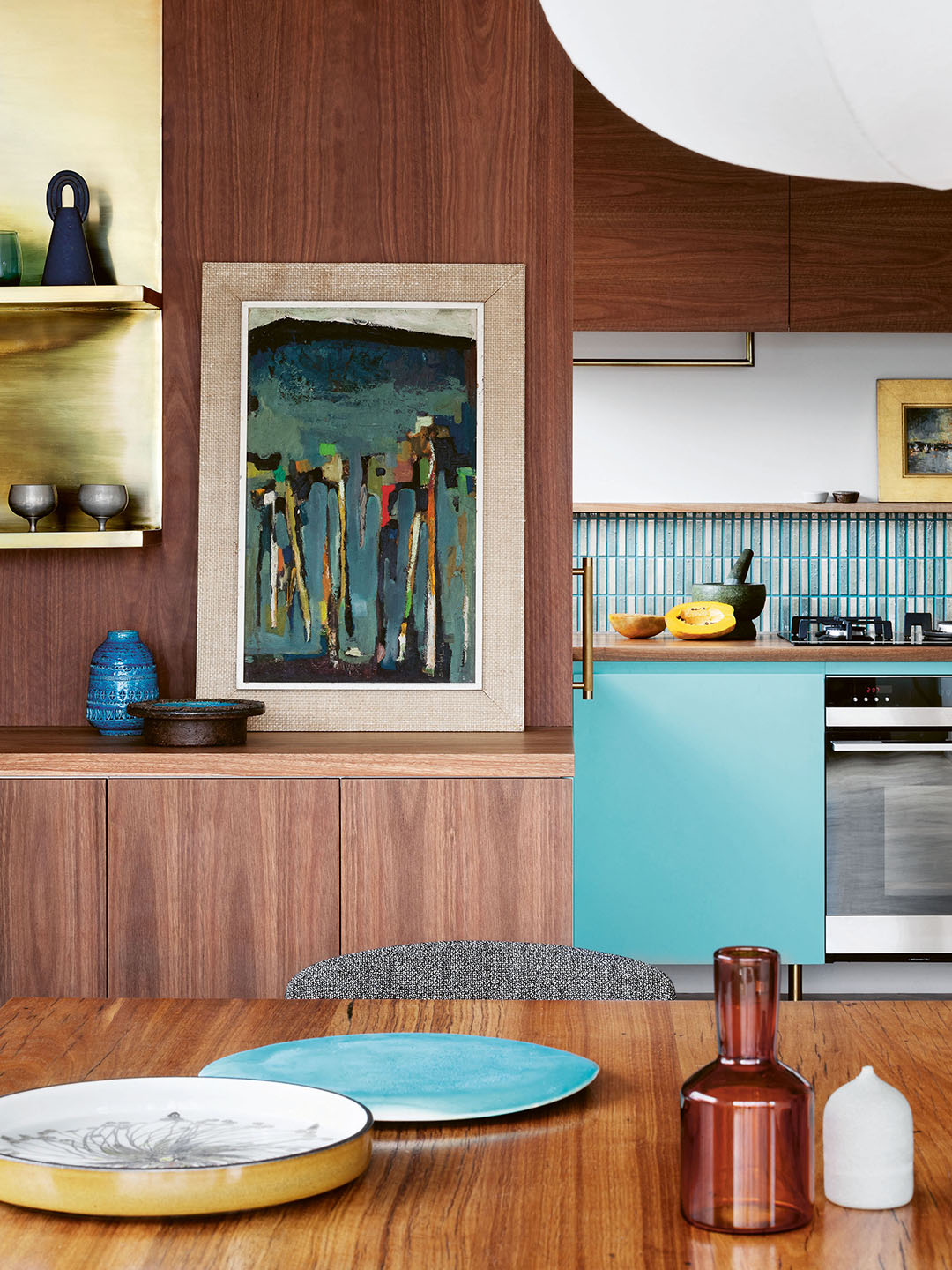
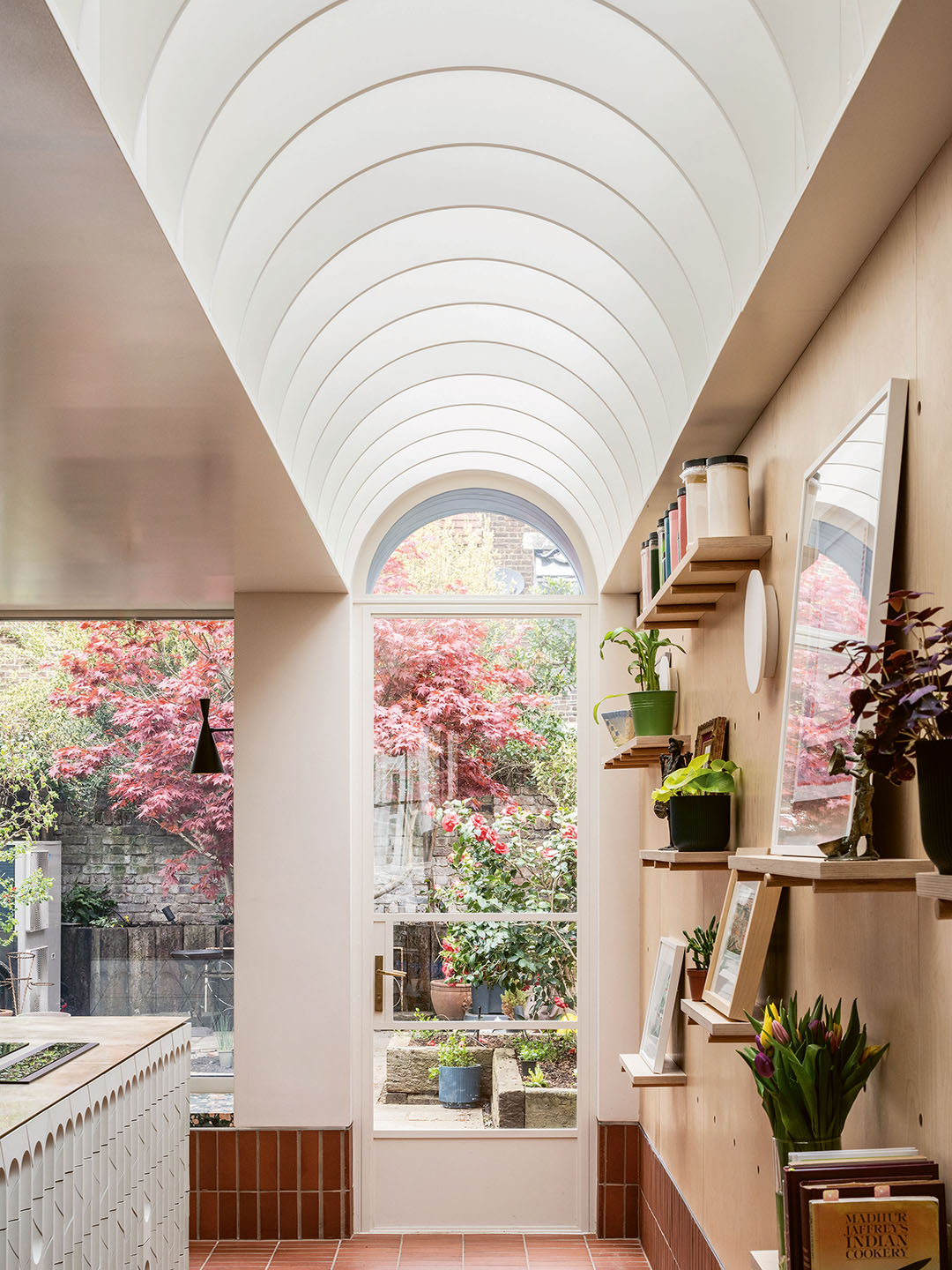
Reducing waste is a core principle of sustainable renovation, encompassing the concepts of reduce, reuse, and recycle. Embracing vintage and secondhand items for fashion and home goods is increasingly common. When renovating, homeowners should evaluate existing elements to determine what can be saved, preserved, and rehabilitated instead of undertaking complete gut renovations. For instance, removing layers of past renovations might reveal original features like exposed brick or millwork that can be restored to add character. Refinishing old hardwood floors or painting them if they are too damaged are sustainable alternatives to replacement. Collaborating with contractors who share a commitment to sustainability is important, and homeowners should advocate for their environmentally conscious preferences. DIY renovators can challenge themselves to source as many repurposed materials as possible before purchasing new ones. For example, a DIY kitchen project utilized reclaimed wooden floorboards, recycled crates for shelves, old pipes for rails, and oak laths for an oven hood. For decor, reassessing existing items, repurposing old furniture, and recovering textiles can minimize new purchases.
Buying local is another effective way to support sustainable practices. Seeking out small businesses and local artisans with transparent sustainability mission statements helps reduce transportation-related emissions and supports local economies. Companies like Alabama Sawyer, which transforms fallen urban trees into furniture and home goods, exemplify this approach. High-end consignment marketplaces, such as The Local Vault, offer pre-owned luxury furnishings, promoting reuse. Additionally, supporting women- and minority-owned businesses through directories like the Small Business Administration’s searchable database can address the disproportionate impact of climate change on socially vulnerable communities.
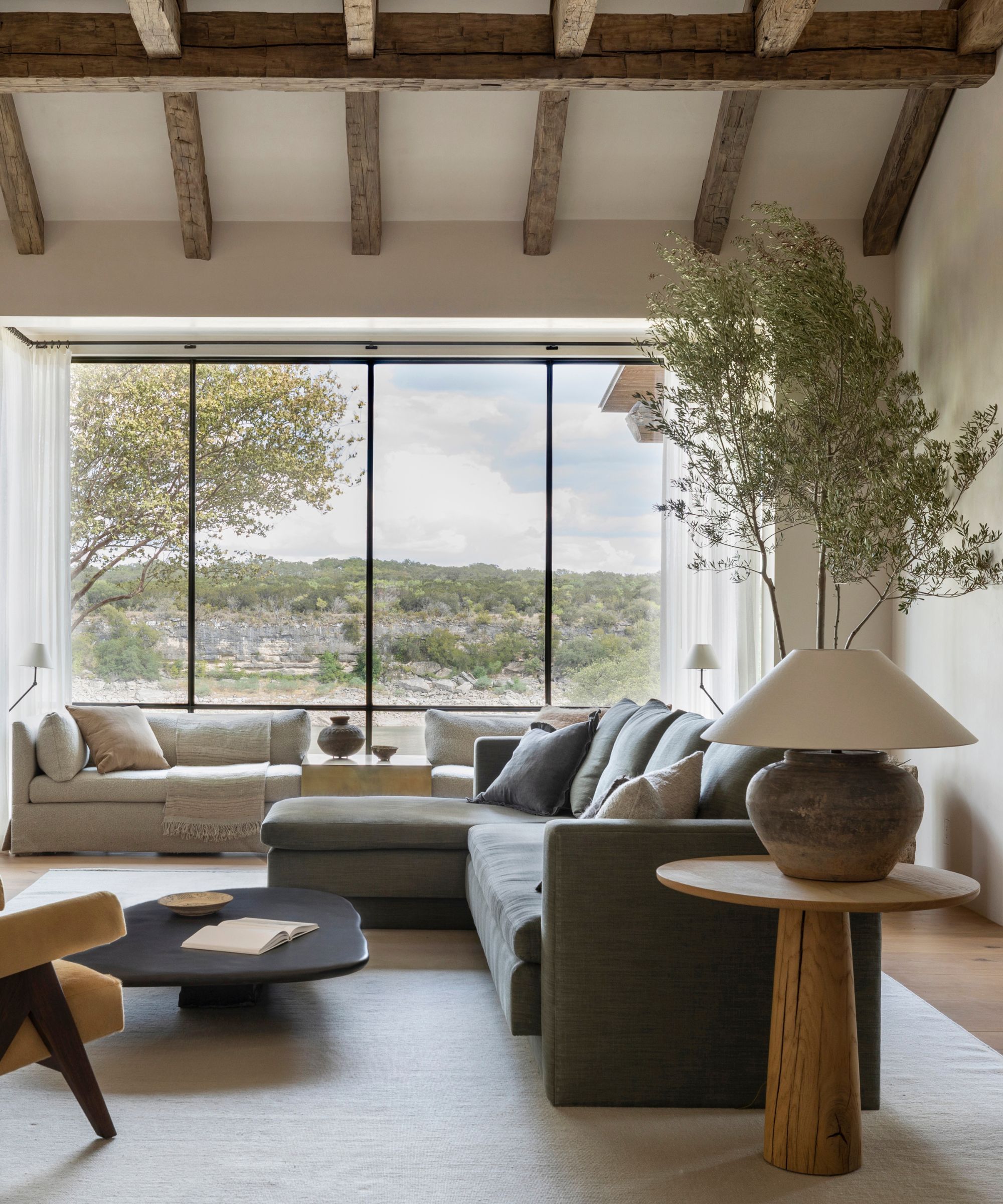
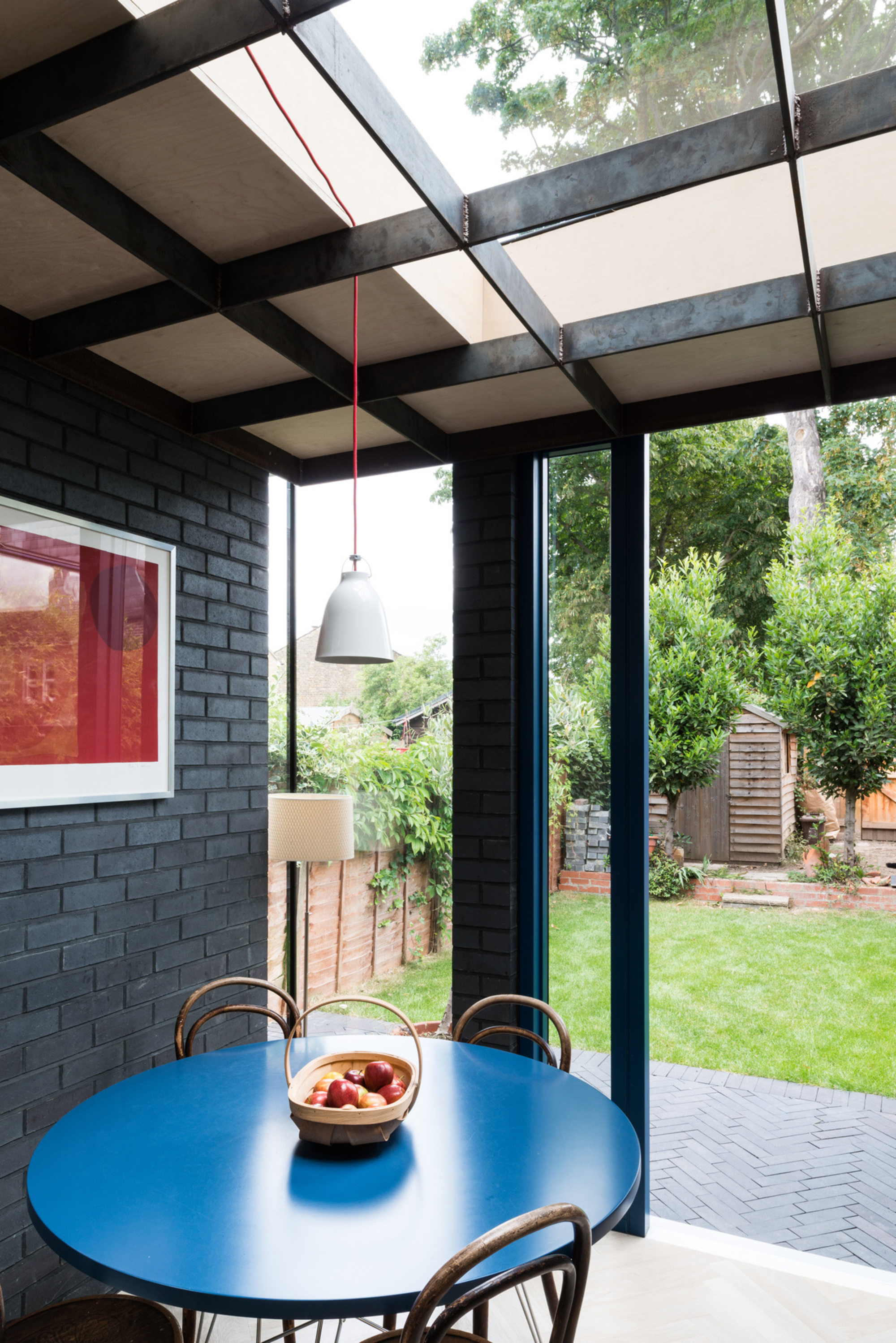
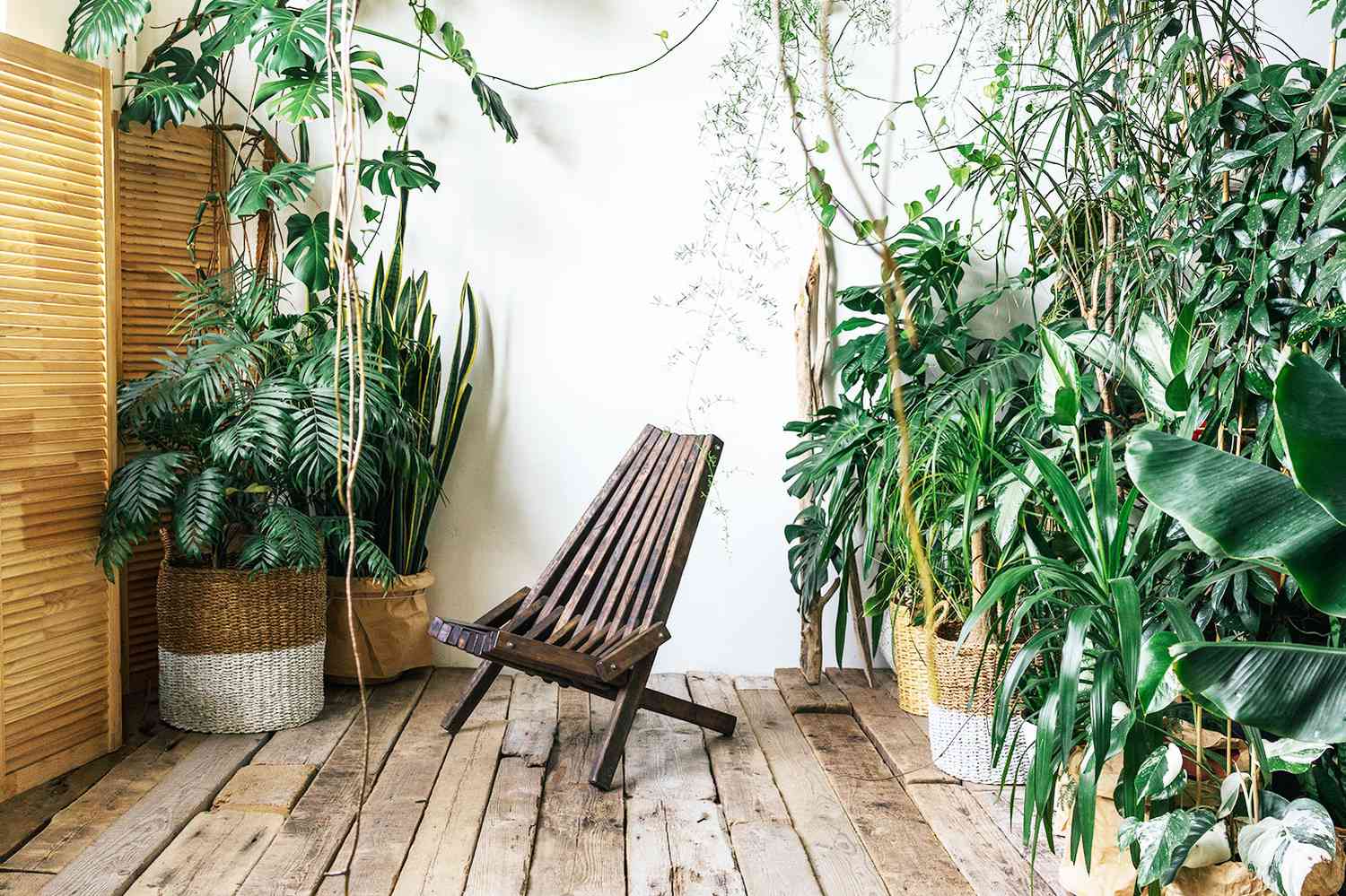
Finally, integrating nature into indoor spaces, known as biophilic design, benefits both individuals and the planet. Incorporating houseplants or living walls and maximizing natural light with strategies like well-placed mirrors can reduce energy consumption. Biophilic design emphasizes connecting people with nature in the built environment, leading to improved health, productivity, and happiness. This can be achieved through simple additions like plants or by making it a guiding principle in new home construction, ensuring residents feel connected to the natural world.
#SustainableRenovation #EcoFriendlyHome #GreenBuilding #LEEDAccreditation #EnergyEfficiency #NaturalMaterials #WasteReduction #BiophilicDesign #LocalSourcing #SustainableRenovation #EcoFriendlyHome #GreenBuilding #LEEDAccreditation #EnergyEfficiency #NaturalMaterials #WasteReduction #BiophilicDesign #LocalSourcing
0 comment in total
 No comments yet
You may also like
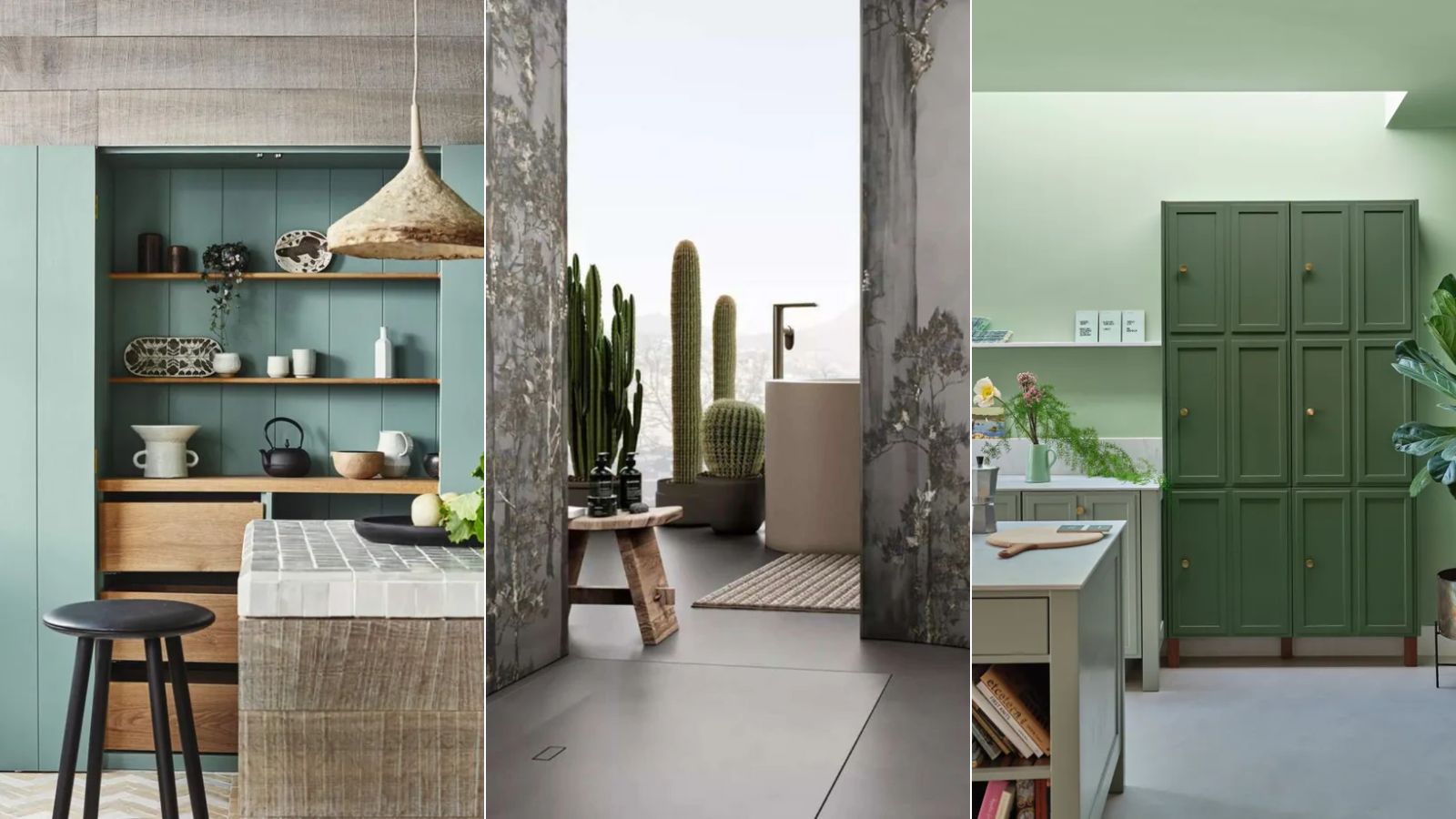
Experts swear by these 6 sustainable home renovation tips
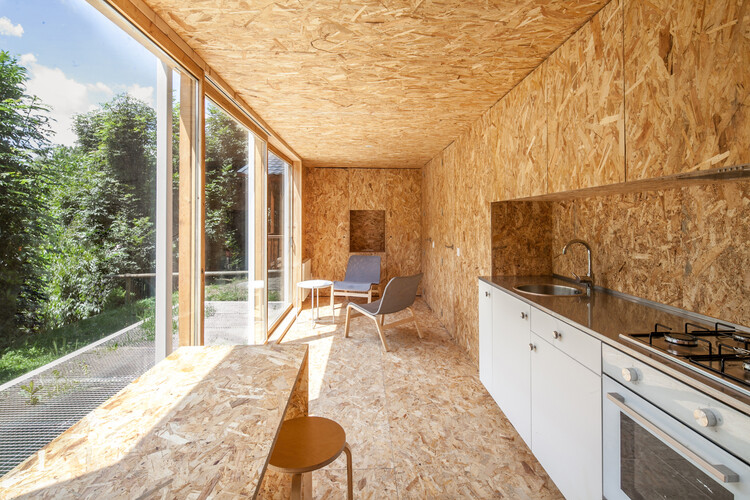
What Can Be Done to Make Interiors More Sustainable?


I Wrote a Book About Sustainable Homes—These 8 Ideas Are Still Inspiring Me

Sustainable Spaces: The Bathroom
Designer Advice for a More Sustainable Kitchen Renovation


10 Ways to Use Recycled Materials in Your Home Reno


7 Design Trends That Will Make Your Home More Sustainable
How to Make Your Home More Sustainable, According to Design Experts

10 Sustainable Homes That Prove Interior Design Can Be Just as Easy on the Eye as It Is on the Earth

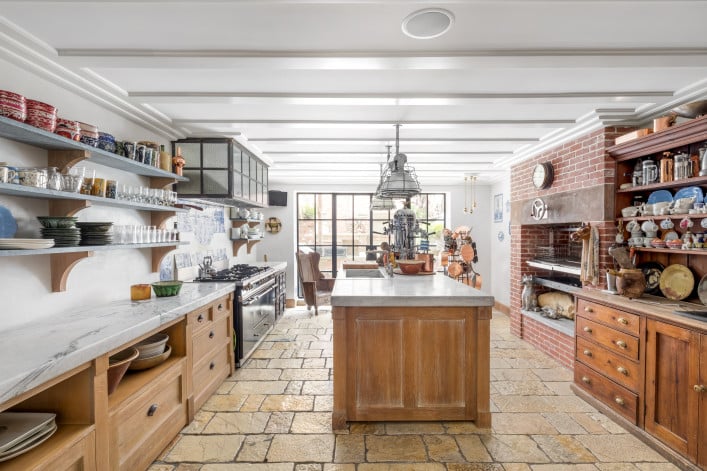
Want to use reclaimed materials and appliances for a renovation? Here's what you should know

Guide to Denver's Home Renovation Scene


How to talk to architects, builders and general contractors about sustainability

This Interior Designer-Approved Tip Can Upgrade Your Space In The Most Sustainable Way
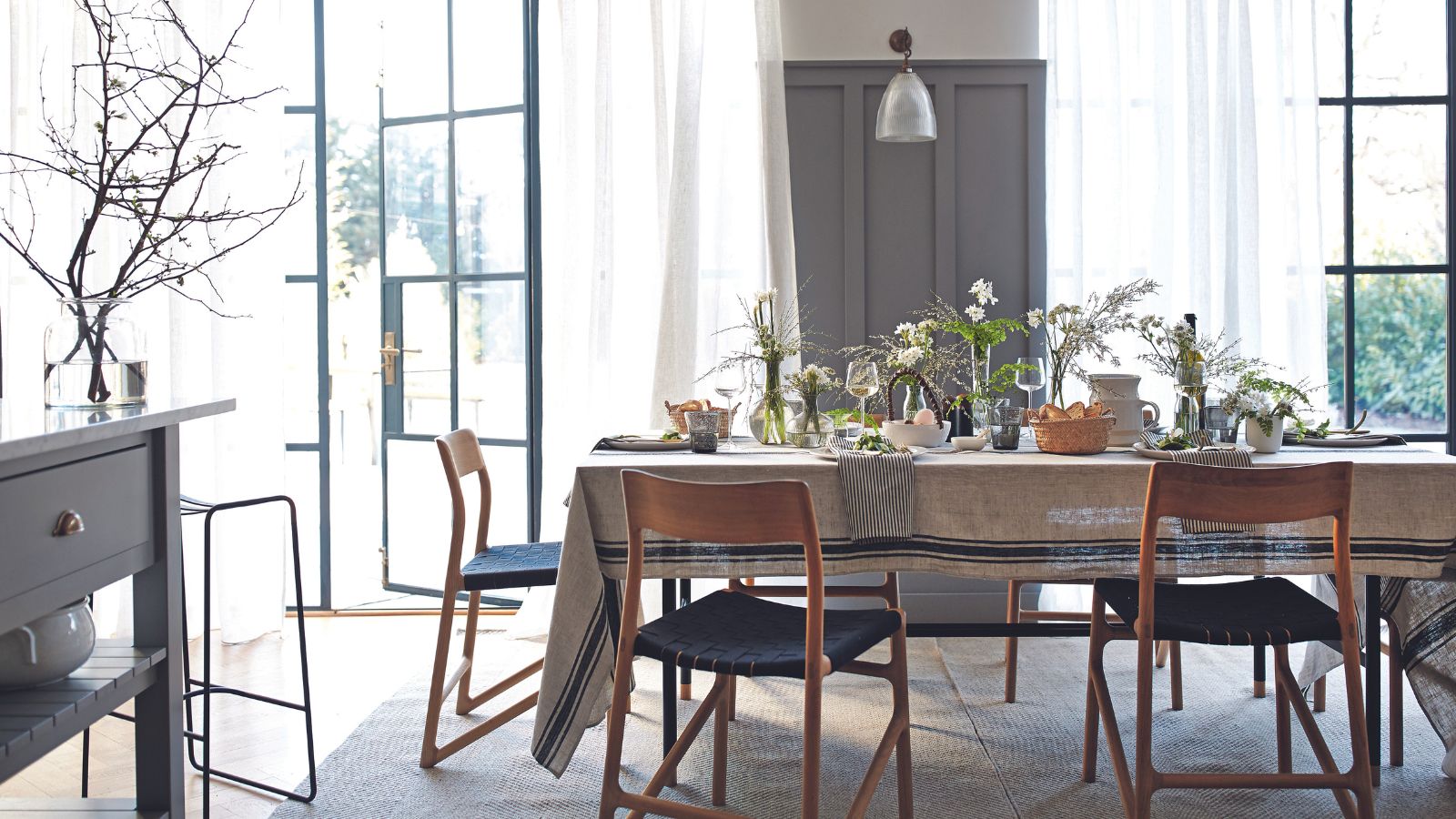
How can you be more sustainable in your interior design? 10 things to always consider

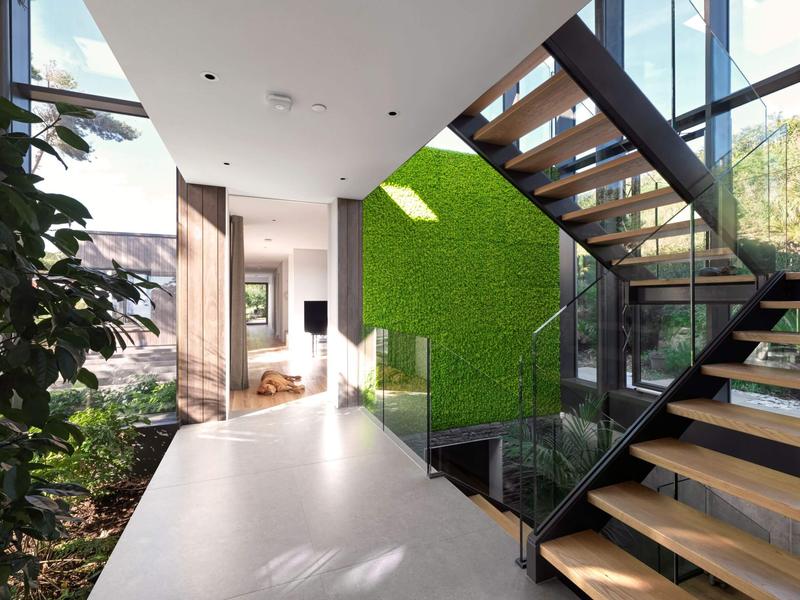
10 ways to make your home more sustainable

How residential design offers opportunities for sustainability
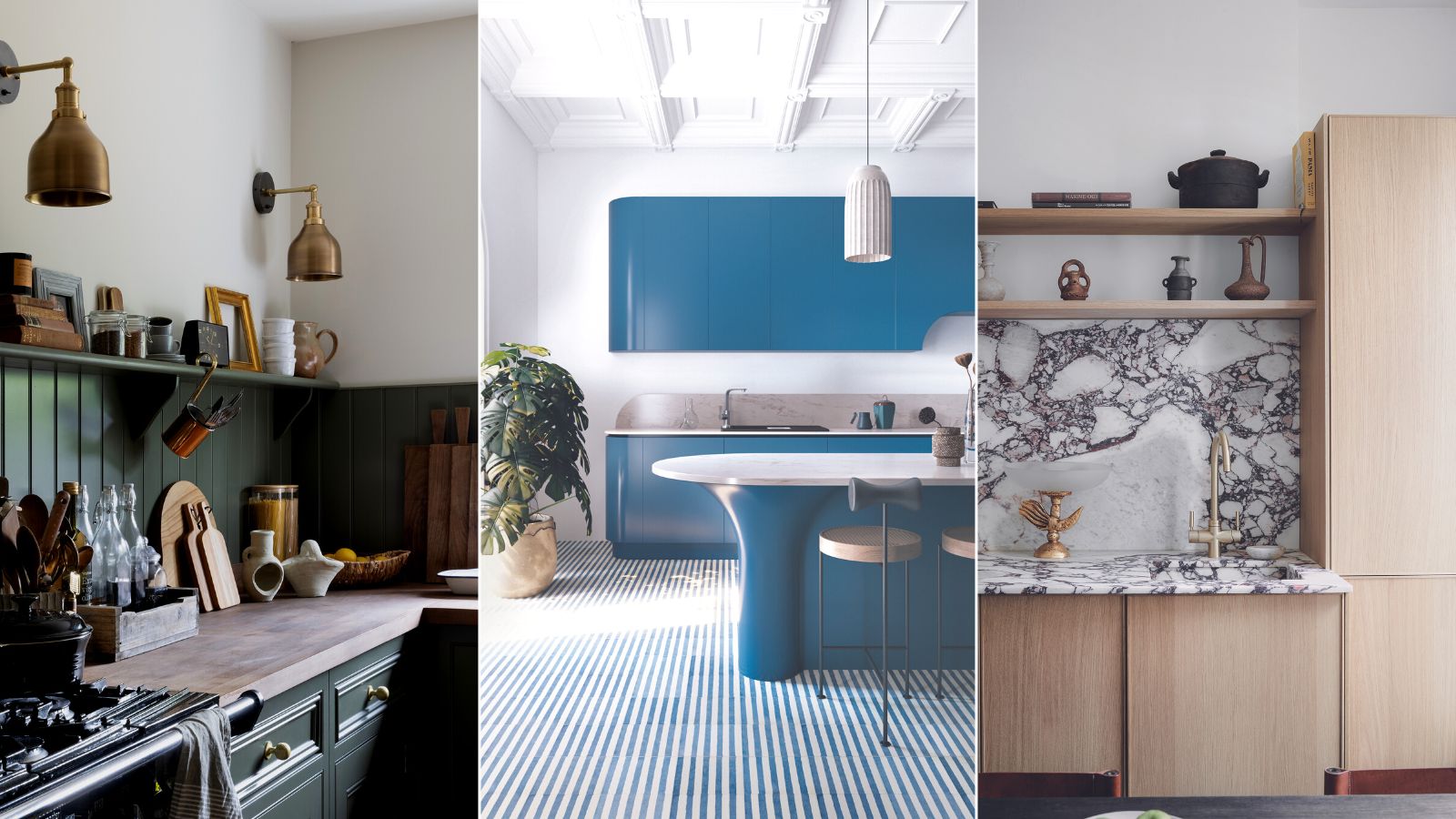
9 sustainable features you should consider for your eco-friendly remodel

Home Rescue's Dee Coleman on the six R's of sustainable interior design

12 Ways To Create a More Sustainable Home


Homeowners Are Revealing The Common Purchases They Either Totally Regret Or Completely Stand By