1/30
Why You Hate Contemporary Architecture
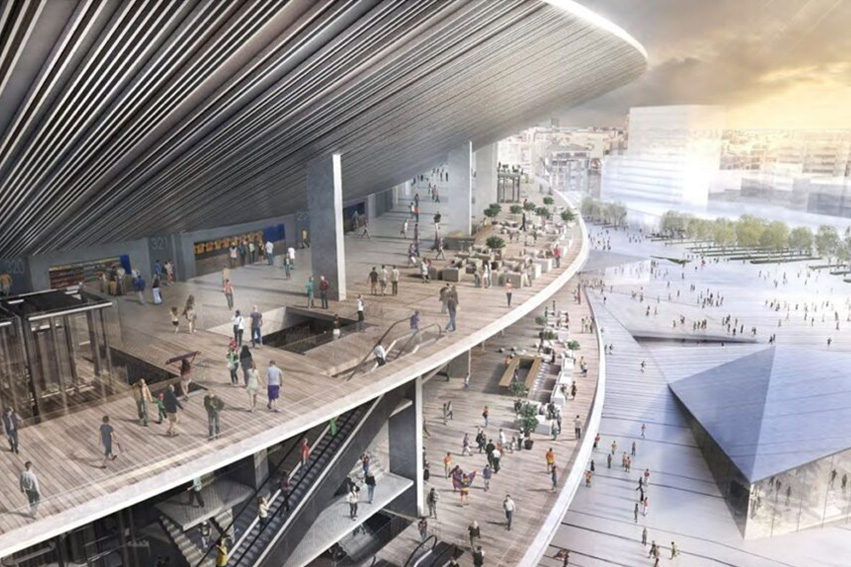
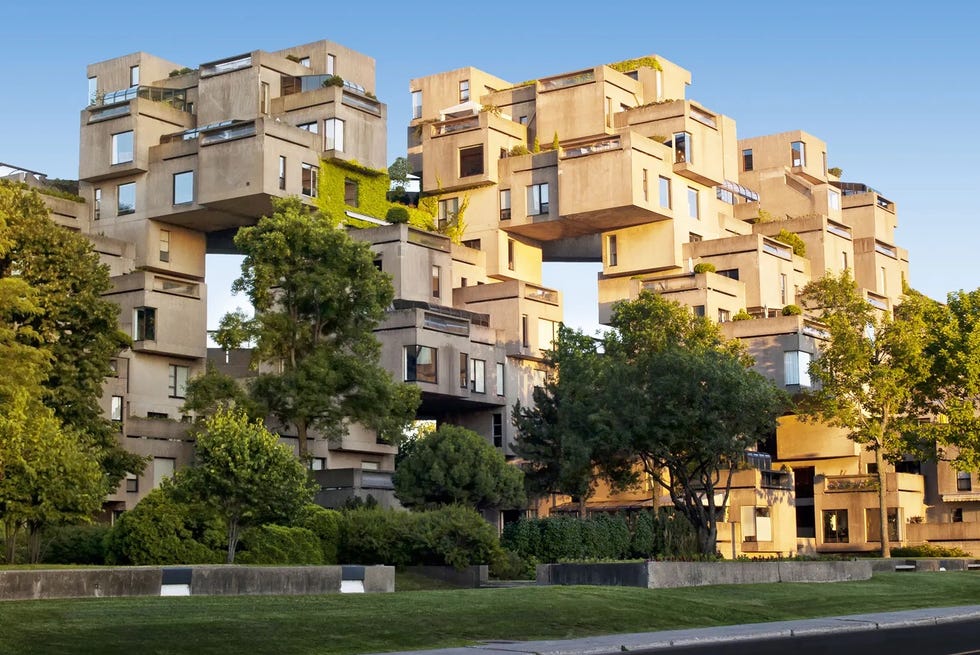
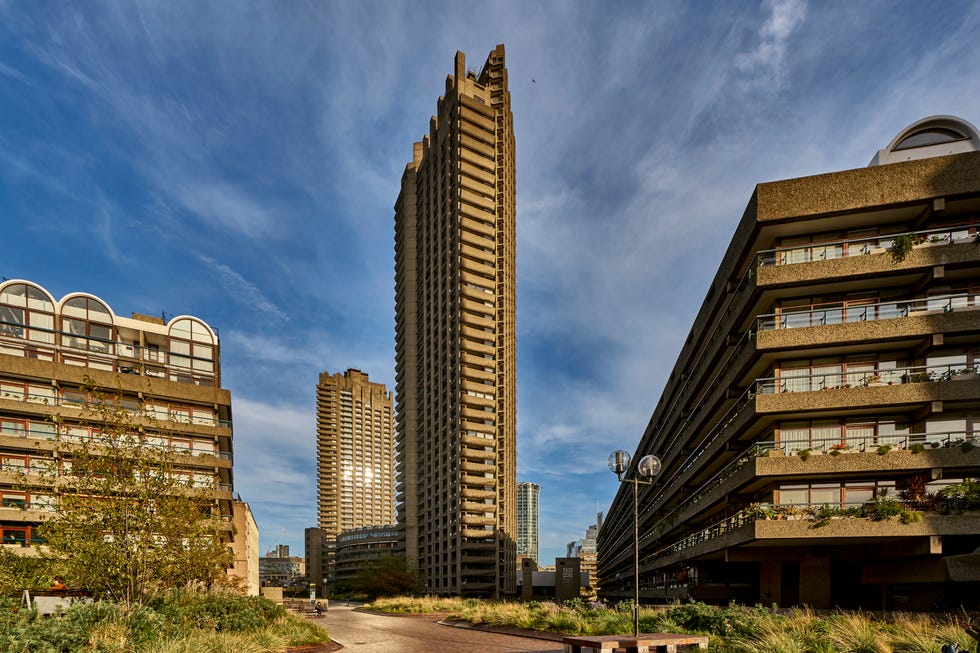
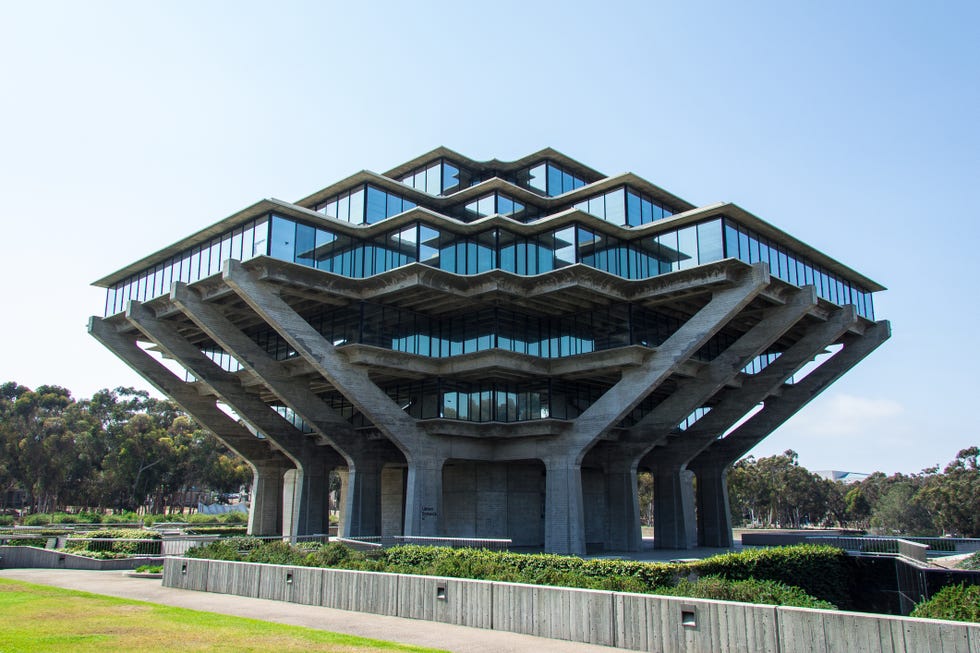
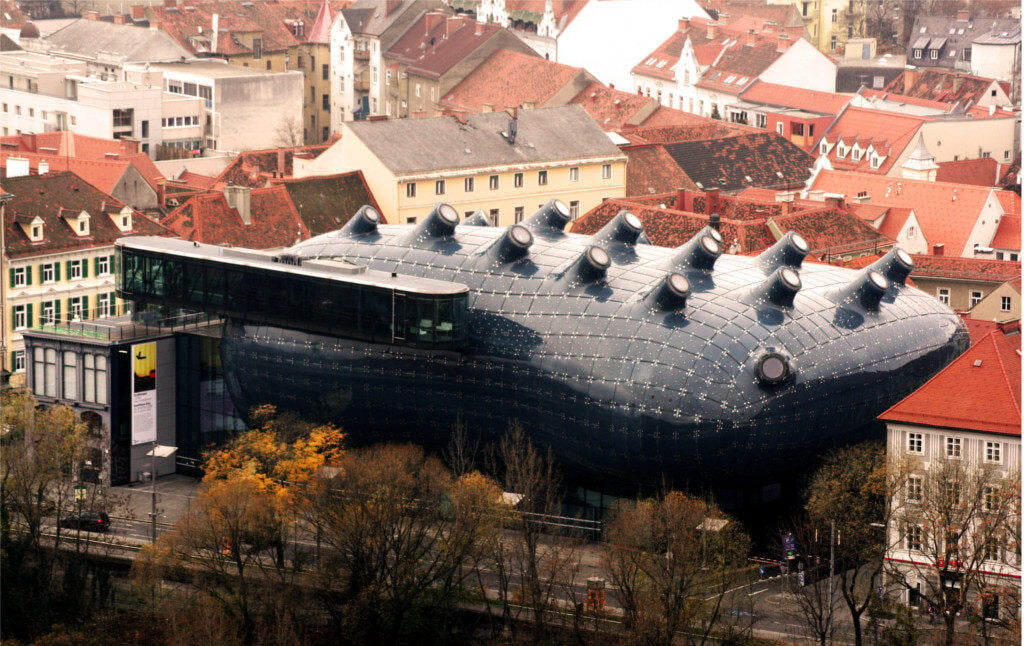
This article delves into the widespread disdain for contemporary architecture, exploring why many people find modern buildings ugly and unsettling, contrasting them with the universally appreciated architecture of the past. The authors argue that this aversion is not merely a matter of subjective taste but a response to fundamental flaws in modern architectural philosophy and practice. They begin by citing examples of widely disliked contemporary structures, such as the Tour Montparnasse in Paris and Boston's City Hall, to illustrate how these buildings often clash with their surroundings and evoke feelings of alienation rather than comfort.
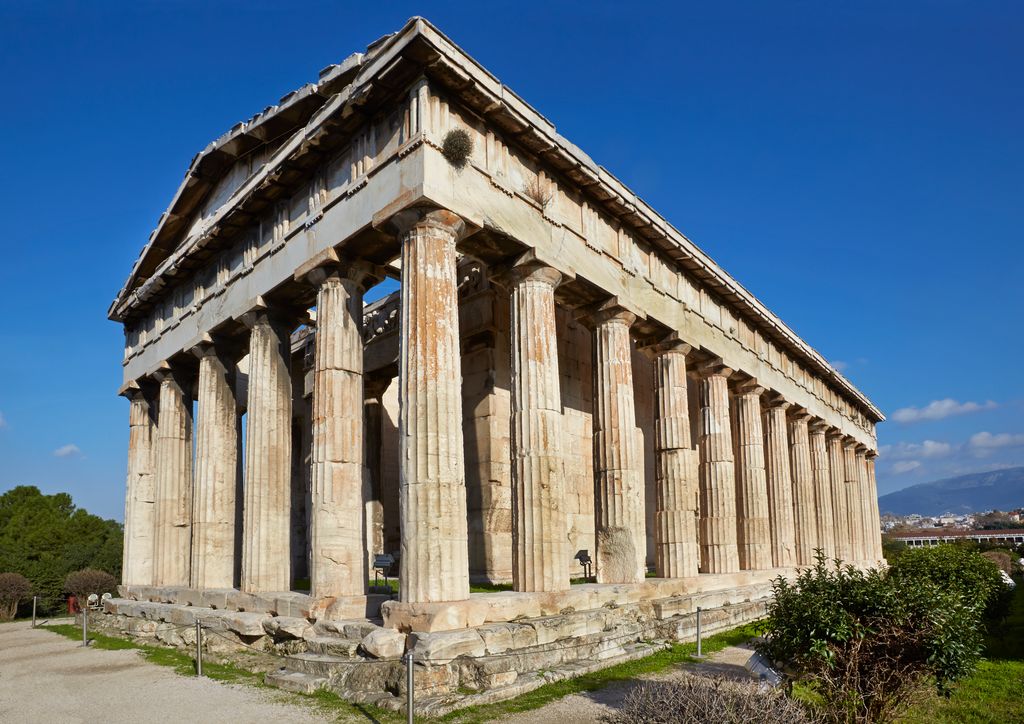
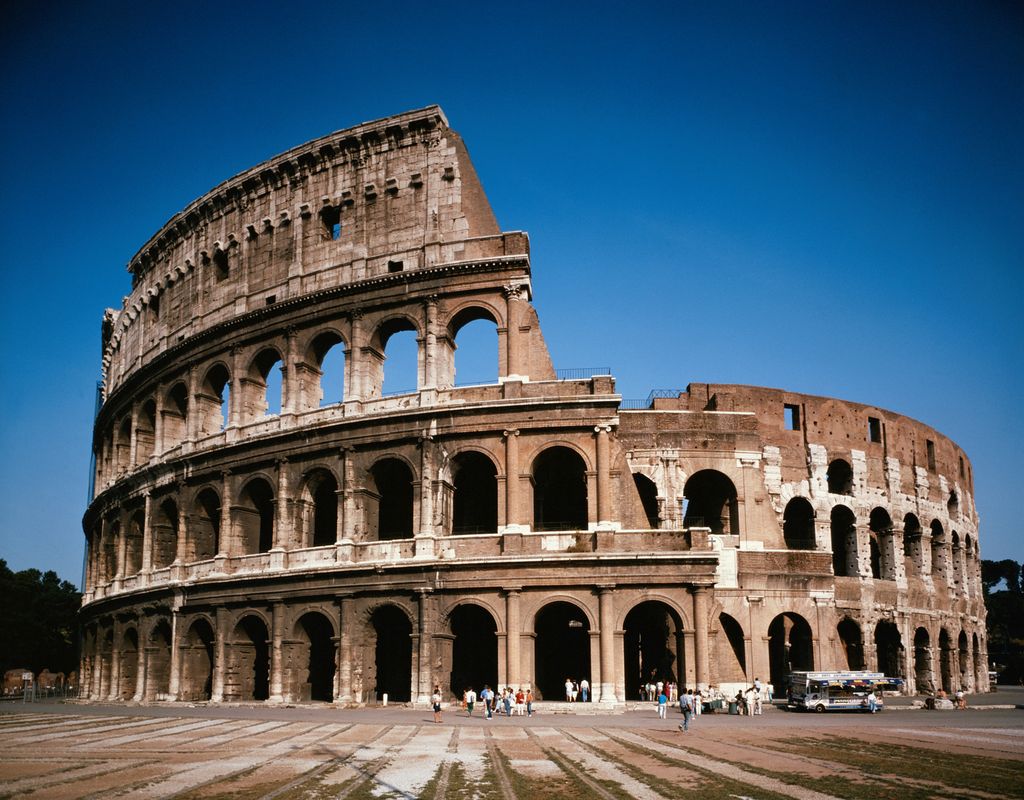
The article critiques the common defenses offered by architects for these designs, such as claims of engineering prowess or an "honest" portrayal of a harsh world. It challenges the notion that the public's preference for older buildings is due to a lack of expert judgment, asserting that for public spaces, imposing an architect's eccentric vision is oppressive. The authors highlight a puzzling political alignment where conservative commentators advocate for more humane public housing while some on the left defend unpopular high-rise designs, seemingly forgetting the socialist tradition of creating beautiful, uplifting environments. They lament the historical shift from an era where nearly all human-made structures were beautiful to the post-World War II period, where architectural beauty became an exception rather than the norm.
Several key stylistic changes are identified as contributing to this decline. The maxim "form follows function," initially misconstrued, led to the abandonment of ornament, which was further reinforced by Adolf Loos's essay "Ornament and Crime." Le Corbusier's influential pronouncements against decoration and his vision of houses as "machines for living" are presented as emblematic of this trend. The article argues that this rejection of ornament, coupled with a philosophical shift towards expressing a "brutal" and "ugly" reality in art, resulted in buildings that deliberately eschew beauty for a perceived "honesty."
The authors recount a heated 1982 debate between architects Peter Eisenman and Christopher Alexander, where Eisenman defended "prickly and strange" buildings that intentionally create "disharmony," while Alexander advocated for warmth, comfort, and traditional design. Eisenman's subsequent fame, despite his anti-humanist approach, is contrasted with Alexander's relative obscurity, highlighting the prevailing tendencies in the architectural world. Contemporary architecture, the article contends, exhibits a rigid aesthetic uniformity, shunning classical elements like domes, arches, and symmetry, and adhering to taboos that ensure modern buildings are unmistakably distinct from anything built centuries ago.
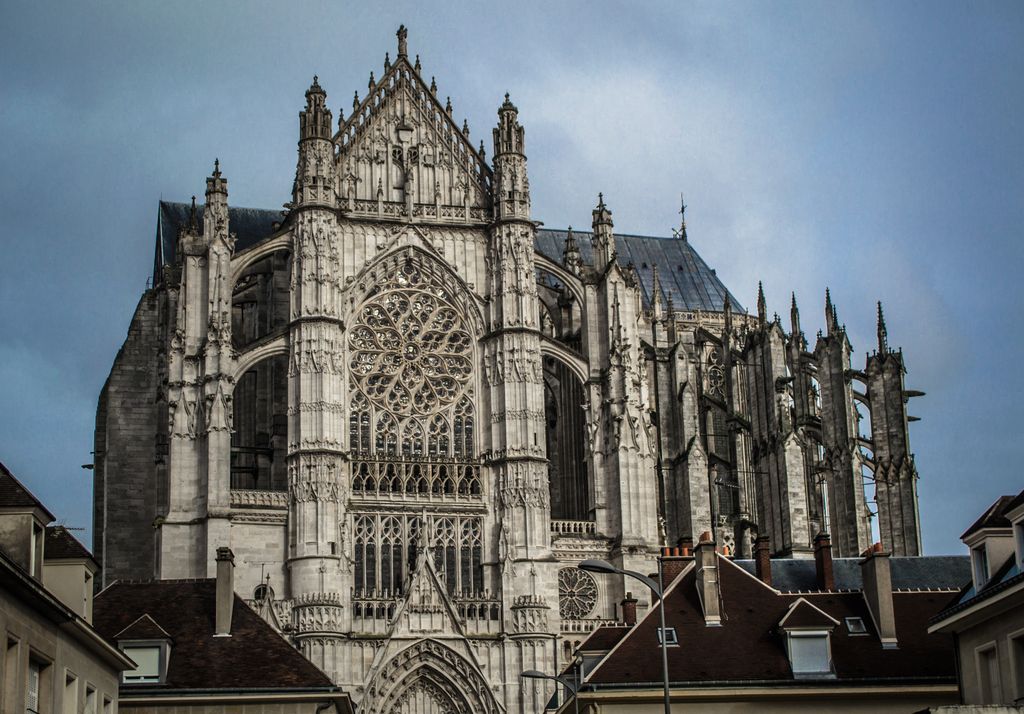
The article also touches upon the economic motivations behind this minimalist trend, noting that capitalism's focus on efficiency aligns with the abandonment of costly decorative elements. It further criticizes the anti-democratic stance of many architects, who believe their role is to dictate taste rather than cater to public preference, drawing parallels to Ayn Rand's fictional architect Howard Roark. While acknowledging that public taste isn't always sophisticated, the authors argue that architecture, unlike other arts, is inescapable, making democratic values crucial. They advocate for an architecture that is both democratic and sophisticated, drawing inspiration from historical examples like Gothic cathedrals and Persian mosques.
To rectify the current state of architecture, the article proposes several principles: overcoming the fear of beauty, which is often dismissed as subjective; re-embracing ornament not as indulgence but as essential micro-level aesthetic experience; respecting tradition without resorting to mindless pastiche, aiming instead to recreate the "feeling" of old buildings; reintroducing symmetry and avoiding "weird-looking" designs; and prioritizing the comfort and feelings of inhabitants over abstract architectural ideas or self-aggrandizing "iconic" forms. The article concludes by emphasizing the need for aesthetic coherence, integrating nature into designs, and ultimately abolishing skyscrapers to foster a world where every building is beautiful, much like ancient cities, suggesting that this is achievable by recovering old habits and breaking free from limiting economic and intellectual frameworks.
#ContemporaryArchitecture #ArchitecturalCriticism #ModernDesign #UrbanPlanning #AestheticCoherence #ArchitecturalHistory #Ornamentation #PublicOpinion #LeCorbusier #PeterEisenman #ContemporaryArchitecture #ArchitecturalCriticism #ModernDesign #UrbanPlanning #AestheticCoherence #ArchitecturalHistory #Ornamentation #PublicOpinion #LeCorbusier #PeterEisenman
0 comment in total
 No comments yet
You may also like
"It's Literally Infuriating": 15 Modern Home Design Trends Gen Z'ers Are Truly Sick And Tired Of

How Architectural Theory Distances People from Design

Older Adults Are Sharing The Design Trends They Despise For Very Specific Reasons
The Architect as Writer: Expanding the Discipline Beyond Buildings
"It's A Huge Fire Hazard": People Are Calling Out The Modern Home Design Trends They Secretly Hate, And It's Jarring
Designers Notoriously Hate This Feature—Here’s Why I (Respectfully) Disagree

Contemporary Architecture is More Common Than You Think — Here's How to Spot It
"Frankly, It's Tacky": People Are Revealing Common Home And Kitchen Design Trends They Can't Stand

"I Grit My Teeth When I See It": People In Their 60s, 70s, And 80s Are Sharing The Modern Home Trends They Simply Cannot Stand
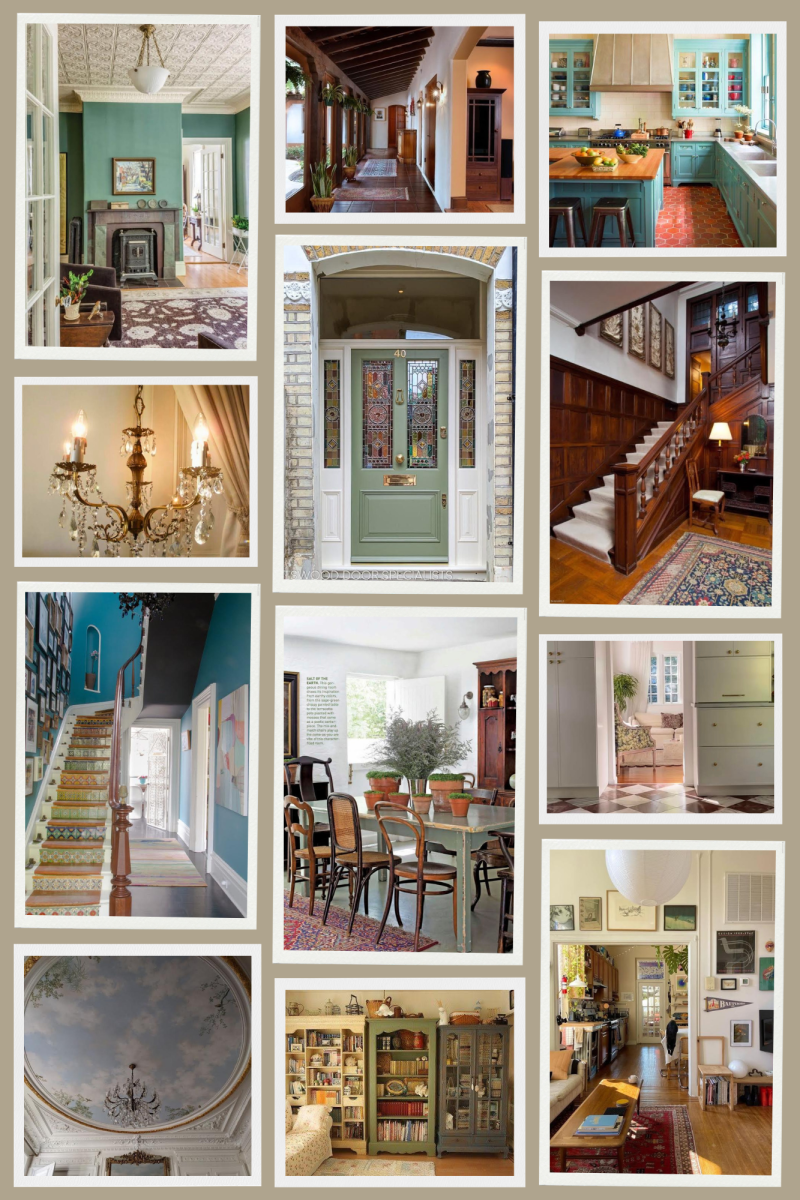
The death of detail and the takeover of modern architecture
30 of the worst modern home trends that WILL go out of fashion | loveproperty.com


A Concrete Home Inspired by Historic Brutalist Structures Rises in Western Australia


Gen Z'ers Are Sharing The Home Design Trends They Absolutely Despise

Architectural design to meet the needs of our time
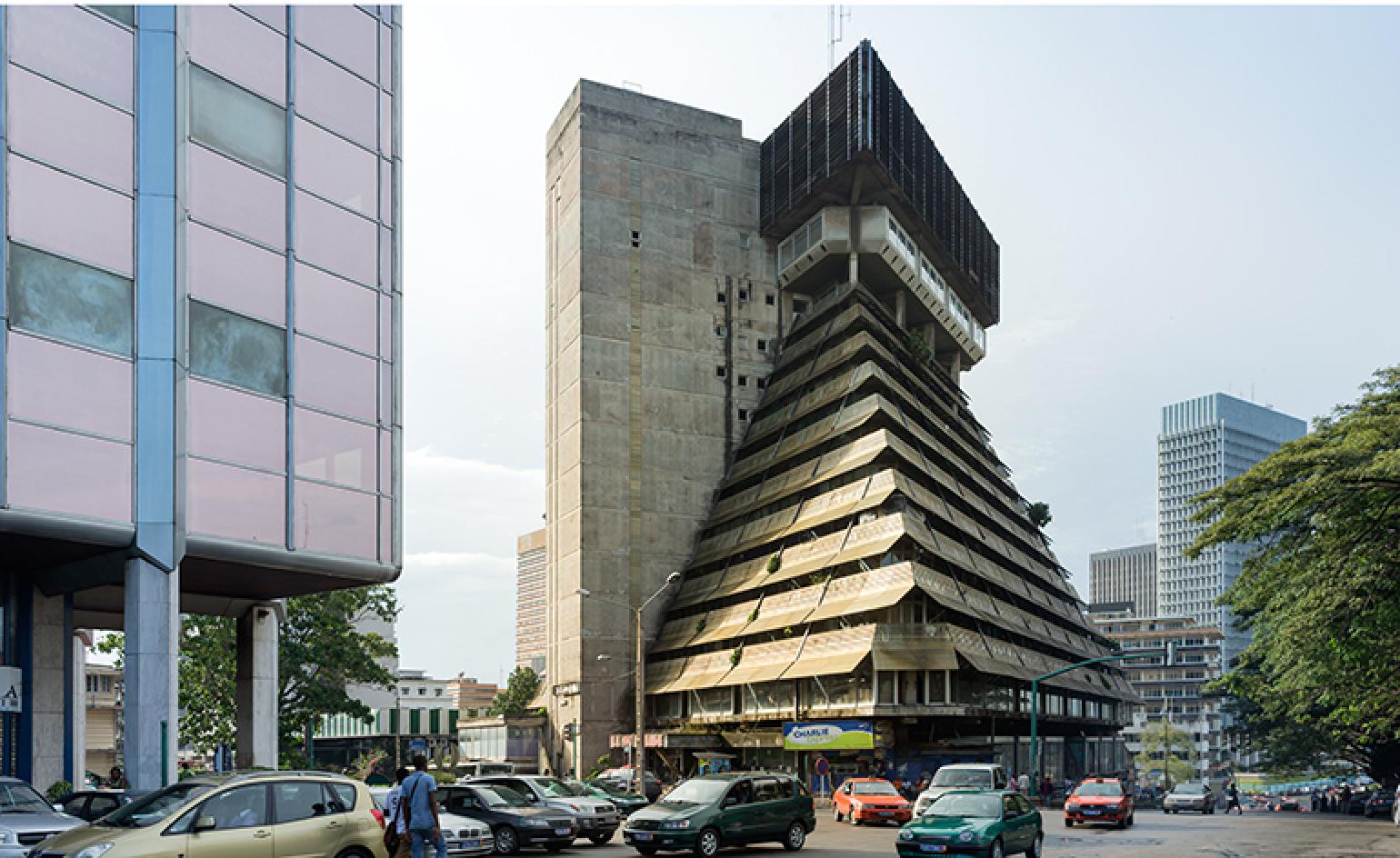
An ultimate guide to the power of African brutalism

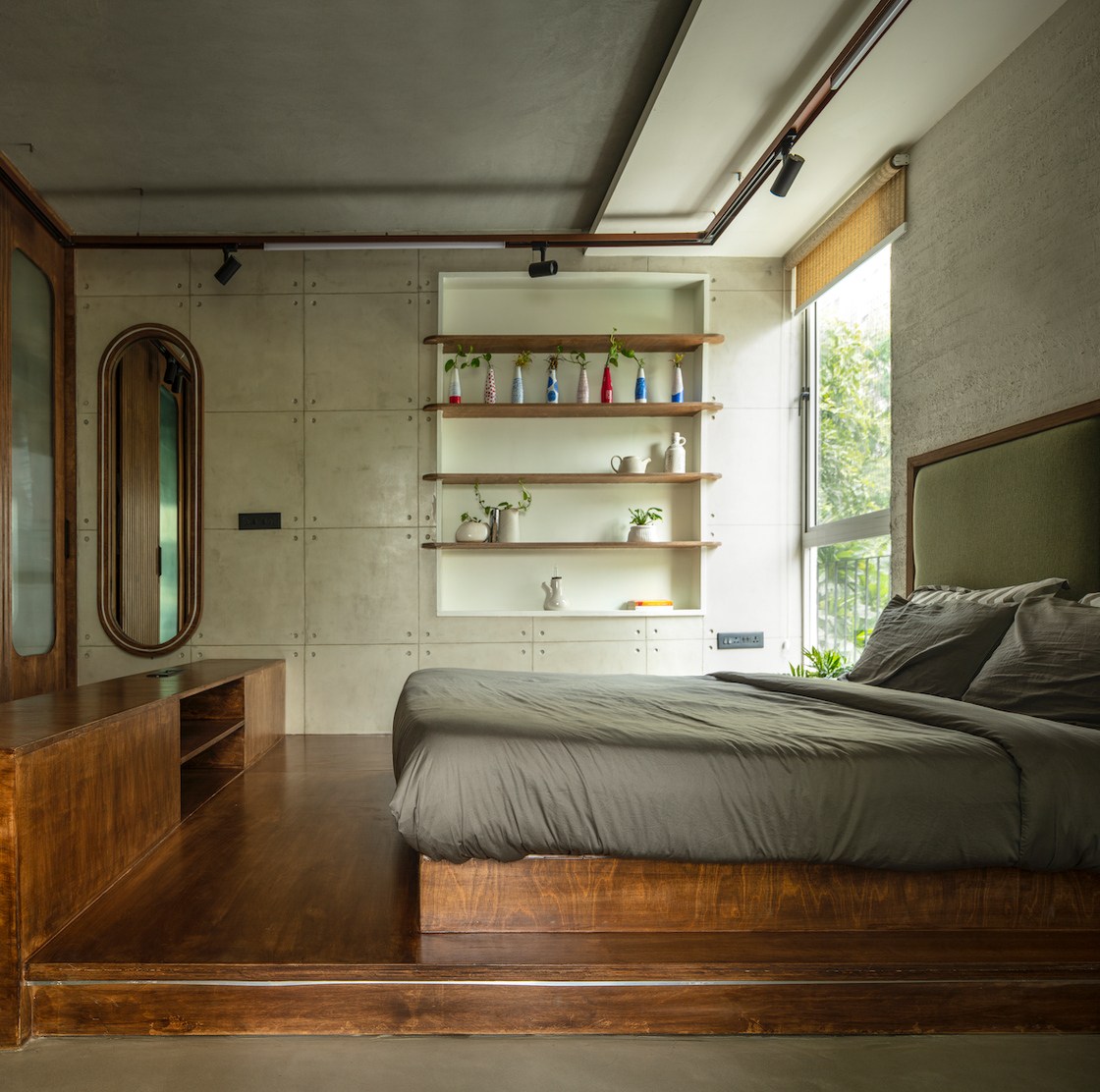
The Essential Guide to Brutalist Design
"Frankly, It's Tacky": People Are Revealing Common Interior Design Trends They Can't Stand
17 Essential Architectural Styles Everyone Should Know

"I love mid-century modern but it makes me sad"
Whatever Happened to “The Architects’ Architect”?