6 Ways to Modernize Your Home While Keeping Its Character, According to Designers
Older homes are often cherished for their distinctive charm and inherent character, featuring elements such as exposed brick, original woodwork, intricate crown molding, and custom stonework. However, the practicalities of modern living necessitate updates to various areas, particularly electrical, plumbing, and HVAC systems. The challenge lies in modernizing an older home without sacrificing its historical essence. This article, part of the "Old House New Issue," provides insights from interior designer Kanika B. Khurana on how to achieve a balance between contemporary functionality and preserved character.
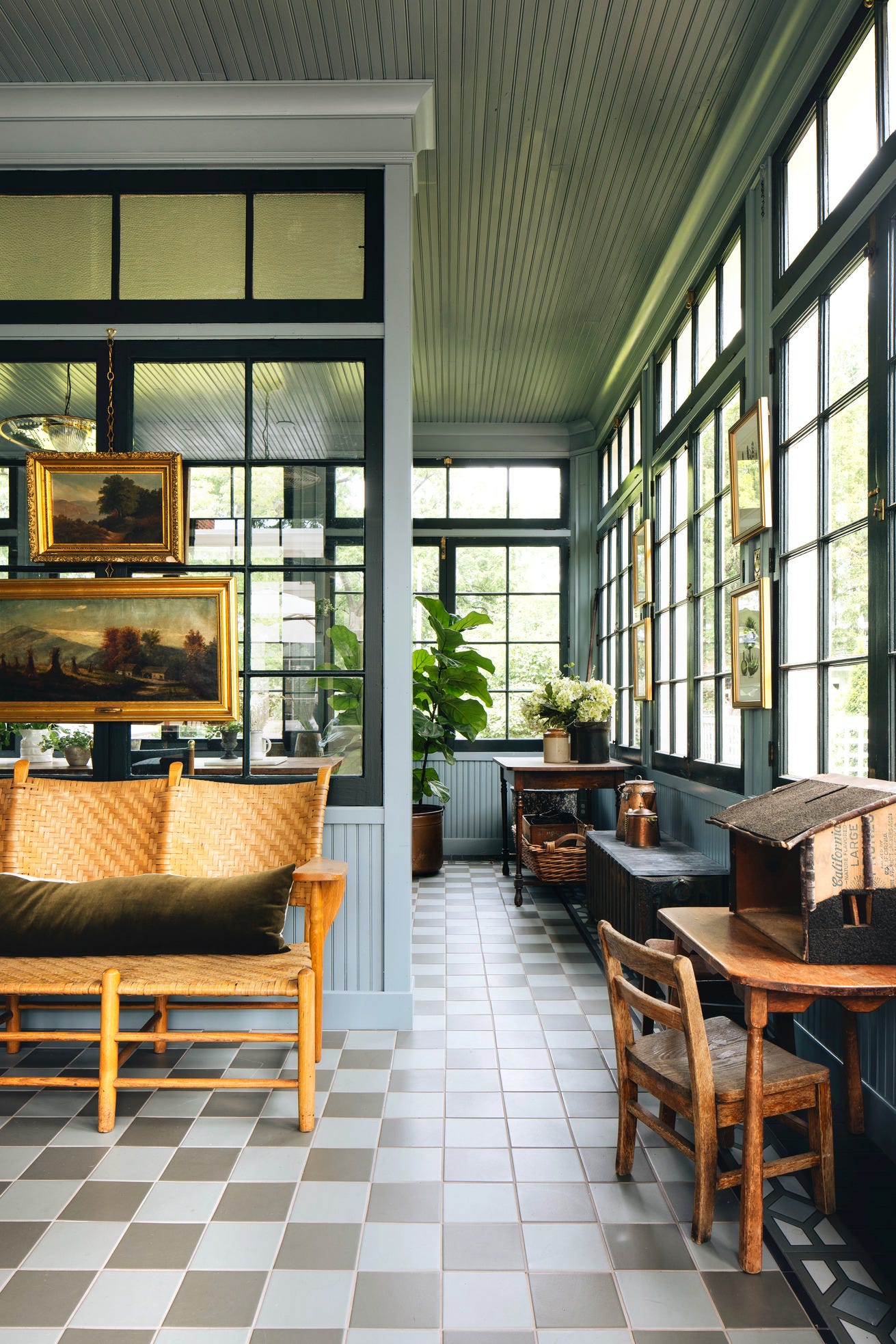
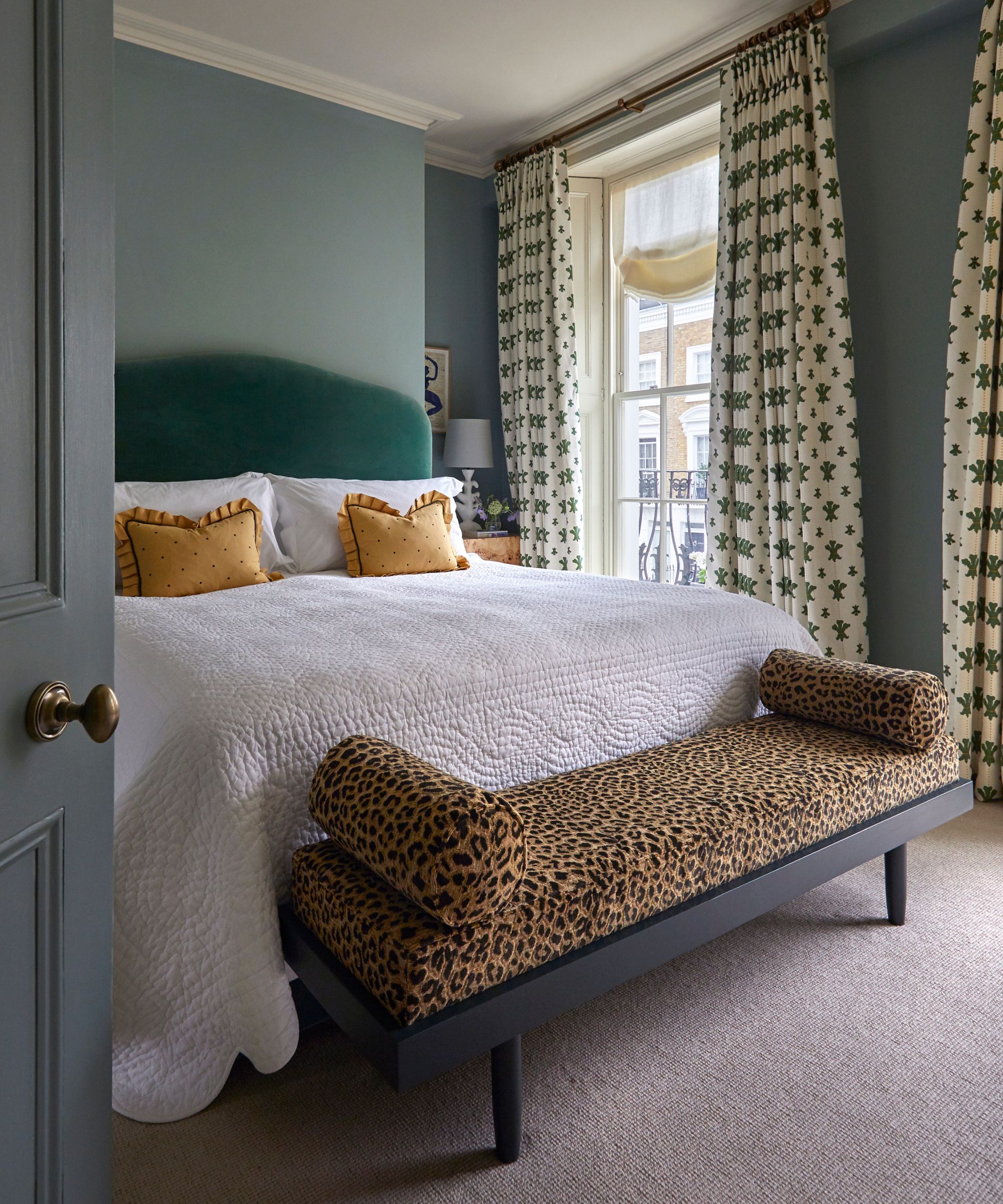
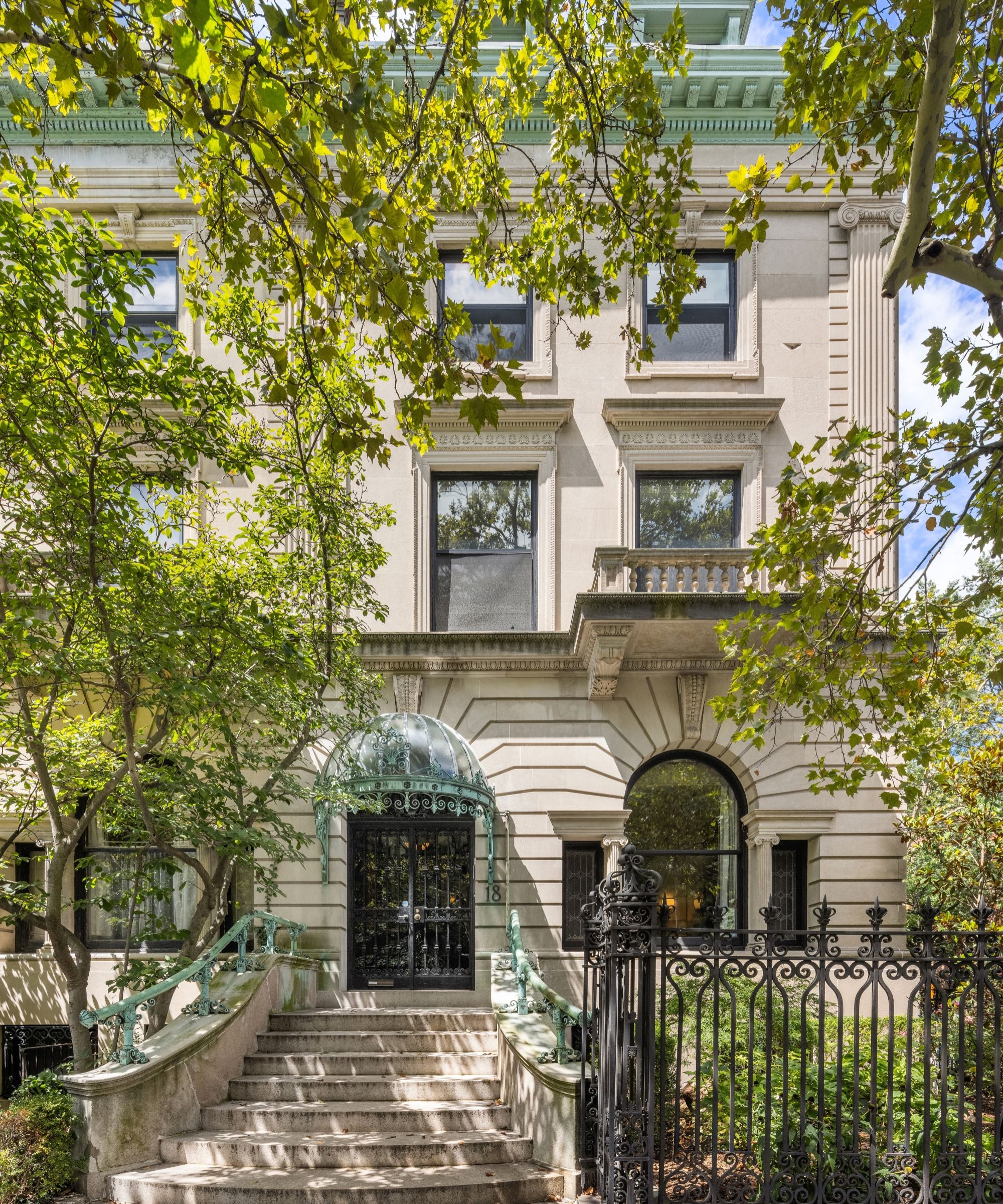
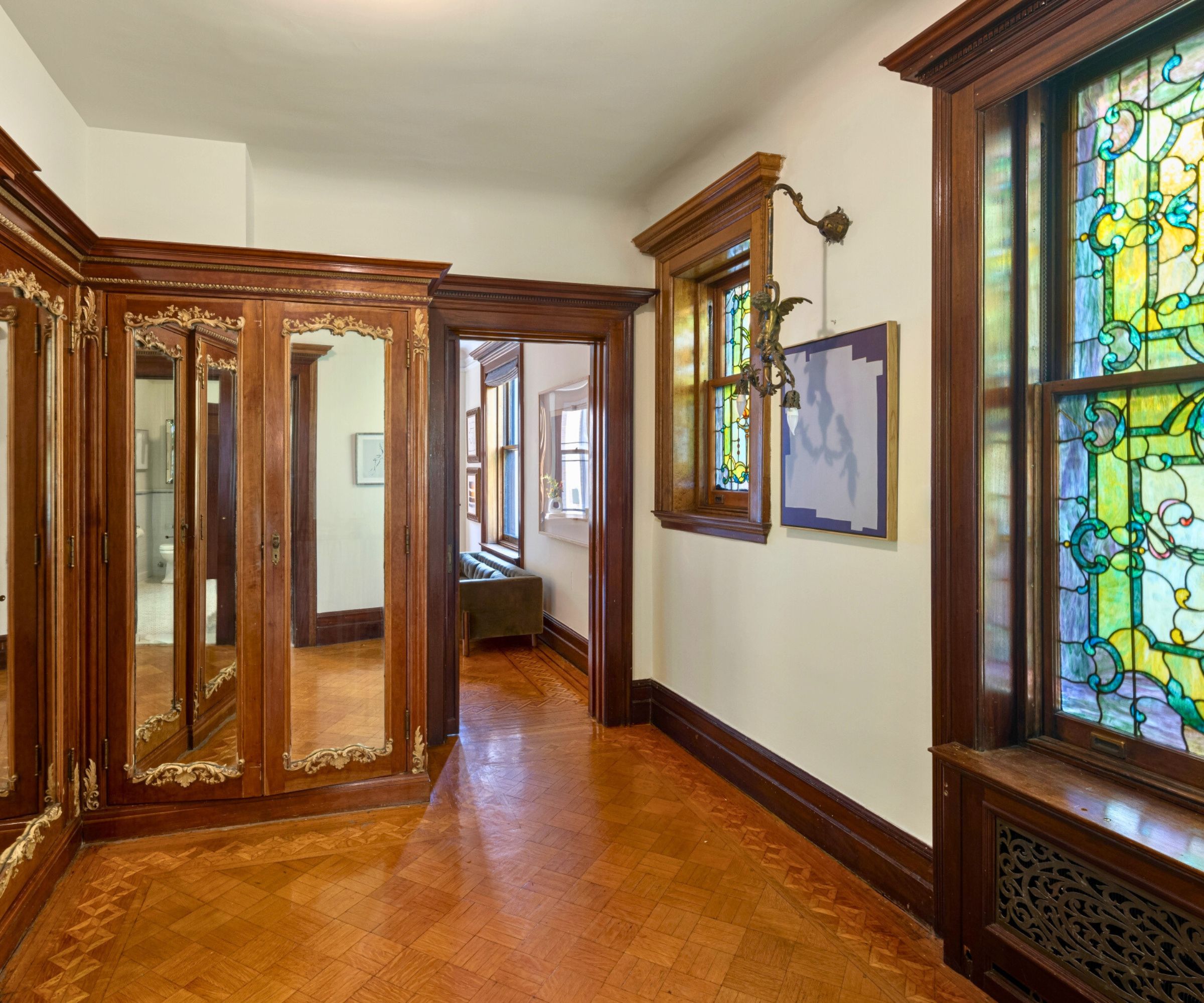
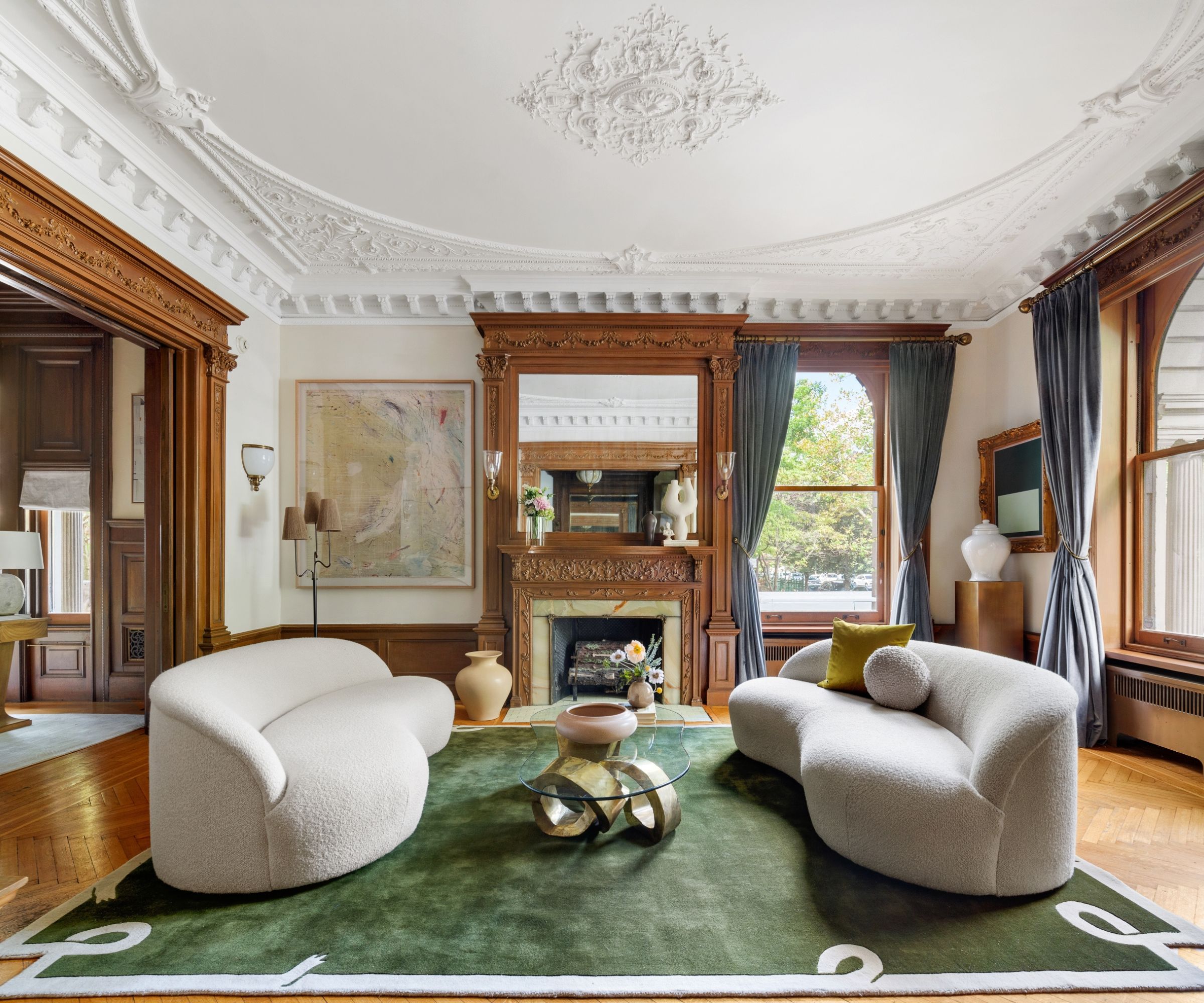
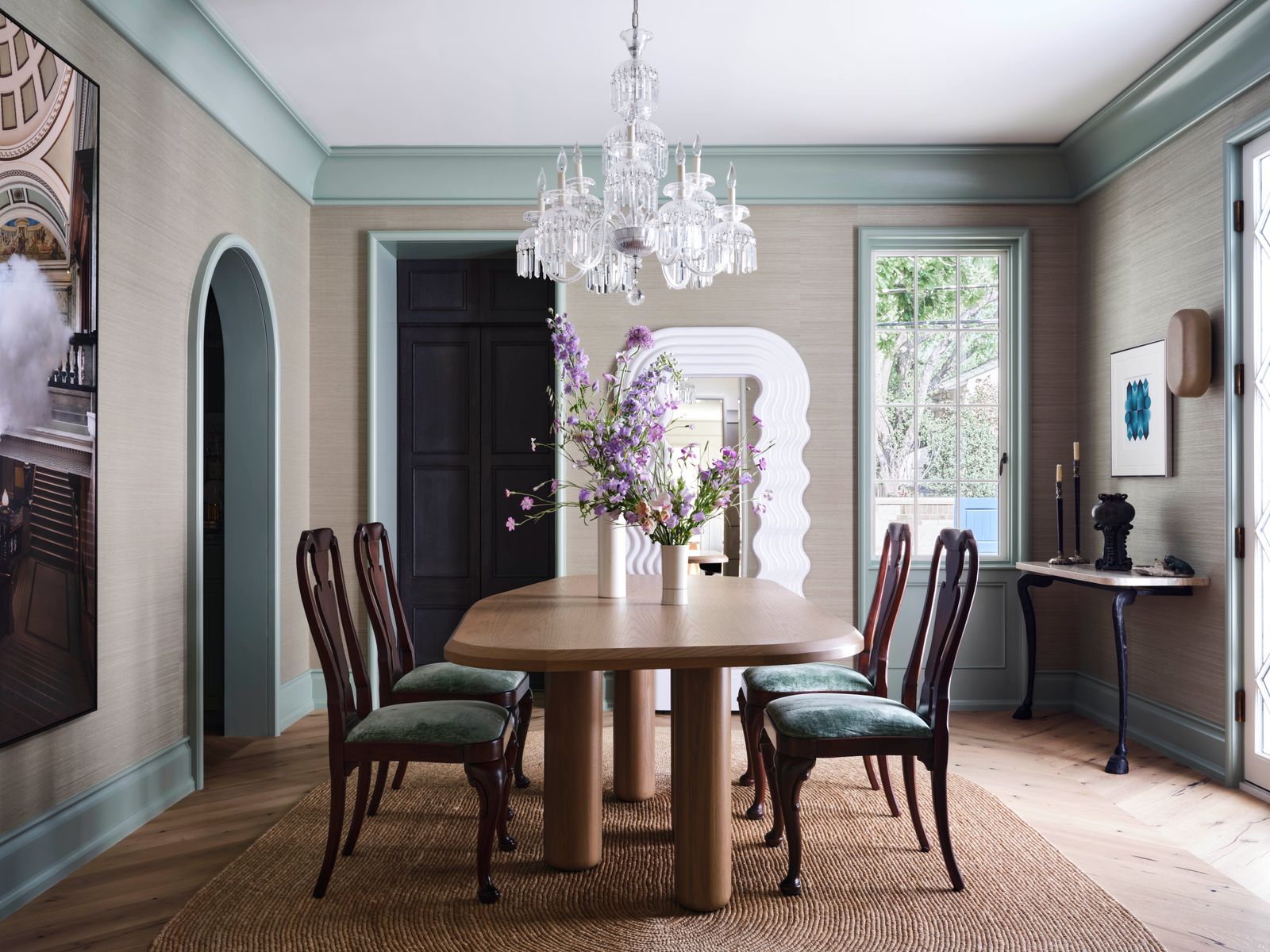
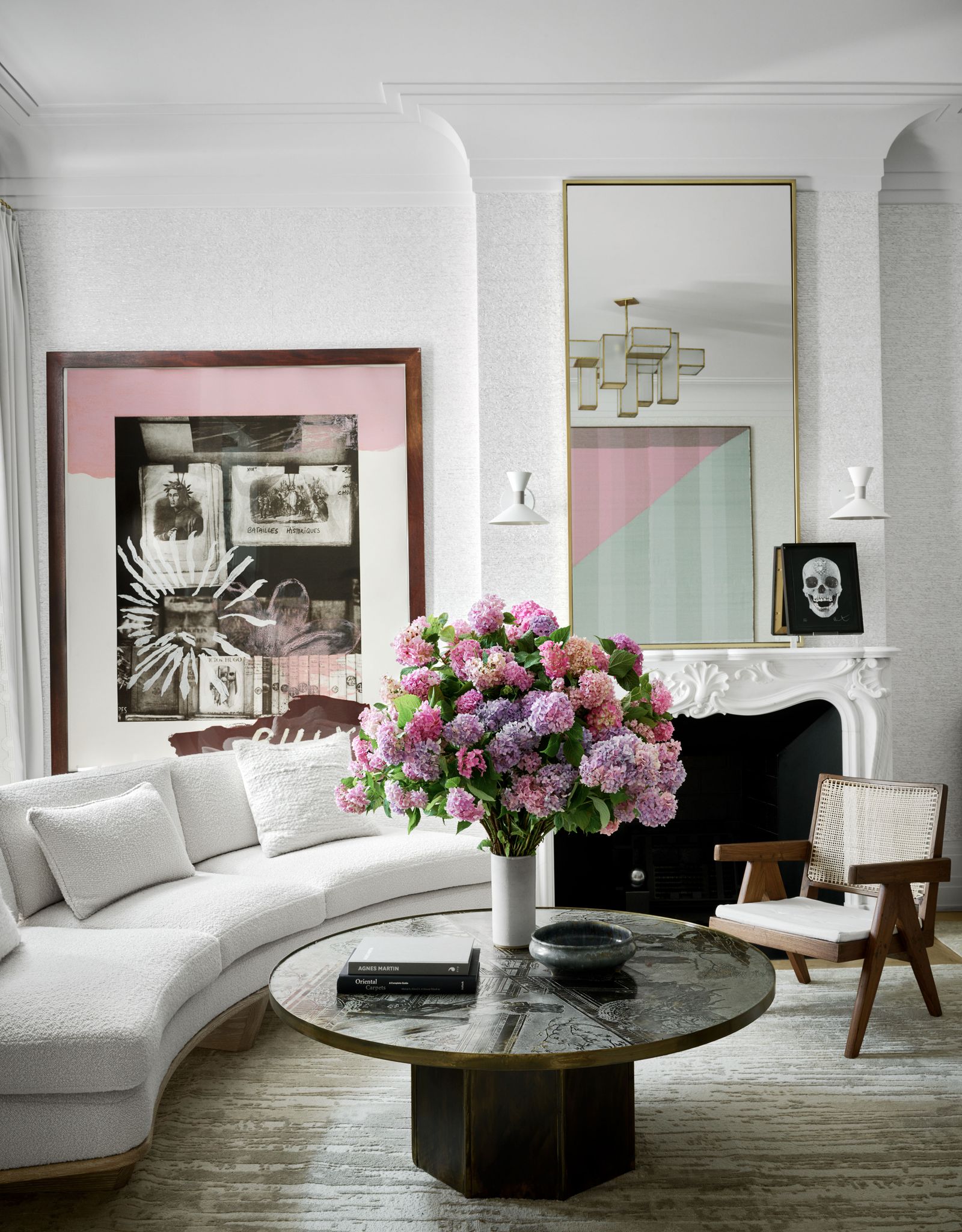
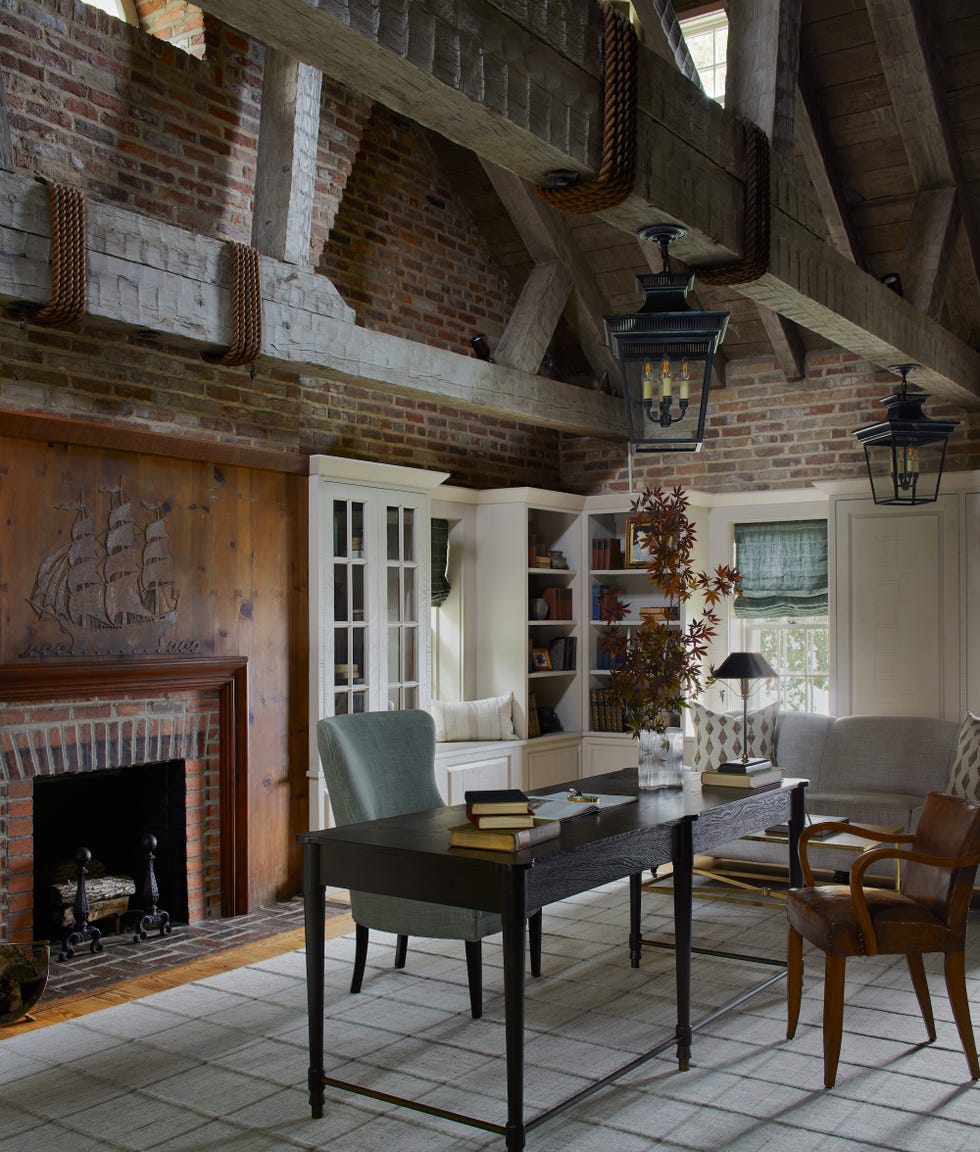
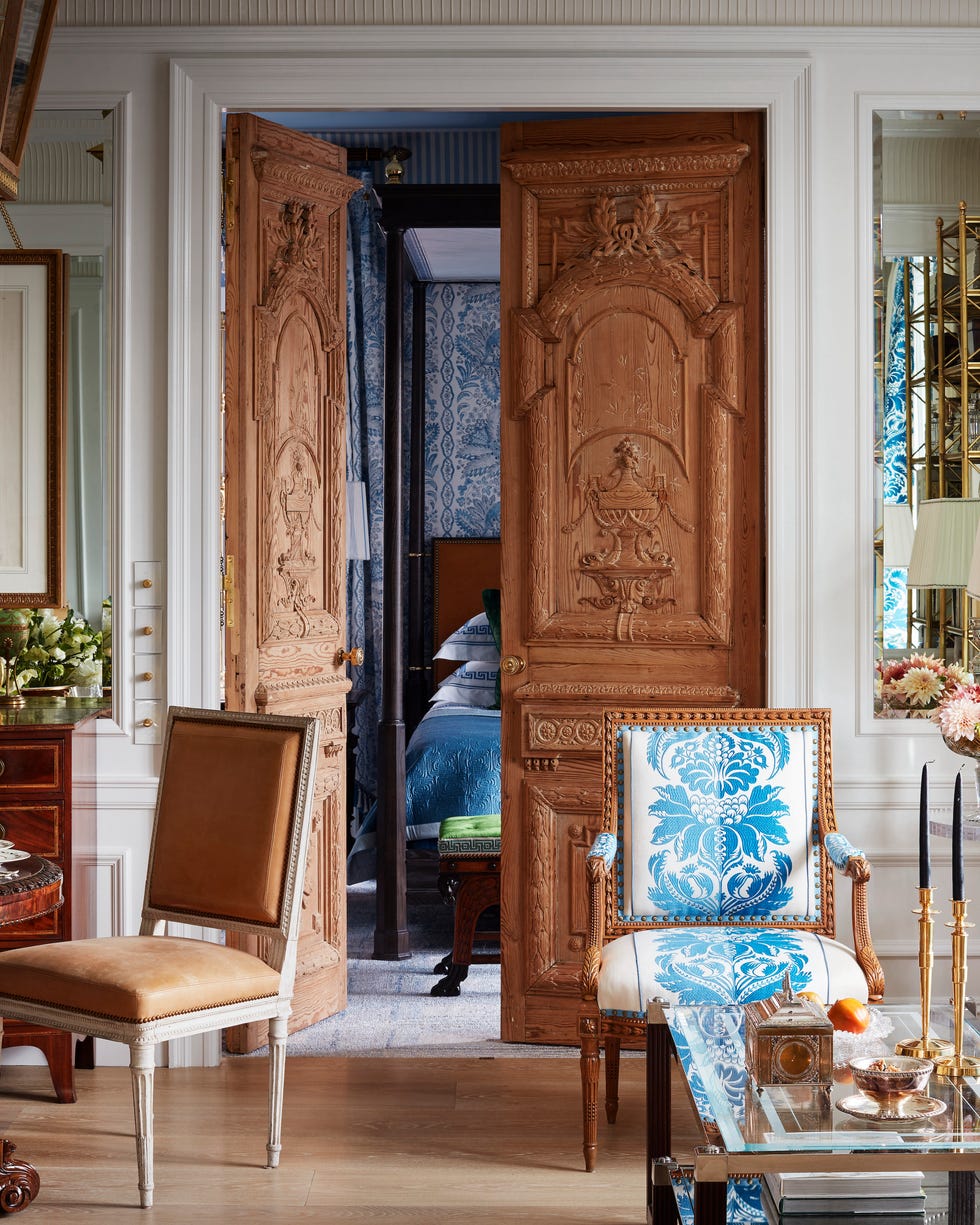
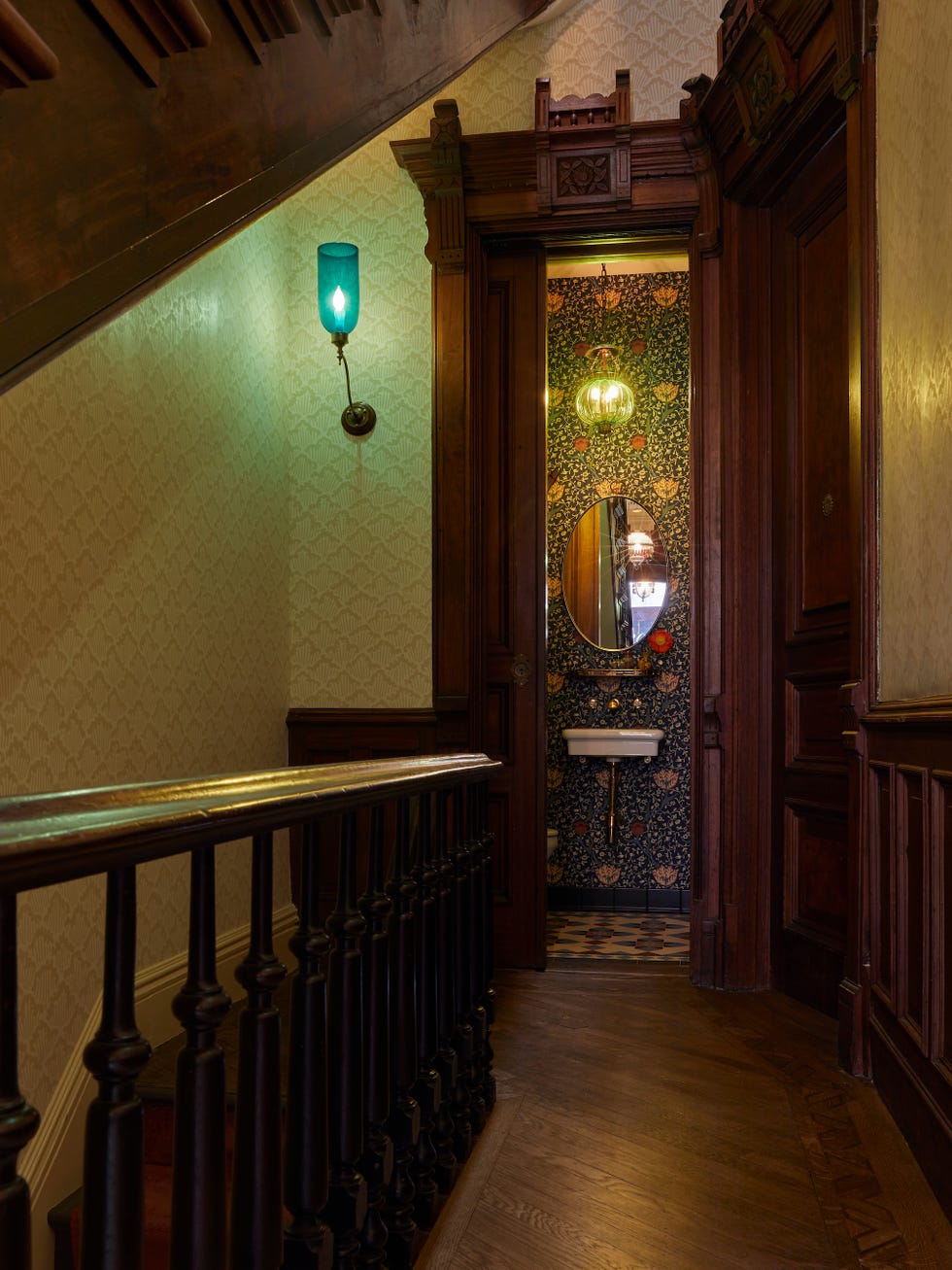
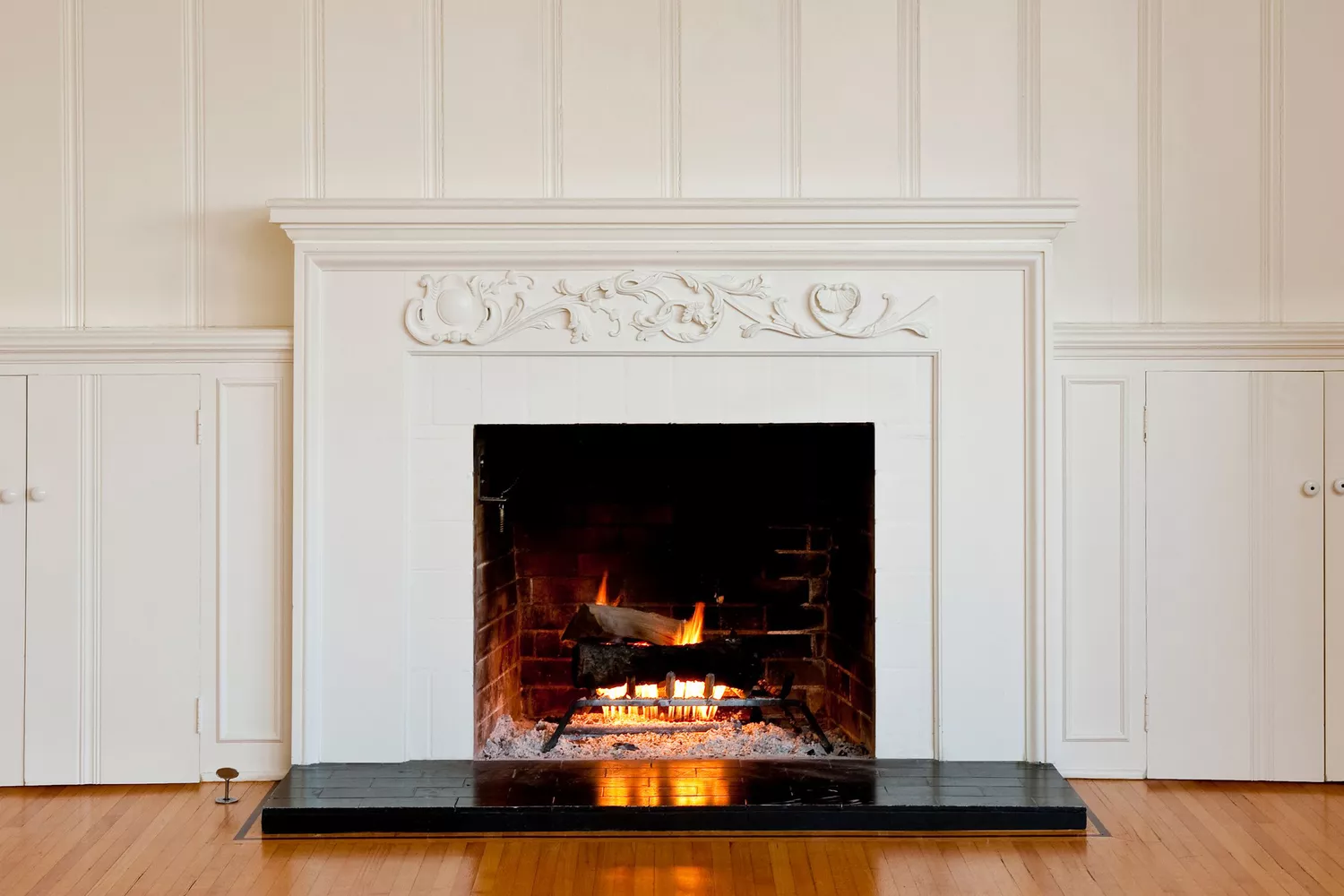
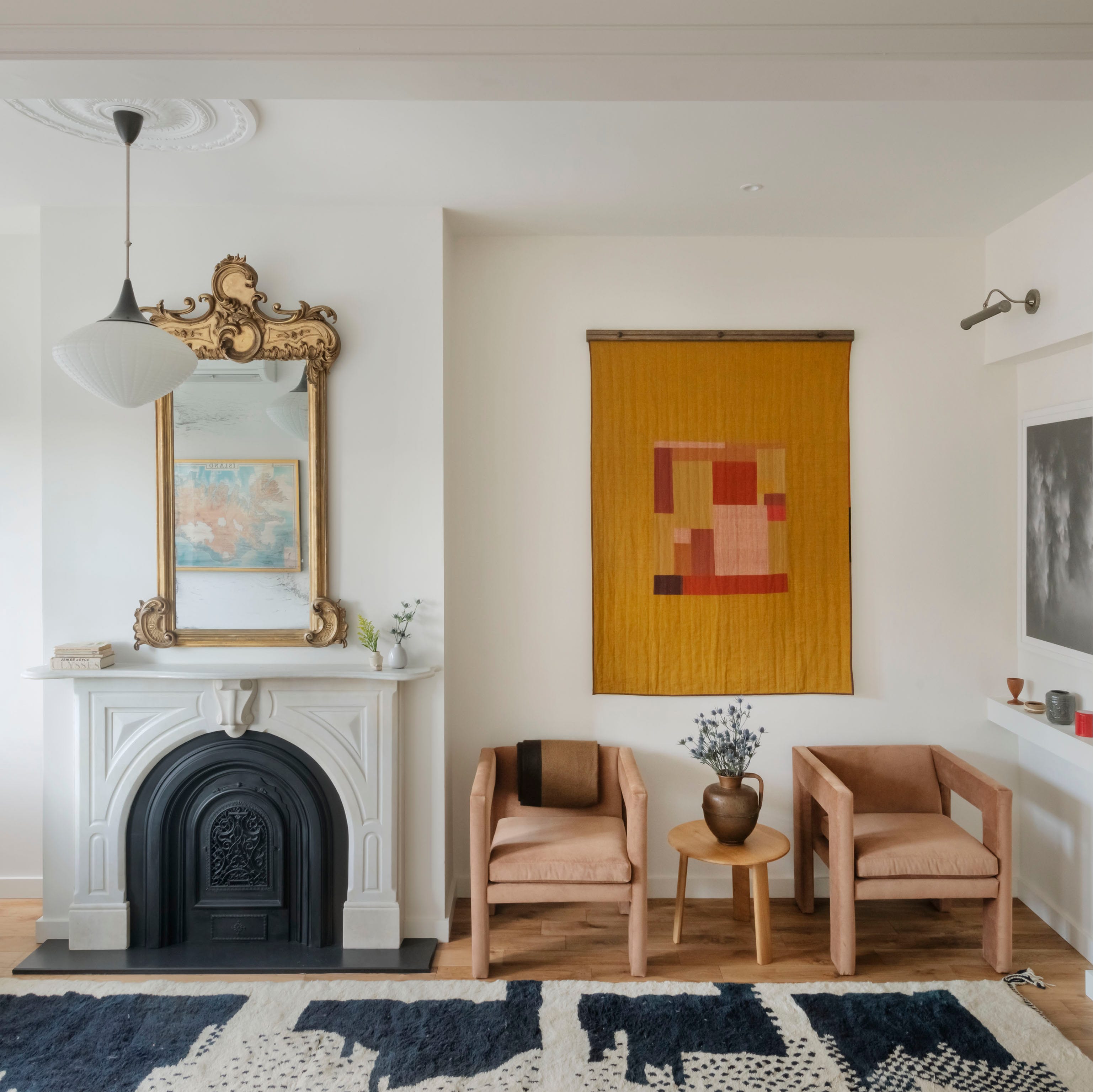
Khurana emphasizes the importance of preserving the home's unique architectural details wherever possible. Instead of concealing features like exposed brick, original fireplaces, arched doorways, or crown molding, she suggests highlighting them through complementary paint tones or refreshed finishes. These original details are considered irreplaceable and vital for maintaining the home's historical narrative, making them a foundational element for integrating modern aesthetics.
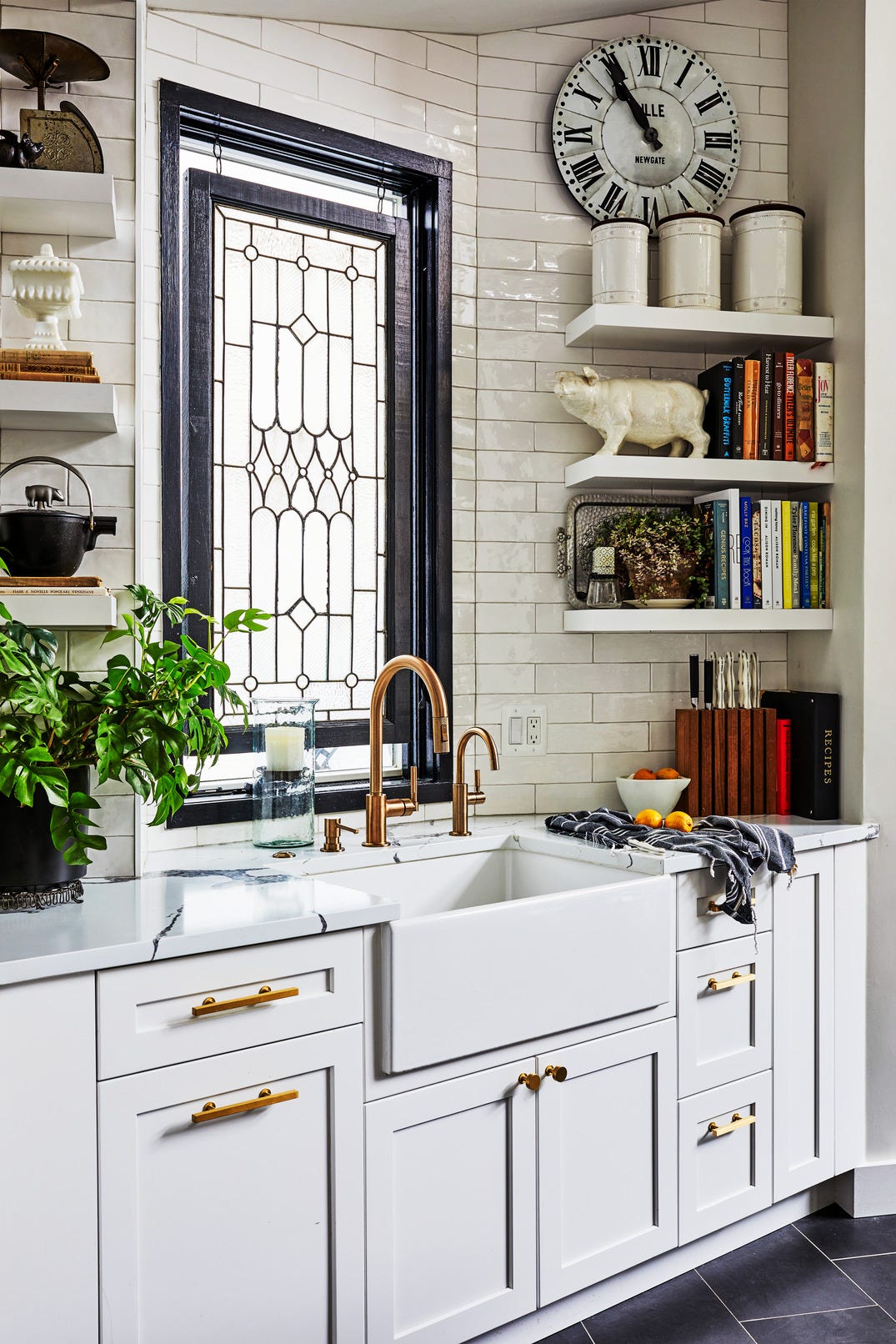
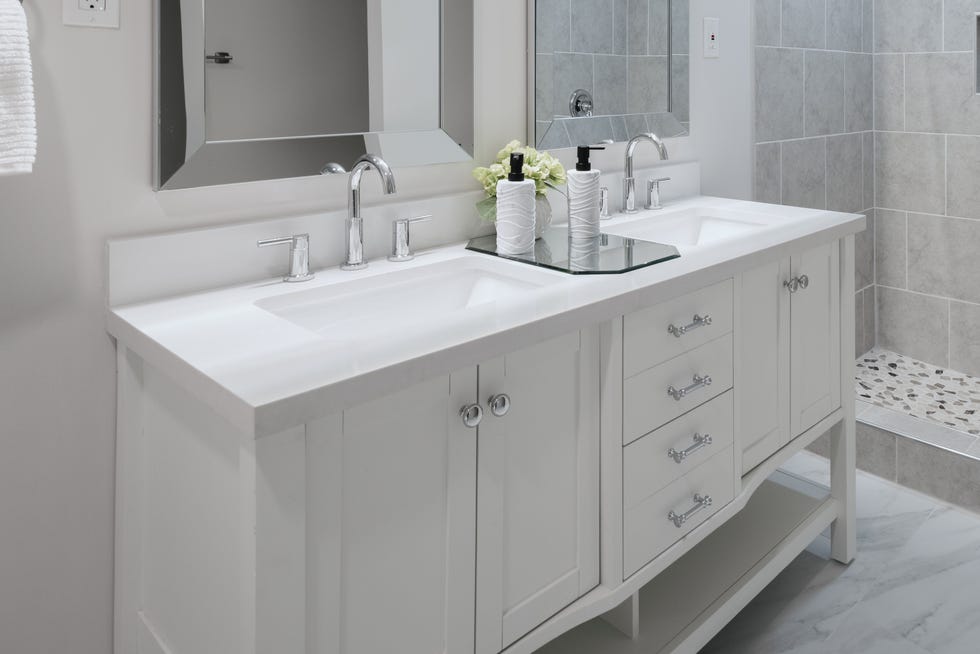
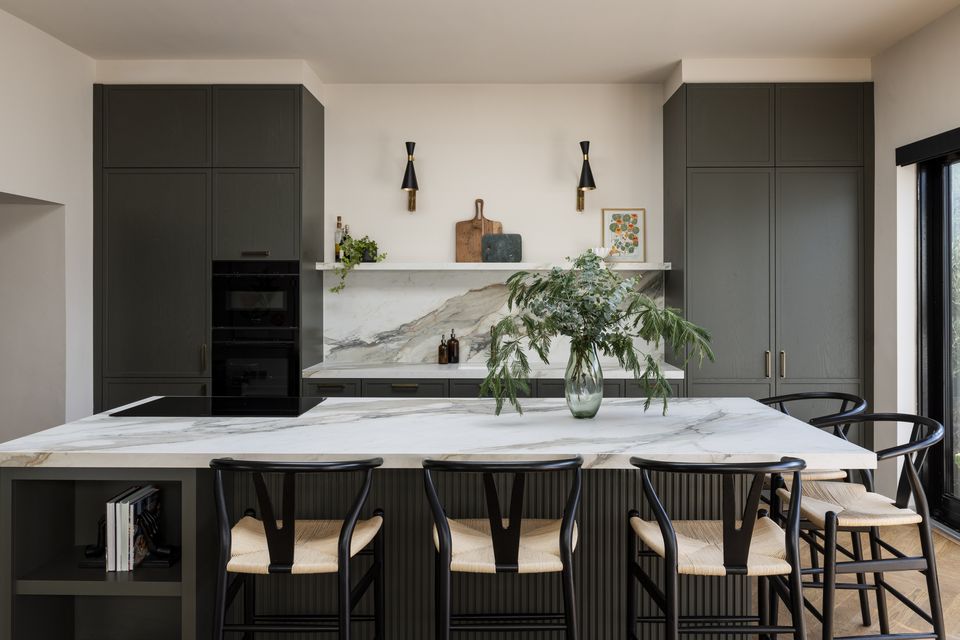
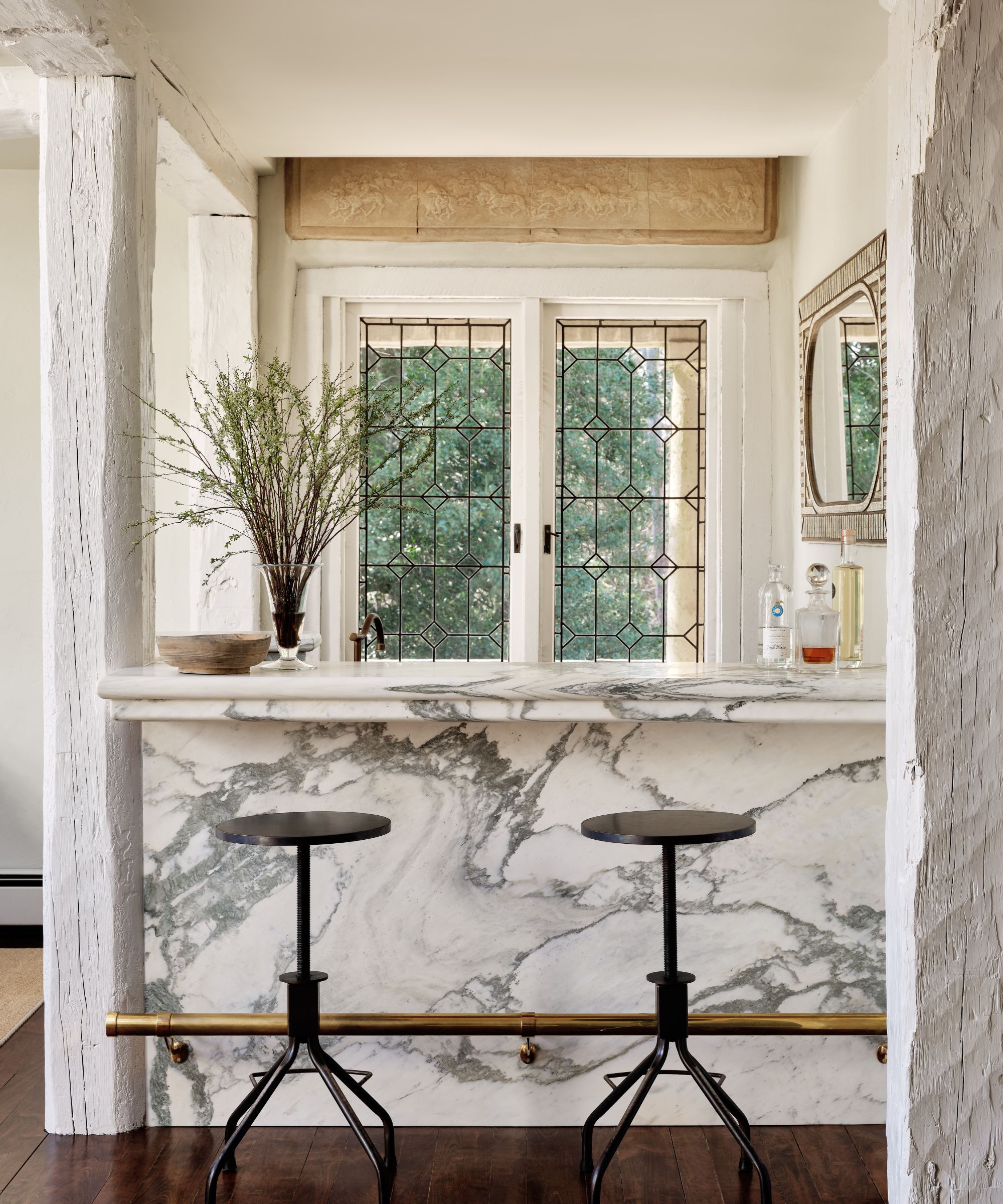
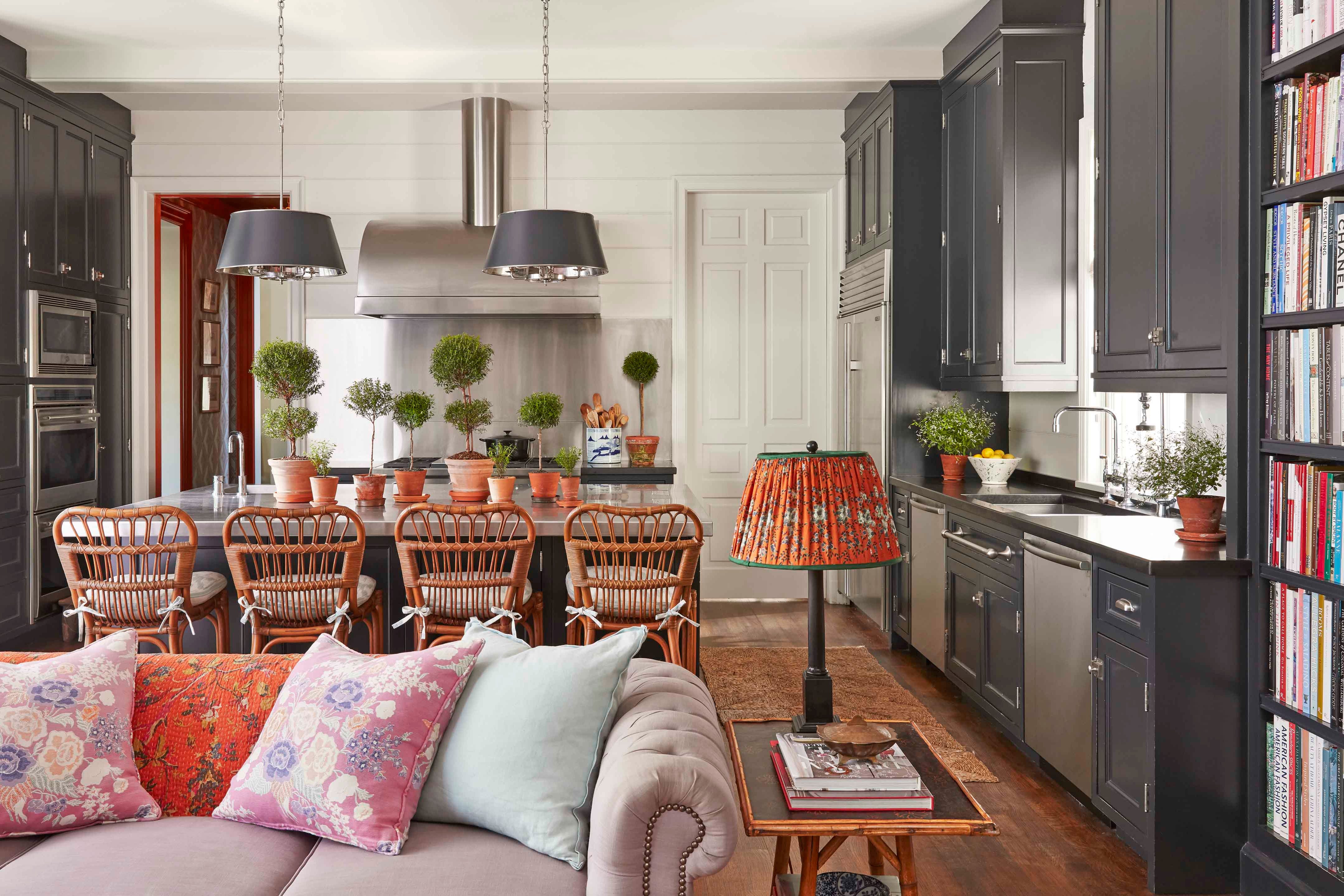
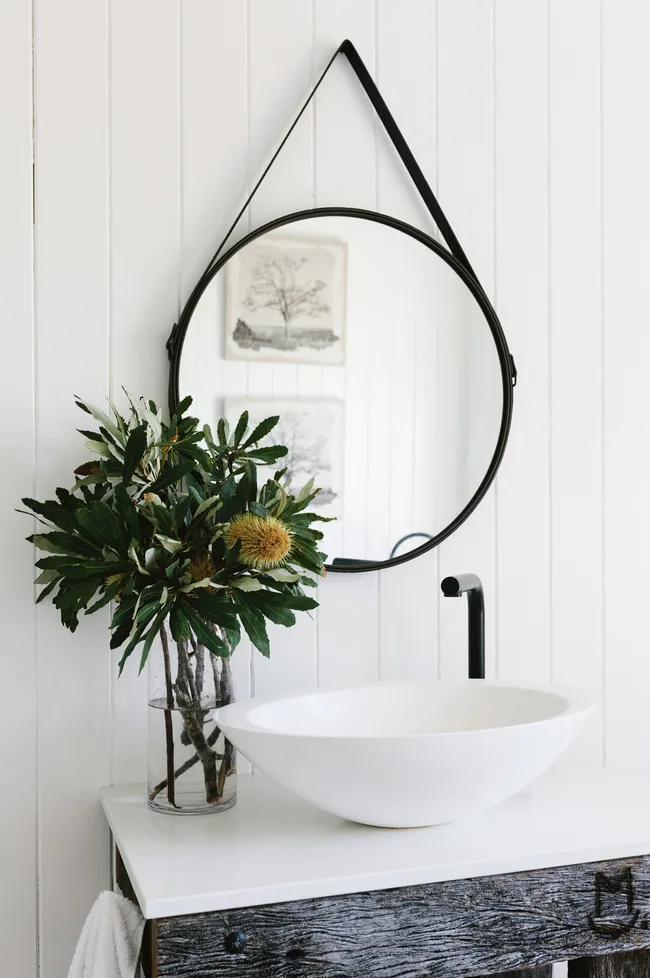
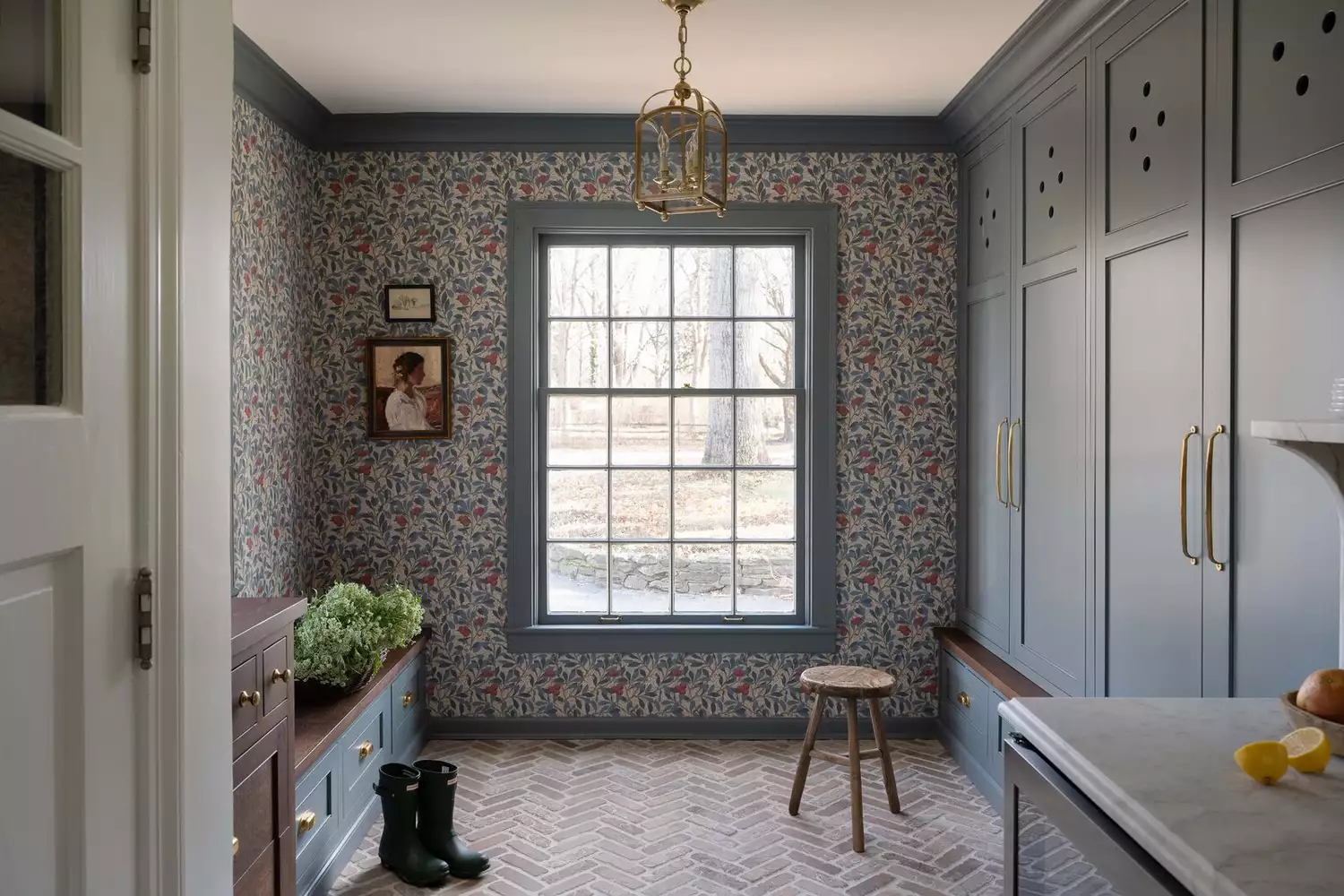
When undertaking renovations, a conservative approach is recommended. Khurana advises against complete overhauls unless absolutely necessary, instead focusing on updating only what requires replacement while retaining original elements. For instance, in kitchens and bathrooms, vintage tiles or classic cabinetry can be paired with modern countertops, faucets, or appliances. This selective modernization not only preserves character but also offers cost and time efficiencies that can be redirected to other aspects of the renovation.
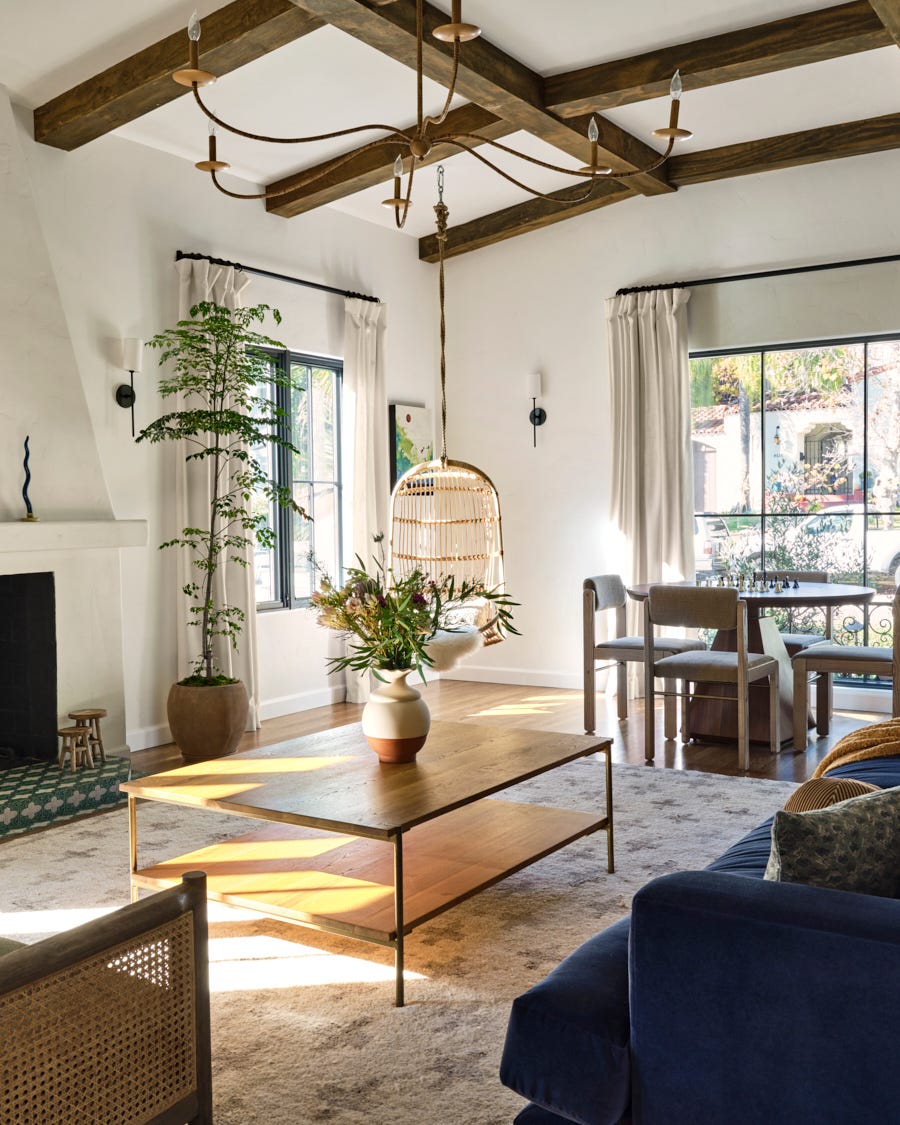
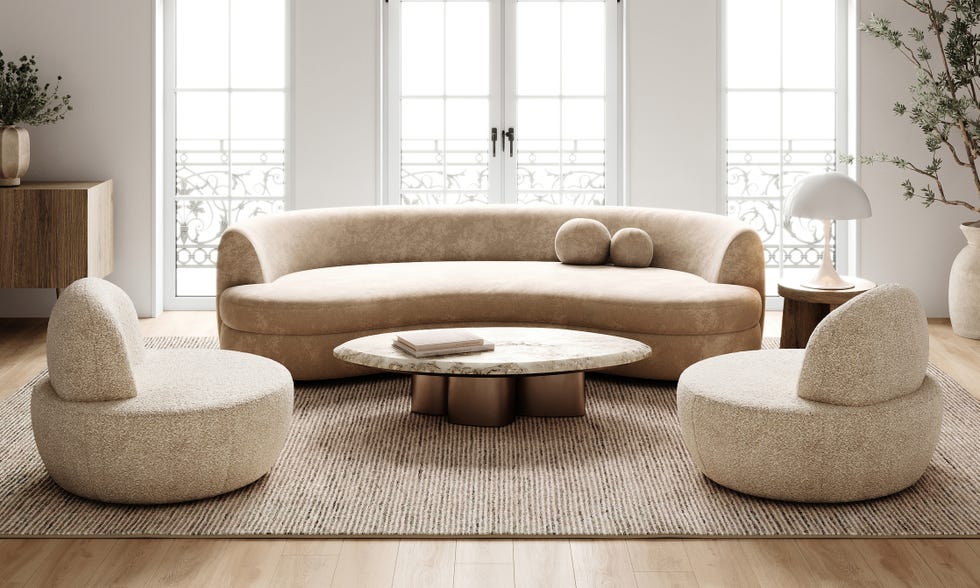
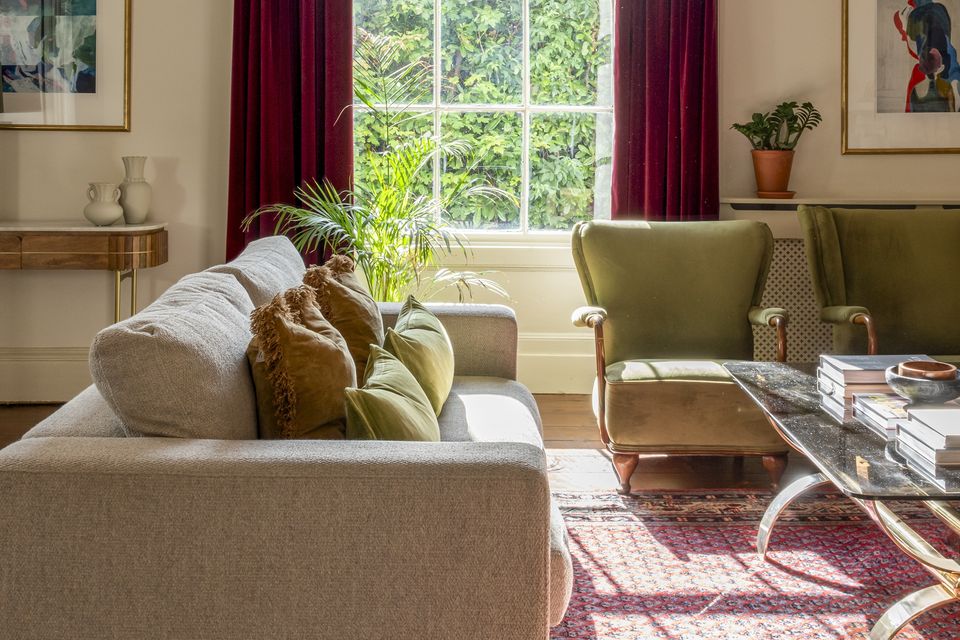
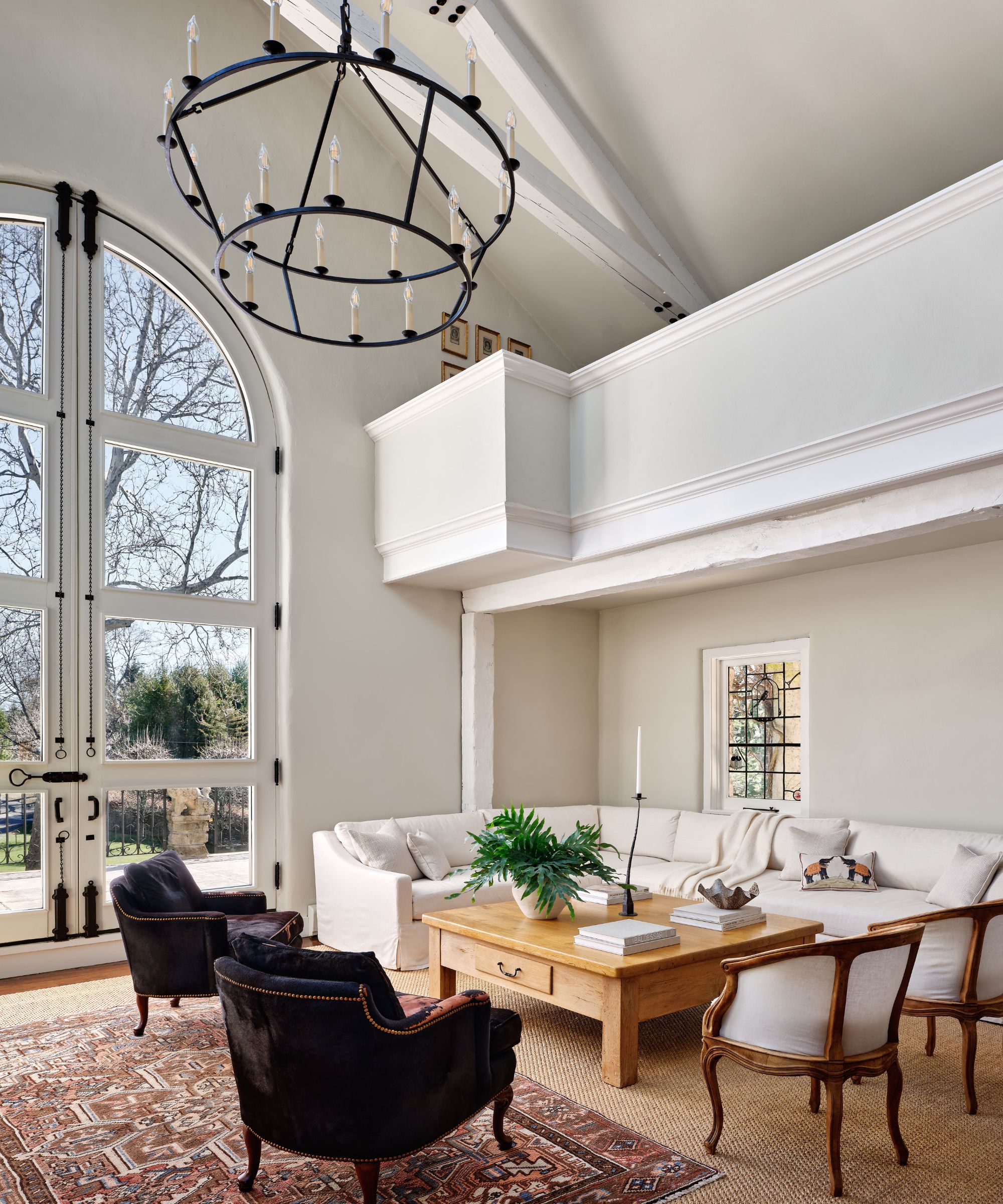
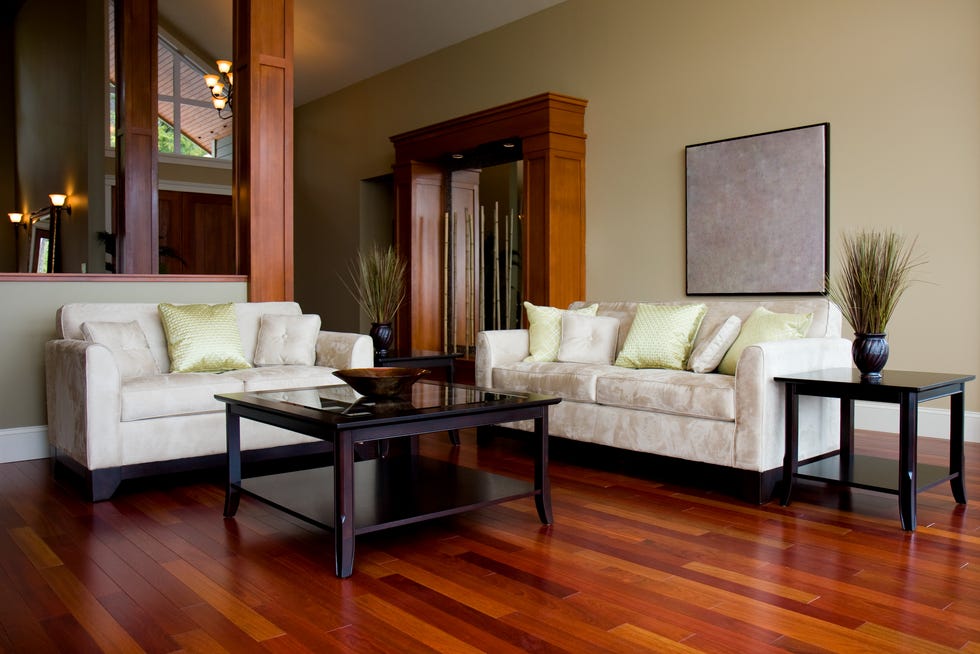
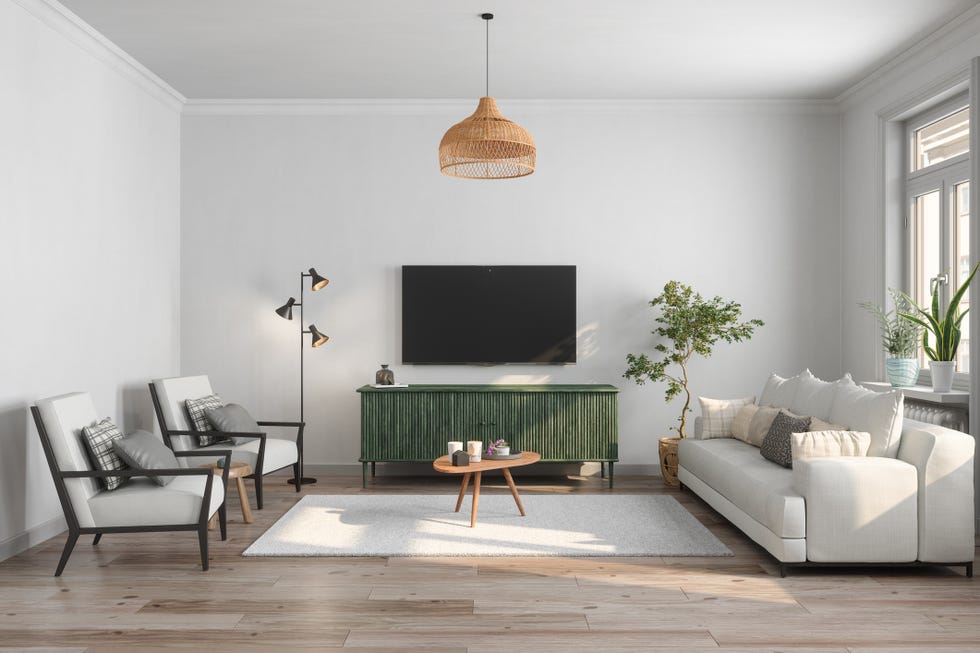
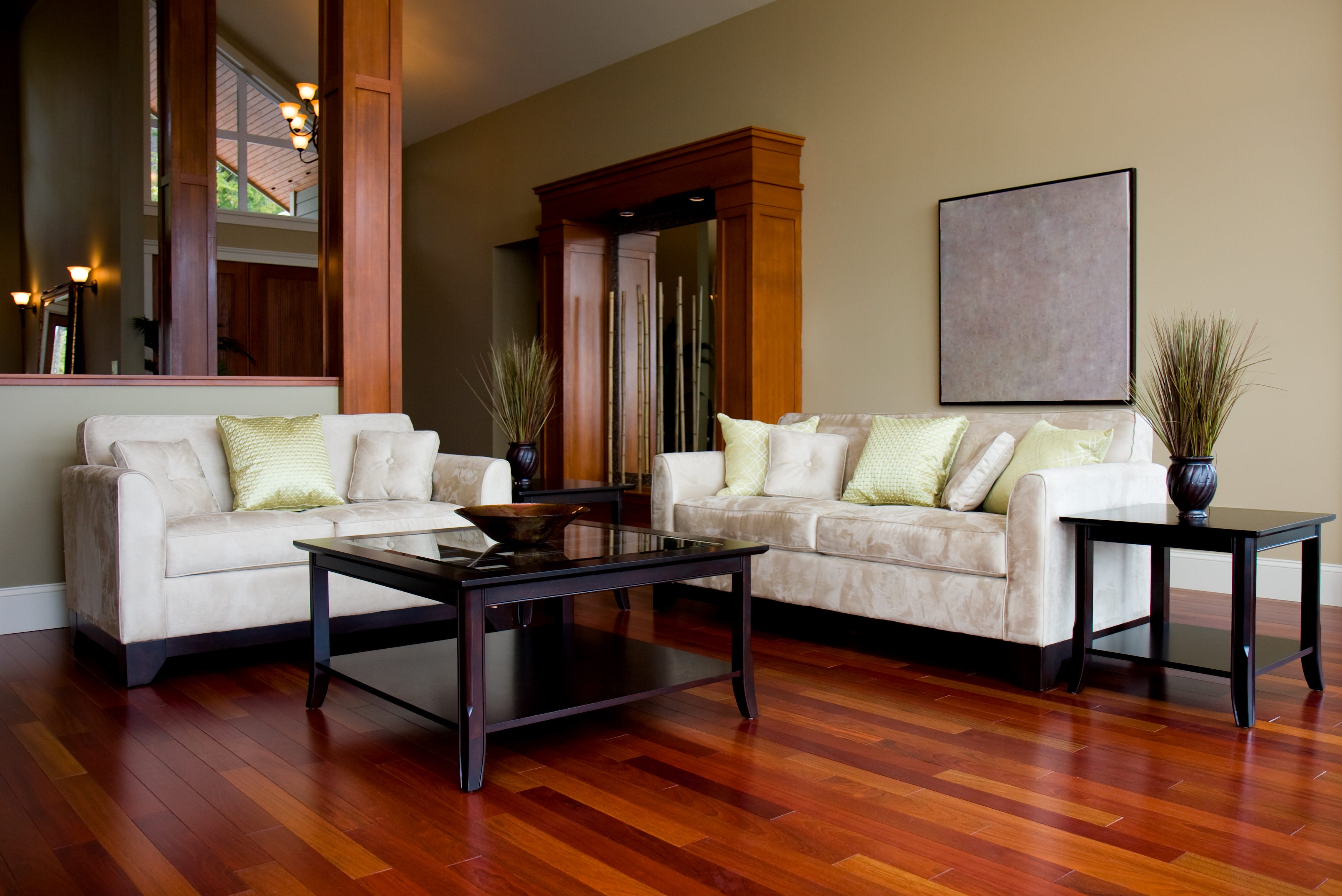
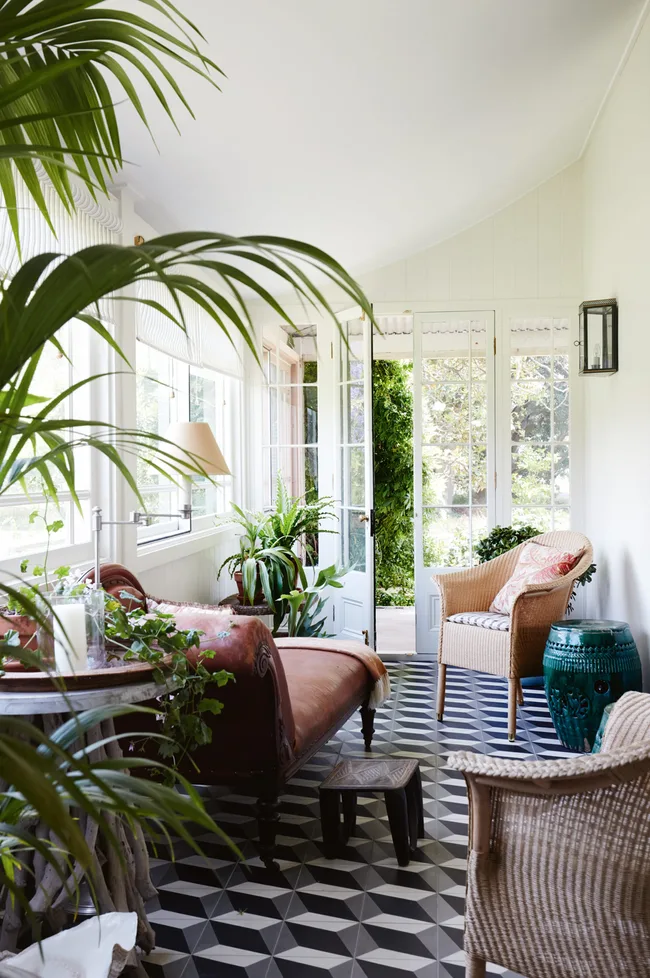
One effective method for modernizing an older home is through the strategic selection of furniture. The recommendation is to opt for clean-lined, minimalist pieces that complement rather than overwhelm the home's original character. This involves choosing modern furniture that rests on a classic foundation, such as contemporary sofas and chairs alongside vintage hardwood floors or large bay windows, ensuring the space is both livable and stylish without compromising its history.
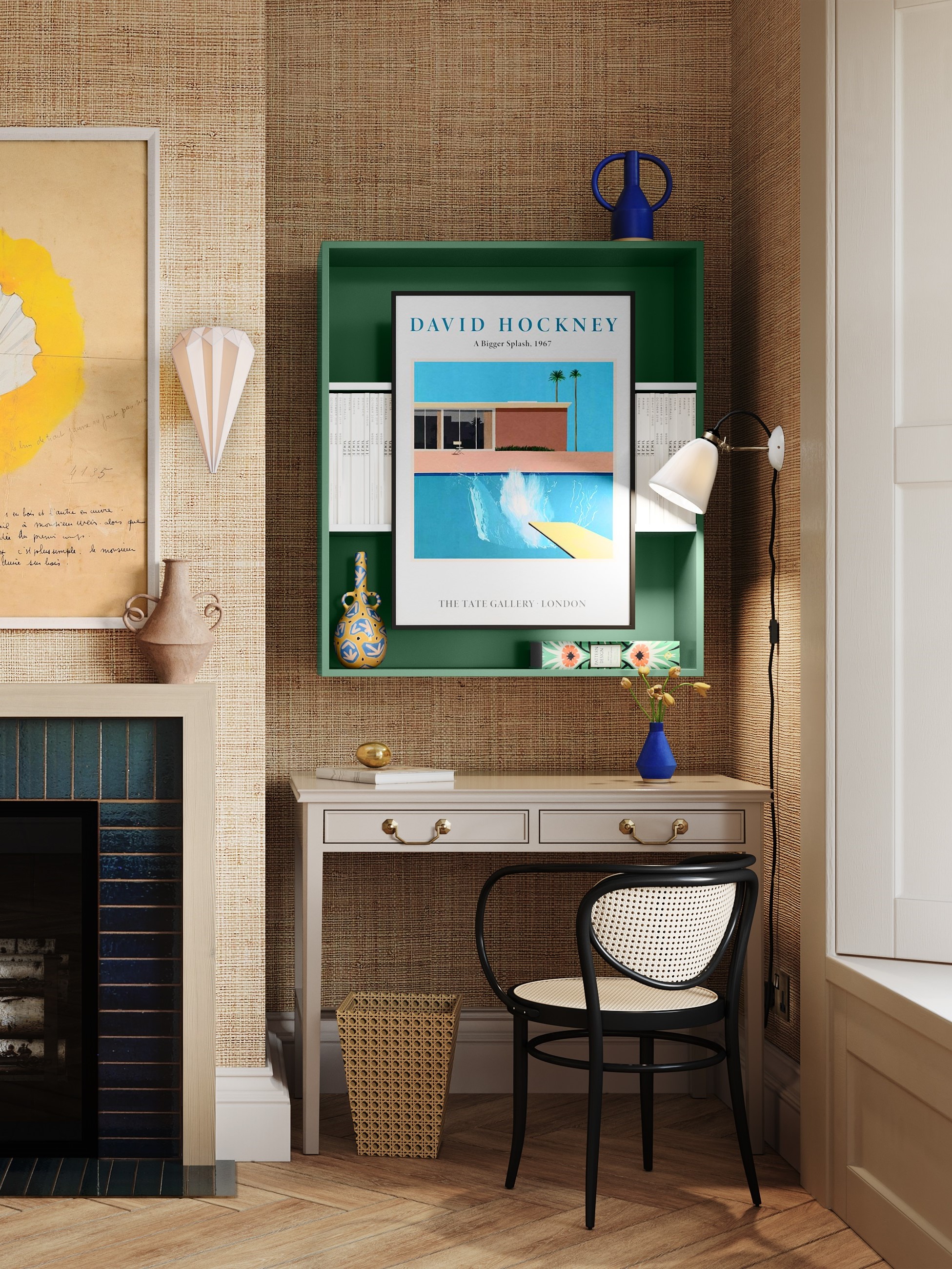
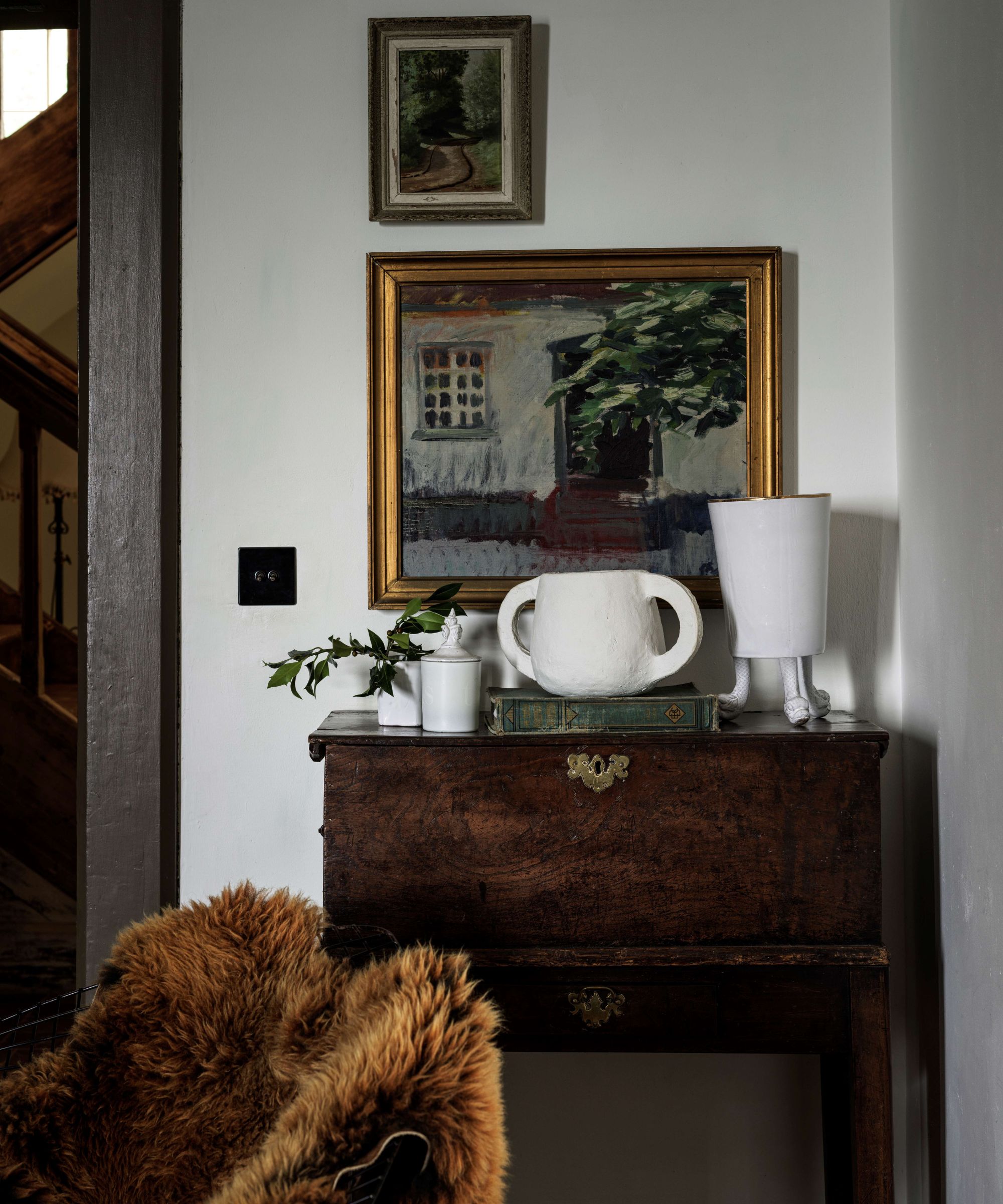
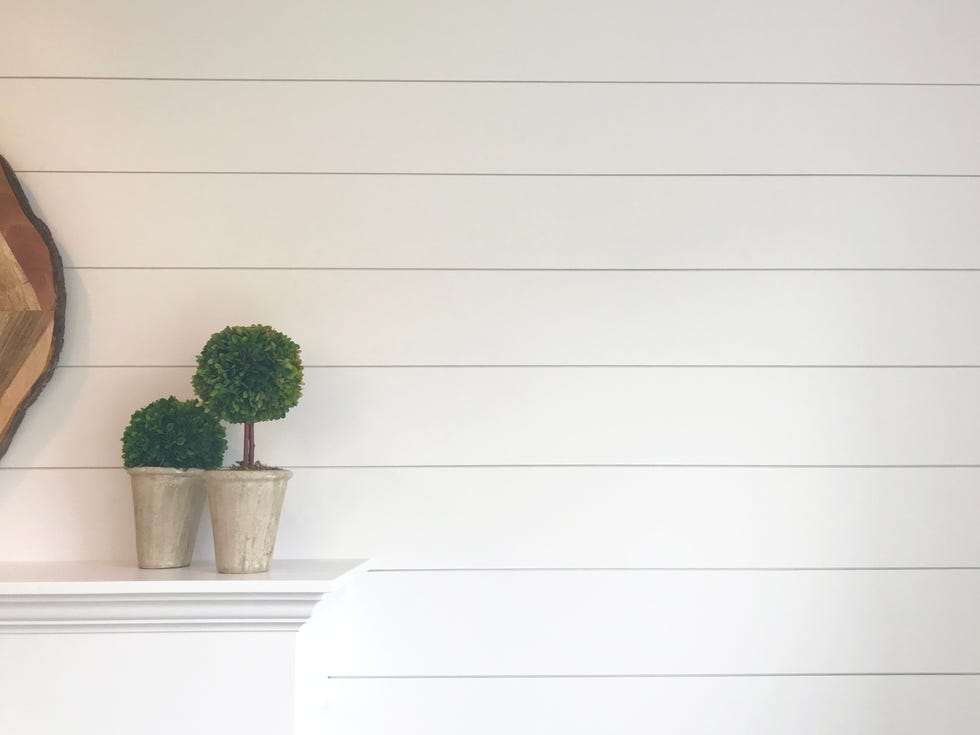
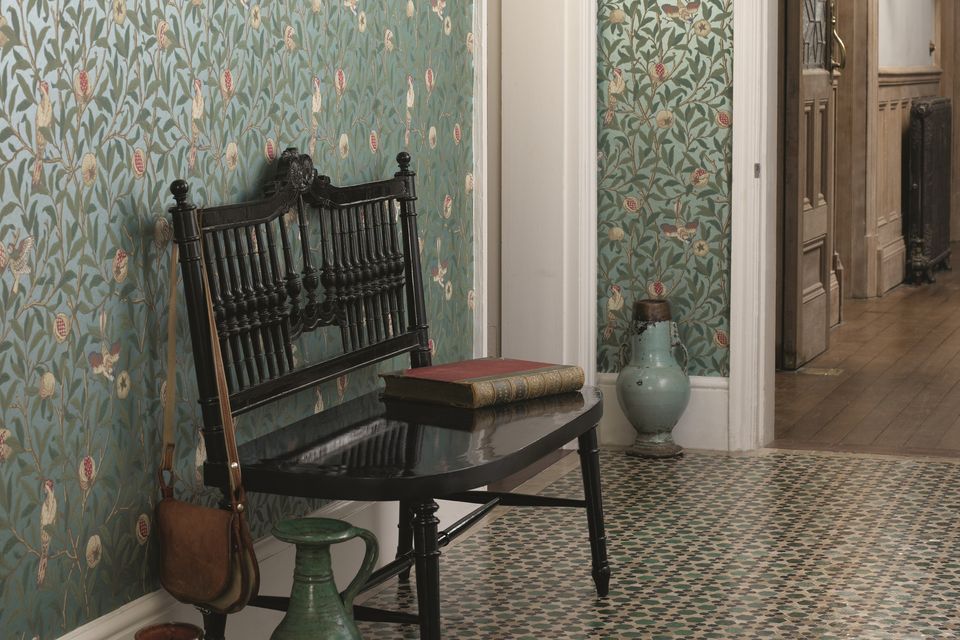
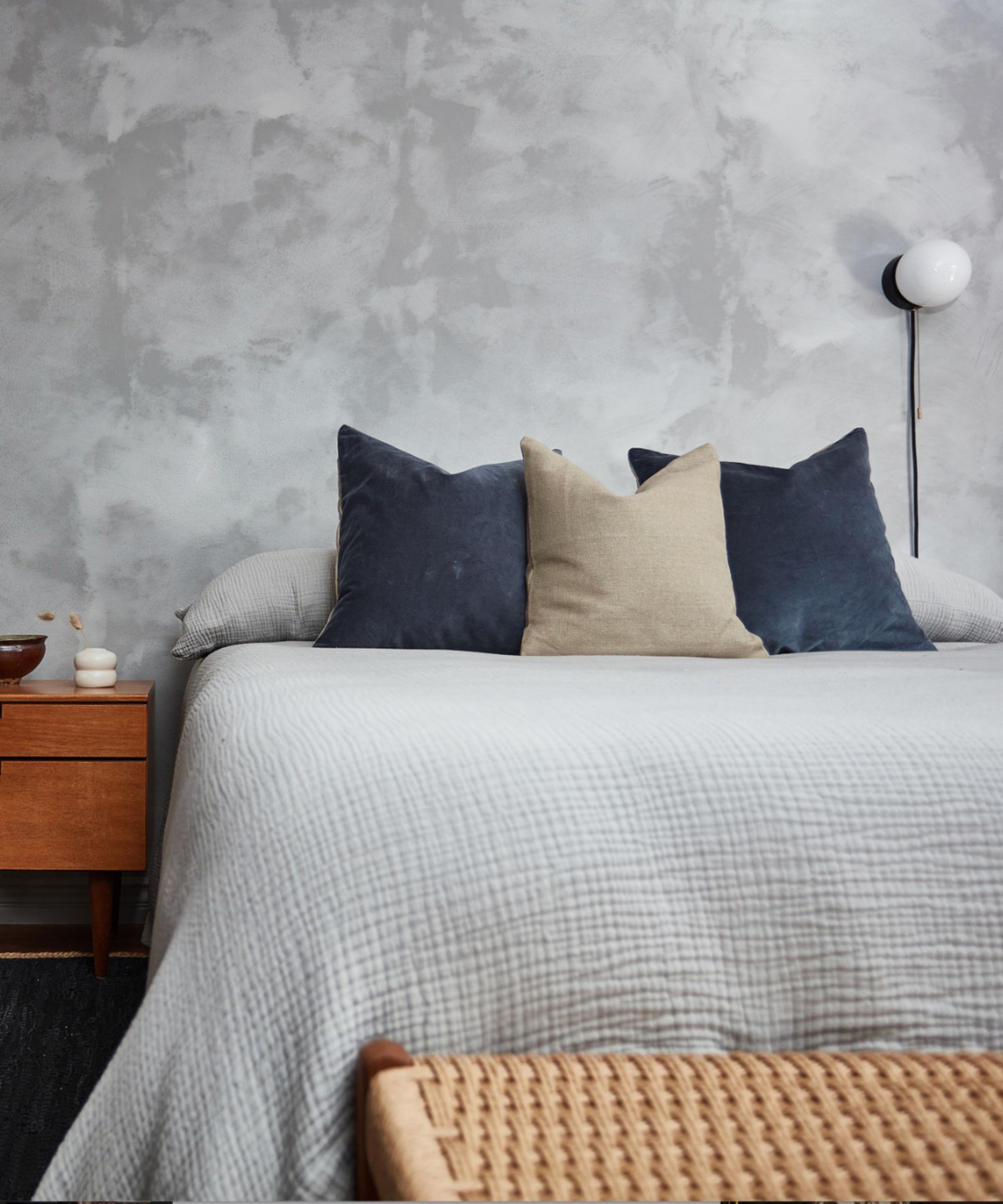
The article also suggests utilizing original textures, such as exposed brick, plaster walls, or wood paneling, as accent walls. These textures provide a glimpse into the home's history and serve as a backdrop for modern decor. Khurana recommends creating balance by pairing these textured, timeworn surfaces with crisp, modern art or sleek furniture to achieve a harmonious blend of old and new.
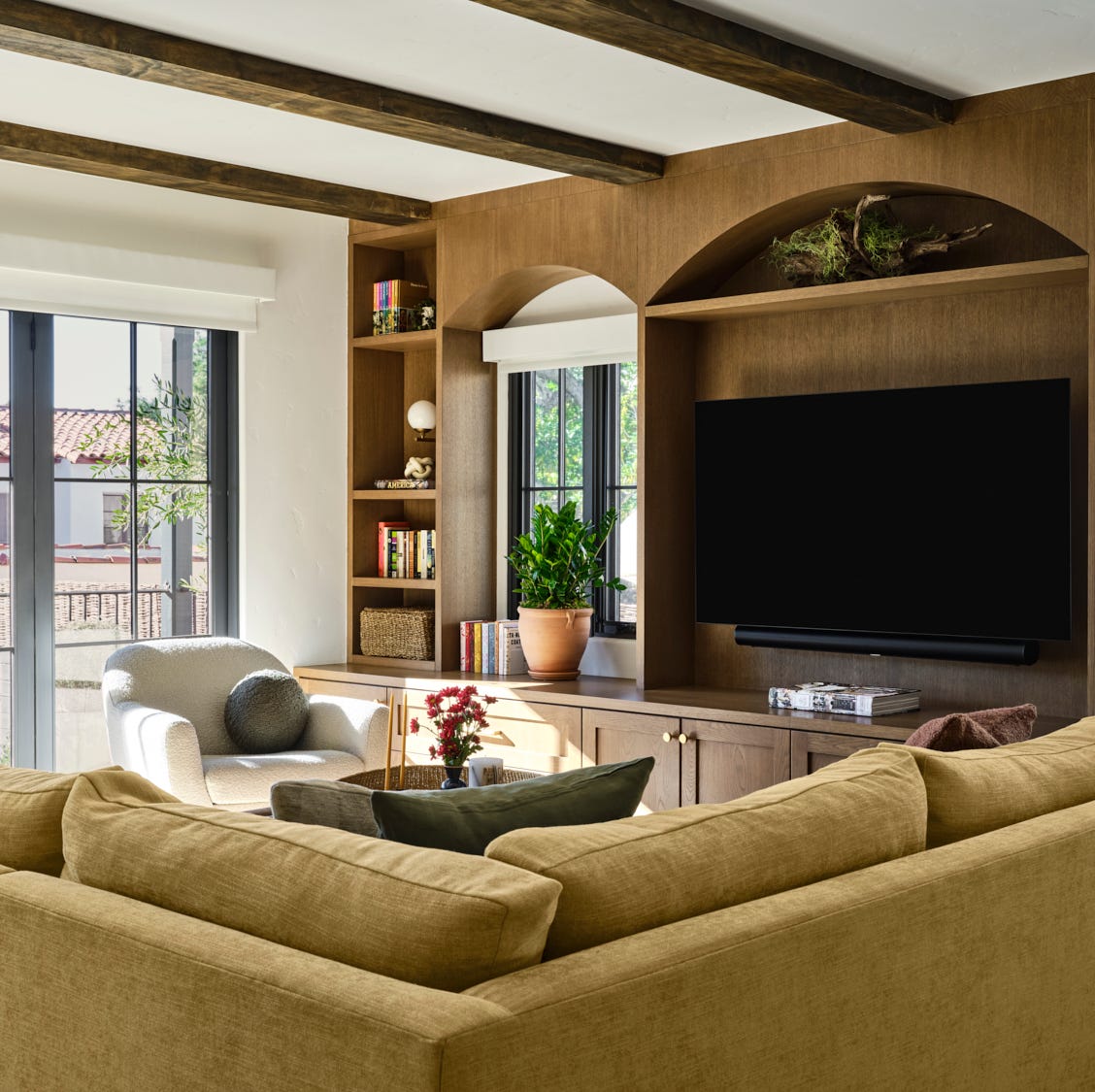
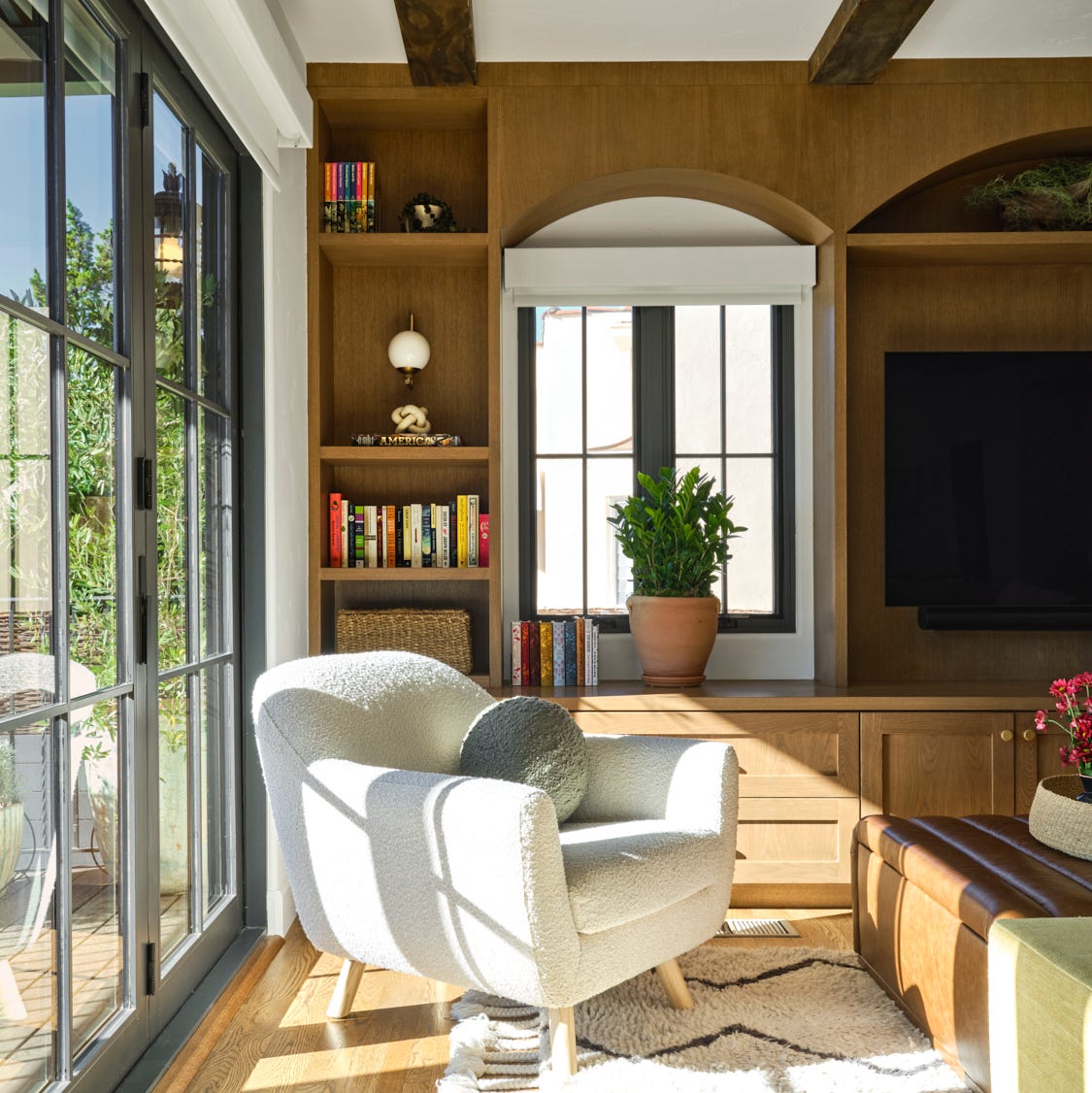
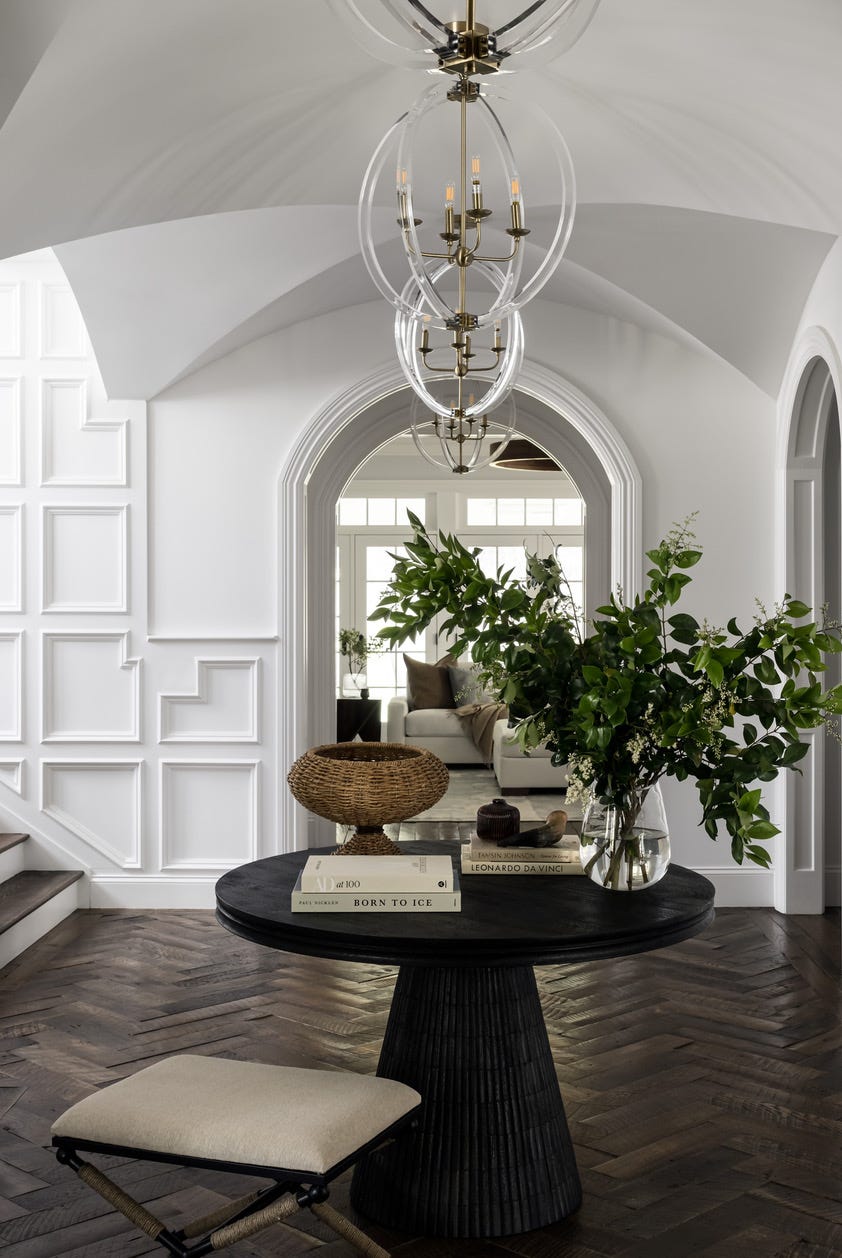
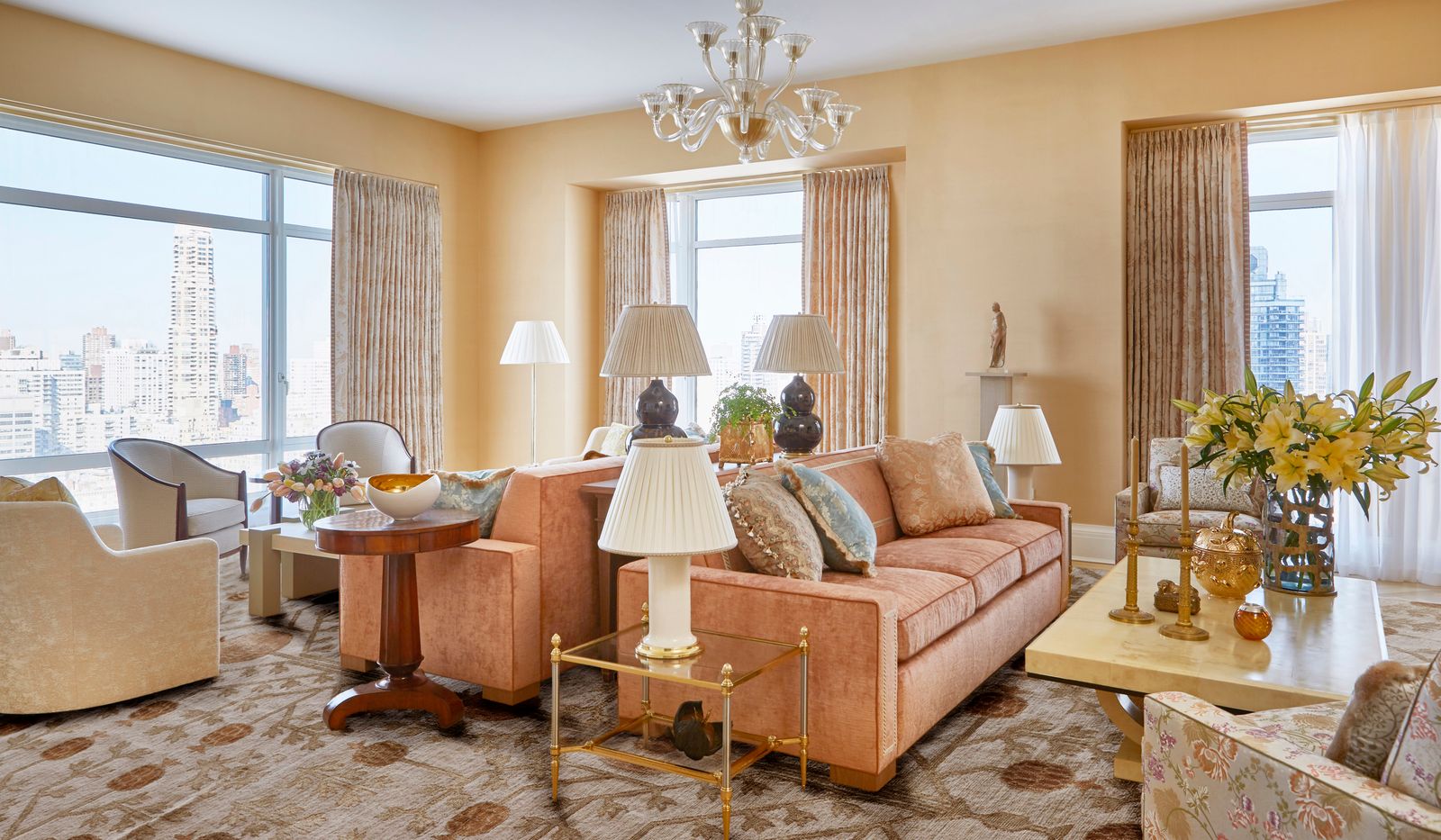
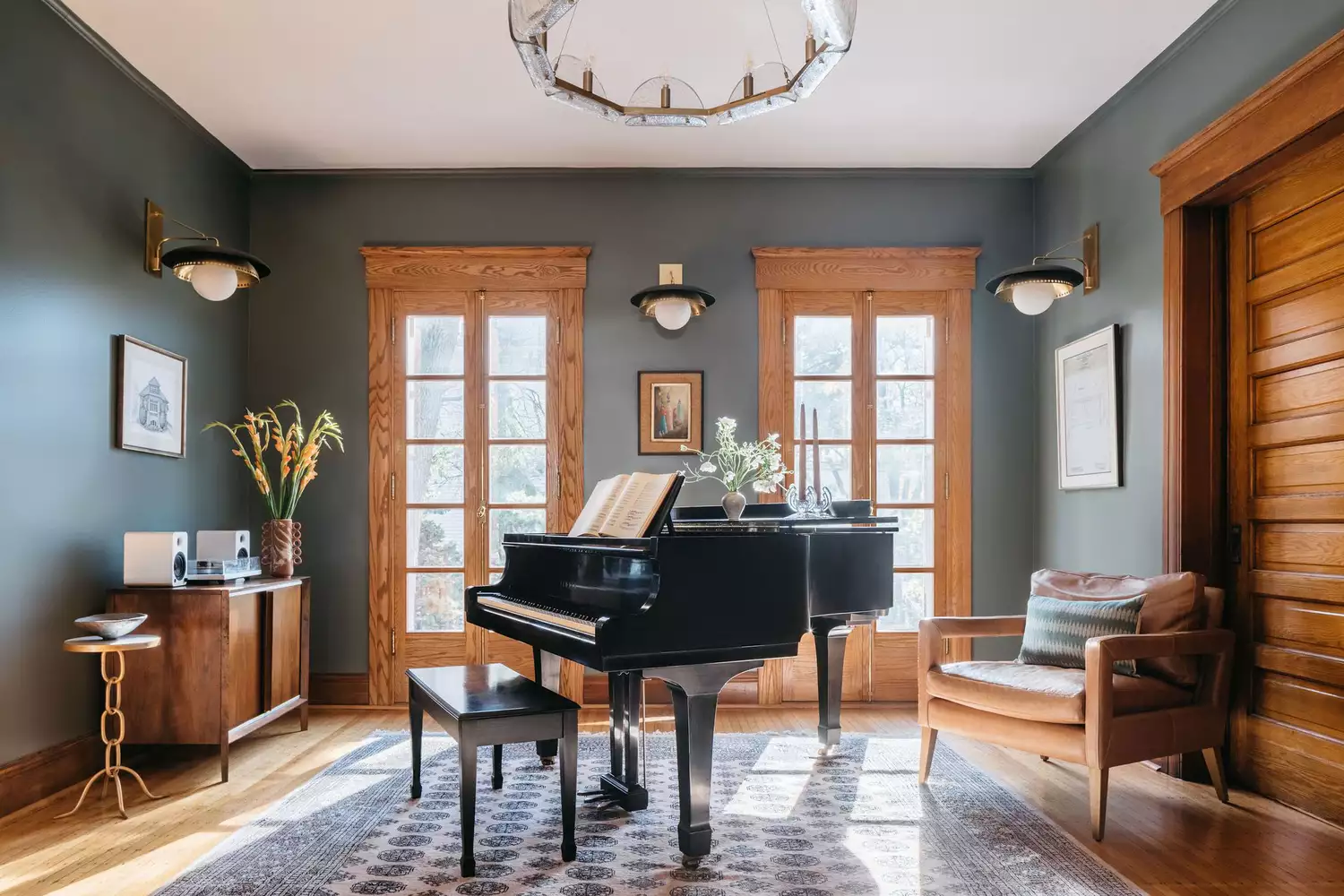
Integrating smart technology seamlessly is another key recommendation. To prevent modern gadgets from visually dominating older spaces, it's crucial to blend them discreetly. Examples include using smart switches that mimic traditional designs or speakers that integrate into bookshelves. This approach allows residents to benefit from automated lighting, security, and music without detracting from the home's original aesthetic. Finally, upgrading lighting is often necessary due to the impracticality or inefficiency of vintage fixtures. Modern lighting, such as sleek pendants or sculptural chandeliers, can enhance character if chosen carefully, ideally with timeless designs featuring materials like brass or Edison bulbs. Layering different light sources, including sconces, table lamps, and overhead lighting, can add depth and accentuate the home’s original features.
#HomeRenovation #Modernization #HistoricHomes #InteriorDesign #ArchitecturalPreservation #SmartHomeTech #FurnitureSelection #LightingDesign #HomeRenovation #Modernization #HistoricHomes #InteriorDesign #ArchitecturalPreservation #SmartHomeTech #FurnitureSelection #LightingDesign
0 comment in total
 No comments yet
You may also like
6 design tips to upgrade an older home without clashing styles | Hindustan Times

These Trendy Home Additions Will Look "Dated" in 2026, According to Designers

5 Design Choices That Make Your House Look Super Dated, According to Designers

Designers Swear These 6 Decor Trends Will Age Well—Without Feeling Dated

Here's How to Give an Old House a Modern Makeover Without Stripping Away the Charm
Top tips for renovating old homes: Whether restoring or modernising, clever design is key
How to Update an Older Home While Honoring Its History

8 easy updates that will make an old home look new

12 Designer-Approved Tricks to Fill a New Home With Vintage Character

How to Renovate a Historic Home—and Keep Its Character—According to Designers

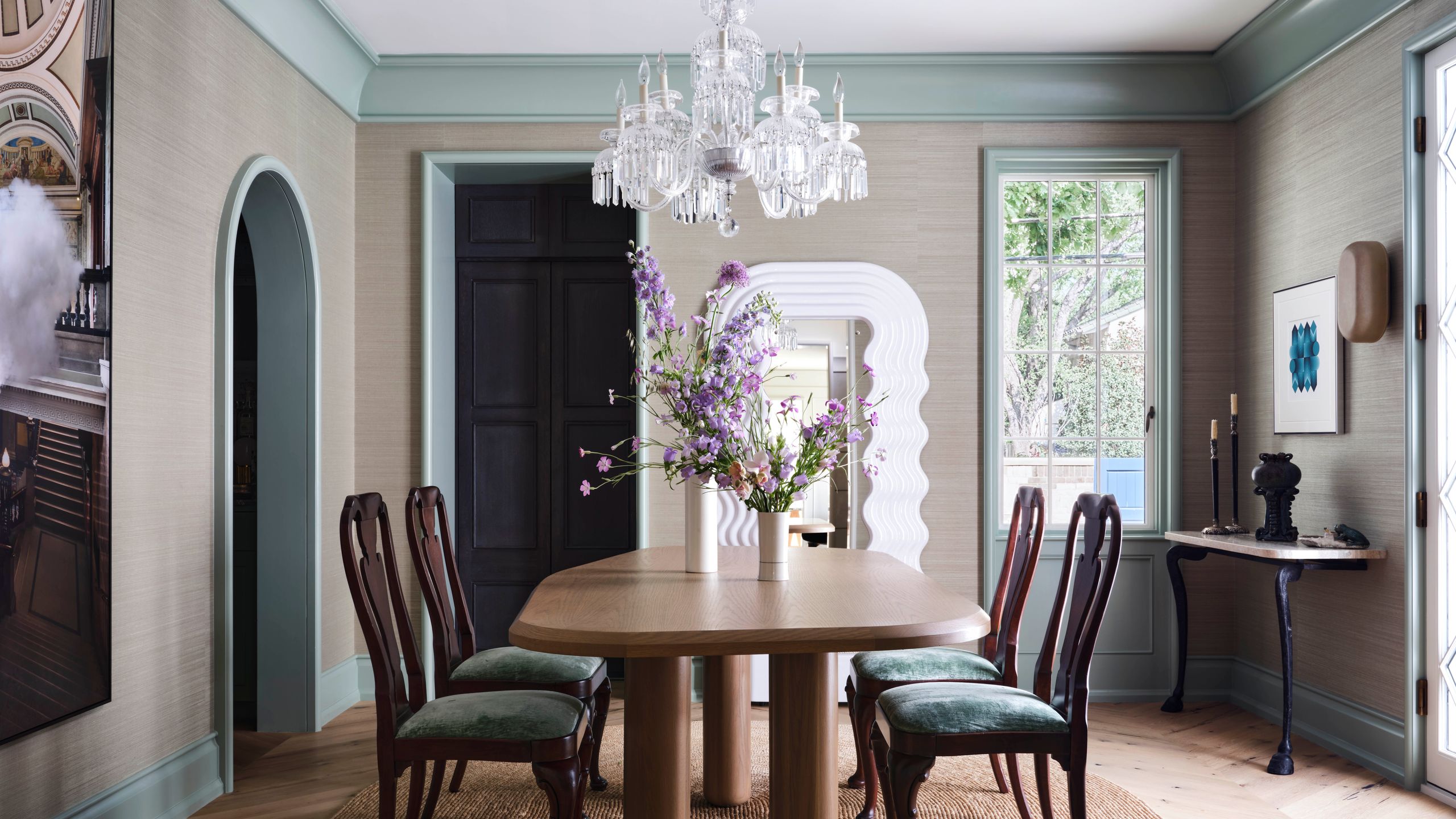
Inside 6 Homes That Prove Traditional Interior Design and Modern Style Really Do Go Together


Home Design: Timeless Meets Modern

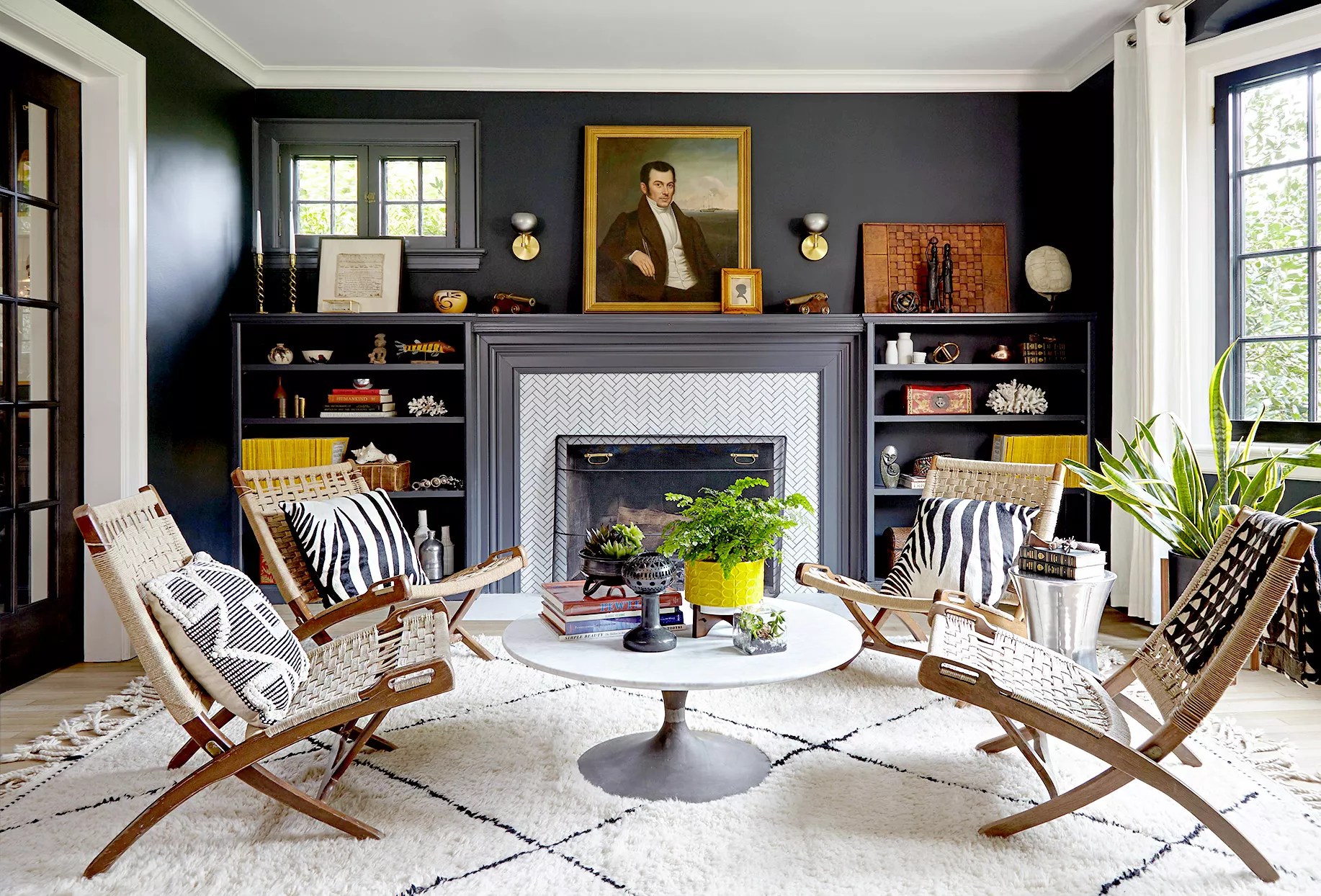
Renovating a Home? Here's How to Modernize Without Losing Character

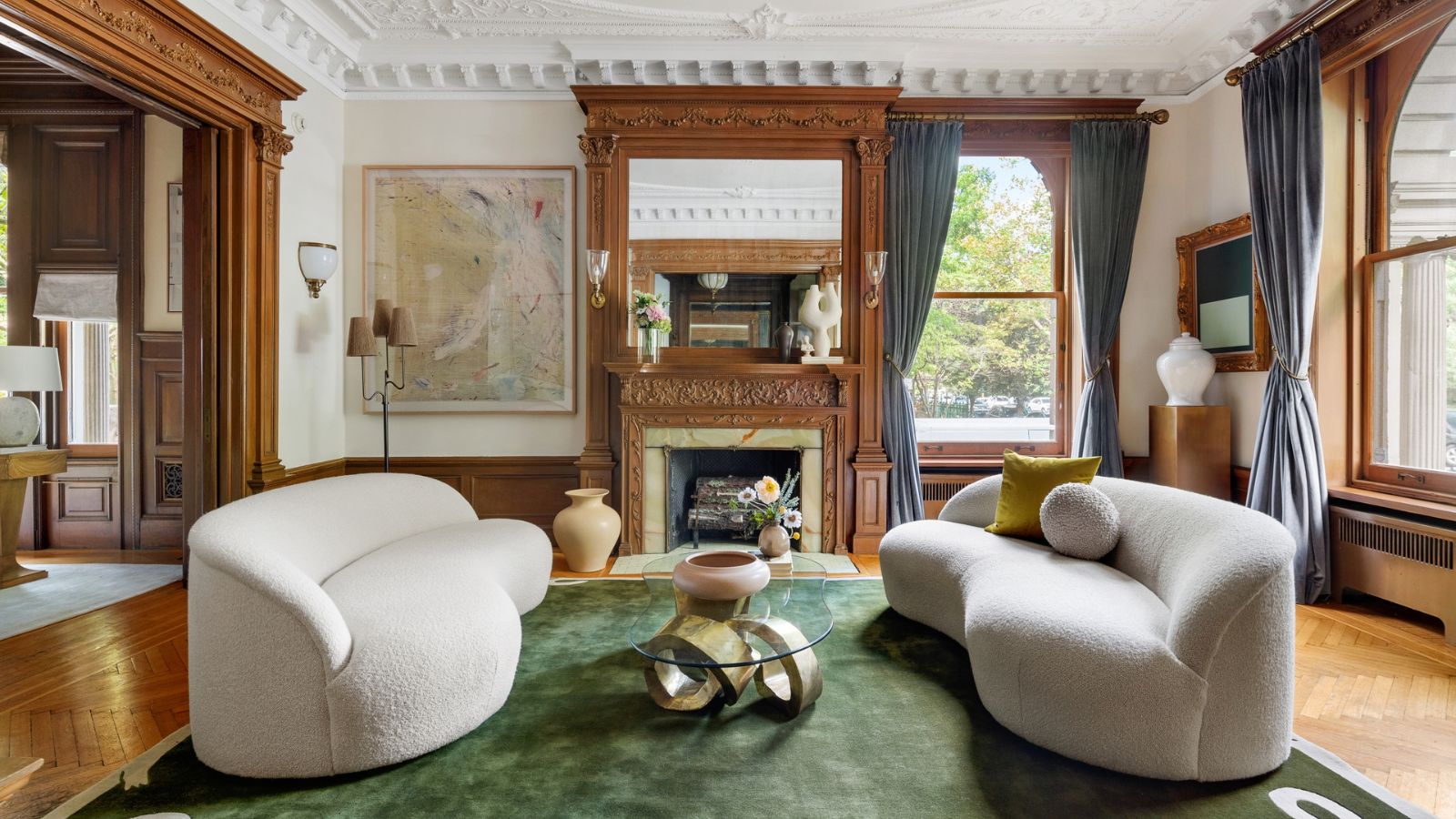
9 ways to update a historic home while still keeping its vintage charm – tips from a NYC reno

Interior Designers Reveal 6 Surprising Things Making Your House Look Dated

6 key characteristics of modern decor to follow for a more contemporary space
How to evolve your home as trends change – 7 designer secrets to having an adaptable style
How to update a historic home for modern living – 9 lessons we learned from this artful redesign
7 Things You Should Always Preserve or Try to Save in an Old Home, According to Designers
How to Tell if a Home Trend Is Just a Fad or Here to Stay, According to Designers