Sustainable Carpentry
The construction industry faces significant environmental challenges, consuming approximately 40% of the world's raw materials and generating nearly one-third of all waste. Buildings account for around 40% of global energy consumption and 39% of energy-related carbon dioxide emissions, with embodied energy in materials contributing substantially to a building's carbon footprint. Furthermore, the industry's reliance on chemical treatments, adhesives, and finishes releases volatile organic compounds (VOCs) and other pollutants, affecting indoor air quality and occupant health. In response to these concerns, traditional carpentry offers surprisingly relevant solutions for sustainable building.
Traditional woodworking emphasizes careful material selection, starting with local species adapted to regional climates, reducing transportation emissions, and supporting local forestry. Carpenters historically possessed a deep understanding of wood movement due to moisture changes, designing joinery to accommodate these natural properties rather than fighting them, leading to structures that remain stable for centuries without chemical stabilizers. Proper seasoning, such as air-drying, minimizes energy use and improves wood durability, contrasting with energy-intensive kiln drying. Techniques like quarter-sawing, though less yield-efficient, enhance stability and longevity, embodying a focus on life-cycle value over immediate efficiency.
Traditional joinery, which connects wooden components without metal fasteners or chemical adhesives, offers direct sustainability benefits. These self-reinforcing mechanical connections, such as mortise and tenon joints, often strengthen over time, providing durability and repairability. The ability to disassemble and replace individual components extends building lifespans, drastically reducing material consumption and waste compared to modern construction's disposable assemblies. This approach also eliminates the need for high-embodied-energy metal fasteners and VOC-emitting adhesives. Furthermore, traditional joinery excels at distributing loads, creating resilient structures that can withstand environmental stresses and potentially extreme weather events, a crucial adaptation strategy for climate change.
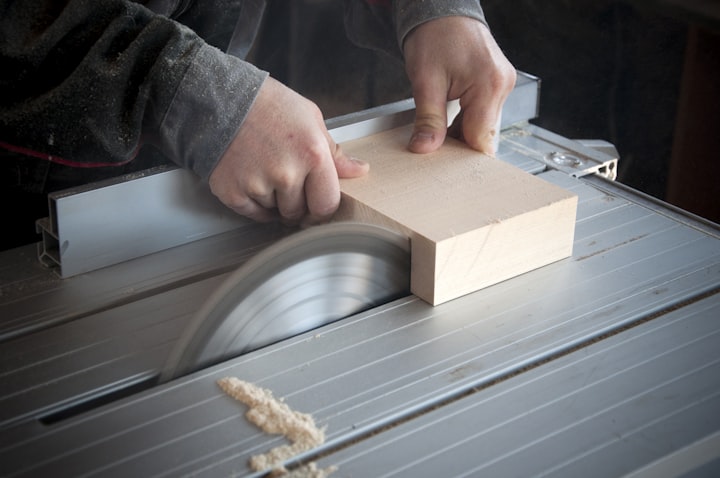
Hand tools, powered by human muscle, represent the pinnacle of energy efficiency in woodworking. They have a minimal energy footprint, produce no direct emissions, and have a much longer service life than power tools. Skilled use of hand tools enables greater precision, reducing material waste by consuming only the necessary material. Hand tool woodworking also eliminates noise pollution and minimizes airborne fine dust, improving working environments and indoor air quality. This method fosters a deep understanding of wood properties, leading to higher-quality outcomes and extended service life.
Finishing techniques used in traditional woodworking relied on natural materials like oils, waxes, and milk paint, offering non-toxic alternatives to synthetic chemicals. These finishes, derived from renewable resources with minimal processing, contain few or no VOCs, improving indoor air quality. They are often repairable, durable, and biodegradable, further enhancing their sustainability credentials. Thermal and mechanical treatments, such as scorching and compression, enhance wood durability without chemicals, producing resistant surfaces that naturally protect against decay and insects.
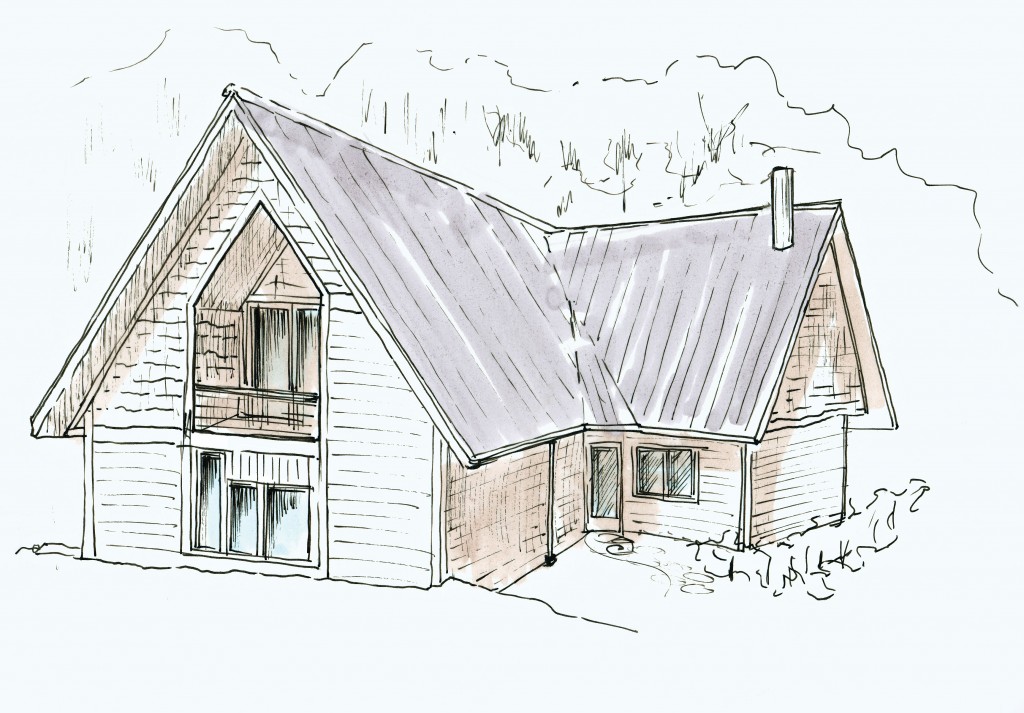
Timber framing, an ancient structural system using heavy timbers and traditional joinery, offers significant sustainability advantages, primarily through carbon sequestration. Wood stores atmospheric carbon for the building's lifespan, and timber frames have substantially lower embodied energy than steel or concrete structures. This system maximizes material efficiency by using wood precisely where its structural properties are most advantageous. Timber frames also offer exceptional adaptability, allowing interior configurations to change and facilitating future upgrades, extending functional lifespans. Their mechanical joinery enables non-destructive disassembly and reuse of timbers, representing the ultimate in material efficiency and reducing demolition waste.
Finally, the transmission of traditional carpentry skills is vital for realizing these benefits. Apprenticeship models, craft schools, and mentorship programs preserve and transmit embodied knowledge, ensuring the continuity of techniques crucial for sustainable building. Documentation and codification of traditional knowledge make these approaches accessible to contemporary practitioners and designers. Integrating traditional carpentry knowledge into modern education, across architecture, engineering, and environmental science, allows these time-tested principles to inform and enhance modern sustainable building practices. This synthesis bridges ancient wisdom with contemporary needs, creating buildings that minimize environmental impact, maximize human well-being, and respect cultural heritage.
#SustainableCarpentry #GreenBuilding #TraditionalWoodworking #TimberFraming #WoodJoinery #MaterialEfficiency #EmbodiedCarbon #IndoorAirQuality #ResourceConservation #SustainableCarpentry #GreenBuilding #TraditionalWoodworking #TimberFraming #WoodJoinery #MaterialEfficiency #EmbodiedCarbon #IndoorAirQuality #ResourceConservation
0 comment in total
 No comments yet
You may also like

econitWood™ turns timber scraps into new material resources


Sustainable retail design – 8 stores give us a glimpse of a green future
I'm Obsessed With These 7 Home Brands Doing Cool Things in the Sustainability Space

The future of sustainable building materials
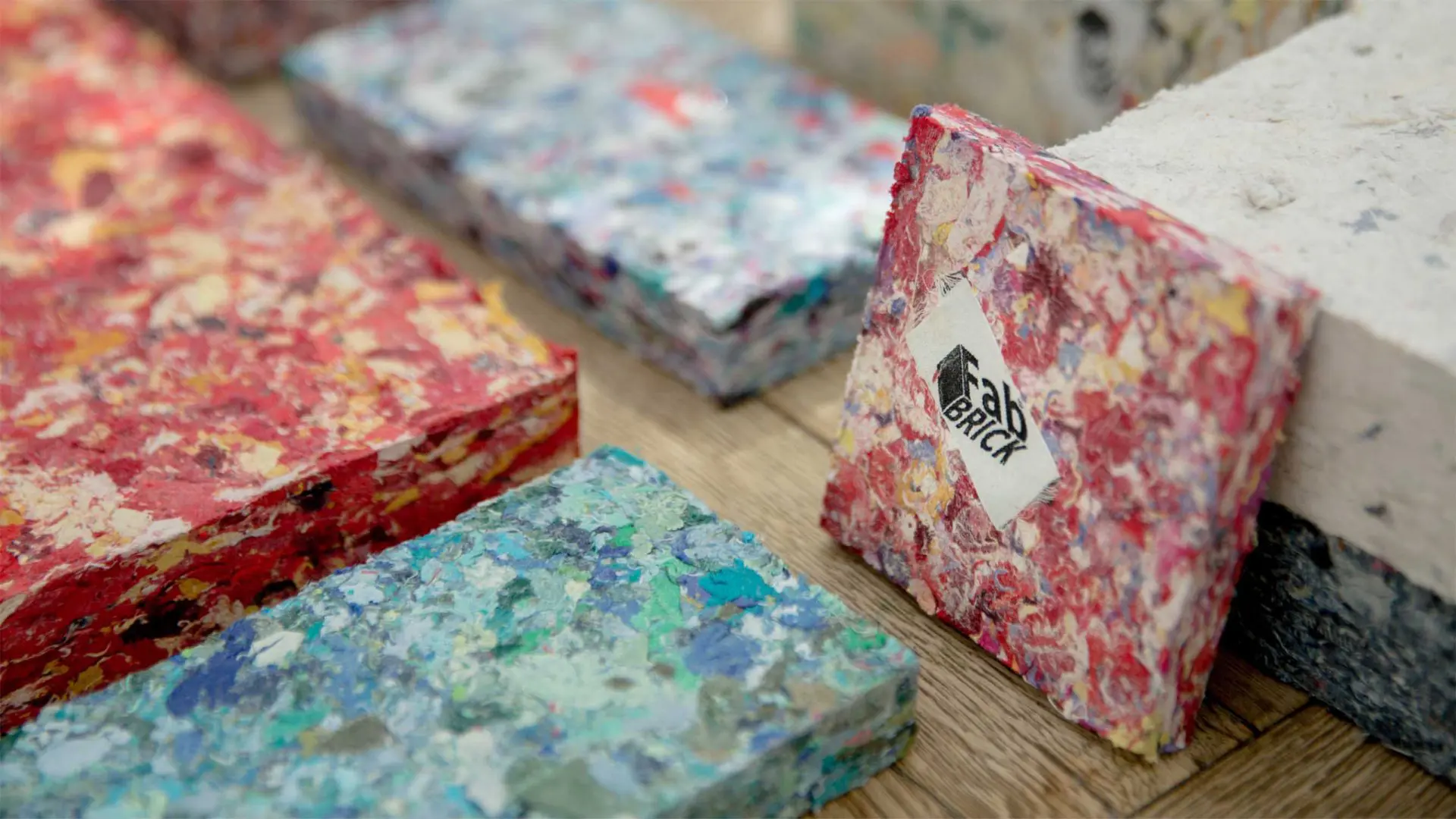
FabBRICK reinvents construction materials with recycled textile waste
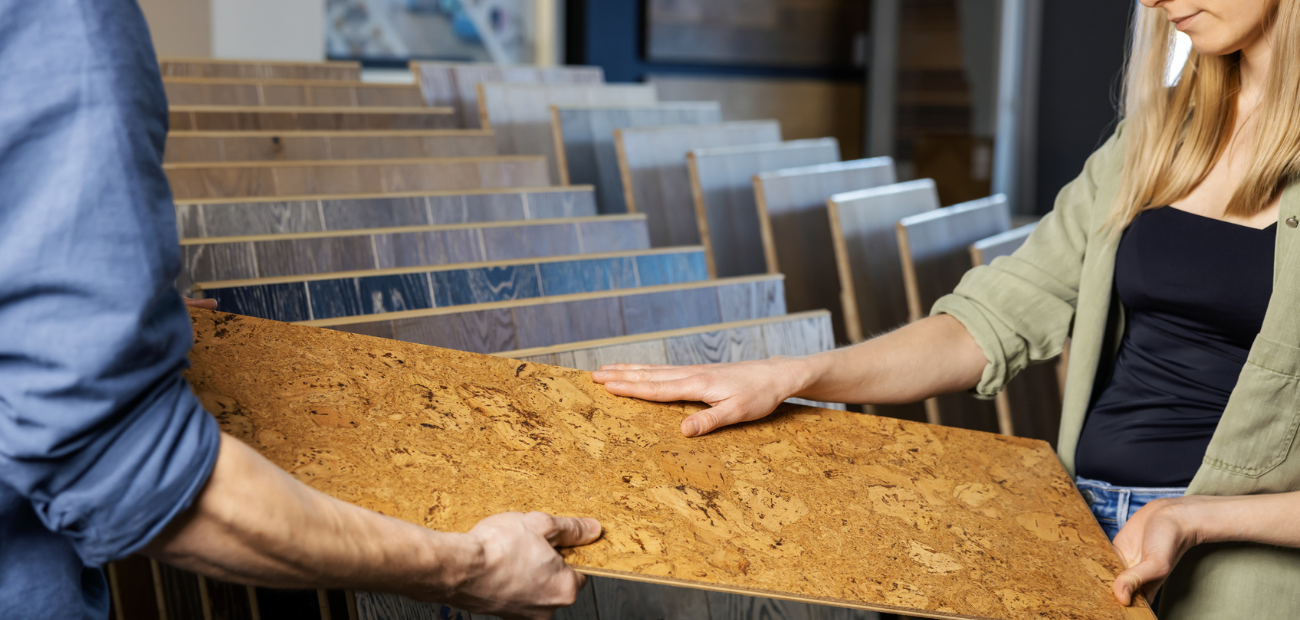
Sustainable Material Spotlight: Cork

Material Acts - Elsa Mäki - Stitching: Future Fabrication and Traditions of Reuse

How to talk to architects, builders and general contractors about sustainability

Meet the designers using revolutionary eco materials


Sustainable Construction in Concrete - A Greener Future

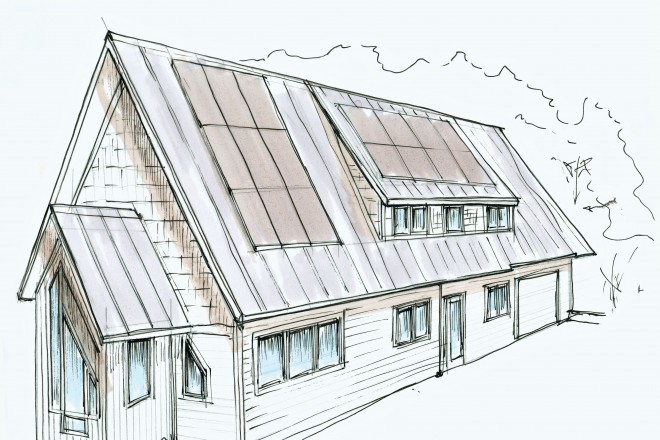
Sustainable Homes

Designer Advice for a More Sustainable Kitchen Renovation


Sustainable Material Spotlight: Concrete
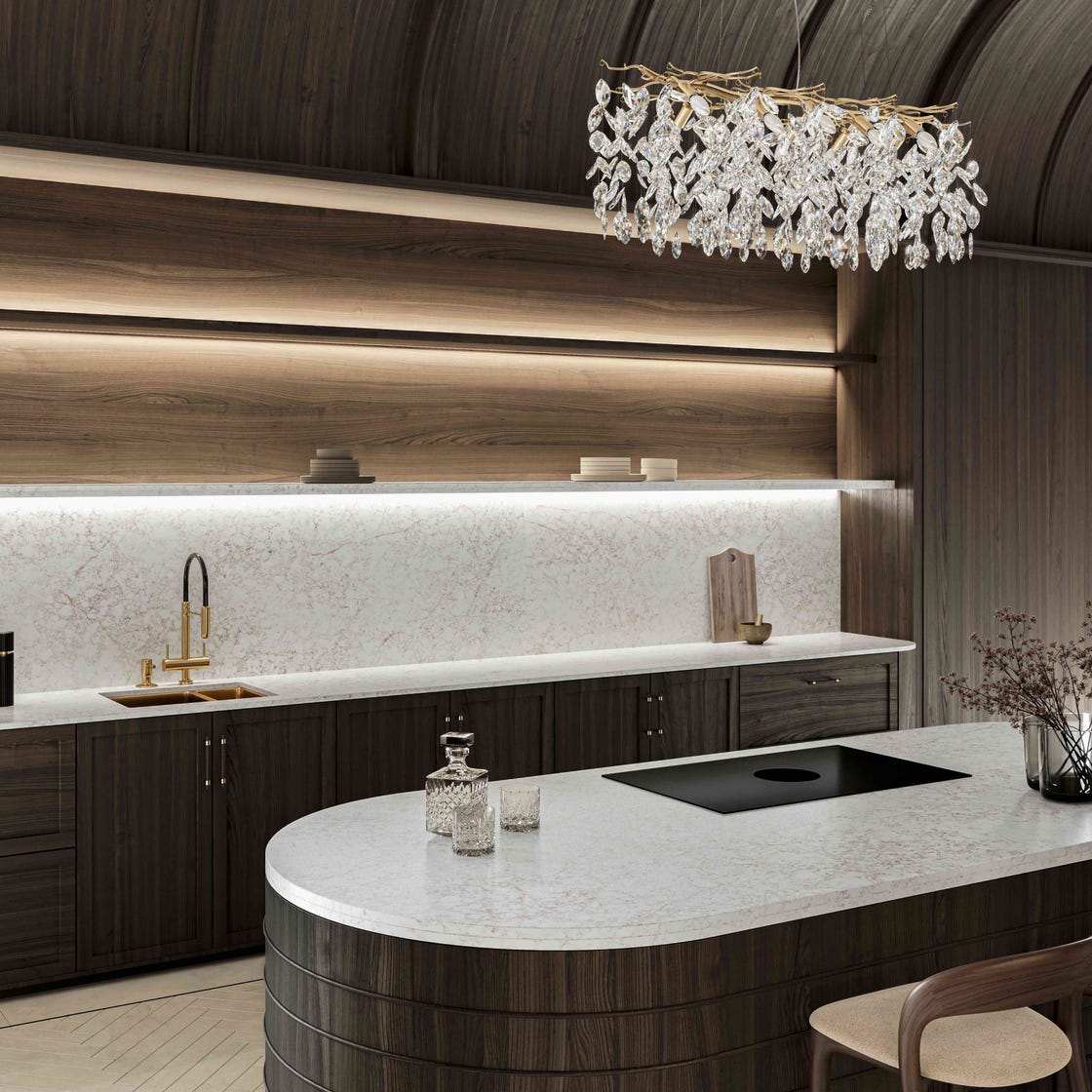
Sustainable Countertops from an Environmentally Responsible Company


Pottery Barn is highlighting Fair Trade with a collection of sustainable home decor
Sustainable Home Décor: Eco-Friendly Interior Design Trends to Watch

Preserving artisanal craftsmanship: How this brand is redefining sustainable home decor


Armourcoat creates durable clay wall covering as "ecological alternative to paint"

Inside METROPOLIS’s Sustainability Lab at NeoCon


The best ways to talk about sustainability with your clients