1/15
Geotechnical factors influencing earth retaining wall deformation during excavations
This study focuses on identifying and evaluating the key design factors that affect the stability of Earth retaining wall anchor-supported structures during urban excavations. While previous research has explored the deformation of Earth retaining walls during excavation, a quantitative examination of various influencing factors such as wall and ground characteristics, and external conditions has been limited.
To address this gap, finite-element analyses (FEA) were conducted and validated against field measurements. The comparison of numerical modeling results with actual field data demonstrated the effectiveness of the chosen numerical technique in simulating wall behavior under excavation conditions. This validation step is crucial for establishing the reliability of the subsequent parametric studies.
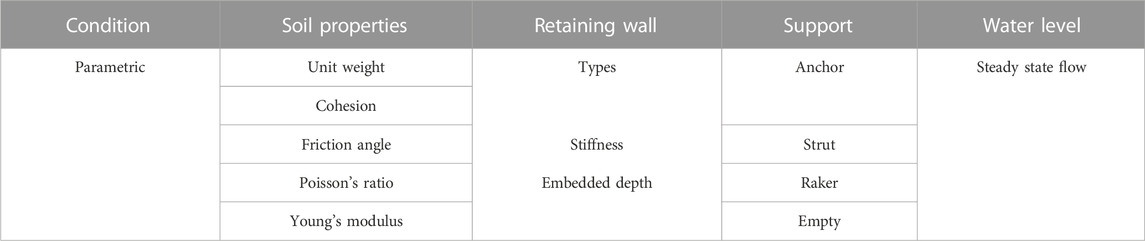
Subsequently, the research quantitatively assessed the impact of main design factors, including ground properties, external conditions, and structural stiffness, on the wall's behavior. This assessment involved applying variation ratios to each factor to observe their individual and combined effects. The findings indicate that the horizontal displacement of the wall is significantly influenced by the unit weight and shear strength of the soil, particularly the friction angle. An increase in unit weight tends to increase displacement, while an increase in shear strength (cohesion and friction angle) tends to decrease it, primarily due to improved ground stiffness.
Conversely, factors such as groundwater level (GL) location, surcharge load, and structural stiffness were found to have a relatively minor effect on the horizontal displacement of the wall. Although a higher initial GL did lead to larger horizontal displacement due to water pressure, its overall impact was less pronounced compared to the intrinsic ground properties. Similarly, variations in structural stiffness of the wall and support materials did not significantly alter horizontal displacement, suggesting that ground properties play a more dominant role in this aspect of wall behavior.
The study also investigated the variability of these main design parameters across different ground layers where the wall is installed. It revealed distinct influences of these variables depending on the specific ground layer. For instance, the friction angle had a more pronounced effect in fill and sedimentary layers compared to weathered rock, where unit weight and elastic modulus showed higher variability. This layer-specific analysis provides valuable insights for tailoring design considerations to different geological contexts.
Finally, the research concludes that accurate calculations of geotechnical properties are essential for efficient and reliable Earth retaining wall design. The findings suggest that prioritizing minimal ground investigation for highly influential geotechnical factors, such as friction angle and unit weight, can lead to more dependable and economical wall designs. The study emphasizes the need to consider different wall types and ground conditions in future analyses to enhance the practical applicability of these findings, particularly given that the current study focused on site characteristics and construction techniques prevalent in South Korea.
#EarthRetainingWall #Excavation #Deformation #ParametricStudy #FiniteElementMethod #GeotechnicalEngineering #SoilProperties #StructuralStability #CivilEngineering #EarthRetainingWall #Excavation #Deformation #ParametricStudy #FiniteElementMethod #GeotechnicalEngineering #SoilProperties #StructuralStability #CivilEngineering
0 comment in total
 No comments yet
You may also like
Mechanically stabilized earth walls
Rammed Earth Construction

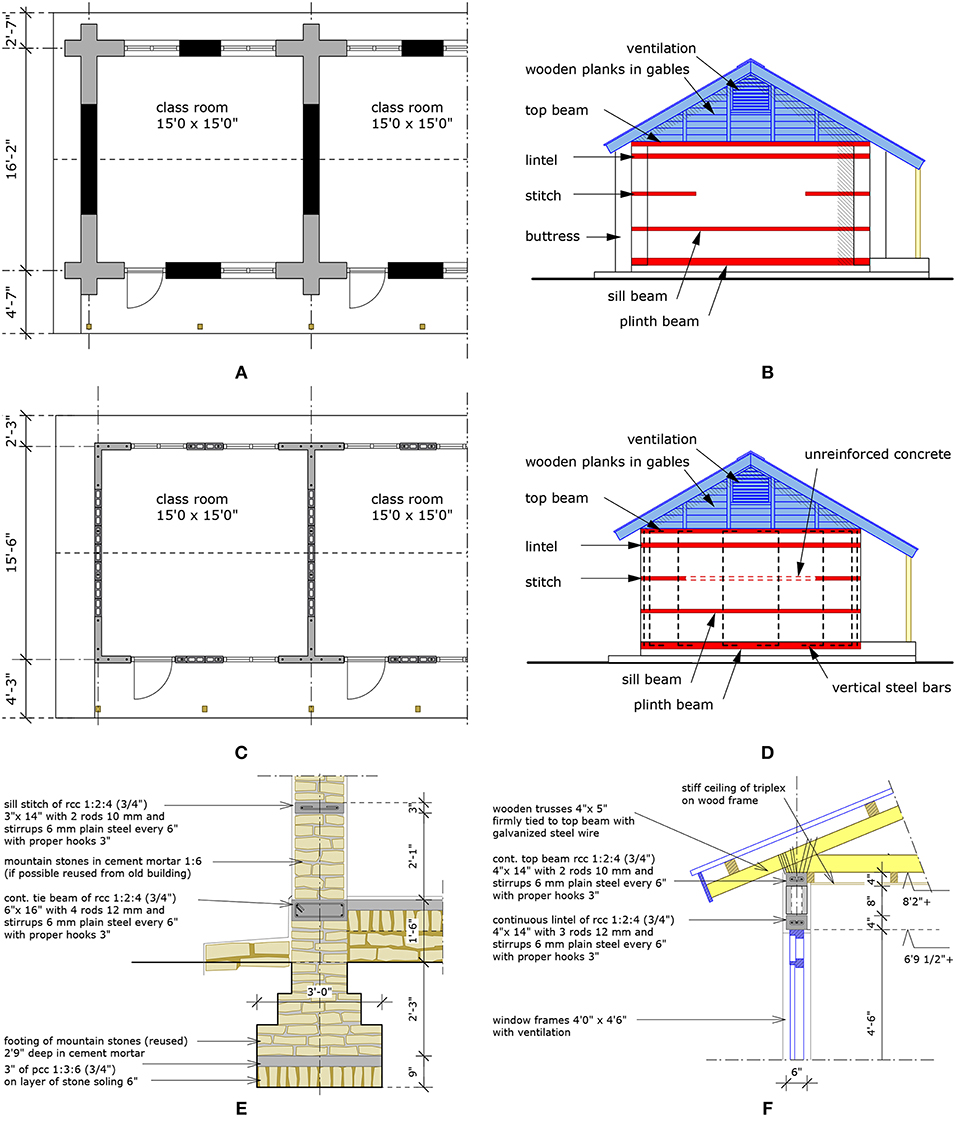
Cost Analysis of Mountain Schools in Nepal: Comparison of Earthquake Resistant Features in Rubble Stone Masonry vs. Concrete Block Masonry
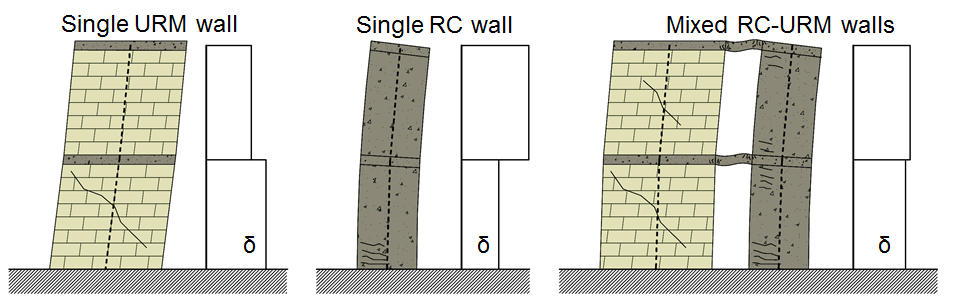
Coupling URM walls with RC walls ‒ EESD
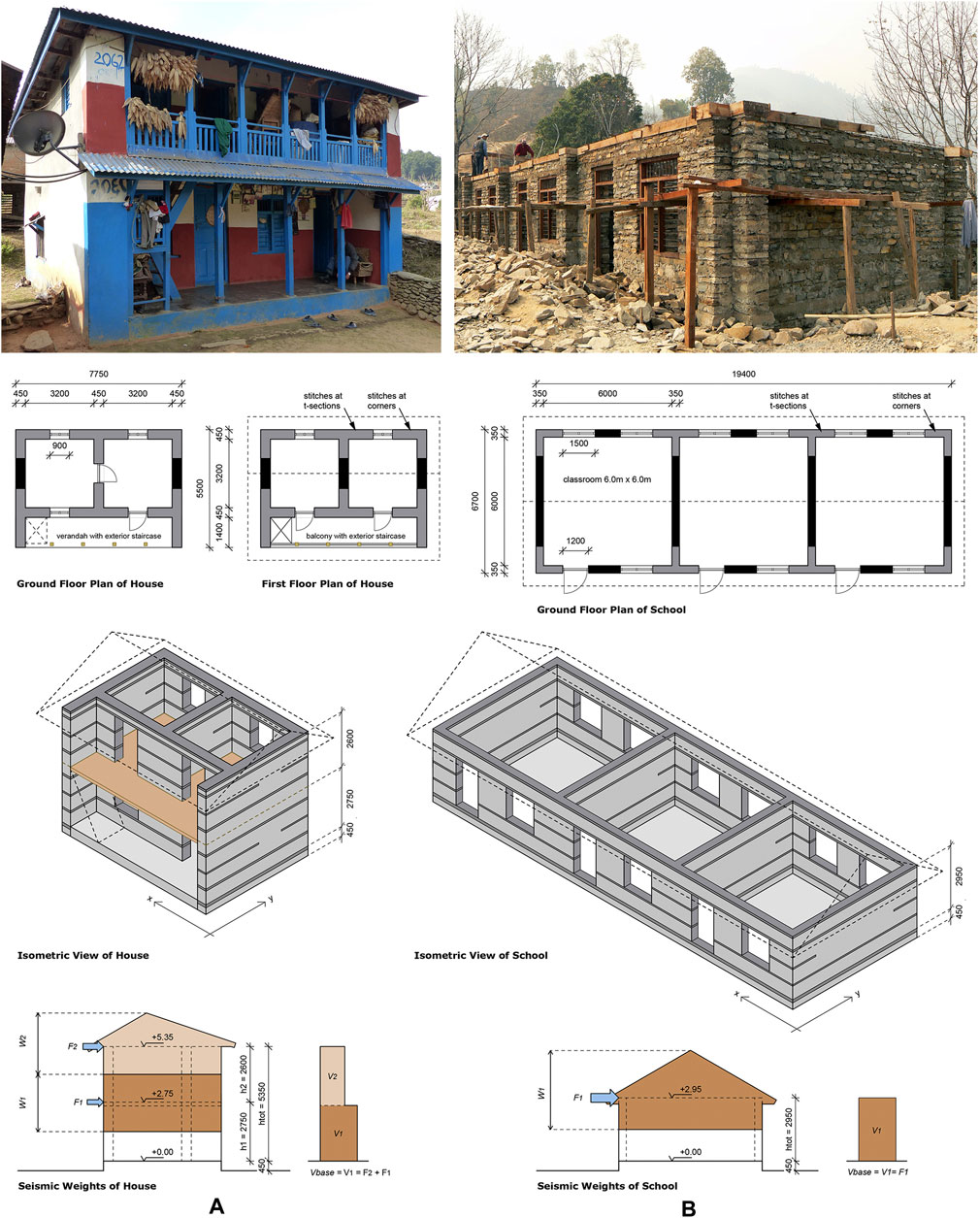
Rubble Stone Masonry Buildings with Cement Mortar: Base Shear Seismic Demand Comparison for Selected Countries Worldwide
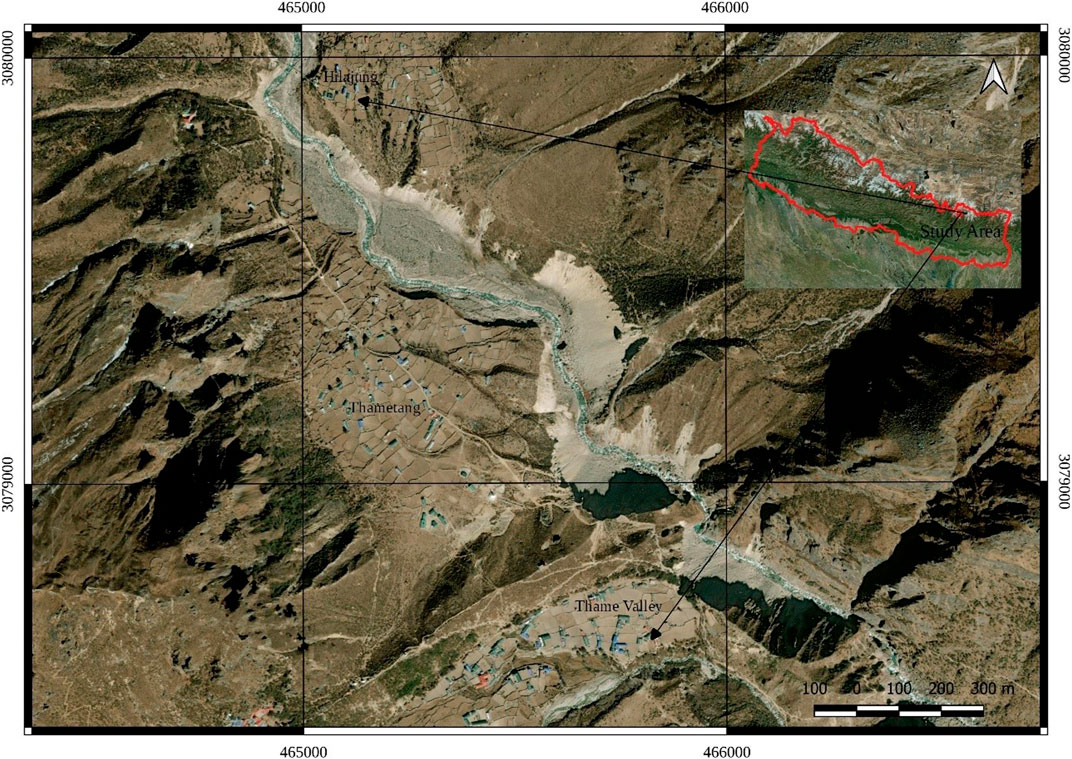
Enhancement of Himalayan irregular stone masonry buildings for resilient seismic design

Retaining walls: Helping overcome a multitude of obstacles


A Secure Solution For Framing Floating Walls In Shifting Soil
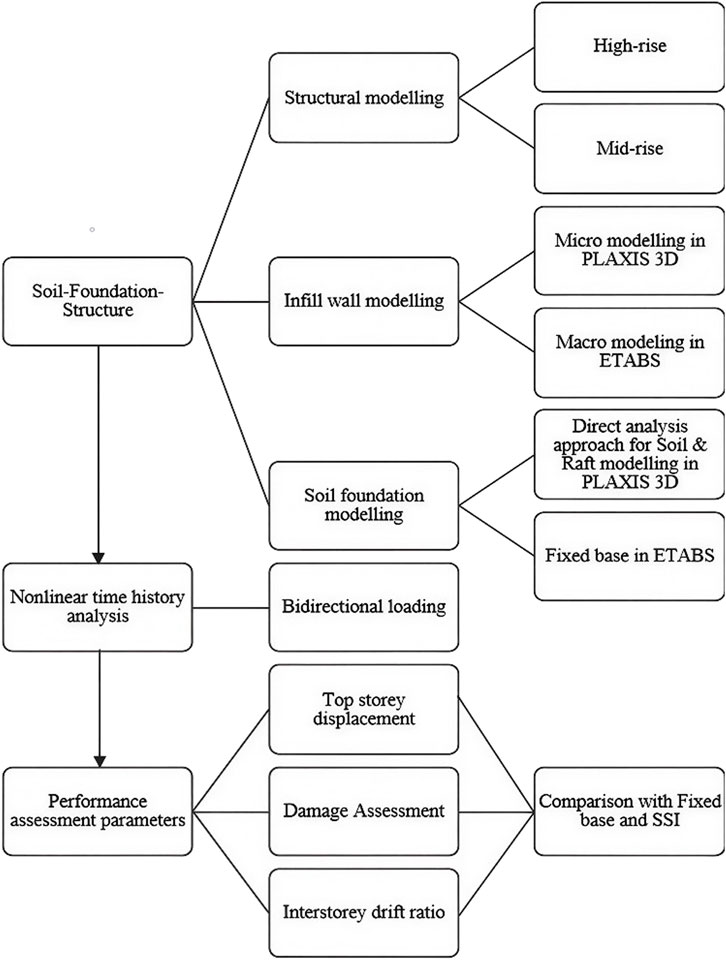
Seismic performances of reinforced concrete buildings with openings in unreinforced masonry infill walls: a soil–foundation–structure modelling approach
Keystone Design Manual & KeyWall PRO Operating Guide From: Keystone Retaining Wall Systems LLC

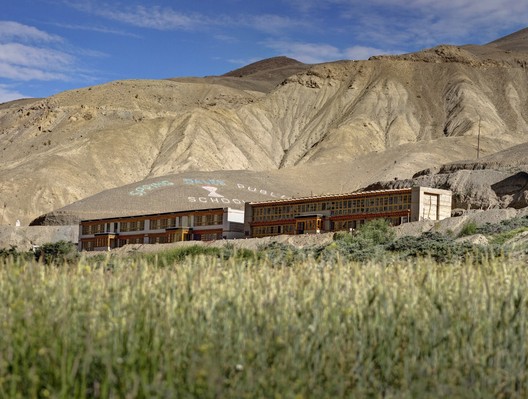
How Rammed Earth Walls Were Given a New Lease of Life in Vernacular Himalayan Buildings

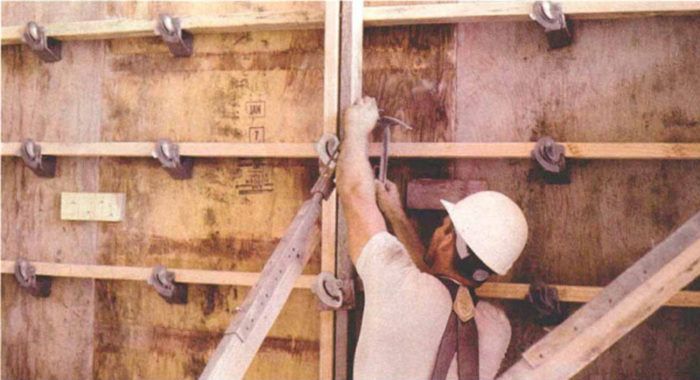
Designing Forms for Tall Concrete Walls

10 Retaining Wall Ideas That Add Style and Support to a Sloped Backyard

Seismic Retrofitting Concrete - Q and A with Kyle Tourje of Alpha Structural Inc.

Designing the Appearance of Rammed Earth Walls: The Interplay Between Natural Clay Colors and Pigmentation
Designing brick veneer for loadbearing exterior walls
School Buildings in Rubble Stone Masonry With Cement Mortar in Seismic Areas: Literature Review of Seismic Codes, Technical Norms and Practical Manuals
Rubble Stone Masonry Buildings With Cement Mortar: Design Specifications in Seismic and Masonry Codes Worldwide
Dampproofing and Waterproofing for Foundation Walls

How Formwork Works