1/9
School Buildings in Rubble Stone Masonry With Cement Mortar in Seismic Areas: Literature Review of Seismic Codes, Technical Norms and Practical Manuals
This literature review examines the state of the art concerning non-engineered rubble stone masonry construction, specifically for school buildings, in seismic areas. The research focuses on structures built with loadbearing walls of rubble stone masonry in cement mortar, reinforced with horizontal elements. A total of 47 relevant field manuals published between 1972 and 2017 were analyzed, alongside 109 national building codes. The objective was to identify similarities, contradictions, gaps, and discrepancies among these publications. Given that most practical manuals target the Himalayan context, Indian and Nepali seismic and building codes were particularly relevant for comparison.
A significant finding is that only nine manuals provide design and construction processes for schools, despite these often conflicting with codes that explicitly prohibit stone masonry for buildings with an importance factor of 1.5 or higher (which includes schools). It was observed that seven of these nine manuals were either written or co-written by the same author, Martijn Schildkamp, and that much of the available knowledge, largely empirical, stems from a limited number of primary sources. However, consistency and consensus were lacking across almost all critical topics, such as main dimensions, opening parameters, and reinforcing elements. Furthermore, the persistent copying of identical illustrations and tables, including those with apparent conflicts, suggests that knowledge in this domain has not significantly advanced since the 1980s, an observation reinforced by the fact that Indian and Nepali seismic codes have not been substantially updated since 1994.
The review highlights that existing information contains numerous contradictions and has become ambiguous, raising concerns about its correctness, reliability, and practical value. For instance, while Indian codes prohibit low-strength masonry for important buildings (like schools) in high seismic zones, the Nepali government has approved school designs in rubble stone masonry, directly contradicting its own regulations. The authors propose that the current body of knowledge requires comprehensive assessment, validation, optimization, and supplementation through modern computational, testing, and modeling techniques. To address this, the authors have launched the SMARTnet initiative (Seismic Methodologies for Applied Research and Testing of non-engineered Techniques), which aims to update and disseminate knowledge about traditional building techniques, starting with rubble stone schools in Nepal as a case study. This initiative calls for global collaboration from experts and academics.
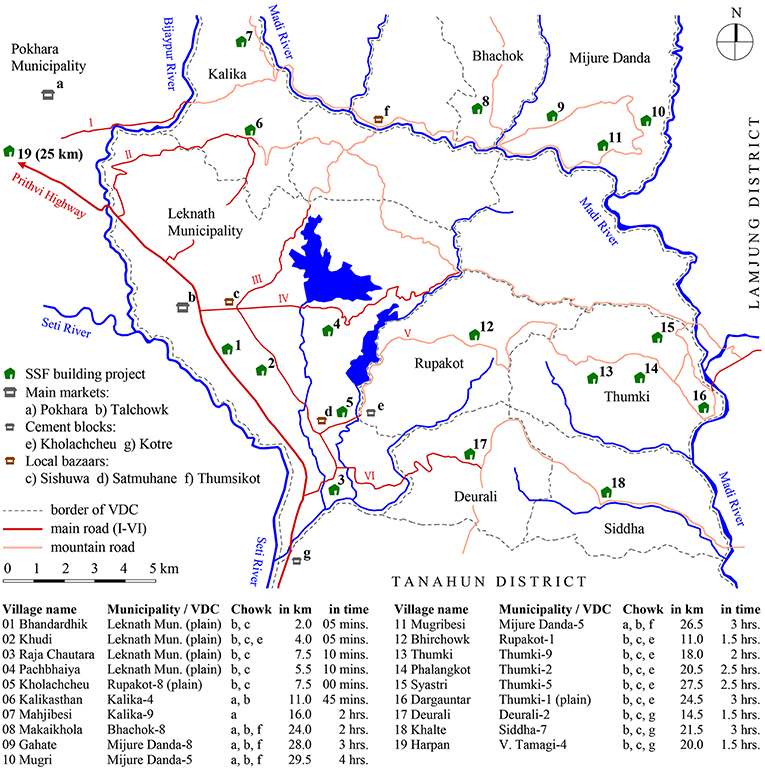
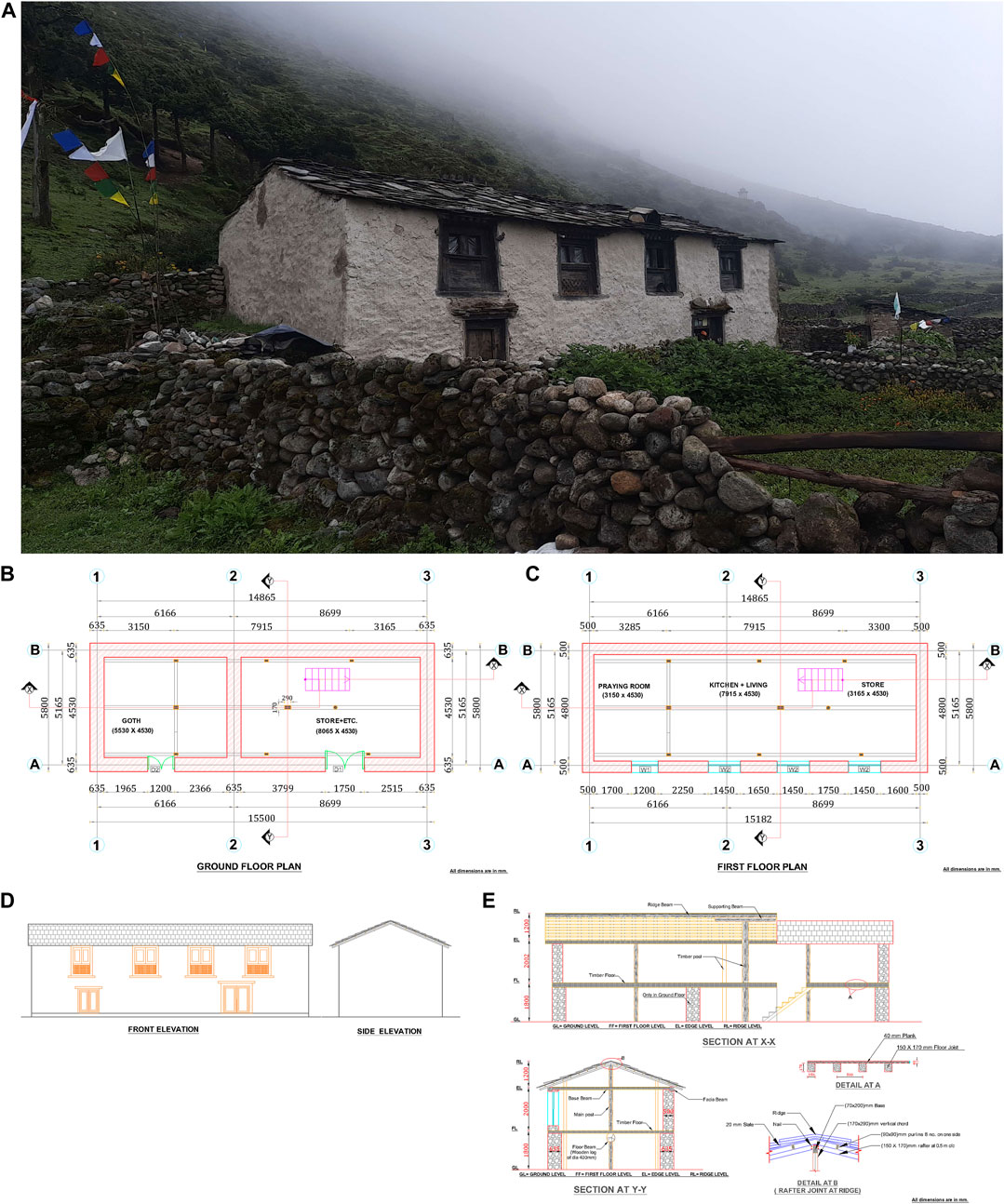
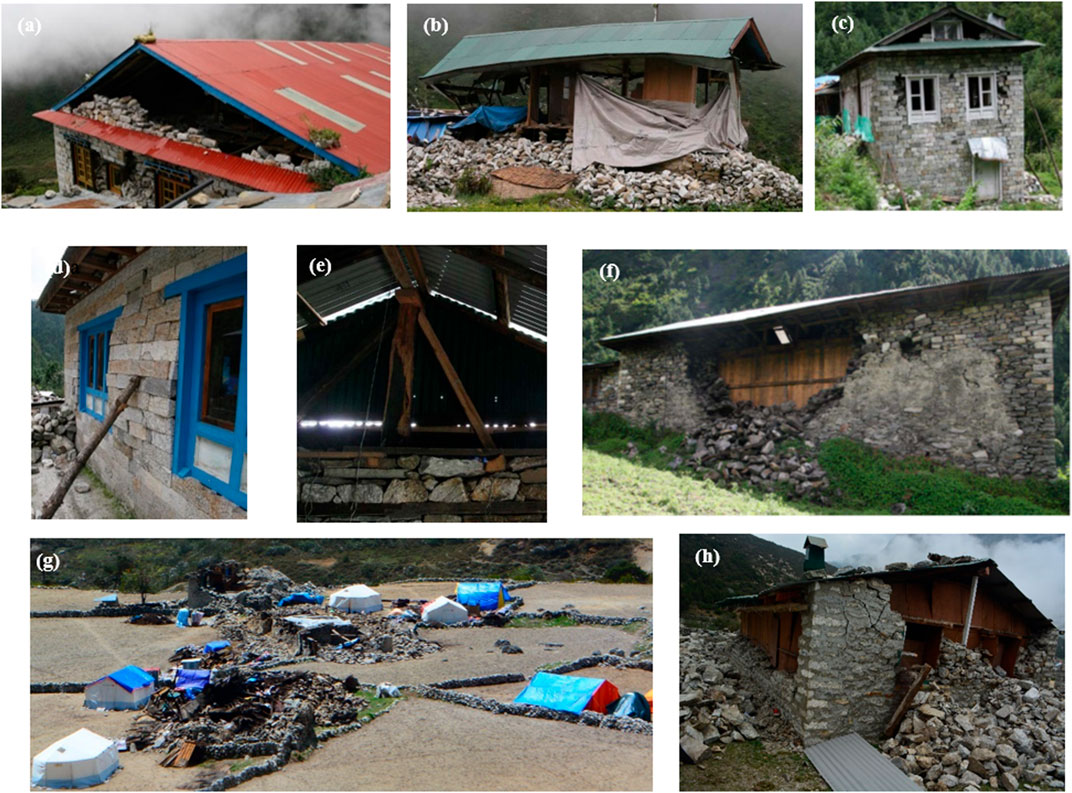
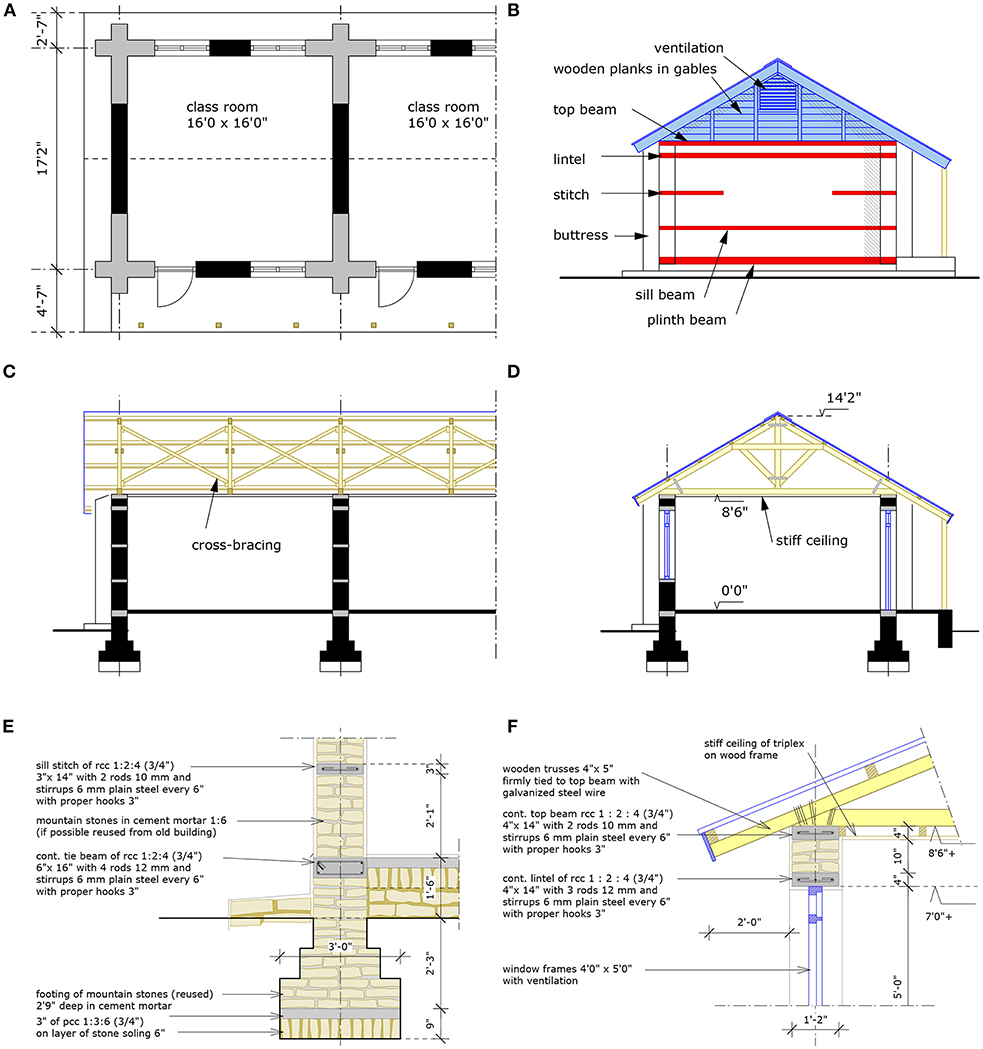
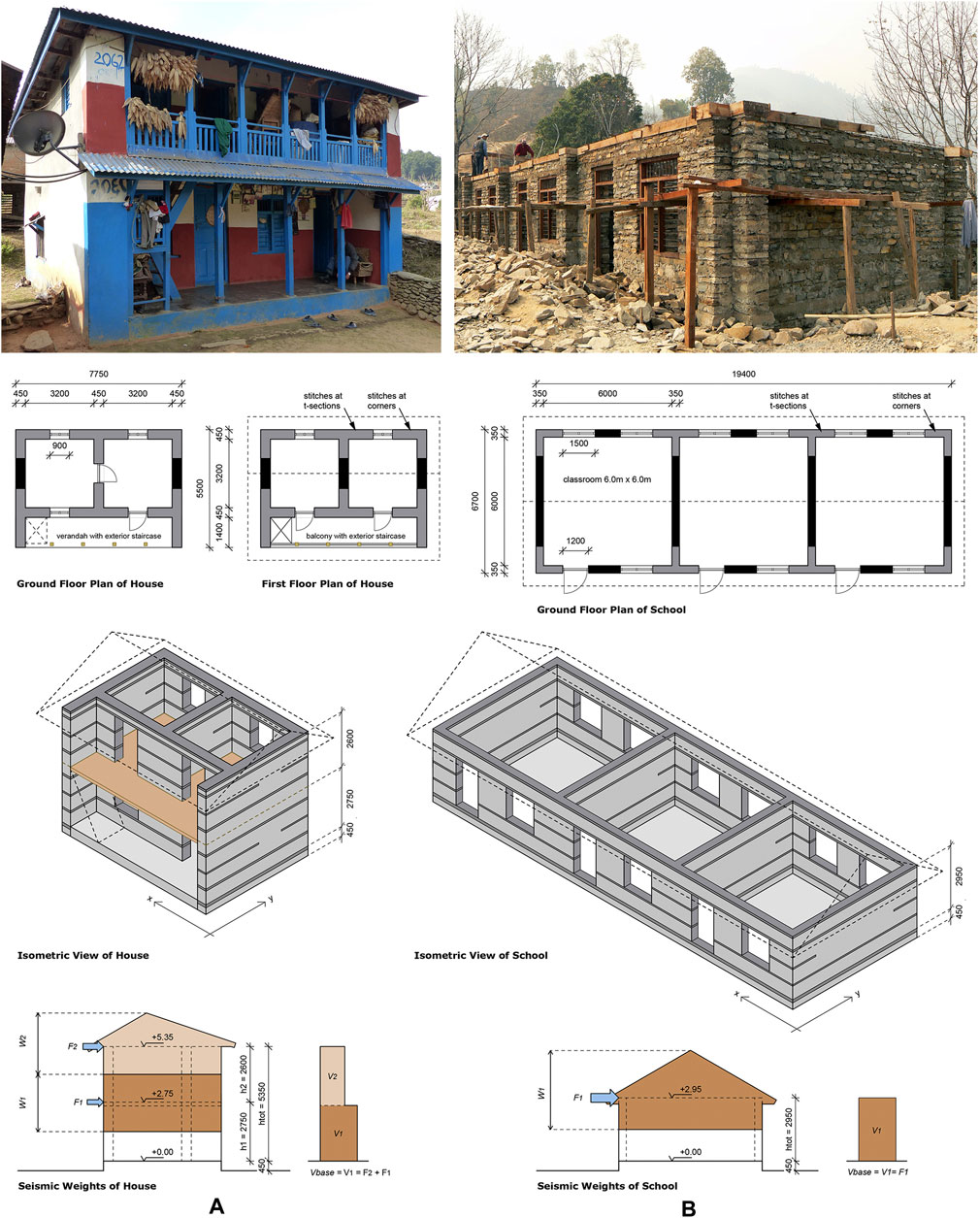
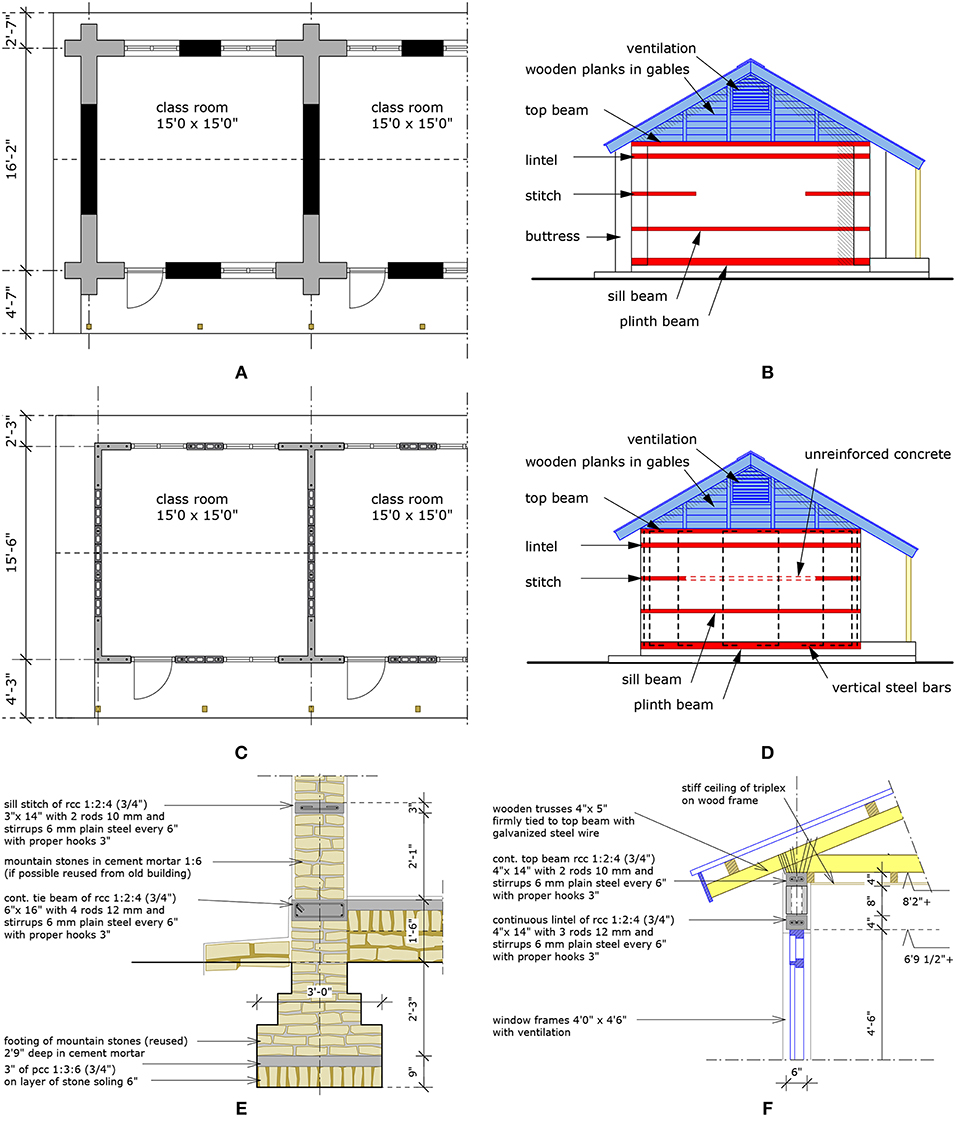
The paper details the specific design parameters of schools built by the Smart Shelter Foundation in Nepal, which largely withstood the 2015 Gorkha earthquakes. These designs feature maximum classroom dimensions of 4.8 x 4.8 meters, 350mm thick random rubble stone masonry walls with cement-sand mortar, buttresses at wall ends, and horizontal reinforced concrete bands at five levels. The decision not to include vertical reinforcements in critical wall connections, based on expert advice regarding potential weakening, remains a debated topic. The type of stone masonry and mortar is also discussed, categorizing stone types (rubble vs. ashlar) and mortar compositions (mud, cement, lime-sand) in relation to seismic safety. Rubble stone masonry with cement mortar is classified as the second safety level according to Arya (2003).
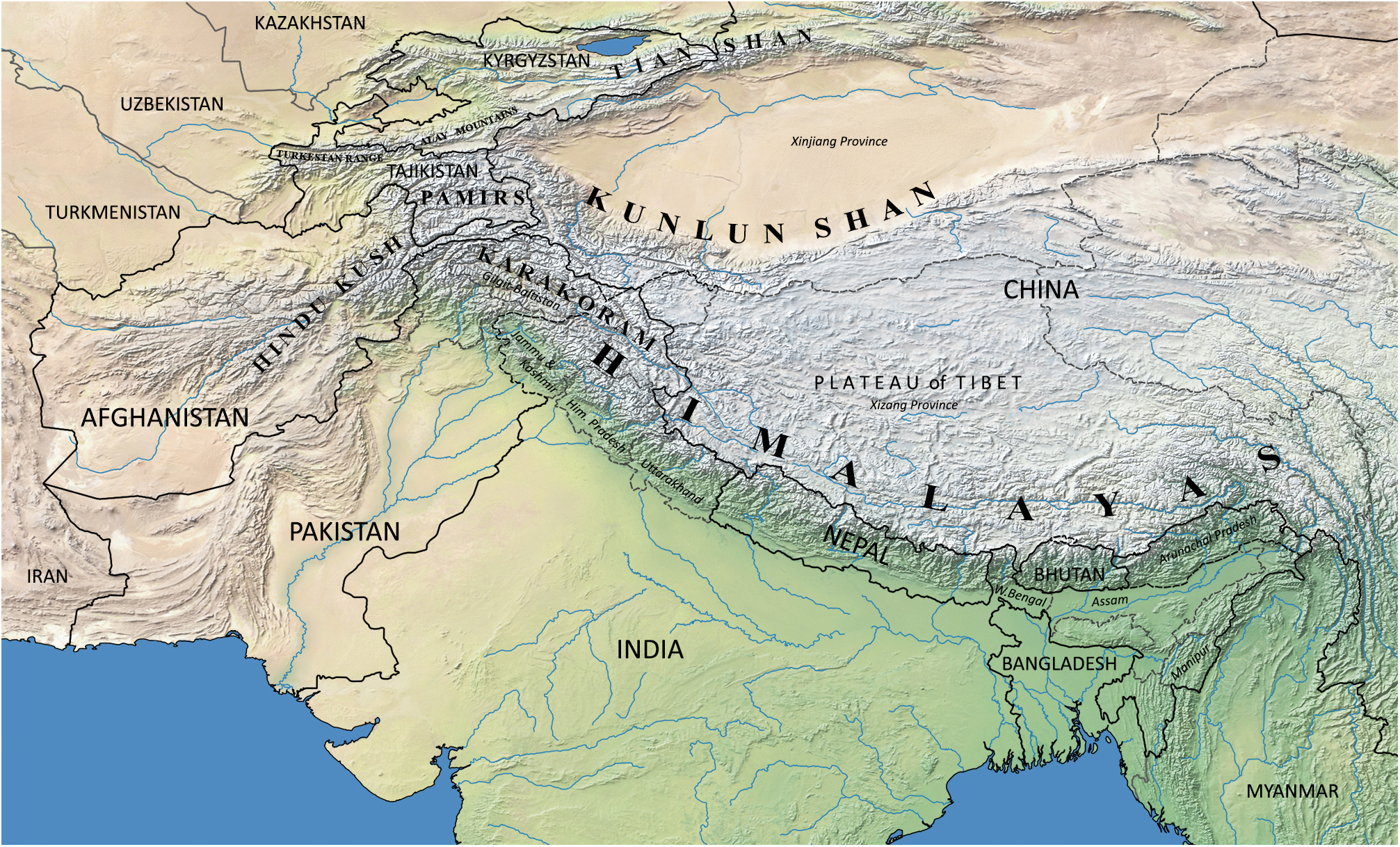
Additionally, the paper distinguishes between reinforced, confined, and unreinforced masonry systems, noting the ambiguity in classifying structures with minimal reinforcement. It discusses the concept of "non-engineered" construction and the historical development of guidelines for such buildings, highlighting the need for separate code specifications for engineered and non-engineered structures. The article also examines how building categories are determined, referencing seismic zonation, ground conditions, and building importance, and critically assesses the "one-size-fits-all" approach in some publications. The eligibility of national seismic codes is narrowed down to the Himalayan region due to global restrictions on rubble stone masonry in high seismic zones and linguistic challenges. For practical manuals, a completeness analysis revealed that only one manual fully aligned with the specific search criteria, emphasizing the scarcity of precise and comprehensive guidance for this construction type.
#RubbleStoneMasonry #SeismicCodes #NonEngineeredConstruction #SchoolBuildings #EarthquakeEngineering #BuildingManuals #HimalayanRegion #ConstructionSafety #StructuralIntegrity #RubbleStoneMasonry #SeismicCodes #NonEngineeredConstruction #SchoolBuildings #EarthquakeEngineering #BuildingManuals #HimalayanRegion #ConstructionSafety #StructuralIntegrity
0 comment in total
 No comments yet
You may also like
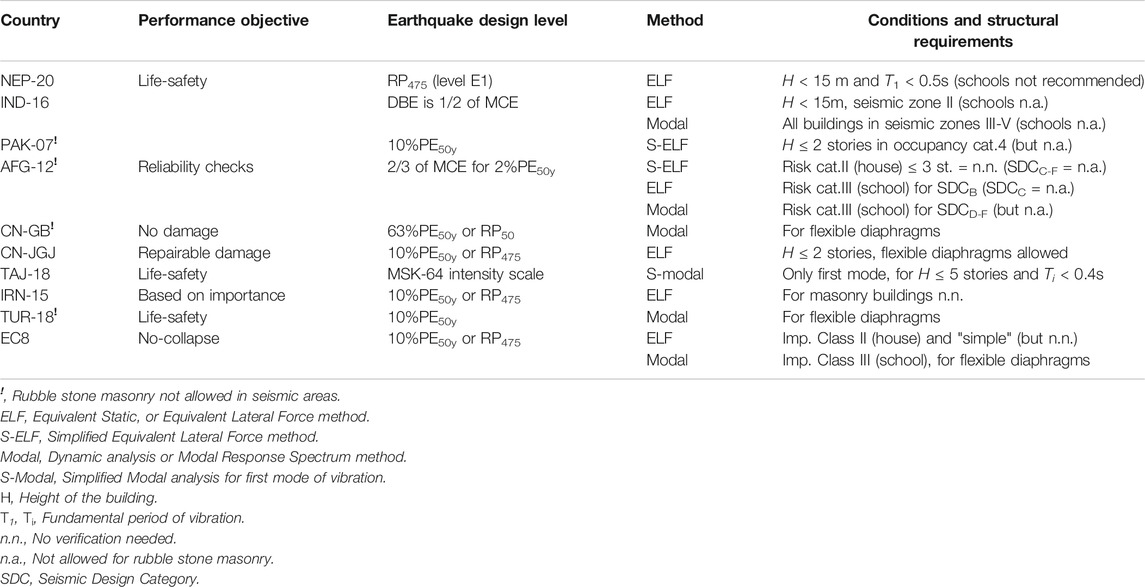
Rubble Stone Masonry Buildings With Cement Mortar: Design Specifications in Seismic and Masonry Codes Worldwide
Taking the floor
Seismic Performance and Strengthening of Purlin Roof Structures Using a Novel Damping-Limit Device
Rubble Stone Masonry Buildings with Cement Mortar: Base Shear Seismic Demand Comparison for Selected Countries Worldwide
Enhancement of Himalayan irregular stone masonry buildings for resilient seismic design
Confirming the Connection Detail for a Residential Footing

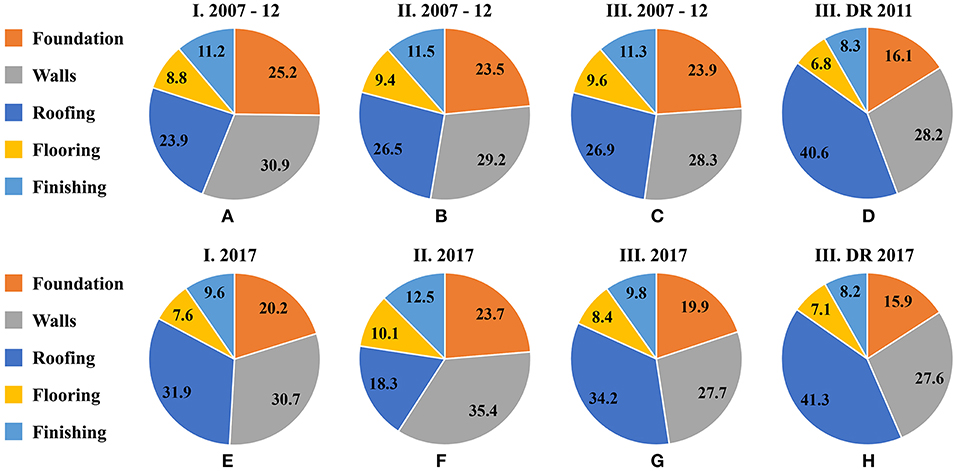
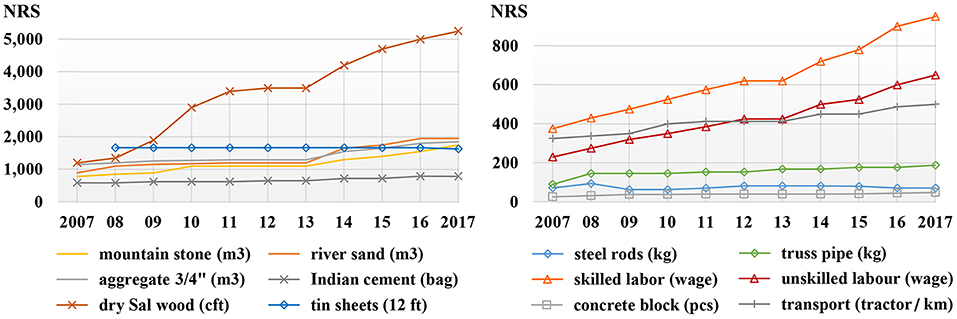
Cost Analysis of Mountain Schools in Nepal: Comparison of Earthquake Resistant Features in Rubble Stone Masonry vs. Concrete Block Masonry
Timber-concrete composite floor systems for tall buildings

Morocco earthquake: why traditional earthen architecture is not to blame for the destruction communities have endured

Coupling URM walls with RC walls ‒ EESD
Seismic Retrofitting Concrete - Q and A with Kyle Tourje of Alpha Structural Inc.

A Secure Solution For Framing Floating Walls In Shifting Soil
Seismic performances of reinforced concrete buildings with openings in unreinforced masonry infill walls: a soil–foundation–structure modelling approach
Improving floor/ceiling sound control in multifamily projects
8 special materials that are most suitable for the repair, restoration and seismic strengthening of buildi