8 special materials that are most suitable for the repair, restoration and seismic strengthening of buildi
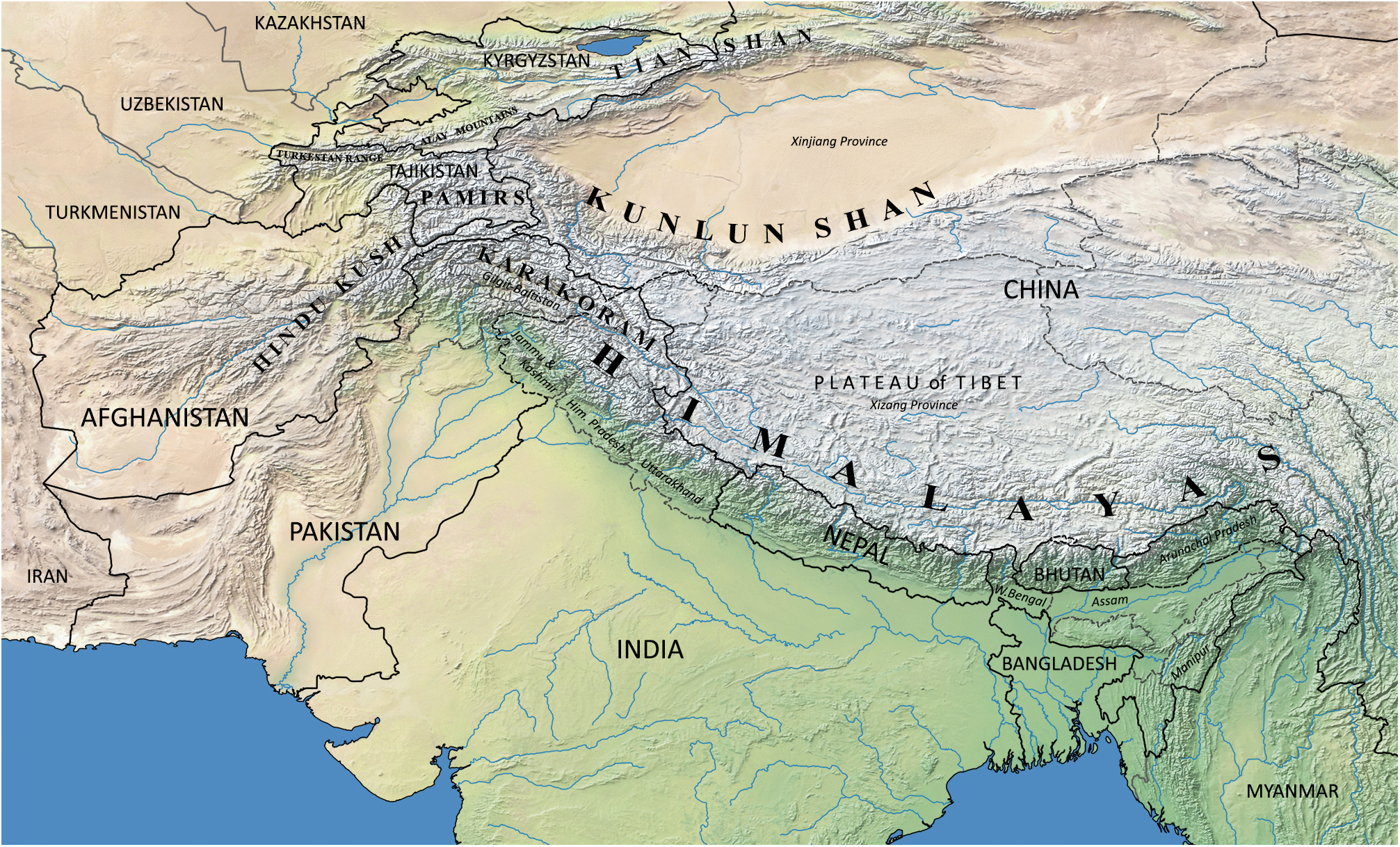
India experiences frequent natural calamities, with 59% of its land area susceptible to seismic hazards. This necessitates a strong focus on the structural integrity of buildings, especially during repair, restoration, and seismic strengthening activities. Dr. Anand S. Arya, Professor Emeritus at I.I.T. Roorkee and an advisor to the Ministry of Home Affairs, has outlined eight specialized materials crucial for these projects.
While traditional materials like cement and steel are foundational, additional admixtures can enhance properties like non-shrinkage and bond strength. Temporary supports often utilize wood and bamboo. However, for optimal results, specific advanced materials and techniques are recommended, chosen based on the building's nature, cost, material availability, and skill applicability.
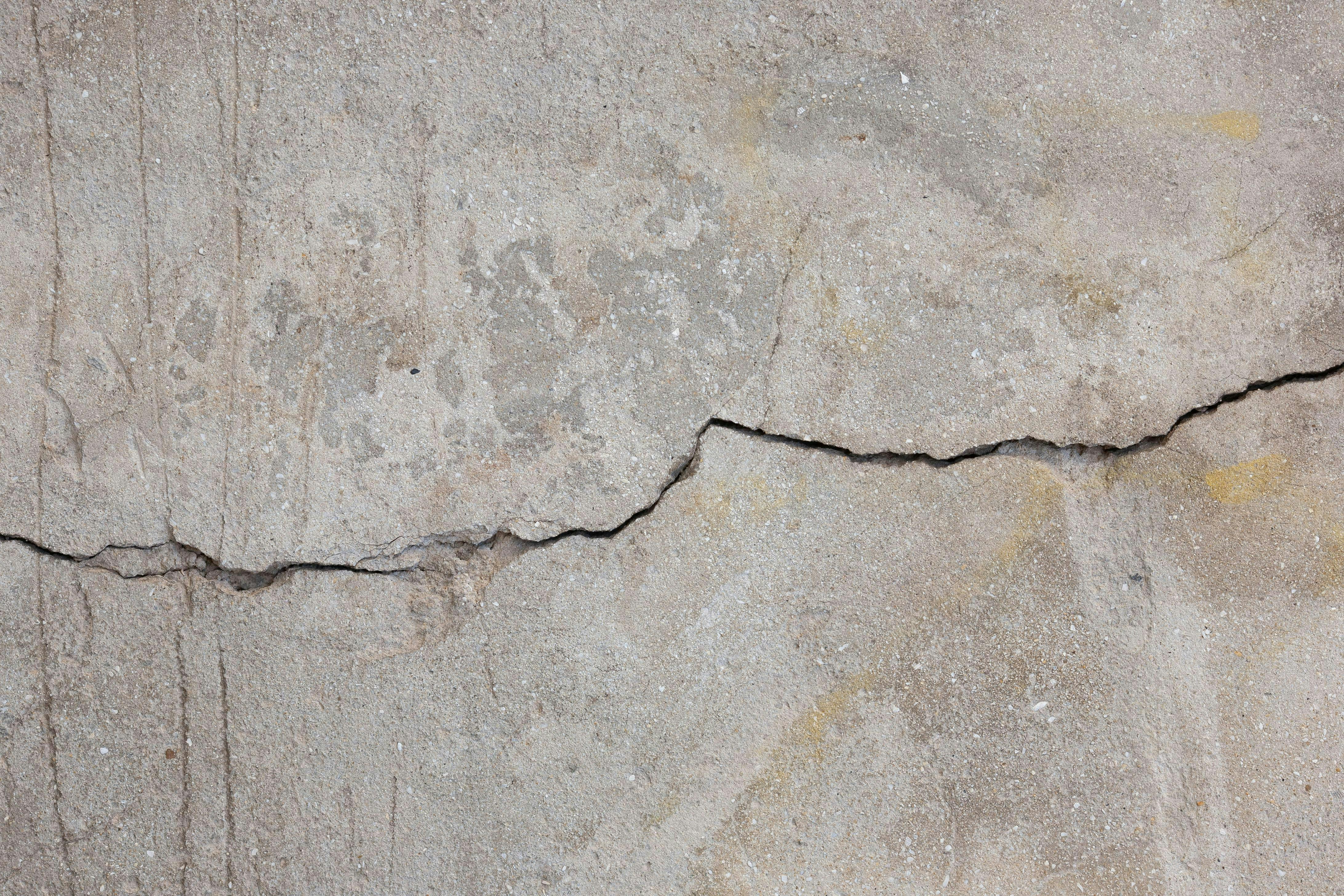
The first specialized material is Non-Shrink Grouts, ideal for filling masonry cracks. These grouts maintain their volume upon setting and modern formulations include non-shrink cement, special sands, and polymers to boost adhesive and tensile strength.
Shotcrete, a mortar or concrete mix with aggregates up to 10mm, is sprayed onto surfaces using compressed air, forming a compact, homogeneous mass. There are two shotcreting methods: wet mix, where water is added before the hose, and dry mix, where water is added at the nozzle. Dry mix shotcrete is particularly effective for concrete repair, often combined with epoxy adhesives and shear keys to ensure strong bonding and shear transfer.
Epoxy Resins are high-tensile-strength chemical mixtures functioning as exceptional adhesives. Their viscosity can be adjusted, allowing them to fill fine cracks or serve as surface coatings and fillers for larger voids. They are also useful for attaching steel plates to damaged structures.
Epoxy Mortar, created by mixing epoxy resins with fine aggregates, is suitable for filling large gaps. It boasts higher compressive and tensile strength than cement concrete, with sand added to improve its modulus of elasticity.
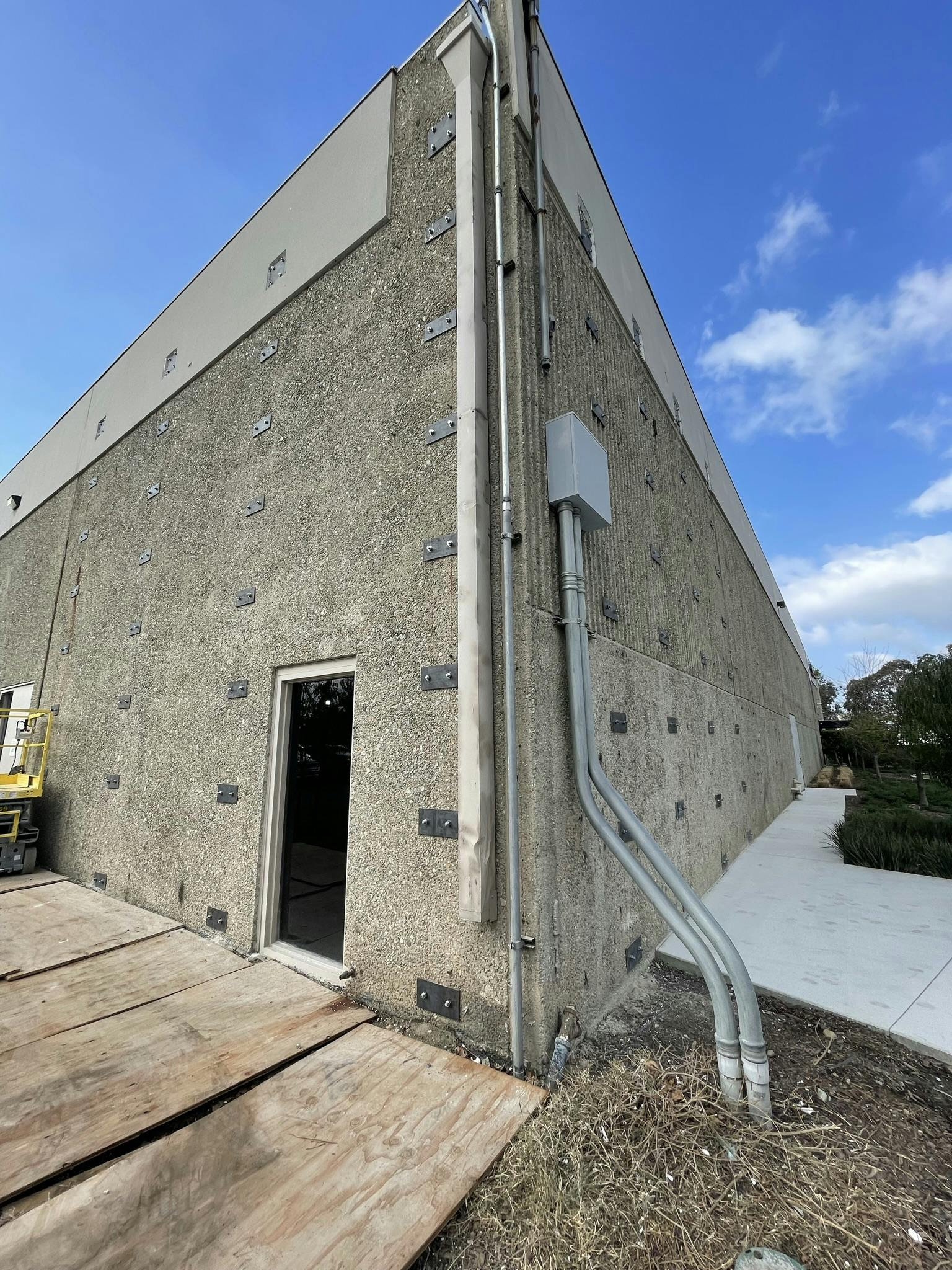
Quick-Setting Cement Mortar is a non-hydrous magnesium phosphate cement, formed by mixing a liquid with a dry powder. Mechanical Anchors provide structural anchorage through wedging action, offering shear and tension resistance. Chemical anchors, utilizing polymer adhesives in drilled holes, are alternatives when mechanical anchors are impractical.
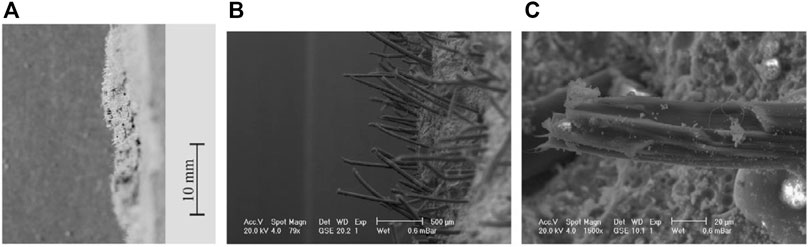
Ferrocement, or Fibre Concrete, involves a thin layer of cement mortar over mild steel rods and square mesh. This material is easy to apply and can be used to form ferrocement plates (30-180mm thick) for retrofitting masonry structures.
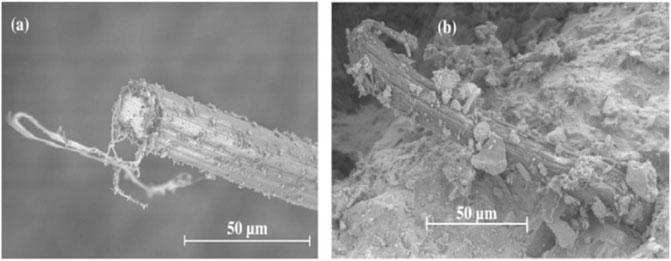
Finally, Fibre Reinforced Plastics (FRP) are advanced materials for strengthening reinforced concrete or masonry, or as a substitute for steel plate bonding. FRP offers a high strength-to-weight ratio and corrosion resistance. An FRP plate can be significantly lighter and stronger than a steel plate. These plates are typically attached using epoxy mortar, and manufacturers' specifications and testing are critical for proper design and implementation in retrofitting projects.
#BuildingMaterials #SeismicStrengthening #ConstructionTechnology #StructuralRepair #EpoxyResins #Shotcrete #FRP #Ferrocement #BuildingMaterials #SeismicStrengthening #ConstructionTechnology #StructuralRepair #EpoxyResins #Shotcrete #FRP #Ferrocement
0 comment in total
 No comments yet
You may also like

Building Materials - Building Supplies

Damage and restoration technology of historic buildings of brick and wood structures: a review
Seismic Performance and Strengthening of Purlin Roof Structures Using a Novel Damping-Limit Device
The Regs: Staying compliant with construction in stone
Tensile strain-hardening cementitious composites and its practical exploration without reinforcement: A review

Material Guide: The Benefits of Building With Concrete

Coupling URM walls with RC walls ‒ EESD

More Practical Than Plaster and Cement: This Material Is on Our Reno Radar
Seismic Retrofitting Concrete - Q and A with Kyle Tourje of Alpha Structural Inc.


Timber-concrete composite floor systems for tall buildings
Taking the floor
Assessment of the effectiveness of secondary anti-damp insulation in heritage buildings made of historic brick: the current state of knowledge, research gaps and perspectives
AFS Foundation Repair & Waterproofing Specialists


10 Innovative Materials Poised to Make Home Building More Sustainable


The pros and cons of permanent formwork systems for single dwelling wall construction

Enhancement of Himalayan irregular stone masonry buildings for resilient seismic design
Rubble Stone Masonry Buildings With Cement Mortar: Design Specifications in Seismic and Masonry Codes Worldwide
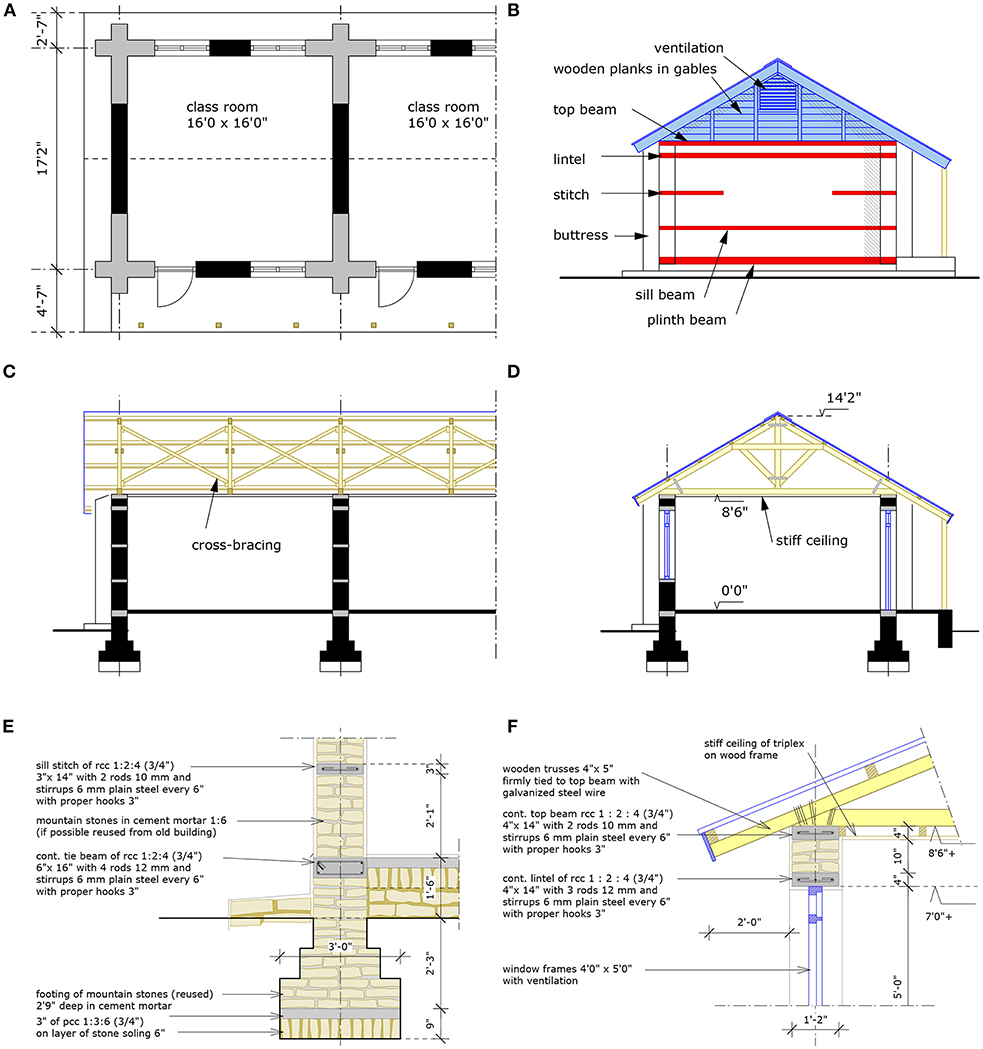
School Buildings in Rubble Stone Masonry With Cement Mortar in Seismic Areas: Literature Review of Seismic Codes, Technical Norms and Practical Manuals

For These Designers and Homebuilders, the Best Materials Are Ones That Have Already Been Used

Building Into Luxury Concrete