The Past, Re-Built to Last
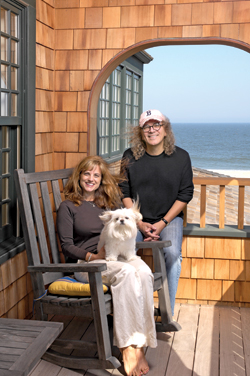
This article details the journey of Alex Pires, a Washington attorney turned Dewey Beach restaurateur and nightclub owner, and his wife, Diane Cooley, in building their shingle-style cottage in Dewey Beach, Delaware. The project began when Pires purchased a 1920s oceanfront cottage six years prior. Initially, Pires attempted two renovations to bring the cottage in line with the shingle style, inspired by the architecture of Henry Hobson Richardson in his hometown of North Easton, Massachusetts. Dissatisfied with the renovations, Pires and Cooley decided to demolish the existing structure and build a new home that truly reflected their vision.
They enlisted long-time friend and architect David Jones of David Jones Architects in Washington, D.C., for the design. The objective was to create a distinctive residence that stood out among the typical developer-built cottages in the area. Jones, who developed an appreciation for historic architecture throughout his career, embraced the challenge of designing a shingle-style dwelling. The project presented unique challenges, including editing Pires's numerous ideas and adhering to height restrictions while maintaining the style's verticality. To ensure historical accuracy and detail, Pires and Cooley researched shingle-style architecture extensively, including touring historic "cottages" in Newport, Rhode Island, designed by pioneers of the style.
The shingle style, originating in the Boston area in the 1880s, is characterized by unpainted wooden shingles and a departure from Victorian fussiness, favoring unembellished surfaces, honesty of form, and purity of line. Interiors were designed with fewer, larger rooms to maximize sunlight. Pires compiled photographs of notable architectural details, such as the small, multi-paned windows of Richardson's William Watts Sherman house and the turret inspired by the Isaac Bell House in Newport, designed by McKim, Mead and White.
The house, situated on a corner lot, features two facades: a broad gable with a deep porch facing the ocean to the east, and a more vertical tower and gable facing the street and beach path to the north. Forest green trim bands contrast with the sand-colored cedar shingles. Nautical motifs, such as a lighthouse-shaped newel post, are incorporated into the exterior. The main floor is elevated to protect against ocean surges, with breakaway walls on the lowest level for the garage and storage, a design element that allows water to flow through without compromising the structural integrity of the house. This functional and aesthetic approach prevents the common "stranded" appearance of many beach houses built on pilings.
Finding a builder capable of executing the intricate design proved difficult, with three companies declining the project. Pires ultimately hired Bob Purcell, known for his craftsmanship, after admiring a home he built in Lewes. Purcell accepted the job, committing to Jones's insistence on an entirely wooden construction, which is rare in modern building practices. The detailed design earned architect David Jones a 2008 national Palladio Award for best new house under 5,000 square feet.
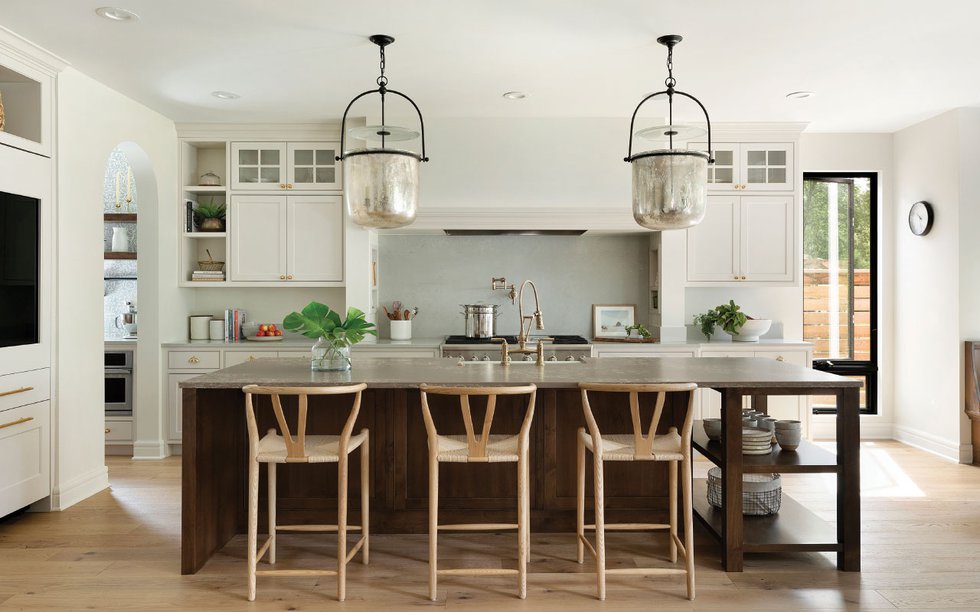
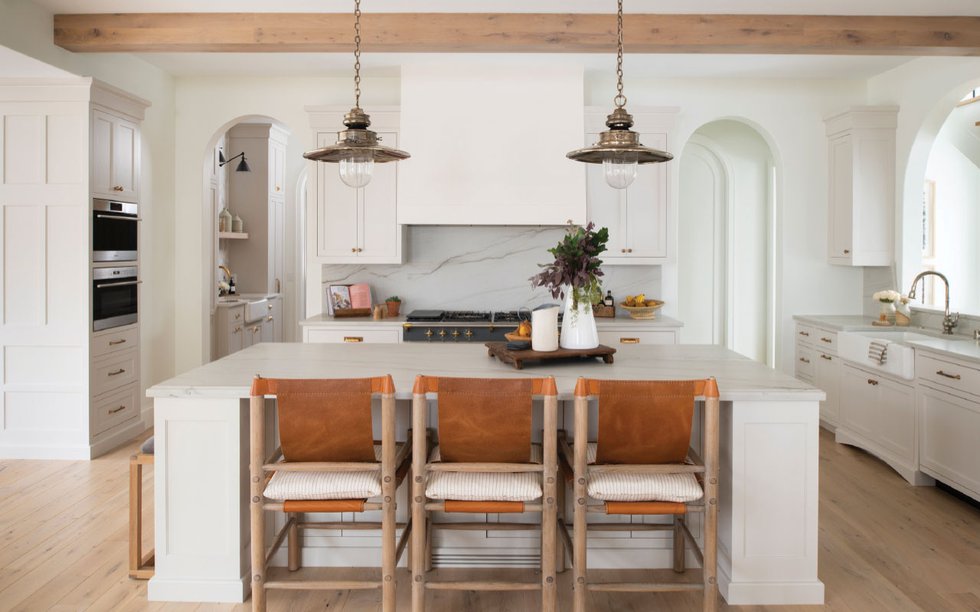
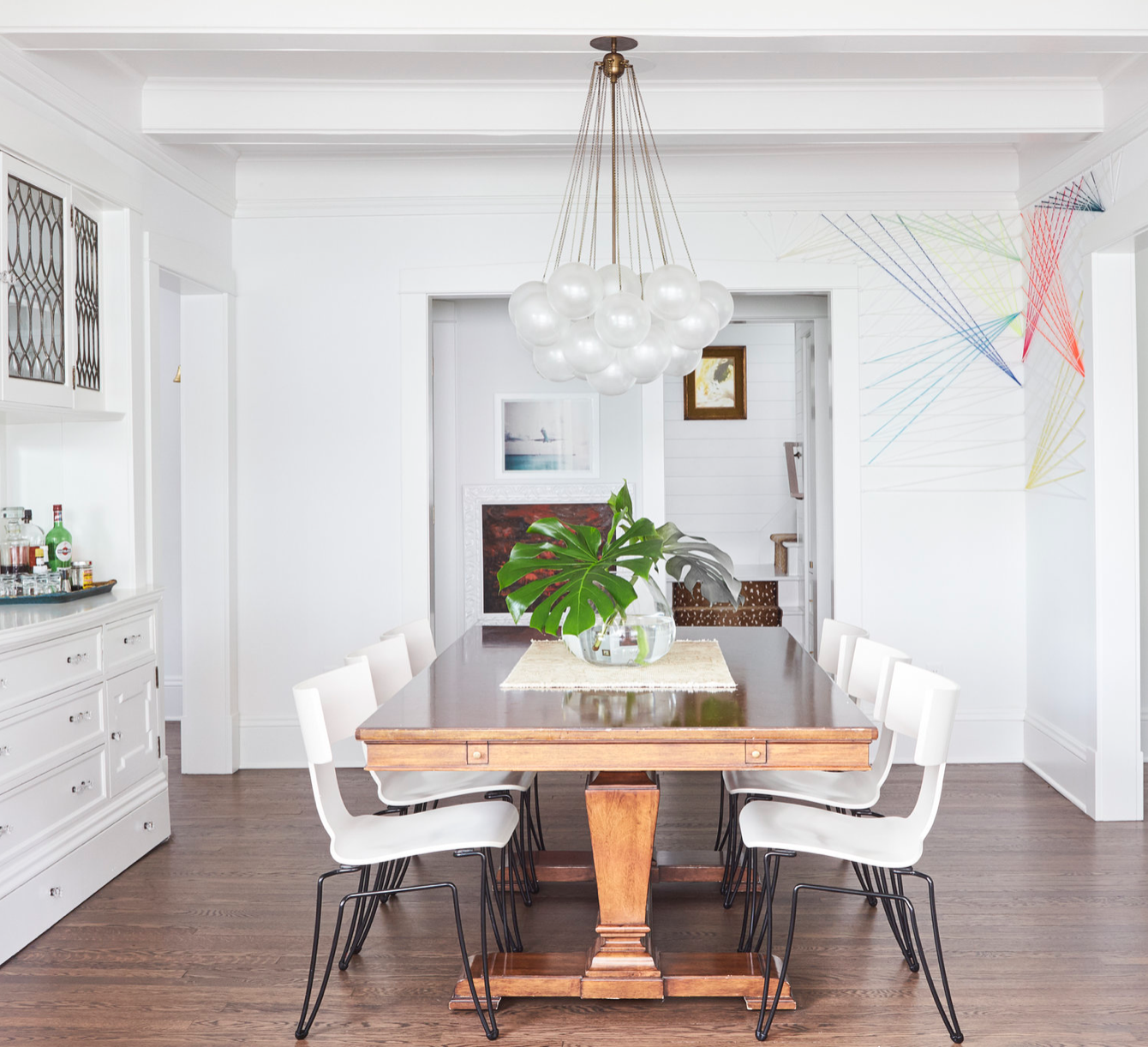
For the interiors, Pires and Cooley collaborated with Pinehurst, North Carolina-based designer Brenda Lyne, impressed by her work at the Bellmoor Inn. While Cooley initially desired a less formal style, she appreciated Lyne's ability to combine elegance with durability suitable for a beach house. The interiors feature a neutral palette with blond Australian cypress flooring and white painted wood paneling. The main level's living-dining room, facing the beachfront, is furnished with white linen slipcovered sofas, Asian-themed accents in blue, and contemporary local art. A screened-in wrap-around porch includes a hot tub and ocean views. The kitchen, though compact, is highly functional with a bead board-covered island, cream-colored cabinets concealing appliances, and blue Bahia granite countertops. Pires's office, in contrast to the breezy aesthetic of the rest of the house, features dark walnut paneling, plantation shutters, and built-in library shelving, displaying his collection of boxing memorabilia. The second floor includes an office-sitting area, a guest room, a bedroom for Pires's daughter, and a master bedroom with ocean views from the turret. Pires reflects on the project, stating their goal was not merely to build a large house but a well-designed and crafted home, honoring American architectural history while creating a lasting, beloved residence.
#HomeDesign #CoastalArchitecture #ShingleStyle #HistoricPreservation #DeweyBeach #ArchitecturalDesign #InteriorDesign #OceanfrontHome #CustomBuilt #HomeDesign #CoastalArchitecture #ShingleStyle #HistoricPreservation #DeweyBeach #ArchitecturalDesign #InteriorDesign #OceanfrontHome #CustomBuilt
0 comment in total
 No comments yet
You may also like
Historic Destination Reimagined
A Retrofit for the Future

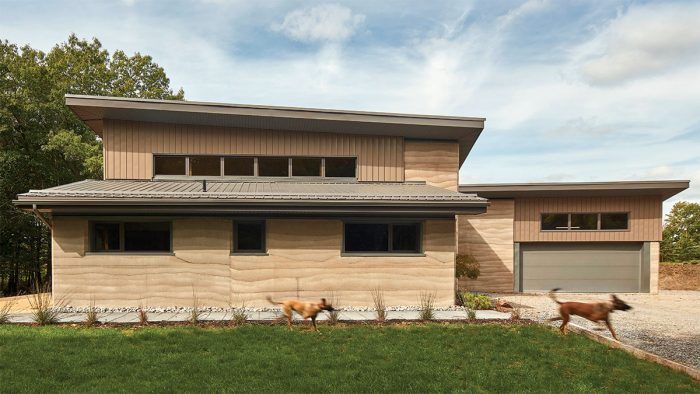
Rammed Earth: Creating a 500-Year House
Going Old School
Ancient Memories: reweaving time with sustainable fabric stories

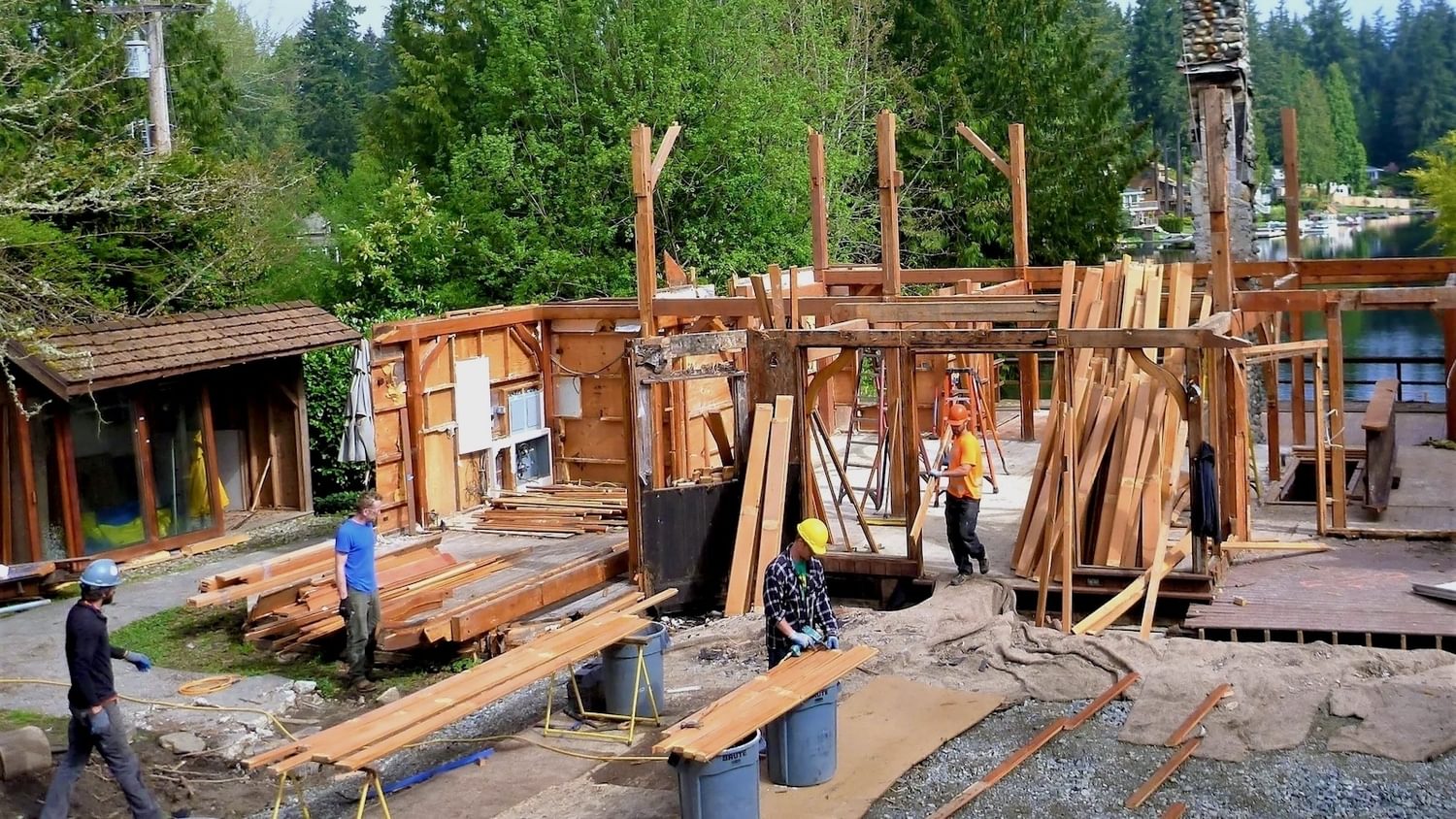
Deconstructing Buildings: The Quest for New Life for Old Wood

Living with history
In With the Old

Home & Design | Built to Last


Rebuilding

Manomin Resawn Timbers Reclaims History—One Plank at a Time

A 1920s Duplex: The Past Tastefully Reinterpreted


Restoring the Past, Building the Future

When restoring historic homes, what’s old is new again

5 Common Mistakes Homeowners Make When Restoring Old Houses
Renovate | Build

Home & Design | History in the Making
Designers Say This Vintage Home Feature Is Back


Design Trends: Retro Revival
This Traditional Design Move Is Back And Better Than Ever In Our 2025 Idea House