
1/9
When restoring historic homes, what’s old is new again
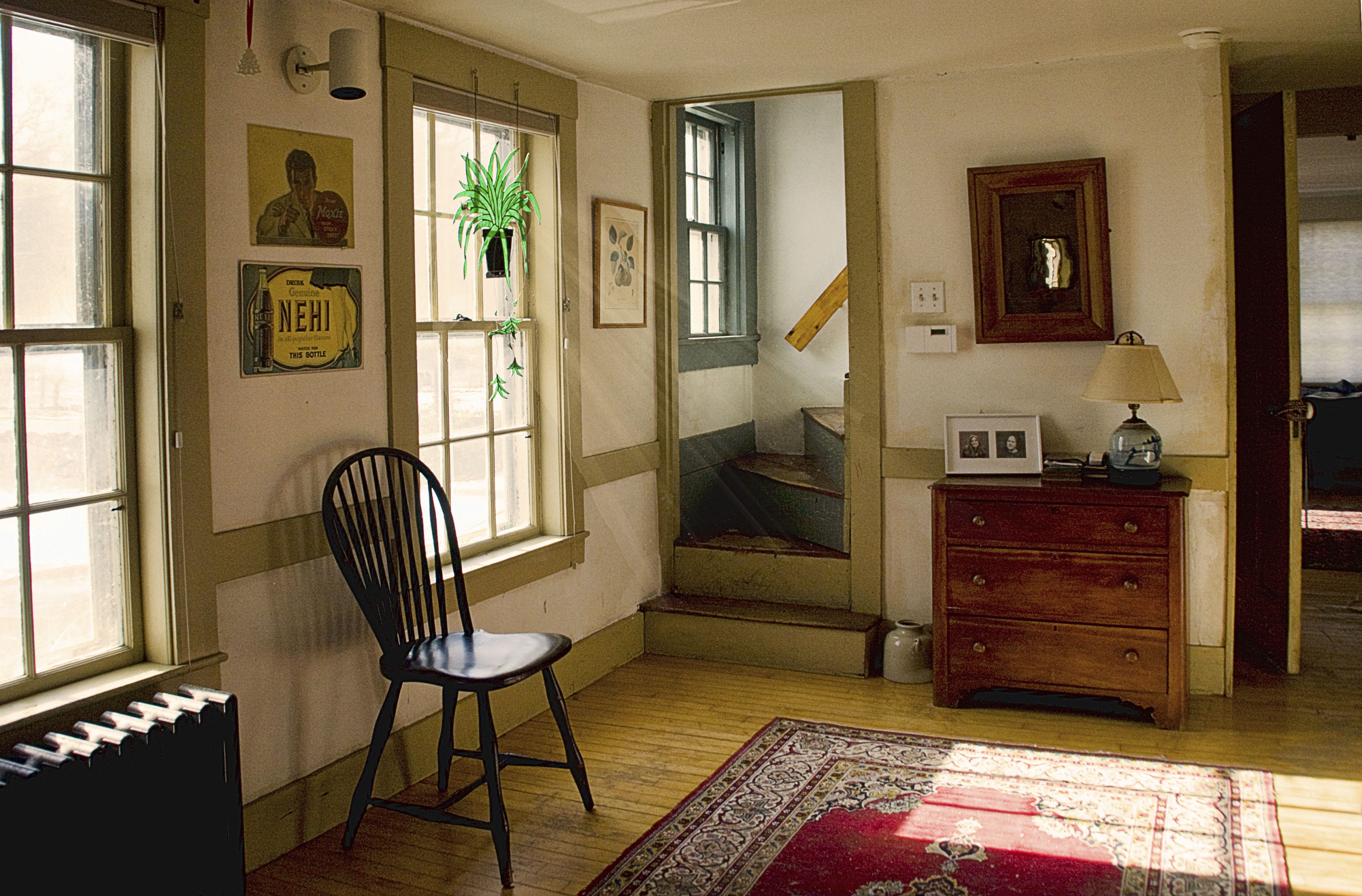
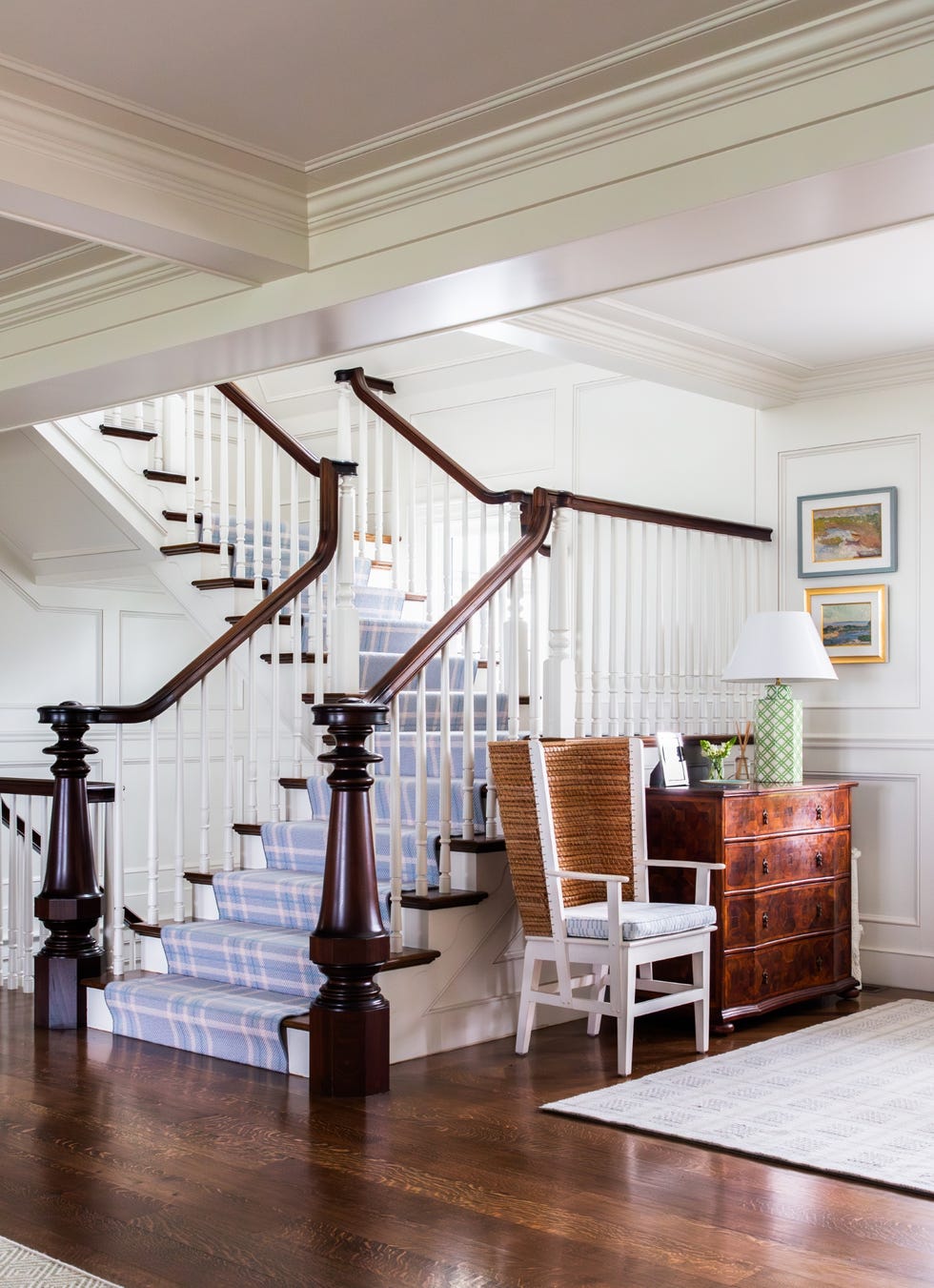
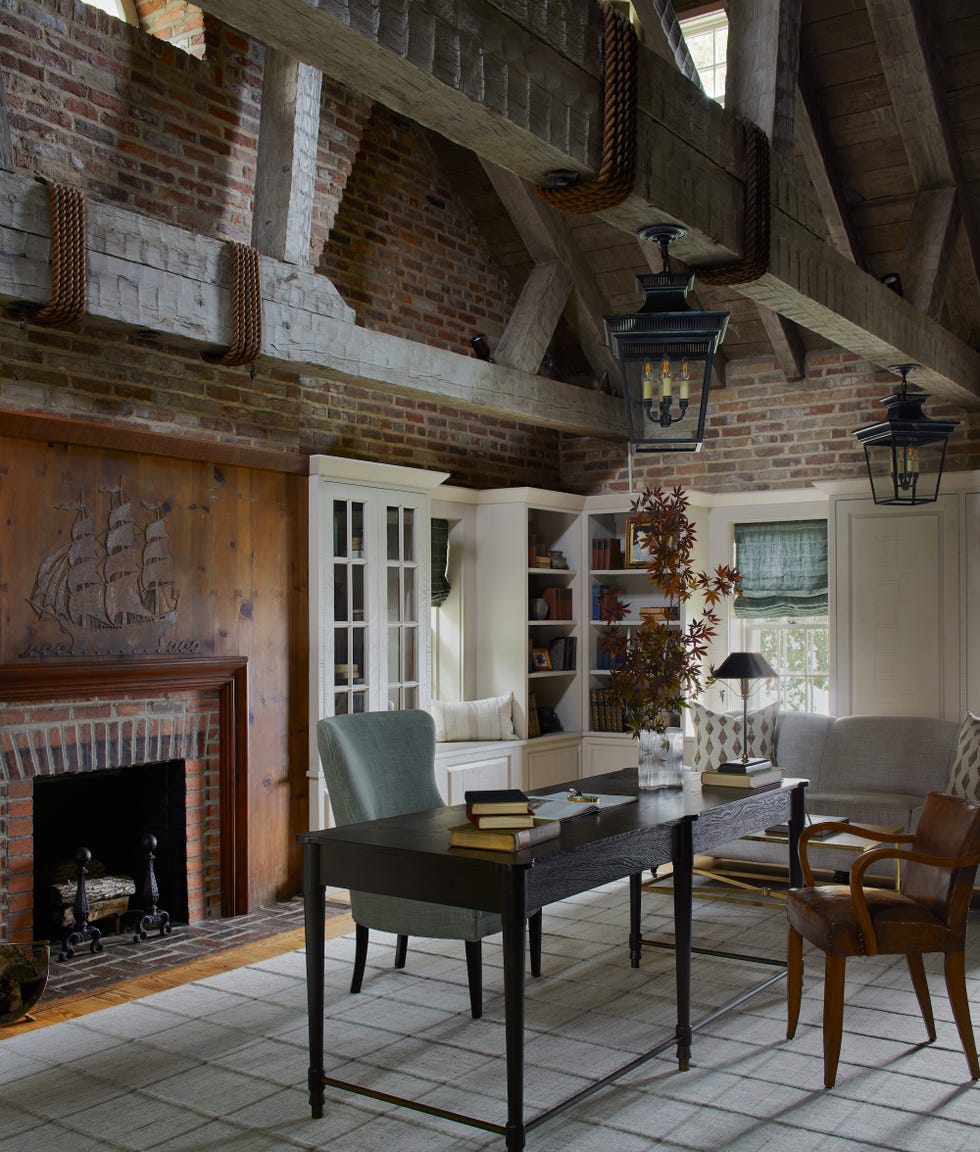
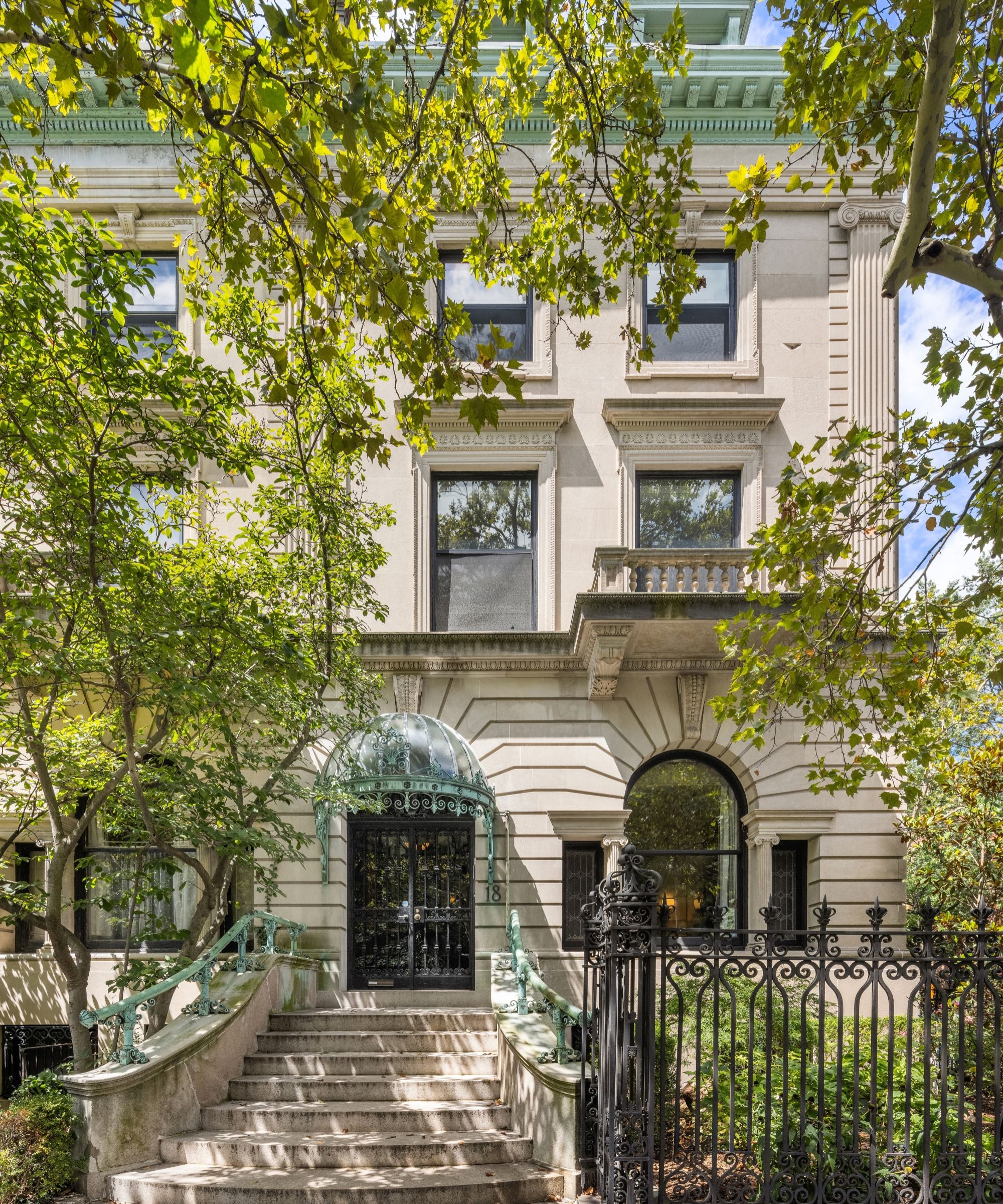
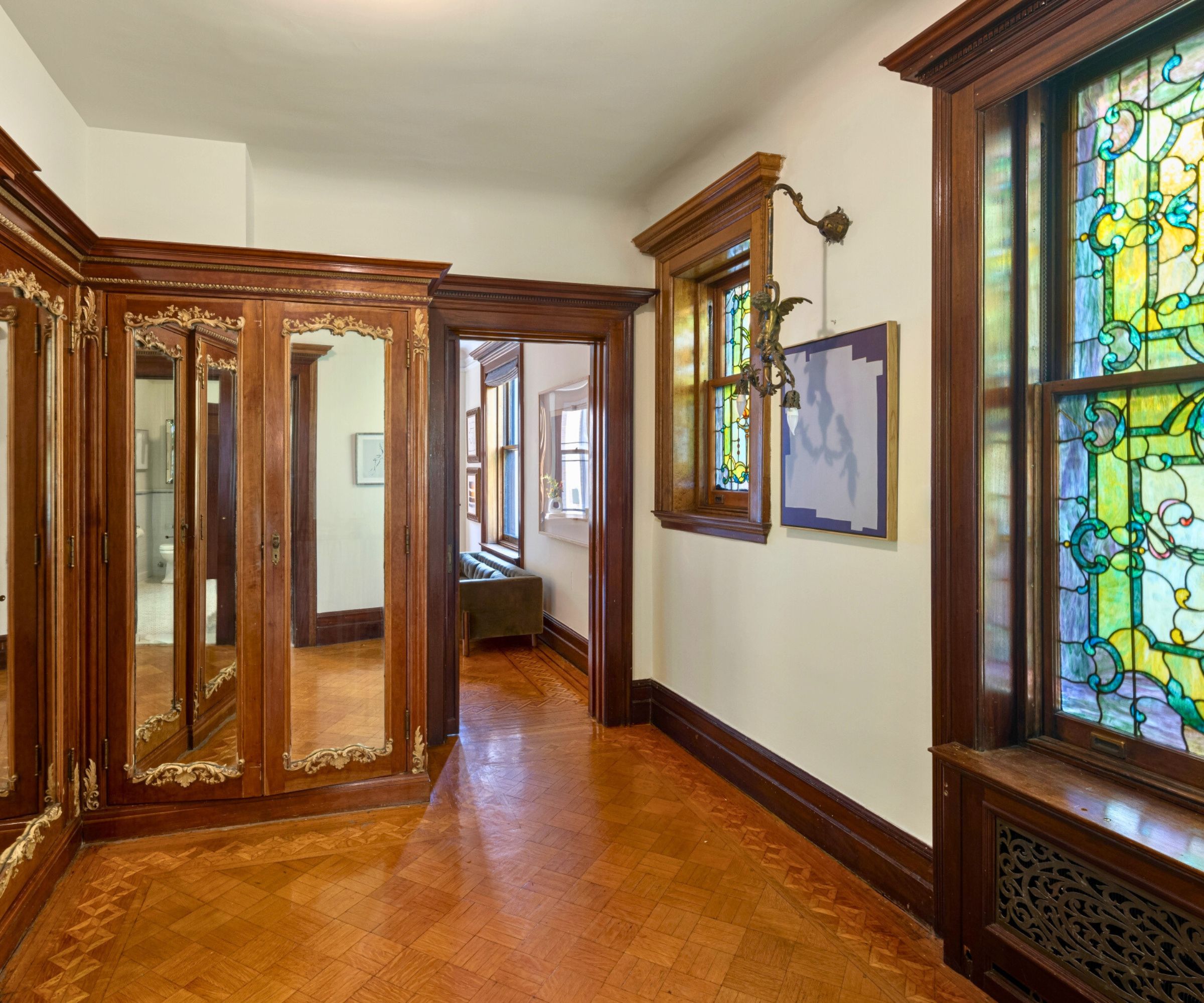
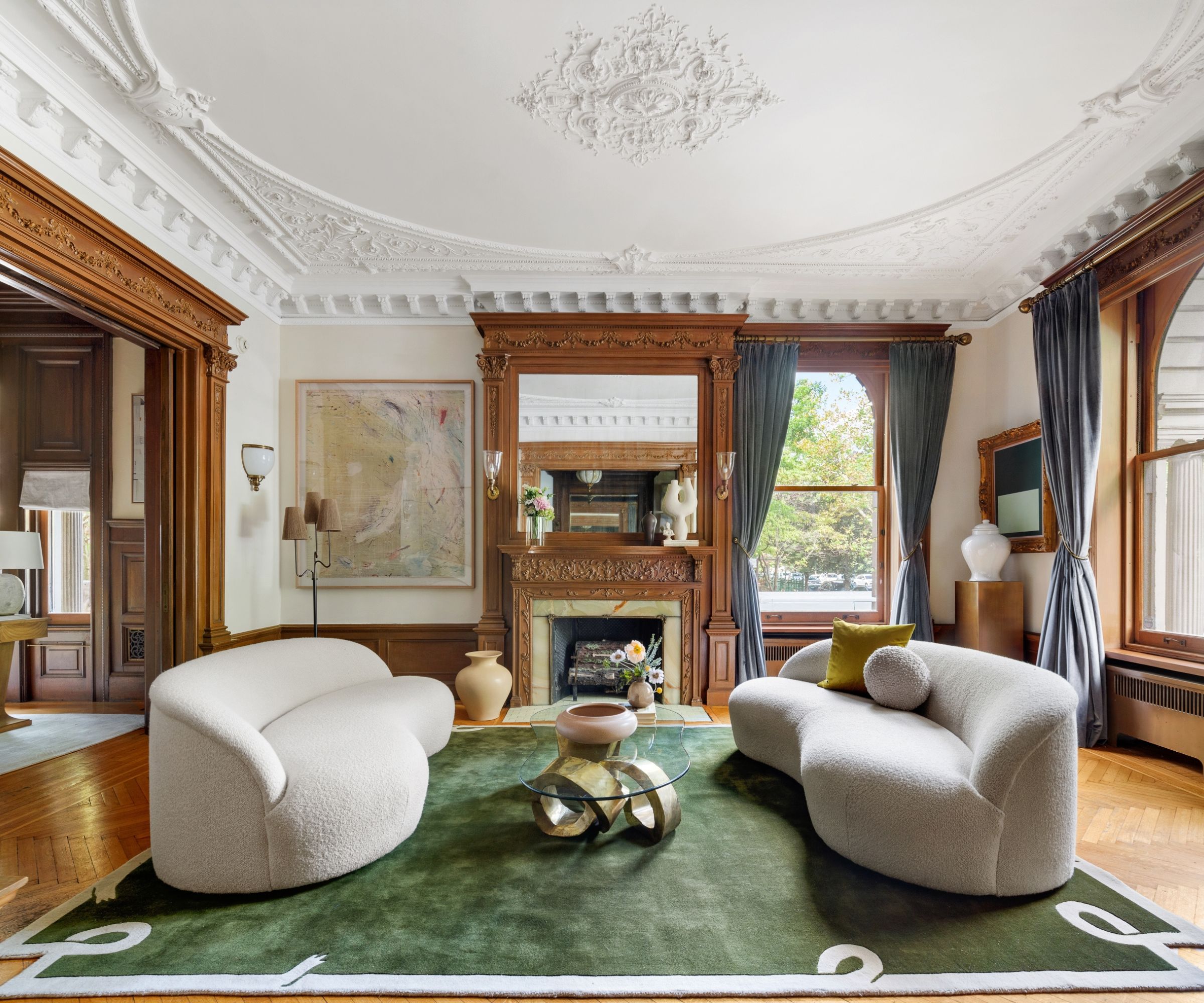
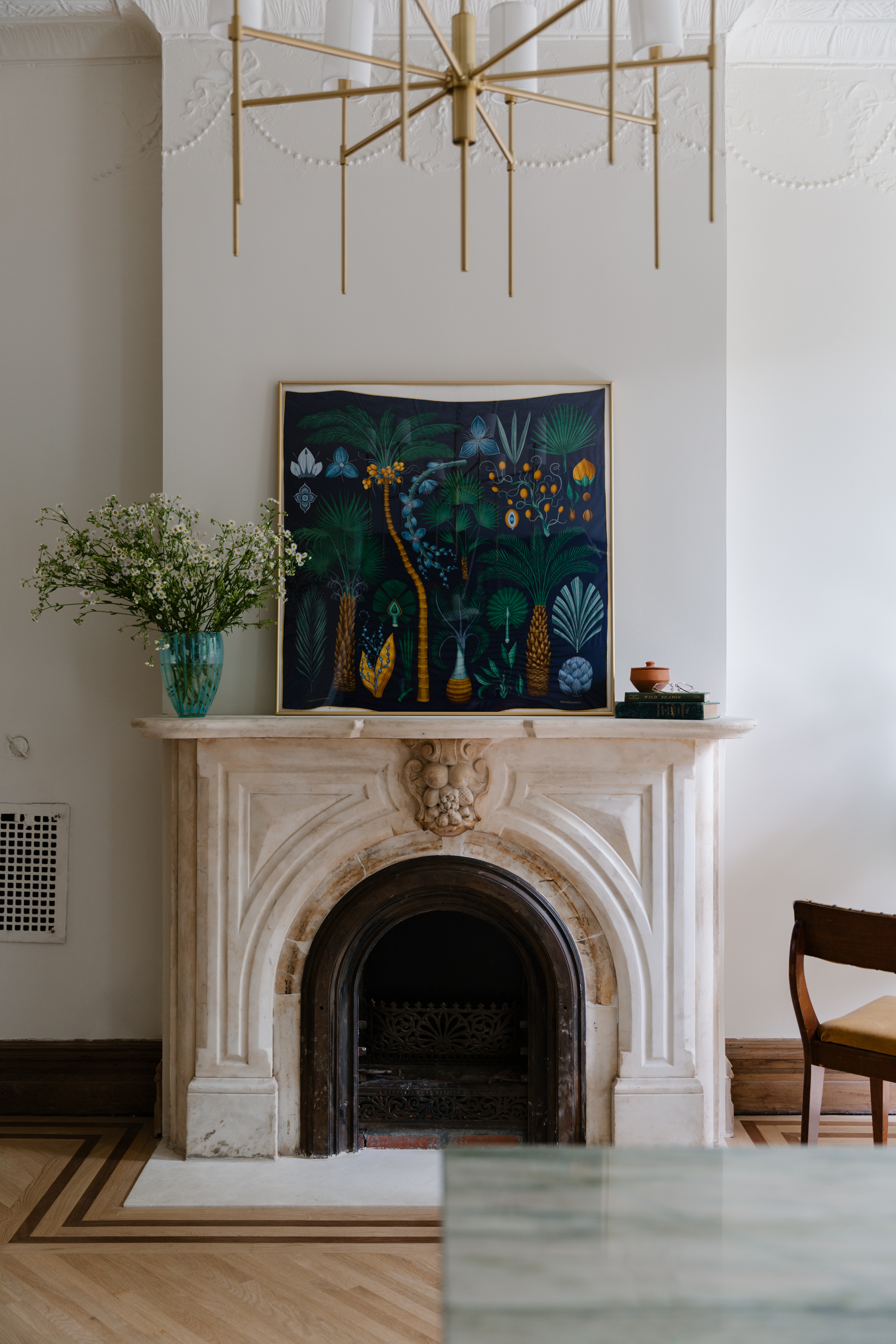
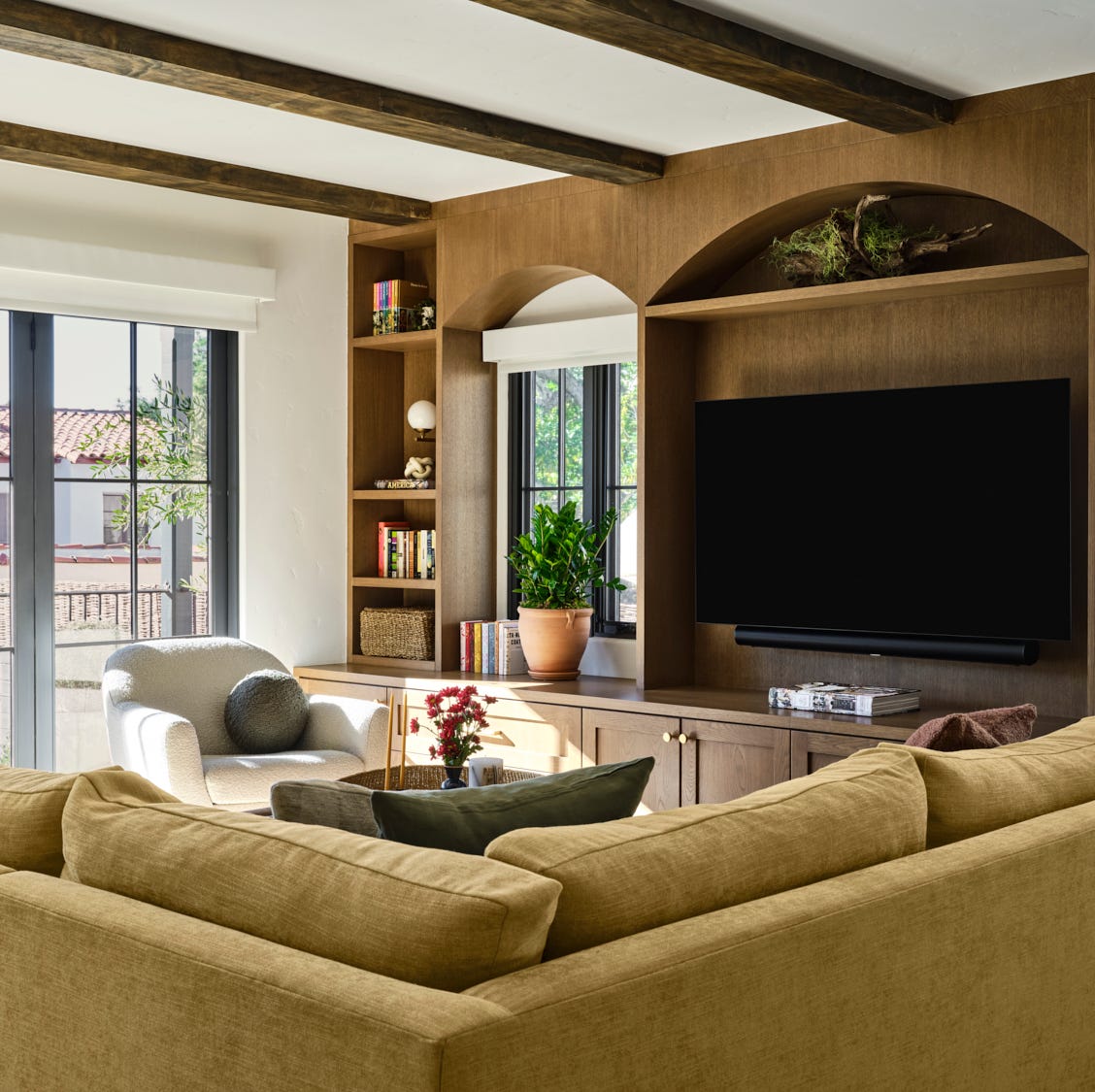
New England's extensive collection of aged housing stock often presents a complex history within its structures. While some homes clearly showcase their original character through well-preserved elements like floorboards and bannisters, many others have undergone numerous alterations over the decades, leading to a significant divergence from their initial design. This article explores the growing trend of restoring historic homes, emphasizing how owners can revitalize lost character while simultaneously integrating modern functionalities.
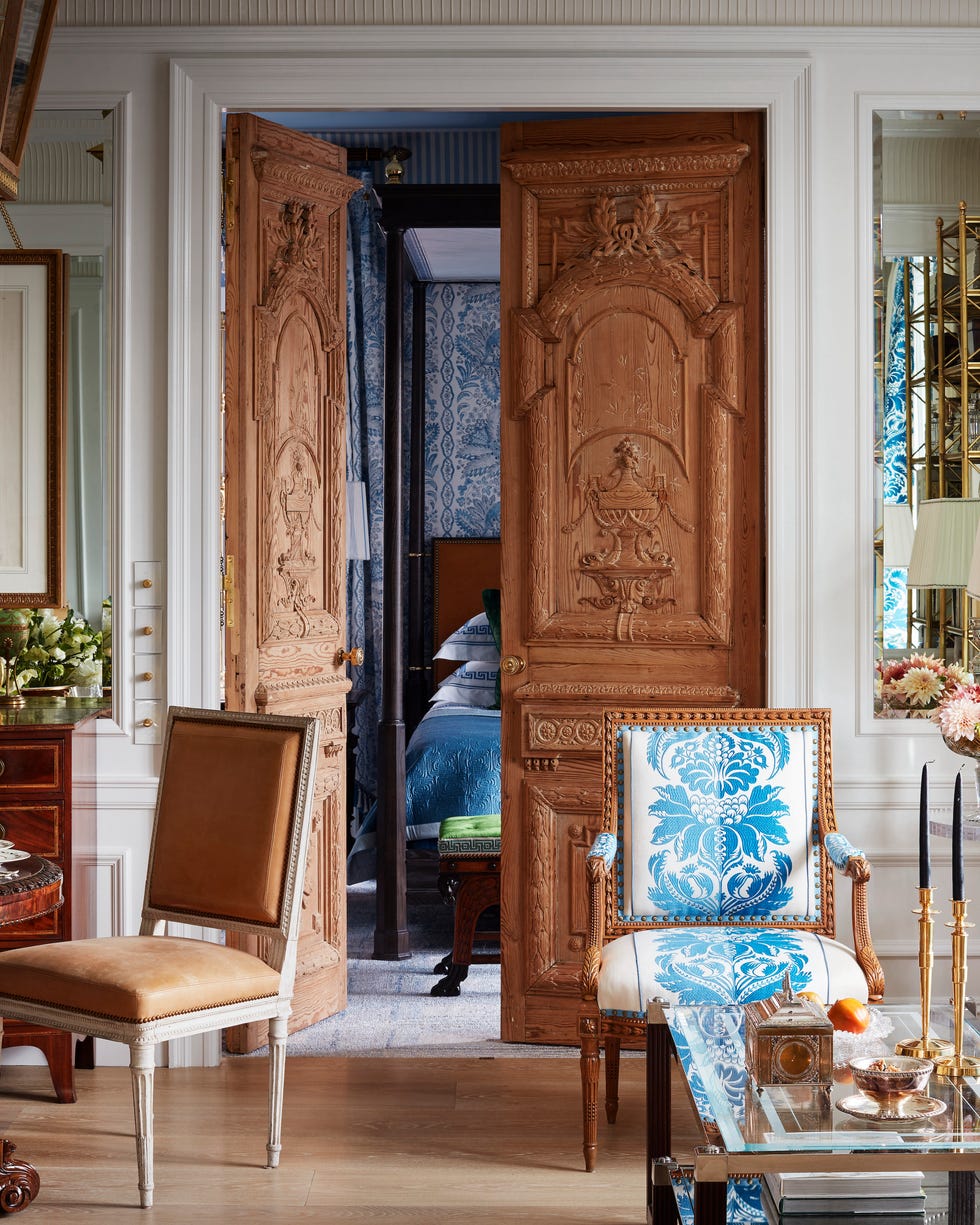
Walter Beebe-Center, president of Essex Restoration, highlights that nearly every historic home has experienced remodeling, often resulting in the removal of beautiful original features and the addition of elements that are out of context. For new owners of these properties, this means their homes may lack much of their early aesthetic appeal due to generations of updates. The process of restoration offers an opportunity to bring back the home's authentic character, whether aiming for museum-quality accuracy or simply reintroducing nostalgic touches, all while making the space suitable for contemporary living.
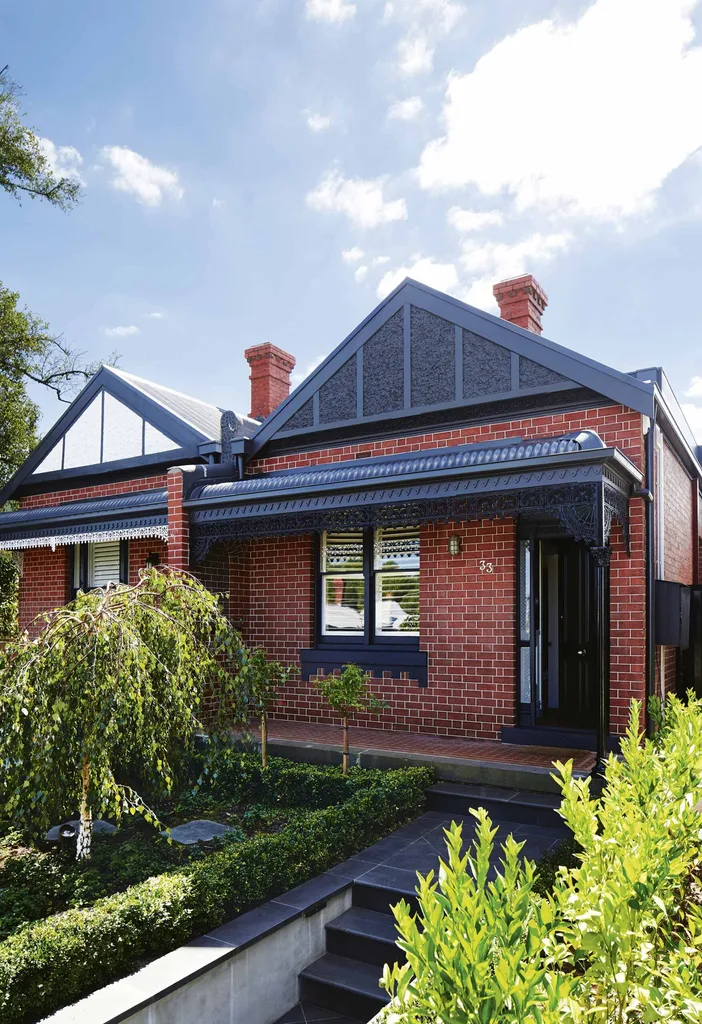
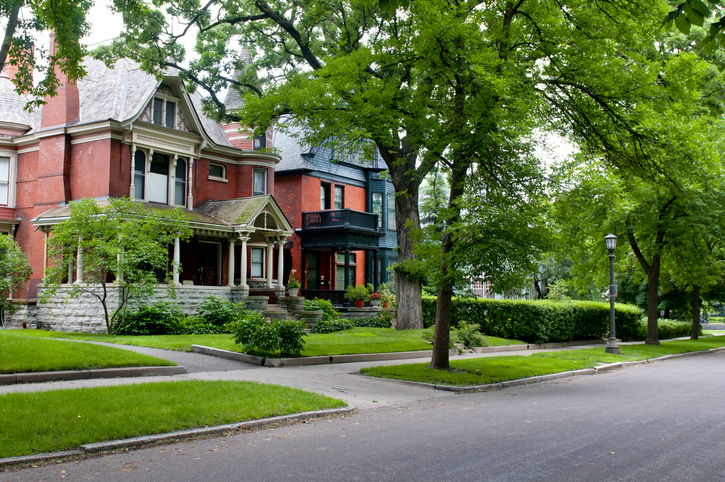
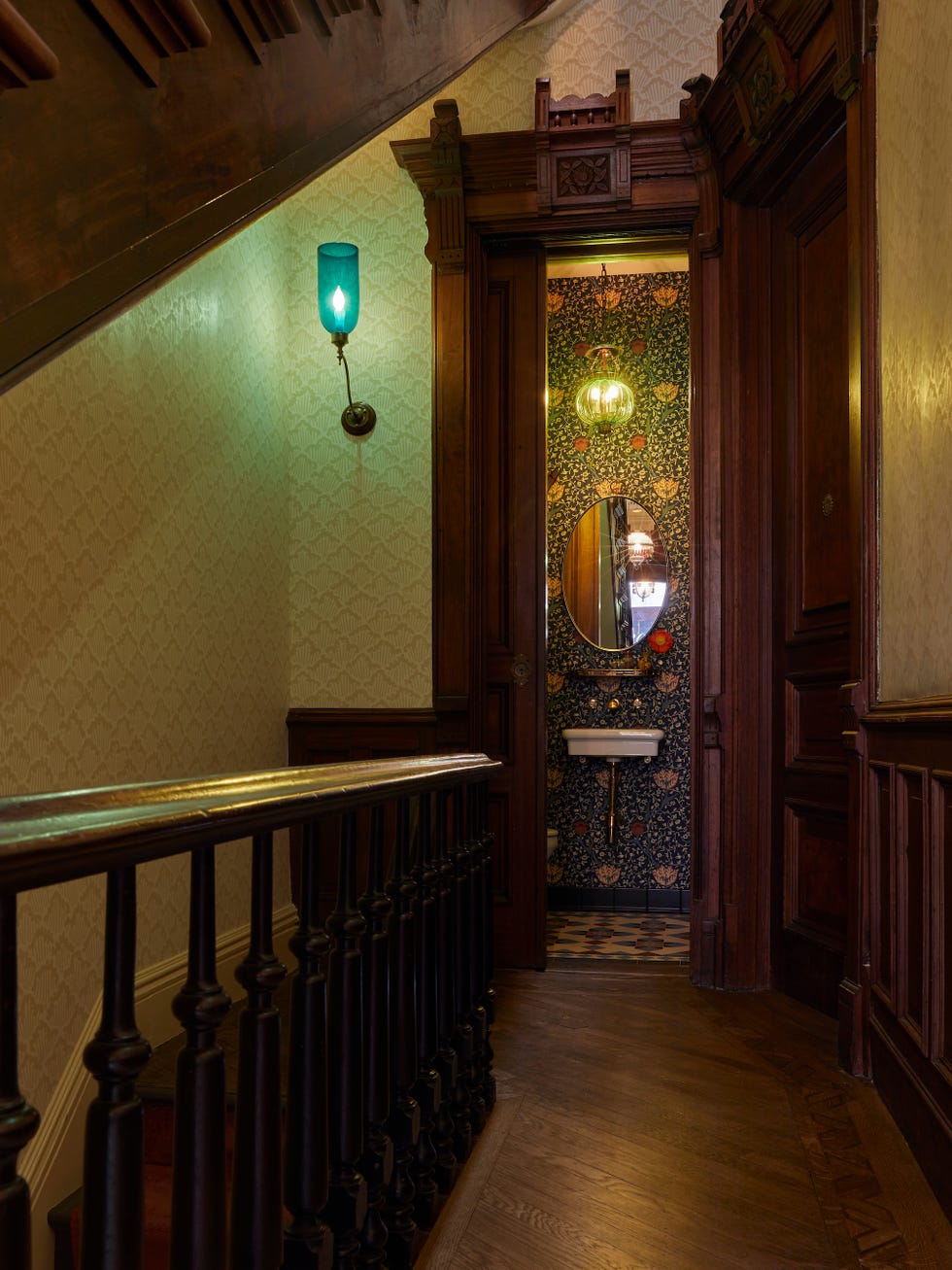
Sara Berndt, a homeowner in West Medford, exemplifies this approach. Over three years, she meticulously uncovered the original layers of her folk Victorian home, dating back to at least 1910. Her primary motivation was not to impose a new style but to restore the house to its original state, thus preserving its legacy. This often involves undoing previous, sometimes improper, renovations that may have diminished the home's historic integrity.
Nathan Goodwin, a historic preservation carpenter, underscores the importance of thorough research into a home's original appearance. He notes that many quick-flip renovations often neglect the thoughtful process required for historic restoration, leading to hastily assembled modifications. Goodwin advises homeowners to delve into the historical context of their homes, understanding why they were built in a particular way.
Peter Smith, who directs North Bennet Street School's preservation carpentry program, describes the process as "forensic carpentry." He explains that most people are not trained to properly assess historic homes, often mistakenly viewing them as tear-downs. Smith emphasizes the need to understand the built environment by carefully peeling back layers to read the historic fabric, connecting tangible history with academic knowledge.
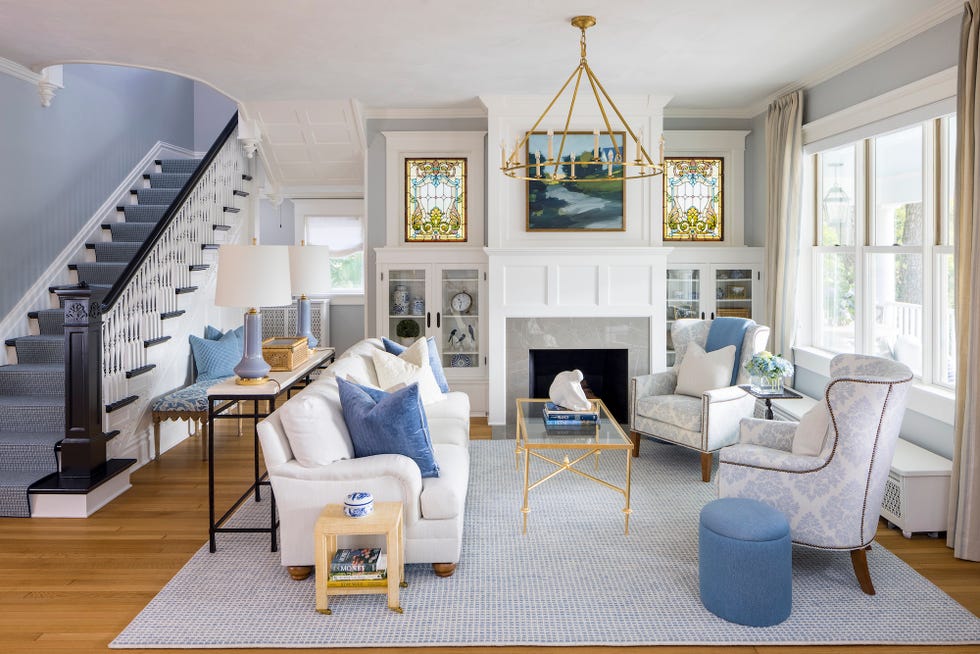
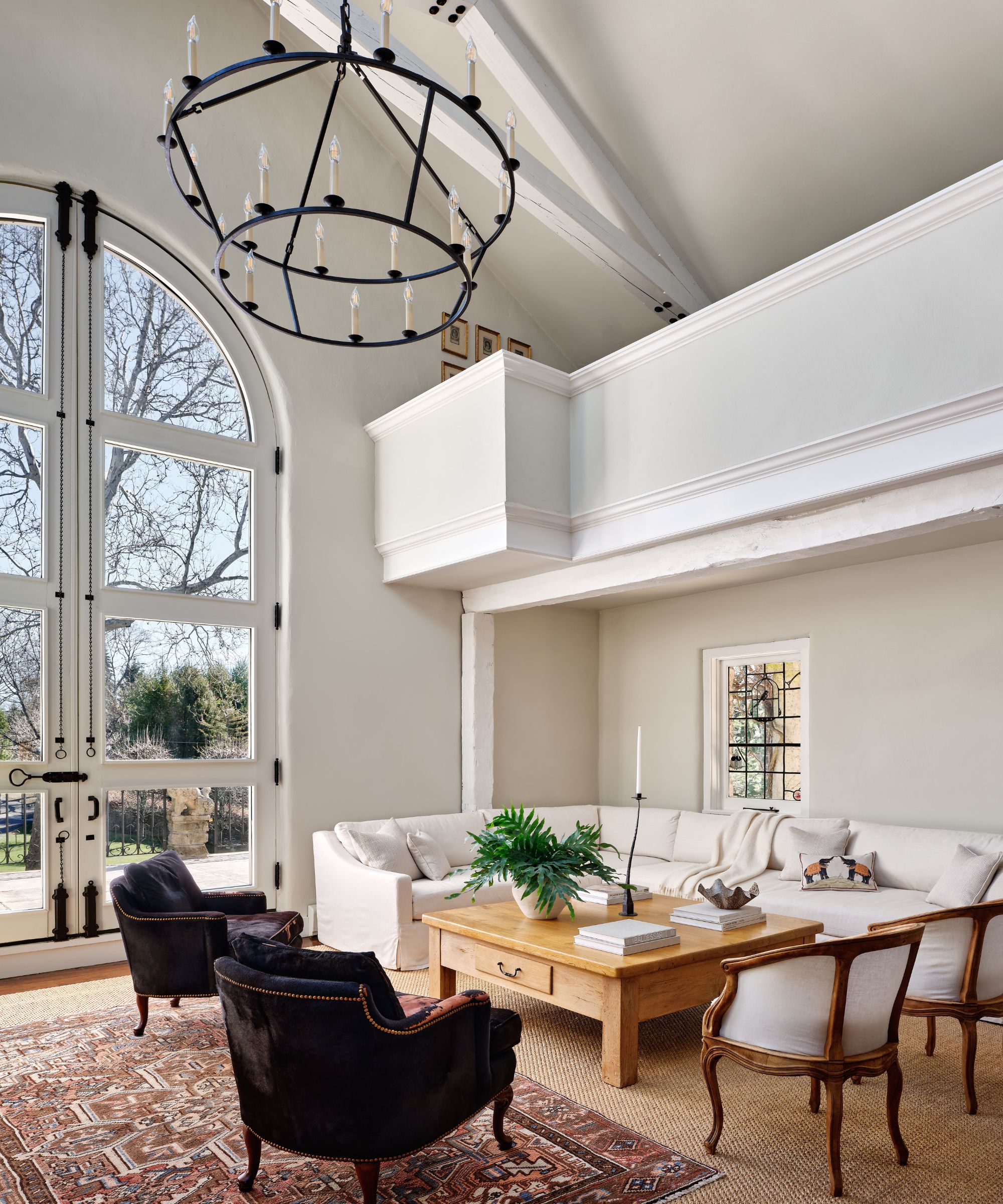
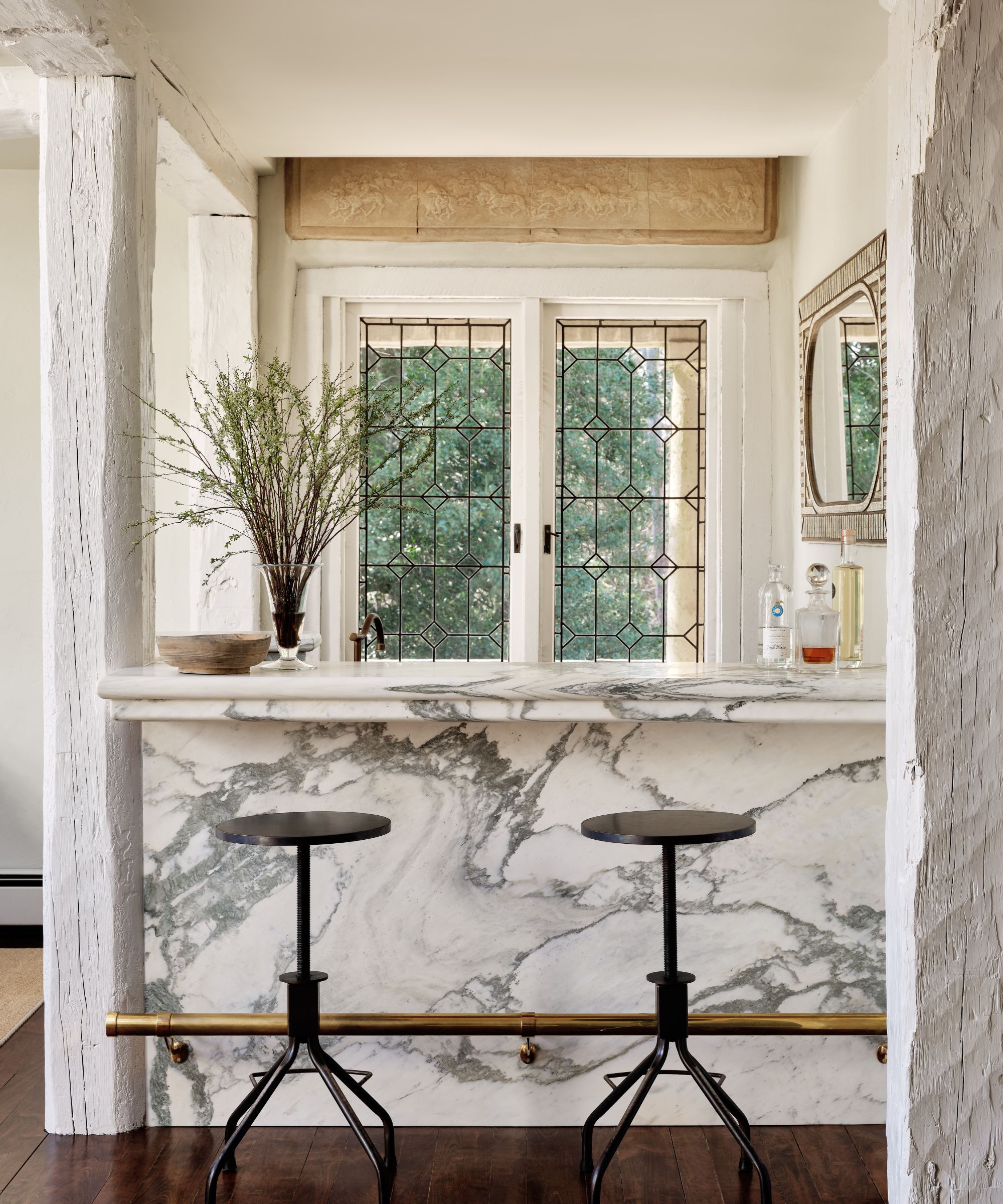
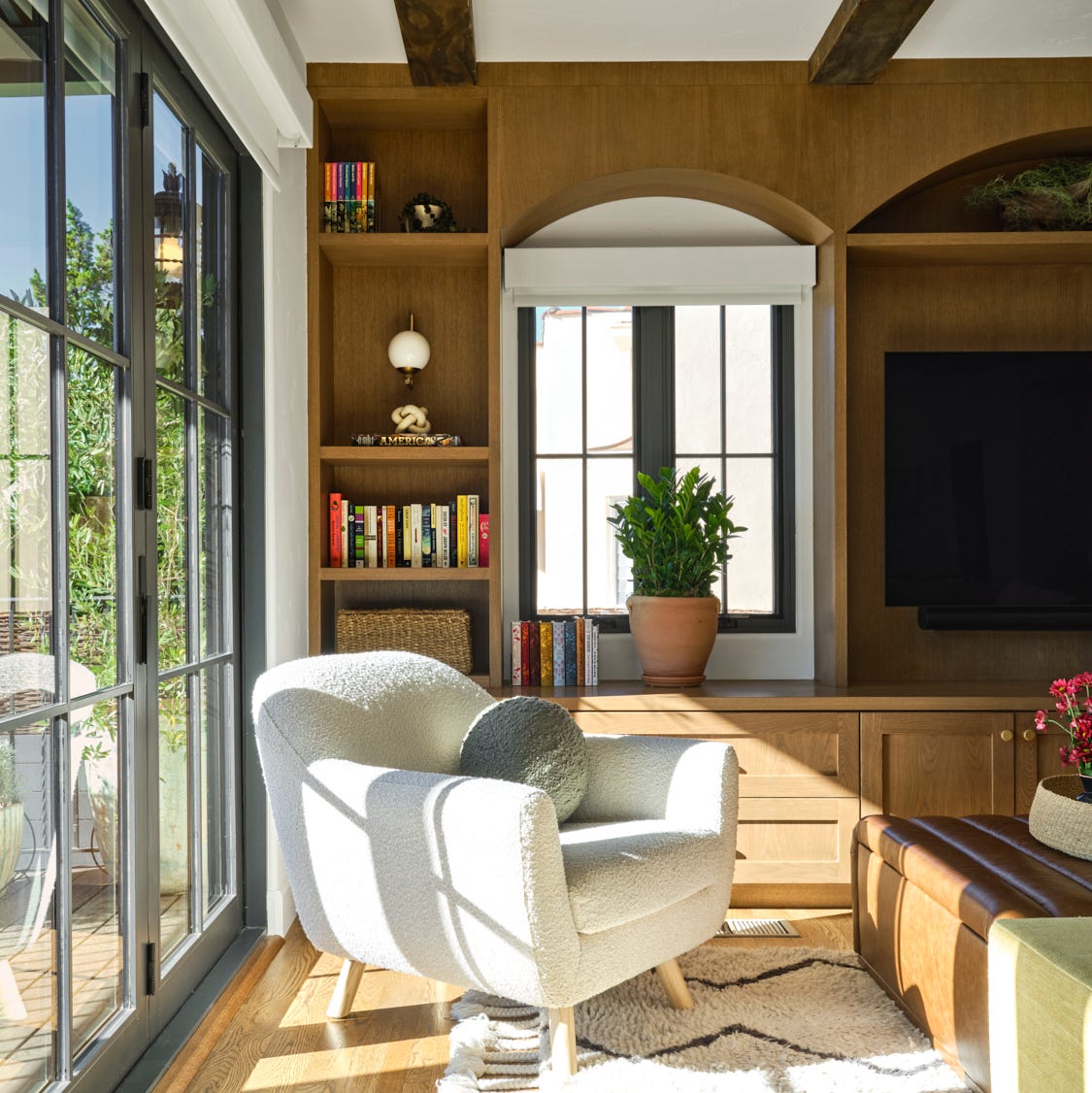
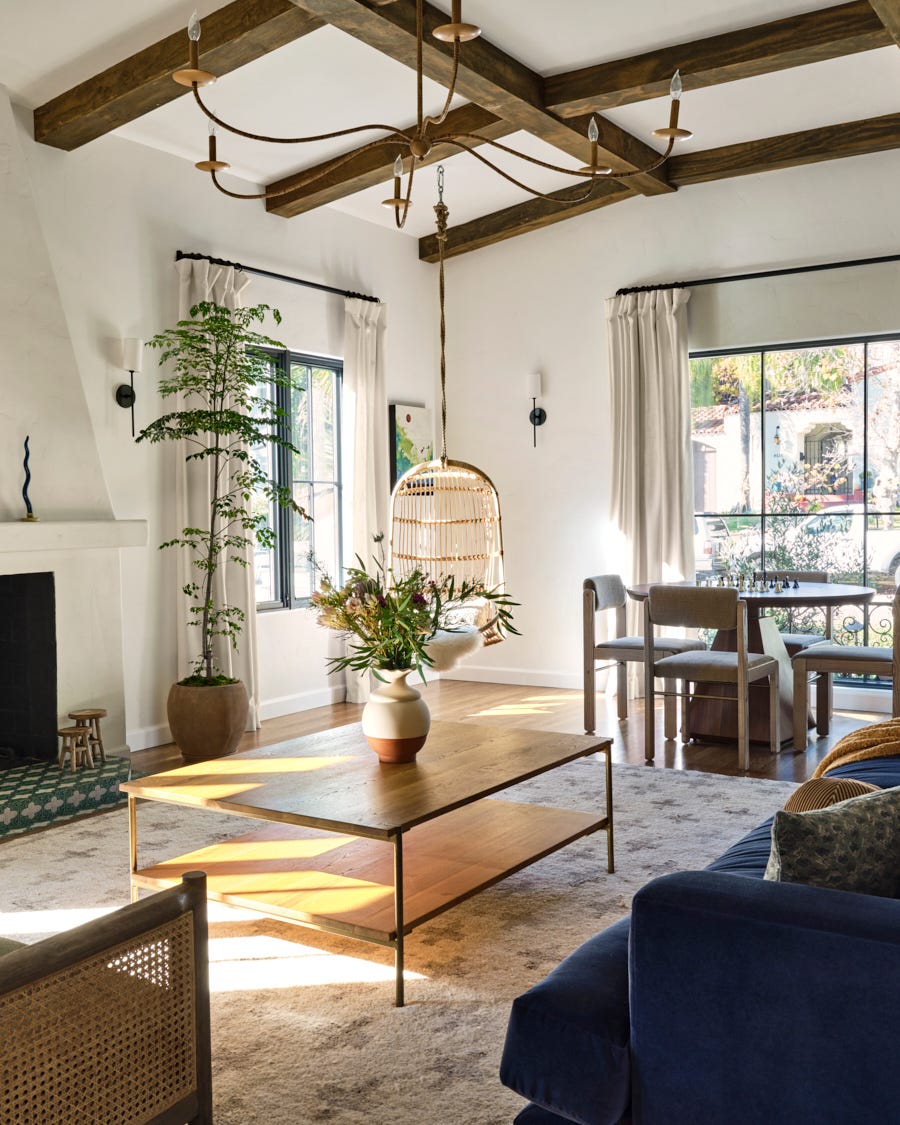
While authenticity is crucial, Beebe-Center points out that not every original feature will be relevant to modern life. He suggests a balanced approach where historic aesthetics are blended with modern practical functions. This might involve opening up a small, historically accurate kitchen to create a more functional space, while preserving a formal parlor. The goal is to make harmonious changes that allow the house to be functional in the 21st century without sacrificing its aesthetic integrity.
The restoration process can be time-consuming due to the need for period-appropriate materials and traditional methods, which contrasts with the often-misleading timelines presented in modern renovation shows. Smith, for instance, sources lumber from local mills for historic timber frame construction, a practice that requires more patience than using materials from big-box stores. Specialists like Goodwin are in high demand, with long booking times, underscoring the scarcity of skilled historic restoration professionals.
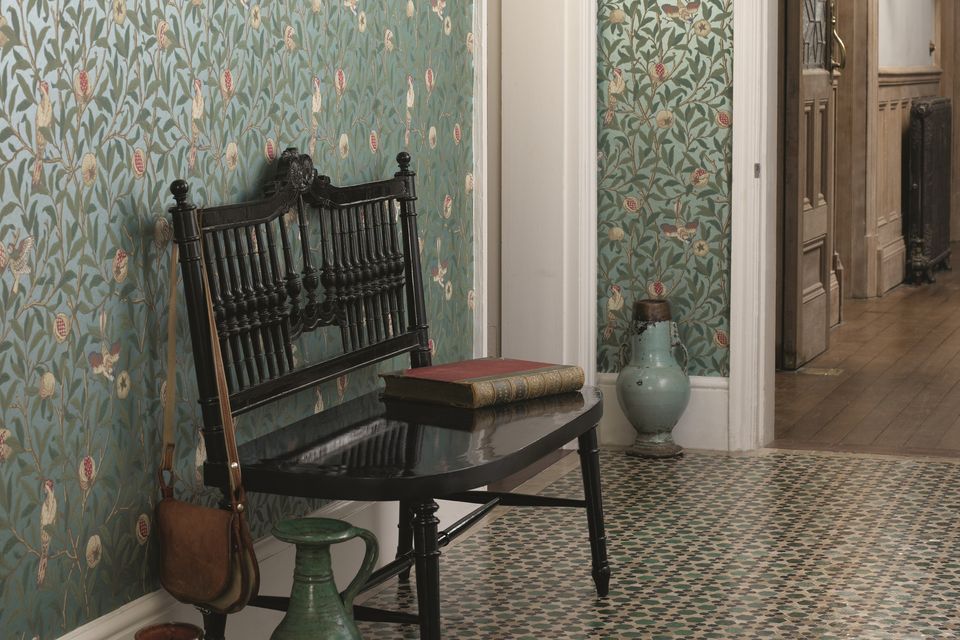
Projects can range from strict historic preservation to a combination of restoration and modern renovation. Defining the specific historical period to be referenced is key to establishing a cohesive philosophy for refurbishment. Resources such as old photographs, neighborhood tours, and even remnants like wallpaper scraps can provide valuable clues about a home's original colors and architectural details.
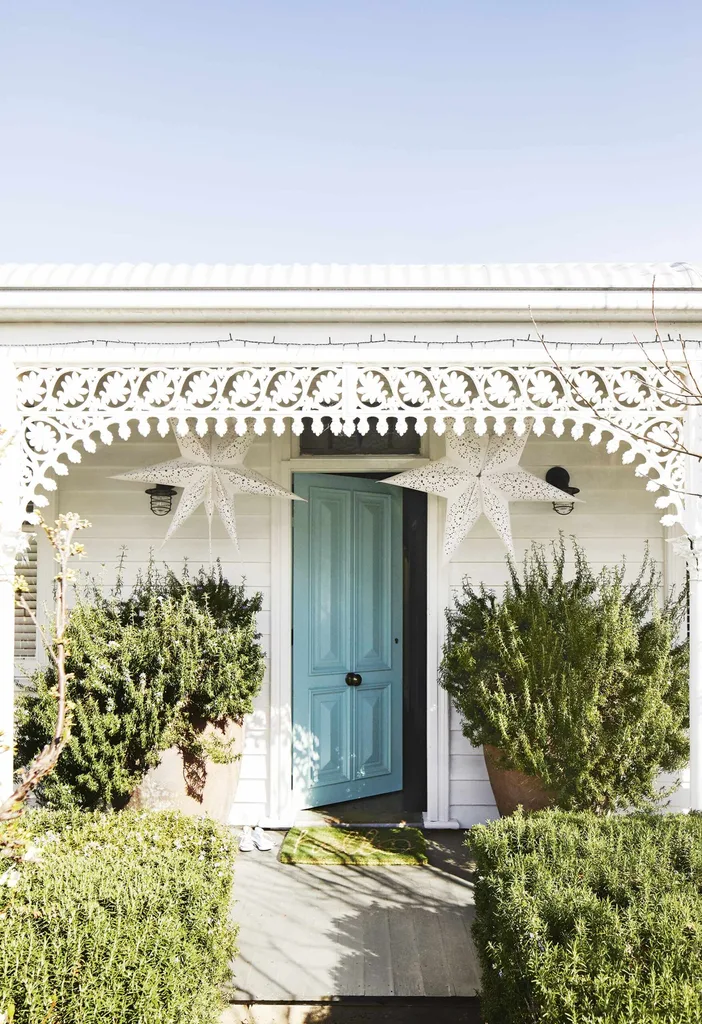
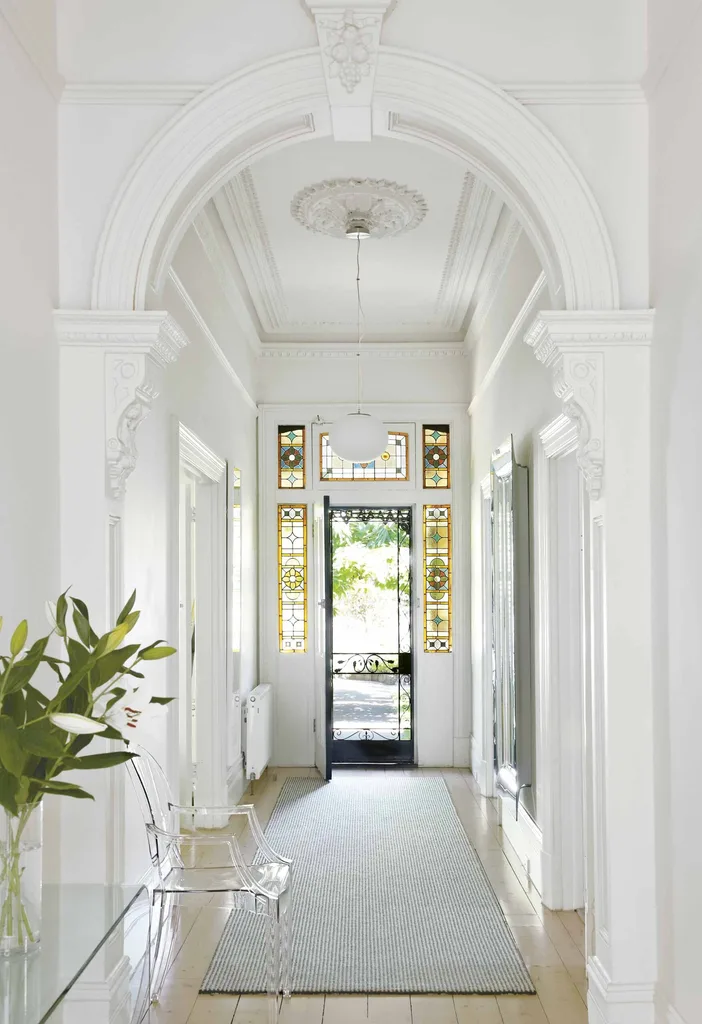
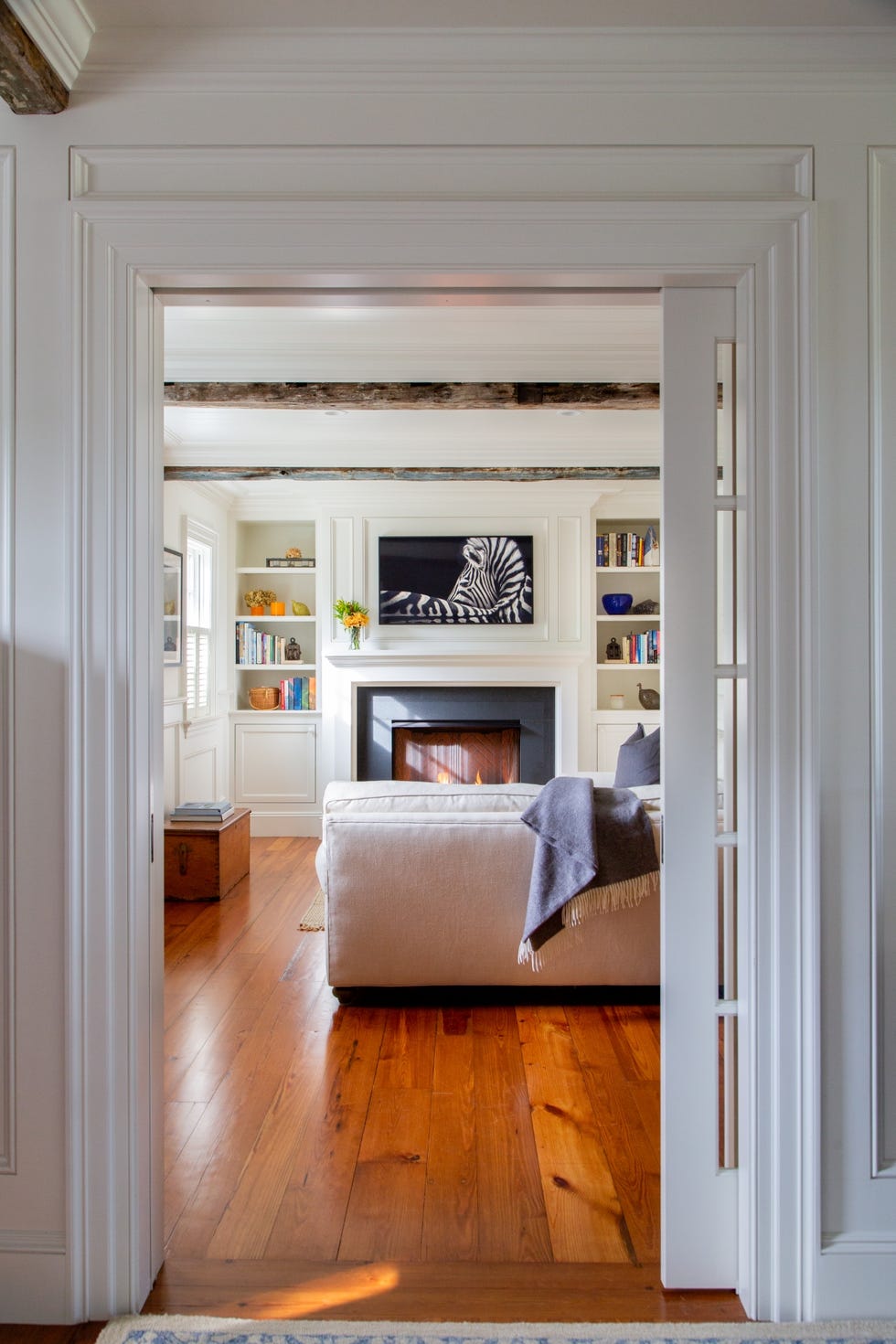
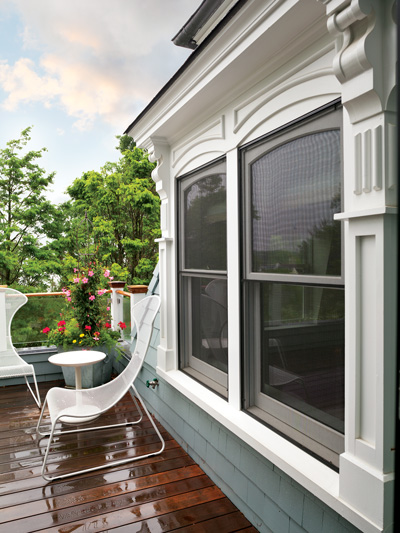
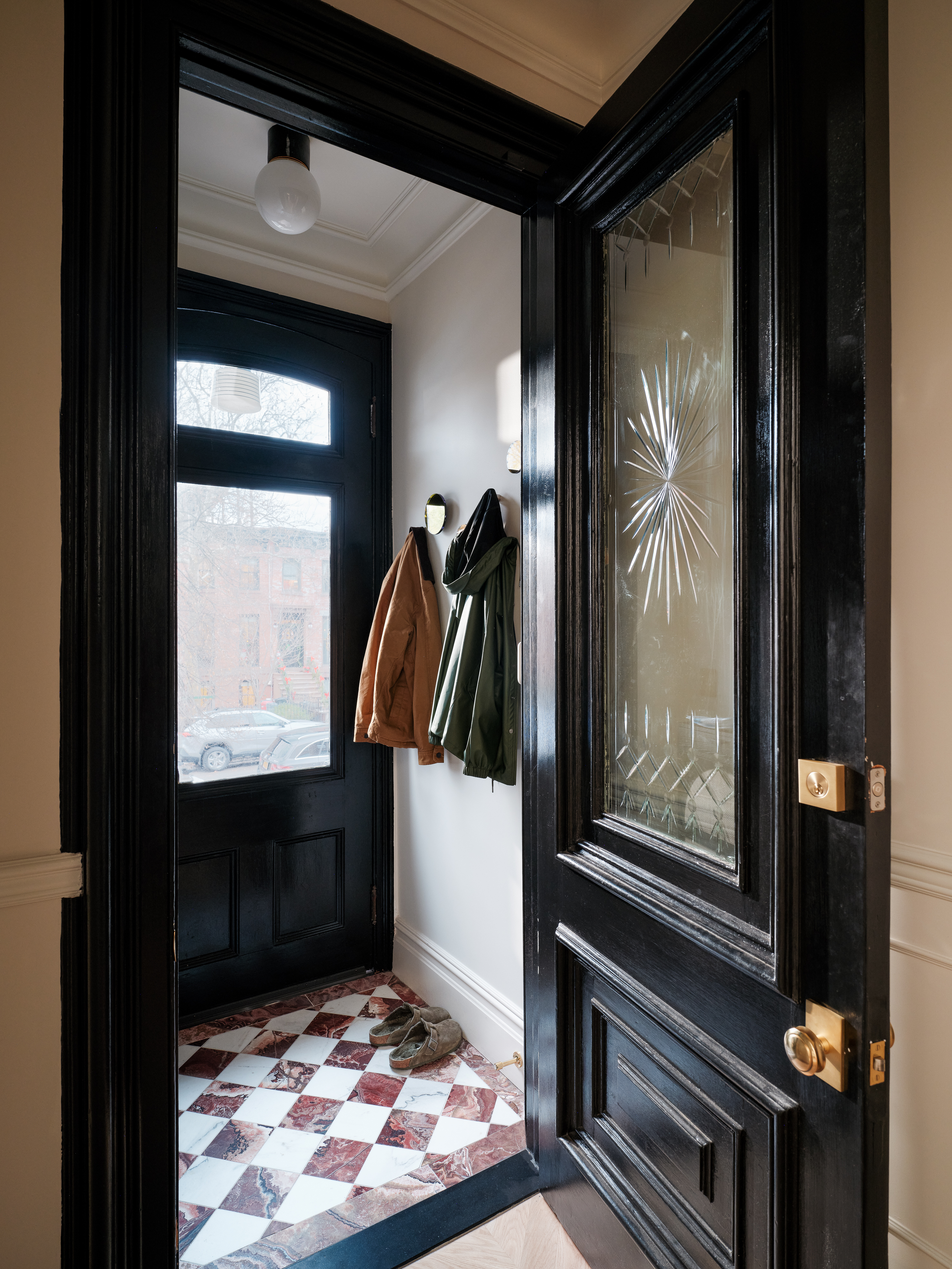
For those daunted by a full-scale restoration, experts recommend starting small, perhaps focusing on two rooms or the facade. Prioritizing details like moldings, door casings, and window trim can significantly enhance a home's historic quality. Windows, often overlooked, are critical style indicators; well-maintained 100-year-old windows can last another century if properly restored, proving more durable than many modern replacements. Additionally, salvaging period-appropriate fixtures and fittings from places like The Old House Parts Company can provide simple yet impactful ways to restore historic character to a home.
#HistoricHomeRestoration #HomeImprovement #NewEnglandArchitecture #PreservationCarpentry #HistoricRenovation #ArchitecturalDetails #RealEstate #OldHouseParts #HistoricHomeRestoration #HomeImprovement #NewEnglandArchitecture #PreservationCarpentry #HistoricRenovation #ArchitecturalDetails #RealEstate #OldHouseParts
0 comment in total
 No comments yet
You may also like
5 Common Mistakes Homeowners Make When Restoring Old Houses

The Truths About Buying and Living in an Old House

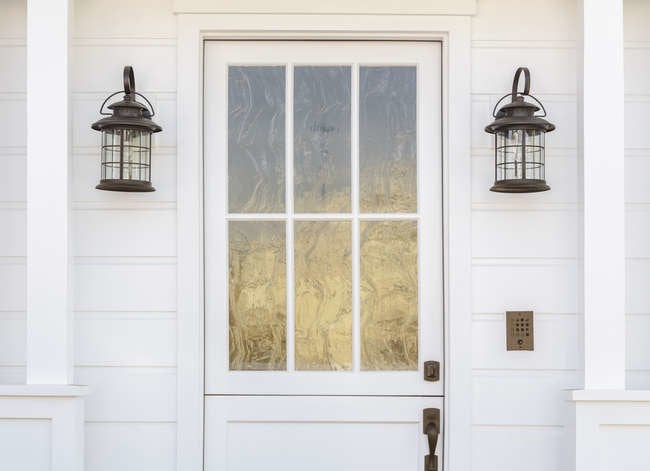
15 Old House Features We Were Wrong to Abandon
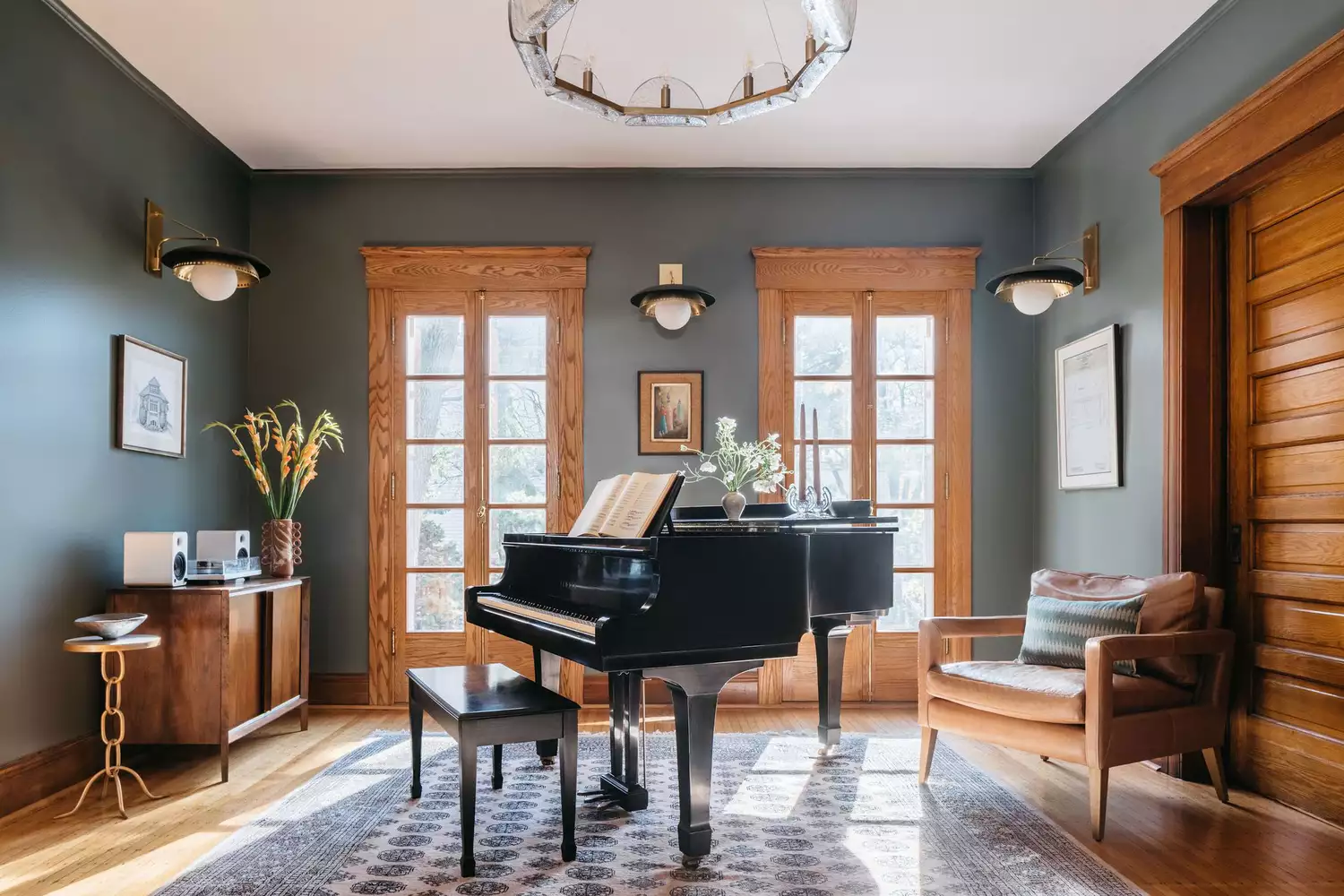
How to Renovate a Historic Home—and Keep Its Character—According to Designers

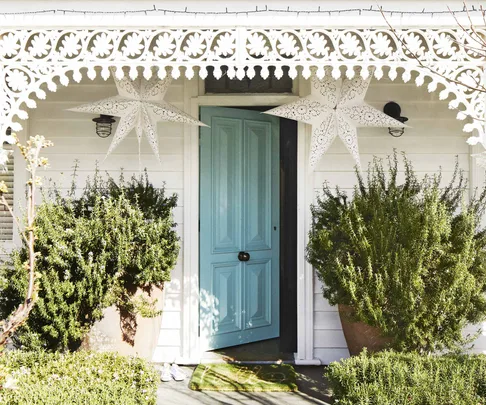
7 tips for restoring heritage homes to their former glory

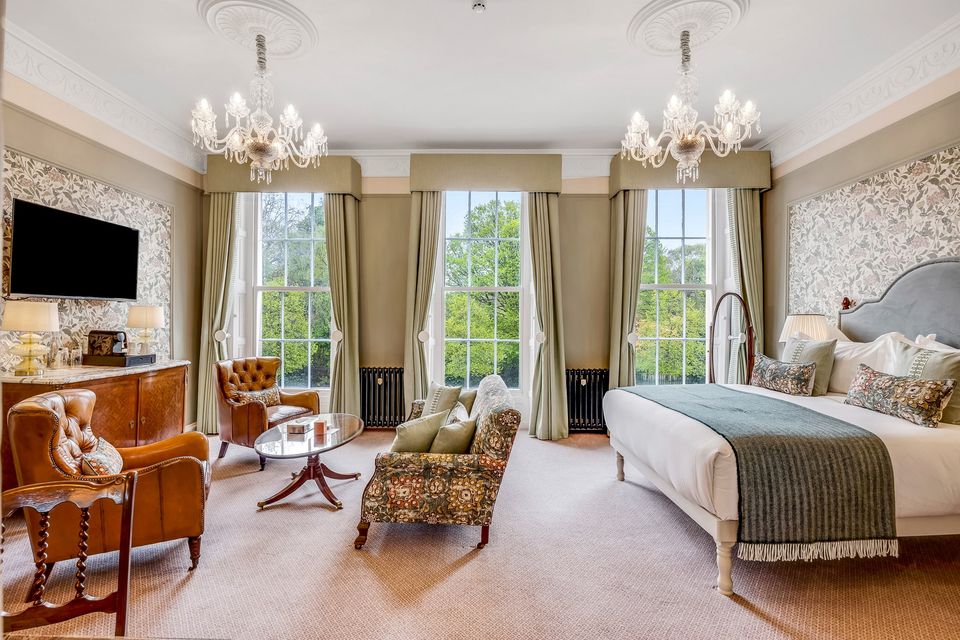
Top tips for renovating old homes: Whether restoring or modernising, clever design is key

Restoring historic houses with modern cabinetry

‘We’re just the current caretakers’ – The Brownstone Boys' golden rules for making the most out of your home's historic bones


Guide to Buying Older Homes by Decade
Renovating a Home? Here's How to Modernize Without Losing Character

7 Things You Should Always Preserve or Try to Save in an Old Home, According to Designers


A Colonial-Style Home Gets a Second Life Without Losing Its Charm

How to Update an Older Home While Honoring Its History

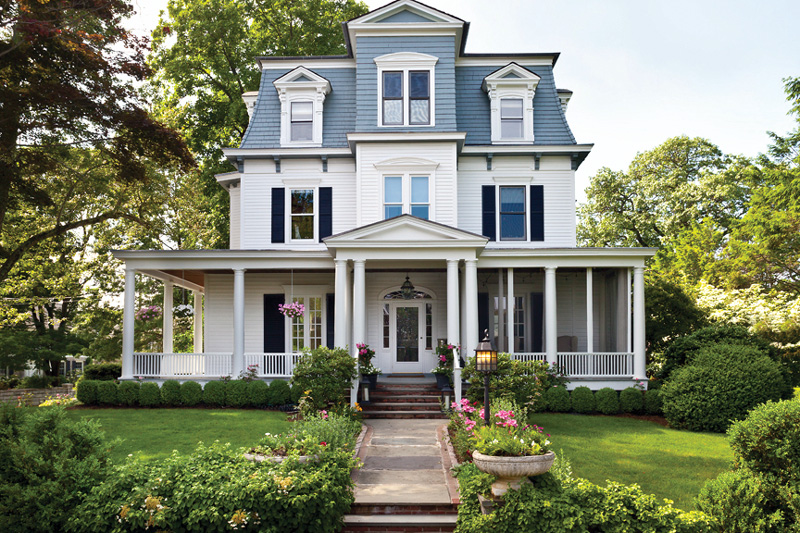
Old Versus New: Victorian Home Gets Modern Update

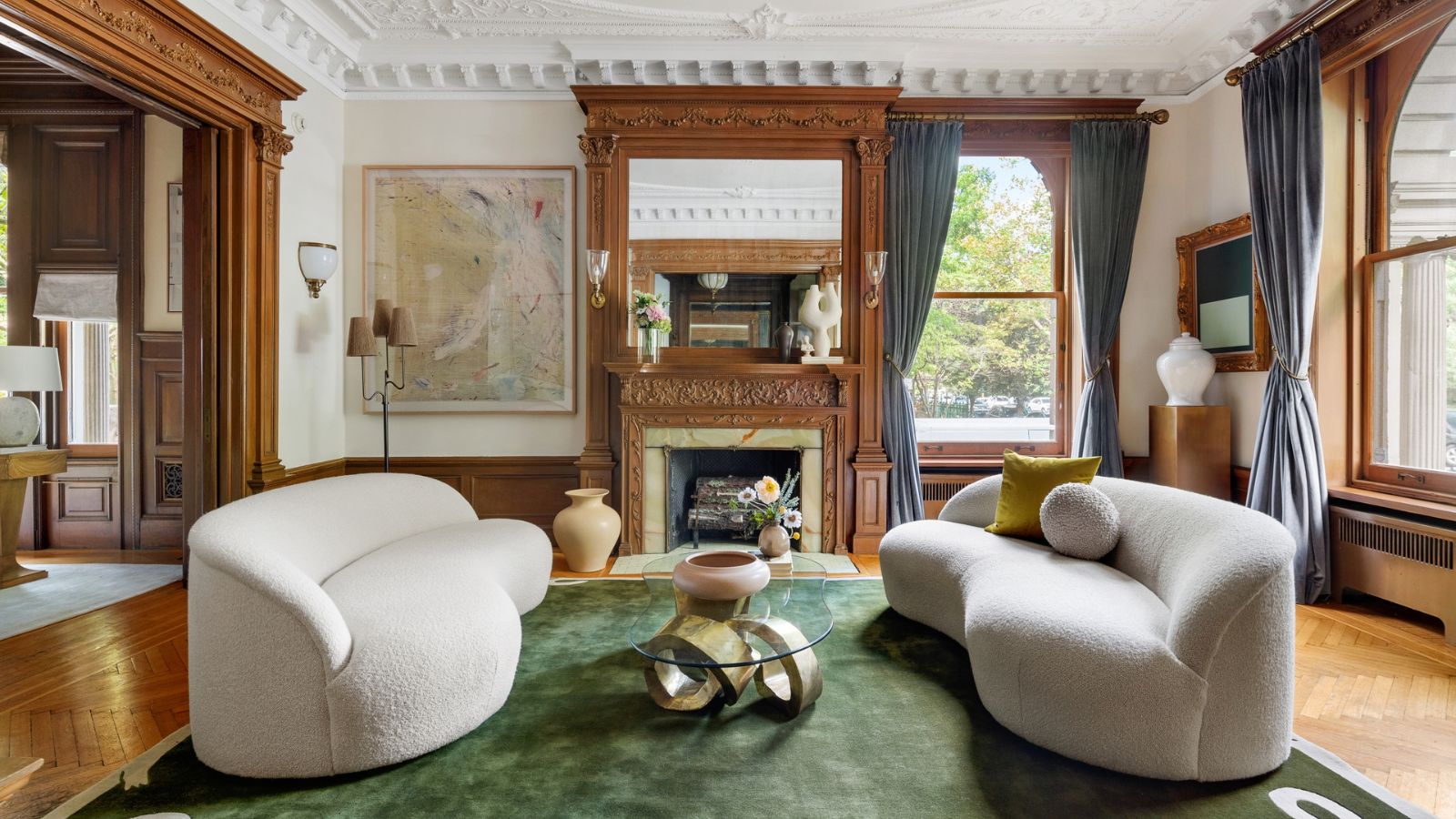
9 ways to update a historic home while still keeping its vintage charm – tips from a NYC reno
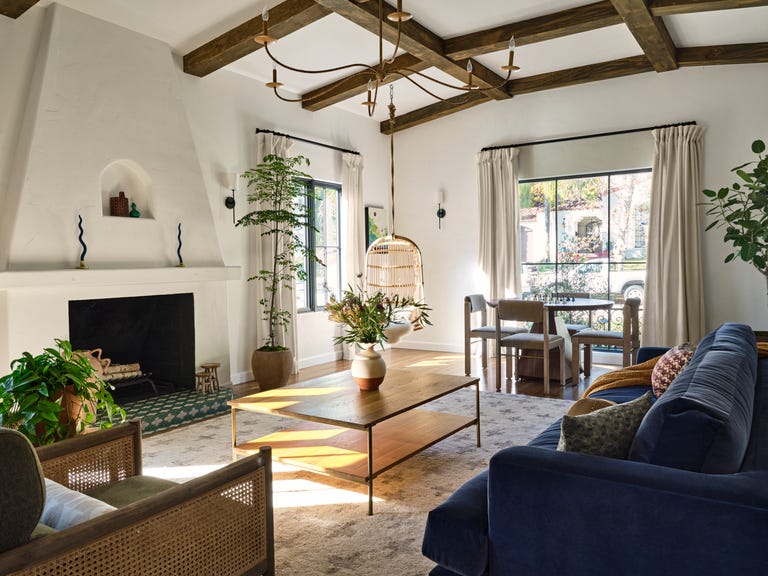
Here's How to Give an Old House a Modern Makeover Without Stripping Away the Charm
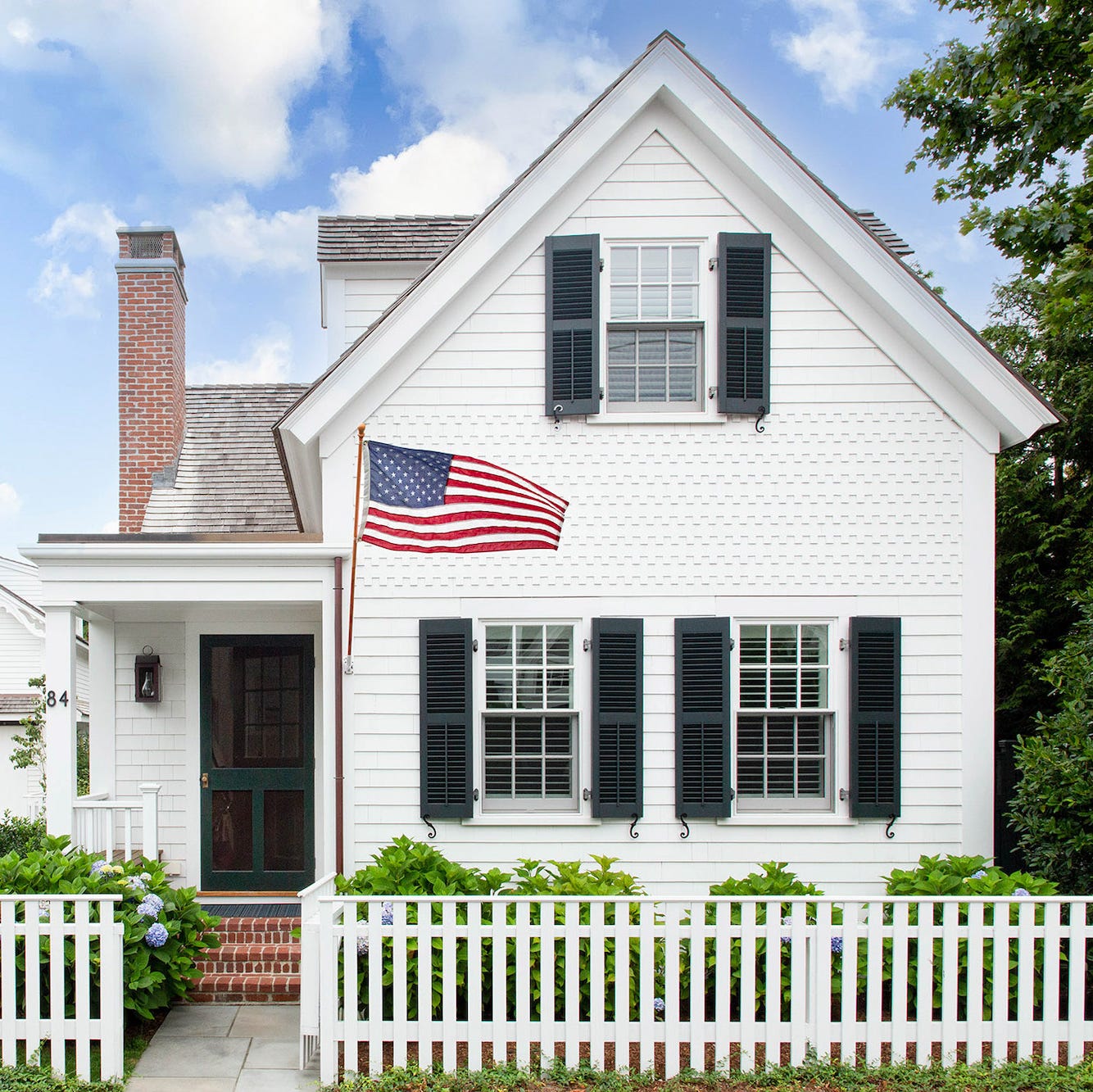
7 Architectural Details You Should NEVER Get Rid of in a Historic Home

6 design tips to upgrade an older home without clashing styles | Hindustan Times

How to update a historic home for modern living – 9 lessons we learned from this artful redesign

At Home with Marni Jameson: How to update older homes without messing them up