1/4
Deconstructing Buildings: The Quest for New Life for Old Wood
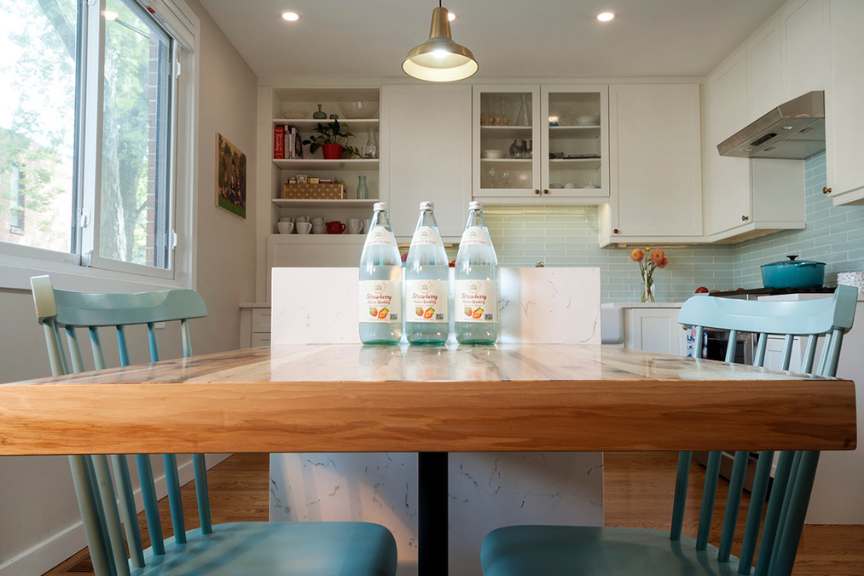
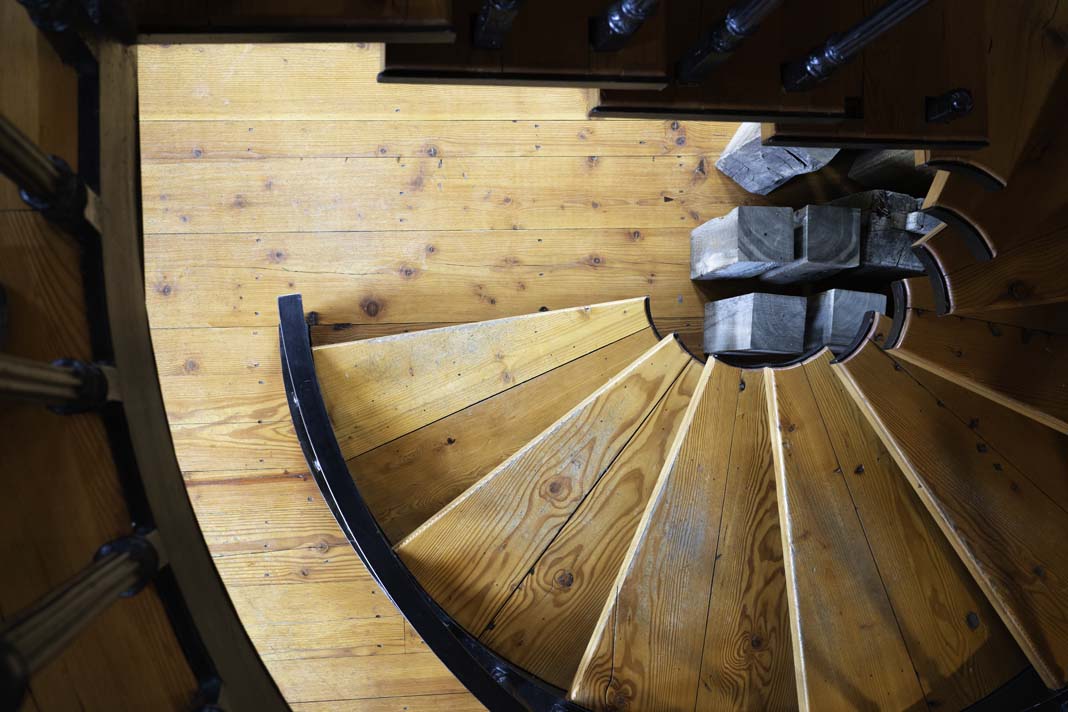
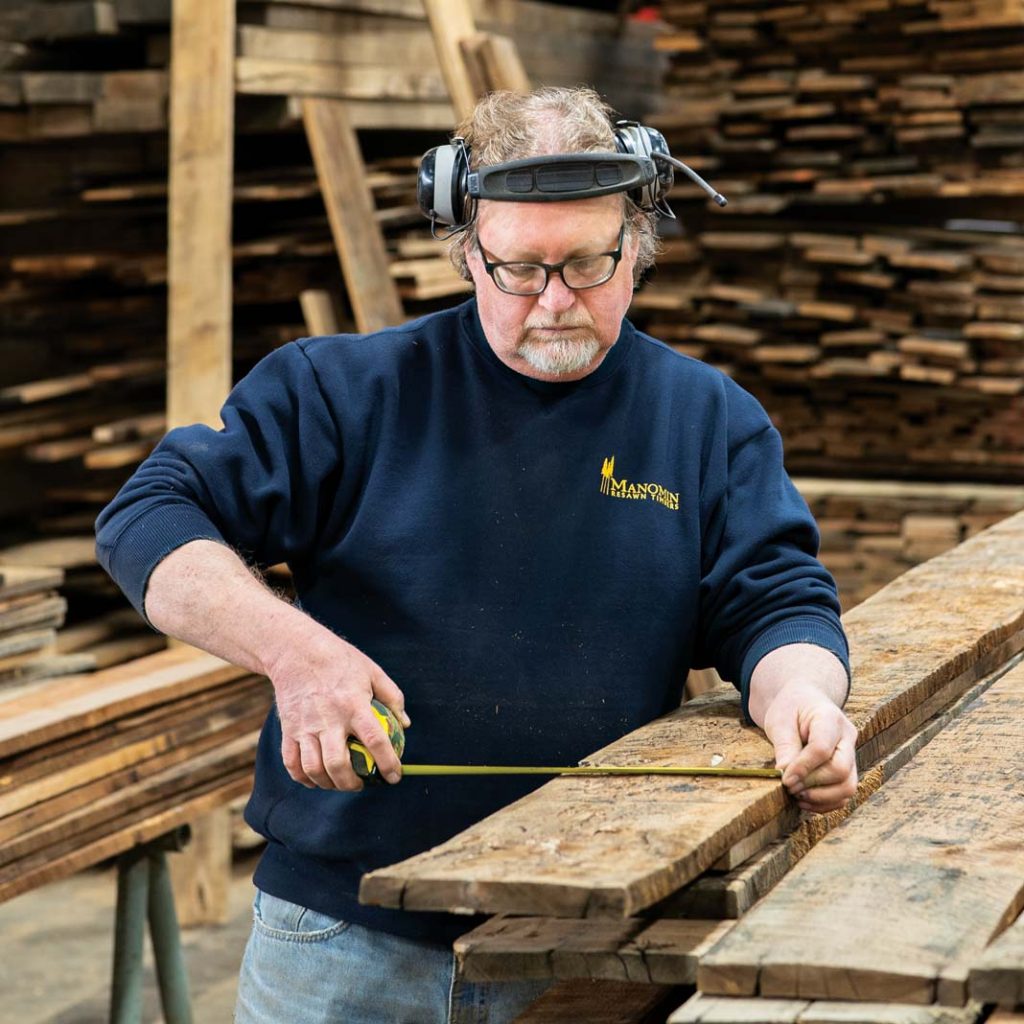
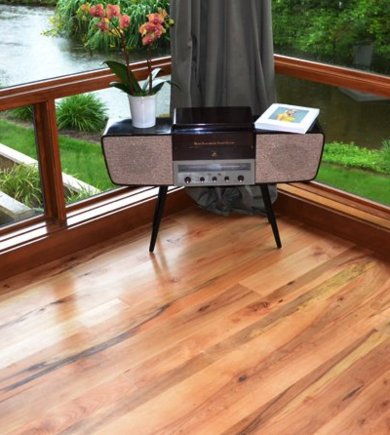
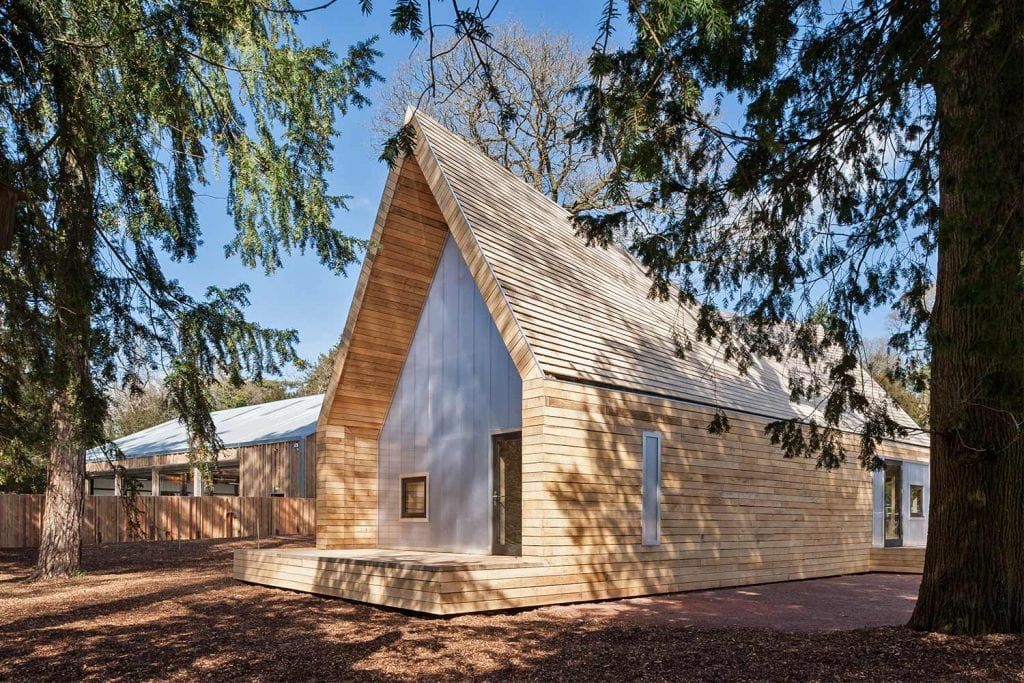
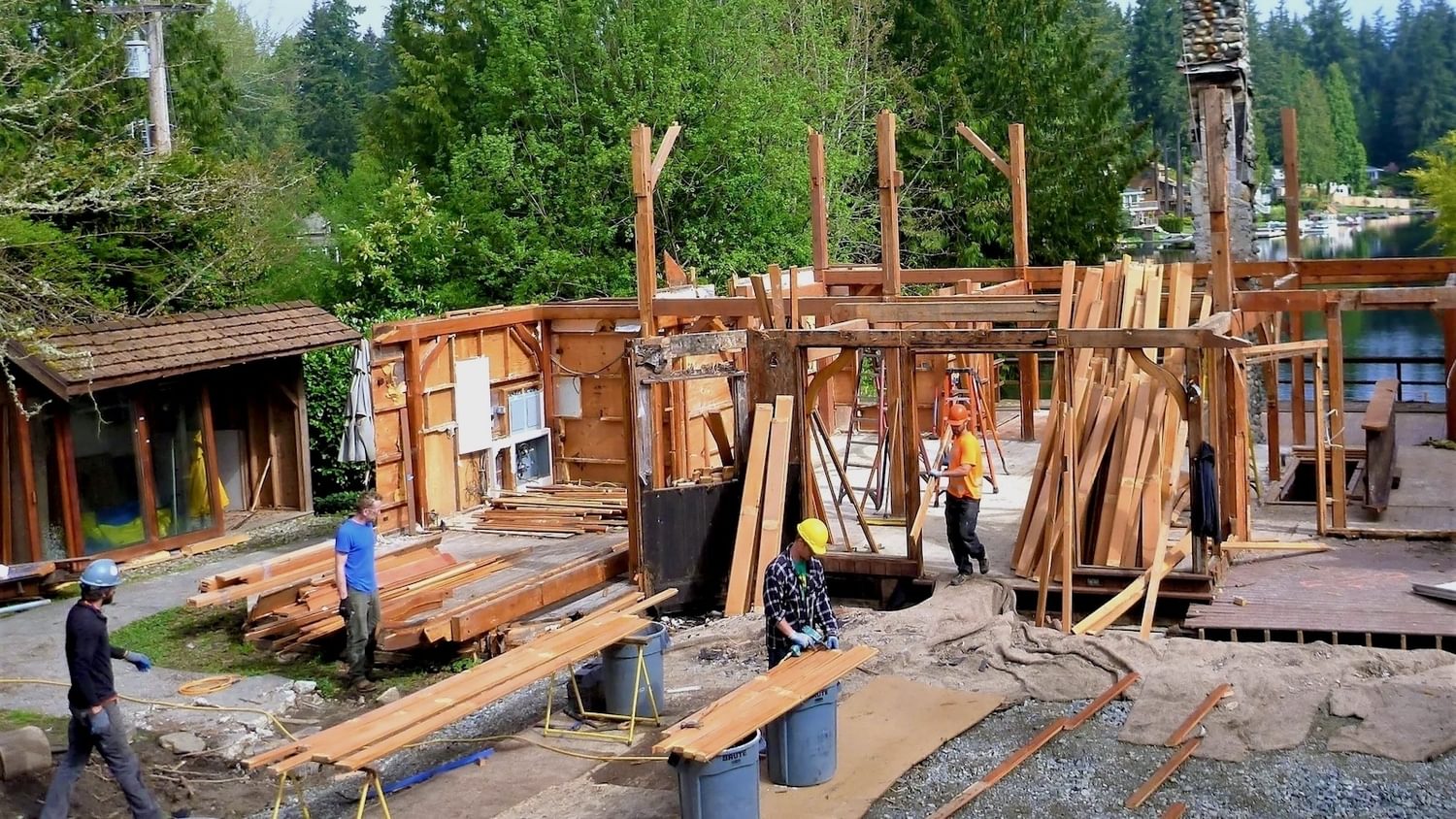
The growing movement to reuse wood waste from construction and demolition is gaining traction in various cities globally, including Japan, Switzerland, and the United States. This initiative extends beyond aesthetic preferences for reclaimed wood, serving as a strategic approach to reduce carbon emissions, minimize waste, and advance a circular economy. Historically, salvaged wood was a niche product, valued by craftspeople for its quality and character, often sourced from old factories and barns. However, the potential for using reclaimed wood as a climate solution on a larger scale presents several challenges.
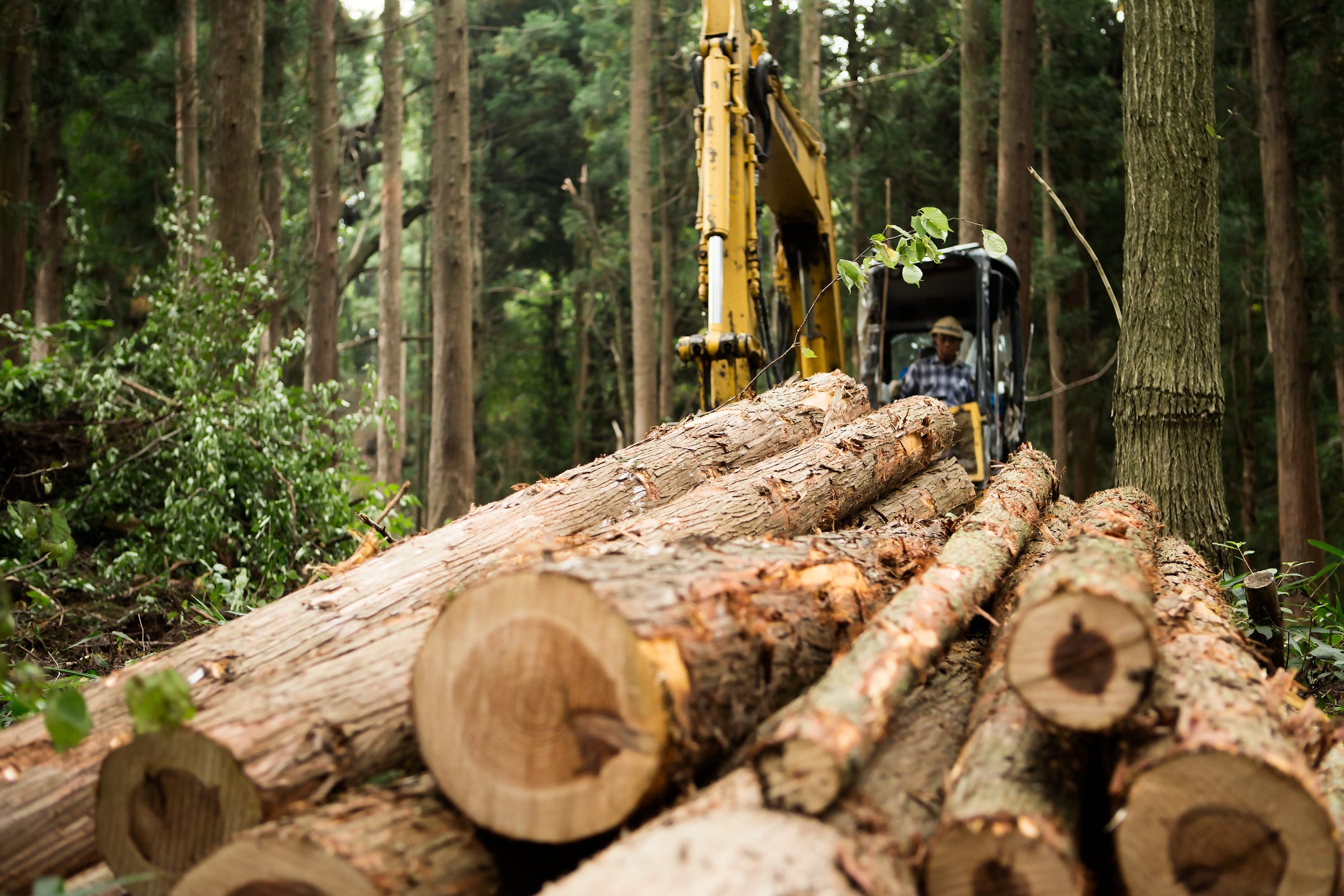
Approximately 30 million tons of wood waste from construction and demolition are sent to U.S. landfills annually. To address this, coordinated systems for wood reuse are evolving. Cities such as Portland, Oregon, and San Antonio have implemented ordinances requiring older buildings to be deconstructed for material repurposing, while Palo Alto, California, has banned demolition entirely. Basel, Switzerland, utilizes online databases to connect buyers and sellers of reclaimed materials. The use of reclaimed wood in local buildings helps sequester carbon and reduces emissions by obviating the need to fell new trees, process virgin materials, or transport them over long distances.
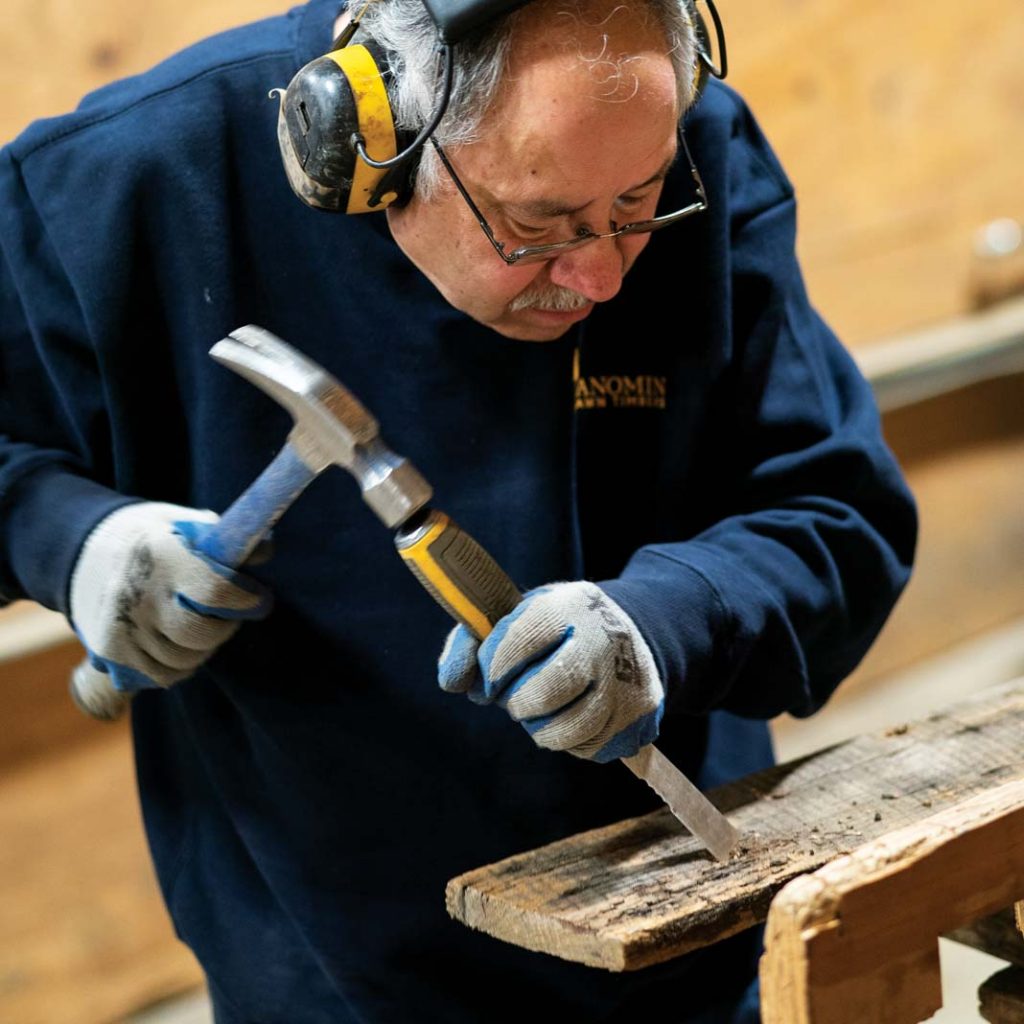
Despite the clear environmental benefits, practical barriers impede widespread adoption. Many demolition contractors lack training in deconstruction techniques, and those who are trained often encounter high costs, complex logistics, and a dearth of standardized grading and certification for salvaged wood. Resale markets for reclaimed materials remain nascent in most regions, making it difficult to match supply with demand. Experts like Dave Bennink, a deconstruction specialist, have trained hundreds of contractors and estimate that their efforts have saved vast amounts of secondary forest.
Portland's deconstruction mandate, enacted in 2016, was prompted by concerns over health hazards from lead paint and asbestos during traditional demolitions. Since its implementation, over 650 homes have been deconstructed, salvaging 2,000 tons of reusable wood. The program's success is attributed to investments in contractor training and the emergence of specialized businesses that resell reclaimed materials, each catering to a specific niche. Similarly, San Antonio’s 2022 ordinance ensures that salvaged building components contribute to preserving the city's architectural heritage.
Boulder, Colorado, and Aspen, Colorado, have also adopted ordinances that extend deconstruction requirements to residential and commercial buildings, mandating careful dismantling and material recovery. However, not all efforts have been uniformly successful; Milwaukee’s deconstruction ordinance was suspended due to an undeveloped local market for salvaged materials, and Denver's "Waste No More" initiative faces implementation challenges due to a lack of sufficient companies and market infrastructure. Hennepin County, Minnesota, addressed this by launching a grant program to incentivize deconstruction and material reuse, fostering greater interest at both resident and city levels.
Streamlining regulatory processes is crucial for increasing demand. While building codes permit reclaimed wood, the reassessment required to determine its suitability adds cost and complexity. Efforts are underway to develop more practical and standardized evaluation methods, such as visual grading, to simplify approvals without compromising safety. Additionally, the market needs to shift from selling raw salvaged wood to offering finished products. Companies like Doors Unhinged exemplify this by providing ready-to-install kits from reclaimed materials, advocating for localized material capture, sale, and circulation to minimize carbon emissions from shipping.
Effective material reuse also necessitates efficient sorting and infrastructure. Kamikatsu, Japan, and initiatives in Seattle and New York City aim to create material recovery and processing centers, though physical space in urban areas can be a constraint. Research indicates that deconstruction can be economically viable; a study by Cornell University’s Circular Construction Lab demonstrated that revenue from salvaged materials nearly offset higher labor costs. New technologies, such as robotic systems for nail removal, promise to enhance efficiency. Ultimately, the long-term vision involves designing buildings for disassembly, treating them not as disposable structures but as valuable sources of reusable materials, requiring a fundamental shift in how people perceive construction and waste.
#ReclaimedWood #Deconstruction #CircularEconomy #WasteManagement #SustainableBuilding #CarbonReduction #UrbanPlanning #MaterialReuse #EnvironmentalPolicy #ReclaimedWood #Deconstruction #CircularEconomy #WasteManagement #SustainableBuilding #CarbonReduction #UrbanPlanning #MaterialReuse #EnvironmentalPolicy
0 comment in total
 No comments yet
You may also like
11 Recycled Building Materials Made From Trash

The Wood Innovation and Design Centre

my archischool experiments with wooden architecture in sustainable urban designs
Is timber the most sustainable building material?


9 amazing wooden homes that go against the grain | loveproperty.com

Damage and restoration technology of historic buildings of brick and wood structures: a review

Sustainable Material Spotlight: Reclaimed Wood

Renovate | Build


Turning reclaimed timber power poles into architectural products

Restoring the Past, Building the Future


Manomin Resawn Timbers Reclaims History—One Plank at a Time


49 DIY Treehouses Made From Reclaimed Materials
Top 10 Things to Recycle at Your Construction Site
For These Designers and Homebuilders, the Best Materials Are Ones That Have Already Been Used

Saving the earth: making the case for rammed earth architecture

To Paint or Not to Paint the Original Woodwork? It Depends Who You Ask
Mass Timber Primer


How to talk to architects, builders and general contractors about sustainability
15 Ways to Use Salvaged Wood in Your Home

Rebuilding