1/23
For These Designers and Homebuilders, the Best Materials Are Ones That Have Already Been Used
The article explores the increasing trend among designers, architects, and builders to utilize reclaimed and upcycled materials in home construction and design, focusing on the environmental benefits and creative possibilities of this approach. It highlights how repurposing materials like timber, plastic, metal, and brick can significantly reduce construction waste and contribute to sustainable living practices. Penny Craswell's upcoming book, "Reclaimed: New Homes from Old Materials," serves as a central point of reference, offering insights into the philosophy behind using pre-used palettes and showcasing various projects that embody this sustainable design ethos.
Craswell emphasizes the substantial volume of construction waste generated annually, citing examples such as 13 million tons of brick and clay tile debris in the U.S. in 2015 and nearly 9 million tons of wood discarded in the U.K. each year, with 80% of it being recyclable. Her book aims to inspire individuals to embrace secondhand materials by illustrating their potential through diverse case studies and providing a global list of suppliers. The core message is that reclaimed materials are not only environmentally responsible but also possess inherent qualities—like the hardening of timber with age, the pleasing patina of metal, and the cleanability of bricks—that make them ideal for reuse.
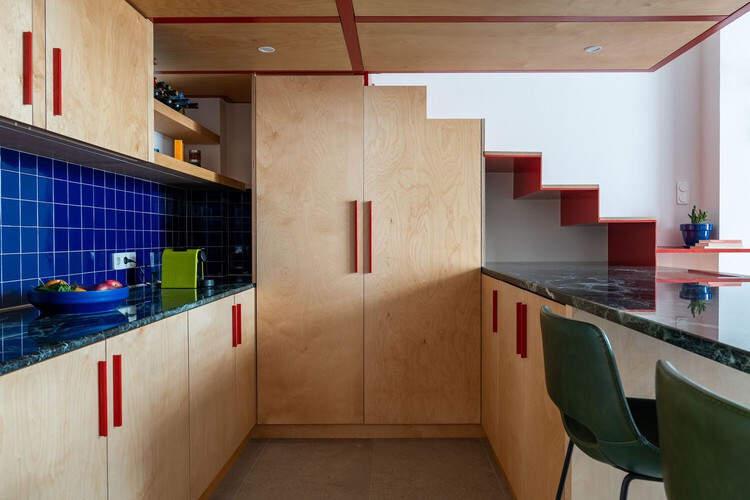
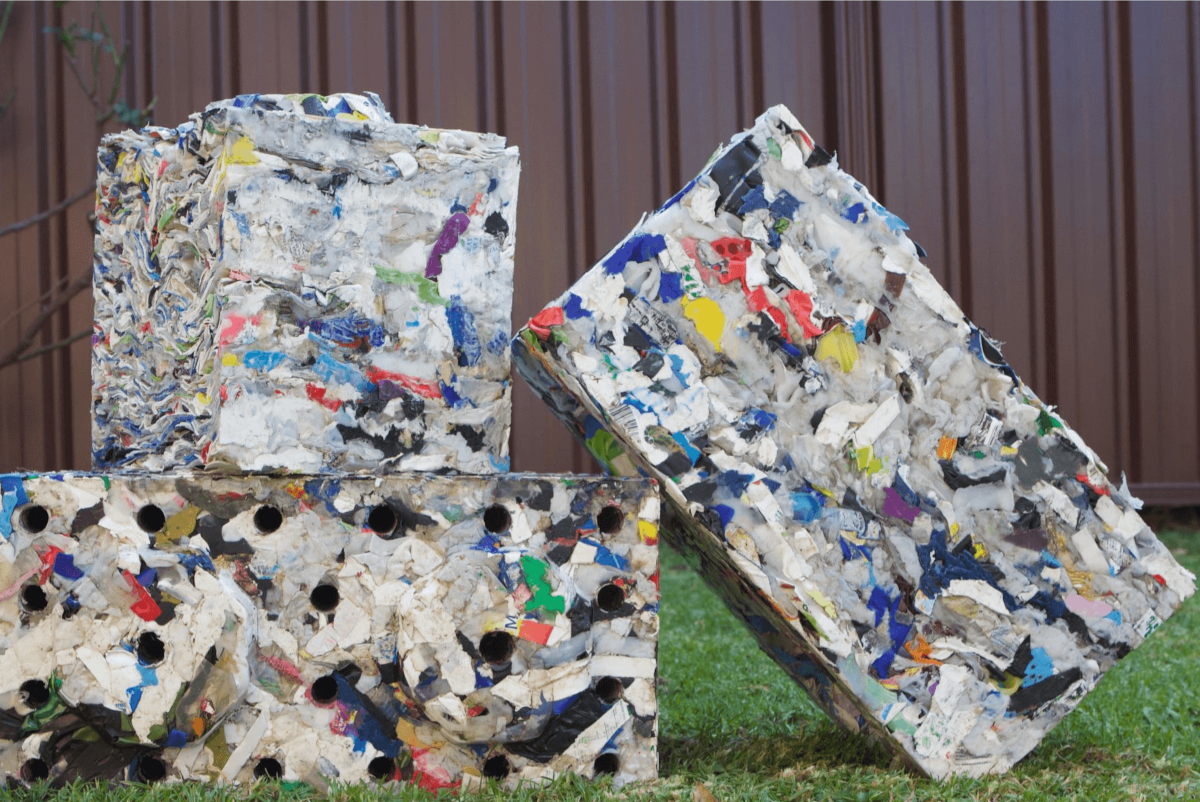
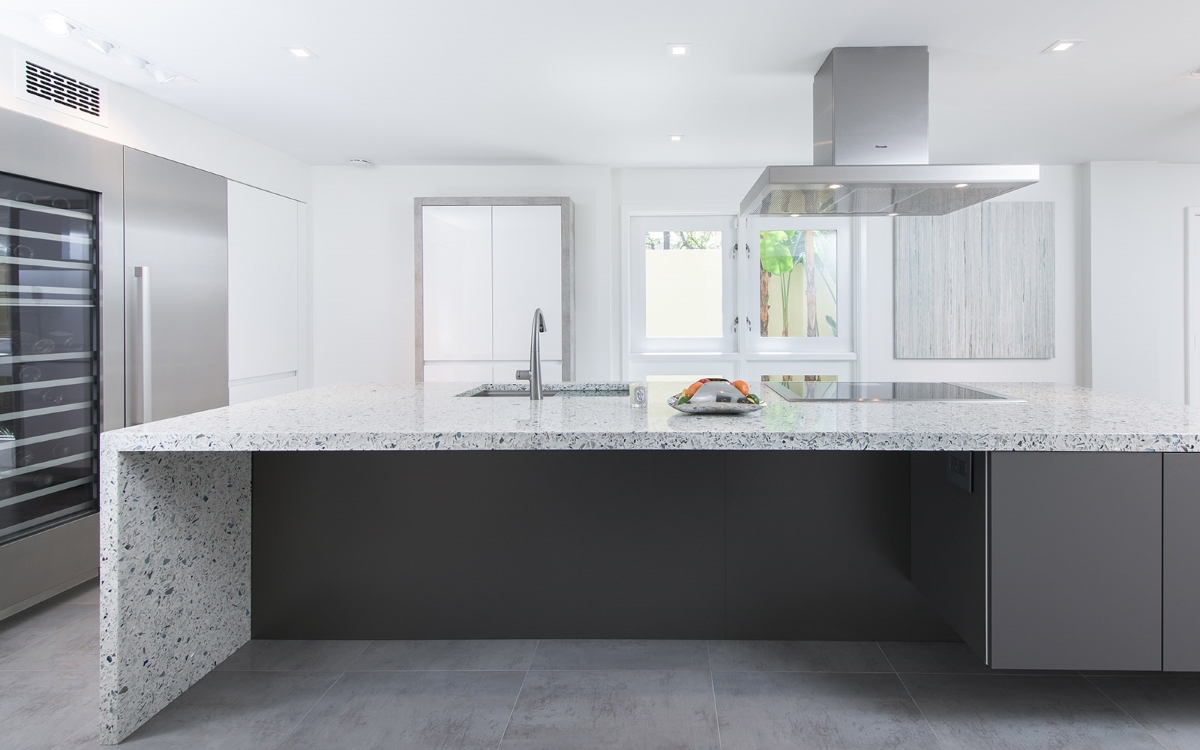
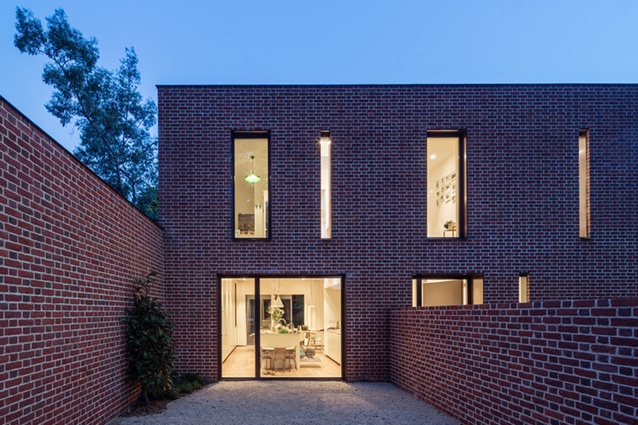
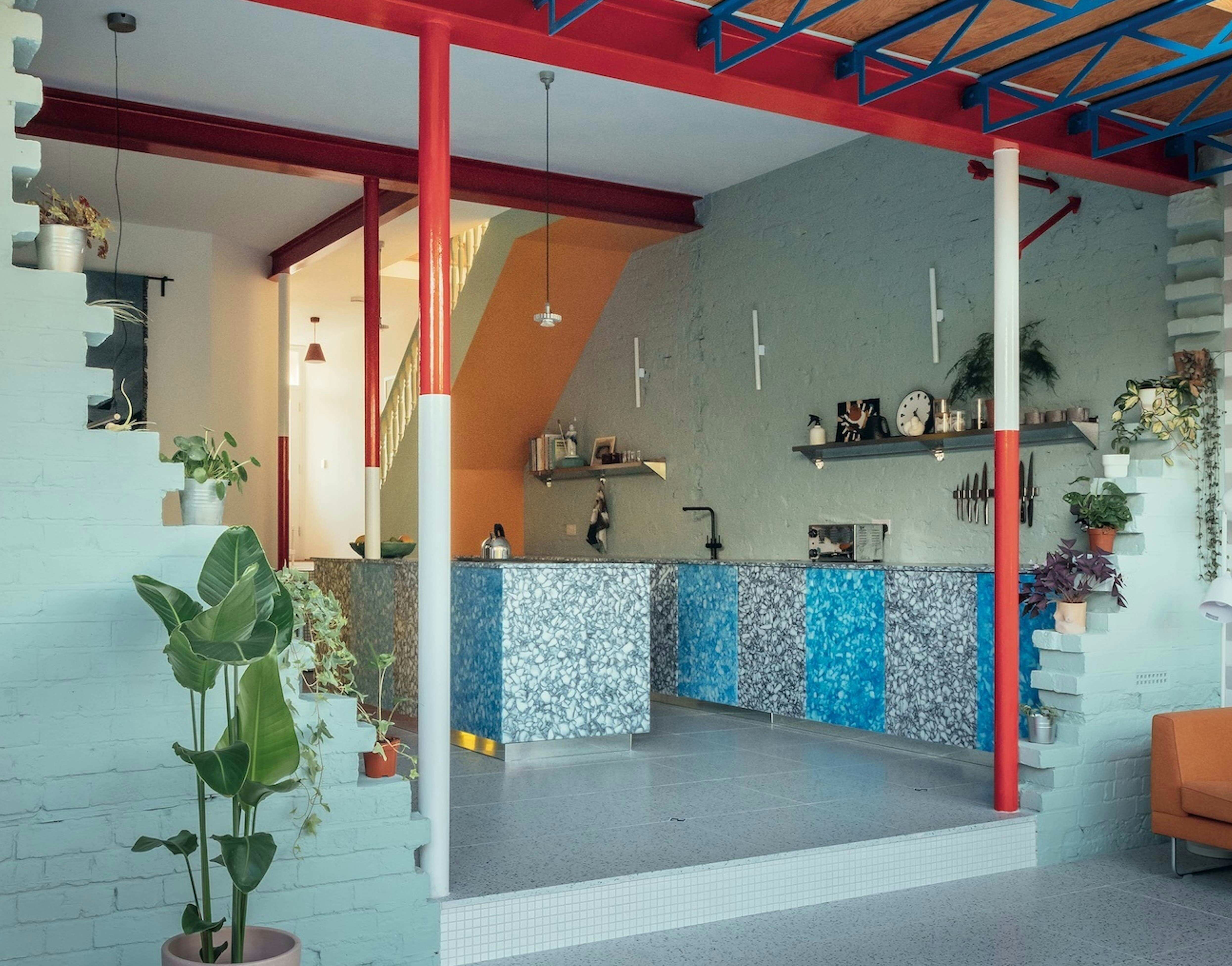
The article features several homes that exemplify the innovative use of reclaimed materials. One project involves an apartment in New York City renovated by Andrew Franz Architect, where reclaimed ash timber from old barns was extensively used for flooring, cabinetry, a storage wall, and door jambs, transforming a small space into a bright, comfortable home. Another example is a London renovation by CAN, which incorporates recycled plastic chopping boards and bottle tops for kitchen benchtops and cabinets, along with reclaimed bricks and recycled aluminum, creating a vibrant and inventive design. Studio Bright's "8-Yard House" in Melbourne showcases the use of reclaimed, cream-painted bricks both inside and out, blending modern design with a sense of history and coherence. Alessia Mosci’s London flat demonstrates a subtle approach to upcycling, utilizing a marble slab leftover from a larger job for the kitchen counter and backsplash, alongside plywood and pine boards.
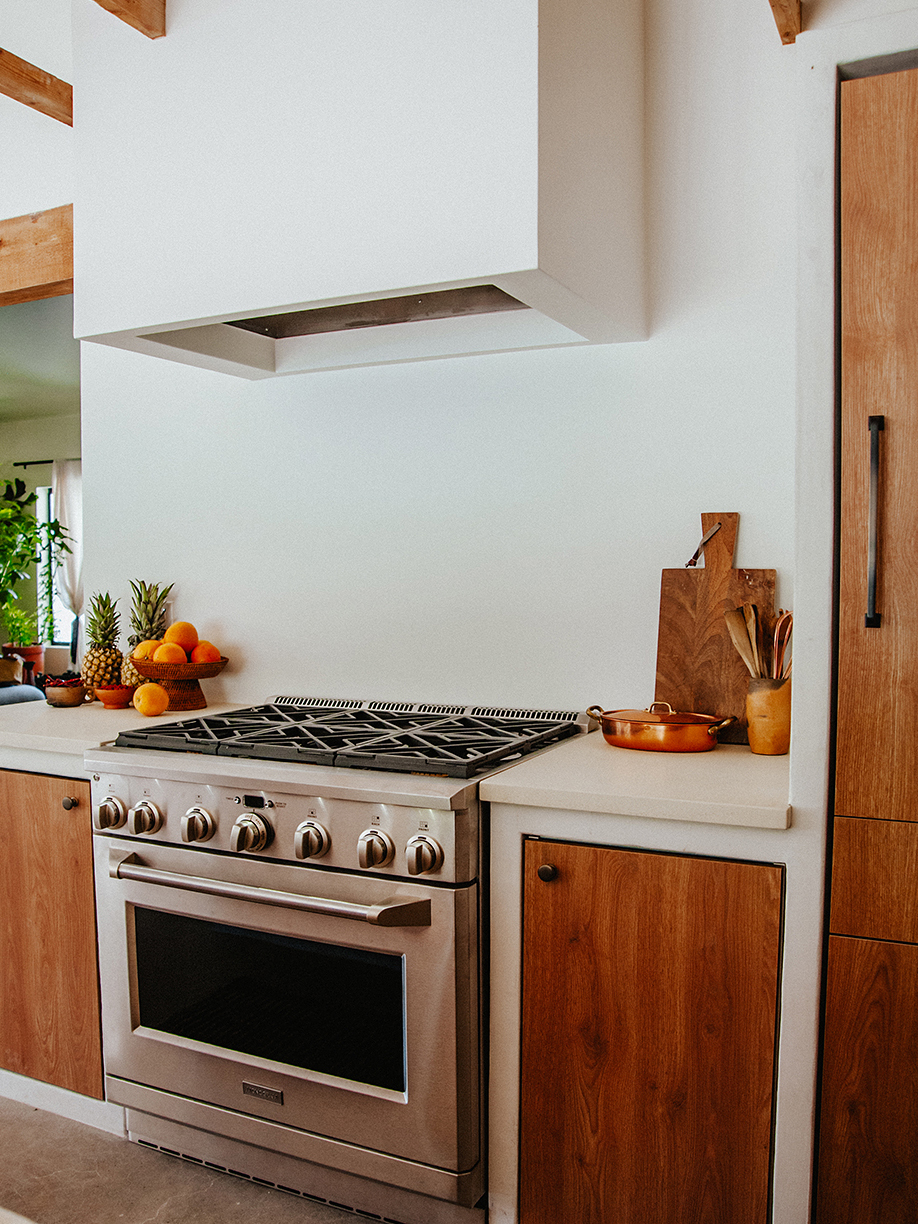
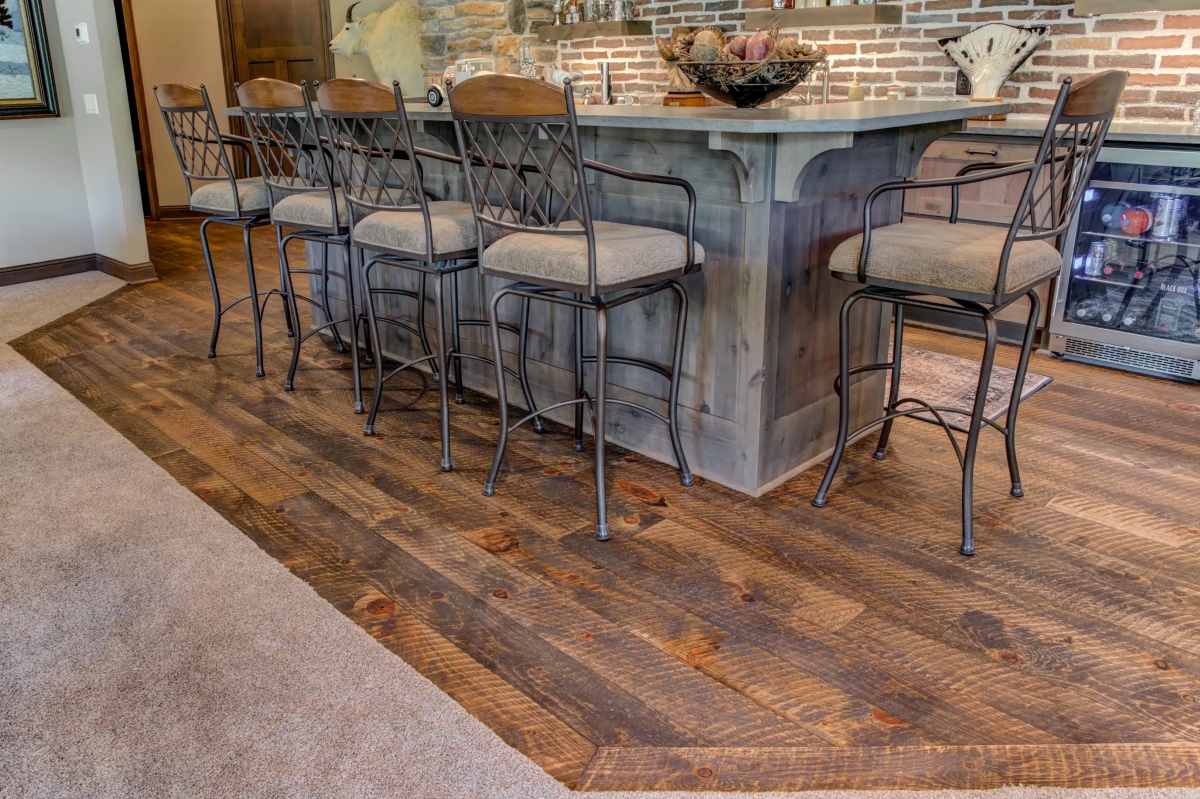
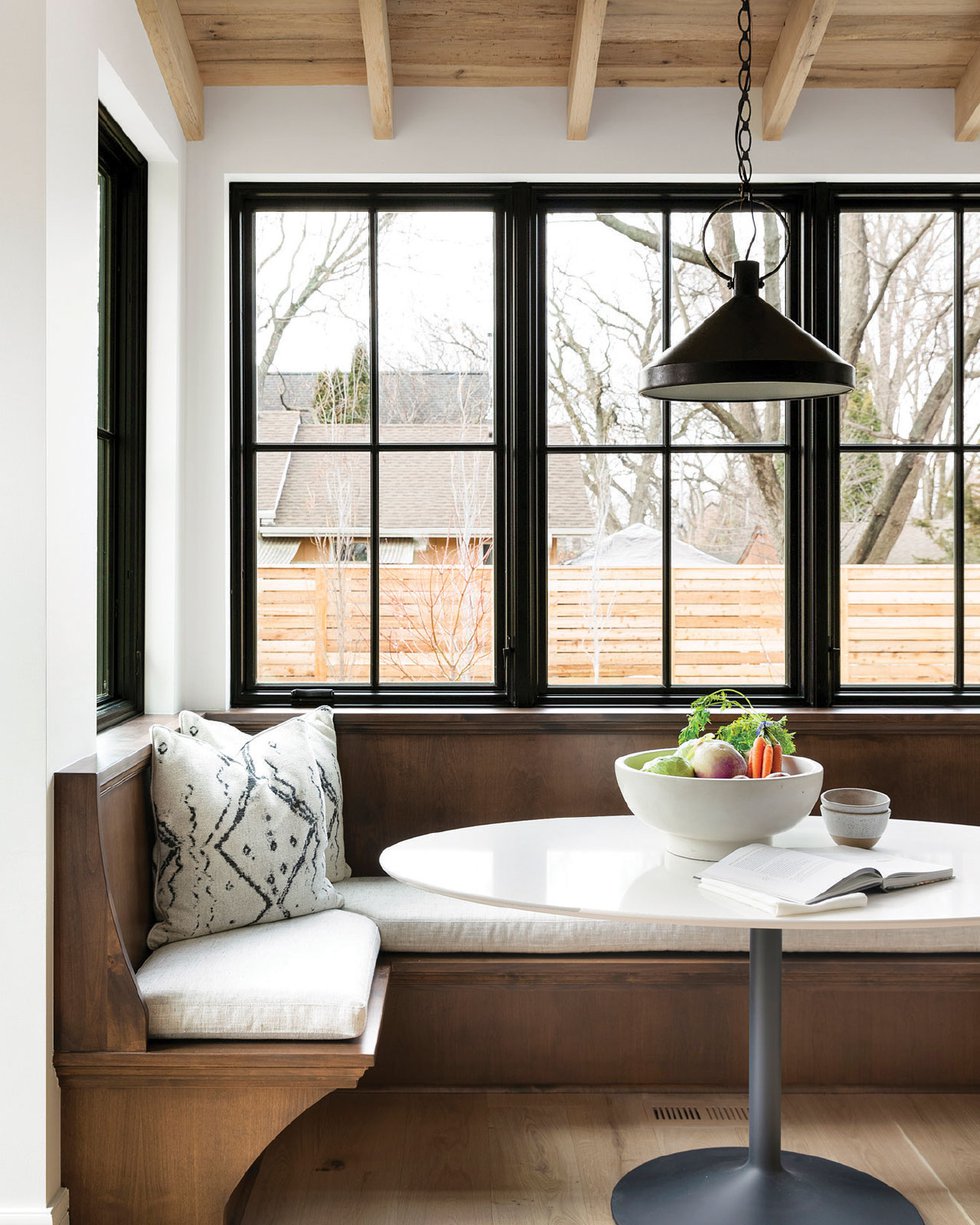
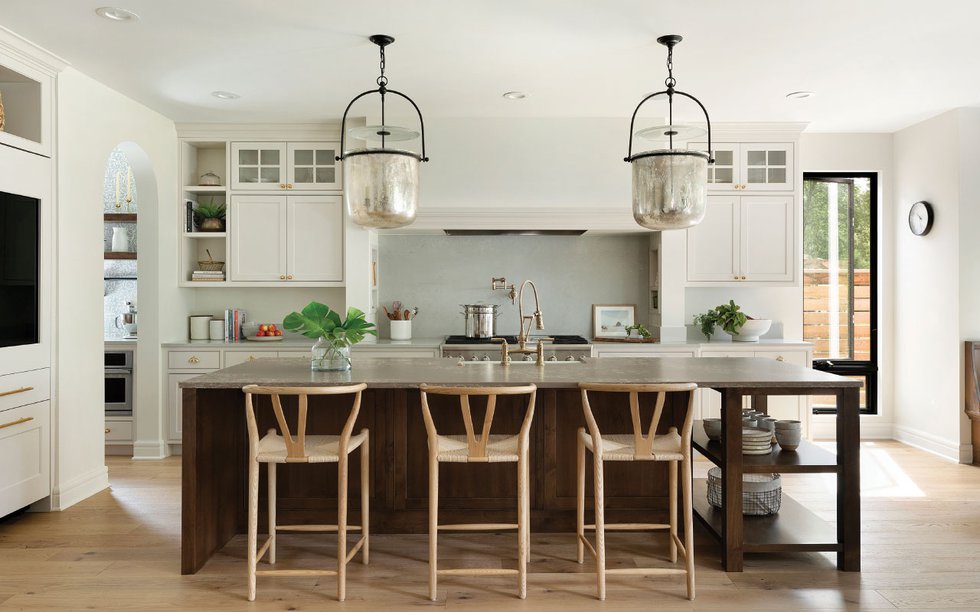
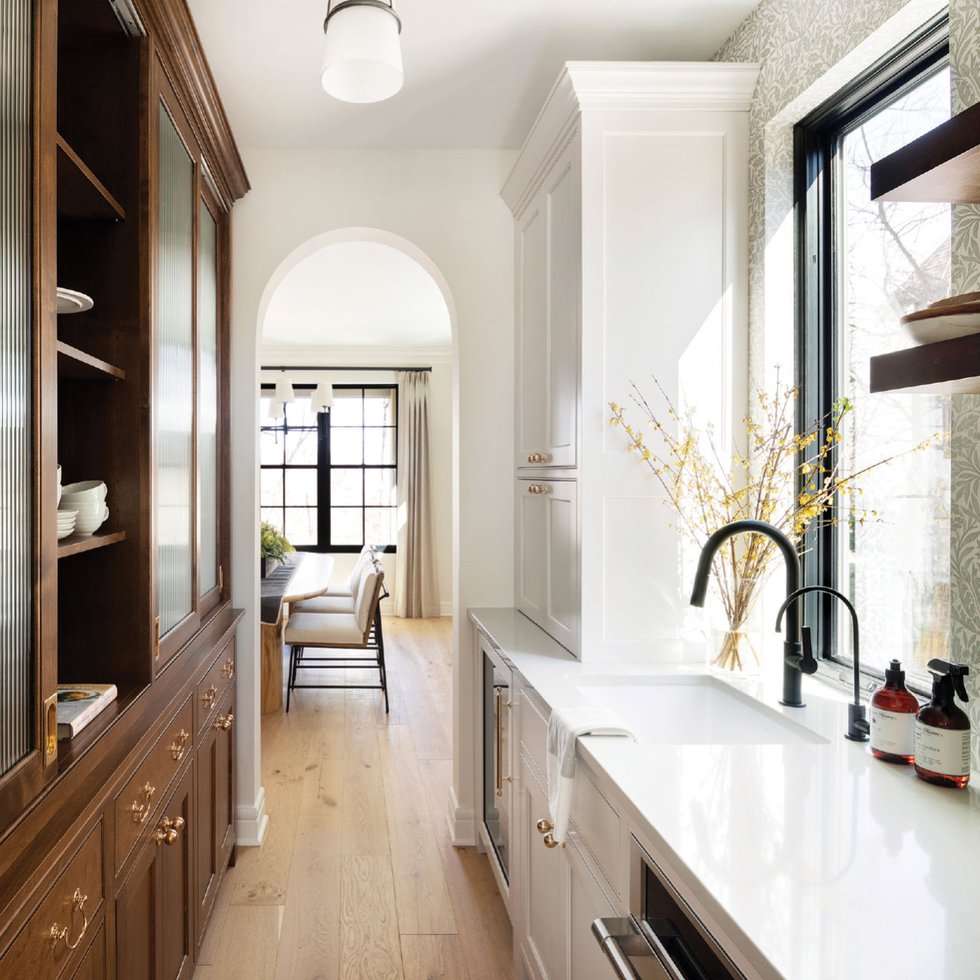
Further examples include a Melbourne renovation by Kim Kneipp, where recycled timber forms the kitchen island and cabinets, drawing inspiration from existing wooden elements. Kyle Huberty’s transformation of a garage into a multifunctional workspace in Saint Paul, Minnesota, highlights the use of Douglas fir boards, pavers, bricks, and various salvaged furnishings and fixtures found through community resources. Lastly, Office for Architecture's Brooklyn townhouse renovation features Eastern white pine reclaimed from demolished building joists for the front door and timber flooring, retaining original bay windows and brickwork to blend new and old elements seamlessly.
These projects collectively demonstrate that reclaimed and upcycled materials can achieve a variety of aesthetic outcomes, from rustic to modern, and contribute to both environmental sustainability and unique architectural expressions. Craswell encourages designers and homeowners to explore the unexpected possibilities that reclaimed materials can offer, moving beyond preconceived aesthetic notions.
#ReclaimedMaterials #UpcycledMaterials #SustainableDesign #GreenHomes #RecycledWood #RecycledPlastic #ArchitecturalDesign #HomeRenovation #EnvironmentalSustainability #ReclaimedMaterials #UpcycledMaterials #SustainableDesign #GreenHomes #RecycledWood #RecycledPlastic #ArchitecturalDesign #HomeRenovation #EnvironmentalSustainability
0 comment in total
 No comments yet
You may also like
11 Recycled Building Materials Made From Trash

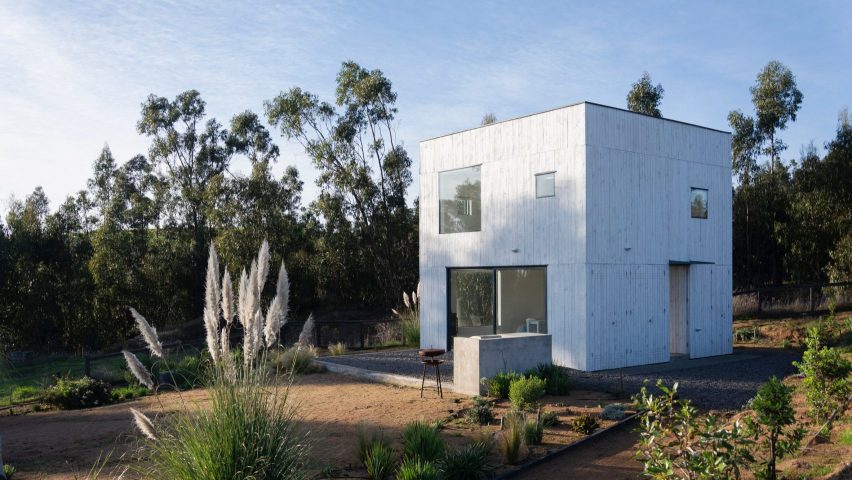
Distinctive house cladding from Dezeen's Pinterest
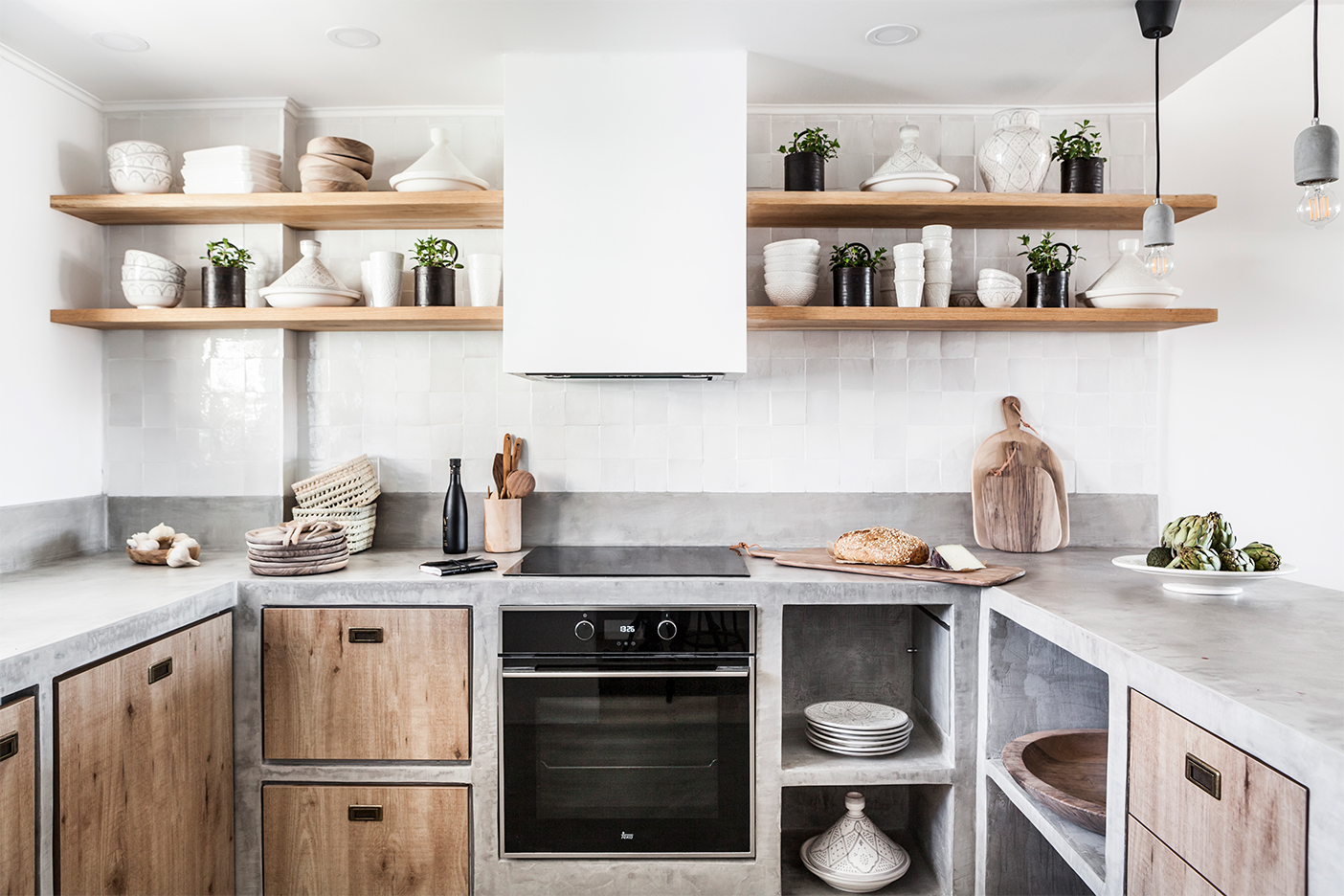
More Practical Than Plaster and Cement: This Material Is on Our Reno Radar
W Tiles: Behind the Great Walls

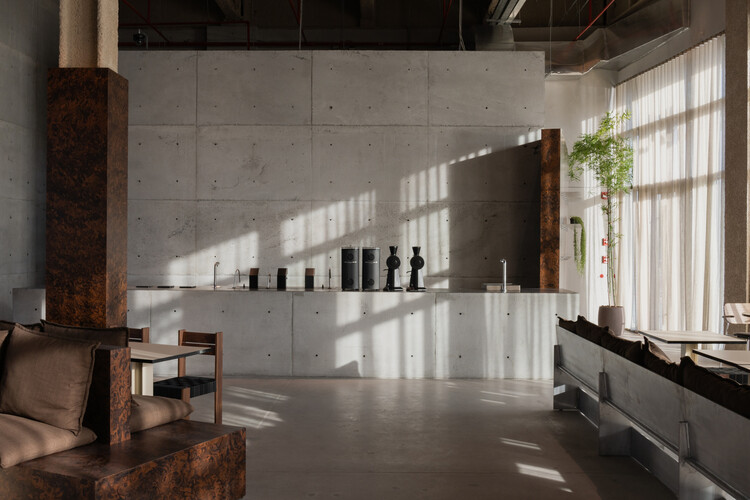
Unwrapped Interiors: A Case for Material Authenticity and Clarity

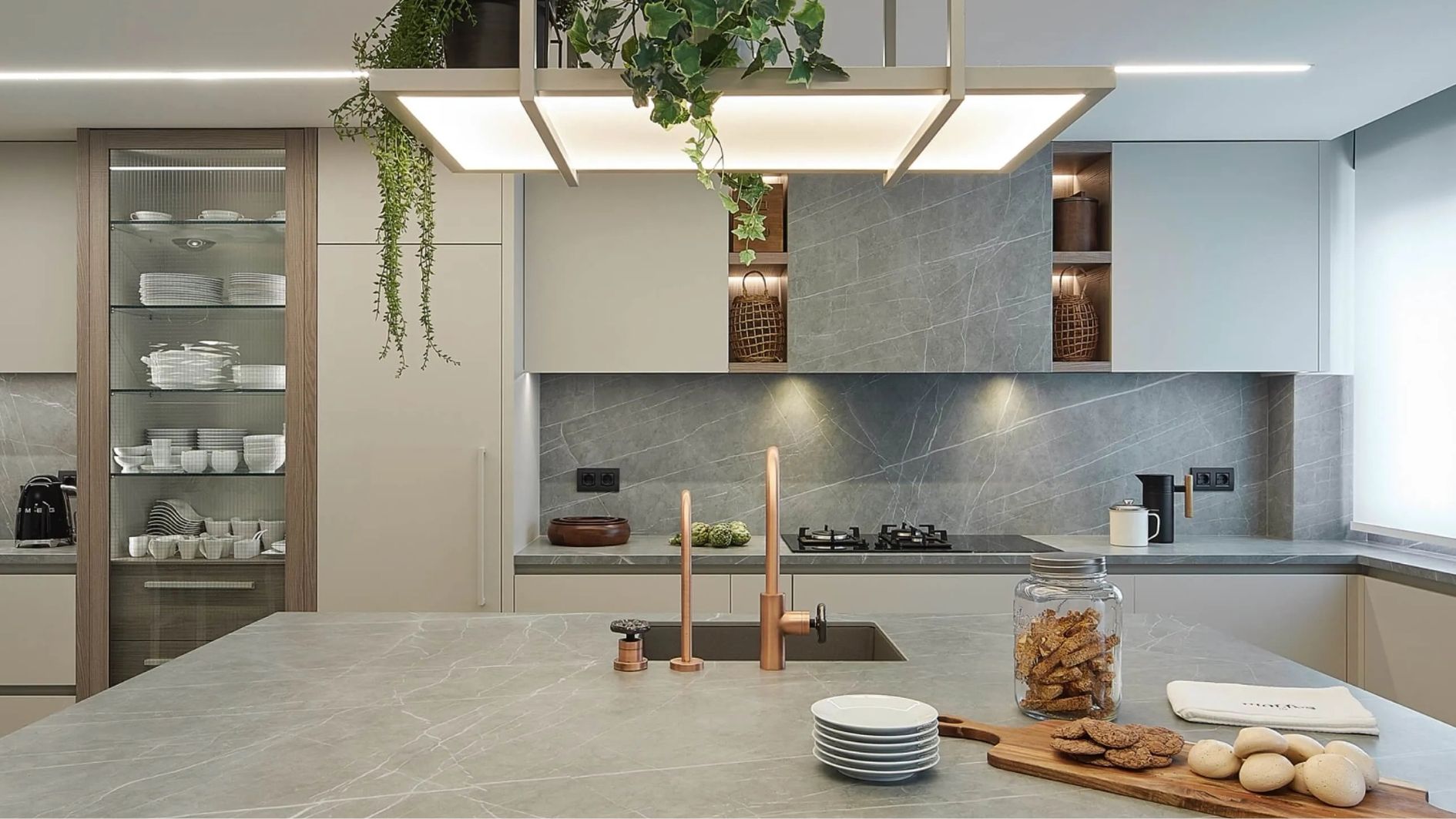
5 brands that are transforming the architectural surfaces of your home


Finding Sustainable Alternatives to Traditional Building Materials
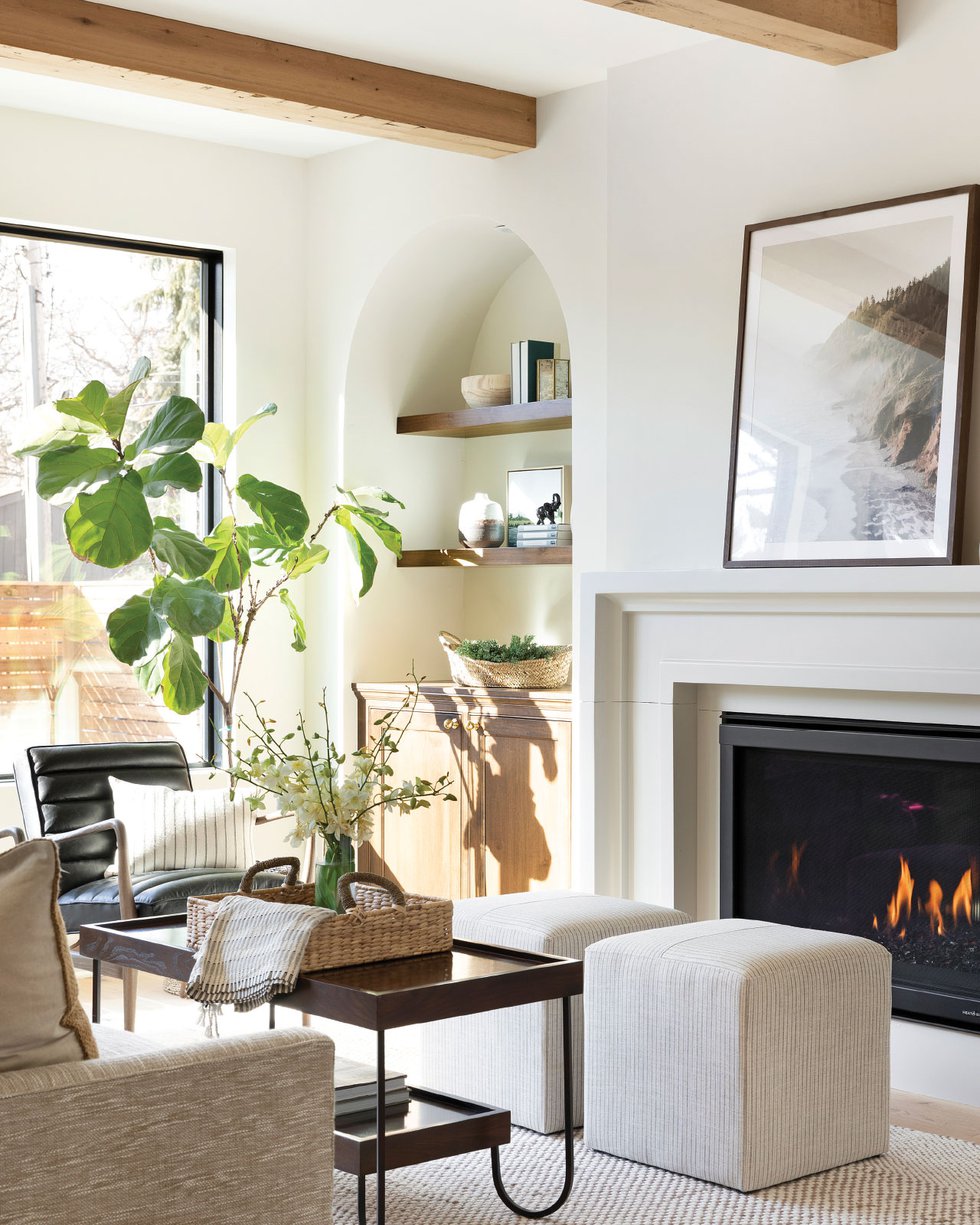
Home & Design | Built to Last

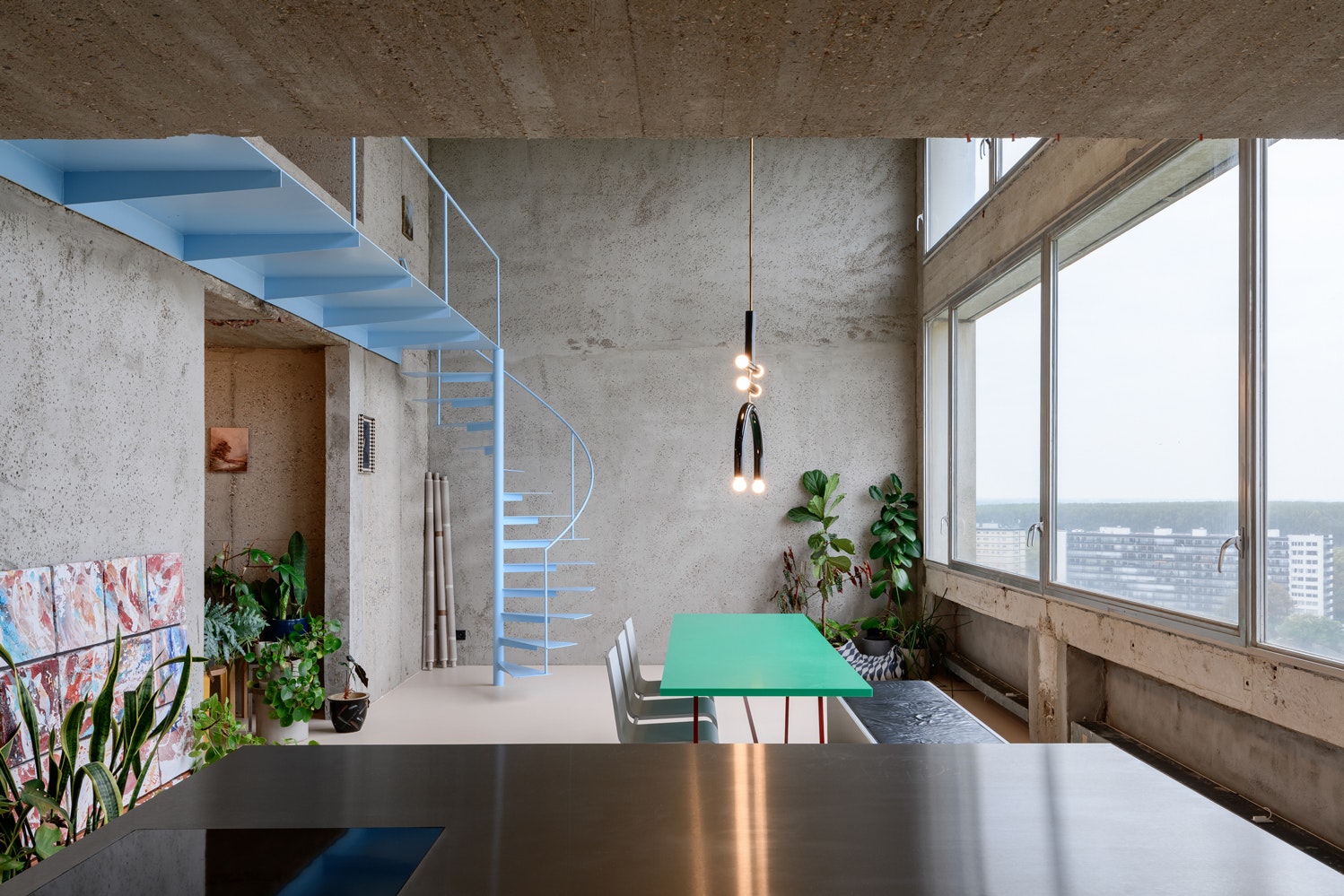
17 Projects That Use “Ugly” Materials in Beautiful Ways

The Interior Home Trend Designers Are Happy To Put Down, And Why It's For The Best

10 Ways to Use Recycled Materials in Your Home Reno

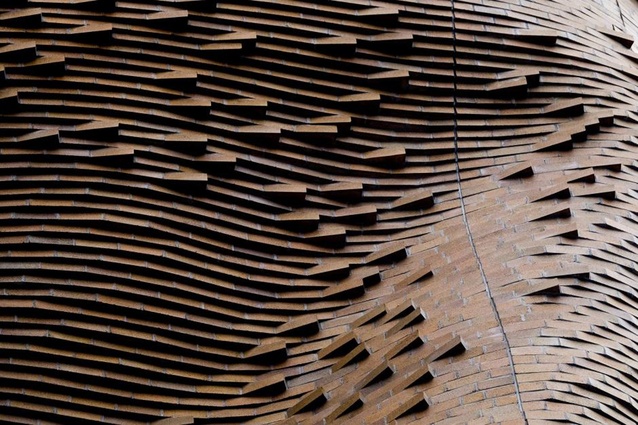
Another brick in the wall
Save Money and Cut Waste With These 8 Reno Materials You Didn't Know You Could Reuse

Acme Brick, Tile and Stone – Florence
Eight interiors that feature reclaimed and recycled materials
Acme Brick

10 Innovative Materials Poised to Make Home Building More Sustainable
5 Costly Mistakes People Always Make When Buying Tiles — And How to Avoid Them


Building Materials - Building Supplies

Want to use reclaimed materials and appliances for a renovation? Here's what you should know