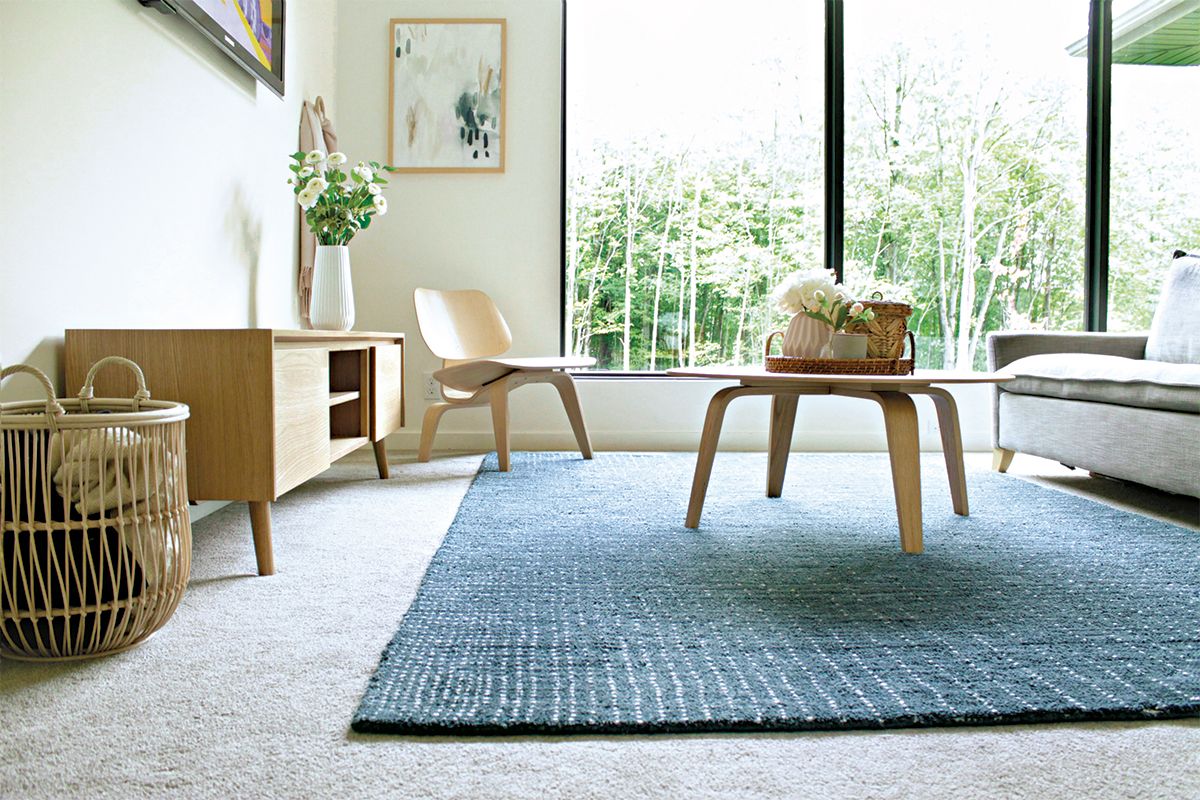
1/4
Comfy carpet, once dismissed as out-of-date, is back in vogue
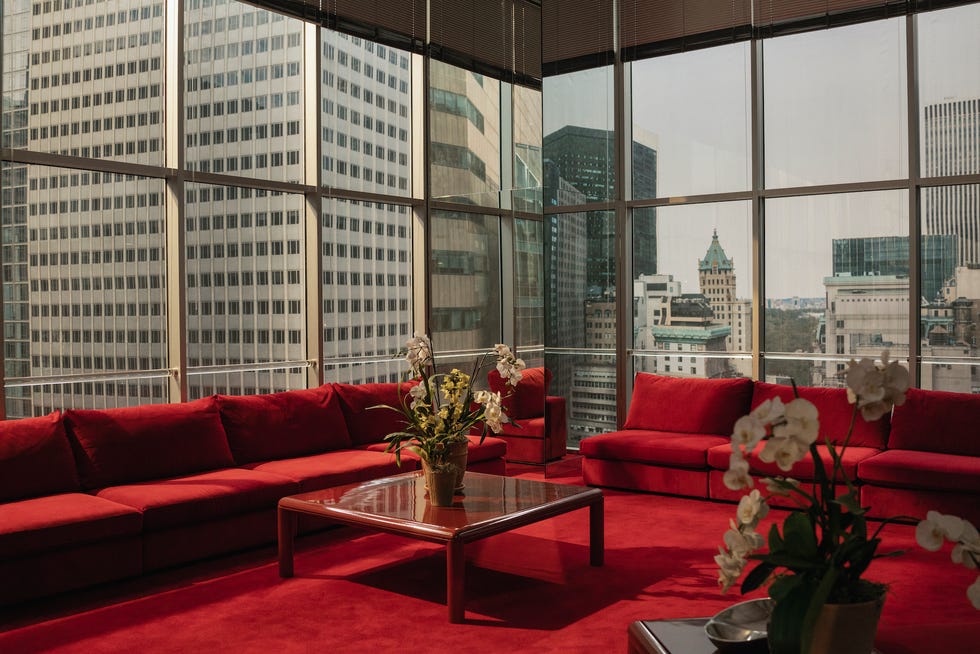
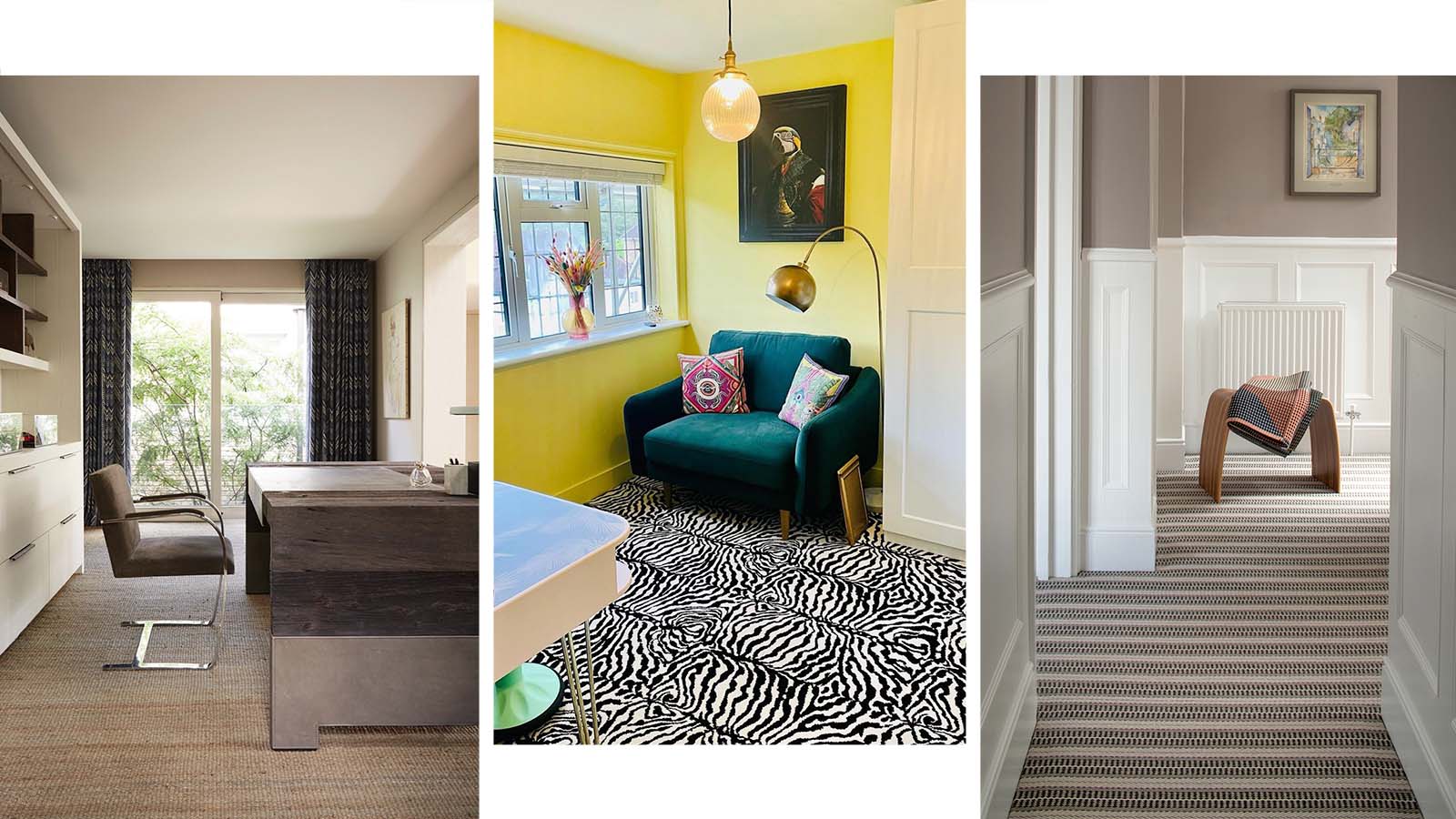
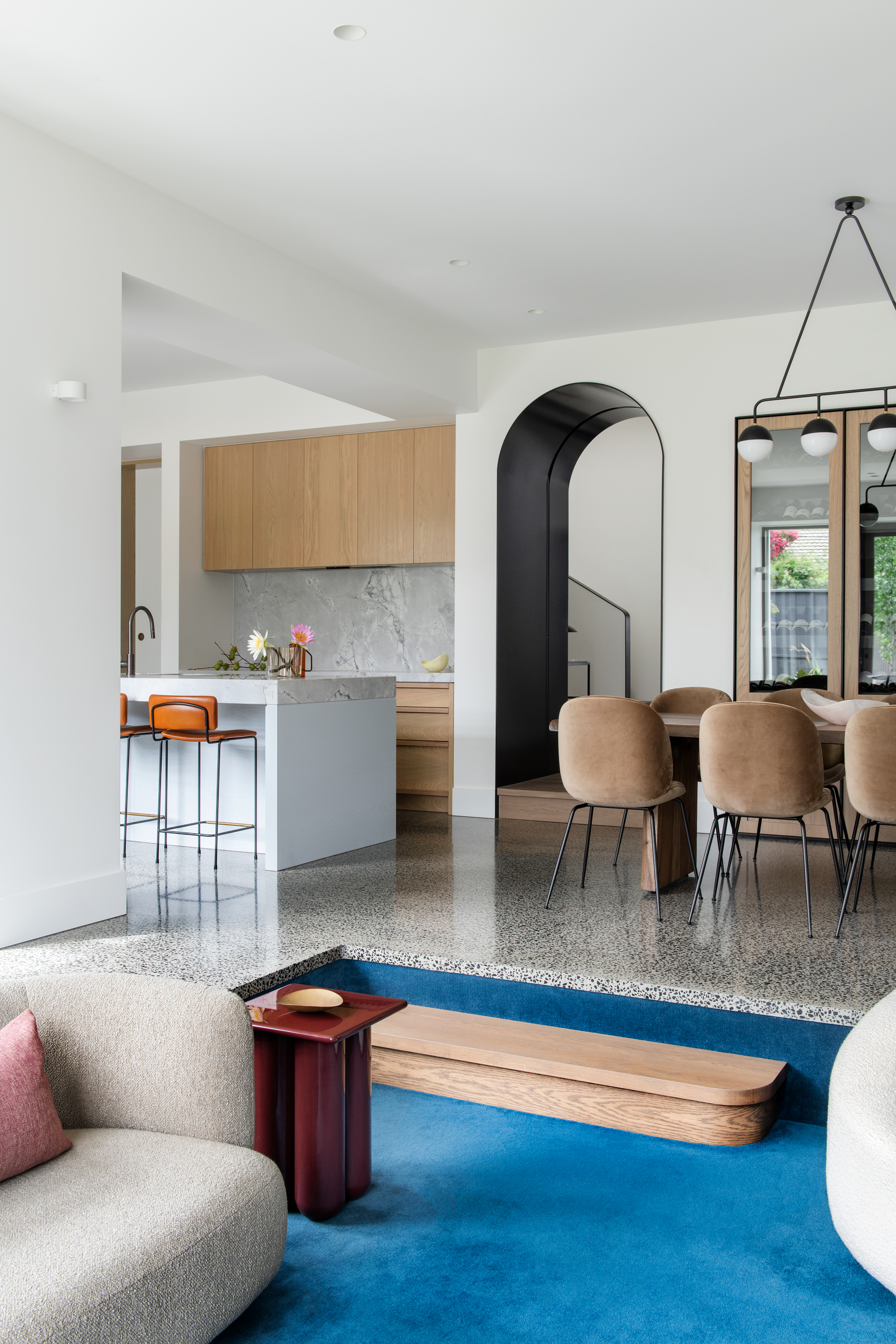
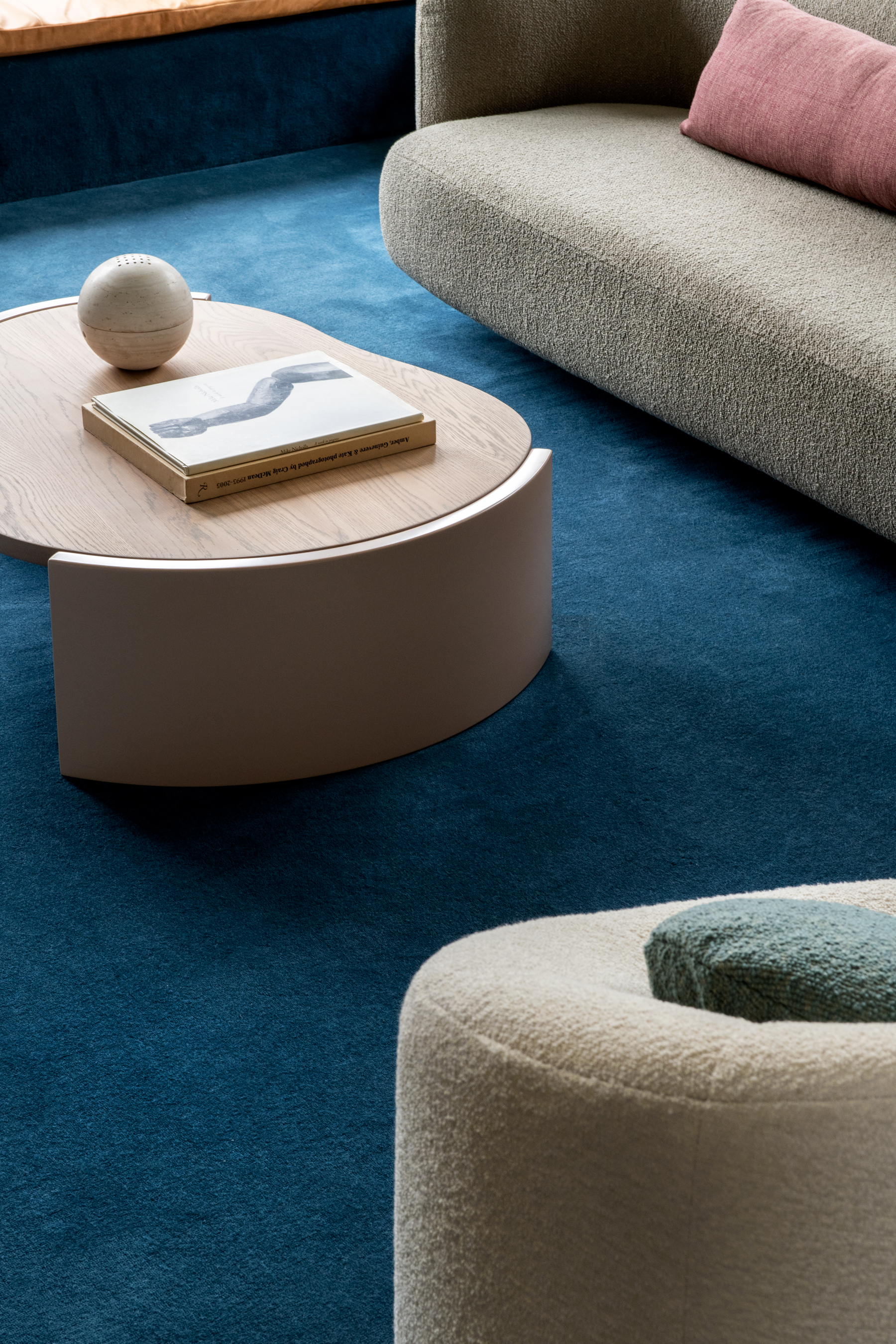
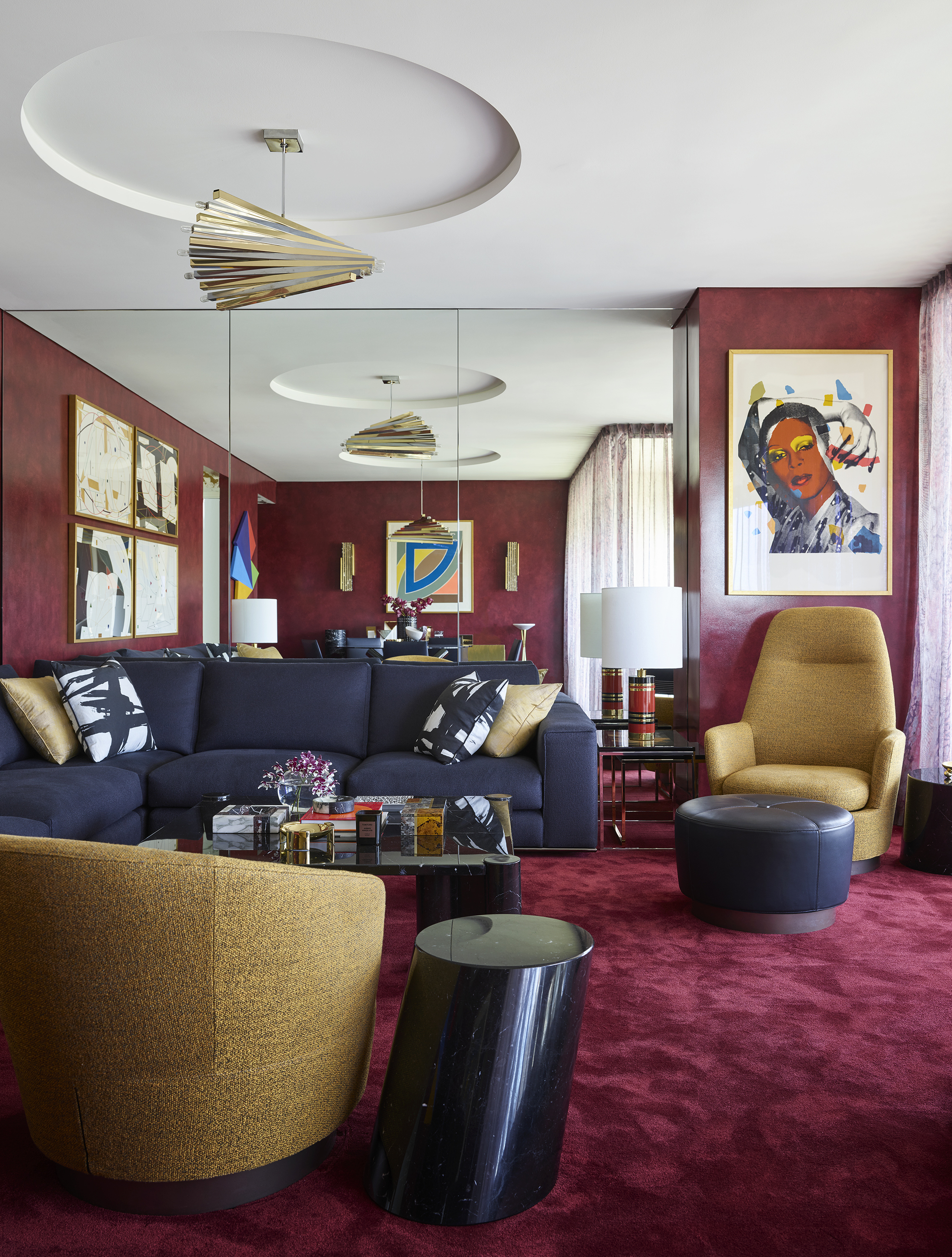
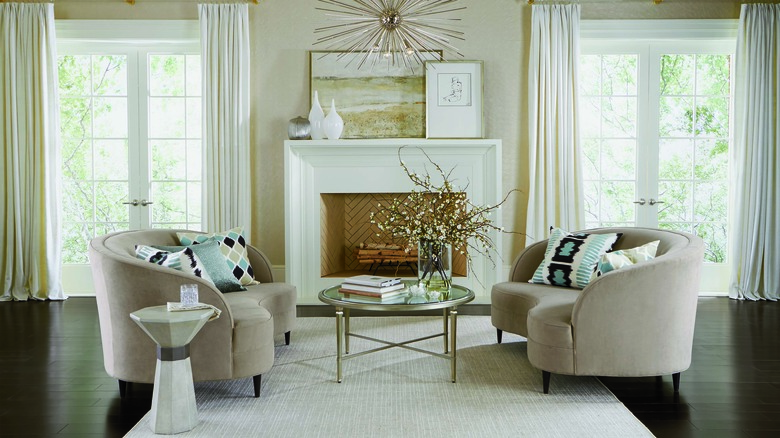
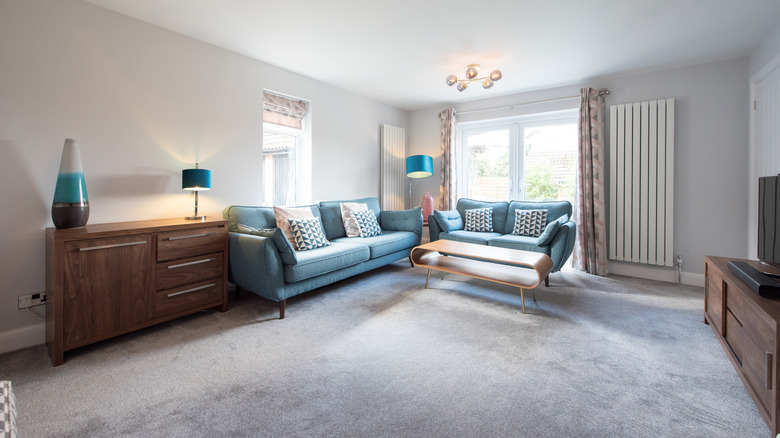
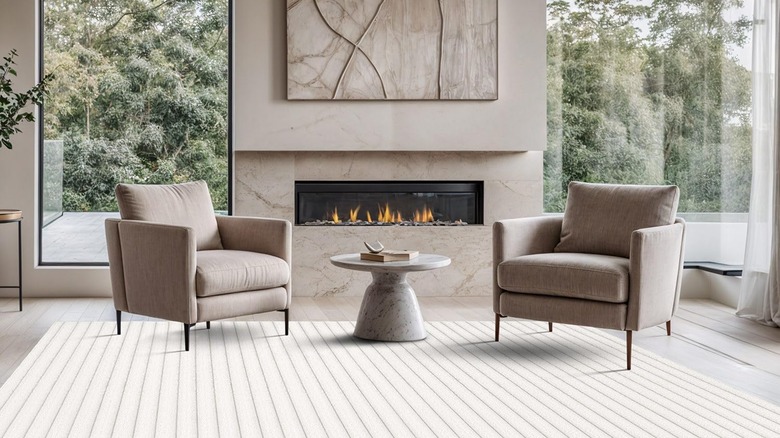
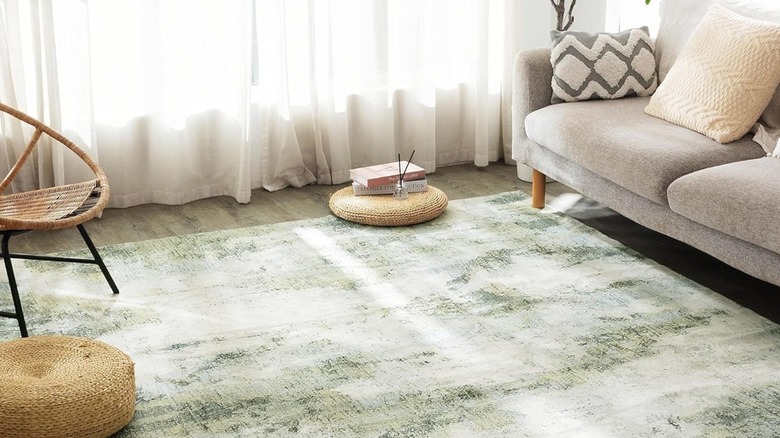
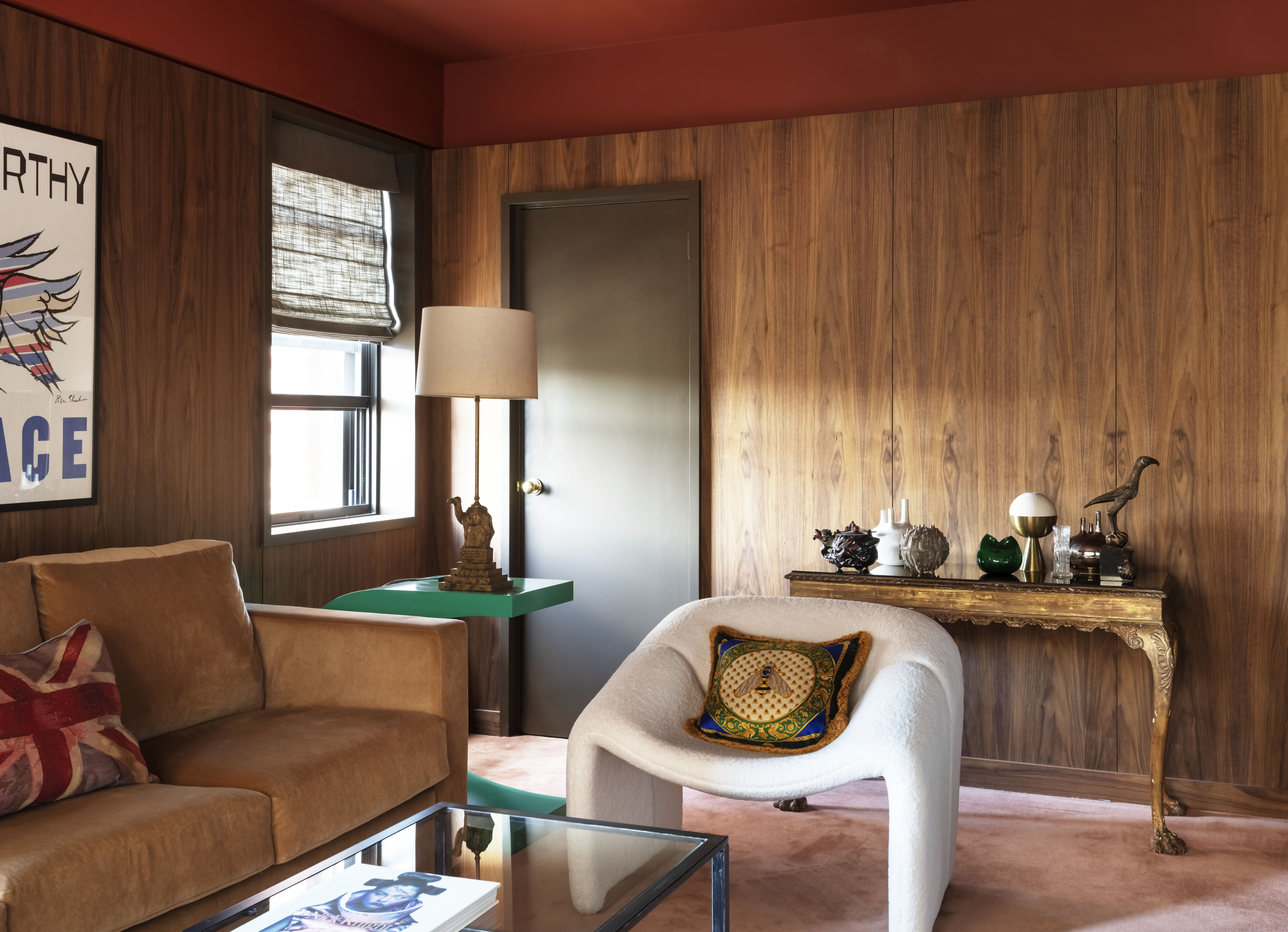
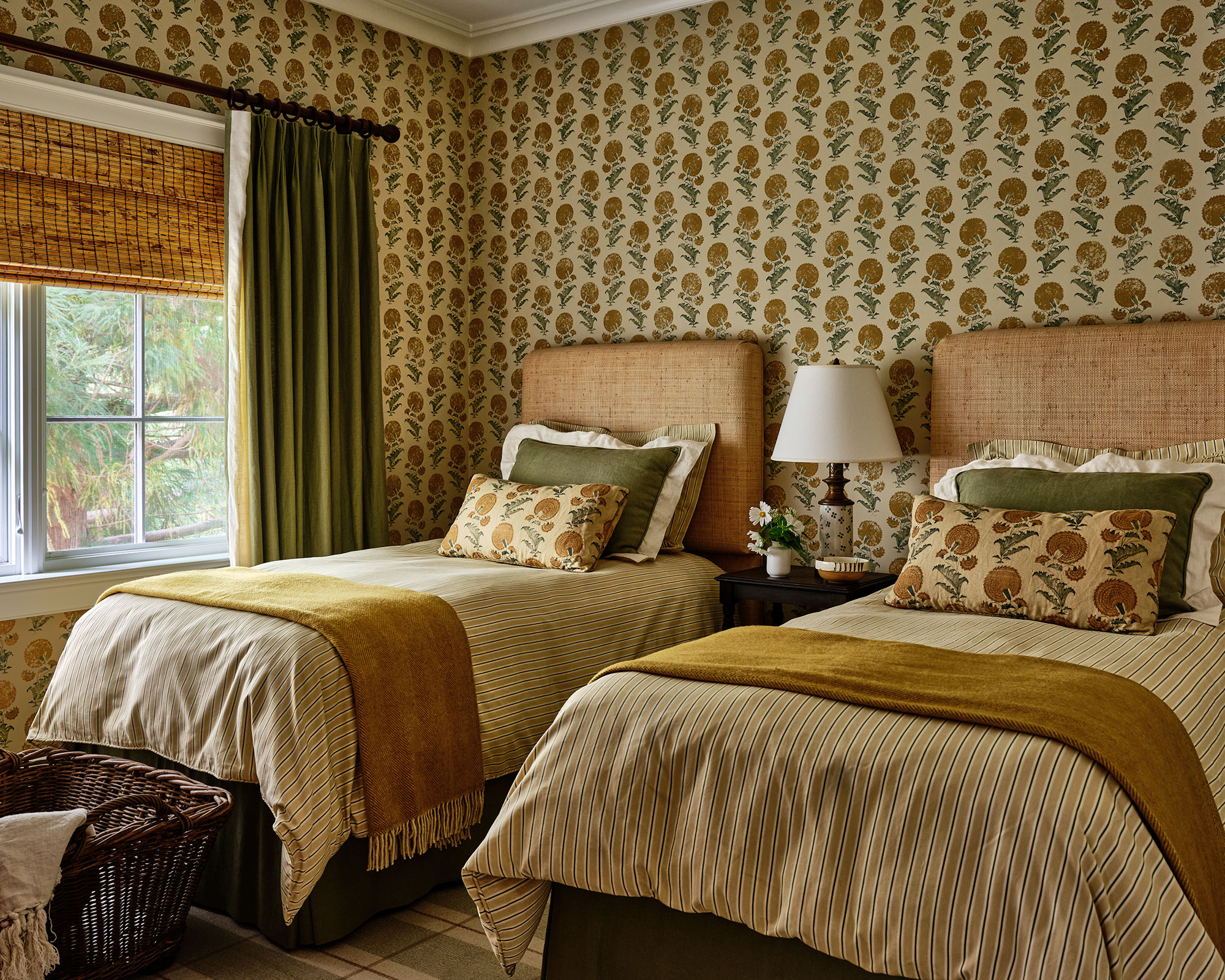
The perception of carpet as an outdated flooring option is changing, with its popularity seeing a significant resurgence, a trend observed by home-advice websites and design professionals. This renewed interest is driven by a combination of factors, primarily the growing emphasis on comfort in home design, especially after prolonged periods spent indoors. The "grandmillennial" decor style, which reinterprets traditional aesthetics with a modern twist, also contributes to carpet's comeback. Beyond aesthetics, carpet offers practical advantages such as insulation, which can lead to reduced heating and cooling costs, and its typically lower cost compared to other flooring materials like hardwood. Carpet also provides soundproofing benefits, making homes quieter, particularly for households with active children or multiple occupants. Technological advancements have further enhanced carpet's appeal, especially its improved stain resistance, making it a more viable and practical option for various living spaces.
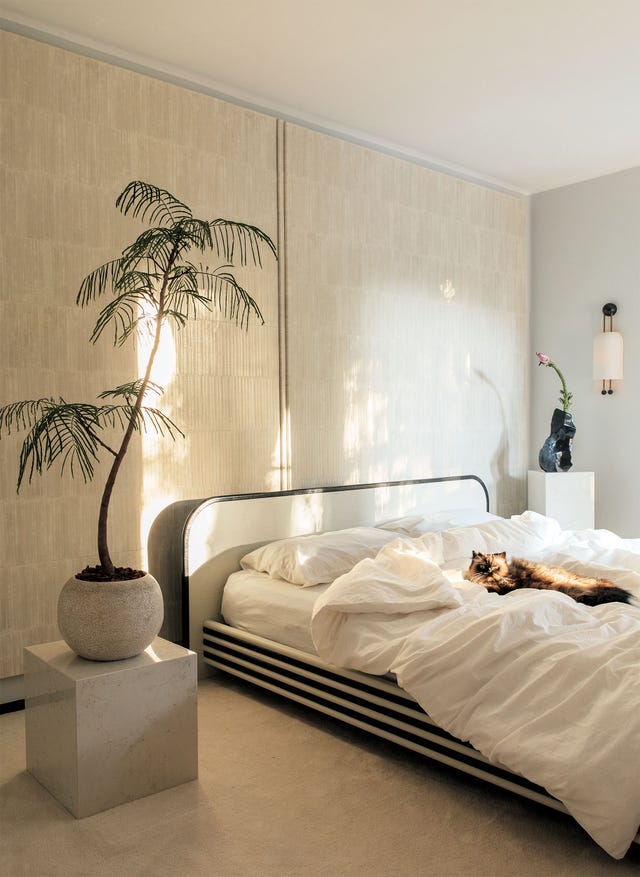
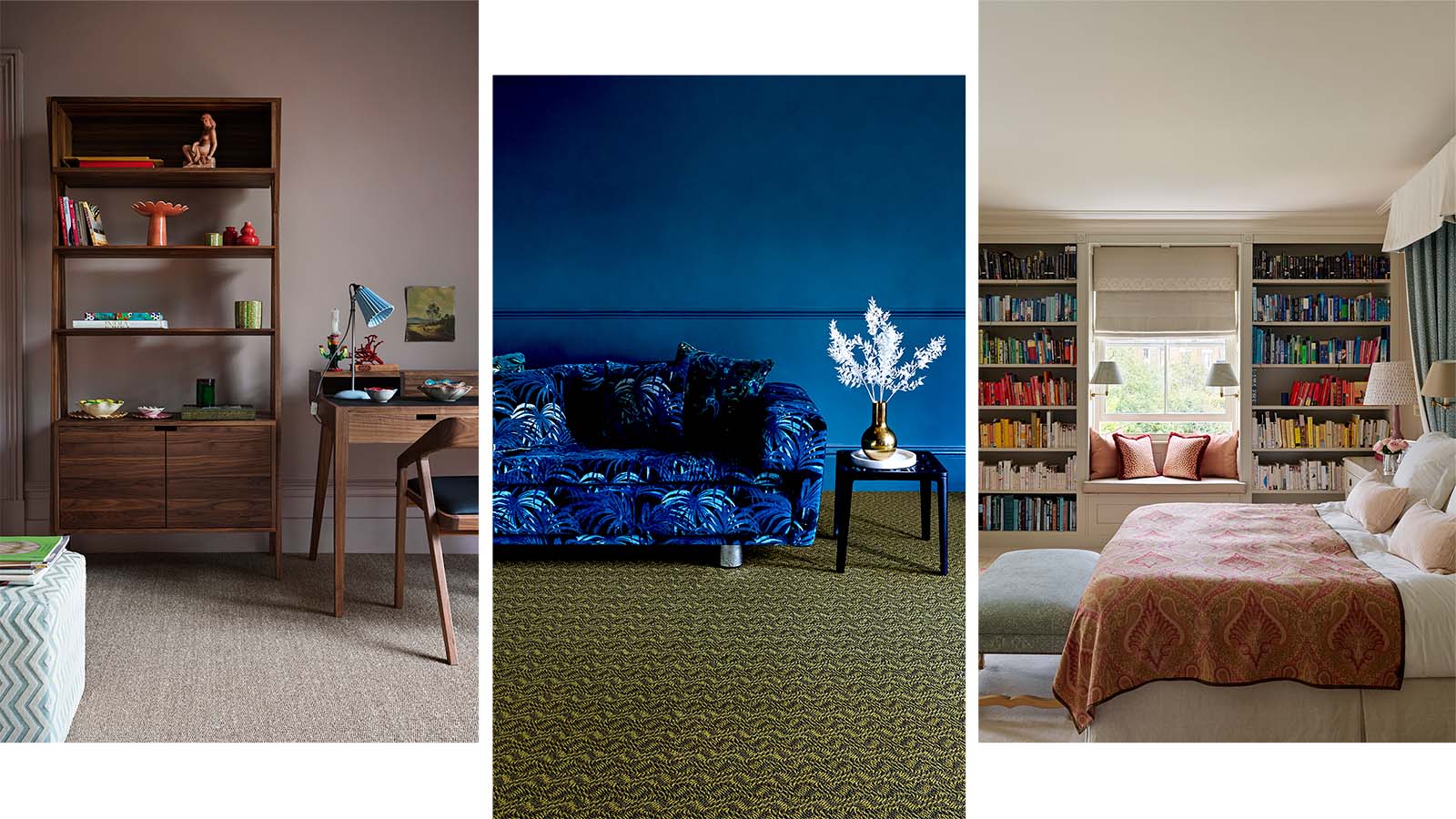
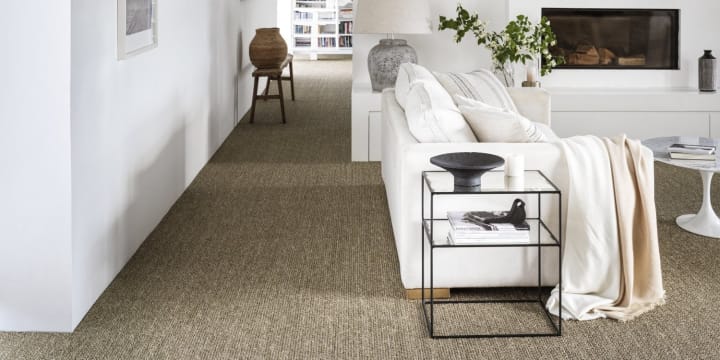
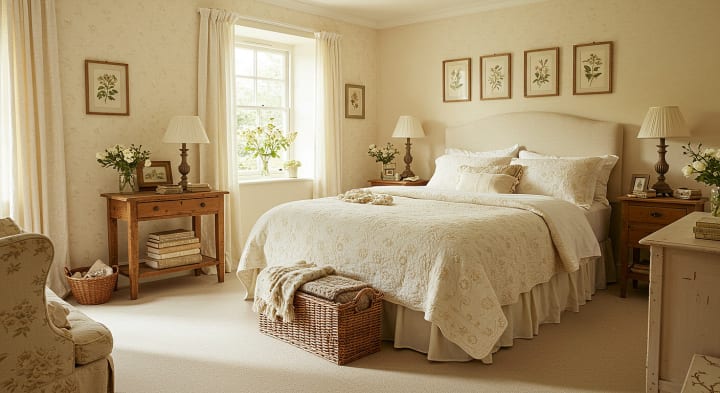
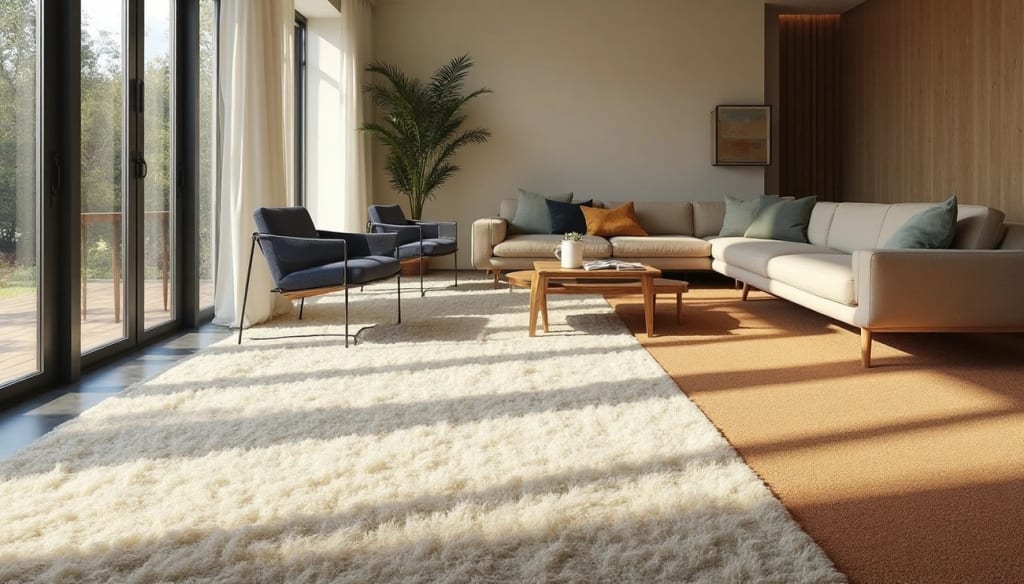
When considering carpet, it is important to think about the specific function of each room. For high-traffic areas like family rooms where activities such as yoga or playing with children occur, a carpet with a tighter, more durable pile is recommended. In contrast, bedrooms benefit from softer, more luxurious textures to enhance comfort. Designers also suggest considering factors like the presence of children or pets and the frequency of gatherings in a space. For areas with heavy foot traffic, commercial-grade carpet or synthetic blends with stain-fighting technology are advised due to their durability and ease of maintenance. Modern commercial carpeting offers a wide array of styles and options that do not resemble traditional, sterile office environments. Carpet tiles are presented as a versatile solution for oddly shaped spaces or for creating custom patterns.
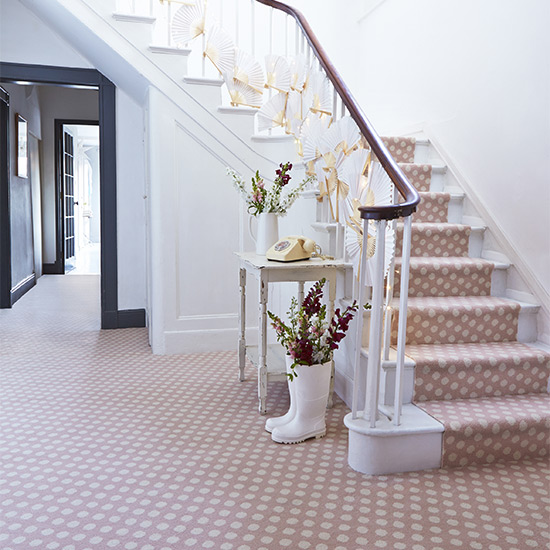
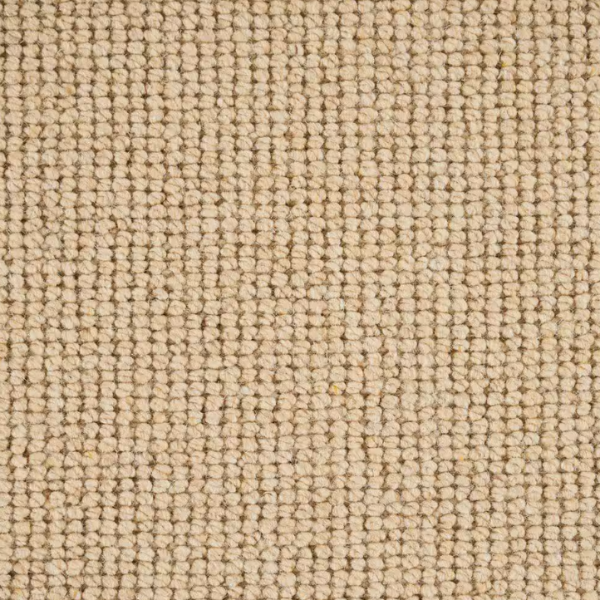
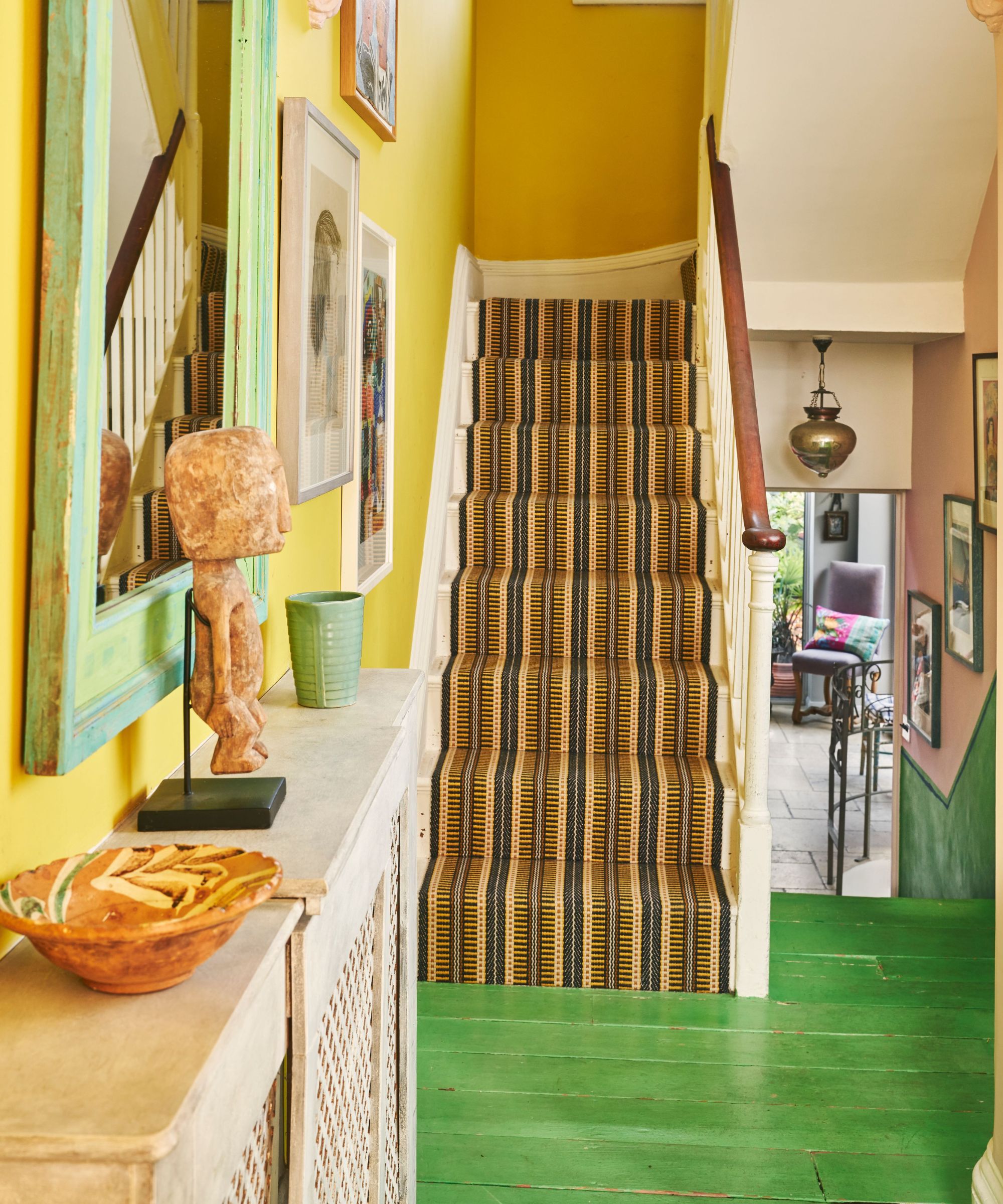
For stairs, a lower-pile carpet is recommended to prevent fabric separation and maintain a neat appearance. The market offers a diverse range of carpet fibers, each with different properties and price points. Polyester is generally considered a more economical option, followed by nylon, and then triexta, which is made from recycled corn and uses fewer chemicals. Wool sits at the higher end of the spectrum, valued for its exceptional longevity, often lasting 20 years to a lifetime, and its eco-friendly attributes. Wool carpets require minimal chemical treatment for maintenance and are naturally allergen-friendly. Interior designers often advocate for wool due to its sustainability, beauty, and durability.
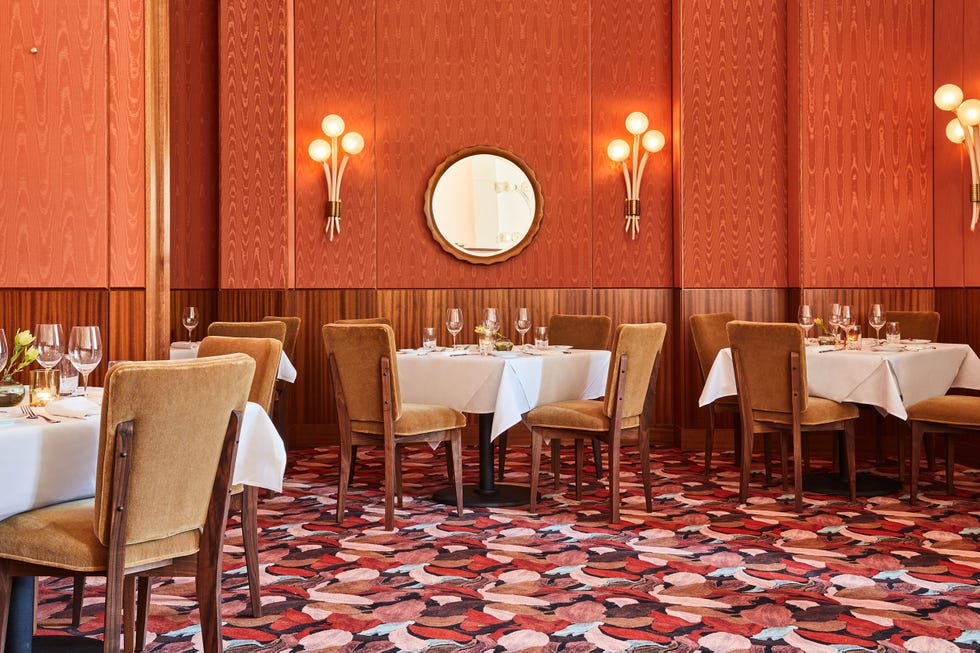
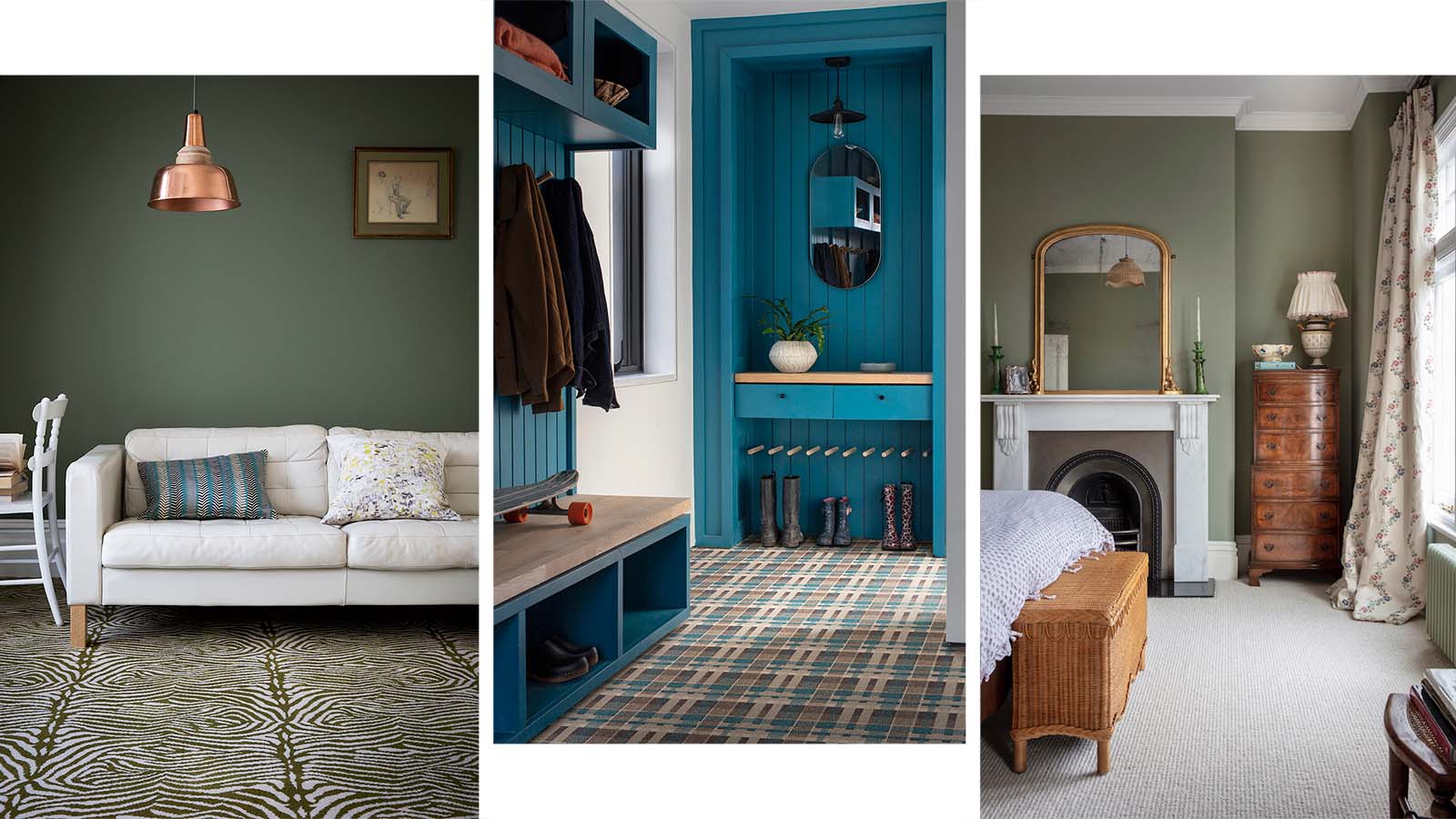
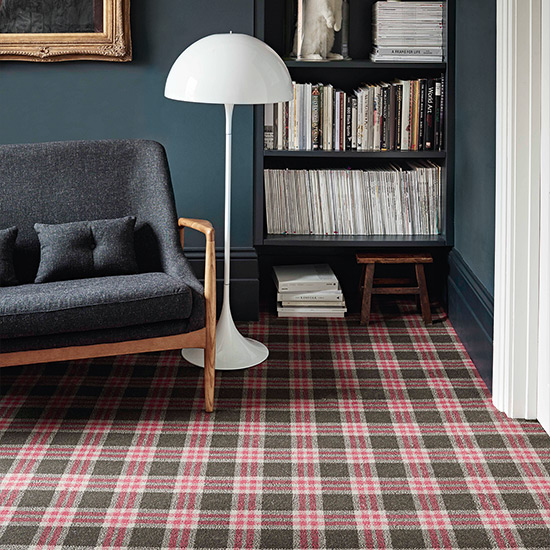
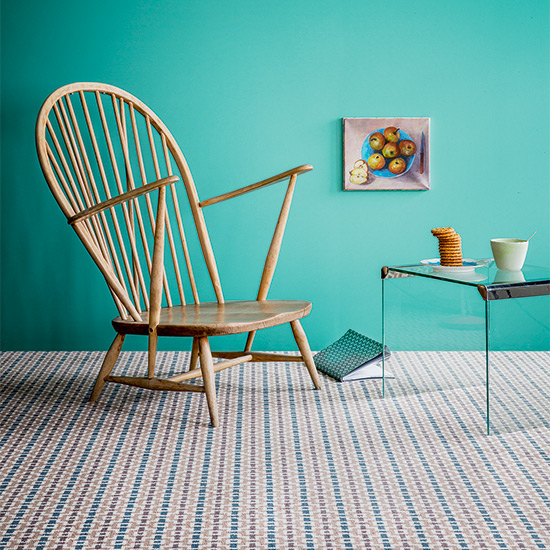
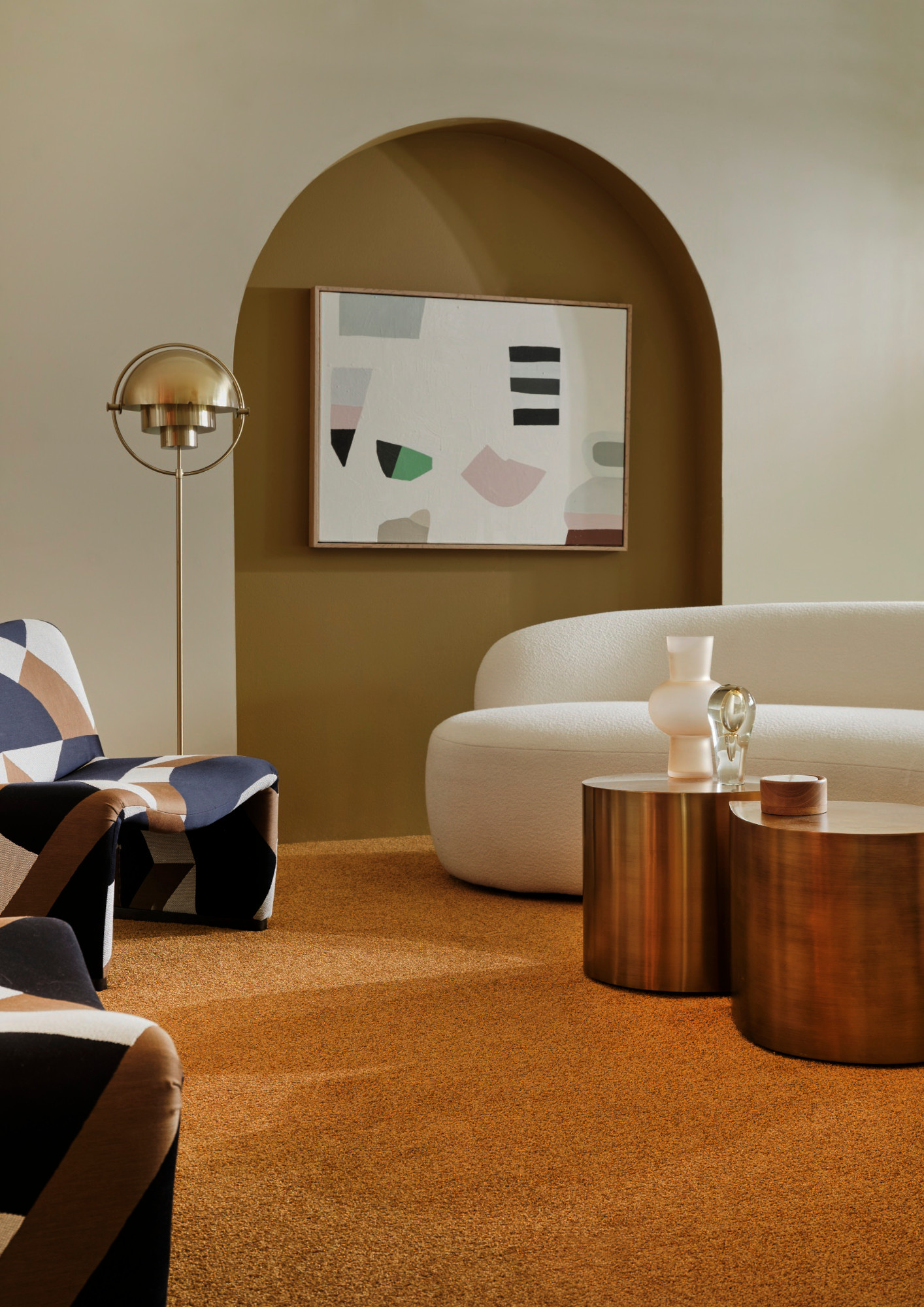
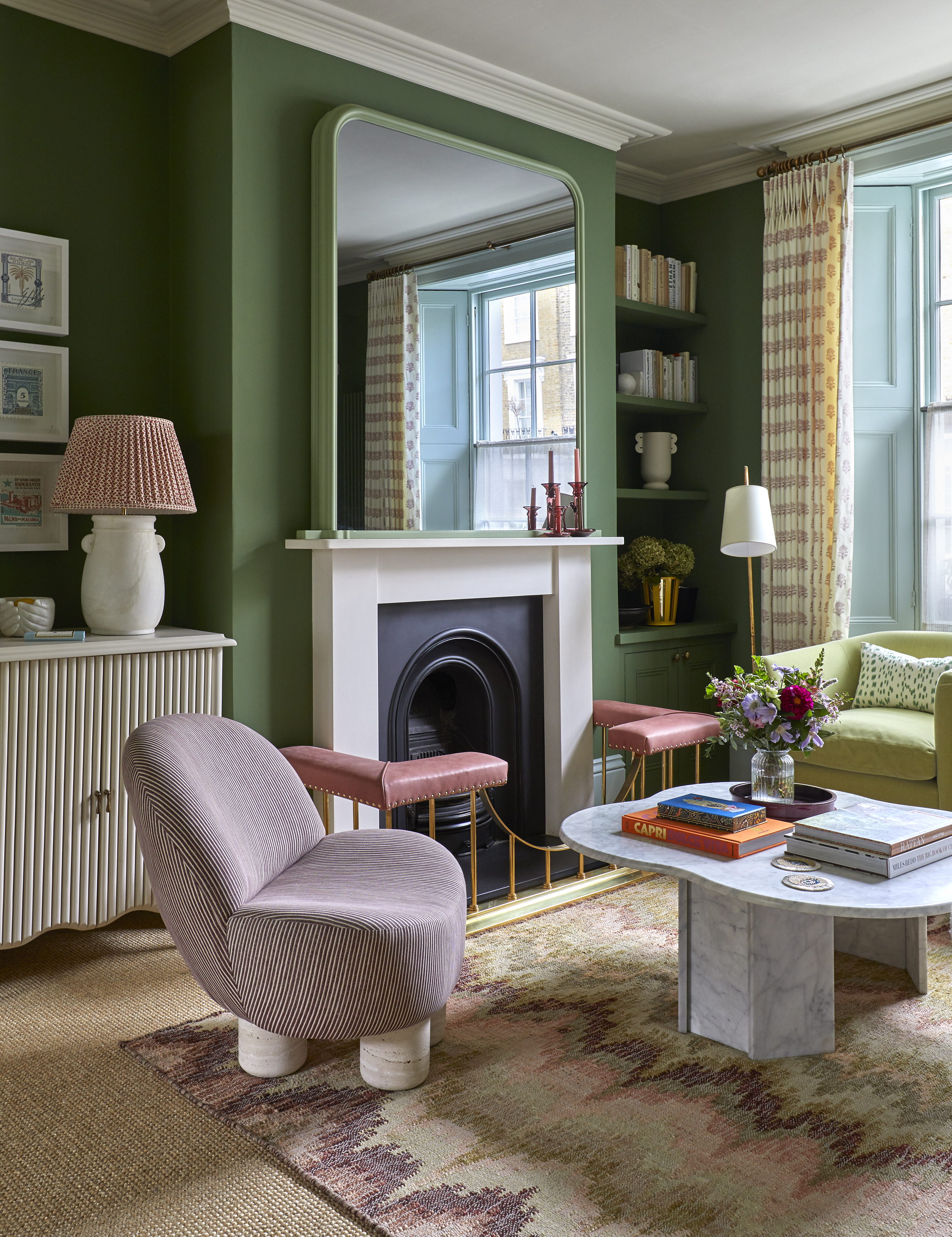
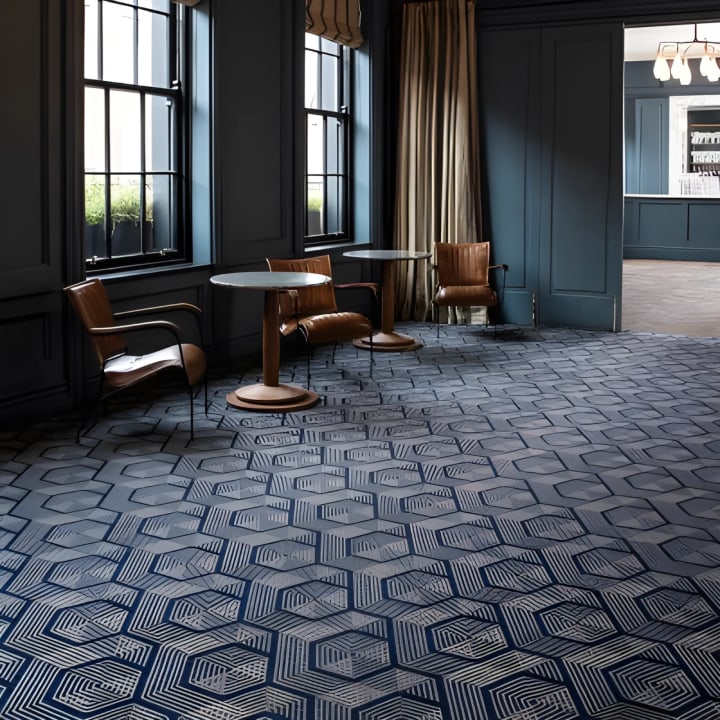
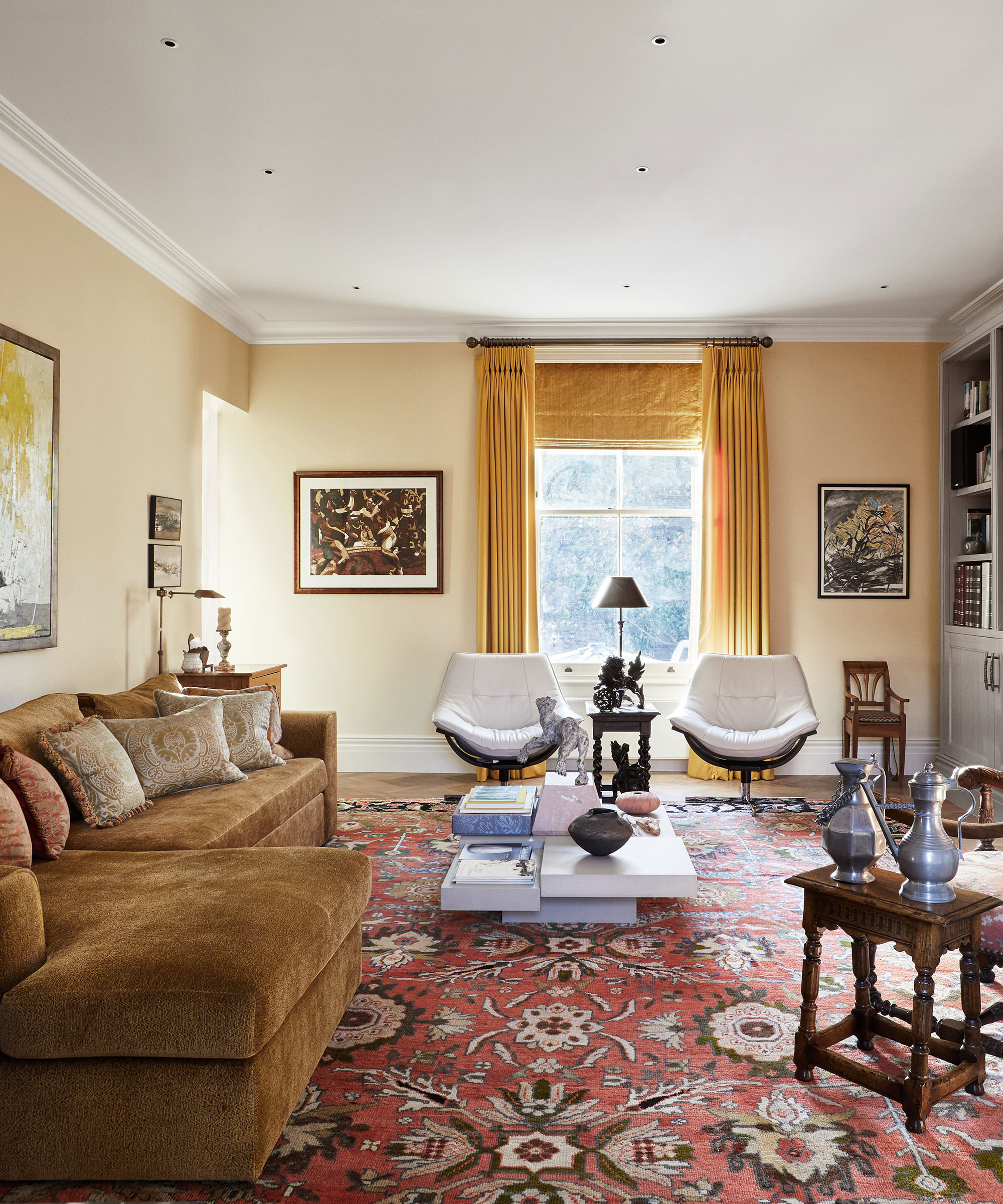
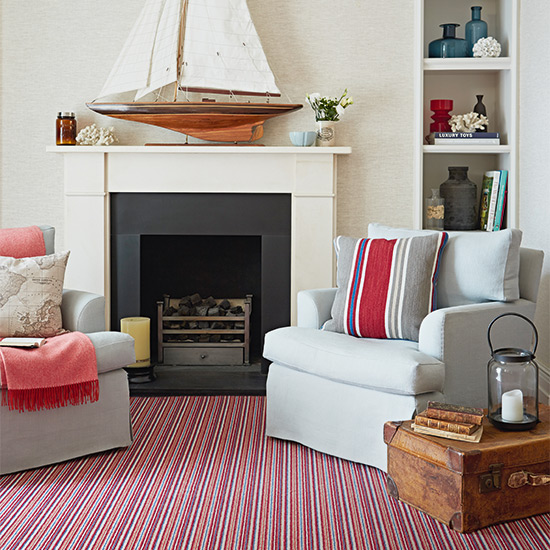
Regarding design trends, layering area rugs over existing carpet is gaining popularity as a way to refresh and style a room. There's also a move towards bolder and brighter carpeting, with homeowners becoming more open to patterns and colors as a shift away from minimalist aesthetics. Popular patterns include animal prints, geometrics, florals, botanicals, diamonds, lattices, checks, and plaids, particularly those that mimic natural forms. While some designers note a preference for neutral, textural, and natural carpets overall, stair runners are identified as an area where homeowners are more willing to experiment with vibrant patterns and colors. Stair runners provide an opportunity to introduce a "shock of fun" with less commitment than carpeting an entire house, making them an ideal solution for adding personality and resolving differing aesthetic preferences among household members.
#CarpetTrends #HomeDecor #InteriorDesign #FlooringOptions #GrandmillennialStyle #SustainableMaterials #HomeComfort #StainResistantCarpet #StairRunners #CarpetTrends #HomeDecor #InteriorDesign #FlooringOptions #GrandmillennialStyle #SustainableMaterials #HomeComfort #StainResistantCarpet #StairRunners
0 comment in total
 No comments yet
You may also like
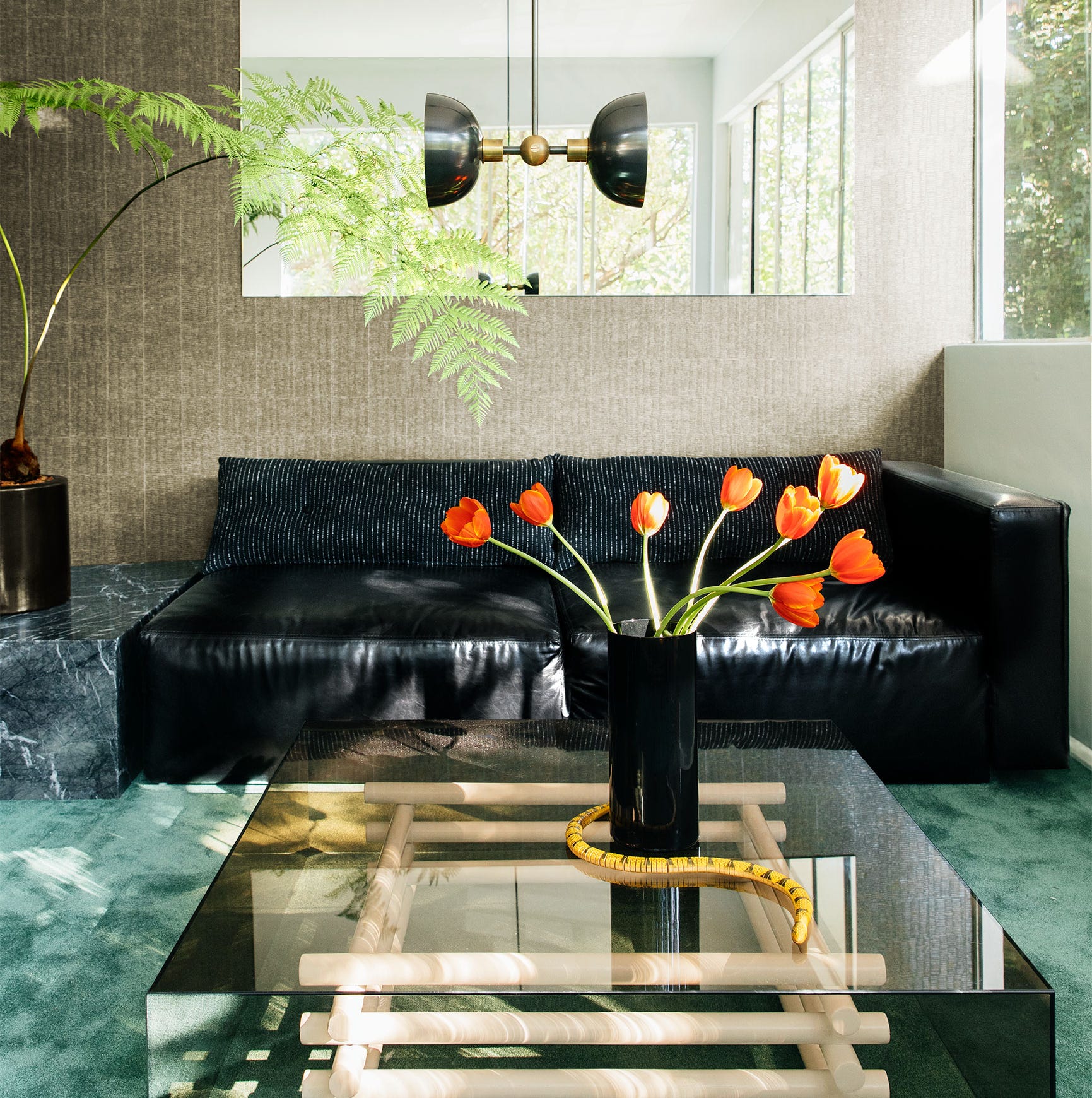
Wall-to-Wall Carpet Is Back (and We’re Not Mad About It!)

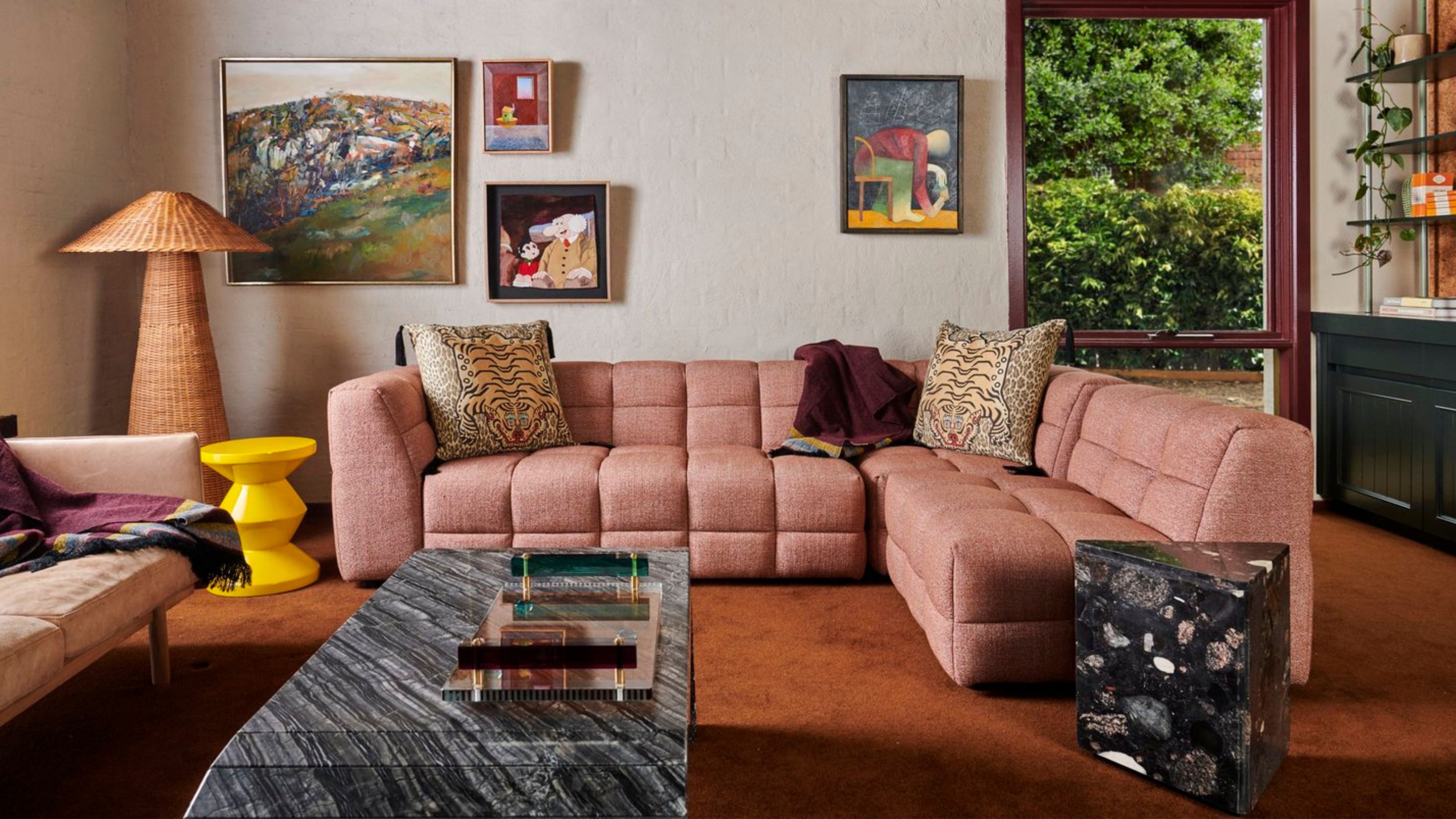
This Colored Carpet Trend Has Changed My Mind on Soft Flooring

The Countertop Material That We Loved 25 Years Ago Is Coming Back

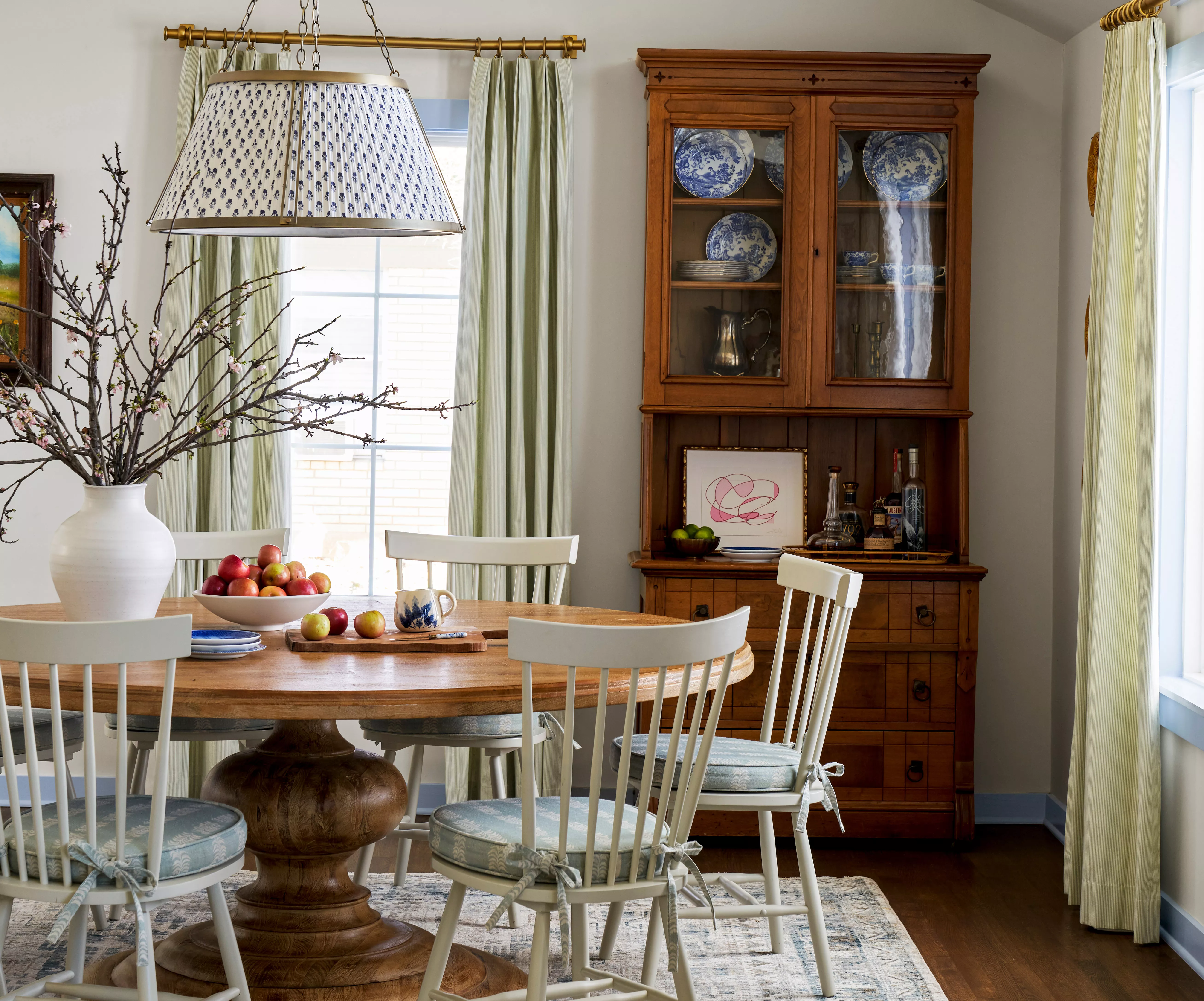
This Classic ’90s Furniture Trend Is Back, and We’re Obsessed All Over Again

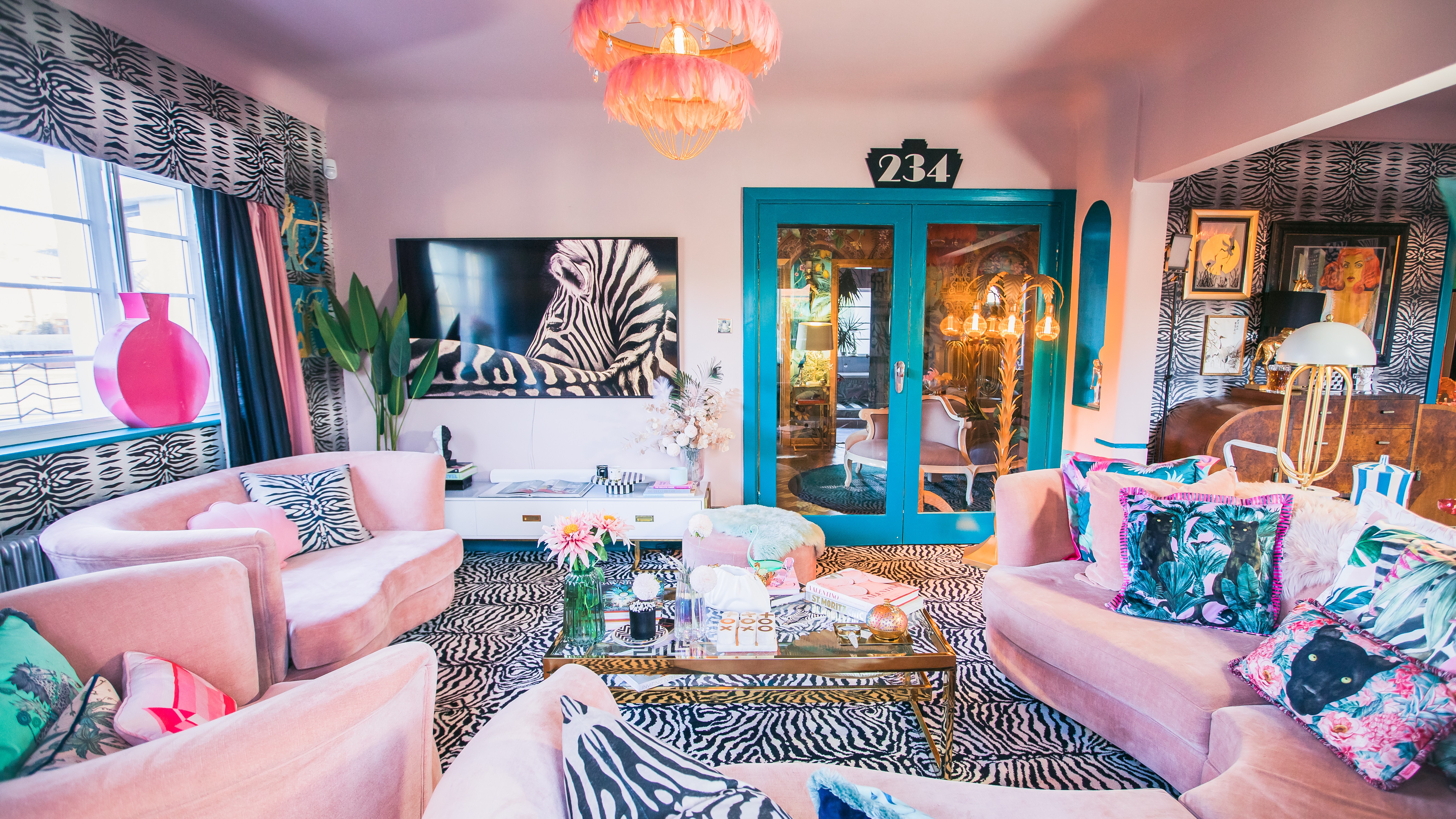
The comforting comeback of fitted carpets
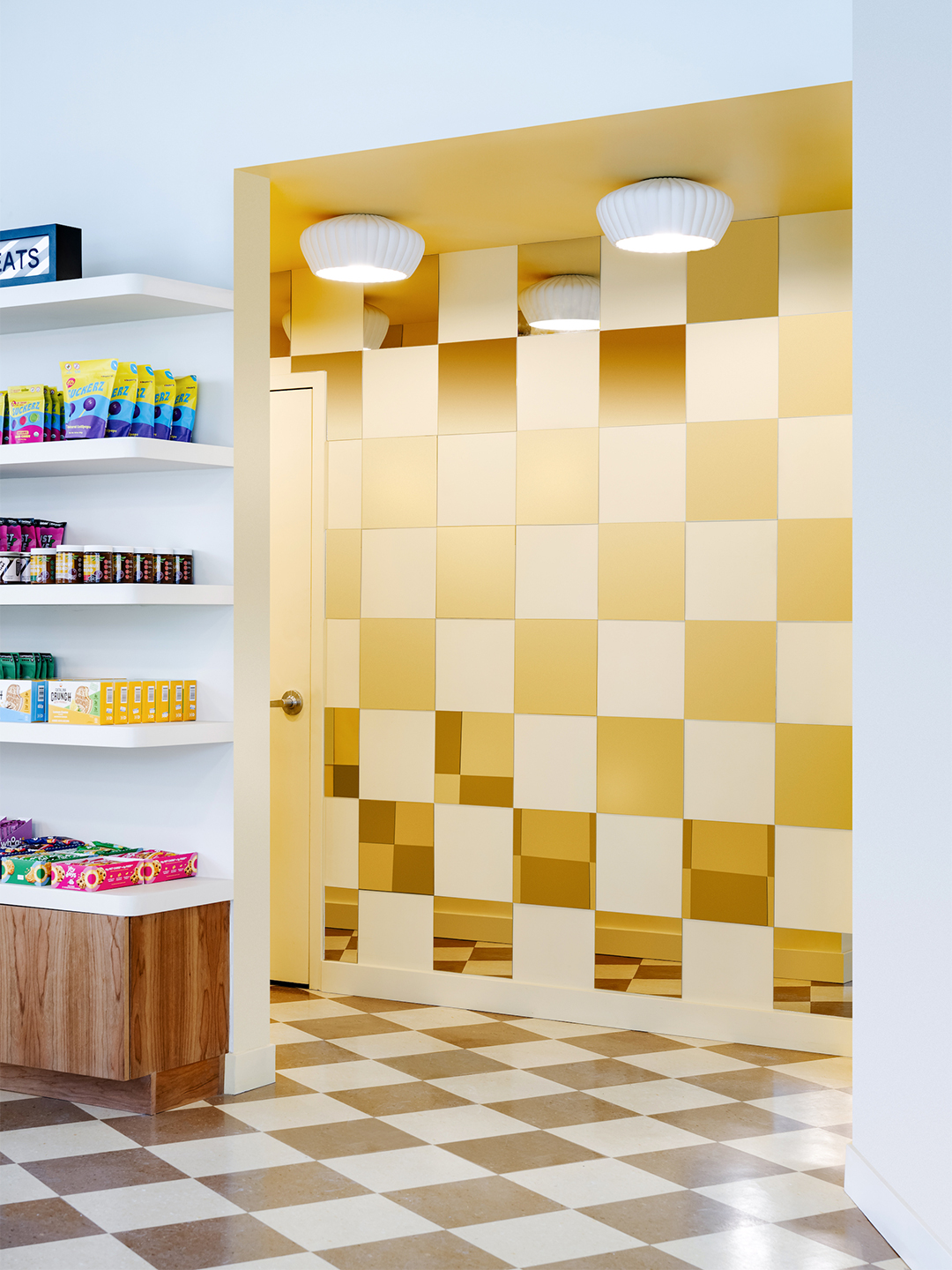
Pop Up Grocer’s New Shop Confirms That This Retro Flooring Material Is Cool Again

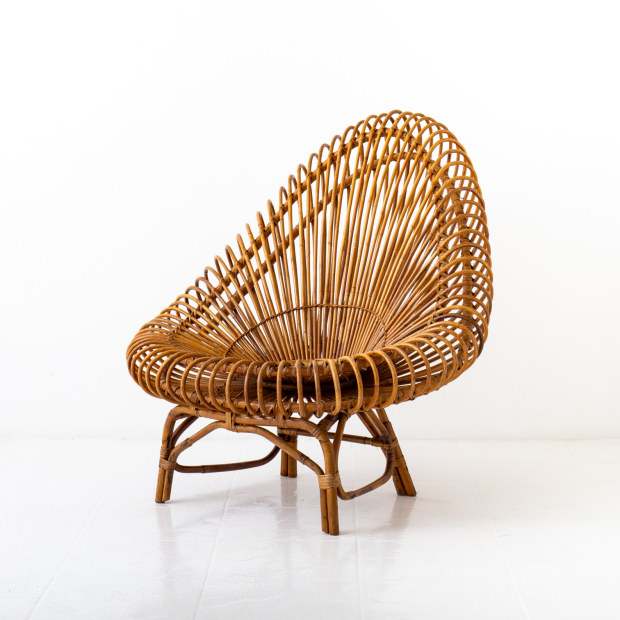
The ’70s furniture trend making an unlikely (but welcome) comeback
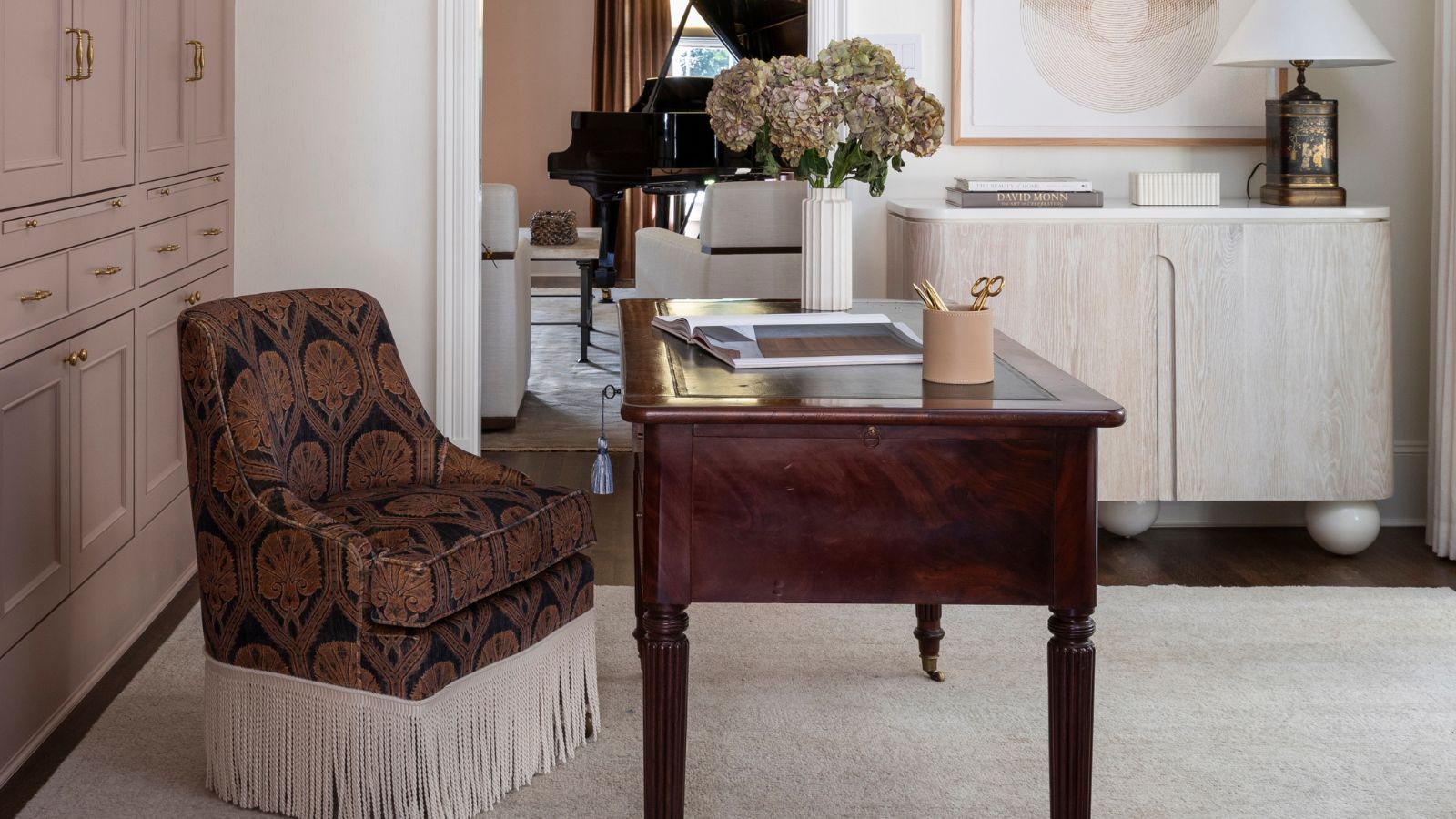
10 carpet trends interior designers are embracing in 2025

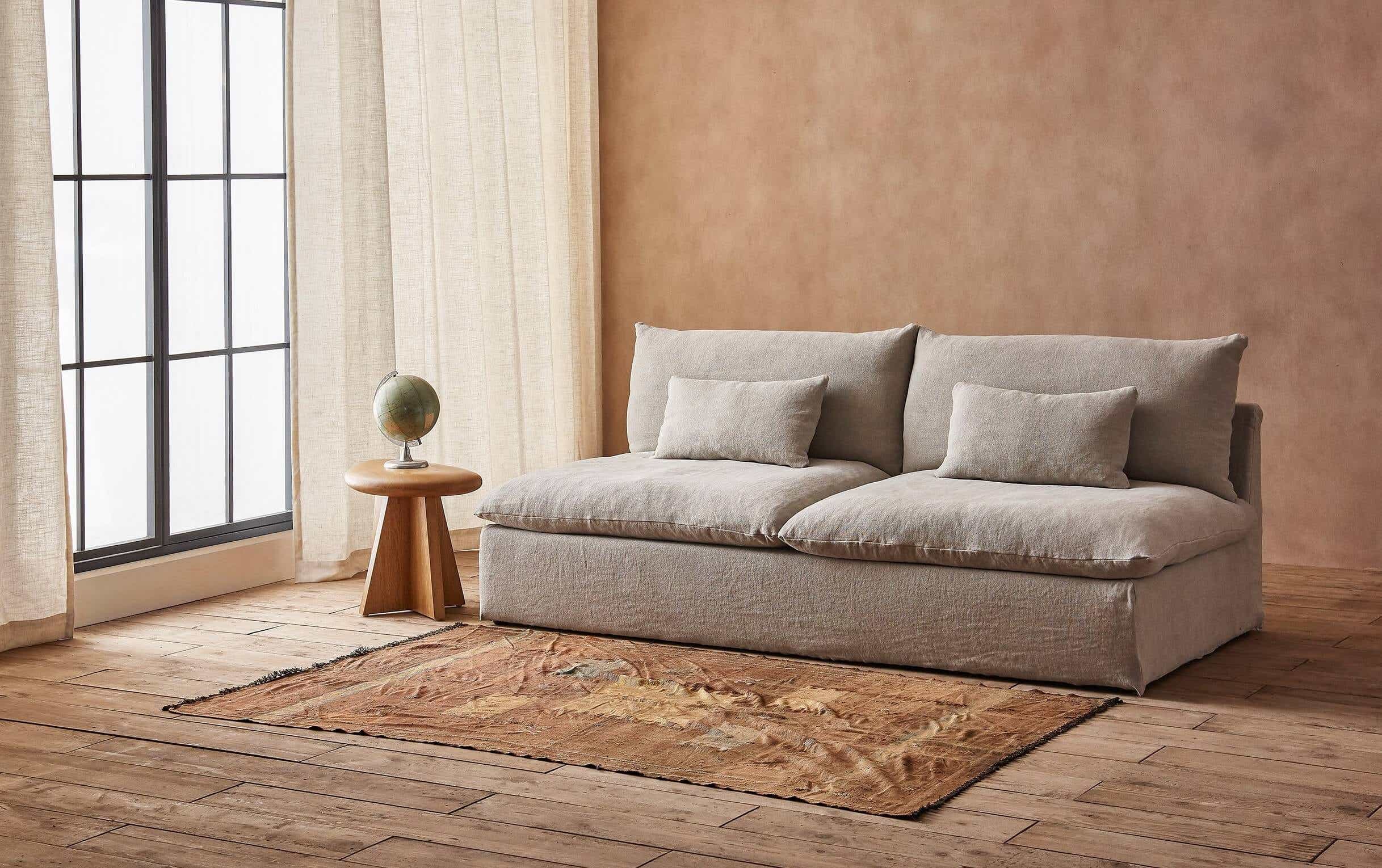
This Convenient Couch Trend Is Making a Comeback

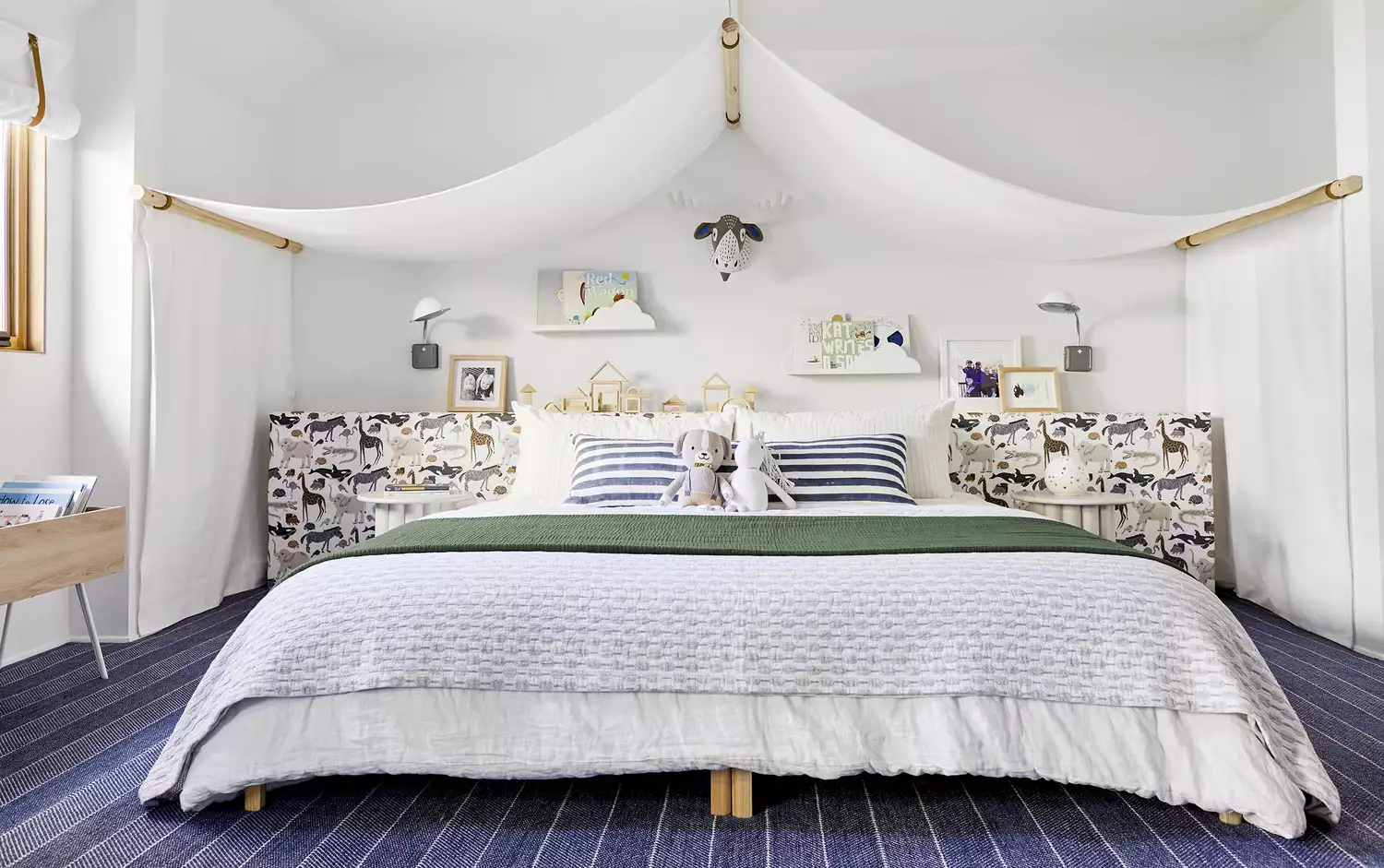
Is Wall-to-Wall Carpeting Coming Back in Style? Designers Didn't Hold Back

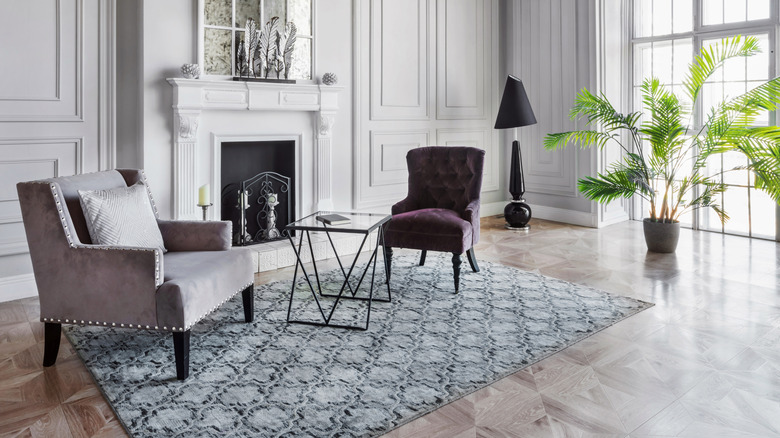
8 Carpet Floor Trends That Are Having A Moment In 2025
This Furniture Trend From the 1920s Is Officially Back
Wood Floors Make (Another) Comeback
Outdated Furniture Pieces That Are Having A Comeback

Carpet Trends — 17 Styles, Prints, and Designs Taking Over 2025
Are your floors passé? Find out from these 8 outdated flooring trends designers are leaving behind in 2025
The latest looks for patterned carpet
Is carpet out of style? Designers share how they’re using it now – and what to try instead
How to Choose the Perfect Carpet: Expert Guide to 2025 Trends

This '90s Home Trend Is Back With A Vengeance