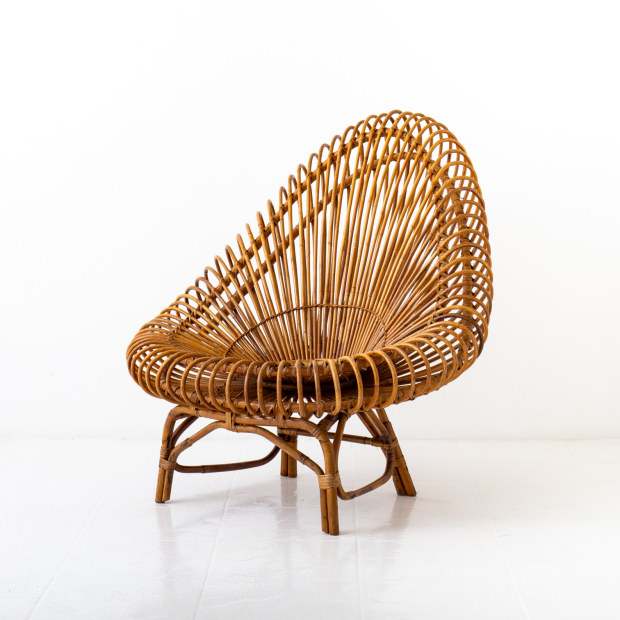
The ’70s furniture trend making an unlikely (but welcome) comeback
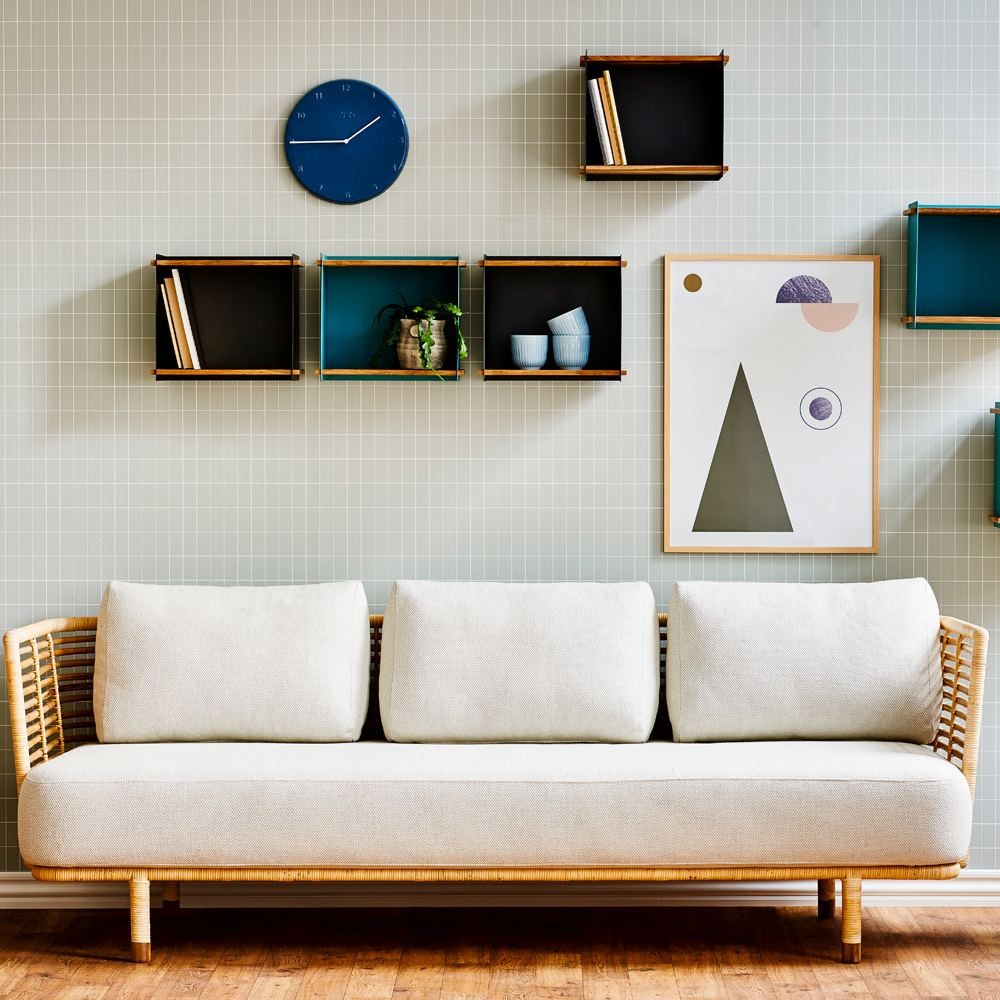
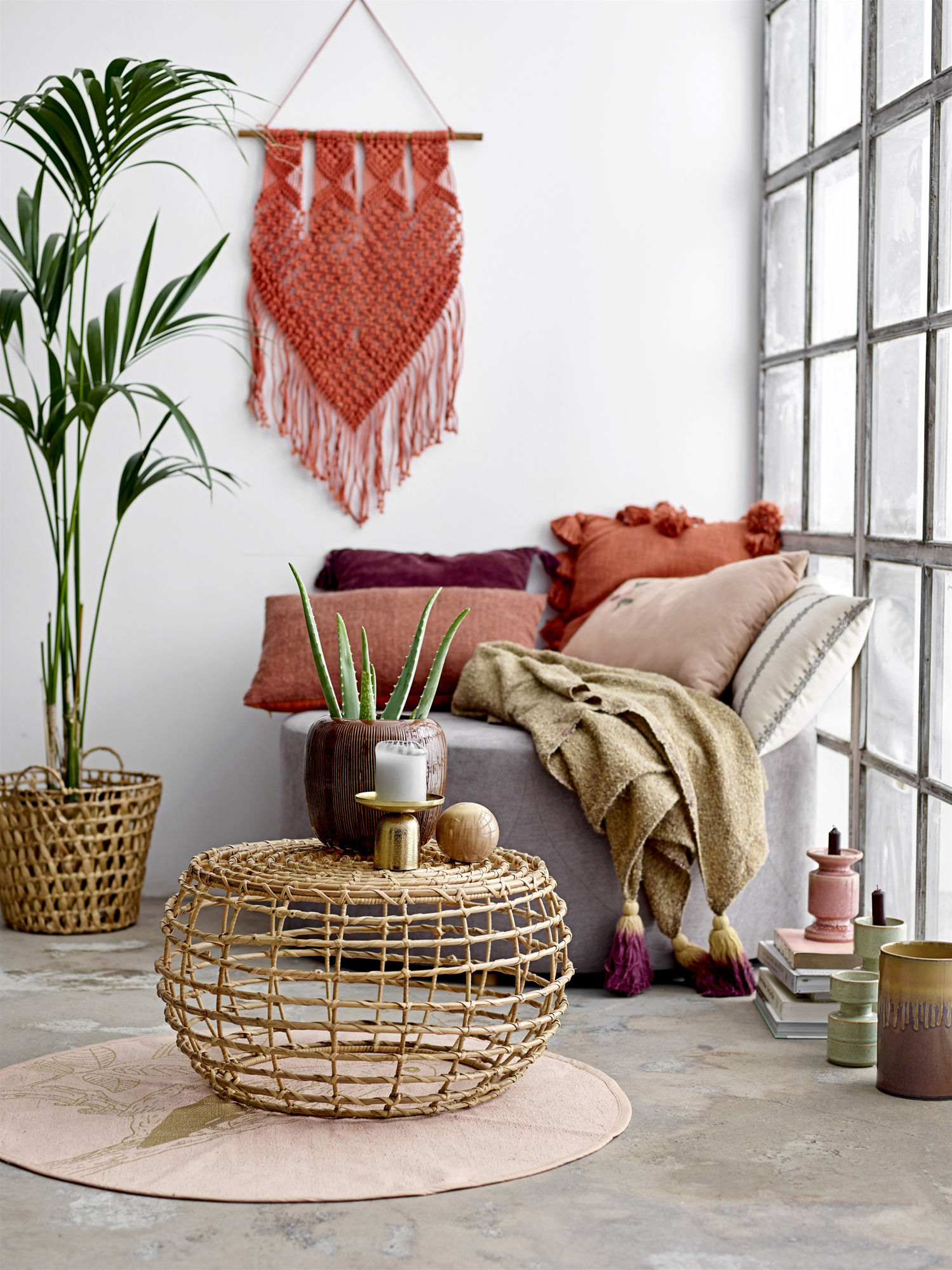
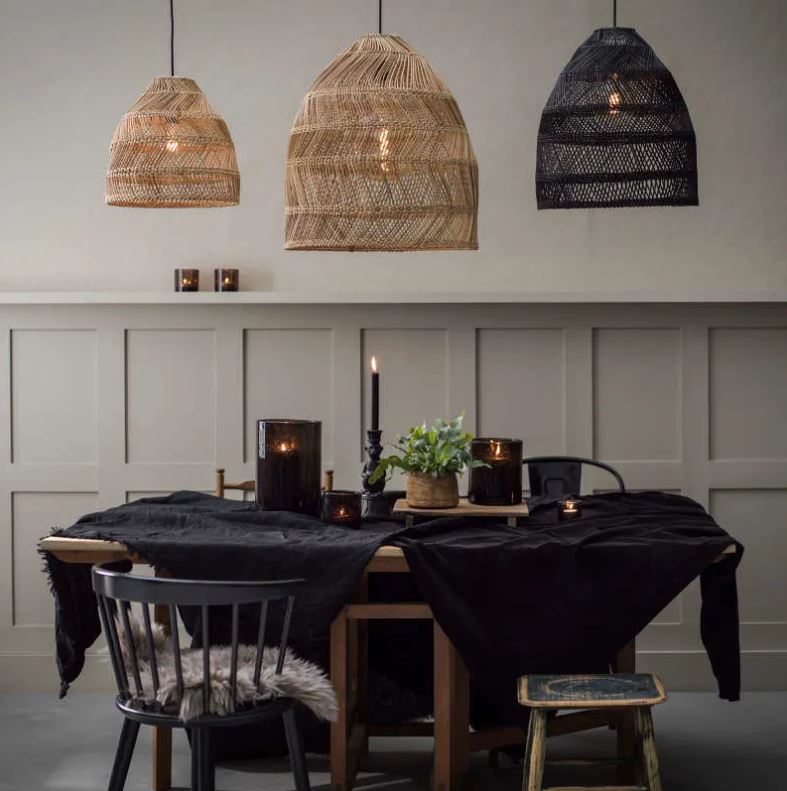
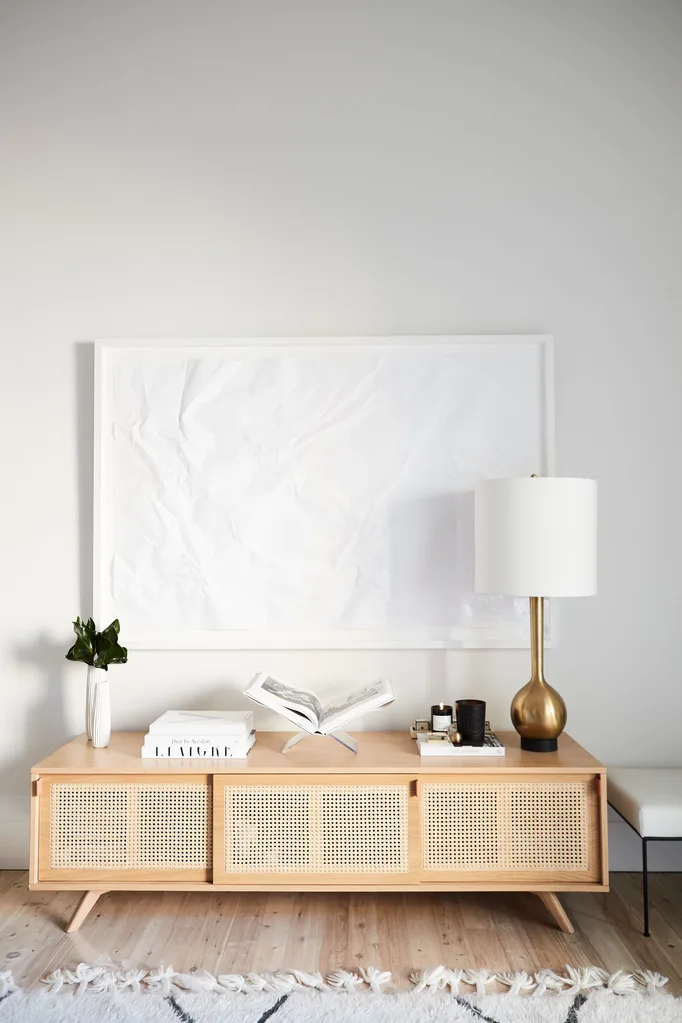
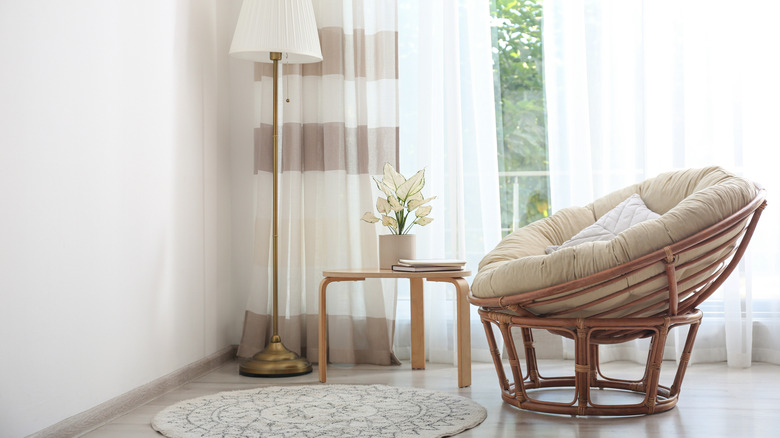
The article discusses the resurgence of caning, a traditional and sustainable material, in high-end furniture design. Once associated with the 1970s and tropical aesthetics, cane is now being embraced by influential designers and brands, indicating a significant shift in interior design trends. India Mahdavi, a renowned designer, incorporates cane into her Parisian showroom, creating elegant seating and dining arrangements that evoke a timeless Côte d’Azur style. Danish brand Gubi is also re-editing iconic cane furniture from mid-century Italian designer Gabriella Crespi, highlighting the material's enduring appeal and design versatility. Online platforms for design enthusiasts, such as 1stdibs.com, showcase a wide array of cane and rattan pieces, including furniture, shelving, and home accessories, with some vintage items commanding high prices, such as a pair of 1978 rattan armchairs by Henry Olko for over $74,000.
Historically, caning has been a staple in furniture making due to its durability, flexibility, and lightweight nature. Its woven texture adds an element of craftsmanship and natural warmth to interiors. The current revival suggests a broader appreciation for sustainable materials and a nostalgic embrace of design elements from past decades. The material's adaptability allows it to be integrated into various design styles, from bohemian and rustic to contemporary and minimalist, proving its versatility beyond its historical tropical or casual connotations. This renewed interest in cane furniture reflects a desire for pieces that are not only aesthetically pleasing but also carry a story of tradition and environmental consciousness. The material's ability to blend seamlessly with different decor themes contributes to its widespread acceptance in modern design.
The trend's return is also indicative of a cyclical nature in design, where elements from previous eras are reinterpreted and modernized for contemporary tastes. Designers are exploring innovative ways to use cane, combining it with other materials like metal and wood to create fresh and sophisticated pieces. This integration allows cane to transcend its traditional applications and find new expressions in luxury furniture. The emphasis on high-end makeovers for this humble material positions it as a valuable component in sophisticated interior schemes, moving it away from its past perception as merely an outdoor or casual material. The renewed popularity of caning underscores a broader movement towards incorporating natural textures and sustainable practices into home and interior design.
In essence, the comeback of caning signifies a blend of nostalgia, sustainability, and high design. Its presence in the collections of top designers and luxury marketplaces validates its position as a fashionable and desirable material in contemporary interior design. This trend highlights how traditional materials can be re-imagined to fit modern aesthetics, offering both visual appeal and a connection to artisanal heritage. The widespread adoption of cane furniture by both established and emerging designers ensures its continued relevance and evolution within the design landscape, appealing to a clientele that values both style and substance in their living spaces.
#FurnitureDesign #InteriorDesign #CaneFurniture #Rattan #70sDesign #SustainableMaterials #LuxuryDesign #HomeDecor #DesignTrends #FurnitureDesign #InteriorDesign #CaneFurniture #Rattan #70sDesign #SustainableMaterials #LuxuryDesign #HomeDecor #DesignTrends
0 comment in total
 No comments yet
You may also like
Outdated Furniture Pieces That Are Having A Comeback

Rattan furniture: the 1970s throwback that's the hottest trend this year

This Bedroom Trend From Your '90s Childhood Dreams Is BACK and More Stylish Than Ever

This '90s Home Trend Is Back With A Vengeance
This Furniture Trend From the 1920s Is Officially Back
Comfy carpet, once dismissed as out-of-date, is back in vogue

Vintage '70s Wallpapers Are This Year's Unexpected Decor Trend, Designers Say

Tired Furniture Trends That Are Now Becoming A Thing Of The Past
This ’70s-Inspired Sofa Trend Is Everywhere Right Now
6 Decor Trends From The '70s That Are Making A Comeback
These 5 Furniture Trends Will Dominate 2025
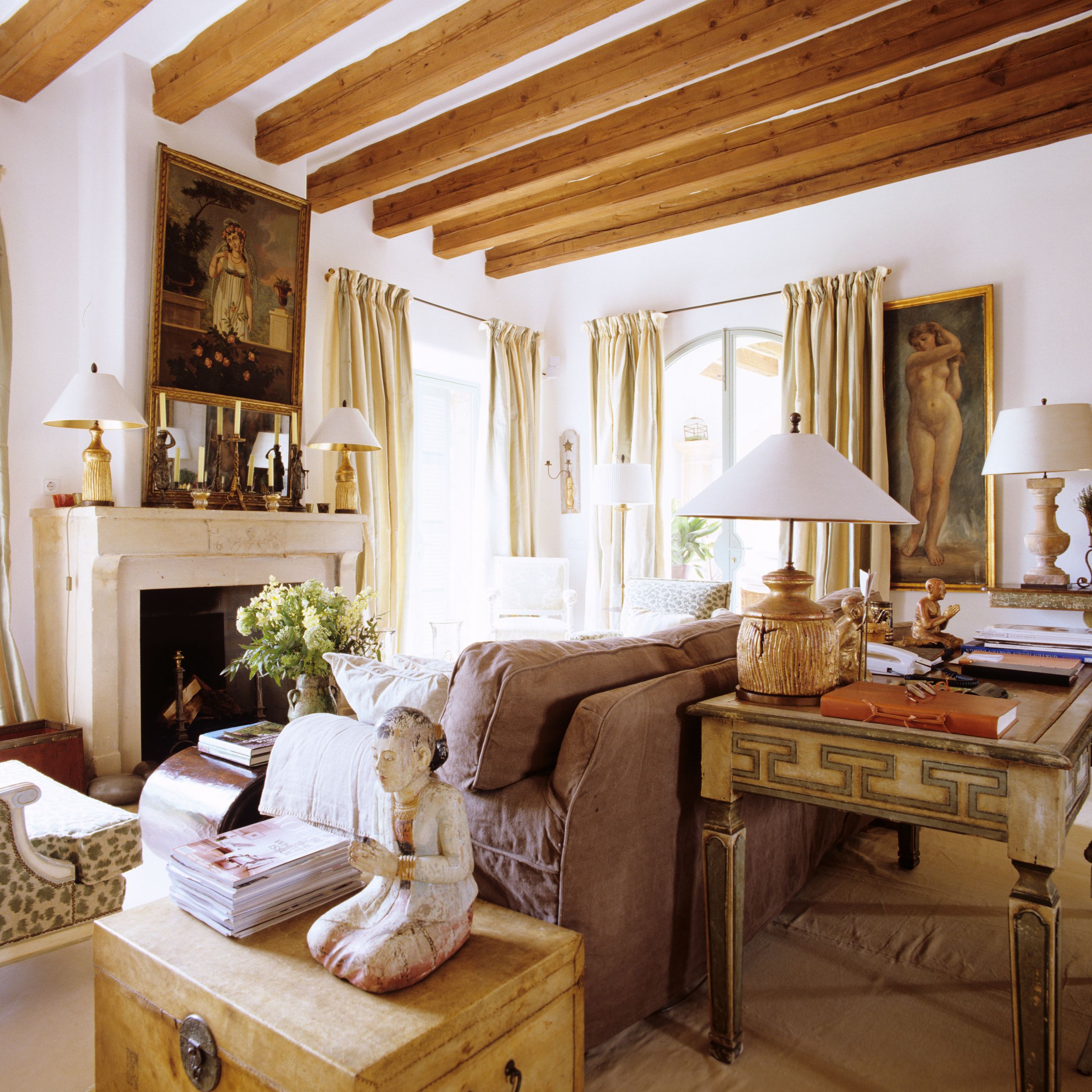
What’s Old Is New Again: Vintage Furniture Is The Hottest Home Decor Trend
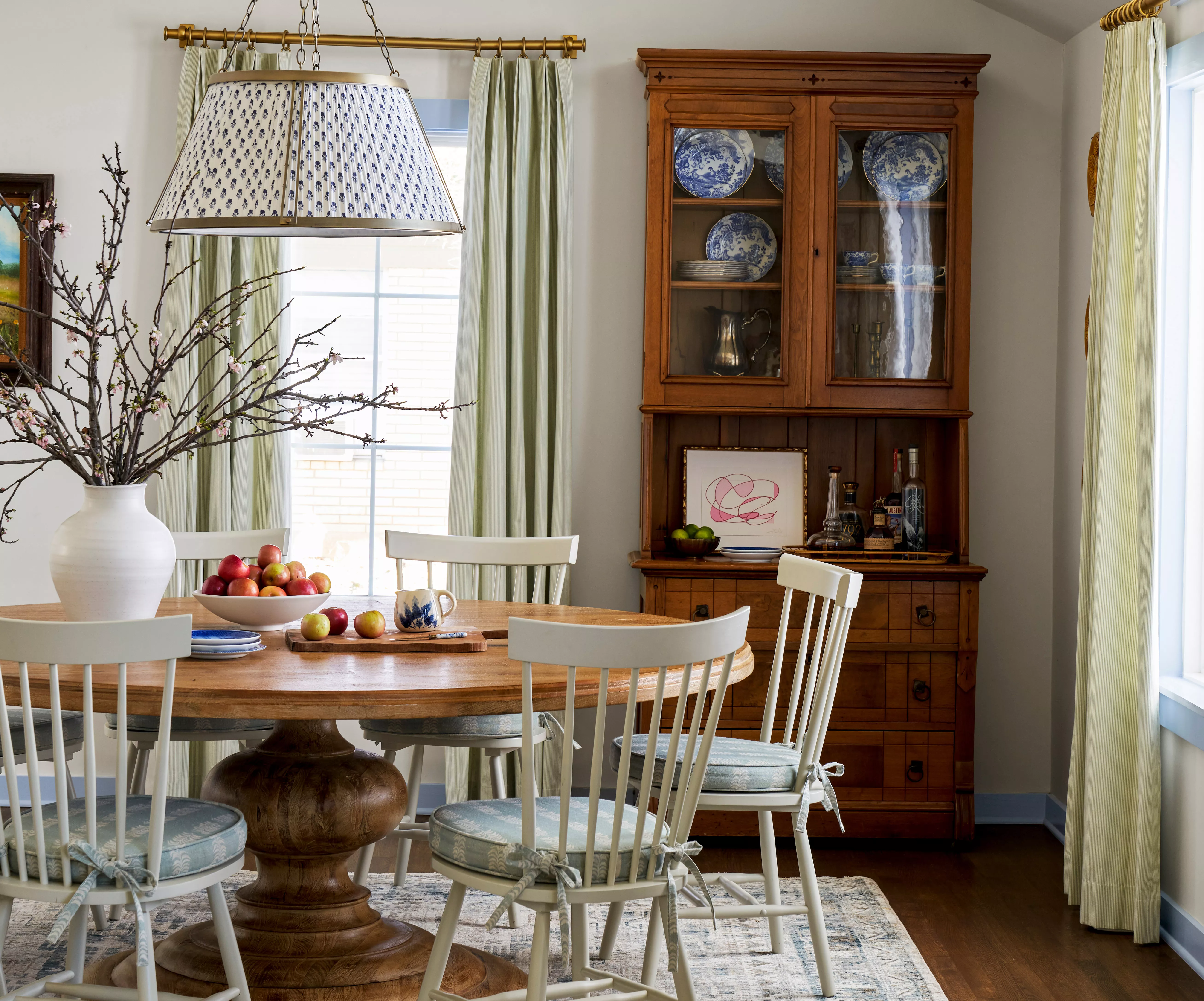
This Classic ’90s Furniture Trend Is Back, and We’re Obsessed All Over Again

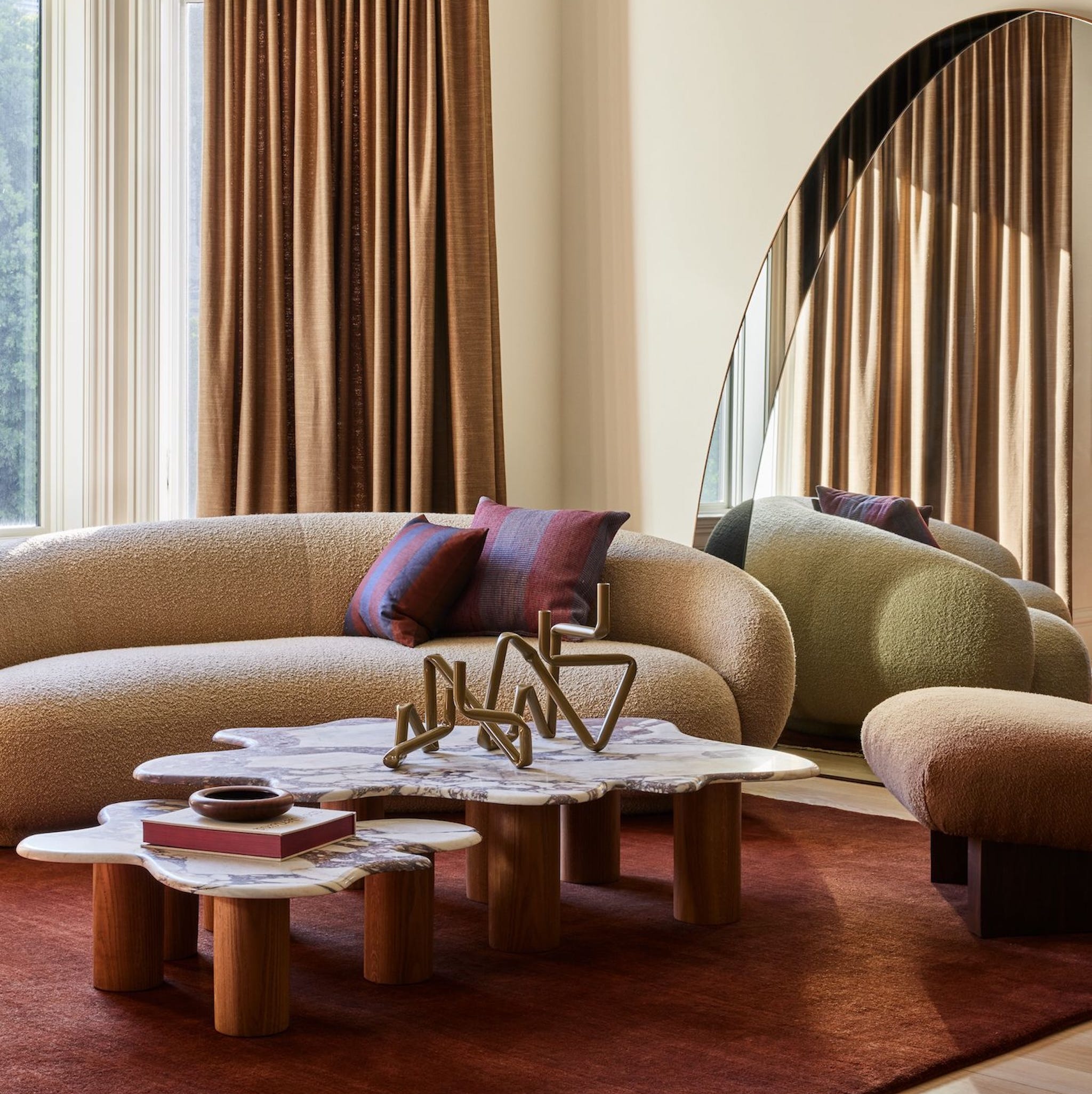
Designers Say THIS Sofa From the 1950s Is Back in a Big Way

Surprise: 1990s Design Trends Are Coming Back
Chesterfield Sofas Are Making a Serious Comeback
This Convenient Couch Trend Is Making a Comeback

Embracing the 1970s interior design trend

8 Unexpected Furniture Trends That Are Coming Back In Style
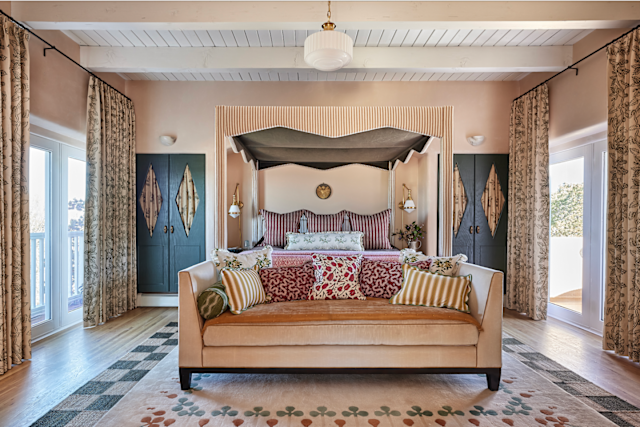
This Bedroom Trend From Your '90s Childhood Dreams Is BACK and More Stylish Than Ever