1/6
Embracing the 1970s interior design trend
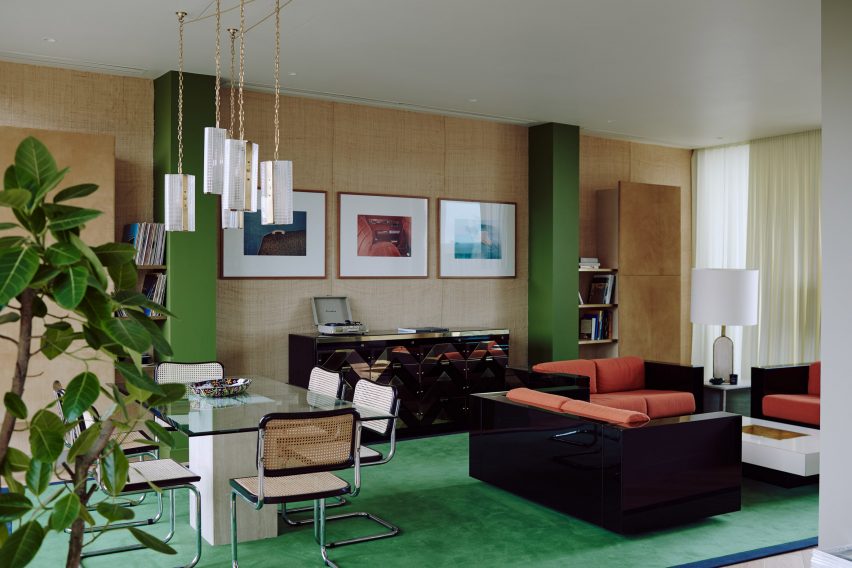
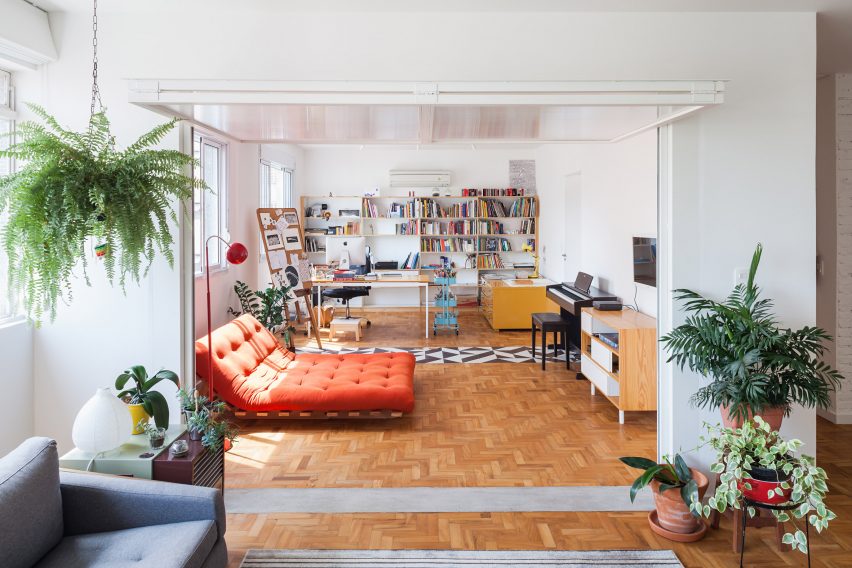
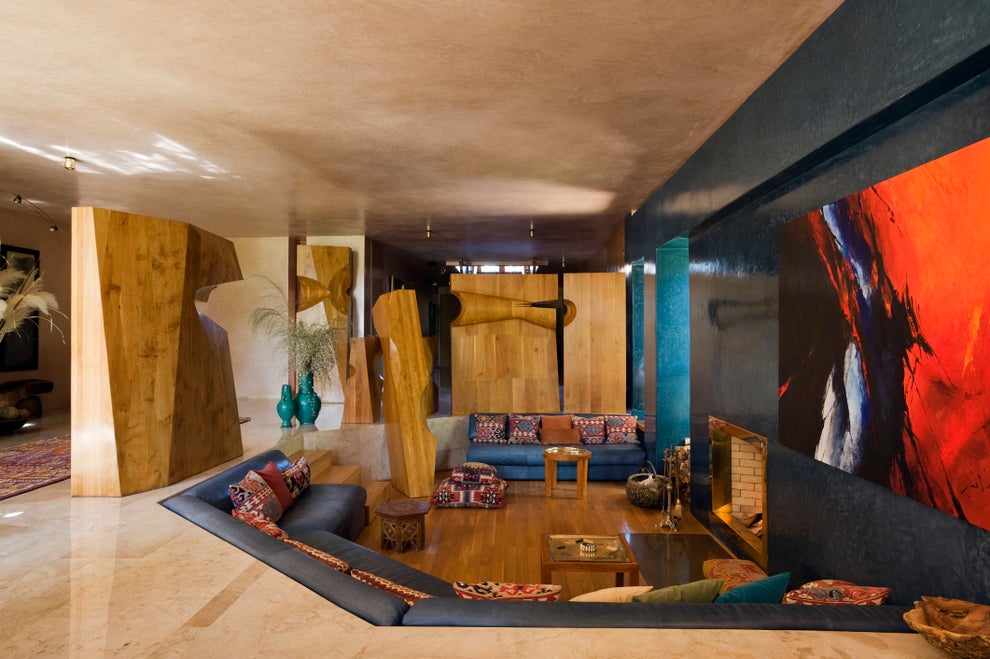
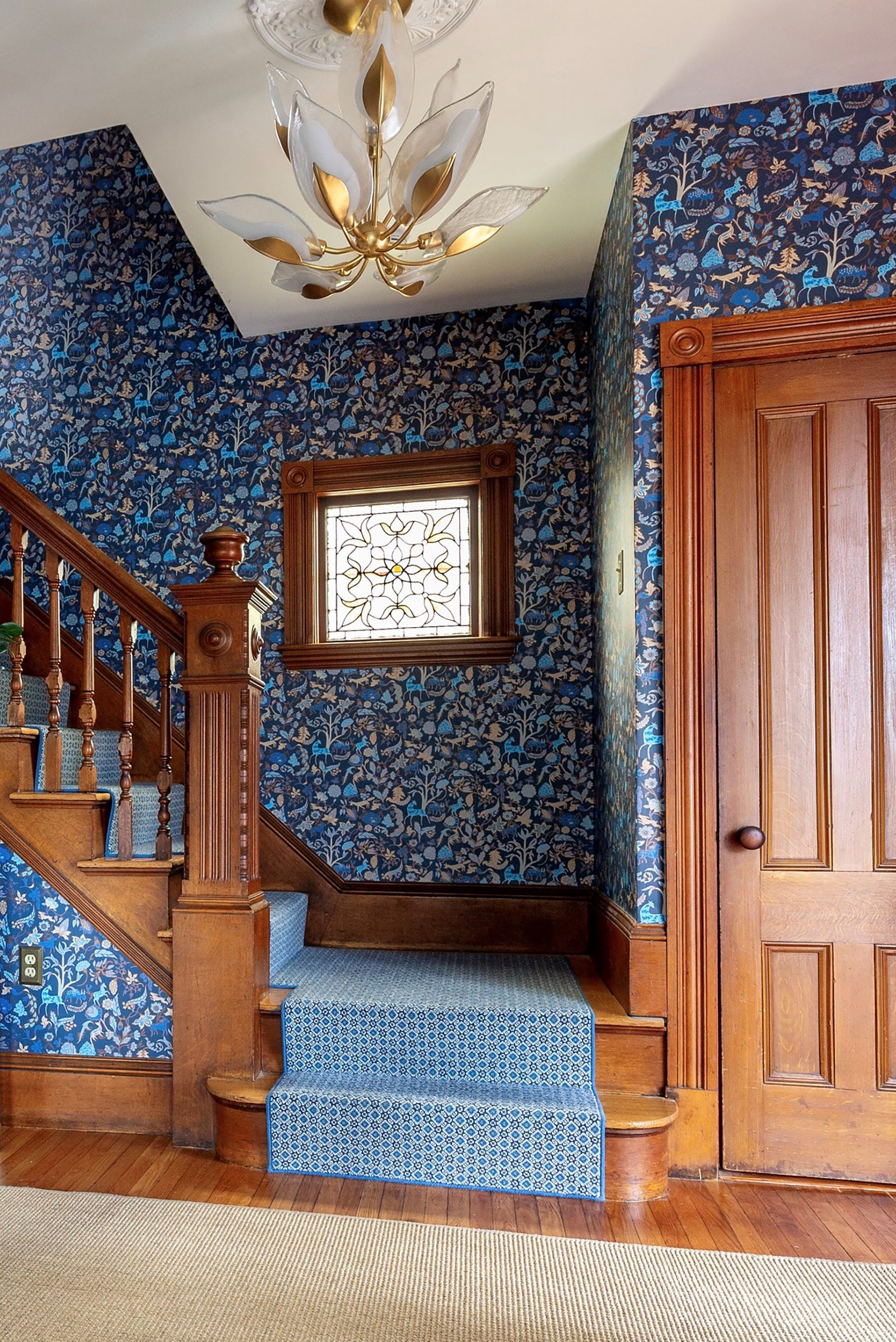
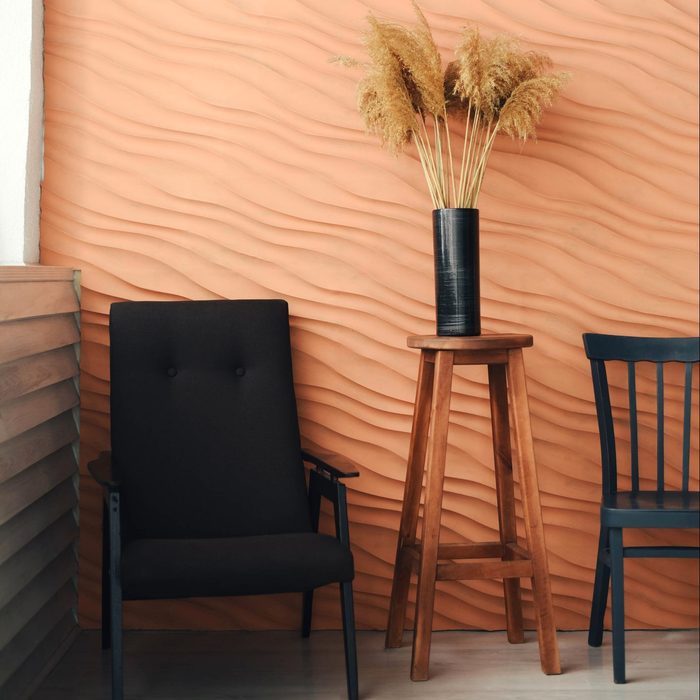
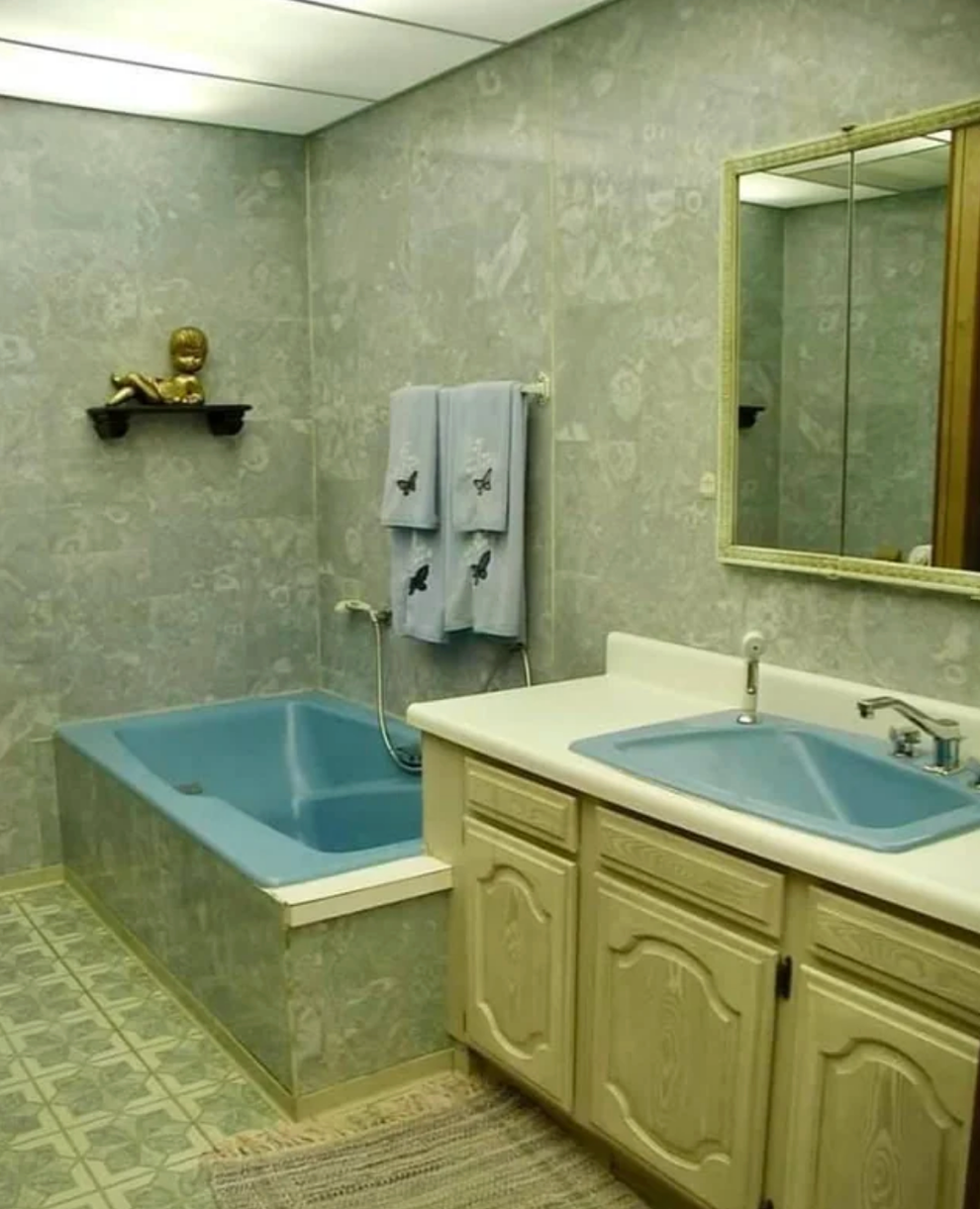
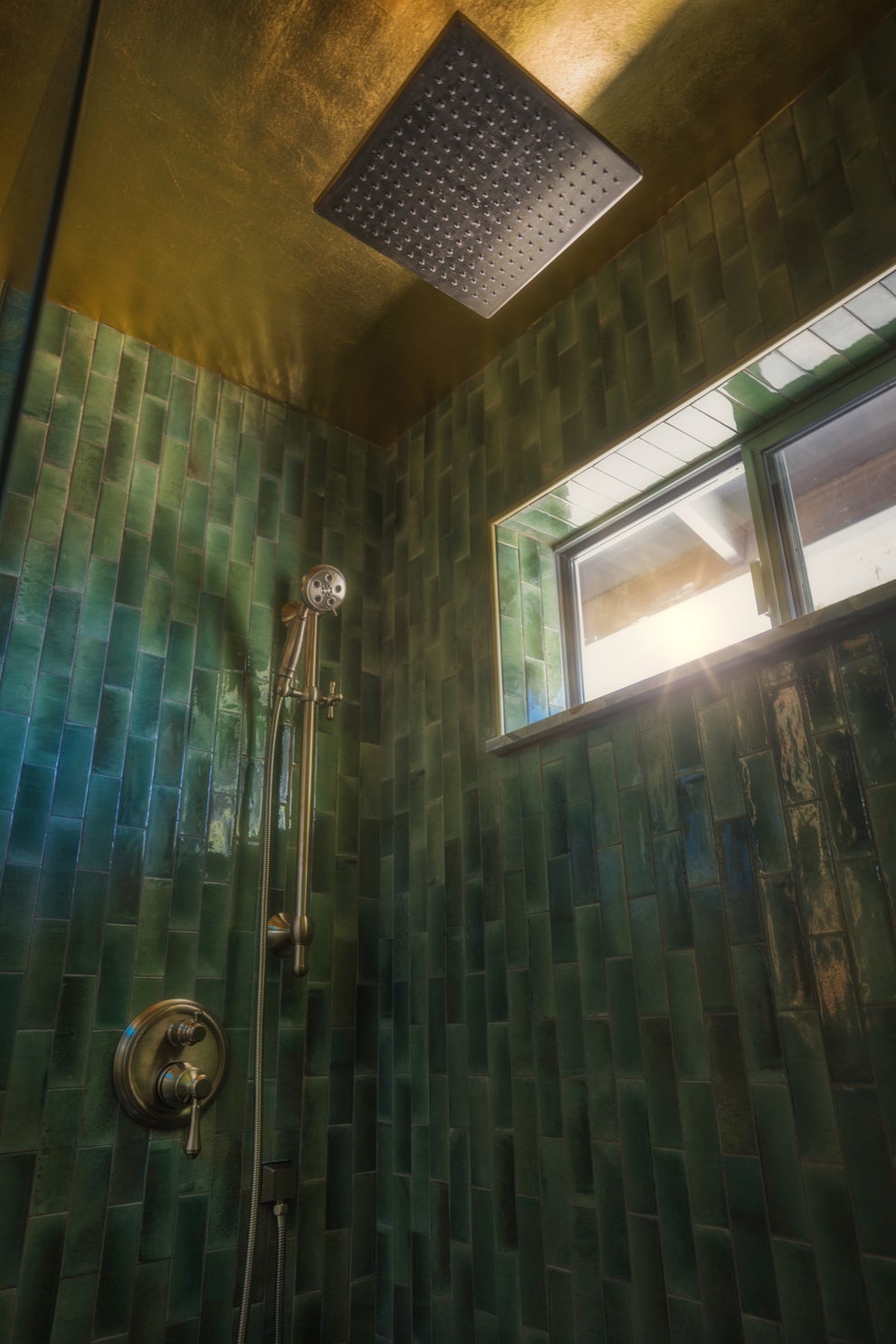
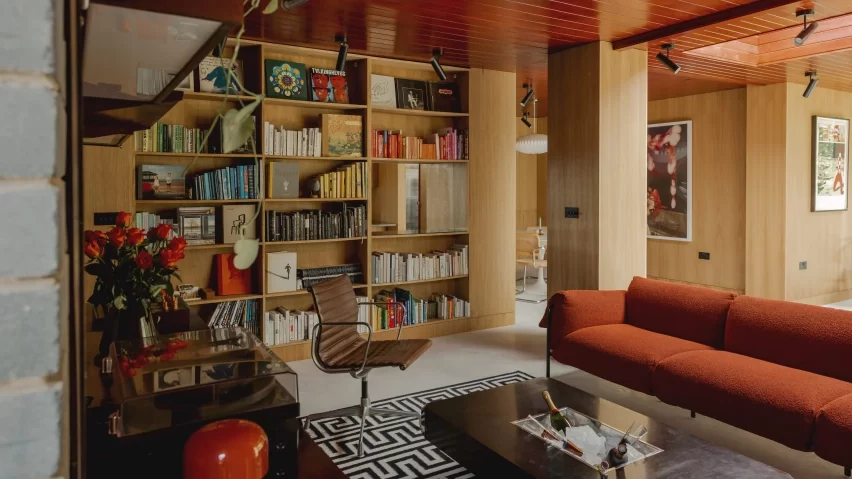
The 1970s interior design trend is currently experiencing a significant resurgence, characterized by its warm, welcoming, and liveable aesthetic. This style is defined by lush green indoor plants, a prominent use of timber, and a variety of textured surfaces, alongside handmade crafts and thoughtful workmanship. The enduring appeal of this decorating approach is rooted in its ability to create comfortable and inviting spaces that resonate with a sense of nostalgia and playful boldness.
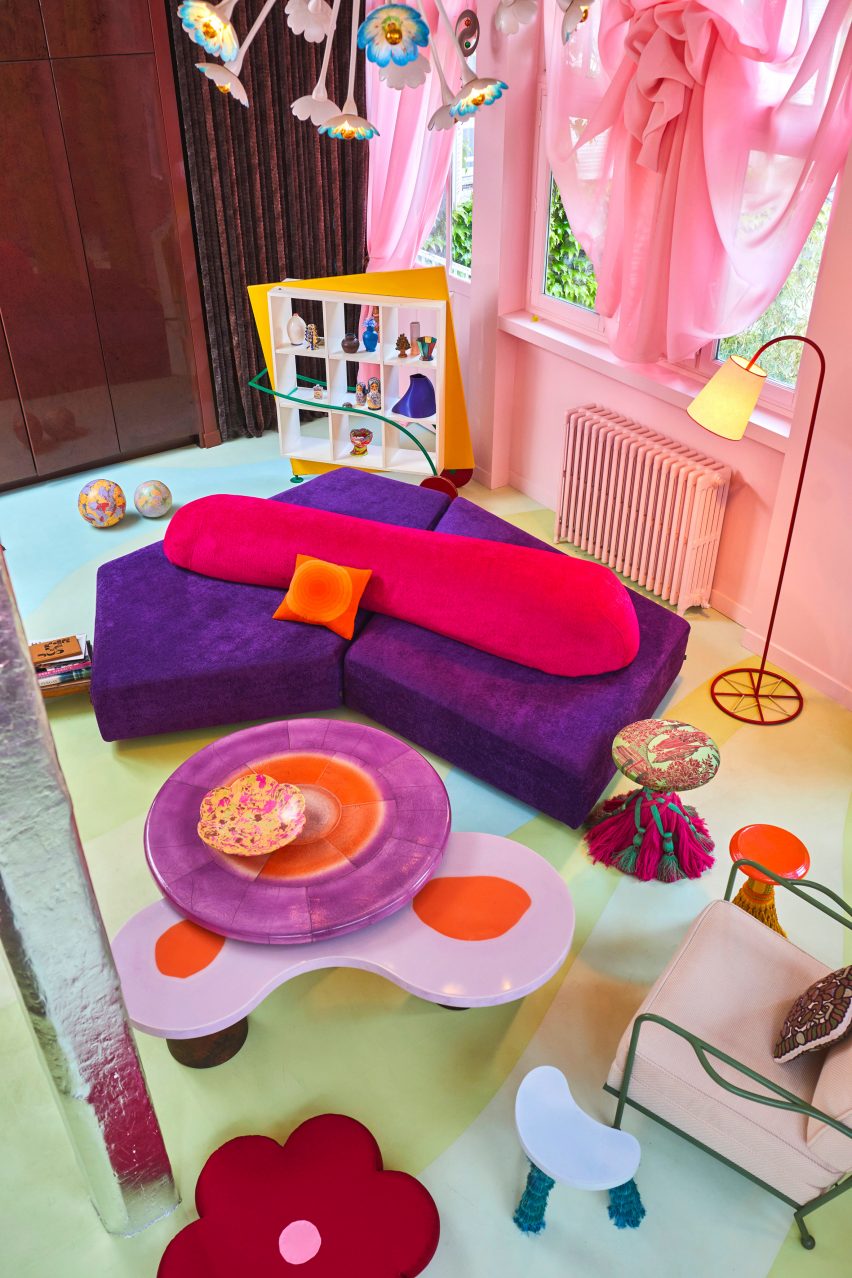
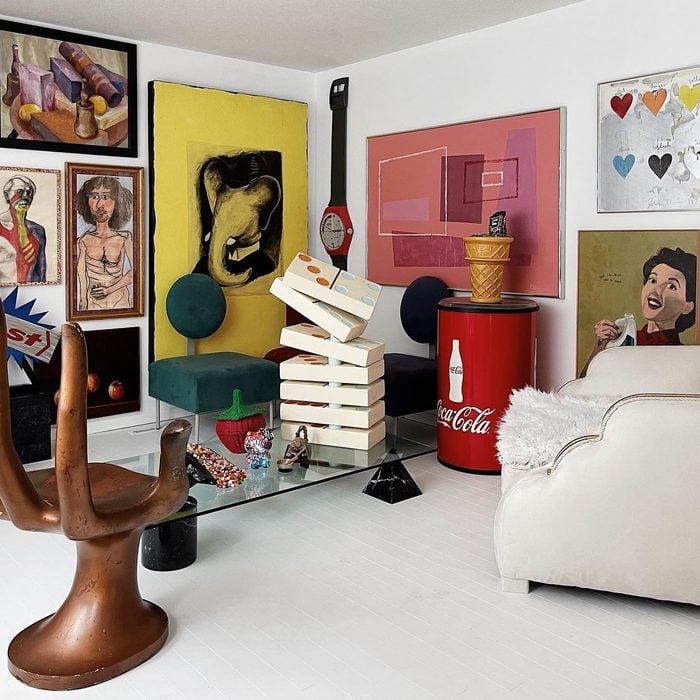
Interiors stylist and author Jessica Bellef highlights the bold and fun expression inherent in 1970s-inspired interiors. She suggests that in challenging times, this style offers a retreat into a sense of endless fun and a longing for bygone days, allowing individuals to express personal taste through a period known for empowerment and discovery. This modern interpretation of 1970s style is influenced by the minimalism of the 1990s and a broader desire for a simplified life. The core elements of 1970s design, such as furniture shapes, layouts, textures, and color palettes, are present but applied with more restraint and a heightened focus on connecting with nature.
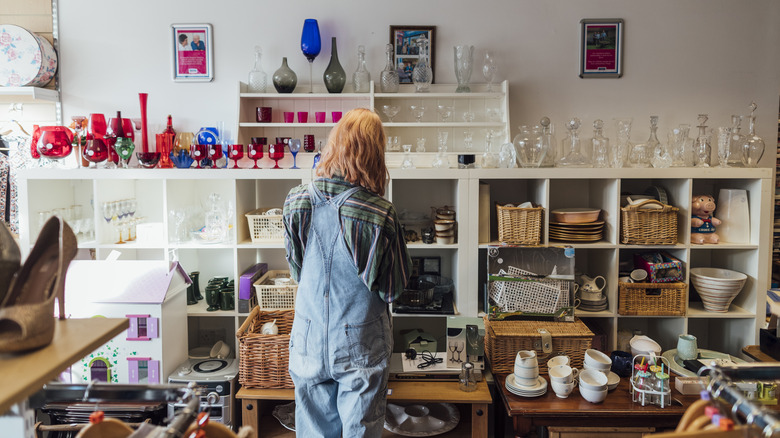
Sustainability is a key consideration in the contemporary adoption of this trend. Bellef emphasizes that purchasing vintage items is one of the most environmentally friendly ways to furnish a home, advocating for extending the lifespan of original 1970s designs and repurposing them. This approach helps combat the issue of overflowing landfills and excessive production of new furniture, marking a step towards more conscious consumption.
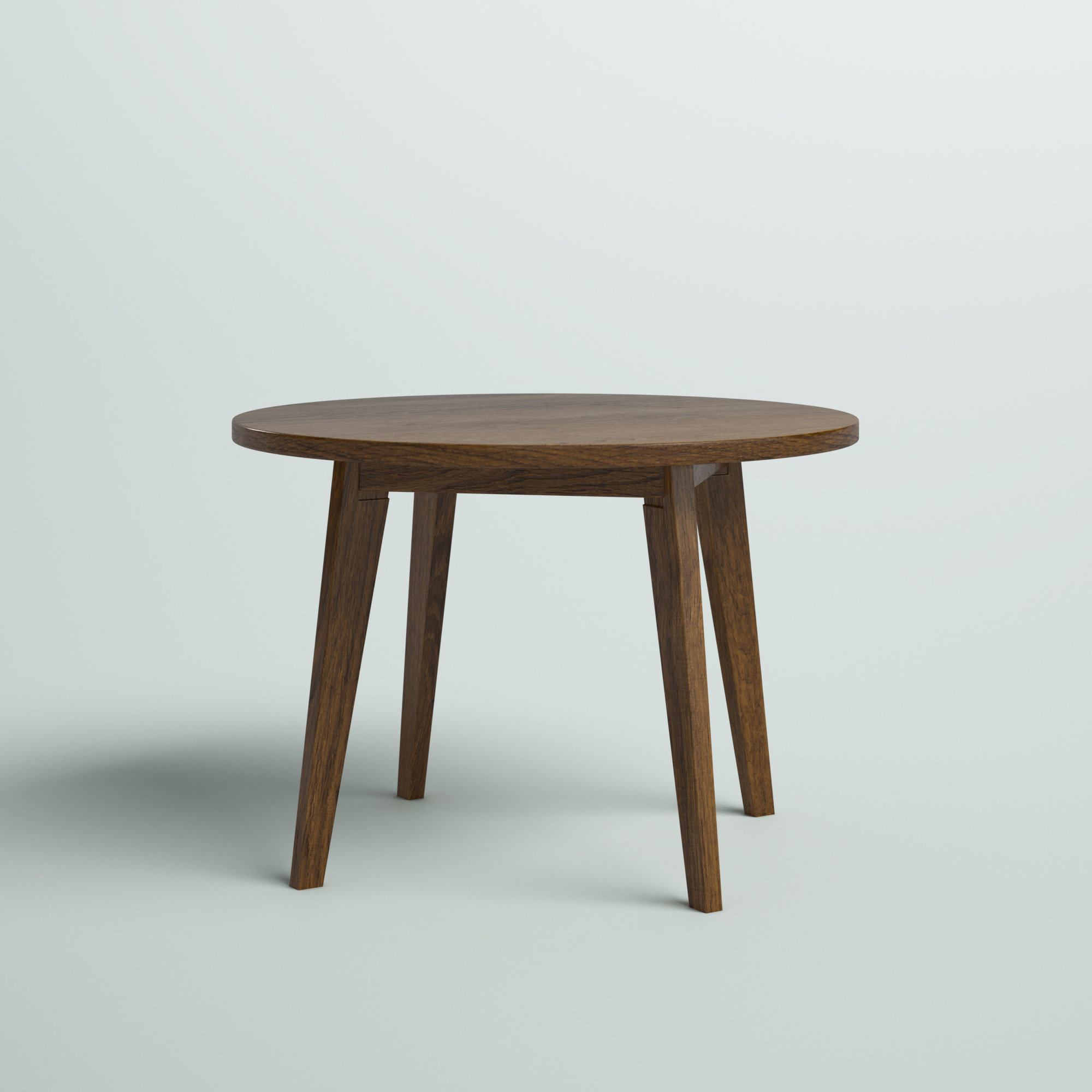
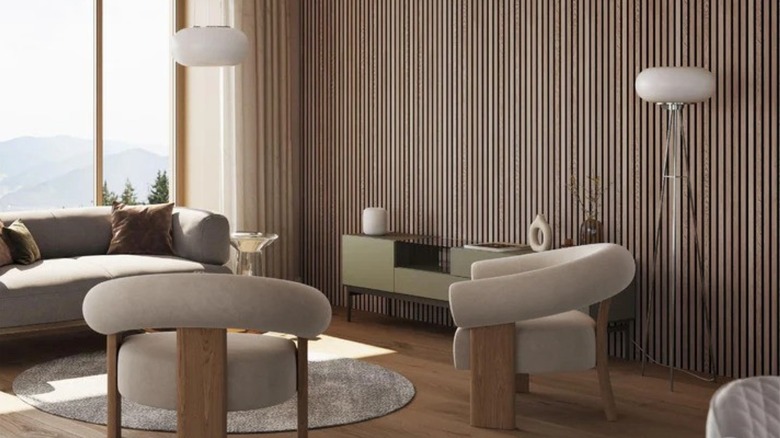
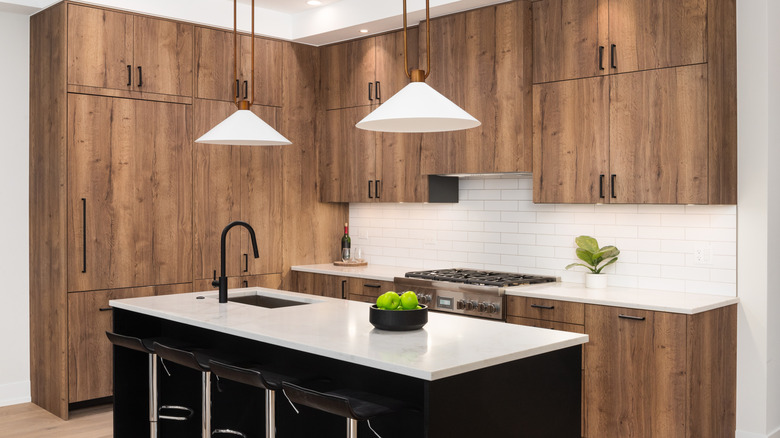
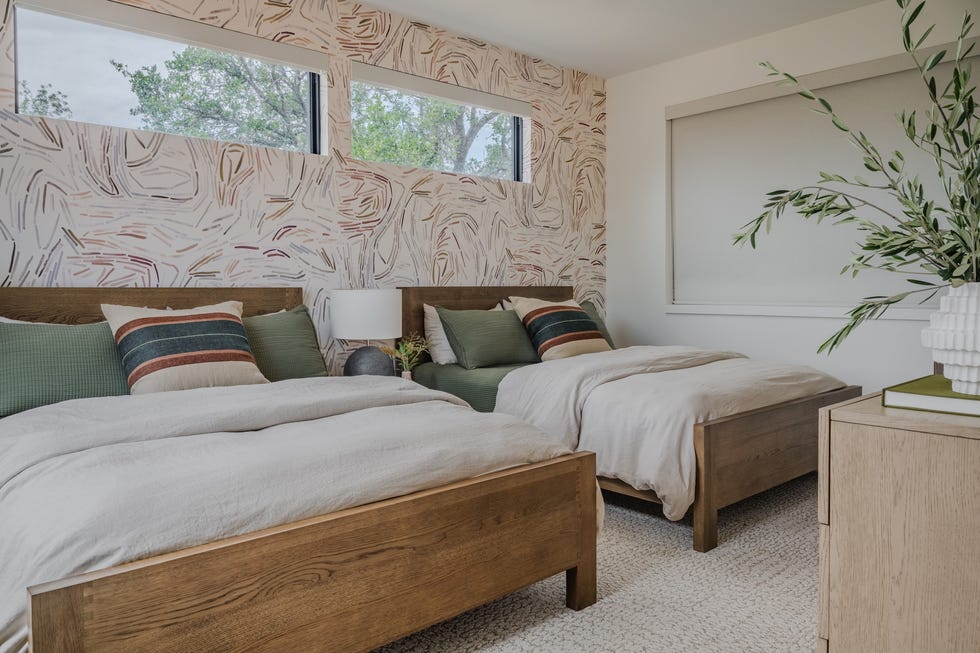
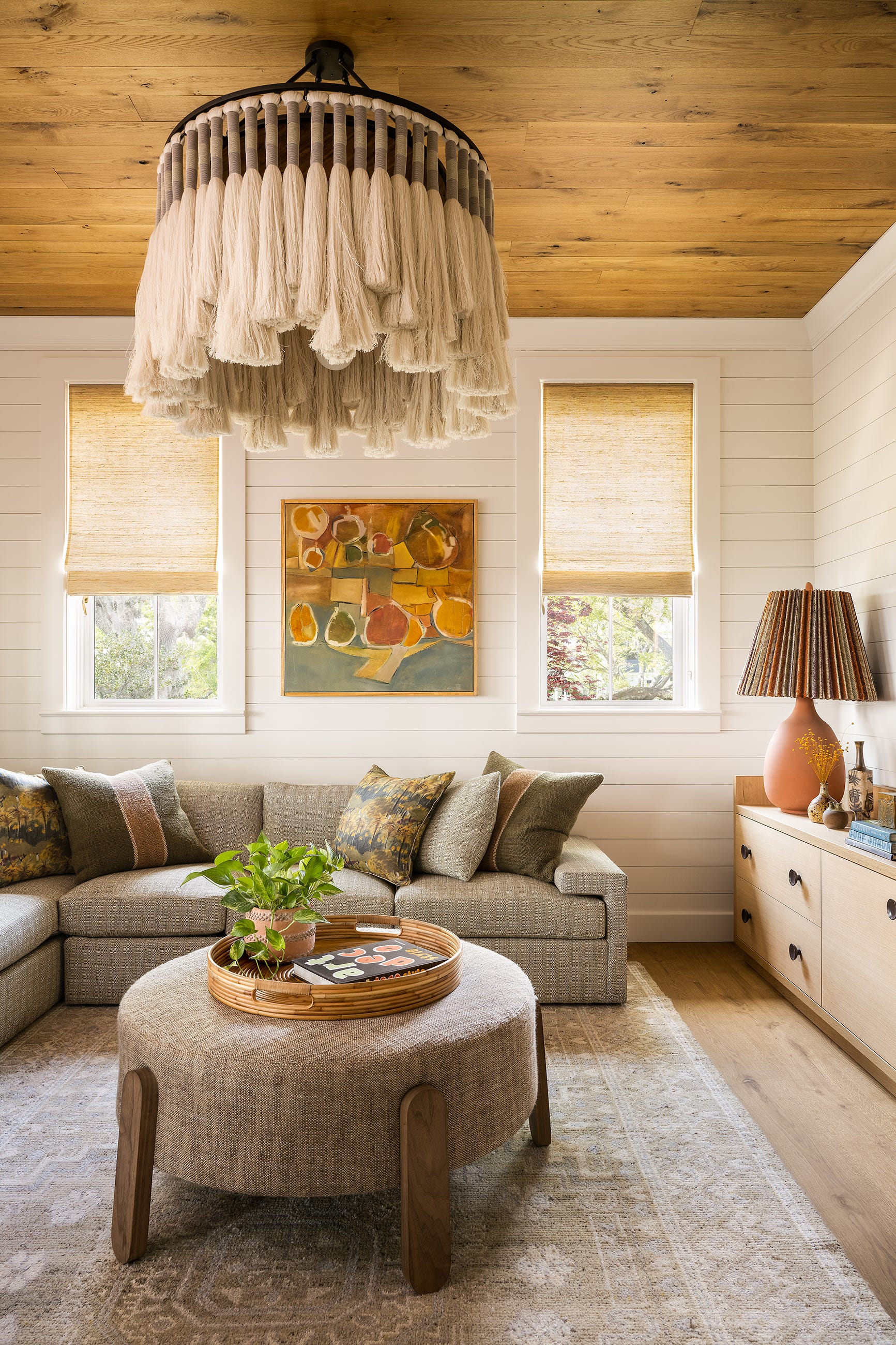
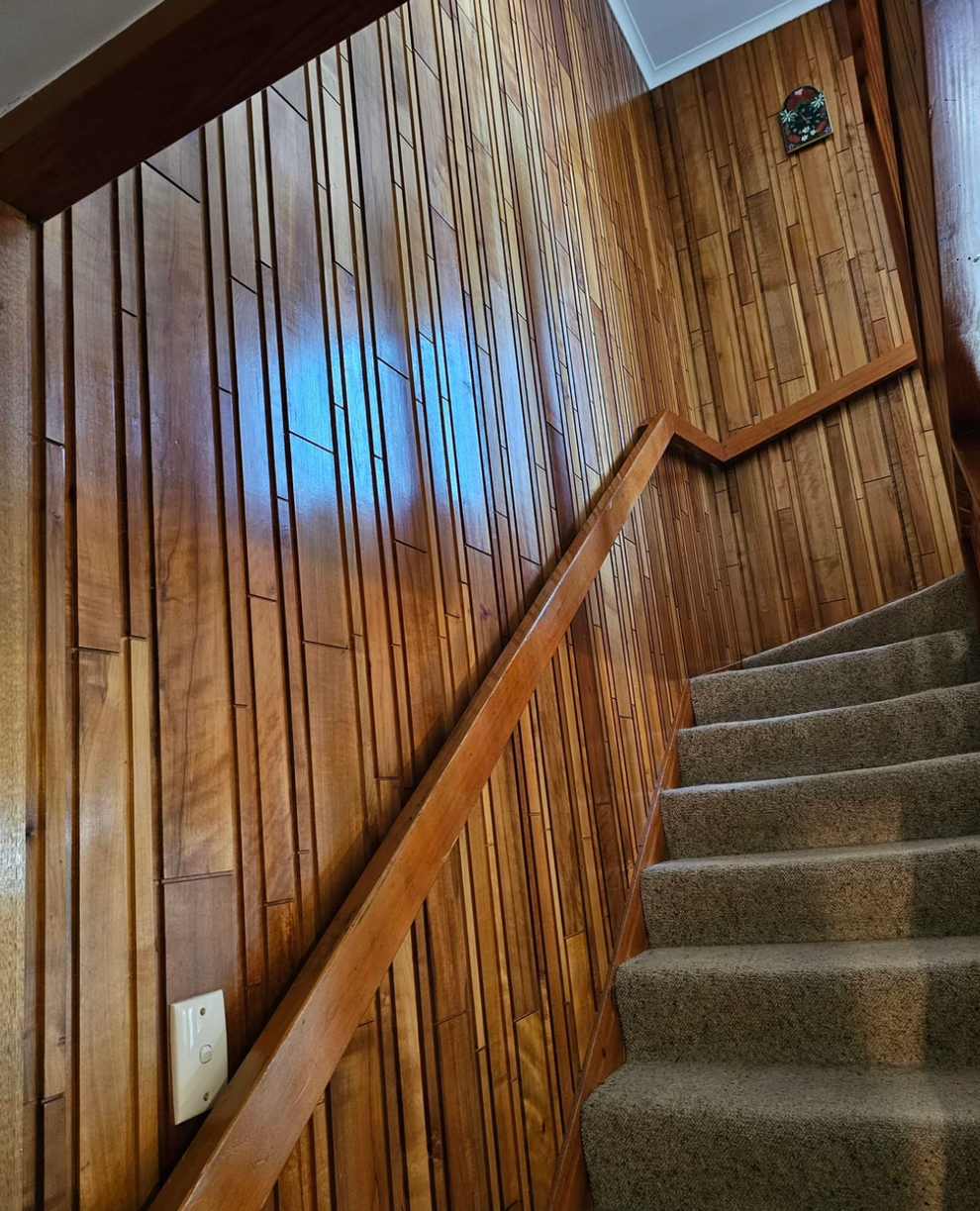
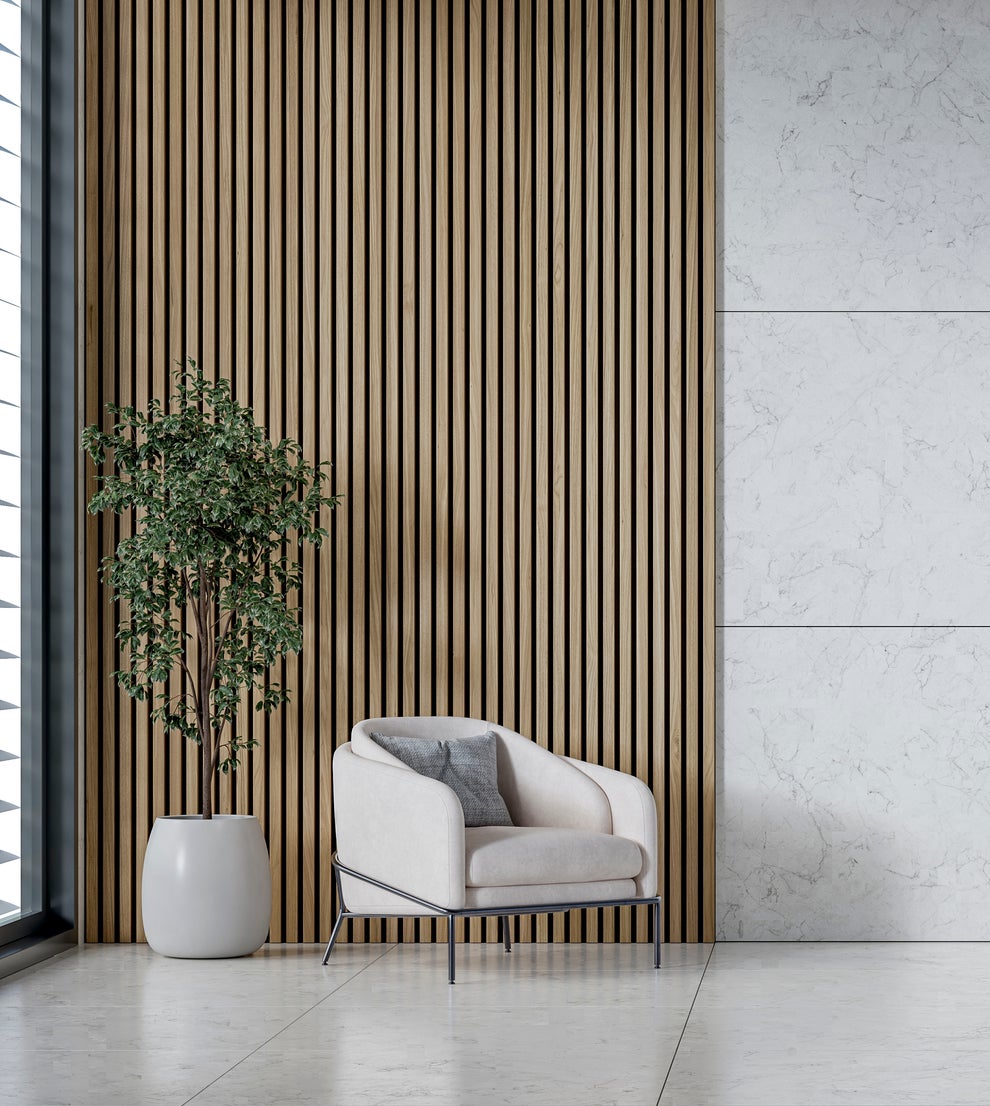
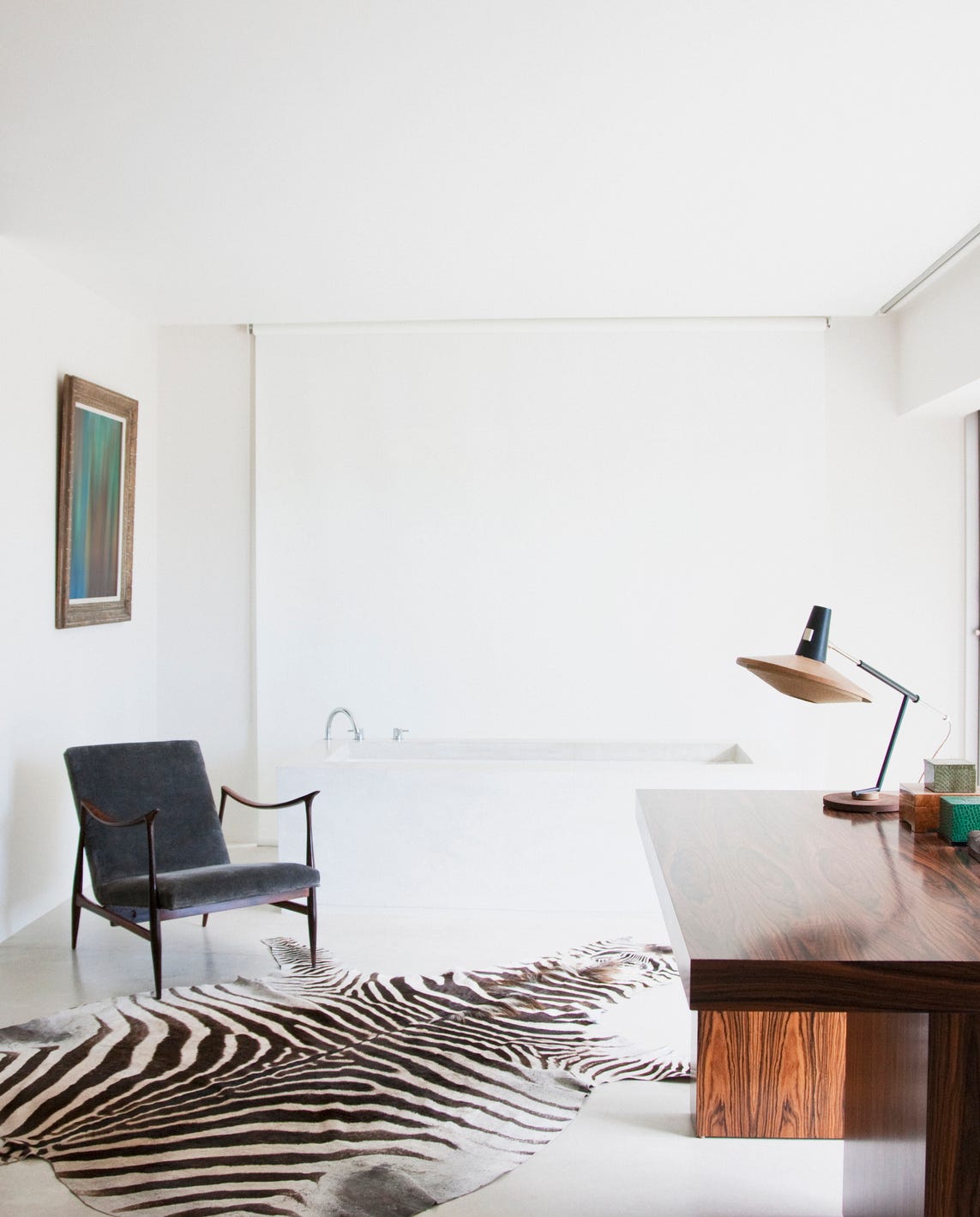
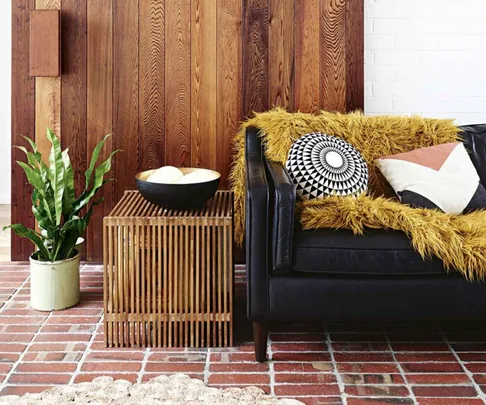
Materials play a crucial role in achieving the 1970s aesthetic. Bricks, for instance, are making a significant comeback, with their textured, earthy colors appearing widely in both interior and exterior applications. New homeowners and those renovating are incorporating raw brick into feature walls, fireplaces, and exposed structural elements, either by retaining original 1970s-1980s features or mimicking them in new constructions. Timber is another essential material, often seen in furniture pieces or architectural details like warm wood paneling and floating timber stairs.
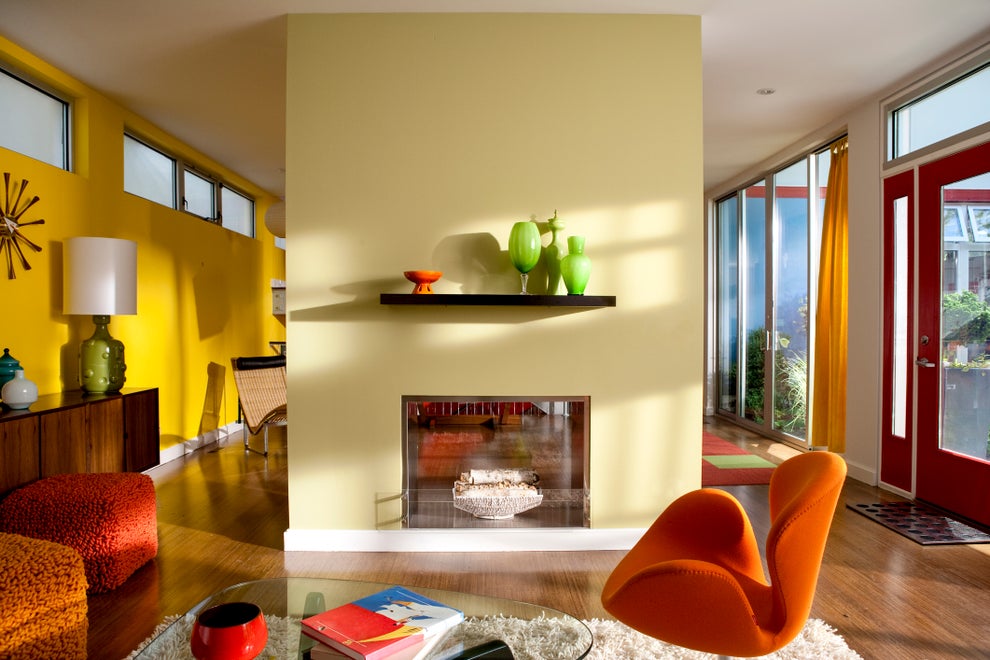
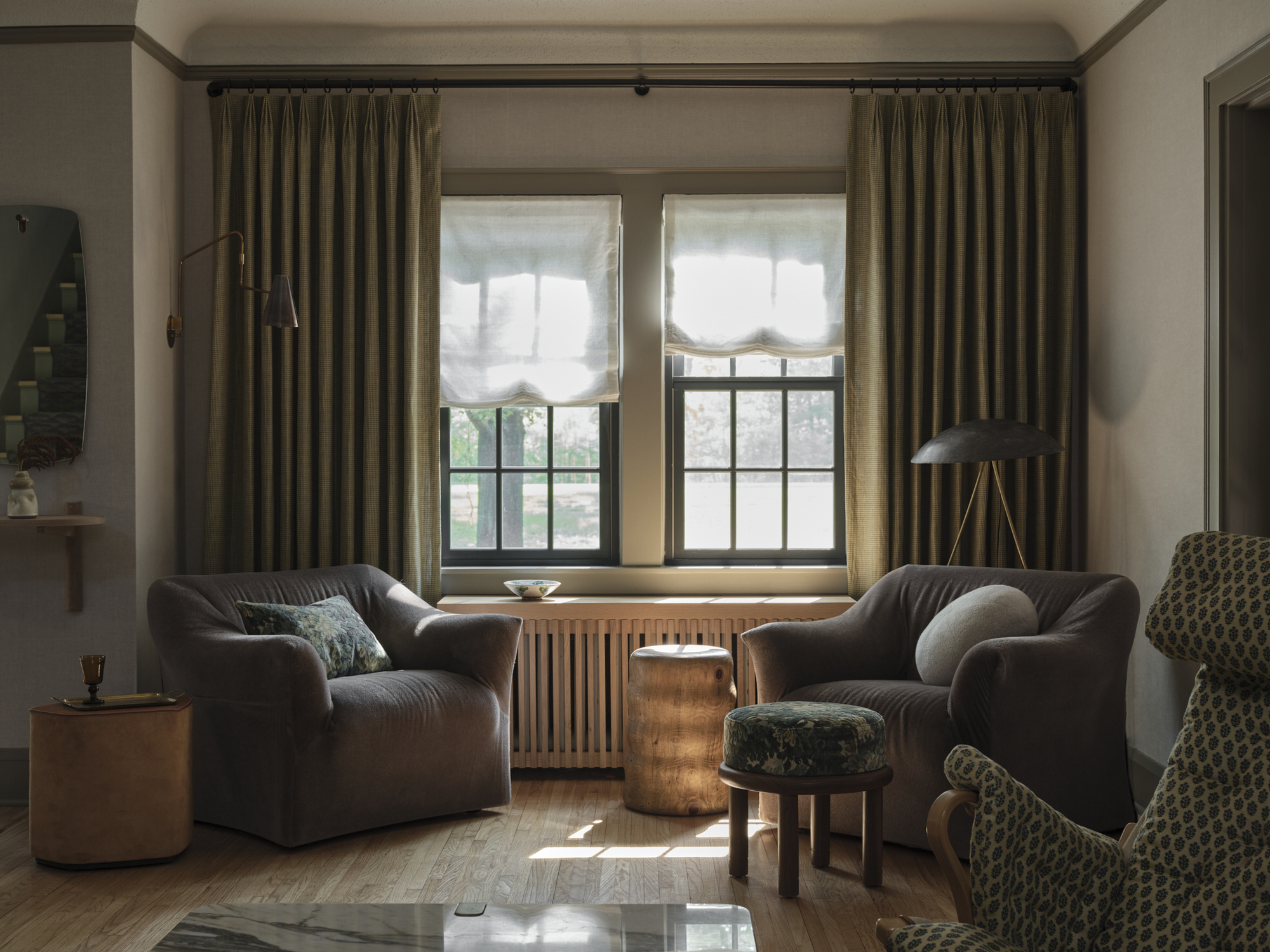
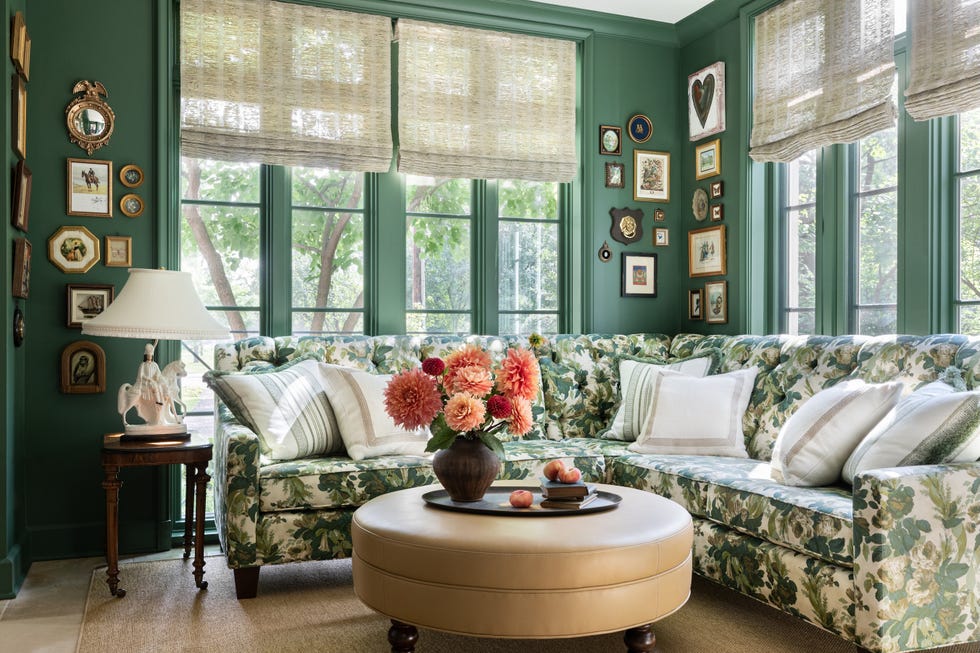
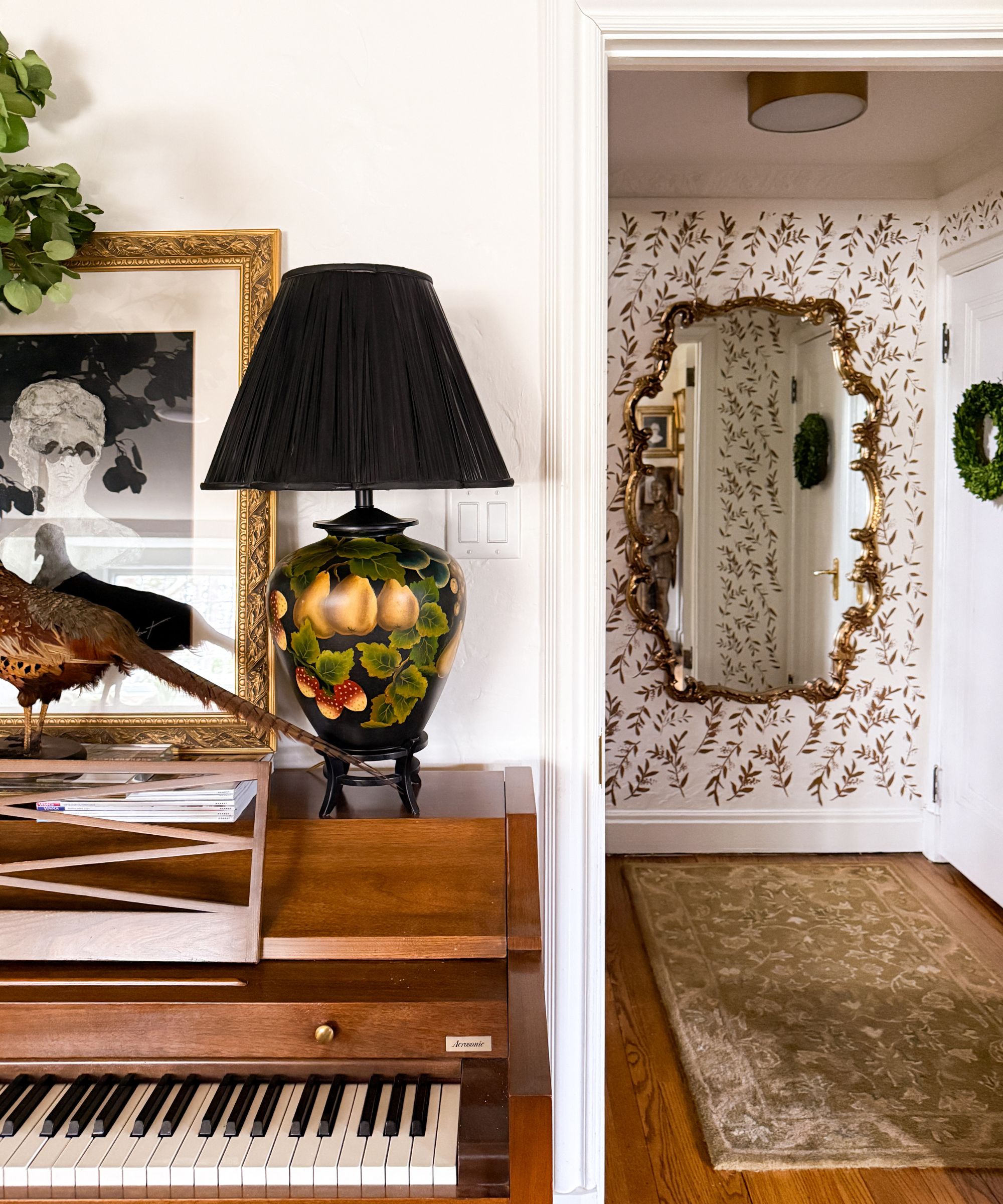
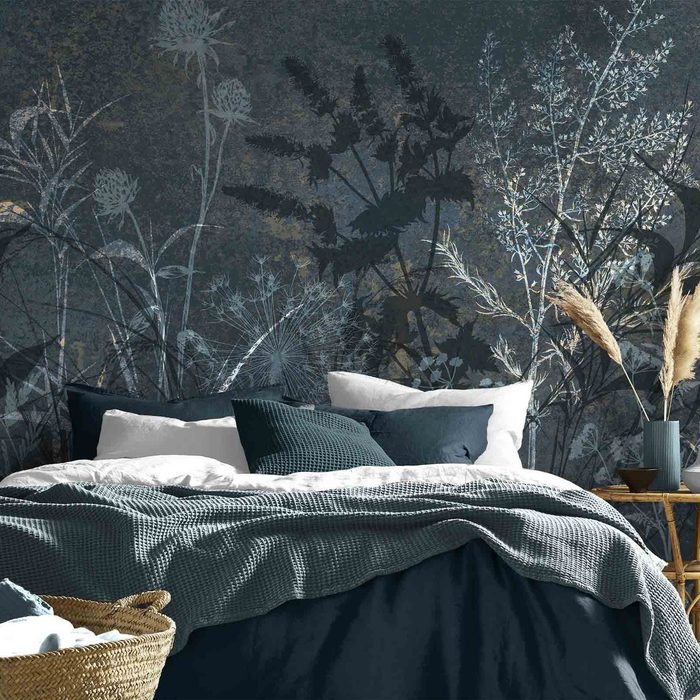
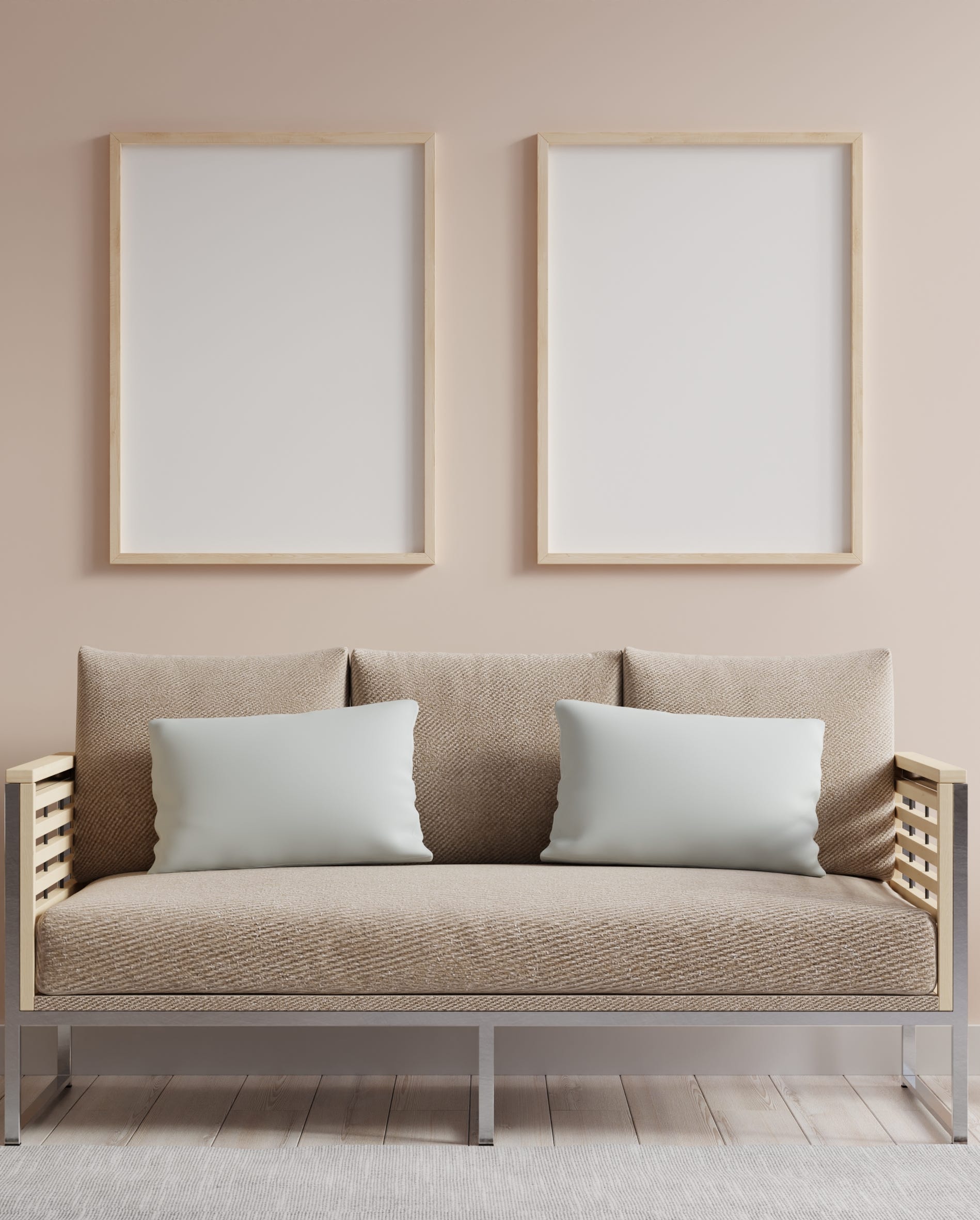
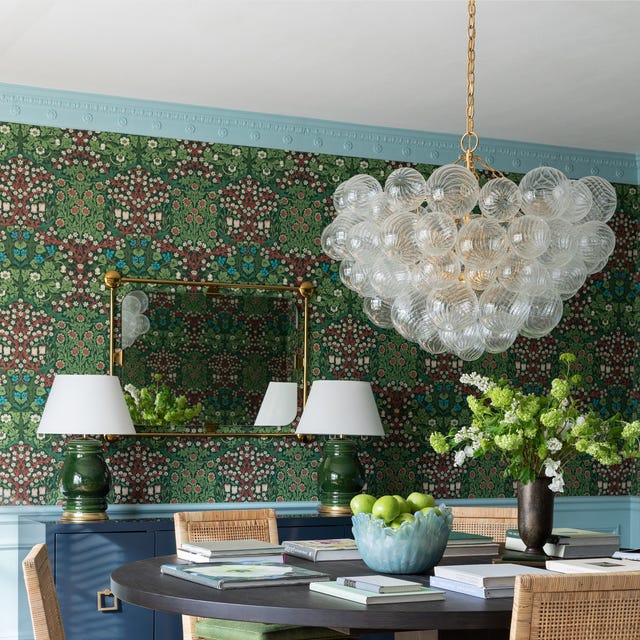
The 1970s color palette, when reinterpreted for modern homes, moves away from the more garish elements of the past. Instead, it focuses on natural color schemes and soft furnishings that prevent the space from feeling heavy. Jessica Bellef advises balancing bold colors with natural surfaces to introduce beautiful textures and a connection to the outdoors. Earthy tones such as mustard, ochres, tans, and browns form the foundation, complemented by leaf green and soft orange. The inclusion of plenty of white in cotton, linen, and other textured fabrics adds warmth without creating visual clutter. Pops of color are effectively introduced through lamps, lighting, art, and decorative objects like glass and pottery, all contributing to carefully curated vignettes. Bellef encourages embracing color, even if it's an earthy tone, as the presence of a bold, saturated hue provides the characteristic punchiness of a 1970s-inspired interior.
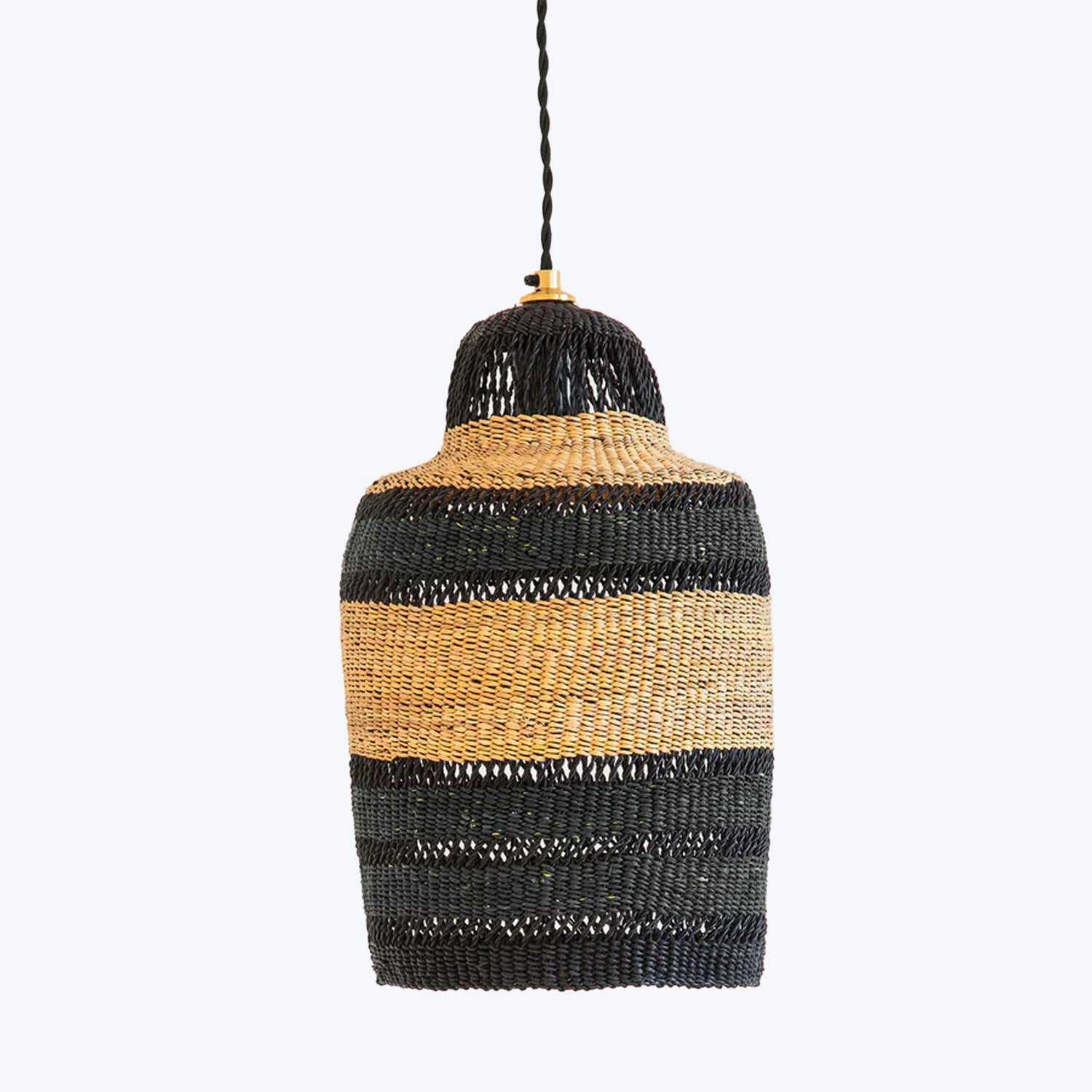
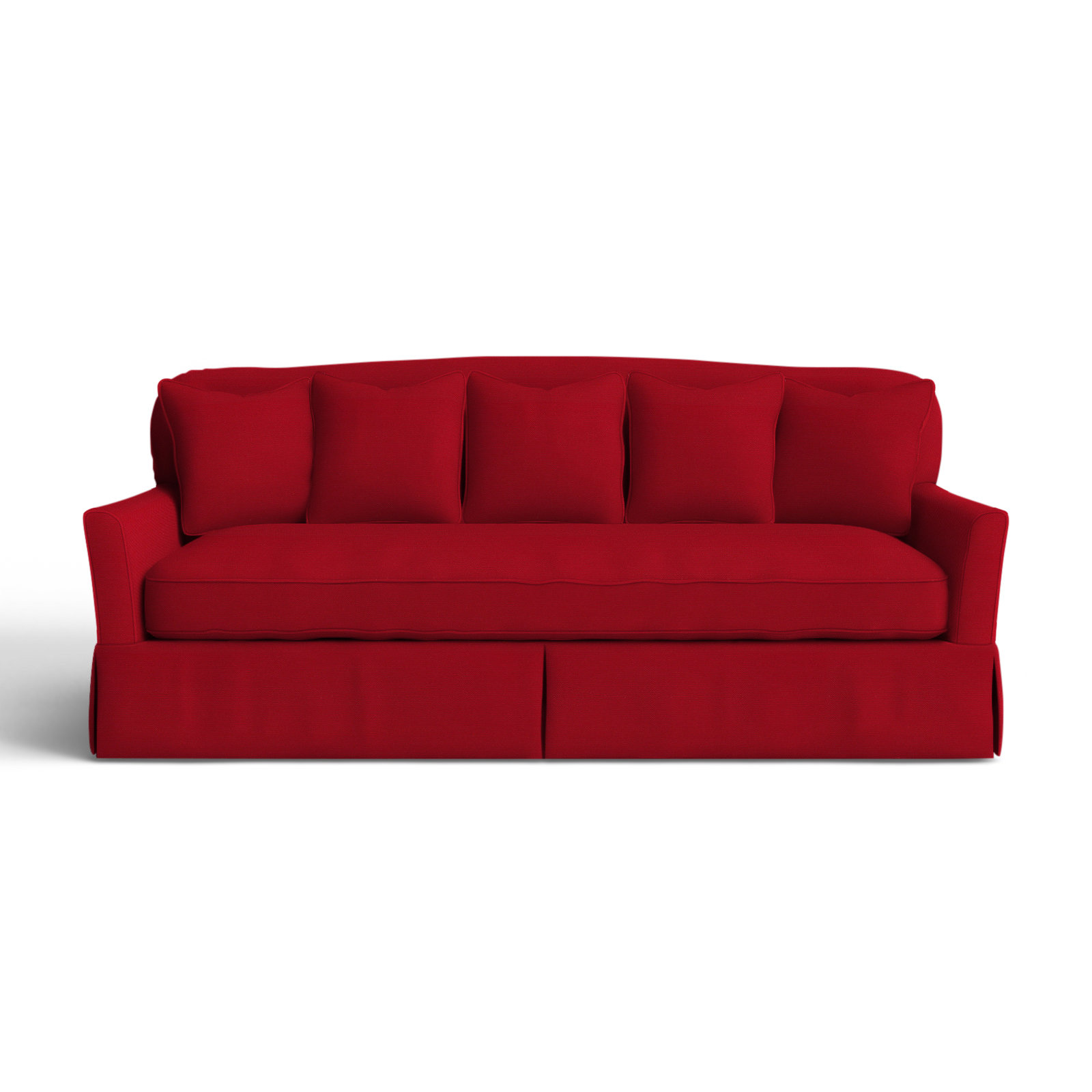
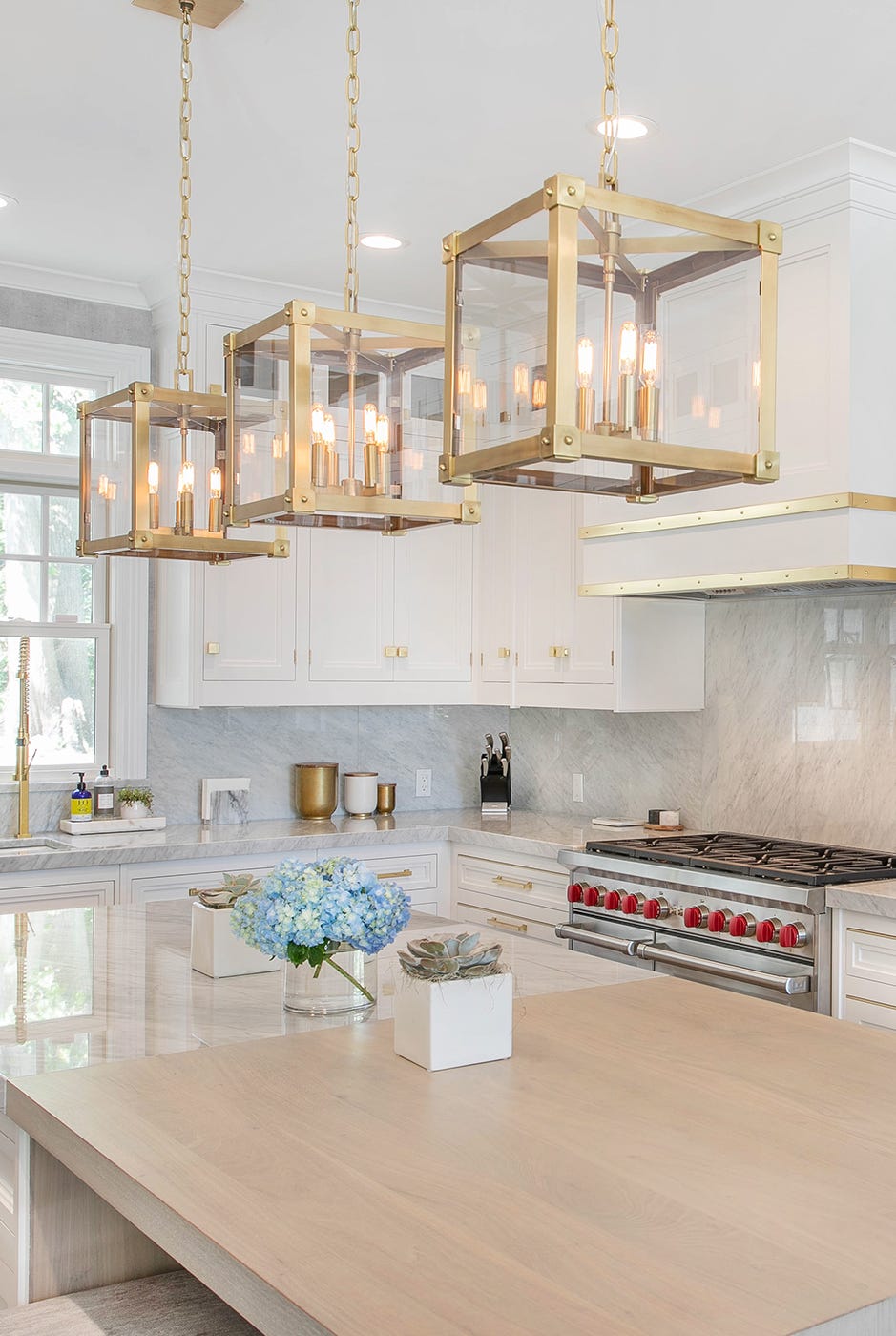
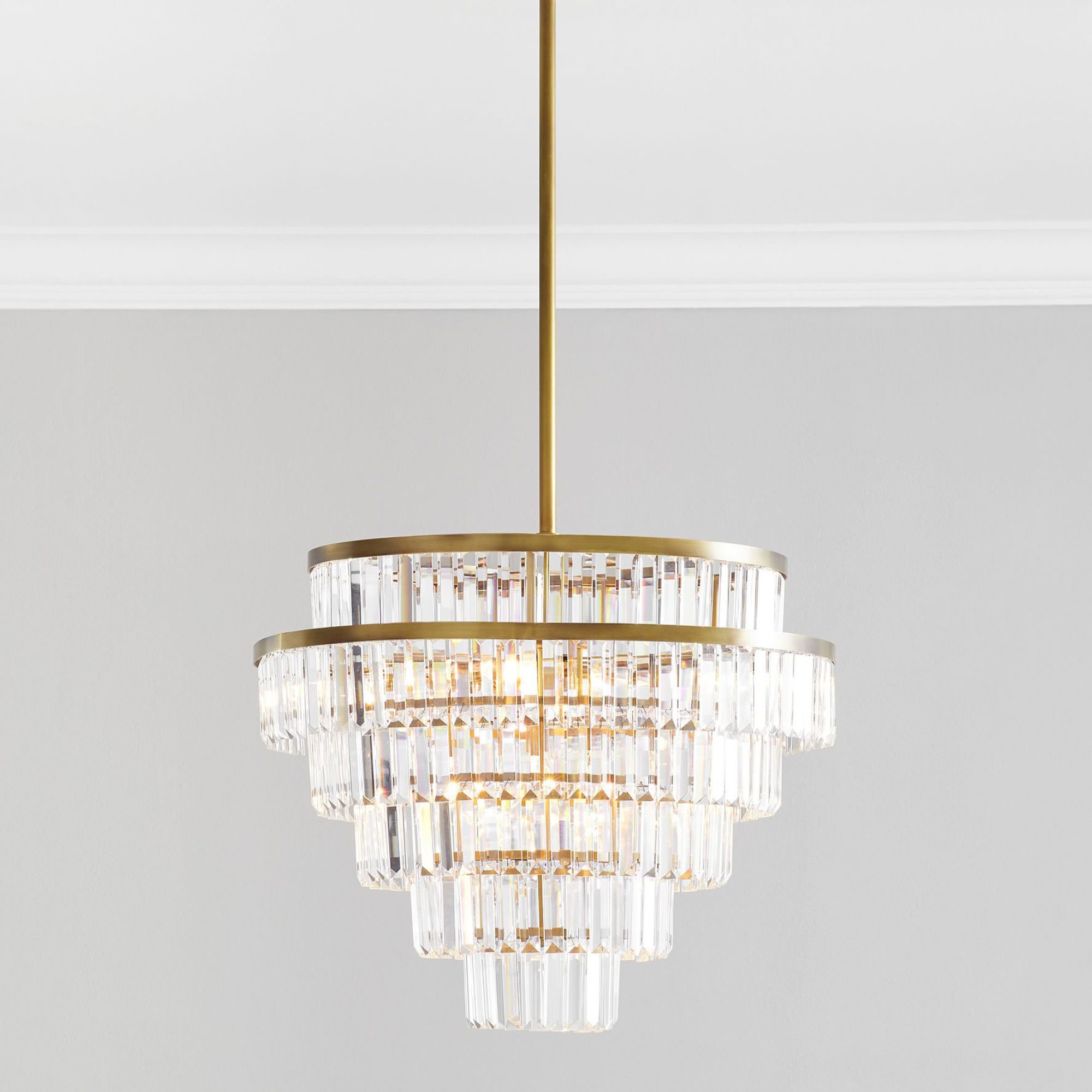
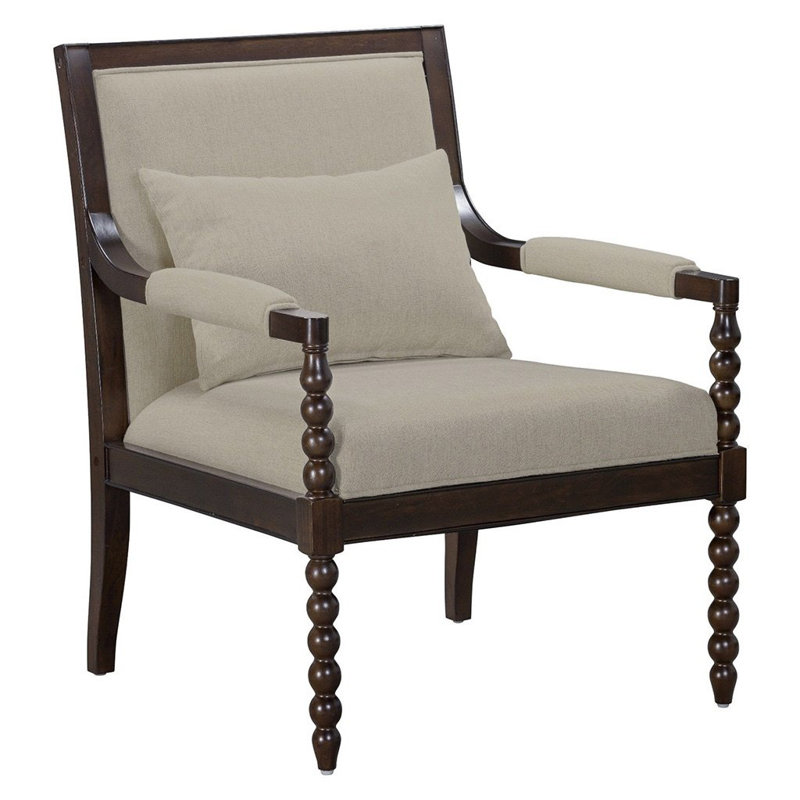
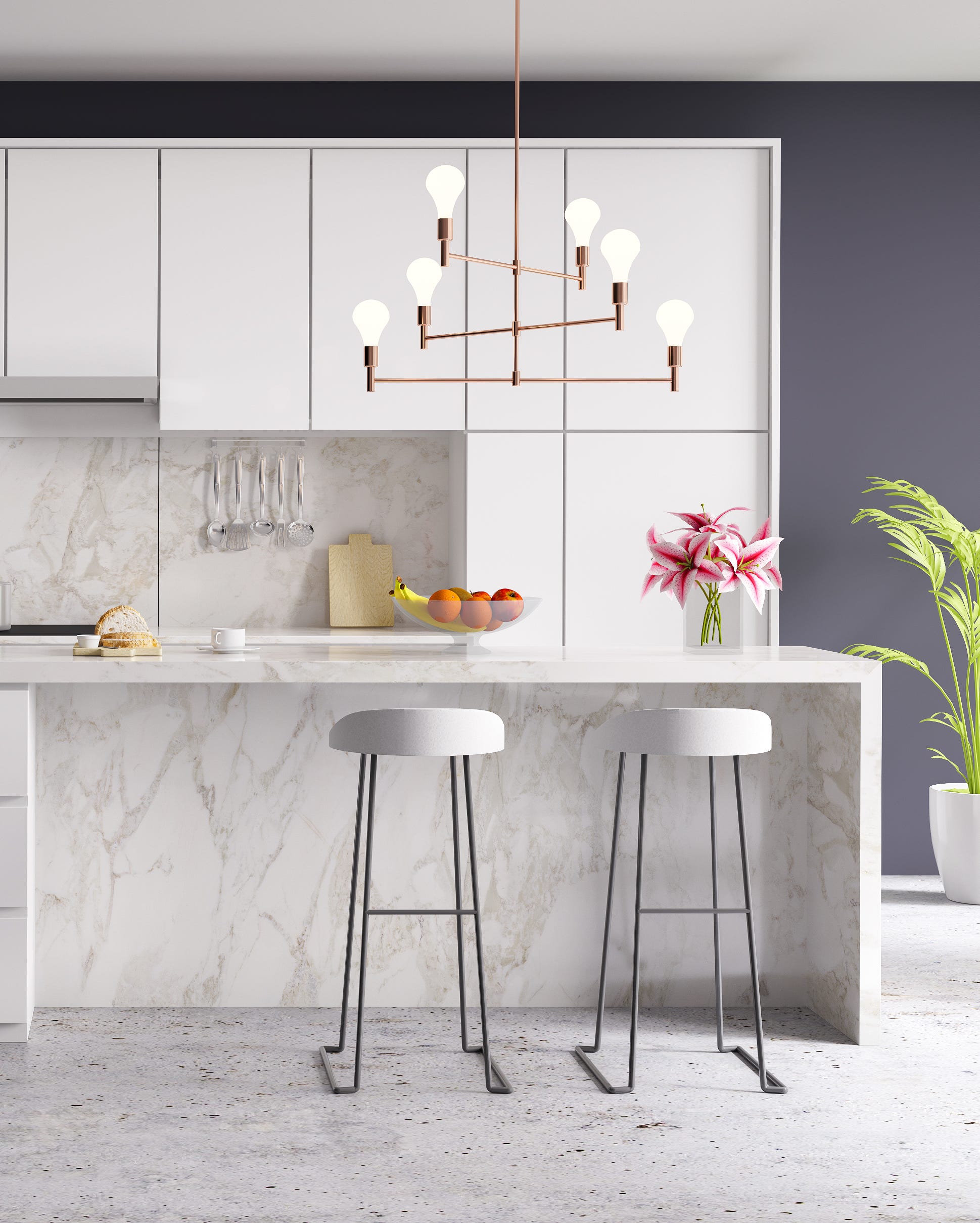
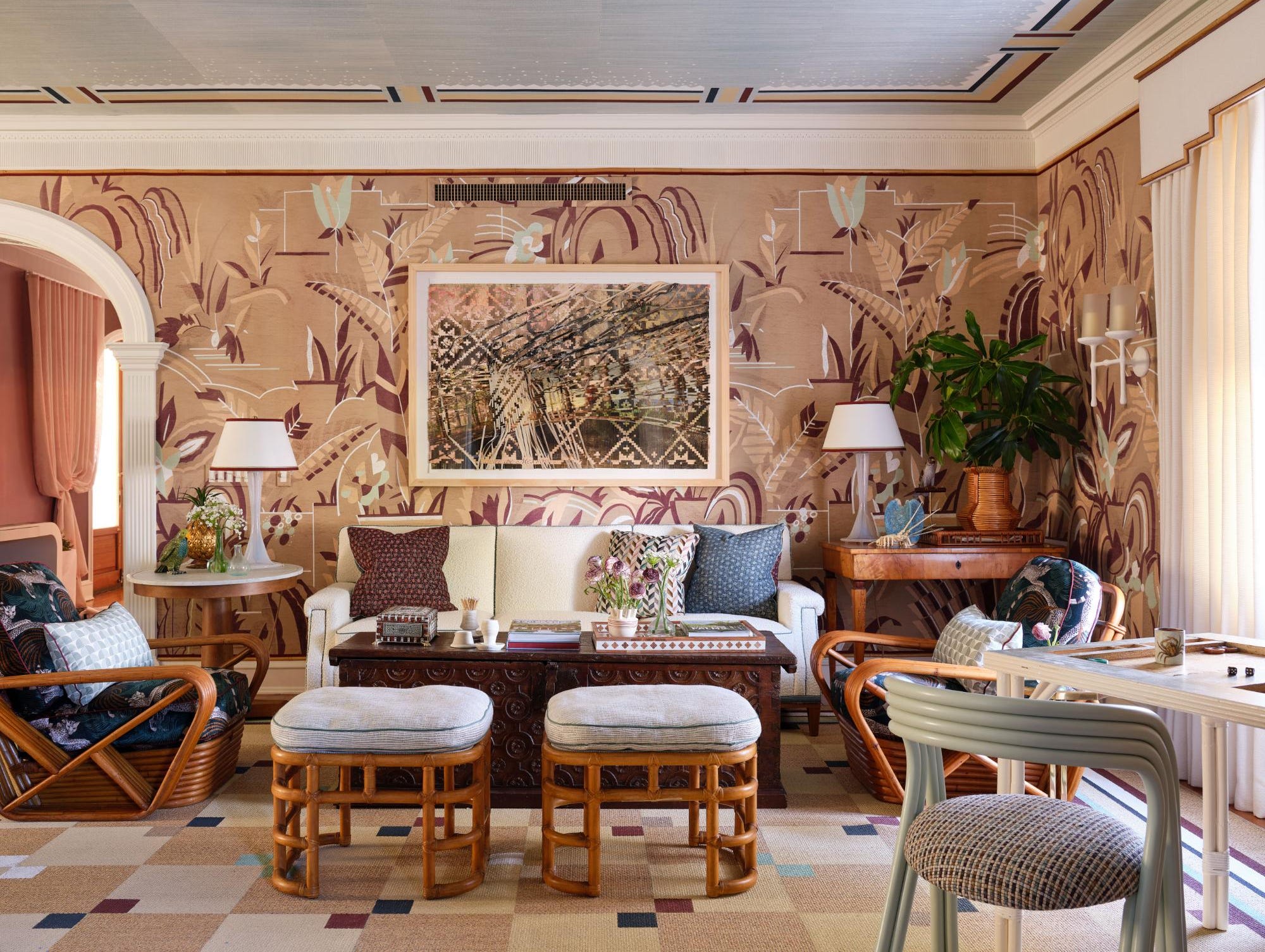
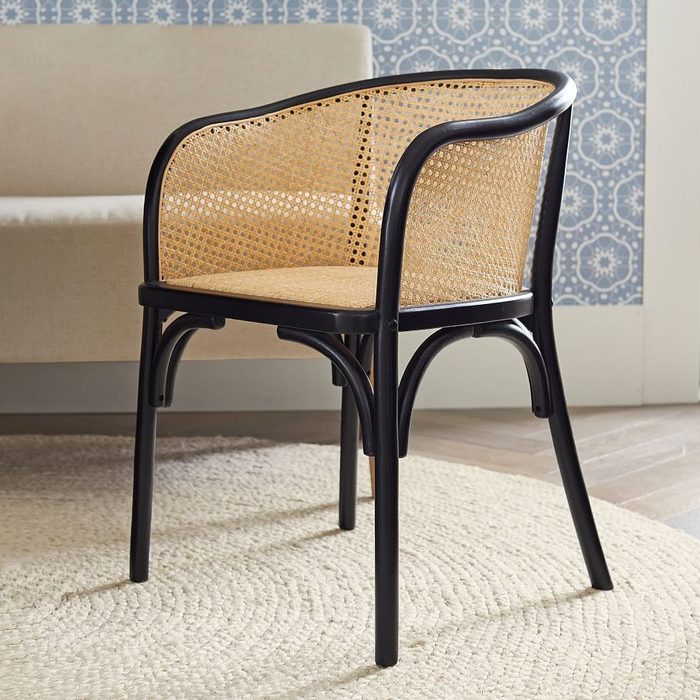
When it comes to furniture, rattan pieces, such as sideboards, armchairs, and seating, are integral to the 1970s style, though moderation is advised. Bellef recommends selecting one or two statement pieces that capture attention, such as low-slung, chunky seating or an elaborate pendant light crafted from a striking combination of glass, brass, and artistic lines. These carefully chosen elements contribute to a cohesive and authentically inspired 1970s interior that feels both modern and timeless.
#InteriorDesign #1970sStyle #HomeDecor #RetroRevival #SustainableLiving #EarthyTones #Timber #RattanFurniture #DecoratingTrends #InteriorDesign #1970sStyle #HomeDecor #RetroRevival #SustainableLiving #EarthyTones #Timber #RattanFurniture #DecoratingTrends
0 comment in total
 No comments yet
You may also like
Eight decadent living rooms with 1970s-style furnishings
Retro Design Trends That Are Making A Comeback In 2025
11 Vintage Home Trends That Are Making a Comeback

6 Dated Home Decor Pieces You Need to Throw Out ASAP, According to Designers

Julie Bowen's '70s-inspired living room is retro yet chic – you can get the look from $15
Interior Designers Say the 1990s Are Back—Here’s How to Capture the Look

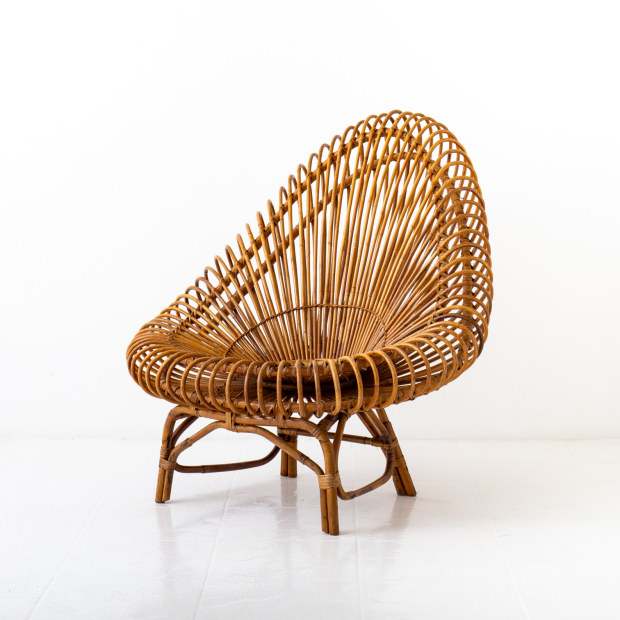
The ’70s furniture trend making an unlikely (but welcome) comeback

People Are Exposing The Home Decor Trends That'll "Completely Fade Out" Sooner Than You'd Think

11 Home Design Trends That Need A Major Revival In 2024 To Infuse Some Personality Back Into Our Homes
Right at home: It's that '70s (and '80s) show in home decor
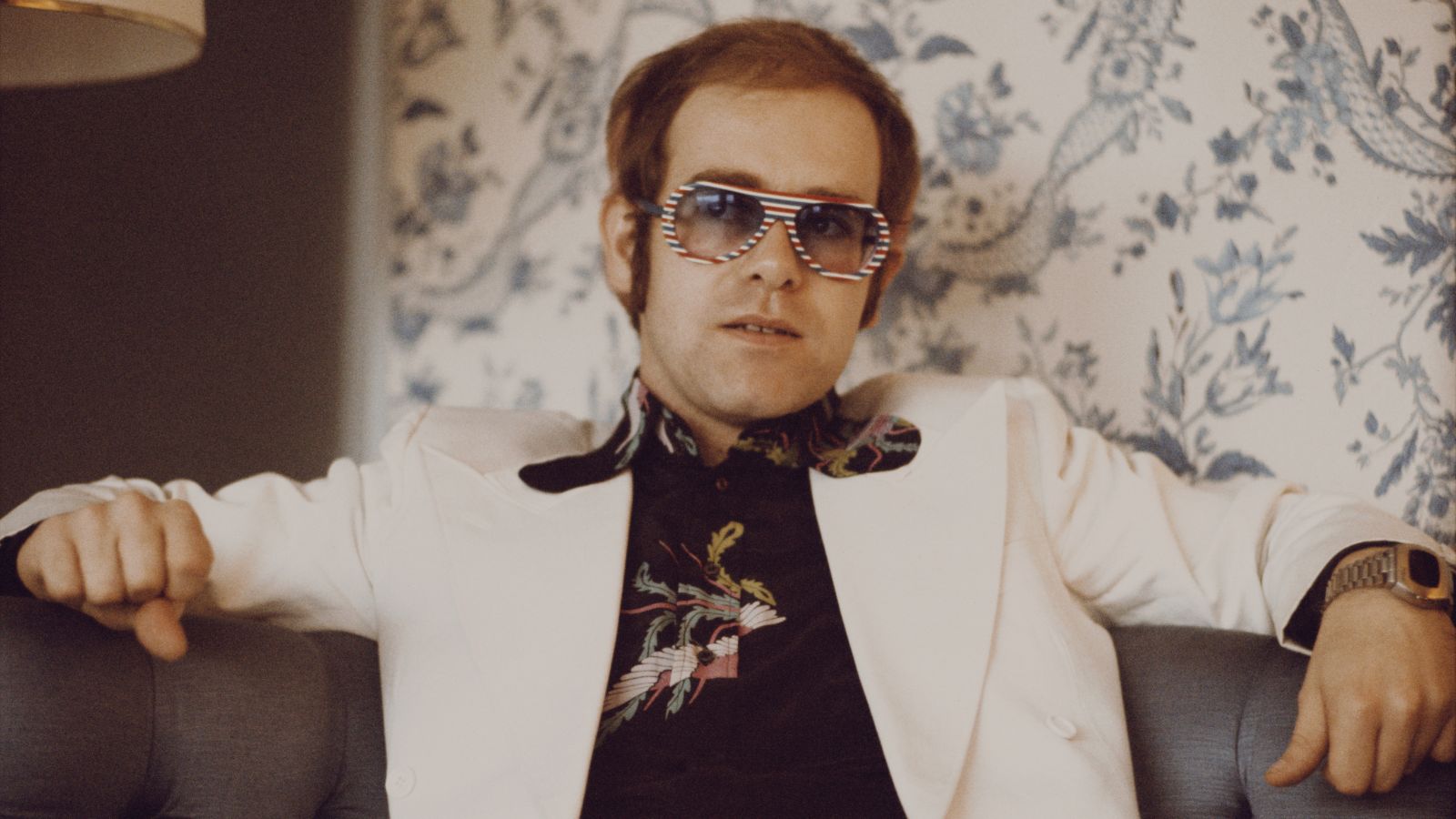
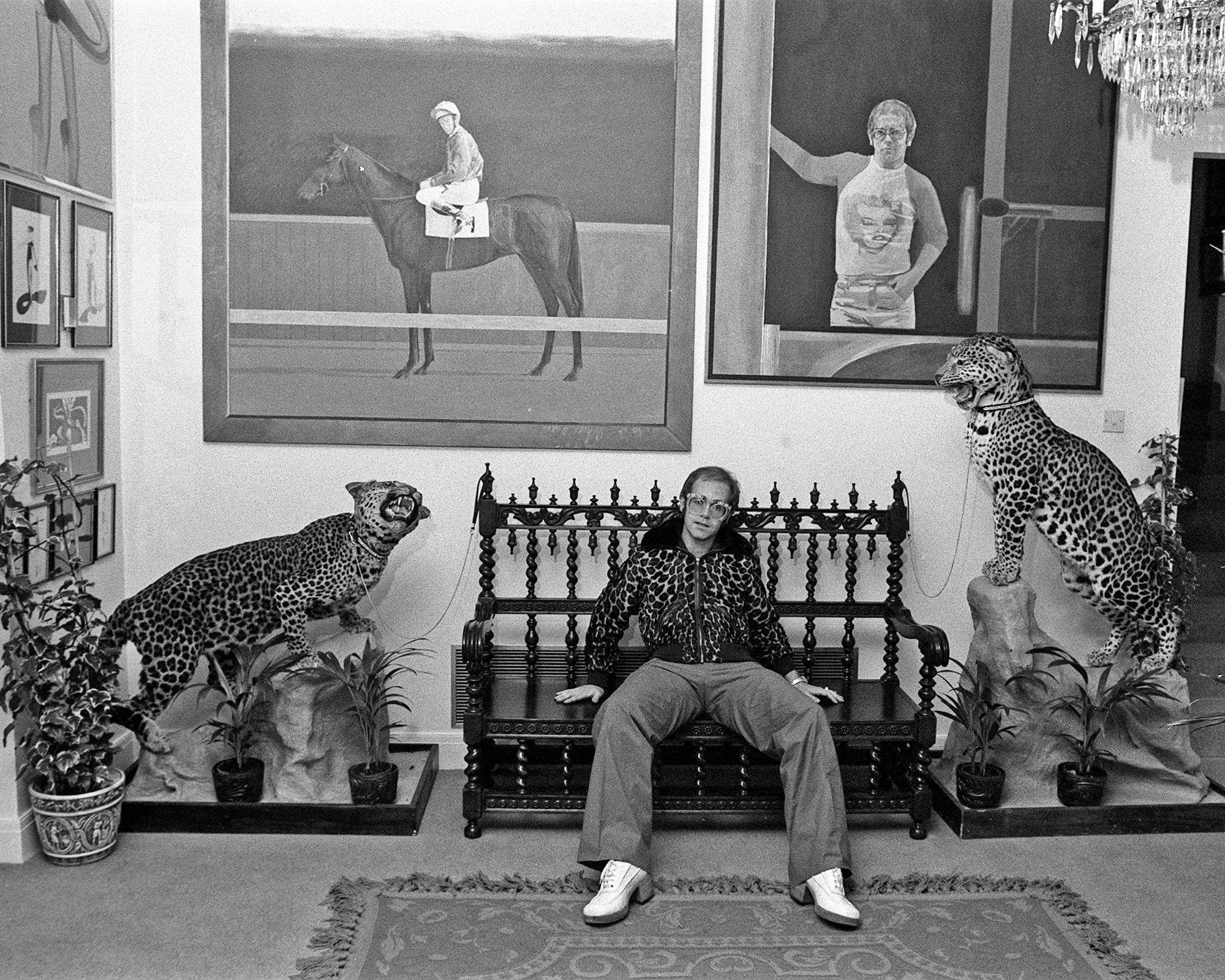
Elton John's '70s entryway reveals the power of the decade

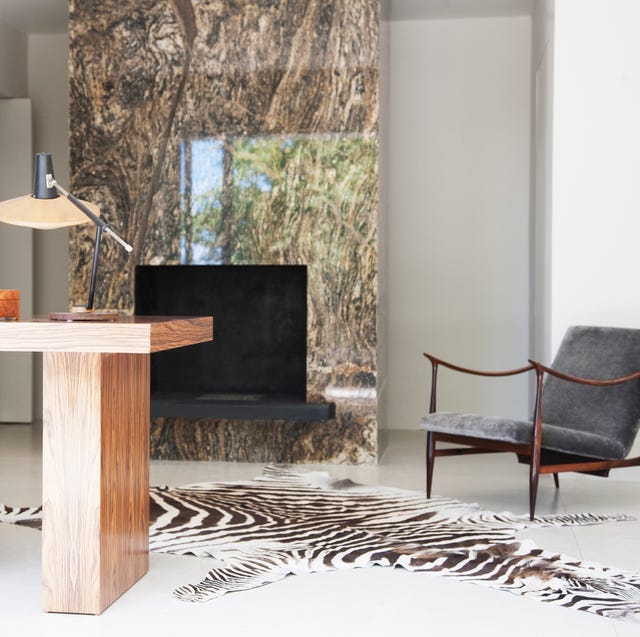
40 Outdated Home Trends We Hope Never to See Again

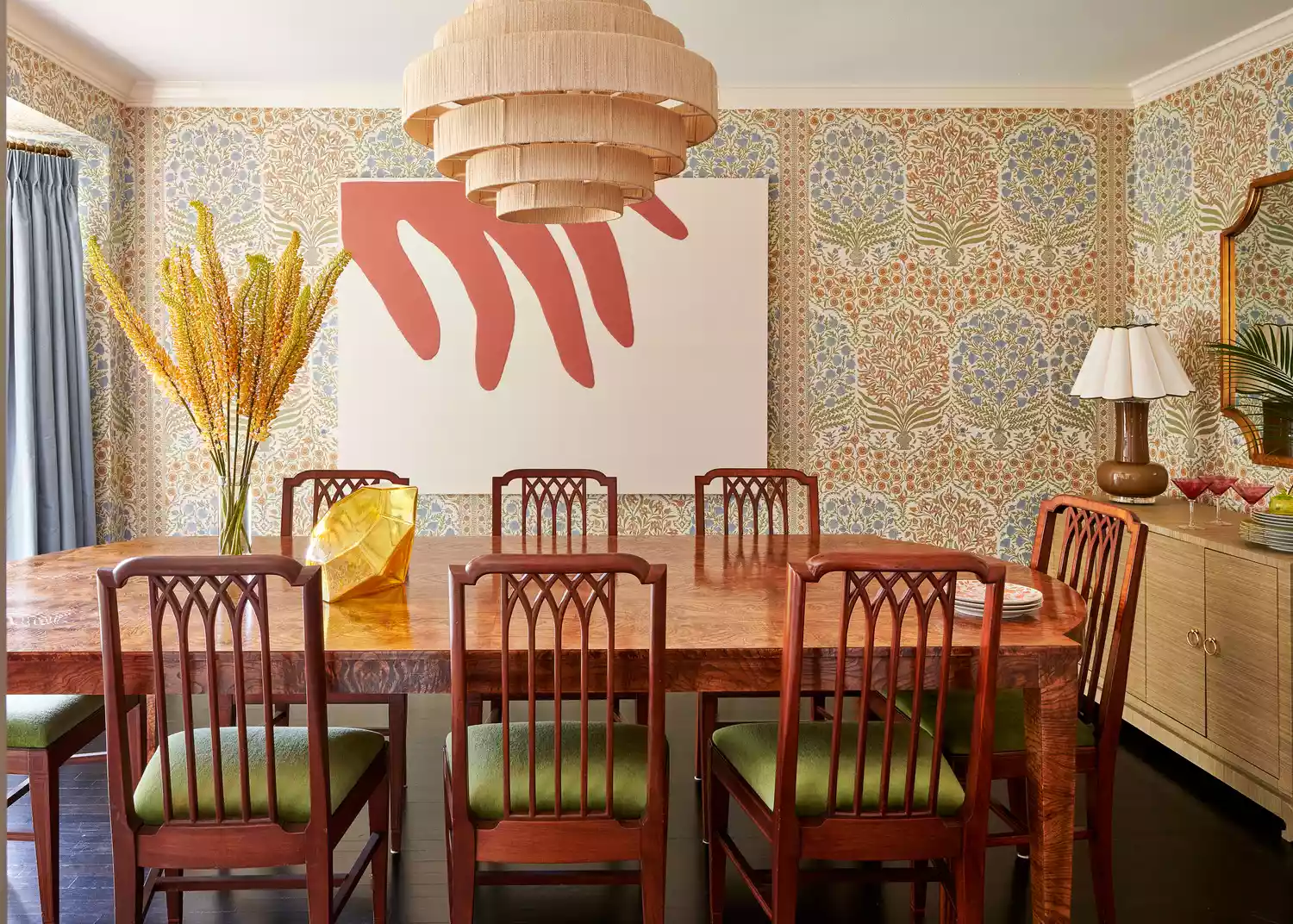
6 Decor Trends From The '70s That Are Making A Comeback
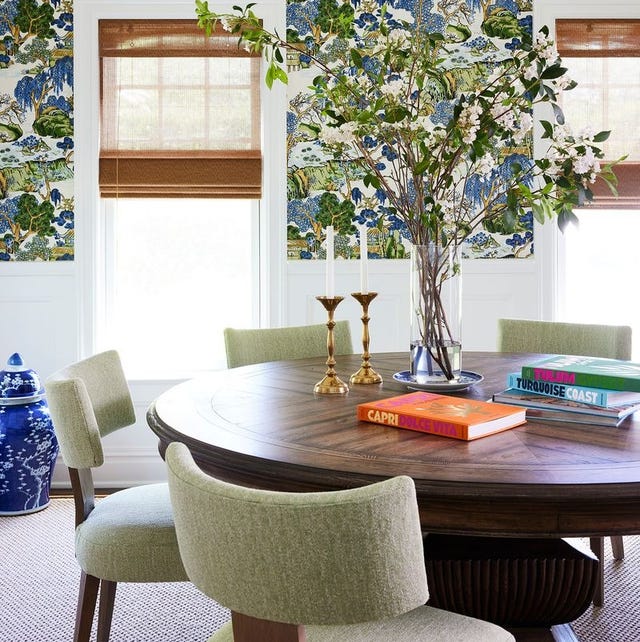
2024 Needs to Be the Year You Finally Commit to Wallpaper
People Are Revealing The "Outdated" Home Design Trends From The '80s That Need To Come Back
These 12 Art Deco Living Rooms Make a Bold Case for Unapologetic Glamour

70s Color Palettes — 4 Formulas That Work for Homes Today

6 antiques that will always work in modern interiors – and how designers style them
21 "Outdated" Home Design Trends That Are Sooo Much Better Than Modern-Day Trends
8 Interior Design Trends That Will Be Everywhere in 2025